Fashion Trends That Disappeared Overnight
Fashion can be brutally fickle – one minute you’re investing your entire paycheck in the season’s must-have item, the next you’re hiding that same purchase in the back of your closet, wondering what temporary insanity possessed you. While some styles gracefully exit the stage with a lingering farewell tour, others vanish so abruptly that it’s as if they never existed at all.
Here is a list of 17 fashion trends that didn’t just fade away – they practically evaporated overnight.
JNCO Jeans
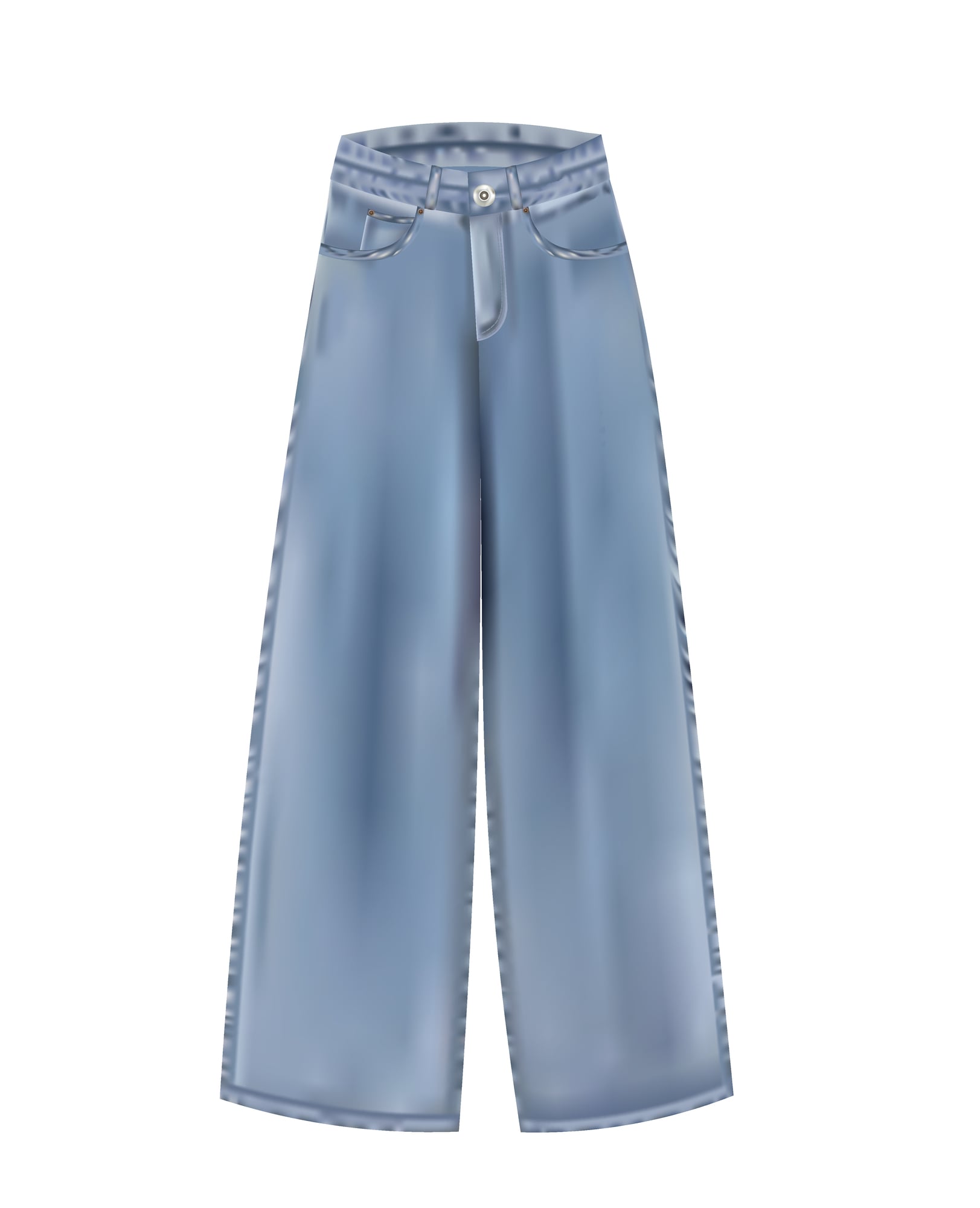
Those impossibly wide-legged denim monstrosities that could house a family of four weren’t just pants – they were social statements that somehow captured the rebellious spirit of 90s youth culture. With leg openings sometimes reaching a ridiculous 50 inches, JNCOs reigned supreme until their spectacular collapse around 1999.
Their popularity plummeted almost overnight when mainstream retailers began carrying them – instantly destroying their countercultural appeal and sending sales tumbling from $186 million to near bankruptcy within eighteen months.
Popcorn Shirts

Remember those bizarrely compressed fabric bundles that somehow expanded to fit any body type? These wrinkled marvels briefly dominated fashion in the late 90s – those strange one-size-fits-all stretchy tops with their distinctive crinkled texture that looked impossibly tiny on the hanger.
Despite their initial novelty appeal, these shirts quickly fell from grace when consumers realized they rarely flattered anyone’s figure and had an annoying tendency to lose their shape after just a few washes – making them perhaps the shortest-lived mall phenomenon of the decade.
Like Go2Tutors’s content? Follow us on MSN.
Platform Sneakers
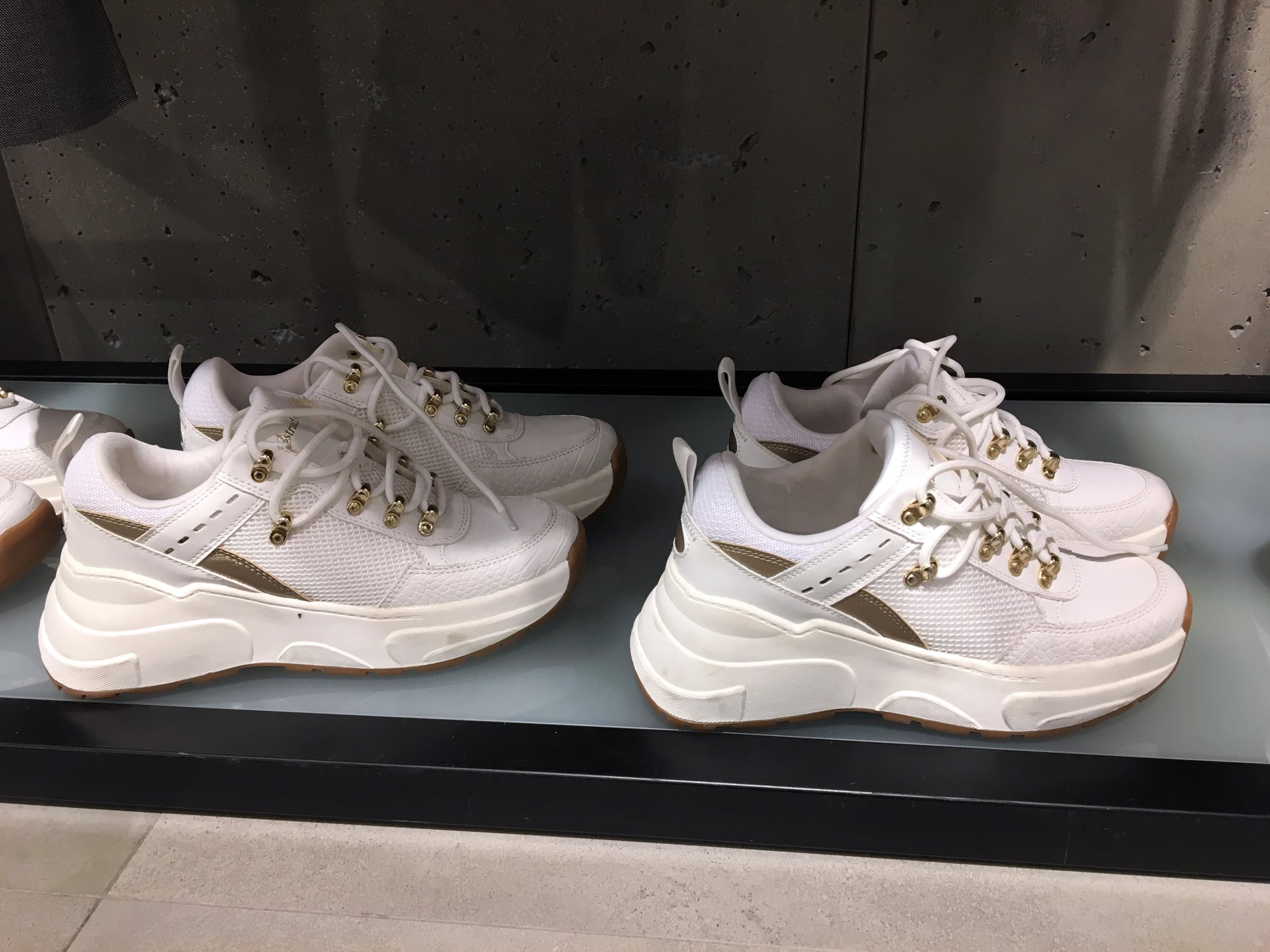
The Spice Girls may have championed them, but even Girl Power couldn’t save platform sneakers from their precipitous fall. These towering footwear creations – offering both extra height and alleged athletic functionality – dominated fashion magazines throughout 1997 before abruptly vanishing from store shelves by 1999.
Their demise was hastened by a wave of ankle injuries, making them not just unfashionable but actively dangerous, with several brands facing lawsuits from wearers who took literal falls in their attempt to stand tall.
Von Dutch Trucker Hats
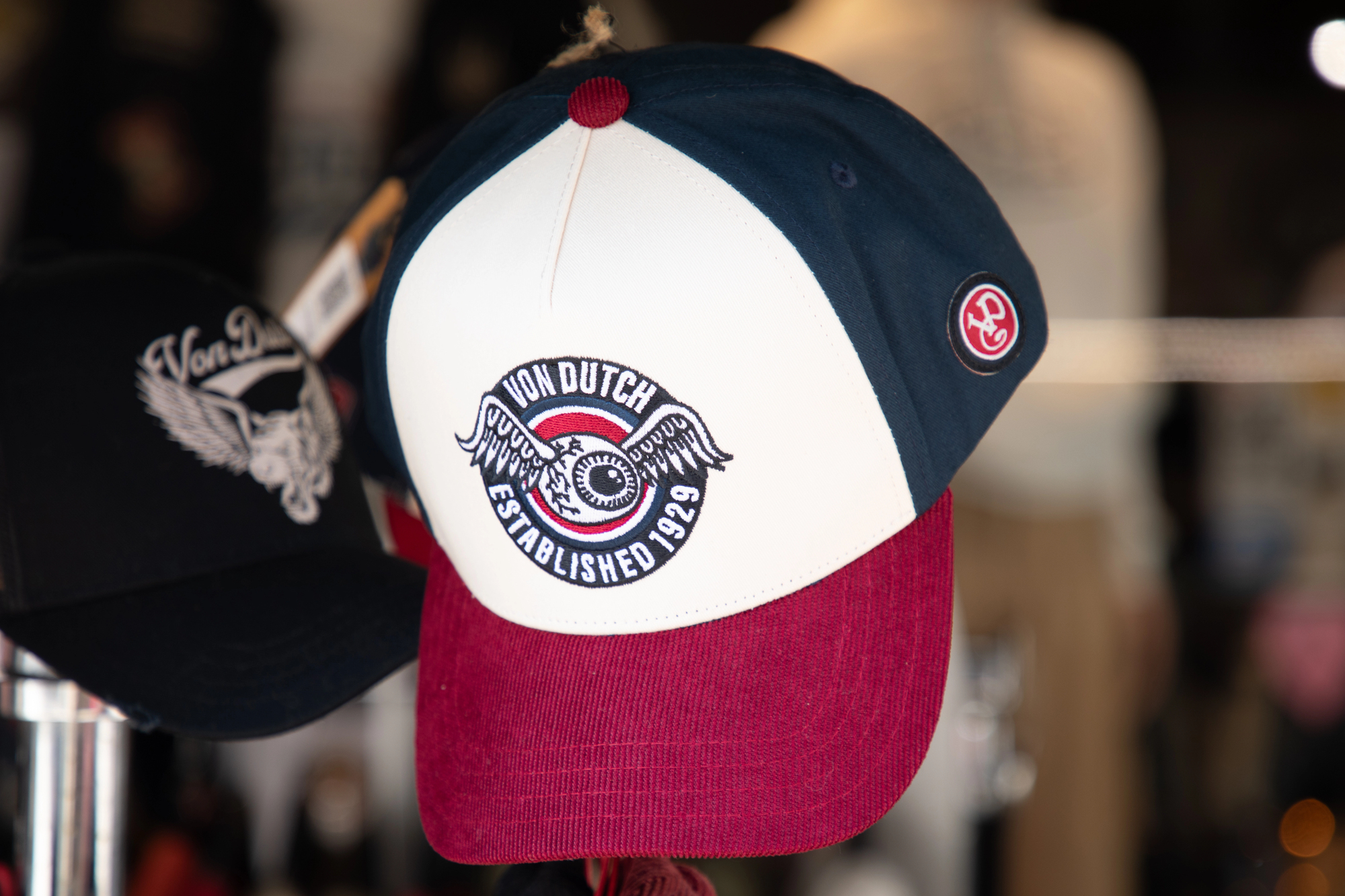
Nothing epitomizes the flash-in-the-pan nature of early 2000s fashion quite like Von Dutch trucker hats. These mesh-backed caps emblazoned with the automotive brand’s logo became absolutely unavoidable in 2003 – spotted atop the heads of every celebrity from Justin Timberlake to Paris Hilton.
Premium prices exceeding $100 didn’t deter fashion followers until the oversaturation reached critical mass. By mid-2004, wearing one instantly marked you as hopelessly behind the curve – transforming from status symbol to fashion liability in roughly six months flat.
Bedazzled Everything
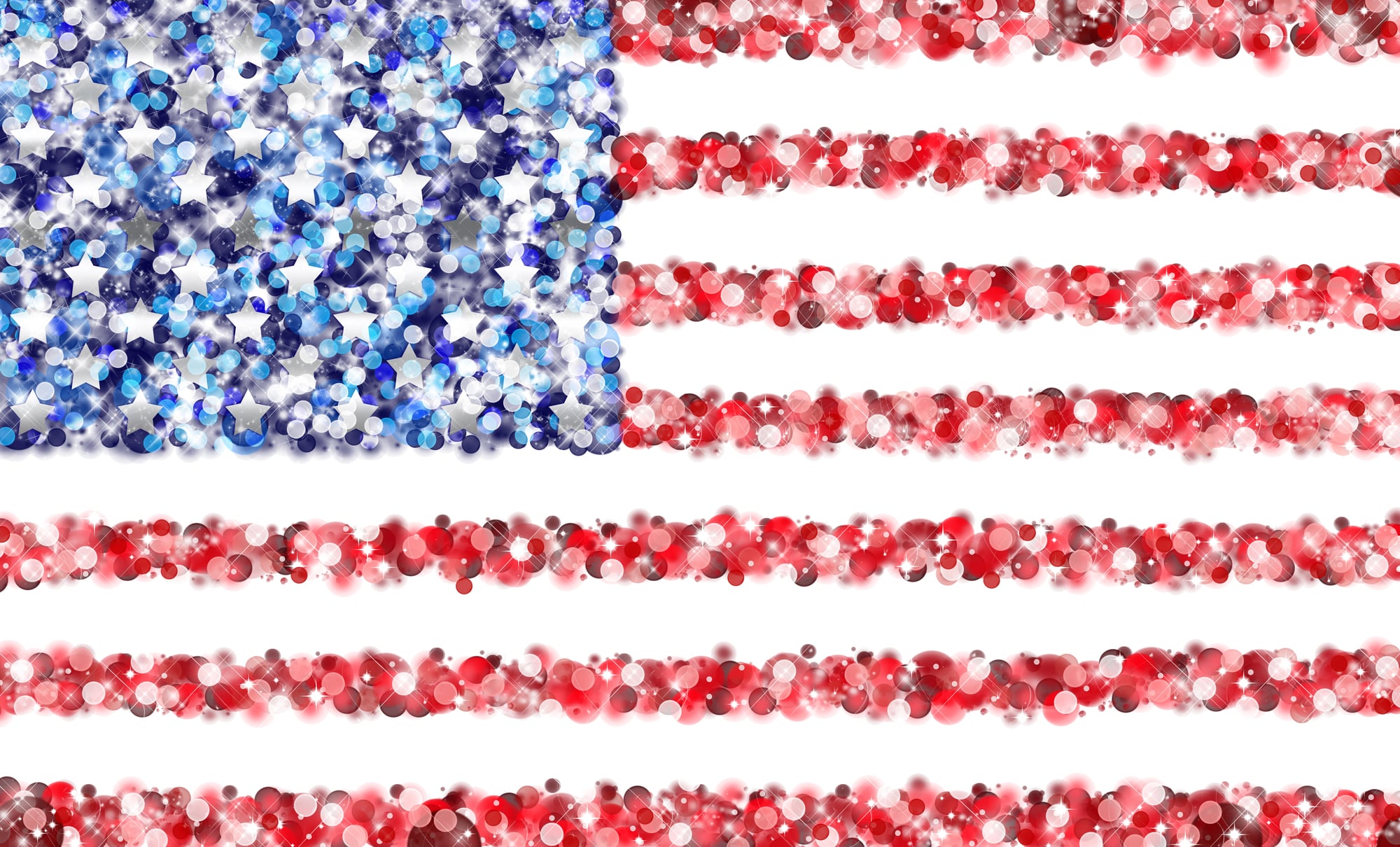
The early 2000s sparkled a bit too brightly thanks to the bedazzling craze that left no surface uncrystallized. From phone cases to jeans pockets, consumers couldn’t resist adding shimmering embellishments to every conceivable item.
This craft store phenomenon migrated to mainstream fashion, with designers charging premiums for pre-bedazzled clothing. The trend’s light dimmed dramatically when celebrities abruptly abandoned their sparkly wardrobes – leaving regular folks looking like walking disco balls without the celebrity endorsement that had initially validated the excessive bling.
Like Go2Tutors’s content? Follow us on MSN.
Low-Rise Jeans
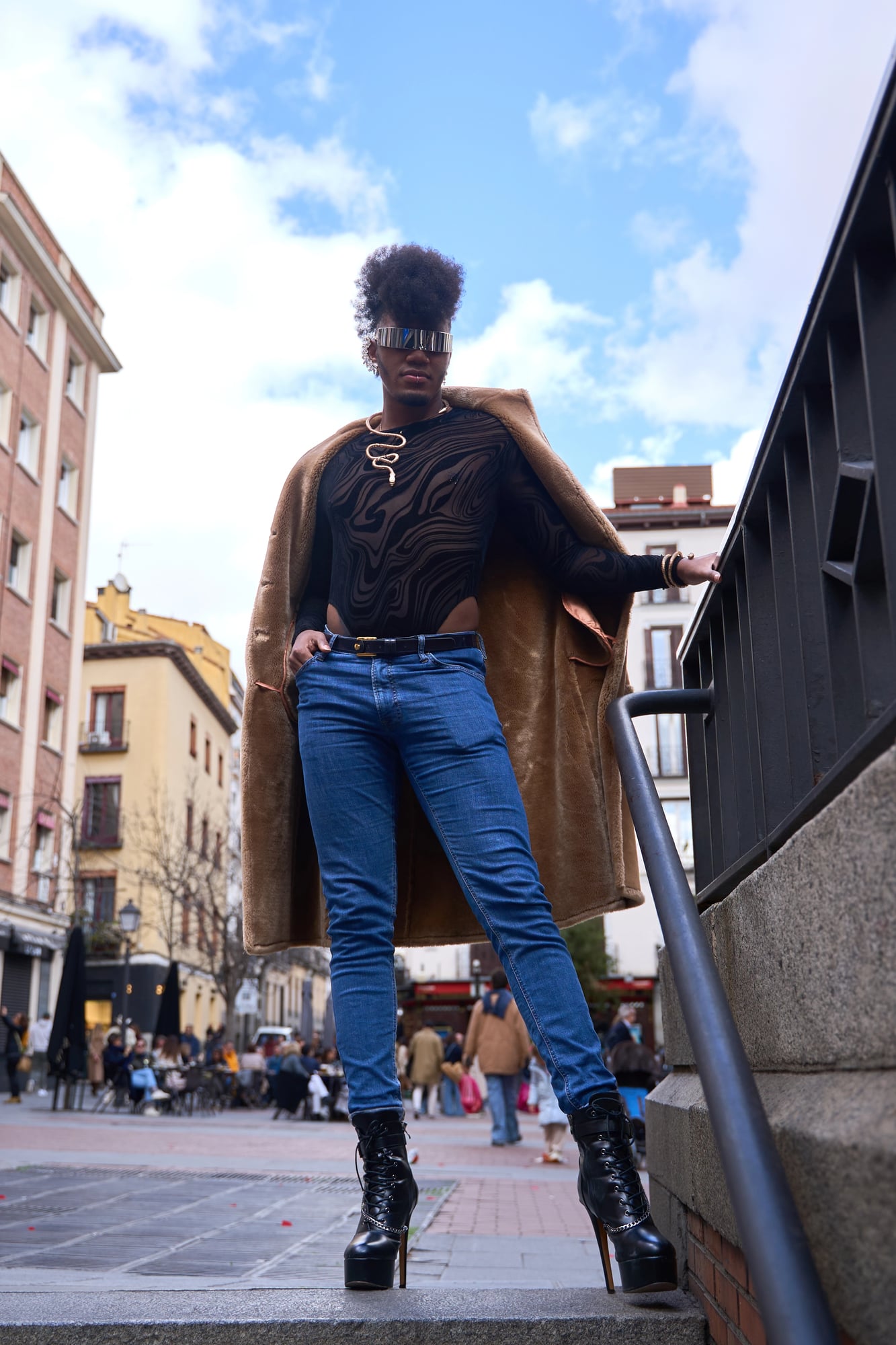
The barely-there waistbands that dominated early 2000s fashion created an entire generation familiar with the term “whale tail.” These ultra-low-slung pants – often revealing much more than intended – vanished practically overnight around 2008 when fashion magazines collectively declared them “over.”
Their demise coincided with a perfect storm of unflattering paparazzi photos, growing body positivity movements, and the simple physical discomfort of constantly pulling up pants that seemed determined to fall down. When high-waisted alternatives emerged, the switch happened with astonishing speed.
Livestrong Bracelets
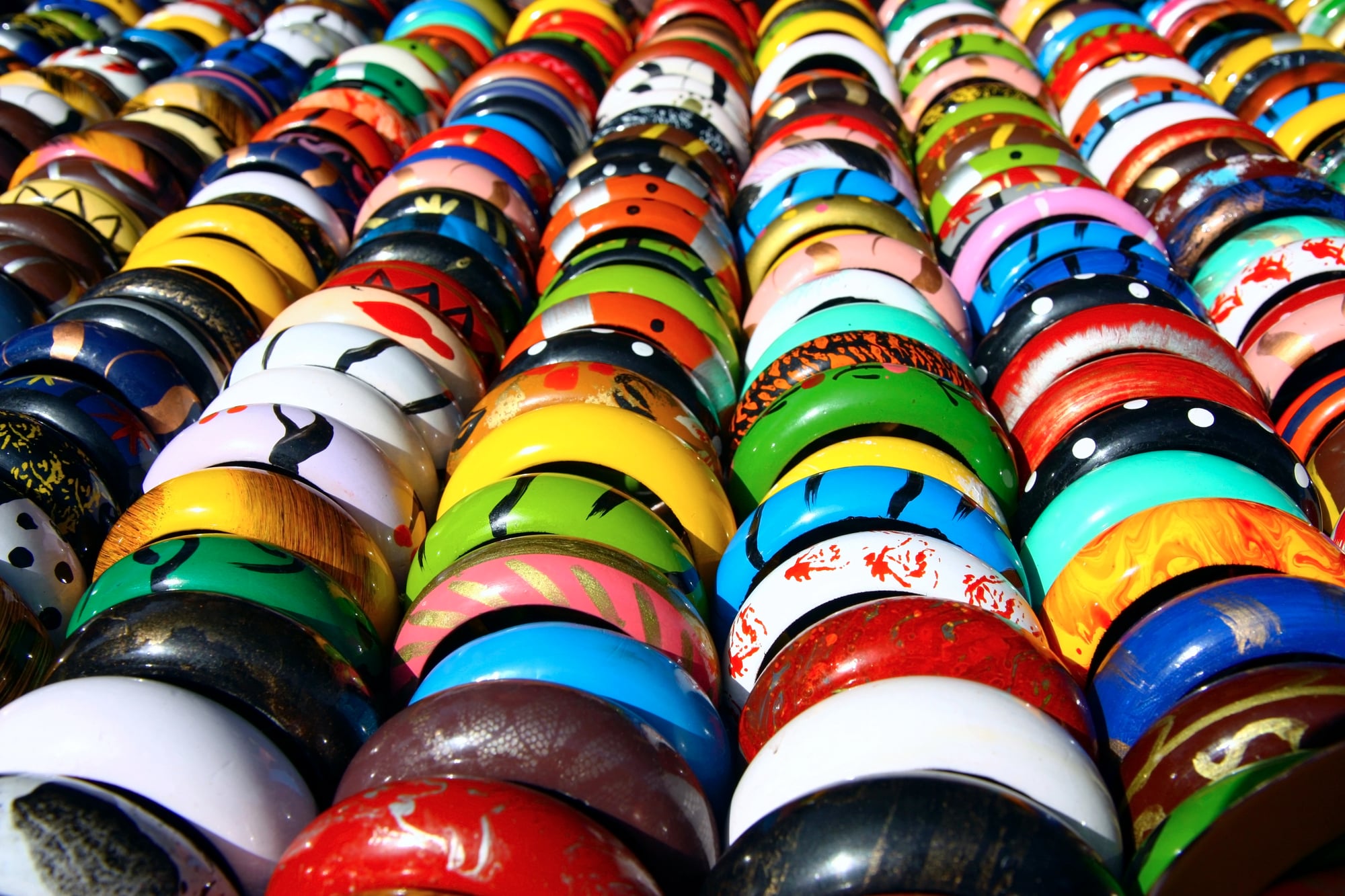
Before they represented broken promises, these yellow silicone bands adorned millions of wrists as symbols of cancer awareness and support. The Livestrong bracelet phenomenon exploded in 2004, with over 80 million sold, inspiring countless charitable imitations.
Their spectacular collapse coincided with Lance Armstrong’s doping scandal revelations – transforming overnight from a meaningful fundraising tool to an embarrassing reminder of misplaced trust. Wearing one post-confession became socially awkward, and millions of bracelets transitioned from wrists to drawers to trash bins in record time.
Juicy Couture Tracksuits

These velour status symbols with “Juicy” emblazoned across the backside reigned supreme in celebrity fashion circles throughout the early 2000s. Costing upwards of $200, the matching sets became shorthand for a certain brand of casual luxury – until they suddenly weren’t.
Their swift downfall around 2008 coincided with the financial crisis, making such ostentatious leisurewear seem tone-deaf amid economic struggles. The company’s failure to evolve beyond their signature look sealed their fate, with even Paris Hilton – their biggest ambassador – abandoning the once-coveted suits.
Like Go2Tutors’s content? Follow us on MSN.
Puka Shell Necklaces

These beachy accessories enjoyed surprising longevity until their abrupt disappearance. Originally associated with surfer culture, these white shell necklaces somehow infiltrated mainstream fashion in the late 90s and early 2000s.
Their precipitous fall came when several tastemaking celebrities simultaneously abandoned them – creating an overnight shift that transformed them from casual cool to cringeworthy. The speed of their demise left many wearers unaware they had become walking fashion jokes until well after the trend had expired.
Buffalo Platform Shoes
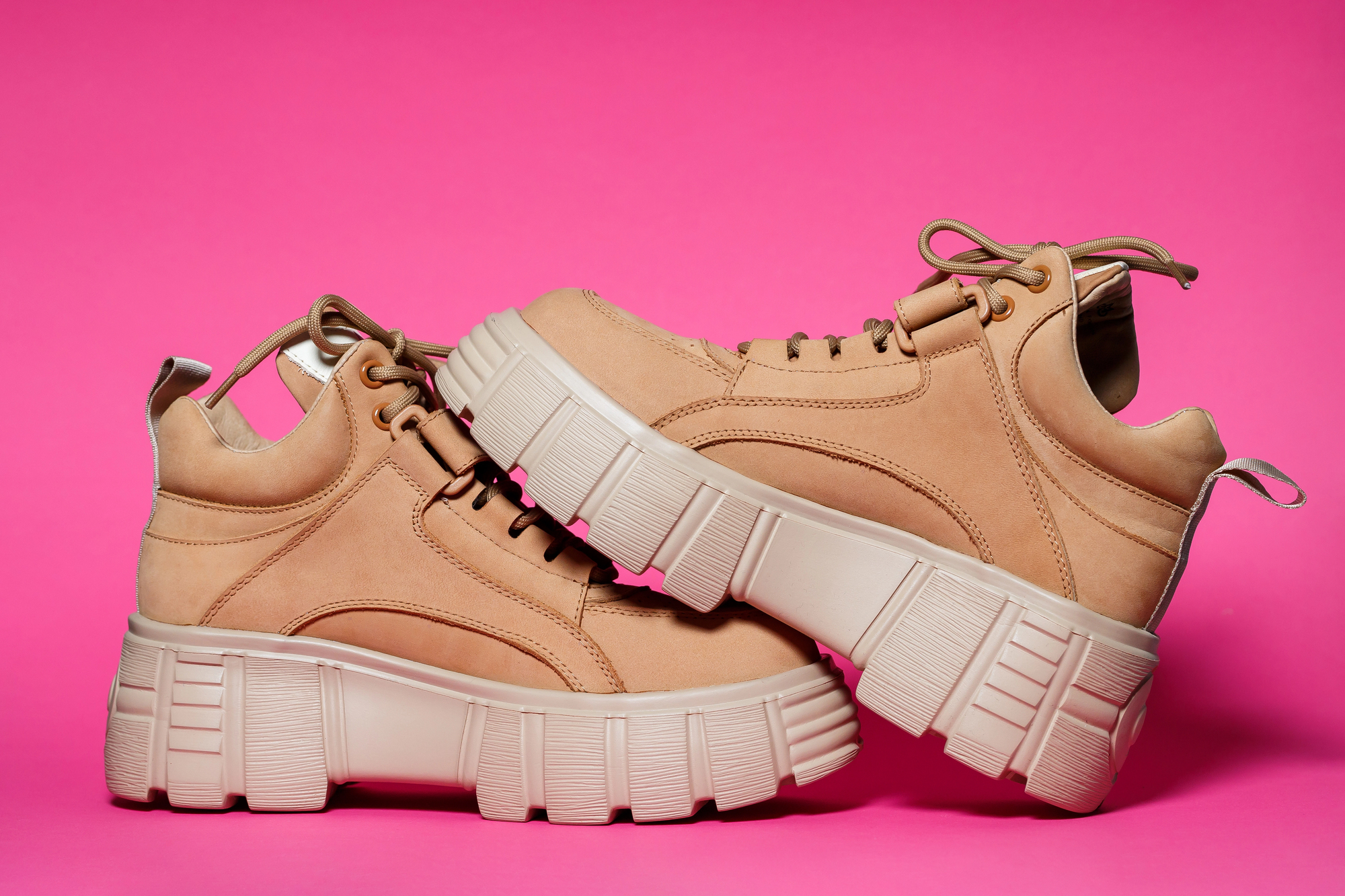
These towering club staples with their distinctive chunky silhouette briefly dominated European and American fashion scenes in the late 90s. Standing several inches tall and instantly recognizable, Buffalo platforms represented nightlife culture at its most extreme – until they didn’t.
Their dizzying fall coincided with the post-9/11 fashion shift toward understated styles. Practically overnight, these once-coveted shoes became symbols of dated excess, relegated to the back of closets worldwide as wearers embraced more subdued footwear choices.
Wallet Chains
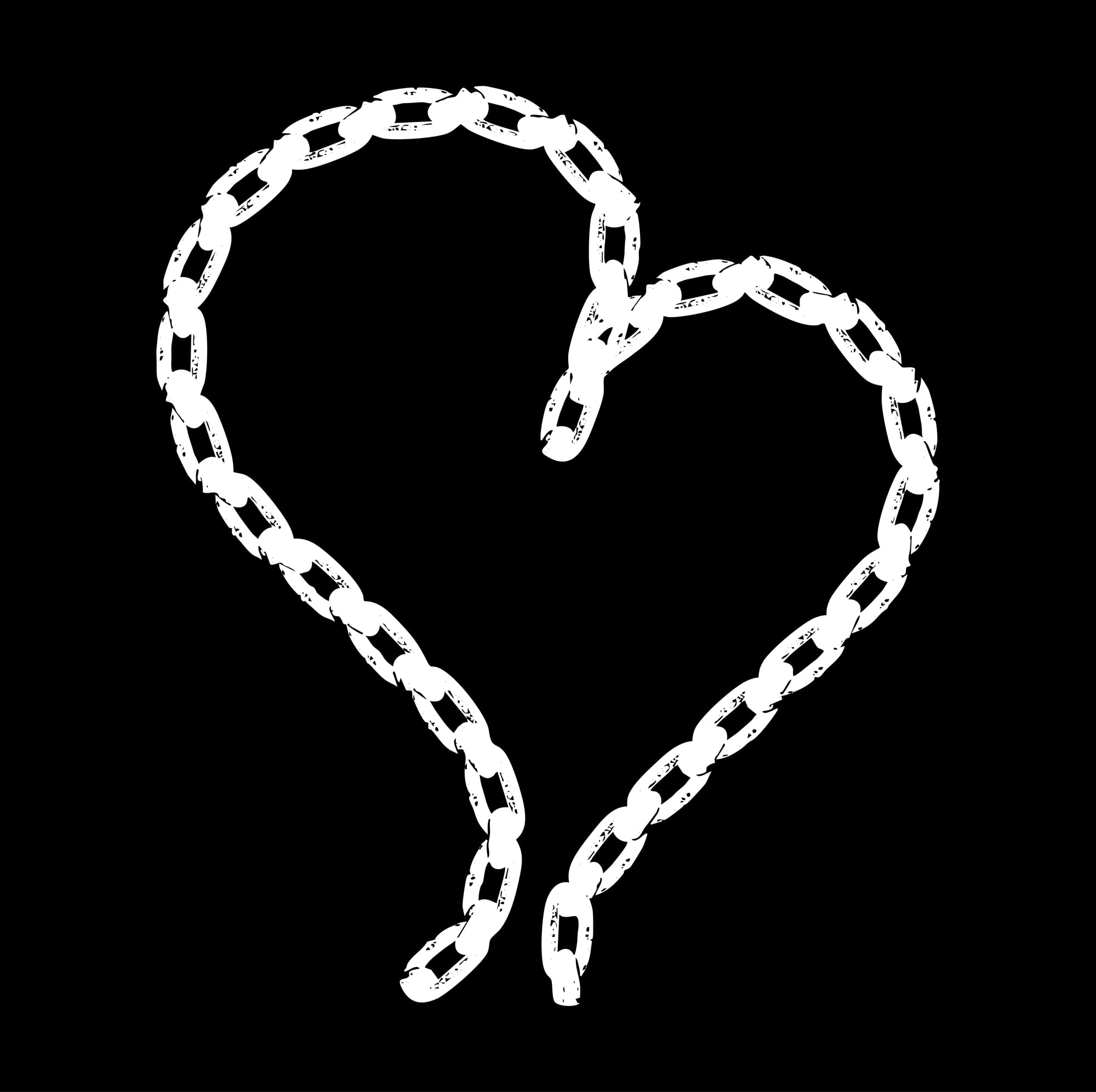
These dangly metal accessories – supposedly designed to prevent theft but primarily serving as fashion statements – enjoyed unexpected popularity throughout the 90s across various subcultures. From skaters to nu-metal fans, the jangling chains connected belt loops to wallets until their sudden vanishing act around 2002.
Their demise coincided with increased airport security measures post-9/11, when the metal accessories began triggering alarms and causing travel delays. What once signified rebellious cool became a practical liability overnight.
Like Go2Tutors’s content? Follow us on MSN.
Ed Hardy Everything
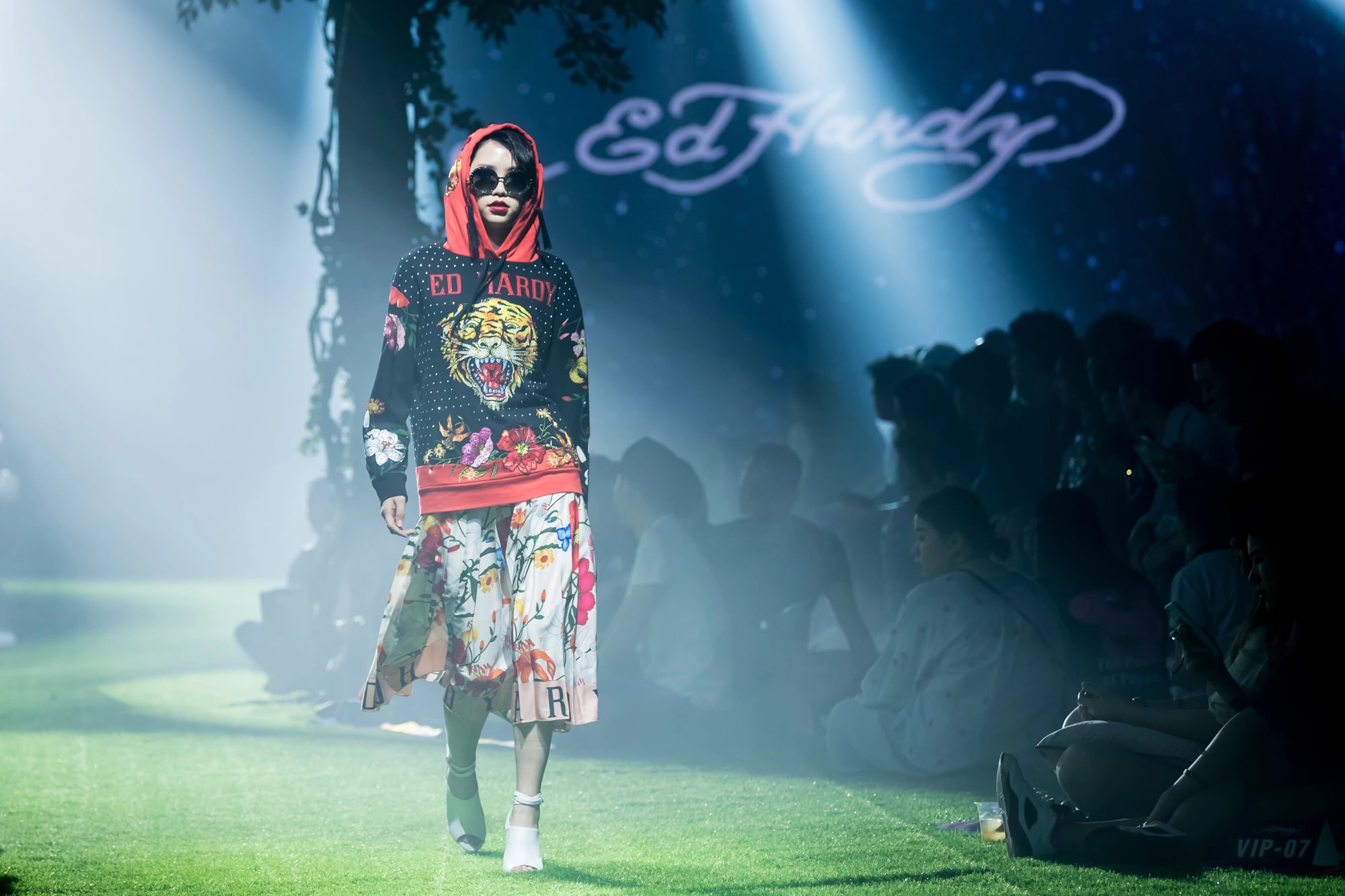
Don Audigier’s wildly colorful, tattoo-inspired designs plastered on everything from t-shirts to vodka bottles experienced perhaps the most dramatic rise and fall in fashion history. These loud, rhinestone-encrusted designs commanded premium prices until their spectacular market collapse around 2010.
Their downfall stemmed from overexposure and unfortunate associations with reality TV stars from shows like “Jersey Shore,” transforming them from exclusive streetwear to widely mocked symbols of questionable taste in roughly 18 months flat.
Leisure Suits
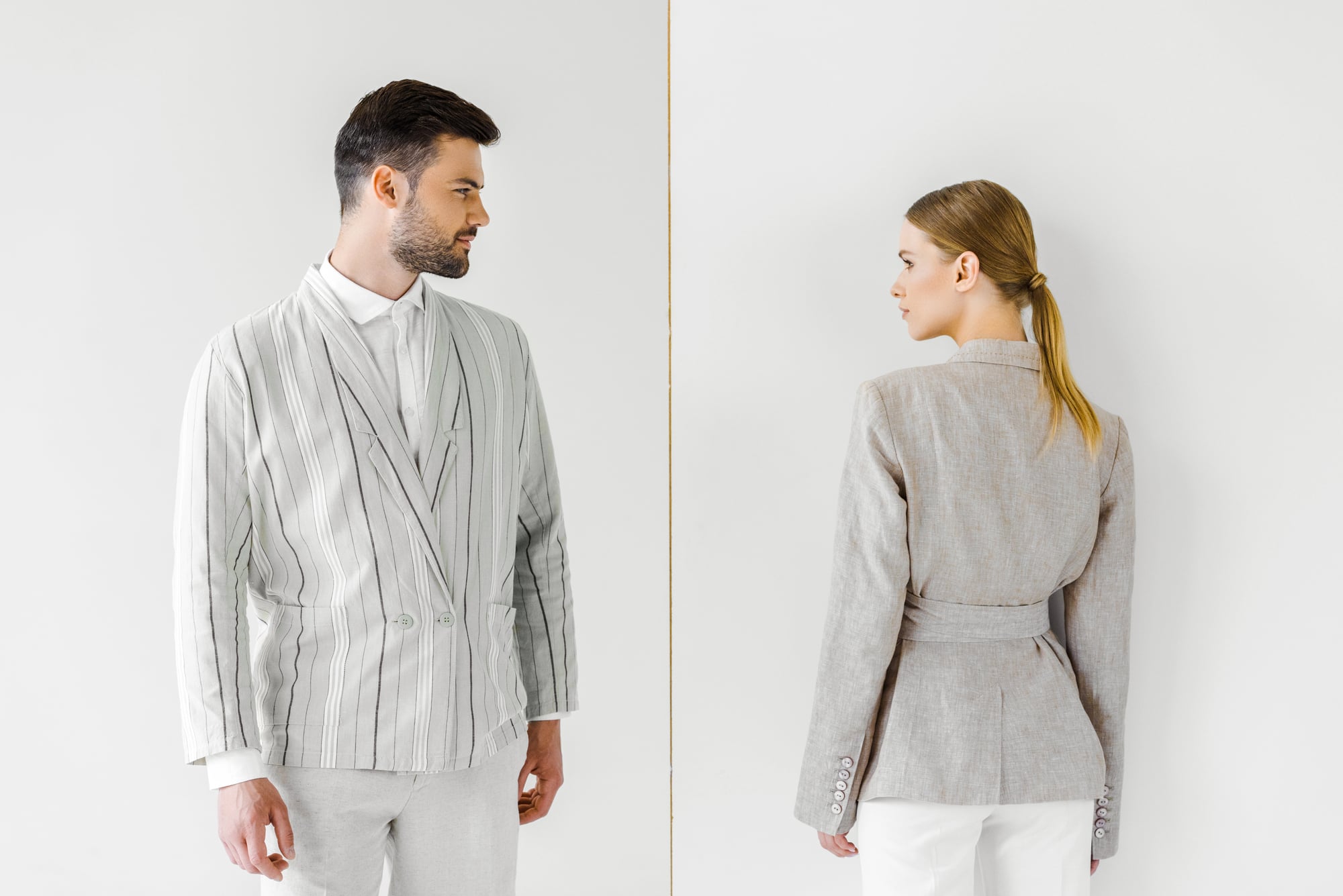
While their true heyday came in the 1970s, leisure suits experienced a brief, ironic revival in the late 90s before disappearing with remarkable speed. These matching polyester jacket-and-trouser combinations briefly returned as nightlife attire with a knowing wink to disco-era excess.
Their renaissance ended abruptly when several influential designers simultaneously abandoned the retro reference in their collections – creating a domino effect that made continuing to wear them socially risky. The revival lasted approximately one season before complete extinction.
Clear Plastic Accessories

Transparent handbags, belts, and even shoes enjoyed bizarre popularity throughout 2018, with luxury brands charging premium prices for items that revealed all their contents. Privacy concerns eventually trumped fashion statements as consumers tired of displaying personal items to the world.
The trend’s demise accelerated when several celebrities were photographed with embarrassing items visible in their clear purses – proving that sometimes, fashion transparency has unintended consequences. By early 2019, these see-through accessories had virtually vanished from store shelves.
Like Go2Tutors’s content? Follow us on MSN.
Tiny Sunglasses
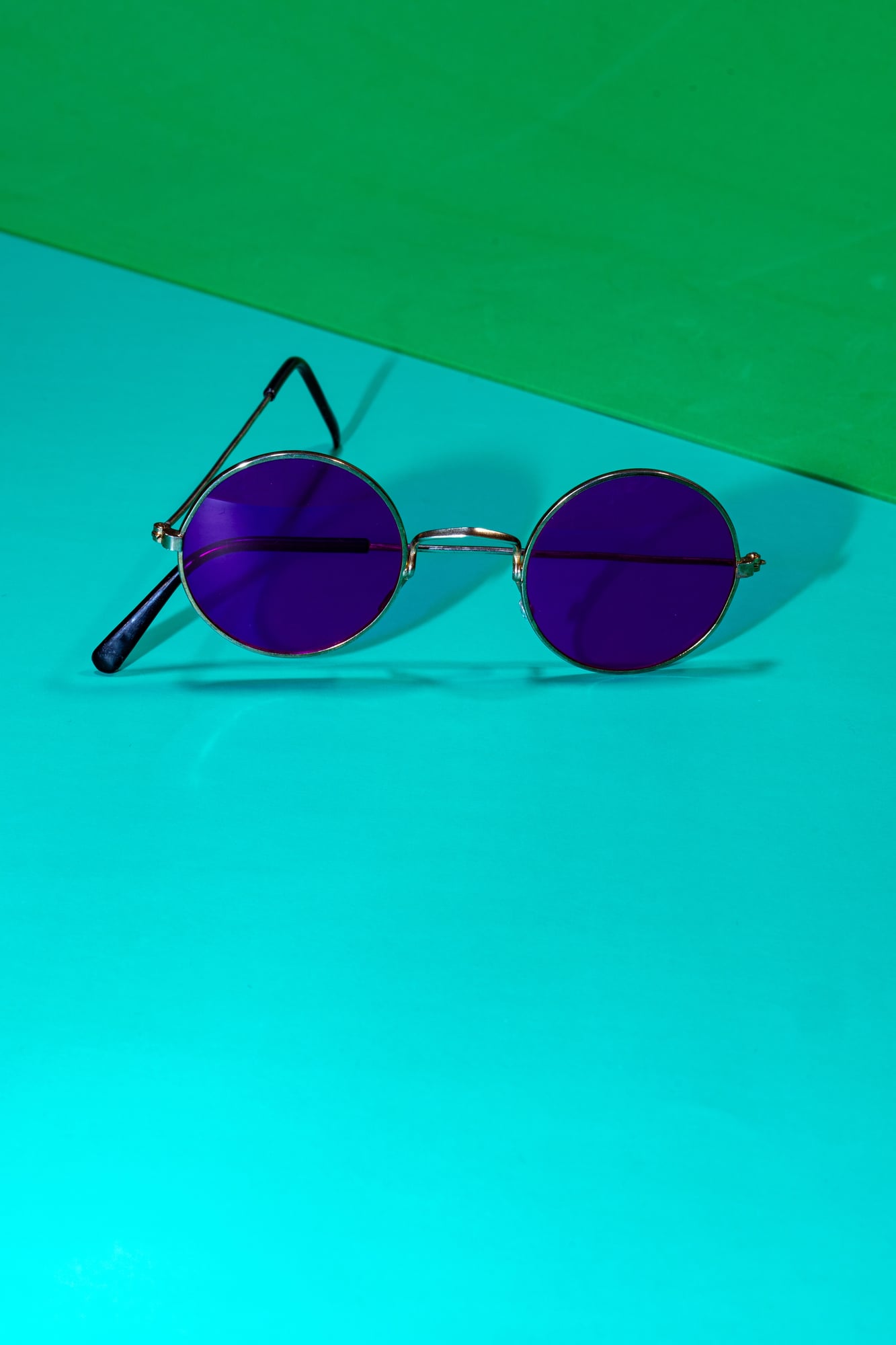
These minuscule frames that barely covered the eyes represented peak 90’s revival fashion around 2017. Championed by models and influencers despite offering minimal sun protection, they dominated Instagram feeds until their abrupt disappearance in late 2019.
Their downfall came when several major celebrities publicly mocked the impractical accessory, triggering a rapid shift toward oversized frames. The transition happened so quickly that retailers were left with unsold inventory of the suddenly undesirable eyewear.
Moon Boots
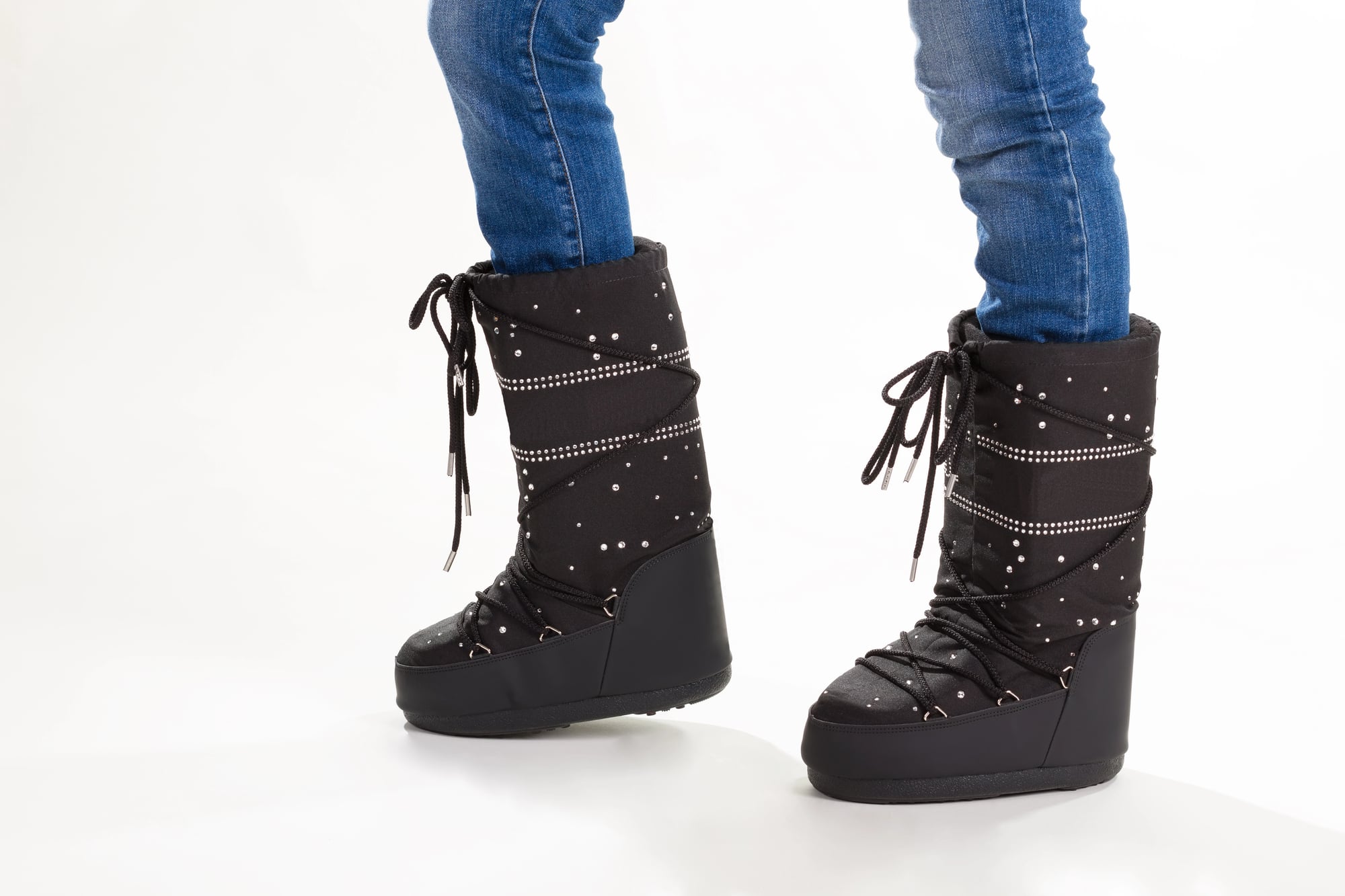
These puffy, astronaut-inspired winter boots experienced multiple comebacks before their most recent disappearance. Their latest revival peaked around 2017 when fashion’s obsession with all things retro brought them back to prominence.
Their fall coincided with increasing environmental awareness, as their bulky synthetic materials came to represent unsustainable fashion excess. The final nail in their cosmic coffin came when several influential sustainable fashion advocates specifically named them as environmentally problematic – triggering an almost overnight shift away from the puffy footwear.
Crackle Nail Polish
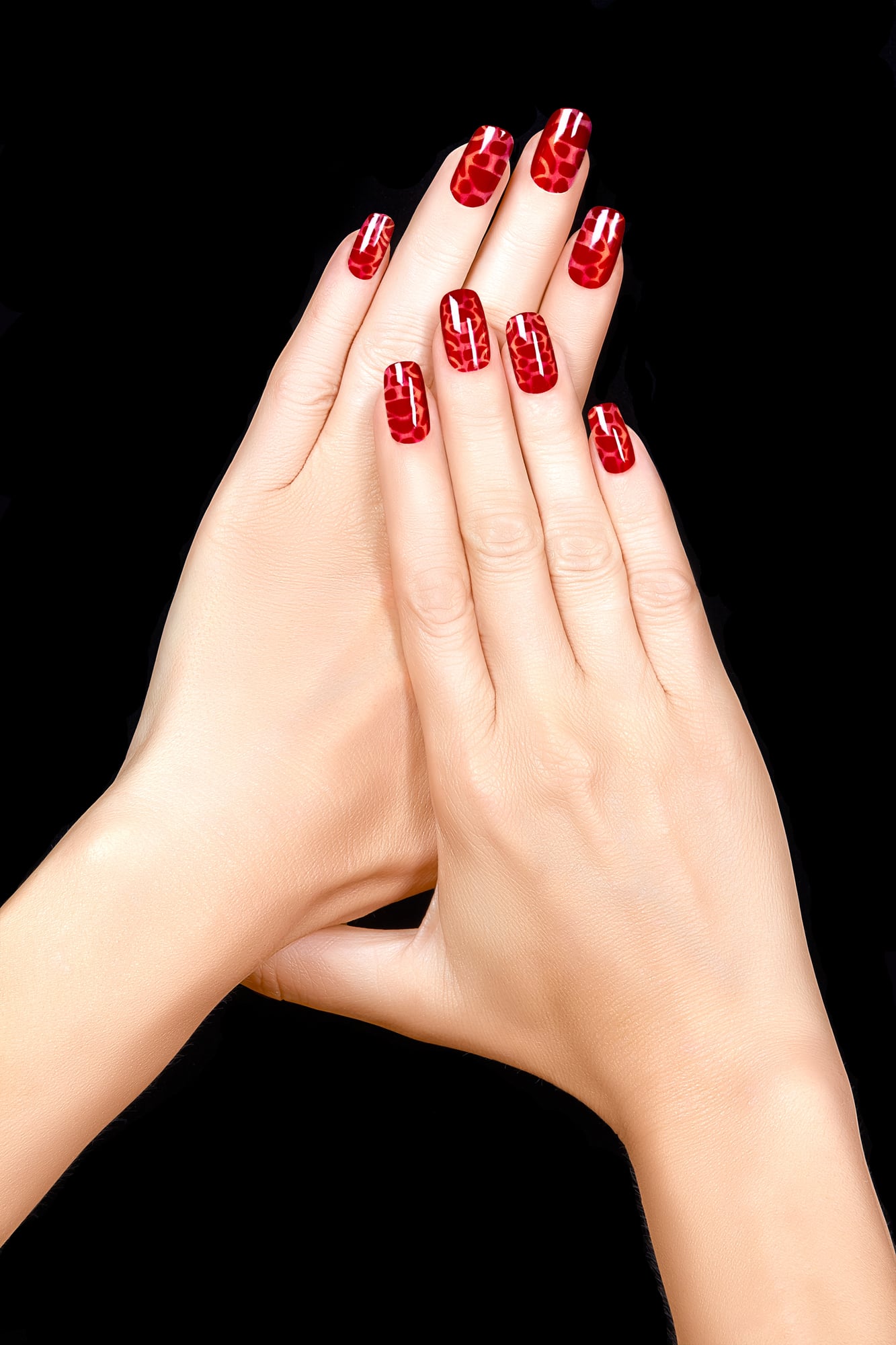
This innovative manicure option which created deliberate fracture patterns enjoyed frenzied popularity in 2012 before vanishing from salon offerings practically overnight. The technique, which involved applying a special topcoat that contracted as it dried to create artistic cracks, fell victim to its own distinctiveness.
When every Instagram feed became saturated with nearly identical crackle manicures, the trend collapsed under the weight of overexposure. By mid-2013, wearing crackle polish marked you as hopelessly behind the trends.
Like Go2Tutors’s content? Follow us on MSN.
The Legacy Lives On
While these trends may have disappeared with surprising speed, they live on in our photo albums, social media archives, and occasional nostalgic revivals. Fashion’s cycle ensures that even the most dramatically abandoned trends may someday return – though perhaps with knowing modifications that acknowledge their previous rise and fall.
The next time you consider investing heavily in the latest must-have item, remember these cautionary tales of trends that didn’t just fade away but vanished overnight – leaving only maxed-out credit cards and slightly embarrassing photos in their wake.
More from Go2Tutors!

- 18 Unexpectedly Valuable Collectibles You Might Have Lying Around
- 20 Little-Known Historical Battles That Had Huge Consequences
- 20 Historical Artifacts That Scientists Can’t Explain
- 15 Inventions That Were Immediately Banned After Being Created
- 20 Actors Who Were Almost Cast in Iconic Roles
Like Go2Tutors’s content? Follow us on MSN.