31 Sears Wish Book Toys Kids Circled
Every autumn, a thick catalog landed in American mailboxes and became the most studied reading material in the house. Kids hunched over the toy pages with a pen, circling, starring, and annotating in a way no teacher ever got from a homework assignment.
The toys below are the kind that filled those pages across several decades. Some were gadgets that felt like the future, some were simple pieces of plastic and tin, and a few were so popular that parents ended up in line at dawn.
The Atari 2600 Video Computer System
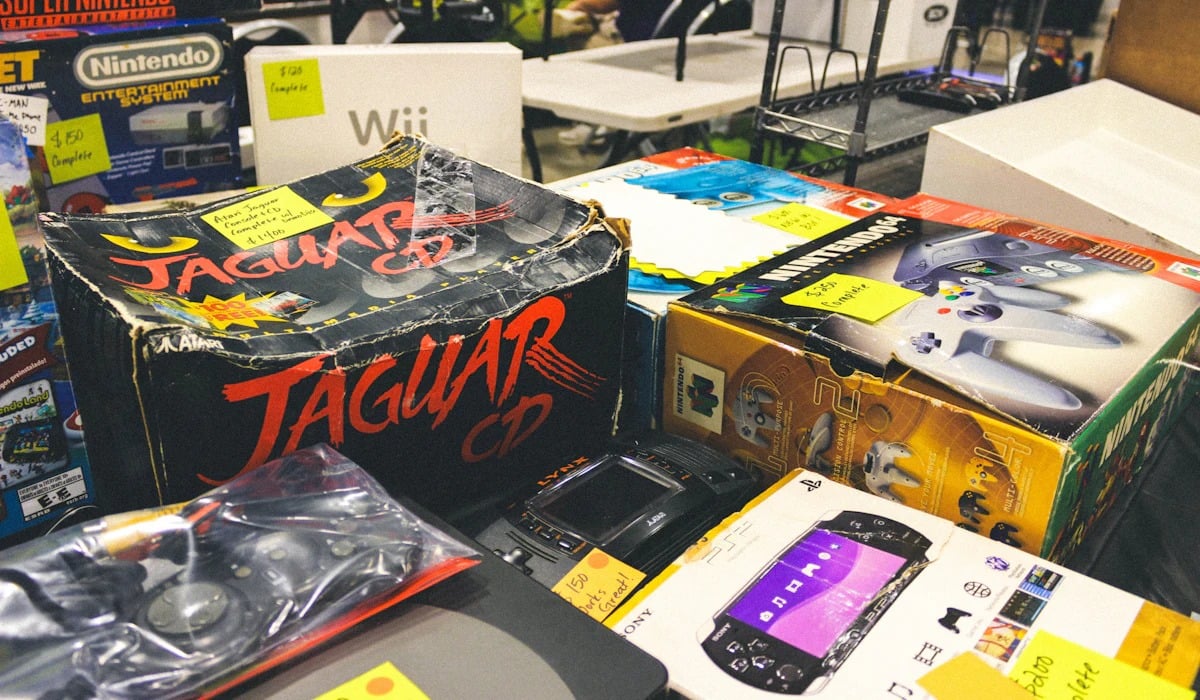
Atari released its home console in 1977 under the name Video Computer System, and it became one of the machines that brought arcade-style play into living rooms. Its faux wood-grain panel made it look like a piece of furniture, which helped it blend in beside the television.
Games came on swappable cartridges, so one purchase could grow into an entire shelf of titles. A single joystick with one red button was all it took to turn a rainy December afternoon into a tournament.
Cabbage Patch Kids
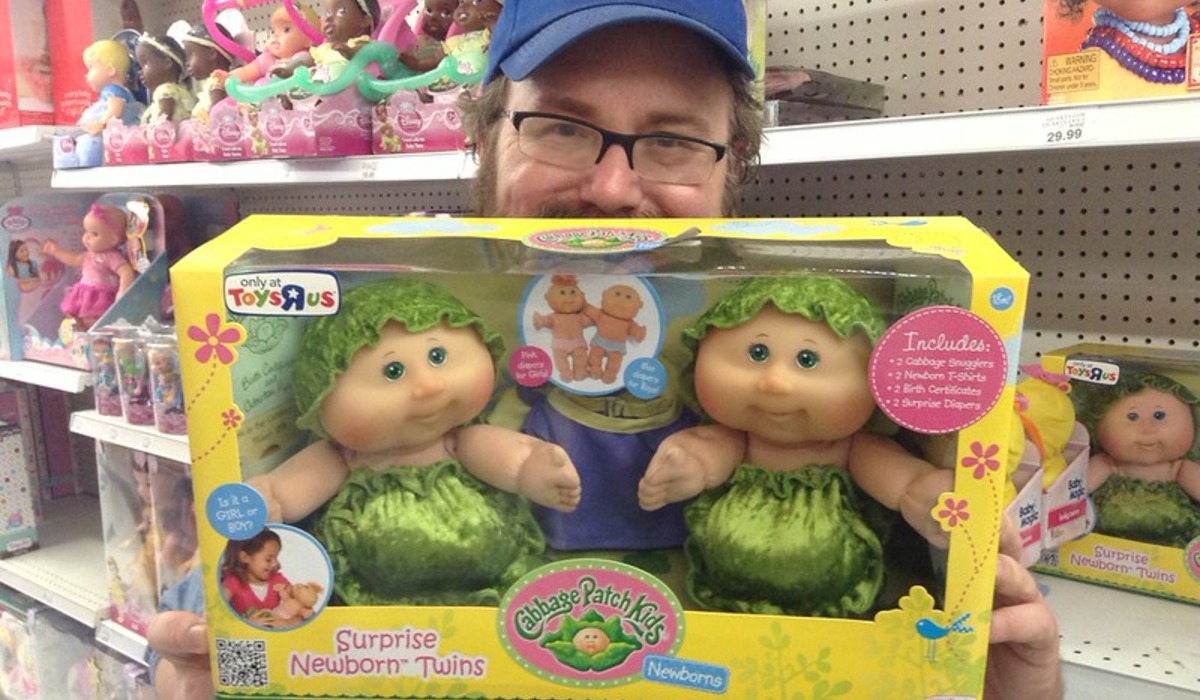
Coleco brought Cabbage Patch Kids to stores in 1983, based on the soft-sculpture dolls of artist Xavier Roberts, who had marketed his earlier creations as Little People. Each doll came with its own name and adoption papers, so no two were quite the same.
Demand that Christmas outran supply so badly that shoppers scuffled over them in store aisles. The scarcity made a child holding one feel like the winner of something.
Lite-Brite
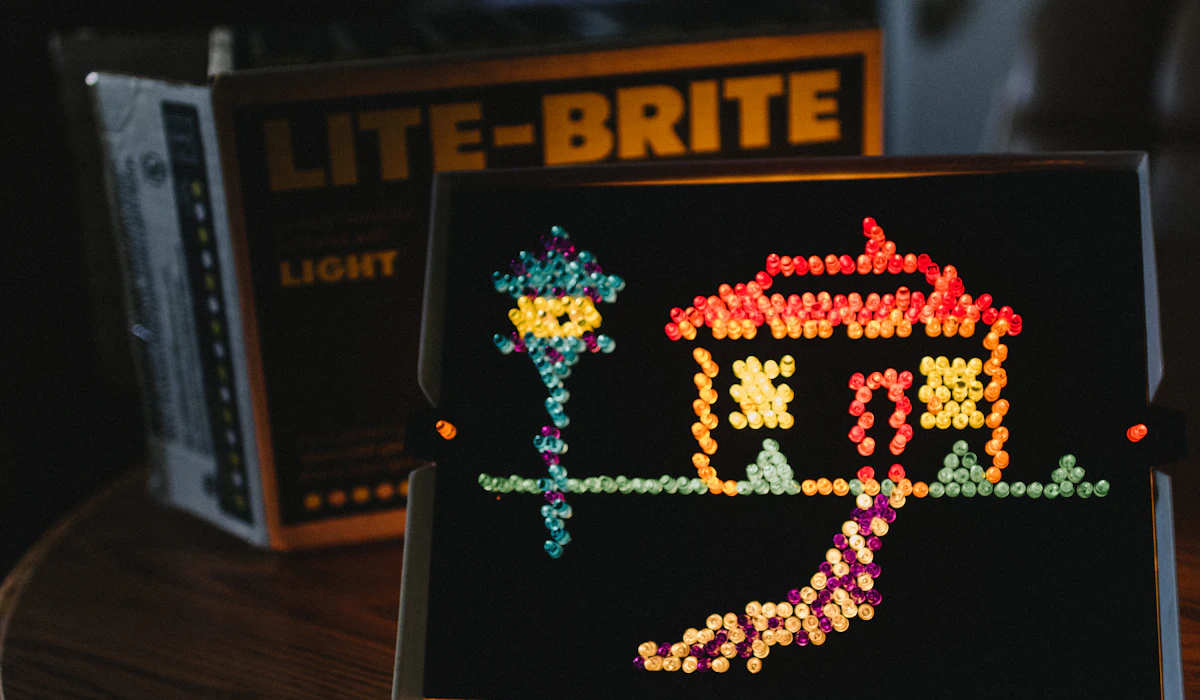
Hasbro introduced Lite-Brite in 1967, and the concept was gloriously simple. Kids pushed colored plastic pegs through sheets of black paper, and a light bulb behind the panel made the finished picture glow.
Refill sheets of pre-printed designs kept the hobby going long after the first pack was used up. A darkened bedroom was the only gallery it needed.
Easy-Bake Oven
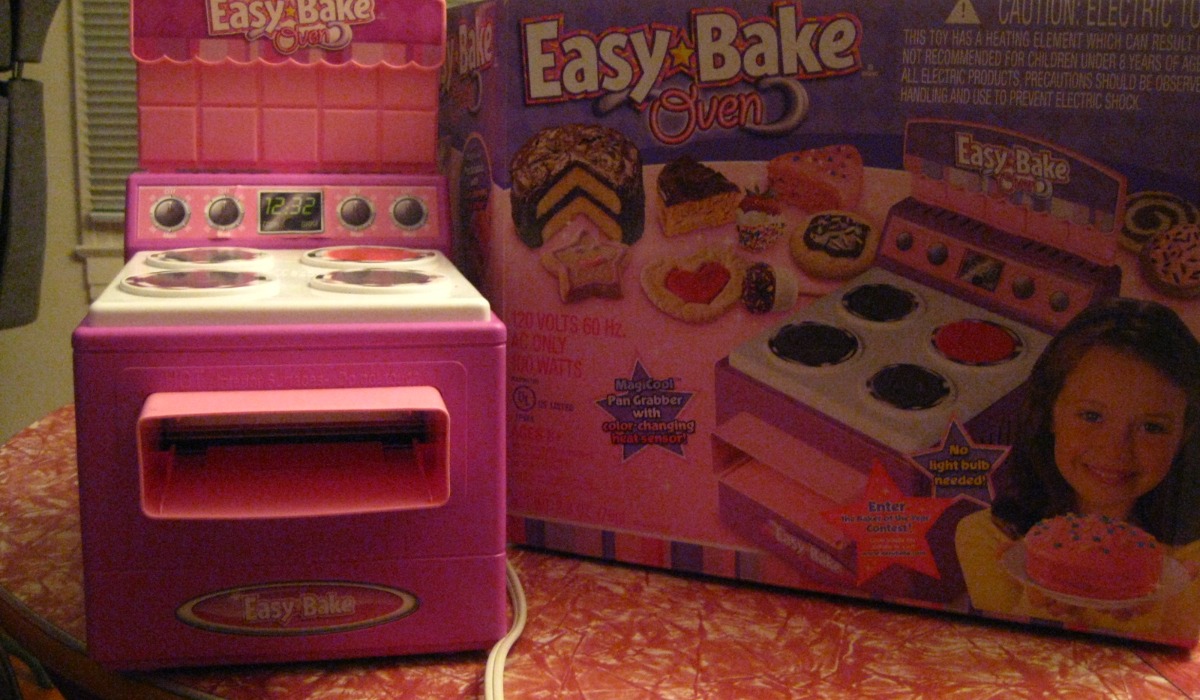
Kenner launched the Easy-Bake Oven in 1963, and it baked tiny cakes using the heat of a light bulb. It arrived with small pans and packets of mix, so a child could produce a miniature dessert without touching the family stove.
The oven became so recognizable that generations of kids could describe the bulb-powered glow from memory. Original examples are collected today, and their value depends heavily on condition and on whether the box and accessories are still present.
The Big Wheel

Marx introduced the Big Wheel in 1969, a low plastic tricycle with an enormous front wheel. Riders sat inches from the pavement and pedaled the front axle directly.
Later versions added a hand brake that could produce a satisfying sideways skid. The design looked nothing like the spindly tricycles that came before it.
Driveways and sidewalks across the country quickly filled with the sound of hard plastic scraping concrete.
The Evel Knievel Stunt Cycle
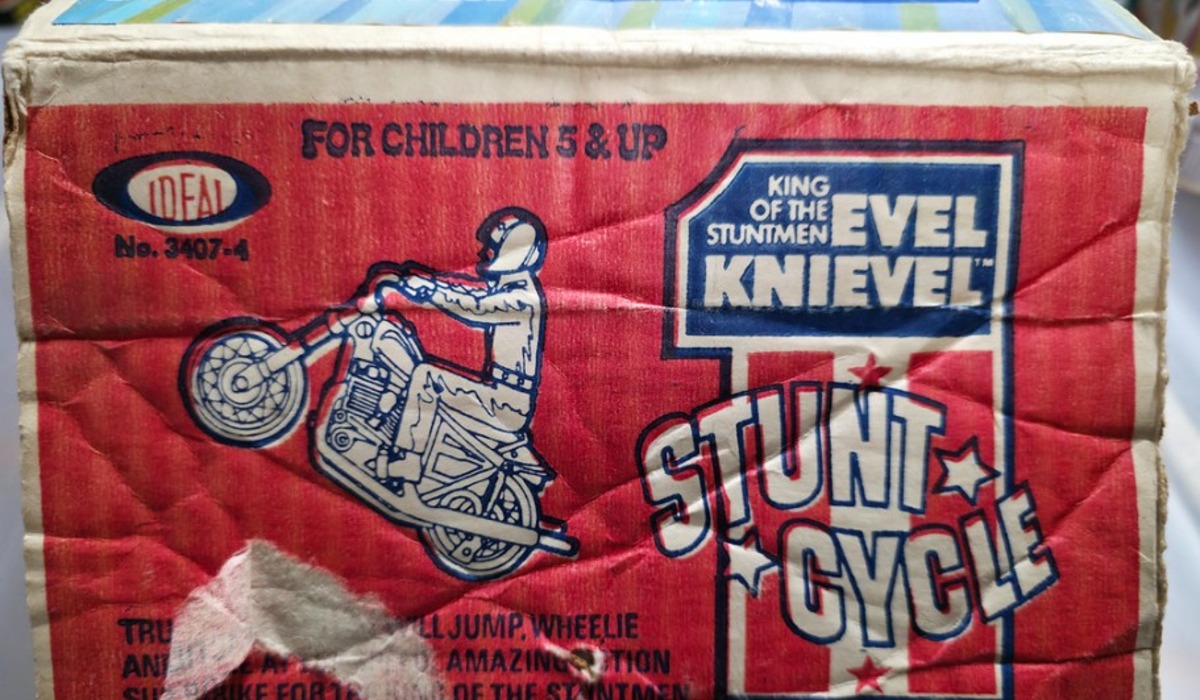
Ideal released the Evel Knievel Stunt Cycle in 1973, capitalizing on the daredevil’s fame. Kids wound up the toy using a hand-cranked gyro launcher, then released the rider across the floor at alarming speed.
The little motorcycle could leap off a ramp and fly further than most parents liked. Vintage sets turn up at collector sales, with value hinging on condition and on whether the original launcher and box survive.
Kenner Star Wars Action Figures
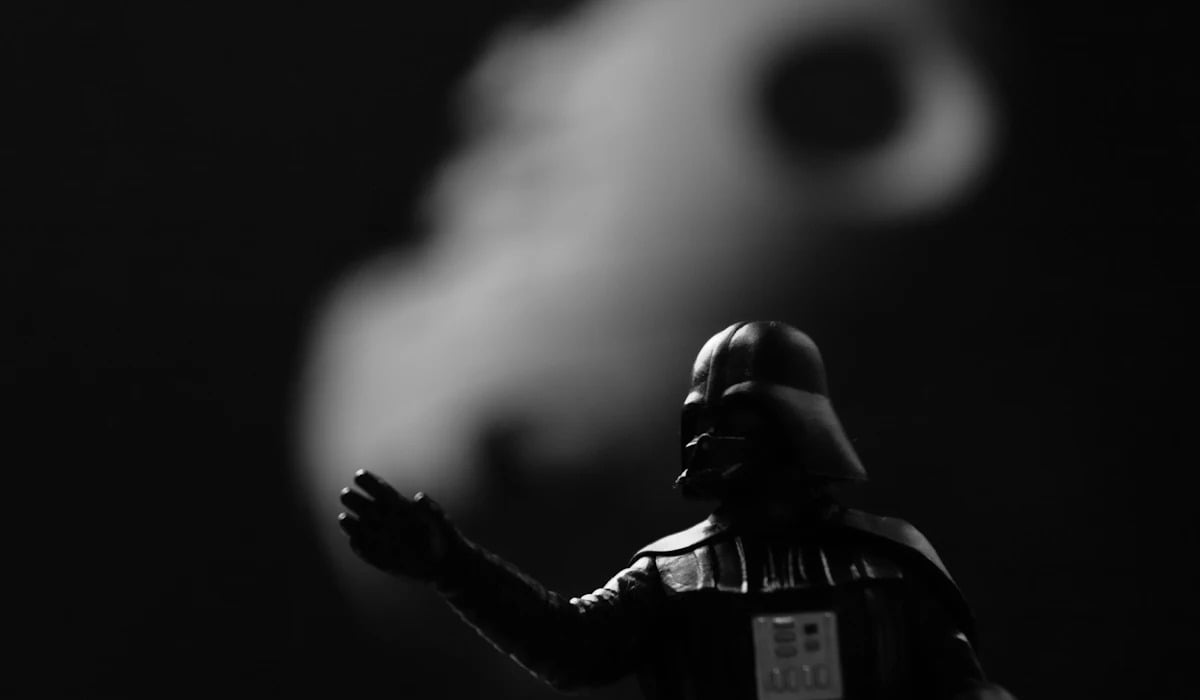
Kenner marketed the first Star Wars action figures in 1978, after the movie’s success caught toy companies unprepared. For Christmas 1977, the company had famously sold an empty box with a certificate promising figures that would arrive later.
Those early figures stood about three and three-quarter inches tall, a size that became an industry standard. Loose figures and carded ones sit in very different price brackets, since condition and packaging drive nearly everything.
Hot Wheels
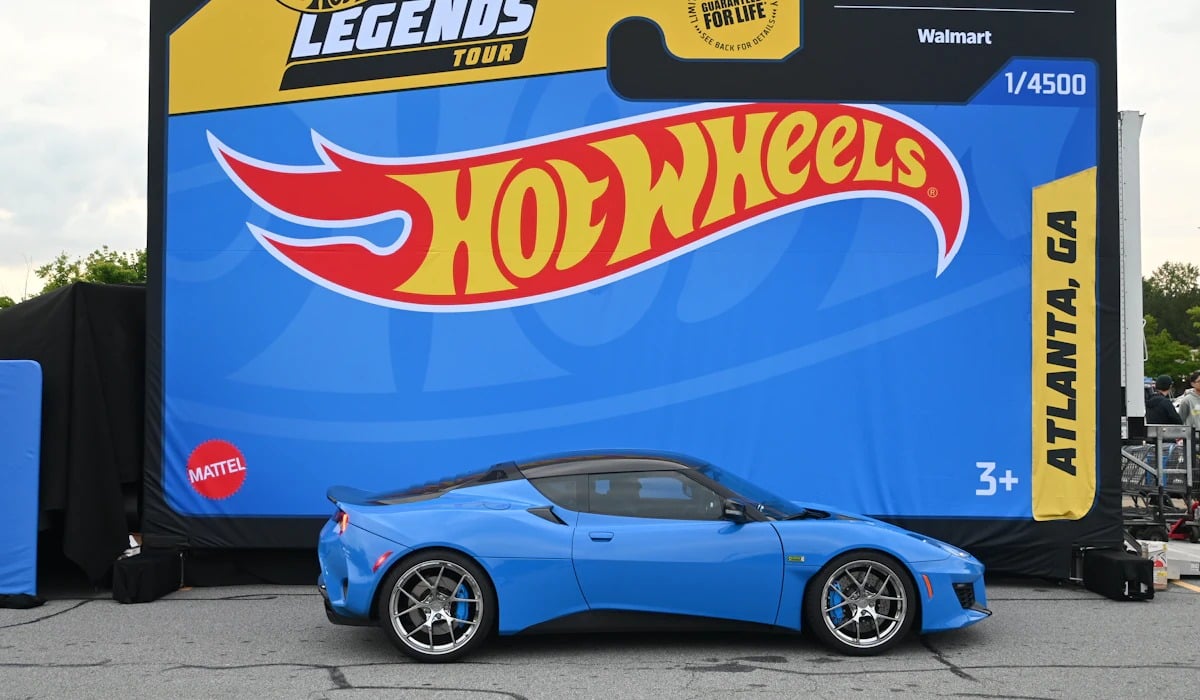
Mattel introduced Hot Wheels in 1968 with an initial lineup of sixteen die-cast cars. The cars were built with low-friction wheels and fast axles, which made them noticeably quicker than competing toy cars.
Orange plastic track gave kids the means to build loops and jumps that looked like they belonged in a stunt show. Early examples are prized by collectors, and their worth depends on paint condition and whether the original blister pack remains.
Etch A Sketch
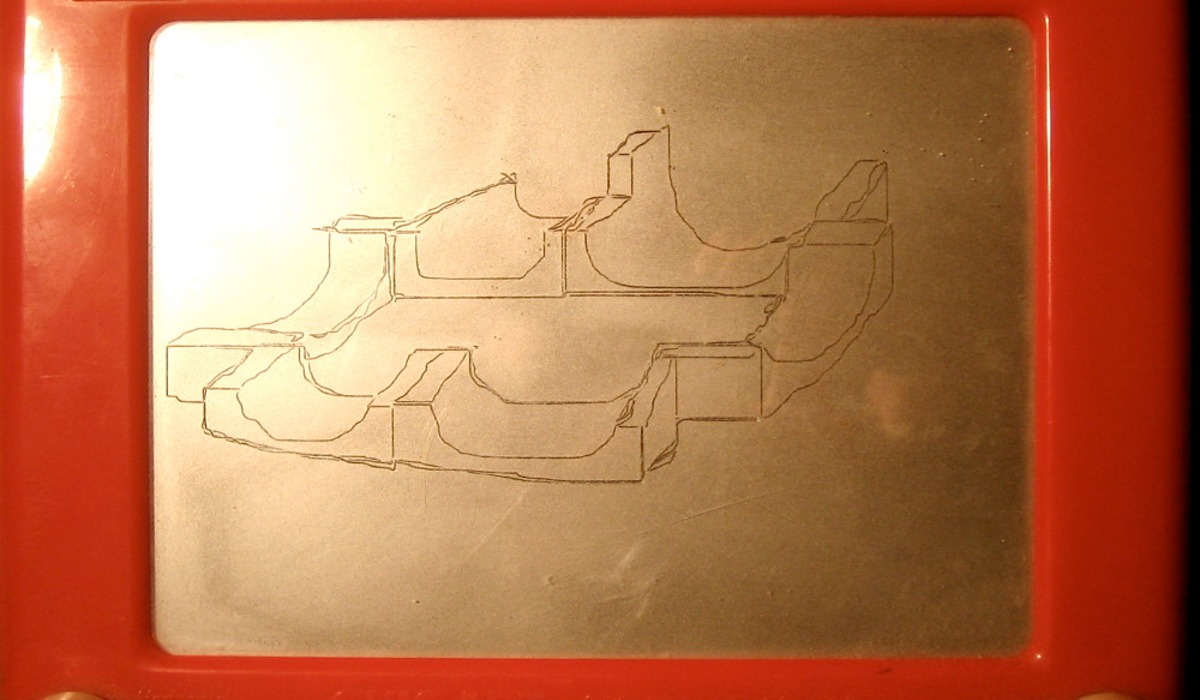
Ohio Art began selling the Etch A Sketch in 1960, based on an invention by French inventor André Cassagnes. Two white knobs moved a stylus behind the glass screen, which scraped a line through a layer of aluminum powder.
Shaking the toy wiped the drawing clean, a built-in reset that every kid enjoyed a little too much. Drawing a curve required a delicate hand, and most children never fully mastered it.
Operation
Milton Bradley introduced the surgery game Operation in 1965, based on a design by John Spinello. Players used tweezers to remove plastic ailments from a patient named Cavity Sam without touching the metal edges.
A single slip made the patient’s red nose light up and a buzzer sound off. The game turned steady hands into a test of nerves that no one could pass while a sibling watched.
Simon
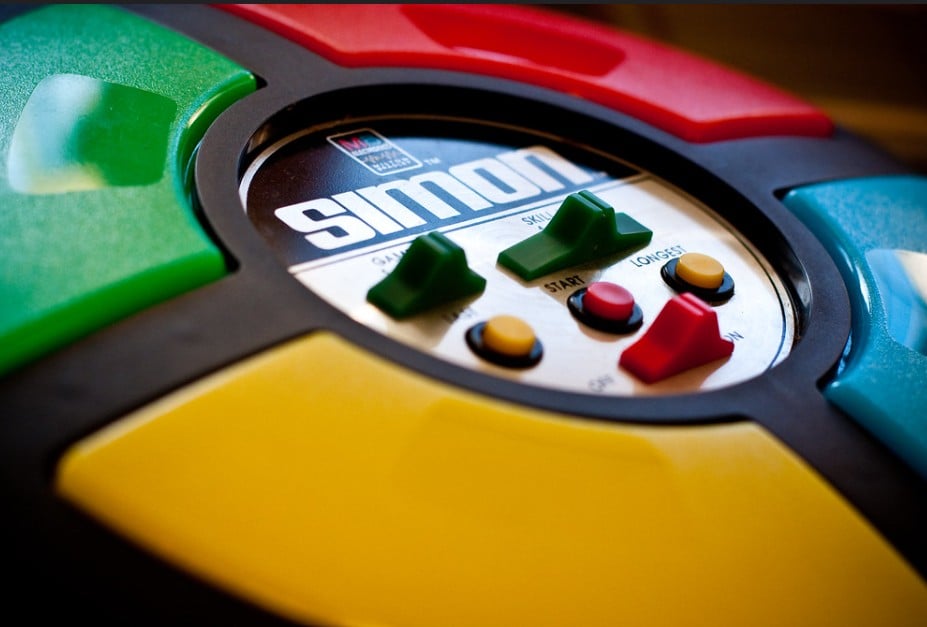
Milton Bradley released the electronic game Simon in 1978, developed by Ralph Baer and Howard Morrison. Four colored panels lit up in a growing sequence of tones, and players had to repeat the pattern from memory.
The shape of the game, a bit like a flying saucer, made it look as futuristic as the beeps sounded. It proved that a handheld game with no screen at all could be enormously addictive.
Speak & Spell
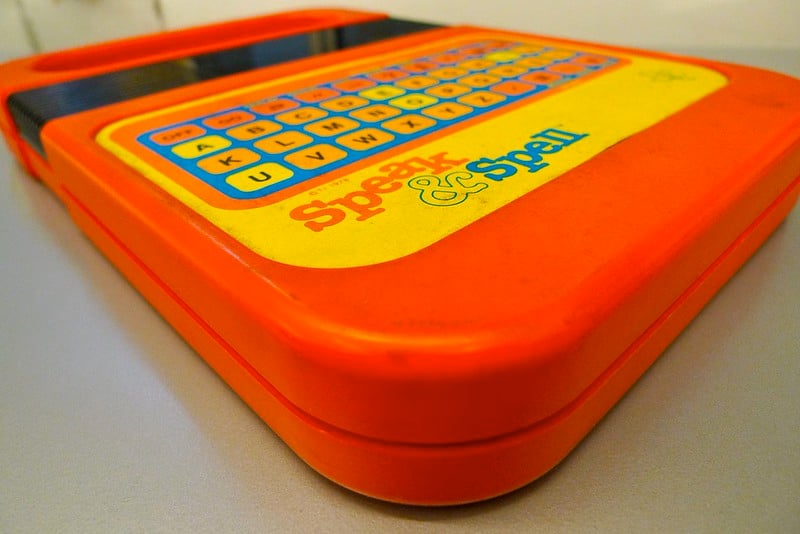
Texas Instruments unveiled Speak & Spell in 1978, and it was one of the first toys to use a speech synthesis chip. The unit pronounced a word in a robotic voice and asked the child to type the spelling on a small keyboard.
Parents liked it because it looked educational, and kids liked it because it talked. The distinctive voice later became familiar to moviegoers through its role in E.T. the Extra-Terrestrial.
Rubik’s Cube
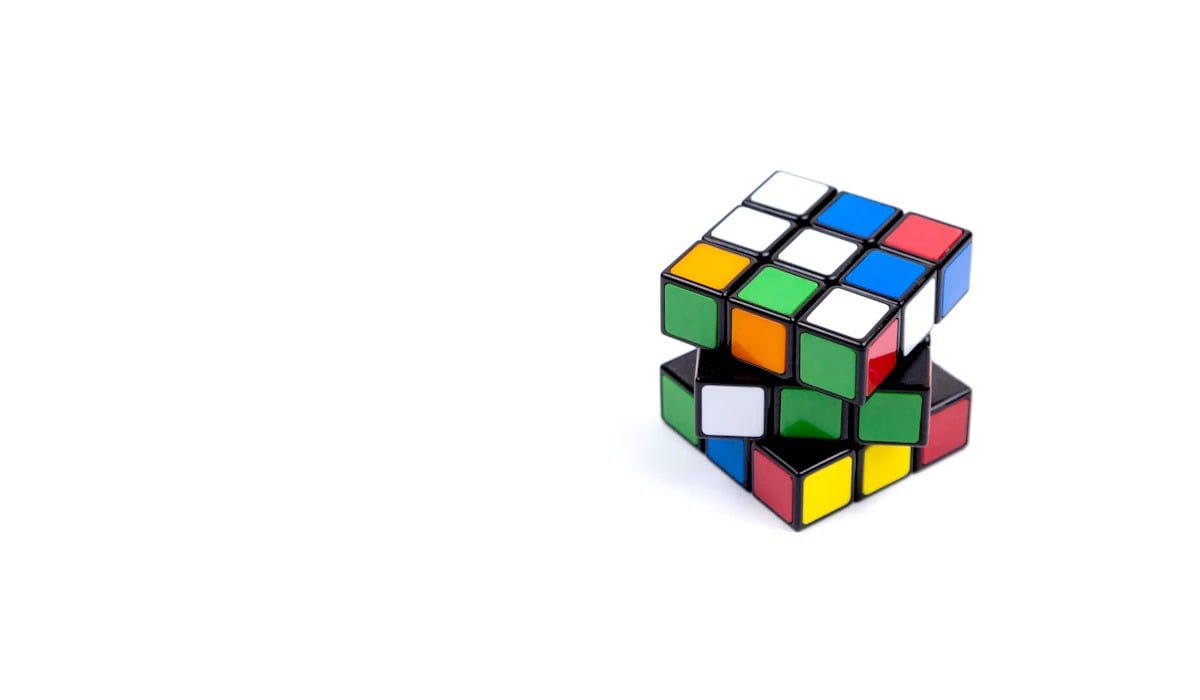
Ideal Toy Corporation brought the Rubik’s Cube to the American market in 1980, after Hungarian professor Ernő Rubik invented the puzzle in 1974. Each of its faces could rotate independently, which meant a scrambled cube offered an astonishing number of possible arrangements.
Solving it became a point of pride for anyone who could manage it. Many kids settled for peeling off the stickers and rearranging them instead.
The Nintendo Entertainment System
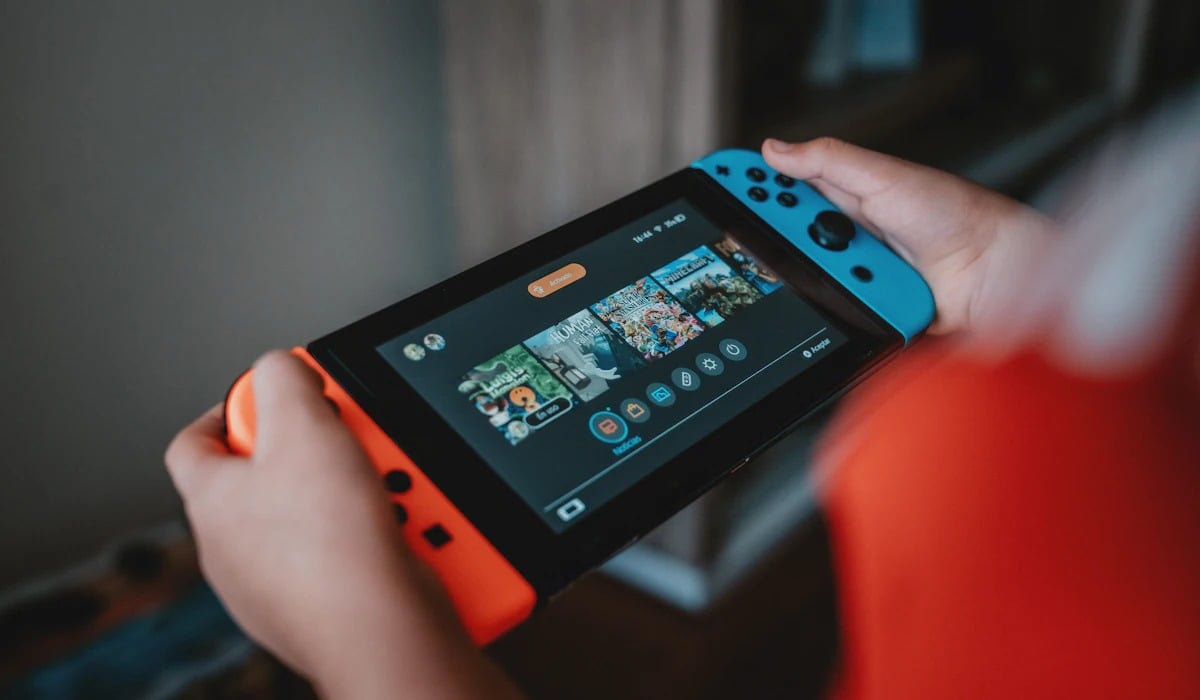
Nintendo introduced its Entertainment System to American test markets in 1985, and a national rollout followed in 1986. The deluxe set included a toy robot named R.O.B., a clever way to make a game console look like an ordinary toy to skeptical retailers.
The gray box and its rectangular controller soon ruled American living rooms. A new generation of kids learned to hit pause for a bathroom break.
Teddy Ruxpin
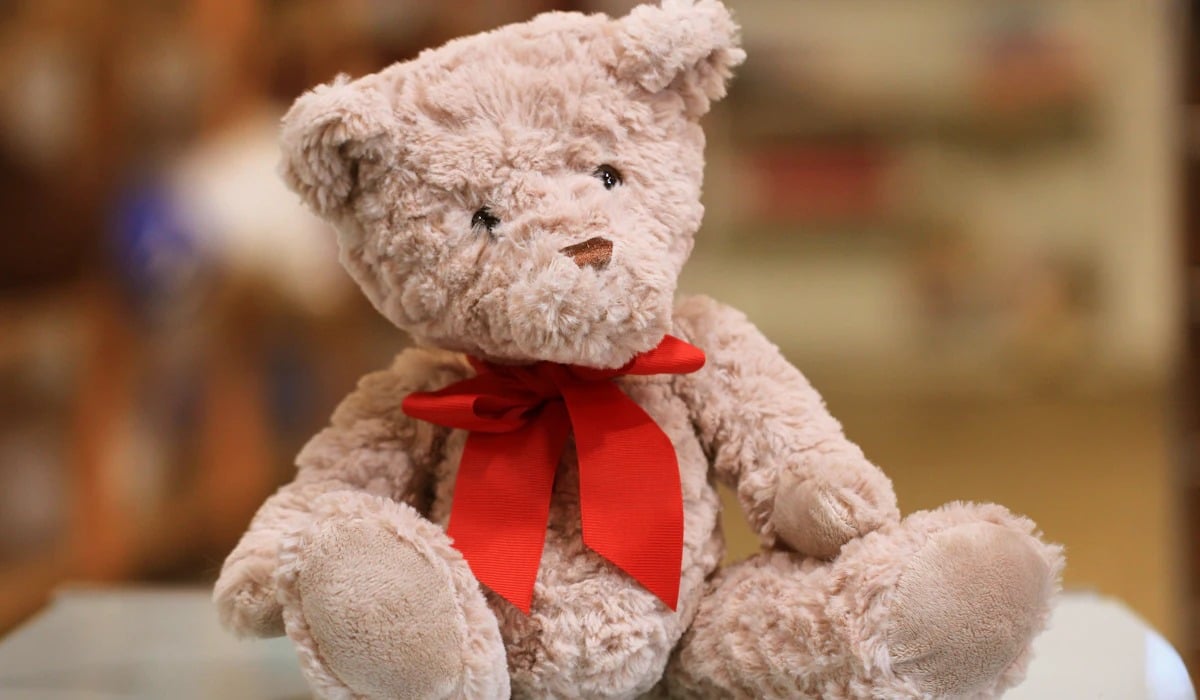
Worlds of Wonder released Teddy Ruxpin in 1985, an animatronic bear that told stories on its own. A cassette tape played inside its back, and the tape’s second audio track controlled the movement of its eyes and mouth.
Kids could listen to adventures as the bear blinked and moved along with the narration. The toy was an immediate hit and helped launch the company.
Tickle Me Elmo
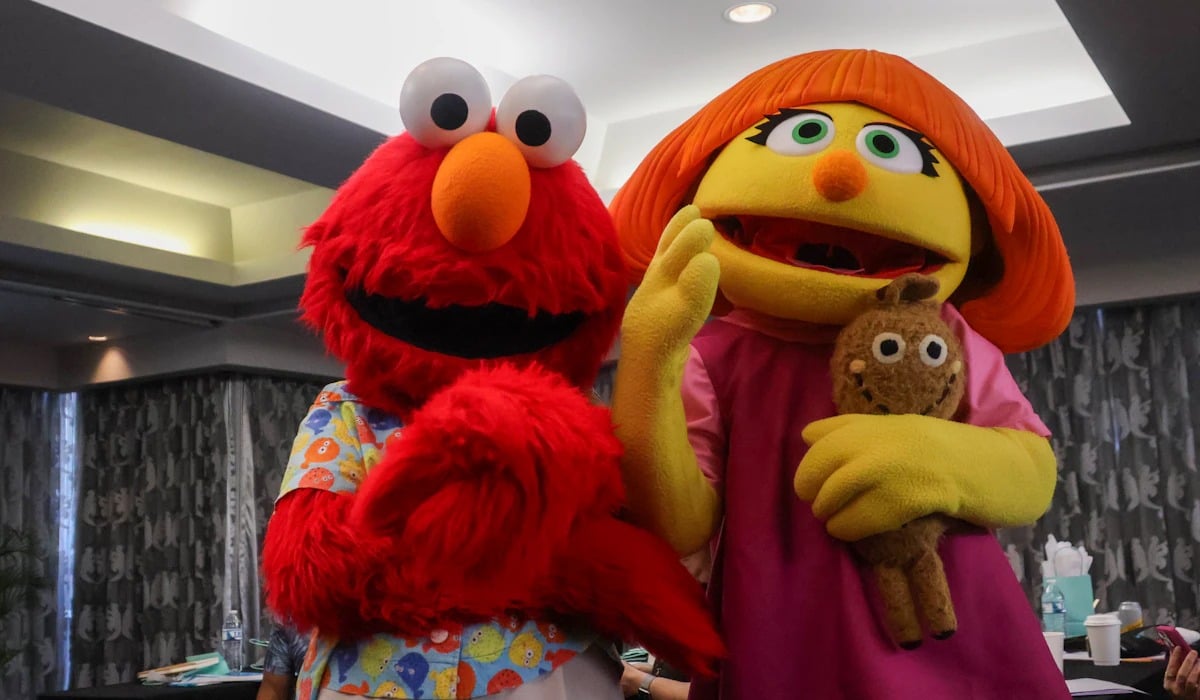
Tyco released Tickle Me Elmo in 1996, a plush Sesame Street character that giggled and shook when squeezed. Television appearances helped turn it into a holiday sensation, and stores sold out almost immediately.
Frenzied parents resorted to bidding wars and long waits to secure one. The craze left a long-lasting lesson in how scarcity can turn a stuffed doll into a shopping legend.
Furby
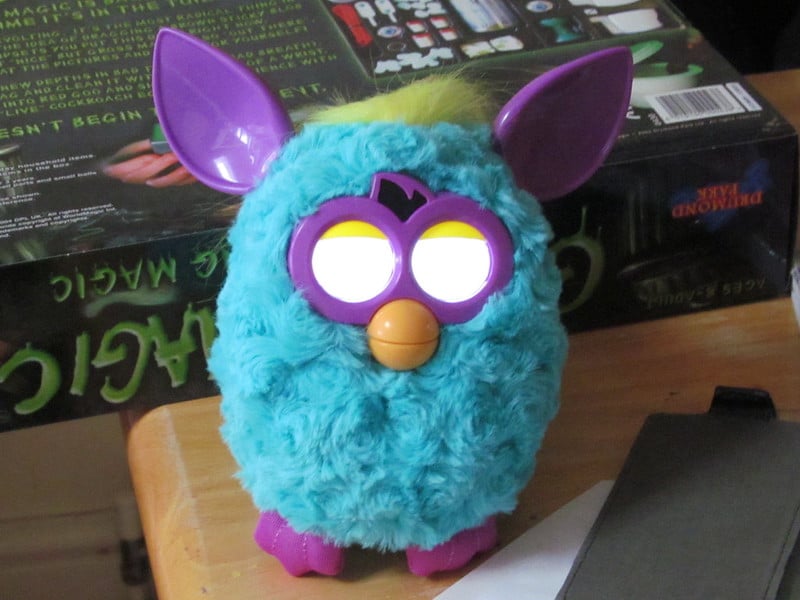
Tiger Electronics launched Furby in 1998, a furry creature that spoke its own language called Furbish. As owners played with it, the toy appeared to gradually pick up English phrases.
That illusion of learning made children feel like they were raising a pet. Parents found it harder to love at three in the morning, when the toy sometimes chattered in the dark.
Creepy Crawlers
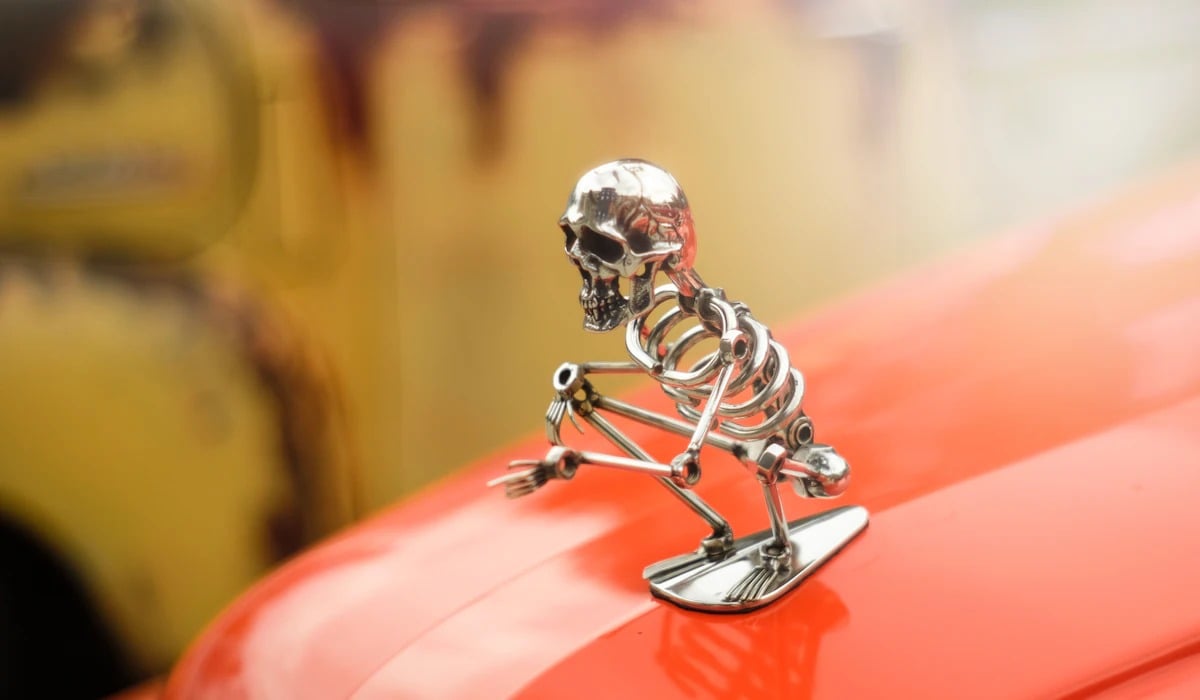
Mattel sold Creepy Crawlers in 1964 as part of its Thingmaker line. Kids poured liquid plastic called Plastigoop into metal molds and heated them on an electric hot plate to produce rubbery bugs.
The process was a bit like cooking, with the added thrill of danger from the hot metal. Parents may not have loved the idea, but children could not resist it.
Spirograph

Denys Fisher, a British engineer, introduced Spirograph in 1965, and Kenner brought it to the American market the following year. Plastic gears with small openings for a pen tip let kids trace looping, flower-like designs by turning one wheel inside a ring.
The geometric patterns looked surprisingly sophisticated for a child to have produced. It had a way of making any kid feel like a draftsman.
Mr. Potato Head
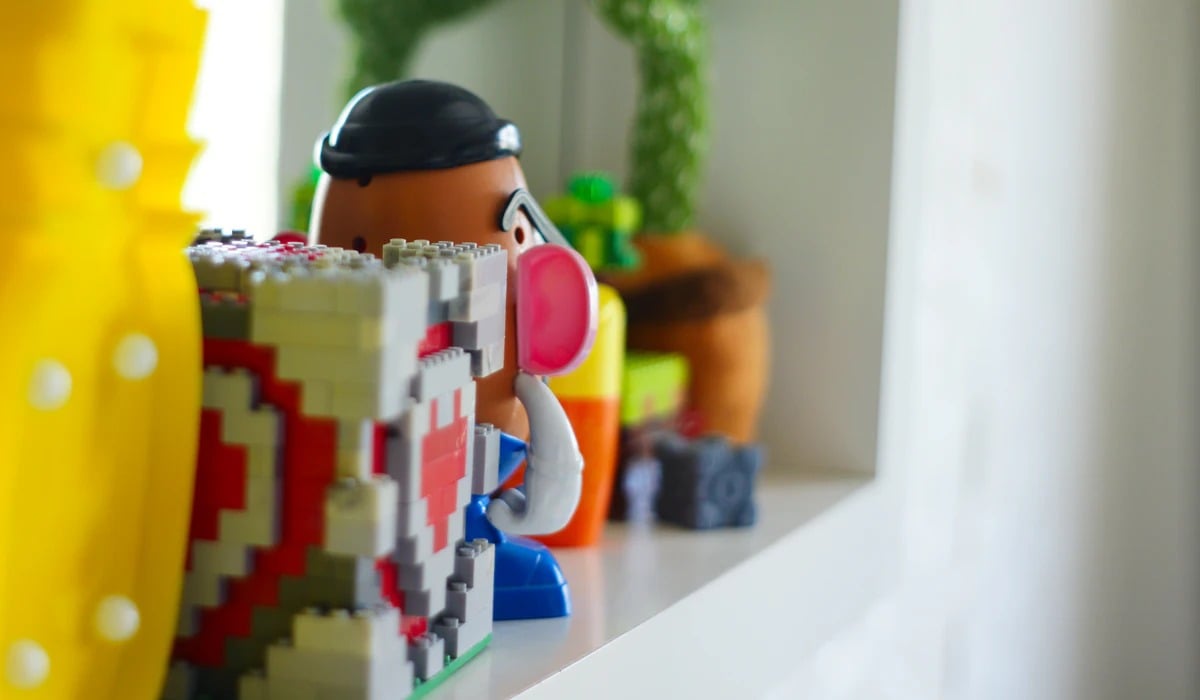
Hasbro released Mr. Potato Head in 1952, and it became the first toy advertised on television.
The original kit contained plastic facial pieces that children pushed into a real potato. Later versions included a plastic body so that nobody needed to sacrifice a vegetable.
The toy stayed in the family for generations, with new accessories added over the years.
Barbie’s Dreamhouse
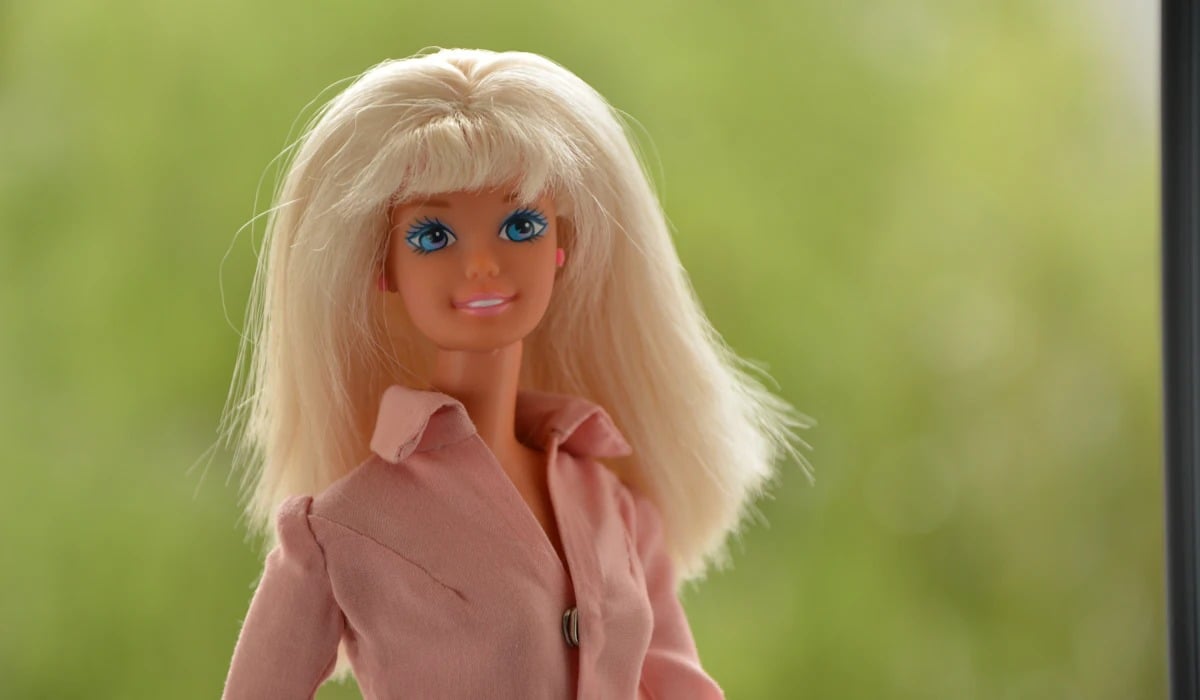
Mattel introduced the first Barbie Dreamhouse in 1962, a cardboard structure that folded flat. Barbie had arrived in 1959, and a home gave her something to do between wardrobe changes.
Over the decades, the house grew from simple fold-out rooms into multi-story plastic mansions. Vintage versions sell at varying prices, and condition and completeness make a large difference.
Fisher-Price Little People
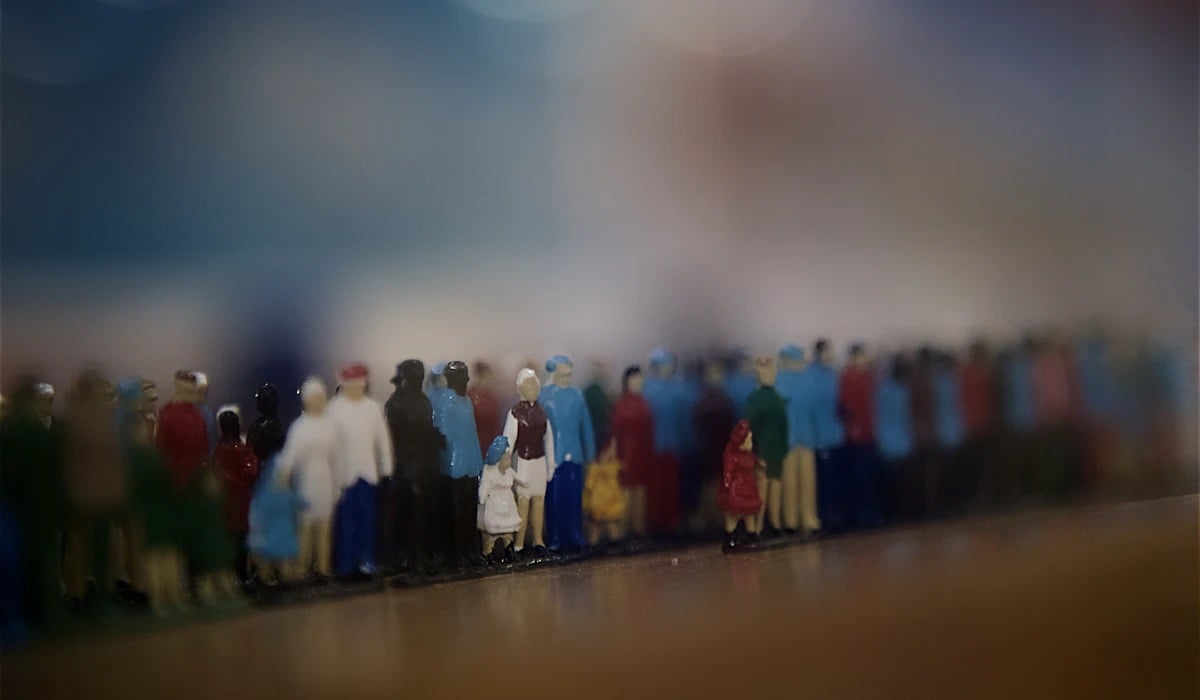
Fisher-Price introduced the Little People line in 1959, small wooden figures with simple painted faces. One of the line’s early playsets was the Safety School Bus, which helped establish the figures as a familiar part of the brand.
The cast grew into farms, houses, and airports. The figures were designed to be large enough that very small children could not swallow them.
Their chunky look stayed popular through many redesigns.
Care Bears
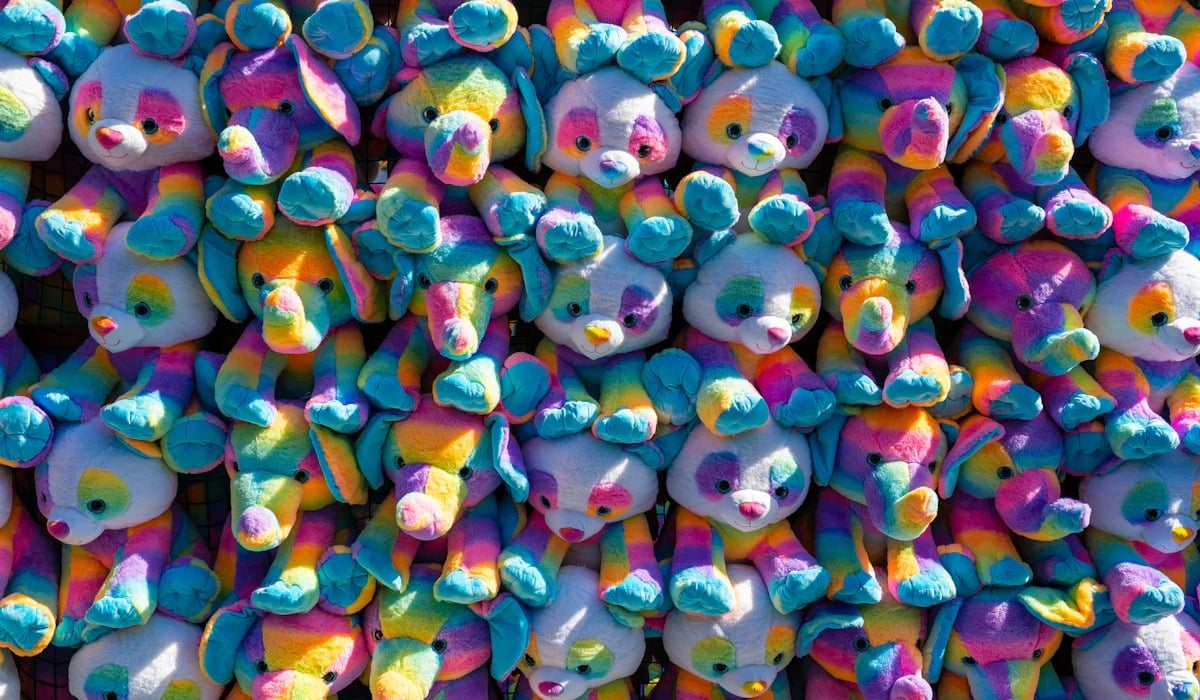
Kenner introduced Care Bears plush toys in 1983, after the characters debuted on greeting cards from American Greetings in 1981. Each bear wore a symbol on its belly representing a feeling, such as a rainbow or a raincloud.
The line expanded into television specials and movies, which kept demand high. For many children, owning one meant collecting the entire emotional range.
My Little Pony
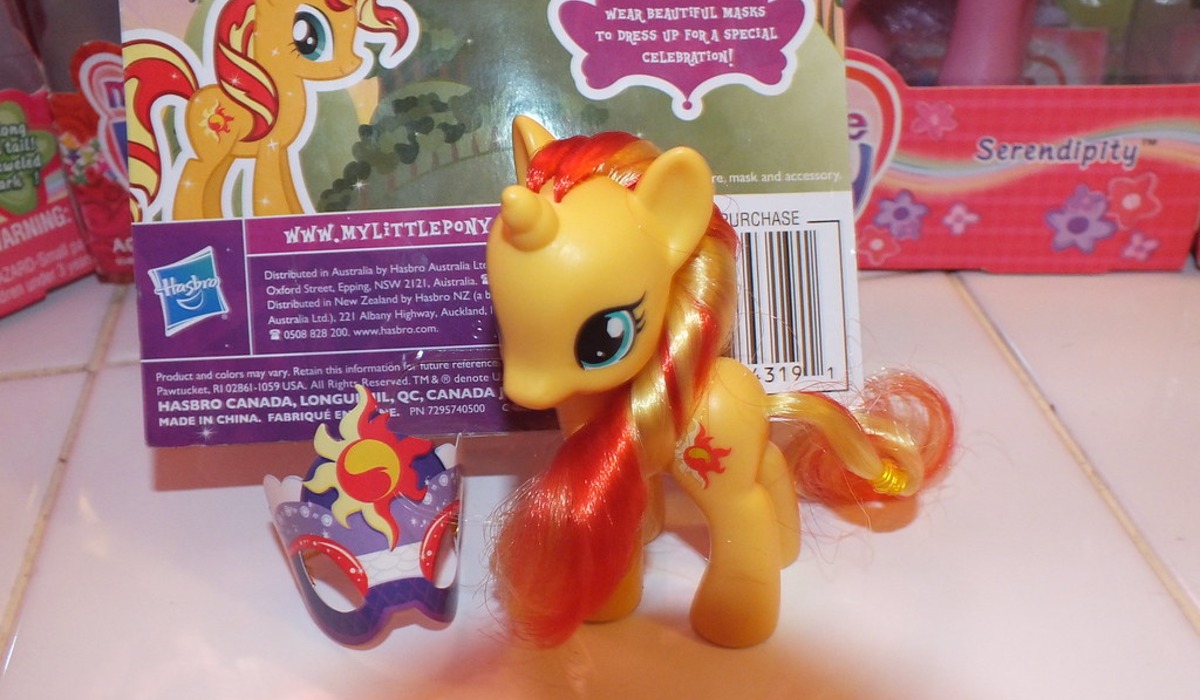
Hasbro launched My Little Pony in 1983 as a line of brightly colored toy horses with brushable manes. Children could style the manes and tails, which made the toys more interactive than a simple figurine.
The line grew into a huge collection across many different characters. Several waves of redesigns kept the brand relevant for decades.
Transformers
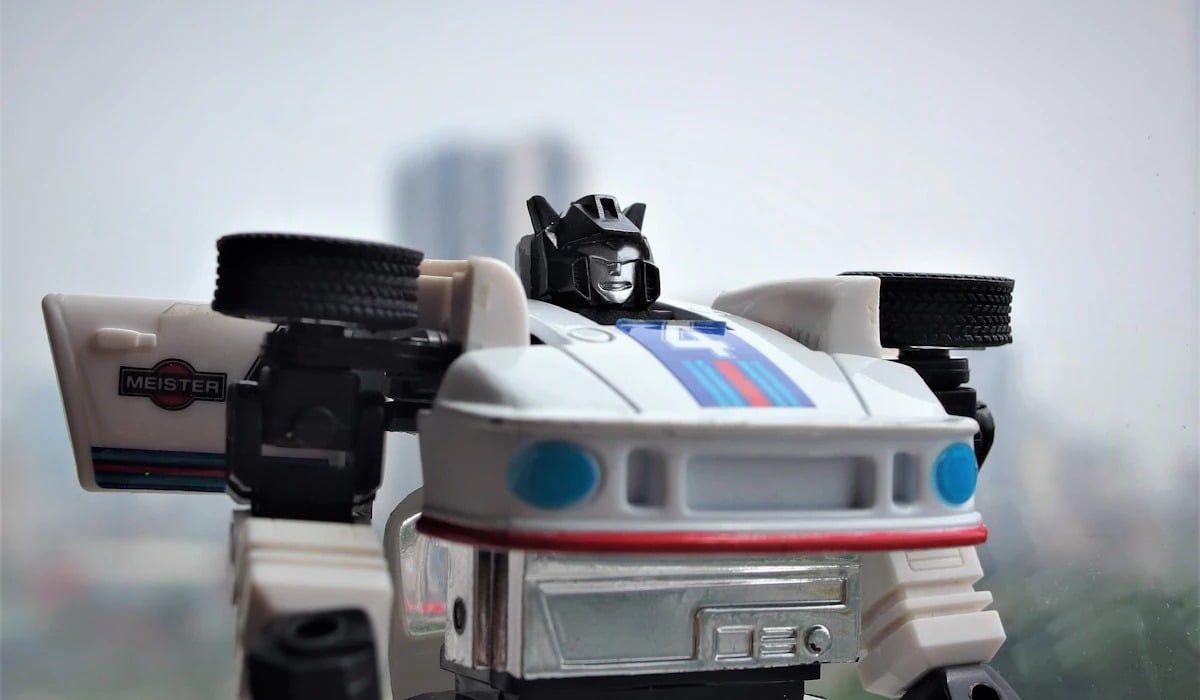
Hasbro brought Transformers to American stores in 1984, adapting existing Japanese toy designs from the Takara company. Each figure could shift from a vehicle or machine into a robot through a series of clever twists and folds.
A cartoon and comic book rounded out the story of the Autobots and the Decepticons. Original figures are collectible today, and their price depends heavily on condition, intact parts, and packaging.
Strawberry Shortcake
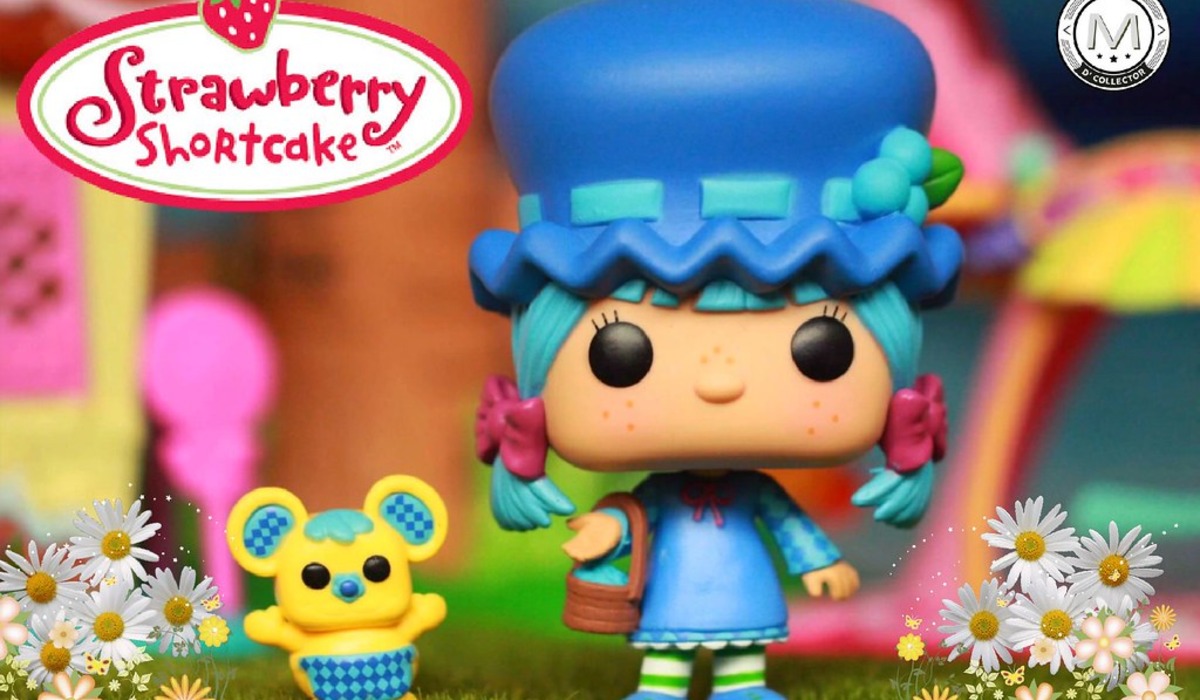
Kenner released the scented Strawberry Shortcake dolls in 1980, based on characters created by American Greetings. The dolls smelled like the fruits and sweets they were named for, and the aroma was a central part of the appeal.
Each character lived in a fanciful world of cakes and berries. The idea turned a doll into an experience for the nose as well as the eyes.
The Tonka Mighty Dump Truck
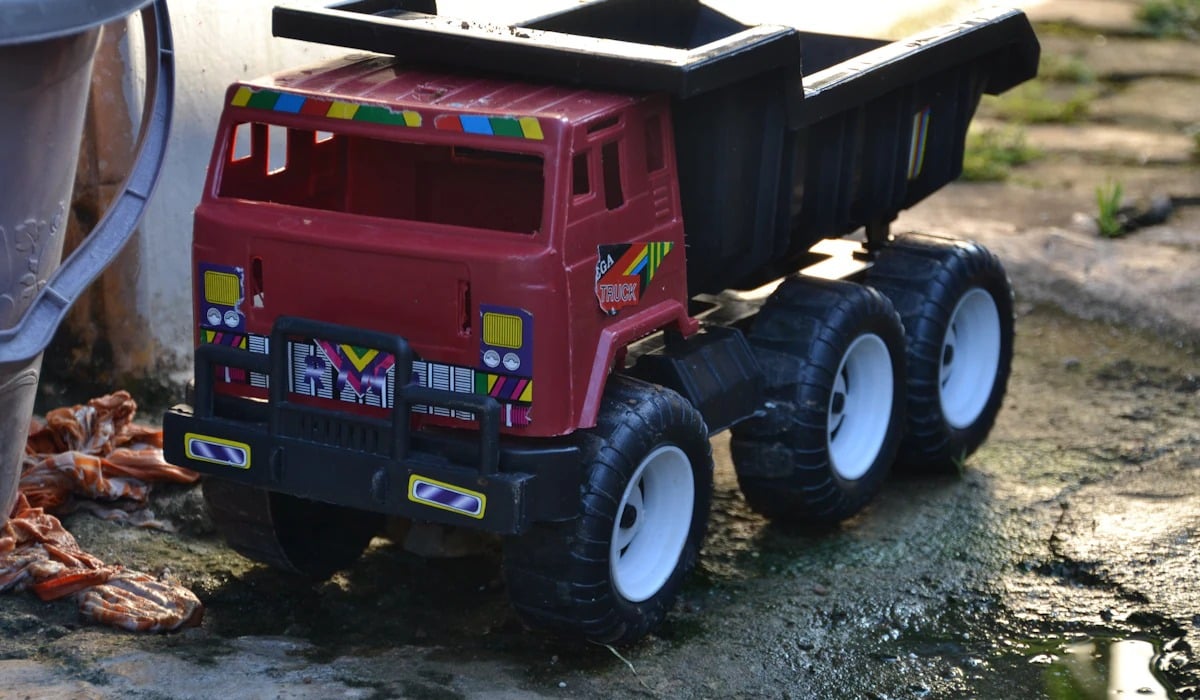
Mound Metalcrafters of Minnesota began selling Tonka steel trucks in the late 1940s, and the brand name came from a Dakota word associated with Lake Minnetonka. The toy trucks were stamped from heavy steel and built tough enough to survive a backyard dirt pile.
A kid could even stand on one without crushing it. Vintage models turn up at flea markets, with price depending heavily on paint wear and rust.
The Nerf Foam Toy
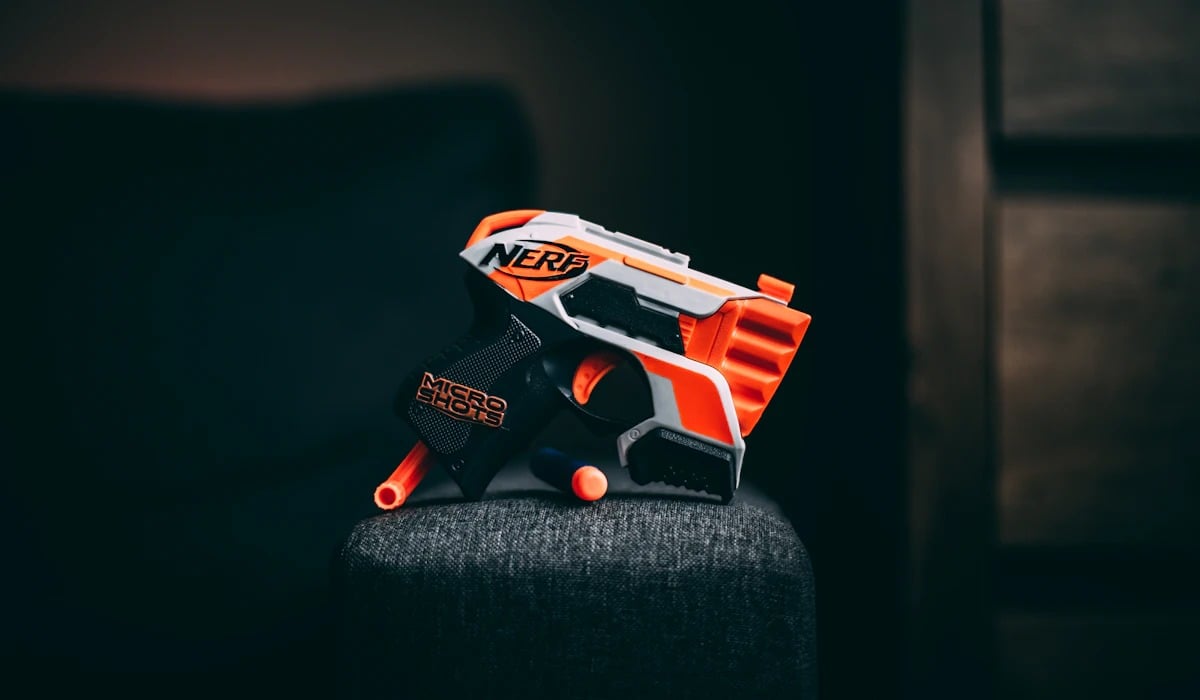
Parker Brothers introduced the original Nerf Ball in 1969, a soft foam toy designed for indoor play. It could be thrown across a living room without breaking anything fragile, which delighted kids and relieved parents.
The brand later expanded into foam darts and blasters. The first Nerf proved that a soft toy could be more fun than a hard one.
The Game Boy
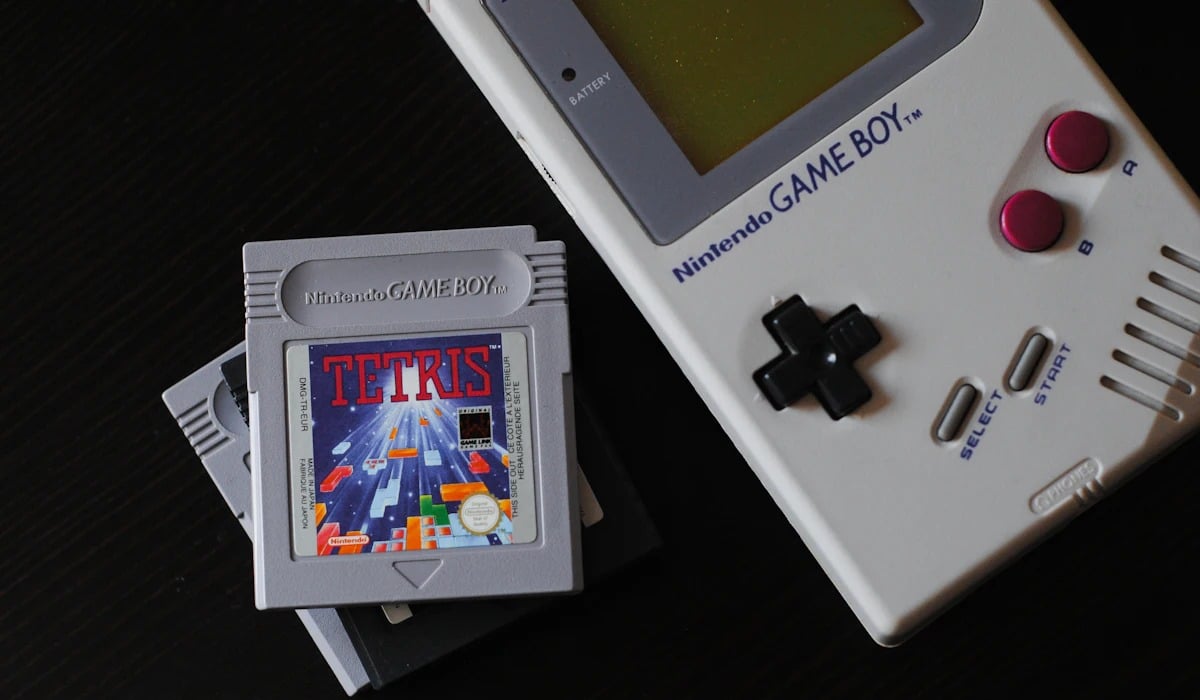
Nintendo released the Game Boy in 1989, a handheld console designed by Gunpei Yokoi. It came packaged with Tetris, a puzzle game that kept players glued to the small gray screen.
The display had no color and no backlight, yet the machine sold in huge numbers. Kids learned to hunt for a bright lamp or a sunny window to see the action.
Hungry Hungry Hippos
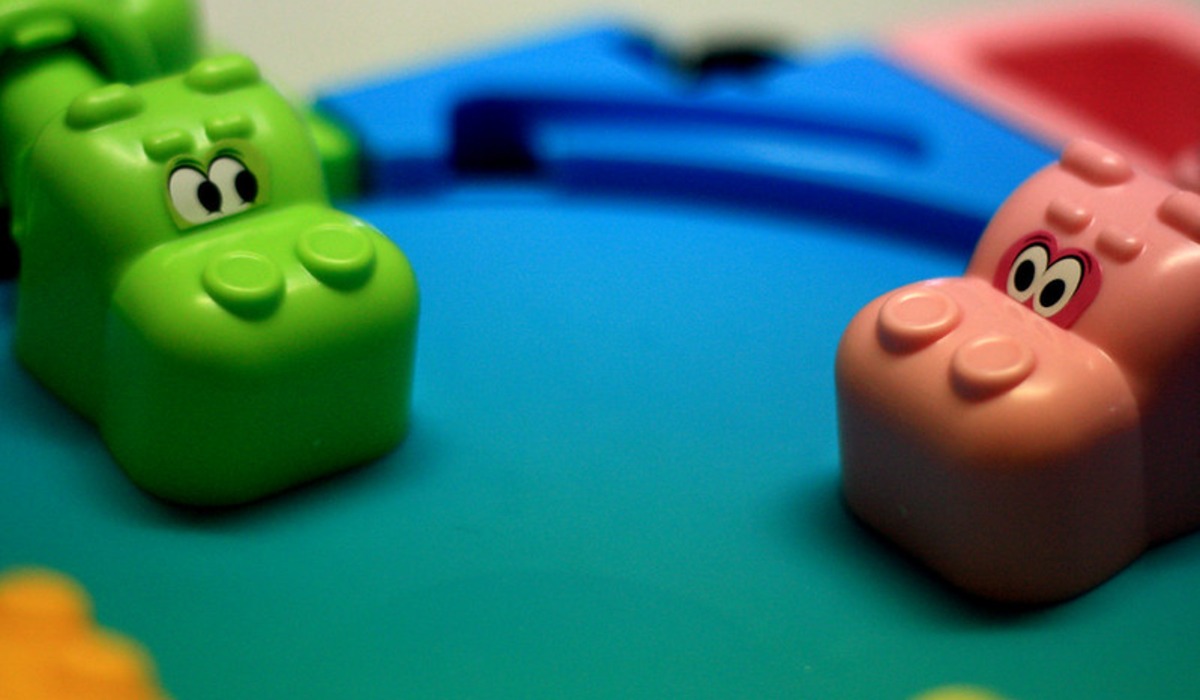
Milton Bradley released Hungry Hungry Hippos in 1978, a tabletop game where four plastic hippos snapped up marbles. Players slapped a lever to extend each hippo’s neck and gobble as many as possible.
The game required no reading and almost no instruction, which made it a hit among very young players. Its clatter and shouting made it one of the loudest toys in the house.
The Circle That Stayed on the Page
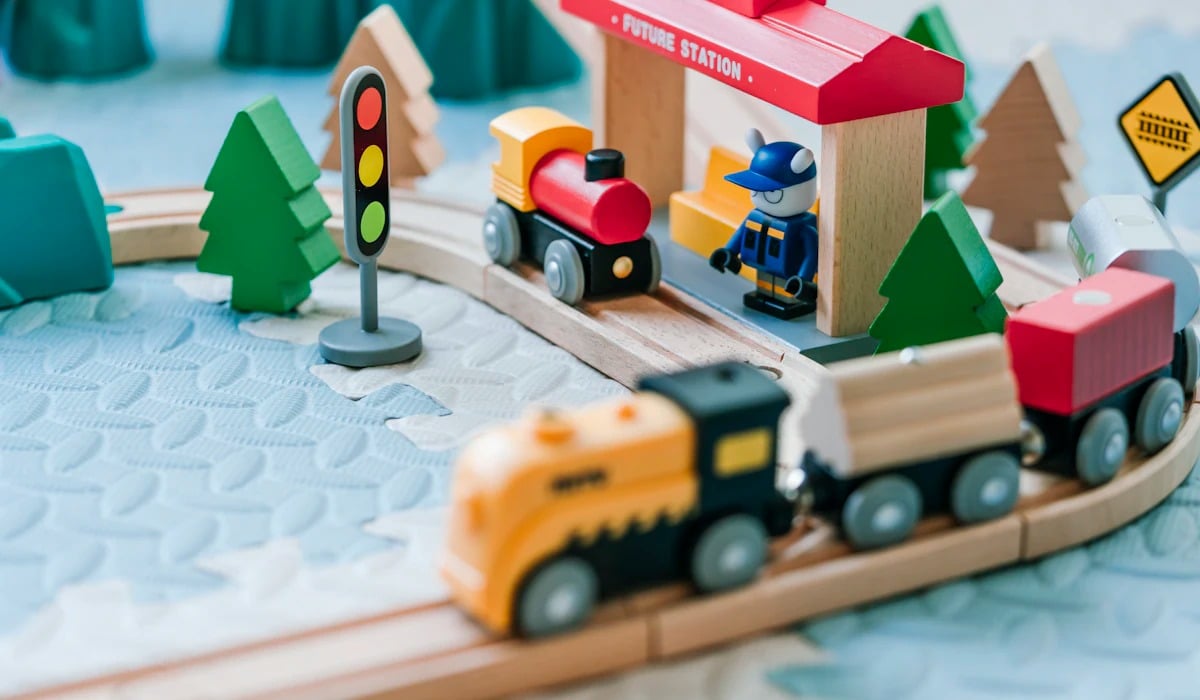
A pen circle in a catalog was never really a purchase order. It was a rehearsal for wanting something, a way to take a glossy photograph and claim a small piece of it.
Many of the circled toys never arrived, and a surprising number of kids said they were happy anyway.
What lasts from those pages is the ritual itself. Children learned how to weigh one thing against another, how to build a list, and how to hope with a plan.
The toys changed with each decade, but the habit of circling the one that mattered most never went out of style.
MORE FROM GO2TUTORS!

- The Romanov Crown Jewels and Their Tragic Fate
- 13 Historical Mysteries That Science Still Can’t Solve
- Famous Hoaxes That Fooled the World for Years
- 15 Child Stars with Tragic Adult Lives
- 16 Famous Jewelry Pieces in History
Like Go2Tutors’s content? Follow us on MSN.