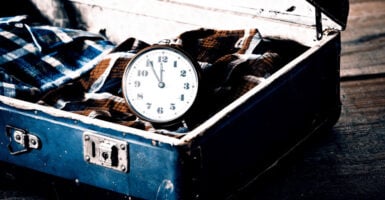
31 Things Pioneers Packed for the Oregon Trail
The trail west covered roughly 2,000 miles and took most emigrants four to six months, and every pound that went into the wagon had to be pulled by oxen the whole way. Packing was therefore a long argument between what a family wanted, what the guidebooks demanded, and what the animals could actually haul up a hill.
Some of the choices look sensible even now. Others were abandoned within weeks, scattered along the road for the next wagon train to step around.
Flour by the Hundred Pounds
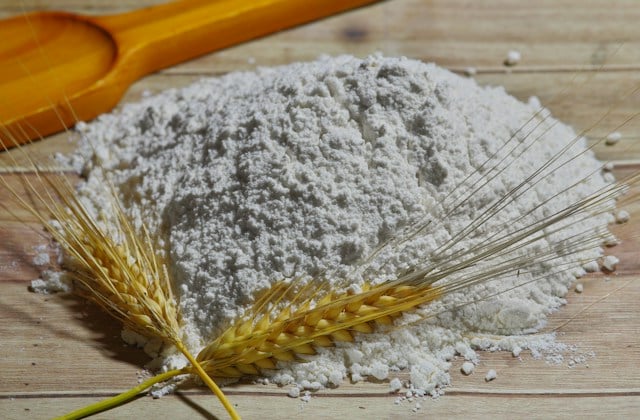
Flour was the backbone of the trail pantry, and period guidebooks urged each adult to carry somewhere between 150 and 200 pounds of it. A family of four therefore hauled several barrels or sacks before packing a single other item.
It went into bread, biscuits, pancakes and gravy thickener, and emigrants often sealed it in tight containers because a single soaking at a river crossing could ruin months of meals.
Bacon Packed in Bran

Salt-cured bacon was the preferred meat because it resisted spoilage far better than fresh pork or beef. Travelers commonly packed it in sacks or boxes surrounded by bran, which absorbed grease when the summer sun melted the fat.
Guidebook authors recommended a large share of every adult’s provisions in bacon, and it was fried for breakfast, boiled with beans at night and sliced cold for lunch.
Coffee Beans That Needed Roasting

Coffee was usually bought green and roasted over the campfire in a skillet before being ground in a small hand mill. Guidebooks treated it as a necessity rather than a luxury, and some emigrants hauled ten pounds or more per adult.
Diaries make clear that the morning pot was a ritual people clung to even when water was scarce and muddy.
Sugar for Sweetening Everything
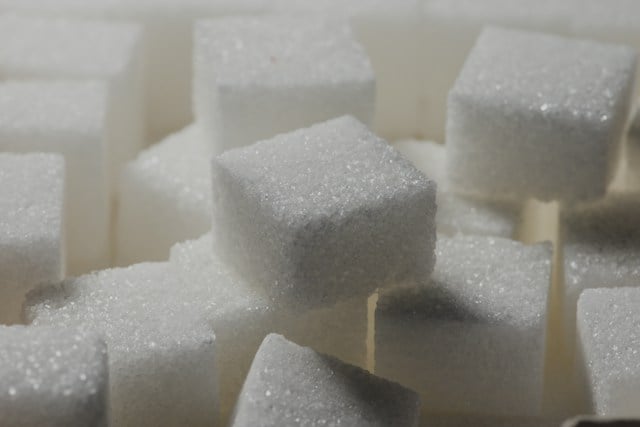
Sugar was recommended in quantities of roughly 20 to 30 pounds per adult, which sounds like a lot until it is stretched across five months of coffee, stewed fruit and the occasional improvised pudding. It was usually packed in sturdy sacks or tins to keep moisture out.
Because it was a rare comfort on a plain diet, families often rationed it carefully once the supply began to shrink.
Salt in Quantity

Salt was needed to cure meat, season monotonous meals and preserve any game killed along the way. Guidebooks listed it among the staples that every party had to carry, often in a cloth bag or small cask.
Emigrants who had passed through dry stretches knew that a sack of salt left uncovered could harden into a solid lump after one rainy night.
Dried Apples and Peaches
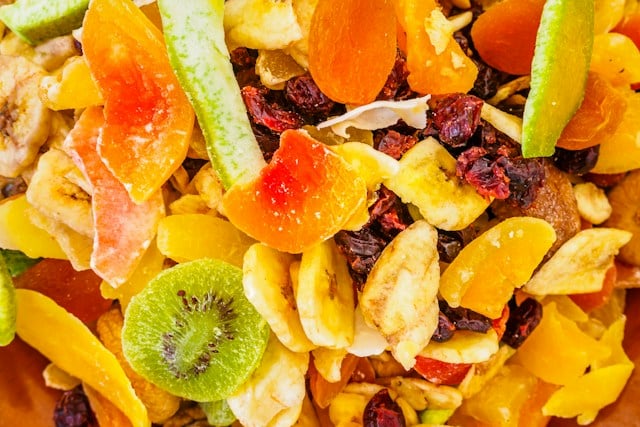
Dried fruit was one of the few ways to add sweetness and a bit of nutrition to a diet dominated by flour and bacon. Apples and peaches were sliced, dried at home and packed in cloth sacks, then stewed in camp or baked into pies when a Dutch oven was available.
Emigrants valued these fruits partly because fresh produce was almost impossible to find between the Missouri River and the Willamette Valley.
Beans as Cheap Protein
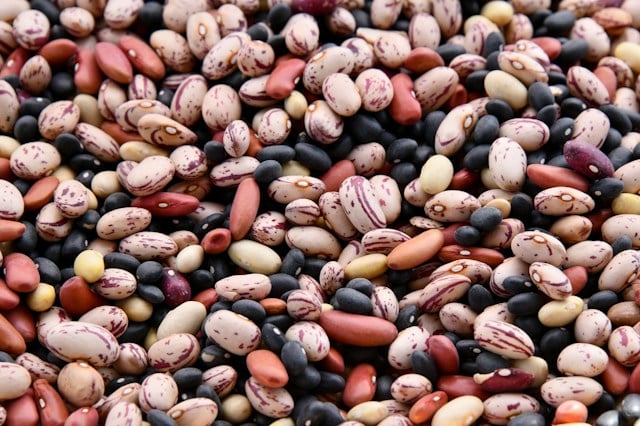
Dried beans were inexpensive, filled the stomach and kept almost indefinitely, which made them a standard item on every packing list. They were simmered for hours with a chunk of bacon, often in the same pot used for rice and coffee.
Because they needed long cooking, many cooks soaked them overnight and set them on the coals before the wagons rolled out in the morning.
Saleratus for Biscuits
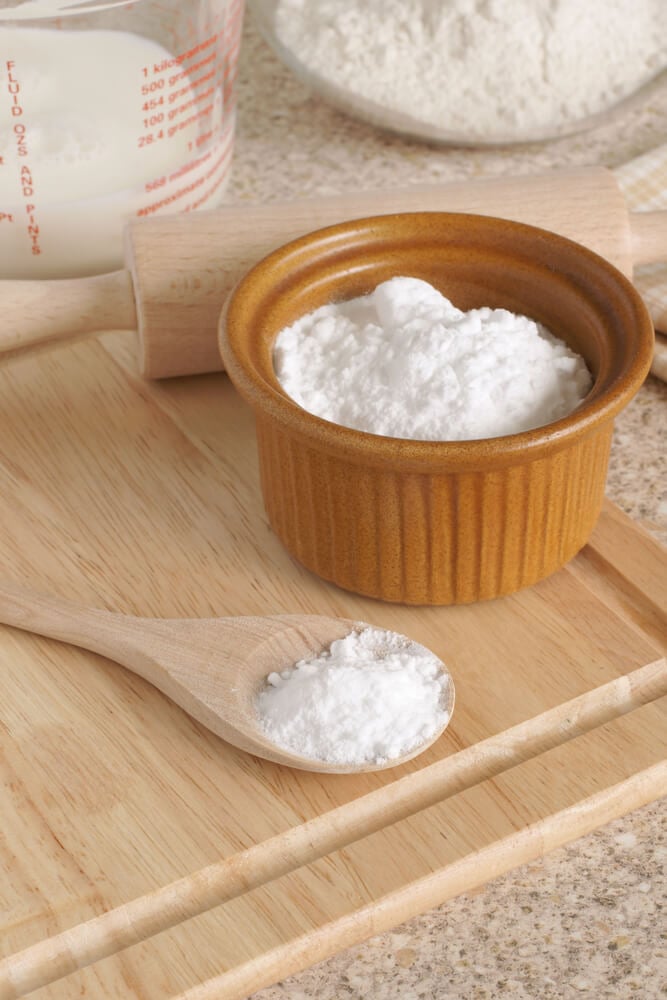
Saleratus, an early form of baking soda, let trail cooks raise biscuits and quick breads without waiting for yeast to rise. It was cheap, light and sold in small quantities, so even tight budgets could include a supply.
Emigrants sometimes found natural alkali deposits near the Sweetwater River and used them as a substitute, though diaries are mixed about how the biscuits tasted.
Sourdough Culture in a Crock
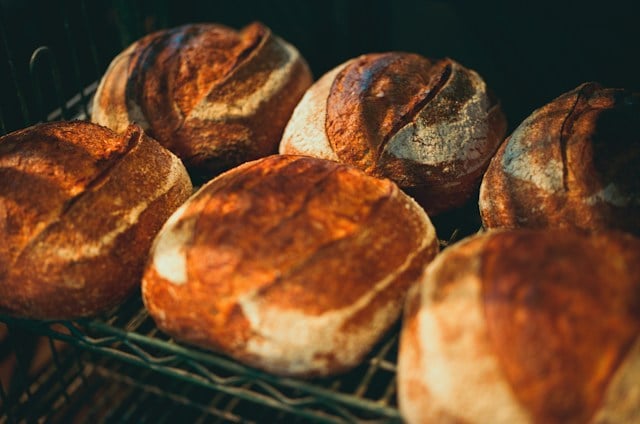
A crock of sourdough culture traveled in many wagons because it produced leavened bread without needing a bakery or store-bought yeast. Cooks fed it with flour and water, kept it from freezing at night and shielded it from midday heat.
Some families treated their culture as an heirloom, carrying a piece from the old household to the new one at the end of the road.
Dutch Oven and Skillet
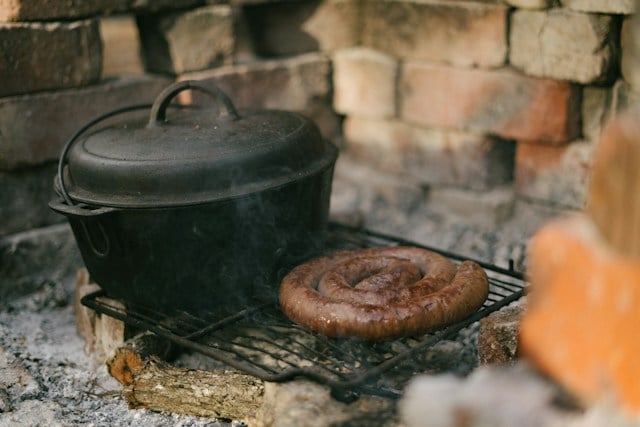
Cast-iron Dutch ovens, with their flanged lids, could be buried in coals above and below to bake bread, roast meat and simmer stew over a campfire. Skillets and griddles handled frying and pancakes, and the whole set was often tied to the rear of the wagon or stowed in a box near the tailgate.
Their weight was hard to ignore, but most cooks decided that a hot meal was worth every pound.
Wooden Water Kegs
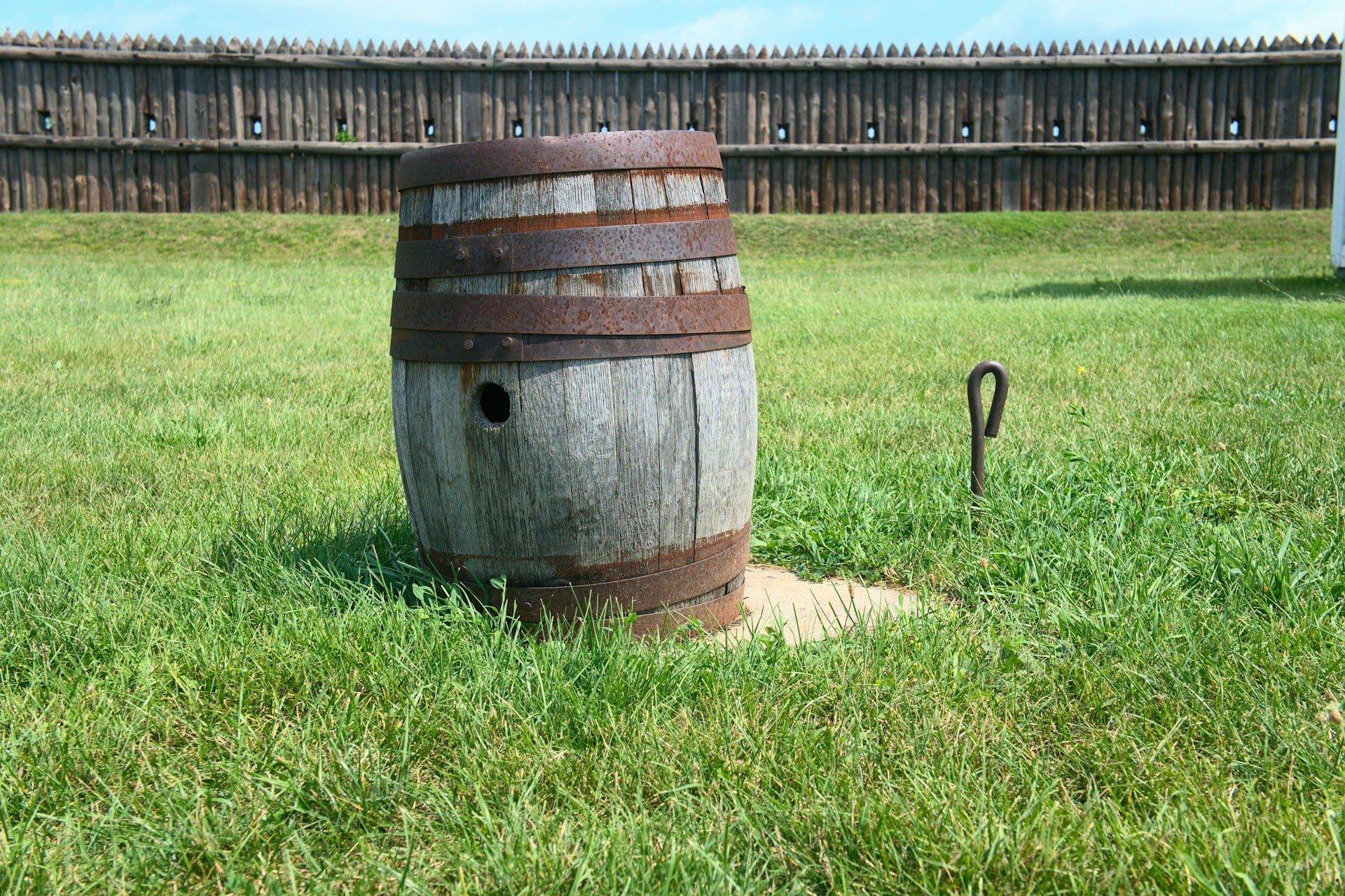
Water was the most dangerous shortage on the trail, so wagons carried wooden kegs strapped along the sides. The kegs held a few gallons each and were meant to bridge dry stretches between rivers and springs.
On the longest waterless crossings, such as the long dry stretch of the Sublette Cutoff, travelers filled everything they owned before nightfall.
A Bucket of Tar and Tallow
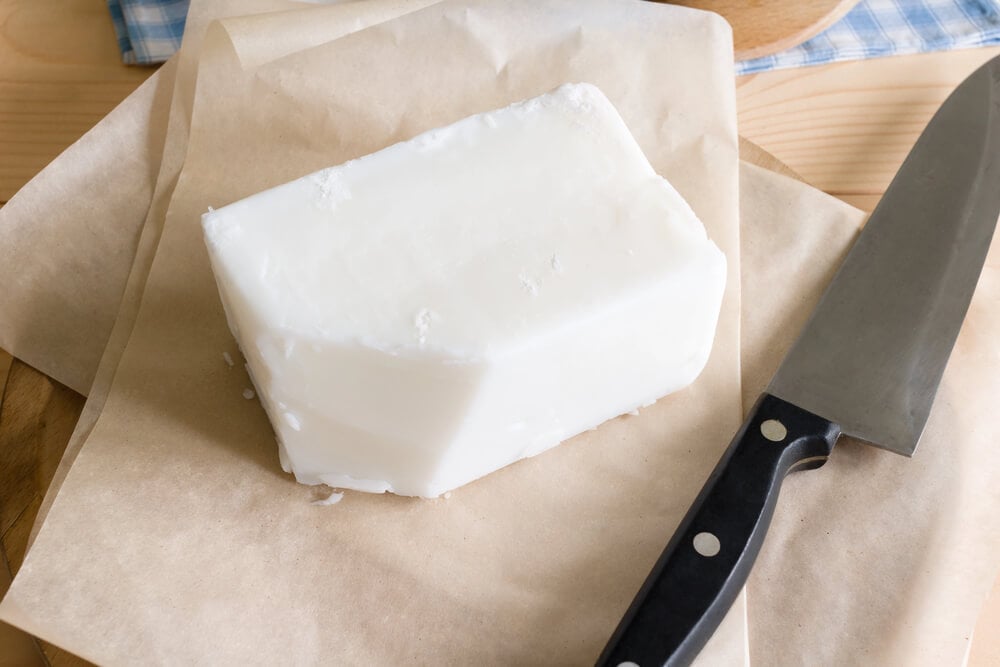
An axle bucket of tar, grease or tallow hung beneath the wagon, ready to be smeared on the wooden axles whenever they started to squeal. Wooden wheels turning under heavy loads generated serious friction, and a dry axle could overheat and fail within days.
The bucket was one of the least glamorous items on the wagon and one of the most important.
Spare Axles, Tongues and Spokes
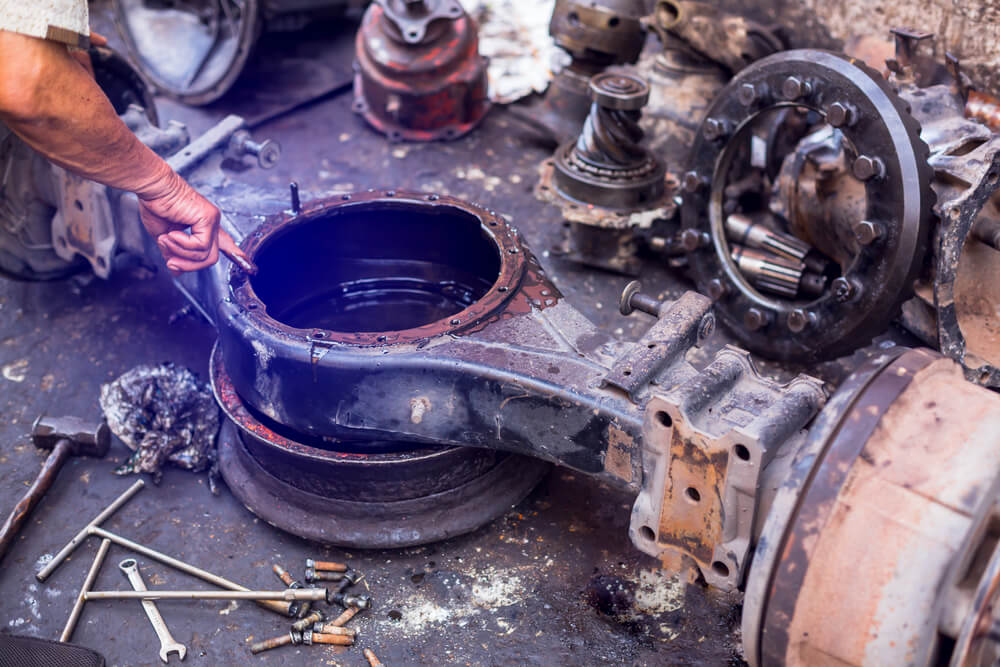
Experienced emigrants brought extra wagon parts because a breakdown far from a blacksmith could halt an entire party. Spare axles, wagon tongues, spokes and bolts were common additions, and some wagons were rigged with a hanging toolbox for quick repairs.
A broken wheel on a remote stretch of plain could mean a day of hammering, and sometimes the repair was only possible because someone had planned ahead.
Axes, Saws and Shovels
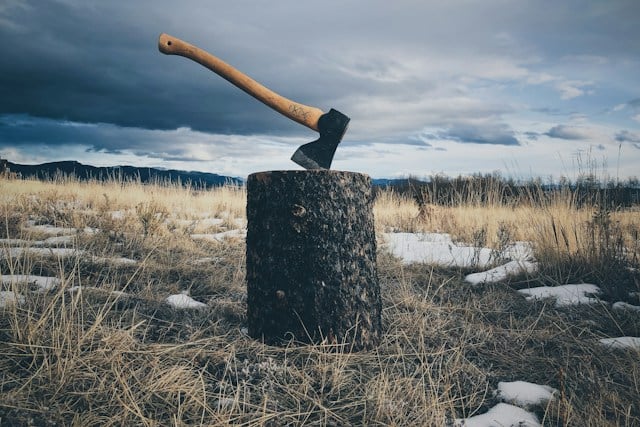
Axes, hatchets, saws, shovels and augers rode in nearly every wagon because roads, creek banks and river crossings had to be improved as the train moved. Parties cut willow and cottonwood for repairs, dug out steep banks so wagons could descend and chopped firewood where timber was available.
A good axe was not an extra, because without one a party might be stranded at a mud-choked creek for days.
Muzzle-Loading Rifles

Rifles were packed for hunting buffalo and antelope and for protection against animals or, more often, imagined threats. Most were muzzle-loaders, loaded slowly with powder and a patched bullet, and many men carried them across their saddles or kept them near the wagon seat.
In practice, accidental discharges caused more injuries than attackers, and diaries record several tragic mishaps.
Powder and Lead in Safe Storage
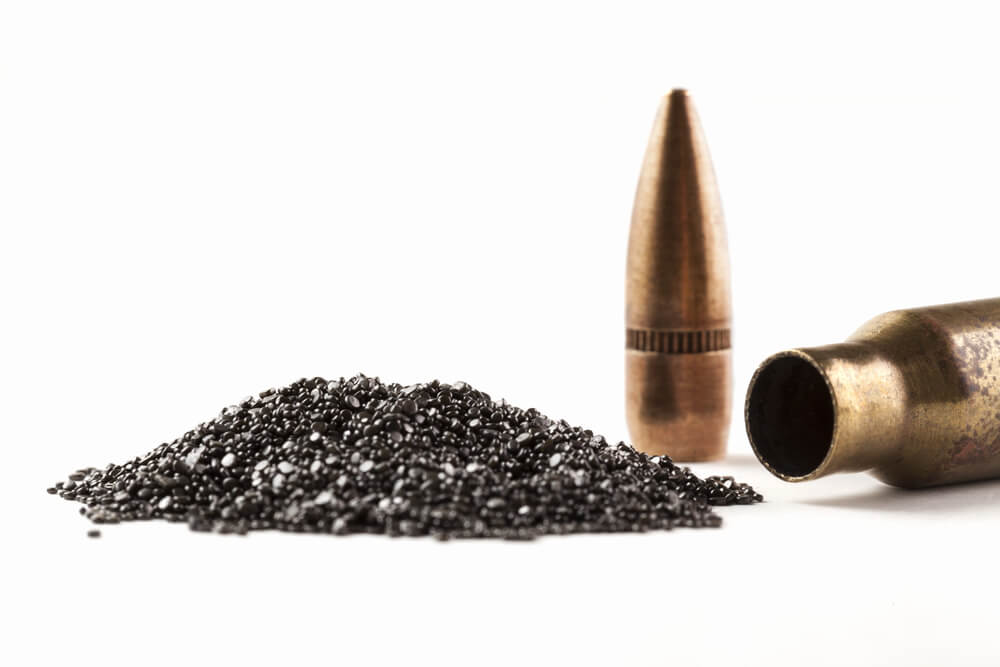
Gunpowder and lead were purchased in bulk and stored in tight containers, since a damp keg of powder was worthless and a spark near one was dangerous. Lead was often cast into bullets in camp using a small mold.
Wagons carried these supplies low and dry, and careful travelers kept them separate from the cooking fire.
Quilts and Featherbeds
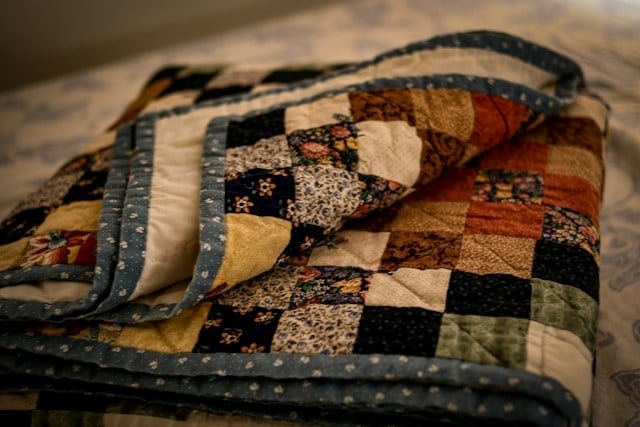
Bedding began the journey in generous amounts, with quilts, blankets and sometimes full featherbeds in the wagon beds. Nights on the high plains and in the mountains could turn cold even in midsummer, and rain often soaked everything.
Heavy featherbeds were among the first things discarded as families realized how much weight they were asking the oxen to pull.
A Canvas Cover Painted with Linseed Oil

The white canvas wagon cover was stretched over bent wooden bows to form the iconic shape of a prairie schooner. Many emigrants brushed the fabric with linseed oil to make it shed rain, though the treated cloth turned yellow and stiff with time.
A good cover kept the family’s supplies dry through thunderstorms, but a poor one leaked through its seams and soaked the flour.
Guidebooks by Hastings and Palmer

Emigrants studied printed guides before they left home and carried them along as they traveled. Lansford Hastings published his guide in 1845, and Joel Palmer’s journal of a trip across the Rockies appeared in 1847, giving mileages and advice about routes and supplies.
Hastings is remembered mainly for the shortcut that he recommended and that later doomed the Donner Party, a reminder that confident advice could be wrong.
Diaries and Writing Supplies
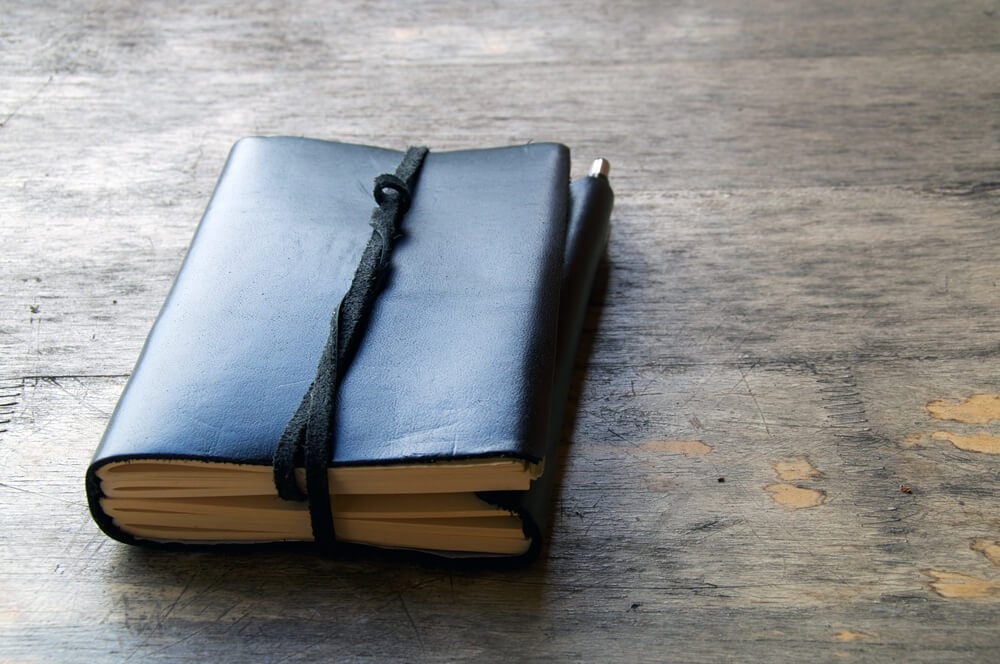
Thousands of emigrants kept journals, and surviving diaries are now the primary source for daily life on the trail. Amelia Stewart Knight, who traveled in 1853 with seven children, recorded river crossings, weather and chores with a tired but practiced pen.
Paper, pencils and ink were small items to pack, yet they preserved details that official records never captured.
A Family Medicine Chest

Medicine chests held remedies such as quinine for fever, calomel for digestion, castor oil, camphor and laudanum for pain. Cholera and dysentery were the greatest killers on the trail, and none of the contents could reliably cure either one.
Even so, a chest of familiar bottles gave families a sense of preparation when the nearest doctor was hundreds of miles away.
Lye Soap and a Washtub
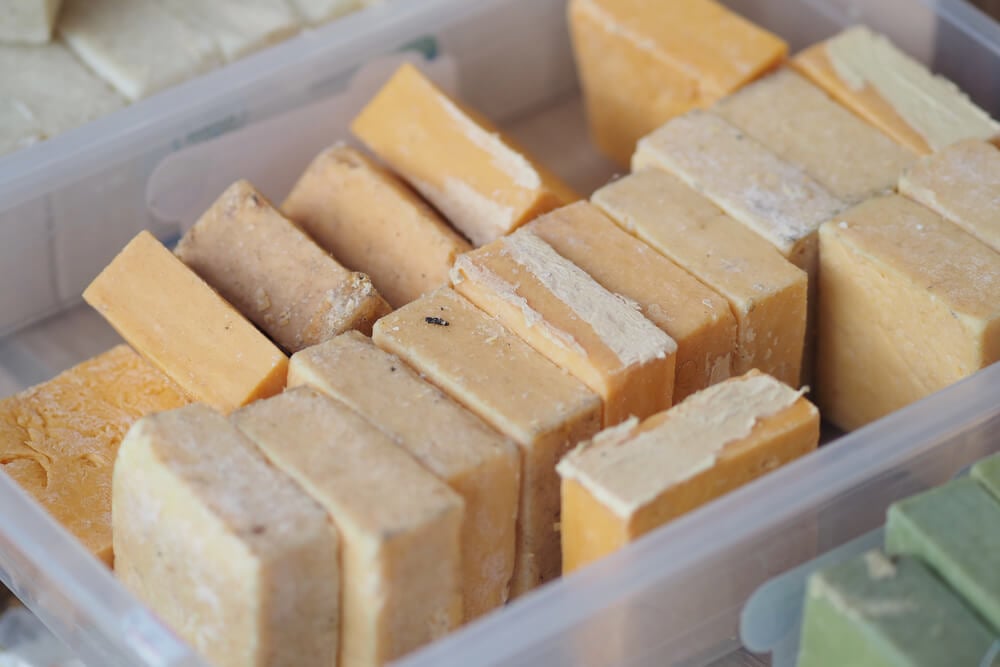
Soap, usually homemade lye soap, traveled along with washboards and tubs, since laundry did not stop just because the household was on the road. Women often washed on layover days, boiling clothes in iron kettles and drying them on bushes and wagon covers.
A day of washing could consume hours of fuel and water, so many travelers did it only when a clear creek and extra daylight coincided.
Needles, Thread and Patches
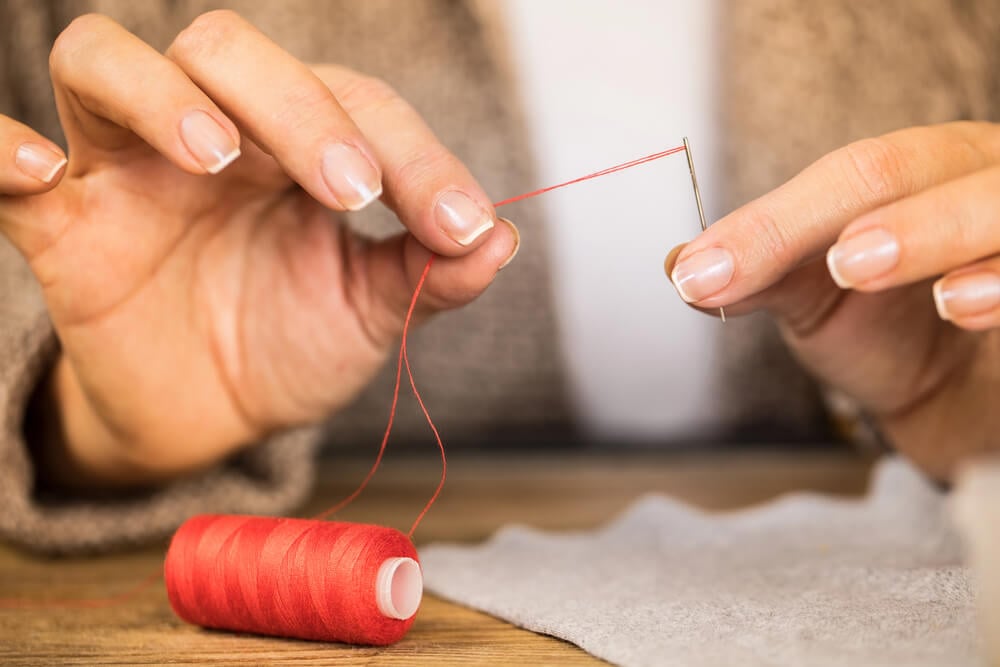
A sewing kit held needles, thread, thimbles, buttons and scraps of fabric, because clothes, bedding and wagon covers wore out constantly. Women sewed while riding in the wagon or walking beside it, and some completed quilt tops during the long evenings at camp.
The kit weighed almost nothing yet saved a great deal of misery when seams ripped halfway across Wyoming.
A Butter Churn and a Milk Cow
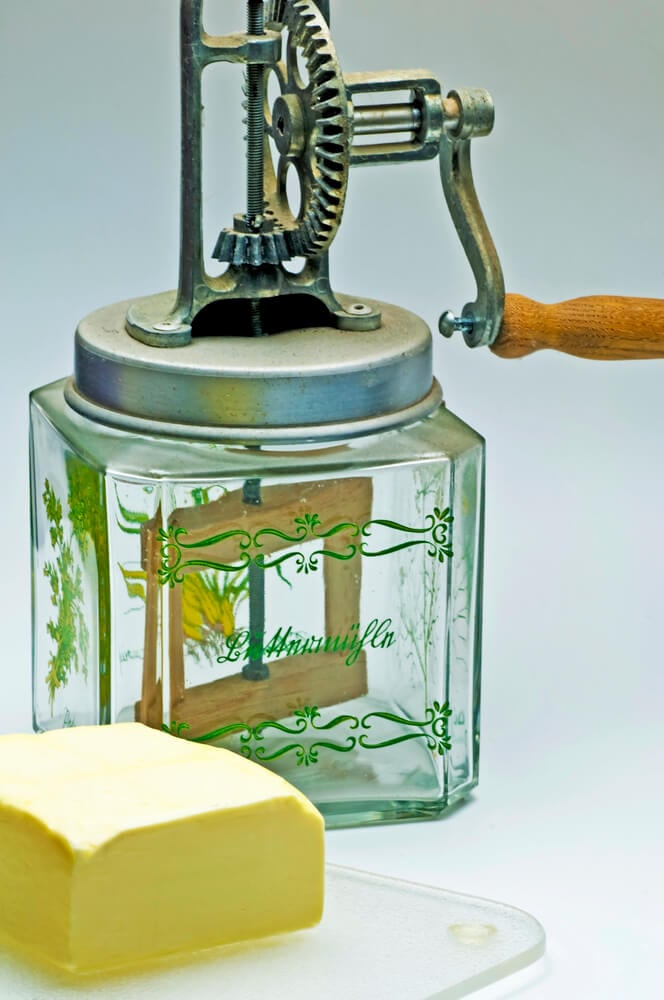
Families who brought milk cows sometimes made butter without trying, since the motion of the wagon churned cream hung in a covered container through the day. Fresh milk, buttermilk and butter were prized additions to a diet heavy in dried goods.
Cows had to be herded alongside the oxen, and they sometimes wandered or died, but a family with one often ate better than its neighbors.
Tin Plates and Cups
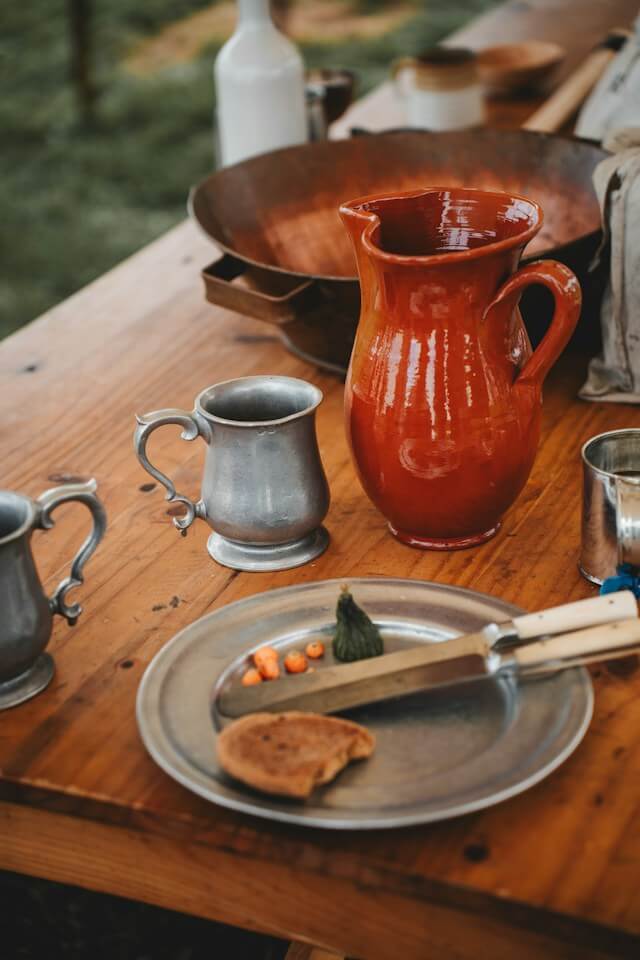
Tin plates, cups and utensils were light, cheap and tough, so they were the standard dishes for trail meals. Families hung them from the wagon cover, where they rattled and clanked with every jolt.
They could survive being dropped, sat on or buried under a sack of flour, which suited a journey that was hard on everything breakable.
Candle Lanterns

Tin lanterns with pierced sides or glass panes held candles, giving light for cooking, nighttime guard duty and the occasional emergency repair. Candles were also packed separately in boxes and were sometimes made at home before departure.
The light was dim and flickering, but it was enough to find a wagon wheel, tend a sick child or stir a pot after dark.
Friction Matches and Flint

Friction matches were available by the time of the great migration, and emigrants packed them in tins or corked bottles to keep them dry. Many also carried flint and steel as a backup, since a wet box of matches could leave a camp without fire.
In a landscape where wood could be scarce, lighting a reliable blaze was a daily concern.
Sturdy Boots and Wool Clothing

Guidebooks recommended durable wool or linsey clothing, strong boots and hats that could shield the face from sun, wind and rain. Many people walked most of the way to spare the animals, so boots wore out and often needed repair or replacement before reaching Oregon.
Some emigrants also packed rubberized coats or blankets to turn rain, which were popular because ordinary cloth stayed wet for days.
Saplings and Seeds in a Nursery Wagon
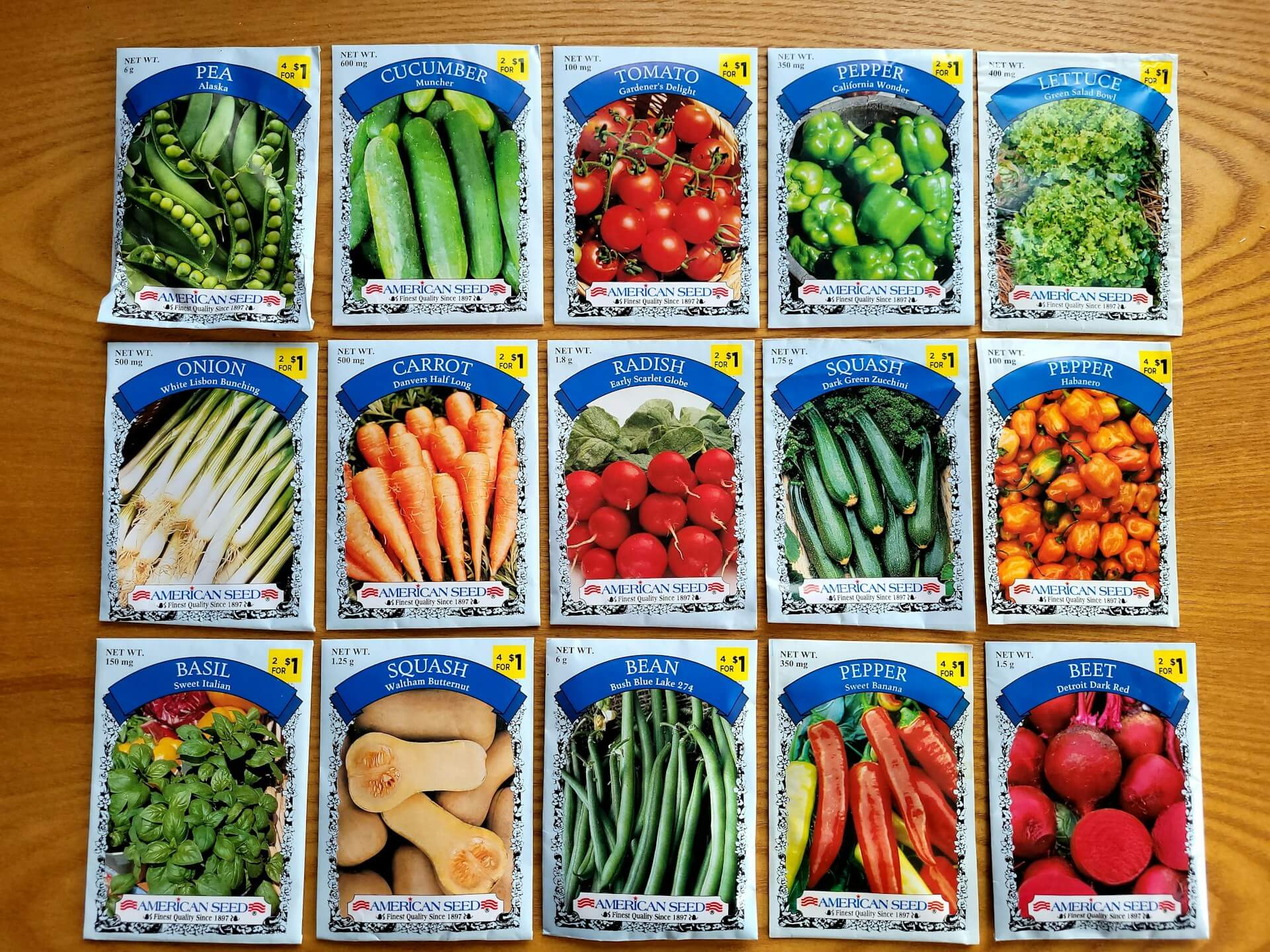
Henderson Luelling set out for Oregon in 1847 with a wagon loaded with soil and hundreds of young fruit trees, grafted and ready to plant. Many of the trees did not survive the journey, but those that did helped found the orchard industry in the Willamette Valley.
Farmers often packed seeds and cuttings for the same reason, since a family could not start a farm without something to plant.
Heirlooms Left Along the Road

Many families began the journey with chests of drawers, rocking chairs, stoves, anvils and fine china, then discarded them when the wagons proved too heavy. Emigrants who followed saw furniture and iron goods strewn across the plains, especially on the climbs west of Fort Laramie.
Each abandoned item marked a moment when sentiment lost to arithmetic, and the trail became a long museum of regret.
A Fiddle for the Evening

Fiddles, banjos and harmonicas were packed because music was one of the few ways to turn exhaustion into entertainment at the end of the day. Diaries describe dancing near the wagons after supper and singing around fires, even when travelers had walked many miles that day.
A fiddle weighed little, and for many families it carried more value than any extra barrel of flour.
What the Wagons Taught About Priorities
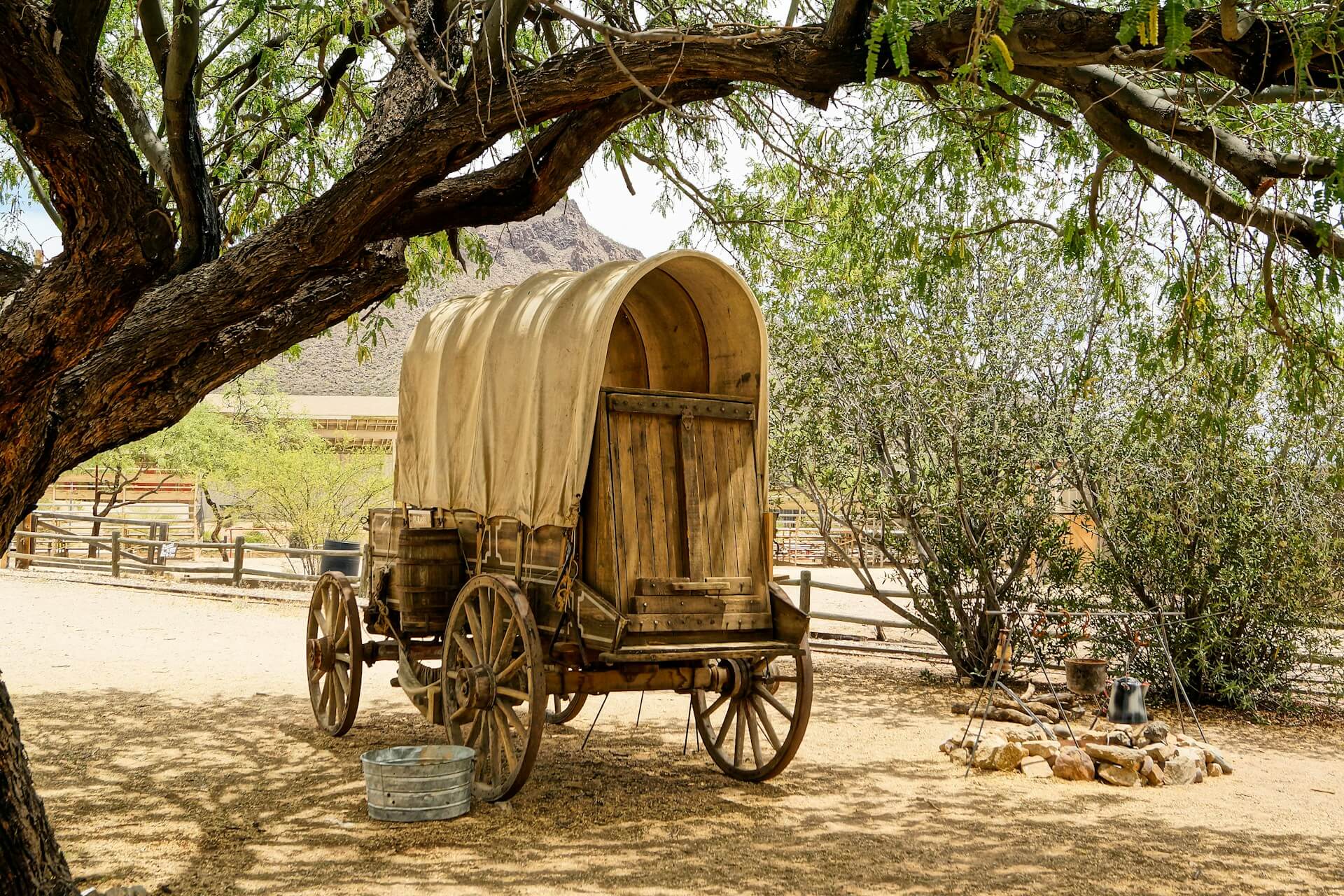
The packing lists reveal a simple pattern: people brought what they thought would keep them alive, then slowly discovered what they could do without. Flour, bacon and tools stayed with the party while furniture, extra trunks and bulky comforts were dropped by the side of the road.
A journey that lasted months made it impossible to pretend that every possession mattered equally.
The items that survived to Oregon were rarely the grandest ones. They were the Dutch oven, the sewing kit, the journal, the seeds and the fiddle, small things that let people cook, mend, record, plant and sing.
The trail stripped away comfort, but it left behind a clearer idea of what a household actually needed.
More from Go2Tutors!

- The Romanov Crown Jewels and Their Tragic Fate
- 13 Historical Mysteries That Science Still Can’t Solve
- Famous Hoaxes That Fooled the World for Years
- 15 Child Stars with Tragic Adult Lives
- 16 Famous Jewelry Pieces in History
Like Go2Tutors’s content? Follow us on MSN.