14 Ballpark Snacks And Food Traditions Older Fans Remember
A modern day at the park can run well past a hundred dollars once tickets, parking and a few rounds of food are tallied. Grandparents love to point out that it was not always this way, and for once, the nostalgia holds up.
Back when a nickel was real money and a dime was a treat, some classic ballpark snacks cost just a few cents.
The snacks themselves have mostly survived. What changed was the arithmetic, along with the rituals attached to each item, from the glass bottle in a vendor’s tray to the prize hiding in a paper box.
The Five-Cent Chicago Hot Dog of the Depression
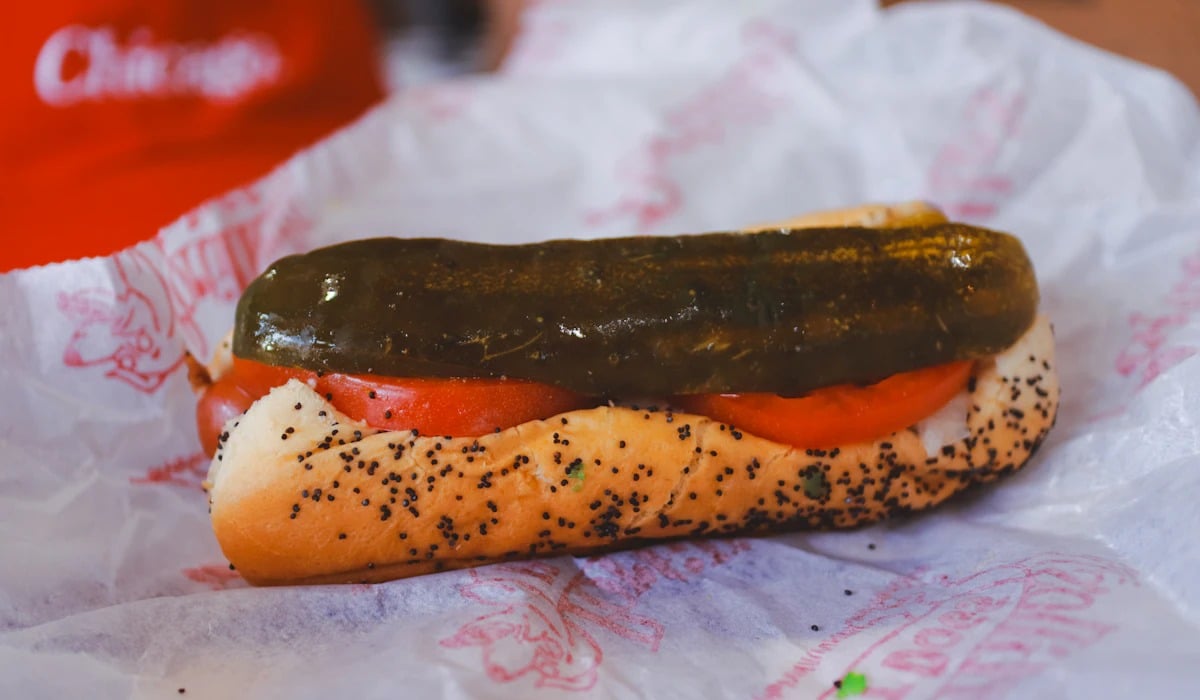
During the Great Depression, a hot dog loaded up Chicago-style could be had for just five cents. Vienna Beef, the company behind many of those dogs, traces its roots to the 1893 World’s Columbian Exposition in Chicago, where its founders first sold their sausages to fairgoers for 10 cents.
The five-cent price came later, as vendors made hot dogs an inexpensive, filling meal during hard times. Chicago ballpark crowds helped keep the tradition alive.
A snack that cheap was a welcome option for families when money was tight.
Coca-Cola, Bottled at a Nickel for Decades
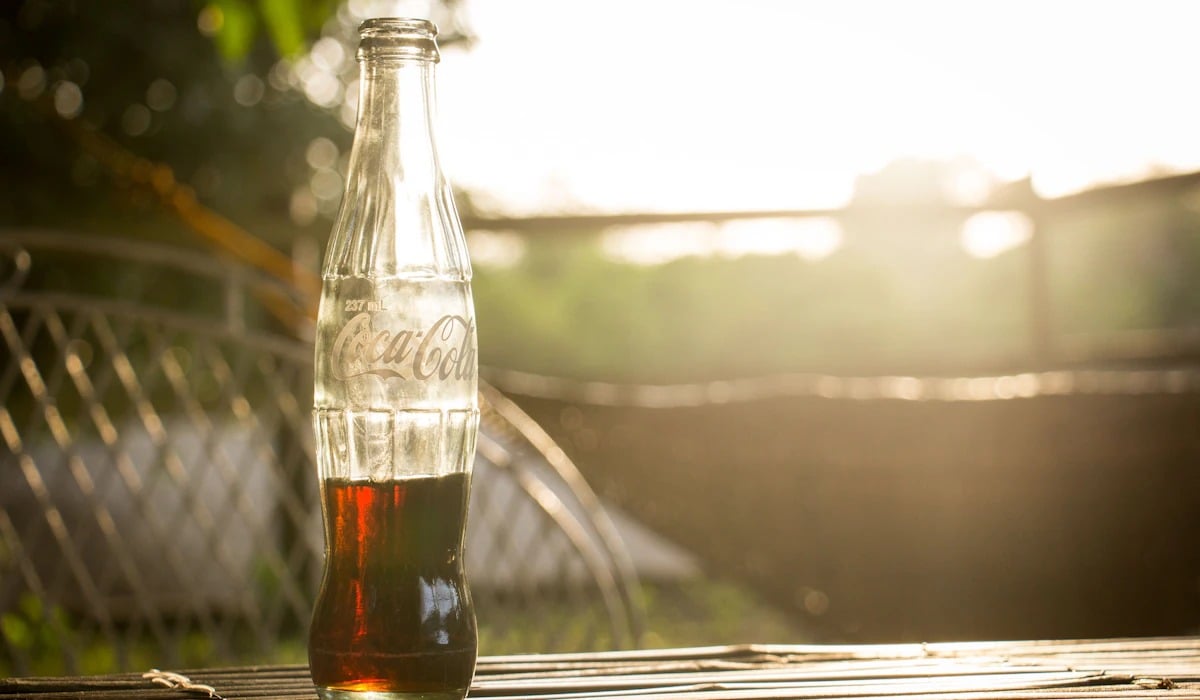
For a stretch longer than most careers, a bottle of Coca-Cola cost five cents, and that price held essentially unchanged until 1959. Coca-Cola itself debuted in 1886 at five cents a glass at a soda fountain; the familiar bottled version came later.
Bottlers and vendors kept the price remarkably stable even as costs rose, making the nickel bottle a familiar part of American life. Ballpark vendors who moved bottles through the stands inherited that tradition along with the fizz.
A fan could hand over a single coin and receive a cold soda, a deal so predictable that it became a kind of national constant.
Cracker Jack, the Nickel Box Inspired by a Song
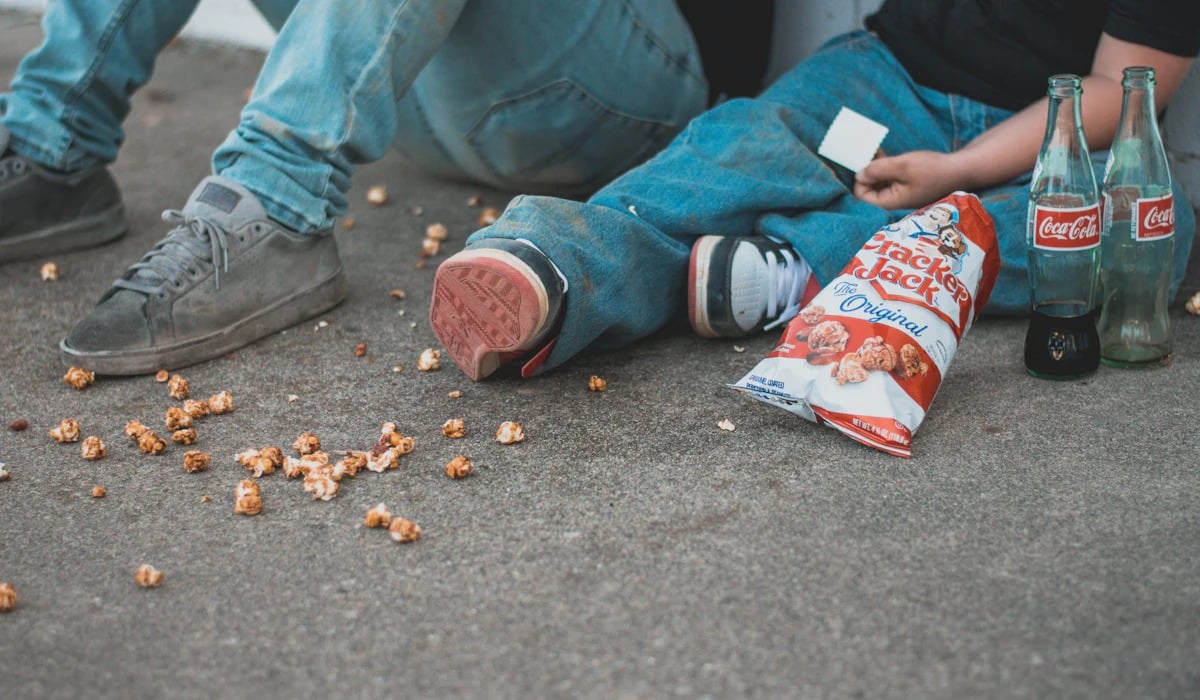
Cracker Jack is the snack that baseball put into a song, thanks to a 1908 Tin Pan Alley tune that told listeners to buy some for themselves. The caramel-coated popcorn and peanut mix was sold in small boxes that cost five cents for many years.
Starting in 1912, every box carried a surprise prize inside, which turned a cheap treat into a collecting habit for children. Some of those tiny prizes, including baseball cards from the 1910s, now sell to collectors for far more than the original nickel, though condition determines much of a collectible’s value.
Peanuts From the Warmer
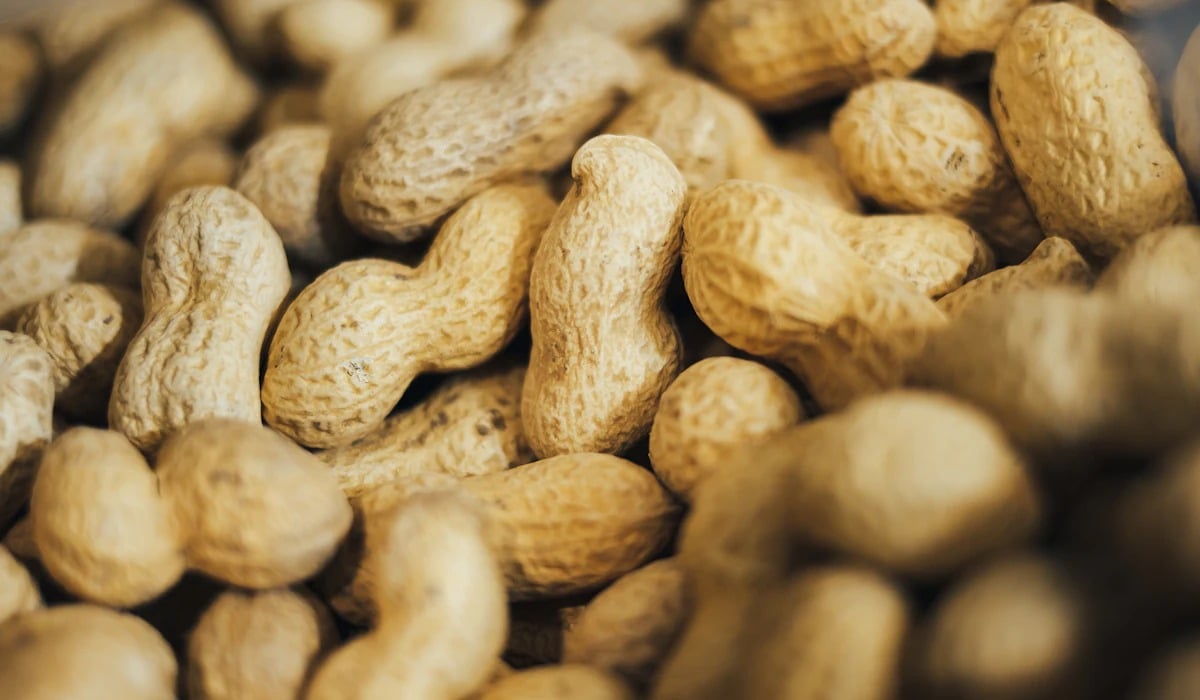
Peanuts were an early staple of the grandstand, sold by vendors who carried them in bags and baskets. A bag was an inexpensive way to keep busy through a long afternoon, and the shells piled up under the seats to prove it.
The tradition outlasted ballparks themselves, since fans still crack them open in stadiums built a century later. Few snacks pair so naturally with watching a pitcher work out of a jam.
Beer in St. Louis and the Beer and Whiskey League
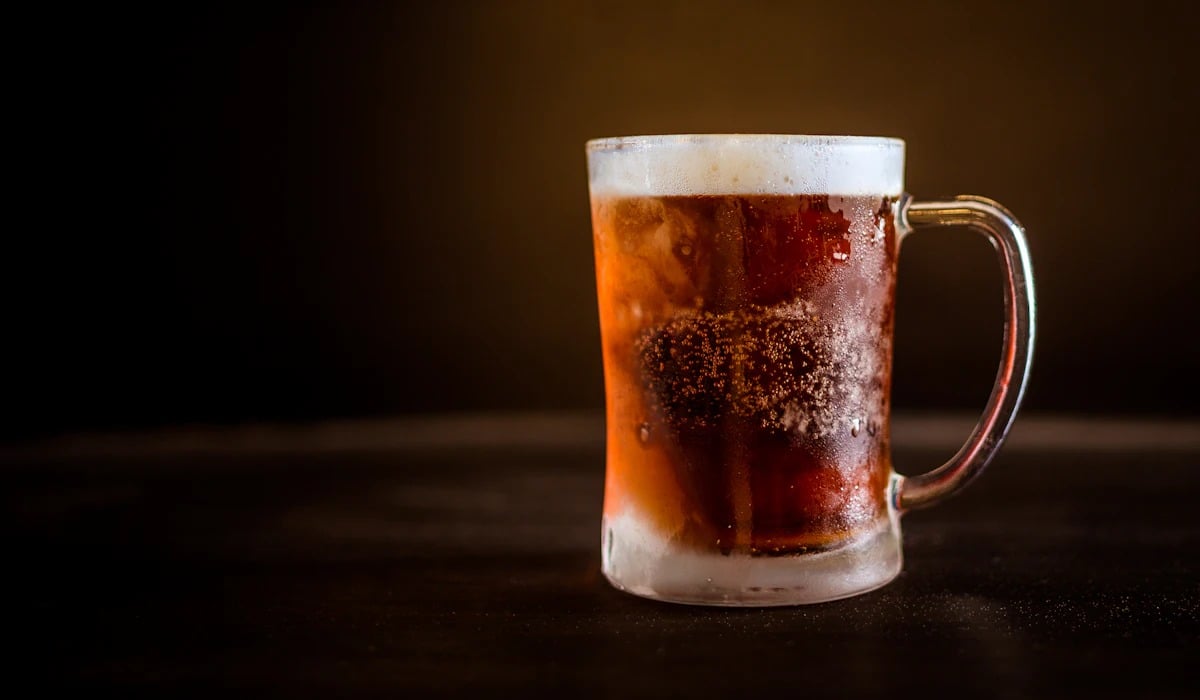
The American Association, a major league of the 1880s, earned the nickname Beer and Whiskey League because many of its owners made their money from alcohol. Chris von der Ahe, who owned the St.
Louis Browns, also ran a saloon and pushed beer as a core part of the experience at Sportsman’s Park. His league undercut the established National League by charging lower admission prices, helping attract working-class fans.
The combination of baseball, beer and St. Louis’ brewing industry became a lasting part of the city’s sports culture.
Dixie Cups With a Player Under the Lid
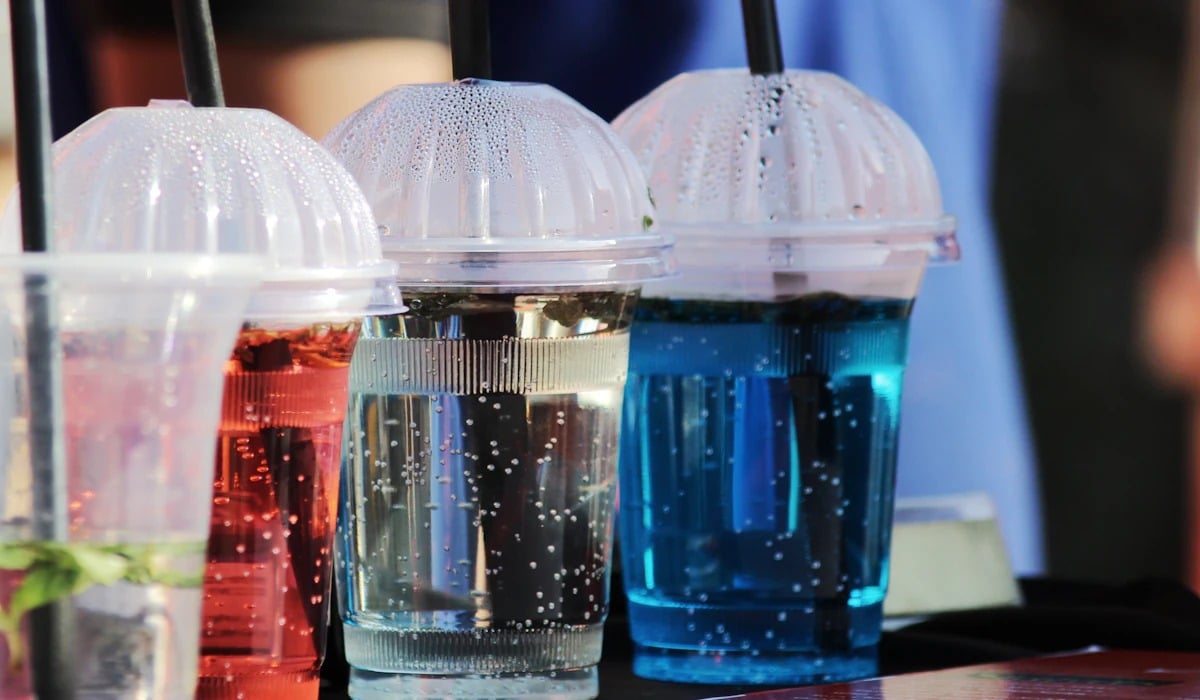
In the 1930s and 1940s, and again in the 1950s, Dixie Cup ice cream came with a paper lid that sometimes carried a photograph of a baseball star or a movie actor. Kids pried the lids off and saved them, and the collectible later became one of the quirkier items in the card hobby.
Baseball-player lids appeared in sets that collectors still seek today. Whatever one of those lids fetches depends on its condition, and the ice cream inside was only part of the attraction.
Eskimo Pie, the Chocolate-Coated Bar of 1921
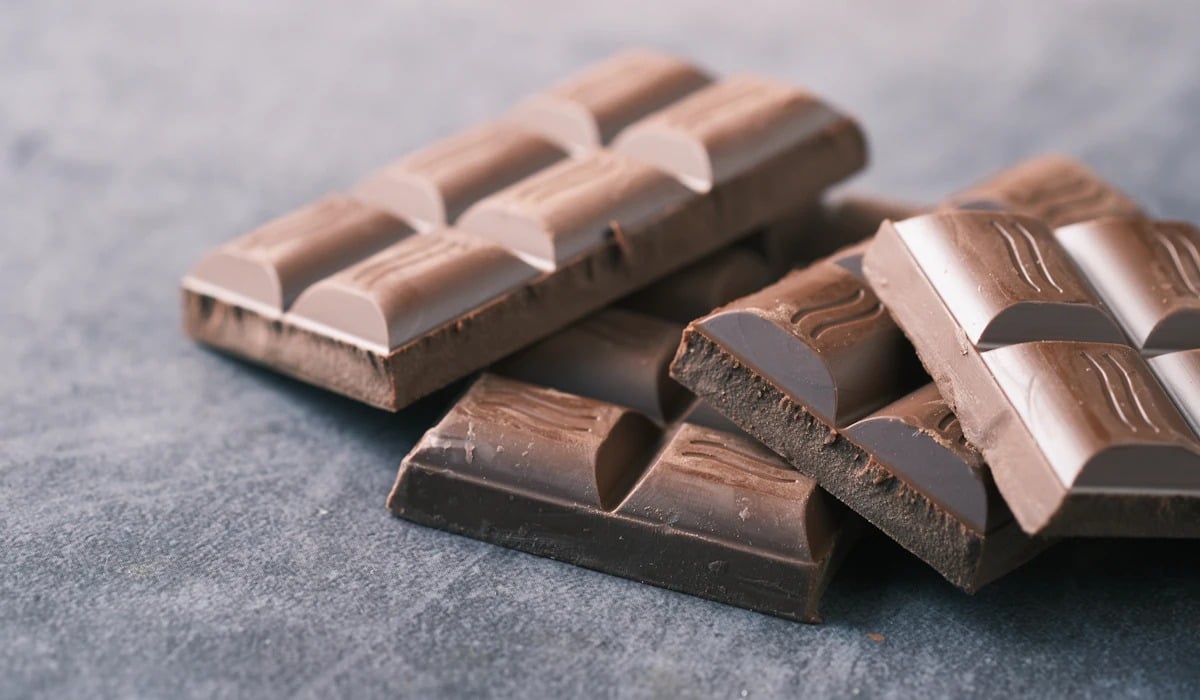
The Eskimo Pie arrived in 1921 as a chocolate-covered ice cream bar that became known as an affordable frozen treat. It began life in Onawa, Iowa, where candy shop owner Christian Kent Nelson came up with the idea after a customer could not choose between ice cream and chocolate.
Nelson partnered with chocolate maker Russell Stover to market the product, which was patented in 1922. Its success also launched a legal fight over patents that stretched on for years.
The original bar was designed to be easy to handle, making it a convenient treat for summer outings.
Harry Stevens and the Hot Dog Legend
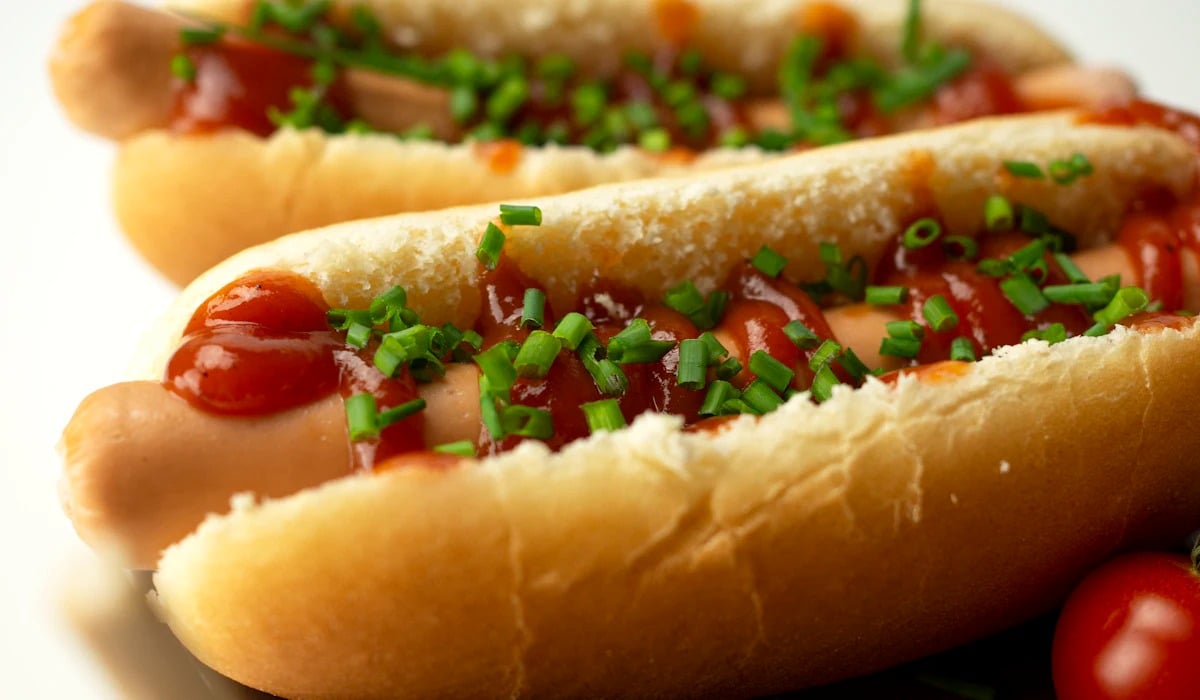
Harry M. Stevens, an English immigrant, built a concession empire that supplied ballparks across the East Coast, and a popular legend claims he invented the hot dog roll at the Polo Grounds on a cold day.
Baseball historians have repeatedly challenged the story, but it keeps circulating anyway. What is documented is that Stevens began selling scorecards in Columbus, Ohio, in 1887 and expanded into food and drink concessions.
His printed scorecards also became an advertising vehicle. The man deserves credit for helping shape ballpark concessions, whatever the truth about the bun.
Sandwiches That Ruled Before the Hot Dog
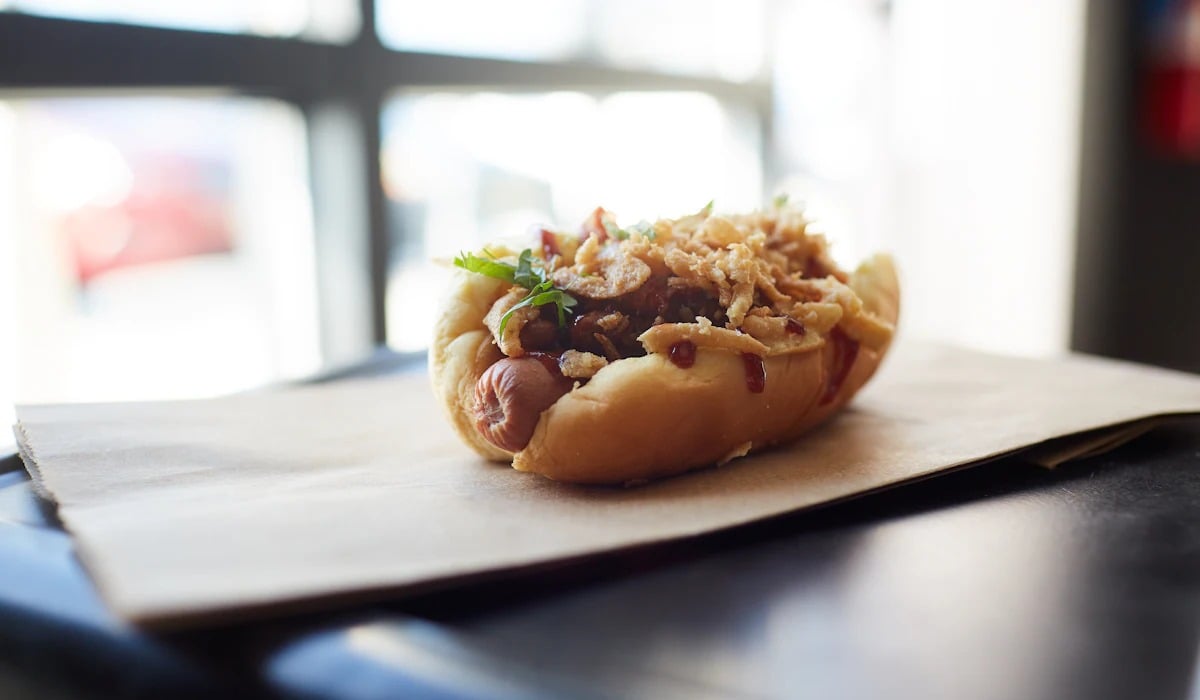
Hot dogs get most of the credit now, but sandwiches were among the foods sold to early ballpark crowds. They were practical concessions because vendors could prepare them ahead of time and hand them to hungry fans without needing plates or utensils.
Frankfurters eventually became a signature stadium food, prized for their portability and ease of eating in the stands. That convenience, more than any love of tradition, helped make the hot dog a ballpark staple.
Hot Dog Days at Ebbets Field
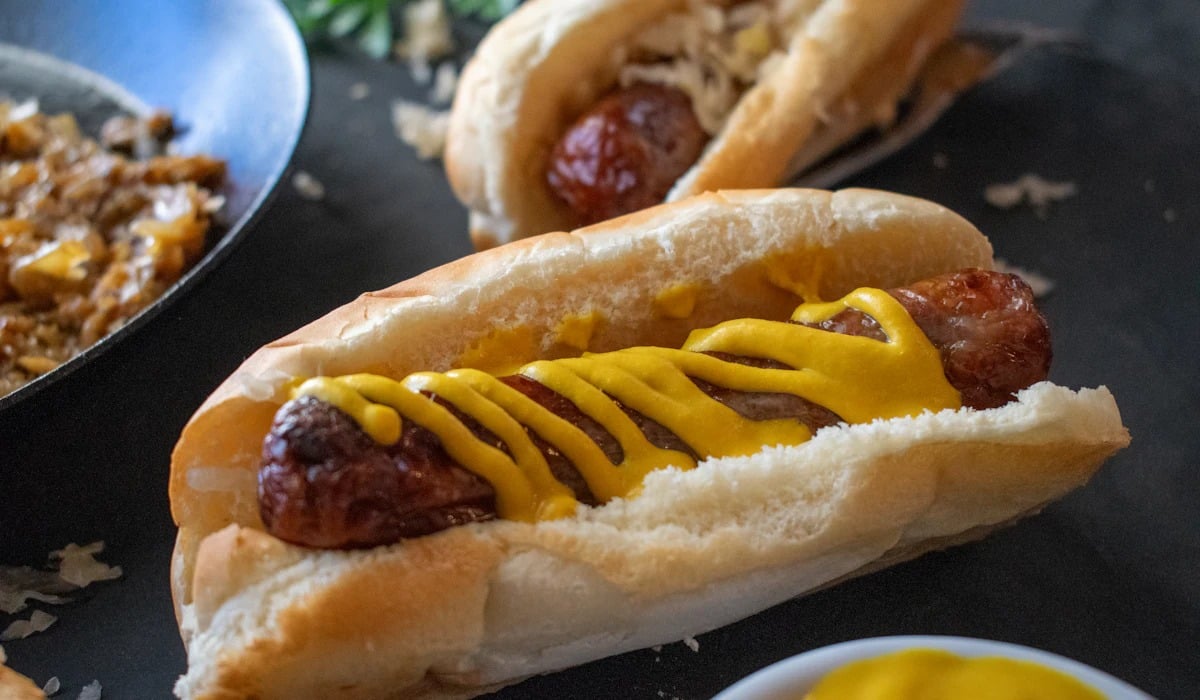
Brooklyn fans remembered Ebbets Field as a place where food and noise went together, and the hot dog was part of the routine at Dodger games long before the team left for California after the 1957 season. The ballpark itself came down in 1960 and was replaced by an apartment complex, so the stands where vendors shouted their orders are now living rooms.
Old photographs and recollections help preserve the atmosphere of those crowds. A dog in a Brooklyn grandstand was a simple pleasure that tied neighbors together.
Beer and Bratwurst in Milwaukee
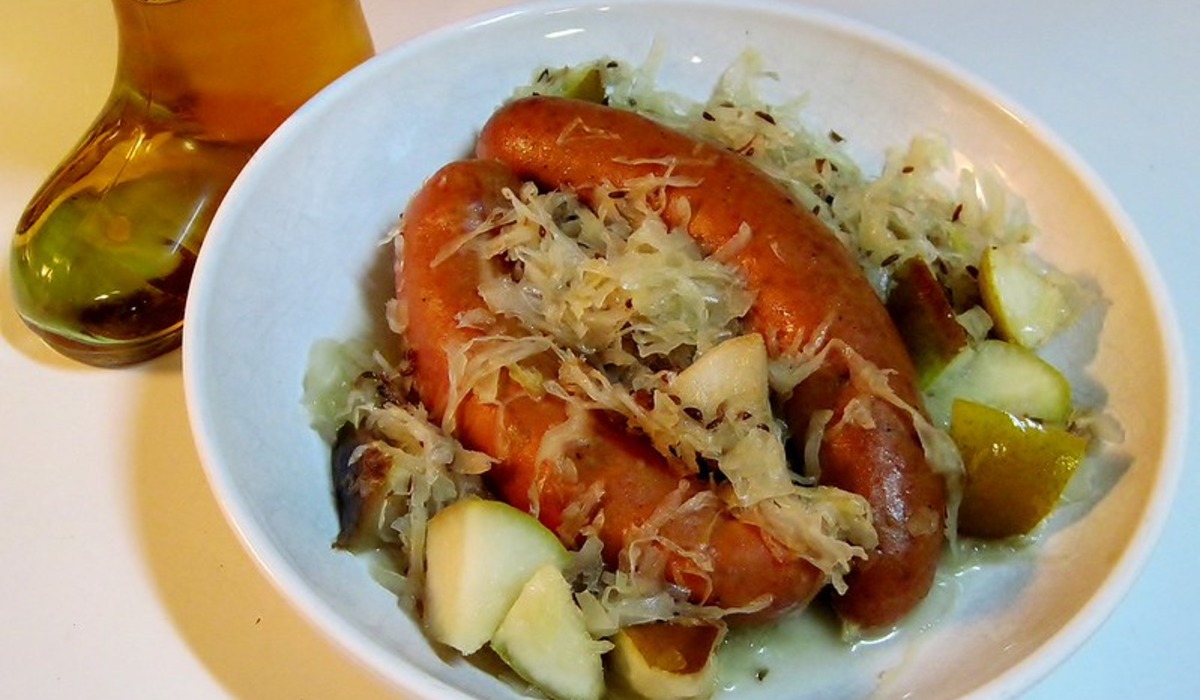
When the Braves moved to Milwaukee and began playing at County Stadium in 1953, the crowd’s appetite for beer and bratwurst became part of the city’s baseball identity. The Braves won the World Series there in 1957, adding to the team’s place in local sports history.
Milwaukee’s German heritage and brewing industry made the combination feel natural rather than gimmicky. Fans grilling bratwurst in the parking lot before a game helped build a tailgating culture that still defines the sport in Wisconsin.
Soft Pretzels in a Pretzel Town
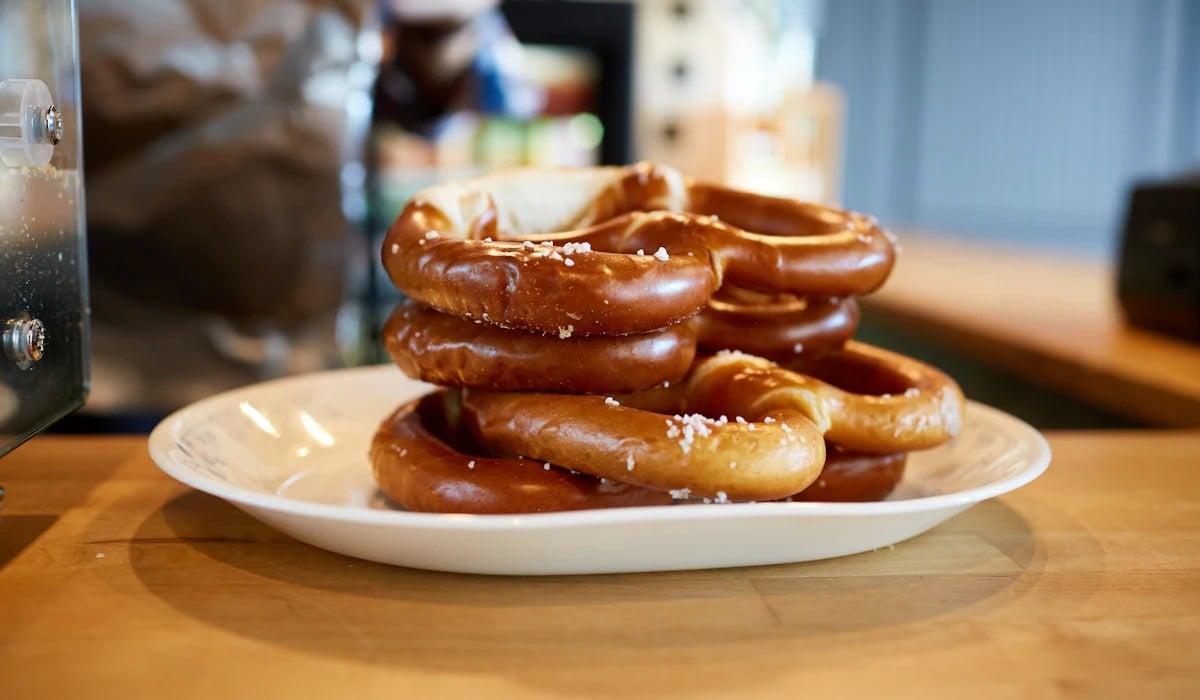
Philadelphia has long been a soft pretzel town, with the snack sold by street vendors and bakeries for generations. Shibe Park, which opened in 1909 and became home to both the Athletics and the Phillies, drew fans who carried that habit straight into the grandstand.
A pretzel was a relatively inexpensive, filling thing to hold in one hand while keeping a scorecard in the other. Local writers still treat the twisted bread as a civic symbol the way other cities treat their own pizza.
The Nacho Debut in Arlington
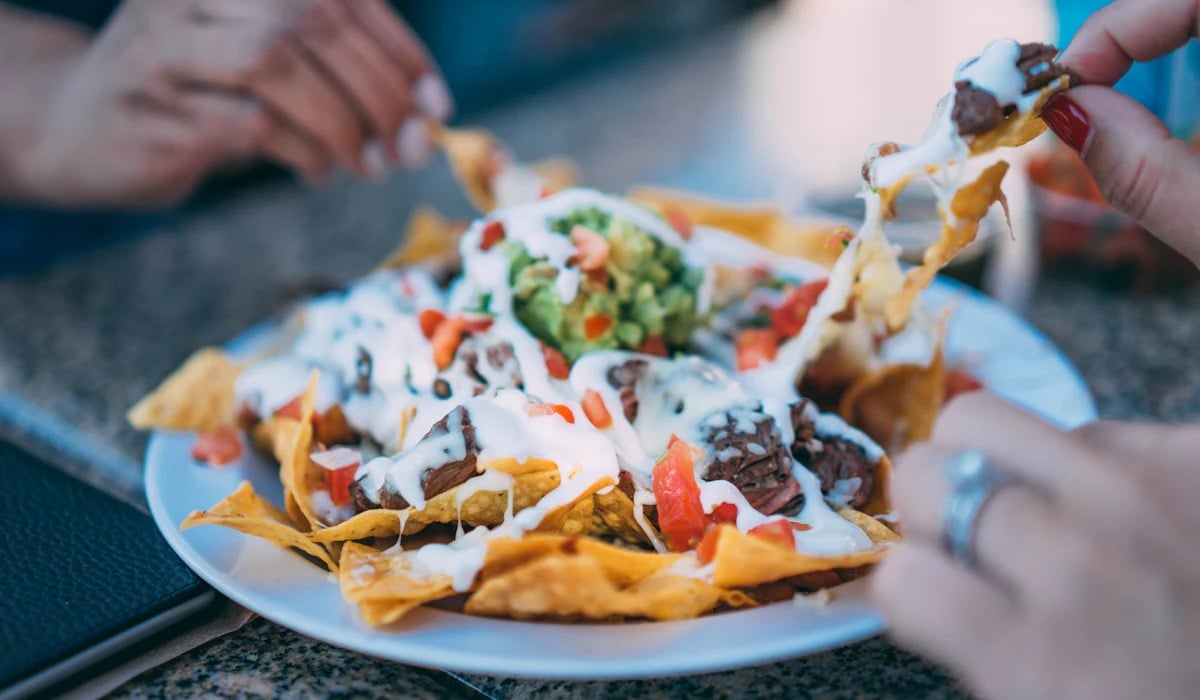
Ballpark nachos arrived in 1976, when concessionaire Frank Liberto began serving tortilla chips with a pourable cheese sauce at Arlington Stadium, home of the Texas Rangers. Nachos already existed, but Liberto developed a sauce that vendors could dispense quickly, making the dish practical for a crowded stadium.
His company, Ricos Products, helped bring the snack to other sporting venues. The combination of chips, warm sauce and jalapeños soon became a familiar part of the ballpark menu.
The Dodger Dog Hits Los Angeles
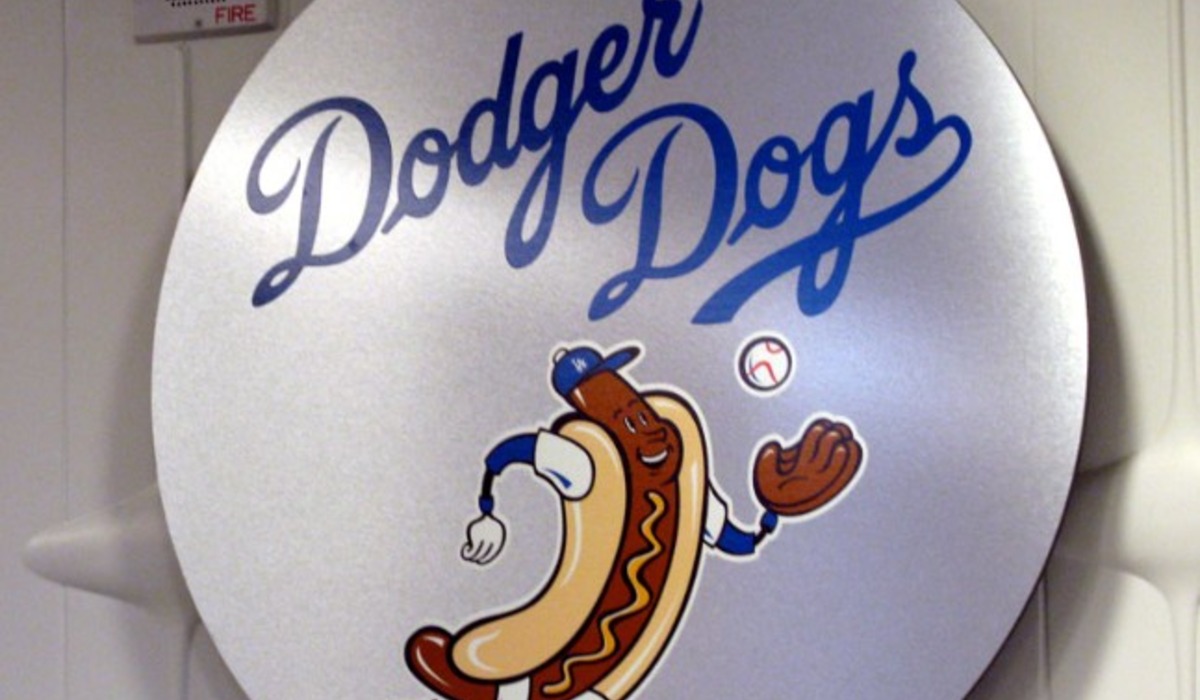
When Dodger Stadium opened on April 10, 1962, the new park needed a signature food, and the Dodger Dog eventually became exactly that. The footlong-style frank was developed by concession manager Thomas Arthur, who helped turn it into a recognizable part of the stadium experience.
The sausage was designed to be longer than its bun, a visual quirk that fans came to love. What began as a concession item became one of the best-known foods in the sport.
What Ballpark Food Used to Mean
Looking over this list, the pattern is hard to miss: inexpensive food made the ballpark welcoming to anyone who could scrape together a few coins. A hot dog, a bottle of soda or a box of caramel popcorn did not require much planning.
Other treats became memorable because of the collectible lids, the vendors who sold them or the stadium traditions built around them.
The prices, of course, did not stay. Inflation, bigger crowds and ever more elaborate menus turned a nickel treat into a much more expensive purchase, and the nostalgia that survives is partly for the money and partly for the feeling.
Fans today are still buying many of the same basic things, and the old price tags remain a reminder of how much a coin used to be worth.
More from Go2Tutors!

- The Romanov Crown Jewels and Their Tragic Fate
- 13 Historical Mysteries That Science Still Can’t Solve
- Famous Hoaxes That Fooled the World for Years
- 15 Child Stars with Tragic Adult Lives
- 16 Famous Jewelry Pieces in History
Like Go2Tutors’s content? Follow us on MSN.