Historic Mascots People Now Forget
Before TikTok trends and corporate rebrands, mascots ruled the marketing world. They were everywhere—on cereal boxes, in theme parks, even parading through TV screens with jingles that stuck like glue.
Some became cultural icons. Others quietly vanished, victims of new design eras and shifting tastes.
Here’s a list of once-famous mascots that used to define their brands—and now mostly live in the dusty corners of nostalgia.
The Noid
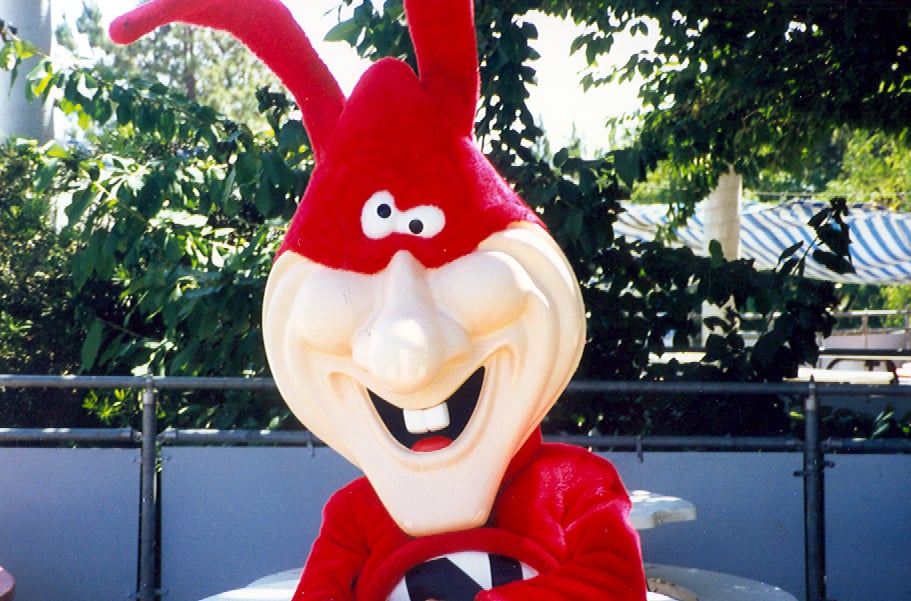
Back in the ’80s, Domino’s unleashed a rubbery red troublemaker who made it his mission to ruin pizza deliveries. The Noid wasn’t the hero — he was the villain standing for everything the company promised to beat: lukewarm, late pizza.
Yet his oddball personality and floppy ears turned him into a strange fan favorite. Eventually, the mascot faded away as Domino’s chased sleeker campaigns.
Every so often, though, an old ad resurfaces, and people remember that weird little gremlin who told us to “avoid the Noid.”
Frito Bandito
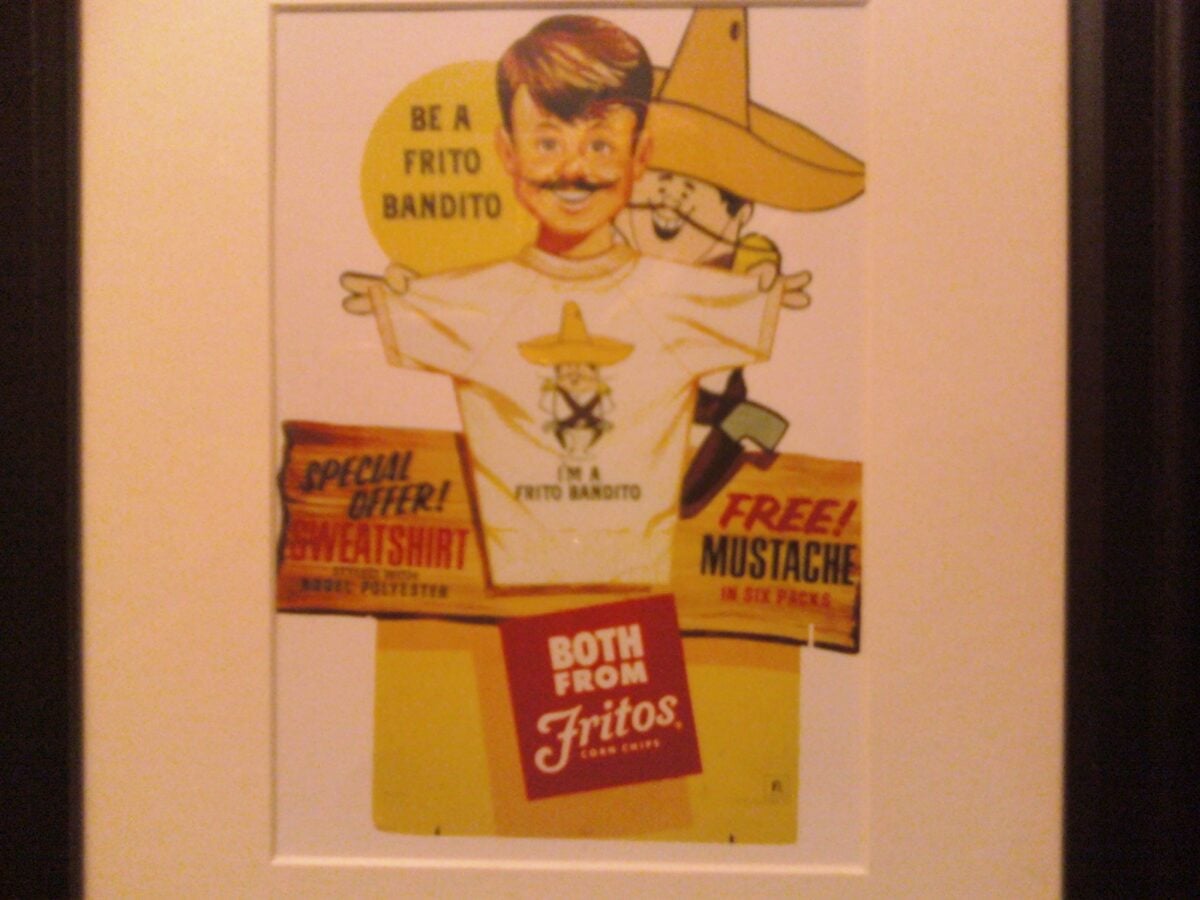
This mustachioed, cartoonish bandit once pushed corn chips with a grin, a sombrero, and a golden tooth. He first appeared in the late ’60s, but by the early ’70s, the backlash against racial stereotyping was too strong to ignore.
Protests forced the company to pull him from the spotlight. Though long gone from TV, old merchandise still pops up in collectors’ circles — a reminder of just how different advertising used to be.
Like Go2Tutors’s content? Follow us on MSN.
McDonaldland’s Mayor McCheese
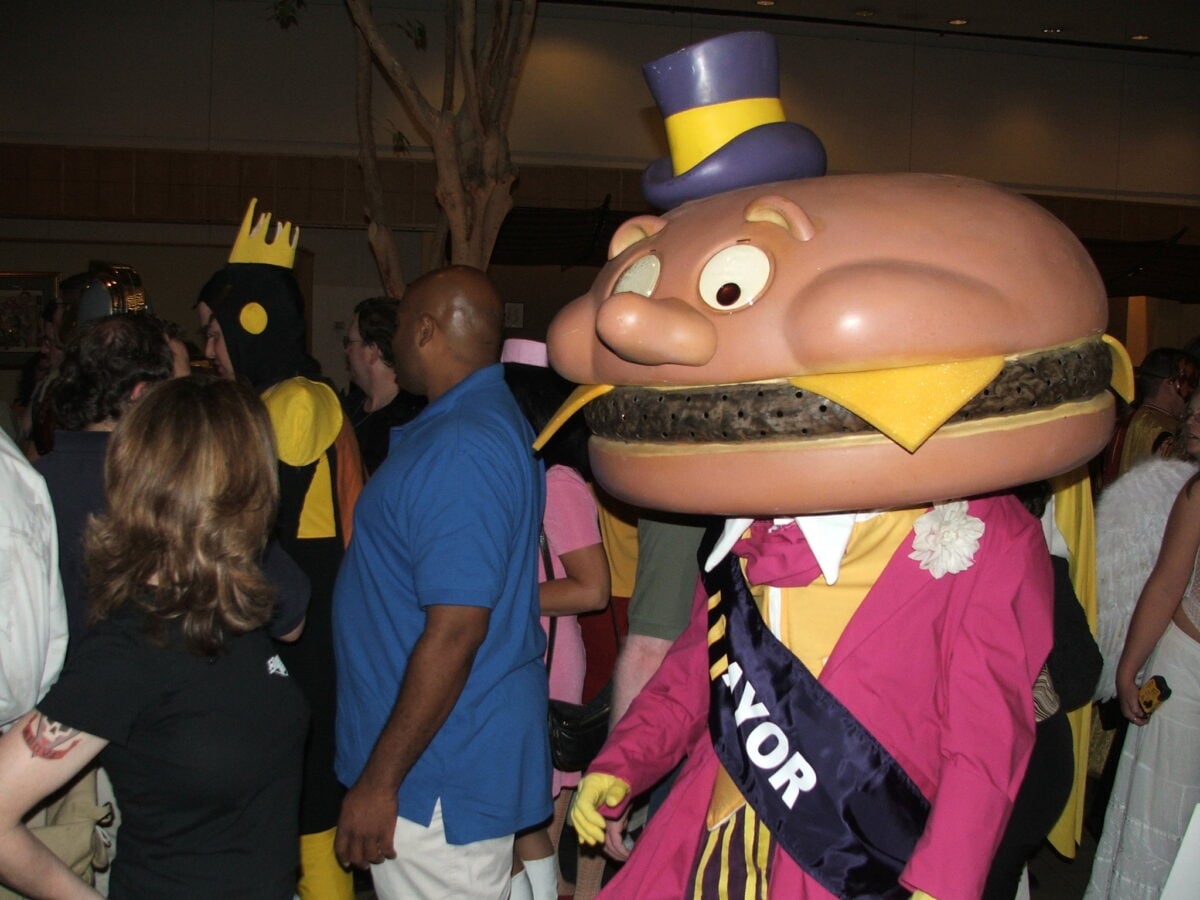
There was a time when McDonald’s felt like a whimsical cartoon universe. Among its cast of characters was Mayor McCheese — a cheeseburger-headed politician with a British-sounding voice and a wide grin.
Kids loved the quirky world of McDonaldland, but as the company modernized in the late ’80s, the mayor quietly disappeared. He now mostly lives on in vintage lunchboxes and fuzzy childhood memories.
The Kool-Aid Man’s Crew

The Kool-Aid Man’s famous “Oh yeah!” is burned into pop culture, but few remember his fruity sidekicks. Each flavor had its own cartoon character, bouncing through commercials in bright, chaotic bursts of energy.
Over time, the company streamlined its branding, and the extra mascots were dropped. Their absence left Kool-Aid Man as the solo star — but those flavor friends are a perfect snapshot of the wild, colorful marketing of the ’90s.
Joe Camel
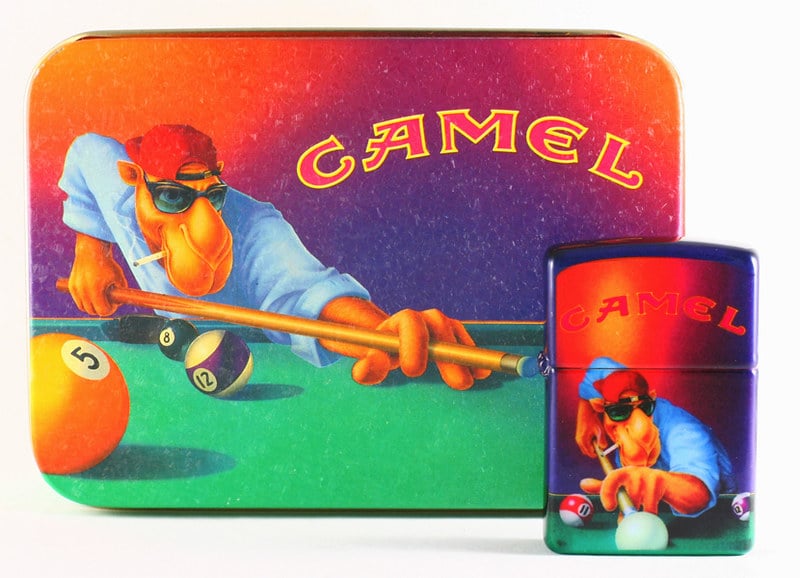
With his sunglasses and smooth persona, Joe Camel was designed to be “cool.” Officially, he was meant for adults — but his cartoonish look attracted a younger audience, sparking huge controversy.
By the late ’90s, public pressure and health campaigns ended his run. He went from being the face of a nicotine brand to a prime example in advertising ethics debates.
Like Go2Tutors’s content? Follow us on MSN.
Sprout, the Green Giant’s Little Buddy

The Jolly Green Giant wasn’t always alone. Sprout, his pint-sized apprentice, appeared in commercials to encourage kids to eat more vegetables.
Always eager and cheerful, Sprout added warmth and charm to the brand’s image. But when ad budgets tightened and marketing shifted, the little green sidekick was quietly shelved.
Many who grew up with those commercials still remember him fondly.
Vince from ShamWow
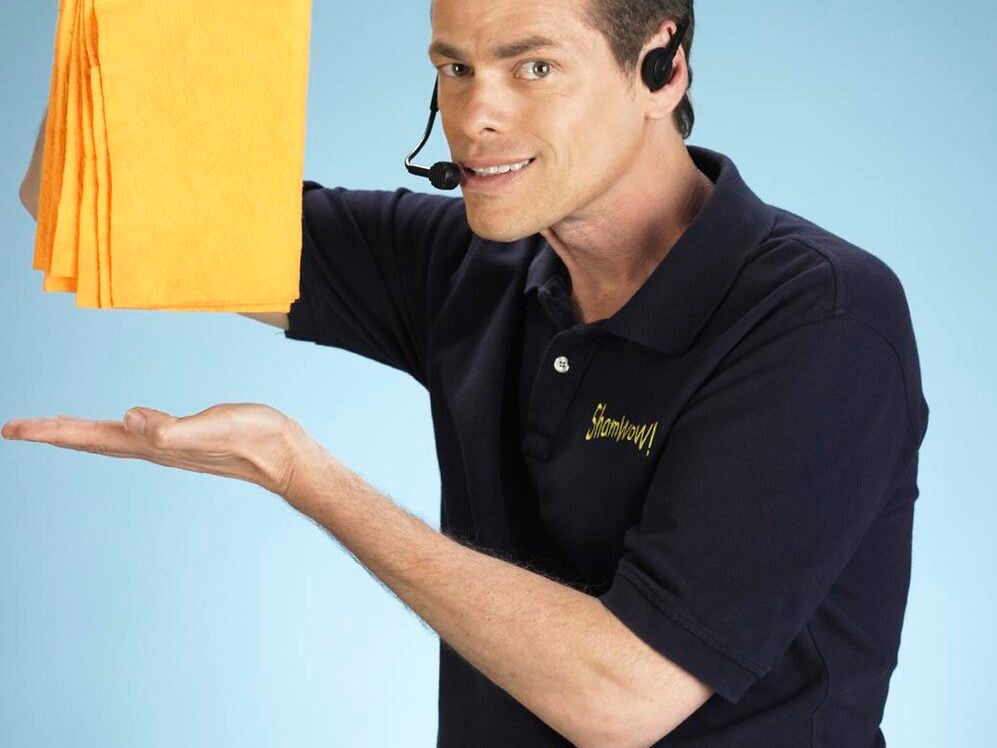
He wasn’t a cartoon, but Vince became a walking, shouting symbol of late-night infomercials. His high-energy pitch for ShamWow towels made him impossible to ignore in the 2000s.
Then, personal scandals and changing TV habits pushed him off-screen. He remains a strange cultural artifact — part salesman, part mascot, and entirely unforgettable to anyone who stayed up too late watching TV.
Mr. Blobby
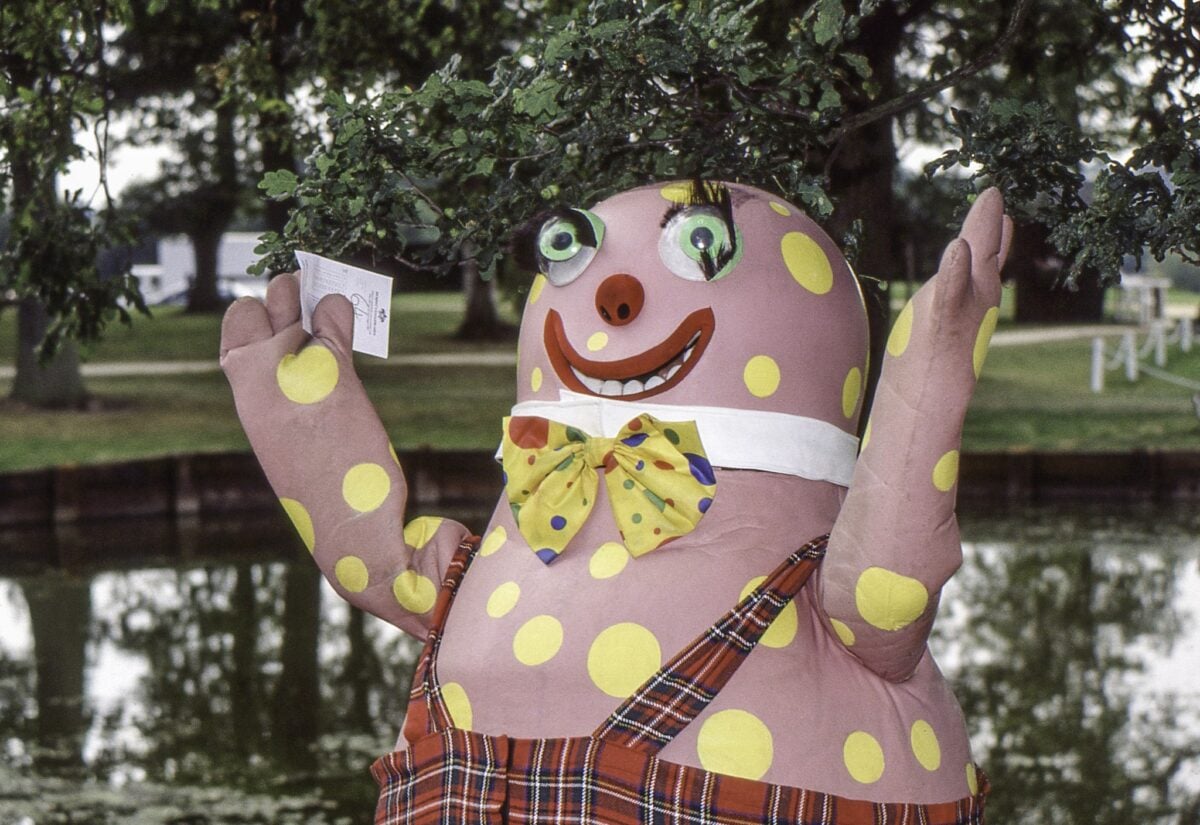
Loud, pink, and covered in yellow spots, Mr. Blobby was Britain’s lovable (and divisive) chaos machine of the ’90s. He screamed, stumbled, and somehow became a nationwide sensation.
His popularity was explosive but short-lived. When the backlash came, it was swift. Even so, those who grew up watching his absurd antics on TV can still hear that distinct shriek in their heads.
Like Go2Tutors’s content? Follow us on MSN.
Quiznos Spongmonkeys
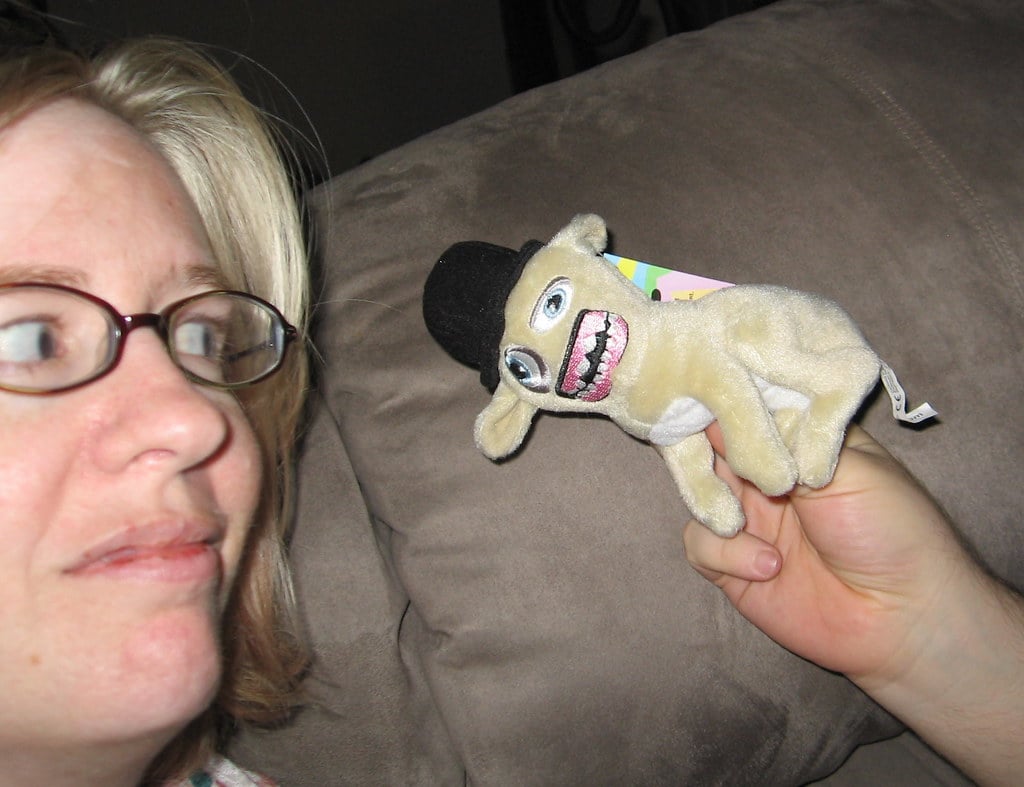
When Quiznos unleashed the Spongmonkeys in 2004, audiences weren’t sure what to think. They were strange sock-puppet-like creatures that sang off-key about toasted subs.
Many people were horrified. A small cult of fans adored the weirdness.
The campaign didn’t last, but in the world of bizarre advertising, the Spongmonkeys earned their place in history.
Chevron’s Talking Cars
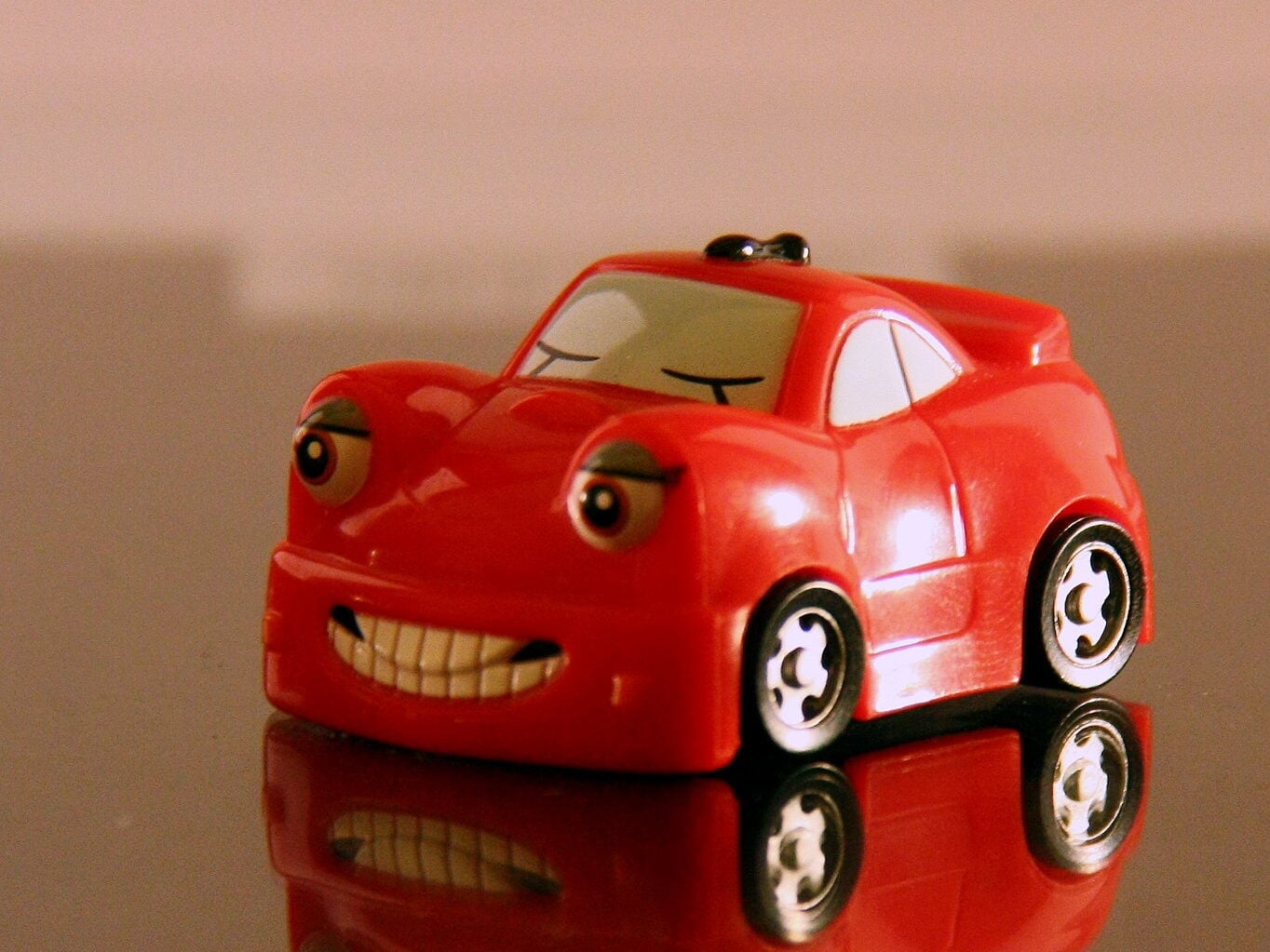
Long before Pixar’s Cars took over theaters, Chevron had a fleet of cheerful claymation vehicles. Each car had big eyes and a friendly smile, chatting at gas stations in commercials that ran for years.
When the company rebranded, the little cars were retired, leaving behind a surprisingly warm legacy. Today, they’re remembered as symbols of a softer, more playful marketing era.
Faded Faces, Lasting Impressions
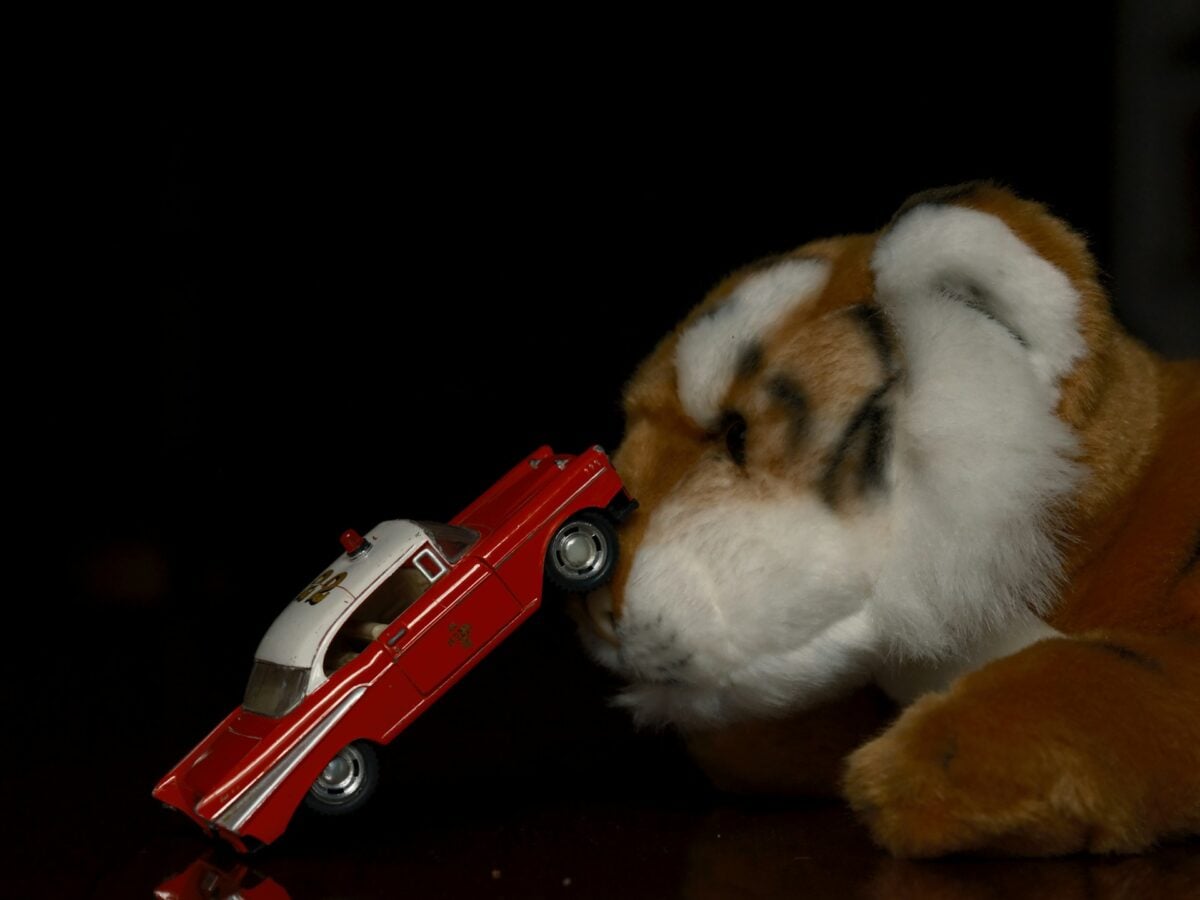
Although these mascots are no longer around, their impact and effect lingers. Whether seen in memes, vintage shirts, or just childhood memories.
They were peculiar, noisy and occasionally troublesome. However, they were also super appropriate for their time and era.
Truly evidence that even the most eccentric characters can have an impact long after the show is over.
More from Go2Tutors!

- 16 Historical Figures Who Were Nothing Like You Think
- 12 Things Sold in the 80s That Are Now Illegal
- 15 VHS Tapes That Could Be Worth Thousands
- 17 Historical “What Ifs” That Would Have Changed Everything
- 18 TV Shows That Vanished Without a Finale
Like Go2Tutors’s content? Follow us on MSN.