30 Photos Of Famous Landmarks Under Construction
Every famous landmark was once a muddy lot, a tangle of scaffolding or a skeleton of steel with nothing to suggest it would become a postcard. Photographers were there to catch the awkward in-between years, and their pictures are some of the most revealing documents of how the modern world got built.
These images show the part of the story that finished monuments hide: the cranes, the crews and the improvised solutions. Some of the photographs are famous in their own right, and others turn up when a landmark celebrates an anniversary.
The Eiffel Tower Rising as a Lattice of Iron
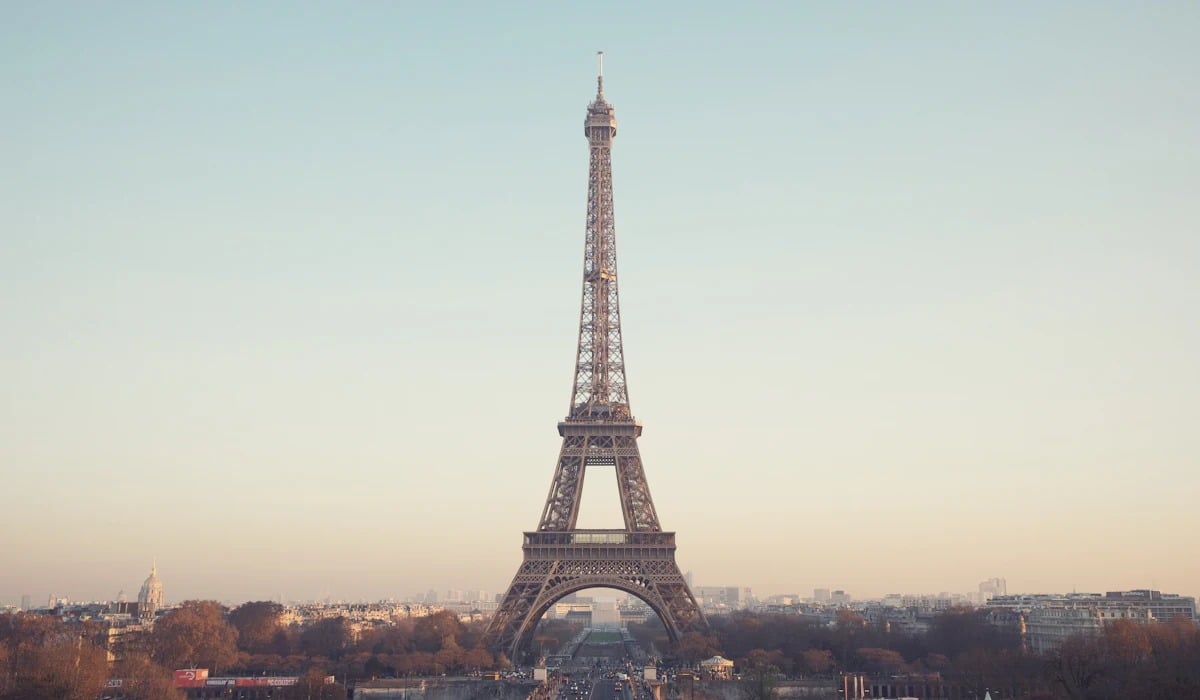
Photographs from 1888 show the Eiffel Tower as a lattice of iron with no top, its four legs reaching toward a first-level platform. Construction ran from 1887 to 1889 for the Paris World’s Fair, and the finished tower originally stood 300 meters tall.
Roughly 18,000 iron pieces were joined with about 2.5 million rivets, which made the unfinished structure look like a giant erector set. The tower was initially subject to a limited concession, but its usefulness for radio transmissions helped ensure it remained standing.
The Statue of Liberty Assembled in a Paris Workshop
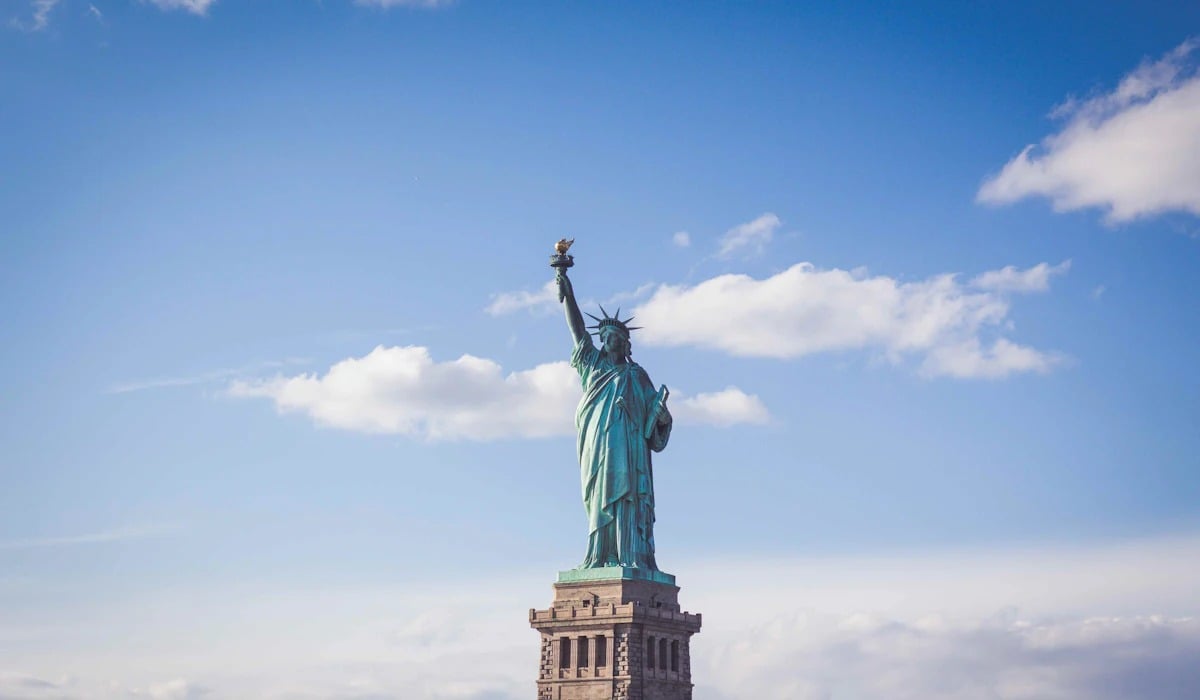
The best-known construction photographs of the Statue of Liberty were taken in Paris, where the copper figure rose above the rooftops of a workshop district before it ever saw New York Harbor. Sculptor Frédéric Auguste Bartholdi had the statue assembled in France, then disassembled it for shipment to the United States in 214 crates.
Earlier, the torch-bearing arm was shown at the 1876 Centennial Exhibition in Philadelphia as a fundraising attraction. The statue was dedicated in New York on October 28, 1886.
The Empire State Building and Lewis Hine’s Dizzying Vantage Points
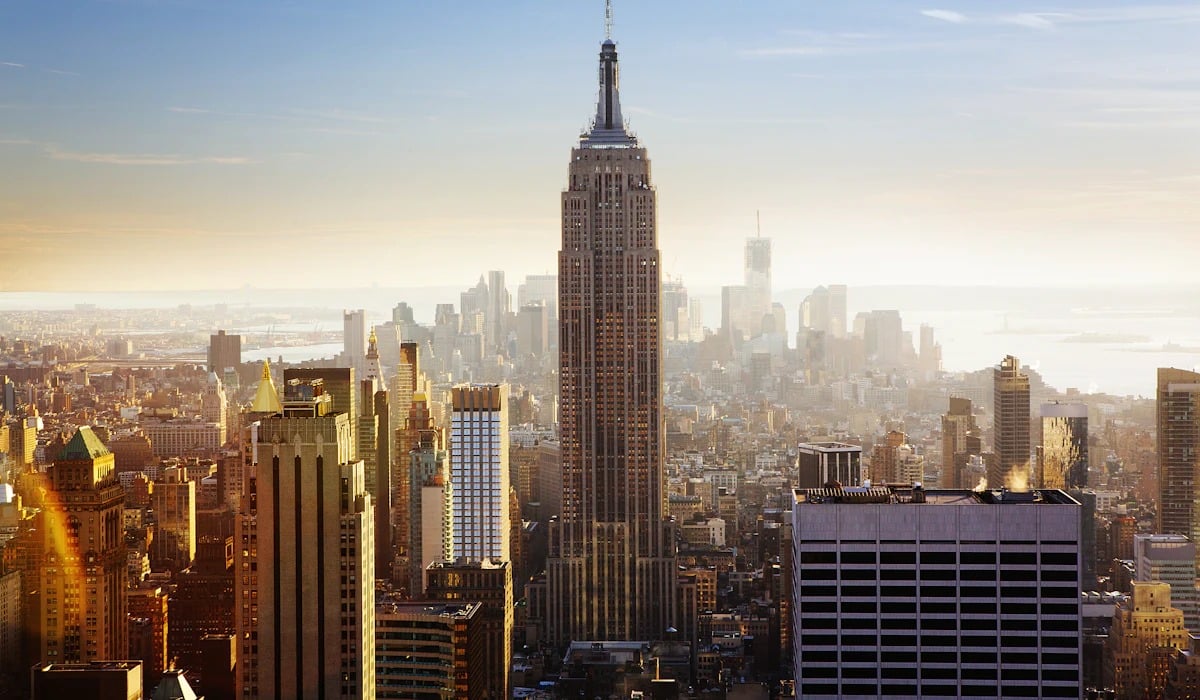
Photographer Lewis Hine was hired to document the Empire State Building, and he went out over open air high above the city to photograph steelworkers at work on the upper floors. His images of men perched on beams became some of the best-known pictures of the building’s construction.
The building rose in about 410 days and opened on May 1, 1931. Hine’s work gave the skyscraper a human scale that the finished tower never had.
The Golden Gate Bridge Between Two Half-Built Towers
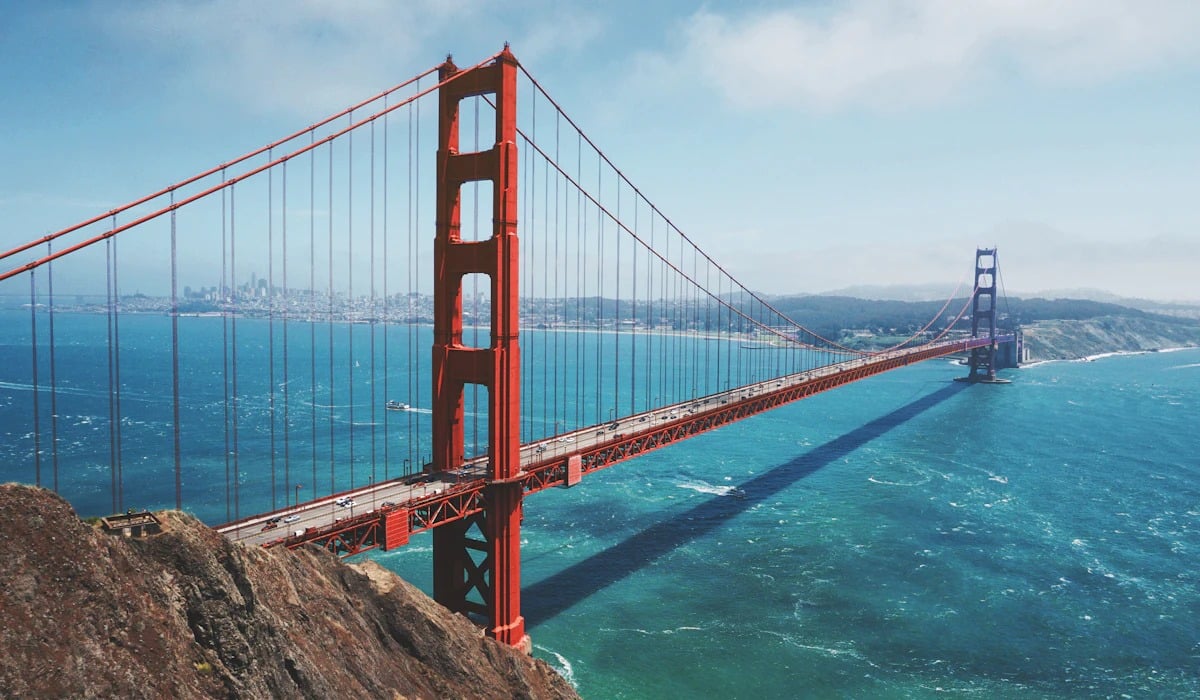
Construction photos of the Golden Gate Bridge show the two tall towers standing alone in the strait, with the suspension cables and roadway taking shape between them. Work began in January 1933, and the bridge opened to traffic in May 1937.
A safety net strung under the roadway saved 19 workers who fell, and those survivors became known as the Halfway to Hell Club. Chief engineer Joseph Strauss insisted on the net, which was a notable safety measure for bridge construction at the time.
Eleven workers nevertheless died during the project.
Hoover Dam Poured One Concrete Column at a Time
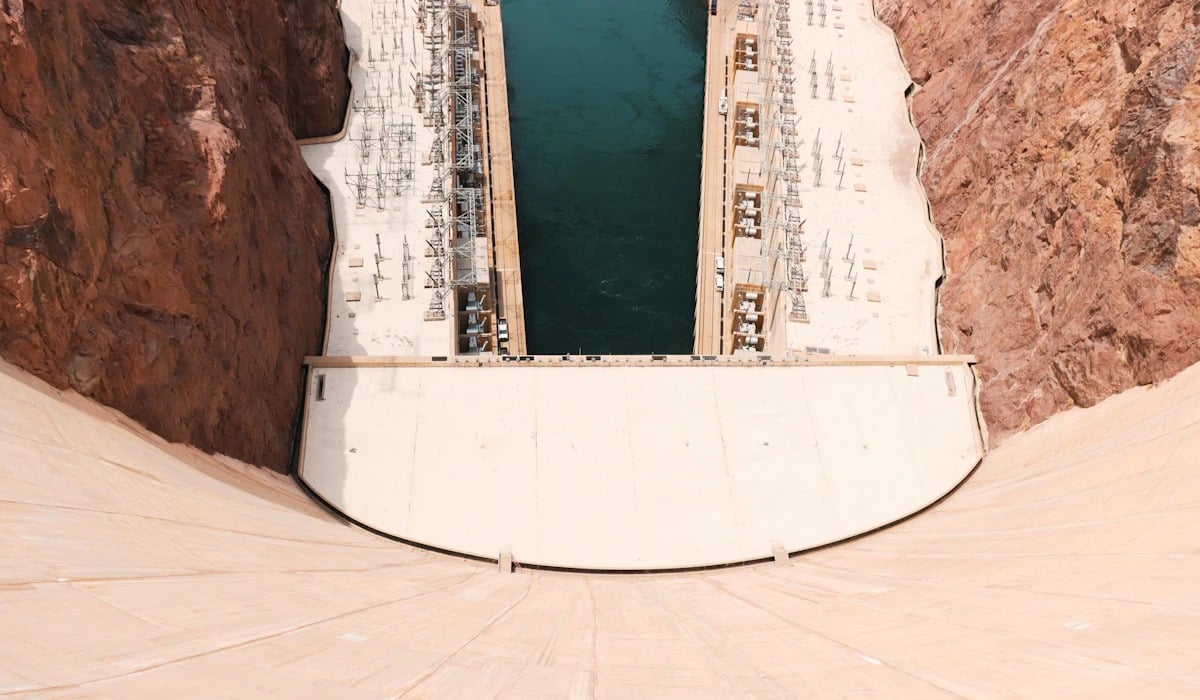
Images from the early 1930s show Hoover Dam as a stack of enormous concrete blocks rising in the Black Canyon, with giant buckets swinging overhead to deliver each pour. The concrete was cast in interlocking columns instead of one mass because a single pour would have taken ages to cool.
Pipes carrying cold water were embedded in the blocks to pull heat out. About 3.25 million cubic yards of concrete went into the dam itself, with additional concrete used in the power plant and other associated structures.
The dam was completed in 1936.
Mount Rushmore Carved by Workers in Hanging Seats
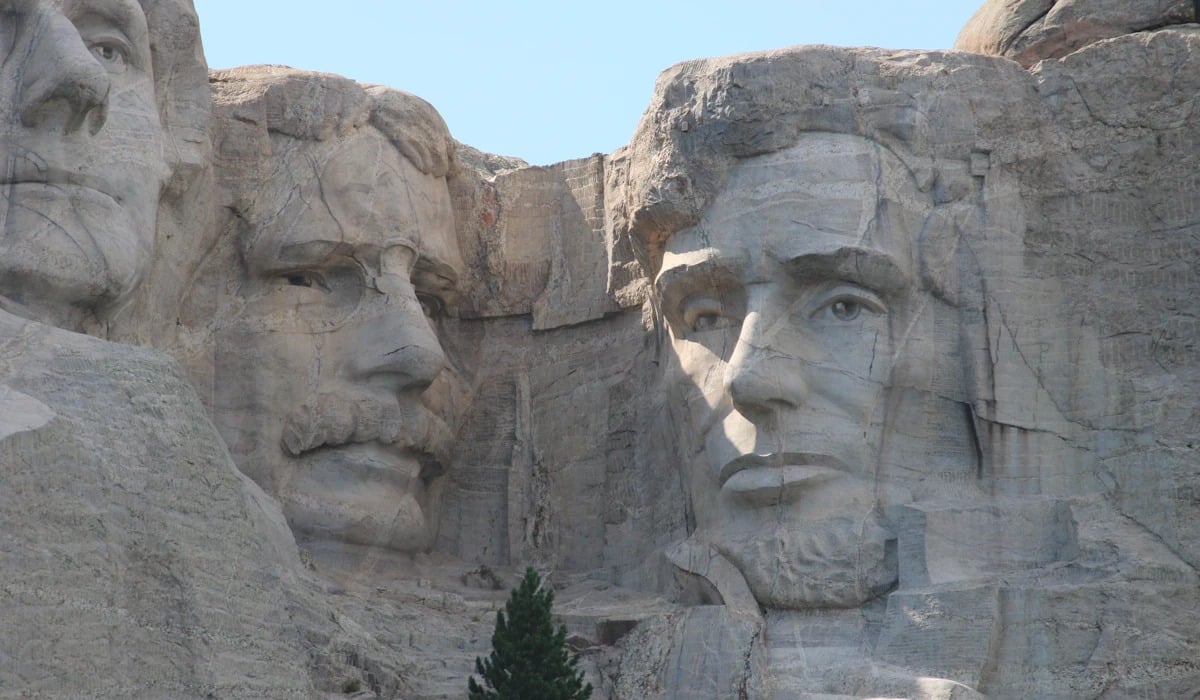
Photographs of Mount Rushmore show workers dangling in harness seats on the granite face, drilling and packing dynamite into the rock above the presidents’ unfinished features. Carving ran from 1927 to 1941, and about 400 people worked on the memorial over the years.
Sculptor Gutzon Borglum died in March 1941, and his son Lincoln helped bring the project to its conclusion. Remarkably, no worker died during the carving.
The Sydney Opera House and Its Skeleton of Concrete Ribs
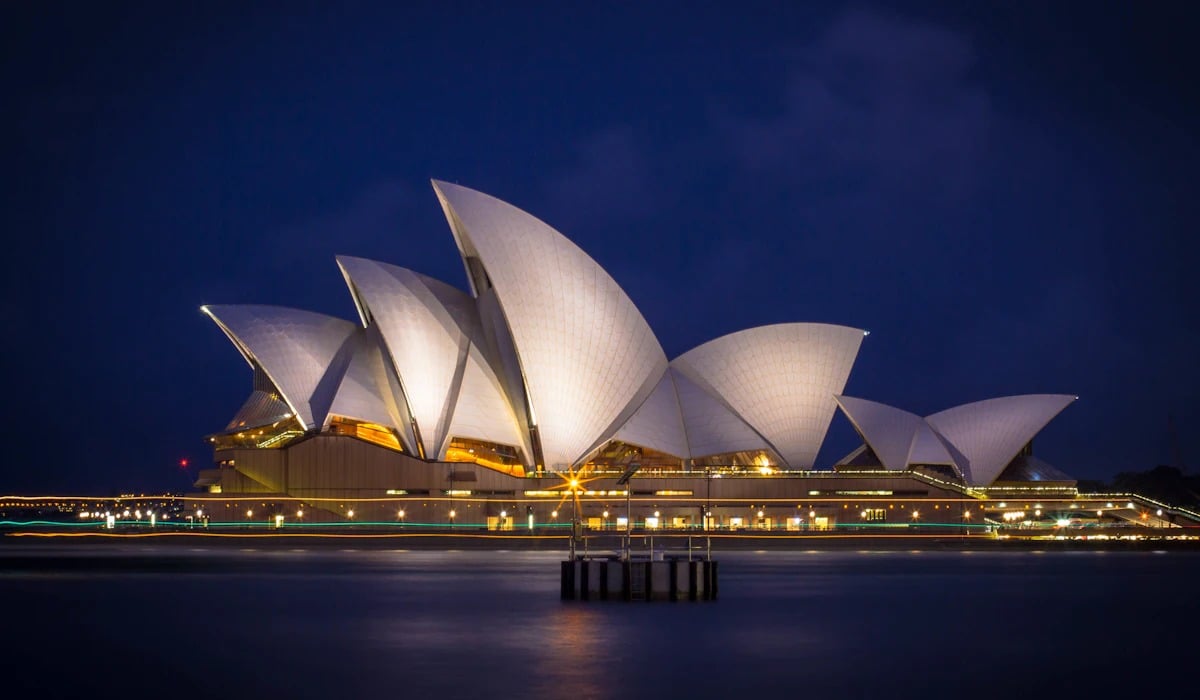
Pictures of the Sydney Opera House from the 1960s show soaring concrete ribs and half-finished shells that look like the bones of some enormous sea creature. Construction began in 1959, and the building opened in 1973 after years of disputes and redesigns.
Architect Jørn Utzon resigned in 1966 and never returned to see the finished building. The final cost was about A7 million estimate.
Christ the Redeemer Wrapped in Scaffolding on Corcovado
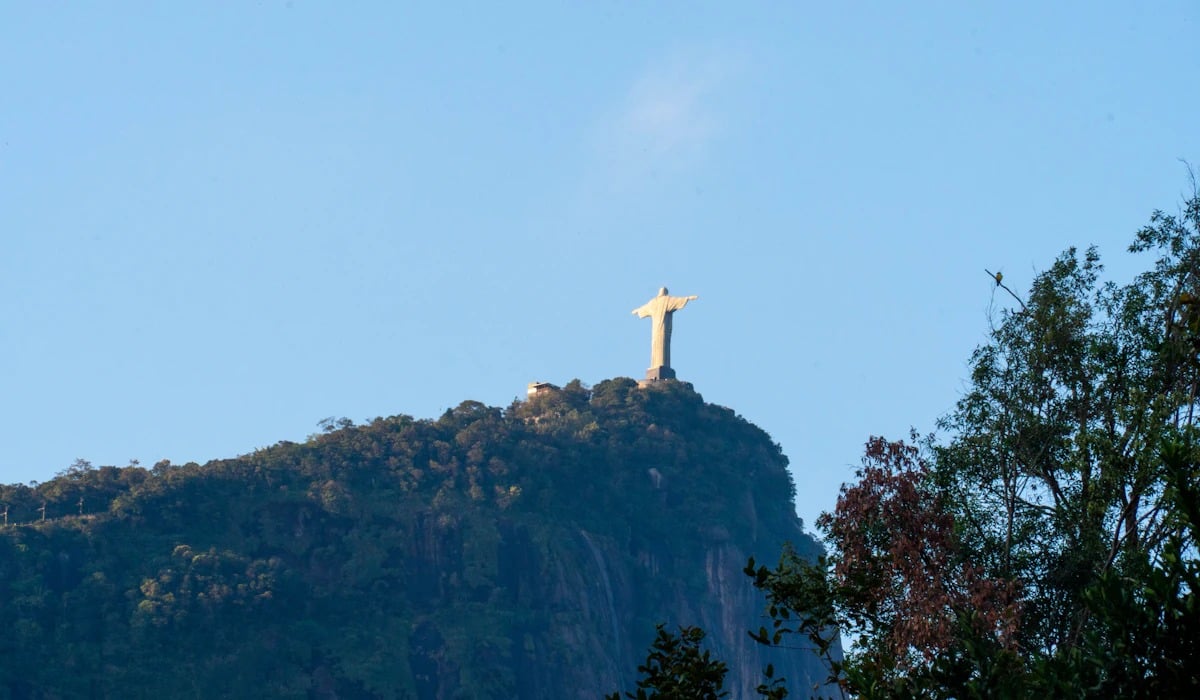
Photos from the 1920s show scaffolding crowding the outstretched arms of Christ the Redeemer on top of Corcovado mountain. The statue was built between 1922 and 1931 from reinforced concrete covered in a mosaic of soapstone tiles.
It stands about 30 meters tall, with arms spanning roughly 28 meters. Workers had to haul materials up the steep mountain, and the statue was inaugurated on October 12, 1931.
Tower Bridge Before the Stone Cladding
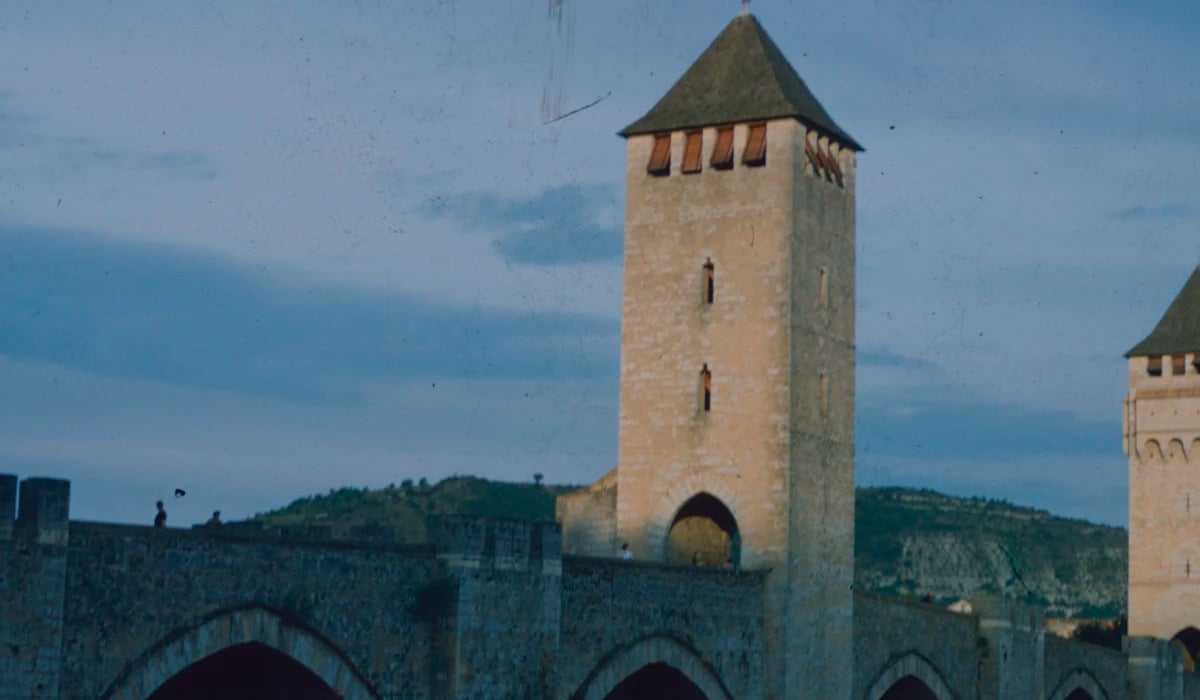
Early photographs of Tower Bridge show a bare steel frame standing over the Thames with the towers still waiting for their stone coats. The bridge was built between 1886 and 1894 and opened on June 30, 1894.
The steel structure was later wrapped in granite and Portland stone, giving it a more traditional appearance near the Tower of London. Hydraulic power, first driven by steam engines, lifted the two bascules in the middle of the span.
The Space Needle Rising for the 1962 World’s Fair
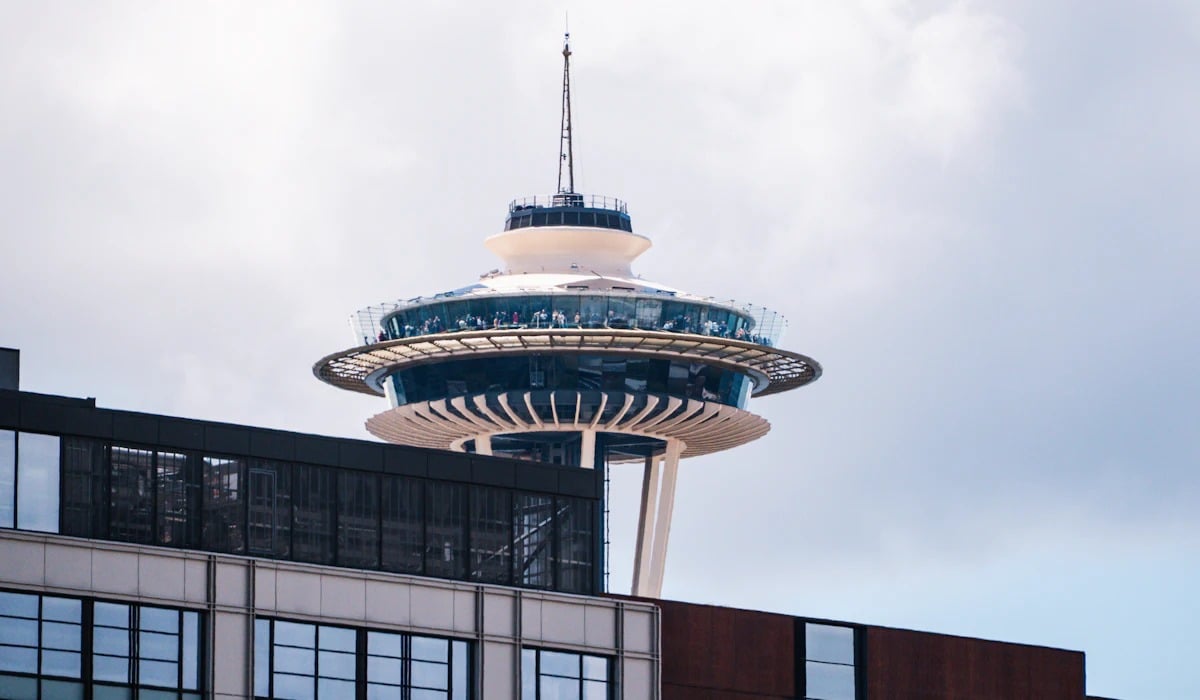
Construction photos show the Space Needle as a slim steel hourglass with a half-built saucer at the top, cranes still hovering nearby. It was built for the Seattle World’s Fair in roughly 400 days, a punishing schedule that required crews to work at a relentless pace.
The tower opened on April 21, 1962, and rises about 605 feet.
The Gateway Arch with Two Legs and a Gap
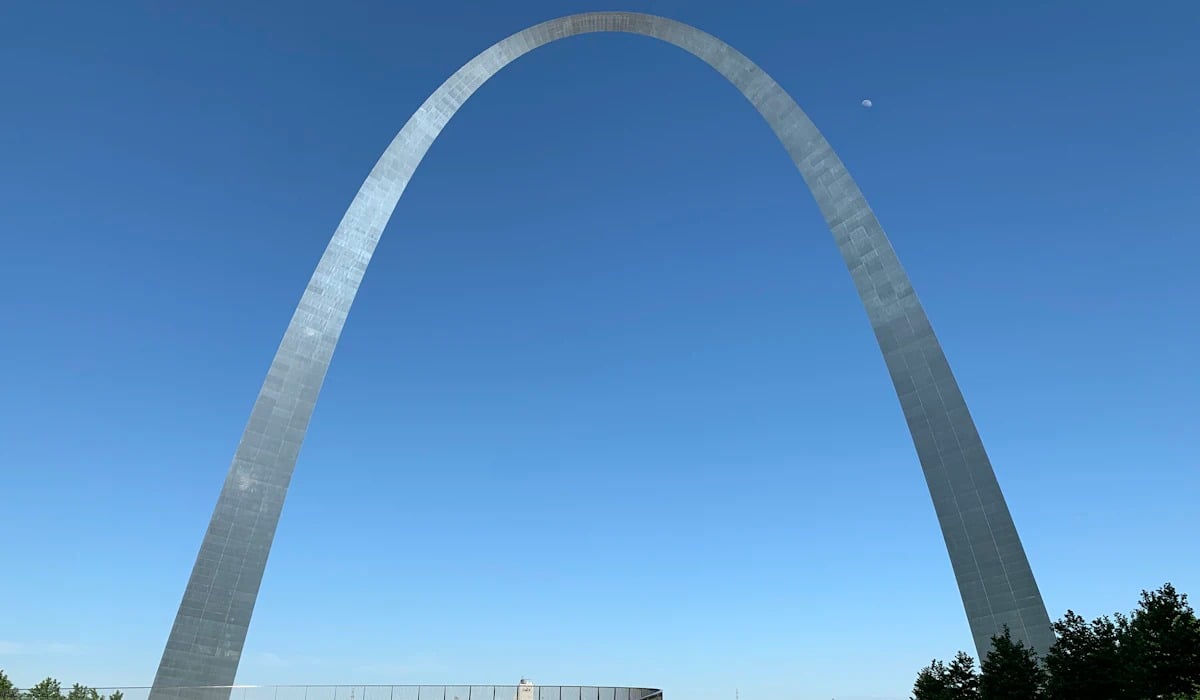
The most dramatic photos of the Gateway Arch show two stainless steel legs leaning toward each other with a narrow gap still open at the top. The structure is 630 feet tall, and construction ran from 1963 to 1965.
The final section was fitted into place on October 28, 1965, completing the arch. The unusual construction process required careful coordination as the two legs rose toward each other.
The finished structure became a defining landmark of St. Louis.
The Washington Monument and Its Two Shades of Marble
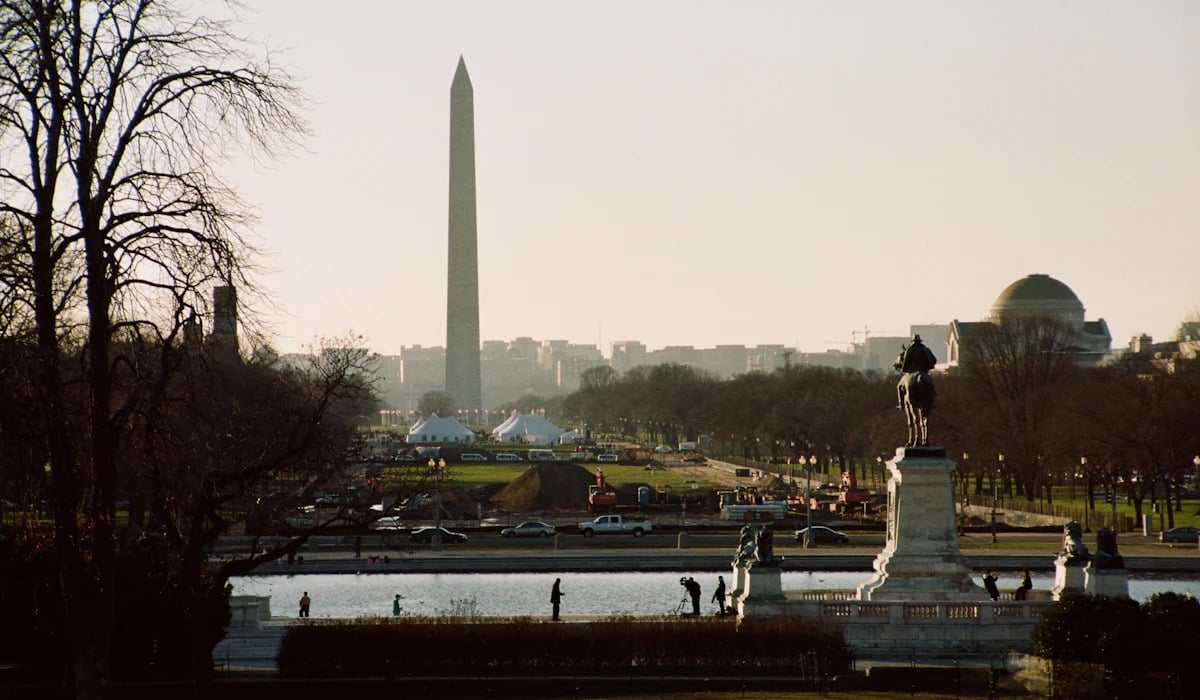
Photographs from the 1860s and 1870s show the Washington Monument as a squat stump of stone, abandoned after construction paused in 1854 for lack of money. Work resumed in 1879, and the monument was completed in 1884 and dedicated the following year.
The pause left a visible change in the color of the marble about a quarter of the way up, partly because the later construction used stone from different quarries. At 555 feet, it was briefly the tallest structure in the world.
The Flatiron Building’s Steel Skeleton in 1902
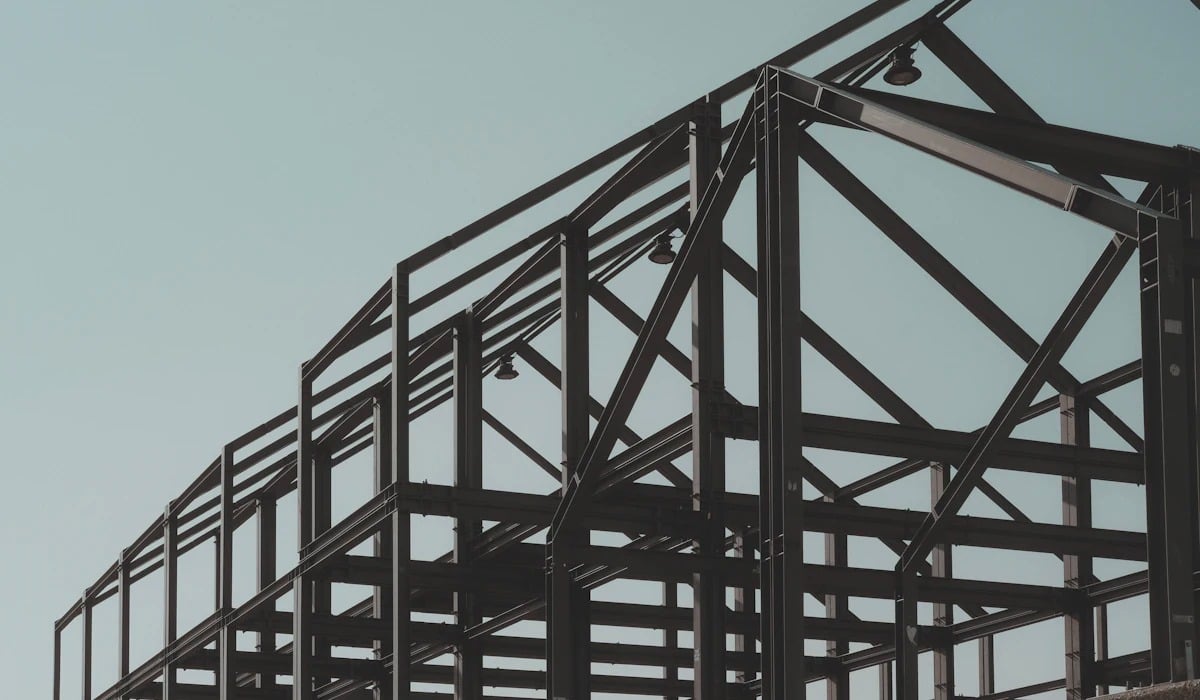
Photographs of the Flatiron Building under construction show a razor-thin steel frame cutting into the corner of Fifth Avenue and Broadway. The 22-story building was finished in 1902 and designed by Daniel Burnham, who adapted the form to a triangular plot of land.
Its official name was the Fuller Building, but the public settled on a nickname that matched its shape. At its narrowest point, the triangular building tapers to a very small wedge.
The Chrysler Building and Its Secret Spire
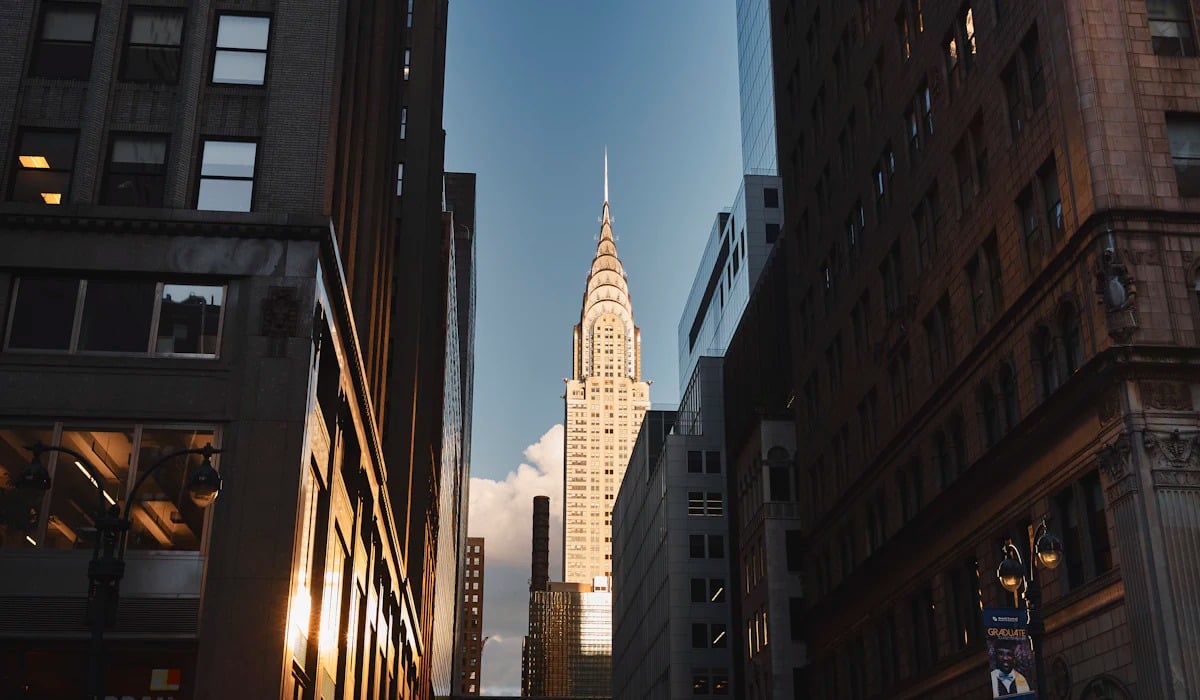
Photos from 1929 and 1930 show the Chrysler Building rising floor by floor, but the best part of the story happened out of sight. The stainless steel spire was assembled inside the top of the building and then hoisted through the crown in about 90 minutes.
That surprise lifted the building to 1,046 feet and made it taller than the Eiffel Tower as it stood at the time. The building opened in May 1930.
The Brooklyn Bridge Between Its Stone Towers
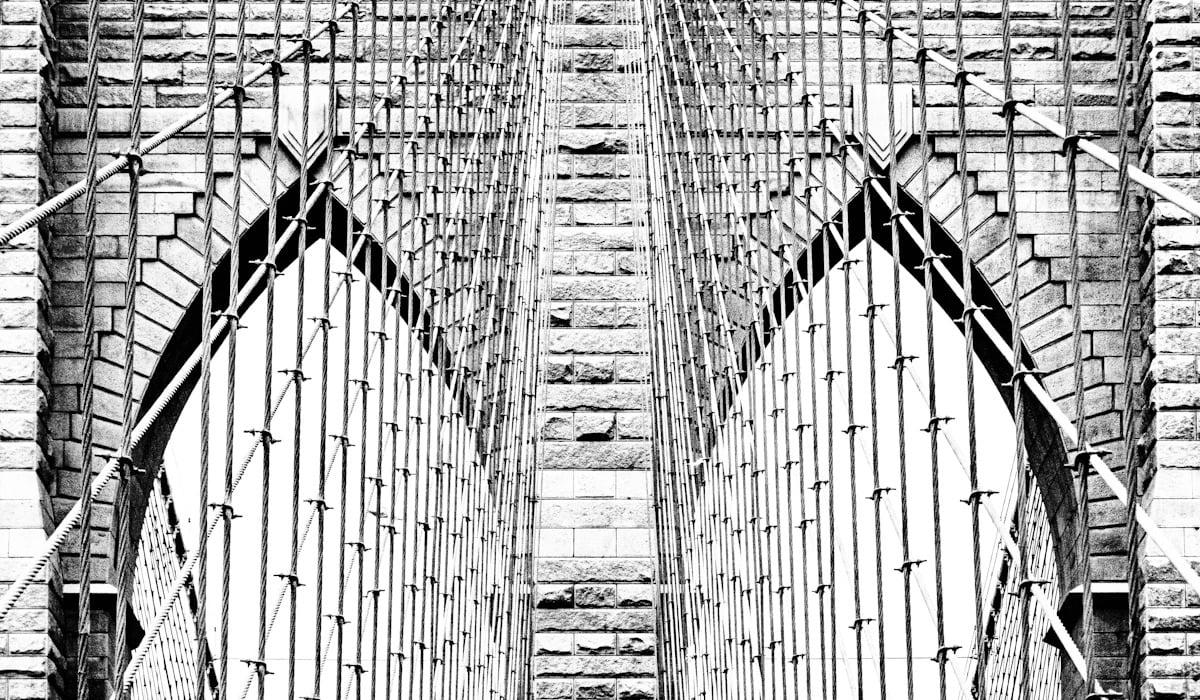
Photographs from the 1870s show the Brooklyn Bridge as two heavy stone towers across the East River with thin wires strung between them. The bridge opened on May 24, 1883, and the main span measured about 1,595 feet.
Chief engineer Washington Roebling was disabled by illness following his work in the underwater caissons, and his wife Emily Warren Roebling took on a major role in overseeing the project. Her role is often described as essential to finishing the bridge.
The Lincoln Memorial Going Up in White Marble

Photos from the late 1910s show the Lincoln Memorial as a temple of columns taking shape beside the Potomac, with scaffolding still attached to the walls. Construction began in 1914 and the memorial was dedicated on May 30, 1922.
The seated statue of Lincoln was carved from 28 blocks of Georgia marble by the Piccirilli Brothers. Sculptor Daniel Chester French designed the figure, and architect Henry Bacon designed the building.
The Atomium Assembled for Expo 58
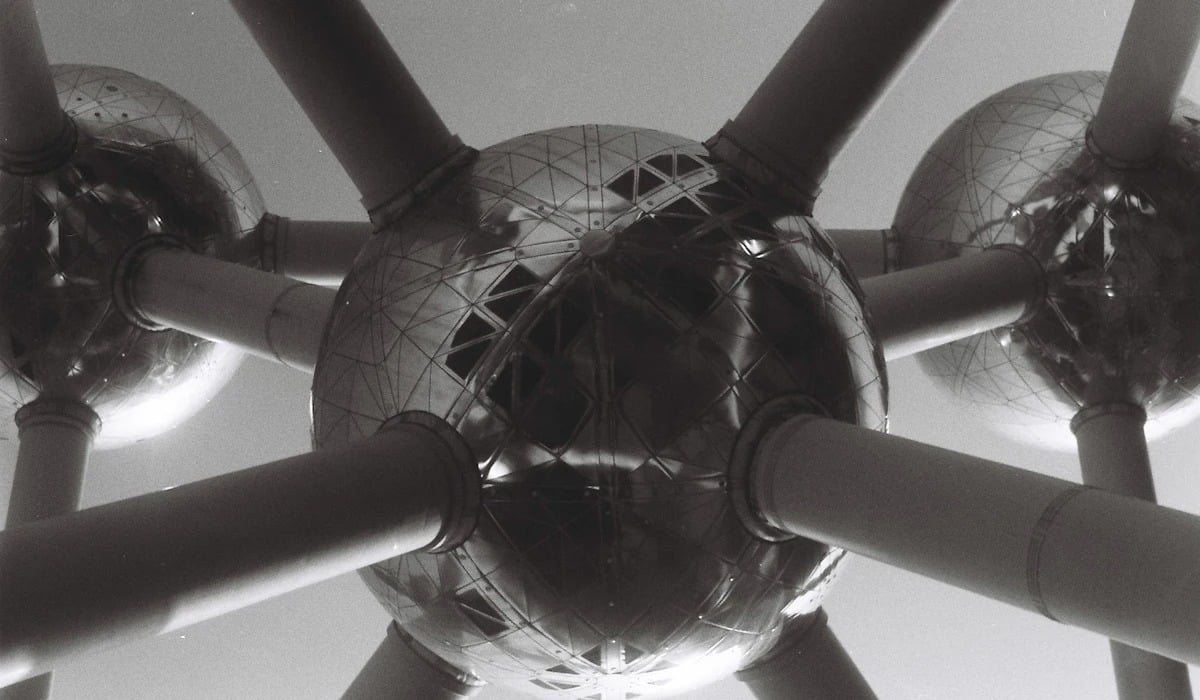
Construction photographs of the Atomium show enormous steel spheres lifted into place on a tubular frame in Brussels. The structure was built for the 1958 World’s Fair and stands 102 meters tall.
It represents an iron crystal magnified 165 billion times, with nine spheres connected by tubes. Though intended to stand for only six months, it became a permanent symbol of the city.
The Sagrada Família Still Under Construction After a Century and a Half
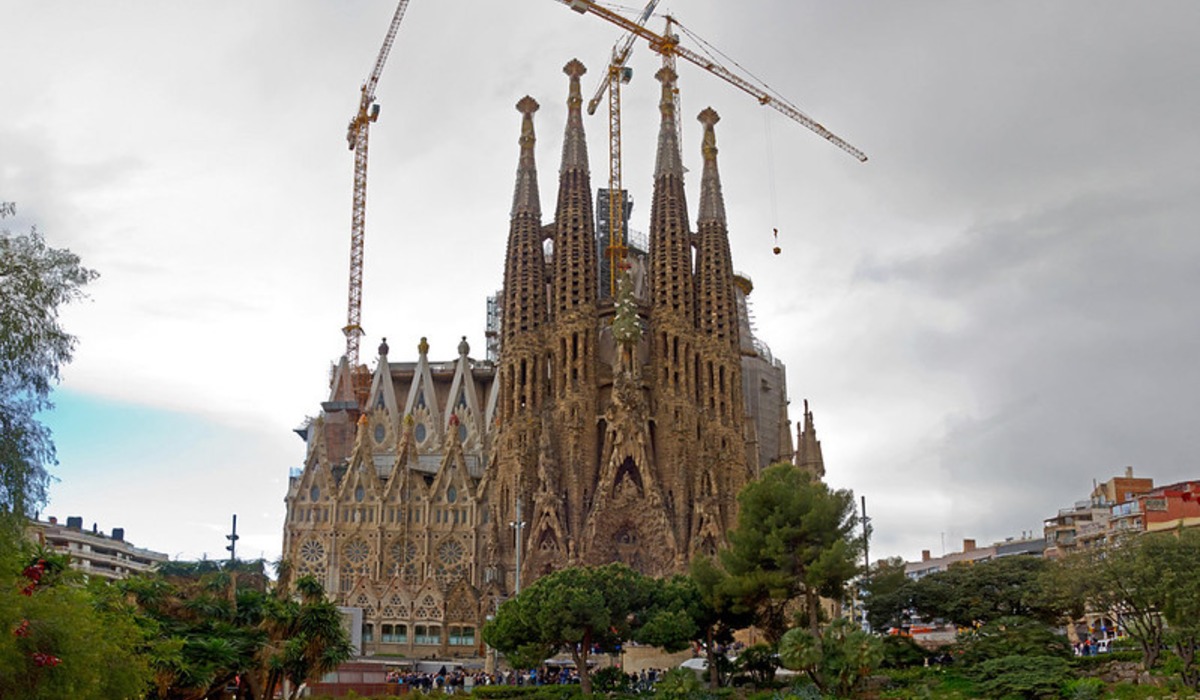
Photos of the Sagrada Família span more than a century, and they show a church that never seems to stop growing. Work began in 1882 under another architect, and Antoni Gaudí took over the project in 1883.
Gaudí died in 1926 after being hit by a tram, long before the building was finished. Donations and visitor admissions have paid for the work, which has continued for generations.
In 2026, construction remains ongoing, even though the central tower of Jesus Christ has reached its planned exterior height.
The U.S. Capitol Dome Rising During the Civil War
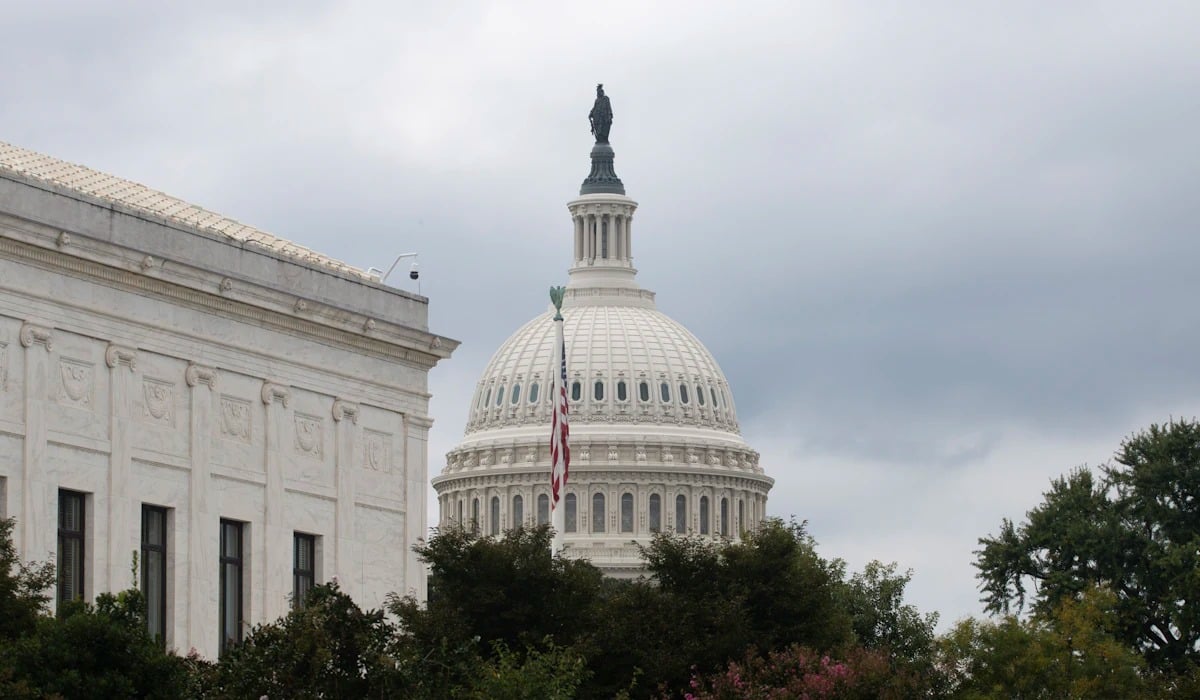
Photographs from the early 1860s show the Capitol dome as a cast-iron skeleton with a tall crane at its center, built while the country was at war. President Lincoln supported continuing the work, and the dome became a powerful symbol of the Union’s endurance.
The bronze Statue of Freedom was raised to the top in sections and completed on December 2, 1863. The dome replaced an earlier, smaller one that no longer matched the size of the Capitol.
Rockefeller Center and the Famous Lunch on a Beam
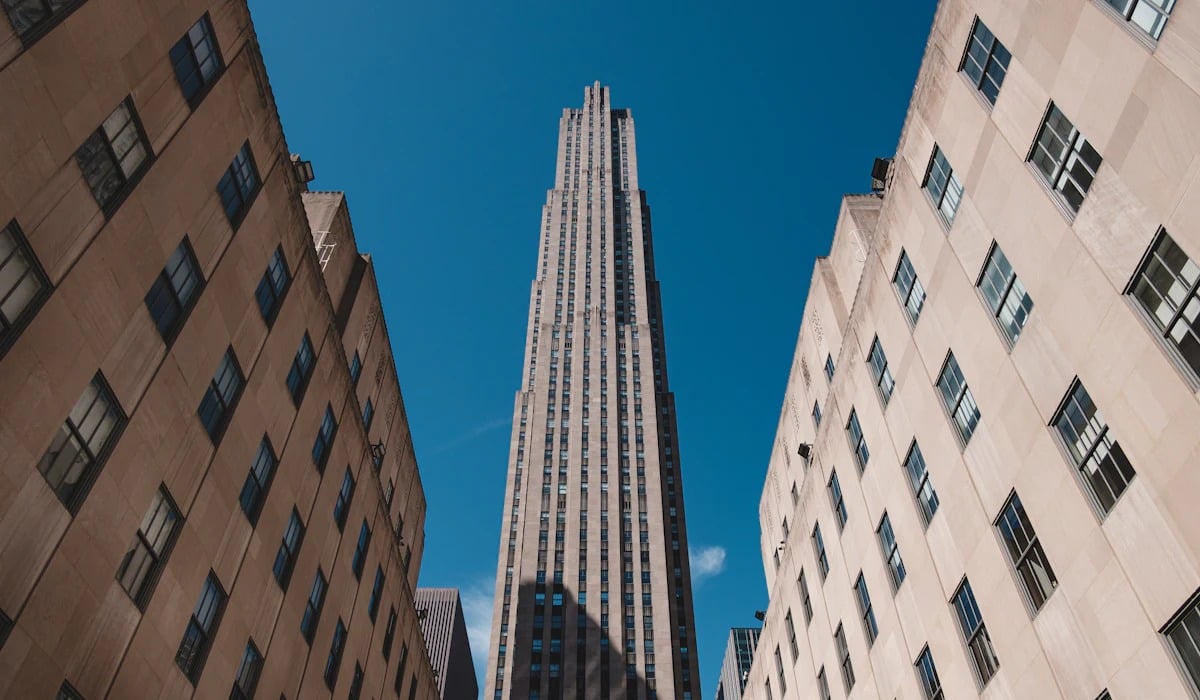
One of the most reproduced construction photos ever made shows eleven ironworkers eating lunch on a steel beam high above Manhattan during the building of Rockefeller Center in 1932. The picture was published in October 1932 and has been copied countless times.
It was taken during construction of the RCA Building, now 30 Rockefeller Plaza, rather than the Empire State Building. The photographer’s attribution has been disputed over the years.
The men appear relaxed with their legs dangling over the city.
The Petronas Towers and Their Skybridge
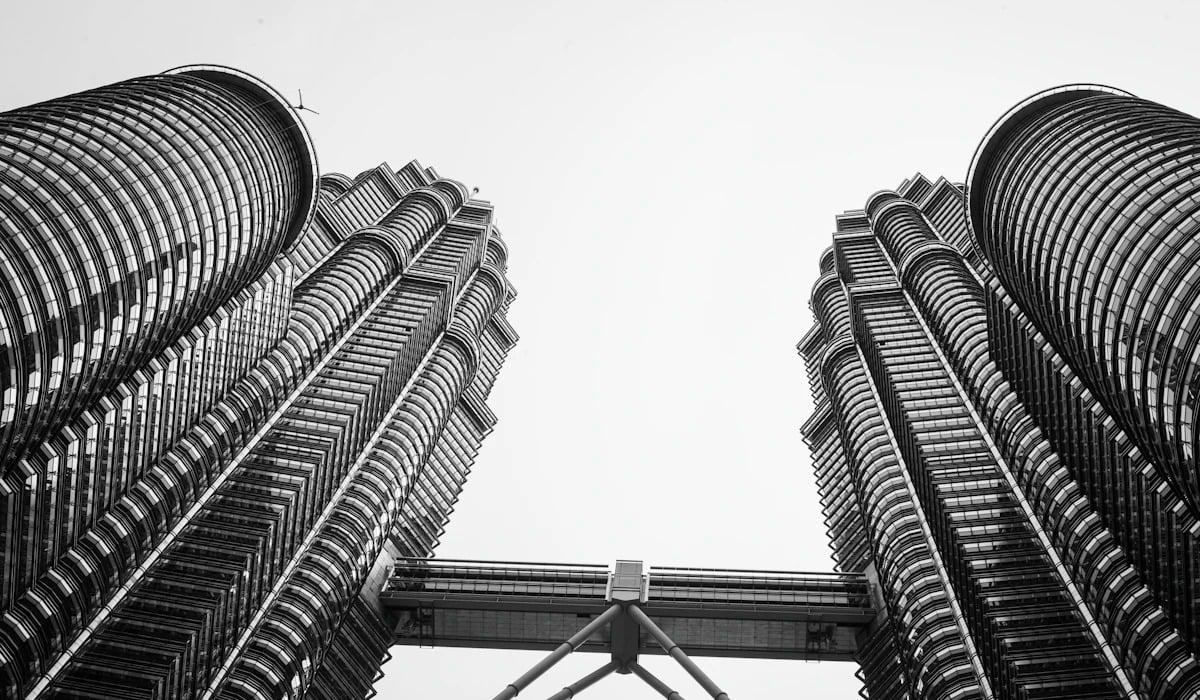
Photos of the Petronas Towers in Kuala Lumpur show twin towers climbing in tandem, with a distinctive pattern of steel and concrete. Completed in 1998, they rose 452 meters and were the world’s tallest buildings until Taipei 101 surpassed them in 2004.
A skybridge connects the two towers at the 41st and 42nd floors, about 170 meters above the street. The bridge is designed to accommodate movement between the towers, which can sway independently.
Burj Khalifa Climbing Above Dubai
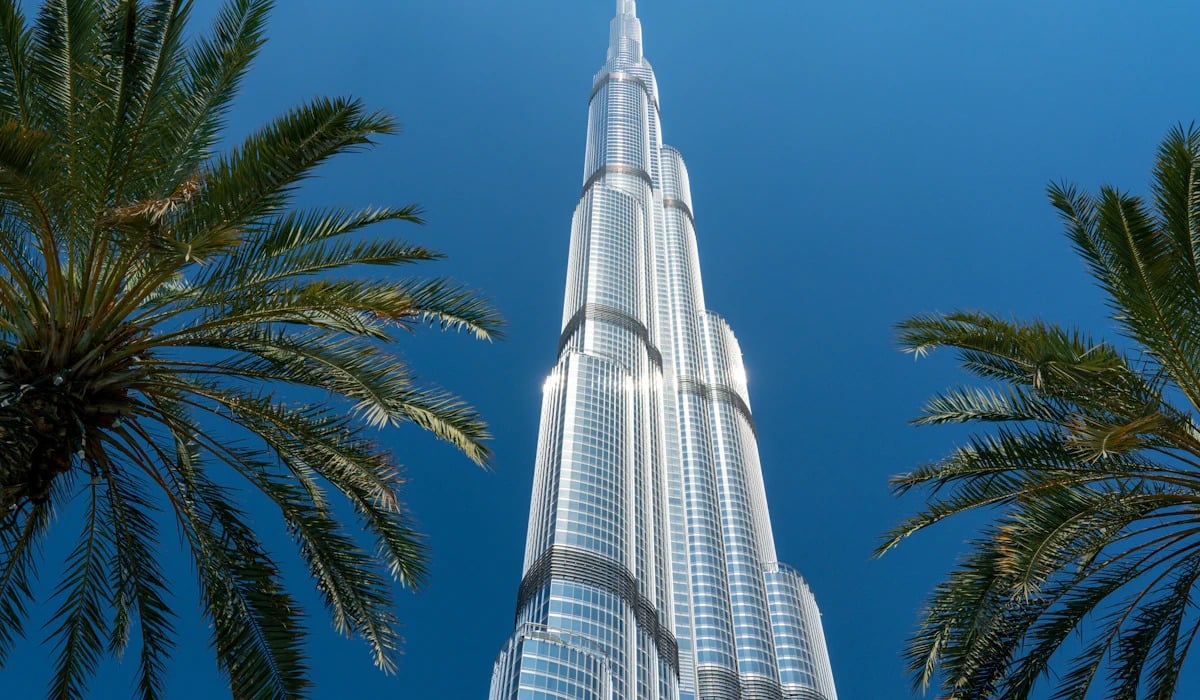
Time-lapse and still photographs track the Burj Khalifa as it climbed from a construction site in Dubai to a spire of 828 meters. Work began in 2004, and the tower opened on January 4, 2010, with 163 floors.
It was called Burj Dubai during construction and renamed at the opening ceremony. Its construction involved high-rise concrete-pumping techniques that set new records for pumping height.
The CN Tower and the Helicopter Called Olga
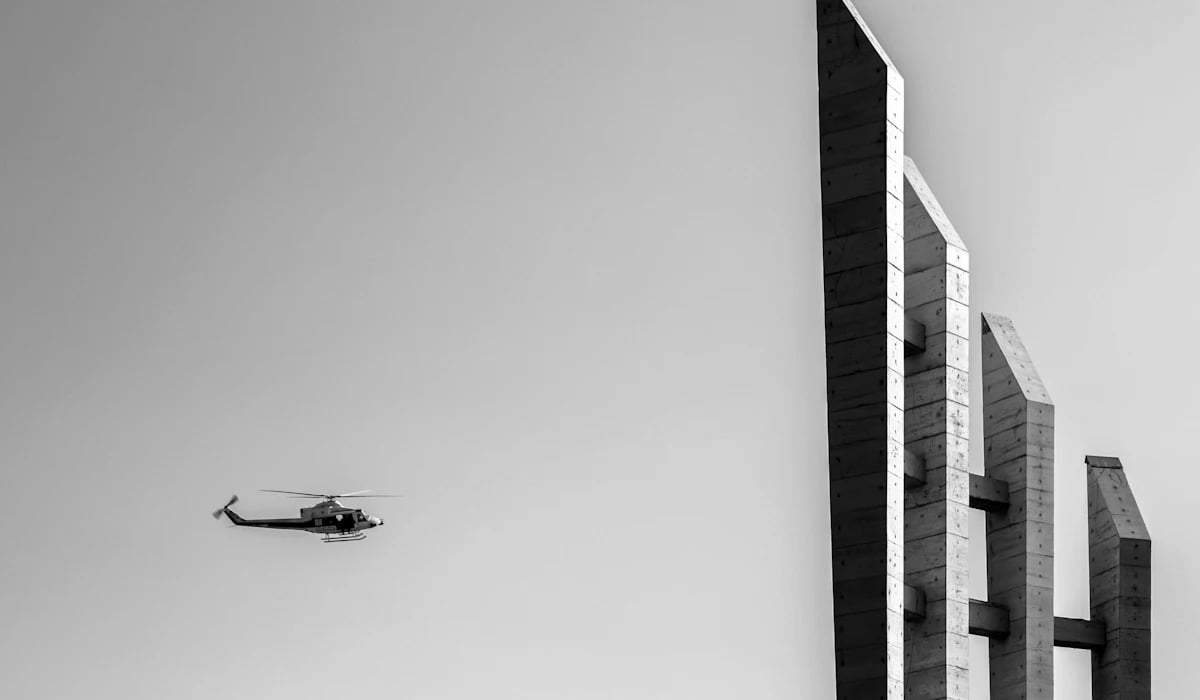
Photographs of the CN Tower from the mid-1970s show a slender concrete shaft with a pod near the top, and a helicopter hovering above it. The helicopter, a Sikorsky Skycrane nicknamed Olga, lifted the antenna into place in 39 pieces in 1975.
The tower, completed in 1976, stands 553 meters tall and was the tallest freestanding structure in the world for over three decades. Lifting the pieces by air spared crews a far slower job on the ground.
The London Eye Built Lying Down on the Thames
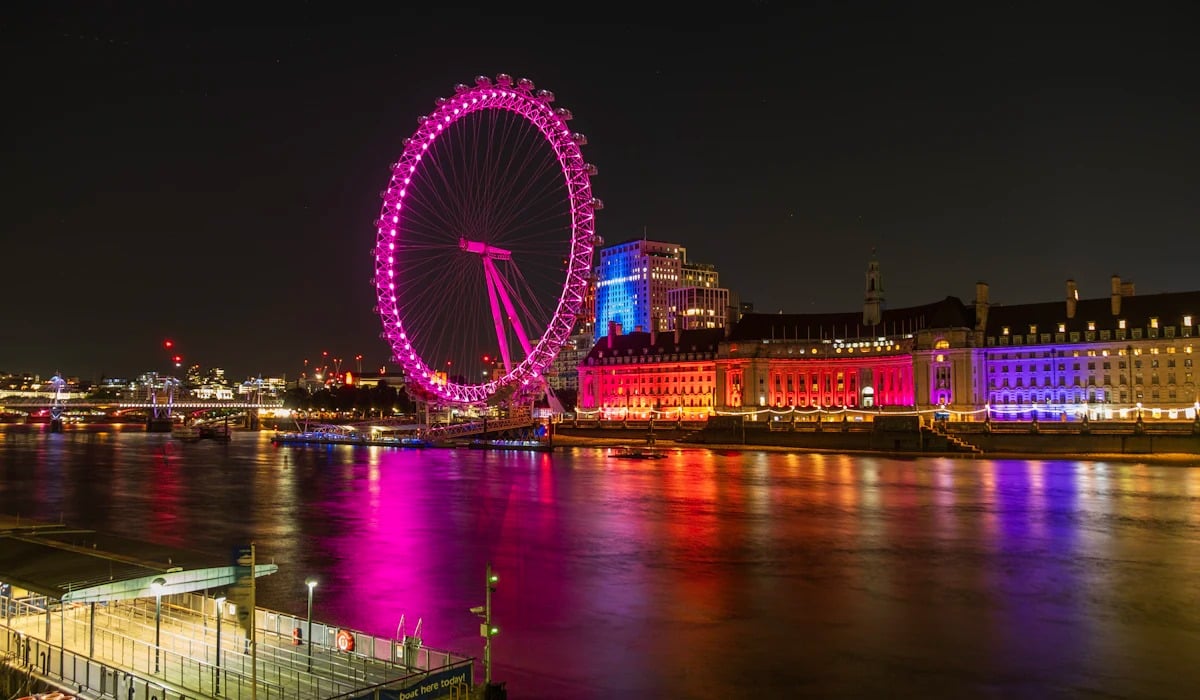
Pictures of the London Eye in 1999 show an enormous wheel assembled flat on temporary supports alongside the River Thames before anyone could ride it. After construction, the wheel was lifted upright in a slow and careful operation.
It stands 135 meters tall and opened to the public in March 2000. The unusual assembly method let engineers build the pieces near the water instead of high in the air.
The Sydney Harbour Bridge Arch Meeting in the Middle
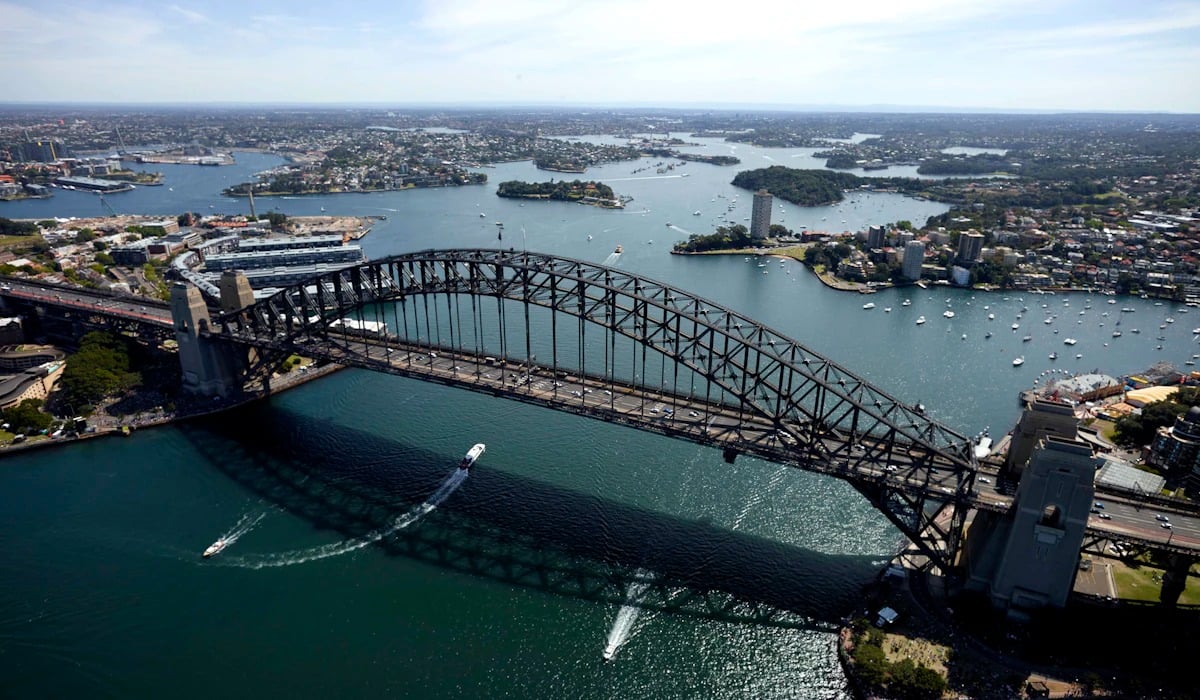
Photographs from 1930 show the two halves of the Sydney Harbour Bridge arch stretching toward each other over the water, held back by steel cables anchored in tunnels on the shores. The arches joined in August 1930, and the bridge opened on March 19, 1932.
The finished steel arch rises about 134 meters above the harbor. For a time, the two halves hung in midair with only a narrow gap between them.
The Forth Bridge and the Human Cantilever
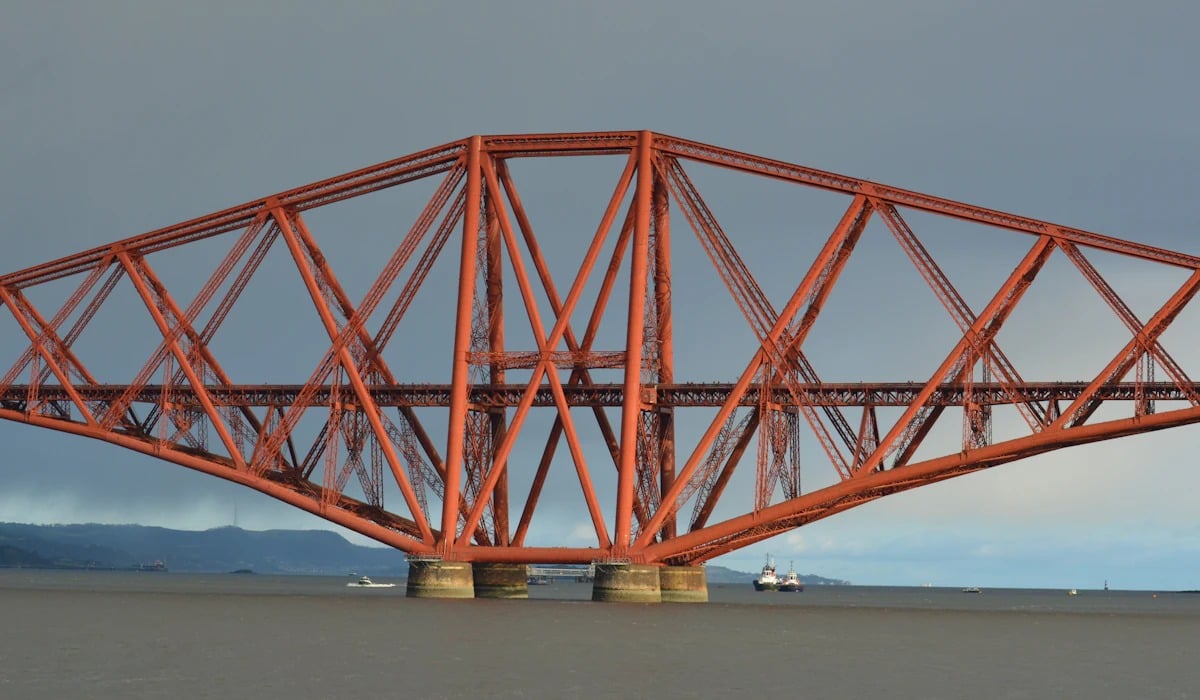
A famous photograph from 1887 shows men demonstrating how the Forth Bridge would work, using a human cantilever to illustrate the forces involved in the bridge’s design. The bridge was designed by Sir John Fowler and Benjamin Baker, and the middle figure was Japanese engineer Kaichi Watanabe.
The railway bridge in Scotland opened on March 4, 1890. The demonstration made an abstract engineering principle easy to see.
Cologne Cathedral and Its Century-Spanning Crane
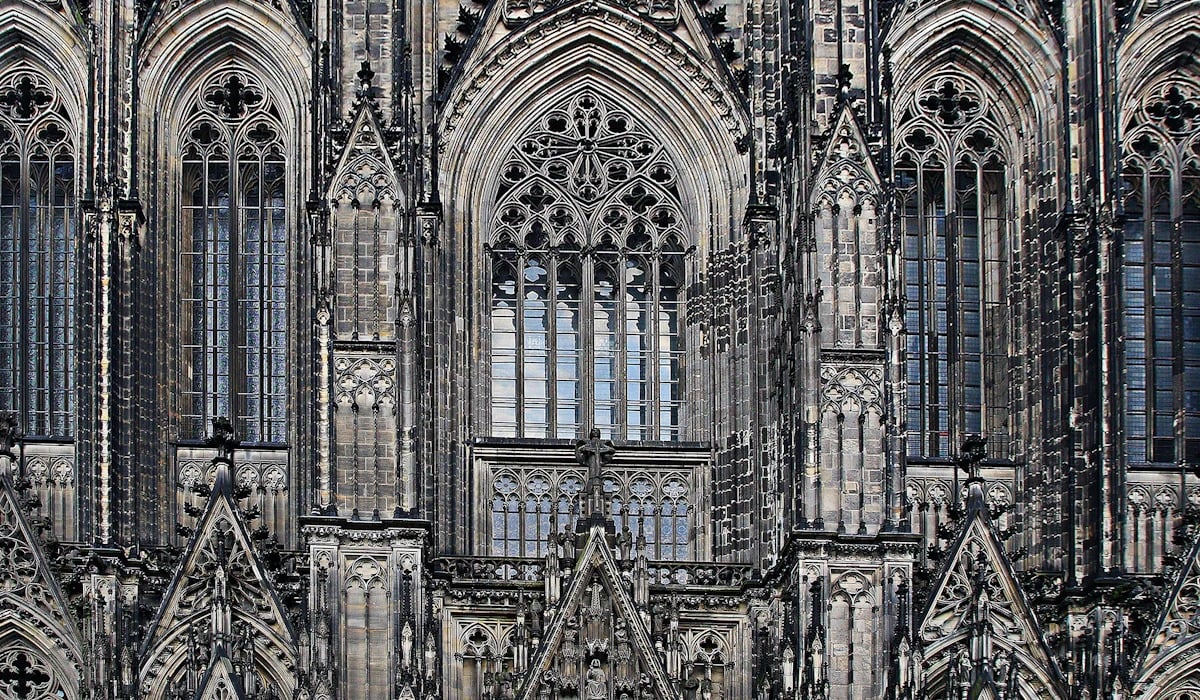
Mid-19th-century photographs of Cologne Cathedral show a building that had been unfinished for centuries, with a medieval crane still sitting on top of a tower. Construction began in 1248, stopped around 1473, and picked up again in 1842.
The cathedral was declared complete in 1880, and at 157 meters it was among the tallest structures in the world at the time. The old crane had become so familiar that it was treated as part of the city’s skyline.
The Sears Tower Rising in Bundled Tubes
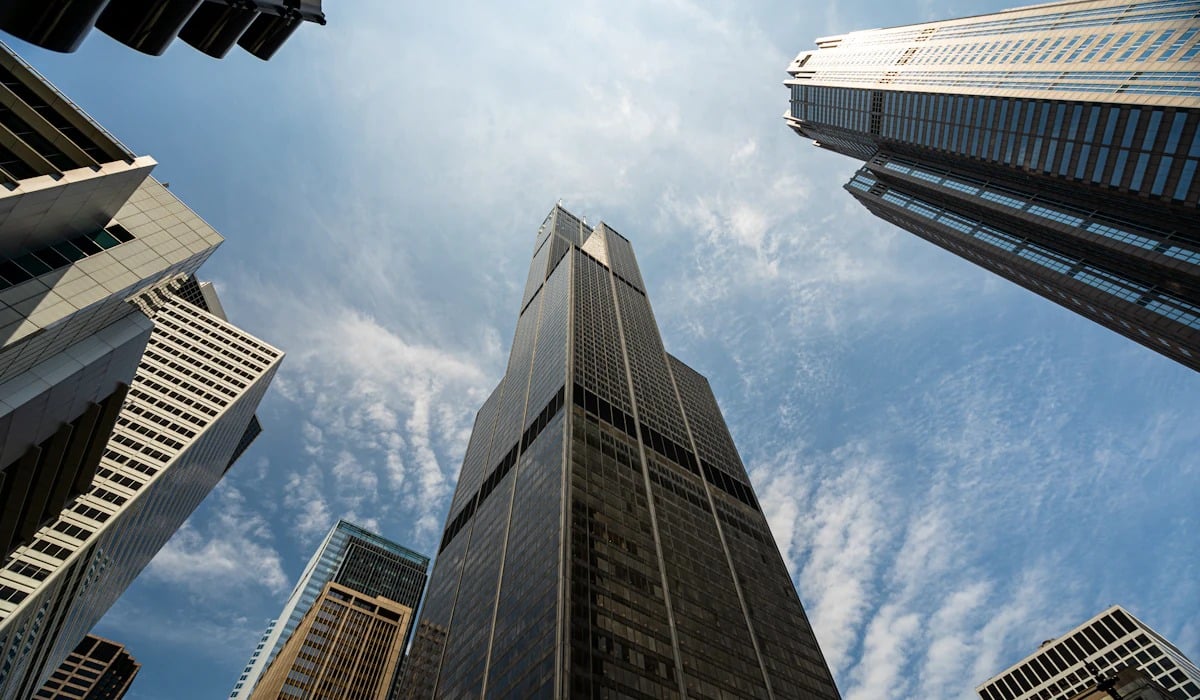
Photographs from the early 1970s show the Sears Tower in Chicago as a cluster of steel tubes rising to different heights. It was built between 1970 and 1973 and reached 1,450 feet over 110 stories.
It was the world’s tallest building by height to the roof until the Petronas Towers were completed in 1998, and is now known as Willis Tower. The bundled-tube design, which helps keep the tower stiff against the wind, is easy to read in the construction images.
Taipei 101 Rising Toward a Record
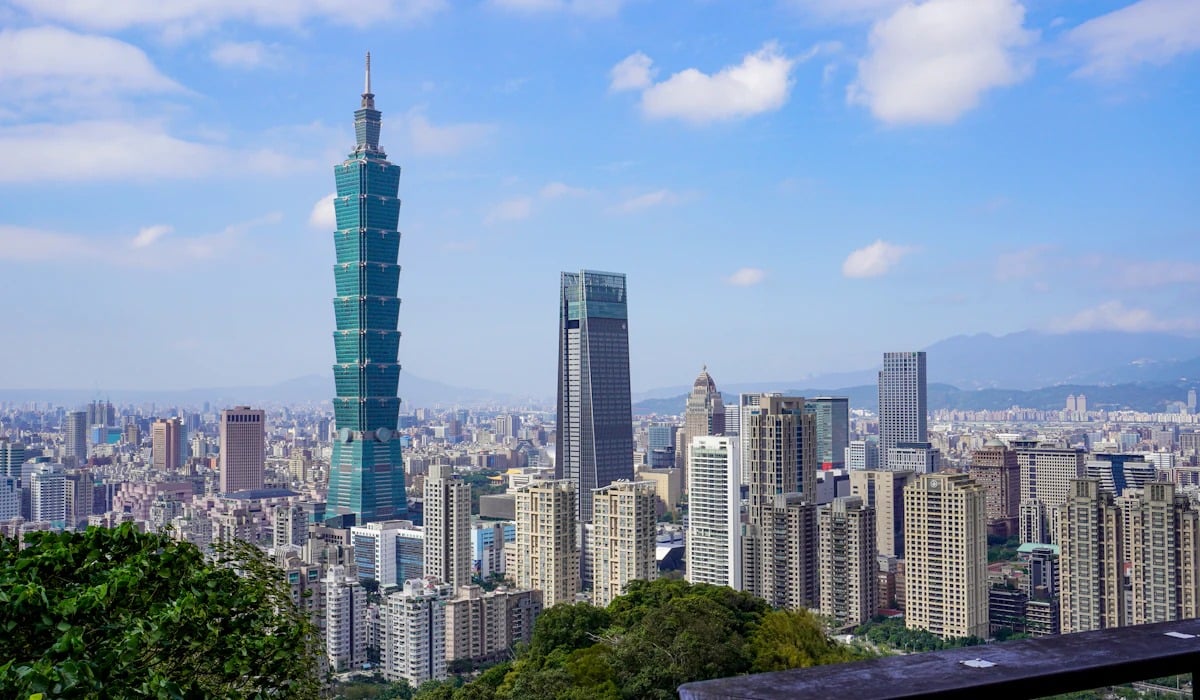
Photographs from the early 2000s show Taipei 101 as a stack of eight-story segments climbing above the city. It was completed in 2004 at 508 meters and held the title of tallest building in the world until 2010.
A 660-ton tuned mass damper inside the tower helps it resist wind-driven movement and seismic forces. The design draws on pagoda forms and a repeating pattern that is visible even in construction photos.
The Mackinac Bridge Spun Between Two Peninsulas
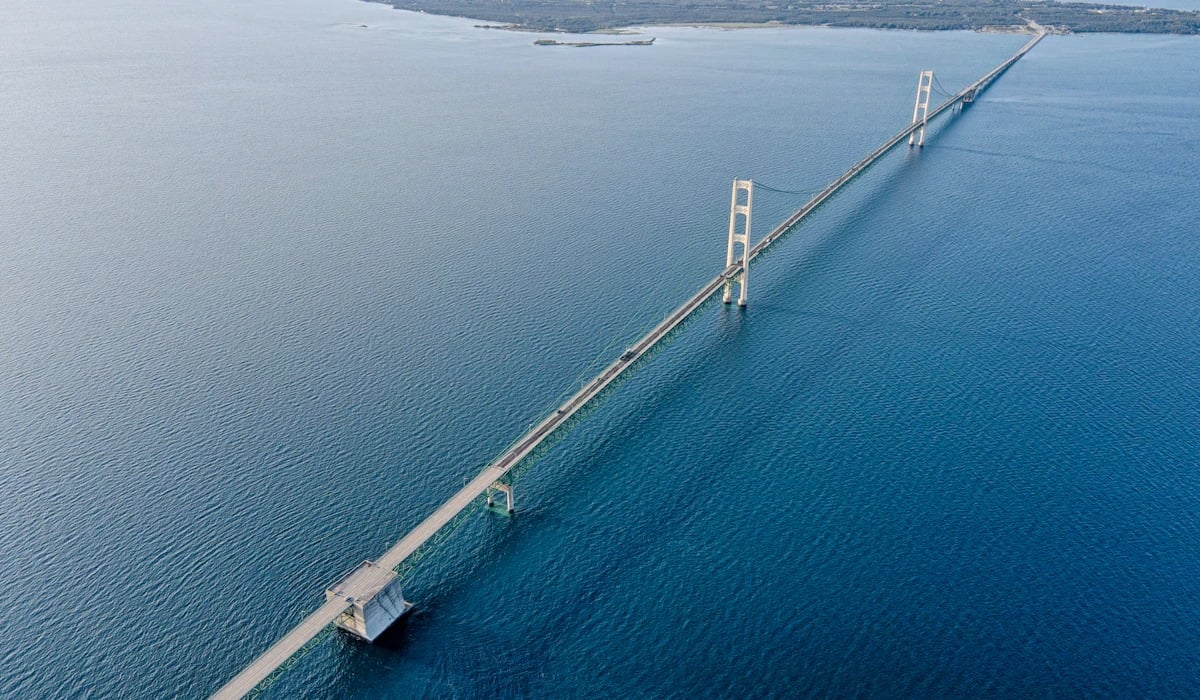
Photographs from the mid-1950s show the main cables of the Mackinac Bridge being spun across the Straits of Mackinac, connecting Michigan’s two peninsulas. The bridge opened on November 1, 1957, and its suspension span stretches about 3,800 feet.
The total length of the bridge is roughly five miles. Before it opened, drivers had to cross the straits by ferry.
When the Camera Caught the Work in Progress

Looking at these photographs, the finished landmarks begin to seem like a lucky outcome rather than a certainty. Many of the structures were built under punishing schedules, with workers who risked their safety and engineers who developed methods as they went.
A few of them, like the Sagrada Família, are still going.
A construction photograph holds the one thing a postcard cannot, which is the possibility that things could have gone differently. Seeing a bare frame beside the polished final version makes the achievement easier to appreciate, and the people in the images are a reminder that every icon was built by hand.
That is the quiet value of an old construction photograph.
More from Go2Tutors!

- The Romanov Crown Jewels and Their Tragic Fate
- 13 Historical Mysteries That Science Still Can’t Solve
- Famous Hoaxes That Fooled the World for Years
- 15 Child Stars with Tragic Adult Lives
- 16 Famous Jewelry Pieces in History
Like Go2Tutors’s content? Follow us on MSN.