17 Social Customs Once Considered Scandalous
What we consider perfectly normal today often would have sent our ancestors into fits of moral panic. Social norms shift like sand dunes in the wind, reshaping entire landscapes of acceptable behavior across generations.
The customs that once marked someone as a rebel, a deviant, or simply improper now barely register as noteworthy in our daily lives. From the way we dress to how we interact with strangers, countless behaviors that seem mundane today were once sources of genuine scandal.
Here is a list of 17 social customs that were once considered scandalous but are now completely ordinary.
Women Wearing Pants

For most of human history, women in pants were practically unthinkable in Western society. The first woman to don trousers faced arrest, social ostracism, and accusations of undermining the natural order.
Even as late as the 1960s, many restaurants and schools banned women from entering while wearing pants, viewing the garment as fundamentally masculine and therefore inappropriate for women.
Men and Women Swimming Together

Mixed bathing was once considered so morally dangerous that entire beach patrols existed to prevent it. Victorian society believed that men and women sharing the same body of water would inevitably lead to impropriety and moral corruption.
Beach resorts employed ‘bathing masters’ who enforced strict gender segregation, often with physical barriers stretching into the ocean itself.
Like Go2Tutors’s content? Follow us on MSN.
Showing Ankles in Public

The sight of a woman’s bare ankle could cause genuine social scandal well into the early 1900s. Society considered ankles intensely private body parts, and exposing them suggested loose morals and questionable character.
Women went to extraordinary lengths to keep their ankles covered, even while walking through puddles or climbing stairs, lest they accidentally create a public disturbance.
Dancing the Waltz
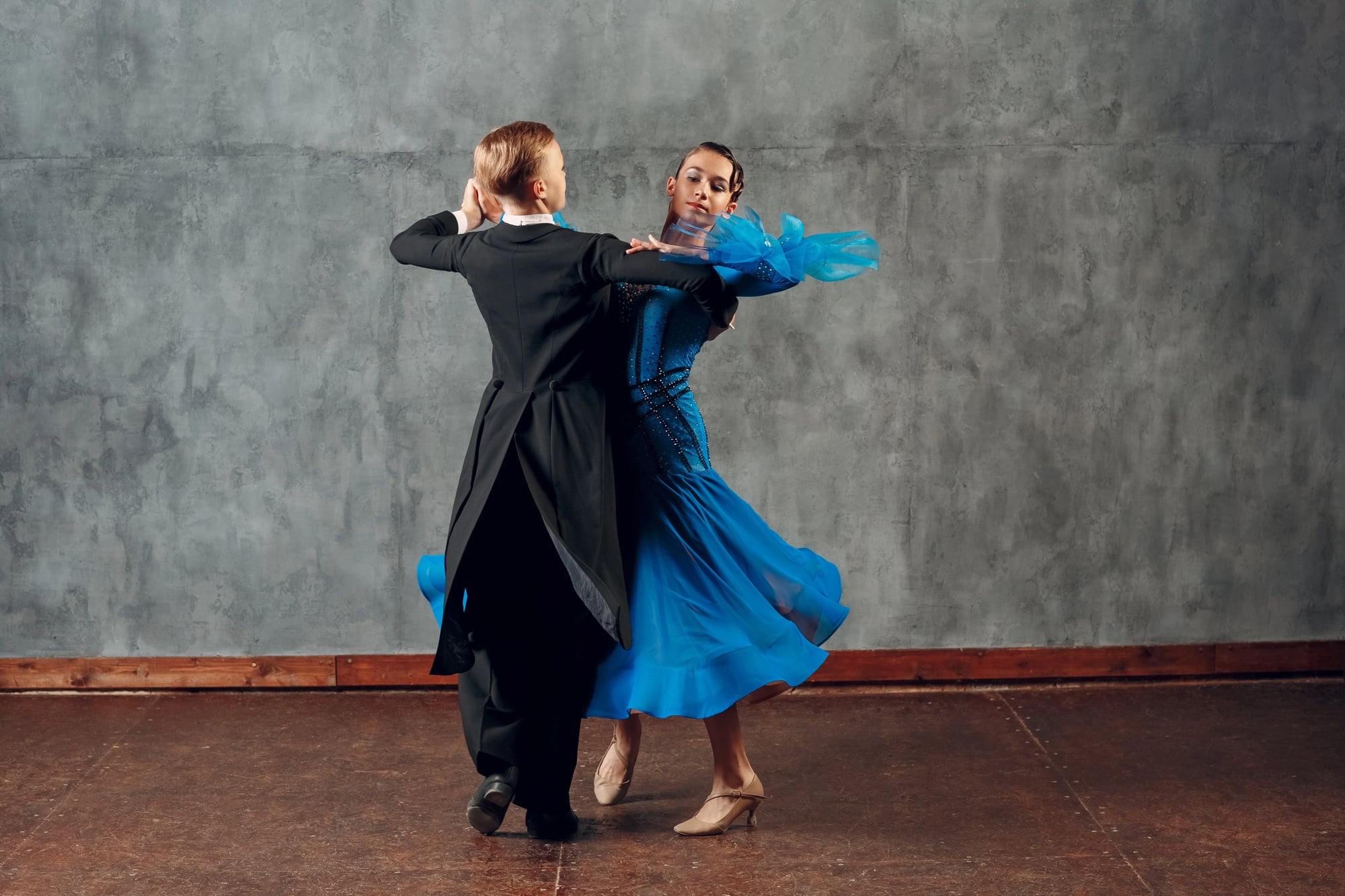
When the waltz first appeared in European ballrooms, critics called it obscene and morally corrupting. The dance required partners to hold each other closely and move in intimate coordination, which shocked a society accustomed to formal, distant minuets.
Religious leaders condemned it from pulpits, and many parents forbade their children from learning the scandalous steps.
Eating with Your Left Hand

Left-handed eating was once considered a sign of poor breeding, moral weakness, or even demonic influence. Many cultures associated the left hand with uncleanliness and evil, making left-handed dining a serious social transgression.
Children were forced to eat right-handed regardless of their natural inclination, often with their left hands tied behind their backs during meals.
Like Go2Tutors’s content? Follow us on MSN.
Women Riding Bicycles

The bicycle represented freedom and independence for women, which made it deeply threatening to traditional society. Critics argued that cycling was unladylike, dangerous to women’s delicate constitutions, and morally corrupting because it allowed women to travel unchaperoned.
Medical professionals even claimed that bicycle riding could cause permanent physical damage to a woman’s reproductive system.
Interracial Marriage

Interracial marriage was not only socially scandalous but also legally prohibited in many places until surprisingly recently. The last laws banning interracial marriage weren’t struck down until 1967, and social acceptance lagged far behind legal changes.
Couples faced ostracism, violence, and complete rejection from both their families and communities for crossing racial boundaries.
Women Working Outside the Home

A woman earning her own wages was once seen as a direct threat to family structure and social order. Society believed that working women neglected their natural duties as wives and mothers, corrupting both themselves and their families.
Even teaching, one of the few ‘acceptable’ professions for women, often required resignation upon marriage because married women shouldn’t need to work.
Like Go2Tutors’s content? Follow us on MSN.
Men Wearing Earrings

Male earrings were associated with pirates, rebels, and social outcasts for centuries in Western culture. A man who pierced his ears was making a statement about rejecting conventional masculinity and social norms.
The practice was so stigmatized that it could affect employment opportunities and social standing well into the late 20th century.
Unmarried Couples Living Together

Cohabitation without marriage was once called ‘living in wickedness’ and could result in legal consequences, including fines and jail time. Society viewed unmarried cohabitation as morally equivalent to prostitution, and couples faced complete social ostracism from their communities.
Landlords often refused to rent to unmarried couples, and employers might fire workers discovered to be cohabiting.
Women Driving Automobiles

Early automobiles were considered too dangerous and mechanically complex for women to operate safely. Society argued that women lacked the physical strength, mental capacity, and emotional stability necessary for driving.
The first women drivers faced ridicule, legal challenges, and genuine danger from people who believed they were violating natural law by controlling mechanical vehicles.
Like Go2Tutors’s content? Follow us on MSN.
Divorce for Any Reason

Divorce was once so scandalous that it required special legislative acts or church tribunals to accomplish. Society viewed marriage as a permanent, sacred bond that couldn’t be dissolved except in cases of extreme abuse or abandonment.
Divorced individuals, especially women, faced complete social exile and were often unable to remarry or maintain their previous social standing.
Public Displays of Affection

Simple acts like holding hands or brief kisses in public were once considered deeply inappropriate and potentially illegal. Victorian society maintained strict codes about physical contact between unmarried individuals, and even married couples were expected to maintain formal distance in public spaces.
Public affection was seen as a private matter that had no place in civilized society.
Women Voting

Female suffrage was considered so radical that it threatened the very foundation of democratic society. Critics argued that women were too emotional, irrational, and politically naive to make informed voting decisions.
The idea that women might have political opinions independent of their husbands or fathers was seen as fundamentally destructive to family harmony and social stability.
Like Go2Tutors’s content? Follow us on MSN.
Men Crying in Public

Male emotional expression was once rigidly controlled, with public tears considered a sign of weakness and failed masculinity. Society expected men to maintain stoic composure regardless of circumstances, viewing emotional displays as feminine and therefore inappropriate.
A man who cried publicly faced ridicule and questions about his character and fitness for leadership or responsibility.
Cross-Dressing for Entertainment
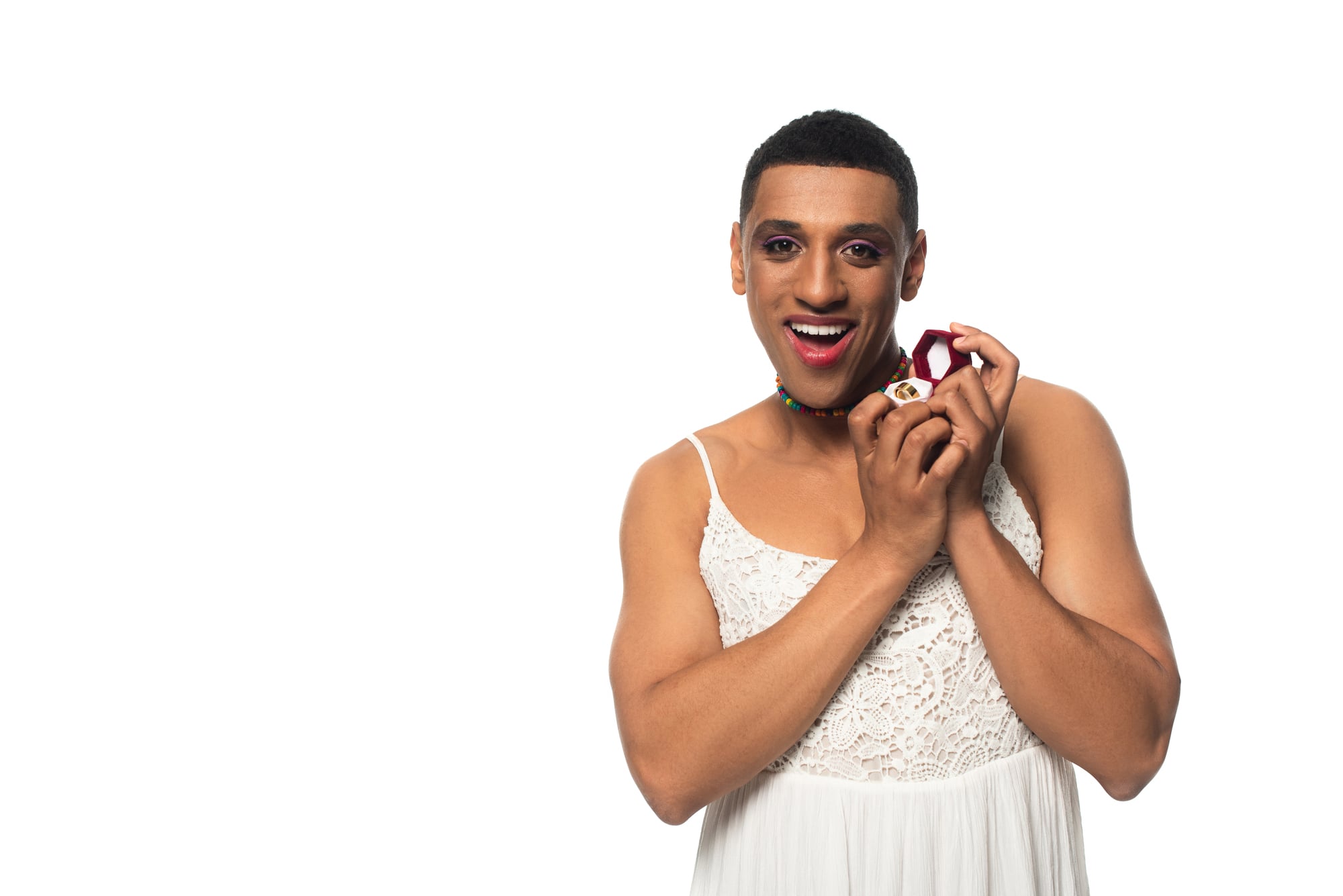
Theatrical cross-dressing was once considered so morally dangerous that many communities banned it entirely. Even professional actors faced legal restrictions and social condemnation for wearing clothing associated with the opposite gender.
The practice was linked to moral corruption, gender confusion, and the breakdown of natural social order.
Eating Ice Cream in Public

Believe it or not, women eating ice cream in public was once considered unseemly and potentially suggestive. The act of licking or consuming something cold and creamy was thought to be too sensual for public display.
Proper ladies were expected to eat ice cream only in private settings, preferably with a spoon rather than directly from a cone or stick.
Like Go2Tutors’s content? Follow us on MSN.
The Rhythm of Change Continues

These once-scandalous customs remind us that moral boundaries are far more fluid than we often realize. Each generation draws its lines of propriety in different places, convinced that its standards represent timeless truth rather than temporary social agreement.
Today’s controversies will likely seem just as quaint to future generations as powdered wigs and formal calling cards seem to us now. The customs we defend as essential today may well appear on tomorrow’s list of outdated social anxieties.
More from Go2Tutors!

- 16 Restaurant Chains That Went Too Fast
- 12 Things Sold in the 80s That Are Now Illegal
- 15 Strange Things People Have Tried to Ban (And Failed)
- 16 Collectibles People Tossed Out Too Soon
- 17 Myths from Your Childhood That Were Actually Based on Real Things
Like Go2Tutors’s content? Follow us on MSN.