30 Medieval Jobs Nobody Would Want Today
Every era has its dreaded occupations, but medieval Europe had a particular talent for inventing them. Without plumbing, refrigeration or machinery, almost every necessity of daily life depended on someone doing the smelly, dangerous or exhausting part by hand.
Some of these jobs were so unpleasant that they shaped the layout of towns, the wording of laws and even the surnames still common today. Here are 30 roles that make a modern commute and a stack of unanswered email look like a gift.
Gong Farmer Emptying the Town’s Cesspits

Gong farmers cleared the cesspits of medieval towns, often working by night so carts carrying waste would not clog the streets by day. The word gong referred to a privy or latrine, making the job title essentially a label for a latrine cleaner.
The work meant climbing into pits with shovels and buckets, then hauling the contents away to be dumped at a designated site outside the town. Few trades were so thoroughly avoided by their neighbors, and few involved so much unpleasant work for so little social respect.
Fuller Trampling Cloth in Stale Urine
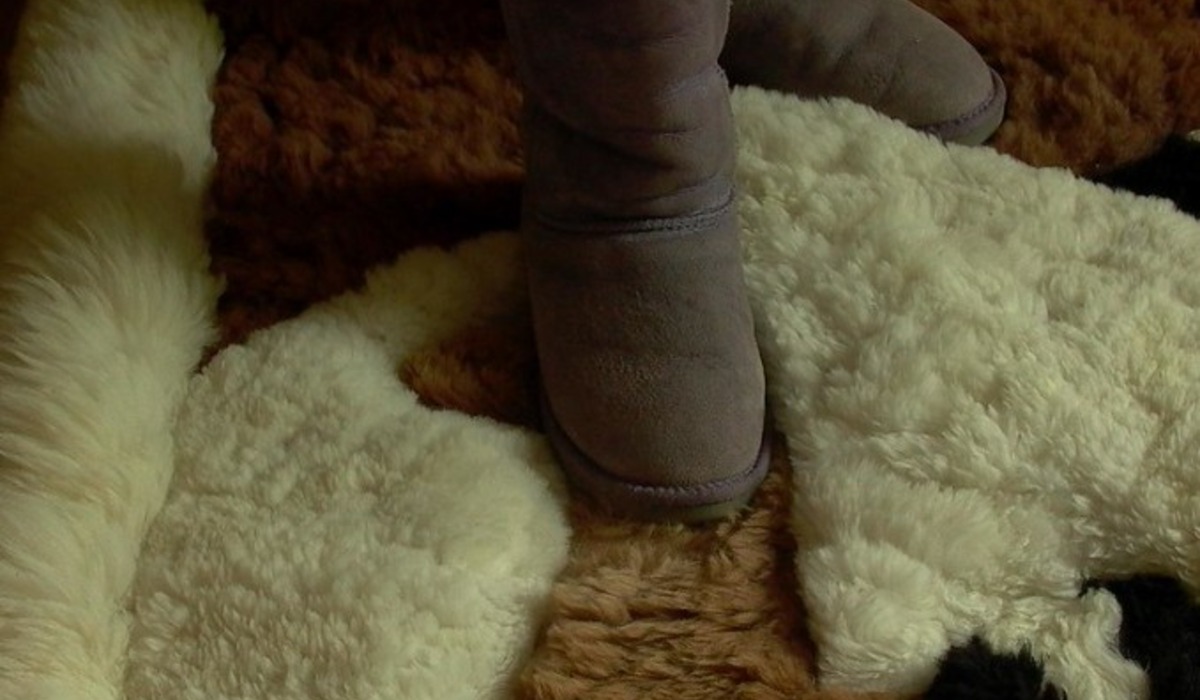
Fullers cleaned and thickened woolen cloth by working it in water mixed with stale urine, whose ammonia helped lift grease from the fabric. Before water-powered fulling mills spread across England, the job was often done on foot, with workers standing in tubs and treading the cloth for hours.
That foot-powered labor gave rise to the English surname Walker, while Fuller also comes directly from the trade. Tucker is another surname associated with the same broader cloth-finishing process.
Several common surnames, in effect, began as job descriptions for people working with wool.
Tanner Soaking Hides for Months

Tanners turned raw hides into leather by scraping them clean and then soaking them in pits for months, using oak bark as a main tanning agent. One preparatory stage, called bating, could involve animal dung to help soften the hides.
The stench was so severe that towns often pushed tanneries to the edges of settlements and away from drinking-water sources. London’s Bermondsey became a famous tanning district, and Tanner Street there still carries the trade’s name.
Turnspit Boy Beside the Kitchen Fire
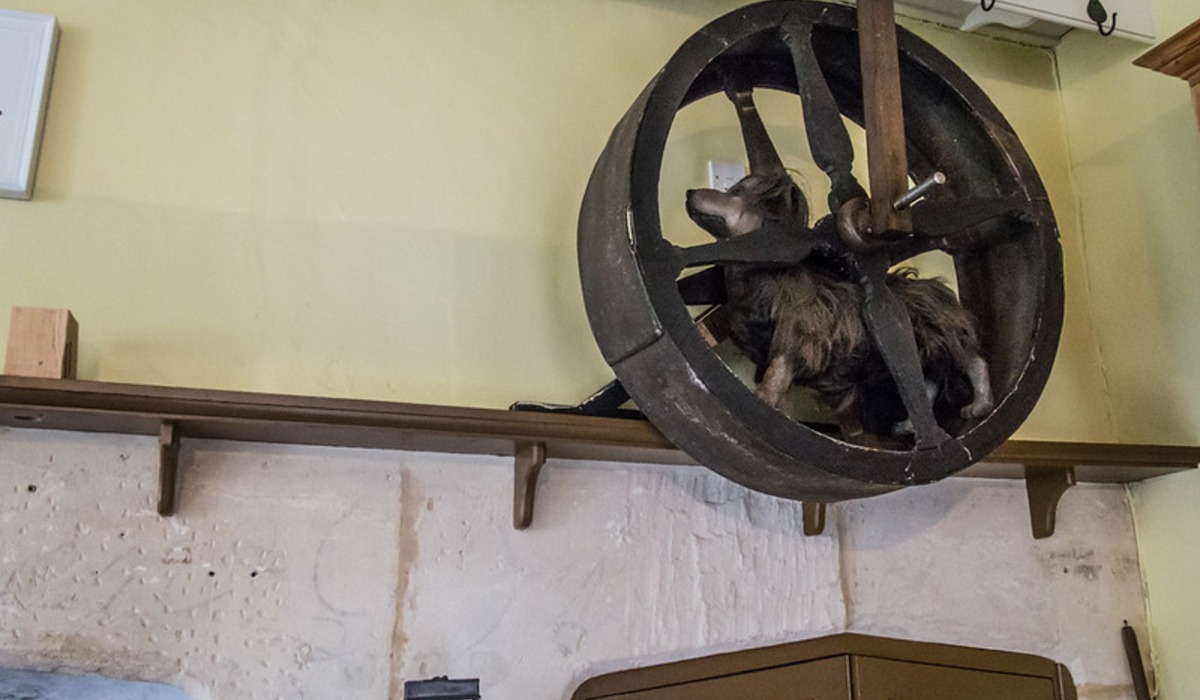
In large households, a kitchen boy might be assigned to turn the roasting spit, standing beside an open fire for hours so the meat cooked evenly. He risked scorched skin and sore arms, and the task offered little variety or comfort.
By the 16th century, English writers were describing small dogs trained to run in a wheel and turn the spit instead. When animals were recruited to take over a task, it was probably not the most coveted job in the kitchen.
Barber-Surgeon With a Basin and a Razor
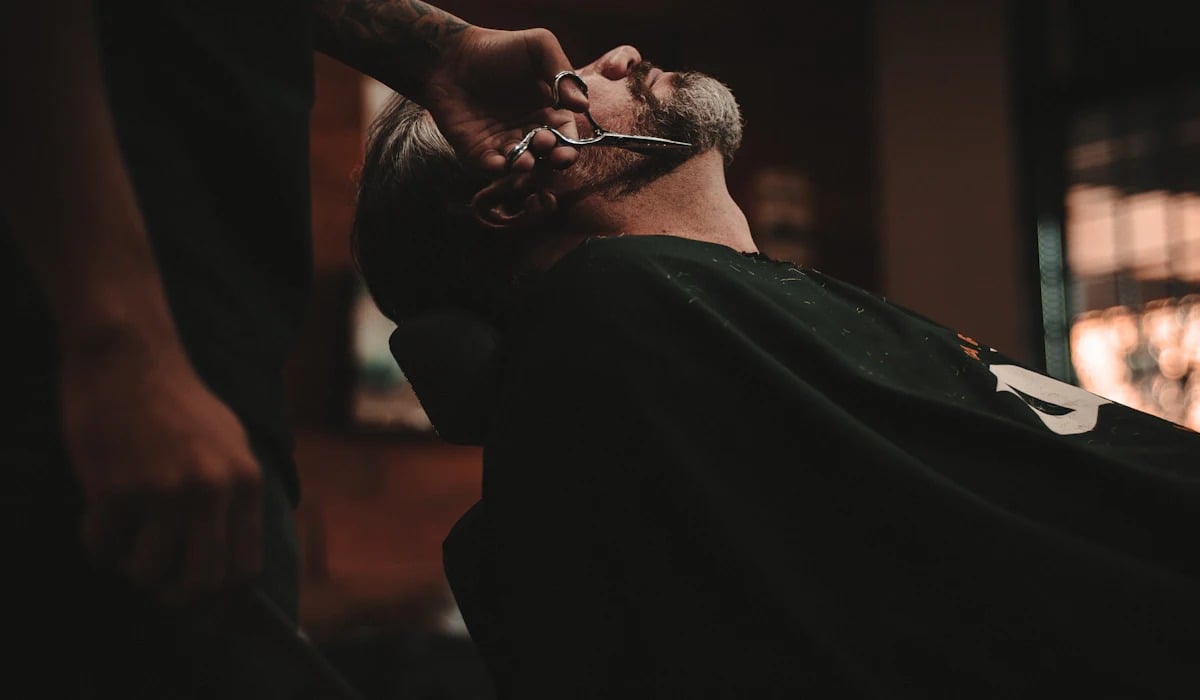
Medieval barbers did far more than cut hair, and many also pulled teeth, lanced boils and performed bloodletting for patients who believed it restored balance to the body. Their tools included razors and lancets, and effective anesthesia of the modern kind did not exist.
In 1540, an act under Henry VIII united London’s barbers and surgeons in a single company, although the law also distinguished their permitted duties. The red and white barber pole is traditionally linked to bloodletting, with red representing blood and white representing bandages, though the precise origin of the design is not certain.
Woad Dyer Working Over a Fermenting Vat
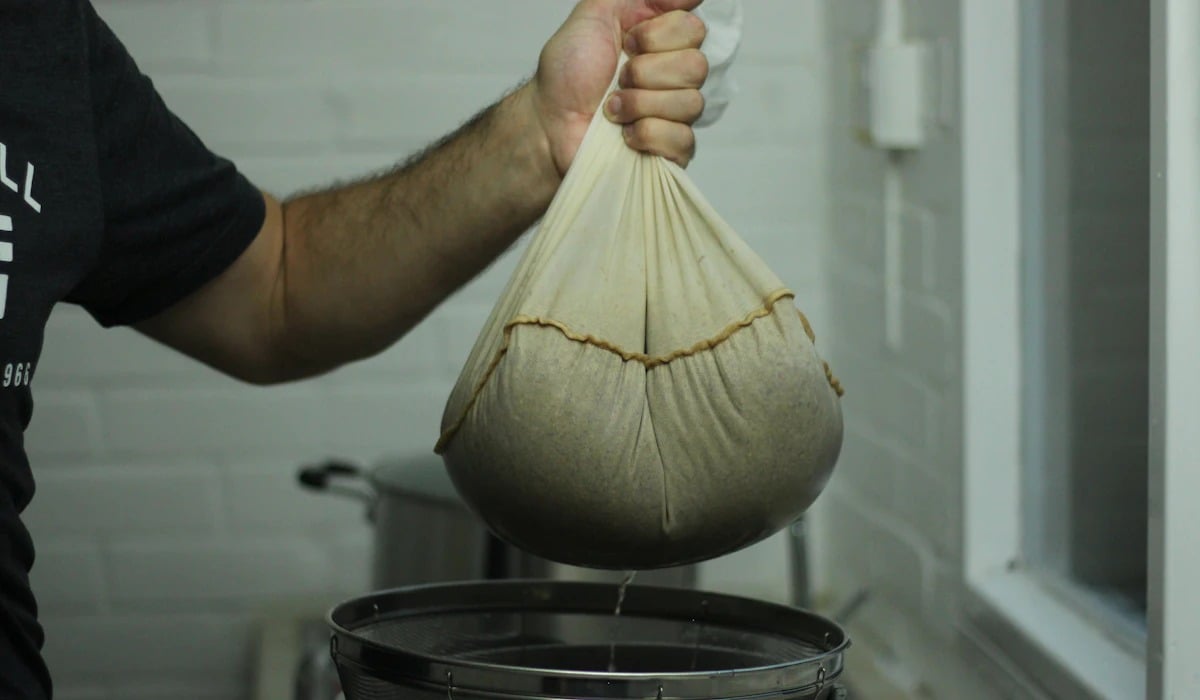
Woad dyers produced blue cloth from the leaves of the woad plant, which were processed into dye before being used in vats. Some dyeing methods used urine as a source of ammonia to help develop or fix the color, and the process could produce strong odors that clung to workers and their surroundings.
The reward could be considerable, since woad was a major source of European blue before imported indigo became more widely used. Merchants who sold the finished dye could grow rich, even though the people who prepared it often worked in unpleasant conditions.
Lime Burner Tending the Kiln

Lime burners heated limestone in kilns for days to produce quicklime, which was essential for mortar, plaster and agricultural use. Quicklime reacts strongly with moisture and can cause severe burns to skin and eyes, while the kilns produced smoke and fumes that made the work hazardous.
A kiln demanded steady attention over long stretches, leaving little room for rest. The product helped build cathedrals and castles, which was cold comfort for those who made it.
Bog Iron Worker Smelting Swamp Ore
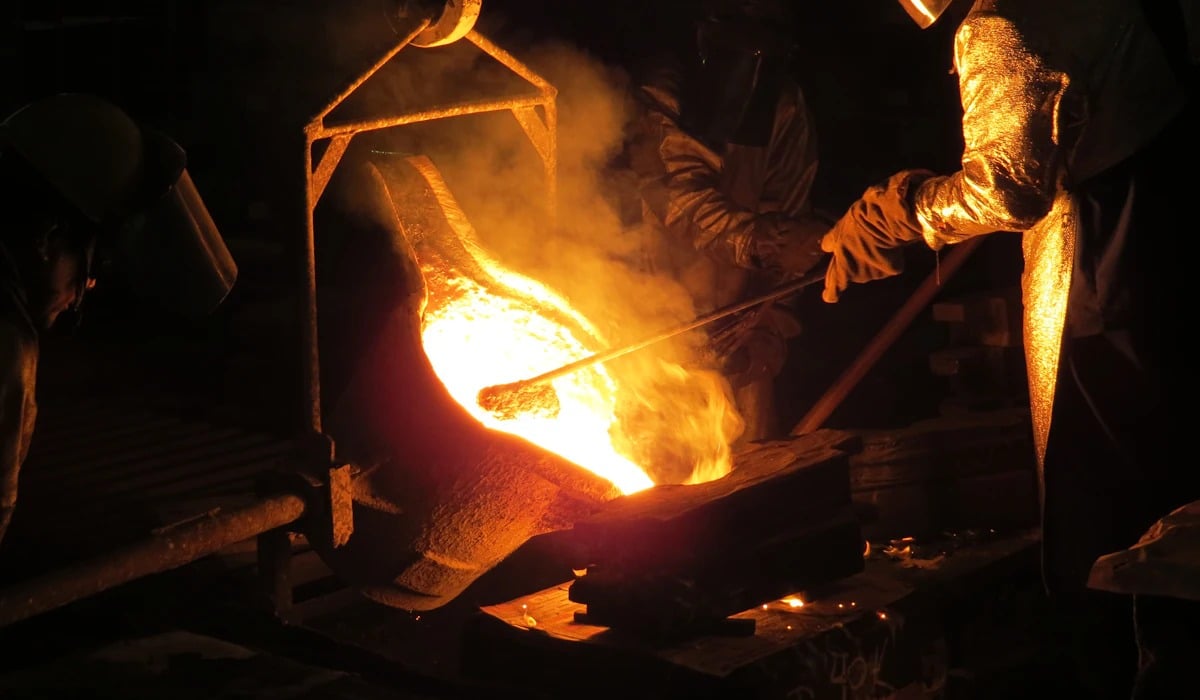
Bog iron workers dug rust-colored ore from wet ground and smelted it in small clay furnaces called bloomeries. The result was not molten metal but a spongy lump called a bloom, which had to be hammered repeatedly while hot to drive out impurities.
Smelting also demanded large quantities of charcoal, adding the labor of cutting and burning wood to the process. Every nail, hinge and horseshoe in a medieval village represented a long, hot day of hard work somewhere along the production chain.
Arming Squire Buckling the Knight Into Steel
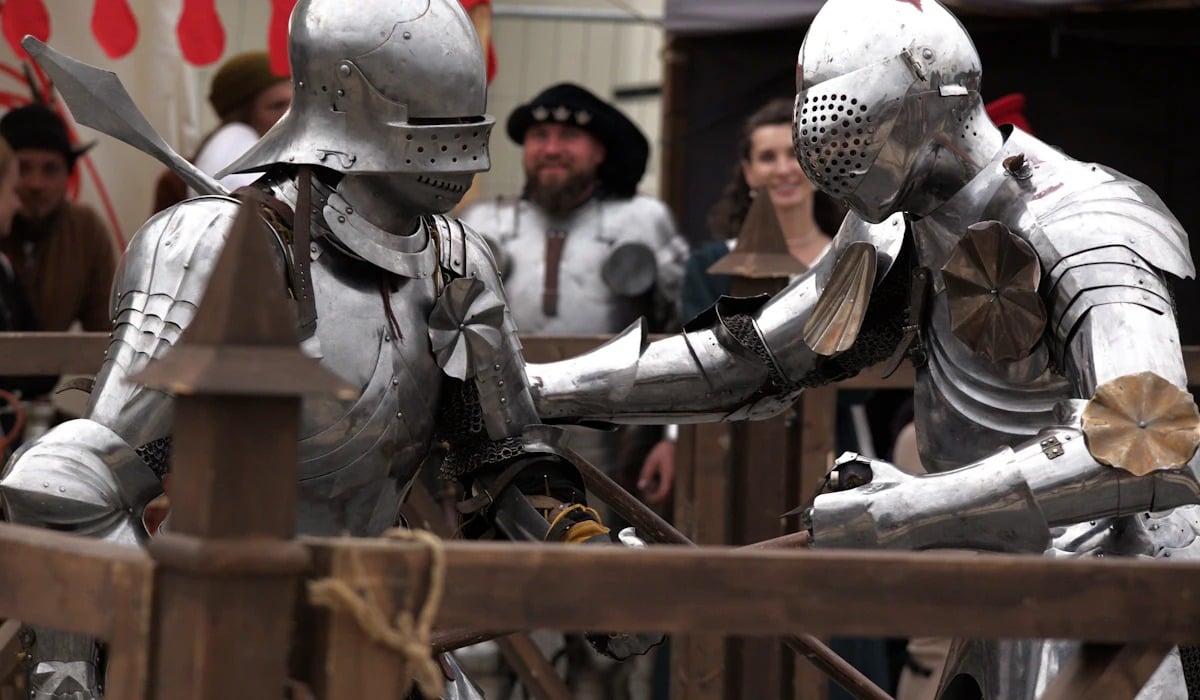
A squire served a knight as a personal attendant, and one of his duties was helping the knight into his armor, strap by strap and buckle by buckle. A full harness of plate armor could weigh dozens of pounds, and its pieces had to be fitted in the proper order.
The squire also tended the knight’s horses and weapons and might accompany him on campaign, where he faced dangers of his own. The reward for years of service was the possibility of being knighted himself, if he survived and earned the opportunity.
Executioner Carrying Out Royal Sentences
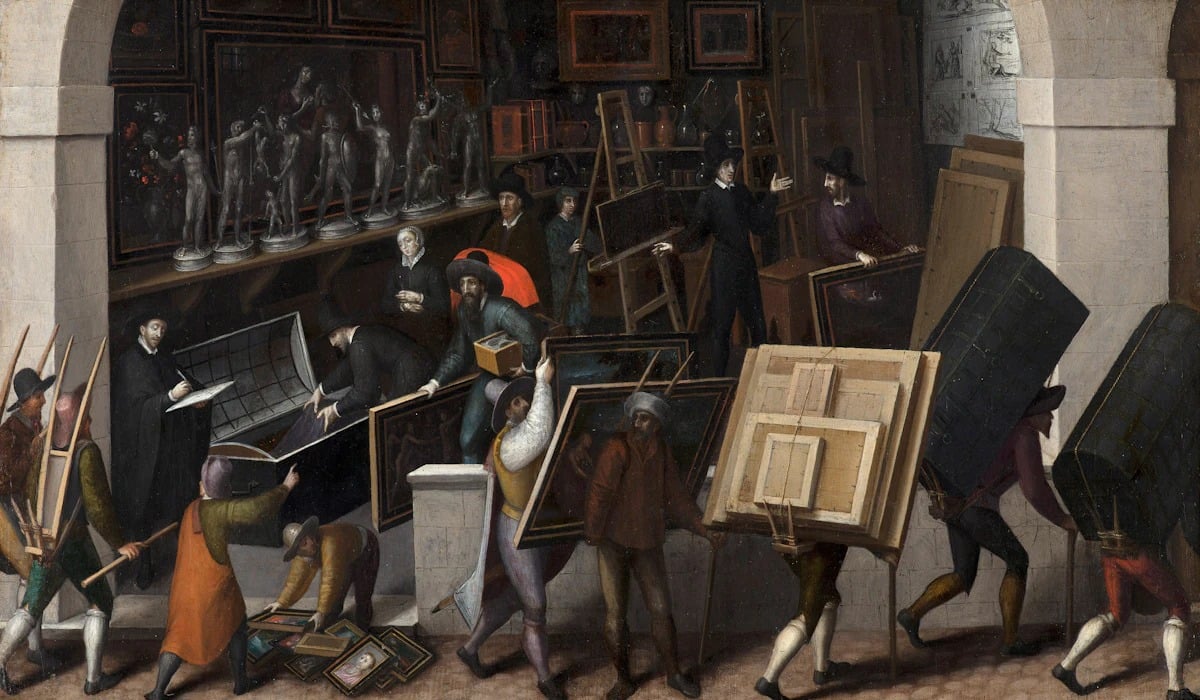
Executioners were feared and sometimes shunned, hired to carry out sentences required by the law and rarely thanked for the work. When Anne Boleyn was condemned in 1536, Henry VIII arranged for a swordsman from Calais to carry out the sentence on May 19 rather than use the customary English method of execution by axe.
This was a Tudor-era example of the executioner’s trade, which had existed long before then. The choice of a specialist suggests how much importance was placed on carrying out the sentence cleanly.
Even so, the person who delivered the fatal blow was unlikely to be welcomed everywhere.
Charcoal Burner Living in the Forest
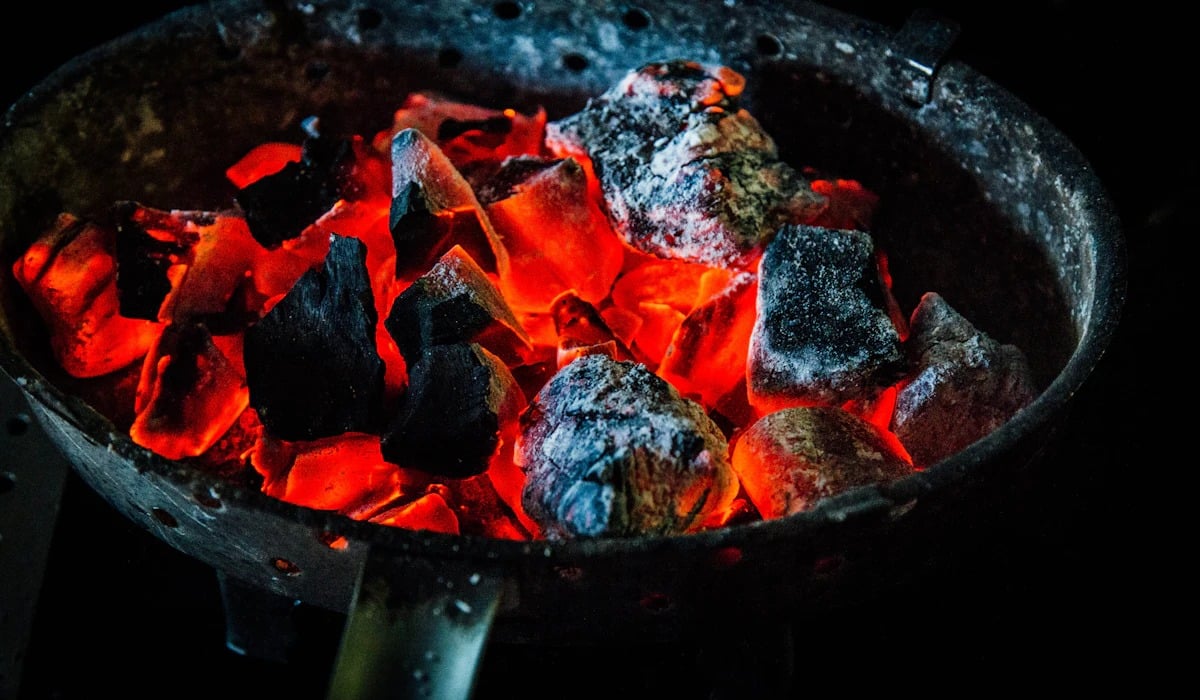
Charcoal burners stacked logs into a large mound, covered it with turf and soil, and let it smolder slowly for days. The fire had to be watched constantly because a gust of air could turn the slow burn into a blaze that destroyed the entire batch.
Workers lived in simple huts beside the mound, sometimes in the forest and away from their families. The charcoal fueled smiths and ironworkers, which meant that medieval industry depended on the labor of people who spent long hours surrounded by smoke and soot.
Salt Boiler Over the Brine Pan
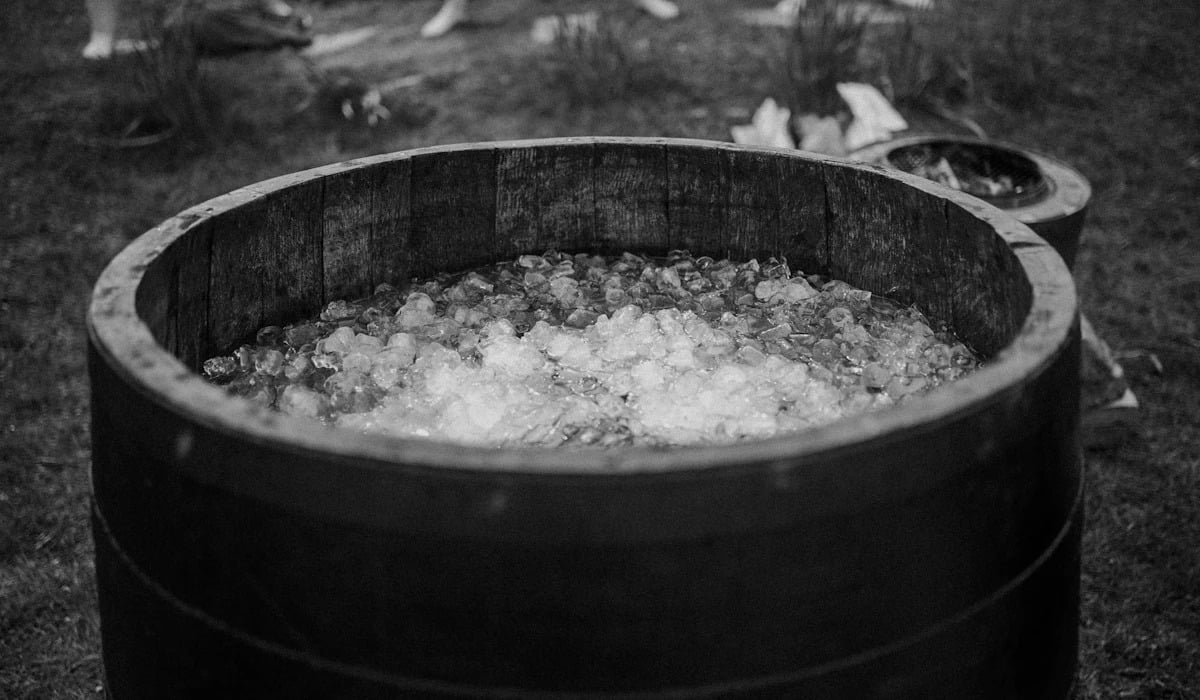
Salt boilers evaporated brine in large pans over a constant fire, a task that was hot, wet and fuel-hungry. The Domesday Book of 1086 records salt-making in England.
Towns such as Nantwich, Northwich and Middlewich became closely associated with the salt trade, reflected in the historical use of wich for salt-working places in this region. Salt preserved meat and fish through winter, so demand could be steady, and so was the work.
Tin Miner on the Moors
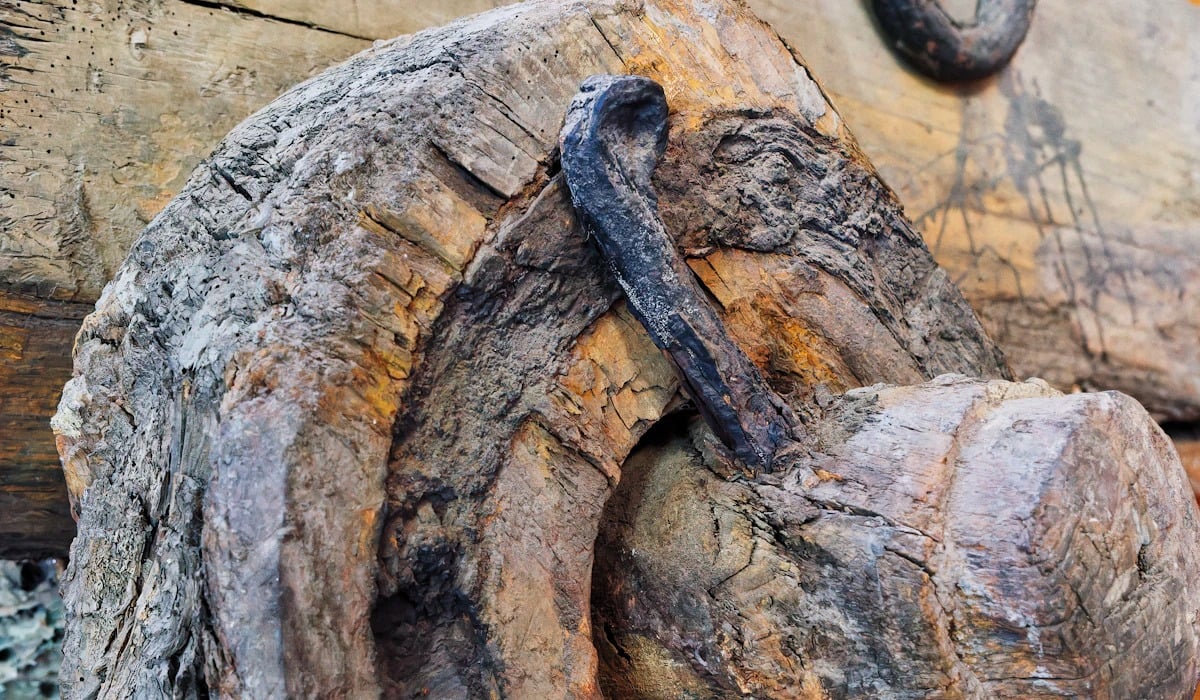
Tin miners in Devon and Cornwall dug and washed ore from streams and shallow workings, often in cold, wet and exposed conditions. The tinners were so important to the Crown that they received special legal privileges and their own system of stannary courts.
They could be tried under this separate jurisdiction rather than in ordinary courts for matters within its remit, and a stannary parliament met at Crockern Tor on Dartmoor. The privileges were generous on paper, but they did not make a flooded pit any more pleasant.
Parchment Maker Scraping Skins
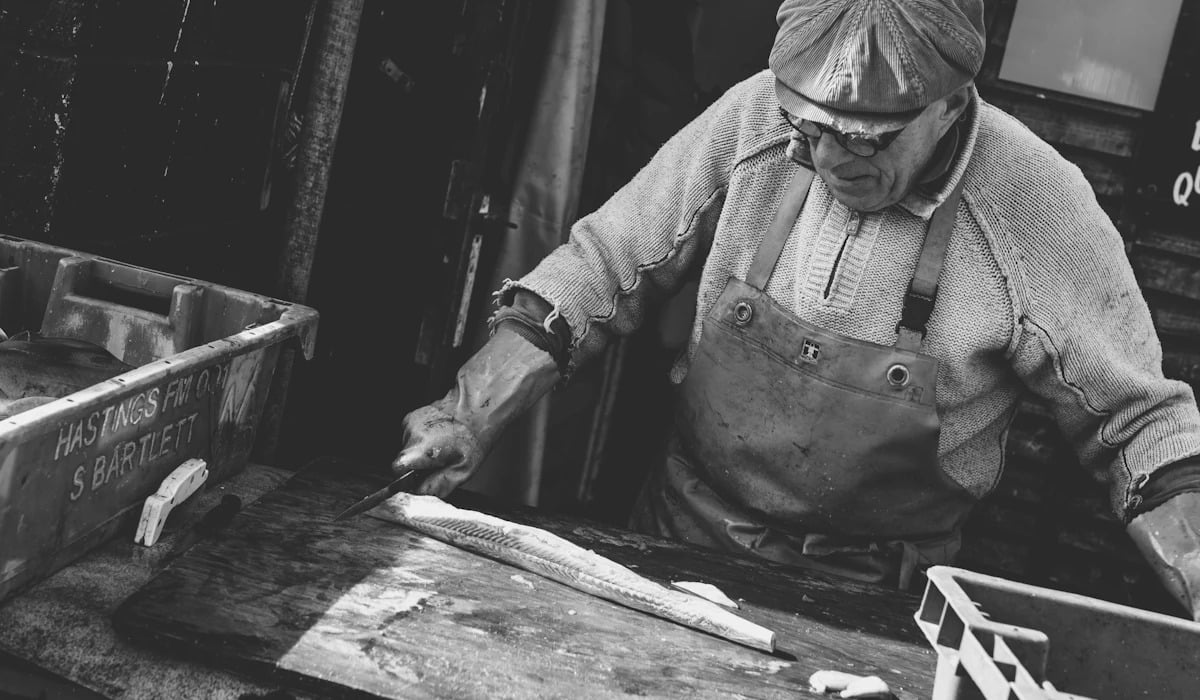
Parchment makers prepared the writing surface for medieval books and legal documents from the skins of sheep, calves and goats. The skins were soaked in lime baths to loosen the hair, stretched on frames and scraped with a curved knife until thin and smooth.
The process involved wet animal skins, caustic lime and repeated scraping. A large Bible could require the skins of hundreds of animals, so even a single volume could represent a staggering amount of labor.
Rat Catcher in a Crowded Town

Rat catchers were hired to clear granaries, kitchens and storehouses of rodents that spoiled food and infested crowded buildings. The legend of the Pied Piper of Hamelin is traditionally tied to the year 1284, showing how deeply vermin figured in medieval storytelling.
The job meant entering dark cellars and cramped corners, often with traps and other means of catching pests. After the Black Death arrived in the 1340s, people had even more reason to fear the devastating disease, although the precise role of rats and their fleas in transmitting plague during medieval European outbreaks remains debated.
Plague Grave Digger
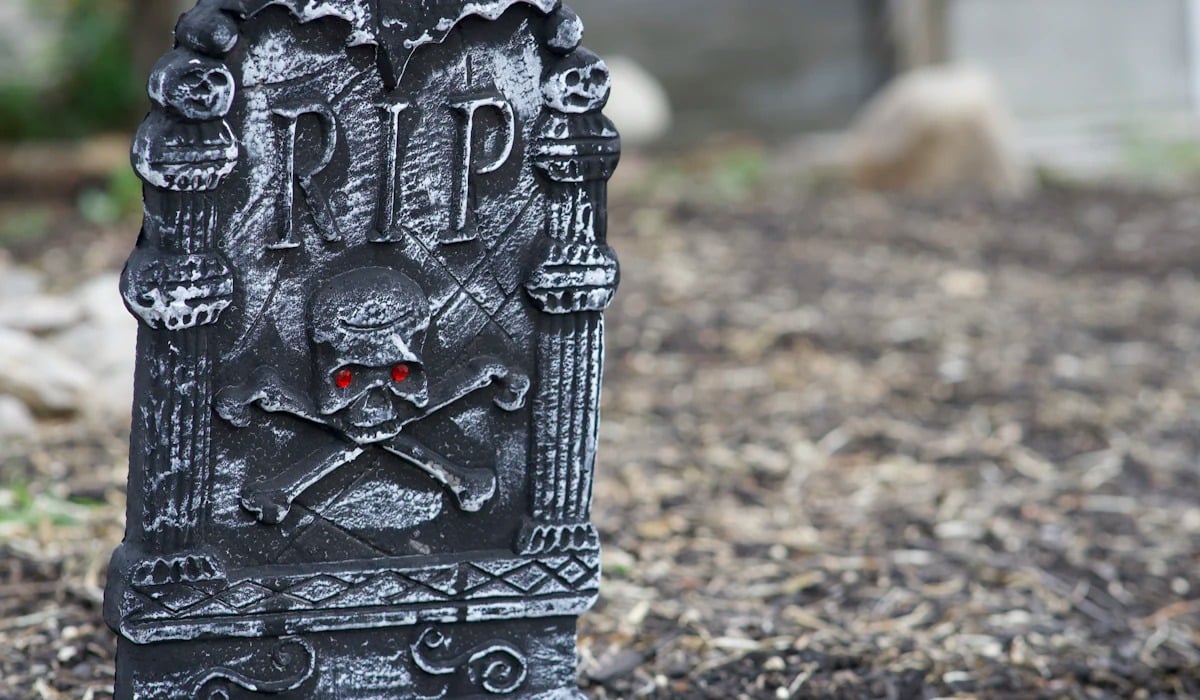
When the Black Death reached England in 1348, burial grounds filled faster than many parishes could manage. London opened a new cemetery at East Smithfield that year to cope with the surge in deaths.
Grave diggers worked among corpses day after day, with little understanding of how the disease spread and no effective protective equipment. The job was a grim public service performed during one of the deadliest episodes in European history.
Flax Retter Soaking the Stalks

Flax retters soaked bundles of flax stalks in water for days so that the woody parts broke down, freeing the fibers that could be spun into linen. The water could turn foul, the smell could carry a long distance, and the process could damage water quality if poorly managed.
Historic retting ponds survive as evidence of how widely the practice was used. Linen was valuable, but producing it could mean hours of work in unpleasant conditions.
Soap Boiler Stirring Fat and Ashes
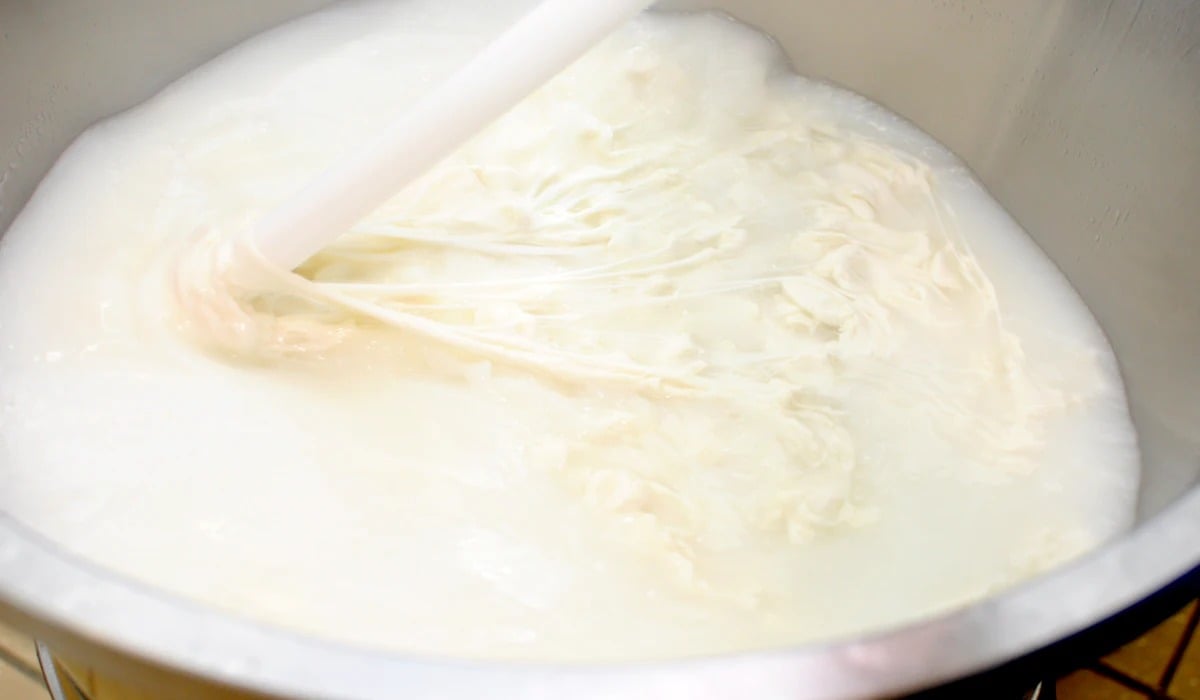
Soap boilers made soap by boiling animal fat with lye, an alkaline substance that could be produced from wood ashes. The process filled the air with a heavy, greasy smell and involved hot kettles and caustic liquid, creating a constant risk of burns.
The soap produced by such methods could be soft and rough compared with harder soaps made using other fats and techniques. Neighbors had good reason to object to the smell, which helps explain why unpleasant trades were sometimes pushed away from busy residential streets.
Tallow Chandler Rendering Animal Fat
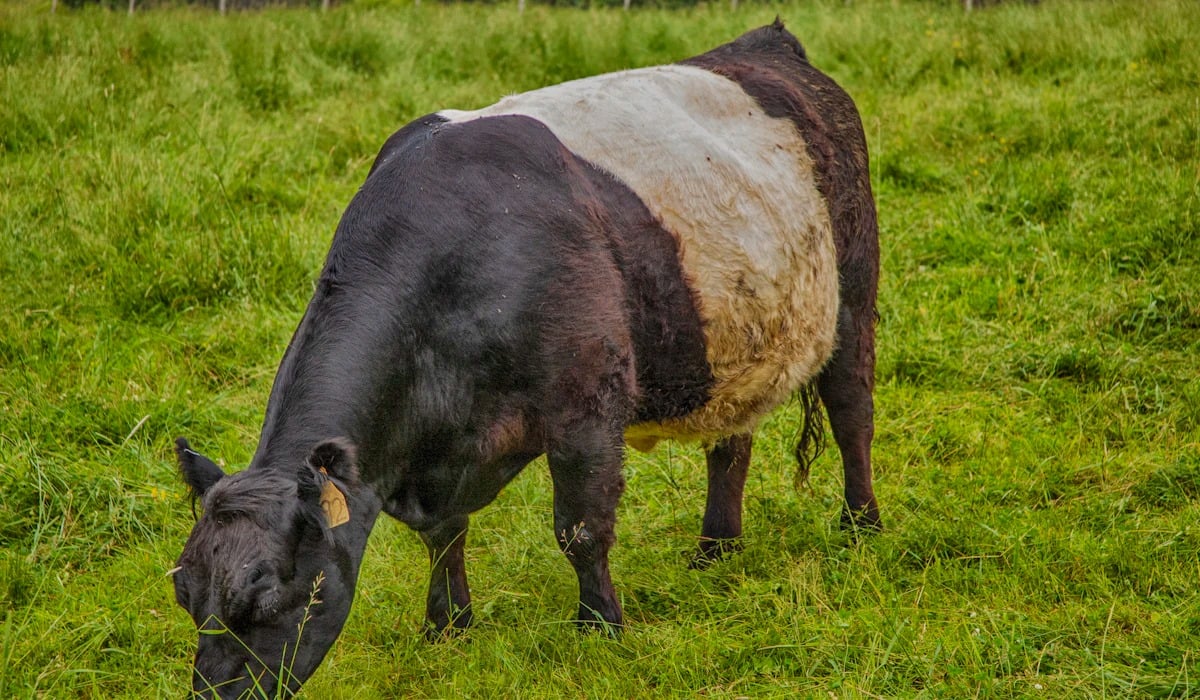
Tallow chandlers melted down animal fat and dipped wicks into it repeatedly to build up candles for ordinary households. Tallow candles often smoked, guttered and smelled of burning fat, while beeswax candles used in churches and wealthy homes were more expensive.
The rendering process itself filled workshops with a strong odor that could drift into surrounding streets. People depended on their light, but they did not necessarily want the workshop next door.
Bell Founder Casting in the Pit
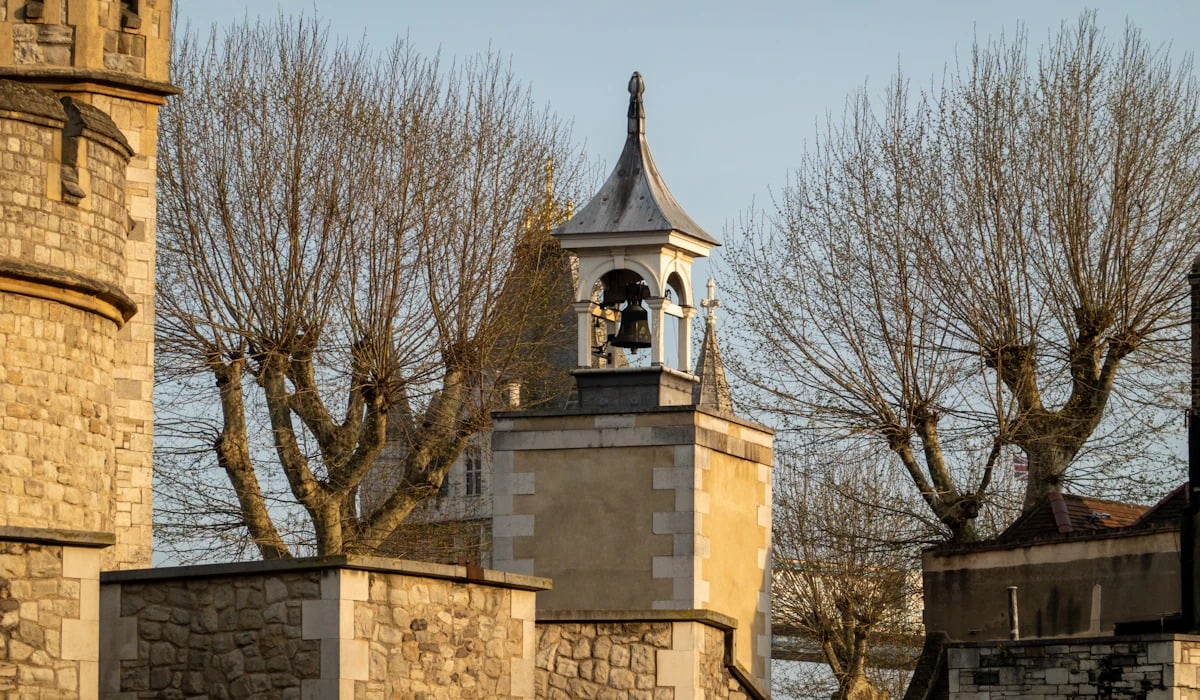
Bell founders cast church bells from molten bronze, a mixture of copper and tin, often in a pit near the building where the bell would hang. Pouring a bell required precise timing, extreme heat and complete trust in a mold that could not be inspected once the metal went in.
A flawed casting could mean melting the bell down and beginning again, wasting days of labor and expensive metal. The result could ring for centuries, but a single mistake could undo weeks of work in seconds.
Pit Sawyer Under the Log
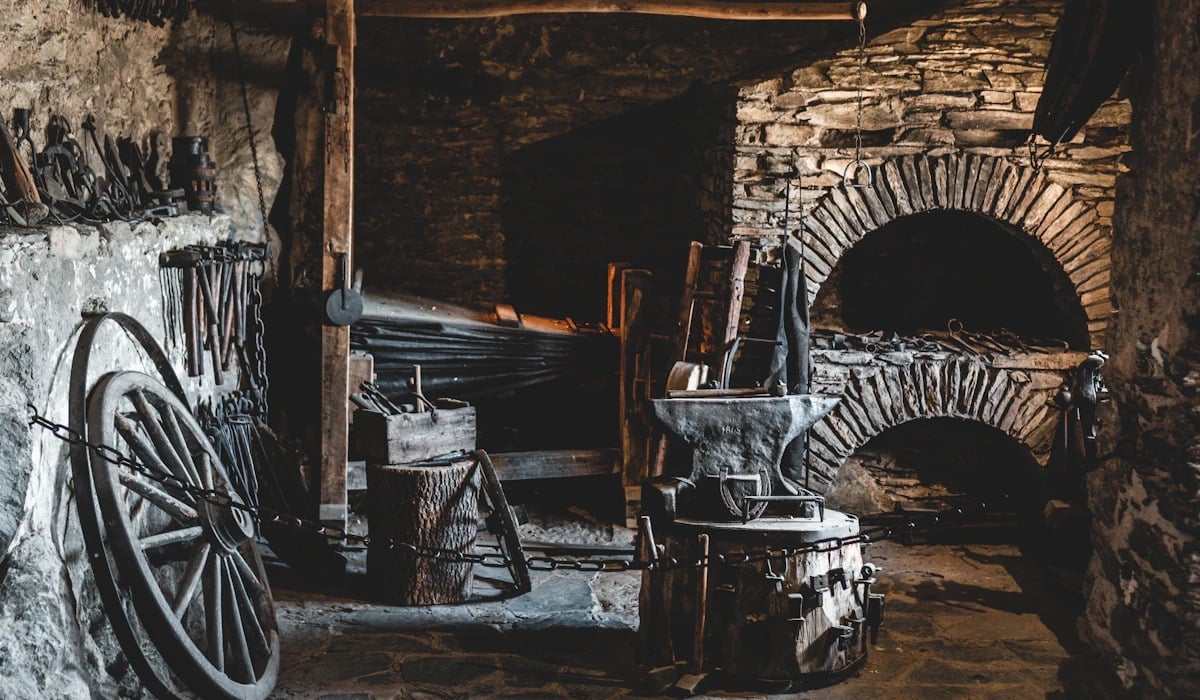
Pit sawyers cut timber into planks with a long, two-person saw, with one worker standing on top of the log and the other in a pit below. The worker in the pit, known as the bottom sawyer, was showered in sawdust and had to work with his face turned away from the falling debris.
Both workers pushed and pulled the blade in a steady rhythm for hours, sawing one plank at a time. The partnership demanded patience, coordination and an exceptionally high tolerance for sawdust.
Butcher in the Street
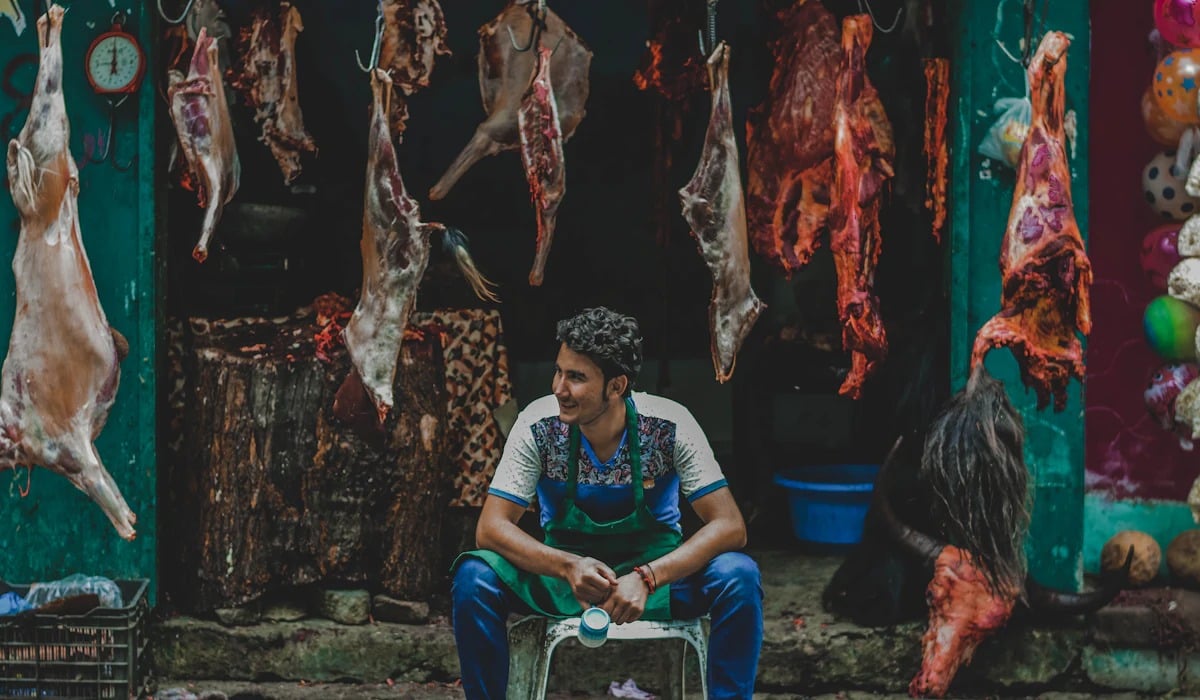
Medieval butchers sometimes slaughtered animals in or near the streets, leaving blood and offal that could run into gutters and streams. Complaints about the mess appear in the records of English towns, which repeatedly tried to regulate where and how butchers could work.
York’s famous street called the Shambles takes its name from an old term for the tables where butchers displayed meat. Meat was essential, but nobody enjoyed living downwind from the stalls.
Siege Sapper Undermining the Walls
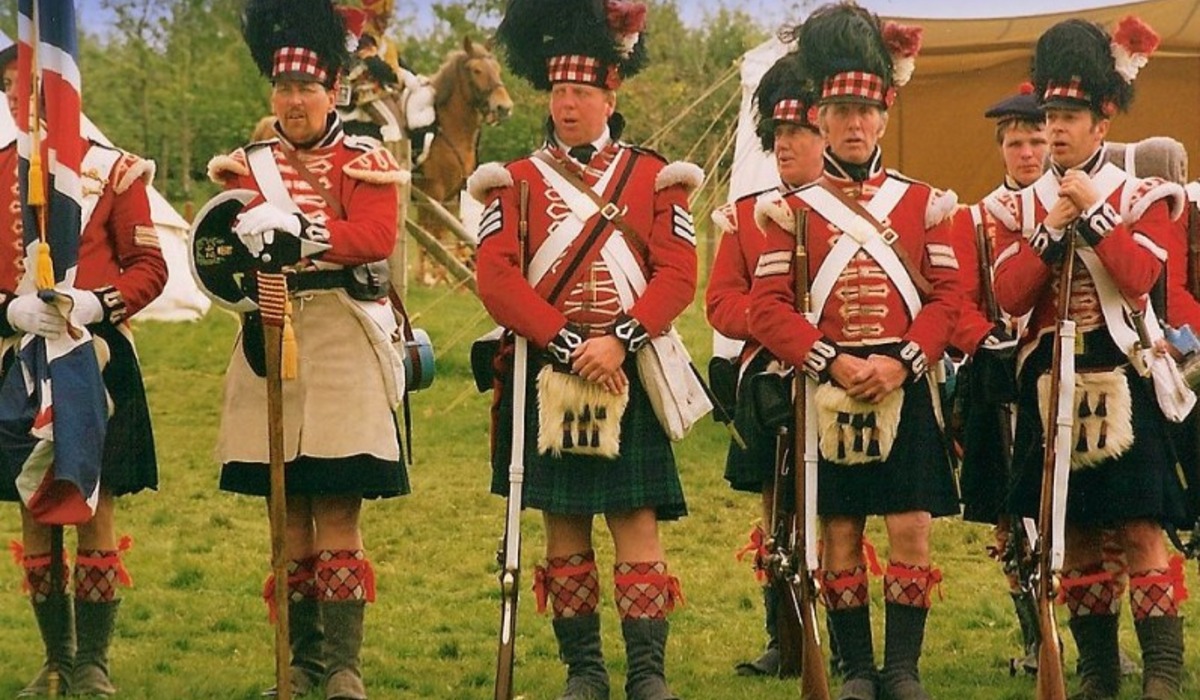
Siege miners dug tunnels beneath castle walls and towers, propped the ceilings with timber, then sometimes set fire to the supports so the structure above would collapse. At the siege of Rochester Castle in 1215, King John’s forces undermined a corner of the keep.
The tower collapsed, illustrating the danger of working in a narrow tunnel beneath a fortified structure that could come down at any moment.
Peat Digger Flooding the Fields
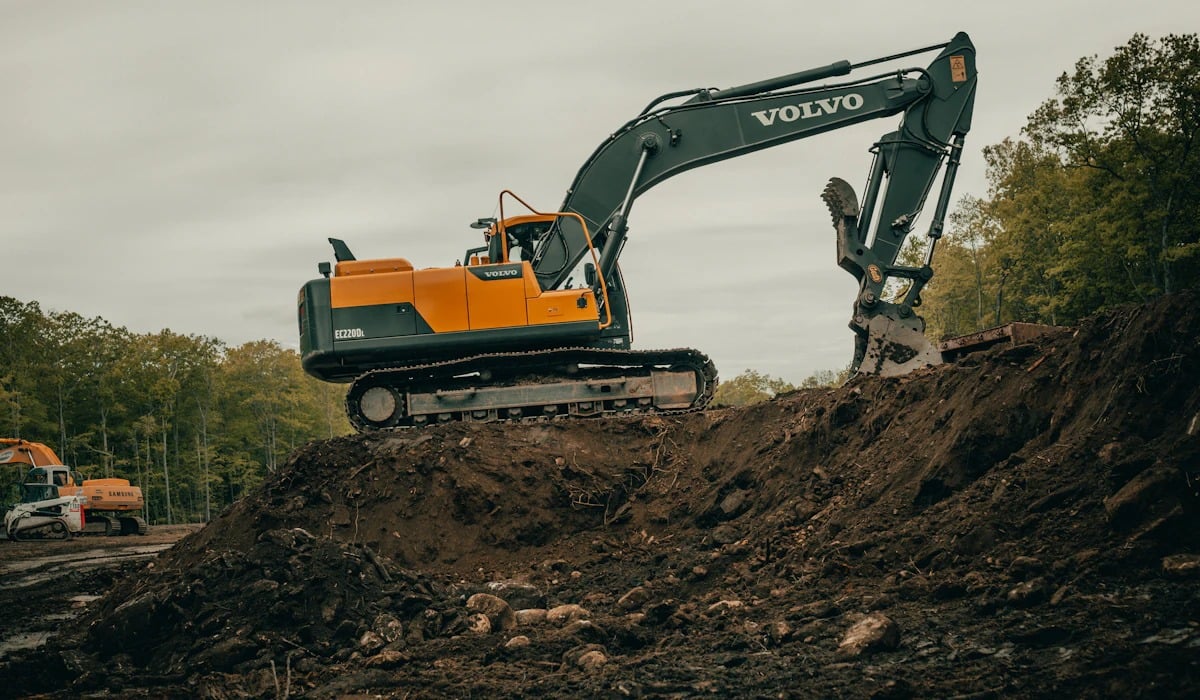
Peat diggers cut blocks of turf from the ground in eastern England, where peat was an important source of fuel in a region short of wood. The work was backbreaking, wet and repetitive, and it continued for generations.
In the Norfolk Broads, medieval peat workings were eventually abandoned and flooded, creating much of the landscape seen today. The Broads, once assumed to be natural lakes, are now understood to have largely formed from these flooded excavations.
Wool Sorter Grading the Fleece
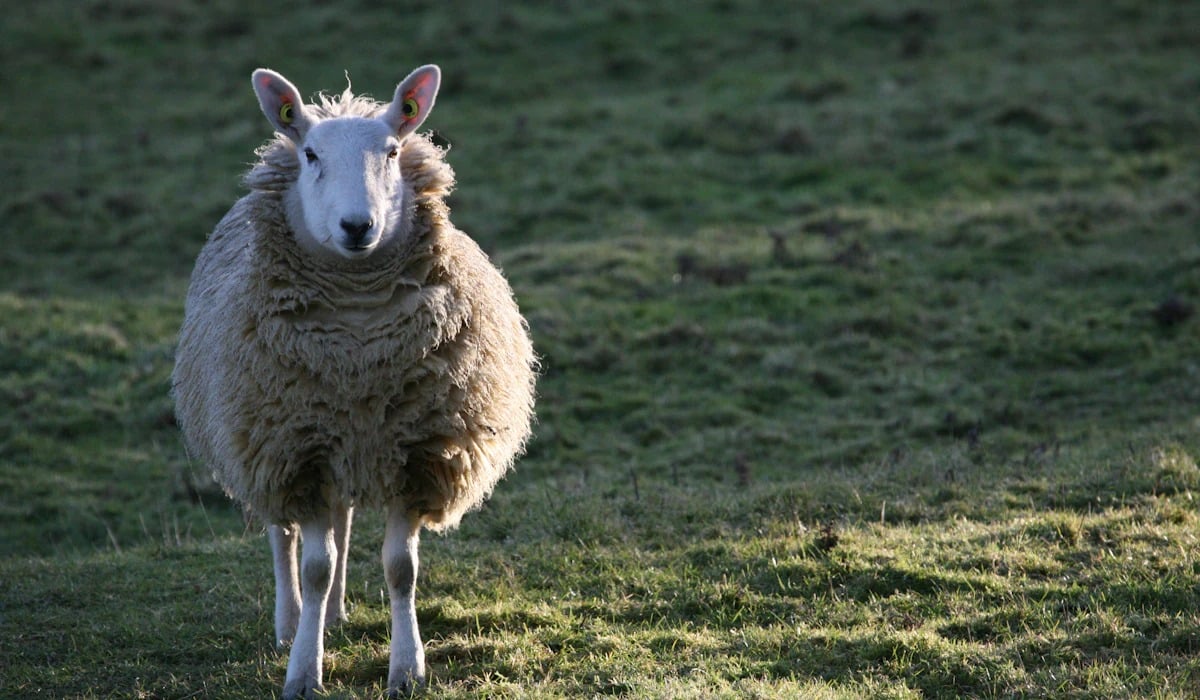
Wool was England’s most valuable export through much of the Middle Ages, and each fleece had to be sorted by quality before sale. Sorters separated the finer wool from coarser and more matted sections, with fiber quality varying across different parts of the animal.
The work meant handling greasy, dirty, lanolin-coated fleeces for long hours, often indoors with little ventilation. The result was a product that helped finance kings and build churches, produced by people whose hands could stay slick with lanolin.
Thresher With a Flail
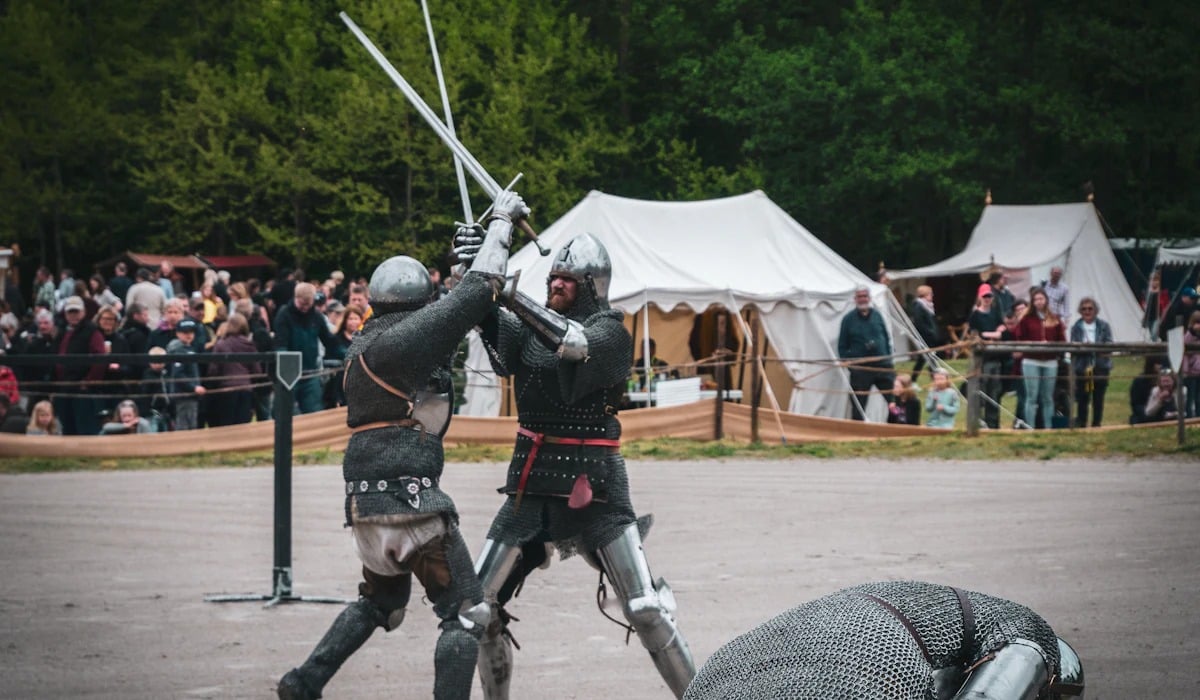
Threshers separated grain from straw with a flail, a wooden tool made of a handle and a swinging striker joined by a flexible hinge. They worked in barns, often through the winter, surrounded by dust and chaff that irritated the eyes and lungs.
Some agricultural workers were paid according to the amount of grain they processed, making time away from work costly. Bread depended on this repetitive routine, repeated thousands of times each season.
Herring Gutter at the Port

Herring gutters worked at coastal ports such as Great Yarmouth, where the autumn herring fishery brought in large catches that had to be processed quickly. Gutters used sharp knives to clean the fish, then packed them in salt for preservation.
Hands could be cut, cracked and stung by brine, and the smell lingered long after the work ended. Preserved herring fed people across medieval Europe, including on fast days when meat was forbidden by religious custom.
Cloth Shearman With Giant Shears
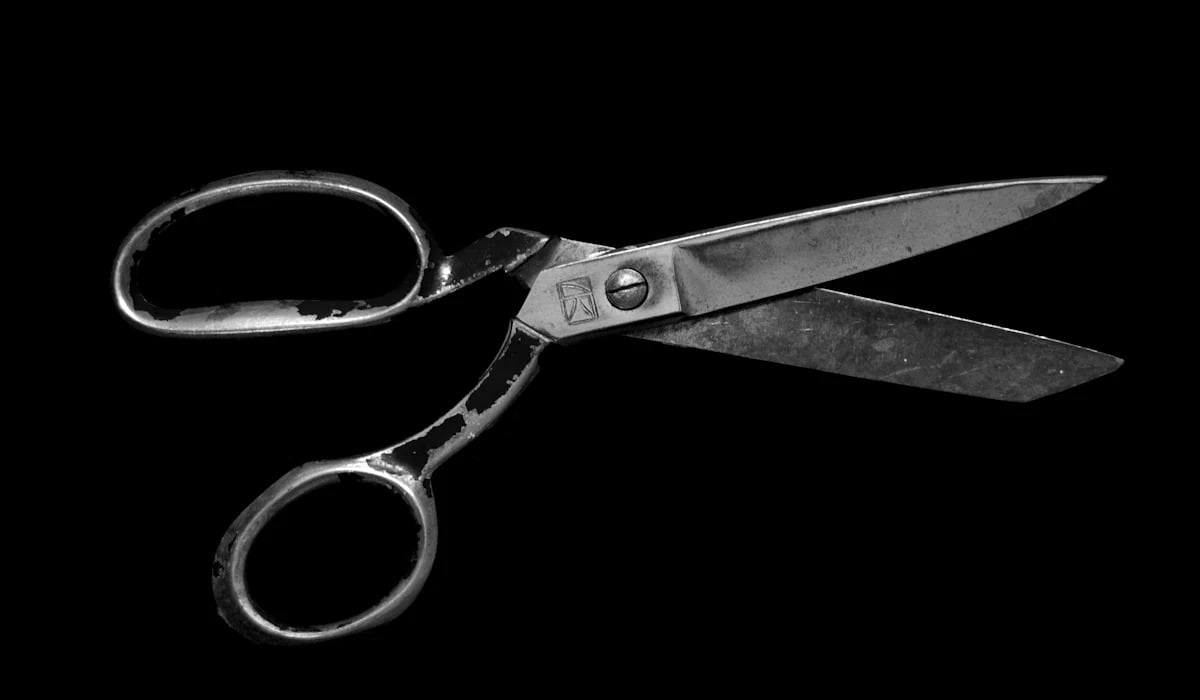
Cloth shearmen finished woolen fabric by trimming the raised nap with very large, heavy shears, a task that demanded a steady hand and strong wrists. Before trimming, the cloth was brushed with dried teasel heads to lift the nap.
A slip could ruin an expensive length of cloth and damage the shearman’s reputation. The work required hours bent over a table, and the finished fabric was valued for its smooth, even surface.
Quarryman Cutting Building Stone
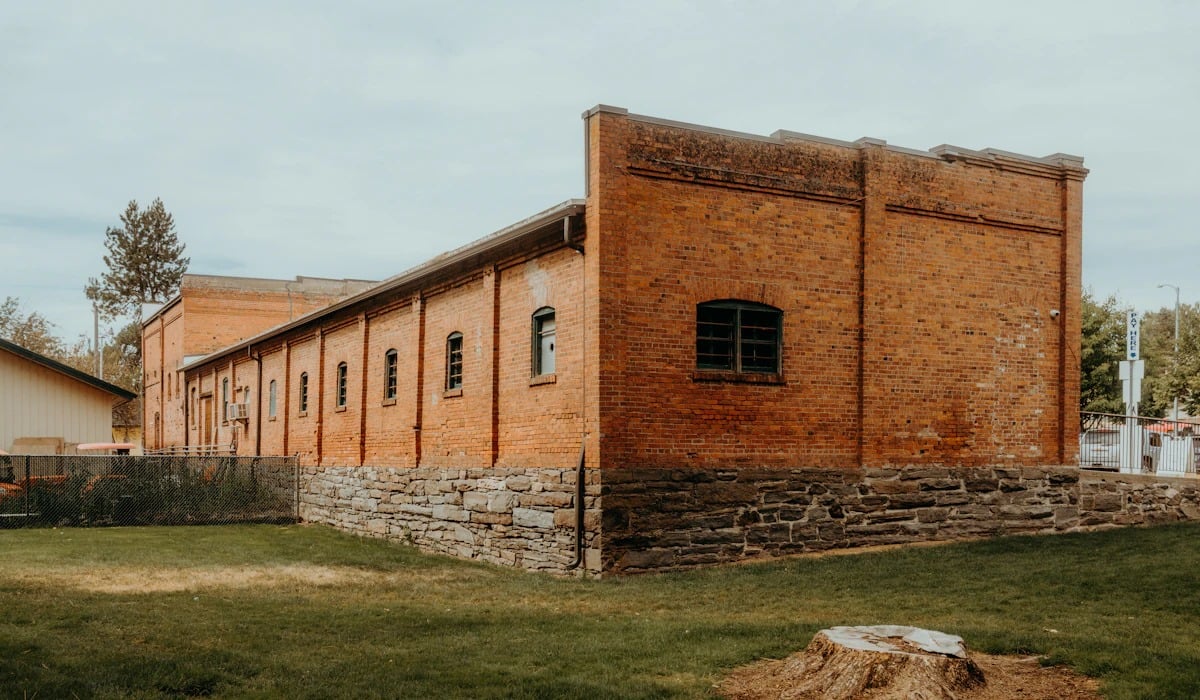
Quarrymen cut stone from the ground using hammers, wedges and chisels, then moved heavy blocks with simple tools and sheer muscle. Barnack stone, quarried near Peterborough, was used in major churches, including Ely Cathedral and Peterborough Cathedral.
Quarry work meant dust, falling rock and a constant risk of injury, often far from effective medical help. Great buildings are admired for their height and beauty, but they began as a mountain of aching shoulders.
Reeve Answering for the Manor
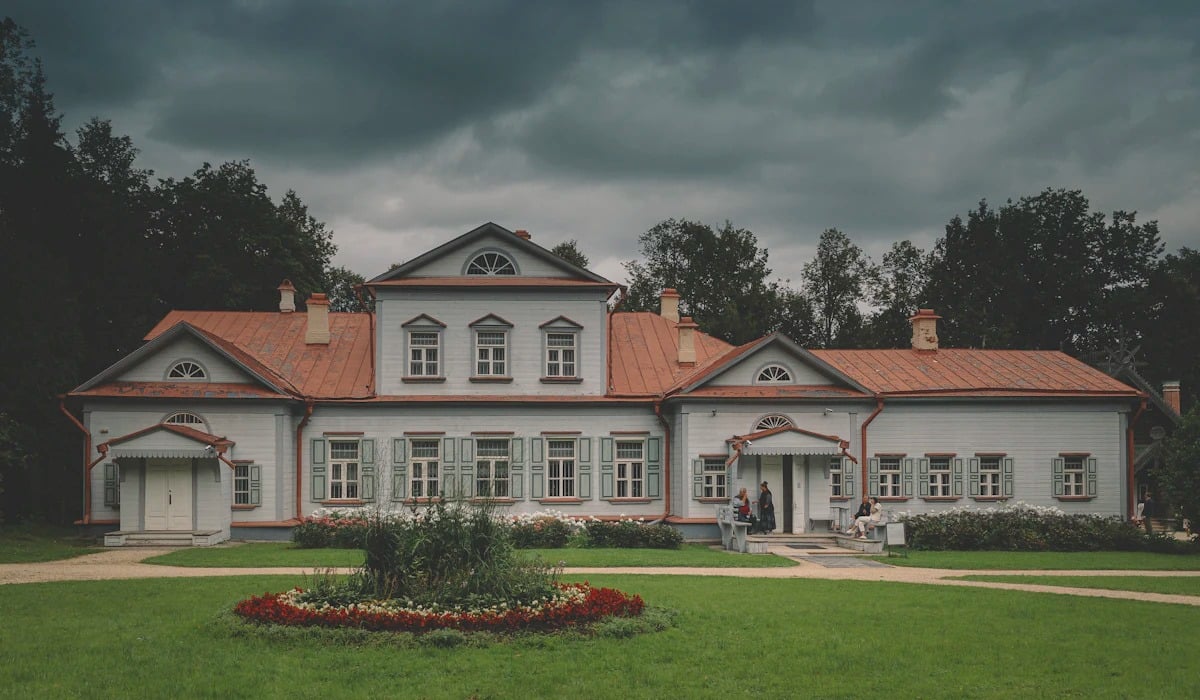
On many manors, the reeve was chosen from among the peasants to oversee the daily work of other villagers. He answered to the lord, was expected to keep accounts and could be held responsible for shortfalls in the harvest or labor obligations, depending on local custom.
That put him in the awkward position of supervising his neighbors while serving the person who controlled them. A position that comes with blame from above and resentment from below is not one that most people would volunteer for.
The Quiet Debt Owed to Dirty Work

Nearly every job on this list produced something that medieval society depended on, from bread and candles to cloth, iron and stone. The people who did the work often received little recognition, and some were pushed to the edges of town along with their smells, smoke and mess.
The trades were not low in value, only low in status, a distinction that every era seems to need to learn again.
Modern comforts hide similar labor behind sewers, factories and distant supply chains, so the work has not disappeared as much as moved out of sight. Looking back at these jobs is a reminder that comfort has always rested on someone else’s effort.
The medieval worker simply had fewer places to hide the evidence.
More from Go2Tutors!

- The Romanov Crown Jewels and Their Tragic Fate
- 13 Historical Mysteries That Science Still Can’t Solve
- Famous Hoaxes That Fooled the World for Years
- 15 Child Stars with Tragic Adult Lives
- 16 Famous Jewelry Pieces in History
Like Go2Tutors’s content? Follow us on MSN.