16 Movie Roles That Caused Major Hollywood Fights
Hollywood’s glittering surface often conceals the brutal battles fought behind closed doors. When millions of dollars and career-defining opportunities are at stake, even the most polished stars can transform into fierce competitors. The competition for coveted roles has sparked feuds that lasted decades, destroyed friendships, and created some of the industry’s most notorious rivalries.
These battles weren’t merely about money or fame—they represented artistic vision, creative control, and the chance to bring iconic characters to life. Here is a list of 16 movie roles that caused major Hollywood fights.
Dorothy in The Wizard of Oz

The role of Dorothy nearly destroyed the friendship between Judy Garland and Shirley Temple’s camp at MGM. Temple was initially considered the front-runner for the part—yet when 20th Century Fox refused to loan her out, MGM turned to their own contract player, Garland.
This decision created lasting tension between the studios while sparking rumors that MGM had deliberately sabotaged Temple’s chances to protect their investment in Garland.
Scarlett O’Hara in Gone with the Wind

The search for Scarlett O’Hara became Hollywood’s most publicized casting war, with over 1,400 actresses vying for the role. Established stars like Bette Davis, Katharine Hepburn, and Joan Crawford fought publicly for the part—though producer David O. Selznick played them against each other to generate publicity.
The eventual casting of relative unknown Vivien Leigh created bitter feelings among the rejected A-listers, with some claiming the search was rigged from the start.
Vito Corleone in The Godfather

Marlon Brando’s casting as Vito Corleone sparked one of the biggest studio battles in film history. Paramount executives violently opposed the choice—viewing Brando as box office poison and a difficult actor to work with.
Director Francis Ford Coppola had to threaten to quit multiple times to secure Brando’s casting, though studio heads tried to force alternatives like Ernest Borgnine or Danny Thomas into the role.
Rick Blaine in Casablanca

The role of Rick Blaine created a massive power struggle between Warner Bros. and several A-list actors. Ronald Reagan was initially considered—but Humphrey Bogart’s agent fought aggressively for the part, knowing it could transform his client from a supporting player into a leading man.
The studio’s reluctance to cast Bogart led to heated negotiations and threats of contract disputes that nearly derailed the production.
The Joker in Batman

Jack Nicholson’s casting as the Joker caused a fierce behind-the-scenes battle between him and Robin Williams. Williams believed he’d been promised the role after extensive discussions with director Tim Burton—yet Nicholson’s star power and negotiating skills secured him the part along with a percentage of the film’s profits.
Williams felt betrayed by the process and refused to work with Warner Bros. for years afterward.
Like Go2Tutors’s content? Follow us on MSN.
Rhett Butler in Gone with the Wind

While Clark Gable eventually won the role of Rhett Butler, the path wasn’t smooth. Gary Cooper desperately wanted the part and used his connections at United Artists to pressure MGM into considering him—though Gable’s own studio, MGM, initially hesitated to loan him out.
This created a complex three-way negotiation that involved trading other stars and profit-sharing agreements.
Indiana Jones in Raiders of the Lost Ark

Tom Selleck was actually cast as Indiana Jones before Harrison Ford—but CBS refused to release him from his Magnum P.I. contract. The network’s decision sparked a legal battle and created lasting animosity between Selleck and the studio executives who blocked his film career.
Ford stepped in at the last minute, though the controversy over Selleck’s missed opportunity became Hollywood legend.
Neo in The Matrix

The role of Neo created an unexpected battle between Will Smith and Keanu Reeves. Smith was the Wachowski sisters’ first choice—but he turned down the role to make Wild Wild West instead.
When the directors approached Reeves, Smith’s representatives tried to convince him to reconsider, leading to awkward negotiations where both actors were essentially competing for the same part without knowing it.
Forrest Gump in Forrest Gump

John Travolta’s decision to pass on Forrest Gump created one of Hollywood’s most regretted casting choices. Travolta was director Robert Zemeckis’ original choice—but negotiations broke down over creative differences and scheduling conflicts.
When Tom Hanks landed the role and won an Oscar, Travolta publicly expressed his regret, leading to tension between the two actors at industry events.
Maximus in Gladiator

Russell Crowe’s casting as Maximus came only after a brutal competition with Mel Gibson. Gibson was director Ridley Scott’s first choice—but creative differences and Gibson’s demanding schedule led to heated negotiations.
When Crowe was offered the role, Gibson’s representatives continued to push for their client, creating an uncomfortable situation where both actors were preparing for the same part.
Hannibal Lecter in The Silence of the Lambs

The role of Hannibal Lecter sparked a fierce competition between Anthony Hopkins and several other distinguished actors. Gene Hackman was initially attached to direct and star in the film, yet when he dropped out, Hopkins faced competition from actors like Robert Duvall and Al Pacino.
The casting decision came down to screen tests, where Hopkins’ chilling performance won over the producers despite studio preferences for bigger names.
Thelma and Louise in Thelma & Louise

The casting of Thelma and Louise created multiple Hollywood feuds as pairs of actresses fought for the dual roles. Meryl Streep and Goldie Hawn were initially considered, though their representatives demanded script changes that director Ridley Scott refused to make.
The eventual casting of Susan Sarandon and Geena Davis came after months of negotiations and hurt feelings among the rejected A-listers.
The Terminator in The Terminator
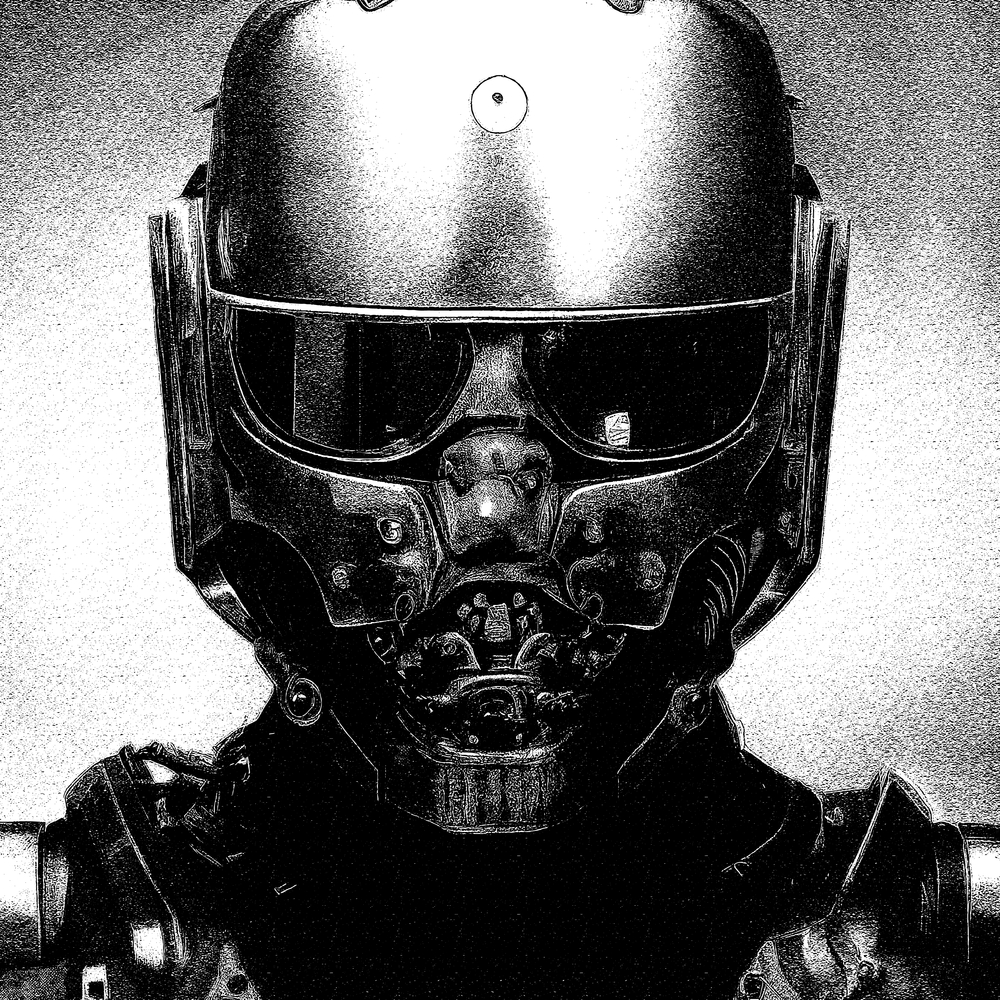
Arnold Schwarzenegger’s casting as the Terminator happened only after a contentious battle with O.J. Simpson. Simpson was seriously considered for the role, yet director James Cameron felt he was ‘too nice’ to be believable as a killing machine.
The decision created tension between Cameron and the studio executives who preferred Simpson’s star power over Schwarzenegger’s limited acting experience.
Morpheus in The Matrix

The role of Morpheus created an unexpected conflict between Laurence Fishburne and Samuel L. Jackson. Jackson was the Wachowski sisters’ initial choice, though script delays and scheduling conflicts opened the door for Fishburne to lobby for the part.
The competition between the two respected actors became awkward when they found themselves at the same industry events while the casting decision was still pending.
Vivian Ward in Pretty Woman

The role of Vivian Ward sparked a major casting battle between Julia Roberts and several established actresses. Meg Ryan was initially offered the part but turned it down due to the character’s profession, while Daryl Hannah and Jennifer Jason Leigh also campaigned heavily for the role.
Roberts’ eventual casting came after screen tests that reportedly created tension between her and the other contenders.
The Dude in The Big Lebowski

Jeff Bridges’ casting as The Dude came after an unusual competition with John Turturro. The Coen Brothers wrote the role specifically for Bridges, yet studio executives pushed for Turturro, believing he had more commercial appeal.
The casting decision required multiple meetings and compromise negotiations that strained the usually smooth relationship between the Coens and their studio partners.
When the Cameras Stop Rolling

These casting battles reveal the intense pressure cooker that Hollywood can become when careers and artistic visions collide. The fights over these roles shaped not just the films themselves, but the relationships between actors, directors, and studios for years to come.
Many of these conflicts created lasting rifts in Hollywood’s tight-knit community, while others became the stuff of industry legend. The next time you watch one of these classic films, remember that behind every iconic performance lies a story of ambition, negotiation, and sometimes bitter rivalry that helped define the golden age of cinema.
More from Go2Tutors!

- The Romanov Crown Jewels and Their Tragic Fate
- 13 Historical Mysteries That Science Still Can’t Solve
- Famous Hoaxes That Fooled the World for Years
- 15 Child Stars with Tragic Adult Lives
- 16 Famous Jewelry Pieces in History
Like Go2Tutors’s content? Follow us on MSN.