Rules Kids Followed at Grandma’s House
Nobody handed out a printed list at the door. The rules simply existed, delivered through a raised eyebrow, a single spoken syllable, or the sudden appearance of a wooden spoon.
Kids learned them fast because the consequences were never worth testing.
Every grandmother’s house ran on its own legislation, yet the statutes often felt strangely universal. A child raised in Ohio and a child raised in Alabama could swap houses for a weekend and recognize many of the same rules.
The Plastic-Covered Sofa Was for Looking At
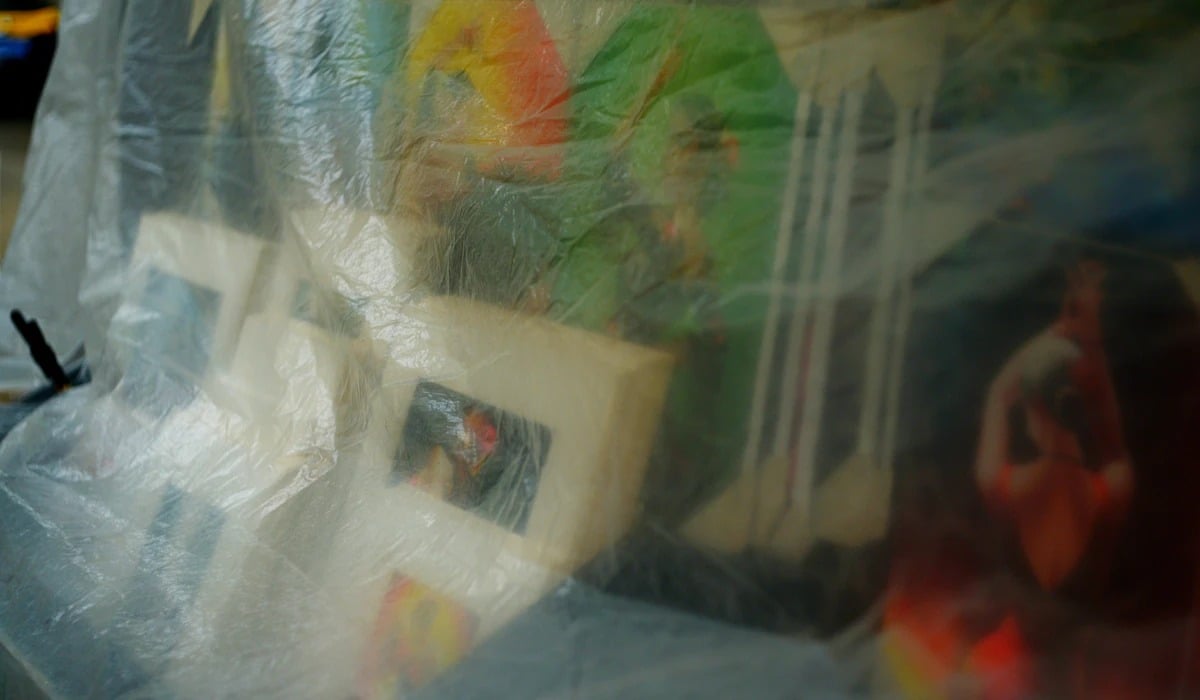
Clear vinyl slipcovers protected the good sofa, and the protection worked so well that the upholstery underneath often looked brand new decades later. Sitting on one in shorts during July meant a slow, noisy peel when it was time to stand.
Kids learned to perch on the edge or choose the kitchen chair instead. The sofa remained a monument to what might happen someday.
The Front Room Was Reserved for Company

The formal front room, sometimes still called the parlor, stayed tidy and quiet in case of visitors. Curtains were often kept drawn so the sun would not fade the rug.
Children were allowed in only when the minister, a distant cousin or someone with a title came to call. Everyone else lived in the kitchen and the den, which was where the real living happened.
The Good China Stayed Behind Glass

The china cabinet held plates with gold rims that came out for Easter, Thanksgiving and little else. Washing them by hand was a ceremony that required a folded towel in the sink and full adult supervision.
A child asking to eat a sandwich off one received a look usually reserved for crimes. The everyday dishes, often a mismatched set of glass dishes and chipped stoneware, handled all the ordinary meals.
Every Bite on the Plate Had to Be Eaten

The clean-plate rule arrived with a standard speech about children elsewhere who would be grateful for the peas. Canned vegetables, boiled greens and the occasional serving of liver were treated as equal obligations.
Hiding food in a napkin or feeding it to a patient dog under the table was a risky strategy that grandmothers somehow always detected. In some households, dessert was off-limits until the plate was empty.
The Candy Dish Required a Question

A cut-glass dish near the living room lamp usually held butterscotch discs in crinkly cellophane or hard candies that had fused into one amber lump. The dish was visible, reachable and absolutely not an open invitation.
The correct procedure was to ask, wait for a nod and take exactly one piece. Taking two without asking was remembered for years and mentioned at holidays.
Pie Waited Until the Plates Were Cleared

A pie cooling on the counter in a glass baking dish was visible all through dinner, which made it a test of character. Cutting into it early was unthinkable, and even peeking under the dish towel drew a warning.
Slices appeared only after the table was cleared and the coffee was poured. The wait felt endless, though it might have lasted less than an hour.
Thank-You Notes Followed Every Gift

A birthday sweater or a Christmas card with a folded five-dollar bill might call for a written response, not a phone call. Stationery with a flowered border sat in a drawer for exactly this purpose, along with a book of stamps.
Kids were expected to mention the gift by name and say something specific about it, even when the sweater itched. Grandma checked the handwriting before the envelope was sealed.
No Running Through the Kitchen

The kitchen floor was linoleum, the stove was gas or a coil range, and a pot of something hot was usually on the back burner. Running through that room invited slips, collisions and a lecture that began with the word “heavens.”
Kids learned to walk the long way around through the hallway. Playing tag was a backyard activity, and the screen door was the border.
Feet Got Wiped Before Anyone Stepped Inside

A rubber or coir doormat sat outside the back door, and a braided rug waited just inside it. Muddy shoes either came off at the door or got scraped against the step with real effort.
Grandma kept a mental inventory of every footprint on her floors. A child who tracked in dirt was handed a rag and shown exactly where to begin.
Sunday Dinner Happened at a Fixed Hour

The big meal after church landed on the table around midday or early afternoon, and the hour moved for no one. A roast or fried chicken, mashed potatoes and at least two vegetables appeared on the table at once.
Being late meant a cold plate and an audible sigh from the kitchen. Kids learned to wash up and be seated when the meal was ready.
Rest Followed Sunday Dinner Whether Wanted or Not
After the dishes were done, the house went still, with adults dozing in recliners and the newspaper draped across a chest. Children were expected to rest too, or at least keep their voices low enough not to wake anyone.
A board game on the floor was acceptable, as long as no one cheated loudly. The unofficial nap lasted until someone woke up and announced the pie was still there.
Answering the Phone Meant Using Manners

The rotary telephone sat on a small table or hung on the kitchen wall with a cord stretched across part of the room. Kids who answered it might say “Hello, this is the Miller residence” and wait for the caller to identify themselves.
Asking “Who is this?” first was considered rude.
The message was written on the pad kept beside the phone, with a pencil on a string.
Listening In on the Party Line Was Off the Table
In some rural areas, neighbors once shared a single telephone line, and a call for one household could be heard by others on the line. Picking up the receiver quietly to listen to someone else’s conversation was a known temptation and a known sin.
Even if adults sometimes gave in to the same temptation, kids were told that the line belonged to everyone and that eavesdropping was how rumors began.
The Cloth Napkin Belonged in the Lap
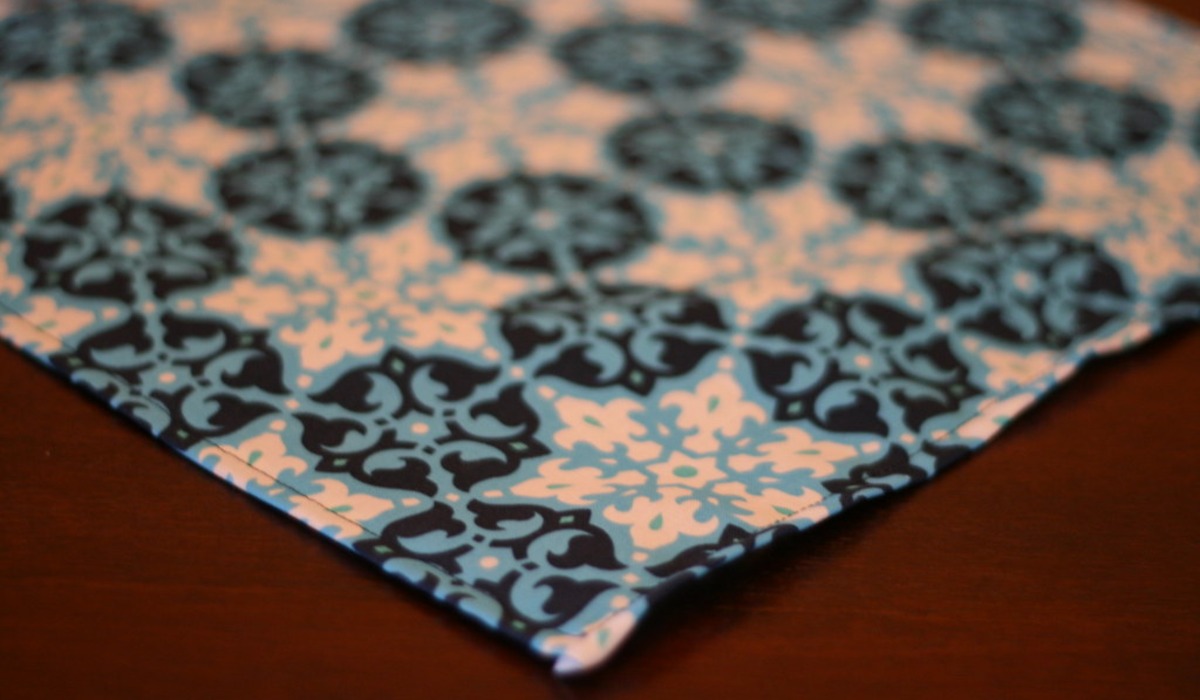
Paper napkins were fine at home, but at Grandma’s table the cloth napkin went on the lap before the first bite. It was often kept in a napkin ring with a family initial or a small carved design, and each person had a ring.
Wiping hands on a pant leg earned a quiet reminder. Napkins were washed, starched and ironed by hand, so they were not treated lightly.
Elbows Stayed Off the Table
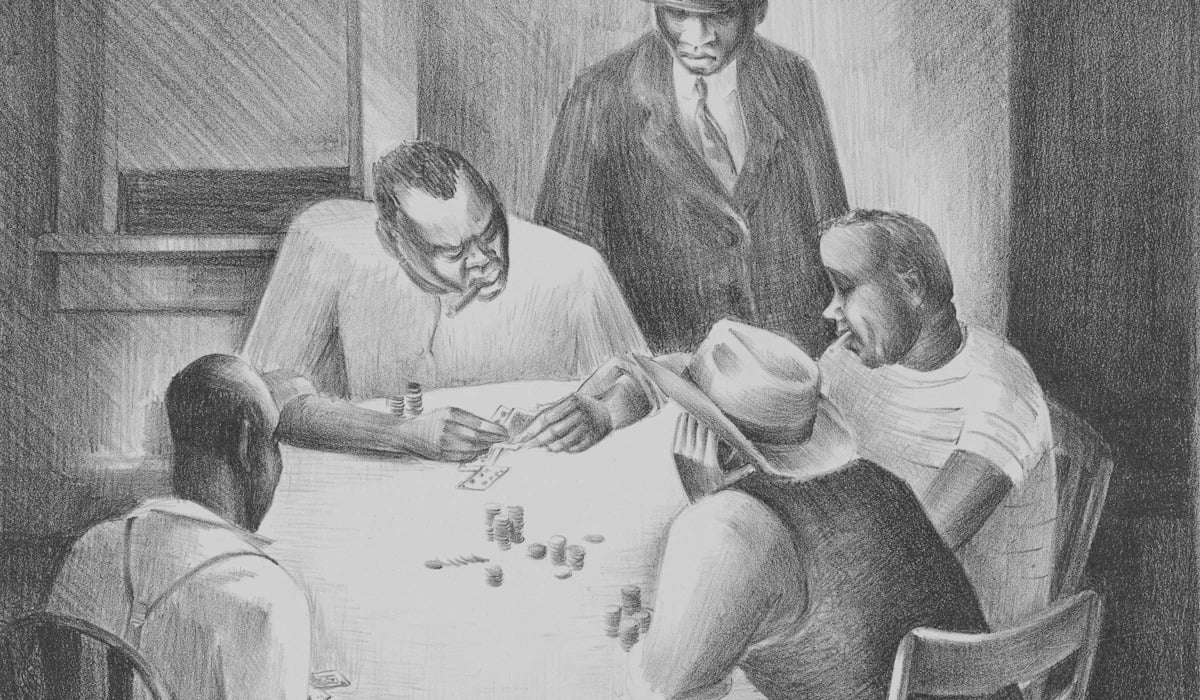
The rule was repeated so often it became a kind of weather report in the dining room. Elbows, hats, comic books and toys were all banned from the surface where the food sat.
Posture was supervised from across the table by a person who had perfected the art of the silent look. Slouching, however, was usually the more common offense.
Excusing Yourself Required Asking First

Leaving the dinner table before everyone was finished was not allowed, and standing up without a word was worse. The correct phrase was a polite request to be excused, and the answer was not guaranteed.
Children who finished early waited politely while the adults drank coffee and discussed people they had not seen in years. Permission arrived only after plates were scraped and carried to the sink.
The Console Television Kept a Schedule
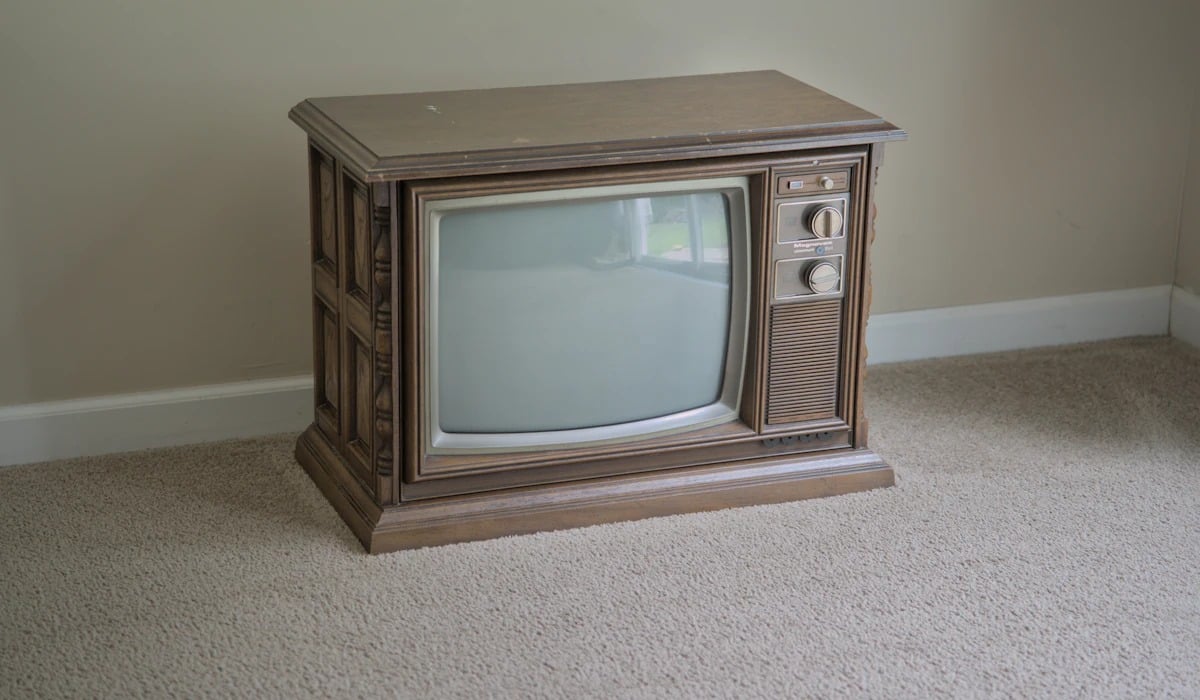
The big wooden console TV sat in the living room like a piece of furniture with opinions, and its dial required a firm twist to change channels. Grandpa’s program took priority, whether it was the evening news or a weekend variety hour.
Kids sat on the carpet and did not touch the knobs. Arguing for cartoons was pointless because there were only a few channels and none of them cared.
The Knickknacks Were Not Toys

Shelves and end tables displayed figurines, souvenir spoons and porcelain animals, including the occasional porcelain figure of a rosy-cheeked child. Each one had a story, a giver and a precise position that Grandma noticed instantly if it moved.
Picking one up required a request and two careful hands. Breakage was reported with the same gravity as a household fire.
Doilies Stayed Right Where They Were
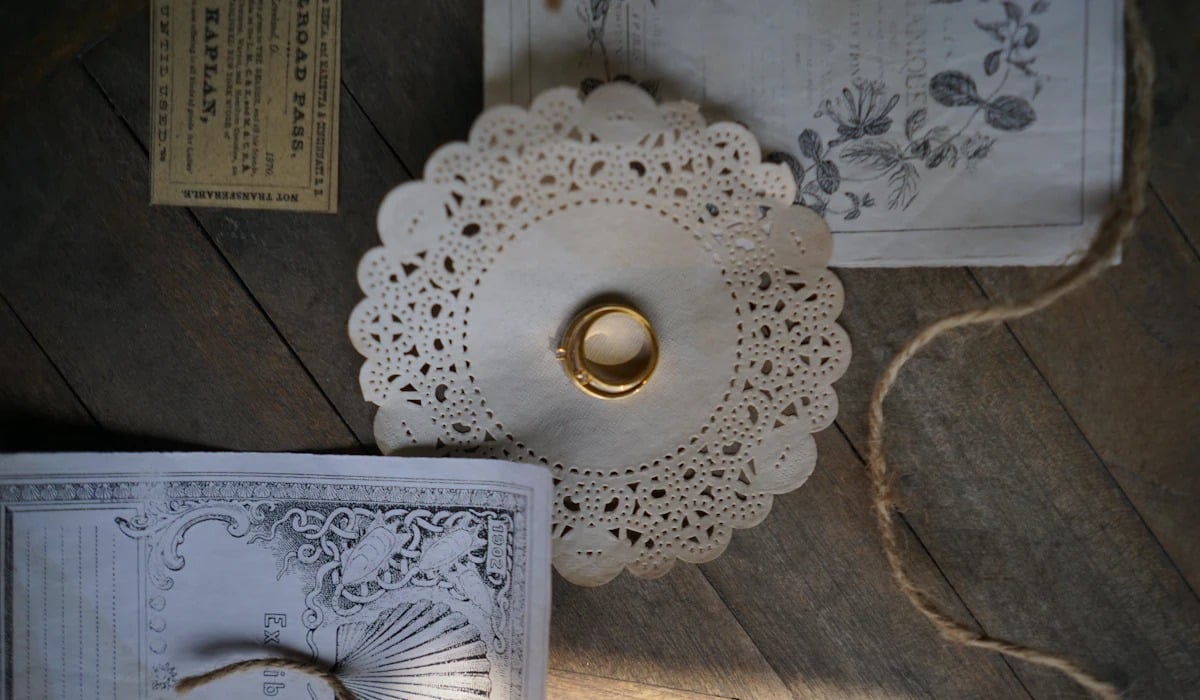
Crocheted doilies covered the arms of chairs, the top of the television and nearly every flat surface that might otherwise collect a ring from a glass. Small matching pieces on the backs of chairs were meant to protect the fabric from wear and stains.
Kids who leaned back carelessly would drag one off and be asked to put it back straight. Grandma had made most of them herself, one stitch at a time.
Hands Were Washed Before Anything Else
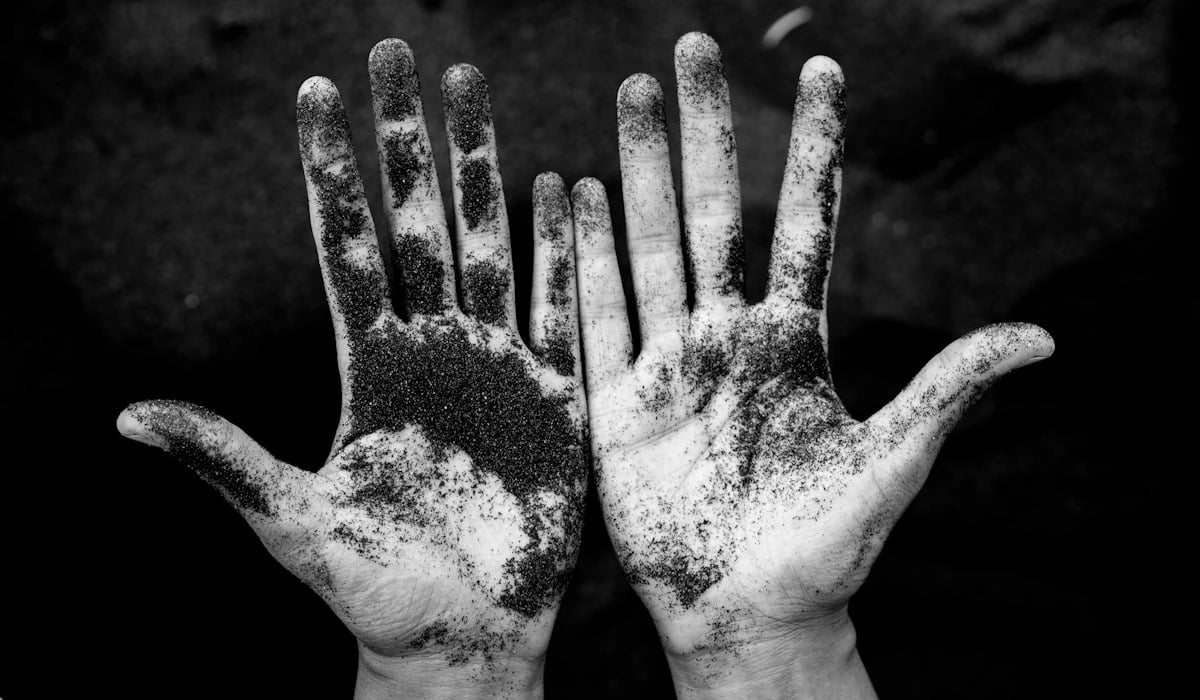
Before dinner or baking, every child went to the bathroom sink and scrubbed with a bar of soap. The fancy guest towels hanging beside the sink were for display, and drying hands on them was a mistake only made once.
A plain towel hung on a hook nearby for actual use. Inspection happened at the kitchen door, palms up.
Questions About the Food Were Not Welcome

A shimmering gelatin salad with shredded carrots or a casserole topped with crushed crackers arrived on the table without explanation. Asking what was inside it counted as an insult.
The correct response was a small portion and the words “Thank you, Grandma.” Whatever it was, it often disappeared from the serving dish by the end of the meal.
Sunday Clothes Stayed Clean

Church outfits, including patent leather shoes and stiff collars, were meant to survive until the afternoon at Grandma’s without a smudge. Playing in the yard required changing into old clothes, which were kept in a drawer for exactly that purpose.
Grass stains on a Sunday dress were treated as a real tragedy. Kids learned to eat spaghetti with remarkable caution.
The Refrigerator Was Not a Self-Serve Counter

Opening the refrigerator and staring into it was discouraged, since Grandma paid the electric bill and knew the contents by heart. Leftovers lived in reused margarine tubs with the original labels, and a child who grabbed the wrong one might find soup instead of pudding.
Snacks were granted by request, and the answer was often an apple. The light inside the fridge was treated as a limited resource.
Lights Went Off When a Room Was Empty

Walking out of a room and leaving the lamp burning produced a call from somewhere down the hall. For grandmothers who remembered when electricity was less accessible or more expensive, the habit may have been especially ingrained.
Kids learned to flick the switch on the way out, even if they were coming right back. A house that stayed dim in the evenings was simply a house being managed properly.
Bedtime Meant Quilts and Quiet

Overnight guests slept under heavy quilts that Grandma had pieced or inherited, and the weight of them was part of the experience. Lights went out at an hour set by the house, not by the child.
Whispering through the wall to a cousin was tolerated until a floorboard creaked in the hallway. A glass of water on the nightstand was often the easiest bedtime request to grant.
The Etiquette Nobody Wrote Down

These rules were never really about plastic, pie or porcelain. They were a way of teaching children that a home had its own order, and that respecting it was a form of respecting the person who kept it running.
The lessons arrived without explanation, which made them stick harder than any lecture could.
Most of those children grew up and quietly adopted the same rules in their own kitchens, sometimes without noticing. A cloth napkin appears on a lap, a thank-you note gets written and a hand reaches for the light switch.
The house is long gone, yet the instructions remain, carried in habits that still ring with a familiar voice.
MORE FROM GO2TUTORS!

- The Romanov Crown Jewels and Their Tragic Fate
- 13 Historical Mysteries That Science Still Can’t Solve
- Famous Hoaxes That Fooled the World for Years
- 15 Child Stars with Tragic Adult Lives
- 16 Famous Jewelry Pieces in History
Like Go2Tutors’s content? Follow us on MSN.