15 central banks with massive reserves
Most people don’t think about central banks until something goes wrong with the economy. But behind the scenes, these banks hold huge amounts of money — often in the form of foreign currency, gold, and other assets.
These reserves help countries stay strong when times get tough. They also support the value of local money and keep the system running smoothly.
Let’s take a look at some central banks around the world that are sitting on giant piles of reserves — and see what makes each one so important.
People’s Bank of China

This bank manages more reserves than any other in the world. The numbers change, but it’s often well above $3 trillion.
Most of it is held in U.S. dollars, and a large chunk goes into government bonds. The main goal is to keep the Chinese currency stable.
It also gives China strong control over its trade and global influence.
Bank of Japan
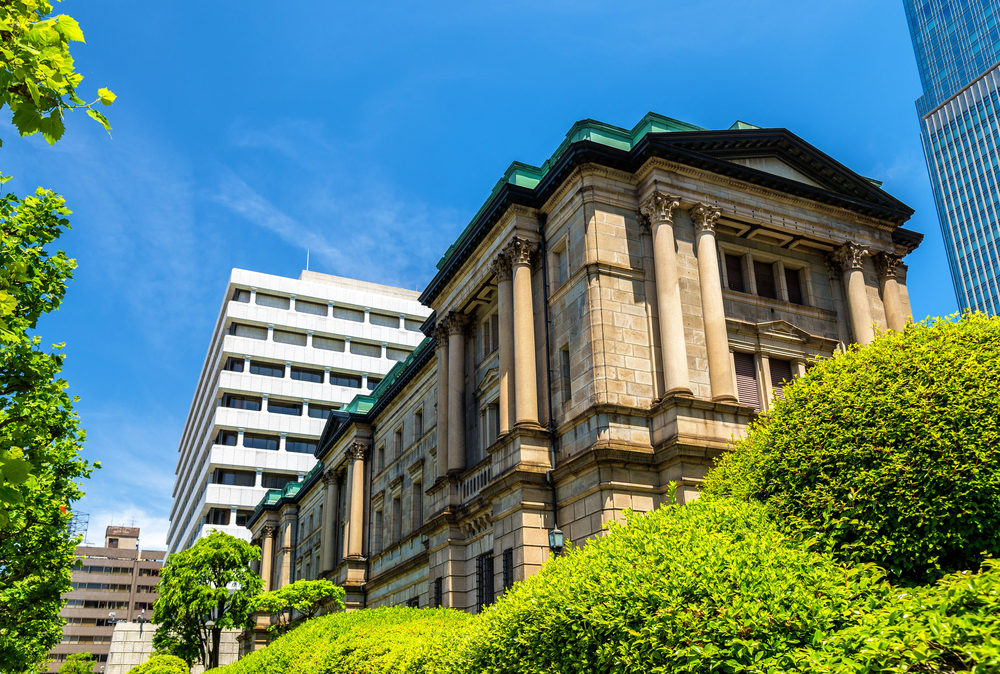
Japan’s central bank holds over $1 trillion in reserves. A big part of that comes from its long-standing trade surplus and investment income from abroad.
The Bank of Japan uses its reserves to manage the yen and to deal with financial shocks. Over the years, it’s also bought a lot of local assets to try to boost the economy.
Like Go2Tutors’s content? Follow us on MSN.
Swiss National Bank
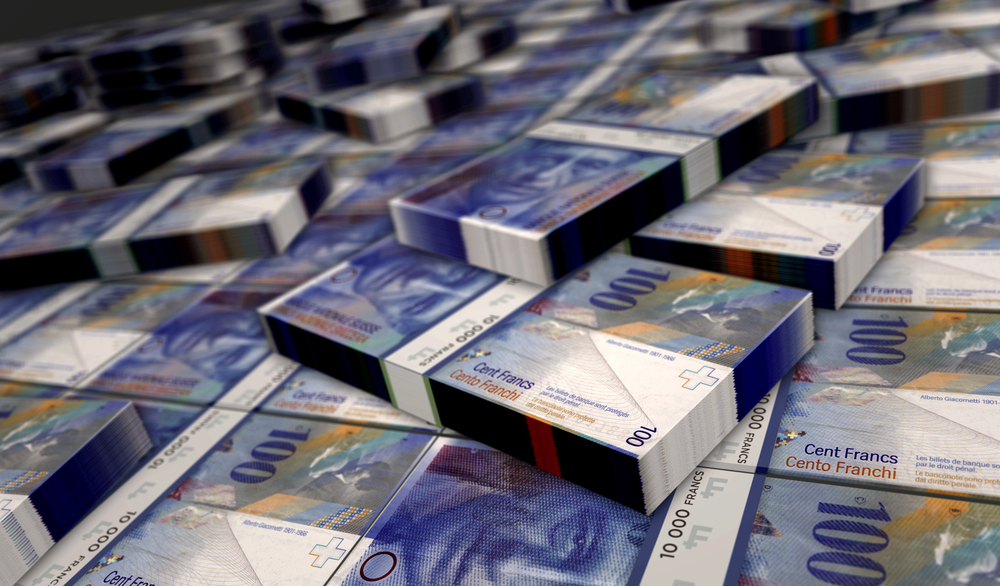
Switzerland may be small, but its central bank holds hundreds of billions in reserves. The Swiss franc is seen as a safe currency, so people turn to it during uncertain times.
To stop the franc from rising too much, the central bank buys foreign currency and stores it. That’s how its reserves grew so fast in recent years.
Reserve Bank of India
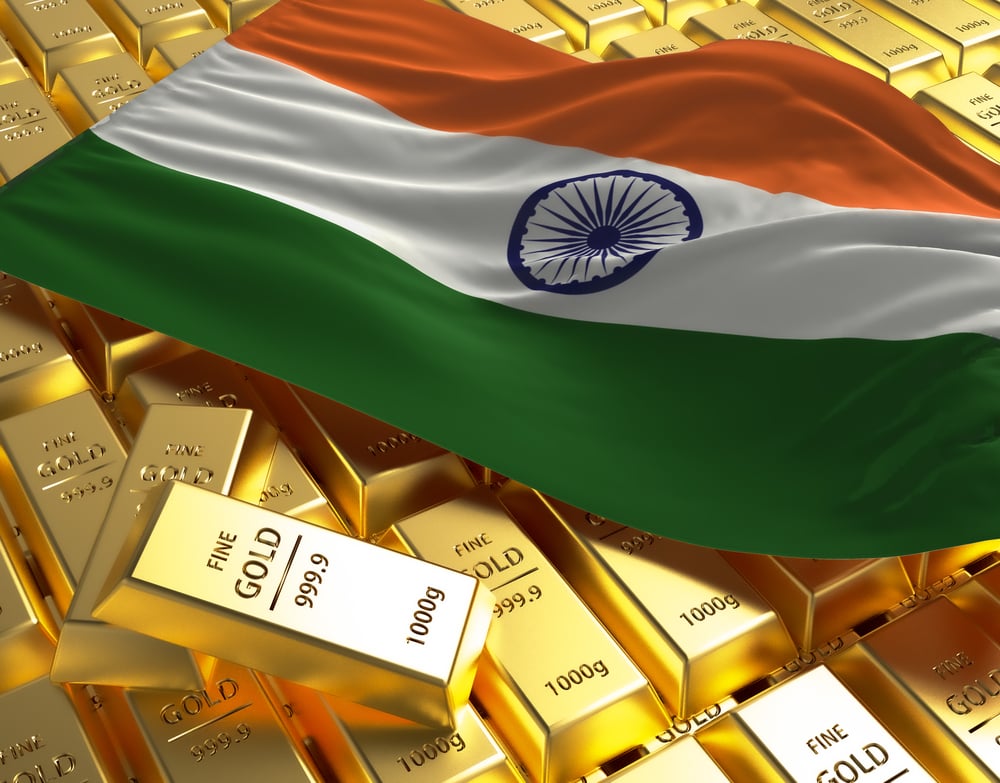
India’s central bank has built up over $600 billion in reserves. Most of this is used to support the rupee and handle foreign debt.
With such a big population and growing economy, having a strong reserve helps keep things steady. It also gives the country confidence when trading with others.
Central Bank of Russia
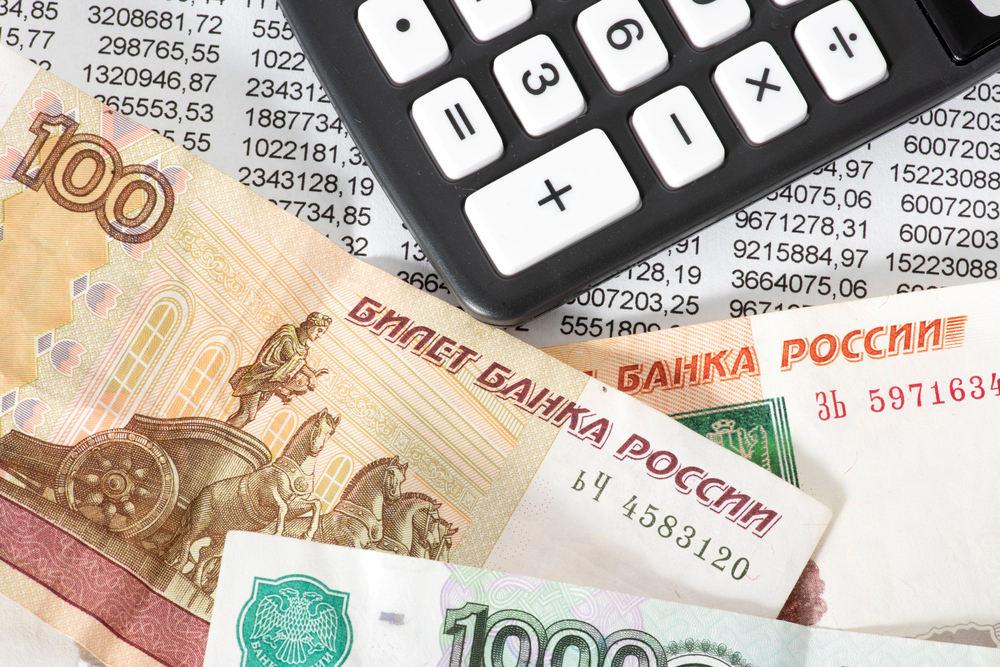
Even with global sanctions and trade issues, Russia’s central bank holds massive reserves. Much of it was built up from oil and gas sales.
In the past, gold made up a big part of their strategy to avoid risk. The bank has also shifted away from U.S. dollars to avoid certain financial pressures.
Like Go2Tutors’s content? Follow us on MSN.
European Central Bank
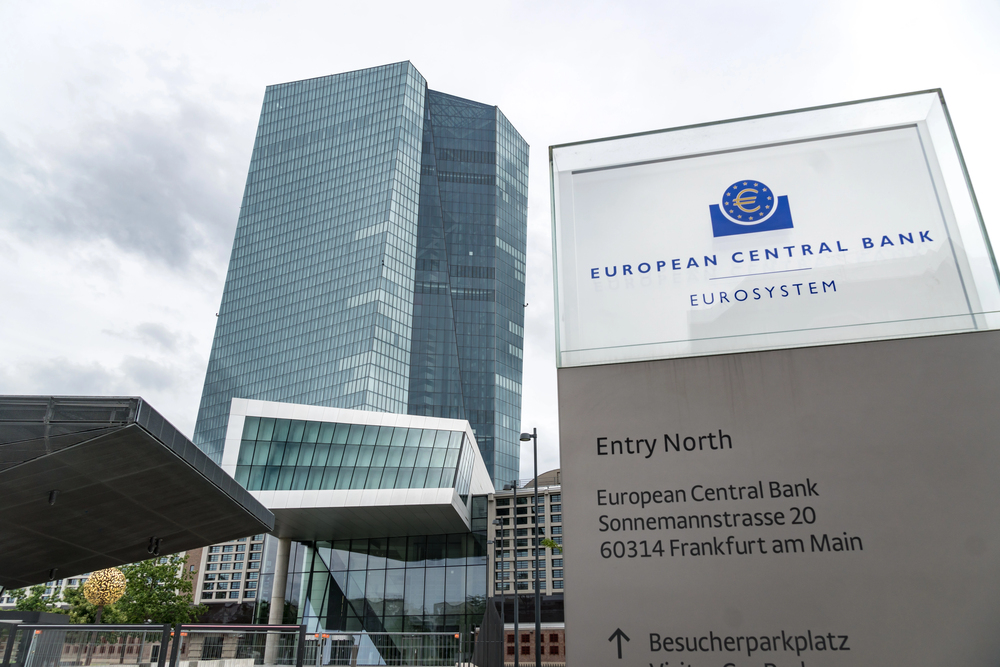
This bank serves all countries in the Eurozone. While individual countries have their own central banks, the ECB holds joint reserves.
It uses them to manage the euro and respond to crises. Since the euro is one of the world’s top currencies, the ECB plays a huge role in global finance.
Saudi Arabian Monetary Authority
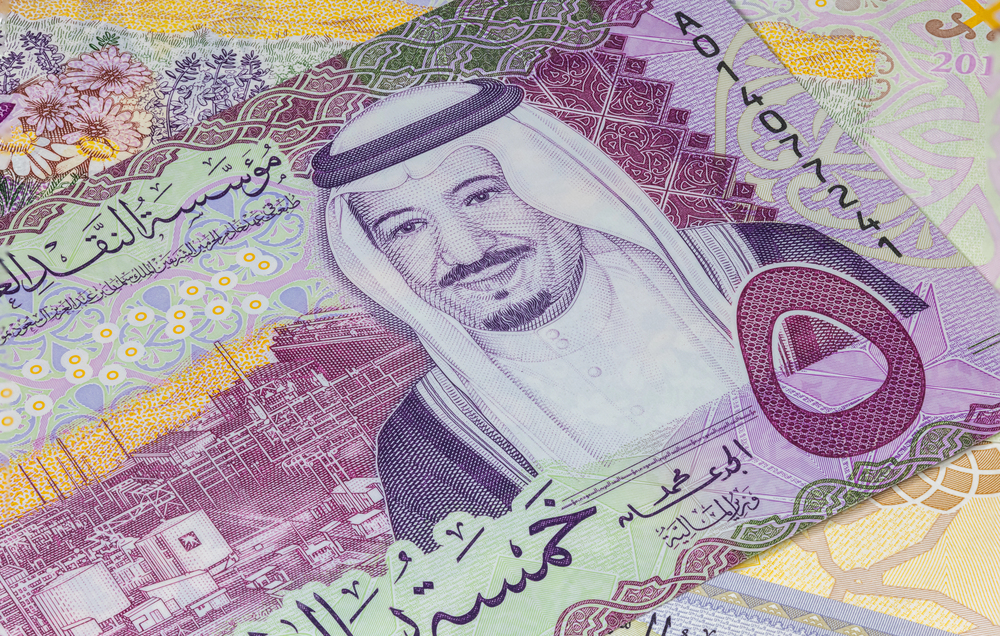
Saudi Arabia earns a lot of money from oil, and a large part goes into its reserves. These funds help the country manage its currency, the riyal, and pay for imports when oil prices drop.
The reserves also support government projects. In recent years, the bank has used them to invest in local development.
Bank of Korea
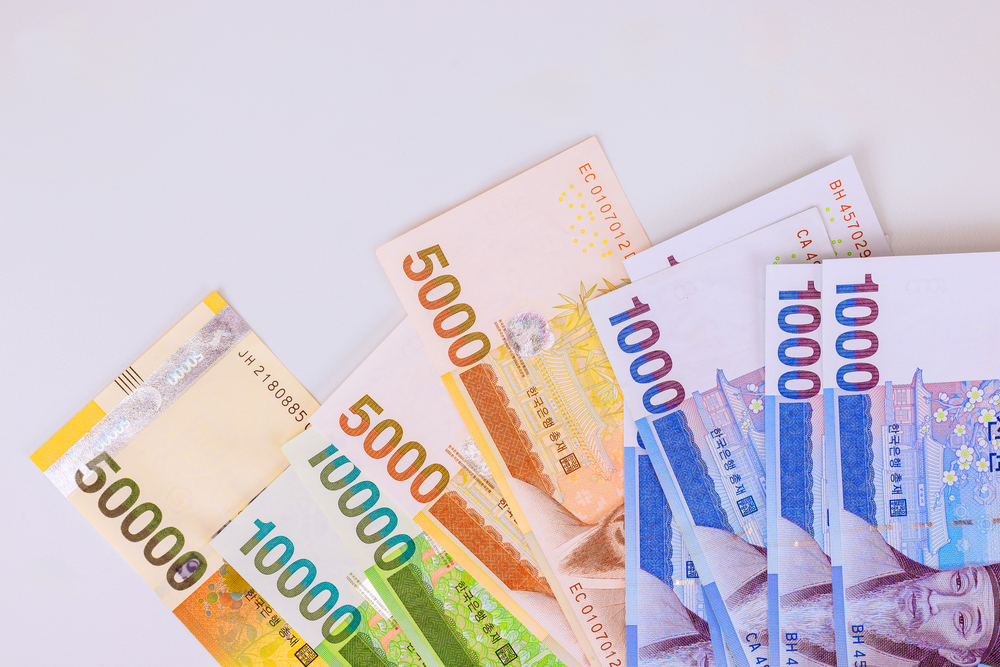
South Korea’s central bank holds over $400 billion in reserves. The country relies heavily on exports, so keeping the currency stable is key.
Reserves help the bank handle market shocks and defend the won when needed. This has worked well during global financial swings.
Like Go2Tutors’s content? Follow us on MSN.
Central Bank of Brazil
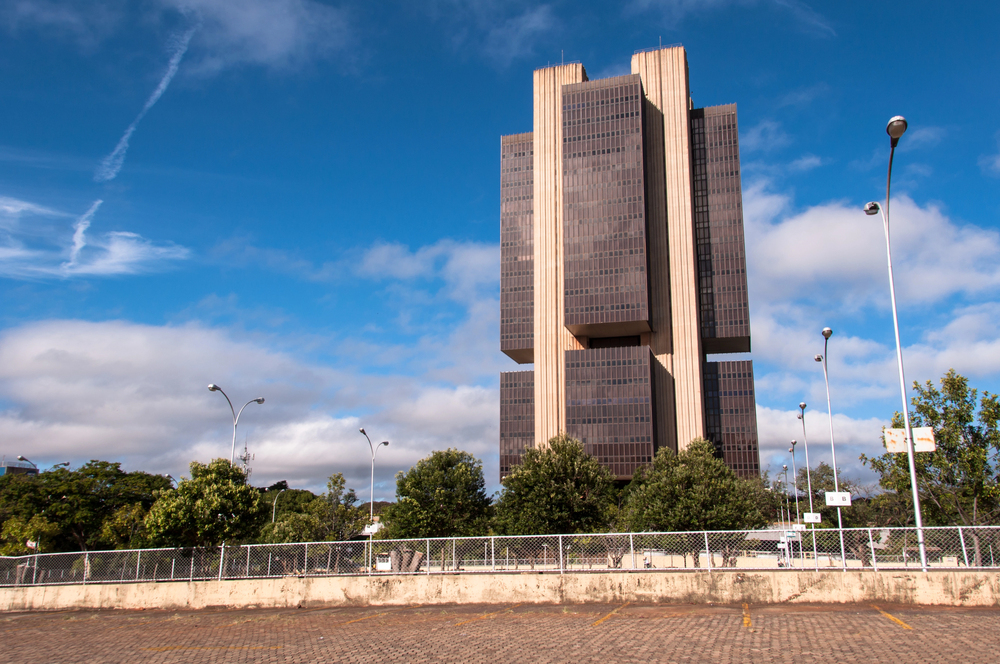
Brazil’s central bank keeps strong reserves to deal with currency ups and downs. Latin America has seen its share of economic trouble, so holding a cushion is vital.
Much of Brazil’s reserves are in U.S. dollars. The bank uses them carefully to protect the real during tough times.
Bank of Thailand
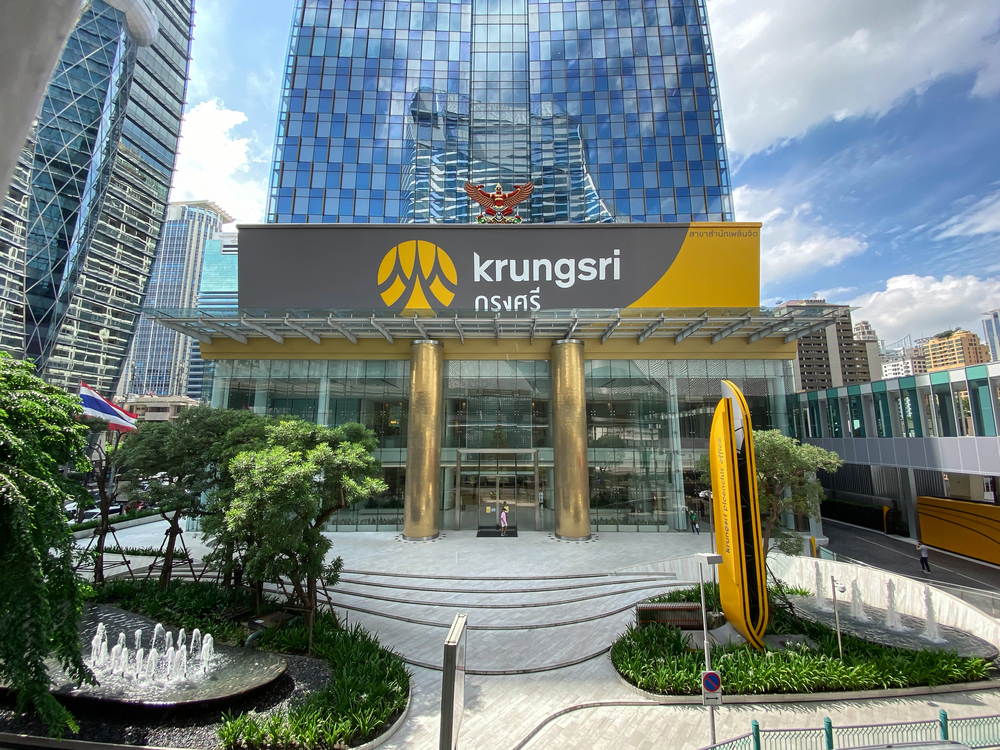
Thailand may not be the first name that comes to mind, but its central bank holds over $200 billion in reserves. Tourism and exports are big for the economy, and reserves help balance outside risks.
The bank often steps in to smooth out currency moves. This has helped keep confidence strong over time.
Bank of Algeria
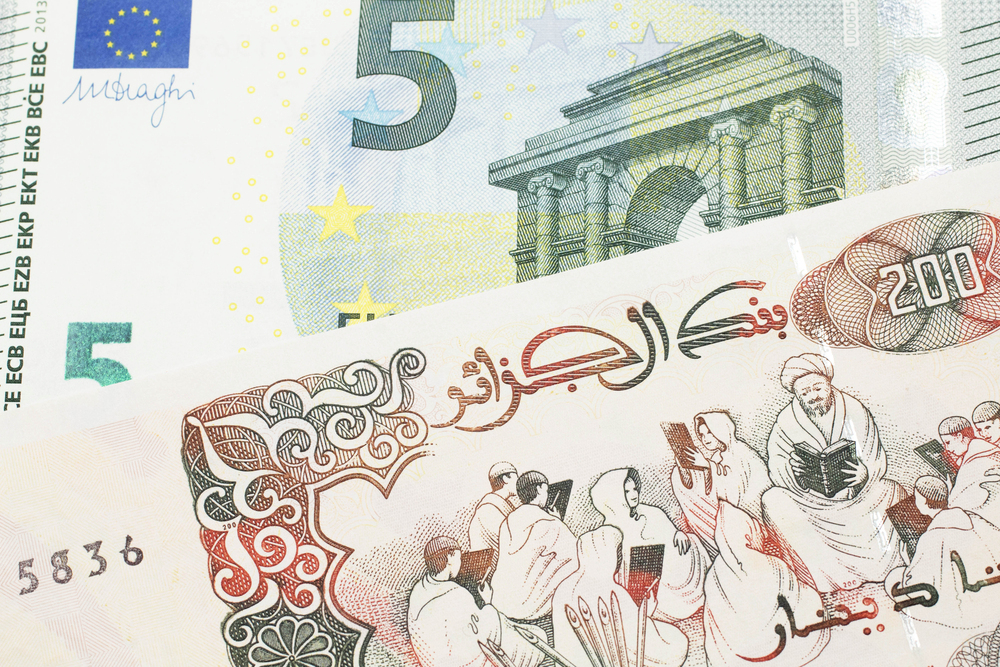
Thanks to oil and gas exports, Algeria has built large reserves over the years. The central bank uses these funds to keep the local currency stable and pay for vital imports.
When energy prices drop, these reserves help cover the gap. It’s a buffer the country depends on during lean times.
Bank of Singapore
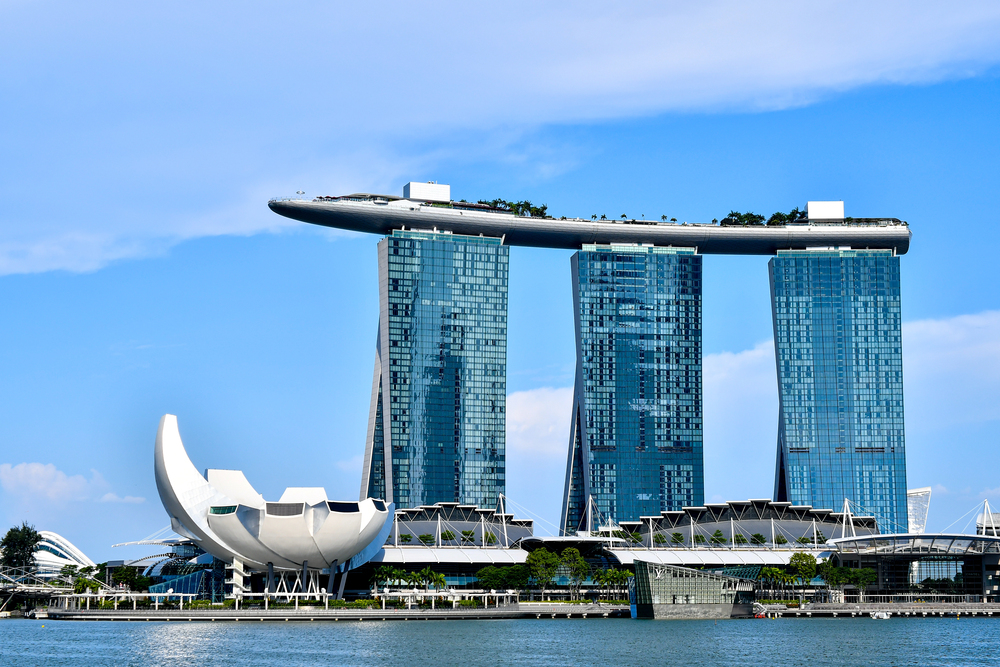
Singapore is a small country but a major financial hub. Its central bank, the Monetary Authority of Singapore, holds big reserves to manage its unique currency system.
Instead of using interest rates, the bank guides the exchange rate directly. That makes strong reserves especially important for its policy.
Like Go2Tutors’s content? Follow us on MSN.
Central Bank of Taiwan
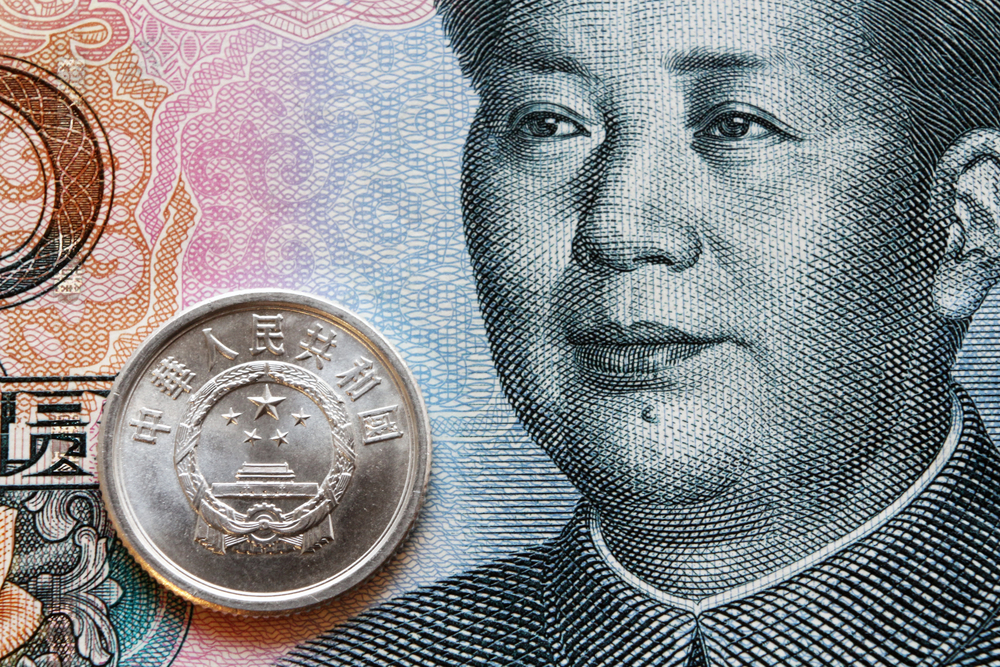
Taiwan exports a lot of electronics and tech products, which brings in strong foreign income. The central bank builds up reserves to manage the currency and prevent wild swings.
It uses a “light touch” approach, stepping in only when needed. This strategy has worked well for stability.
Bank of Norway

Norway’s central bank is backed by its massive oil wealth. The country channels profits into a government fund, which indirectly boosts the central bank’s strength.
Its reserves help protect the krone and keep confidence high in global markets. Norway also takes a careful, long-term approach to its money.
Bank of Indonesia
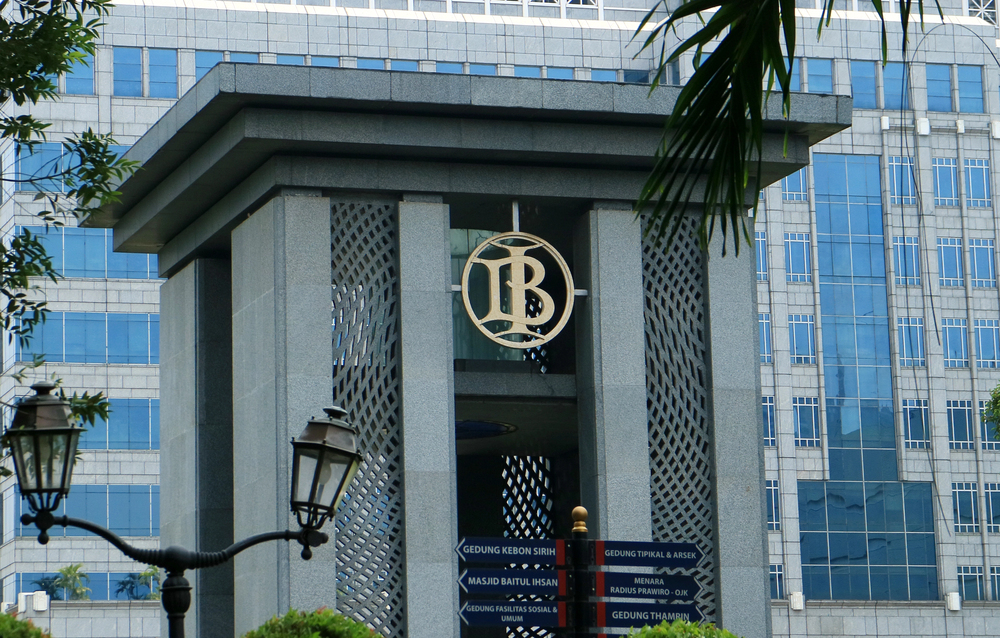
Indonesia has faced both inflation and currency swings over the years. To manage that, its central bank has grown its reserves to more than $130 billion.
These funds help defend the rupiah and keep imports steady. It also sends a message to investors that the country is ready for shocks.
Why strong reserves still matter today

Years ago, central banks needed big reserves mostly to guard against currency problems and cover debts. Today, they still play that role — but now they also help with trade, crisis recovery, and global influence.
As the world economy changes quickly, having strong reserves gives countries more control and less worry. Whether it’s oil money, tech exports, or smart saving, each central bank on this list found its own path.
That’s what makes these massive reserves not just big numbers, but real tools for strength and stability.
Like Go2Tutors’s content? Follow us on MSN.
More from Go2Tutors!

- 16 Historical Figures Who Were Nothing Like You Think
- 12 Things Sold in the 80s That Are Now Illegal
- 15 VHS Tapes That Could Be Worth Thousands
- 17 Historical “What Ifs” That Would Have Changed Everything
- 18 TV Shows That Vanished Without a Finale
Like Go2Tutors’s content? Follow us on MSN.