23 Mood Rings and ’70s Jewelry Worth Money
The jewelry box in a parent’s dresser or a grandmother’s attic may hold more than sentimental value. The 1970s produced an enormous amount of jewelry, from fine pieces by famous houses to mass-market costume sets, and collectors now pay real money for the right ones.
Some of it looks like novelty junk until a maker’s mark or a hallmark turns up. The pieces below range from a color-changing fad to museum-grade gold, and every one of them has a following.
The 1970s Mood Ring
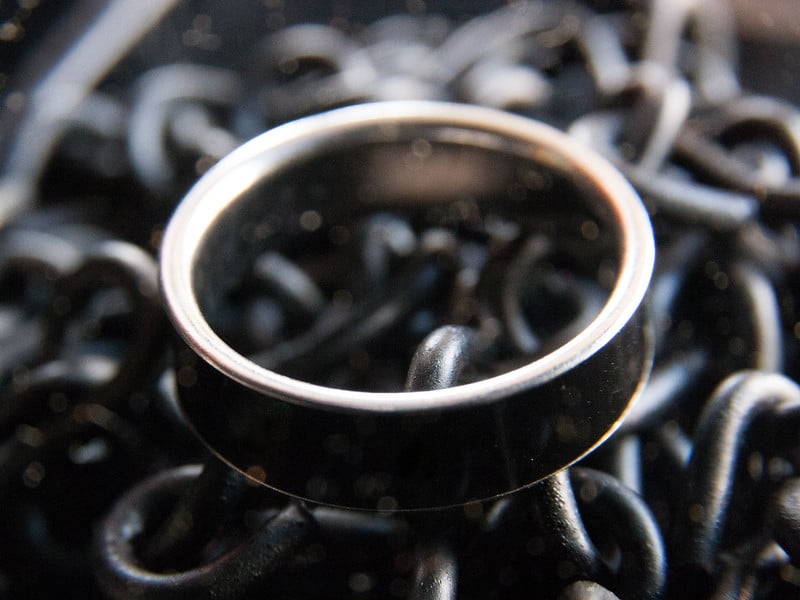
Few fads matched the mood ring, a ring with a stone that was said to change color with the wearer’s feelings. The color shift comes from liquid crystals sealed beneath the stone, which respond to the temperature of the finger rather than to any emotion.
The craze became one of the defining sensations of the 1970s, and surviving rings are collected as pop-culture souvenirs. Value depends on condition, on whether the crystals still respond, and on the quality of the setting.
Mood Rings With Their Color Charts
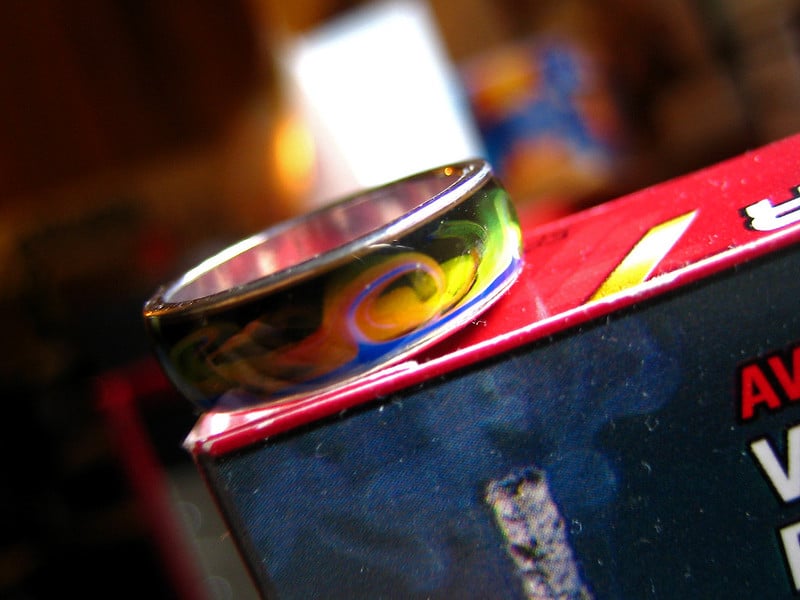
Mood rings were sold with a chart that translated each color into a feeling, a small piece of 1970s pop psychology printed on a card. A ring that still has its original card or box is a different kind of find than a loose one.
Liquid crystals age, so even a ring that was never worn may no longer change color. Completeness, packaging condition, and whether the stone still responds all shape what a buyer will pay.
Elsa Peretti Bone Cuff for Tiffany
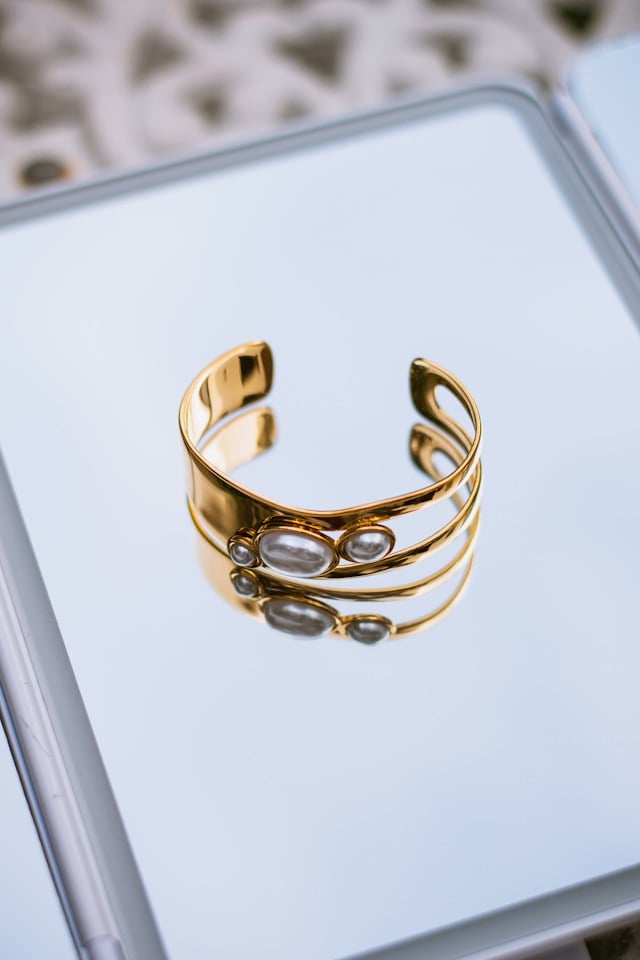
Elsa Peretti designed the sterling silver bone cuff for Tiffany & Co., and a dealer listing describes a 1974 prototype in solid silver. The cuff is sculpted to look like a bone and was made in separate left and right versions, a detail dealers still specify in their listings.
Vintage examples carry Tiffany and Peretti markings, which helps separate them from later production and from copies. Value depends on condition, size, side, and how much polishing wear the surface has taken.
Elsa Peretti Bean Pendant
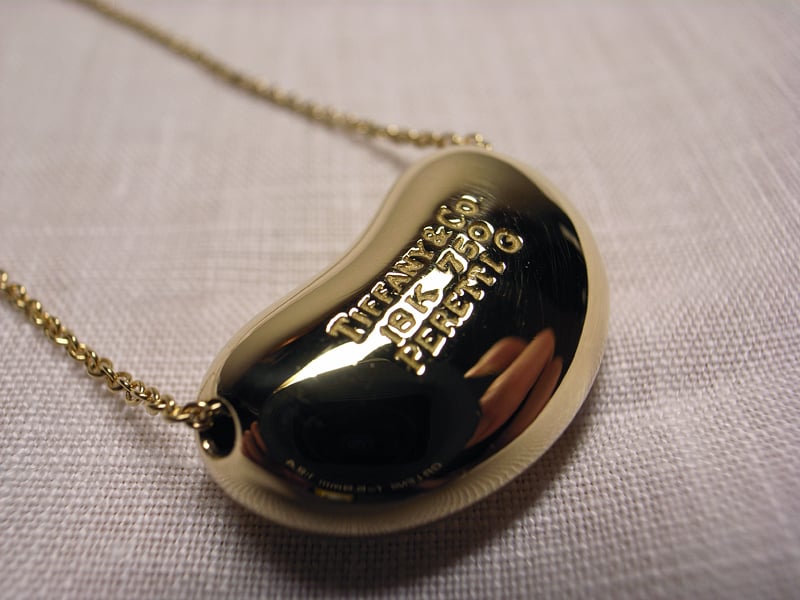
The Bean is one of Peretti’s best-known designs for Tiffany, a smooth, pebble-shaped form that looks as if it came from a riverbed rather than a design studio. Tiffany still sells the Bean today, so a vintage piece has to prove itself through its markings, chain, and general condition.
The shape is so simple that it has been imitated for decades. A genuine signed piece in good shape sits comfortably between wearable jewelry and sculpture, with value that depends on metal, age, and wear.
Tiffany Diamonds by the Yard
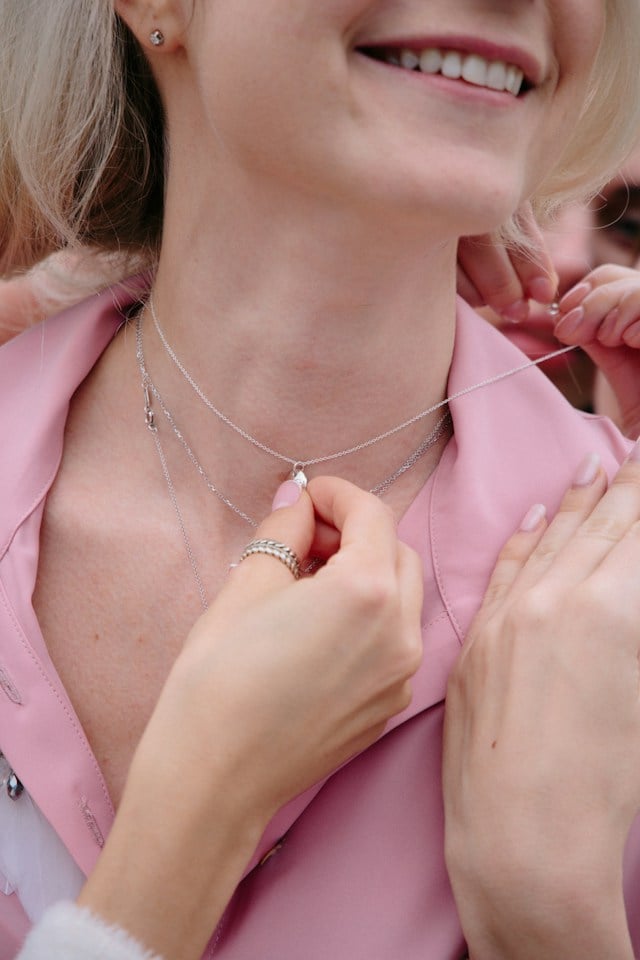
Diamonds by the Yard is another Peretti design for Tiffany, a fine chain with small diamonds set at intervals instead of clustered in a single pendant. The idea was to make diamonds feel casual, something to wear every day rather than save for a gala.
Tiffany still sells the design in several forms, so older examples are judged on their marks and condition. Value depends on the diamond quality, the metal, and the condition of the settings and chain.
Peretti Bottle Pendants for Halston
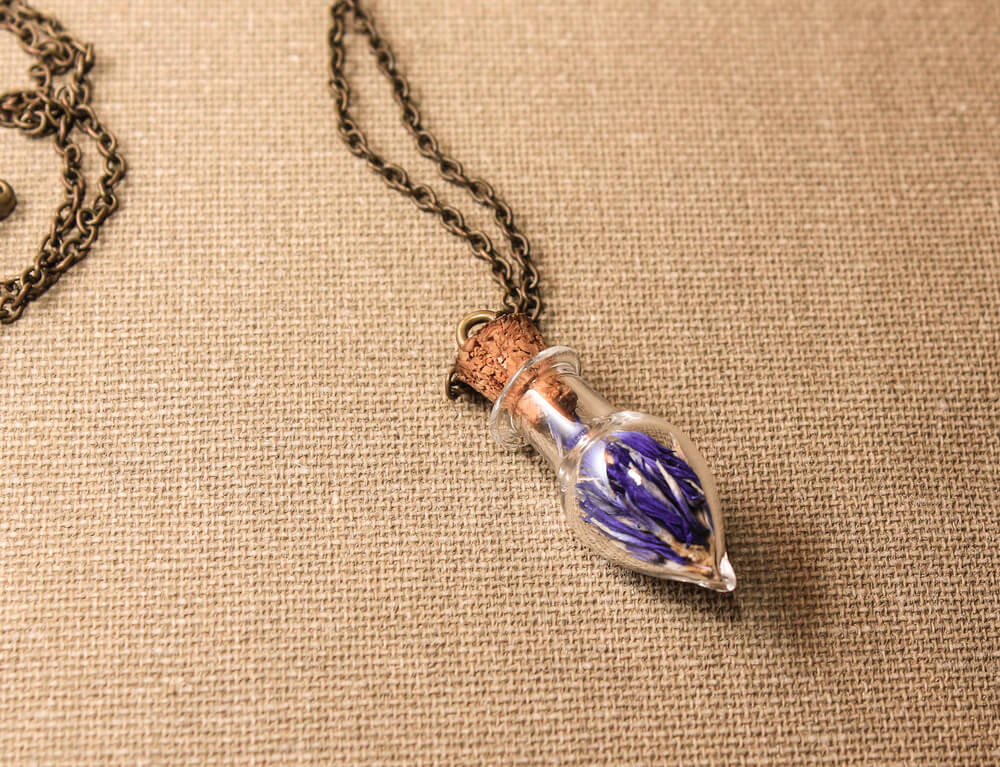
Peretti designed jewelry for the fashion designer Halston, and her bottle pendants from that collaboration turn up at vintage dealers on sterling silver chains. The fashion museum at the Fashion Institute of Technology holds a necklace from the Peretti and Halston partnership, which confirms its place in design history.
The pieces are collected for that history as much as for the silver. Value depends on condition, hallmarks, and whether the original chain survives.
Cartier Love Bracelet by Aldo Cipullo
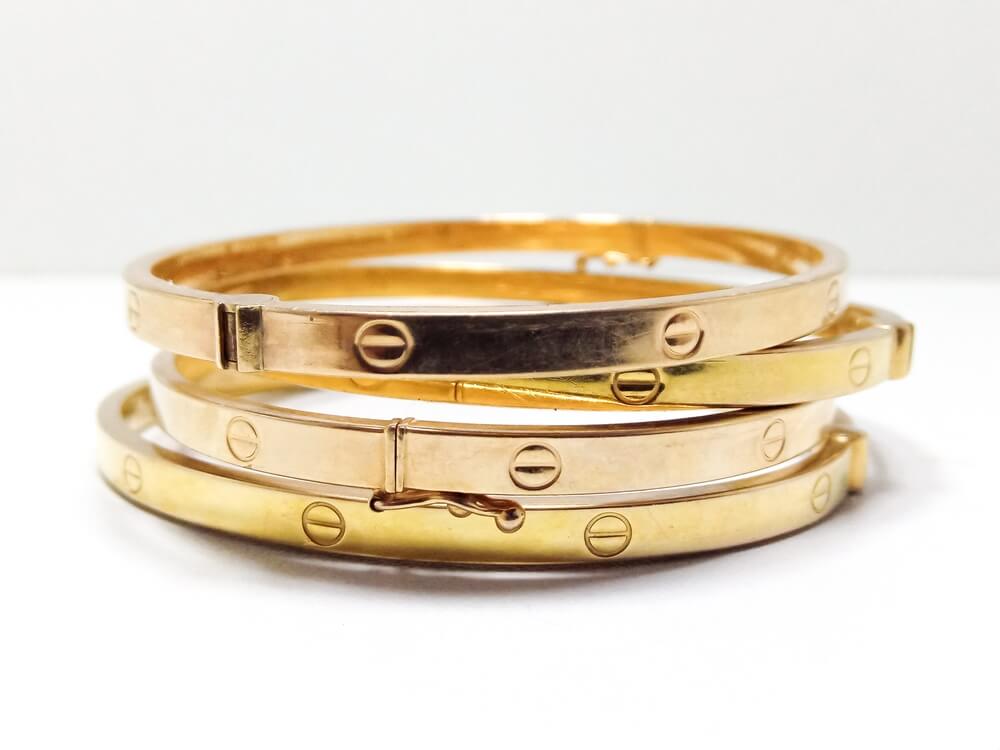
Aldo Cipullo designed the Love bracelet for Cartier in 1969 as a symbol of locked commitment. Dealers list early gold examples signed by Cipullo and dated around 1970, and collectors treat that signature as a mark of the original era.
Later versions are still sold, so the details of the markings matter when judging a vintage bangle. Original boxes and papers add appeal, and value depends on condition, polishing history, and authenticity.
Cartier Juste un Clou Nail Bracelet
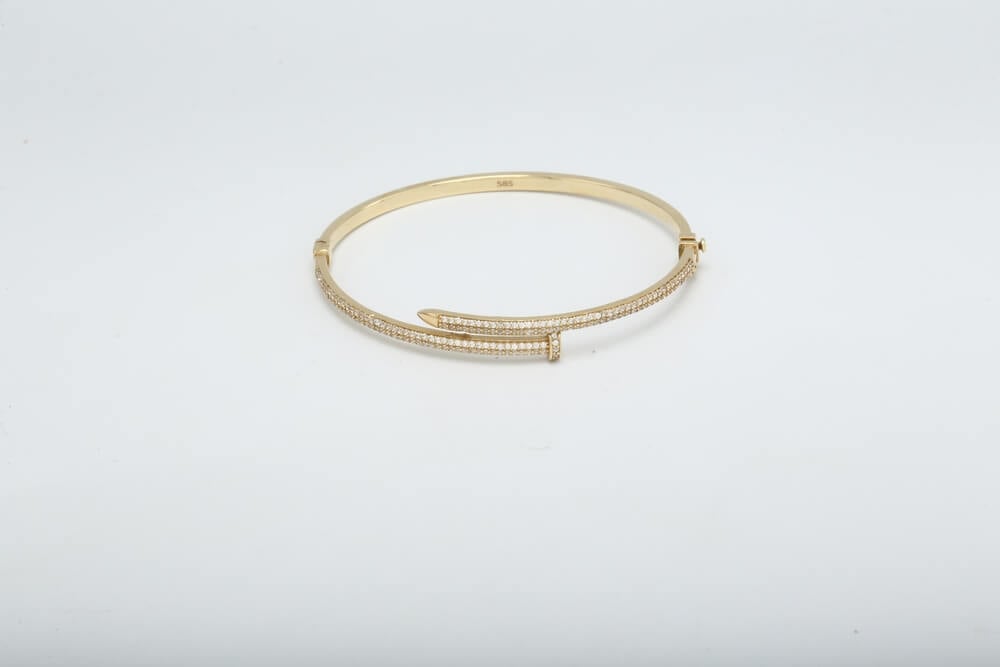
Cipullo followed the Love bracelet with Juste un Clou, a bangle shaped like a gold nail, and dealers list early examples from 1971. Turning a hardware-store object into fine jewelry was a very 1970s joke, and it worked well enough that Cartier still makes the design.
The Cincinnati Art Museum has a Cipullo Juste un Clou pin in its collection. Authentic early pieces are valued by signature, metal, and condition, and fakes are common enough that documentation matters.
Van Cleef & Arpels Alhambra
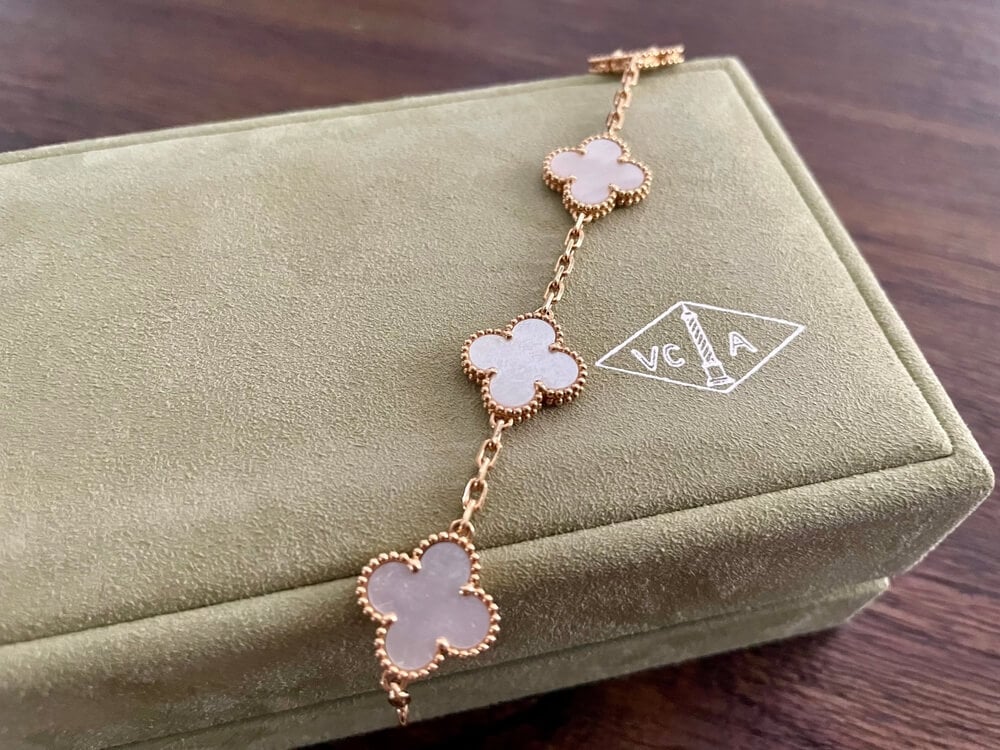
Van Cleef & Arpels introduced the Alhambra in 1968, built around a four-leaf clover motif that the house has described as an icon of luck. The pieces are set with materials such as mother-of-pearl and onyx, and the clover shape is recognized across the market.
Vintage examples are prized because they predate the many pieces made since. Value depends on the number of motifs, the condition of the stones, and whether the original box and papers survive.
Bulgari Tubogas
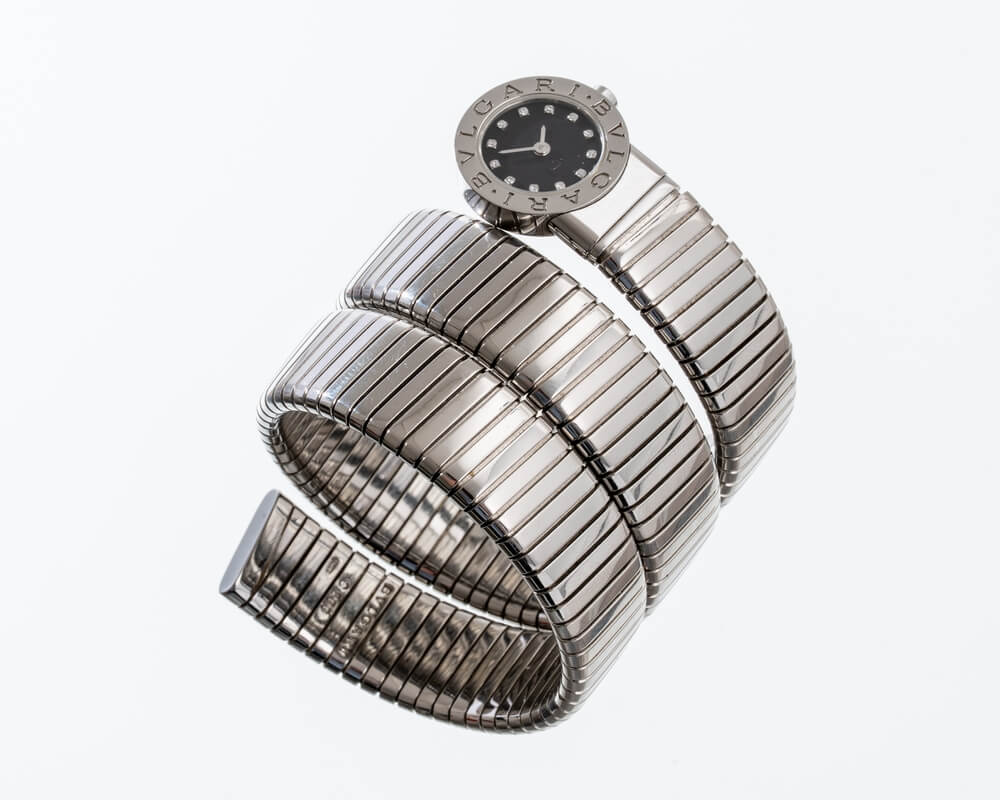
Tubogas is the flexible, coiled-metal look that Bulgari made one of its signatures, and gold chokers from around 1970 appear regularly with high-end dealers. Bulgari has since revived the style in a new collection, which keeps attention on the vintage originals.
The construction gives the pieces a heavy, fluid feel that photographs poorly and wears beautifully. Value depends on karat weight, condition, and any dents or stretching in the coil.
Bulgari Monete Coin Jewelry
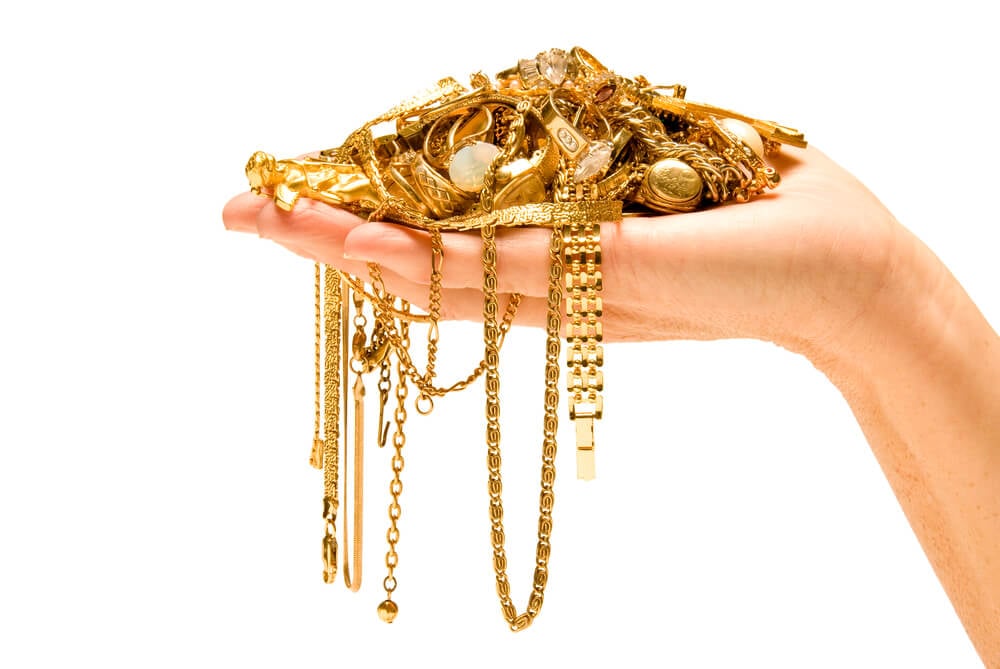
Bulgari’s Monete pieces mount real ancient coins in gold settings, turning old currency into pendants and necklaces. Dealers list vintage examples, and Tubogas chains are often paired with the coins in necklaces and bracelets.
Because the coin is a genuine artifact, its authenticity and condition matter as much as the gold around it. Prices swing widely depending on the coin, the mounting, and the paperwork.
David Webb Animal Bracelets
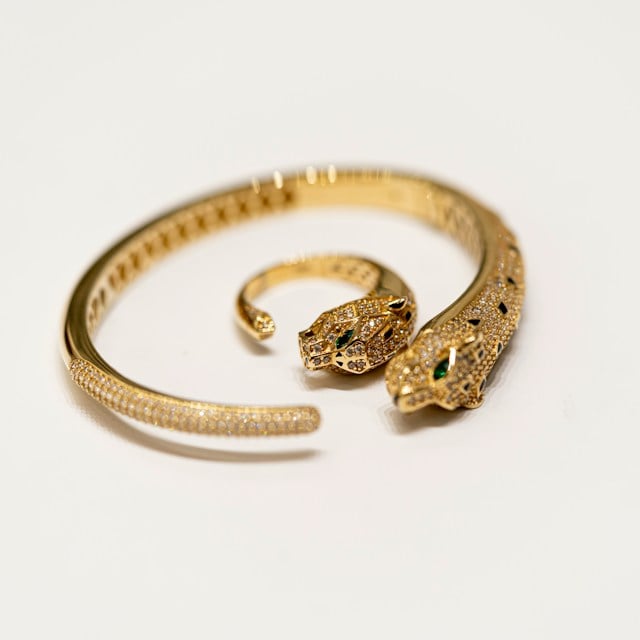
David Webb built a New York jewelry house known for bold animal designs, and the firm still sells a zebra bracelet today. Collectors and auction houses treat his animal jewelry as a signature of American high-end design.
Vintage pieces in this style attract serious attention from dealers. Value depends on condition, repairs, materials, and the clarity of the maker’s marks.
Kenneth Jay Lane Fabulous Fakes
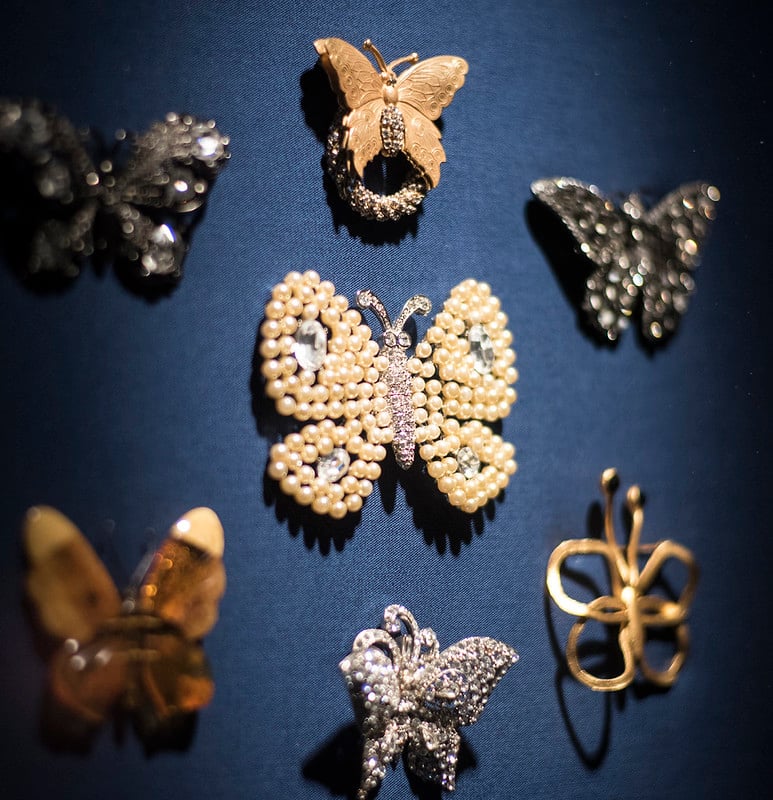
Kenneth Jay Lane made his name designing deliberately glamorous costume jewelry that looked like the real thing, and a profile of him calls his work Fabulous Fakes. The Smithsonian’s National Museum of American History holds a triple-strand pearl necklace worn by Barbara Bush in 1989, and Lane’s own site sells a Barbara Bush triple-strand style.
Signed vintage pieces are collected for their size, color, and theatrical confidence. Value depends on the condition of the stones and plating, and on whether the signature is clear.
Trifari Gold-Tone Pieces From the Seventies
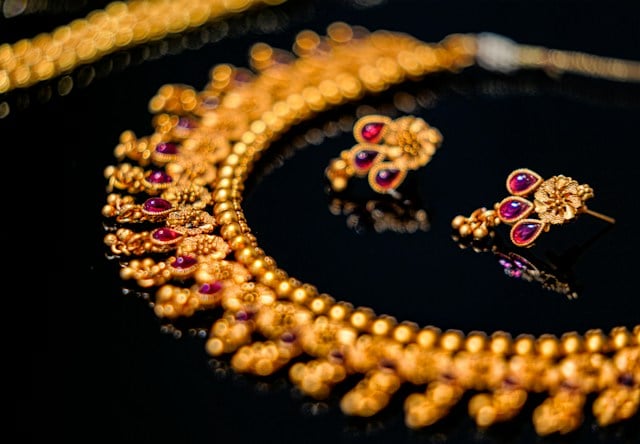
Trifari is best known to collectors for its 1940s Jelly Belly animal brooches, which command far more than anything from the 1970s. The company’s later gold-tone chains and pave rhinestone collars are more modest finds, and they remain wearable and affordable.
Signed Trifari pieces in good condition are the easiest to resell, since the mark is trusted. Value depends on plating wear, missing stones, and rarity of the design.
Monet Gold-Tone Chains
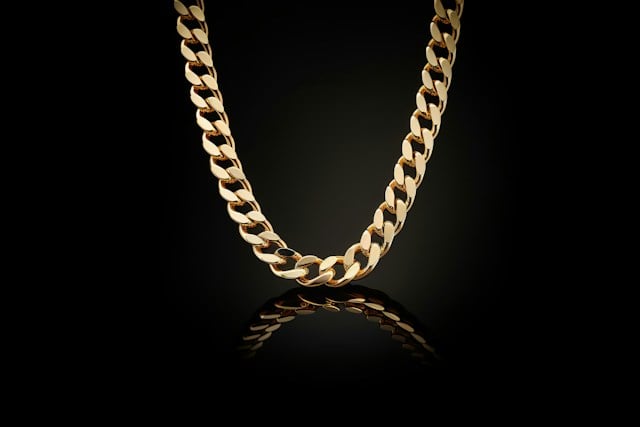
Monet is one of the best-known names in department-store costume jewelry, and JCPenney marked the brand’s 90th anniversary with an exclusive collection in 2019. Its gold-tone chains, mesh necklaces, and enamel pieces filled jewelry boxes for decades, which keeps prices accessible.
Sets that match, with the necklace and earrings still together, are easier to sell. Value depends on plating wear, enamel condition, and completeness of the set.
Napier Bird’s Nest Sets
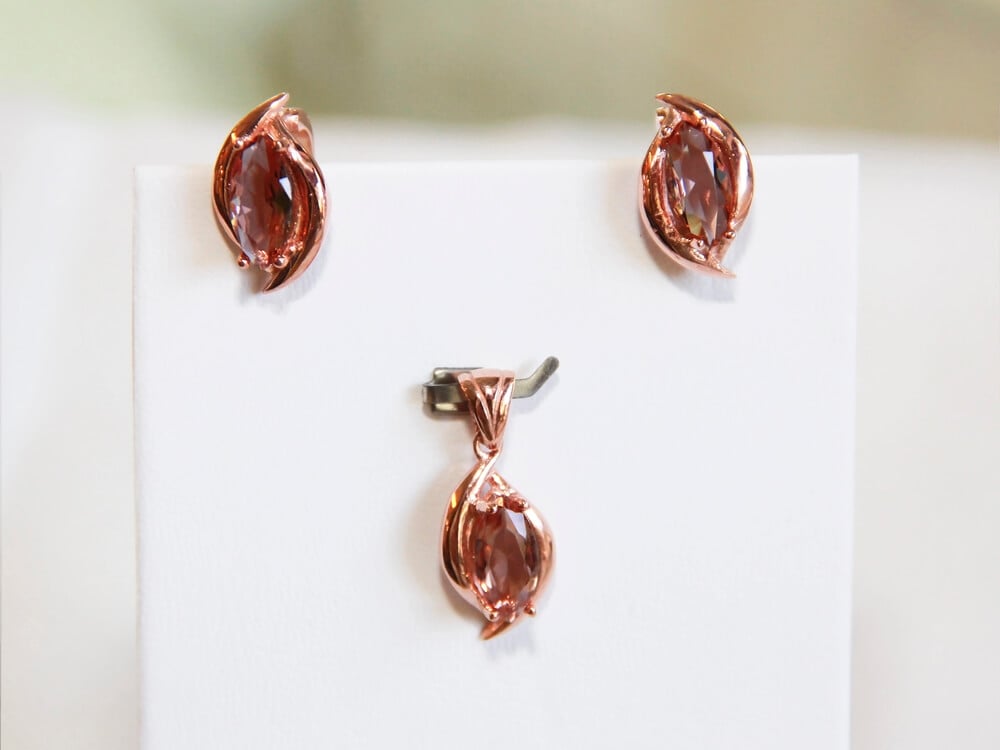
Napier made bold, brassy costume jewelry that fits the textured look of the 1970s, and one example is the Bird’s Nest set sold as a necklace, earrings, and ring. Collectors and dealers list Bird’s Nest earrings and sets, and a reference book and online source exist for vintage Napier.
The 1970s designs are generally the more affordable entry point into the brand. Value depends on condition, the presence of the matching pieces, and the clarity of the Napier mark.
Sarah Coventry Home-Party Jewelry
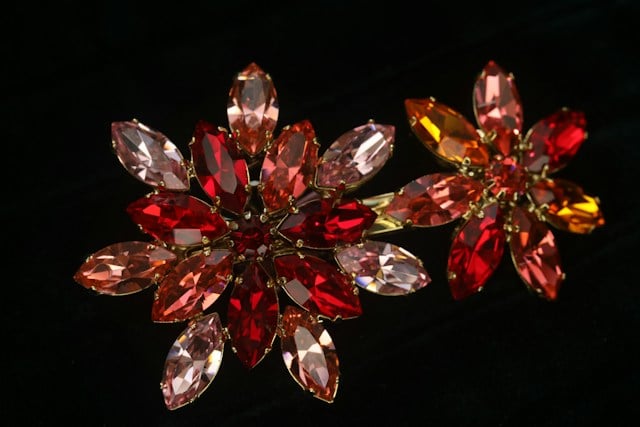
Sarah Coventry sold costume jewelry through the home jewelry business, putting its pieces in living rooms across America. Collecting guides and a Wikipedia entry document the brand, which makes identifying and dating pieces easier than with unsigned jewelry.
Prices are usually modest, but boxed sets and rare designs can stand out. Value depends on condition, completeness, and whether the original packaging is present.
Metropolitan Museum of Art Egyptian Revival Pendants
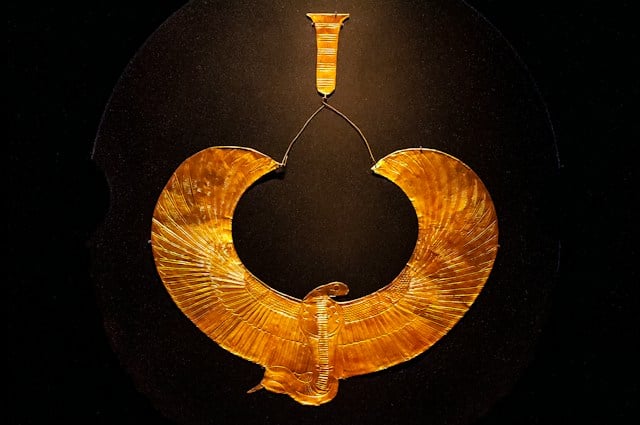
The Treasures of Tutankhamun exhibition toured the United States in the 1970s and set off a wave of Egyptian-themed fashion, from winged goddesses to ankh pendants. The Metropolitan Museum of Art sold reproduction jewelry marked MMA and dated 1976, and dealers now list those pieces as collectibles.
The pendants are inexpensive compared with real antiquities, but the museum mark gives them a dependable identity. Value depends on condition, plating wear, and whether the date and mark remain legible.
Puka Shell Necklaces
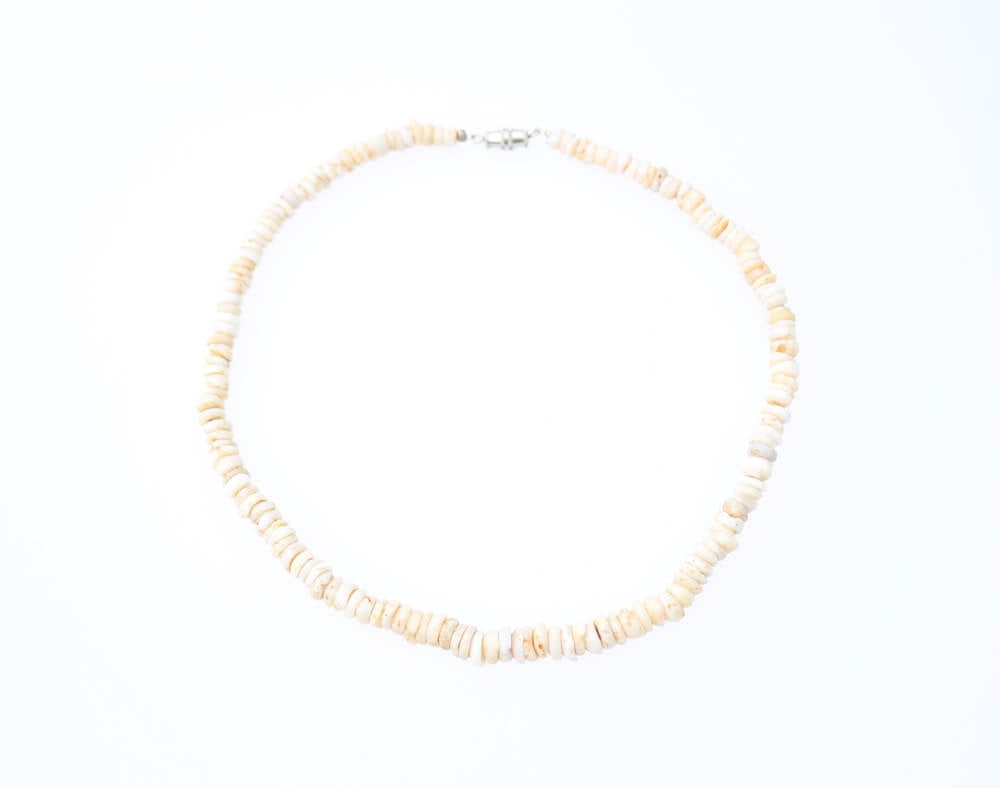
Puka shell necklaces are strung from small natural shell beads, and Hawaii and surfer culture carried them into 1970s fashion. The look was simple and beach-ready, which made it a symbol of island life long after the decade ended.
Dealers list vintage Hawaiian strands from the 1970s, and genuine shell is collected differently from the plastic imitations. Value depends on shell quality, strand length, and the condition of the cord and clasp.
Navajo Squash Blossom Necklaces
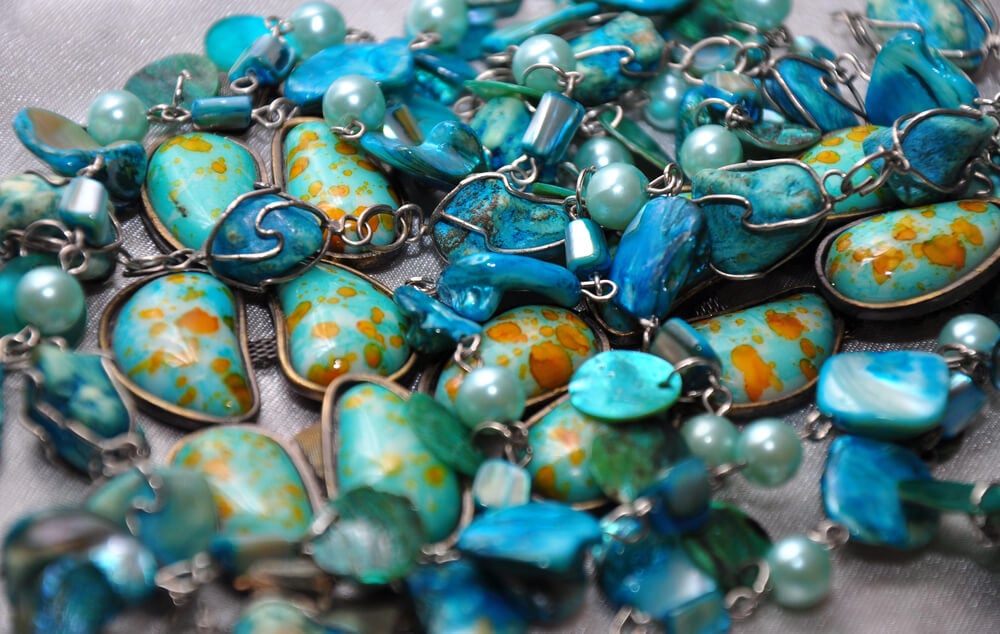
The squash blossom necklace is a Southwestern silver statement piece, and the Nelson-Atkins Museum of Art holds examples in its collection. Collectors look for Navajo pieces set with Sleeping Beauty turquoise, a robin’s-egg blue stone from Arizona.
Vintage necklaces are judged by the maker, the stones, and the weight of the silver. Value depends on those factors and on the condition of the stones and settings.
Zuni Needlepoint Turquoise Jewelry
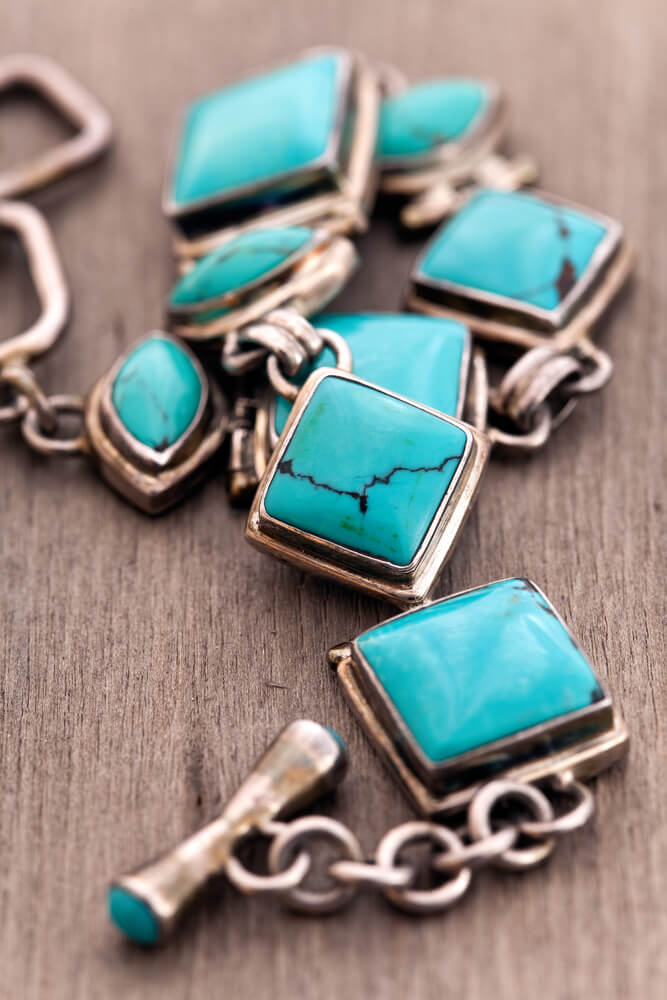
Zuni silversmiths are known for needlepoint, a style built from tiny, narrow turquoise stones set in tight rows. Specialist dealers describe needlepoint and petit point as among the finest stonework in the Southwest.
The work is painstaking, since each small stone must be shaped and fitted by hand. Value depends on the maker, the stone, and the condition of the silver.
Hopi Overlay Silver
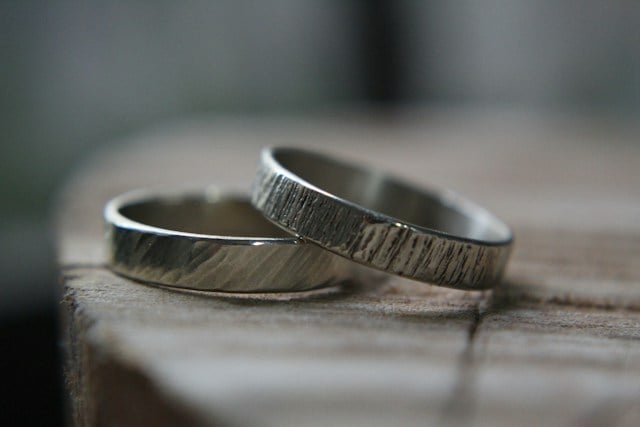
Hopi overlay jewelry pairs a cut-out design with a darkened base layer of silver, giving the pieces a crisp, graphic look. The Hopi SilverCrafts Cooperative Guild produced overlay pieces such as belt buckles, and many pieces carry a maker’s hallmark, including those of silversmith Victor Coochwytewa.
Overlay is not always Hopi made, so the hallmark matters. Value depends on the maker, the complexity of the design, and the condition of the silver.
Peace Sign Pendants
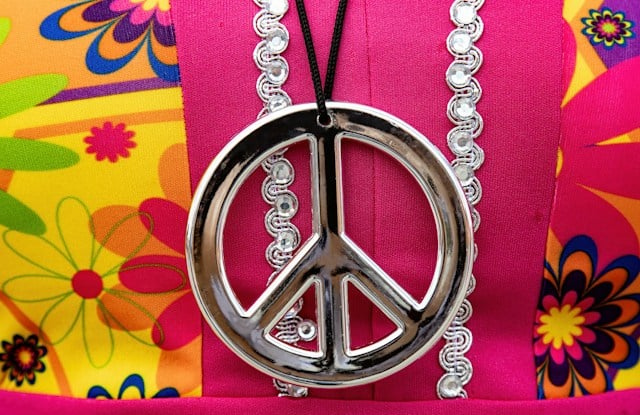
Gerald Holtom designed the peace symbol in 1958 for the Campaign for Nuclear Disarmament, and his original sketches have been shown in exhibitions. By the 1970s it had become one of the most worn pieces of political jewelry around.
Sterling and gold versions are collected for their metal, and well-made pieces can be worth more than their sentimental value. Value depends on the metal, the maker, and the condition of the piece.
What the Decade Left in the Drawer
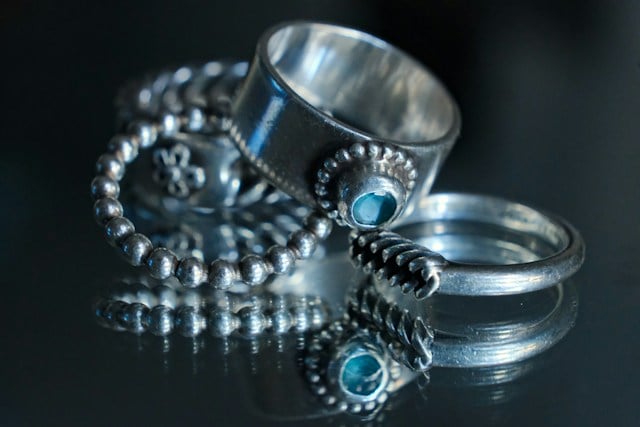
The 1970s were loud about everything, including jewelry, and the pieces that survived tend to say something about the moment they were made. A mood ring carried a fad, a Cartier bangle carried status, and a squash blossom carried a Southwestern tradition.
Each one found a market because it meant something to the person who wore it.
The common thread is that value follows evidence. Hallmarks, signatures, original boxes, and honest condition matter more than age alone, which is why two rings that look alike can sell for very different amounts.
Anyone sorting through a family box is best served by checking the marks before deciding what is worth keeping.
More from Go2Tutors!

- The Romanov Crown Jewels and Their Tragic Fate
- 13 Historical Mysteries That Science Still Can’t Solve
- Famous Hoaxes That Fooled the World for Years
- 15 Child Stars with Tragic Adult Lives
- 16 Famous Jewelry Pieces in History
Like Go2Tutors’s content? Follow us on MSN.