30 Restaurant Chains Parents Took Kids To
For much of the second half of the twentieth century, eating out with children meant a chain restaurant, because a chain promised the same menu, the same booth, and the same crayons in every town. The restaurants on this list were where families marked birthdays, ended road trips, and rewarded report cards.
Some are still operating. Many are gone, a few have come back, and nearly all of them left behind a specific memory: a hat, a sundae, a toy, or a song sung by a mechanical animal.
Howard Johnson’s
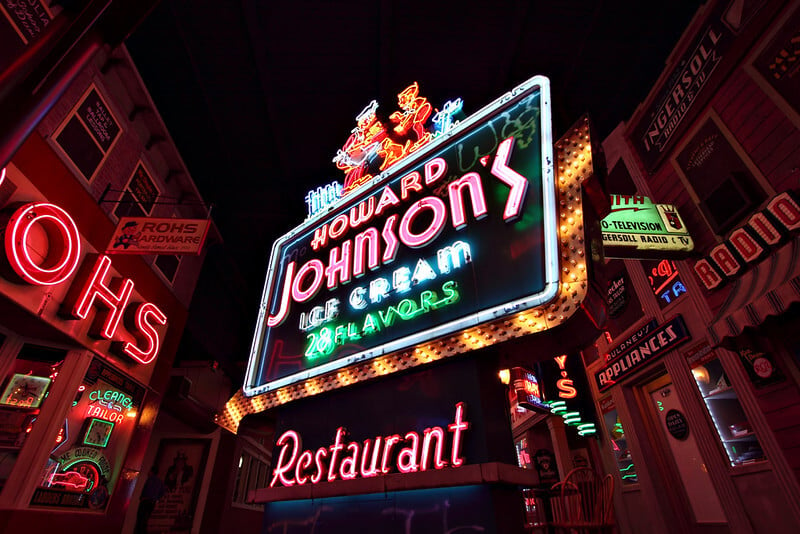
The orange-roofed restaurants along American highways offered fried clams, hot dogs grilled in butter, and 28 flavors of ice cream, and for decades they were the biggest restaurant chain in the country. Children ordered the clam strips and begged for a cone, and families planned turnpike stops around them.
The last restaurant, in Lake George, New York, closed in 2022.
Shakey’s Pizza Parlor
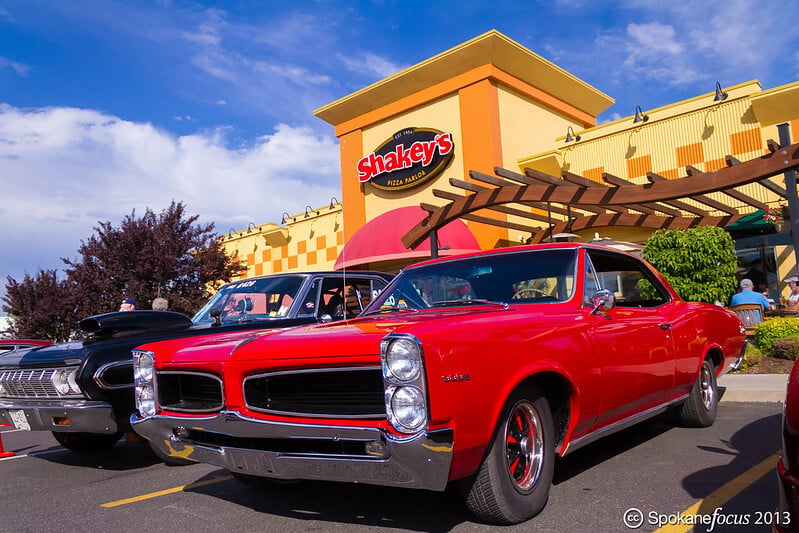
Shakey’s opened in Sacramento in 1954 and became the first pizza chain in the country, with ragtime piano players, silent films projected on the wall, and a window into the kitchen where children watched the dough get tossed. Its Mojo potatoes were as popular as the pizza.
The chain shrank to a few dozen American locations and a much larger presence in the Philippines.
Pizza Hut Under the Red Roof
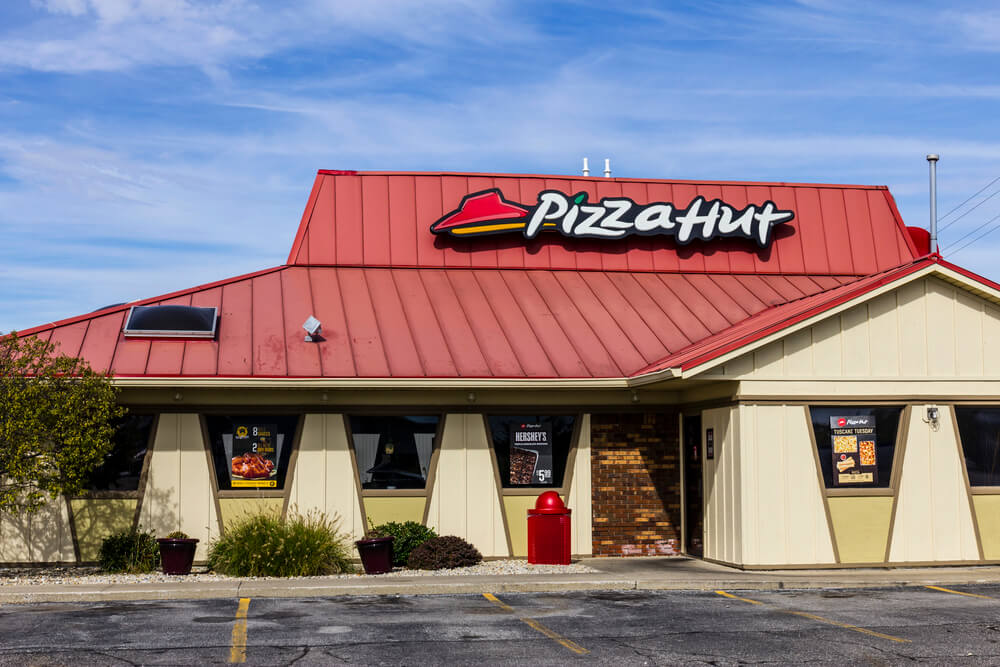
The red-roofed Pizza Hut with its stained-glass lamps and checkered tablecloths was the sit-down pizza restaurant of the 1970s and 1980s, and its Book It program rewarded reading with a free personal pan pizza. Children sat in the booths and poured Parmesan from glass shakers.
Most of the distinctive buildings have been sold off and turned into other businesses, which spawned a website devoted to spotting them.
Chuck E. Cheese’s
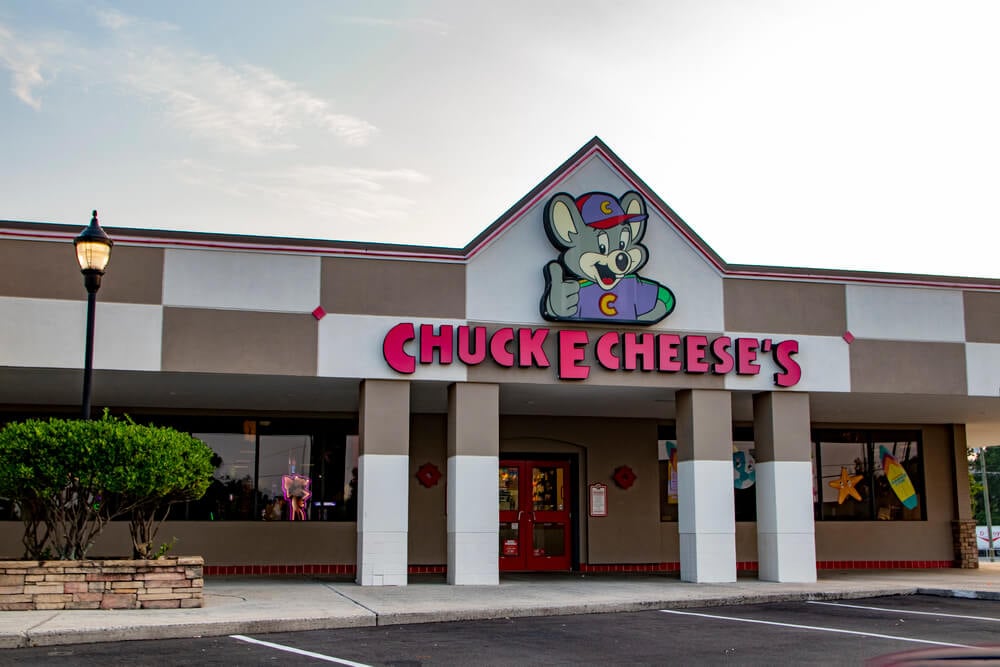
Nolan Bushnell, the founder of Atari, opened the first Chuck E. Cheese’s Pizza Time Theatre in San Jose in 1977 as a place to put arcade games in front of families. The animatronic band of a rat and his friends performed on stage while children fed tokens into the skee lanes and pounded a Whac-A-Mole.
The chain has removed most of the animatronics in recent years, to the dismay of adults who remember being terrified of them.
ShowBiz Pizza Place
ShowBiz was the rival to Chuck E. Cheese, opened in 1980 with its own animatronic act, the Rock-afire Explosion, featuring a gorilla on keyboards and a bear on vocals. The two companies merged after Chuck E. Cheese’s parent went bankrupt in 1984, and the ShowBiz locations were converted.
A cult following for the Rock-afire Explosion persists, with restored sets in private collections.
Red Lobster
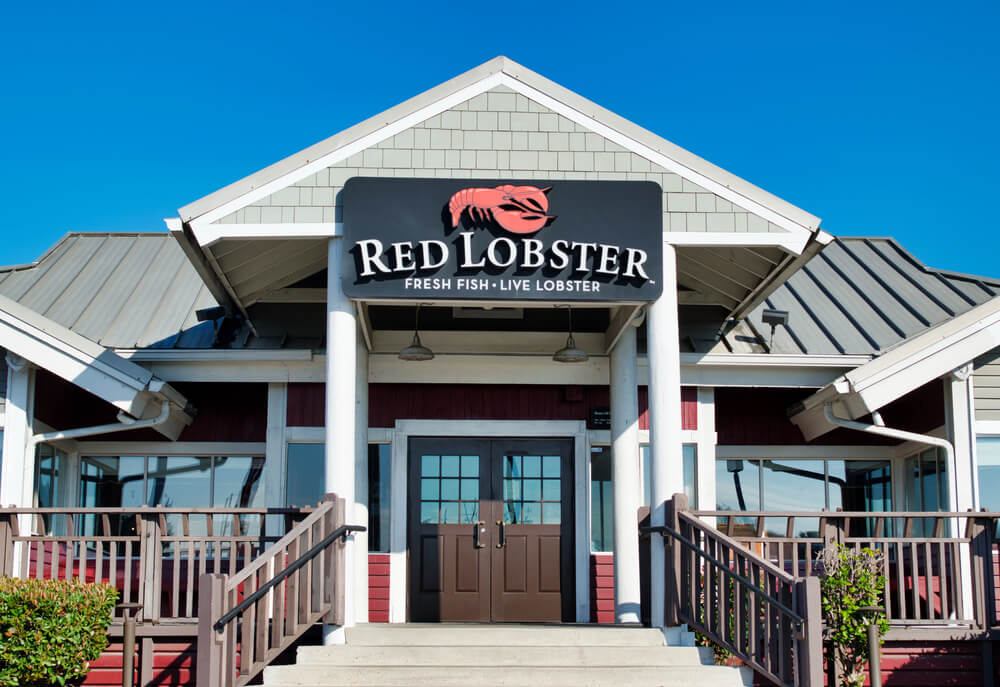
Red Lobster opened in Lakeland, Florida, in 1968 and brought affordable seafood to inland towns that had never seen a lobster. For a generation of children, it was the fanciest restaurant they had been to, and the Cheddar Bay Biscuits arrived in baskets that were refilled without asking.
The chain filed for bankruptcy in 2024 and emerged with fewer locations.
Ponderosa Steakhouse
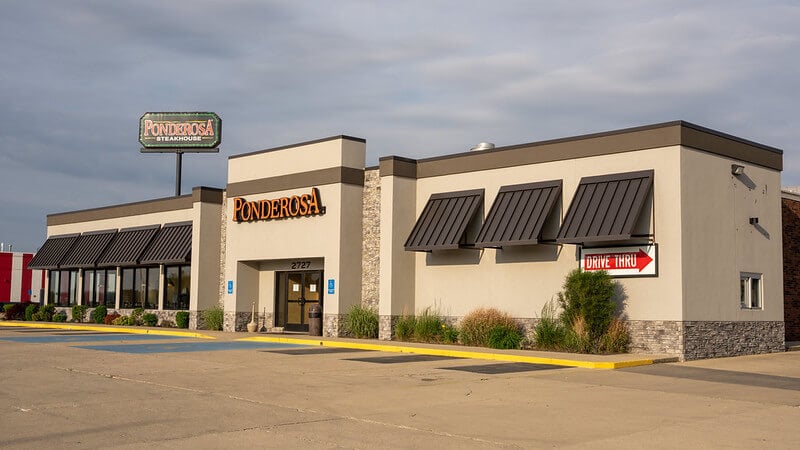
Ponderosa took its name from the ranch on the television western Bonanza and offered steak dinners at prices families could manage, ordered at a counter and carried on a tray. The buffet, added later, was the main attraction for children, who could return to it as many times as their parents allowed.
A handful of locations remain, mostly in the Midwest.
Sizzler
Sizzler’s steak-and-shrimp combos and its salad bar, which in the 1980s grew into a buffet with tacos and soft serve, made it the special-occasion restaurant for families on a budget. Children built towers of pudding at the dessert station while parents waited for a sirloin.
The chain survives mainly in California and Australia.
Chi-Chi’s
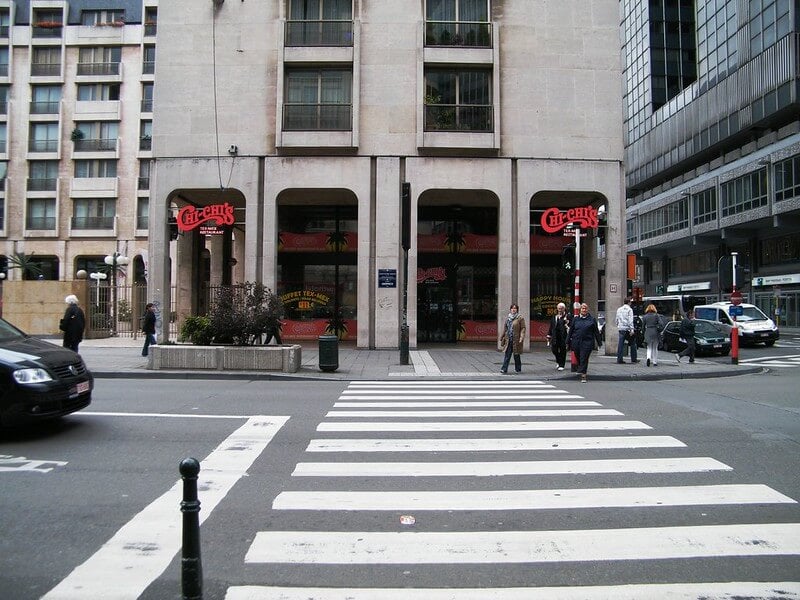
Chi-Chi’s brought Mexican-American food to the suburbs of the Midwest and Northeast beginning in 1975, with fried ice cream and chimichangas served under sombreros. A hepatitis outbreak at a Pennsylvania location in 2003 effectively ended the chain in the United States, though the name survived on grocery store salsa.
The founder’s son reopened the first new Chi-Chi’s restaurant in Minnesota in 2025.
Friendly’s
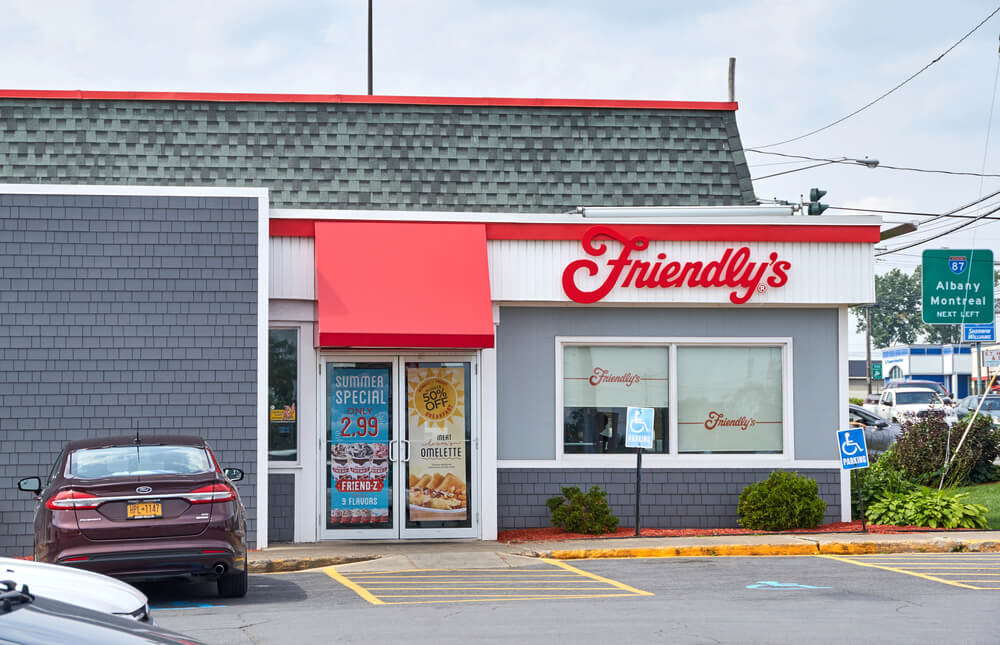
Friendly’s ice cream parlors in the Northeast served the Fribble milkshake and the Cone Head sundae, a scoop of ice cream decorated with a candy face and a cone for a hat. Families came for burgers and stayed for dessert, and the sundaes came in cardboard dishes with a cherry.
The chain has shrunk dramatically since its peak of several hundred locations.
Farrell’s Ice Cream Parlour
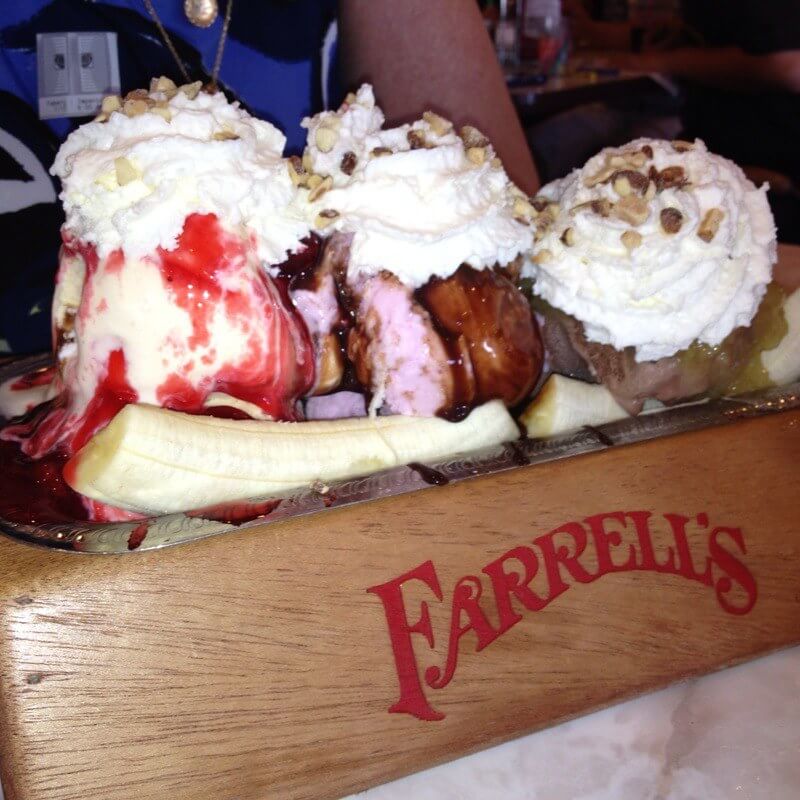
Farrell’s, founded in Portland, Oregon, in 1963, was built around the birthday: waiters in straw boaters ran through the room beating a bass drum and delivering the Zoo, a sundae for a dozen people served in a bowl carried on a stretcher. Children left with a free lollipop, and the candy counter by the door sold penny sweets in paper bags.
The last location closed in 2019.
Ground Round
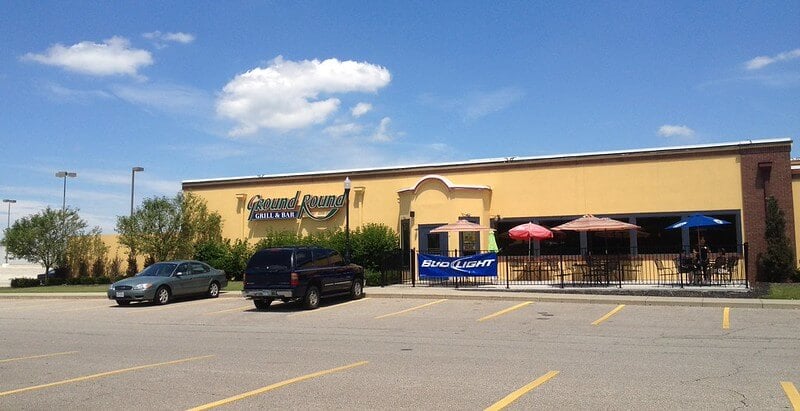
The Ground Round let children throw peanut shells on the floor and watched silent movies on the wall, and on certain nights children paid for their meal by weight, at a penny a pound. The popcorn arrived before the menu did.
A few restaurants remain in the Upper Midwest under independent ownership.
Bob’s Big Boy
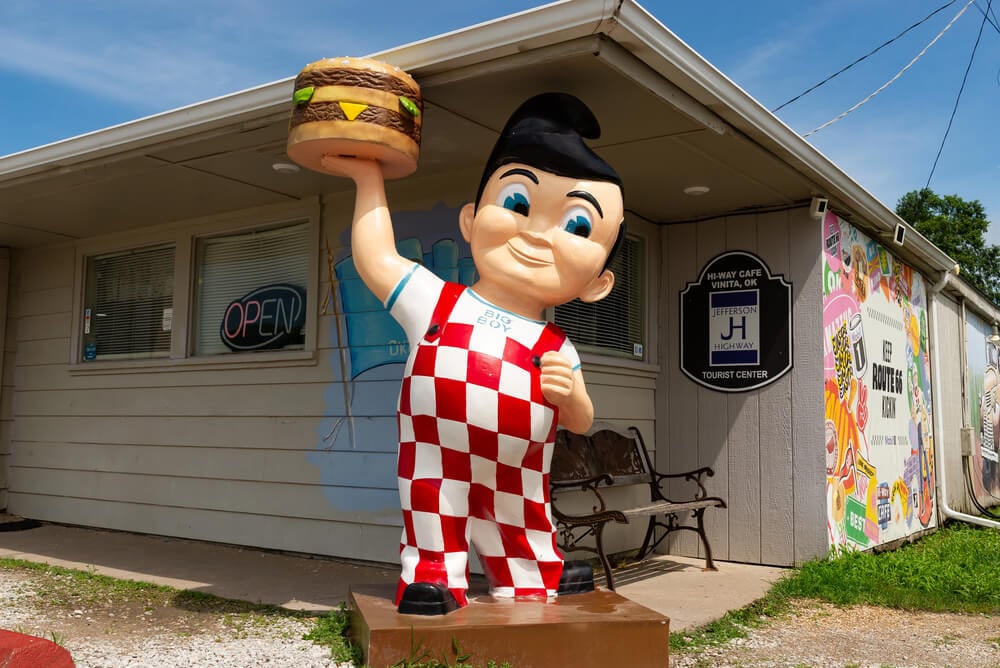
The Big Boy double-decker hamburger, served under a statue of a chubby boy in checkered overalls holding one aloft, was the model for nearly every fast-food double burger that followed. Children collected the free Big Boy comic books handed out at the register.
The statue outside the restaurant was a landmark in hundreds of towns and a frequent target of college pranks.
Shoney’s
Shoney’s began as a Big Boy franchise in West Virginia and grew into its own chain across the South, known for the breakfast bar with its grits, biscuits, and bacon. Families came after church, and children filled plates with strawberry pie.
The breakfast bar was the main event, and a few hundred locations still serve it.
Denny’s
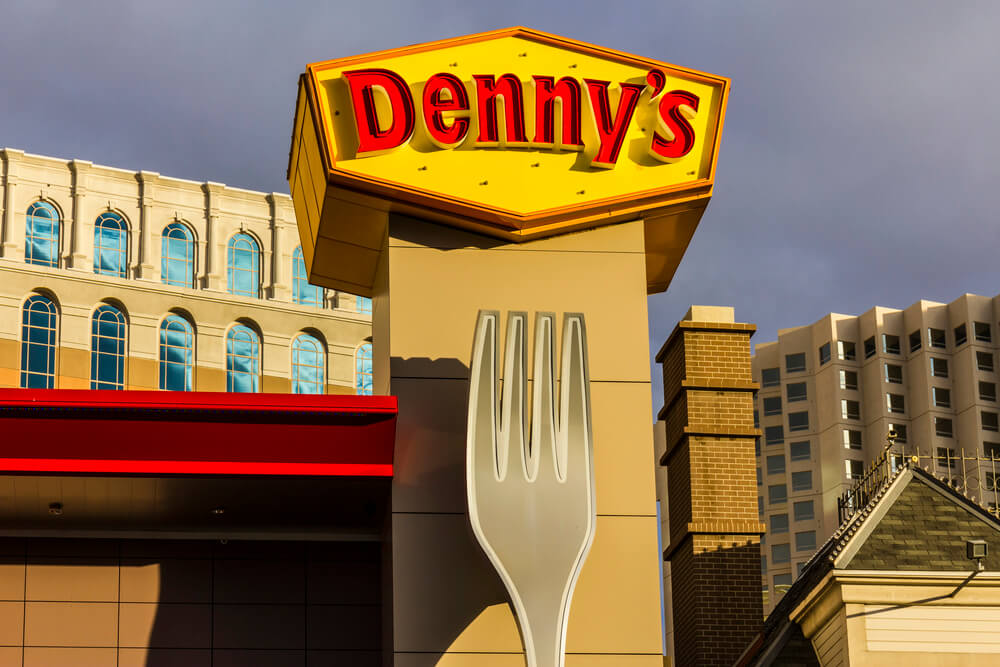
Open all night and found at nearly every interstate exit, Denny’s fed families breakfast at dinnertime and dinner at breakfast. The Grand Slam, introduced in 1977, became the standard order for children because it included pancakes.
The chain’s willingness to seat a family of six at three in the morning was its real service.
IHOP
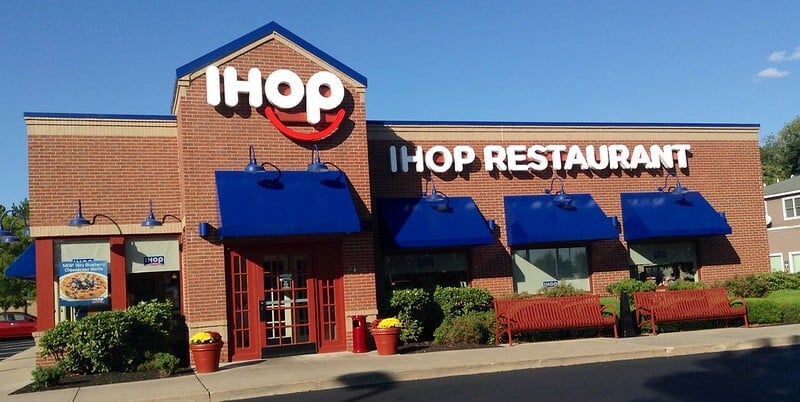
The International House of Pancakes opened in 1958 in Burbank, California, under a blue A-frame roof, and its pancakes arrived with a carousel of four flavored syrups. Children spun the carousel and mixed the syrups, and the Rooty Tooty Fresh ‘N Fruity gave them a dish to ask for by name.
The blue roof became so recognizable that the chain later tested removing it and backed off.
Burger Chef
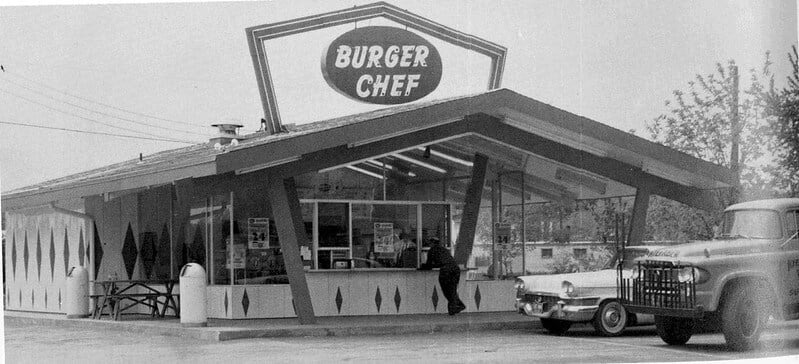
Burger Chef introduced the Funmeal in 1973, a boxed children’s meal with a toy, games, and a burger, several years before McDonald’s launched the Happy Meal. The chain reached more than a thousand locations before Hardee’s bought it in 1982 and converted most of them.
Its headquarters were in Indianapolis, and old-timers in the Midwest still recall the Big Shef.
McDonald’s and the Happy Meal
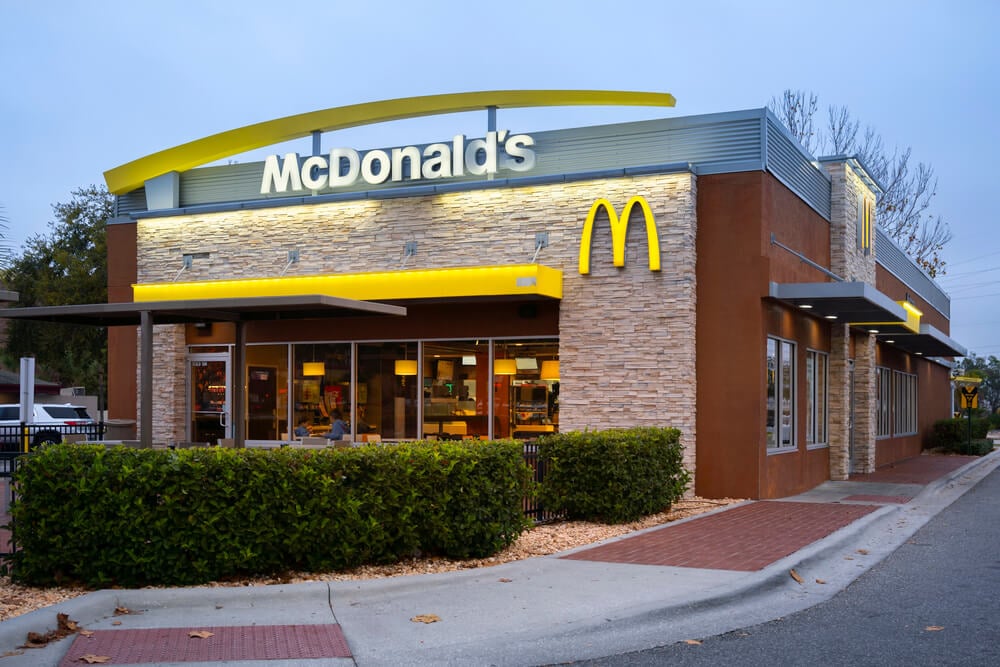
The Happy Meal arrived nationally in 1979 in a box shaped like a circus wagon, and it made the toy the point of the visit for a generation. Birthday parties in the PlayPlace, with the slide and the climbing tubes, were the suburban standard through the 1990s.
The chain’s clown mascot has largely retired, but the box has not.
Burger King’s Crowns
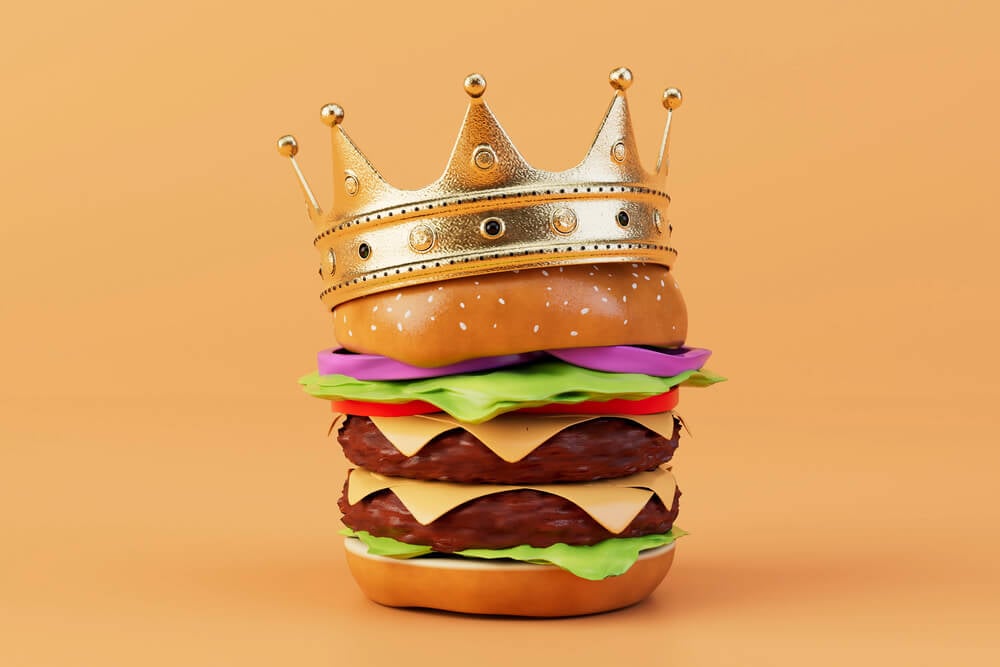
The paper crown handed to children at the counter was the chain’s answer to McDonald’s playgrounds, and it cost almost nothing to produce. Burger King’s Kids Club, launched in 1990, built a cast of cartoon characters around it.
The crown is still available on request, and adults ask for it more than they admit.
Arthur Treacher’s Fish & Chips
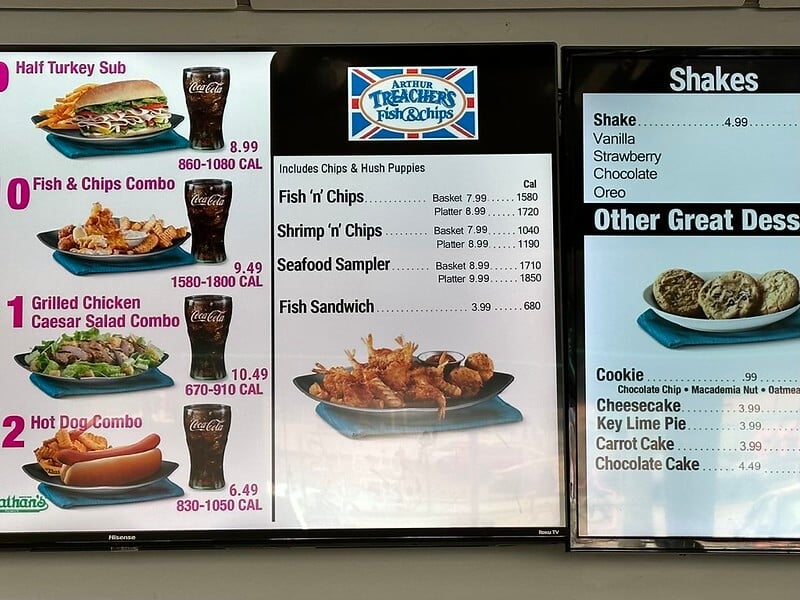
Named for a British actor who played butlers, Arthur Treacher’s served fish and chips in paper with malt vinegar and reached more than eight hundred locations in the 1970s. The cod shortage of that decade, after Iceland extended its fishing limits, sent its costs up and the chain shrank fast.
A few locations survive in Ohio and New York.
Long John Silver’s
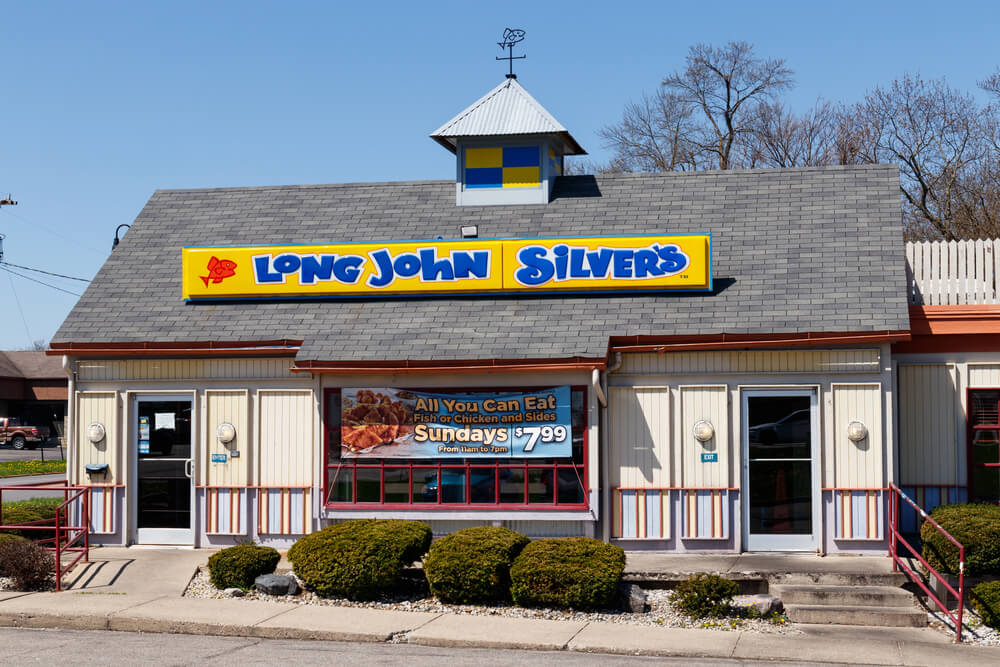
Long John Silver’s opened in Lexington, Kentucky, in 1969, with a nautical theme and a bell by the door that customers rang if they liked the meal. Children rang it on the way out whether the meal had been good or not.
The fried fish came with hush puppies and the crumbs from the fryer, which the chain eventually put on the menu.
Roy Rogers
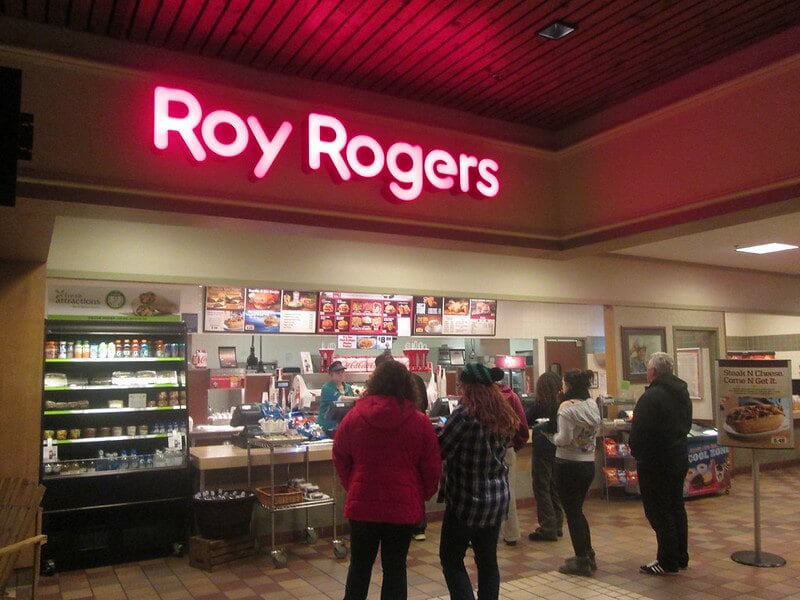
The roast beef and fried chicken chain named for the singing cowboy had a fixin’s bar where children piled their burgers with pickles and onions, and the cashiers greeted customers with “Howdy, pardner.” Roy Rogers himself appeared in commercials and at openings.
Hardee’s bought most of the locations in 1990, and a smaller chain carries on in the Mid-Atlantic.
Hardee’s
Hardee’s, based in the Carolinas, was the Southern alternative to McDonald’s and became known for its made-from-scratch biscuits, introduced in 1977. Families stopped for breakfast on the way to the beach, and the biscuit with sausage became a regional staple.
The chain merged with Carl’s Jr. under a single parent in 1997.
Kenny Rogers Roasters
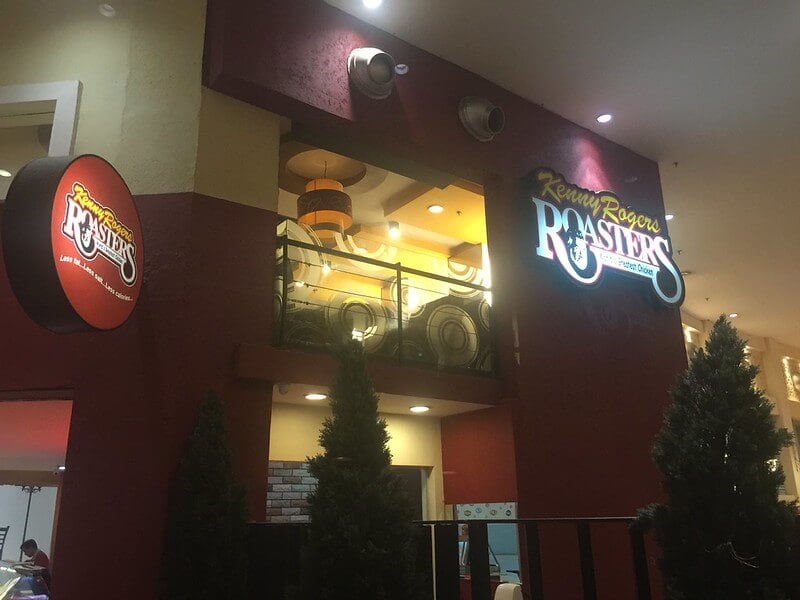
The country singer lent his name to a rotisserie chicken chain in 1991 that spread quickly across the country, with families drawn by the wood-fired birds and the sides. An episode of Seinfeld in 1996 made the glowing red sign a punch line.
The American locations closed within a decade, but the chain is thriving in the Philippines and Malaysia.
Fuddruckers
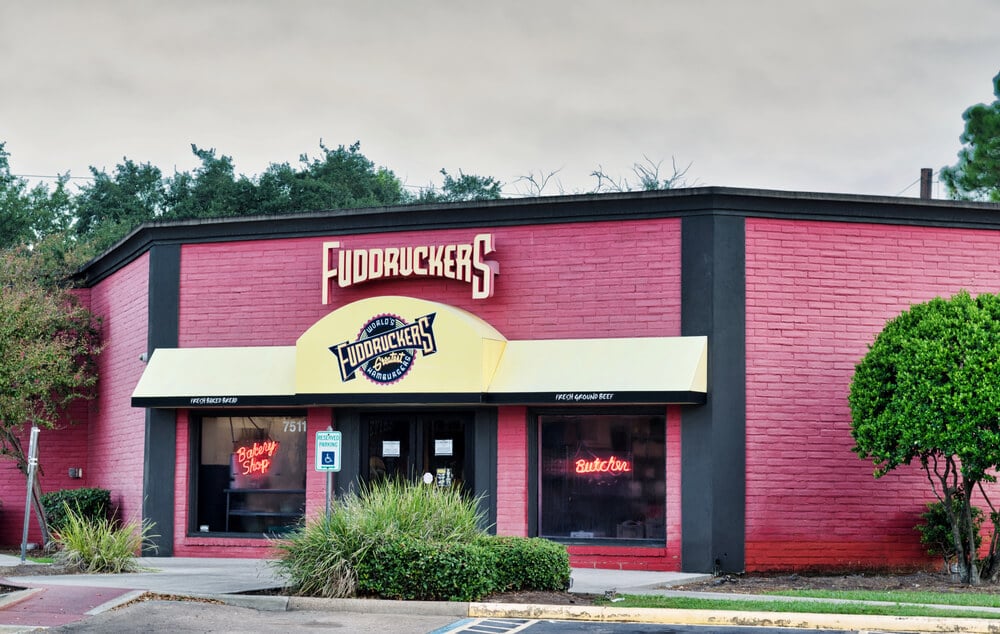
Fuddruckers opened in San Antonio in 1980 with burgers ground and buns baked in view of the dining room, and a toppings bar where children added as much cheese sauce as they could carry. The half-pound burger was bigger than most children could finish.
The chain has contracted but still operates in several states.
Benihana
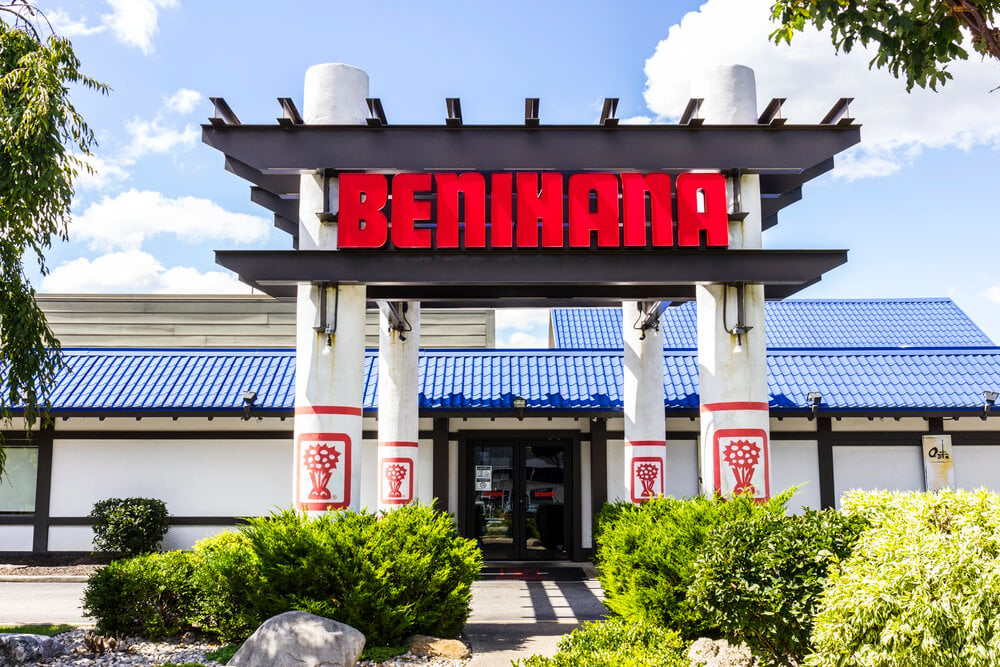
The Japanese steakhouse chain founded by Rocky Aoki in New York in 1964 turned dinner into a show, with a chef flipping shrimp tails into his hat and building a volcano from onion rings at the tabletop grill. It was expensive enough to be reserved for birthdays, and the chef’s tricks were remembered longer than the food.
Children went home and tried the onion volcano on the stove.
Rainforest Cafe
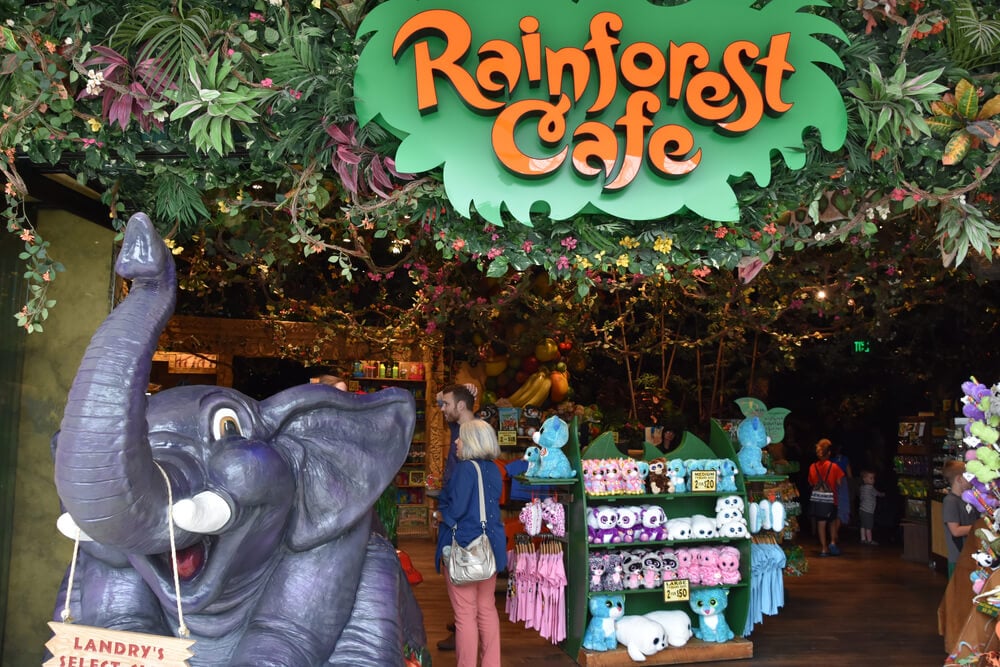
Rainforest Cafe opened at the Mall of America in 1994 with animatronic elephants, a thunderstorm every twenty minutes, and a gift shop that took up as much floor as the dining room. Children who had been merely bored at a mall became briefly thrilled.
The chain still runs about twenty locations, several of them in tourist districts.
Planet Hollywood
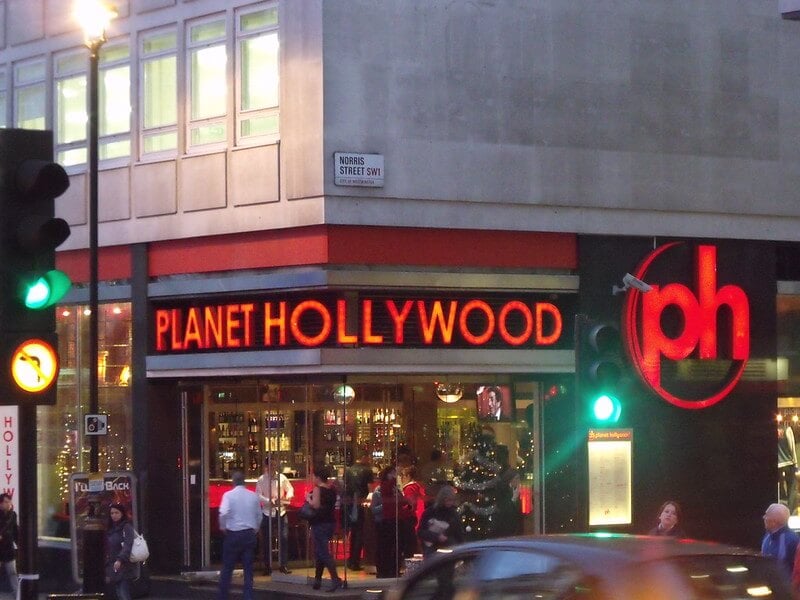
Launched in 1991 with backing from Arnold Schwarzenegger, Sylvester Stallone, and Bruce Willis, Planet Hollywood filled its dining rooms with movie props and costumes, and the souvenir T-shirt was the real purchase. Families visited one on vacation in Orlando or Las Vegas and never went back, which was part of the business model.
Several locations remain in tourist cities.
Golden Corral
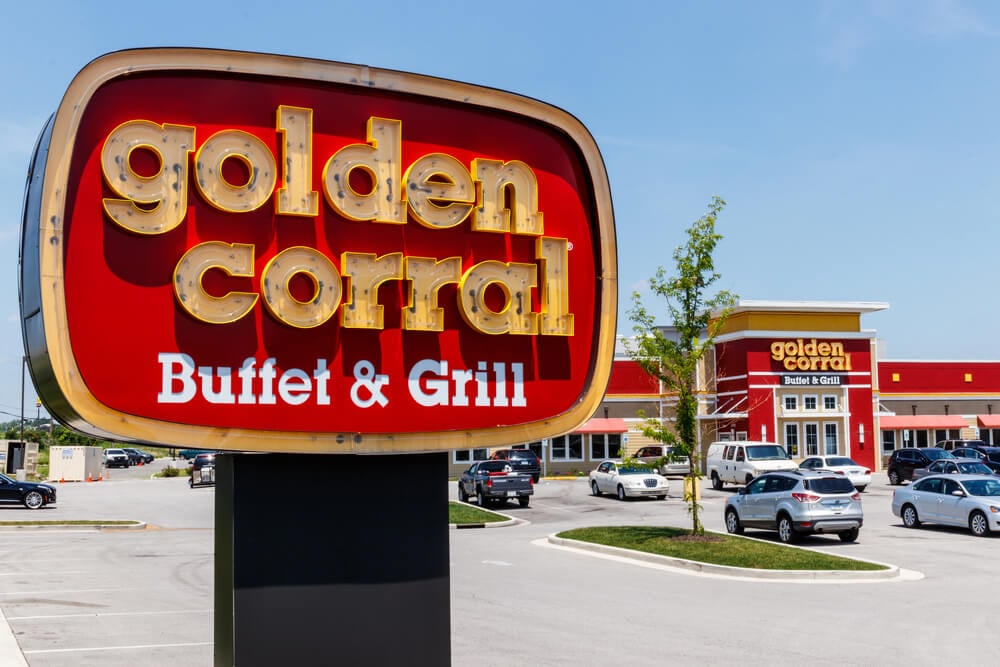
The buffet chain, founded in North Carolina in 1973, let a family of six eat for a fixed price and let children return to the chocolate fountain until stopped. The spread included fried chicken, pot roast, a salad bar, and rolls brushed with butter.
It remains one of the largest buffet chains in the country, with hundreds of locations.
Old Country Buffet
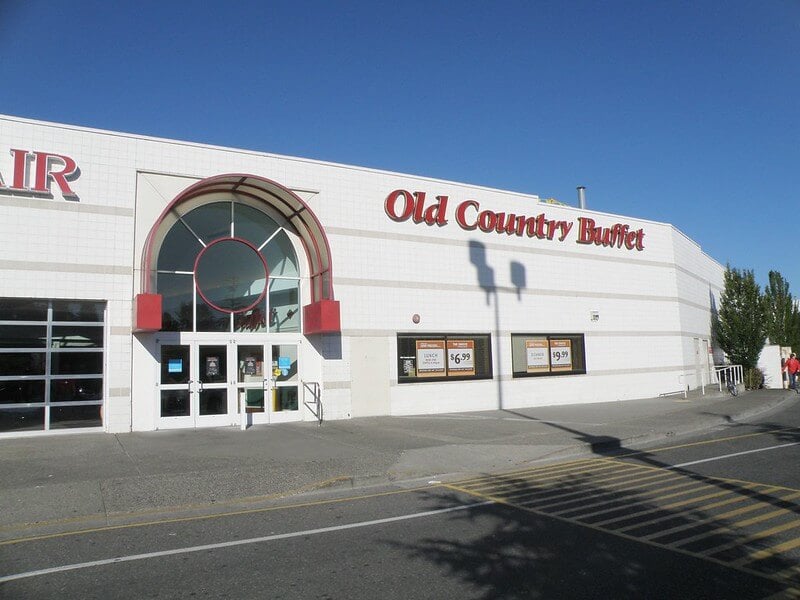
Old Country Buffet and its sister chains served the Midwest and Northeast with steam tables of fried chicken, macaroni and cheese, and soft-serve ice cream, and the price for children was set by age. Grandparents took grandchildren there on Sunday, and the dessert bar was the deciding factor.
The parent company went through several bankruptcies and most locations closed by the early 2020s.
Why the Crayons Were the Point
None of these restaurants were loved for their food, exactly. They were loved for being reliable, for tolerating noise, and for understanding that a family out to dinner needs the crayons to arrive before the drinks.
The ones that survived kept that in mind, and the ones that failed usually forgot it.
The memories they left are oddly specific: the drum at Farrell’s, the bell at Long John Silver’s, the thunderstorm in the fake rainforest. Adults who cannot recall what they ate can describe the hat the waiter wore.
That was the business the chains were really in.
More from Go2Tutors!

- The Romanov Crown Jewels and Their Tragic Fate
- 13 Historical Mysteries That Science Still Can’t Solve
- Famous Hoaxes That Fooled the World for Years
- 15 Child Stars with Tragic Adult Lives
- 16 Famous Jewelry Pieces in History
Like Go2Tutors’s content? Follow us on MSN.