15 Islands You’re Banned From Visiting (And Why)
Some of the world’s most intriguing islands remain completely off-limits to tourists, hidden behind military restrictions, environmental protections, or dangerous conditions. These forbidden destinations spark curiosity precisely because we can’t visit them, each with fascinating stories about why they’ve been sealed off from the public.
From ancient burial grounds to active military bases, these restricted islands offer glimpses into worlds we’ll never experience firsthand. Here’s a list of 15 islands you’re banned from visiting and the compelling reasons behind their restrictions.
North Sentinel Island
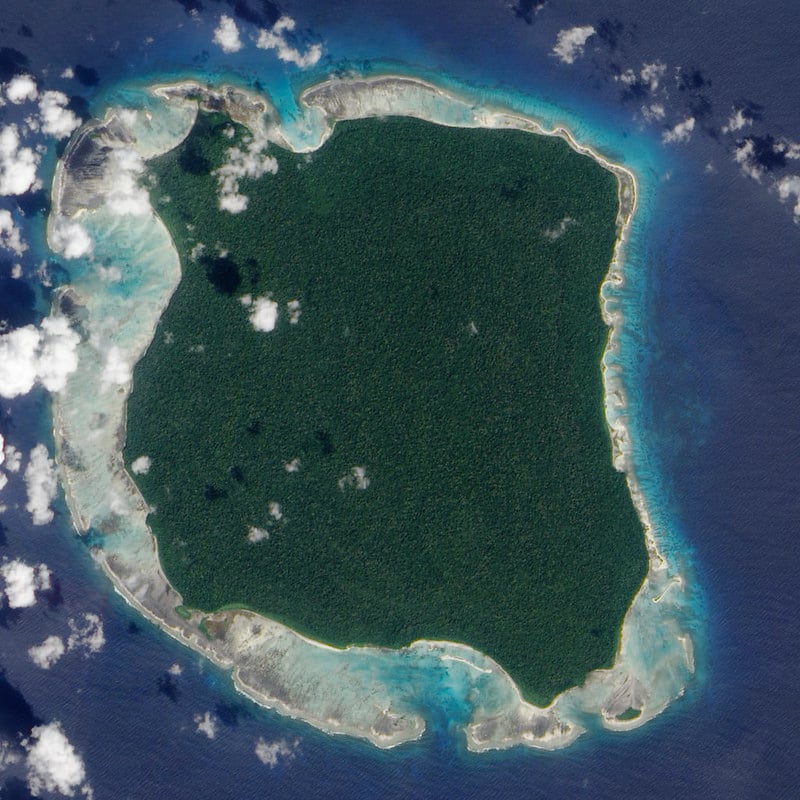
The Sentinelese people have lived on this remote island in the Andaman Sea for thousands of years — completely isolated from modern civilization. They’ve made it crystal clear that visitors aren’t welcome, responding to outside contact with arrows and spears. The Indian government respects their wishes while banning all access to protect both the islanders and potential visitors from harm.
Surtsey Island
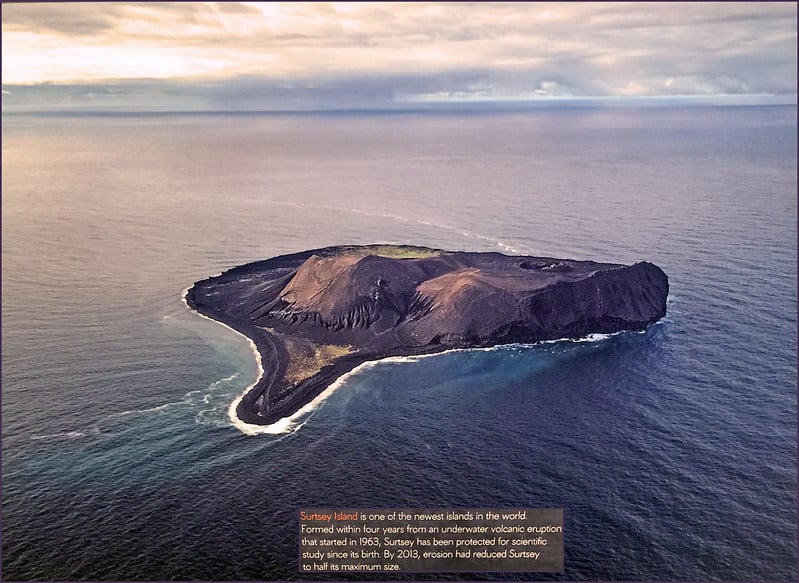
This Icelandic island literally rose from the ocean during volcanic eruptions in the 1960s. It created a perfect natural laboratory for scientists studying how life colonizes new land. Only a handful of researchers with special permits can visit, ensuring that human interference doesn’t contaminate this ongoing experiment in evolution — though the island remains one of the most pristine environments on Earth.
Poveglia Island
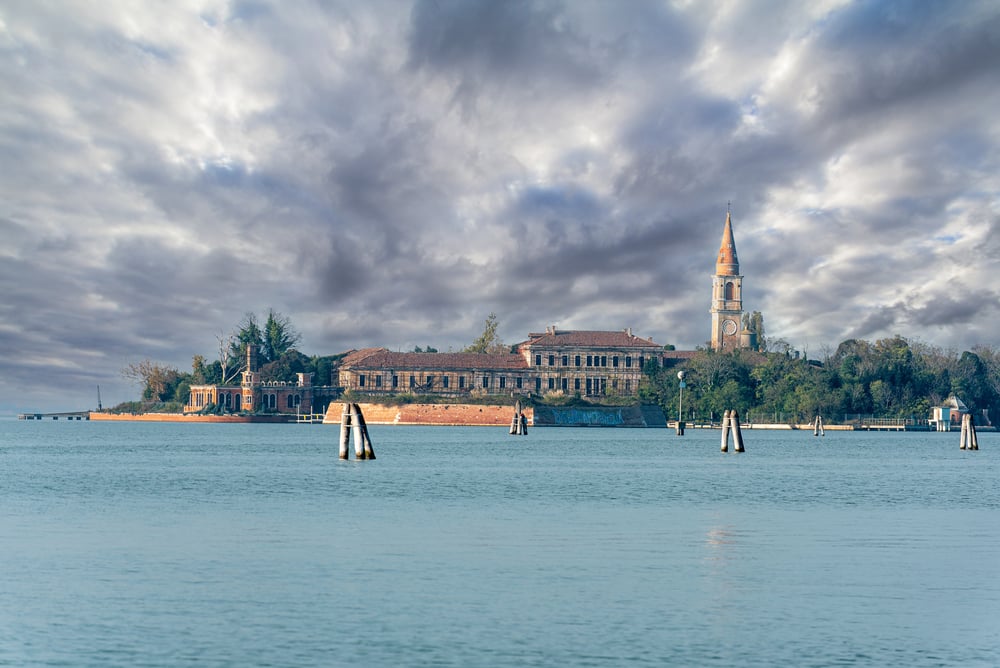
Located between Venice and Lido in Italy, Poveglia served as a quarantine station for plague victims. Later it became a mental hospital, earning the grim nickname ‘Island of the Dead’. The soil contains layers of human ash from an estimated 160,000 people who died there over the centuries — while not officially banned, the Italian government restricts access due to unstable structures and disturbing history.
Plum Island
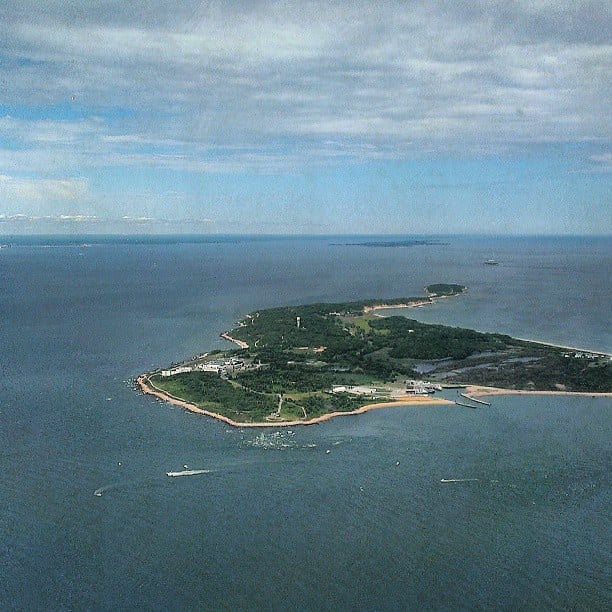
This 840-acre island off Long Island’s coast houses the Plum Island Animal Disease Center. The U.S. government conducts research on foreign animal diseases there. The facility studies dangerous pathogens that could devastate American livestock — making it one of the most secure biological research sites in the country, though public access is strictly forbidden.
Palmyra Atoll
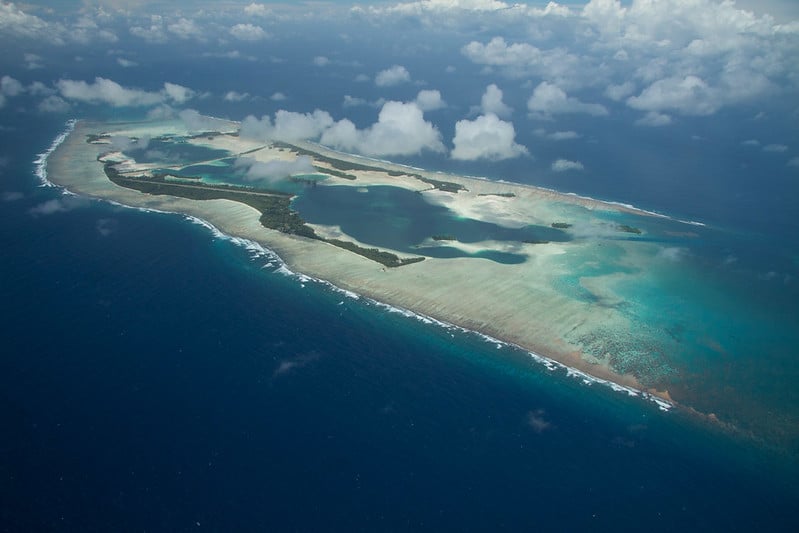
This remote Pacific atoll serves as a critical wildlife refuge. It’s home to some of the world’s last pristine coral reefs and massive seabird colonies. The Nature Conservancy and U.S. Fish and Wildlife Service allow only researchers and conservation workers to visit — protecting the delicate ecosystem from human disturbance while preserving marine life that has vanished from more accessible locations.
Heard Island
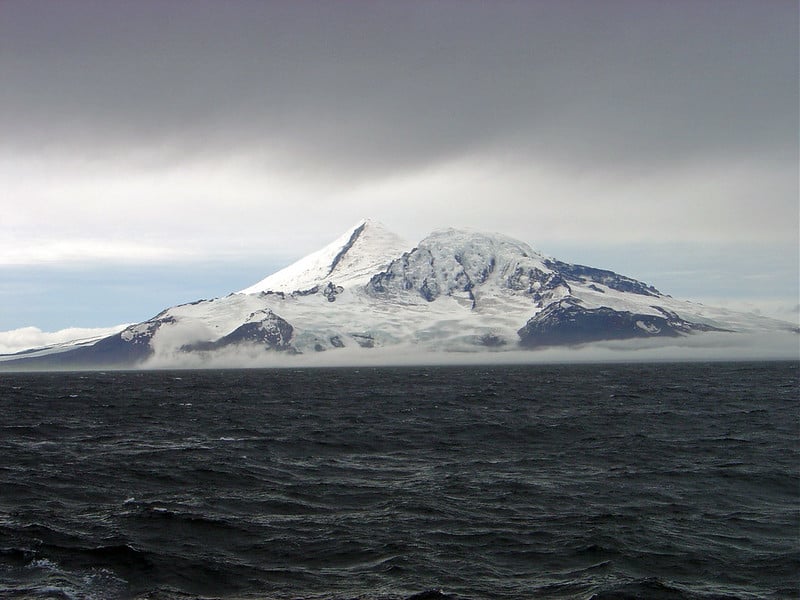
Situated in the remote Southern Ocean between Madagascar and Antarctica, Heard Island remains one of the most untouched places on Earth. The island’s active volcano, Big Ben, plus harsh weather conditions make it nearly impossible to reach safely. Australia restricts access to protect the island’s unique ecosystem — along with the massive colonies of seals and penguins that call it home.
Bouvet Island
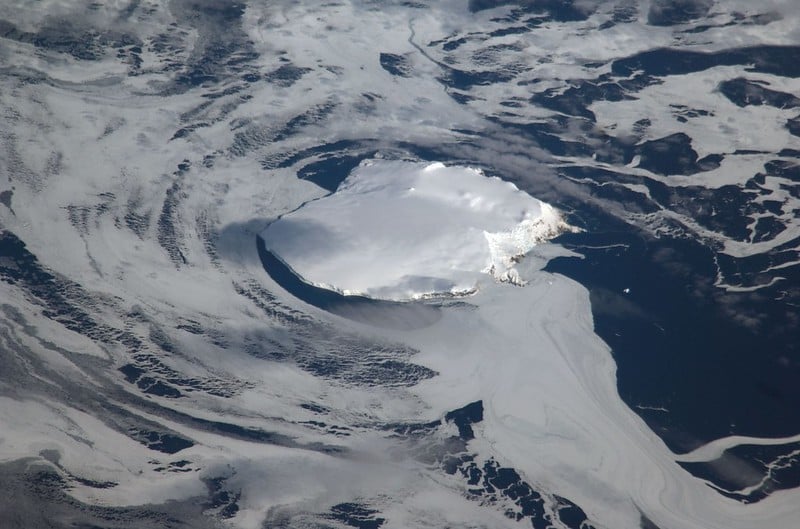
Norway’s Bouvet Island holds the title of the world’s most remote island, sitting alone in the South Atlantic Ocean more than 1,000 miles from the nearest land. The island is almost entirely covered by glaciers. It’s surrounded by steep cliffs, making landing extremely dangerous — Norwegian authorities rarely grant permission to visit, and even then, only for scientific research purposes.
Farallon Islands
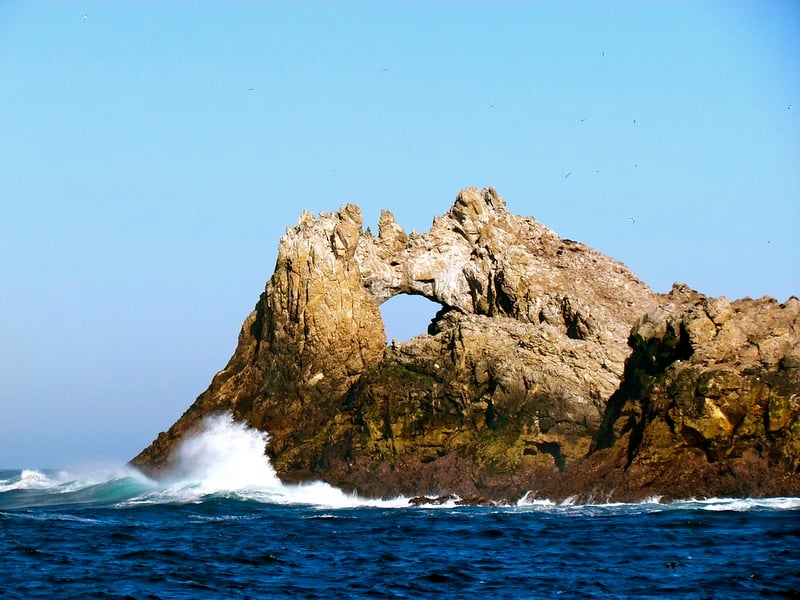
These rocky islands off the San Francisco coast serve as a crucial breeding ground for seabirds, seals, and great white sharks. The U.S. Fish and Wildlife Service maintains strict access controls — allowing only researchers and wildlife managers to set foot on the islands. The waters around the Farallons contain some of the highest concentrations of great whites in the world, adding another layer of danger for unauthorized visitors.
Niihau Island
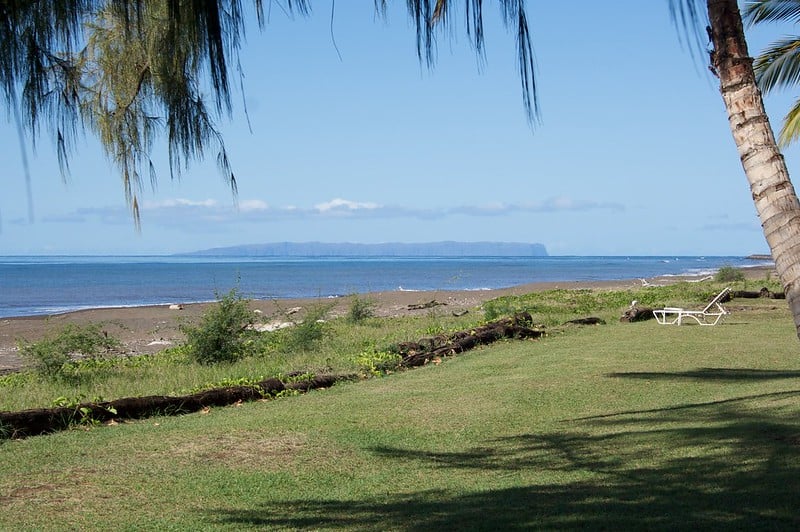
Known as the ‘Forbidden Island’, Niihau remains privately owned by the Robinson family, who purchased it from the Hawaiian Kingdom in 1864. The island maintains traditional Hawaiian culture and language — with access restricted to protect the residents’ way of life. Only invited guests and helicopter tours that don’t land are permitted, preserving one of the last authentic Hawaiian communities.
Gruinard Island
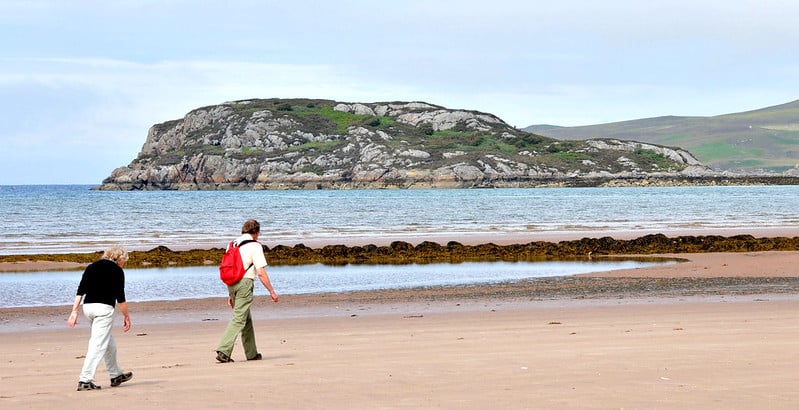
This Scottish island served as a biological warfare testing site during World War II. The British military experimented with anthrax spores there. The island remained contaminated for decades — earning it the nickname ‘Anthrax Island’. While officially decontaminated in the 1980s, public access remains restricted due to lingering safety concerns and the island’s dark history.
Diego Garcia
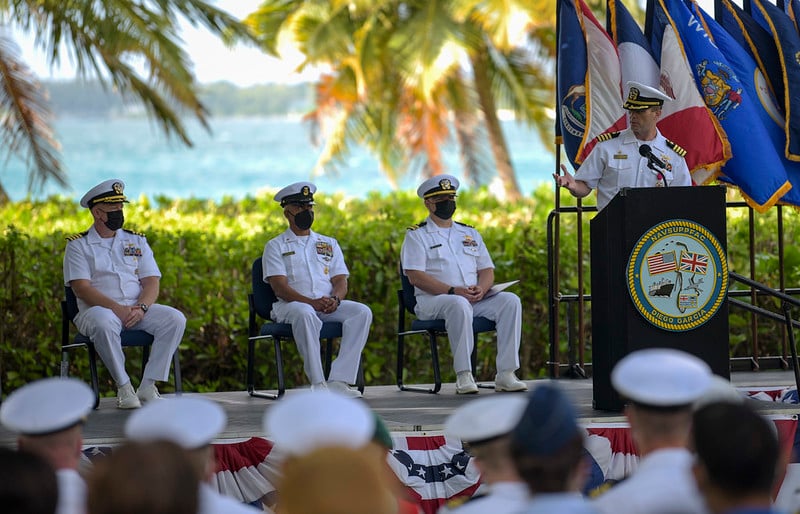
This strategically located atoll in the Indian Ocean serves as a major U.S. military base, playing a crucial role in operations throughout the Middle East and Asia. The original population was forcibly relocated in the 1970s to make way for the base. This created ongoing legal and humanitarian controversies, yet access is limited to military personnel and authorized contractors, with the island’s existence often omitted from maps.
Clipperton Island
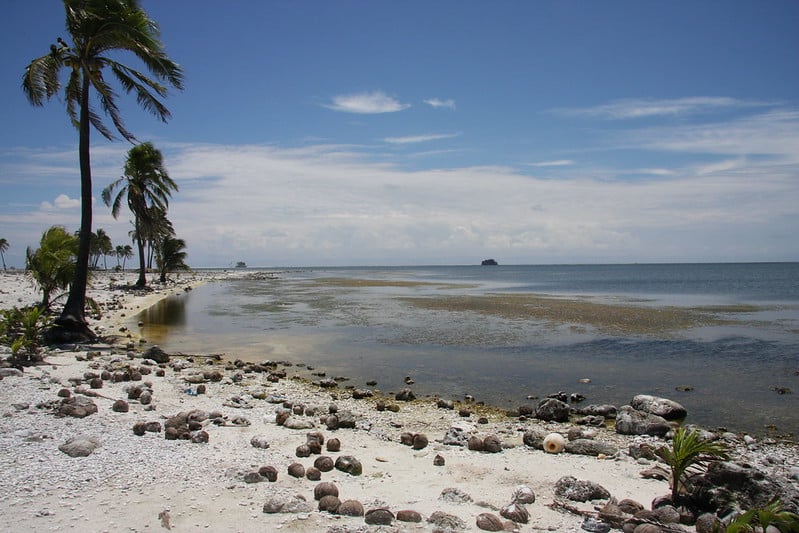
France’s most remote territory, Clipperton Island sits about 700 miles southwest of Mexico in the Pacific Ocean. The uninhabited coral atoll has no permanent structures or fresh water, making it inhospitable to human settlement. French authorities restrict access to protect the island’s unique ecosystem, though millions of seabirds nest there seasonally.
Prohibition Island
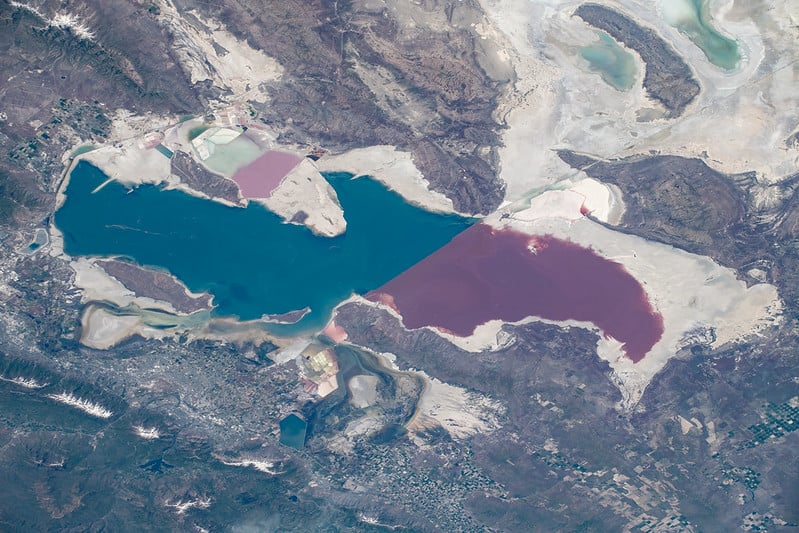
Located in Utah’s Great Salt Lake, Prohibition Island earned its name during the era when bootleggers allegedly used it as a hideout. Today, the island remains off-limits due to its designation as a wildlife preserve. There are also dangerous structures left from various failed development projects, while the shallow, salty waters surrounding the island make boat access treacherous for inexperienced visitors.
Gunkanjima Island
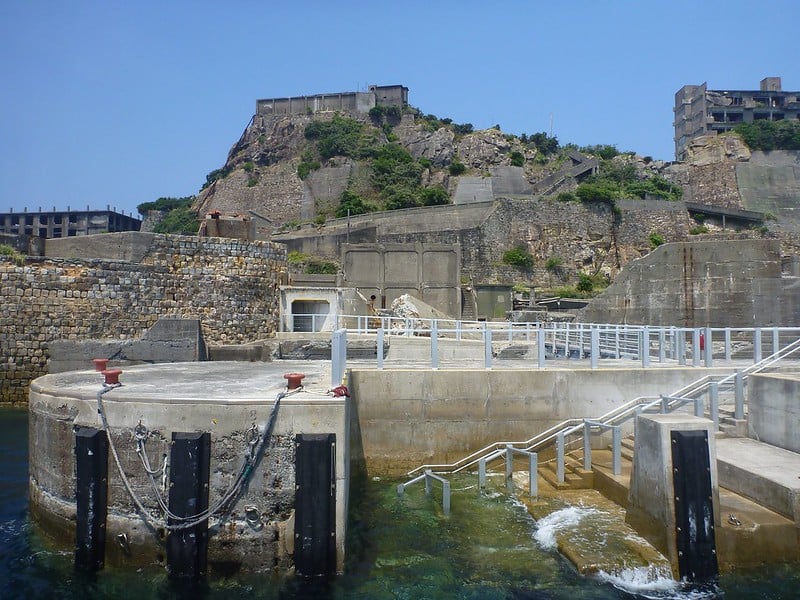
Also known as Hashima Island, this abandoned Japanese coal mining facility sits like a concrete ghost ship off the coast of Nagasaki. The island was completely evacuated in 1974 when the coal industry collapsed. This left behind a crumbling concrete cityscape, though limited guided tours are now available. Most of the island remains off-limits due to the danger of collapsing buildings and unstable walkways.
Antipodes Islands
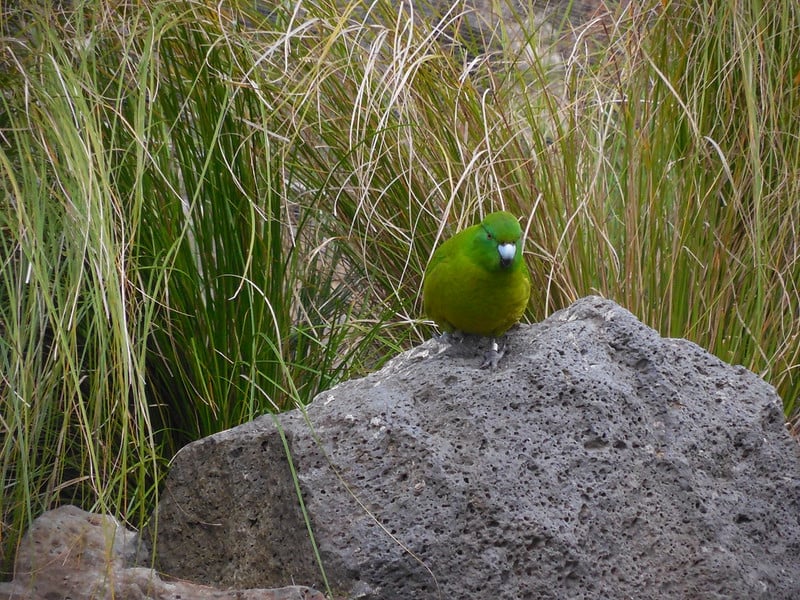
These subantarctic islands belong to New Zealand and serve as a UNESCO World Heritage site due to their exceptional biodiversity. The islands host unique plant species found nowhere else on Earth while providing critical breeding grounds for rare seabirds. New Zealand’s Department of Conservation strictly limits access to protect these fragile ecosystems from invasive species and human disturbance.
Guardians of the Forbidden
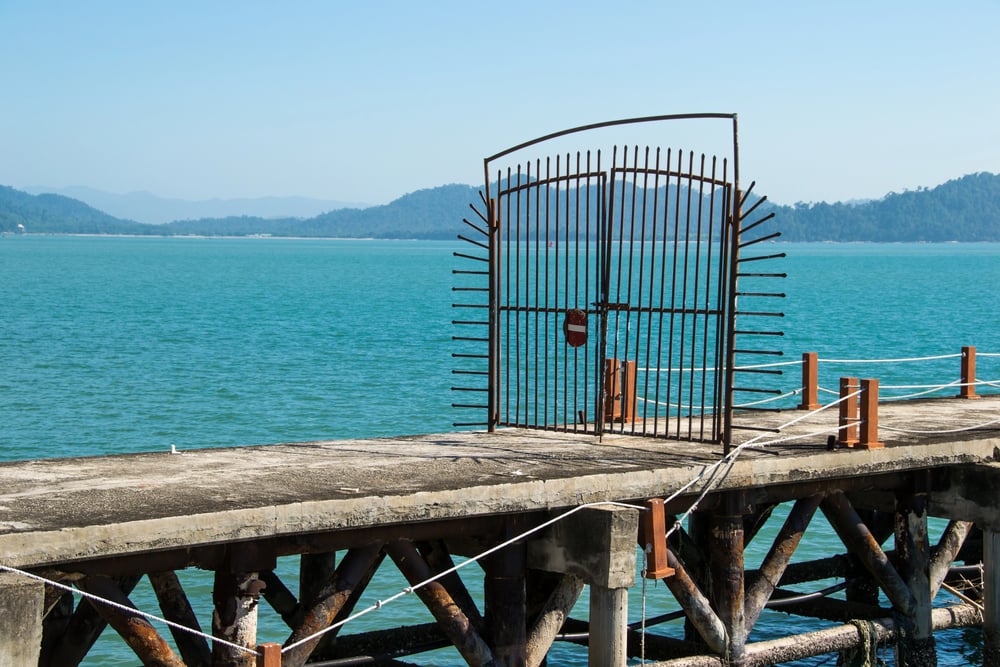
These restricted islands represent more than just off-limits destinations. They’re living museums, wildlife sanctuaries, and reminders of humanity’s complex relationship with isolation and exploration. Whether protected by governments, geography, or their own inhabitants, these forbidden places continue to captivate our imagination precisely because they remain beyond our reach. Their stories remind us that some places are more valuable when left untouched, preserving mysteries and ecosystems that future generations may never experience but will always wonder about.
More from Go2Tutors!

- The Romanov Crown Jewels and Their Tragic Fate
- 13 Historical Mysteries That Science Still Can’t Solve
- Famous Hoaxes That Fooled the World for Years
- 15 Child Stars with Tragic Adult Lives
- 16 Famous Jewelry Pieces in History
Like Go2Tutors’s content? Follow us on MSN.



