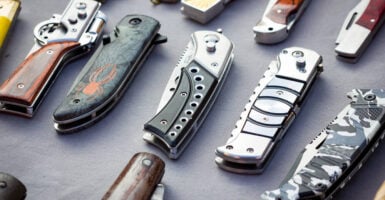
27 Vintage Pocketknives Grandpa Carried Worth Money
A pocketknife was once as ordinary as a wallet. Men bought them at hardware stores, sharpened them on the back step, and passed them down without ceremony.
Most were used until the blades were thin as fingernails, which is why the ones that were not have become something else entirely.
Value in this field depends on the maker, the pattern, the handle material, and above all the tang stamp, which dates a knife to within a few years. Condition dependency is absolute: a knife with full, unsharpened blades and tight joints can be worth twenty times a worn example of the same pattern.
Case XX Stockman
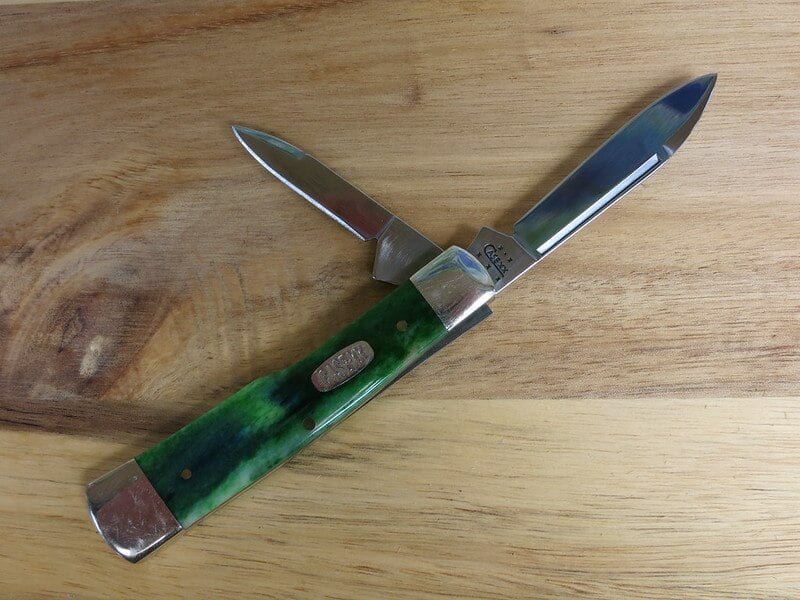
The three-bladed stockman is the pattern most Americans picture when they hear the word pocketknife, and Case made it in every handle material imaginable. Pre-1965 examples with the “XX” stamp and jigged bone handles are the heart of Case collecting.
Red bone, green bone, and the earlier “Tested XX” stamp each add a tier of value.
Case XX Trapper
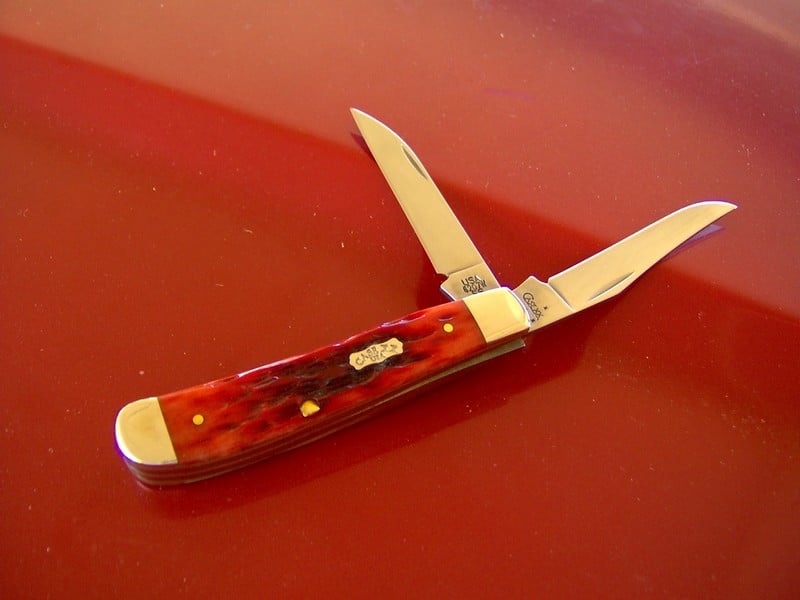
The trapper pattern, with two long blades of equal length, was a working knife for farmers and hunters. Case trappers from the 1940s through the early 1960s in bone handles bring the most, and the stamp on the tang is the first thing a dealer checks.
A mint 1950s Case trapper with full blades is a three-figure knife at minimum.
Case Peanut
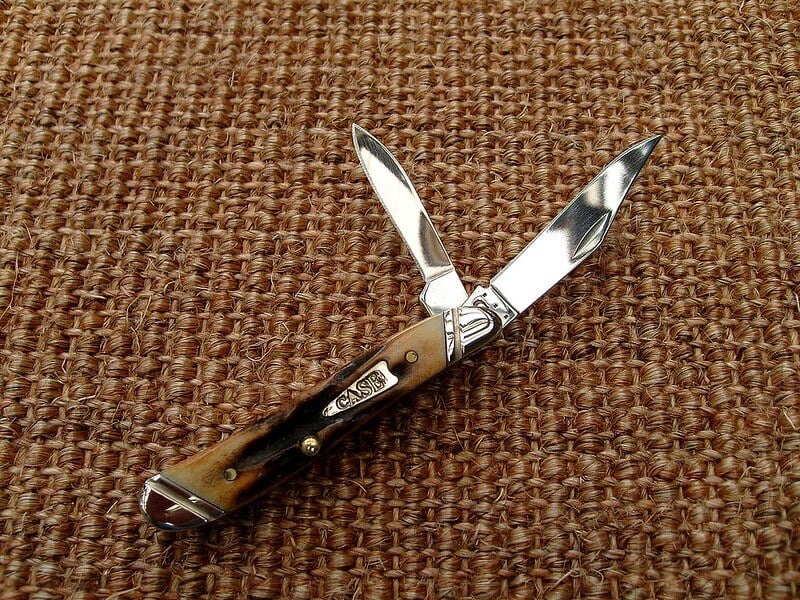
The Peanut is a small two-bladed knife that fits easily in a watch pocket, and Case has made it for a century. Its size kept it from heavy use, so more survive in good shape than larger patterns.
The early bone-handled Peanuts with the Tested XX stamp are the scarce ones.
Case Canoe
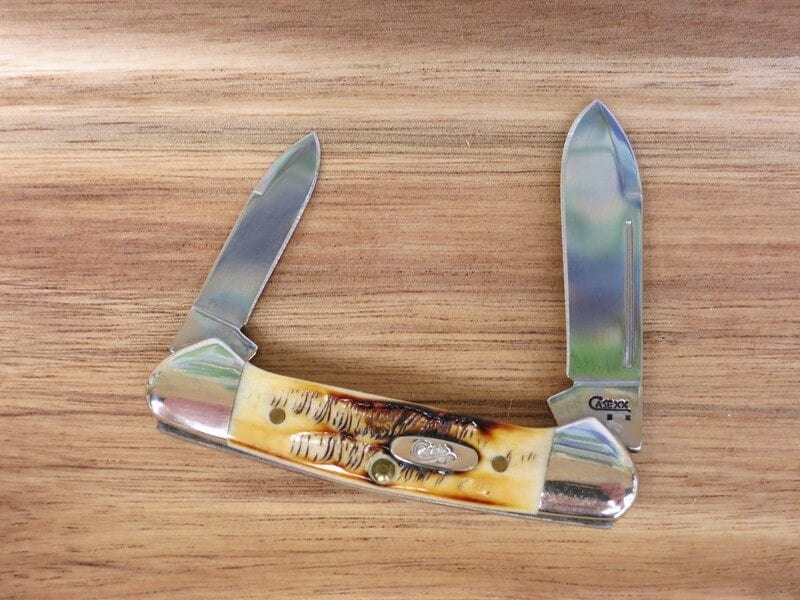
The canoe pattern has a distinctive boat-shaped handle, and Case’s version from the 1960s and 1970s is one of the most collected shapes in the catalog. Handle variations drive the price, and the rare handle materials from the 1970s bring the premiums.
Blades on canoes tend to survive because the pattern was often bought as a dress knife.
Case Sowbelly
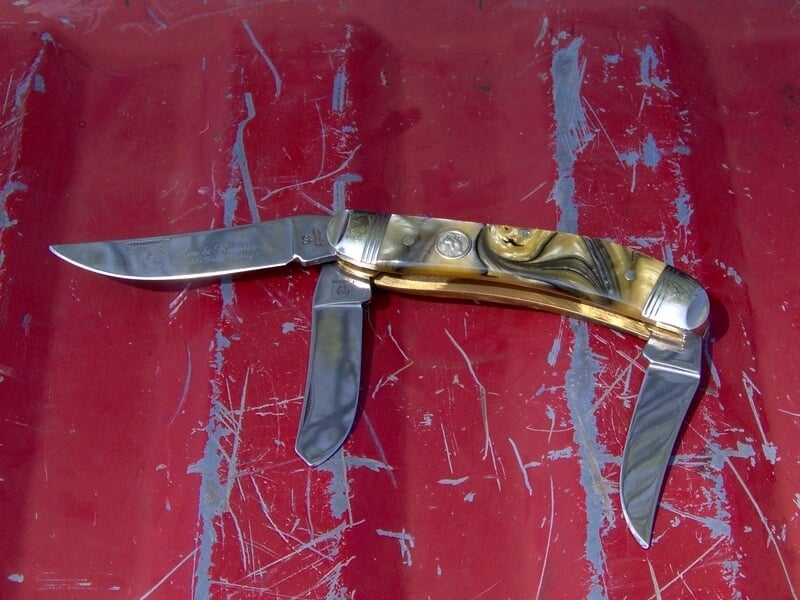
The sowbelly stockman has a curved handle that swells in the middle, and Case produced it in limited quantities compared with the straight stockman. Vintage sowbellies are scarce and command prices well above the standard pattern.
Because the shape has been reissued, the tang stamp is what separates the vintage knife from the modern one.
Case Tested XX Knives
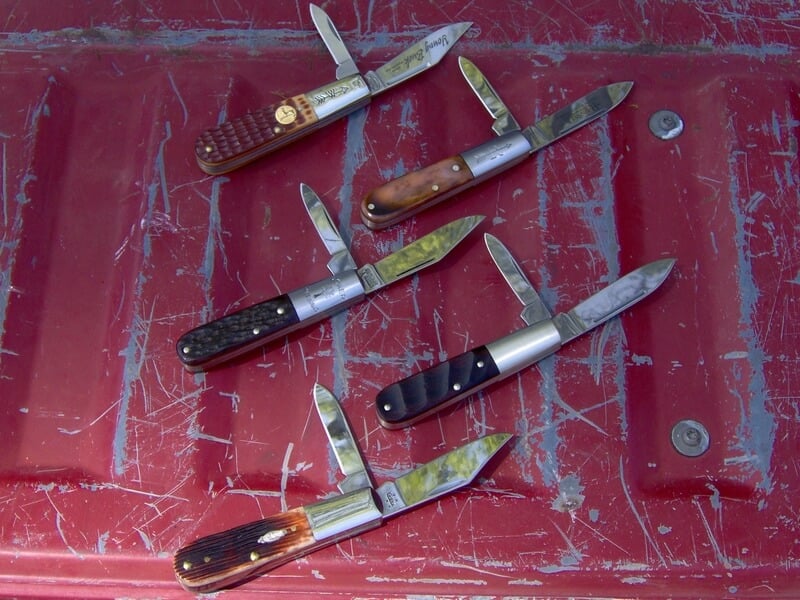
Before the simpler “XX” stamp, Case used “Case Tested XX” from the 1920s to 1940. Any Case knife with the Tested stamp is older and scarcer, and in good condition it sits at the top of the Case market.
The stamp is small and often worn, so a loupe is essential.
Case Barlow
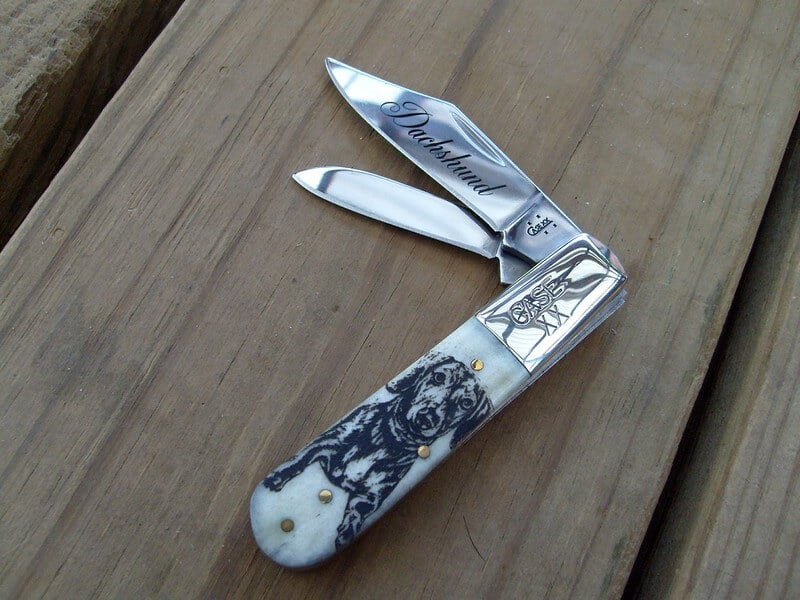
The Barlow, with its long bolster and plain handle, was the cheapest honest knife in the store for generations, and Case’s version was a staple. Early Case Barlows in bone are collected hard, and the few made with unusual bolster stampings bring more.
Many Barlows were sharpened to slivers, so full blades are the exception.
Remington Bullet Knives
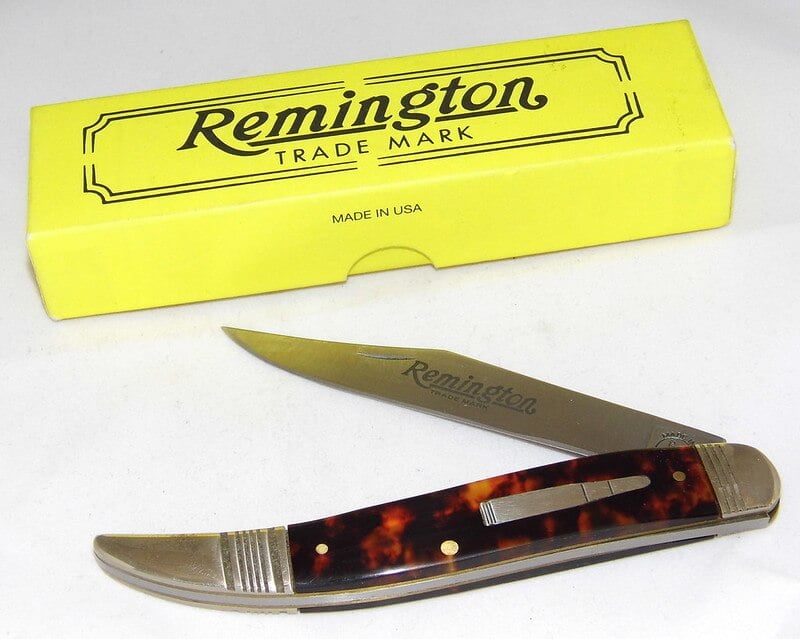
Remington made pocketknives from 1920 to 1940, and the ones with a bullet-shaped shield on the handle are the most famous American collector knives. Original Bullet knives in patterns like the R1123 trapper routinely bring four figures in good condition.
Remington reissued the Bullet pattern in the 1980s, so the original 1920s and 1930s stamps are what matter.
Winchester Pocketknives
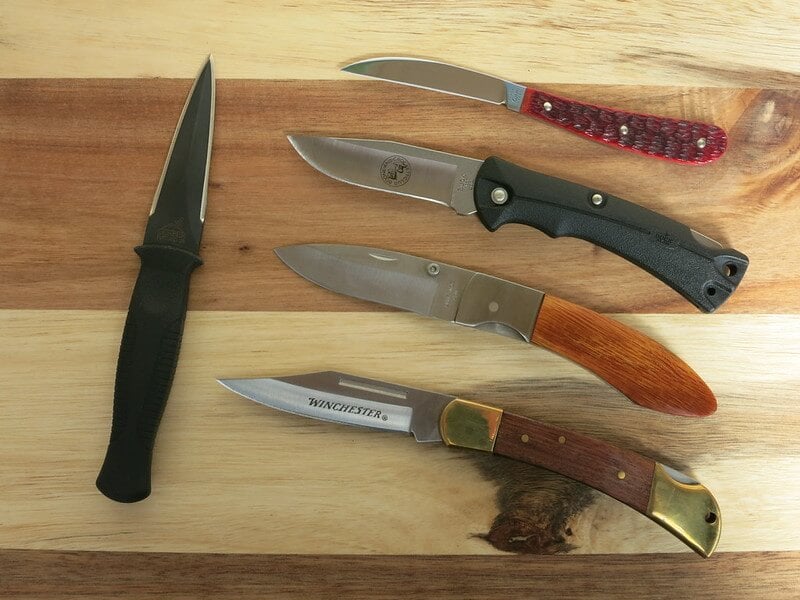
Winchester produced pocketknives from 1919 to 1942, and early examples carry the same brand weight as the rifles. Large patterns in bone or stag are the most valuable, and the Winchester trademark on the tang must be crisp.
Like Remington, Winchester knives were reissued later under license, which makes the original stamps the entire basis of value.
Schrade Walden Old Timer 8OT
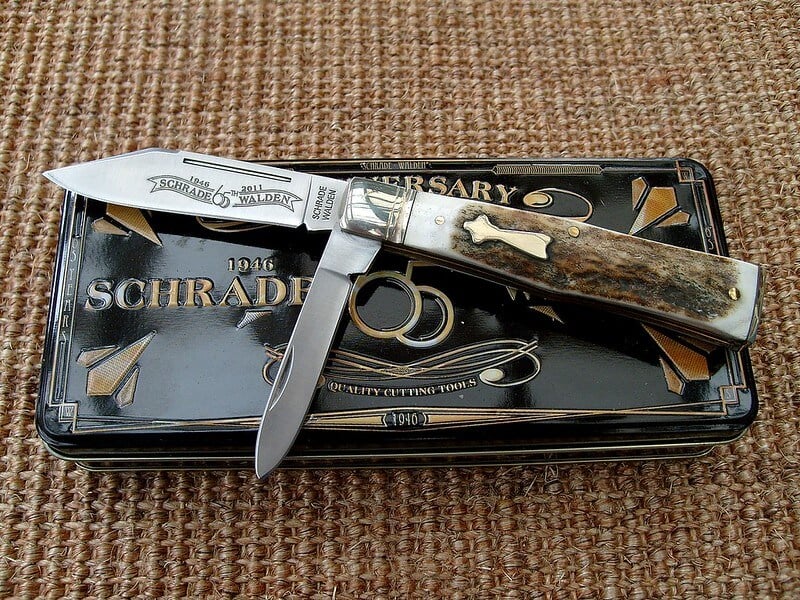
The Old Timer 8OT Senior stockman, with its brown sawcut Delrin handles, was the knife in countless American pockets from the late 1950s onward. Schrade Walden-stamped examples, made before the company simplified the name, are the ones collectors want.
Original boxes and the paper wrapper add a surprising amount.
Schrade Uncle Henry
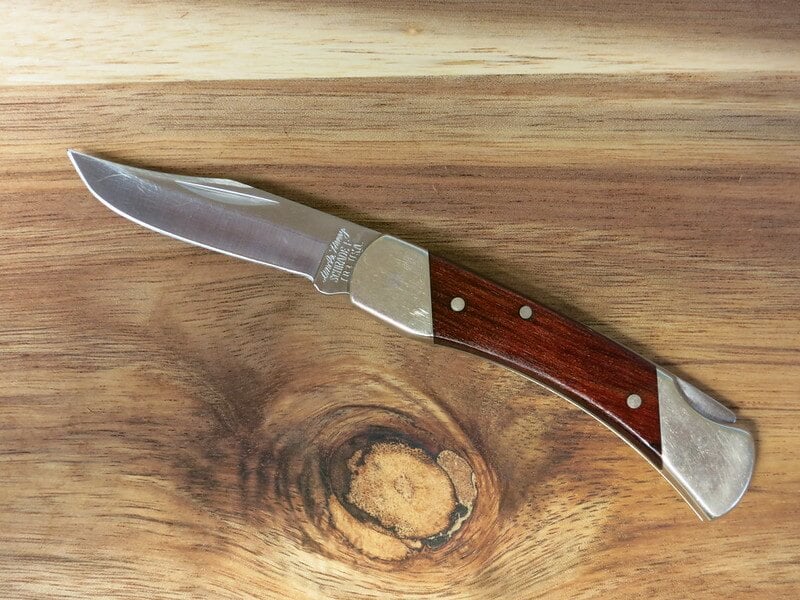
Schrade’s Uncle Henry line, named for company founder Henry Baer, featured Staglon handles and a lifetime guarantee printed on the box. The 1960s and 1970s Uncle Henry knives made in Walden, New York, are solid collectibles, particularly the larger folding hunters.
Since the original Schrade factory closed in 2004, American-made examples have risen steadily.
Camillus Scout Knife
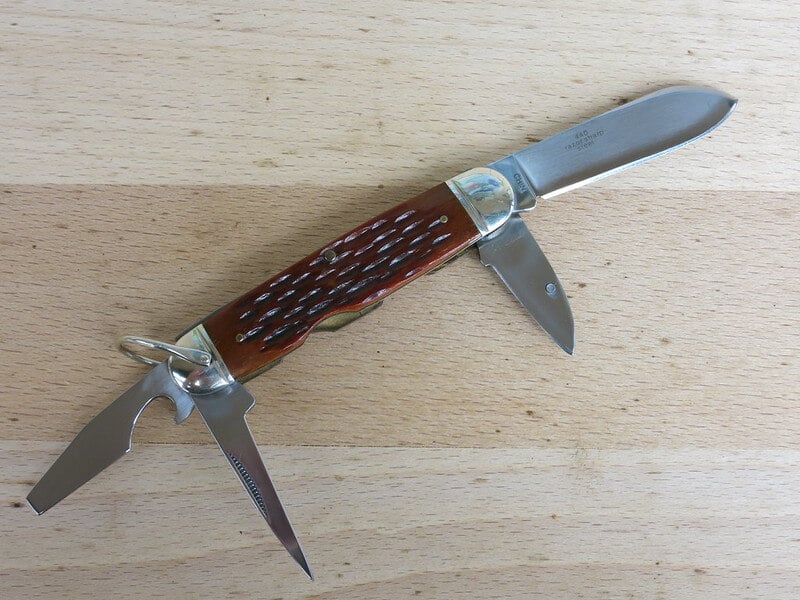
Camillus made the official Boy Scout knife for decades, with a spear blade, a can opener, a screwdriver, and an awl. The early versions with bone handles and the BSA shield are collected both as knives and as scouting memorabilia.
Wartime Camillus knives with military stamps are a separate and busy field.
Camillus TL-29 Electrician’s Knife
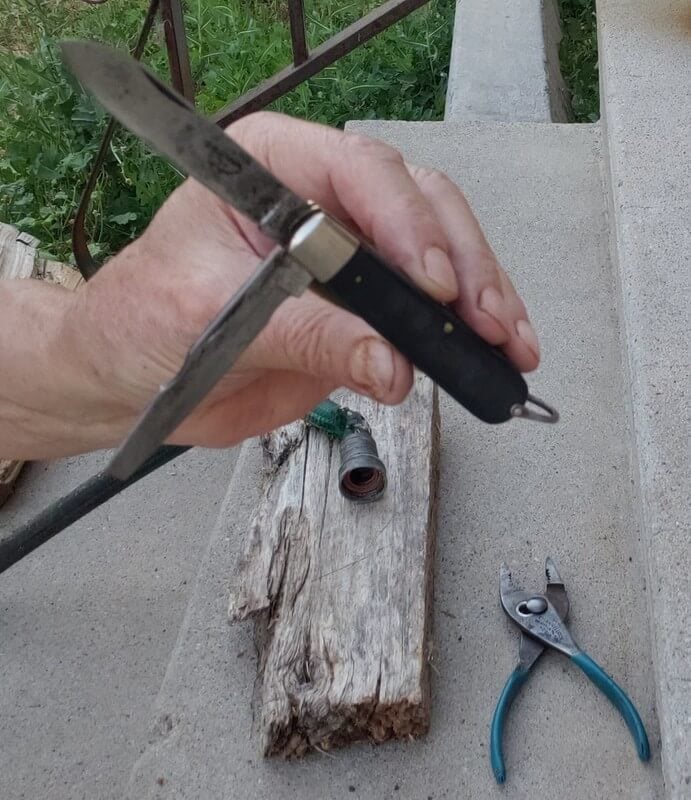
The TL-29 was a military-issue knife with a locking screwdriver blade, made by Camillus and others for decades. It was issued to linemen and signal troops and is now a staple of militaria collecting.
Examples with crisp military contract stamps and tight locks are the ones worth keeping.
Ka-Bar Dog’s Head Knives
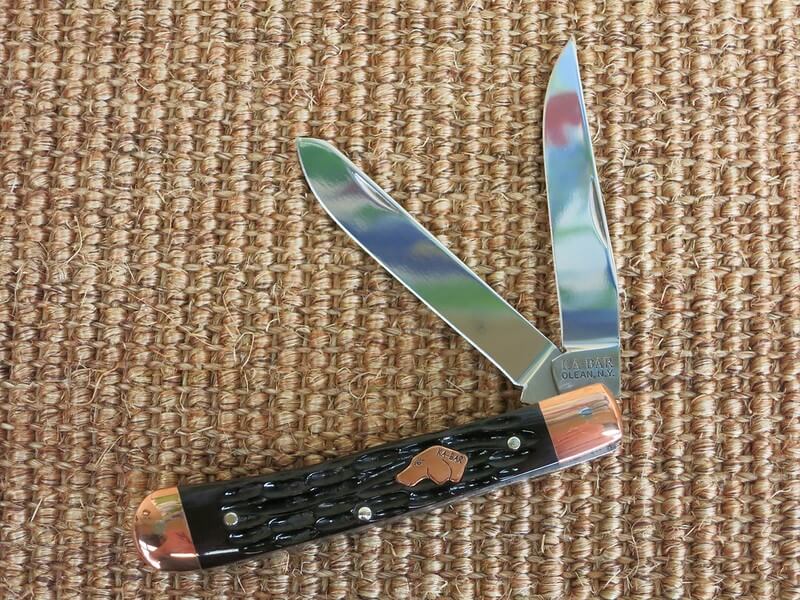
Ka-Bar’s early folding knives, marked with a dog’s head on the shield, are among the most sought-after American patterns. The large folding hunters from the 1920s and 1930s with stag handles bring four figures when the blades are full.
The dog’s head was later reused on reissues, so the tang stamp must match the era.
Queen Cutlery Winterbottom Bone
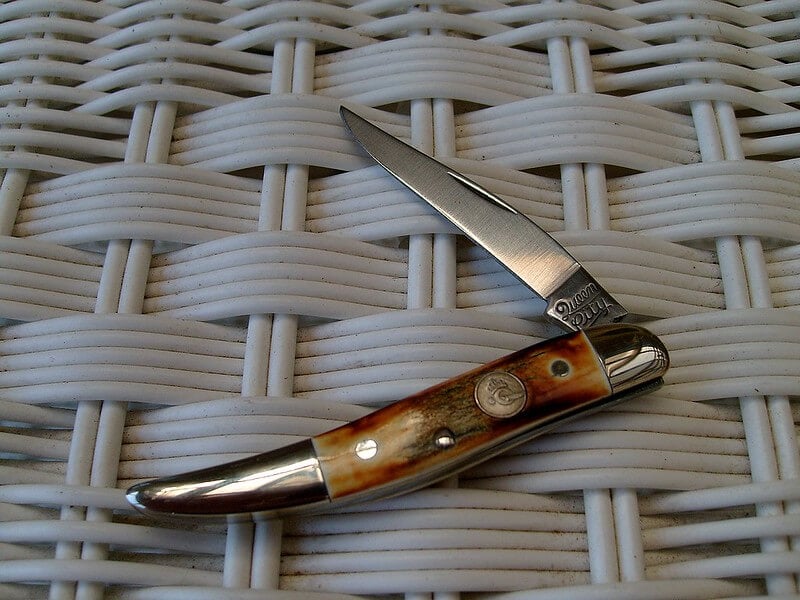
Queen Cutlery of Titusville, Pennsylvania, used a distinctive jigged bone called Winterbottom through the 1950s and early 1960s. The pattern is instantly recognizable, and Queen knives with Winterbottom handles are collected specifically for it.
Because Queen was smaller than Case, fewer survive, and the prices reflect that.
Buck 110 Folding Hunter
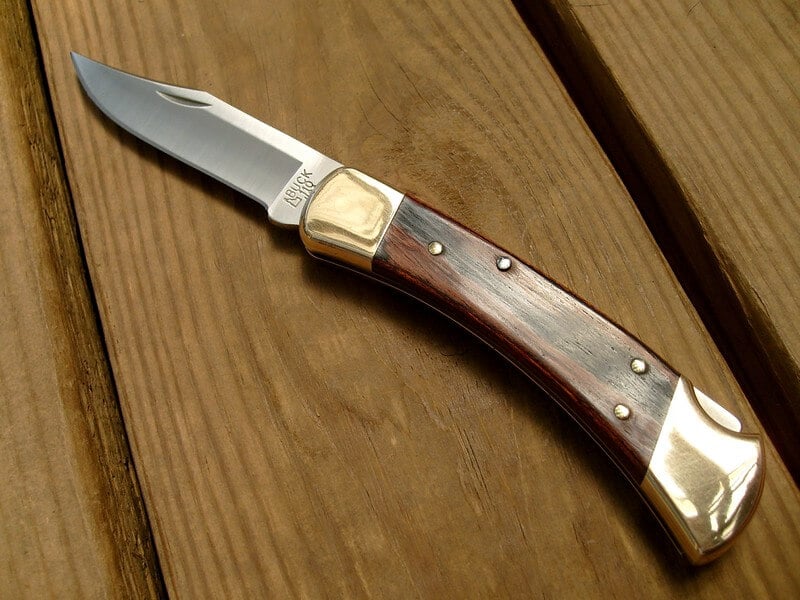
The Buck 110, introduced in 1964, is the lockback that defined the category. The earliest examples with a two-line tang stamp and the first-generation brass bolsters are the collectible ones, and the rest of the early production is sorted by stamp variations collectors have cataloged in detail.
A first-year 110 with its original sheath is a prized piece.
Buck 301 Stockman
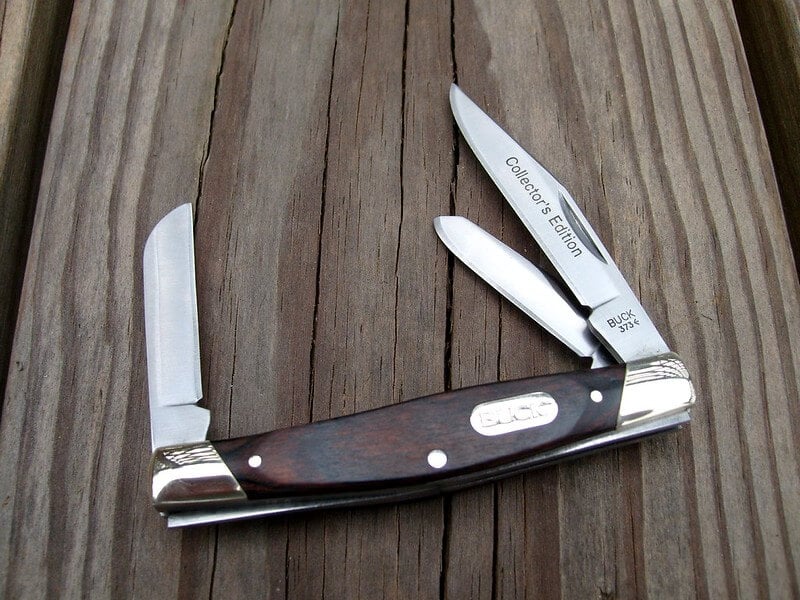
Buck’s 301 stockman was the company’s answer to Case, and the early examples made by Schrade for Buck in the late 1960s are a footnote collectors enjoy. Later Buck-made 301s are common, but the earliest stamps and the first box style are what separate a user from a collectible.
Imperial and Colonial Shell-Handled Knives
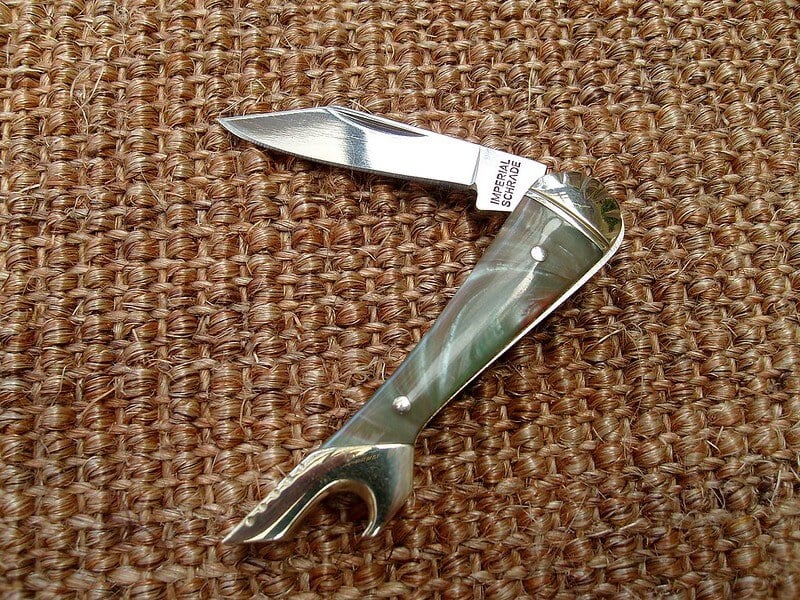
Imperial and Colonial made millions of inexpensive knives with stamped-steel shell handles over celluloid, sold at dime stores. Most are worth a few dollars, but the examples with advertising, scenic handles, or character tie-ins have found a following.
They are worth keeping as a reminder of what most grandfathers actually carried.
Boker Tree Brand
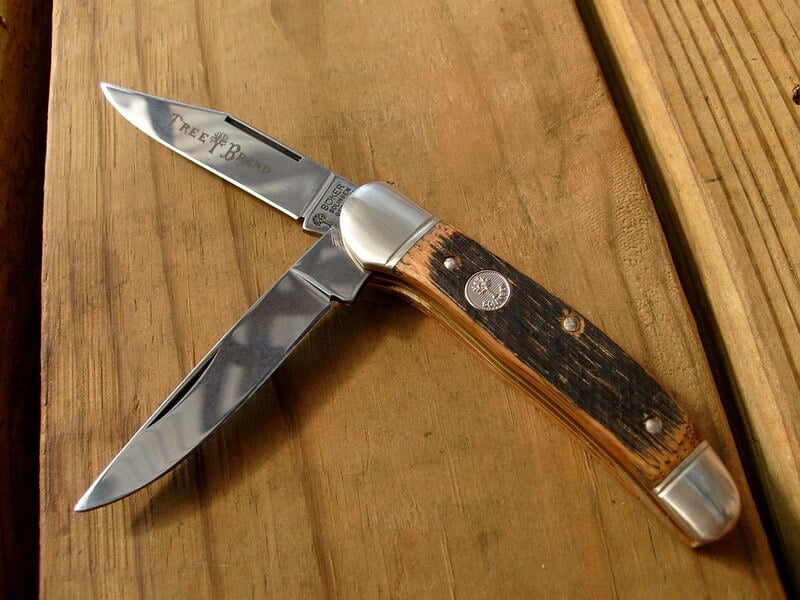
The German maker Boker, with its tree logo, exported heavily to the United States and also had an American factory. Solingen-made Boker knives from the first half of the twentieth century with stag or bone handles are collected steadily.
The tree stamp changed over time, and dating the stamp is the first task.
Swiss Army Knives Before 1970
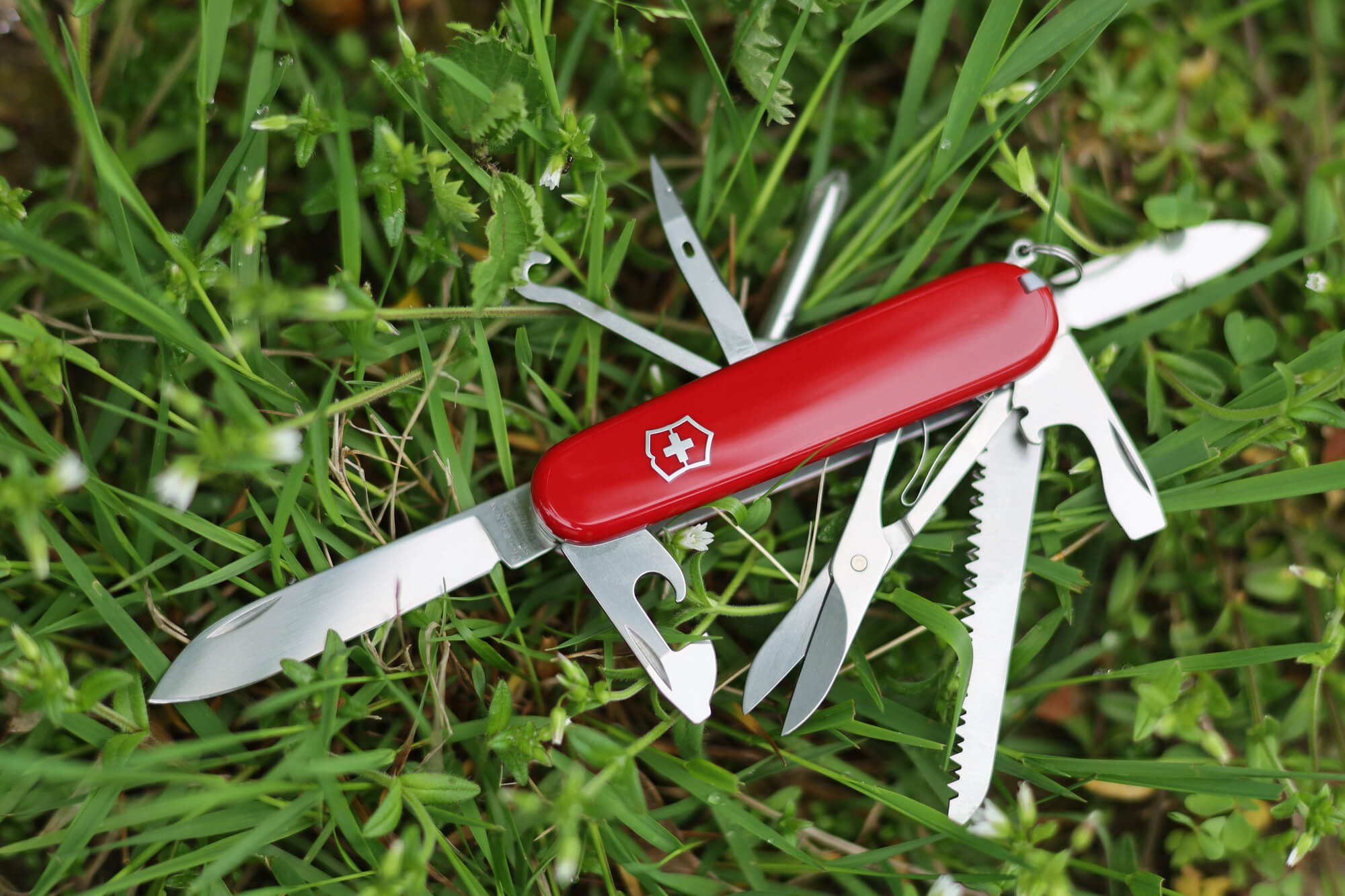
Victorinox and Wenger Swiss Army knives are common, but the pre-1970s examples with older emblems and brass liners are the collectible ones. Early Victorinox officers’ knives with the older cross shield and fiber handles are scarce because the handles were brittle.
Original military-issue Swiss soldier knives with alox handles are a separate and popular category.
Hen and Rooster Knives
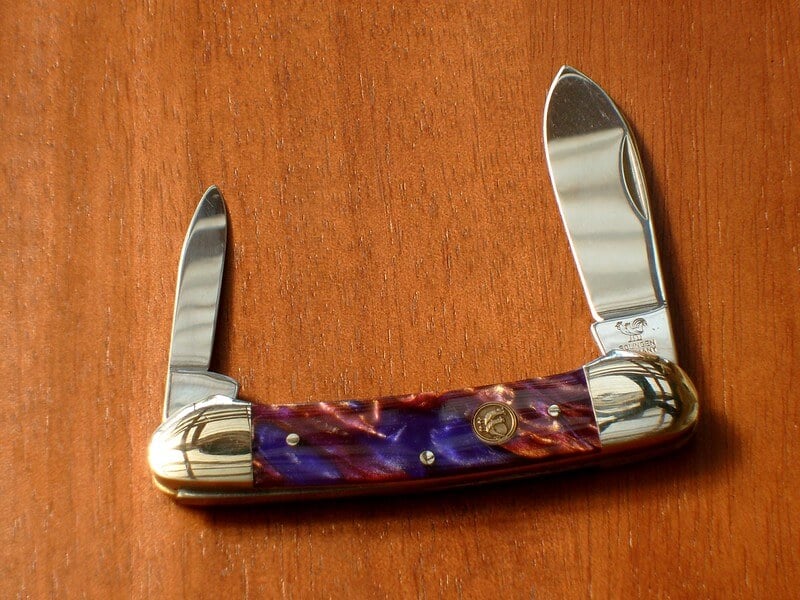
Hen and Rooster, the brand of the Bertram family in Solingen, is known for exceptional fit and finish. Knives made before the family sold the brand in the 1980s are the ones collectors chase, and stag-handled examples bring the most.
The quality of the original Bertram work is visible in the blade snap.
Robeson Shuredge
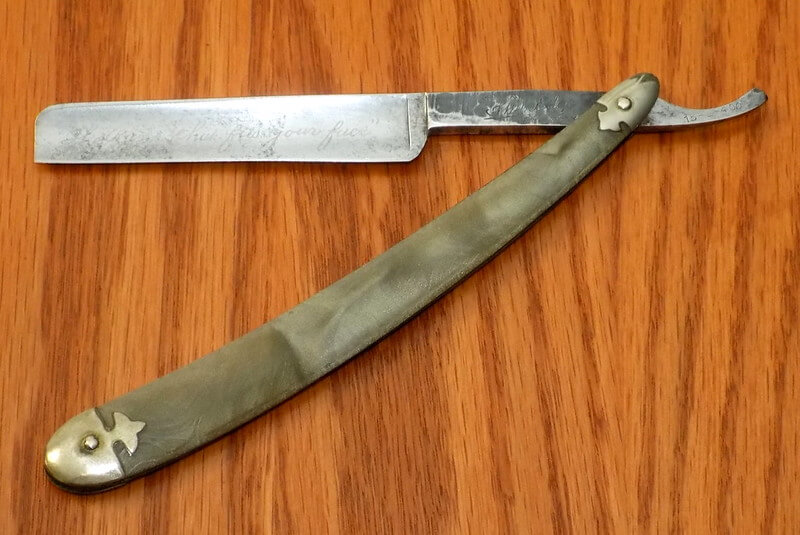
Robeson of Rochester, New York, used the Shuredge trademark, and its knives with the distinctive strawberry bone handles are collected intensely. Robeson closed in the 1960s, so supply is fixed.
Large patterns with crisp Shuredge etching on the blade are the top of the range.
Cattaraugus Cutlery
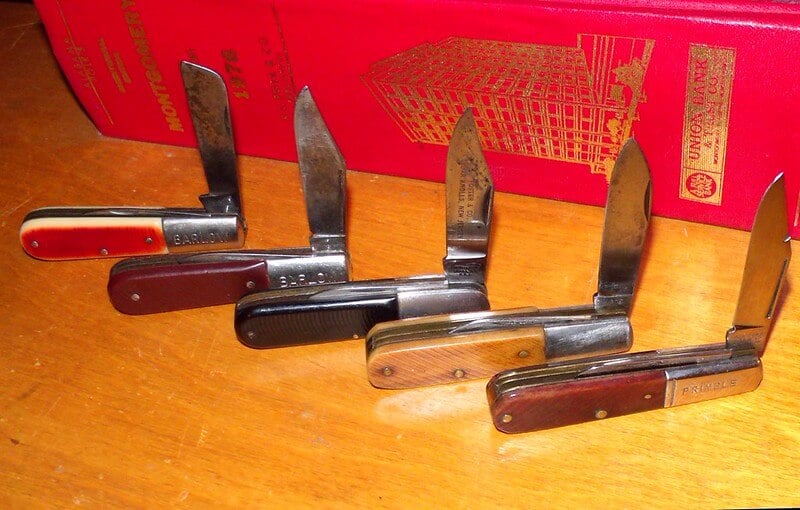
Cattaraugus of Little Valley, New York, made knives from the 1880s until 1963, and the early examples with jigged bone handles are among the best-made American knives of their time. Large patterns and the company’s folding hunters bring the most, and the “Cattaraugus” stamp is sought on any pattern.
Condition is the usual divider.
Western Boulder Colorado
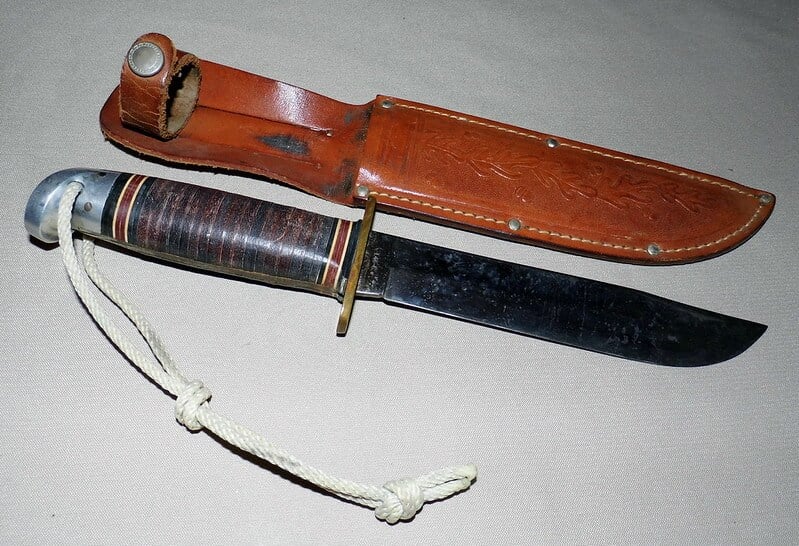
Western States Cutlery of Boulder, Colorado, made sturdy knives from the early twentieth century, and the Boulder-stamped examples are the collectible ones. The company’s folding hunters and the sheath knives share a following.
Stamps that read “Boulder, Colo.” date before the company moved and are the ones that matter.
Keen Kutter
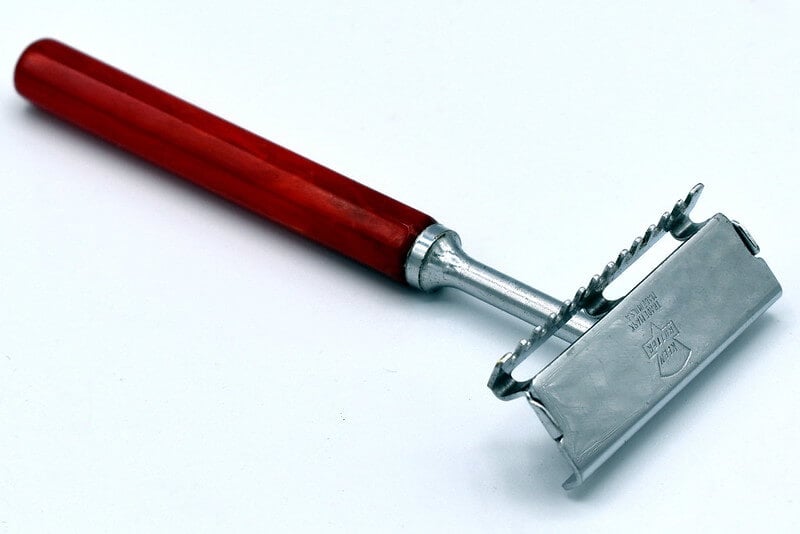
Keen Kutter was the house brand of Simmons Hardware of St. Louis, and its pocketknives were made by contract by several factories. The wedge-shaped Keen Kutter logo on the handle makes them instantly recognizable, and the brand’s crossover appeal to tool collectors keeps demand high.
Early bone-handled Keen Kutter knives are the valuable ones.
Marble’s Safety Folding Hunter
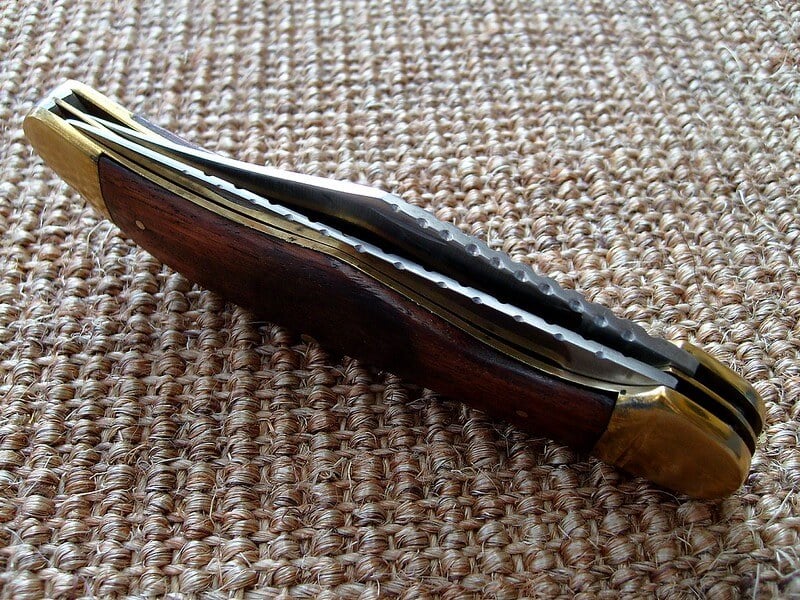
Marble’s of Gladstone, Michigan, made a folding hunter with a safety guard that folded over the blade, patented in the early twentieth century. It is a large, unusual knife that is collected mainly by Marble’s enthusiasts, and complete examples with the folding guard intact are scarce.
The company’s reputation for hunting gear supports strong prices.
Wostenholm I*XL Sheffield
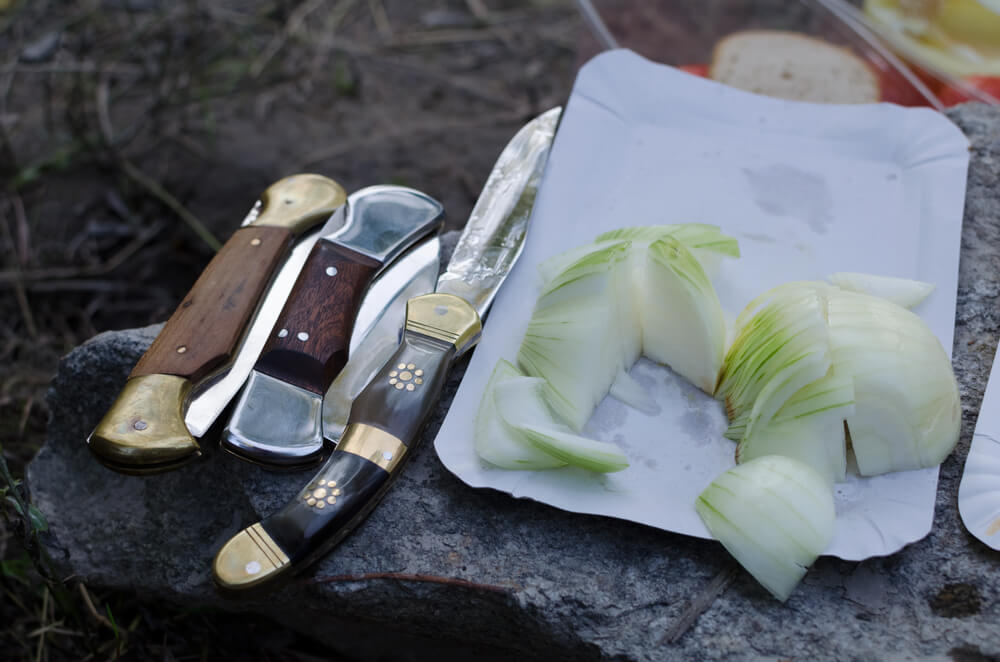
George Wostenholm’s I*XL mark from Sheffield, England, was the premium knife brand of the nineteenth century, exported in huge numbers to America. Multi-blade I\*XL knives in stag or pearl are serious collector pieces, and the exhibition-grade examples are museum items.
Any I\*XL knife with full blades is worth examining closely.
The Edge of Memory
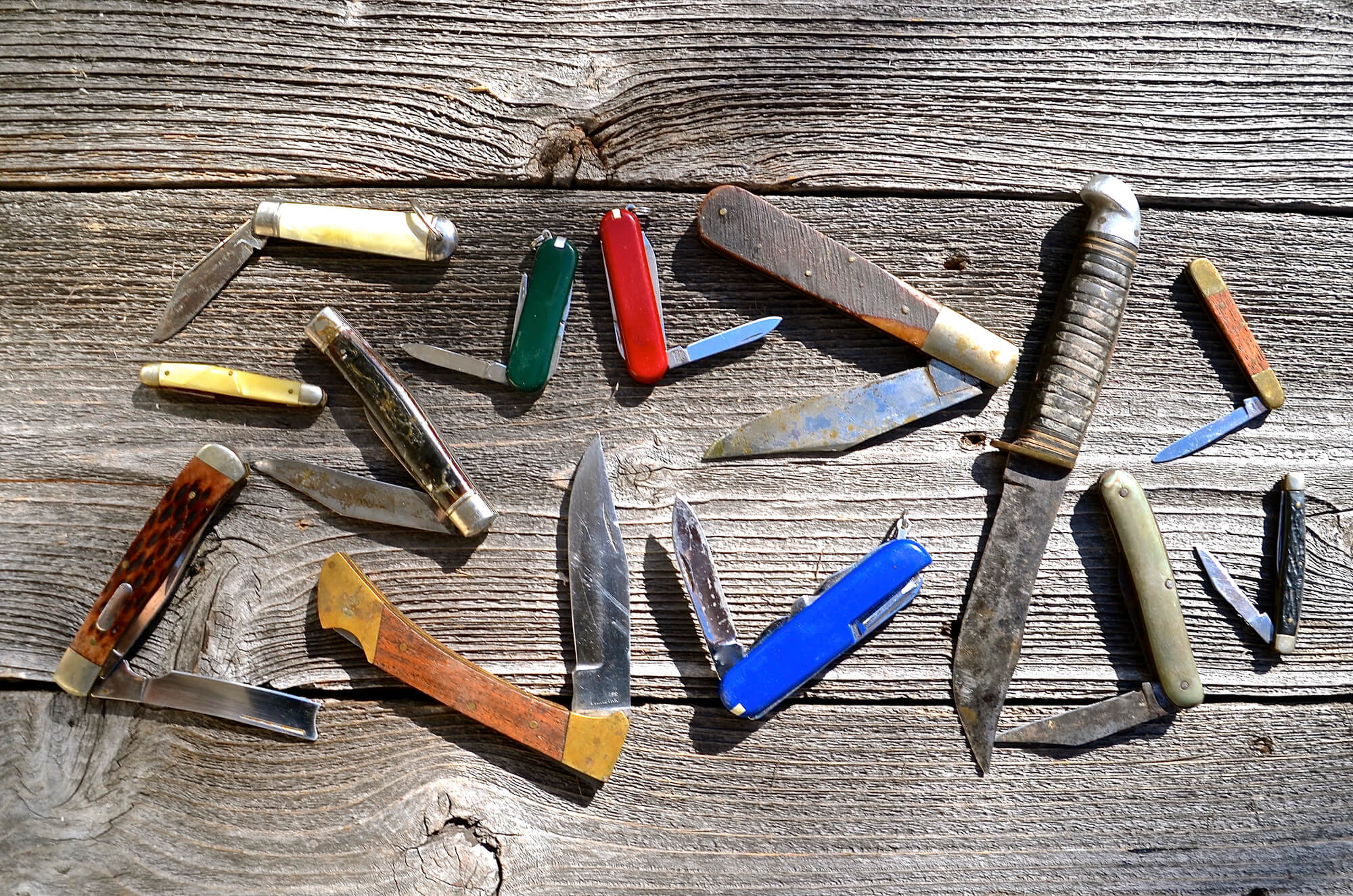
Every knife on this list was designed to be used up. A stockman with full blades is not a knife that was loved; it is a knife that was forgotten in a drawer, and that neglect is what collectors are paying for.
The grandfather who sharpened his Case every Sunday left a worn blade and a good memory, not an asset.
The market has turned this upside down, which is a little absurd and entirely consistent with how collecting works. The stamps and shields that once signaled a brand’s honesty now signal scarcity, and the scarcest ones belonged to the men who hardly used them.
More from Go2Tutors!

- The Romanov Crown Jewels and Their Tragic Fate
- 13 Historical Mysteries That Science Still Can’t Solve
- Famous Hoaxes That Fooled the World for Years
- 15 Child Stars with Tragic Adult Lives
- 16 Famous Jewelry Pieces in History
Like Go2Tutors’s content? Follow us on MSN.