27 Summer Break Activities Before Smartphones
Summer break once meant eleven weeks with almost no structure and no way to reach anyone who was not standing in front of you. Kids left the house after breakfast and came home when the streetlights came on, and the time in between was filled with whatever could be improvised from a bike, a hose, and a neighborhood.
The activities below were not special. They were simply what happened when boredom met daylight and nobody had a screen to fall back on.
Catching Fireflies in a Jar
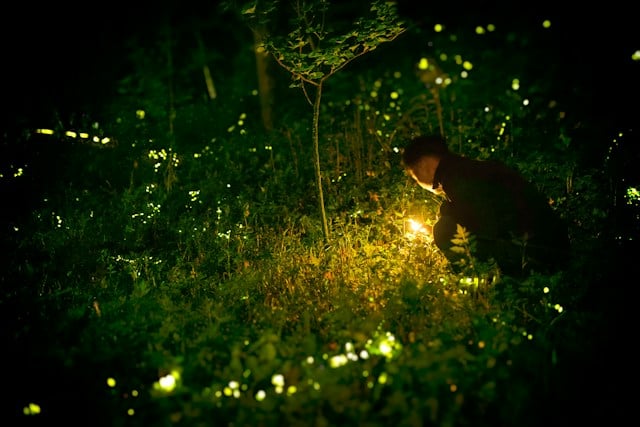
The ritual was always the same: a mason jar from the kitchen, a few nail punches in the lid, and a lawn full of blinking lights at dusk. Fireflies produce light through a chemical reaction that is nearly 100 percent efficient, with almost no heat lost, which is why a jar of them never felt warm.
Most kids let them go by bedtime, often on a parent’s instruction, and the jar went back under the sink until the next evening.
Running Through the Sprinkler
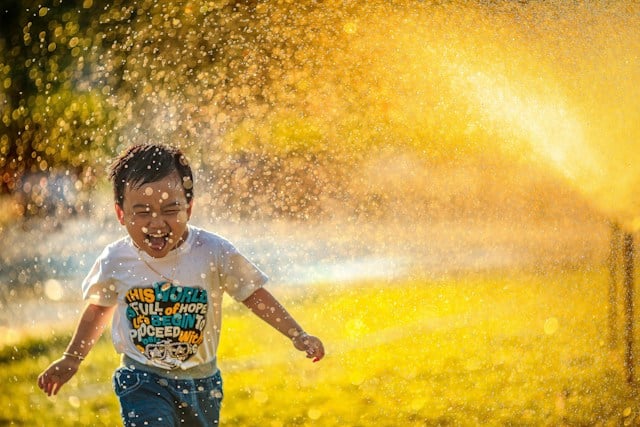
Before every subdivision had a pool, an oscillating lawn sprinkler was the closest thing to a water park. The game was timing the sweep of the water and darting through the gap, or standing directly in the spray until a parent noticed the lawn was flooding.
The metal sprinklers got hot enough in the sun to burn a bare foot, which was simply part of the experience.
Slip ‘N Slide on the Lawn
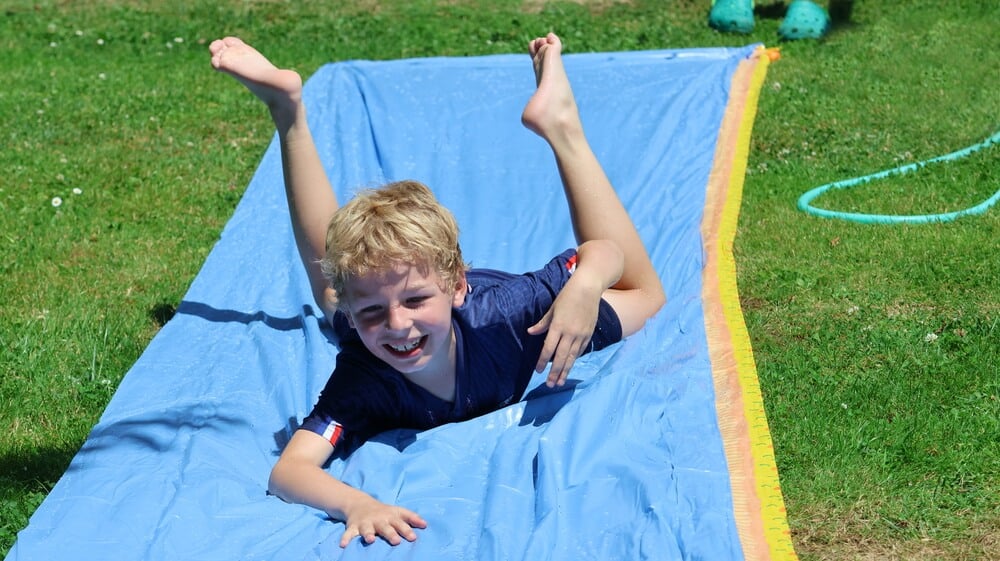
Wham-O introduced the Slip ‘N Slide in 1961, and it immediately became the standard way to turn a sloping yard into a hazard. The long yellow sheet was staked into the grass, connected to the hose, and ridden headfirst until the lawn underneath was mud.
Adding dish soap for extra speed was a common and unofficial modification.
Afternoons at the Public Pool
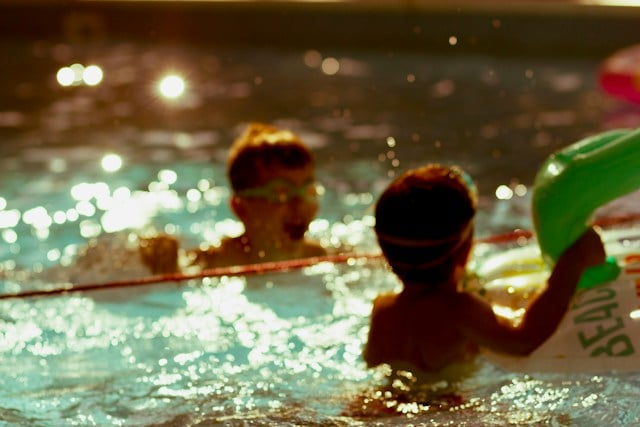
The municipal pool opened in June and closed on Labor Day, and for many kids it was the entire social calendar. Admission was often less than a dollar, the concession stand sold frozen candy bars, and the lifeguards enforced a mandatory adult swim every hour that felt like an eternity.
The smell of chlorine on a towel was the official scent of July.
Playing Marco Polo

Marco Polo required nothing but a pool and a willingness to swim blind, and it filled hours at every public pool and backyard in the country. The caller shut their eyes and shouted “Marco,” everyone else answered “Polo,” and the chase went on until somebody got tagged or a lifeguard blew a whistle.
The rule against leaving the water was broken constantly, and “fish out of water” was the accusation that settled it.
Running a Lemonade Stand
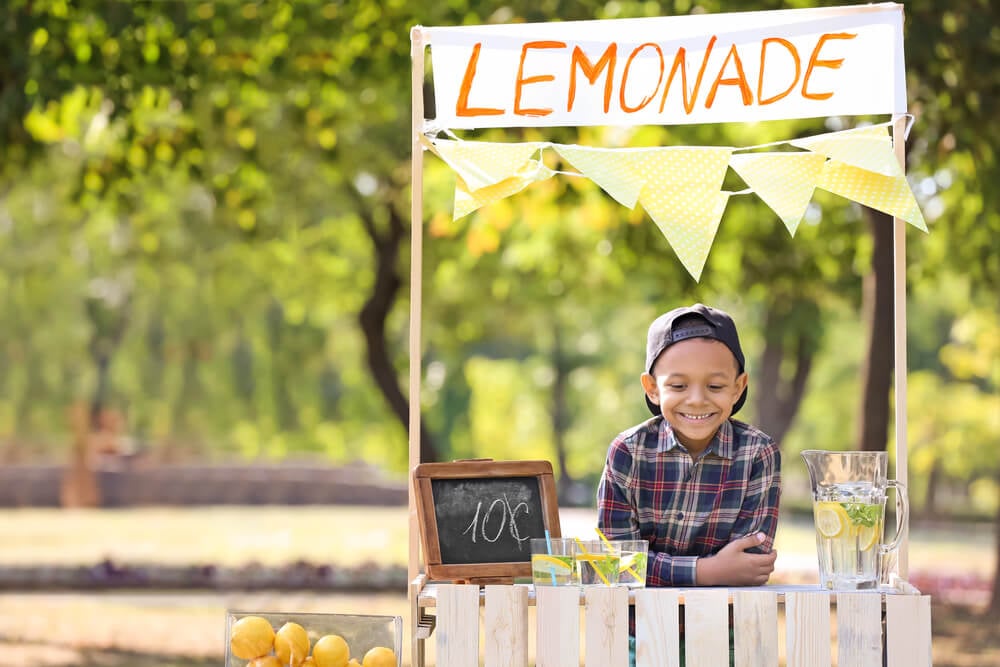
A card table, a hand-lettered sign, and a pitcher of powdered lemonade made up the first business most kids ever ran. Pricing was typically a dime or a quarter a cup, and the real customers were neighbors who felt obligated to stop.
The lessons about overhead were learned when a parent pointed out that the lemonade mix had not been free.
Riding Bikes Until the Streetlights Came On
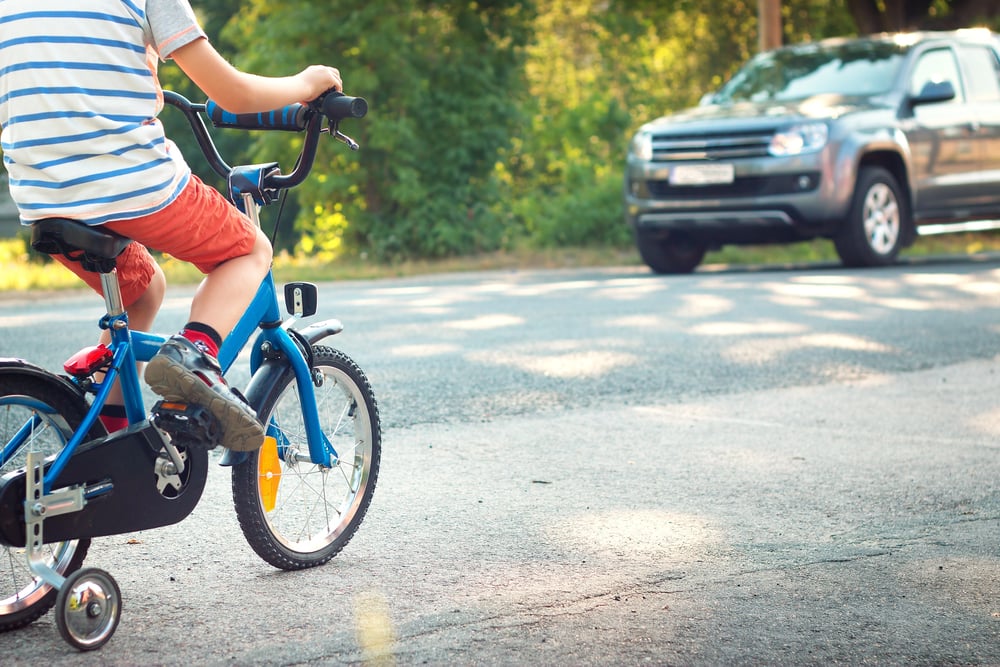
The bike was transportation, freedom, and status rolled into one, and the only rule was to be home when the streetlights flickered on. Kids rode to the corner store, to friends’ houses, and to the edges of whatever territory they had mapped.
A banana seat and a set of playing cards clipped to the spokes with clothespins were the standard upgrades.
Pickup Games in the Cul-de-Sac
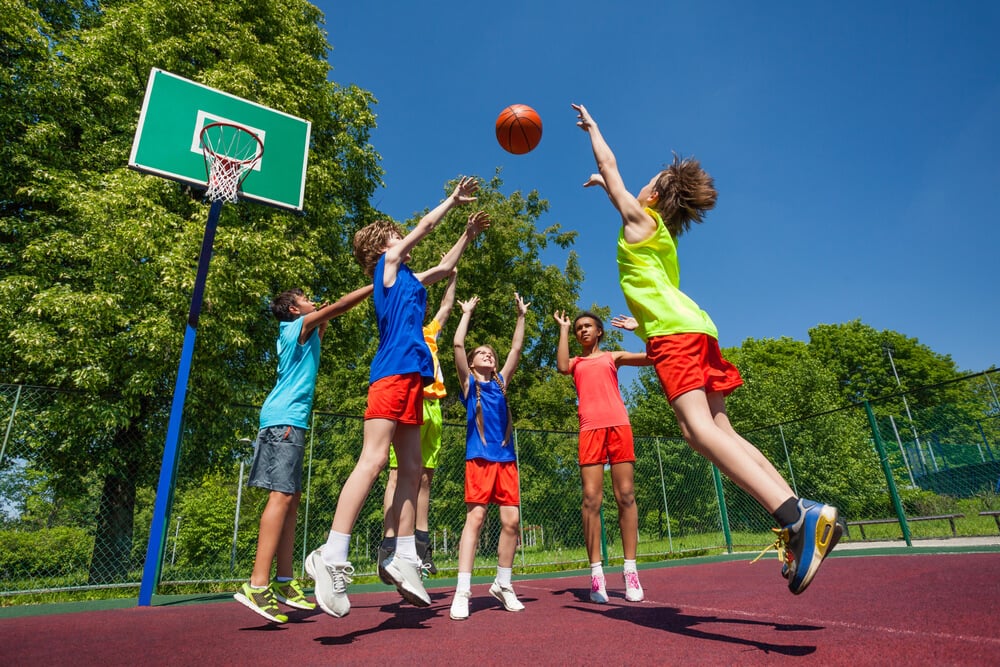
Any flat stretch of pavement became a field, with trash cans for goals and a tree for a base. Teams were picked by captains, arguments about whether a car counted as out of bounds happened daily, and the game paused whenever someone shouted “Car!”
The equipment was whatever had been left in the garage, and nobody kept score for very long.
The Library Summer Reading Program

Public libraries ran summer reading programs that rewarded finished books with stickers, paper certificates, and sometimes a free personal pizza. The reading log was taped to the refrigerator, and the last week of August involved a frantic push to hit the goal. The air conditioning alone made the library a destination on the scorching days.
Blockbuster Night

Friday evenings meant a trip to the video store to argue over which single rental the family would watch. The new releases wall was often picked clean by seven o’clock, and the consolation was a box of microwave popcorn from the counter display.
Rewinding before returning was a rule, and the late fee was a genuine household expense.
Chasing the Ice Cream Truck
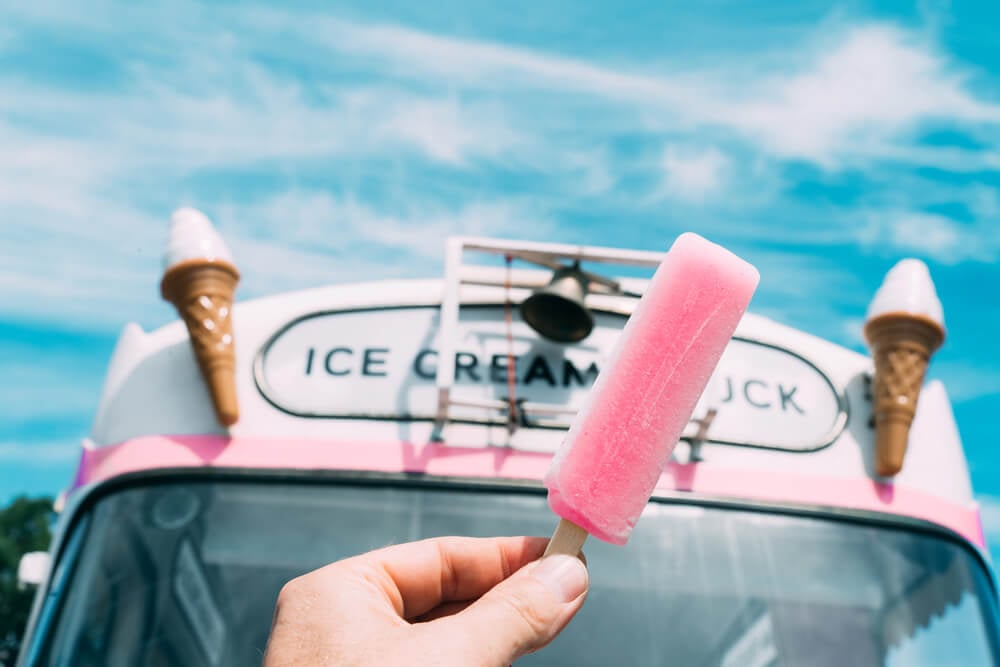
The jingle could be heard from two streets away, and the response was a sprint to the house to find change. The menu on the side of the truck showed character-shaped popsicles with candy eyes, and most of them did not look like the picture.
The truck stopped for exactly as long as it took to serve whoever had made it to the curb.
Drive-In Movies in Pajamas
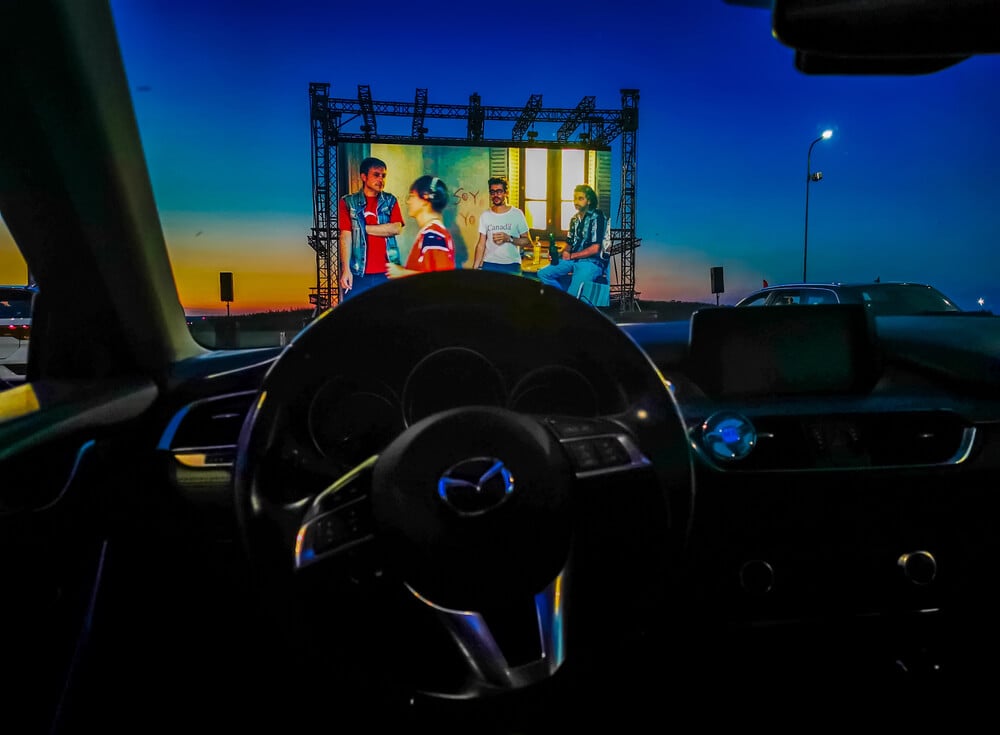
Drive-in theaters let families pile into a station wagon with pillows and blankets and watch a double feature for a single car fee. Kids were often asleep before the second movie, and the window speaker hooked over the glass delivered tinny sound that nobody minded.
The number of drive-ins peaked in the late 1950s at more than 4,000 nationwide and has declined ever since.
Skating at the Roller Rink
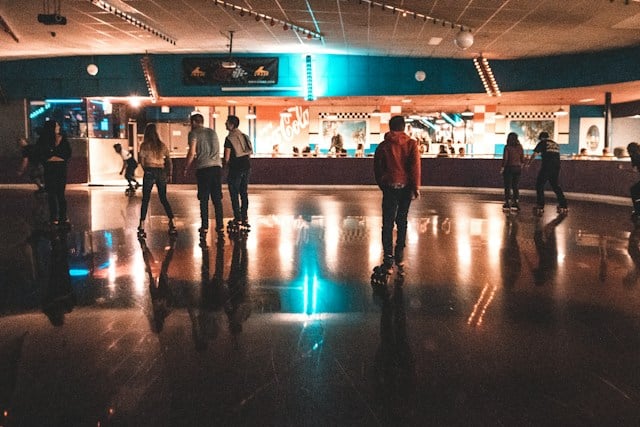
The roller rink was dark, loud, and smelled of rental skates and popcorn. Couples’ skate was the moment of truth, the limbo contest was the main event, and the carpeted walls were the only thing standing between a beginner and the floor.
Most rinks sold ring pops and rented skates with laces that had been tied ten thousand times.
Mini Golf at the Roadside Course
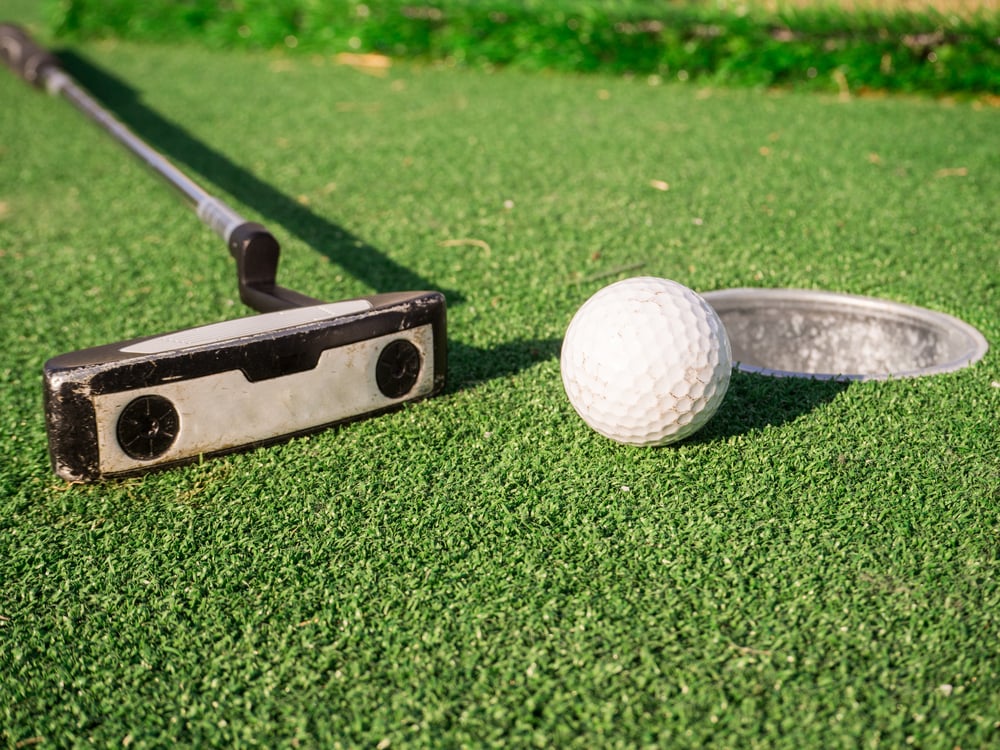
Every tourist town had a miniature golf course with a windmill, a loop-the-loop, and a final obstacle that swallowed the colored golf pellet and ended the game. Scorecards were kept with tiny pencils, and the rules were disputed on every single putt.
The courses were often paired with a go-kart track or a batting cage, which stretched the outing into an entire evening.
Feeding Quarters into the Arcade
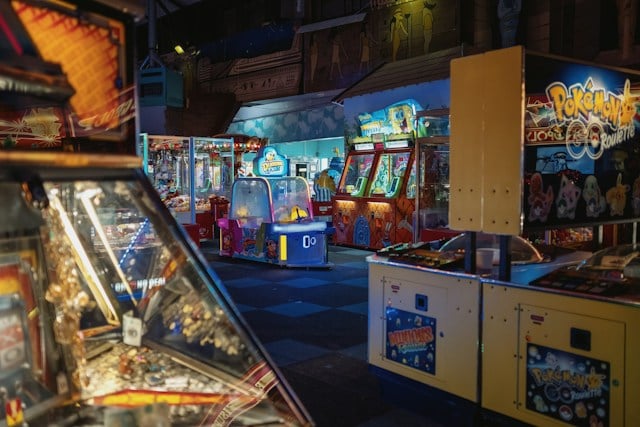
The arcade was dim, loud, and expensive, and a roll of quarters could vanish in under an hour. Kids put their coin on the cabinet to claim the next game, and the high score screen was the only leaderboard that mattered.
The skee machines rolled out tickets that were redeemed for prizes worth a fraction of what had been spent.
Building a Fort in the Living Room
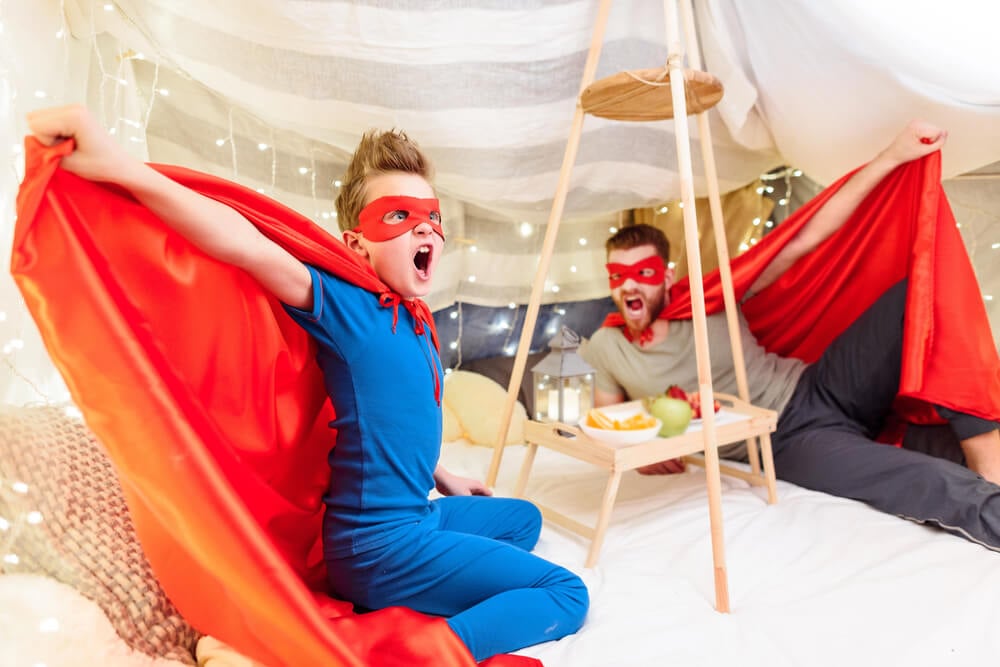
A rainy day meant couch cushions, dining chairs, and every blanket in the house pressed into service. The fort had a strict admission policy, a flashlight, and usually a stash of snacks that were not allowed in the living room.
It lasted until a parent needed the cushions back, which was always sooner than the builders wanted.
Climbing Into a Backyard Tree House
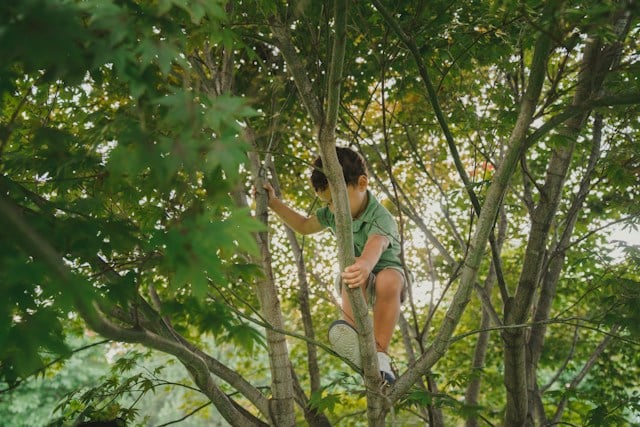
A tree house was often a few planks nailed into a maple by a parent, with a rope ladder that could be pulled up to keep younger siblings out. It served as a clubhouse, a lookout, and a place to read comics without interruption.
Most of them were never finished, and the half-built state was permanent.
Recording Songs Off the Radio
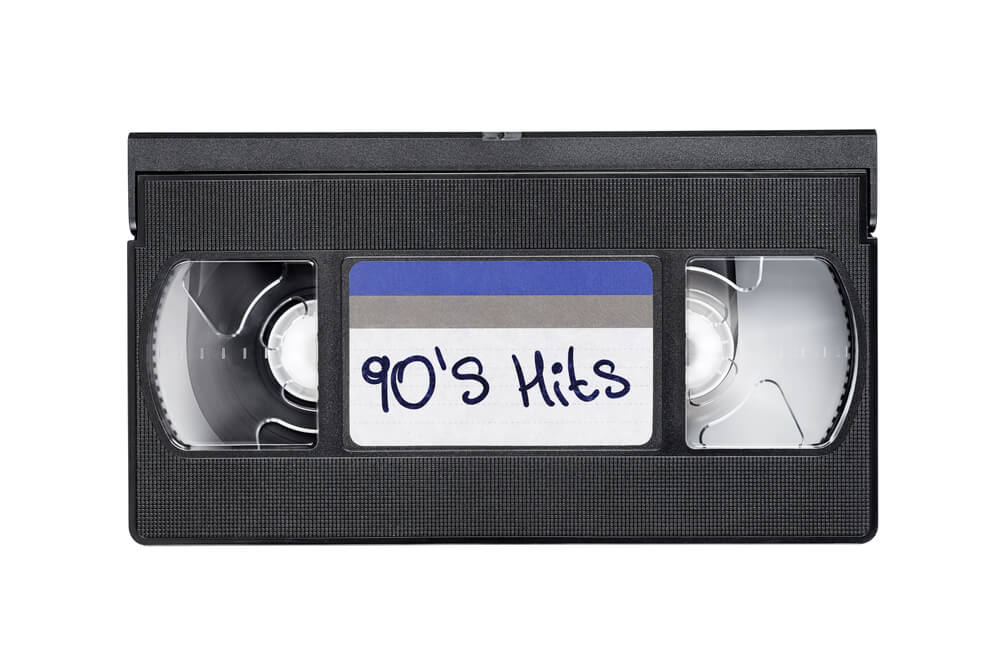
Before downloads, the only way to own a song for free was to sit by the radio with a blank cassette and press record the moment it came on. The DJ talking over the intro was the enemy, and a clean recording was a genuine achievement.
Mix tapes made this way were traded, labeled by hand, and played until the tape stretched.
Collecting and Trading Sports Cards
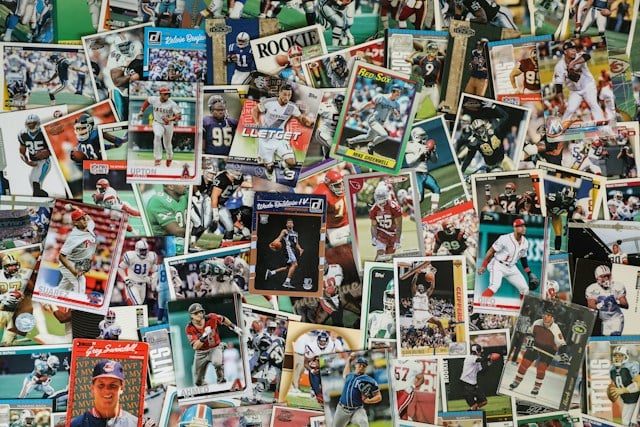
Wax packs came with a stick of brittle pink gum and a handful of cards that were sorted, traded, and flipped against the garage wall. The 1980s and early 1990s produced so many cards that most of them are now worth little, but at the time a rookie card was serious currency.
Rubber bands and shoeboxes were the standard storage system.
Super Soaker Fights
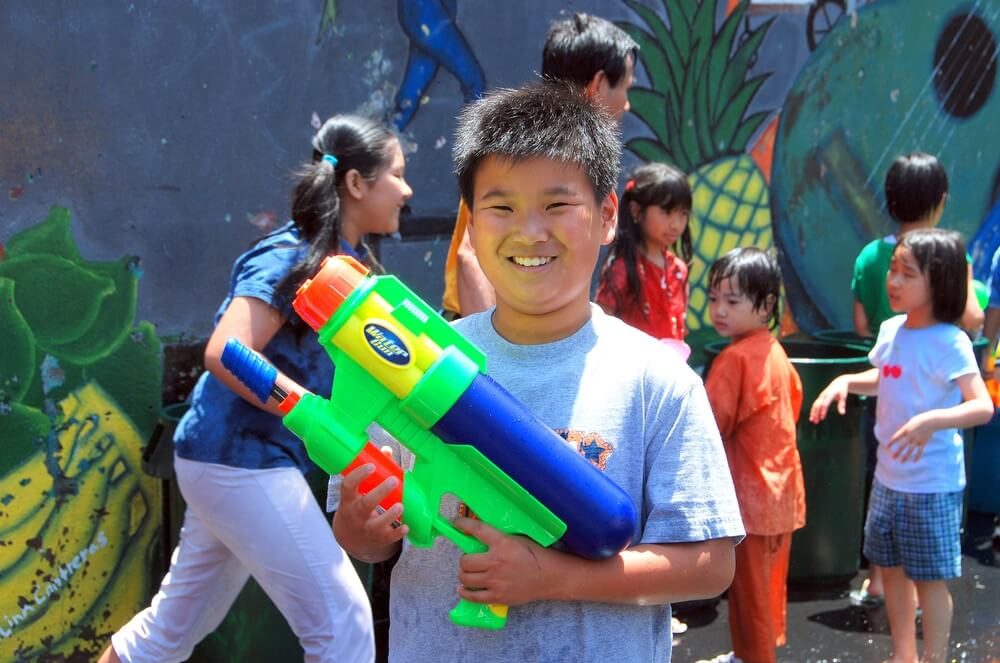
The Super Soaker arrived in 1990, invented by engineer Lonnie Johnson, and it immediately outclassed every squirt gun on the block. The pressurized air chamber could send a stream across a yard, which escalated neighborhood water fights into organized campaigns.
The original model sold millions of units within a few summers.
Hanging Out at the Mall
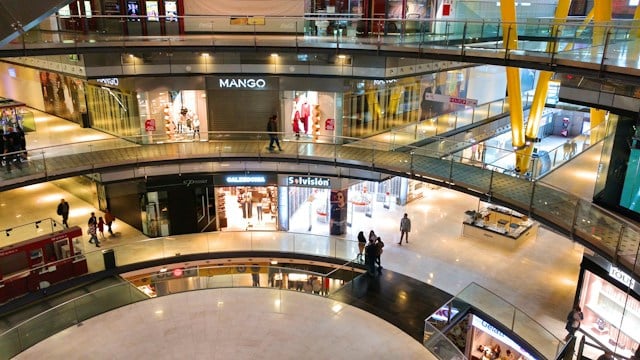
The mall was air-conditioned, free to enter, and full of other teenagers, which made it the default meeting point for anyone old enough to be dropped off. The loop from the food court to the music store to the arcade and back could be walked a dozen times in an afternoon.
Nobody bought much, and that was never the point.
Sleepovers With a Rented Horror Movie

A sleepover meant sleeping bags on a basement floor, a bowl of chips, and a movie somebody’s older sibling had rented that was slightly too scary. Prank calls, pillow fights, and the attempt to stay up until dawn were mandatory.
The first person to fall asleep was at risk of waking up with a hand in warm water.
Waiting by the Landline
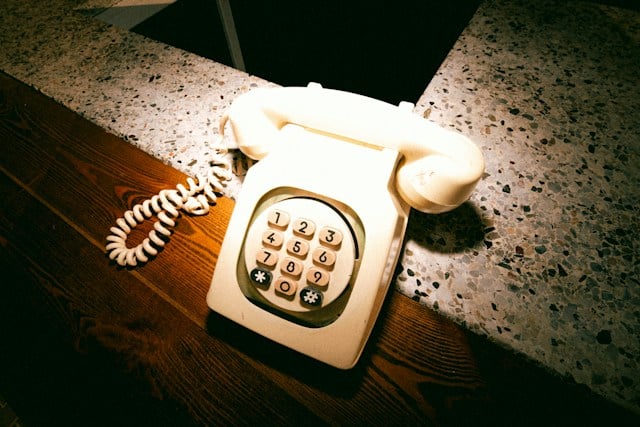
Making plans meant calling a friend’s house, asking a parent if they were home, and hoping the line was not busy. A long cord stretched into a closet was the only privacy available, and call waiting was a luxury.
If nobody answered, the plan simply did not happen until someone biked over to check.
Playing Nintendo at a Friend’s House
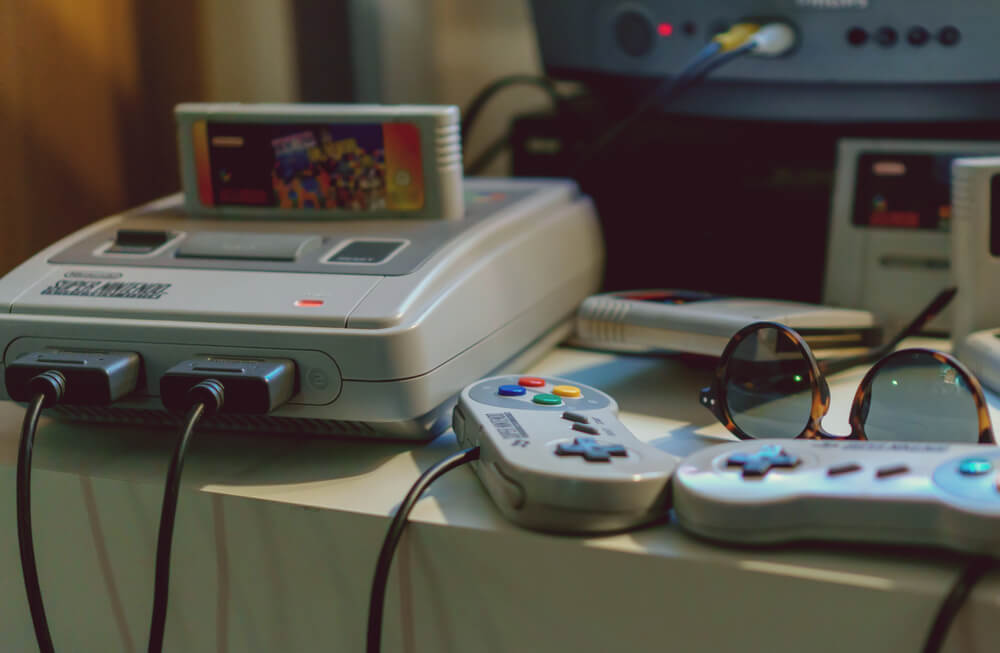
The kid with the newest console was the most popular kid on the block, and entire afternoons were spent in a basement passing a controller back and forth. Blowing into a cartridge to make it work was universal practice, and the player who died first handed over the controller.
Rental stores let families try a game for a weekend before committing to the full price.
Flashlight Tag After Dark
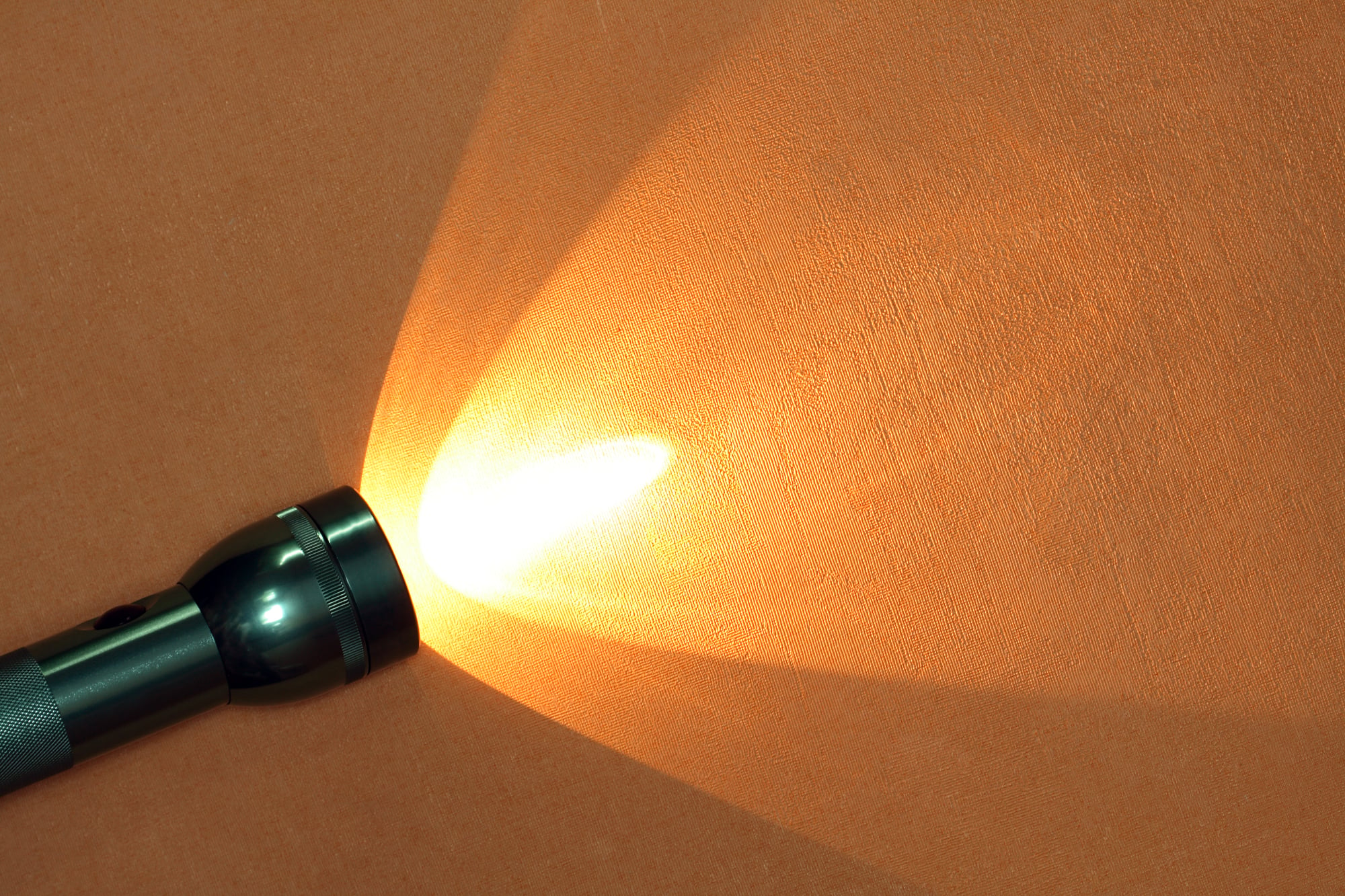
Once it was fully dark, the yard became a game board for flashlight tag, which combined hide and seek with the thrill of being out past the normal curfew. The person who was “it” had to tag players with the beam and call their name.
Hiding spots included the gap behind the garage and the inside of a neighbor’s hedge.
Catching Tadpoles at the Creek

Any neighborhood with a creek or drainage pond had a supply of tadpoles, and a coffee can with pond water was the collection vessel. Kids watched them sprout legs over a couple of weeks on a windowsill, and the lucky ones saw a tiny frog before the water went bad.
Wet sneakers and a scolding were the price of admission.
The Family Road Trip With a Paper Map
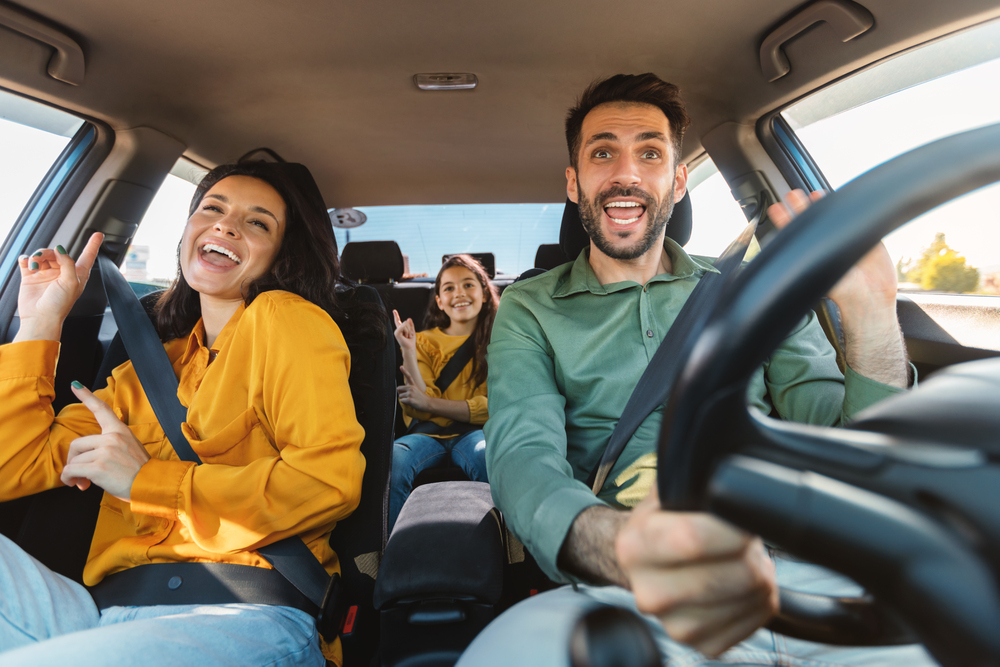
The road trip began with a folded gas station map spread across the dashboard and a cooler of sandwiches in the back. Kids counted license plates, played the alphabet game with road signs, and asked how much longer at fifteen-minute intervals.
Getting lost was expected, and the argument about the map was part of every family’s travel memory.
The Shape of an Unscheduled Day
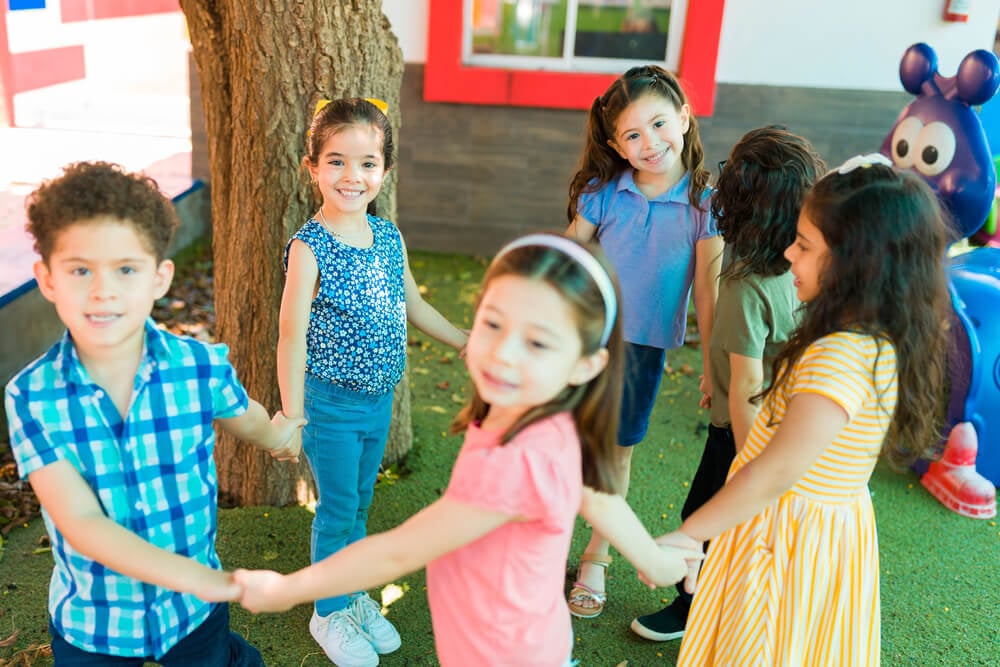
What these activities shared was not nostalgia but structure, or rather its absence. A summer day without a phone had a beginning, a long open middle, and an ending signaled by the streetlights, and everything that happened inside it had to be invented on the spot.
That improvisation was the real skill being practiced. Kids learned to negotiate rules, tolerate boredom, and find each other without any tool more advanced than a bicycle.
The activities were cheap and mostly forgettable, and that is exactly why the memory of them is so strong.
More from Go2Tutors!

- The Romanov Crown Jewels and Their Tragic Fate
- 13 Historical Mysteries That Science Still Can’t Solve
- Famous Hoaxes That Fooled the World for Years
- 15 Child Stars with Tragic Adult Lives
- 16 Famous Jewelry Pieces in History
Like Go2Tutors’s content? Follow us on MSN.