Landmarks Rebuilt After Near Disasters
Some buildings refuse to die. Throughout history, fires, wars, earthquakes, and human stupidity have brought iconic structures to their knees, only for communities to rise up and piece them back together.
These aren’t just restoration projects—they’re acts of defiance against time, nature, and sometimes deliberate destruction. Here’s a look at some of the world’s most remarkable comeback stories in architecture.
Notre-Dame Cathedral, Paris
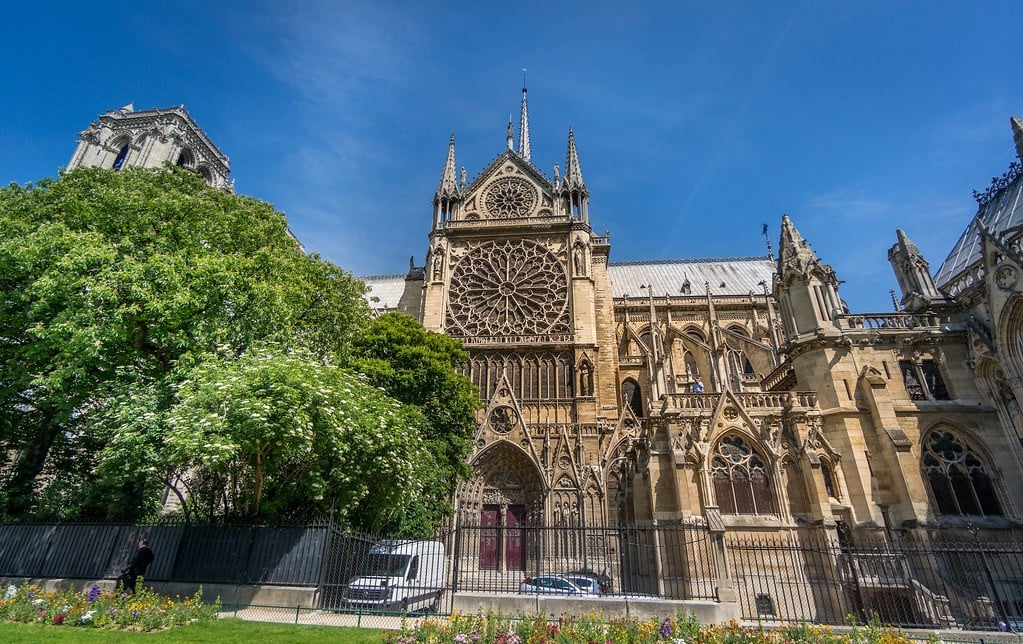
The 2019 fire was horrible to watch. People literally stood on the streets of Paris crying as the spire collapsed on live television (and honestly, who could blame them).
The medieval roof structure—called “the forest” because it was made from over 1,300 oak trees—went up like a kindling. The cathedral had survived the French Revolution, two World Wars, and centuries of wear, only to nearly burn down during routine renovation work.
The rebuilding effort has been massive. French President Macron promised it would reopen by 2024, and somehow they’ve actually pulled it off.
Traditional craftspeople have been recreating medieval techniques to rebuild the spire and roof exactly as they were.
Frauenkirche, Dresden
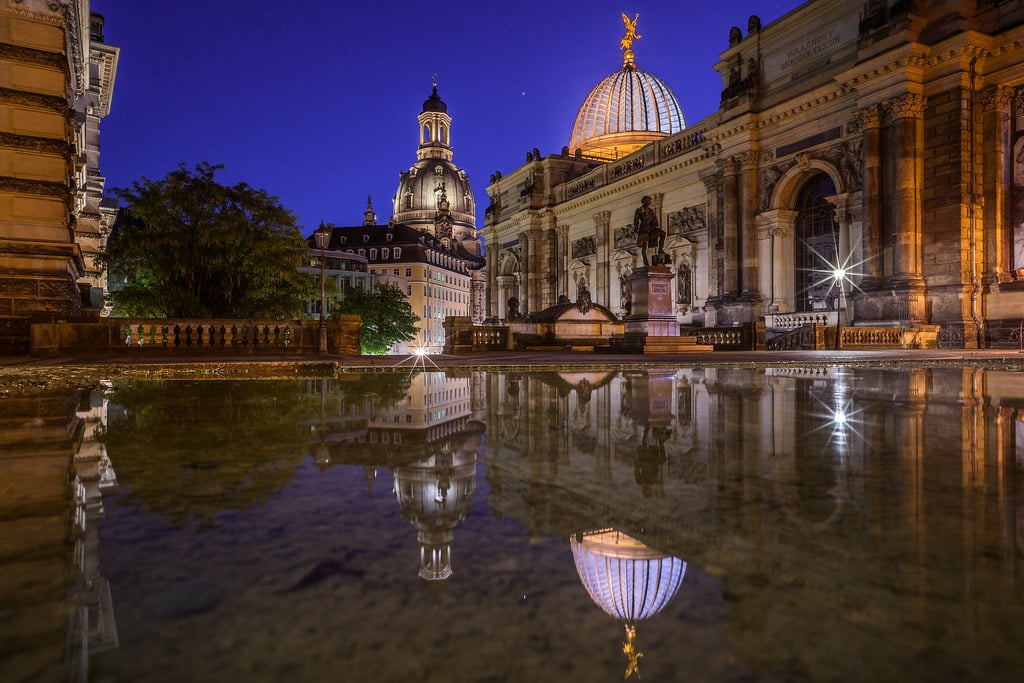
This Lutheran church was obliterated during the Allied bombing of Dresden in February 1945. The firestorm that swept through the city turned the stone dome into a furnace, and the entire structure collapsed.
For decades, East Germany left the rubble as a war memorial—just a pile of blackened stones in the city center. After reunification, they decided to rebuild it.
And not just rebuild it, but use the original stones wherever possible, creating this patchwork effect where you can see the old blackened stones mixed with new lighter ones. It’s simultaneously a church and a memorial and a statement about reconstruction.
They finished it in 2005, exactly 60 years after its destruction.
The Globe Theatre, London
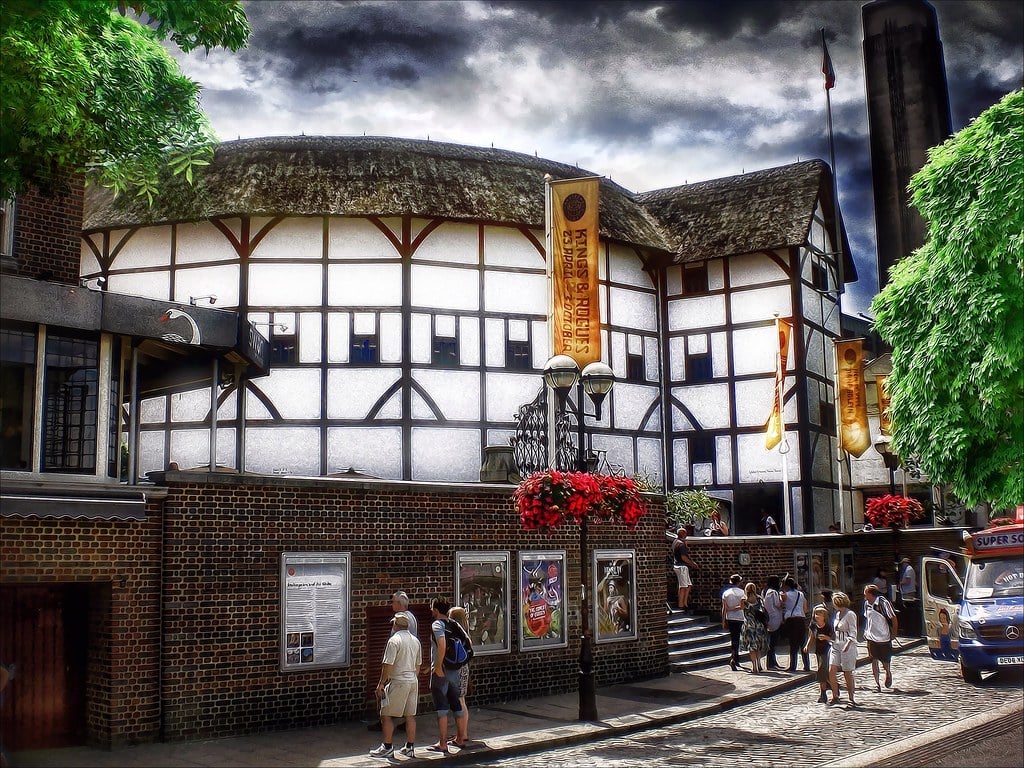
Shakespeare’s original playhouse burned down in 1613 during a performance of Henry VIII when a theatrical cannon misfired and set the thatched roof ablaze. (Nobody died, which is kind of amazing.)
They rebuilt it within a year, but then the Puritans shut down all the theaters in 1642, and it was demolished. The modern reconstruction opened in 1997, about 230 yards from the original site.
It’s as close to the original design as historians could manage, including the thatched roof (though this one is fire-retardant, obviously). Watching a play there is honestly pretty special, even if you can’t understand half of what they’re saying.
Windsor Castle
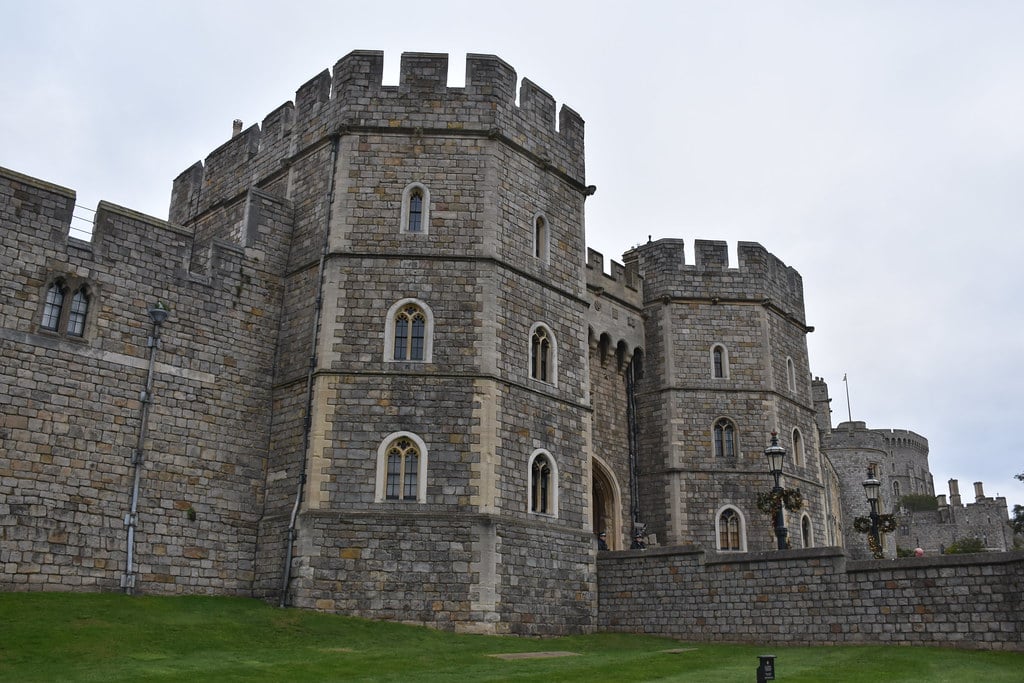
The 1992 fire ripped through the castle on the Queen’s 45th wedding anniversary. It started in the Private Chapel when a spotlight ignited a curtain, then spread through St. George’s Hall and beyond.
The damage was extensive—over 100 rooms affected, several completely destroyed. The restoration took five years and cost £36.5 million (though it came in under budget and ahead of schedule, which never happens).
They actually improved some areas, like the new Gothic Lantern Lobby. Prince Charles was heavily involved in the design decisions.
Prambanan Temple, Indonesia
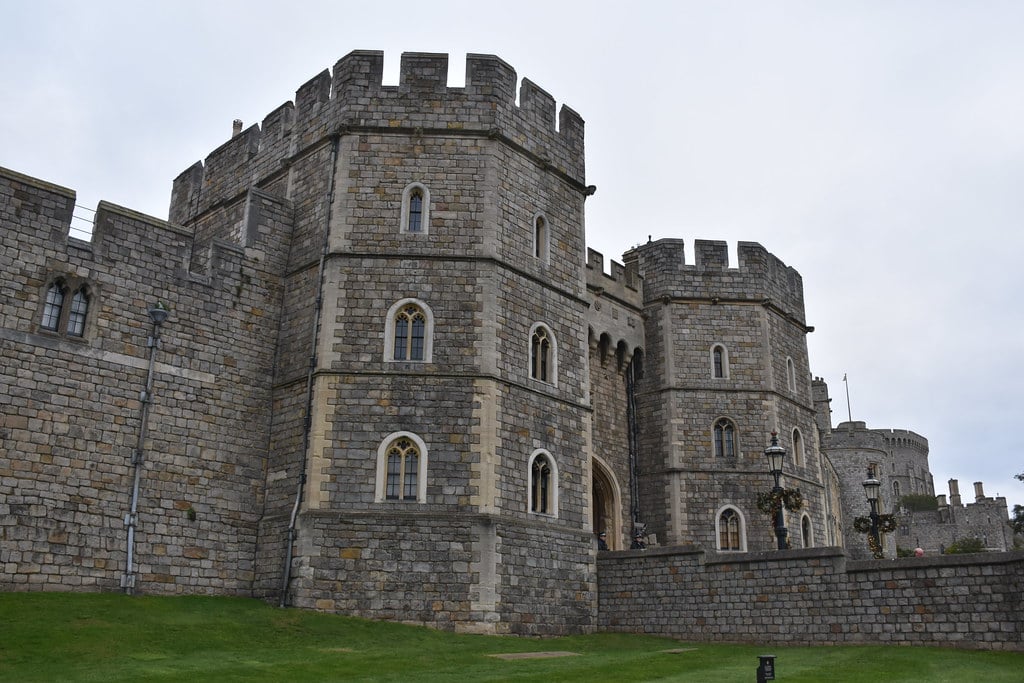
This 9th-century Hindu temple complex near Yogyakarta has been knocked down by earthquakes multiple times. The 2006 earthquake was particularly bad, causing significant damage to the main structures.
But here’s the thing—they’ve been rebuilding and restoring this place for over a century. Dutch colonists started reconstruction in 1918.
Then another earthquake in 1943. More work in the 1980s. The 2006 quake.
It’s like the universe keeps testing how much Indonesia cares about preserving this place, and the answer is always “a lot.”
Ise Grand Shrine, Japan
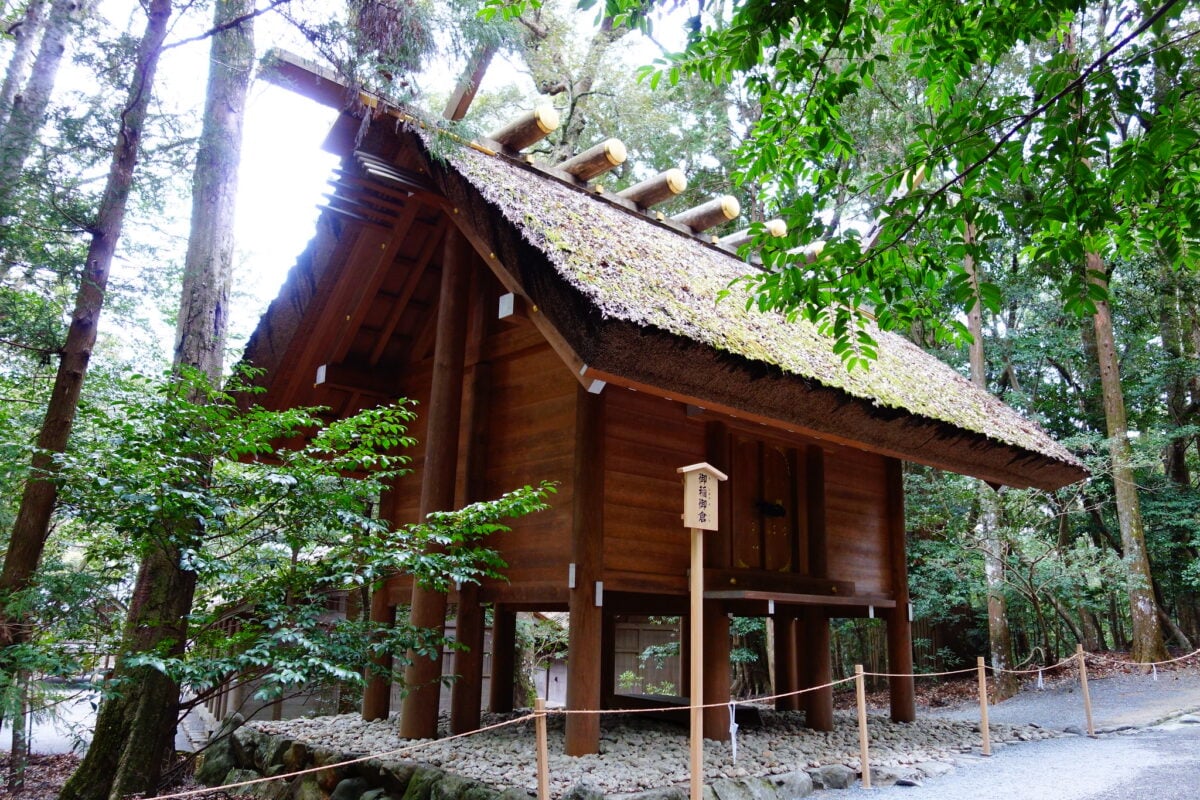
Okay, this one’s different. The shrine gets intentionally demolished and rebuilt every 20 years as part of Shinto tradition (the next rebuilding is scheduled for 2033).
The practice, called Shikinen Sengu, has been going on for over 1,300 years. The idea is about renewal, impermanence, and passing construction knowledge to the next generation.
It’s technically not a disaster recovery, but it’s fascinating how a culture decided the best way to preserve something is to constantly destroy and recreate it.
Forbidden City, Beijing
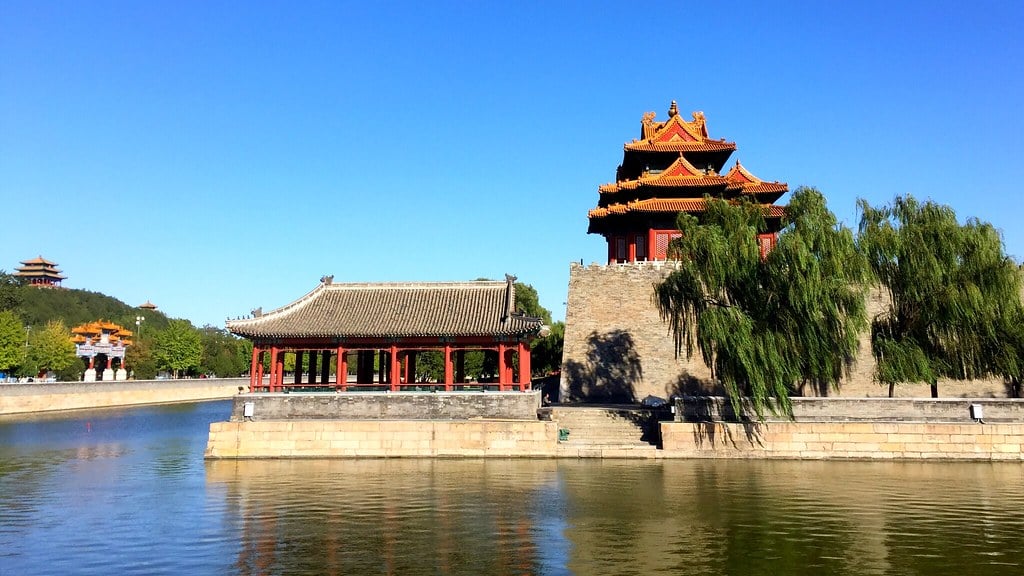
Fire was a constant threat to this massive wooden palace complex. The Hall of Supreme Harmony burned down three times—in 1421, 1557, and 1597.
Each time they rebuilt it. Lightning strikes, arson, general accidents—wooden buildings in a place with no modern fire suppression and thousands of people living there, what could go wrong? The current Hall of Supreme Harmony dates from 1695.
They finally figured out some of the fire prevention stuff, which helped (massive bronze water vats everywhere, for instance).
Cologne Cathedral
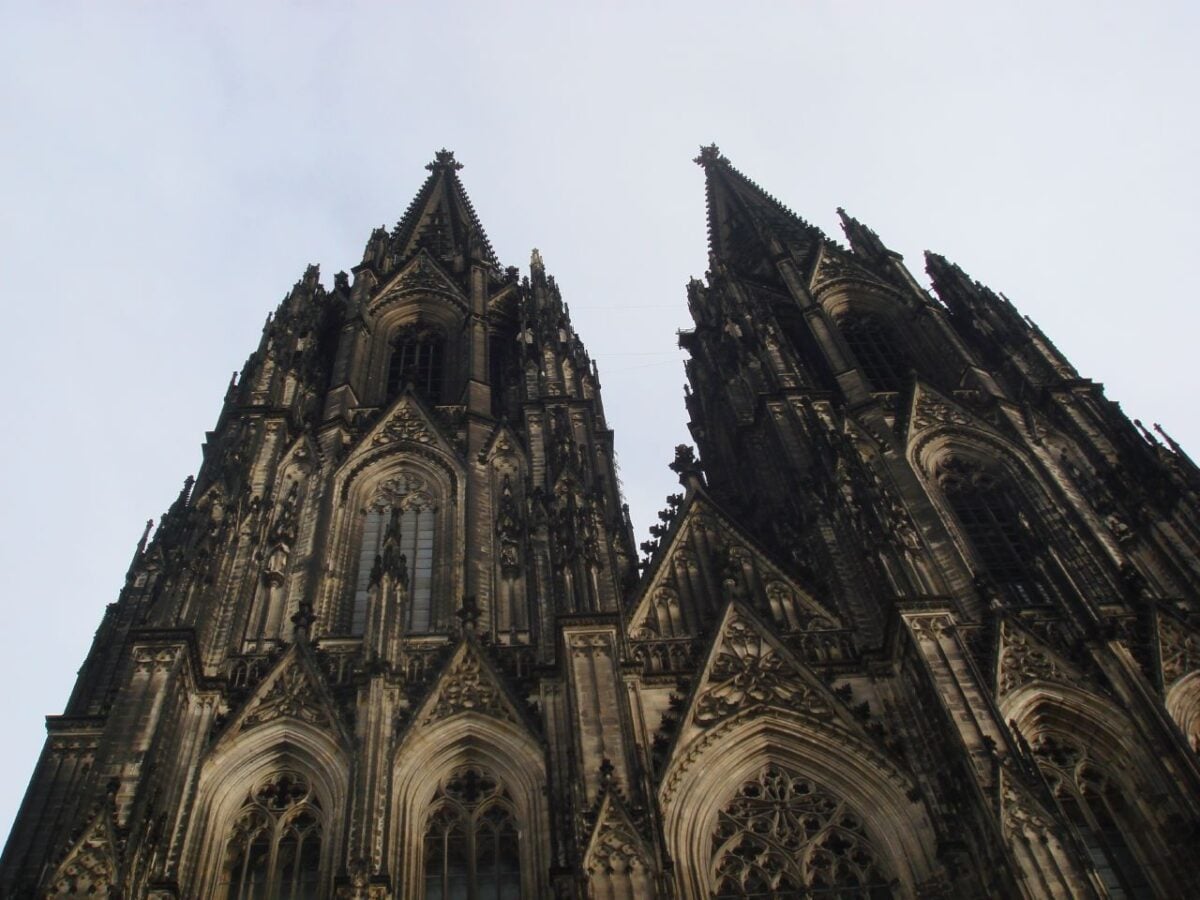
This Gothic masterpiece somehow survived World War II despite being hit by bombs multiple times. The city around it was about 90% destroyed, but the cathedral remained standing, though heavily damaged.
Some people think the twin spires served as a navigation landmark for Allied pilots, which is why they avoided totally destroying it. Repairs took until the 1950s. Then they discovered more war damage that needed fixing.
Then more. They’re still doing maintenance work, which honestly never stops on a building this old and complex anyway.
The Old Summer Palace, Beijing
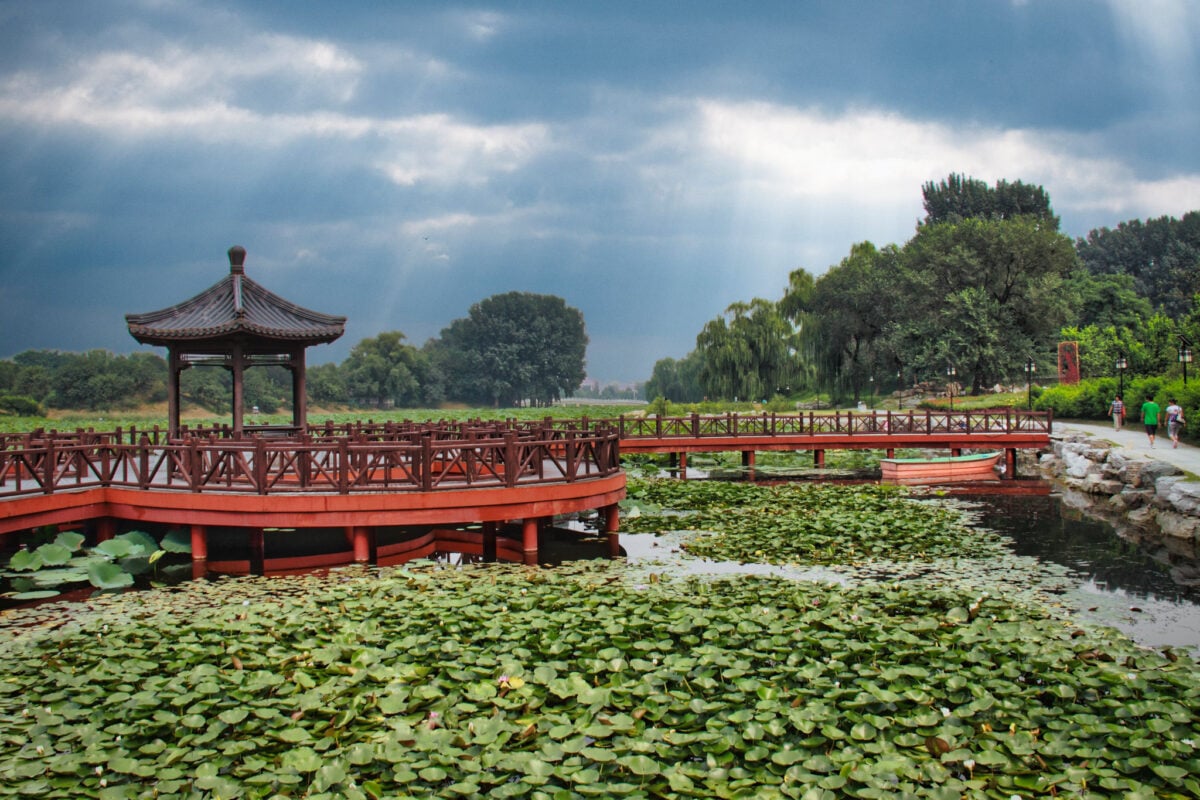
Actually, this one they didn’t rebuild, which tells you something about political statements and memory. British and French forces destroyed it in 1860 during the Second Opium War.
The ruins were left deliberately as a reminder of foreign aggression and what was called the “Century of Humiliation.” Some people have argued for rebuilding it. Others say the ruins are more powerful than any reconstruction could be.
It’s a whole debate about whether you rebuild to erase trauma or preserve destruction to remember it.
Palmyra, Syria
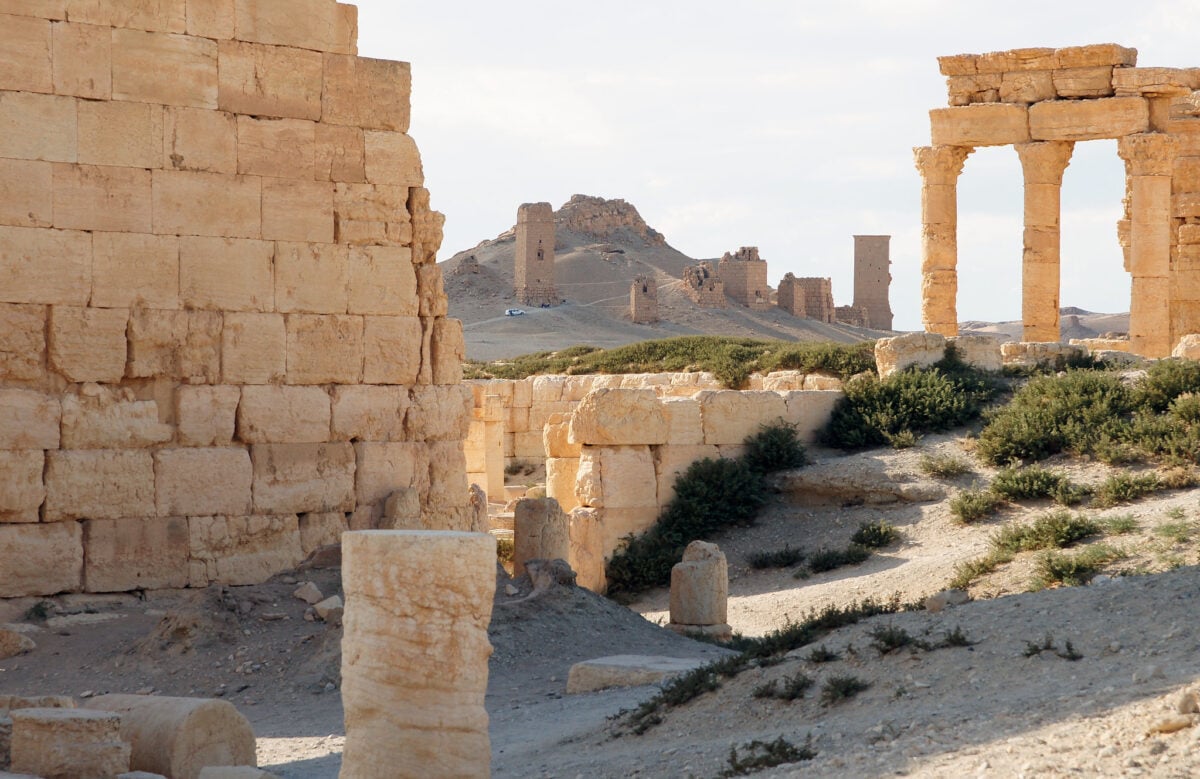
ISIS did catastrophic damage to this ancient Roman city between 2015 and 2017, destroying the Temple of Bel, the Arch of Triumph, and other structures that had stood for nearly 2,000 years. Some of it was demolished with explosives, some was used for public executions—the destruction was deliberately meant to be horrifying.
There’s been talk of reconstruction, but it’s complicated. Do you rebuild Roman ruins?
Is it authentic if you do? The conflict in Syria has obviously made physical restoration work difficult. Some digital reconstructions exist.
Christchurch Cathedral, New Zealand

The 2011 earthquake severely damaged this Anglican cathedral in downtown Christchurch. The rose window was destroyed, the spire collapsed, the whole structure became unstable (and dangerous).
For years it just sat there, partially demolished, behind fencing, while everyone argued about whether to restore it or tear it down and build something new. They finally decided on restoration, but as of now, it’s still ongoing.
New Zealand doesn’t move fast on these things, apparently. There’s a temporary “Cardboard Cathedral” nearby designed by a Japanese architect, which is actually pretty cool.
Teatro La Fenice, Venice

La Fenice (“The Phoenix”) has burned down twice, which is almost too on-the-nose given its name. First in 1836, then again in 1996. The second fire was arson—two electricians set it to avoid paying penalties for delayed work.
The entire interior was destroyed. The rebuilding was controversial because they decided to reconstruct it exactly as it was (“dov’era, com’era”—where it was, as it was).
Some people wanted modern updates. But Venice doesn’t really do modern, does it?
They finished in 2003, and it looks like it was never touched.
Reichstag, Berlin
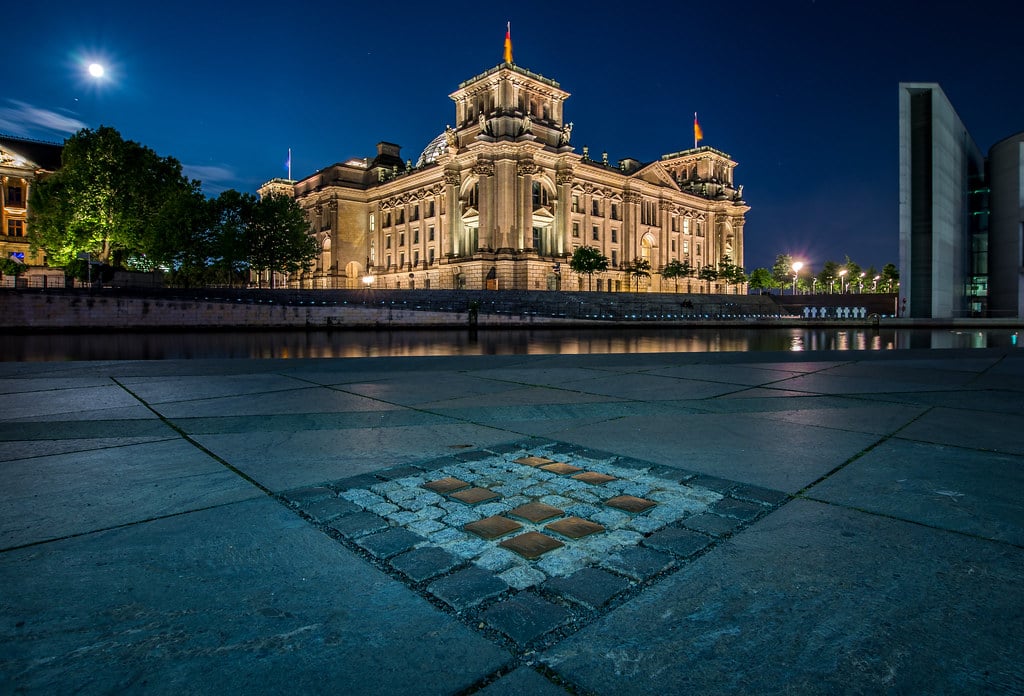
The 1933 blaze might’ve been started by the Nazis – despite blaming communists – and became an excuse for emergency measures that boosted Hitler’s grip on power. Later, it took more damage in the 1945 Battle of Berlin.
A well-known moment came when Soviet troops hoisted their flag atop the building. Once united, Norman Foster gave it a new look, including that well-known glass roof.
Back in 1999, it started housing Germany’s parliament once more. During updates, signs of past conflict were left showing here and there – marks from bullets or Soviet inscriptions – to keep history present.
Why We Rebuild What Burns
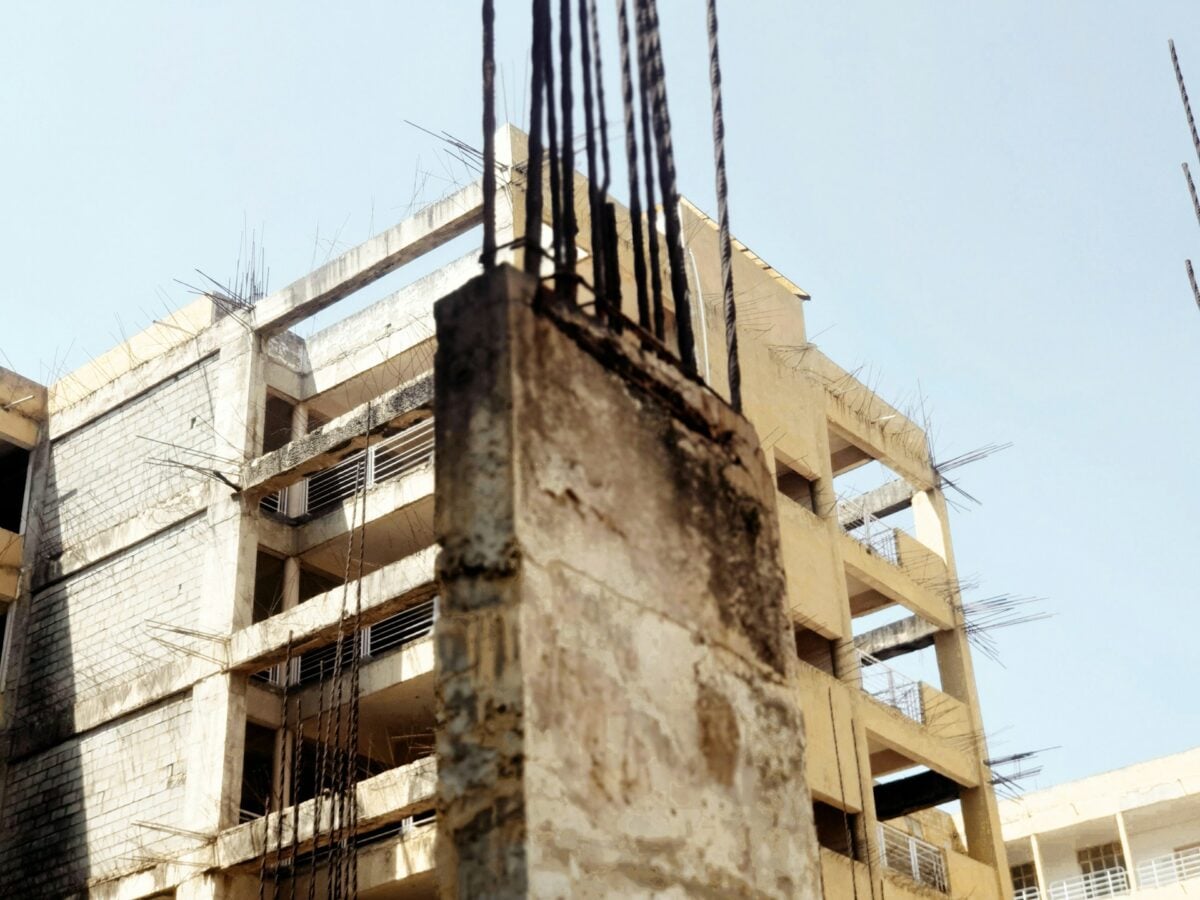
People find it odd how much cash and work go into fixing stuff disasters wiped out before. Some do it for faith, others for pride in their country, or simply because they refuse to give up.
Yet rebuilding feels bold somehow, right? Like we’re shouting that flames, quakes, or wrecked plans won’t decide the end. Structures rise again – different maybe – but still, humans care way deeper than reason explains.
More from Go2Tutors!

- The Romanov Crown Jewels and Their Tragic Fate
- 13 Historical Mysteries That Science Still Can’t Solve
- Famous Hoaxes That Fooled the World for Years
- 15 Child Stars with Tragic Adult Lives
- 16 Famous Jewelry Pieces in History
Like Go2Tutors’s content? Follow us on MSN.