How Women Shaped Early Medicine
Long before hospitals had fancy equipment and doctors wore white coats, women were the ones keeping communities healthy. They knew which plants could stop pain, how to help mothers through childbirth, and what remedies worked when fever struck. These women weren’t officially called doctors, but they were often the first people families turned to when someone got sick.
Midwives delivered more than babies
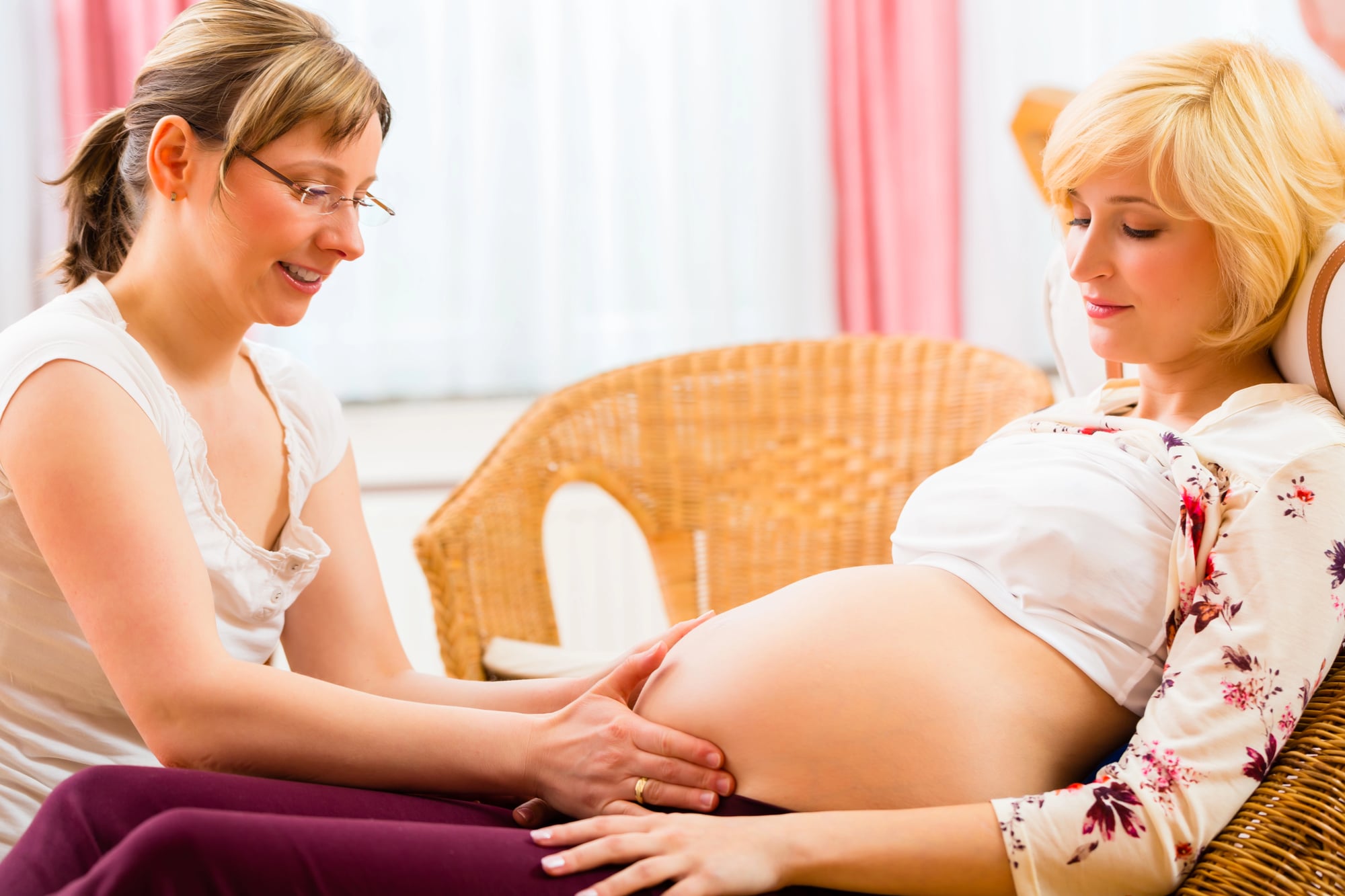
Midwives were the backbone of women’s healthcare for centuries. They understood pregnancy and birth better than anyone else around, often knowing techniques that male doctors hadn’t learned yet.
These women didn’t just help during delivery – they provided care throughout pregnancy and taught new mothers how to keep their babies healthy. Many midwives also served as general healers for their communities, treating everything from broken bones to stomach troubles. Their hands-on experience often made them more skilled than formally trained physicians of their time.
Herbalists turned gardens into pharmacies

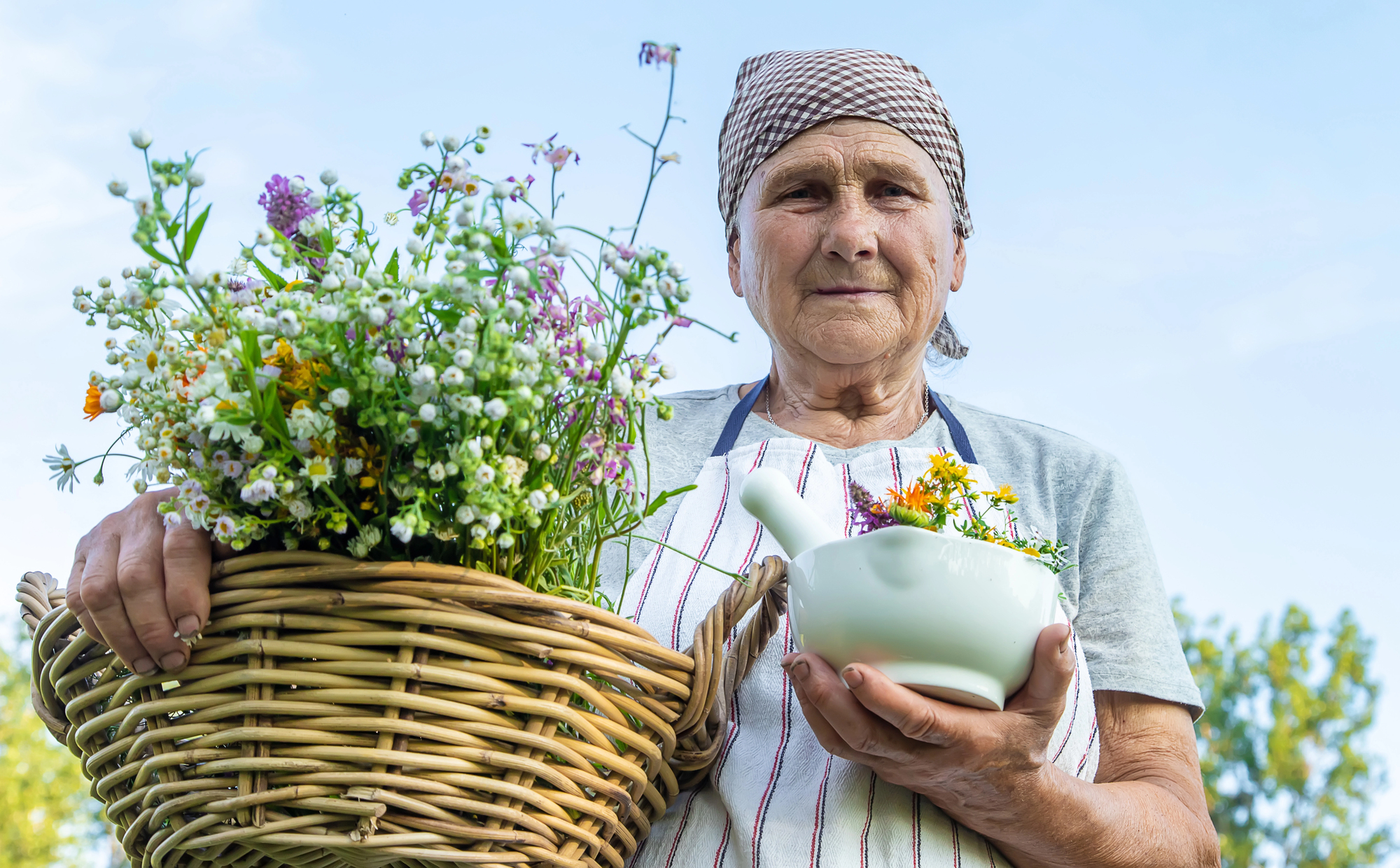
Women who knew plants were like walking medicine cabinets for their neighborhoods. They grew healing herbs in their gardens and knew exactly which ones could treat different problems.
These herbalists understood that willow bark could reduce fever, that chamomile helped with sleep, and that certain roots could ease stomach pain. Their knowledge came from years of trial and careful observation, not from textbooks. Many modern medicines actually started as plant remedies that these women perfected over generations.
Like Go2Tutors’s content? Follow us on MSN.
Nuns created the first hospitals

Religious women built some of the earliest hospitals in Europe and beyond. They didn’t just pray for the sick – they rolled up their sleeves and provided hands-on medical care.
These nuns organized the first systematic approaches to patient care, creating rules for cleanliness and treatment that became models for later hospitals. They kept detailed records of what treatments worked and what didn’t, building the foundation for evidence-based medicine. Their hospitals became training grounds where medical knowledge was shared and improved.
Wise women diagnosed when doctors couldn’t

Every village seemed to have a wise woman who could figure out what was wrong when others were stumped. These women developed keen observation skills, noticing symptoms and patterns that helped them identify illnesses.
They often understood the connection between emotions and physical health, something that formal medicine took much longer to recognize. Their diagnostic abilities came from treating countless patients over many years, giving them experience that book learning couldn’t match. People trusted these women because they had seen them cure neighbors and family members time and time again.
Female healers mastered surgery before medical schools
Some women became skilled at surgical procedures long before surgery was taught in universities. They learned to set broken bones, stitch wounds, and even perform simple operations when necessary.
These healers understood anatomy from practical experience, knowing how the body worked because they had fixed it so many times. Their surgical skills often surpassed those of male barbers who also did surgery but had less training in healing. Many of these women could perform delicate procedures that required steady hands and deep knowledge of the human body.
Like Go2Tutors’s content? Follow us on MSN.
Wet nurses understood infant nutrition

Wet nurses did much more than feed babies whose mothers couldn’t. They became experts in infant health, knowing how to keep babies strong and help them grow properly.
These women understood which foods helped produce better milk and how a mother’s health affected her baby. They could spot early signs of illness in newborns and knew how to treat common infant problems. Their knowledge about early childhood development was crucial in times when many babies didn’t survive their first year.
Plague nurses risked everything to help

During plague outbreaks, women often volunteered to care for the sick when everyone else fled. These brave nurses developed treatments and prevention methods through direct experience with the disease.
They figured out ways to protect themselves while still providing care, creating some of the earliest infection control practices. Their observations about how plague spread helped communities develop better public health measures. Many of these women died from the diseases they fought, but their courage saved countless lives.
Apothecary wives ran family medicine businesses

In many apothecary shops, the wife was actually the one with the most medical knowledge. While husbands handled the business side, these women created remedies, diagnosed problems, and advised customers on treatments.
They knew how to compound medicines and understood which combinations of ingredients worked best for different conditions. These apothecary wives often taught their daughters the trade, keeping medical knowledge within families for generations. Their shops became community health centers where people came for both medicine and medical advice.
Like Go2Tutors’s content? Follow us on MSN.
Female physicians practiced despite the law

Even when women weren’t officially allowed to practice medicine, some did it anyway. They treated patients in secret or worked under the supervision of male doctors who recognized their skills.
These women often knew more than their male counterparts but couldn’t get credit for their work. Some disguised themselves as men to attend medical lectures or work in hospitals. Their determination to practice medicine despite legal barriers paved the way for future generations of female doctors.
Healing women preserved ancient knowledge

Women healers served as living libraries of medical knowledge that might otherwise have been lost. They memorized recipes for medicines, techniques for treatments, and wisdom about human health that had been passed down for centuries.
These women understood the importance of preserving this knowledge and made sure to teach it to the next generation. They kept ancient healing traditions alive during times when formal medicine was still developing. Their oral traditions became the foundation for many medical practices that are still used today.
Midwife teachers trained the next generation
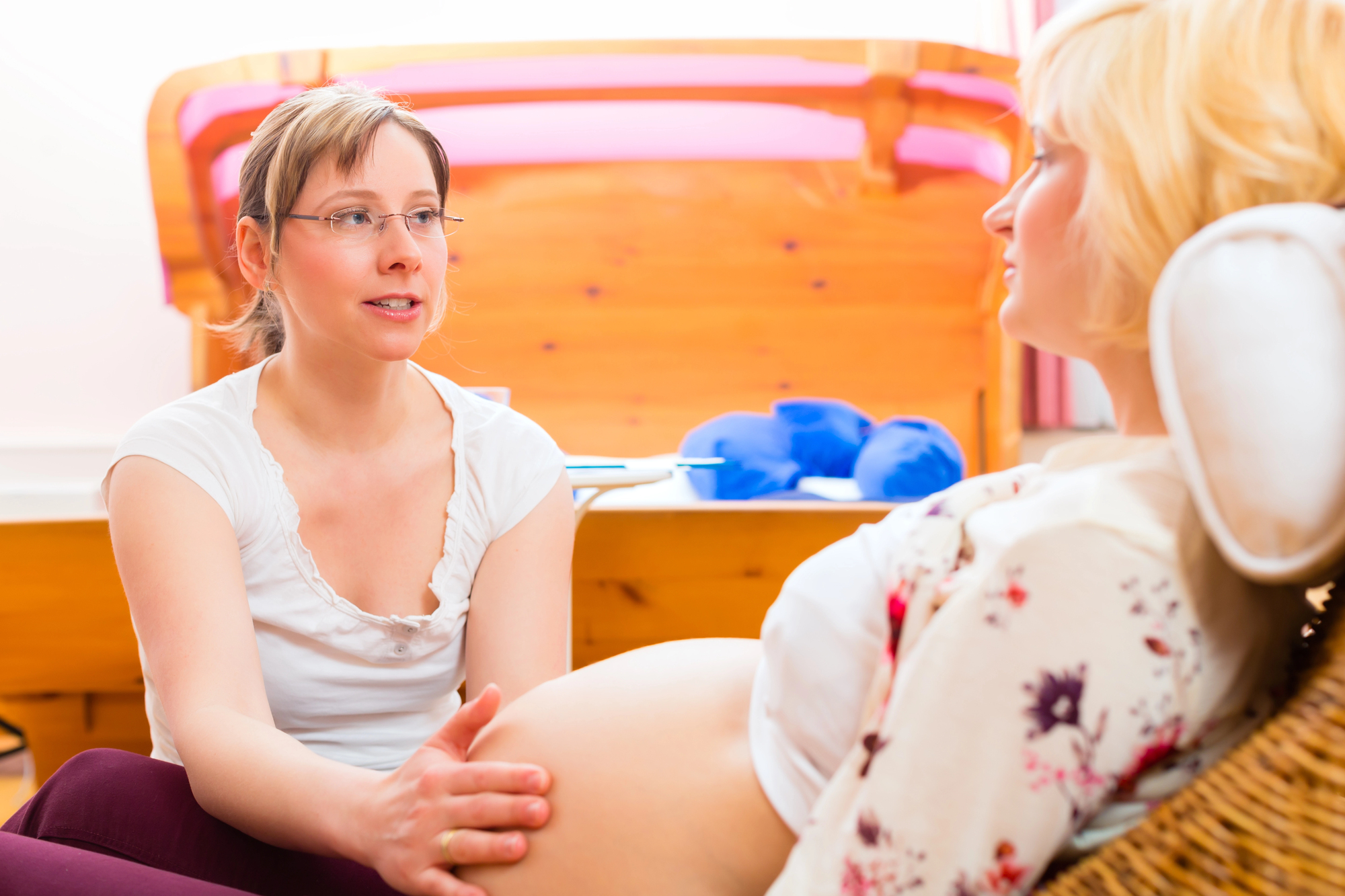
Experienced midwives didn’t just practice their skills – they taught them to younger women who wanted to learn. These informal schools produced skilled healthcare providers who could serve their communities.
The teaching happened through hands-on experience, with students learning by assisting with actual births and treatments. These midwife teachers created networks of healthcare providers that could serve rural areas where formal doctors were scarce. Their training methods were often more practical and thorough than what early medical schools provided.
Like Go2Tutors’s content? Follow us on MSN.
Female folk healers bridged cultures

Women healers often served as bridges between different cultural approaches to medicine. They learned healing techniques from various traditions and combined them in new ways.
These healers understood that different approaches might work better for different people or conditions. They helped communities benefit from diverse medical knowledge rather than sticking to just one tradition. Their open-minded approach to healing contributed to the development of more comprehensive medical practices.
Early medical writers shared knowledge

Some women wrote down their medical knowledge, creating some of the earliest medical texts. These books shared healing recipes, diagnostic techniques, and treatment methods with a wider audience.
Female medical writers often focused on practical advice that regular people could use to stay healthy. Their writings preserved important medical knowledge that might have been lost if it had only been passed down orally. These early medical texts became valuable resources for both professional healers and ordinary families.
Convent healers developed systematic care

Women in convents created some of the most organized approaches to medical care in early history. They developed schedules for patient care, systems for preparing medicines, and methods for training new healers.
These convent healers kept detailed records of treatments and outcomes, creating early forms of medical research. Their systematic approaches to healthcare became models that influenced how hospitals and medical schools were organized later. The care they provided was often more comprehensive and compassionate than what patients could find elsewhere.
Like Go2Tutors’s content? Follow us on MSN.
From shadows to spotlights today
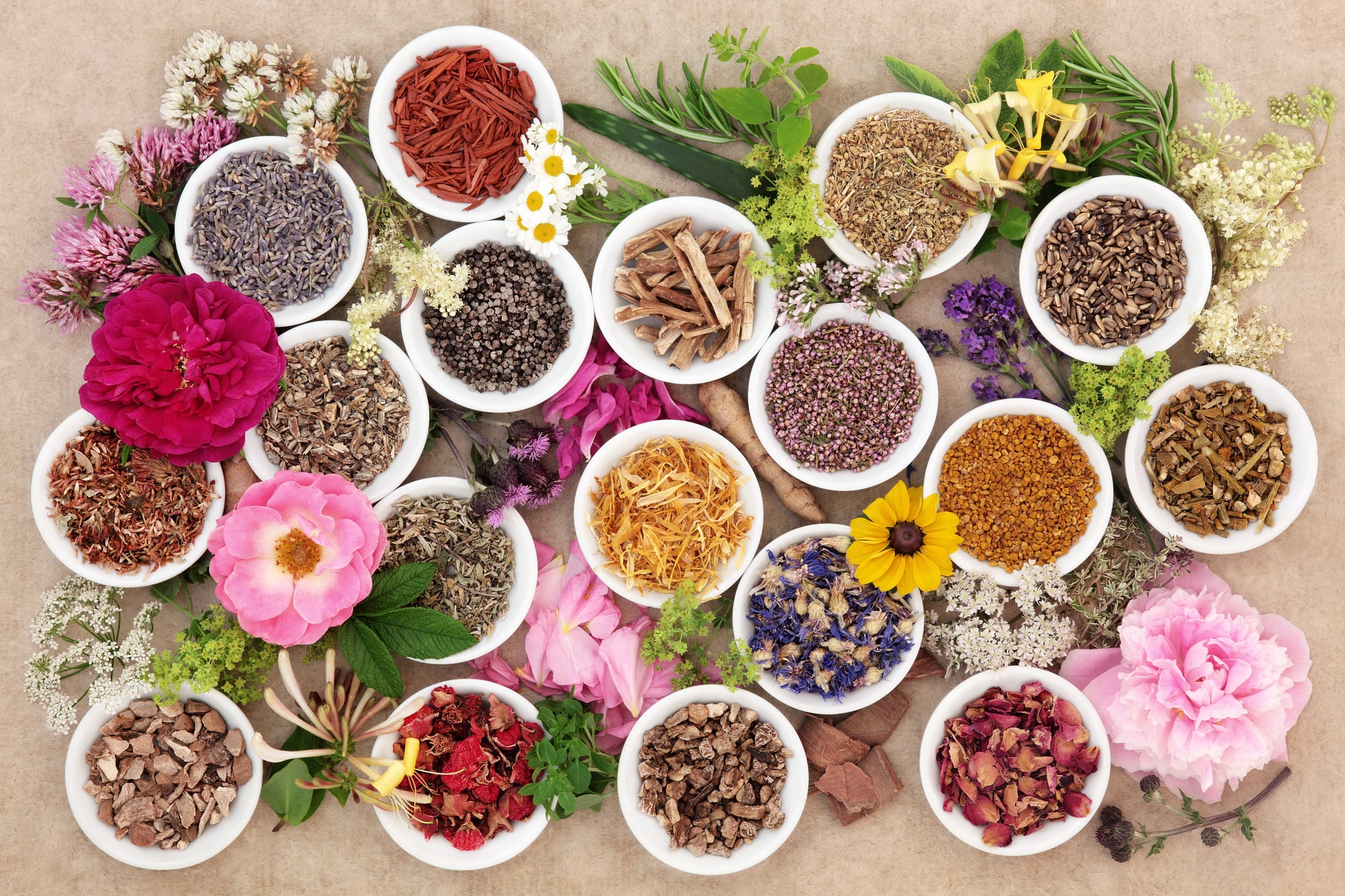
The women who shaped early medicine laid groundwork that supports modern healthcare in ways most people never realize. Their practical knowledge about herbs became the basis for pharmaceutical research, while their patient care methods evolved into current nursing practices.
Today’s female doctors and nurses stand on foundations built by countless unnamed healers who worked in kitchens, convents, and communities for hundreds of years.
More from Go2Tutors!

- 16 Historical Figures Who Were Nothing Like You Think
- 12 Things Sold in the 80s That Are Now Illegal
- 15 VHS Tapes That Could Be Worth Thousands
- 17 Historical “What Ifs” That Would Have Changed Everything
- 18 TV Shows That Vanished Without a Finale
Like Go2Tutors’s content? Follow us on MSN.