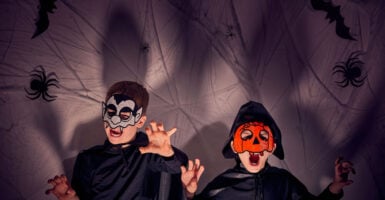
29 Halloween Party Games Kids Played Before Smartphones
A Halloween party in 1975 might have needed a basement, a bedsheet, a bag of apples and one adult willing to turn off the lights. Nobody checked a screen between rounds because there was no screen to check.
The games came from party books, church bulletins and whatever the older cousins remembered from the year before.
Most of them cost nothing and left the host with a wet floor, a tangle of yarn or a roll of toilet paper spread across three rooms. That was the point.
Bobbing for Apples
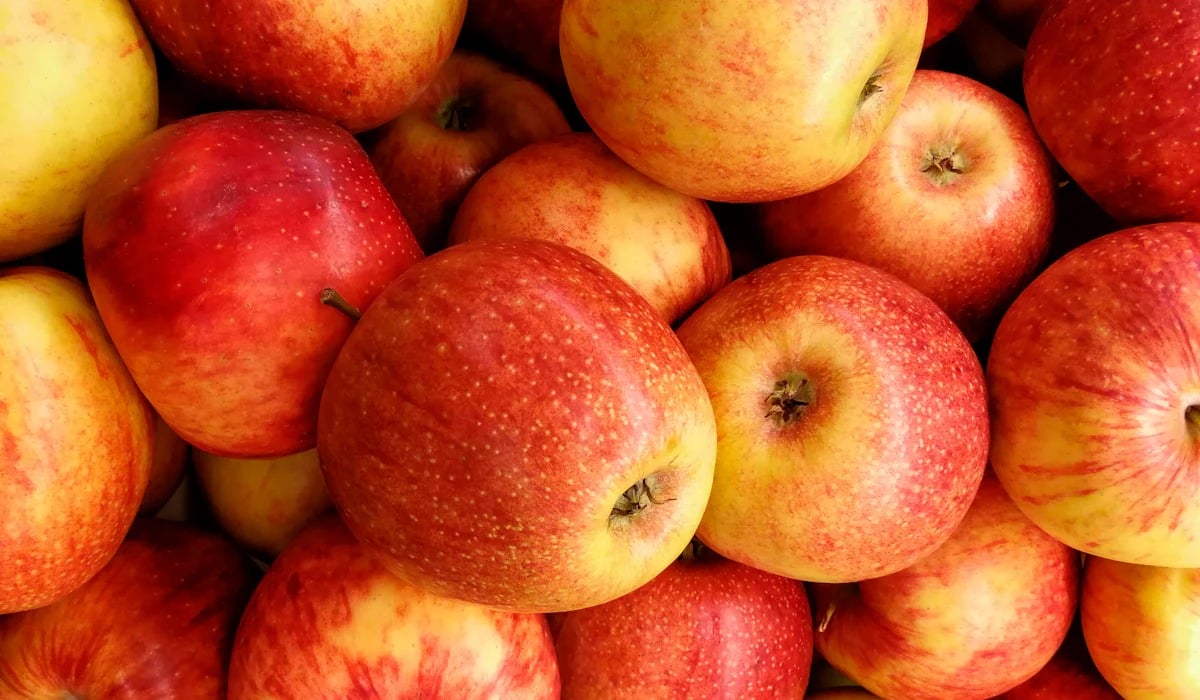
A galvanized washtub, a garden hose and a dozen apples could turn into the centerpiece of a backyard Halloween party. Players knelt with hands behind their backs and tried to clamp an apple in their teeth while the fruit spun away from every bite.
Costumes got soaked, makeup ran and the water could get cloudy after several rounds. Apple bobbing appeared in historical Halloween party guides, including some published during the early 20th century, and became a familiar American party game.
Winners usually got nothing more than the apple they caught.
Donuts on a String

Hosts who wanted the thrill of apple bobbing without a flooded floor tied cake donuts to a clothesline strung across the porch or between two trees. Each player stood under a donut with hands clasped behind the back and tried to eat the entire thing without using fingers.
The donut swung on every bite, powdered sugar went up noses and a dropped donut could mean elimination. Adults sometimes raised the line an inch at a time to make the older kids jump.
The game needed only string, a pack of donuts from the grocery store and a camera, making it an easy activity to recreate at family parties.
Mummy Wrap With Toilet Paper
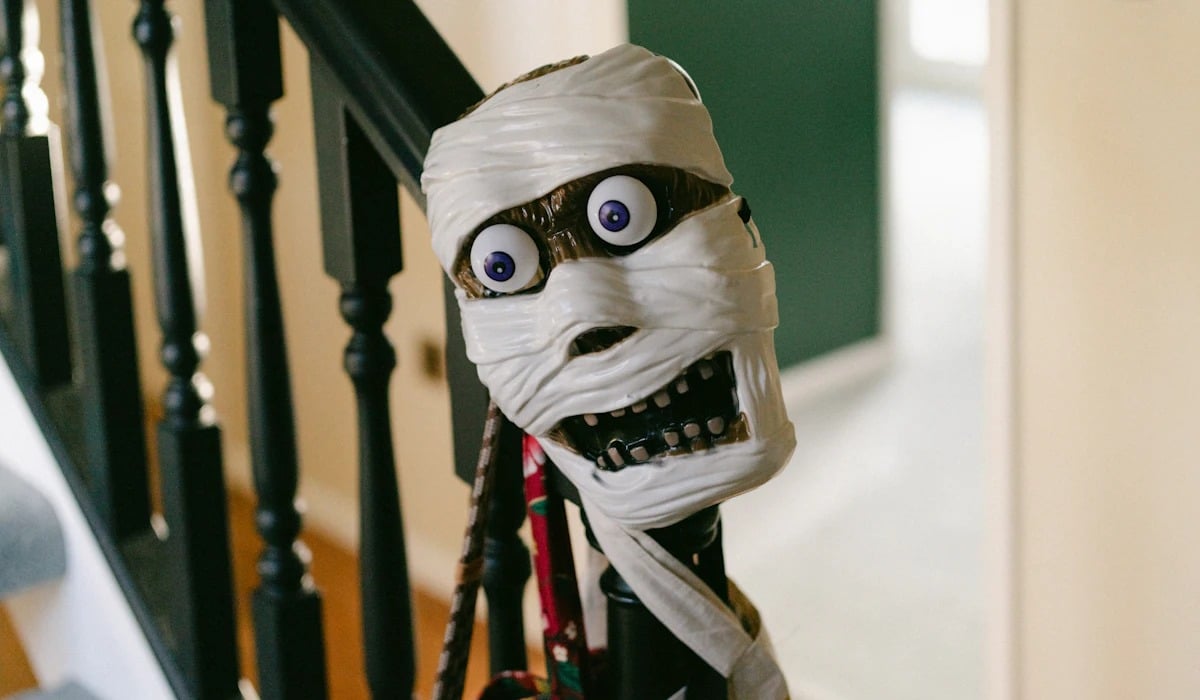
Teams of two or three got a single roll of toilet paper and three minutes to turn one of their members into a mummy. The wrapper worked from ankles to forehead while the victim stood rigid with arms at the sides, and the first tear in the paper usually came from laughing.
Judges picked a winner for the tightest wrap or the most complete coverage, and the mummy then had to walk across the room without shedding. Thin toilet paper often tore during the wrapping, making the game harder and funnier.
Cleanup took longer than the contest, and most parents found scraps under the couch for weeks.
Hot Potato With a Small Pumpkin
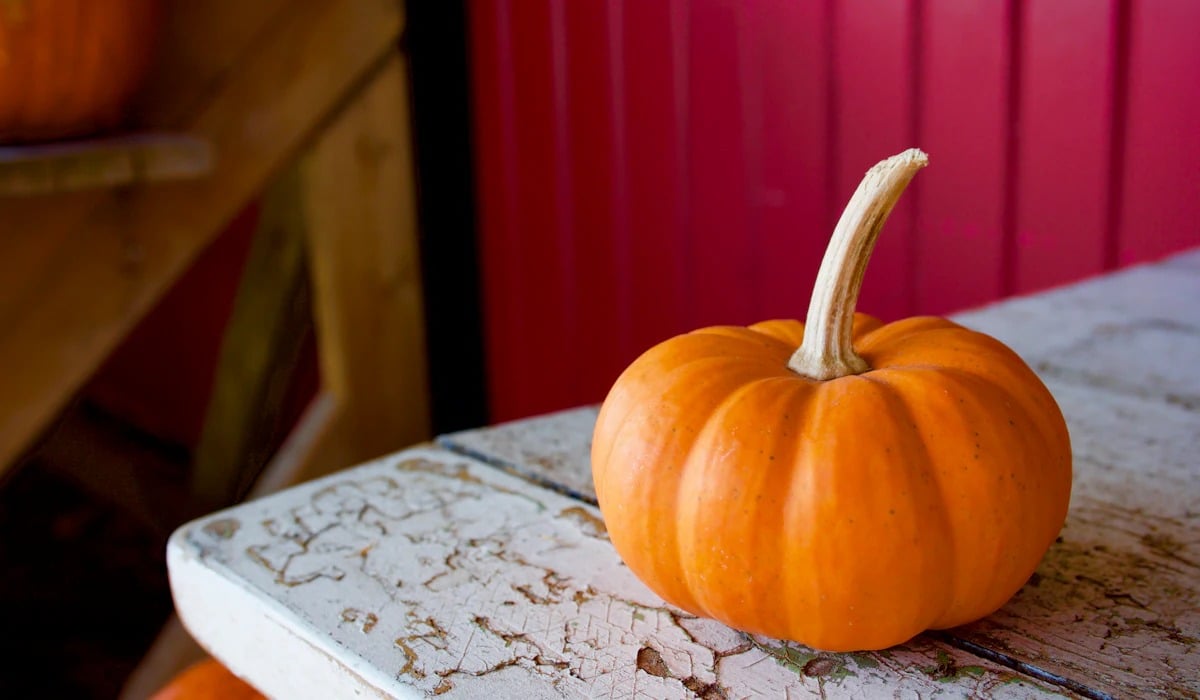
Players sat in a circle on the basement floor and passed a small pie pumpkin or a gourd from lap to lap while a parent played a record or hummed with eyes closed. When the music stopped, whoever held the pumpkin was out, and the circle shrank until two kids were left passing the gourd back and forth.
The weight of a real pumpkin made the game rougher than the potato version, and a few might hit the floor and split. Hosts could paint a face on the gourd so the loser had to hold up the grinning culprit for everyone to see.
Musical Chairs With a Monster Record
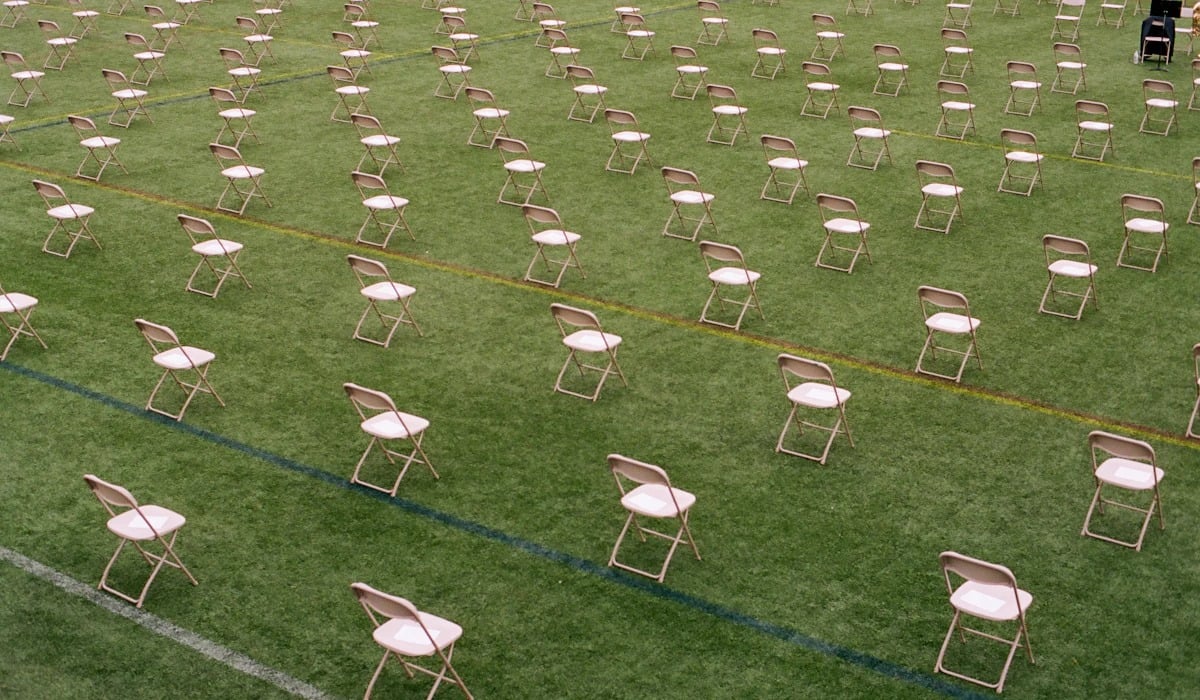
Chairs were lined up back to back, one fewer than the number of players, and a Halloween novelty record spun on the hi-fi while kids circled in costume. When the needle lifted, everyone lunged for a seat, and the one left standing sat out.
Witch hats fell off and capes got caught on chair legs in every round. Musical chairs long predates modern Halloween parties, making it easy to adapt to the holiday with spooky music.
By the 1960s, a host might use a sound-effects album of creaking doors and screams, making the sudden silence feel louder.
Pin the Nose on the Pumpkin
The Halloween version of pin the tail on the donkey replaced the animal with a big orange pumpkin drawn on butcher paper or cut from a Dennison decoration. Blindfolded players were spun three times and sent toward the wall holding a paper triangle nose with a thumbtack through it.
Noses landed on ears, eyes, the stem and occasionally the host’s mother. The game adapted the familiar pin-the-tail format to a seasonal subject.
The donkey original dates to at least the late 19th century, so the pumpkin swap was already a variation on an established party game. Teachers and party hosts liked it because the equipment was simple.
Spider Web Yarn Tangle
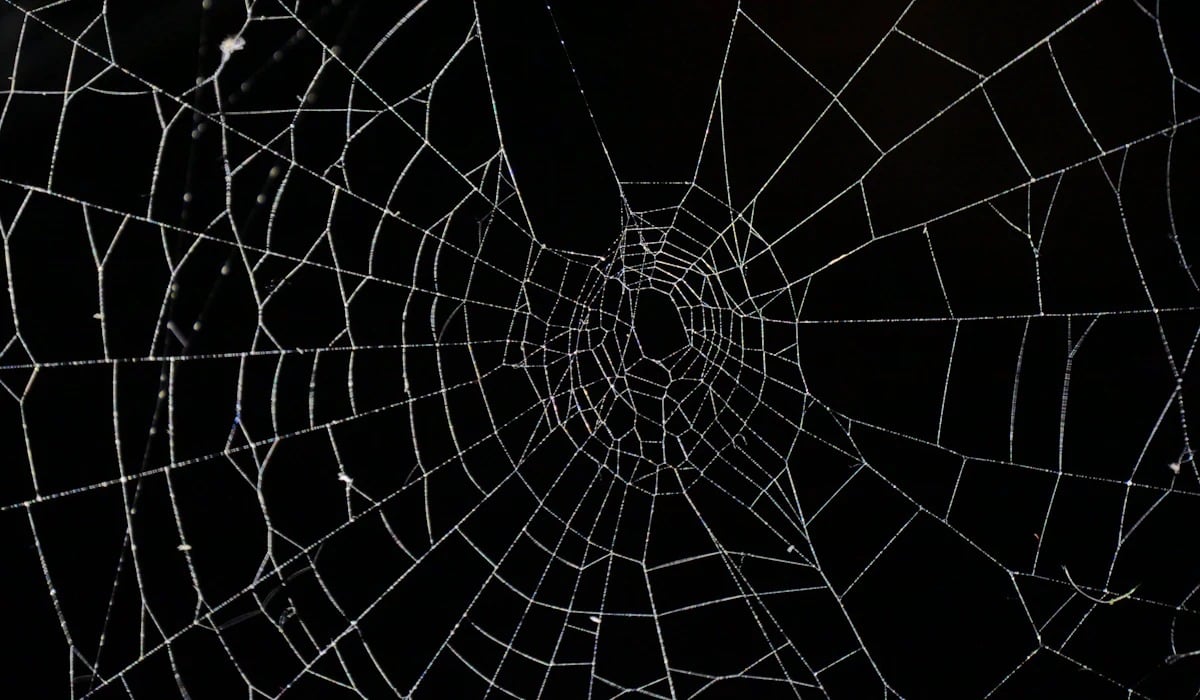
Before the party, a parent wound a skein of black or orange yarn through the living room, around table legs, over the banister and under chairs, with one strand per child and a wrapped prize tied to the far end. Each player got a yarn end and had to wind it onto a cardboard tube while following it through the tangle, climbing over and ducking under other players’ lines.
The game turned the entire first floor into a web and could take half an hour to complete. Halloween party guides from the early 20th century included string-based games and activities, although the exact rules varied by version.
Witch Hat Ring Toss
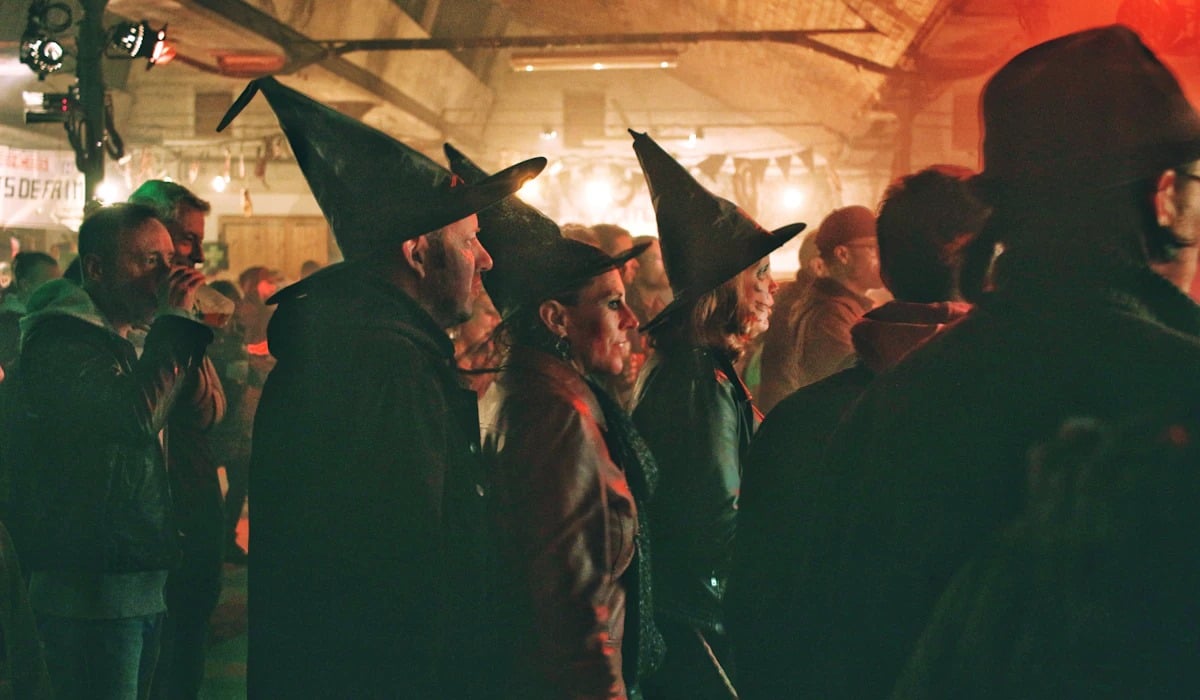
Three- or four-pointed witch hats from the five-and-dime were set on the lawn or taped to the floor, and players threw embroidery hoops, canning jar rings or rings cut from paper plates at the tips. Each hat carried a different point value, with the farthest one worth the most.
Younger kids stood closer and threw underhand while older ones backed up to the porch steps. The hats themselves were flimsy felt or cardboard cones that collapsed after a few hits, so a parent spent the evening propping them back up.
Prizes were usually a handful of candy corn or a plastic spider ring from the same store as the hats.
Broomstick Relay Races
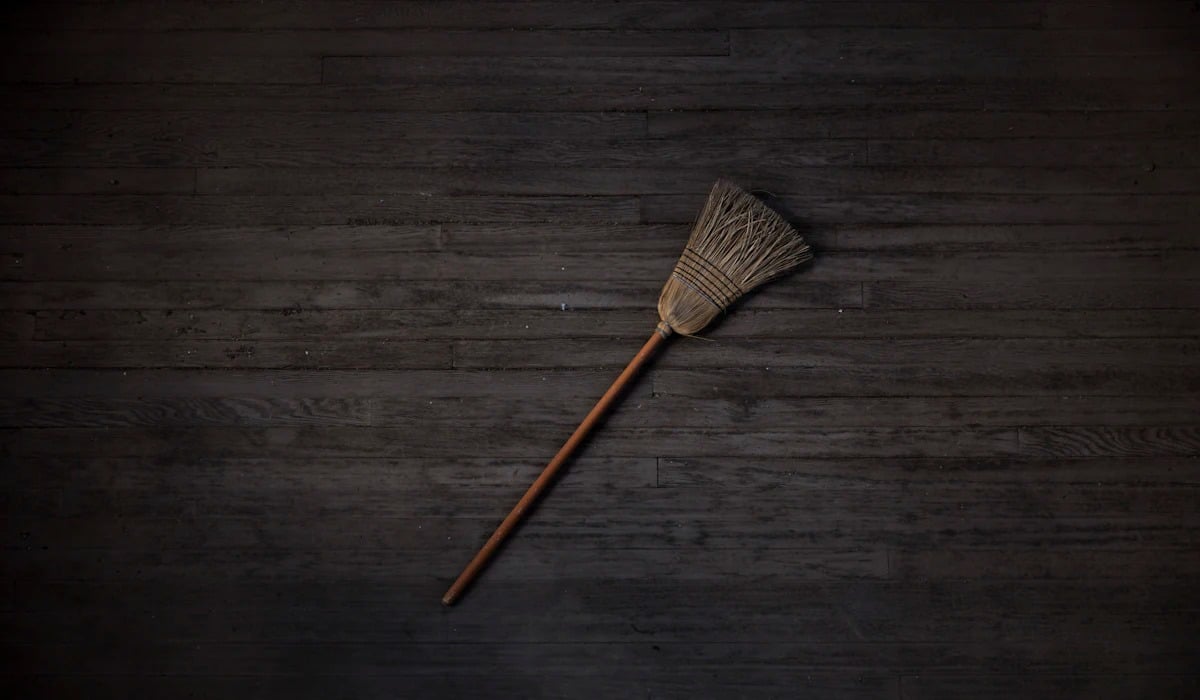
Two teams lined up at one end of the yard with a kitchen broom apiece and raced to a marker and back, riding the broom like a witch with the bristles trailing behind. The handoff was the chaos point, since the broom had to pass between players before the next rider could take off.
Some hosts added an obstacle, such as a lawn chair to circle or a jack-o’-lantern to jump over. Brooms could snap if a bigger kid put too much weight on the handle.
The race worked best at dusk with a porch light on, and it needed no purchase at all beyond what was already in the closet.
Pumpkin Rolling Down the Driveway
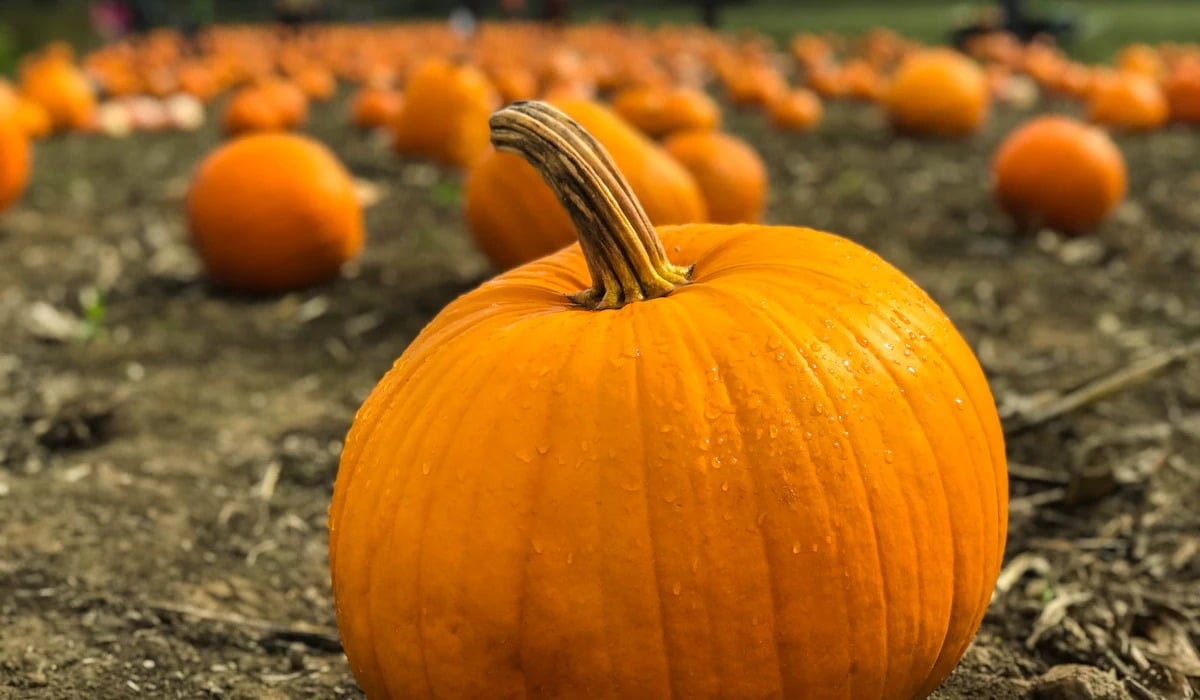
Any sloped driveway or stretch of sidewalk became an alley, and kids rolled small pumpkins toward a set of empty two-liter bottles or milk cartons stacked at the bottom. The lumpy shape sent each pumpkin veering off course, which was the entire appeal.
A pumpkin that survived ten rounds became the pie, and a pumpkin that split open ended the game. Fall festivals and family gatherings could adapt the idea for larger groups, using marked lanes in parking lots or open spaces.
Scoring followed whatever rules the oldest kid declared, and arguments over knocked-down cartons often lasted longer than the rolling itself.
Peeled Grapes and Cold Spaghetti Touch Box

Either a shoebox with a hand-sized opening cut in the side or a row of covered bowls held the witch’s body parts. Peeled grapes passed off as eyes, cold cooked spaghetti as brains, a chunk of dried apricot as an ear and a damp sponge as a tongue.
Blindfolded guests reached in while a narrator in a cape explained what they were touching. Versions of this sensory guessing game appeared in Halloween party guides and became a familiar activity at school parties and gatherings.
The spaghetti was the reliable scream, especially when the host had chilled it in the refrigerator with a little oil so it slid through the fingers.
Flashlight Ghost Stories
With the overhead light off and sleeping bags spread across the basement floor, the storyteller held a flashlight under the chin so the face glowed from below. The tales were a mix of local legend, camp stories and the hook-handed man in the back seat, and the ending always came with a lunge and a shout.
Each kid took a turn, and the quietest ones usually told the best stories. Underlighting a face creates dramatic shadows, a trick long familiar from stage lighting and photography.
To a nine-year-old, though, it was pure invention. Flashlights with dying batteries added a flicker that no one could have planned.
Ghost in the Graveyard
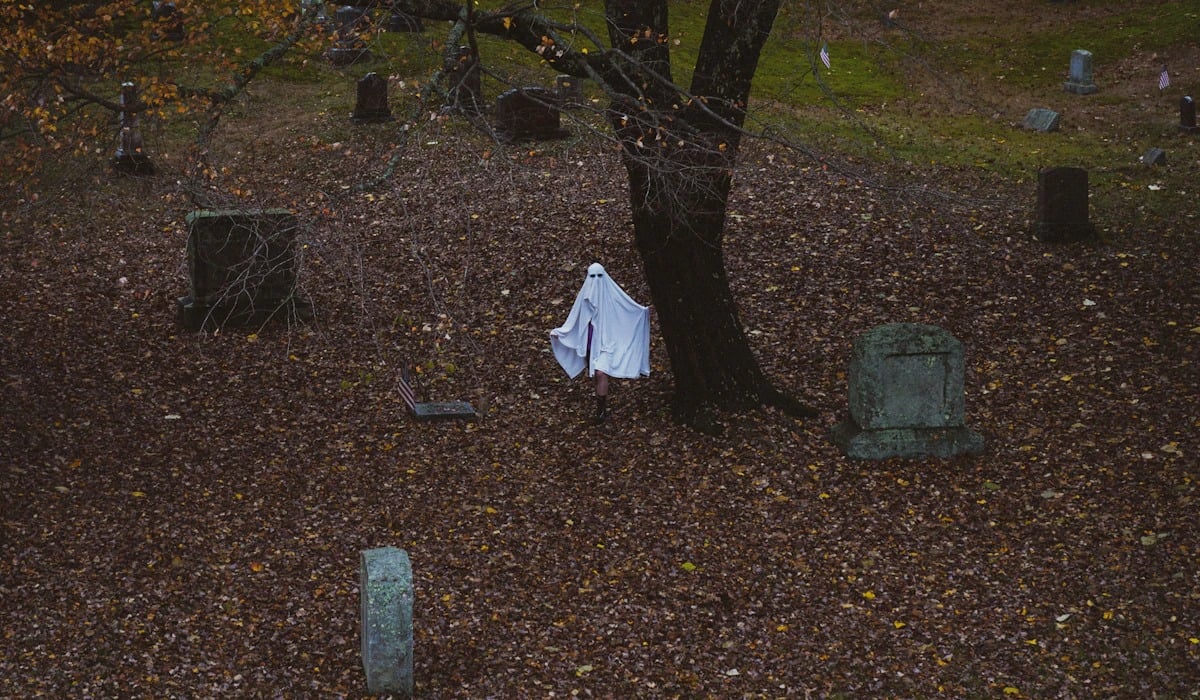
One player was the ghost and hid somewhere in the yard while the rest counted at the porch, sometimes using a rhyme or countdown before setting out to search. Whoever spotted the hider yelled the game’s name, and everyone raced back to base before the ghost could tag them.
A tagged player might become a ghost in the next round, so the hunting pack shrank and the hiding team grew. The game combined hide-and-seek with tag and worked best in neighborhoods with hedges and sheds.
Rules and names varied by region, and the shouted countdown could carry across several backyards on a still October night.
Sardines in a Dark House

Sardines flipped hide-and-seek on its head. One person hid while everyone else counted, and each seeker who found the hider had to squeeze into the same closet, bathtub or space under the stairs.
The last seeker wandering the dark house alone, hearing muffled giggles from behind a door, was the loser and the next hider. The game has been played at house parties and gatherings for generations, including in suburban homes.
The game required the lights to be off and the adults to stay out of the way. A good hiding spot could hold eight kids packed in like the fish that gave the game its name.
Murder in the Dark

Folded slips of paper were drawn from a bowl, with one marked as the murderer and one as the detective. The lights went out, players crept around the room, and the murderer tapped a victim on the shoulder or whispered in an ear.
The victim screamed, dropped dramatically and the lights came back on for the detective to question everyone. Kids lied badly and accused their siblings first.
Variations of murder mystery games were popular at British and American parties well before television, and the dark-room version fit Halloween particularly well because it required darkness and a bit of acting. Bumped shins and knocked-over lamps were part of the cost.
Bloody Mary in the Bathroom Mirror
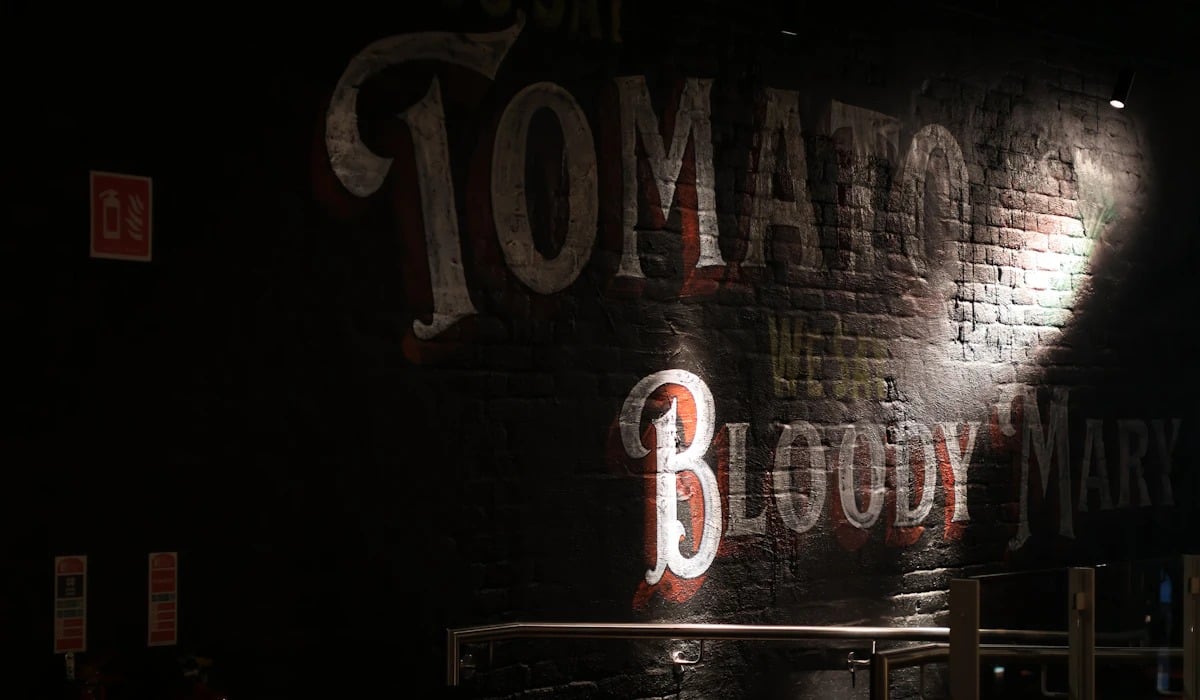
The dare was simple. A kid went into the bathroom alone, turned off the light, faced the mirror and said the name three times, or thirteen, depending on the neighborhood.
Then a face was supposed to appear in the glass. Folklorists documented versions of this mirror ritual among American children by 1970, and sleepover crowds passed it along for decades afterward.
Almost nobody made it to the third repetition before bolting for the door. The friends waiting outside counted the seconds and judged bravery by how long the light stayed off, and a tap on the door at the wrong moment produced the real scream.
Light as a Feather, Stiff as a Board
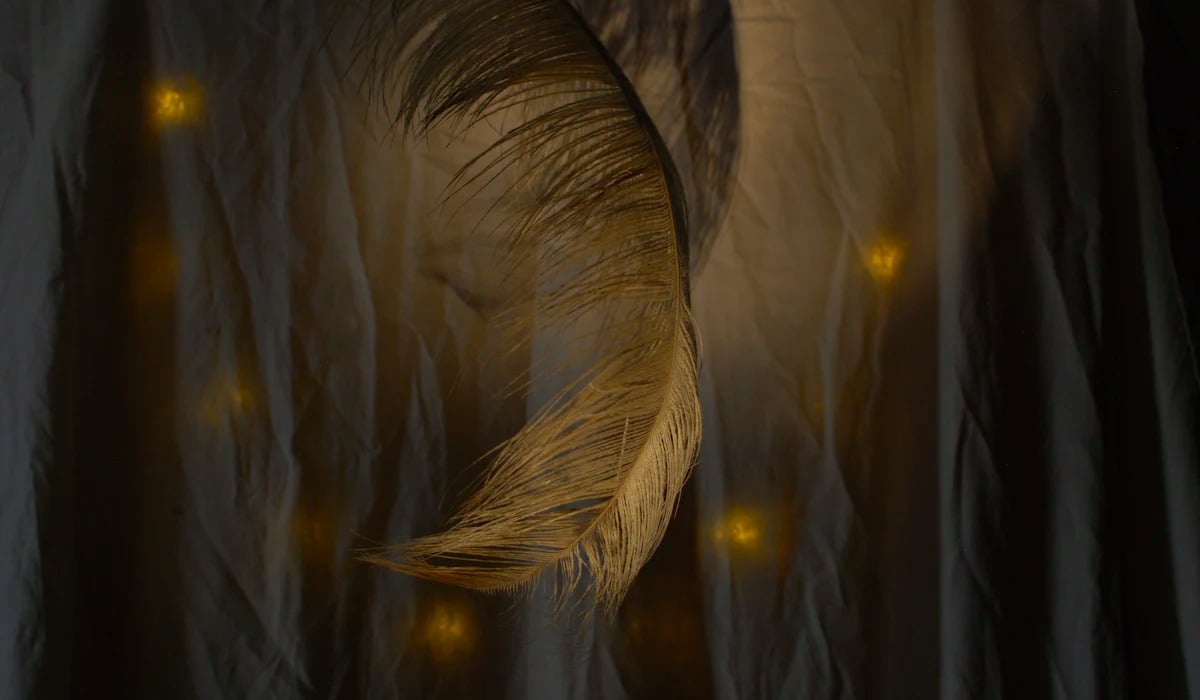
One player lay flat on the floor with eyes closed and arms crossed while four to six others knelt around and slid two fingers under the body. The leader told a story about the lifeless subject, everyone chanted the phrase together, and on cue the group lifted.
Because the weight was spread across so many fingers, the body could feel surprisingly easy to lift, which was enough to convince a room of eleven-year-olds that something supernatural had happened. Reports of similar lifting games go back centuries, although the precise origin of the familiar chant is difficult to establish.
Sleepovers kept the trick alive long after that.
Telephone With Ghoulish Phrases

Players sat in a line or a circle and the first one whispered a sentence to the next, with each listener passing along whatever had been heard. A Halloween host loaded the opening sentence with words that mangled well, something about a werewolf eating waffles in Wisconsin, and the final version was read aloud to the room.
The game needed no equipment, worked for any age and settled a hyper crowd for ten minutes. Teachers used it to fill the last stretch of a classroom party in the 1960s and 1970s.
The garbled result was always funnier than whatever the original sentence had been.
Freeze Dance to Monster Mash
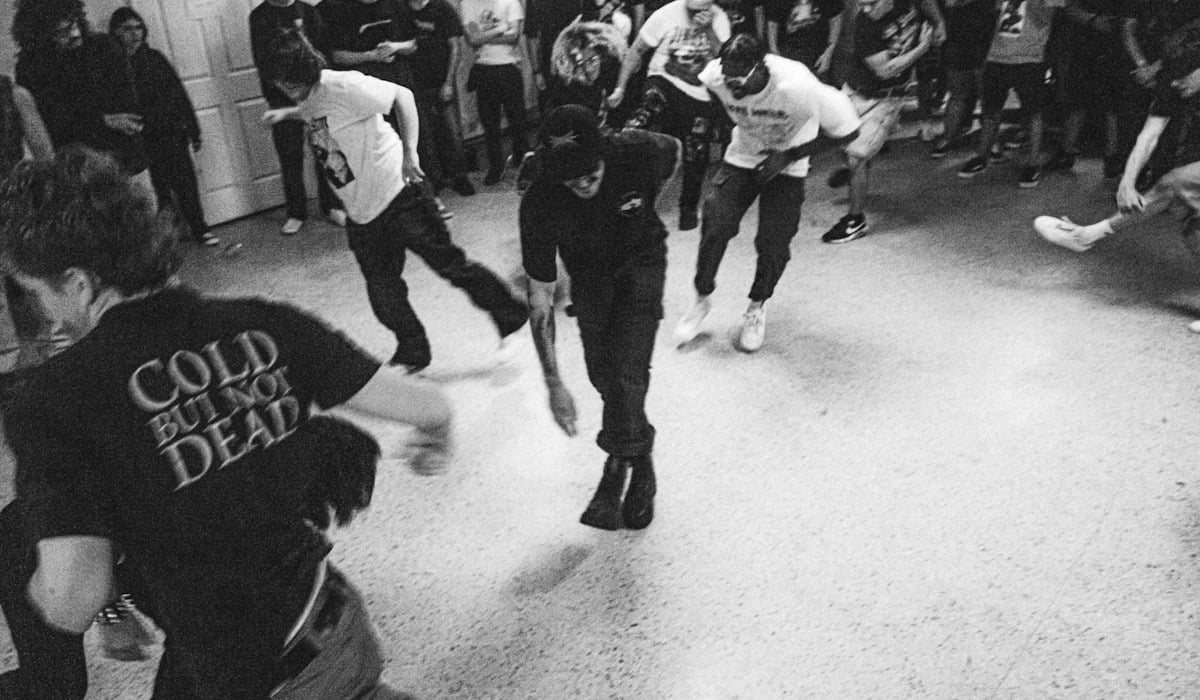
A parent dropped the needle on Monster Mash, the Bobby Pickett novelty record that reached No. 1 on the Billboard chart in October 1962, and kids in costume danced until the music cut out. Anyone caught moving after the stop was out, and a judge watched for swaying capes and twitching fingers.
The last dancer standing won a candy bar. The song’s spoken-word verses made it easy to tell when the record had been lifted and when it had simply gone quiet, which caught plenty of players mid-shuffle.
Later hosts swapped in Thriller after 1982, but the rules never changed.
Cake Walk in the Church Basement
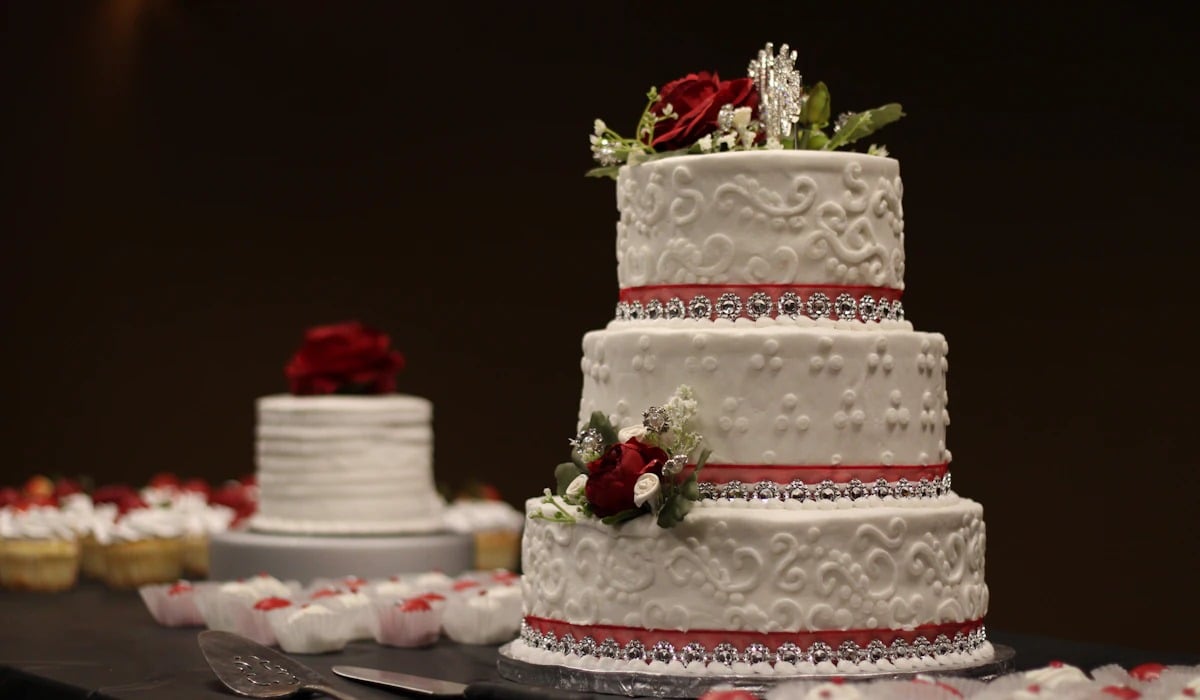
Numbered squares were taped in a circle on the linoleum floor of a church hall or school gym, and players walked around them while a record played. When the music stopped, a number was drawn from a hat, and whoever stood on that square carried home a cake donated by a parishioner.
The cakewalk has a more complicated history than its modern party-game form suggests. It developed from a dance associated with enslaved African Americans on Southern plantations in the 19th century, where performers used movement and parody in ways that could mock the manners of white slaveholders.
The dance was later appropriated and commercialized in minstrel shows and other entertainment. By the mid-20th century, the numbered-square version had become a familiar carnival and fundraising game.
A kid lucky enough to win walked out holding an entire layer cake.
Costume Parade Around the Block
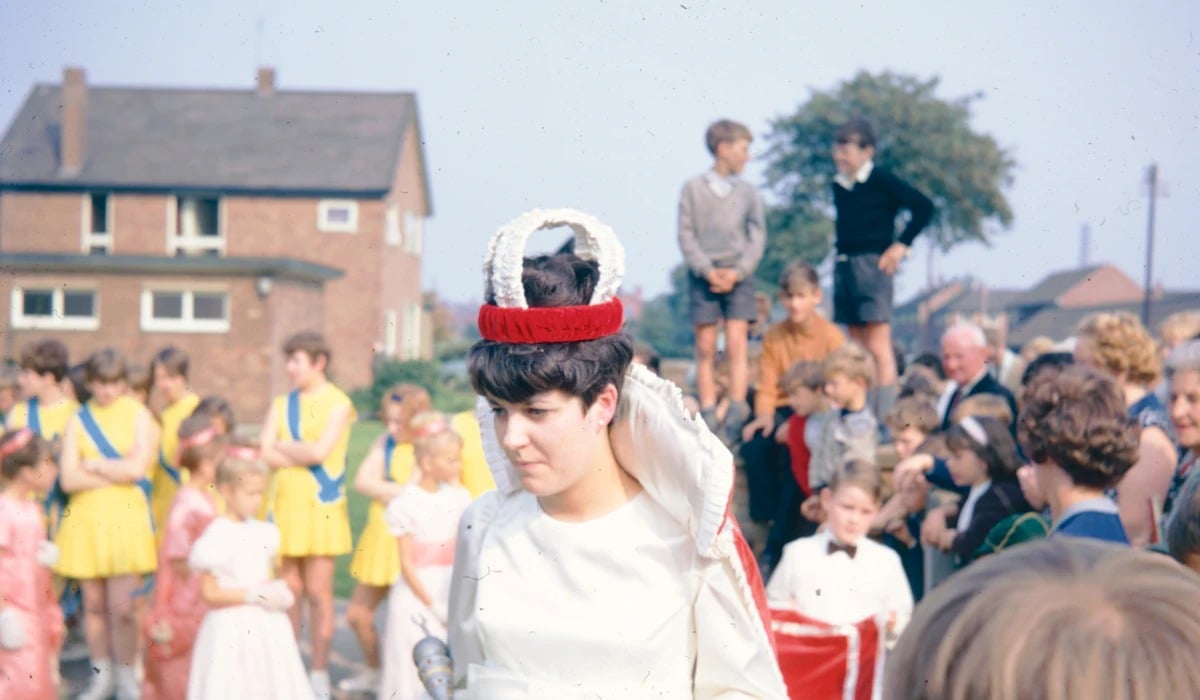
Every neighborhood party and school classroom could include a costume parade. Kids lined up by class or by age and marched in a loop around the gym, down the block or across the stage in the cafeteria while parents clapped and took photographs.
Judges handed out ribbons for scariest, funniest and most original costume, and every child who got no ribbon might receive a consolation lollipop. Homemade costumes from feed sacks, cardboard boxes and old sheets were common in earlier decades.
Anoka, Minnesota, began its civic Halloween celebration in 1920 in part to redirect Halloween mischief, and the event included a parade. Its history is one example of communities organizing Halloween celebrations, rather than evidence that school parades nationwide began there.
Candy Corn Guessing Jar
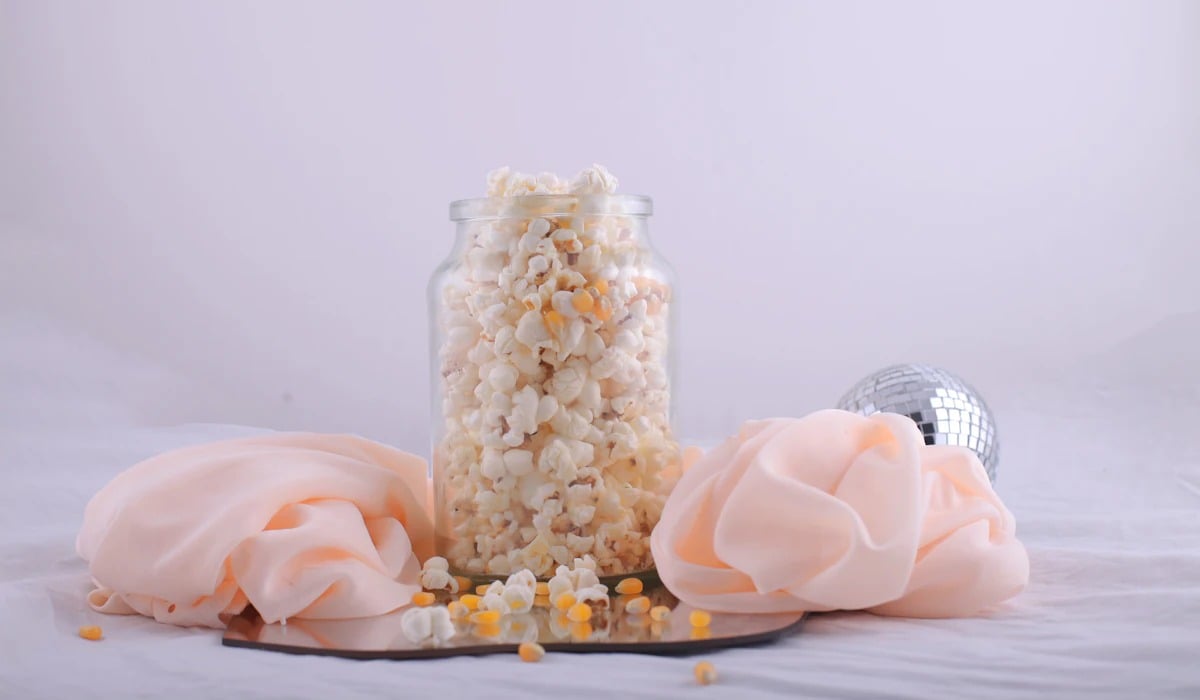
One quart Mason jar filled to the brim with candy corn sat on the party table with a stack of index cards and a pencil. Each guest wrote a name and a guess, and the closest number without going over won the entire jar.
Kids who had seen the trick before tried to count a single layer and multiply, which rarely worked. Candy corn dates to the late 19th century and was being sold by the Goelitz Company in 1898.
It was initially marketed as a seasonal candy associated with harvest time and became closely linked to Halloween later. The winner usually shared the jar under duress on the ride home.
Halloween Bingo With Candy Markers
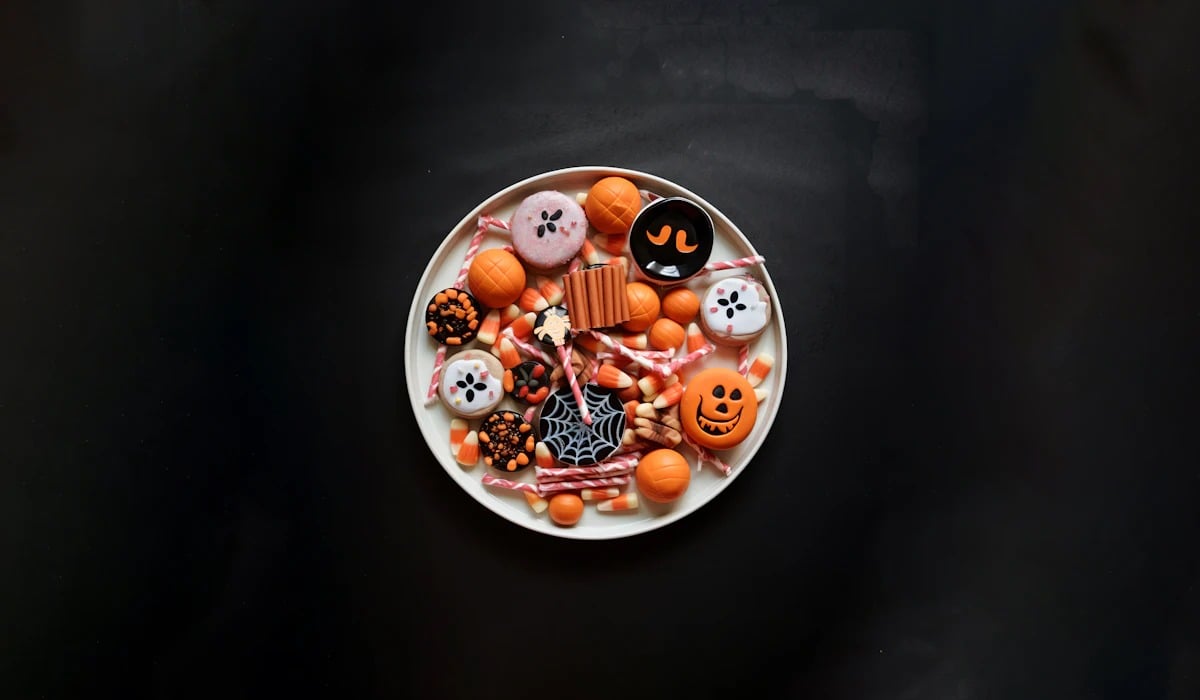
Cards printed with pictures of bats, cats, witches, ghosts and pumpkins replaced the numbers, and the caller pulled matching pictures from a paper bag. Players covered their squares with candy corn, which doubled as the prize when the game ended.
Teachers could prepare the cards in purple ink and run the game during the last hour of October 31. The first player to fill a row shouted bingo, and the rest ate their markers.
Party goods companies eventually sold printed sets, but many classrooms and hosts could make their own with a ruler and a set of rubber stamps.
Flashlight Scavenger Hunts
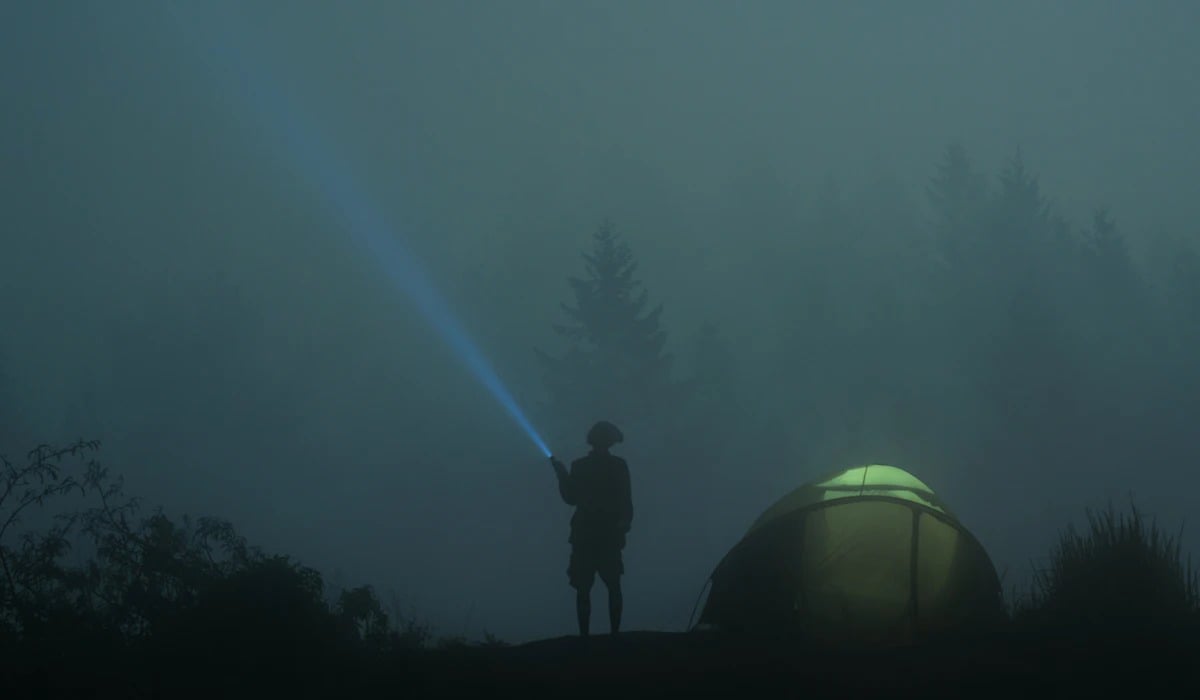
Each team got a list of items and one flashlight, and the hunt covered the yard, the garage and sometimes the full block. Lists mixed easy finds like an acorn and a red leaf with harder ones like a black cat sticker hidden under the porch.
Hosts hid clues inside plastic pumpkins and under flowerpots in the afternoon. The flashlight rule meant only one team member could see at a time, which produced plenty of yelling.
Suburban yards and nearby streets could make this kind of hunt easy to organize, provided the route was safe and the boundaries were clear.
Haunted Basement Walk-Throughs
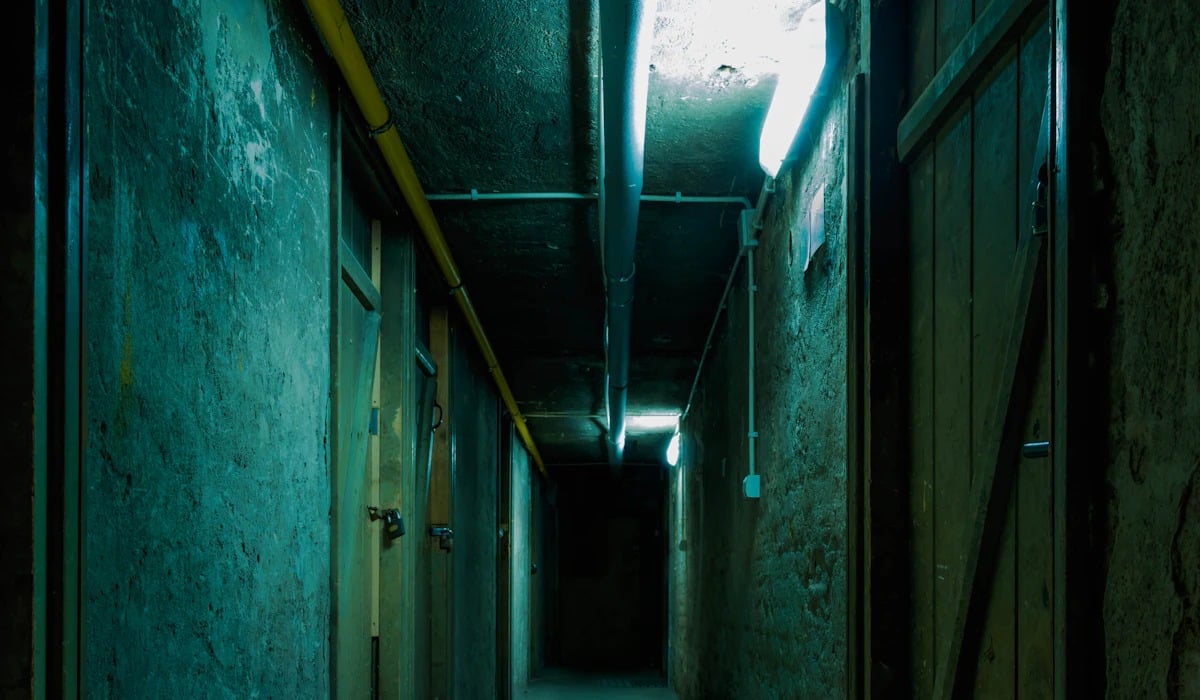
Teenagers and older siblings built the family haunted house in the basement or garage with bedsheets for walls, a strobe light from the hardware store and a tape recorder playing moans. Younger kids were led through one at a time, past a hand reaching from a box and a cousin in a rubber mask who jumped from behind the water heater.
Community haunted houses run by service clubs also became popular Halloween attractions during the 20th century, and home versions borrowed familiar tricks. Smoke effects might come from dry ice in a bucket, and the exit could lead through the laundry room.
Ouija Board Sessions
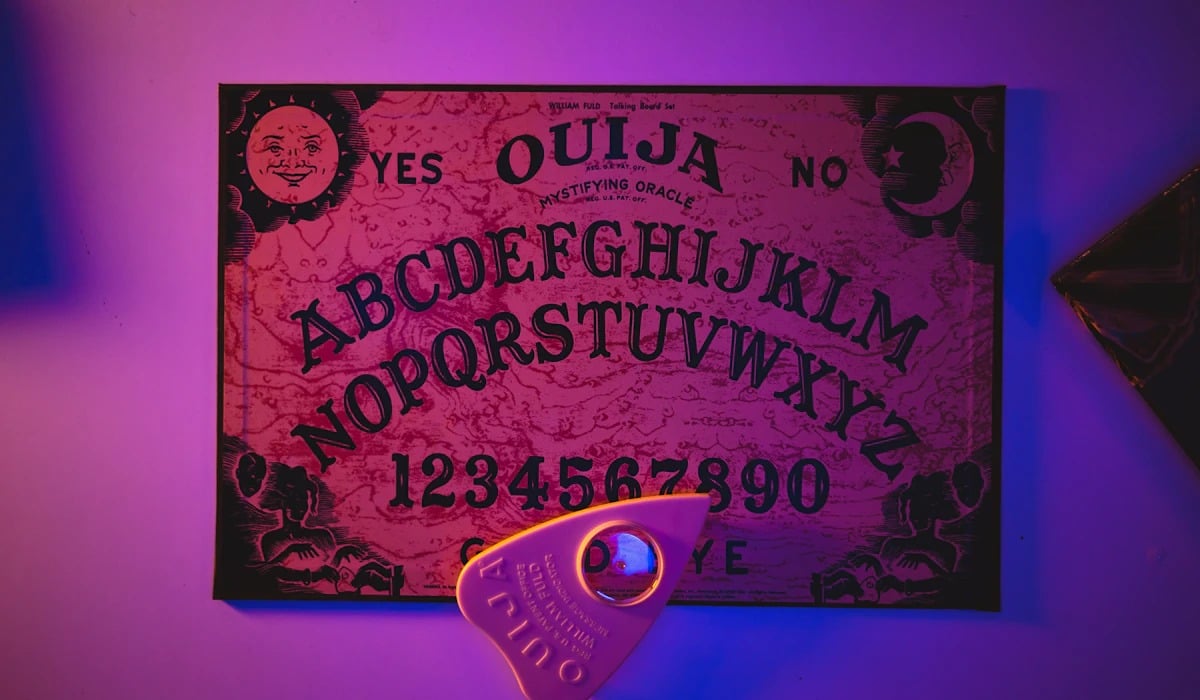
A group of kids crowded around the board on a bedroom floor with fingers on the plastic planchette and asked it who had a crush on whom. The board was patented in 1891 and sold by the Kennard Novelty Company of Baltimore before Parker Brothers bought the rights in 1966 and began marketing it as a mass-market game.
Somebody always pushed, somebody always denied it, and at least one player refused to touch it. The session ended when the board spelled a name that upset someone or when a parent came down the stairs.
Vintage boards from the 1960s and 1970s can turn up at yard sales and online, but prices vary with edition, condition and completeness.
Snap-Apple
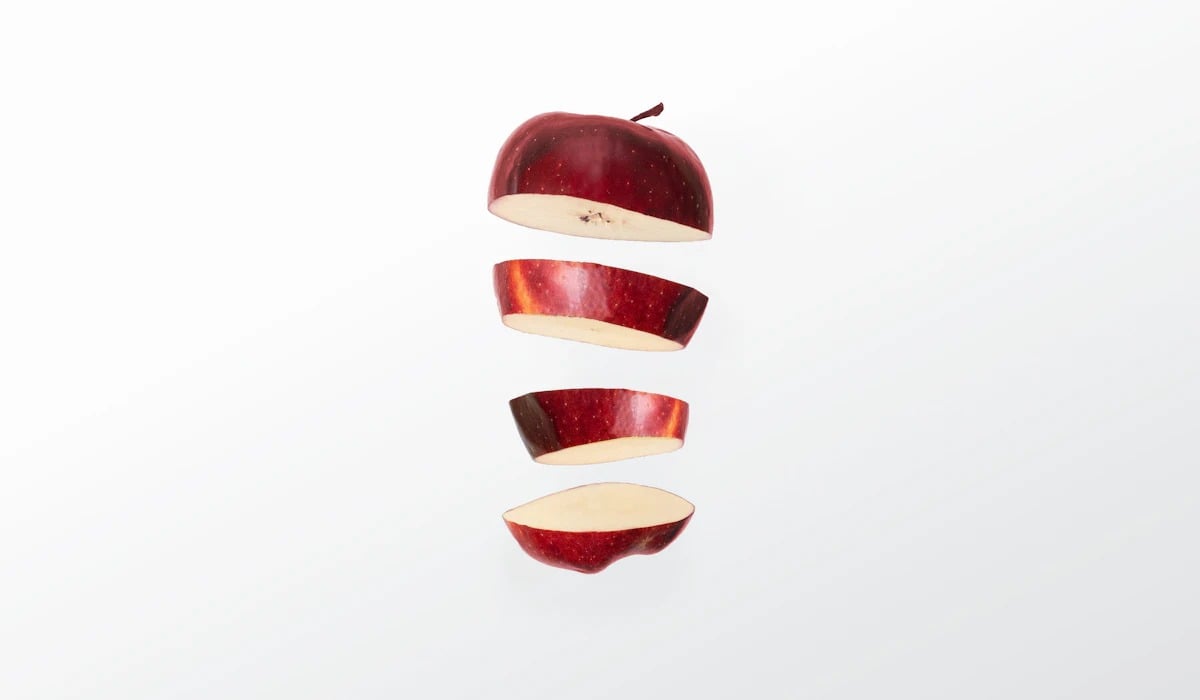
Apples were hung from a string on a doorframe, and players tried to bite one with hands behind the back while it swung away. The game shares a name with Snap-Apple Night, the 1833 painting by Daniel Maclise of an Irish Halloween gathering, and apple-biting games were part of Halloween traditions in Ireland and Britain before becoming familiar in other places.
Some versions spun the apple on a stick with a lit candle at the other end, but that variation carried an obvious fire risk. The party version was pure contest.
The first player to get a clean bite won, and bruised apples went into a pie the next day.
Pumpkin Seed Spitting Contest
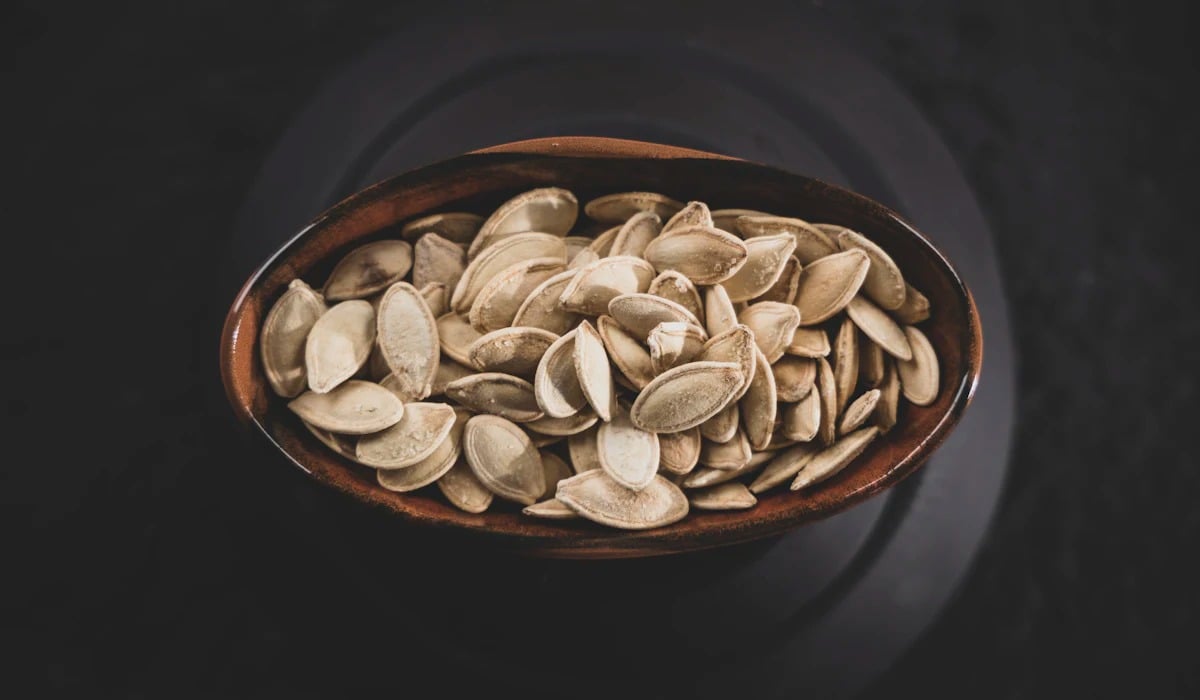
Roasted or raw, pumpkin seeds became ammunition in a distance contest held on the driveway or across the lawn. Players stood behind a chalk line, took a seed and spat for distance, with a parent marking the landing with a bottle cap.
Wind, drool and a dry mouth all counted against a competitor. The event borrowed the format of other seed-spitting contests held at fairs and gatherings, using the seeds scraped out during jack-o’-lantern carving that afternoon.
Fall festivals in some farm towns still hold versions with measured lanes, but the backyard rules were simpler. Whoever spat farthest got first pick of the next pumpkin to carve.
Mystery Sound Game
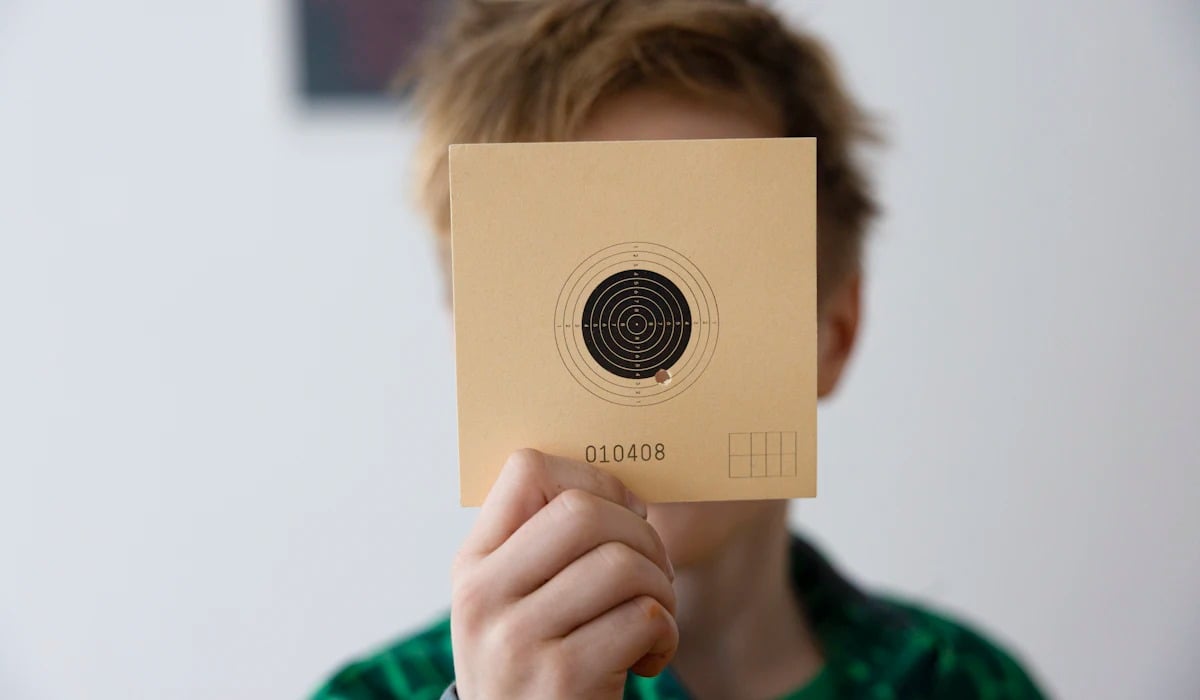
The host taped a dozen sounds onto a cassette or made them live behind a curtain, and players wrote down what each one was. A creaking door, a chain dragged across concrete, a bag of walnuts cracked underfoot, a wet sponge squeezed into a pan.
Halloween sound-effects records, including releases sold from the mid-20th century onward, gave hosts a library of screams, thunder and other spooky noises. Kids guessed wildly and argued over whether a sound was a werewolf or a dog.
The winner was whoever got the most right, and the answer sheet was always contested.
Basements That Did the Work
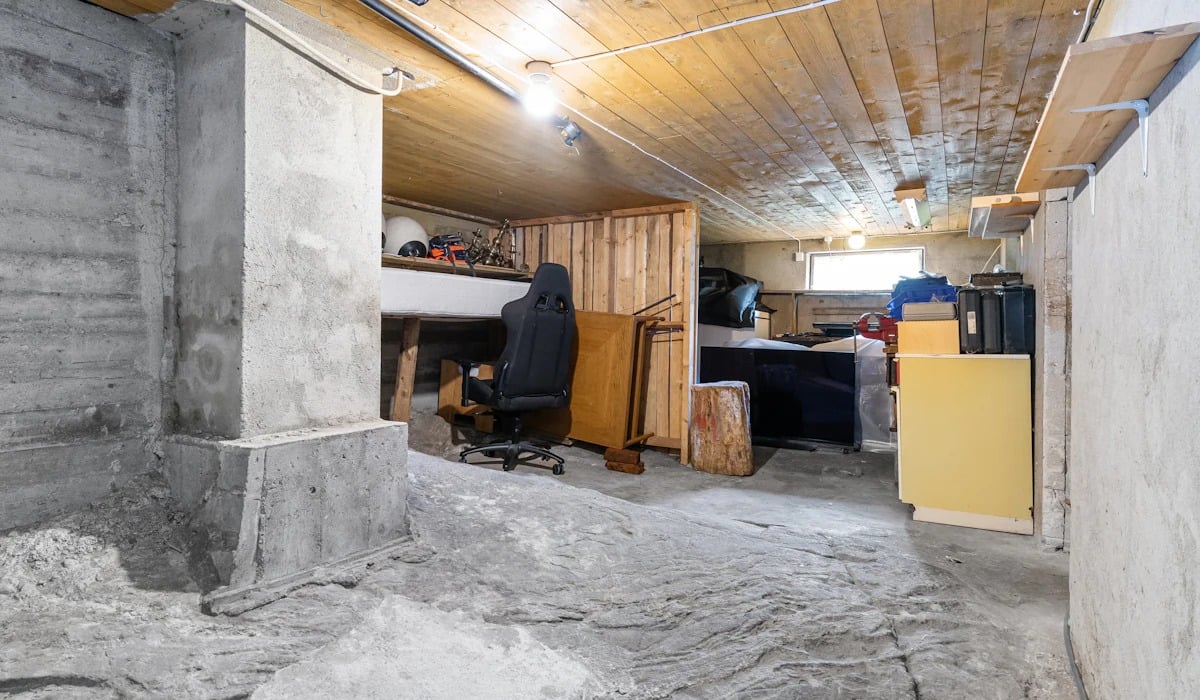
Almost every game on this list fit in a basement or a backyard and cost less than a bag of apples. The equipment was yarn, string, toilet paper, flashlights and whatever the kitchen already held.
Nobody needed a screen, a charger or a signal. The entertainment came from darkness, a little fear and the other kids in the room.
Those conditions have not disappeared; they just compete with a glowing rectangle in every pocket. A roll of toilet paper still makes a mummy, and a washtub still soaks a costume.
The games wait for any host willing to turn off the lights. The kids, once the phones go in a basket by the door, can still play them much the same way.
MORE FROM GO2TUTORS!

- The Romanov Crown Jewels and Their Tragic Fate
- 13 Historical Mysteries That Science Still Can’t Solve
- Famous Hoaxes That Fooled the World for Years
- 15 Child Stars with Tragic Adult Lives
- 16 Famous Jewelry Pieces in History
Like Go2Tutors’s content? Follow us on MSN.