How to Track Global Population in Real Time
Understanding how many people live on Earth at any given moment has fascinated researchers, policymakers, and curious minds for generations. While no system can provide a literal headcount of every person alive, modern technology and sophisticated statistical methods make it possible to track global population changes with remarkable accuracy. These tracking systems combine census data, birth and death rates, and advanced algorithms to provide estimates that update continuously.
Today’s population tracking tools democratize access to demographic data that was once available only to government agencies and research institutions. Here are the most effective ways to monitor the global population in real time.
Live Population Clocks and Counters

Population clocks represent the most accessible way to track global population in real time, with websites like Worldometer displaying continuously updating counters based on United Nations data and statistical models. These digital counters simulate population changes by calculating births and deaths per second using global demographic rates. The world population counter on Worldometer takes into consideration data from two major sources: the United Nations and the U.S. Census Bureau, ensuring reliability through cross-referencing multiple authoritative datasets.
Worldometer’s Global Statistics Platform

Worldometer provides live world statistics on population, government and economics, society and media, environment, food, water, energy and health, with interesting statistics including a world population clock and real-time tracking of various global metrics. The platform goes beyond simple population counting to include births and deaths happening throughout the day, population growth rates, and demographic breakdowns. You can access detailed statistics about birth rates, death rates, and net population growth, all updating in real time based on established demographic patterns.
United Nations Population Division Data
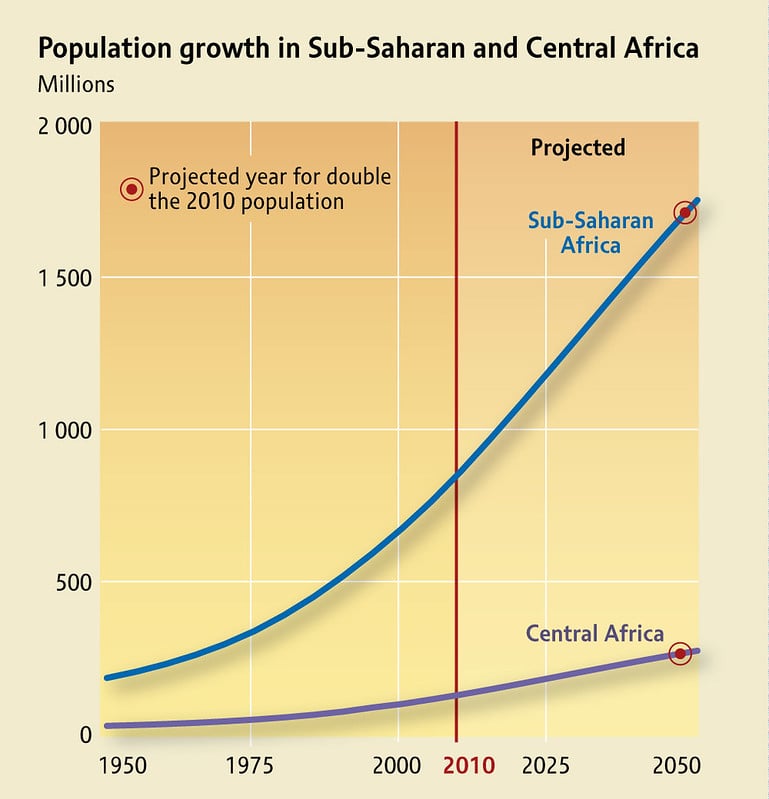
The UN Population Division regularly produces population projections for most regions and all countries of the world, presenting results in Excel files displaying key demographic indicators for different subgroups spanning the period 1950 to 2100. Their World Population Prospects database serves as the foundation for most real-time tracking systems. The UN Population Division regularly produces population projections for most regions and all countries of the world, making their data the gold standard for demographic analysis worldwide.
U.S. Census Bureau’s Population Clock

The U.S. Census Bureau maintains an official Population Clock for both the United States and the world, providing government-backed population estimates. This tool offers more than just global numbers—it breaks down population by regions and provides trade statistics alongside demographic data. The Census Bureau’s approach combines international databases with trade data to give users a comprehensive view of global population dynamics.
Population.io and Specialized Tracking Sites

Population.io by World Data Lab operates as part of The World Population Project, offering personalized population tracking that shows where you rank among all people alive today. These specialized platforms often provide unique features like age-based population rankings, life expectancy calculators, and personalized demographic insights that mainstream population clocks don’t offer.
Mobile and Real-Time Population Trackers

Modern population trackers provide real-time updates on the total number of people on Earth with accurate and dynamic statistics sourced from trusted organizations, making them ideal for students, researchers, and anyone curious about global demographics. Many of these tools are optimized for mobile devices and offer features like notifications for population milestones, historical data comparisons, and interactive charts showing population trends over time.
WorldPop Research Programme

The WorldPop research programme, based in the School of Geography and Environmental Sciences at the University of Southampton, produces data on population distributions and characteristics at high spatial resolution. Their approach focuses on integrating geospatial datasets to map population distributions over time, providing researchers with detailed geographic breakdowns of population data. The WOPR REST API provides a way for geo-web servers and other computers to communicate with the WorldPop Open Population Repository to submit requests for data and retrieve results.
Census Data and Demographic Analysis

The U.S. Census Bureau’s Demographic Analysis and Population Projection System (DAPPS) is comprehensive software designed to support detailed demographic analysis and population projections, featuring over 20 different techniques for analyzing population dynamics. Professional demographers use these tools to validate and refine population estimates, ensuring the accuracy of real-time tracking systems. These methods analyze age and gender distributions, migration patterns, and birth and death rates to create robust population models.
Health and Demographic Surveillance Systems

Health and Demographic Surveillance Systems (HDSS) are created by first executing a census of households in an area as a baseline, followed by regular visits to each household to gather health and demographic data. These systems provide ground-truth data that helps calibrate larger population tracking models. HDSS starts with enumerators undertaking a baseline census, allocating unique identifiers to households and individuals in the population, with enumerators visiting each household at defined intervals to record changes through births, deaths or migrations.
Our World in Data Platform
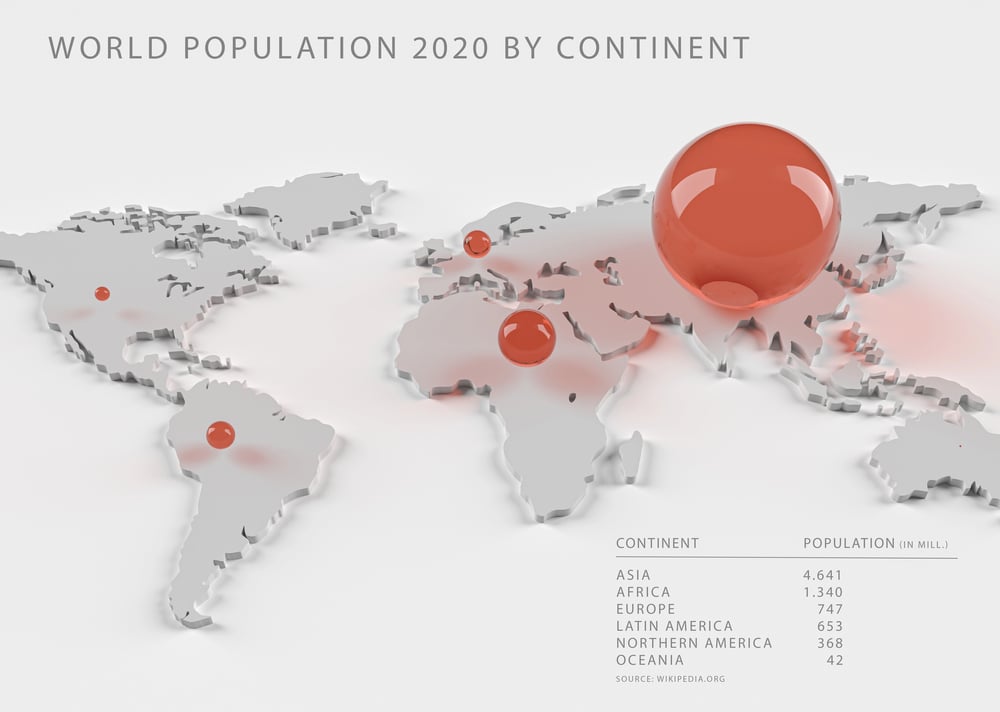
Our World in Data provides research and data to make progress against the world’s largest problems, including comprehensive population statistics and interactive visualization tools to explore related indicators. Their platform excels at putting population data in context, showing how demographic changes relate to economic development, health outcomes, and environmental factors. The site offers historical perspective alongside current data, helping users understand long-term population trends.
Country-Specific Population Registers
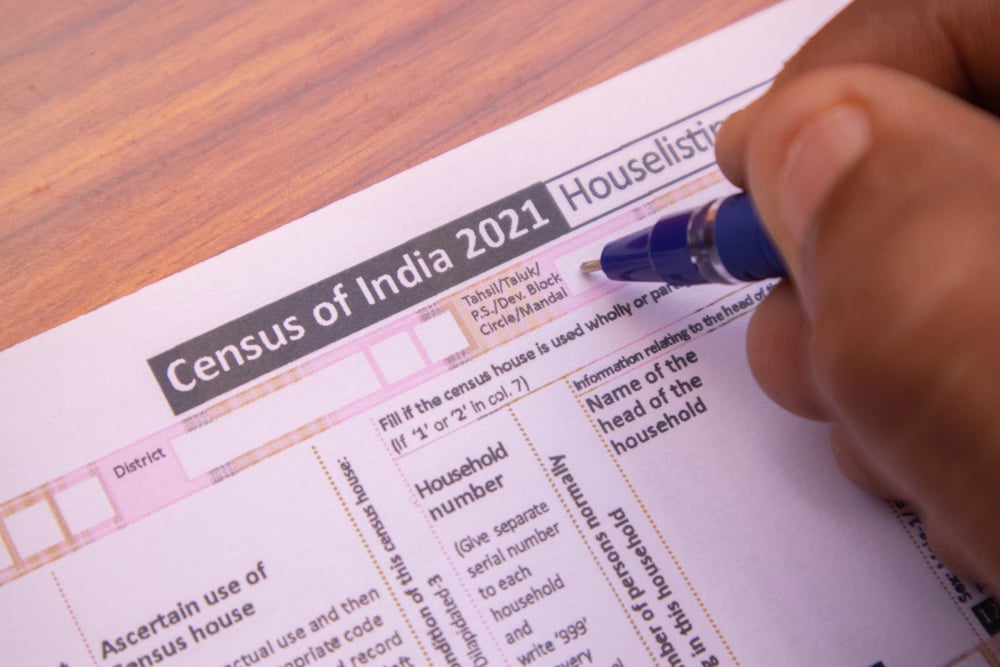
— Photo by Lakshmiprasad
Some high-income countries, such as Austria, Sweden, Denmark, Finland, Norway, The Netherlands, Japan, and Israel, maintain registers of their current living populations that extend beyond individual registration to link records across events for individuals. These national population registers represent the most accurate form of population tracking available, as they maintain real-time records of births, deaths, and migrations. Countries with these systems can provide near-perfect population counts for their territories.
APIs and Developer Tools

The WOPR REST API provides a way for geo-web servers and other computers to communicate with population repositories to submit requests for data and retrieve results. Developers can integrate population data into their own applications using various APIs from organizations like the World Bank, UN, and national statistical offices. These programmatic interfaces allow for custom population tracking applications and automated data analysis.
Understanding Data Accuracy and Limitations
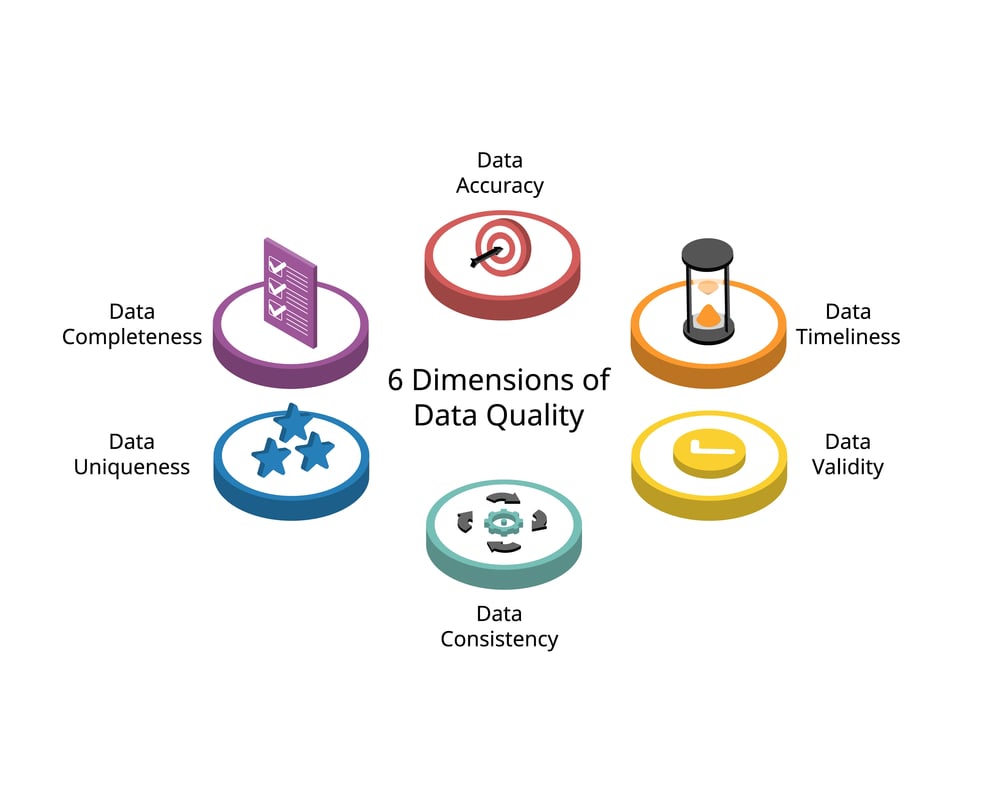
Obviously, the UN data is based on estimates and can’t be 100% accurate, so nobody can possibly say with any degree of certainty on which day world population reached any exact number, let alone at what time. Real-time population tracking systems simulate rather than count actual population changes, using statistical models based on established demographic patterns. The live count is based on scientific estimates and demographic models, making it highly reliable, though not a literal headcount.
Demographic Analysis Software
DAPPS 4.0 offers advanced methods to analyze and forecast population dynamics with a modern graphical user interface completely re-engineered for smooth workflow and enhanced data visualization. Professional researchers use specialized software to validate population estimates and create custom tracking models. These tools combine multiple data sources and apply sophisticated statistical techniques to improve accuracy and account for uncertainty in population estimates.
Population Projection Models
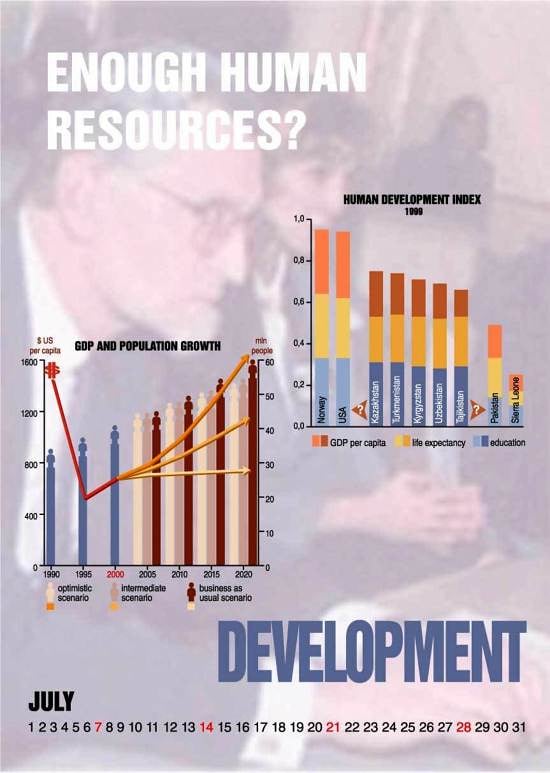
Several organizations regularly conduct projections, including the UN Population Division, the WHO, the International Institute for Applied Systems Analysis in Austria, and academic institutions. These projection models form the backbone of real-time tracking systems by providing the mathematical frameworks that convert current demographic data into continuous population estimates. Understanding these models helps users interpret the reliability and limitations of different tracking systems.
The Digital Revolution in Demographics

Real-time population tracking represents a remarkable achievement in making complex demographic data accessible to everyone. Tools like World Population Clock democratize data access, using algorithms based on UN models to simulate real-time changes and educate on trends, inspiring action on sustainability. What once required expensive research infrastructure and specialized expertise is now available instantly through web browsers and mobile apps, empowering individuals, organizations, and governments to make data-driven decisions about our shared future.
More from Go2Tutors!

- 16 Historical Figures Who Were Nothing Like You Think
- 12 Things Sold in the 80s That Are Now Illegal
- 15 VHS Tapes That Could Be Worth Thousands
- 17 Historical “What Ifs” That Would Have Changed Everything
- 18 TV Shows That Vanished Without a Finale
Like Go2Tutors’s content? Follow us on MSN.



