15 Forgotten Festivals Once Celebrated
Throughout history, countless festivals have brought communities together in celebration, marking everything from seasonal changes to religious observances. While some traditions endure across centuries, many once-beloved celebrations have quietly faded into historical obscurity.
These forgotten festivals offer fascinating glimpses into how our ancestors marked time, honored their beliefs, and found joy in shared rituals. Here is a list of 15 forgotten festivals that once played vital roles in their respective cultures.
Saturnalia

Ancient Rome’s most beloved winter festival honored Saturn, the god of agriculture, from December 17-23. During this celebration, social norms were completely upended – slaves were treated to banquets usually enjoyed by their masters, and role reversals allowed for a sense of equality among participants.
People exchanged gifts, gambled openly in the streets, and wore festive clothing while decorating their homes with greenery. The festivities were so loud and raucous that the Roman author Pliny reportedly stayed in a soundproof room to work without distraction.
Many Christmas traditions trace their roots back to this joyful Roman celebration.
Lupercalia
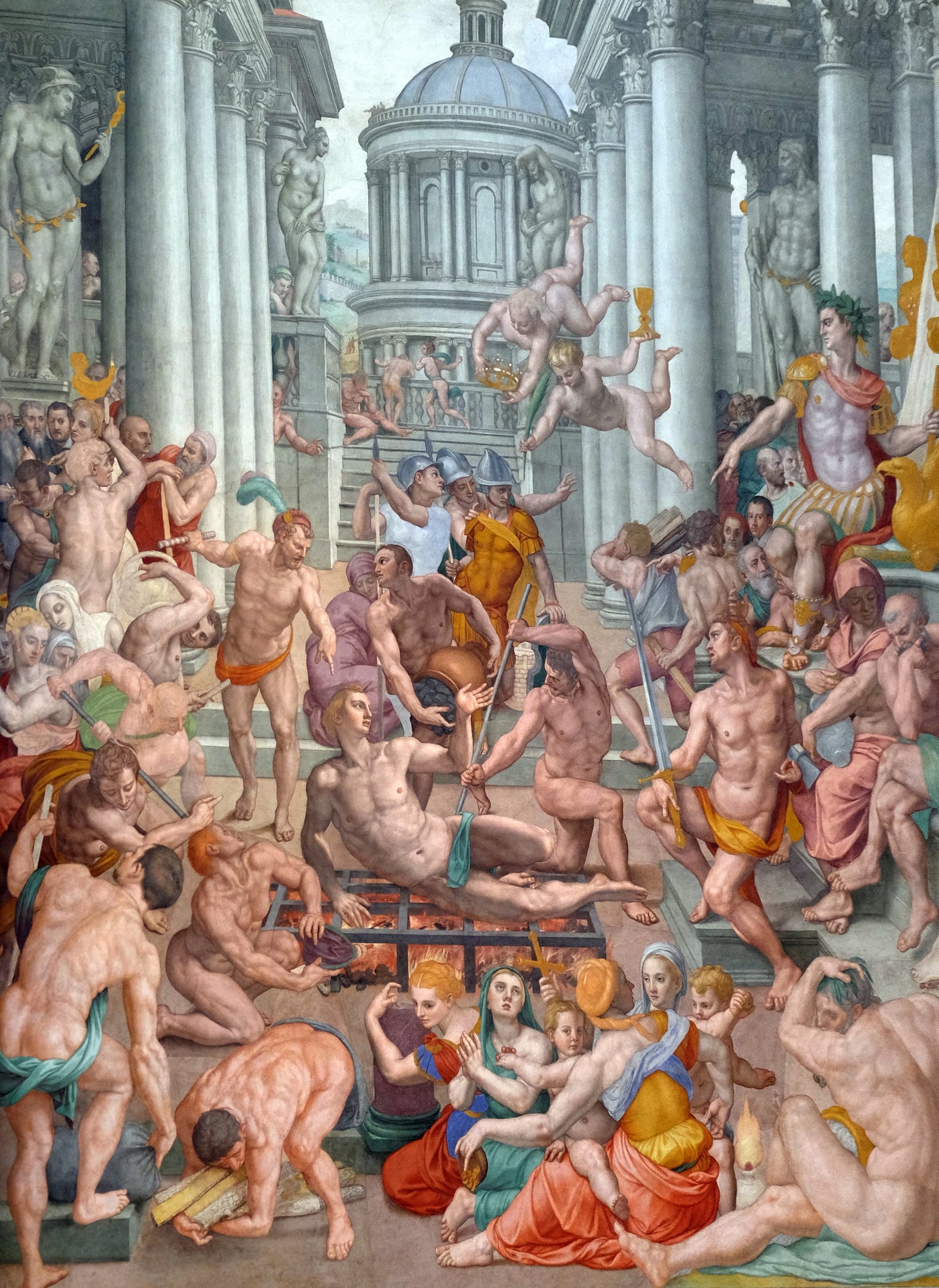
This ancient Roman festival held annually on February 15th was dedicated to the fertility god Lupercus, symbolizing the return of spring and celebrating fertility and purification. The celebration involved young men called Luperci who would strip down and run through the streets of Rome, striking women with strips of goatskin to promote fertility and protect against evil spirits – a practice women willingly participated in, believing it could enhance their chances of conceiving.
One of the more infamous traditions involved matchmaking, where young men would draw the names of women from a jar, often resulting in temporary pairings for the duration of the festival. This wild celebration eventually evolved into the more civilized Valentine’s Day we know today.
Like Go2Tutors’s content? Follow us on MSN.
Floralia
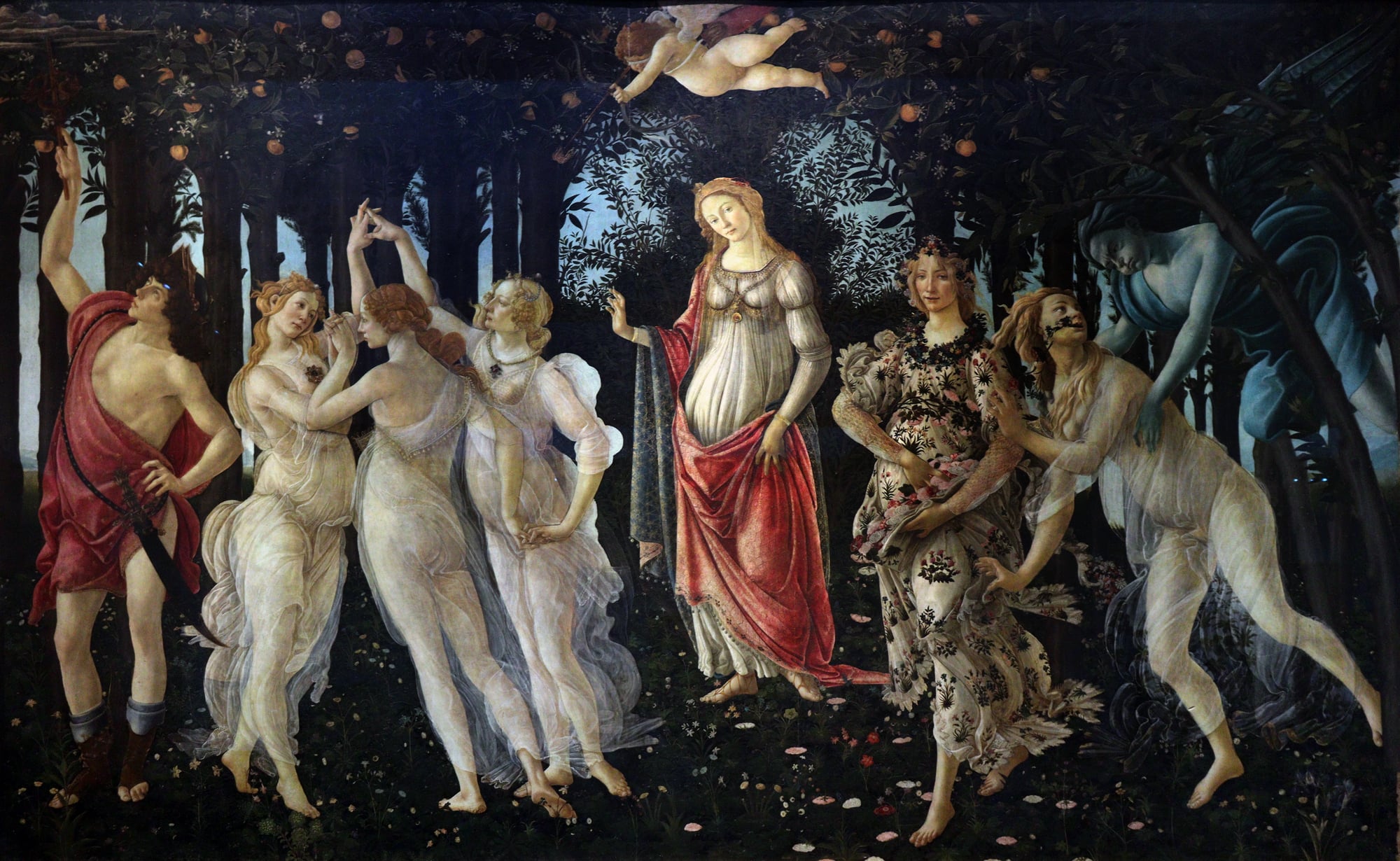
Dedicated to Flora, goddess of flowers and spring, this vibrant Roman festival was held in late April and early May, featuring games, competitions, and theatrical performances that marked the arrival of spring and renewal of life. The festival fell out of favor and was discontinued until 173 B.C., when the Senate, concerned with wind, hail, and other damage to flowers, ordered Flora’s celebration reinstated.
During the six-day festivities, animals were set free and beans were scattered on the ground to promote fertility, while citizens donned their most colorful attire inspired by the event. The celebration concluded with circus games and theatrical entertainment marking winter’s end and spring’s arrival.
Feast of Fools
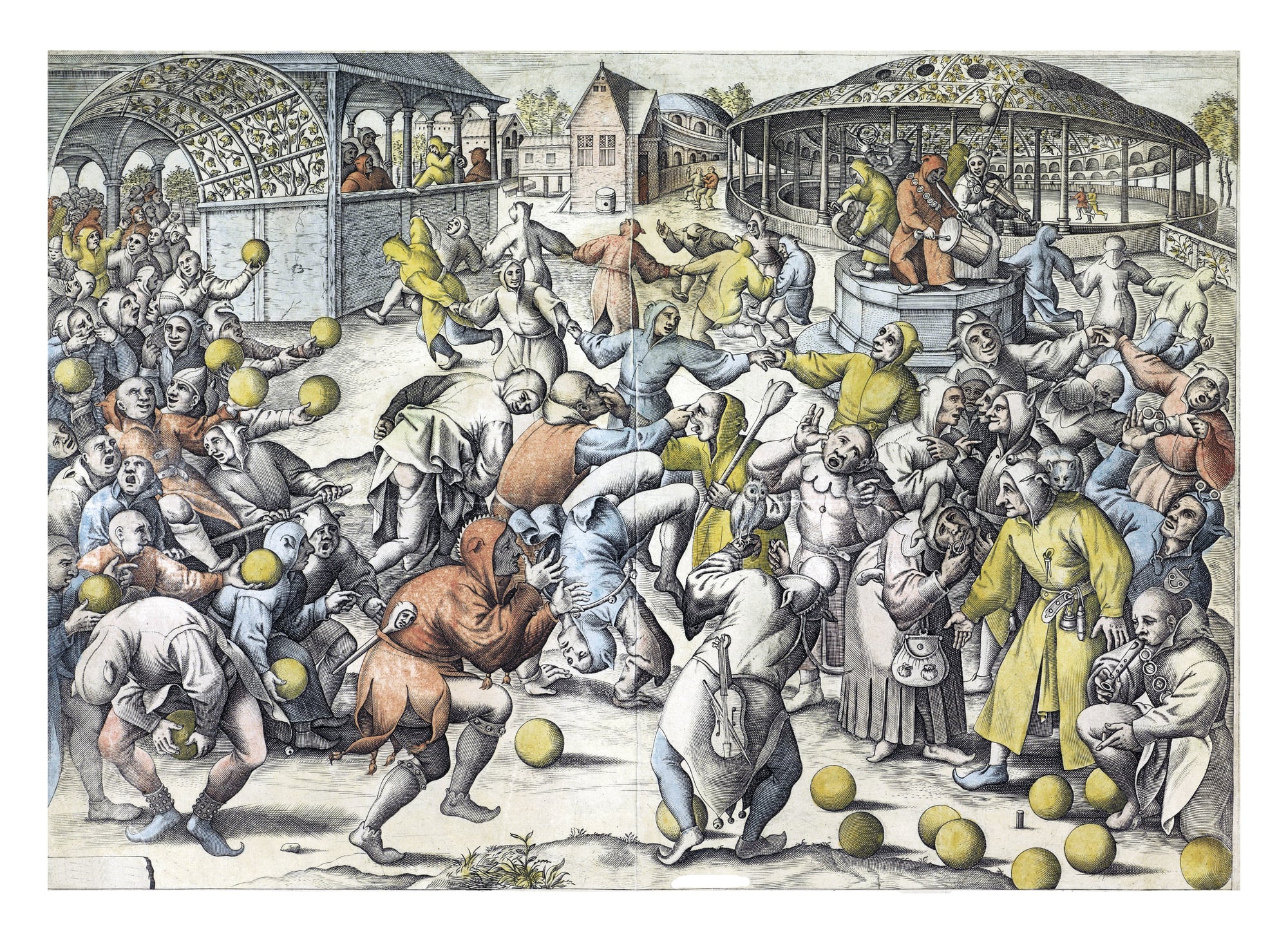
This medieval European festival, held on January 1st, began as a celebration by clergy in which participants would elect either a false Bishop, false Archbishop, or false Pope, with ecclesiastical ritual being parodied and higher and lower-level clergy changing places. Outside church doors, students would parade through streets with faces blackened with mud or animal dung to conceal their identities while they parodied clergy, doctors, civil officials, and rulers.
The festival served as a brief social revolution, granting power, dignity, and impunity to those in subordinate positions. Church authorities eventually condemned and banned the celebration, with the Council of Basel officially forbidding it in 1431.
Robigalia

These Roman feasts, held from April 25-28, were dedicated to the god Rubigus to prevent wheat from ripening too early and protect it from the fungus that caused ‘robigine’ or ‘wheat rust,’ a devastating crop disease. The main ritual involved a dog sacrifice to protect grain fields from disease, deriving from the archaic era when the Great Mothers were venerated.
The celebration consisted of a procession from Rome to a point outside the city, where a dog and sheep were sacrificed to save crops from blight. This agricultural festival reflected the Romans’ deep concern for their food security and their willingness to appease potentially malevolent deities.
Like Go2Tutors’s content? Follow us on MSN.
Lemuria
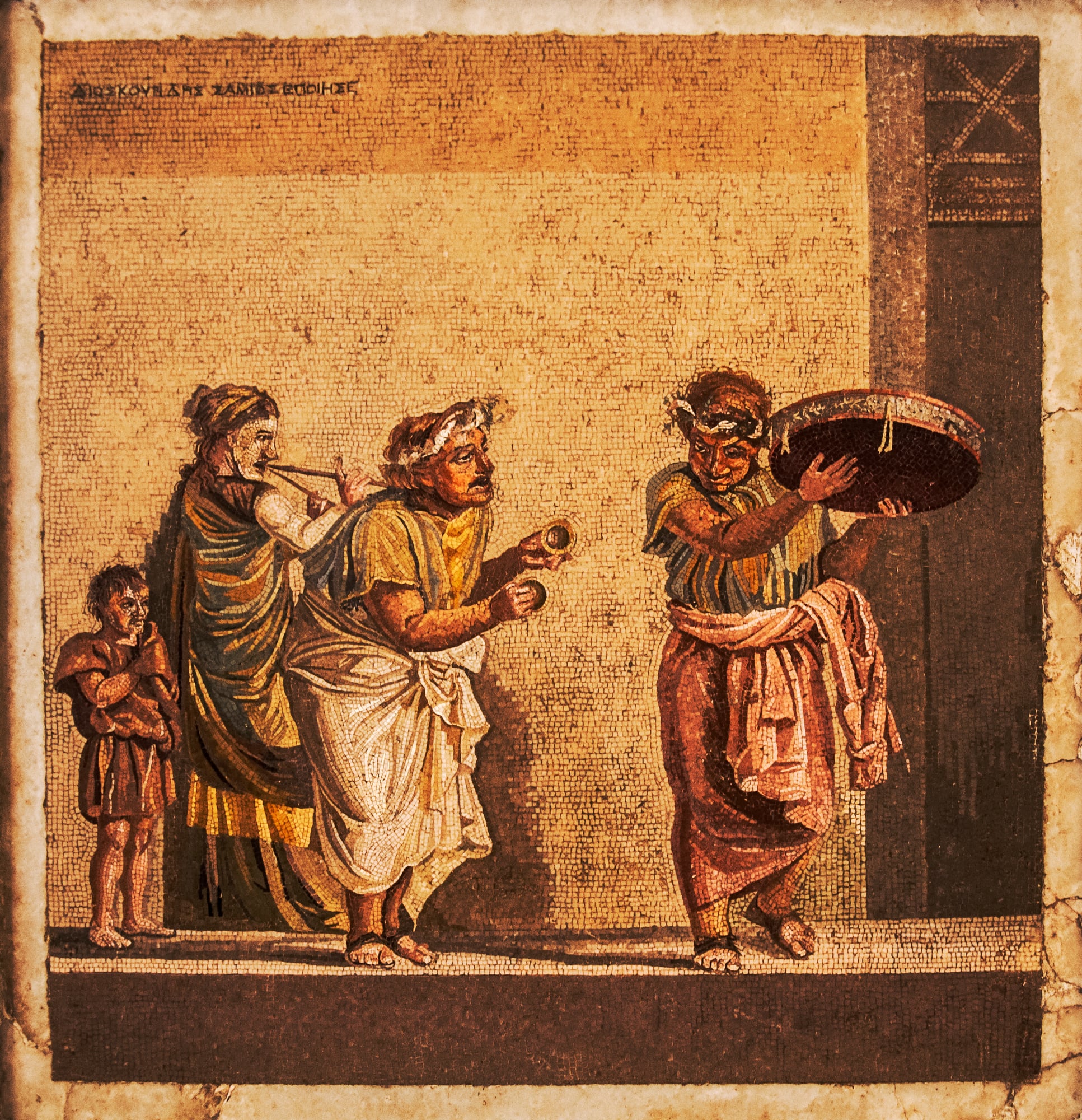
This annual Roman event, held on May 9, 11, and 13, involved rites to exorcise malevolent and fearful ghosts of the restless dead from homes, with these unwholesome spectres called lemures being propitiated with chants and offerings of black beans. According to Ovid, the householder would walk barefoot through the house at midnight, wash his hands in spring water, take black beans in his mouth and spit them out behind him while chanting ‘I send these; with these beans I redeem me and mine’ nine times.
The rest of the household would clash bronze pots while shouting for ancestral ghosts to depart. The festival’s name and origin myth derives from a supposed Remuria instituted by Romulus to appease the angry spirit of his murdered twin, Remus.
Terminalia
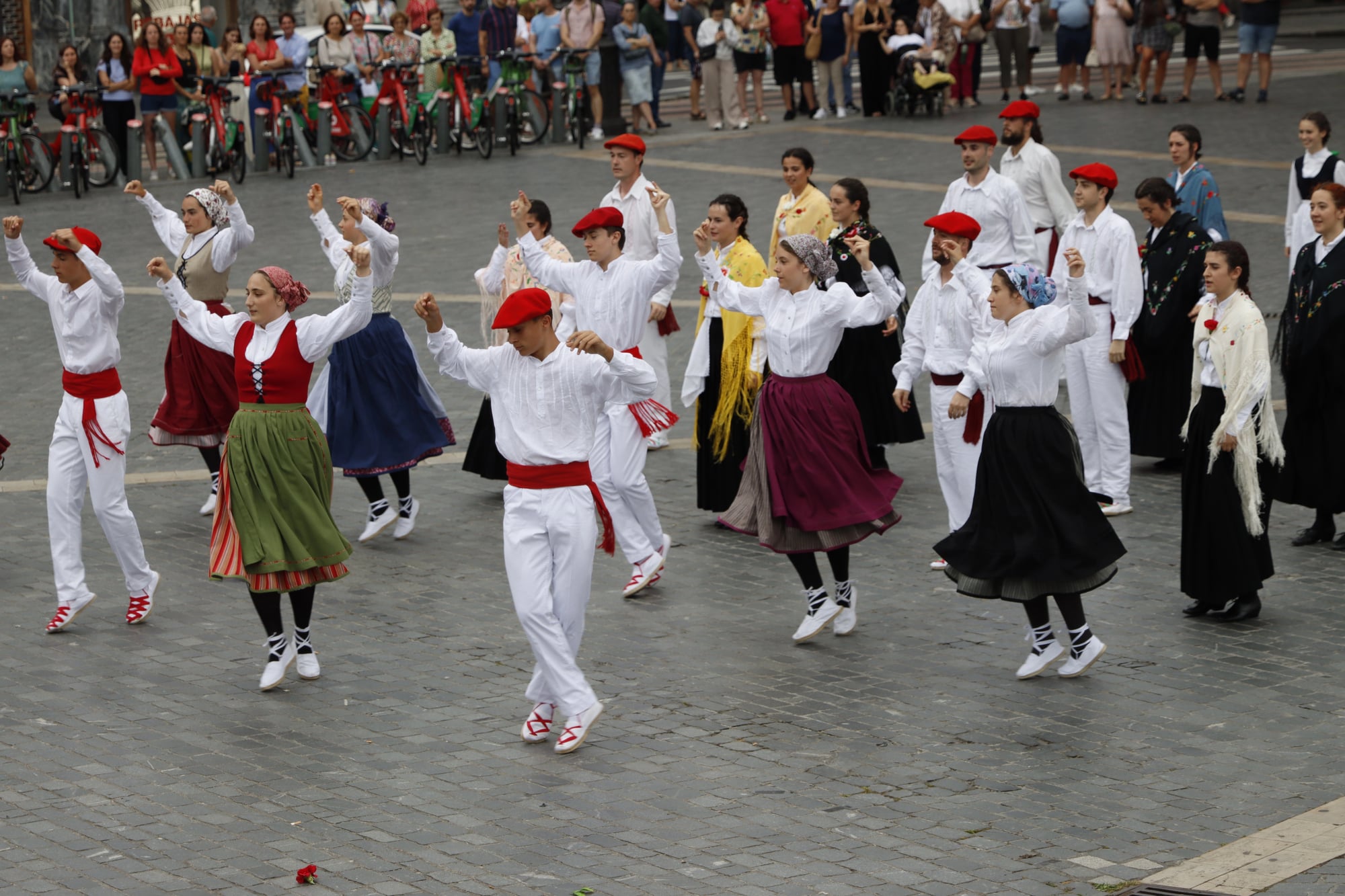
This ancient Roman festival honored Terminus, the god who presided over boundaries, celebrated on February 23rd when owners of adjacent property would crown his statue with garlands and raise a crude altar. They offered corn, honeycombs, wine, and sacrificed a lamb or suckling pig, concluding by singing the god’s praises.
The festival was celebrated on the last day of the old Roman year, and the central Terminus of Rome was an ancient shrine on the Capitoline Hill where the temple of Jupiter had to be built around it with a pit in the ceiling, as Terminus demanded open-air sacrifices. This celebration emphasized the critical importance of property boundaries in Roman society.
Ambarvalia
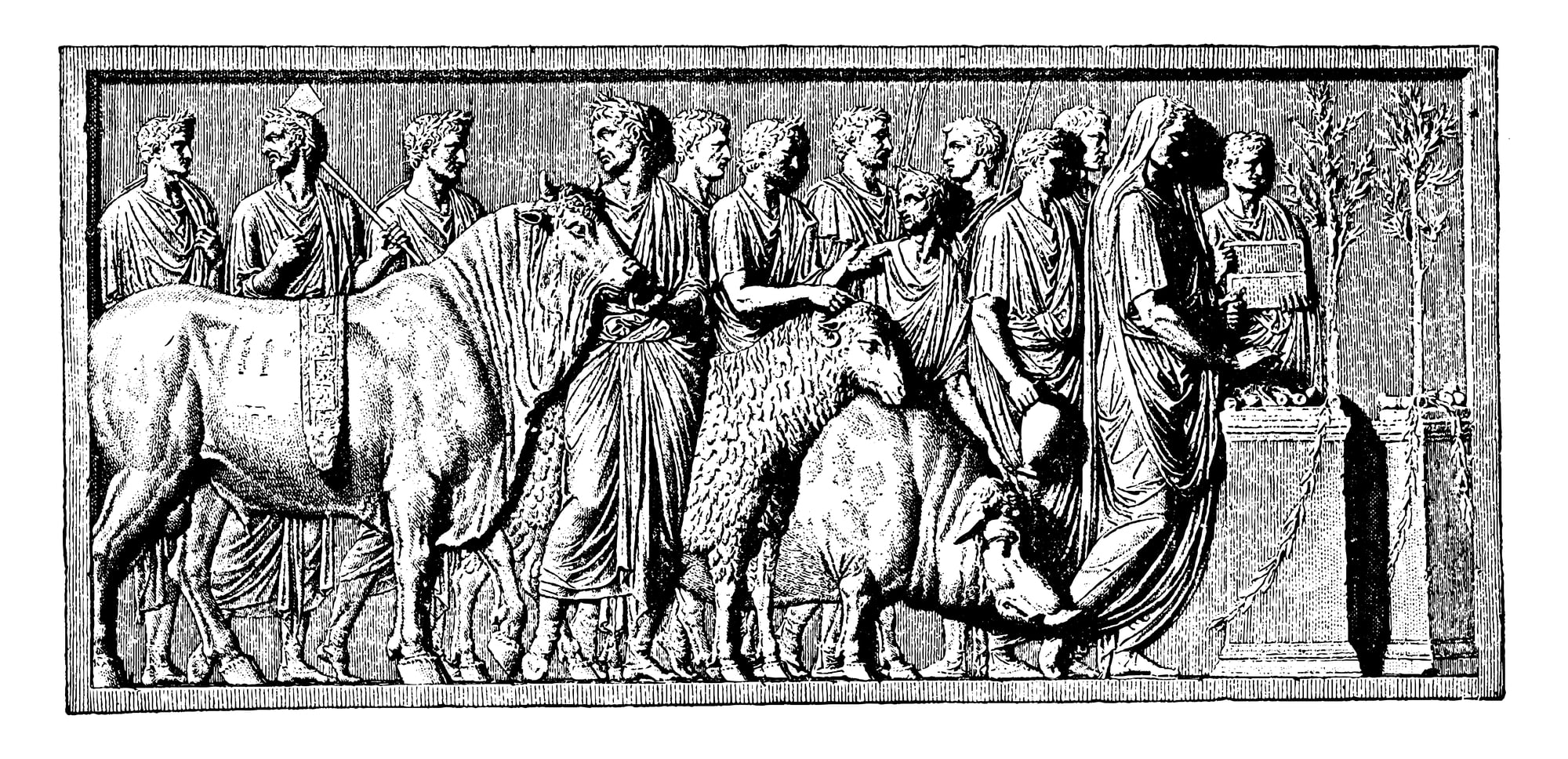
This Roman agricultural fertility rite, held on May 29th in honor of Ceres, Bacchus and Dea Dia, involved animal sacrifices where a bull, sow, and sheep were led in procession three times around the fields. The sacrifice was called a suovetaurilia in Latin, and there were both private celebrations by family masters with their children and servants in villages, and public celebrations within the city’s boundaries led by twelve fratres arvales.
The victims were led three times round the cornfields before the sickle was put in, accompanied by a crowd of merry-makers, reapers and servants dancing and singing the praises of Ceres while offering her libations of milk, honey, and wine.
Like Go2Tutors’s content? Follow us on MSN.
Compitalia
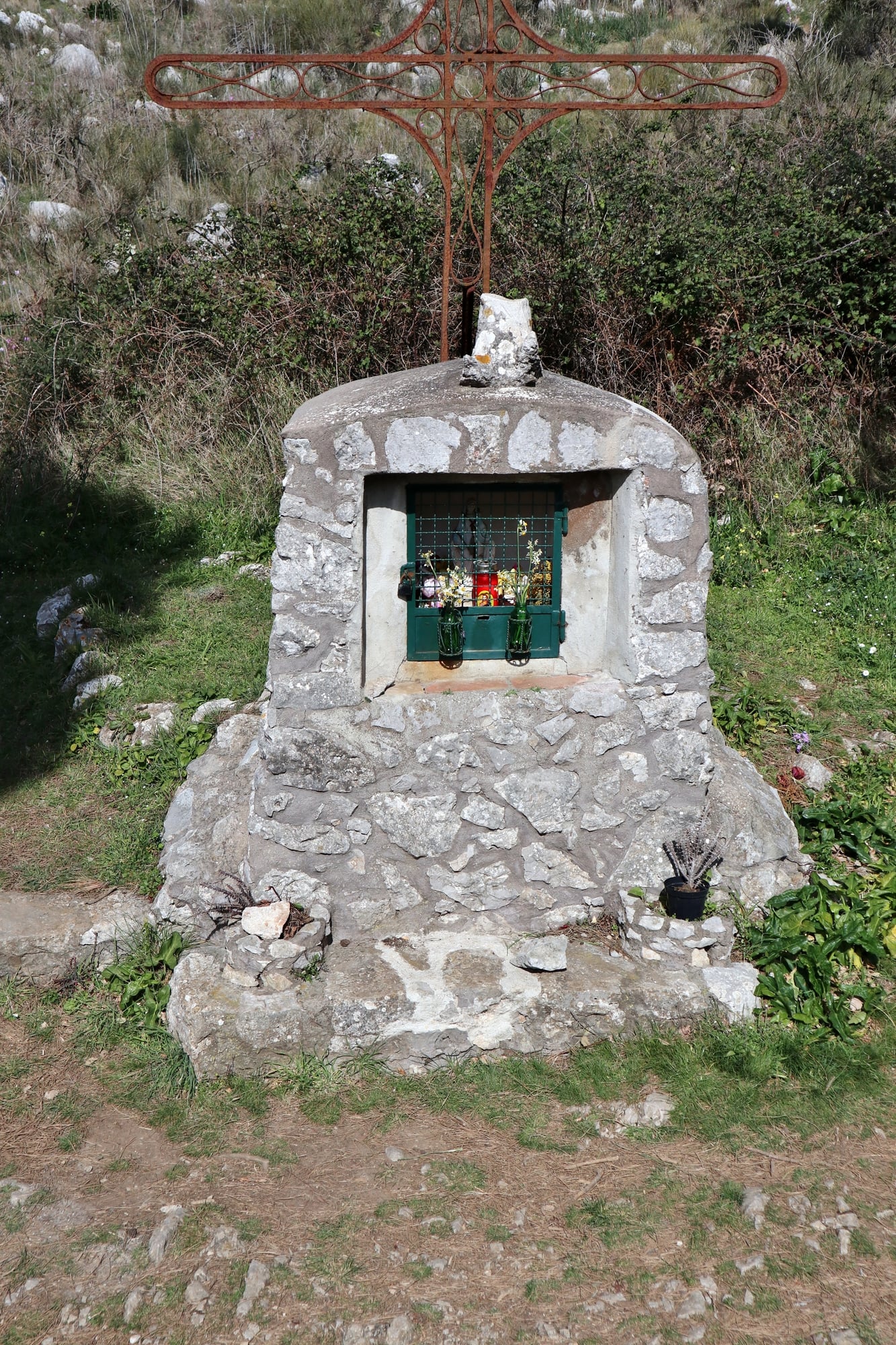
Originally a movable feast that later became fixed to January 3rd-5th during the early Empire, this was one of the most important Roman festivals where the president of each insula would sacrifice a hen on a temporary altar at local crossroads, signaling the beginning of three days of celebration. In the countryside, each landowner would build a small shrine with an altar at the boundary with his neighbor, placing a plough and wooden doll for each person in his household there.
As part of the celebration, slaves were given extra rations including wine, and the estate foreman and his wife would dine with them, sharing characteristics with Saturnalia. The festival was so important that it was one of the few still observed in the fourth century AD.
Pinkster
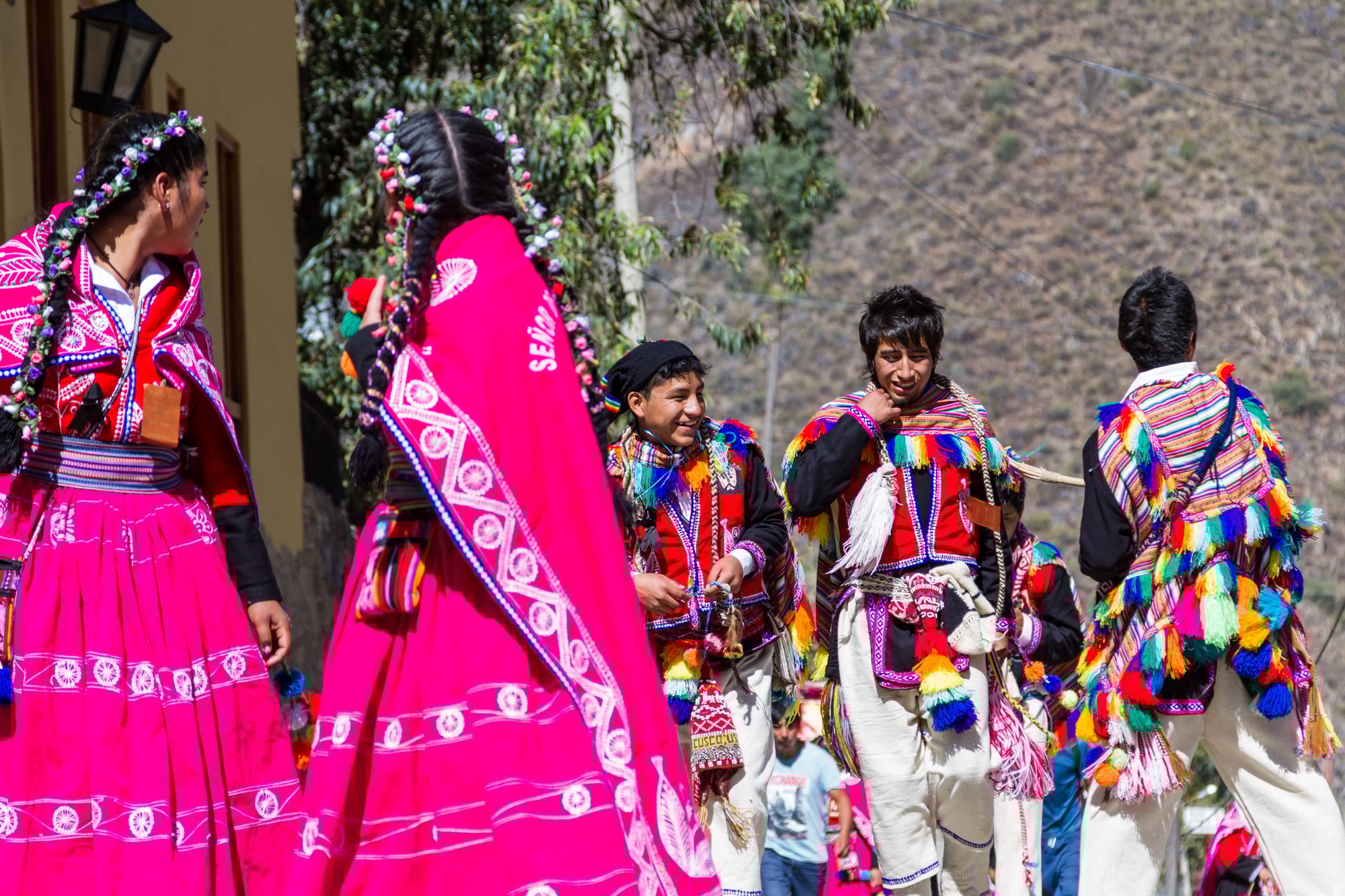
Originally a Dutch religious holiday for Pentecost brought to the New World in the 17th century, Pinkster evolved into a celebration observed mostly by slaves and free blacks, transforming into something truly remarkable in colonial America. In Albany, the festival was presided over by King Charles, an Angola-born captive who became a legendary figure – tall, handsome, an athletic dancer and gifted speaker who directed elaborate celebrations featuring complex layering of contrasting rhythms by drummers and clappers that testified to West African traditions’ survival.
Between 1811 and 1813, despite or perhaps because of its popularity, the city of Albany passed an ordinance banning the drinking and dancing associated with Pinkster.
Patriots’ Day

This holiday marks April 19th, the anniversary of the Battles of Lexington and Concord, the opening salvos of the American Revolution, and is celebrated in Massachusetts, Maine (formerly part of Massachusetts), and Wisconsin. The New England states now celebrate on the third Monday in April rather than April 19th itself, and nowadays when the rest of the country hears about Patriots’ Day it’s usually in the context of the Boston Marathon.
While still observed in these three states, most Americans remain unaware of this commemoration of the first shots fired in the Revolutionary War. The holiday represents how regional American celebrations can fade from national consciousness over time.
Like Go2Tutors’s content? Follow us on MSN.
Evacuation Day

New York used to celebrate Evacuation Day every November 25th, marking the date in 1783 when British occupying forces withdrew from New York City at the end of the Revolutionary War. Evacuation Day faded from prominence when Abraham Lincoln proclaimed the national day of Thanksgiving, which falls at almost the same time.
The holiday was further obscured during World War One when the United States’ military ties with England became much more important than commemorating a war between the two countries. Today, only the Sons of the Revolution in the State of New York still mark this historic date.
Akitu
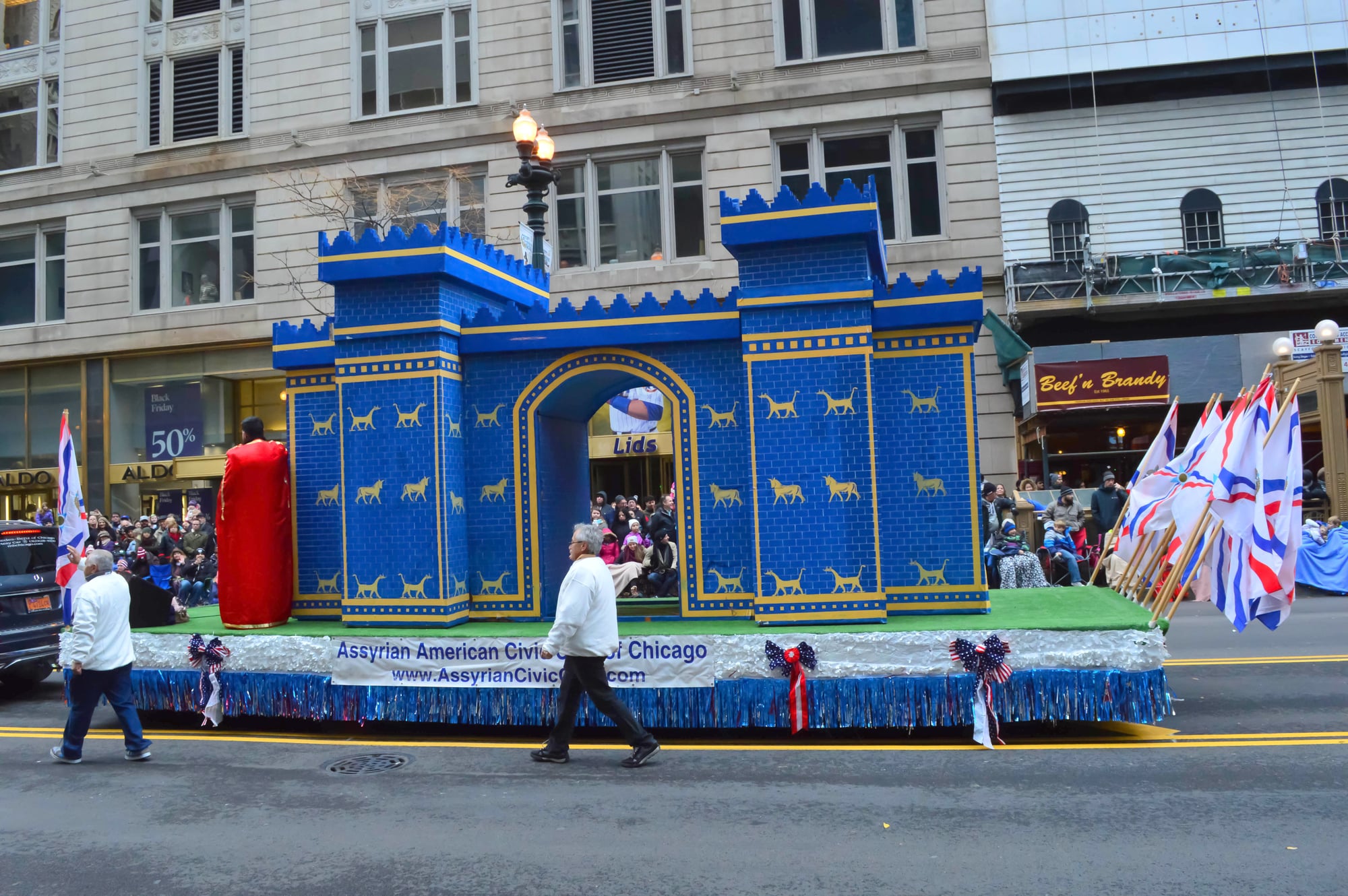
This ancient Babylonian New Year festival was a grand celebration spanning up to twelve days, featuring solemn rituals, vibrant processions, and dramatic reenactments of creation myths honoring Marduk, the supreme deity. The festival represented the renewal of the cosmic order and brought the community together in celebration of both earthly and divine harmony.
With the decline of Babylon, Akitu eventually vanished, though its legacy can be traced in other Near Eastern traditions. This elaborate celebration demonstrated how deeply religious festivals could bind ancient communities to their understanding of the cosmos.
Thargelia
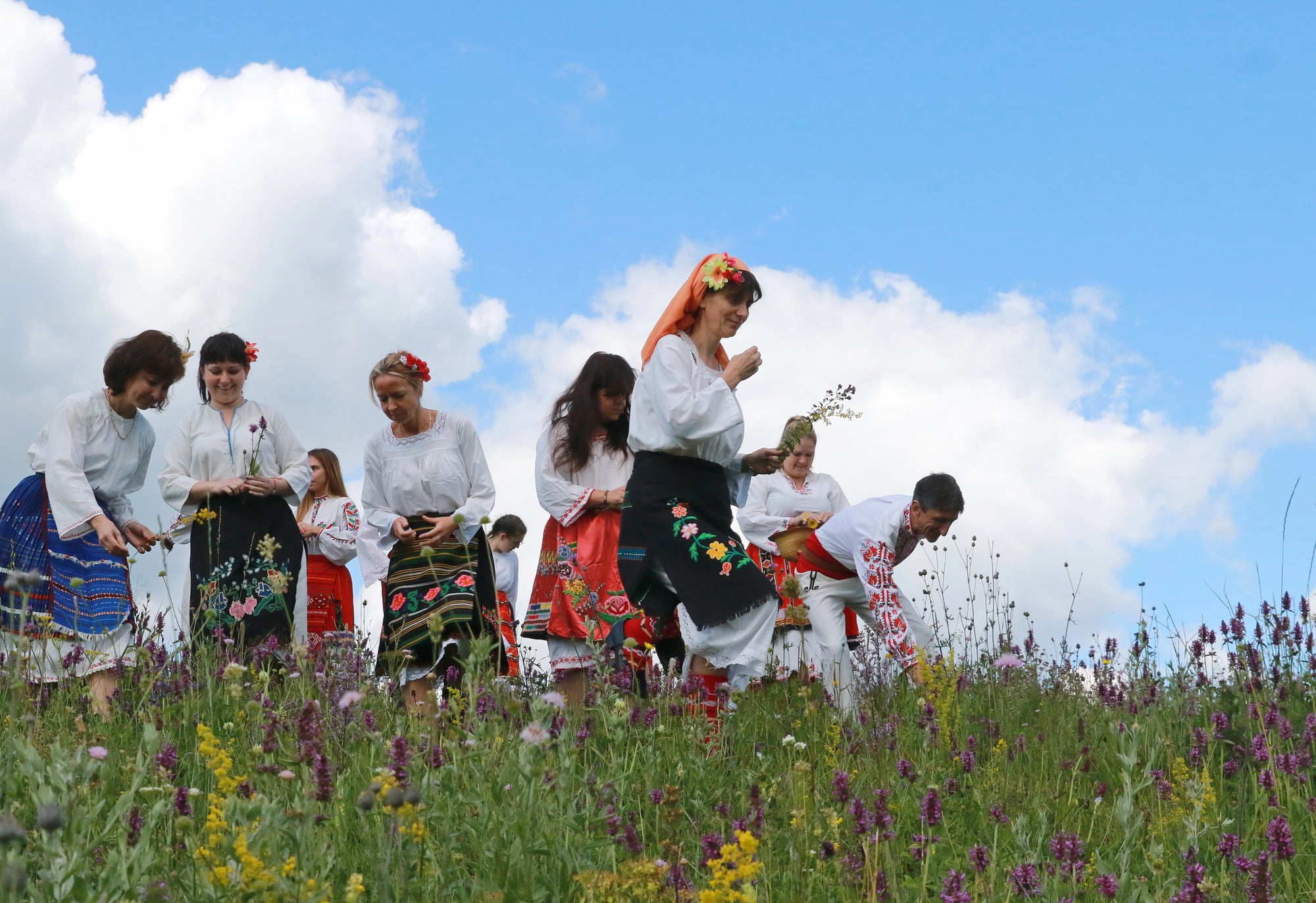
This ancient Greek festival with deep religious significance was primarily dedicated to Apollo and Artemis, celebrated annually in various Greek city-states with Athens being one of the most prominent locations. Thargelia typically took place in the month of Thargelion, roughly corresponding to May in the modern calendar.
The festival involved complex purification rituals and was considered essential for maintaining the favor of these important Olympic deities. Like many ancient Greek religious observances, it gradually disappeared as the old religious practices gave way to Christianity.
Like Go2Tutors’s content? Follow us on MSN.
Opet Festival
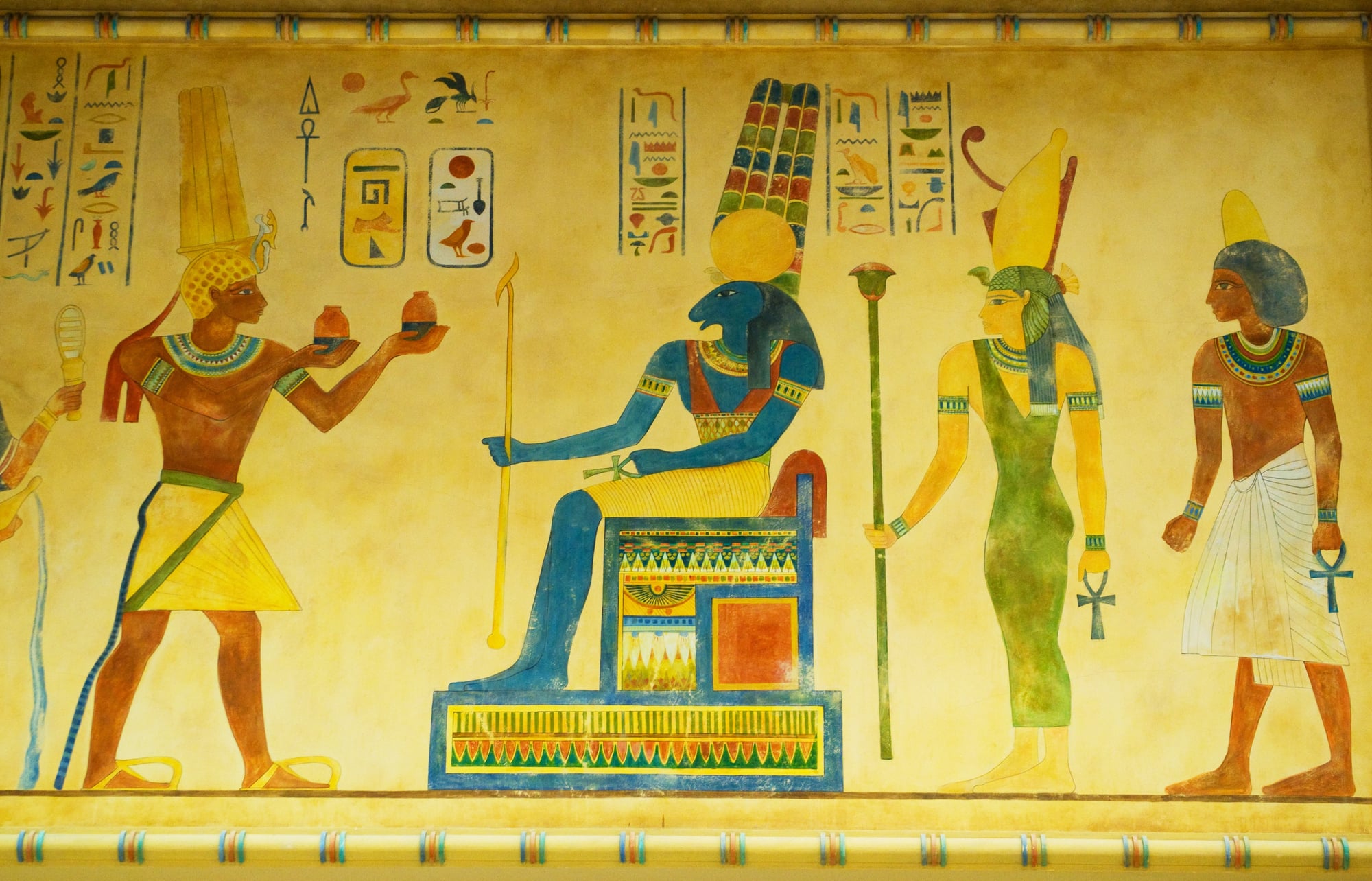
This dazzling spectacle in ancient Thebes was dedicated to the powerful god Amun, featuring annual processions where priests and citizens joined lavish celebrations as sacred statues journeyed from Karnak to Luxor, often traveling along the Nile. Feasting, music, and communal joy filled the city, reinforcing unity and divine favor among the Egyptian people.
As Egypt’s religious traditions evolved, the Opet Festival gradually disappeared, leaving only traces in temple carvings and texts. This grand Egyptian celebration shows how even the most spectacular festivals can vanish when the cultural foundations that support them shift.
Echoes in Modern Times

These forgotten festivals remind us that celebration is a fundamental human need that transcends time and culture. Many of these traditions vanished due to industrialization, shifting social mores, changing religious practices, and the diluting effects of growing cross-cultural exchange and globalization.
Yet their themes of renewal, community bonding, and seasonal marking continue to appear in our modern celebrations, proving that while specific festivals may disappear, the human impulse to gather, celebrate, and mark meaningful moments remains eternal.
More from Go2Tutors!

- 16 Historical Figures Who Were Nothing Like You Think
- 12 Things Sold in the 80s That Are Now Illegal
- 15 VHS Tapes That Could Be Worth Thousands
- 17 Historical “What Ifs” That Would Have Changed Everything
- 18 TV Shows That Vanished Without a Finale
Like Go2Tutors’s content? Follow us on MSN.