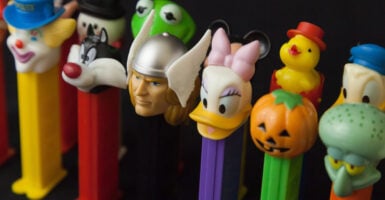
18 Vintage Pez Dispensers Worth Money
A spring-loaded plastic stem and a few rectangles of candy do not sound like an investment. Yet some of the dispensers that once rode in lunch boxes and coat pockets now sit in display cases, tracked by collectors who can tell a stem from 1955 from one made decades later.
Age matters, but so do the details: tiny feet on the stem, patent markings, color shifts, and whether every removable part survived childhood. The dispensers below show how a throwaway toy became something people hunt for.
The Pocket Lighter Dispenser
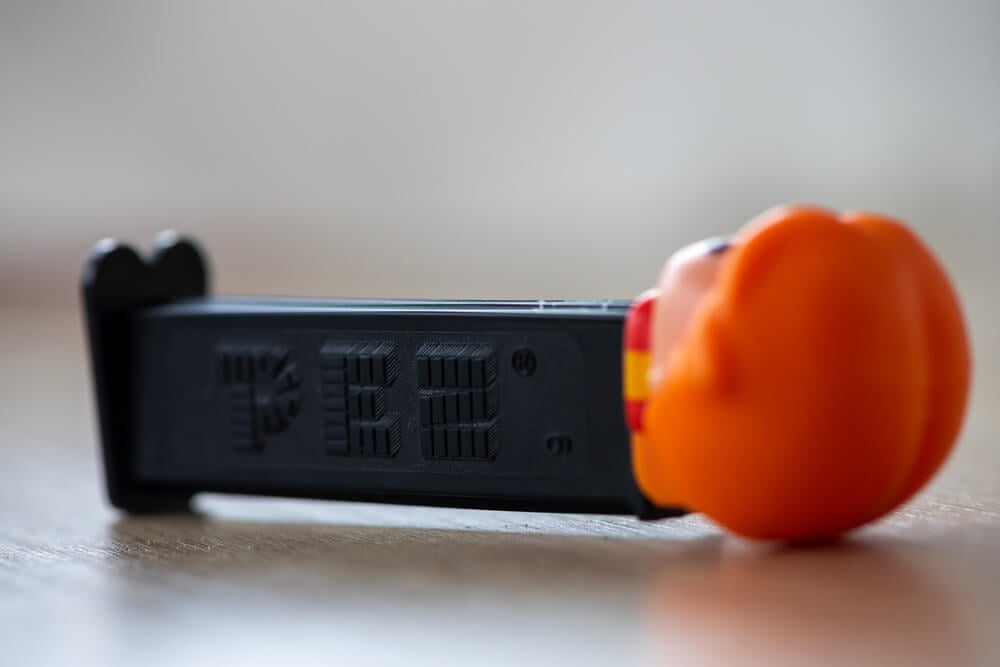
By the late 1940s, Pez had a dispenser built to look like a pocket lighter, complete with a hinged top that released a single mint. The design was aimed squarely at grown-ups, which is the opposite of how the brand is remembered.
Few of these early models turned up outside Europe, so they appeal to collectors who care about the beginning of the story. As with any metal and plastic antique, working parts and clean finishes drive the price.
The Early American Regular Dispenser
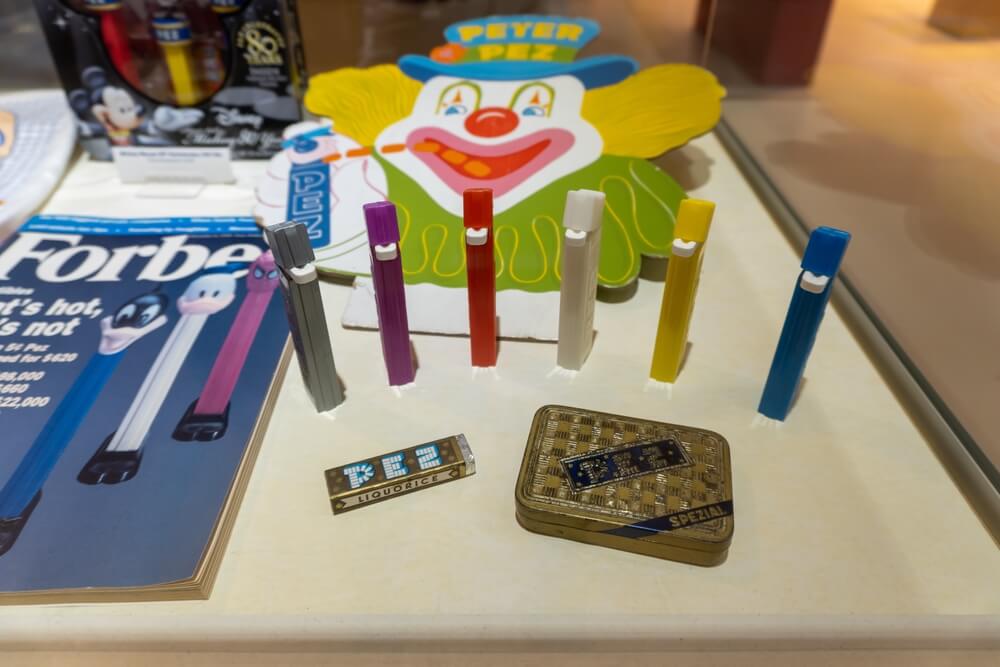
Pez reached the United States in 1952, and the first American dispensers were plain “regular” models with a simple top rather than a cartoon head. Patent markings on the stem help collectors date them, which makes a close look at the base more useful than a glance at the face.
The unremarkable design gave owners little reason to save them. Condition is everything here: cracked stems, weak springs, and yellowed plastic can drag a once-prized example down.
The No-Feet Santa Claus
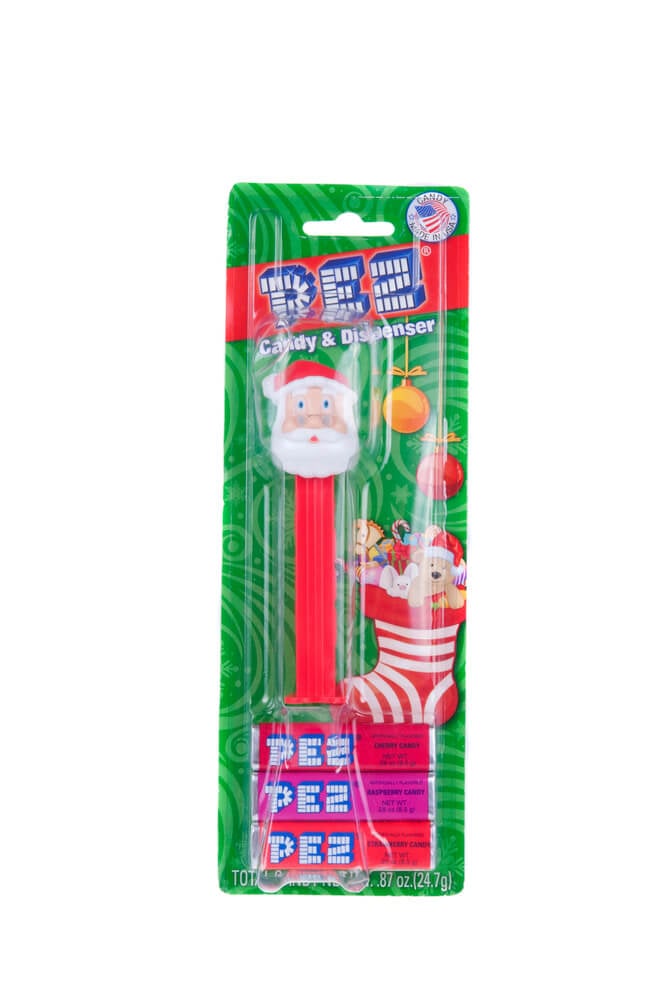
Santa Claus was one of the earliest character heads, and the older versions are the ones that earn attention. A Santa from the no-feet era differs from later production in molding and plastic, and collectors compare red paint, beard detail, and overall wear.
Seasonal toys also tend to be handled gently for a few weeks and then packed away, which helps some survive. Value depends heavily on condition, with sun-faded red and chipped paint being the usual problems.
The Space Gun
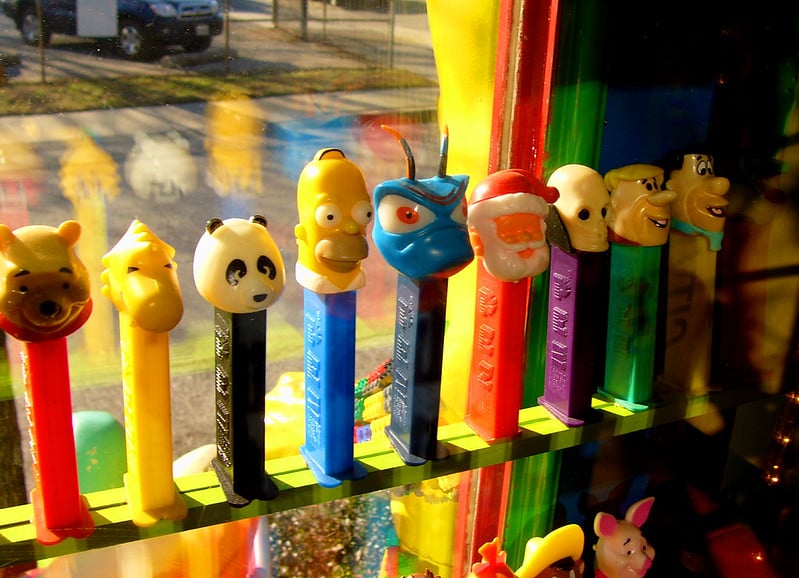
The Pez Space Gun turned the candy dispenser into a toy ray gun, tapping into the era’s fascination with rockets and outer space. Unlike most Pez heads, it looks like a weapon from a science-fiction serial, with a handle you hold and a barrel that points.
The gun came in more than one color and variation, so identifying the exact version matters. Because kids played rough with them, clean examples with intact parts are harder to find than the type itself.
The No-Feet Mickey Mouse
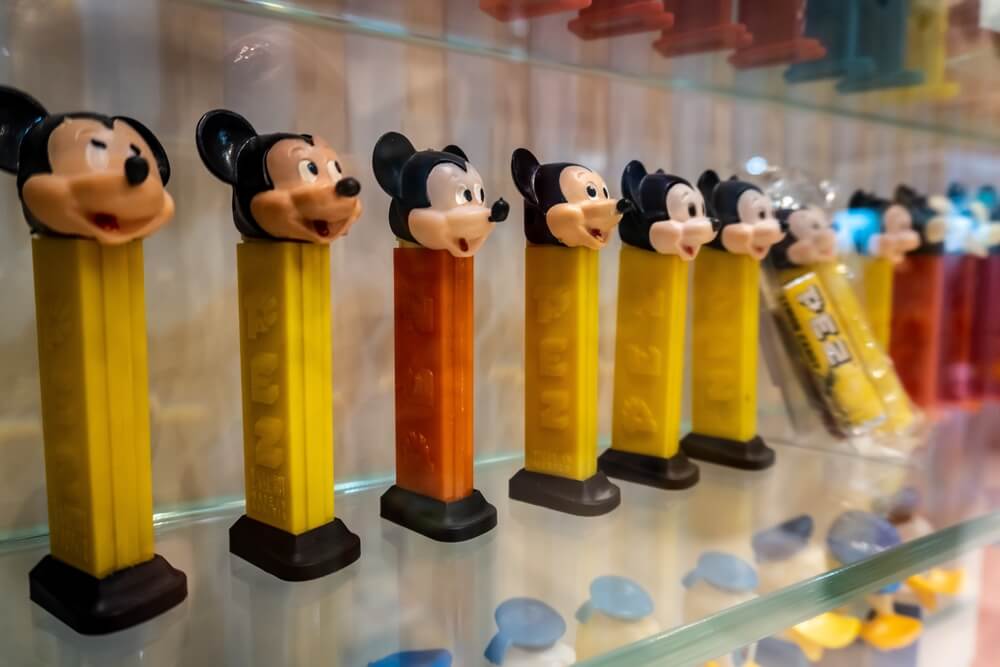
Disney characters were among the earliest licensed Pez heads, and Mickey Mouse is the best known of them. An older Mickey without feet on the stem is the version collectors look for, since later reissues are common and far less scarce.
Check the ears and the black paint around the eyes, where wear shows first. As with all Pez, value depends heavily on condition, and a complete example in original packaging commands far more than a loose one.
Popeye the Sailor
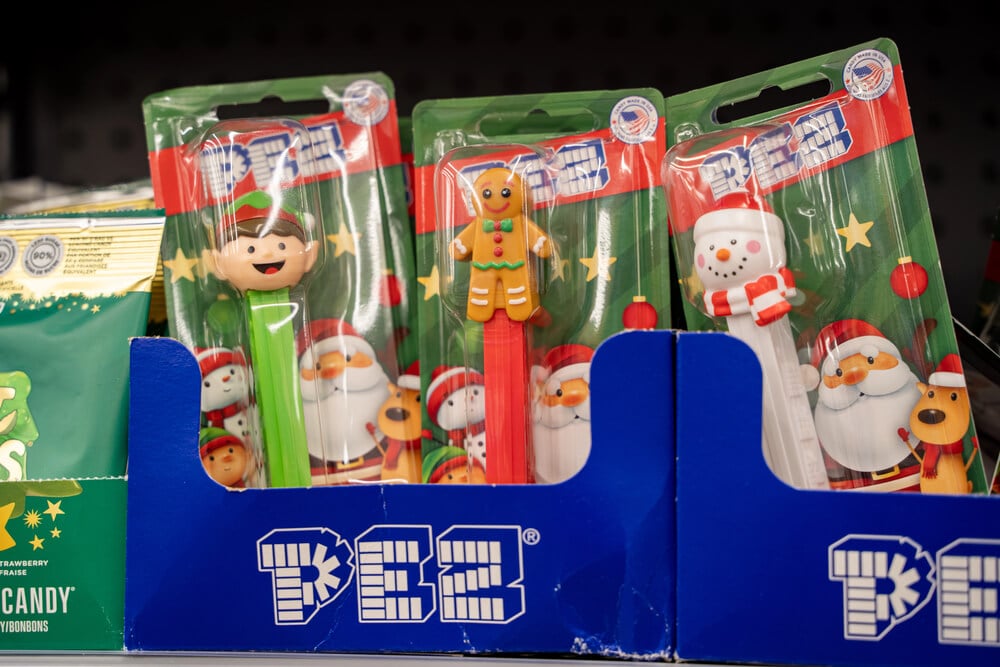
Popeye brought the spinach-eating sailor to the candy aisle, complete with his famous squint and pipe. The dispenser stands out because the pipe is a small, delicate part of the sculpt that took abuse from years of play.
Collectors check carefully for chips and cracks around that detail and around the jaw. A clean Popeye with no feet and strong coloring is more desirable than later versions, and condition changes the value a great deal.
Bozo the Clown
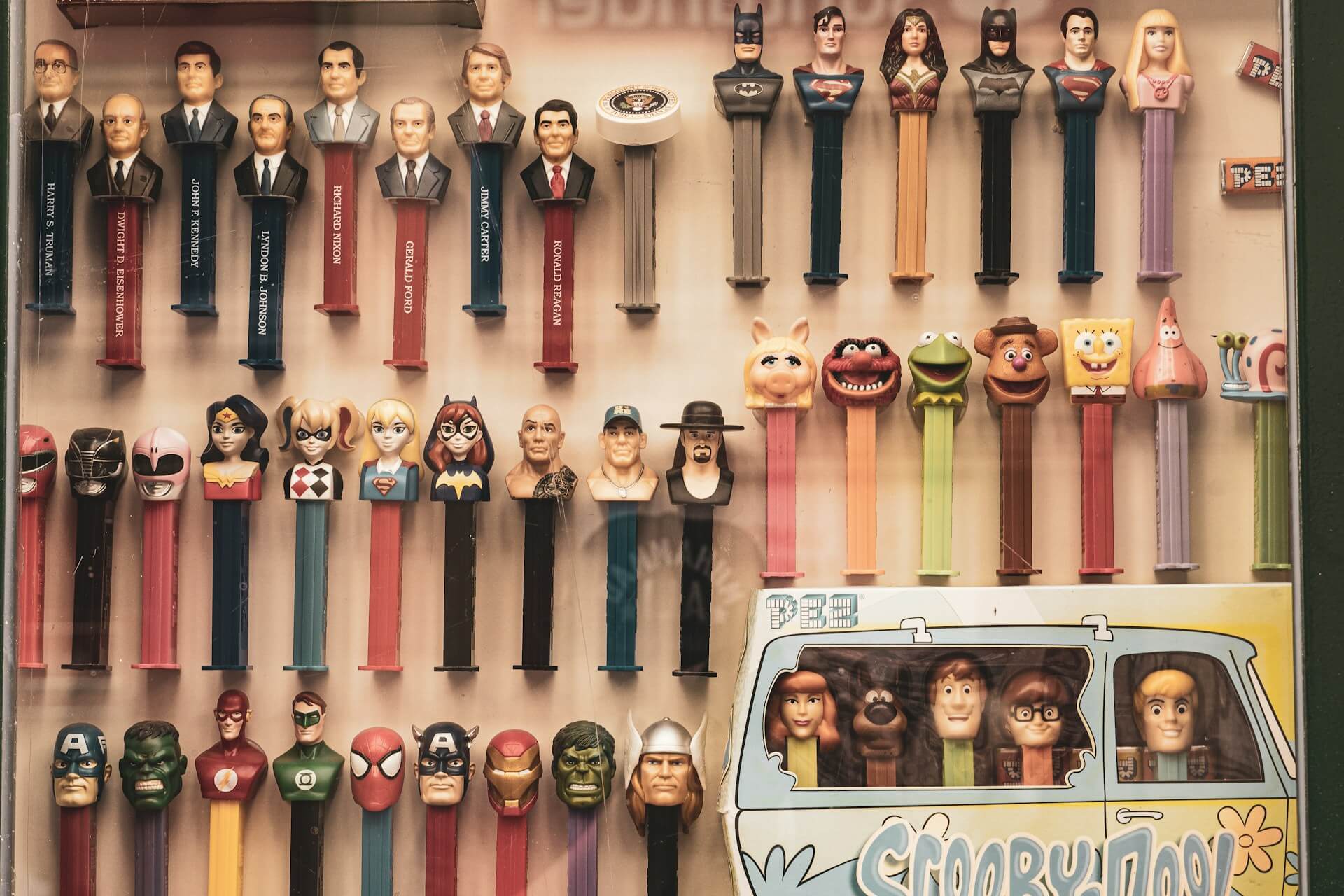
Bozo the Clown carried a famous television personality into a plastic head with a bright red hairdo and a painted grin. The face is simple, which means paint wear and scuffs show easily on the white and red areas.
Collectors prize an older Bozo without feet, especially one free of discoloration. Packaging and condition both matter here, since a loose, sun-damaged Bozo is worth much less than a sharp example kept away from windows and heat.
The Witch
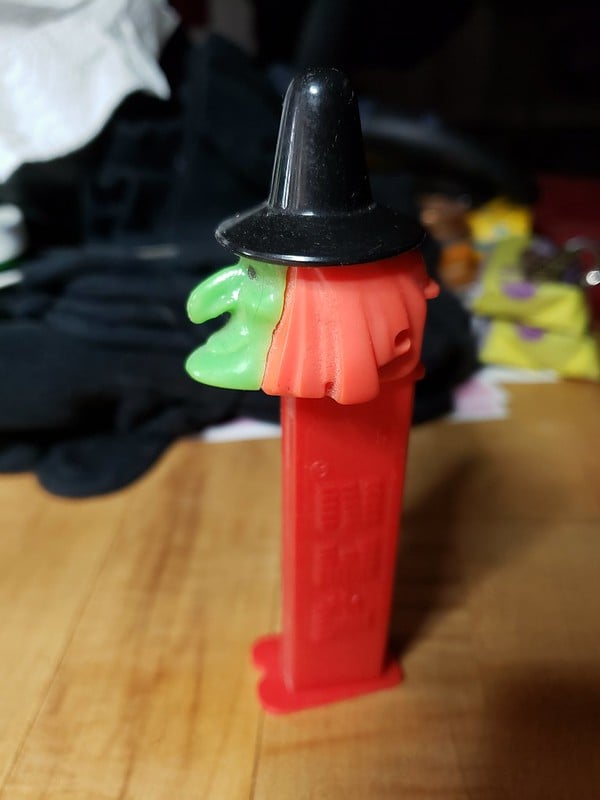
The Halloween Witch is among the most sought-after seasonal dispensers, and collectors catalog several versions with differences in the head color, nose, and hat. That variety makes identification the first challenge, because two witches that look alike at a glance can be priced very differently.
The pointed hat is the weak point, and a damaged or replaced one drags value down. Authenticity and condition decide the price more than the character alone.
Mr. Potato Head with Removable Ears
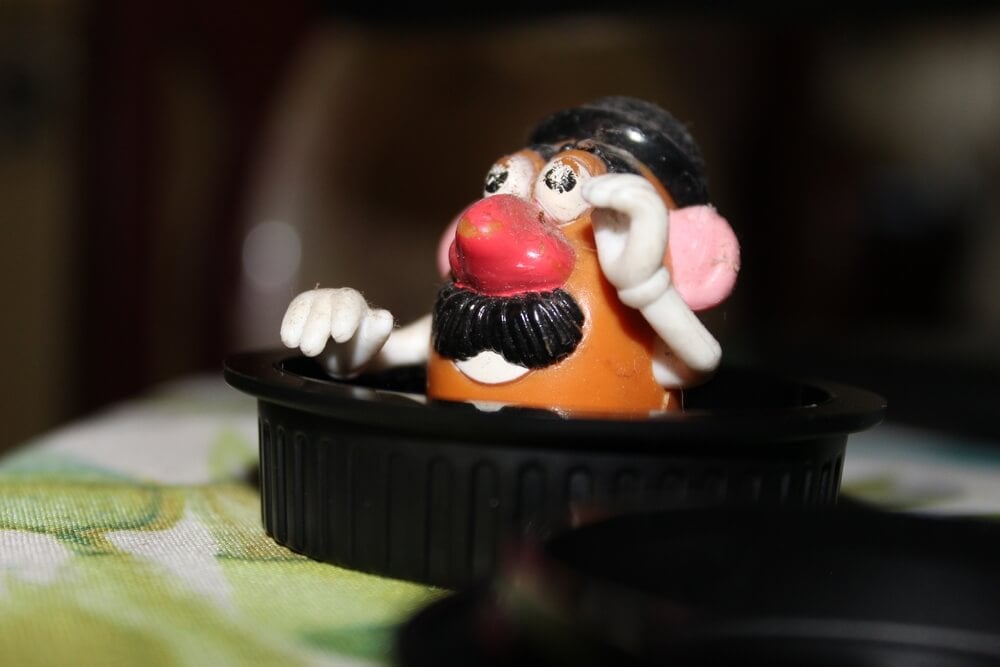
Mr. Potato Head borrowed the toy’s signature trick, and the version with removable ears is the one collectors mean when they talk about this dispenser. The ears pull off and are easy to lose, so an example with both ears intact is the real prize.
A tiny missing piece can cut the value sharply. It is a reminder that completeness counts as much as age, and that condition decides what a seller can reasonably ask.
The No-Feet Donald Duck
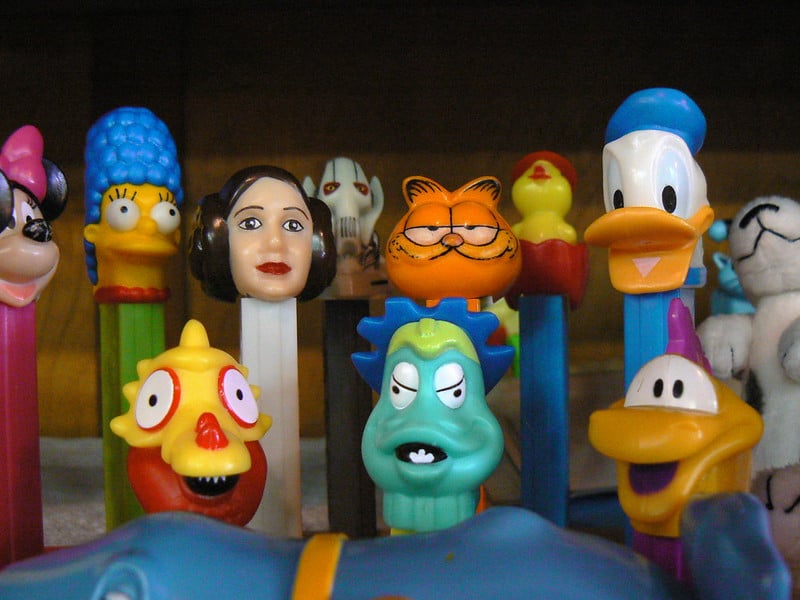
Older Donald Duck dispensers carry U.S. patent number 3,410,455 on the stem, a marking collectors use to place them in the era before feet were added. The yellow-orange bill is the part to inspect, since it is prone to scuffs and paint loss.
Donald is a more common Disney head than some rivals, which means condition separates a bargain from a prize. Minor flaws can matter, and the value depends heavily on how clean the piece looks.
Casper the Friendly Ghost
Casper arrived in dispenser form as a smiling white ghost, a perfect fit for a candy toy with a simple molded head. The challenge is that white plastic yellows with age, and a Casper stored in a sunny room can look worn compared with one kept in a drawer.
Collectors judge the shade of the plastic as closely as the shape. A bright, clean example from the no-feet period is worth noticeably more than a discolored one.
Batman
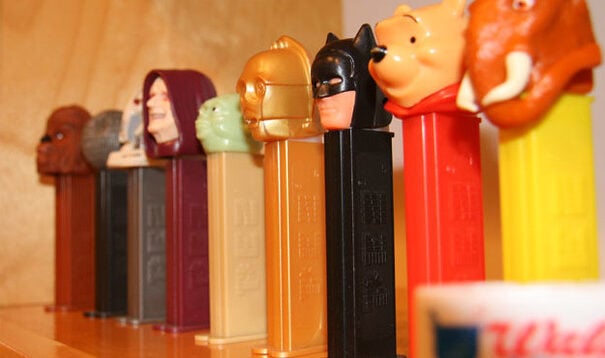
Batman dispensers rode the superhero craze that followed the 1960s television series, and the pointed cowl makes the sculpt instantly recognizable. The ears of the cowl and the paint around the eyes take the most damage over time.
Because the character stays popular, demand from comic and pop-culture collectors adds to the interest from Pez specialists. Value depends heavily on condition, and a sharp, unscratched cowl matters more than almost any other feature.
Mimic the Monkey
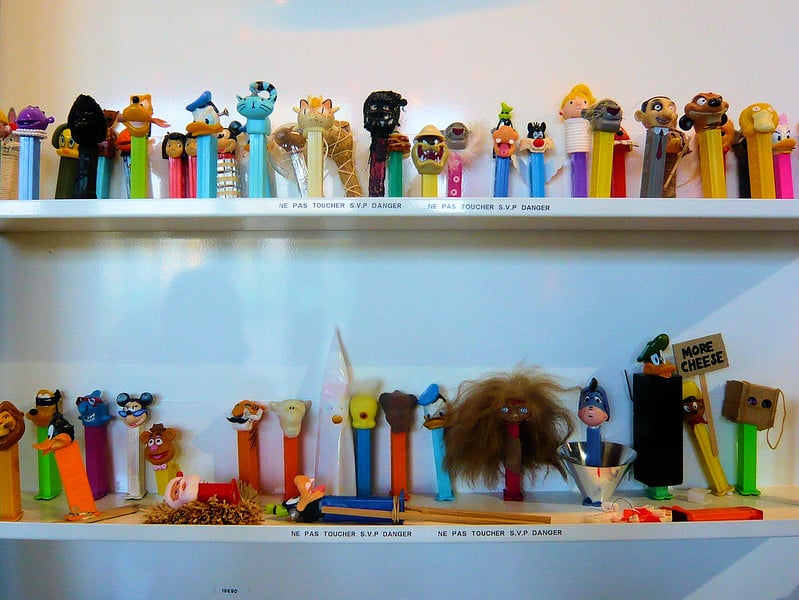
Mimic the Monkey was a Pez original, not a licensed star, which gives it a different kind of appeal than a Disney or cartoon head. Without a movie or television franchise to carry it, the monkey depends on its charm and on scarcity.
Collectors note the molding and color of the face, and they favor examples without feet. Because fewer people remember it, the market is smaller but dedicated, and condition decides nearly everything.
Make-a-Face
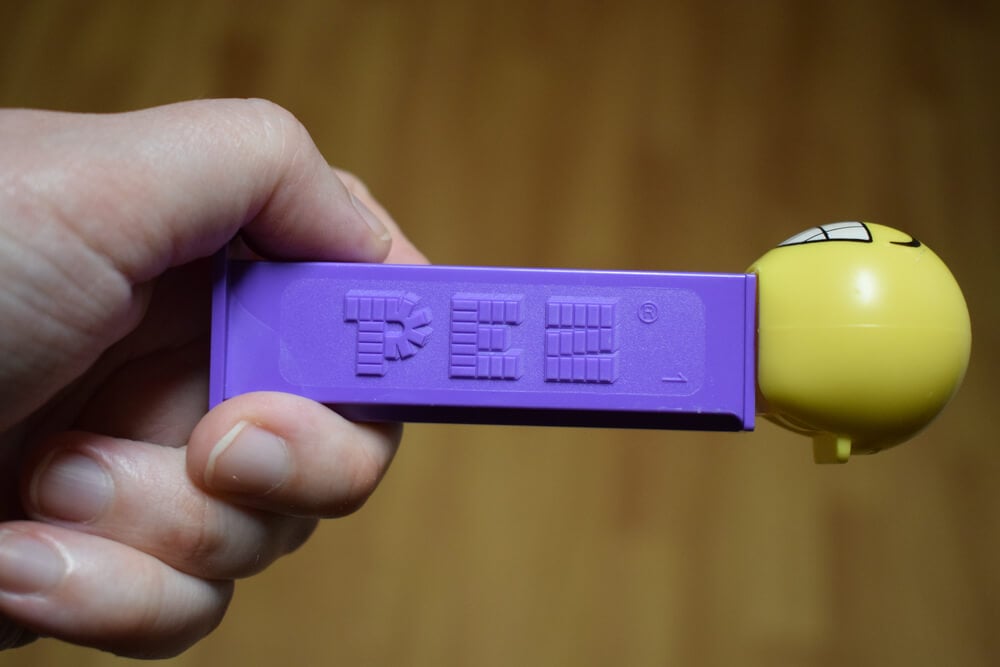
Make-a-Face let kids build their own silly expression with interchangeable pieces pressed onto a blank head. That playful design is also its biggest problem for collectors, since tiny parts are easy to lose or mix up.
A complete set with every original piece is far more valuable than a head with substitutes. Collectors treat missing parts as a major flaw, and the price drops quickly when the pieces do not match the originals.
The Psychedelic Eye
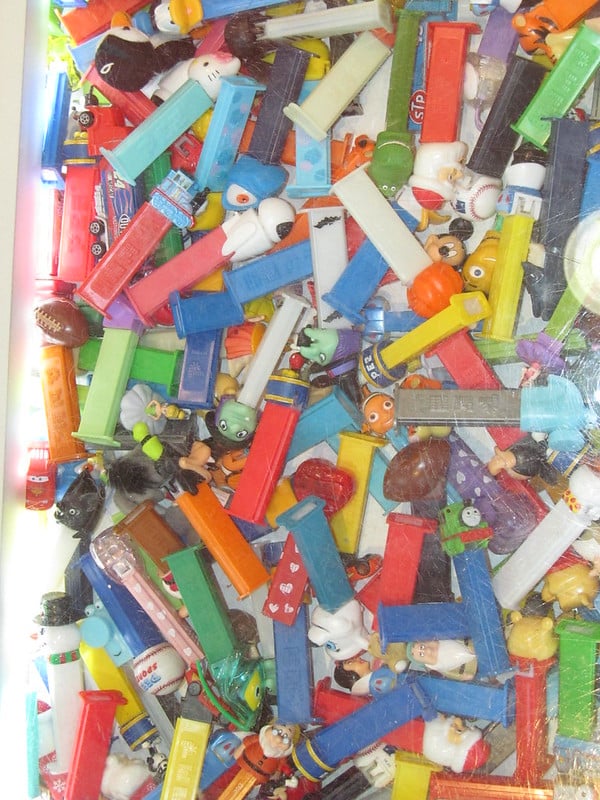
The Psychedelic Eye brought flower-power color to a candy dispenser, with swirling shades that look like they belong on a concert poster. Its bold pattern reflects the era in which it was made, and that period feel is part of what collectors want.
Bright colors fade, so a Psychedelic Eye that still looks vivid stands out. Condition and color intensity have a large effect on what a collector will pay.
Snoopy
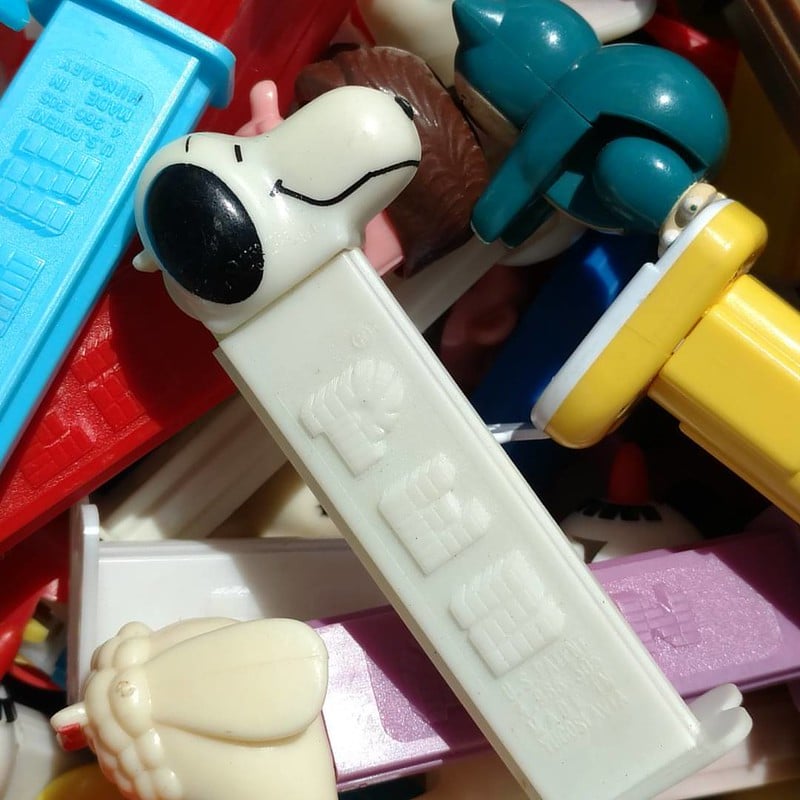
Snoopy has appeared in several dispenser versions across the years, so the first task for any buyer is figuring out which one is in hand. The beagle’s long ears and black nose are the details to inspect for chips.
Collectors who focus on Peanuts memorabilia compete with Pez specialists for the better examples. Value depends heavily on condition, and an older Snoopy without feet in clean shape is the one that draws the best offers.
Bugs Bunny
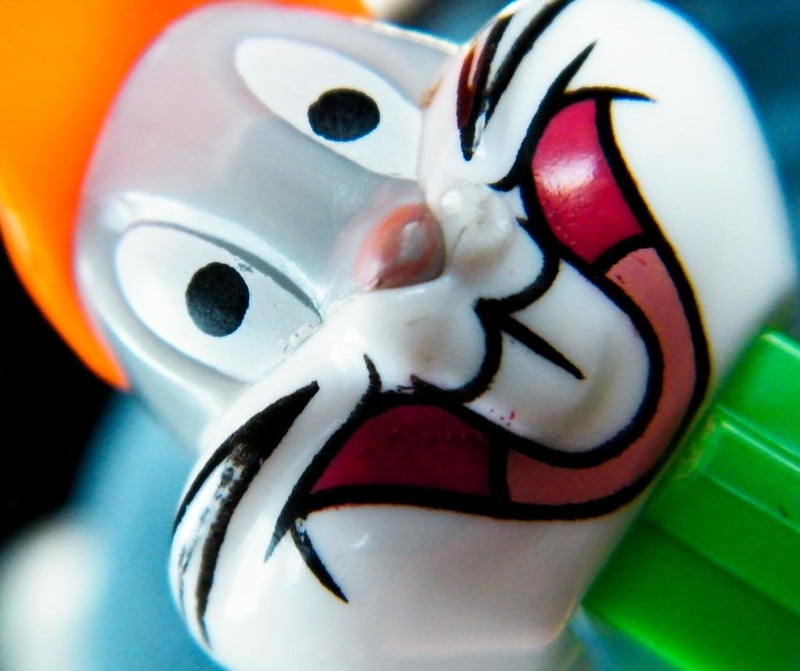
Bugs Bunny brought a Looney Tunes star to the dispenser line, with big front teeth and tall ears that give the head an unmistakable outline. The ears are the pressure point, since long molded parts break easily when dropped or squeezed in a box.
Collectors look for a clean, matte finish and bright coloring on the older versions. Packaging adds to the interest, and condition remains the largest factor in how much a good example sells for.
The Easter Bunny
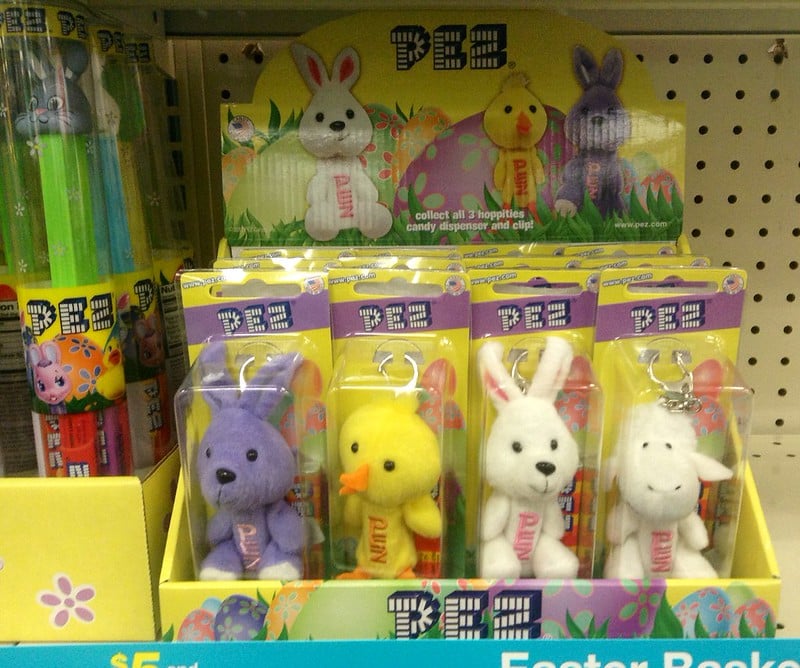
The Easter Bunny gave Pez a spring holiday counterpart to its Christmas figure, and the older versions are the ones that interest collectors. Like Santa, it was a seasonal item, so it was often used for a few weeks and then forgotten.
Check the ears, the paint around the face, and the base of the stem for signs of age and repair. Value depends heavily on condition, and a bright, undamaged older bunny is the version worth chasing.
What a Plastic Stem Can Hold
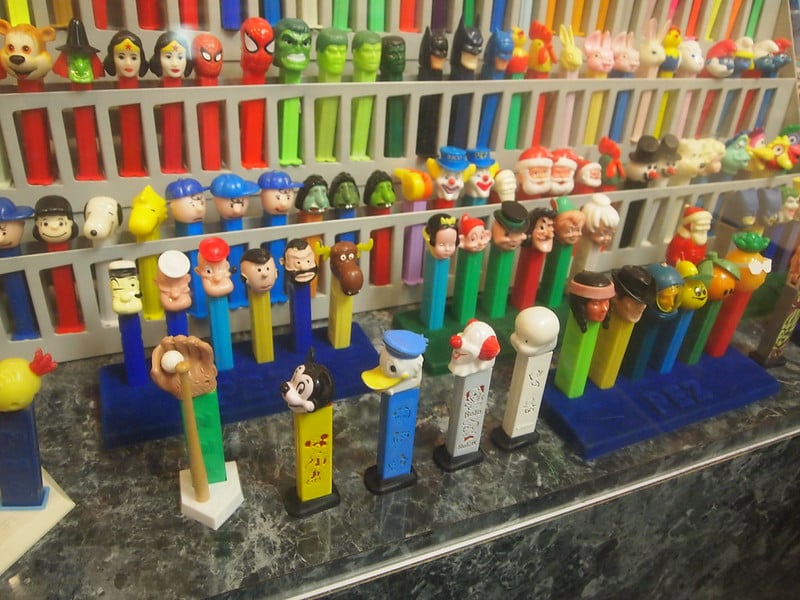
The best vintage Pez dispensers share a pattern: they were made in huge numbers, played with by children, and almost never saved on purpose. That is why a small, clean example can outrank a famous face in poor shape.
Feet, patent marks, intact ears, and original packaging all tell a story about how an object lived, and collectors pay for the version of that story with the fewest scuffs.
Anyone building a collection learns this quickly. The price on a tag matters less than the condition, completeness, and exact version in hand.
Knowing the difference between a common reissue and a no-feet original turns a flea market table into a place worth slowing down at.
More from Go2Tutors!

DepositPhotos
- The Romanov Crown Jewels and Their Tragic Fate
- 13 Historical Mysteries That Science Still Can’t Solve
- Famous Hoaxes That Fooled the World for Years
- 15 Child Stars with Tragic Adult Lives
- 16 Famous Jewelry Pieces in History
Like Go2Tutors’s content? Follow us on MSN.