Nations Where Fertility Rates Are Rapidly Falling
The world is growing quieter in a way many didn’t quite expect. Population booms were once the dominant story—but now, in many places, the number of newborns is shrinking rapidly.
This isn’t just a minor dip; in several countries, it’s a deep, sustained decline reshaping societies, economies, and daily life.What’s causing the change? Let’s look at some of the places where this shift is clearest, and dig into what’s happening behind the numbers.
South Korea

South Korea registers the lowest fertility rate globally. The pressure to succeed—academically, professionally—and the lifestyle pace push many to postpone or even abandon plans for children.
In cities especially, the cost of housing, education, and raising kids is enormous. Women frequently find themselves pulled between career ambitions and motherhood.
The government has layered in incentives—longer parental leave, childcare subsidies—but the effects are weak so far.
China

China’s birth rate has plunged. Though strict family-planning rules like the one-child policy are gone, the habits, expectations, and economic constraints remain.
Young people in cities, squeezed by steep costs and competitive environments, often opt for smaller families—or none. Cultural norms have shifted: many now prize personal freedom, career options, and lifestyle flexibility.
At the same time, an aging society looms, and fewer workers raise critical concerns for growth and public support systems.
Like Go2Tutors’s content? Follow us on MSN.
Japan

Japan has been navigating low birth rates for years, making it one of the first to feel the pressure of an aging population. Young adults juggle long work hours and family dreams, often unsuccessfully.
Rising education, healthcare, and living costs further dissuade couples from having more children. Meanwhile, fewer people marry or have kids at all, sometimes due to changing social attitudes or isolation.
Even generous government incentives struggle to overturn entrenched cultural norms around work and family.
Taiwan

Taiwan’s fertility rate ranks among the lowest in the world. Ballooning housing costs and economic uncertainty make many hesitant to commit to children.
The heavy focus on academic excellence means many delay parenthood. Women often absorb disproportionate burdens of childcare and domestic labor, complicating career plans.
The government has rolled out support measures—tax breaks, childcare subsidies—but momentum is slow.
Italy

Italy exemplifies the low-birth challenge in Southern Europe. Young people delay starting families because of weak economic prospects, unstable jobs, and high living costs.
Many live with parents longer, unable to support a household. Childcare expenses are steep, and social values have shifted: fewer see large families as essential. The south of Italy, already facing economic hardships, shows even lower birth rates than the north.
Like Go2Tutors’s content? Follow us on MSN.
Spain

Spain mirrors Italy’s struggles. Job insecurity, economic fragility, and high youth unemployment push many to delay childbearing or forego it.
As cultural attitudes shift, smaller families become more acceptable. The resulting trend: people are having children later, often only one, which naturally lowers fertility. Government incentives exist but are constrained by budget and shifting political priorities.
Poland
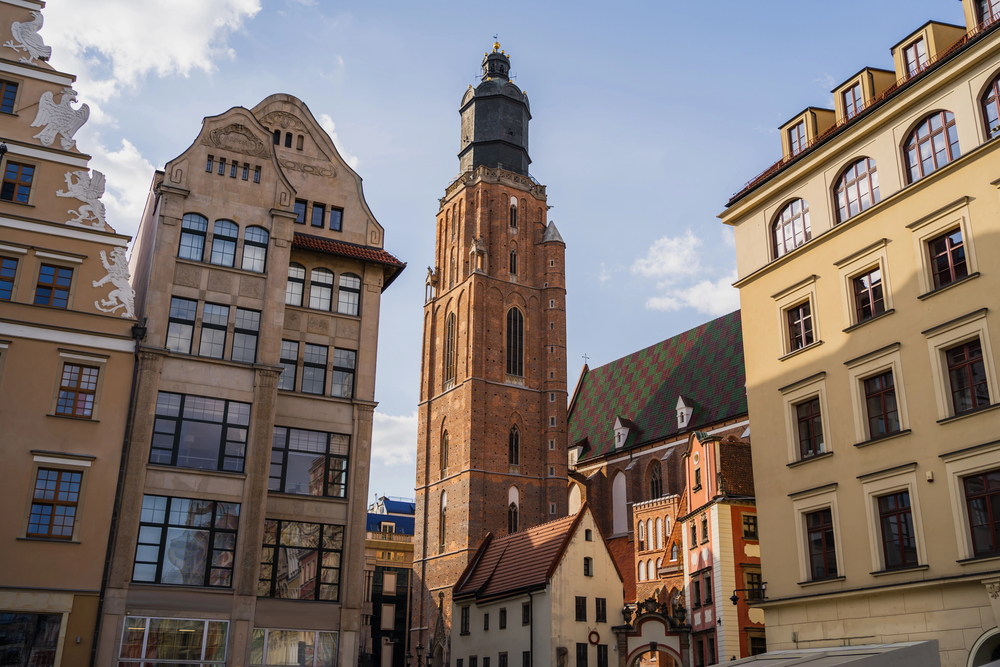
Poland’s fertility decline has surprised many with its speed. A significant portion of the young—especially those in their prime family-forming ages—have emigrated for better prospects.
The ones who stay often face unstable work environments and limited housing options. Conservative social policies and religious influences complicate access to full reproductive support.
Many couples feel unsupported and uncertain about growing families.
Thailand

In Southeast Asia, Thailand stands out. Over past decades, education and family planning drove fertility down.
Now, rising living costs, urban life, and career aspirations keep the trend moving. The shift from extended family structures to more nuclear ones also changes expectations about having many children.
Authorities worry about future labor shortages and the cost of caring for an aging population.
Like Go2Tutors’s content? Follow us on MSN.
Ukraine

Ukraine’s story is scarred by conflict. War, displacement, insecurity, and economic collapse have interrupted lives—and family plans.
Many postpone or abandon hopes for children altogether. Medical systems are under strain, making maternal and prenatal care harder to access.
Emotional trauma and uncertainty amplify the reluctance to have children in such unstable circumstances.
Greece

Greece’s fertility decline is tightly linked to its economic crises. Many young people emigrated during austerity years, seeking stability abroad.
For those remaining, bleak job prospects and low wages make starting a family a risky move. Social support systems were cut back, public trust weakened, and the safety net for young parents is fragile.
Chile

Chile shows that this phenomenon isn’t restricted to Asia or Europe. As development and education rise, fertility falls.
Women’s education and workforce participation expand, urban life reshapes family patterns, and people tend to invest more in fewer children. Cultural norms are shifting too: many now place personal fulfillment, travel, or career before having a large family.
Like Go2Tutors’s content? Follow us on MSN.
Colombia

Colombia’s fertility is also sliding. Urbanization, better access to reproductive services, and changing family expectations all contribute.
The legacy of conflict and socio-economic uncertainty also plays a part: many delay childbearing until more stable conditions arrive. In cities like Bogotá, the cost of living makes children have a heavier financial commitment.
Portugal

Portugal has long wrestled with low birth rates. Young adults often wait until they feel financially secure.
Low wages and limited job opportunities hamper confidence in family planning. Cultural shifts toward individualism and delayed marriage add to the effect.
Though the government has introduced family support policies, the broader economic environment resists easy fixes.
Canada

In Canada, even with its high standard of living, fertility has dipped to record lows. Expensive urban homes make settling down harder for families.
Although there is social support, many couples still find the cost and risk of childbearing too great. Shifting values also play a role: many prioritize flexibility, travel, or careers over having many children.
Immigration helps sustain population growth, but natural increase is weak.
Like Go2Tutors’s content? Follow us on MSN.
Germany

Germany is home to one of the world’s grayer populations, a legacy of low birth rates over decades. Despite generous parental leave, childcare, and social supports, cultural pressures around work and life balance continue to deter larger families.
Germany leans heavily on immigration to maintain its workforce, especially in regions like the east, which suffer more from population decline.
The Echo of Choices: From Big Families to Focused Futures

Once, large families were common out of necessity. Children helped with work, and high child mortality made numbers essential.
But as healthcare, education, and living standards improved, especially for women, the need for big families faded. Now, in many of these countries, families are smaller by choice.
People prioritize quality—education, health, experiences—over quantity. But this transition brings new challenges: aging populations, shrinking workforces, social support strains. The world ahead may be quieter, but also more focused—on adapting systems, not just counting people.
Like Go2Tutors’s content? Follow us on MSN.
More from Go2Tutors!

- 16 Historical Figures Who Were Nothing Like You Think
- 12 Things Sold in the 80s That Are Now Illegal
- 15 VHS Tapes That Could Be Worth Thousands
- 17 Historical “What Ifs” That Would Have Changed Everything
- 18 TV Shows That Vanished Without a Finale
Like Go2Tutors’s content? Follow us on MSN.



