Brands With the Most Loyal Digital Fans
Some companies don’t just have customers. They have fans who defend them online, create content about them, and refuse to switch no matter what.
These brands have built something rare in the digital age: true loyalty that shows up in comments, shares, and fierce debates across social media.
The connection goes way beyond buying products. People wear their love for these brands like a badge, and they’re not shy about it.
Here are the brands that have turned regular shoppers into devoted online communities.
Apple
Apple fans don’t just buy iPhones and MacBooks. They camp out for product launches, dissect every announcement like it’s breaking news, and get into heated online arguments defending their choice.
The brand has created an ecosystem that makes people feel like they’re part of something bigger, and switching to another brand feels like betrayal to many users. Online forums dedicated to Apple products stay busy year-round with people helping each other troubleshoot, sharing tips, and celebrating new releases together.
Nike

When Nike says ‘Just Do It,’ millions of people online echo that message back with genuine enthusiasm. The swoosh has become more than a logo.
Athletes and regular folks alike post their workout pics wearing Nike gear, share their fitness journeys with Nike products front and center, and treat sneaker releases like major events. The brand tapped into something powerful by making people feel like athletes regardless of their actual skill level, and that feeling translates into constant digital engagement.
Tesla

Tesla owners act more like brand ambassadors than customers, and they do it for free. They create YouTube channels reviewing their cars, defend Elon Musk in comment sections, and convince friends and family to make the switch to electric.
The company barely spends money on traditional advertising because their fans do the marketing for them online. Tesla has built a community of people who genuinely believe they’re driving the future, and that sense of purpose keeps them engaged and vocal across every digital platform.
Starbucks
Coffee lovers have turned Starbucks into a lifestyle brand with serious digital staying power. People post their morning Starbucks runs on Instagram, customize their drinks into viral trends, and use the app religiously to rack up rewards points.
The brand figured out how to make a simple cup of coffee feel personal and shareable. Seasonal drinks like the Pumpkin Spice Latte generate millions of social media posts every year, proving that Starbucks has mastered the art of turning beverages into cultural moments.
Amazon

Amazon Prime members treat their membership like a prized possession and tell everyone about it. The convenience factor has created a loyal base of shoppers who check Amazon first for basically everything.
Reviews sections have become communities where people share detailed experiences, answer questions from strangers, and even form inside jokes about products. The brand has made online shopping feel less transactional and more like being part of a club that gets things done faster than everyone else.
Netflix

Netflix subscribers defend their favorite shows with the passion of sports fans defending their home team. The platform has created countless online communities around individual series, and people binge-watch new releases just to avoid spoilers on social media.
Memes about Netflix shows spread across the internet within hours of episodes dropping. The brand transformed how people consume television and built a culture where everyone wants to be part of the conversation, which keeps them subscribed and engaged.
PlayStation

PlayStation gamers form one of the most dedicated online communities in existence. They debate console specs endlessly, create fan art for exclusive games, and treat PlayStation events like holidays.
The brand loyalty runs so deep that console wars between PlayStation and Xbox fans have become a permanent fixture of gaming culture online. Sony has nurtured this community by giving players experiences they can’t get anywhere else, and those exclusive games keep the digital conversation going strong.
Costco

Costco membership feels less like a shopping card and more like joining a secret society that knows where to find the best deals. People share their Costco hauls on social media, swap tips about which products are worth the bulk purchase, and genuinely get excited about the store’s rotating inventory.
The brand has created a treasure hunt experience that keeps members checking back frequently and discussing their finds online. The affordable hot dog and pizza at the food court have somehow become part of the brand’s digital identity too.
Chick-fil-A

Despite being closed on Sundays, Chick-fil-A has built a fanbase that plans their week around that closure. People post about their cravings on Sundays, share hacks for getting the best value, and rave about the customer service experience.
The brand’s consistent quality and friendly employees have created an army of digital defenders who jump into conversations whenever fast food debates start online. Drive-through lines that wrap around buildings have become a running joke that somehow makes fans even more loyal.
LEGO
Adults and kids alike fill social media with their LEGO creations, and the community around these plastic bricks is massive. People spend hours building sets, photograph their displays, and share building techniques with fellow fans online.
The brand has stayed relevant for decades by constantly innovating while respecting what made LEGO special in the first place. Online communities dedicated to LEGO are some of the most positive spaces on the internet, where people encourage each other’s creativity instead of tearing it down.
Trader Joe’s
Grocery shopping normally isn’t exciting, but Trader Joe’s has turned it into an experience that people document and share online. Fans create Instagram accounts dedicated to reviewing products, share seasonal item alerts, and swap recipe ideas using Trader Joe’s ingredients.
The brand keeps a relatively small inventory that changes regularly, which creates urgency and gives people something new to talk about. The quirky product names and affordable prices have built a community of shoppers who feel like they’re in on something special.
Peloton

Peloton turned exercise equipment into a social movement that lives primarily online. Users share their workout stats, cheer each other on through the platform’s features, and form genuine friendships through digital high-fives and leaderboard competition.
The instructors have become celebrities with devoted followings who tune in for specific classes and specific personalities. The brand created a way for people to feel connected while working out alone at home, and that combination proved incredibly powerful for building digital loyalty.
Sephora
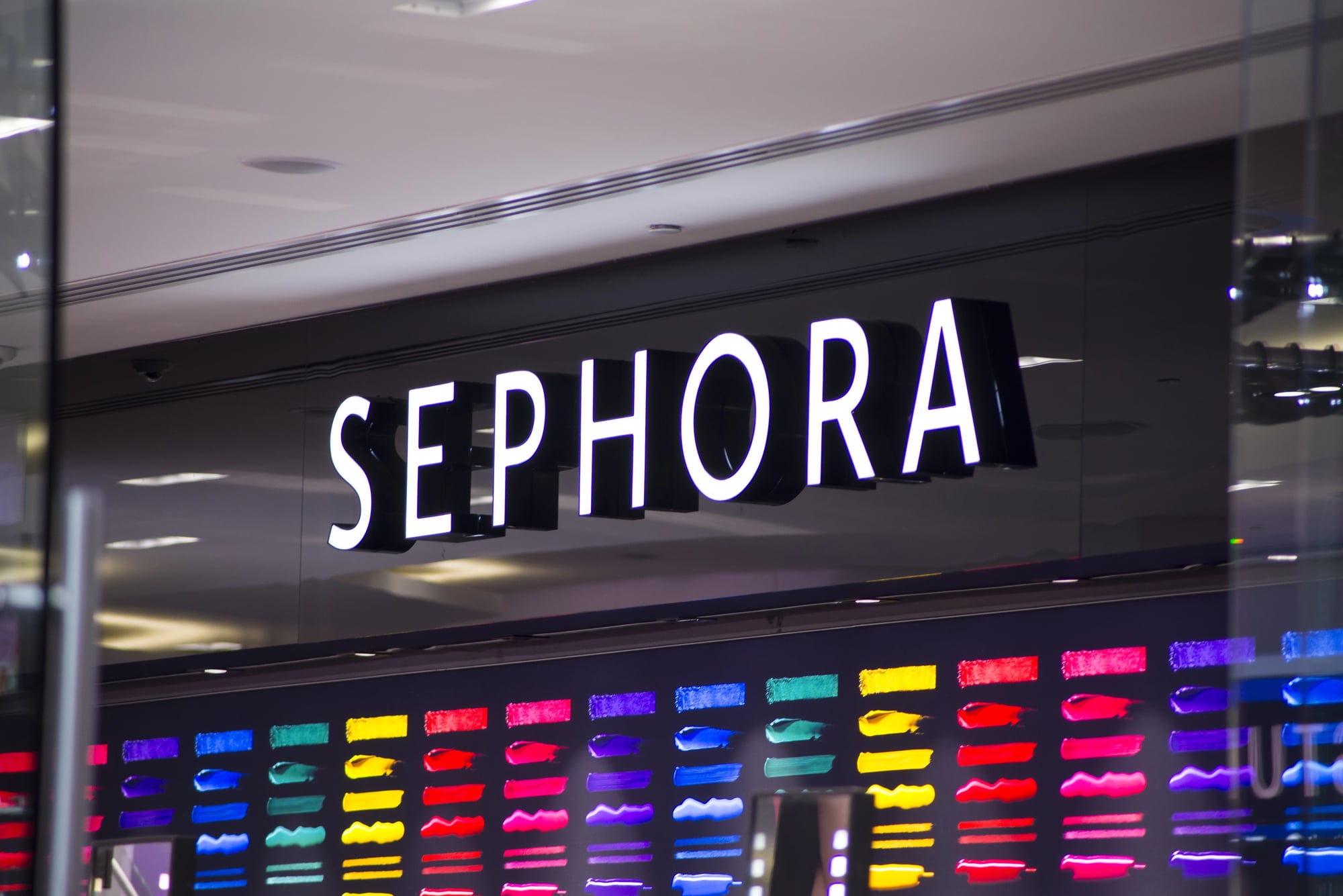
Beauty enthusiasts treat Sephora like a second home and share that love across every platform. The rewards program has people strategically planning purchases to maximize points, and makeup tutorials featuring Sephora products flood YouTube and TikTok constantly.
The brand created a space where beauty fans feel welcome to experiment, ask questions, and share their looks without judgment. Online communities swap product recommendations, warn each other about upcoming sales, and genuinely help strangers find the right foundation shade.
Patagonia

Patagonia customers don’t just buy outdoor gear. They buy into a philosophy about environmental responsibility and quality over quantity.
The brand’s commitment to sustainability has created a loyal following that proudly wears worn-out Patagonia jackets like badges of honor. People share repair stories, document their adventures in Patagonia gear, and appreciate that the company tells them to buy less stuff.
Discord

Discord started as a platform for gamers but grew into something much bigger because users genuinely love the service. People create servers for every imaginable interest, spend hours in voice channels with friends, and prefer Discord over other communication platforms.
The company listens to user feedback and regularly adds features the community actually wants. That responsiveness has built serious loyalty among users who feel like they have a say in how the platform evolves, and they recruit new members constantly.
Glossier

One reason Glossier stands out? Fans post endless photos online showing off their fresh-faced styles.
Beautiful flat-lays help, sure – clean bottles look sharp in snaps. Yet what sticks isn’t just aesthetics; it’s trust earned by formulas that deliver and words that sound human, not corporate.
People film themselves opening packages, talk through each item, then link back to the brand while sharing morning rituals. It began life as a beauty journal, stayed conversational, speaks plainly even now – so followers keep returning, stay active, spread word without being asked.
In-N-Out Burger

Out here on the West Coast, folks see In-N-Out less as fast food, more like a habit passed down through years. Hidden orders spread online not by ads but word of mouth – people whispering codes at counters.
When a fresh spot pops up beyond familiar borders, chatter floods phones and screens the way concert tickets do. Minimal choices, same taste every visit – that predictability builds something fierce among regulars.
They won’t entertain talk of rival chains, not even in passing, always ready to defend their pick with quiet intensity.
From Likes to Lifestyle Choices

Buying the same thing again once defined brand loyalty. Now, digital spaces have stretched that idea wider.
Through apps and sites, firms grew circles of users who make posts, stand by the name, even pull others in without being asked. Feelings run deep – seen in each update, reply, or suggestion tossed into feeds.
Even as focus fades faster across screens, certain names hold tight. They shift random buyers into steady supporters, folks who root for wins beyond just getting what they paid for.
More from Go2Tutors!

- The Romanov Crown Jewels and Their Tragic Fate
- 13 Historical Mysteries That Science Still Can’t Solve
- Famous Hoaxes That Fooled the World for Years
- 15 Child Stars with Tragic Adult Lives
- 16 Famous Jewelry Pieces in History
Like Go2Tutors’s content? Follow us on MSN.



