13 Walkman and Boombox Models Worth Money
The first Walkman went on sale in Japan in 1979, and within a few years headphones on a bus had become a global look. Boomboxes grew out of the same era, with chrome grilles, carry handles, and speakers loud enough to be heard down the block.
Both families now draw collectors who care about the badge on the front and the hardware inside.
Condition drives the price in this market more than almost any other. A unit that powers up, runs its tape at the right speed, and has a clean battery compartment is worth far more than a dusty one that does not work.
These 13 models are the ones that move the numbers.
Sony TPS-L2
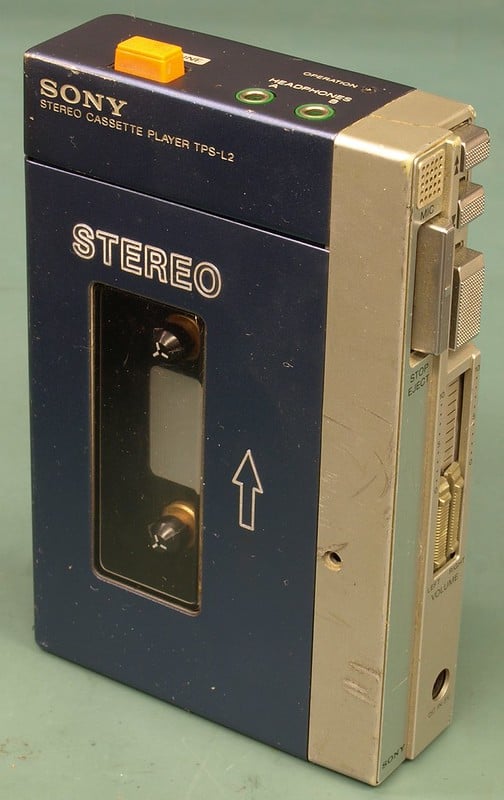
Sony released the original Walkman in Japan in July 1979 at 33,000 yen, in a blue-and-silver case. It carried two headphone jacks and an orange hotline button that lowered the music so two listeners could talk to each other.
A working TPS-L2 with its original headphones, case, and box is the version collectors pay the most for, and a unit with a failed belt is worth far less.
Sony WM-2
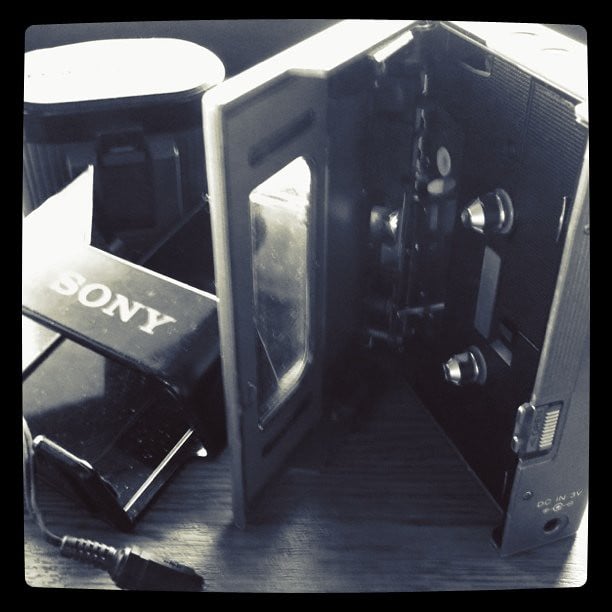
The WM-2, sold as the Walkman II from 1981, shrank the player to about the size of a cassette case. The smaller design set the template for portable players for years afterward.
Models with intact belts, clean battery doors, and no case scuffs sell for the most.
Sony WM-F2
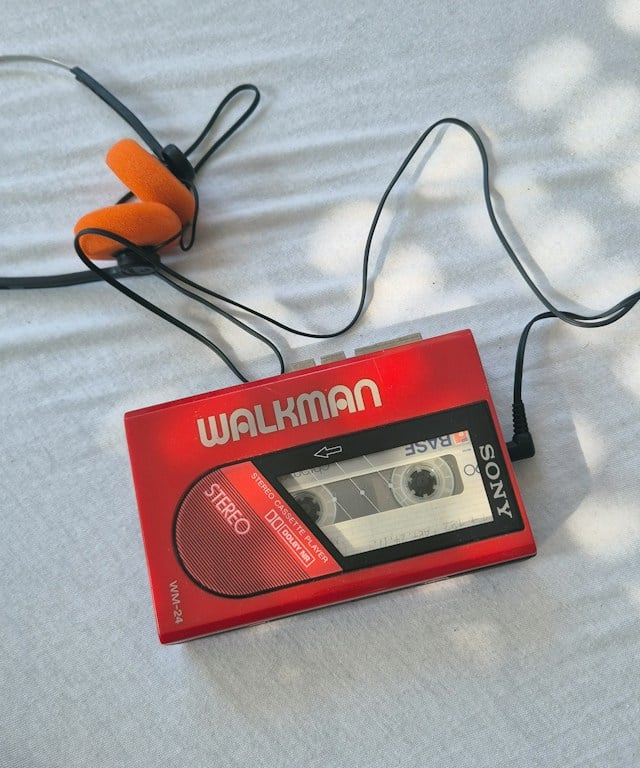
The WM-F2 added an FM radio to the compact Walkman II design, giving listeners a second source on the same small body. Collectors look for units where both the tape deck and the tuner work.
A radio dial that is stuck or a tuner that drifts is a common problem that cuts the price.
Sony WM-D6C
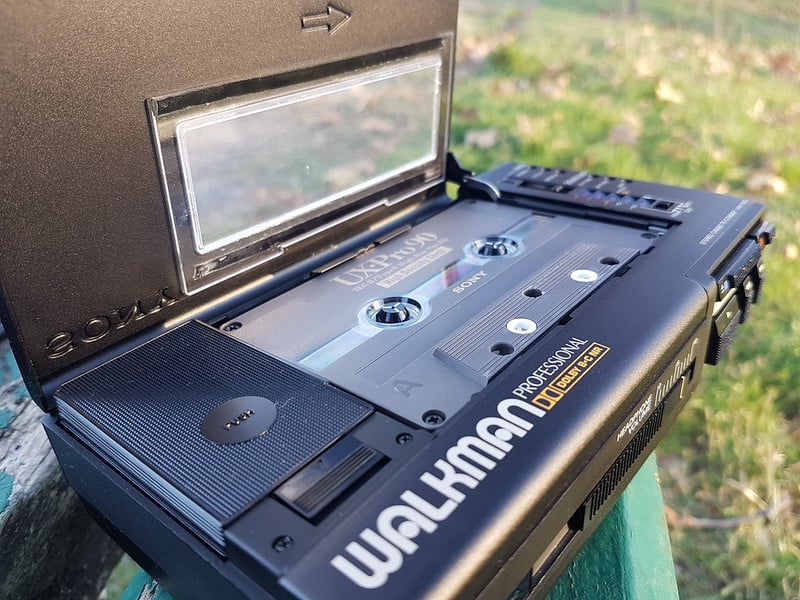
The WM-D6C Professional Walkman was a full cassette recorder with Dolby noise reduction, and journalists and field recordists carried it for years. It is among the most collected Walkmans, and working units are in steady demand.
Buyers should confirm that the recording function works, since a unit that only plays is worth less.
Sony WM-DD
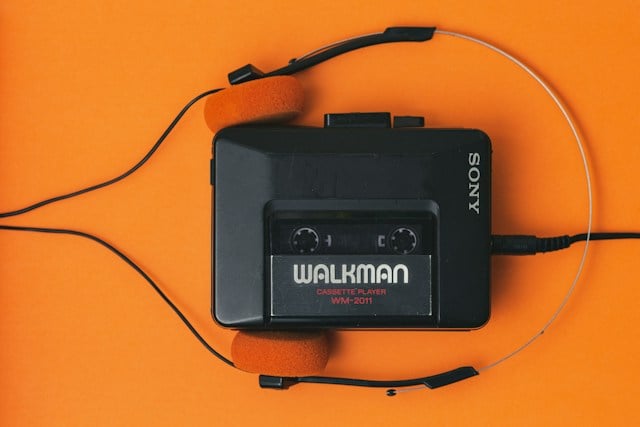
Sony’s WM-DD introduced the Disc Drive mechanism, a motor-driven rubber wheel designed to keep tape speed steady. The result was cleaner sound with less wobble than ordinary belt-driven players.
A WM-DD in good working order is a prize for listeners who care about sound quality as much as nostalgia.
Sony WM-DD9
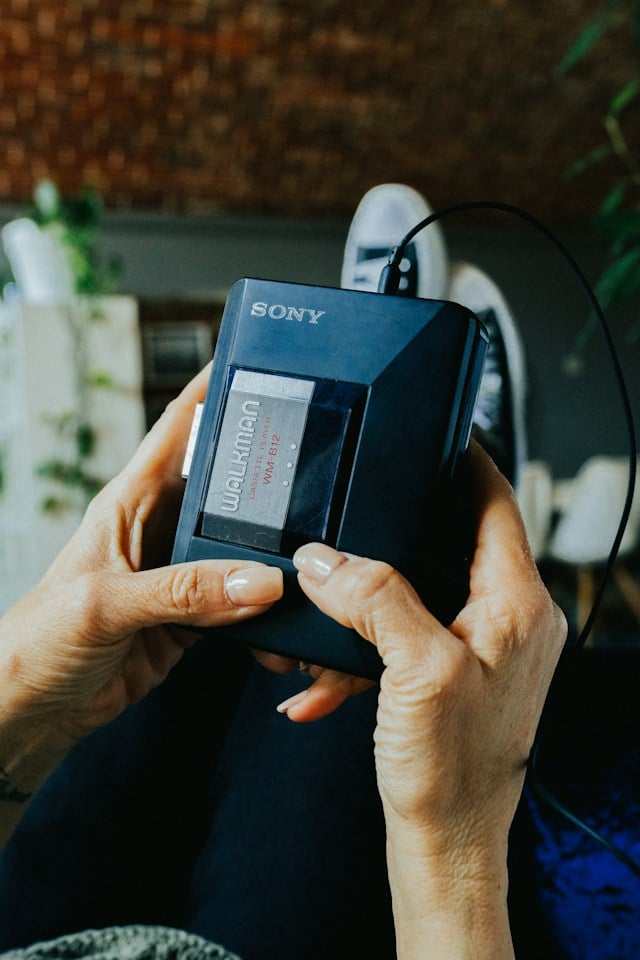
The WM-DD9 refined the Disc Drive concept in a more upscale package and became a favorite with tape fans. Fans of the format point to its sound as one of the best ever in a portable cassette player.
Clean cases and intact controls bring the premium, since heavy use left many with worn buttons.
Sony WM-F5
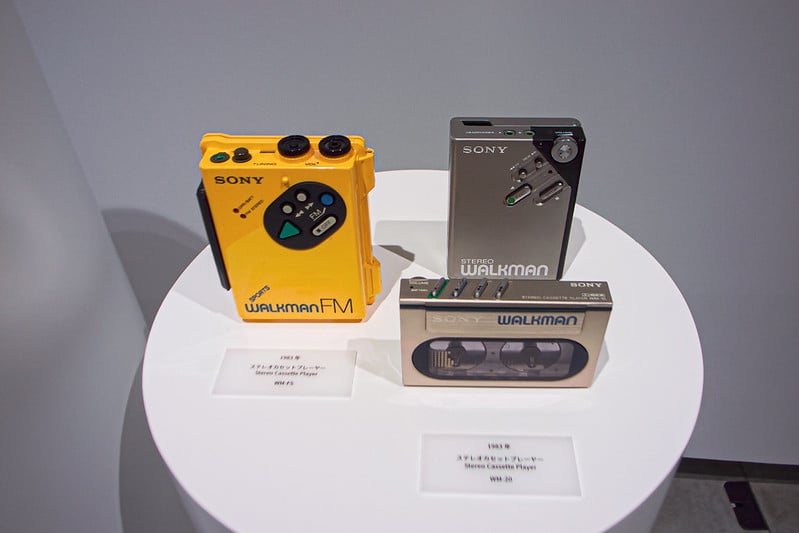
The WM-F5 was a Sports Walkman with a bright yellow case designed to resist water and rough handling. The color made it easy to spot, and it became a symbol of 1980s fitness culture.
Yellow plastics fade and scratch, so units in strong color with working controls are the ones collectors prefer.
Sony D-50 Discman
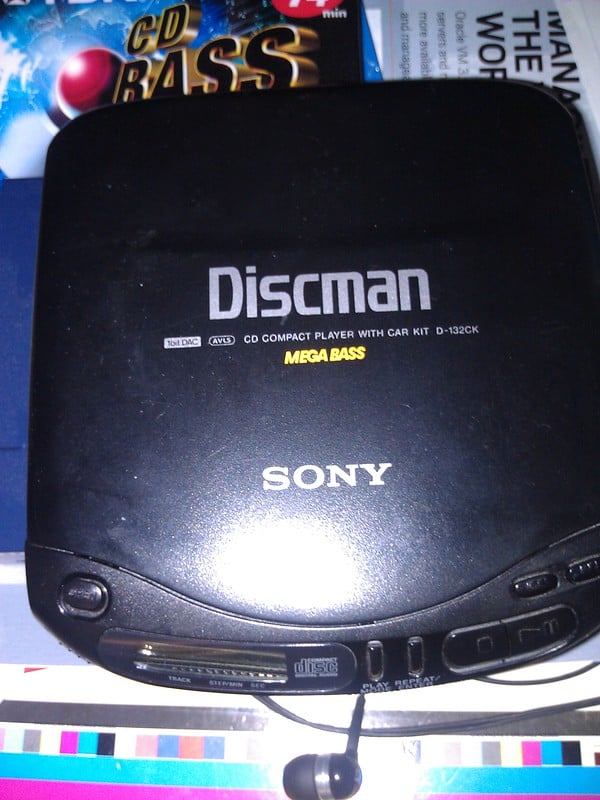
Sony’s D-50 Discman arrived in 1984 as the first portable CD player, with a price of 50,000 yen. It was about the size of a stack of CD cases and needed a separate battery pack for lasting use.
A working D-50 with the original accessories is an early landmark of digital portable audio and sells accordingly.
Sony MZ-1
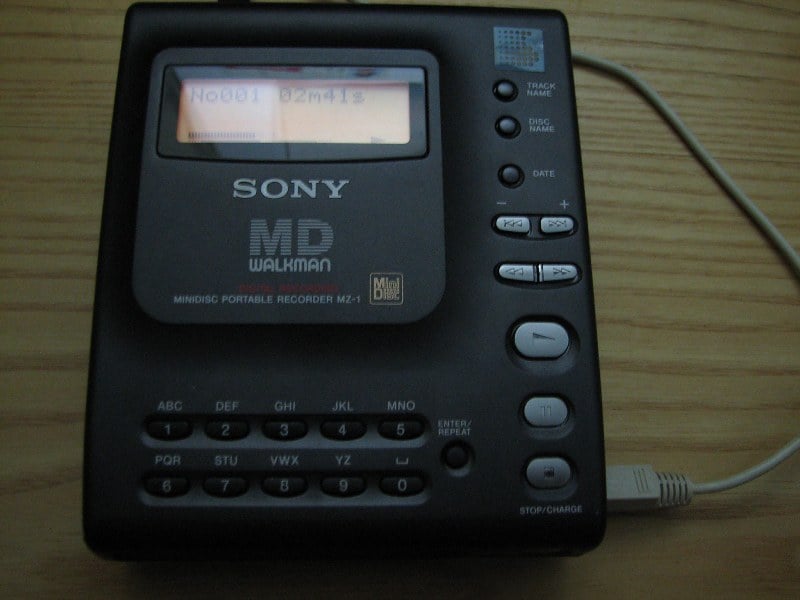
The MZ-1, released in November 1992, was Sony’s first MiniDisc recorder and player. It was heavy and expensive, but it launched a format that Sony hoped would replace the cassette.
Complete units with the original remote and accessories draw the best prices.
JVC RC-M90
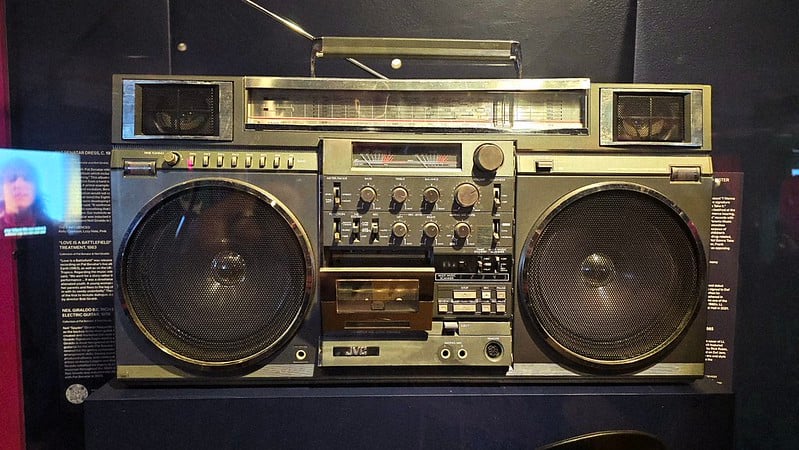
The JVC RC-M90, with JVC’s Biphonic sound system, is often called the King of Boomboxes by collectors. It is among the most sought-after models among enthusiasts and can fetch top prices when it is in working order.
Speaker surrounds and cassette mechanisms are the usual failure points, so a unit with both in good shape stands out.
Promax Super Jumbo
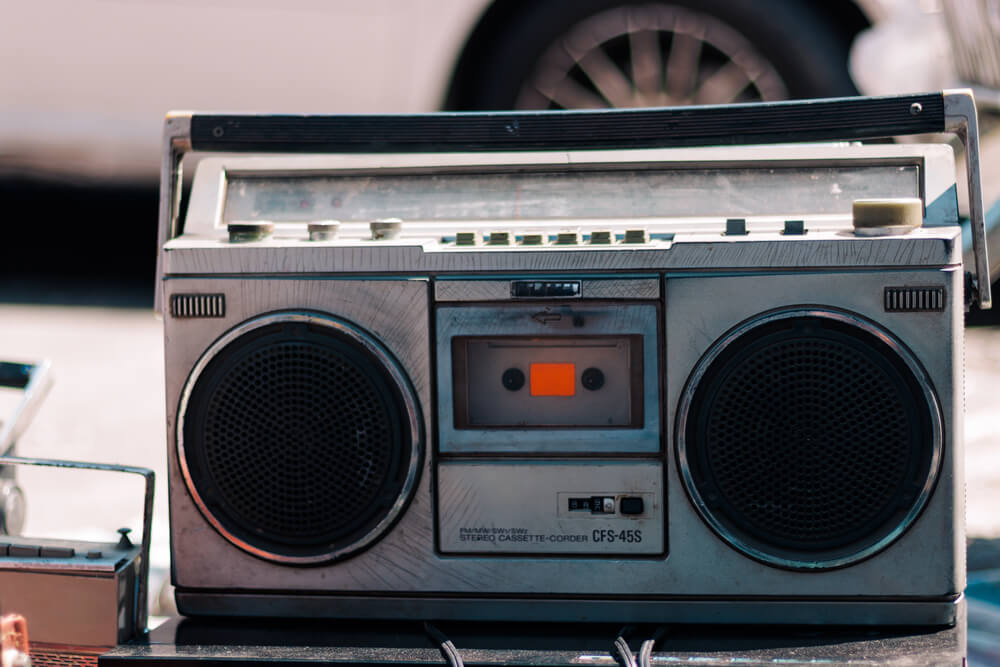
The Promax Super Jumbo became famous as the boombox carried by the character Radio Raheem in Spike Lee’s 1989 film Do the Right Thing. The size and sound of the unit matched the role it played in the movie.
Cultural fame has pushed up interest, and working examples with intact controls and speakers are the ones buyers want.
Conion C-100F
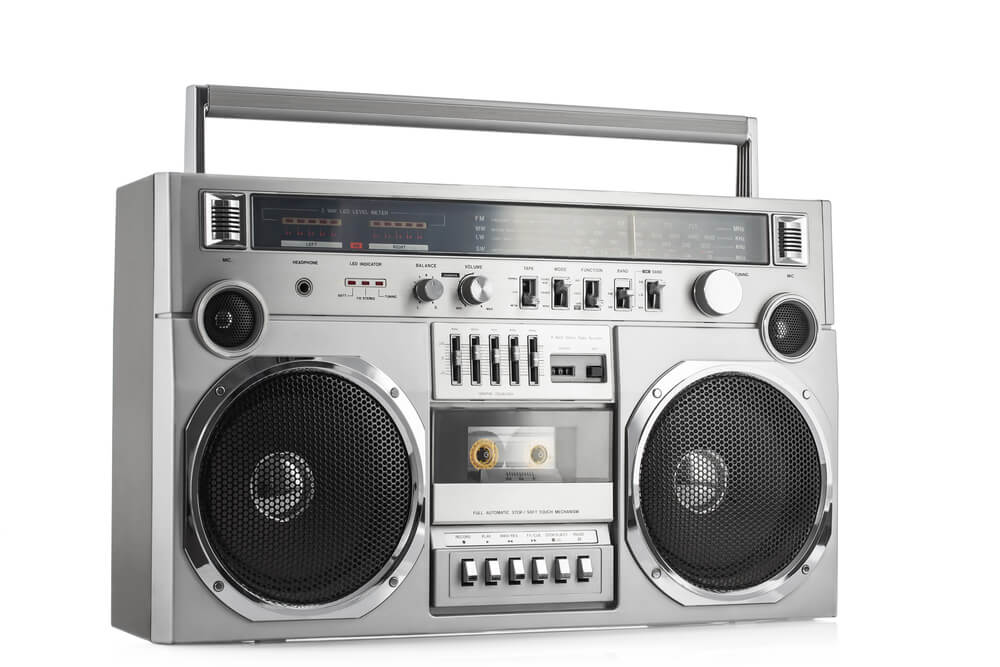
The Conion C-100F is a large 1980s boombox that also circulated under other brand names, including Clairtone. Its looks and size place it near the top of many collectors’ want lists.
As with all boomboxes, corroded battery contacts and sagging speaker cones are the main enemies of value.
Sharp GF-777
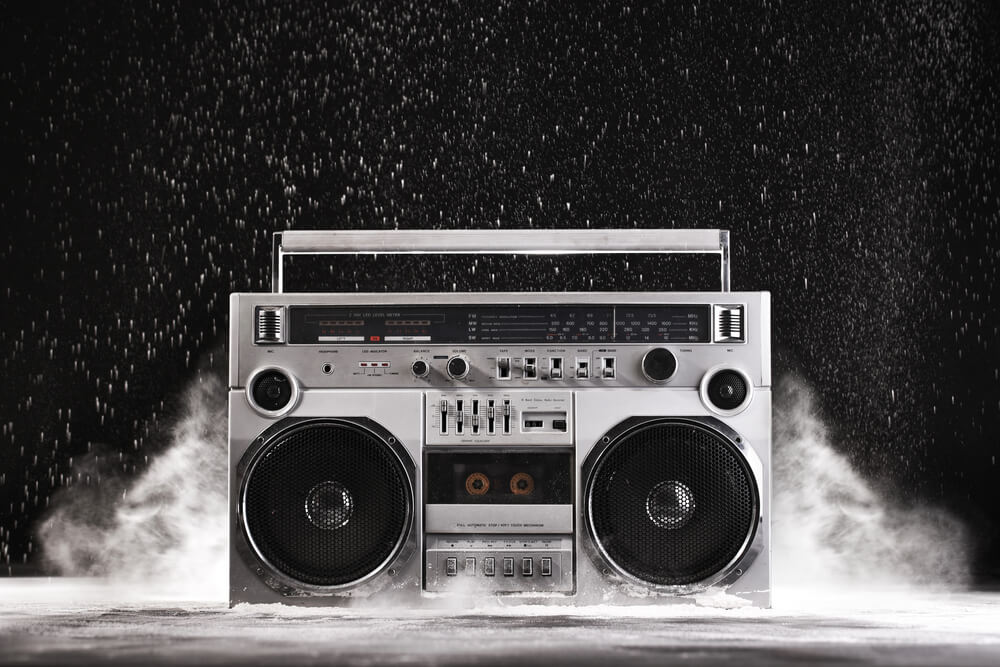
The Sharp GF-777, sold in some markets as The Searcher-W, is a boombox from around 1984 that now sits in the collection of The Henry Ford museum. Museum attention has helped cement its standing as an icon of the era.
A unit with a working cassette deck, intact antenna, and clean casing is worth far more than a damaged one.
Analog Gets the Last Word
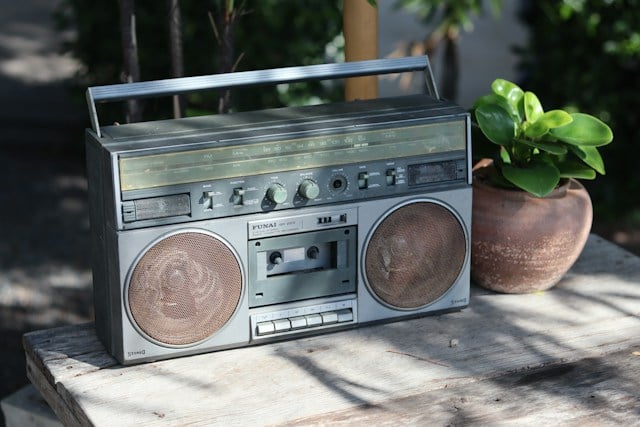
Cassette players and boomboxes were built to be used, dropped, and replaced, which means unabused survivors are rare. A mechanism that still runs, a case without cracks, and a battery compartment free of corrosion make a unit stand out.
Collectors treat those traits the way other fields treat provenance.
Anyone with an old player in a closet can check the model number first and then test the belts, buttons, and tape door. A quick look can tell the difference between a thrift-store find and a serious collector’s piece.
The devices that sounded ordinary in 1985 are now the pieces dealers ask about by name.
More from Go2Tutors!

- The Romanov Crown Jewels and Their Tragic Fate
- 13 Historical Mysteries That Science Still Can’t Solve
- Famous Hoaxes That Fooled the World for Years
- 15 Child Stars with Tragic Adult Lives
- 16 Famous Jewelry Pieces in History
Like Go2Tutors’s content? Follow us on MSN.