18 Product Designs That Were So Good, They Became the Standard
Good product design goes unnoticed merely because it is so good. The most important innovations end up being invisible because they become part of our daily existence so subtly.
These designs work so well at solving issues that their competitors are left with no choice but to copy them, transforming industries along the way. Following are 18 product designs that were so groundbreaking and successful, they established the standard that became the benchmark for their categories
QWERTY Keyboard

Christopher Sholes created the current keyboard layout for typewriters in the 1870s with the goal of preventing jamming by spacing out frequently used letter combinations. Due to broad familiarity and the high cost of retraining, the QWERTY layout is still used even though newer computers lack the mechanical limitations of typewriters.
In spite of more effective options like Dvorak, this arrangement has persisted for more than 150 years.
Like Go2Tutors’s content? Follow us on MSN.
iPhone’s Multi-Touch Interface

Before 2007, smartphones typically featured physical keyboards and stylus input. Apple’s revolutionary multi-touch interface allowed users to navigate with natural finger movements, introducing pinch-to-zoom, swipe, and tap gestures that feel intuitive even to children.
This design approach quickly became the industry standard, with virtually every smartphone manufacturer abandoning physical keyboards within years.
Post-it Notes

Post-it notes were created accidentally when 3M scientist Spencer Silver developed an adhesive that was strong enough to stick but weak enough to remove without damage. The genius of Post-it notes lies in their perfect balance of adhesion and removability, combined with their bright, attention-grabbing color.
This simple yet effective design has remained largely unchanged since the 1970s, becoming essential in offices worldwide.
Coca-Cola Bottle
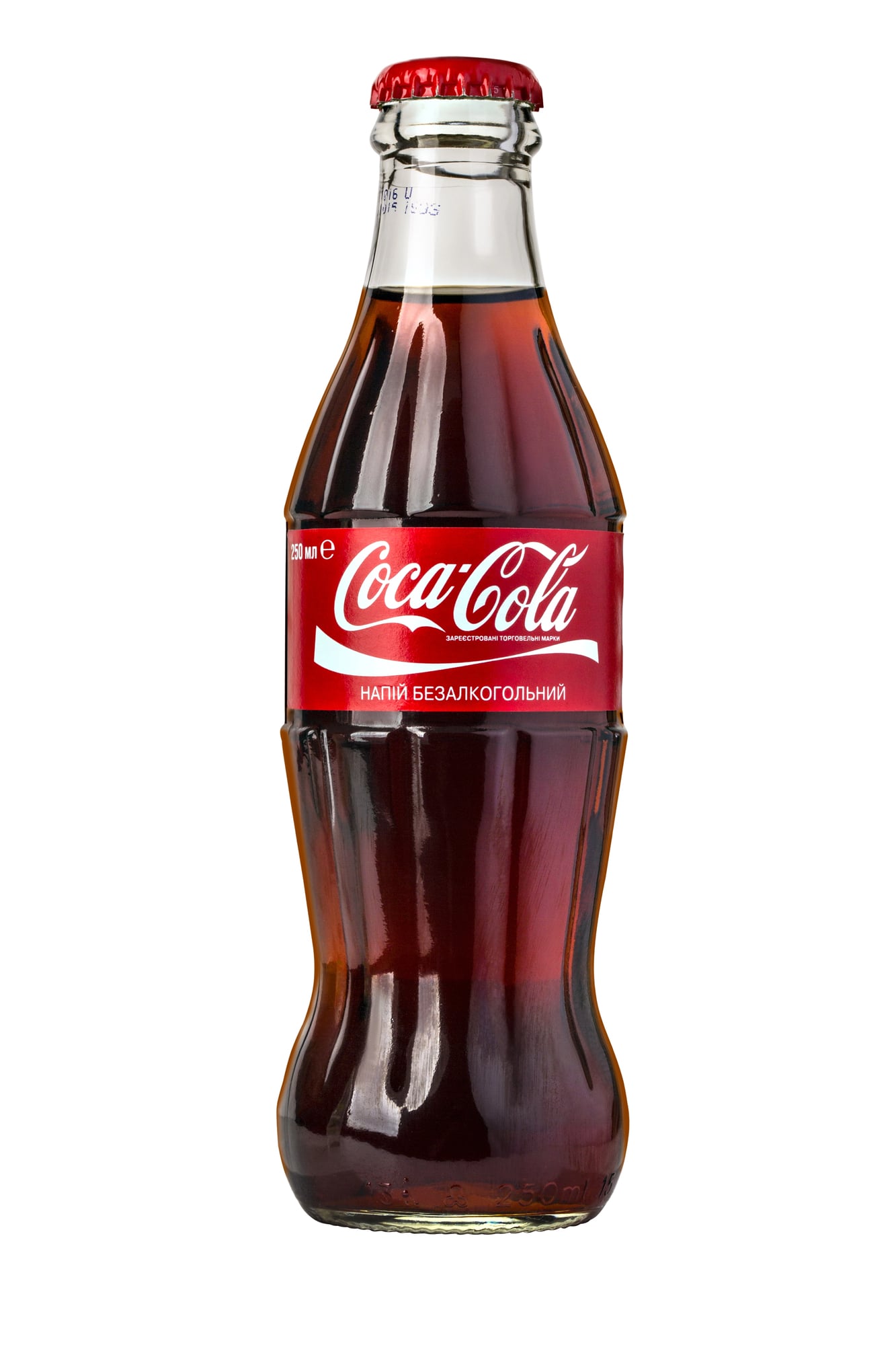
The distinctive contoured glass bottle designed in 1915 was so unique it could be recognized in the dark or when broken. The bottle’s curved form was ergonomically perfect for holding while creating a powerful brand identity that Coca-Cola maintain market dominance for decades.
This design established that packaging itself could be as valuable as the product inside.
Like Go2Tutors’s content? Follow us on MSN.
Nintendo’s D-Pad

Invented by Gunpei Yokoi for the Game & Watch handheld system in 1982, the directional pad or D-pad replaced joysticks with a simple cross-shaped button that allowed precise movement control. The design was so effective that Nintendo patented it, forcing competitors to create variations.
Once the patent expired, the design became universal on gaming controllers worldwide.
Zip (YKK) Fastener

The modern zipper design, perfected by the Japanese company YKK, combines simplicity with durability in a way that’s proven nearly impossible to improve upon. The interlocking teeth mechanism offers a perfect balance of secure closure and easy operation.
YKK produces over 7 billion zippers annually, accounting for nearly half the global market, with a failure rate of just one per 4,000 zippers.
Bic Cristal Pen
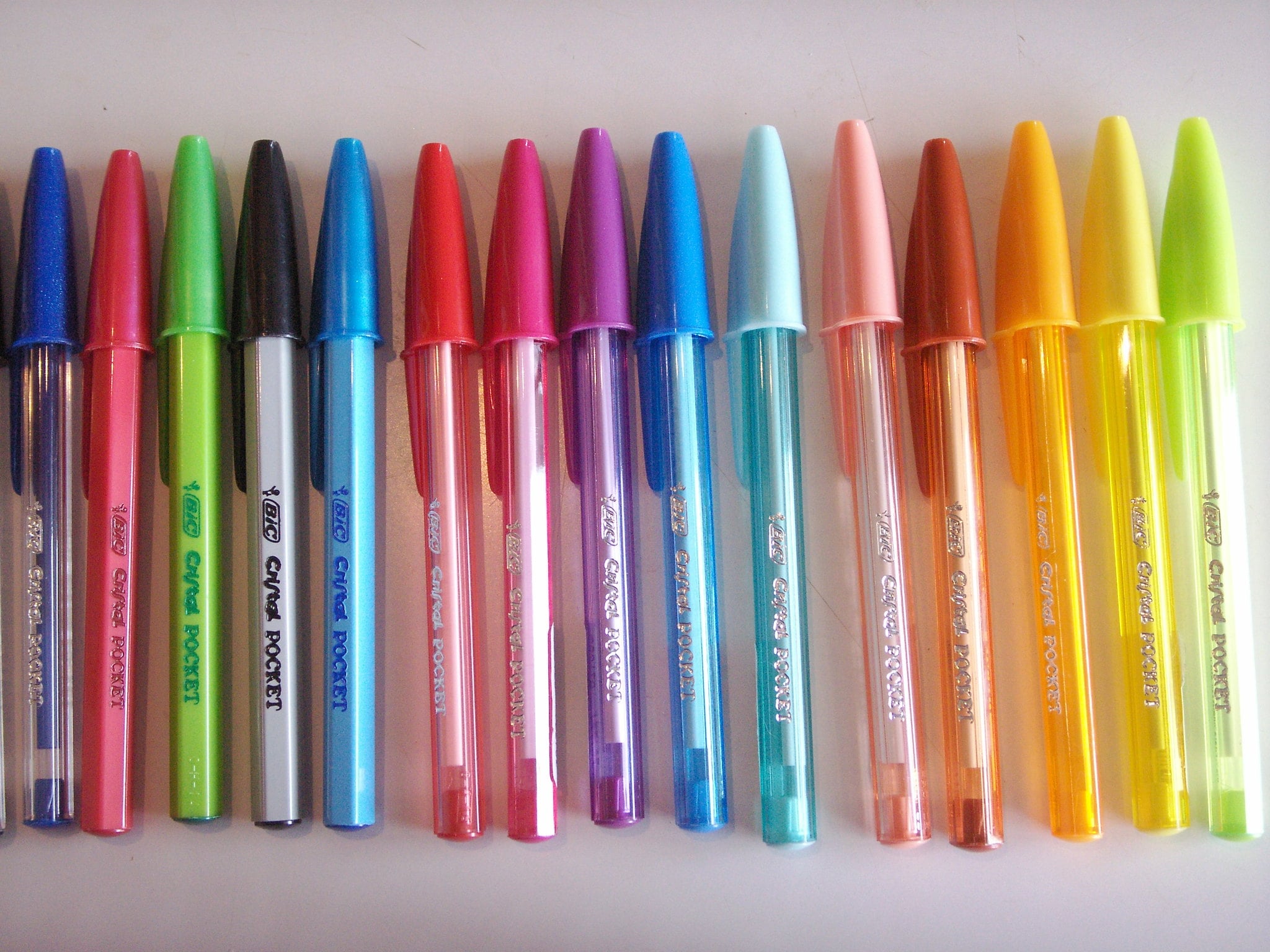
Introduced in 1950, the Bic Cristal’s hexagonal body prevents it from rolling off surfaces, while its transparent design lets users see the remaining ink level. The pen’s simple, reliable design makes it incredibly cost-effective to produce at scale.
With over 100 billion sold to date, it’s the most successful pen design in history, remaining virtually unchanged for more than 70 years.
Like Go2Tutors’s content? Follow us on MSN.
Shopping Cart

Invented by Sylvan Goldman in 1937, the shopping cart with its nested storage design revolutionized retail by allowing customers to purchase more items in a single visit. The telescoping design that enables carts to be stored inside one another solved a major space constraint for stores.
This fundamental design concept remains standard in supermarkets around the world, with only minor modifications over 80 years.
Lego Brick

Patented in 1958, the Lego brick’s ingenious interlocking system provides consistent clutch power—strong enough to hold together but loose enough for a child to take apart. The precision is remarkable: modern Lego bricks still connect perfectly with those made 60 years ago.
The universal connection system created endless possibilities with just a few basic brick shapes.
USB Port
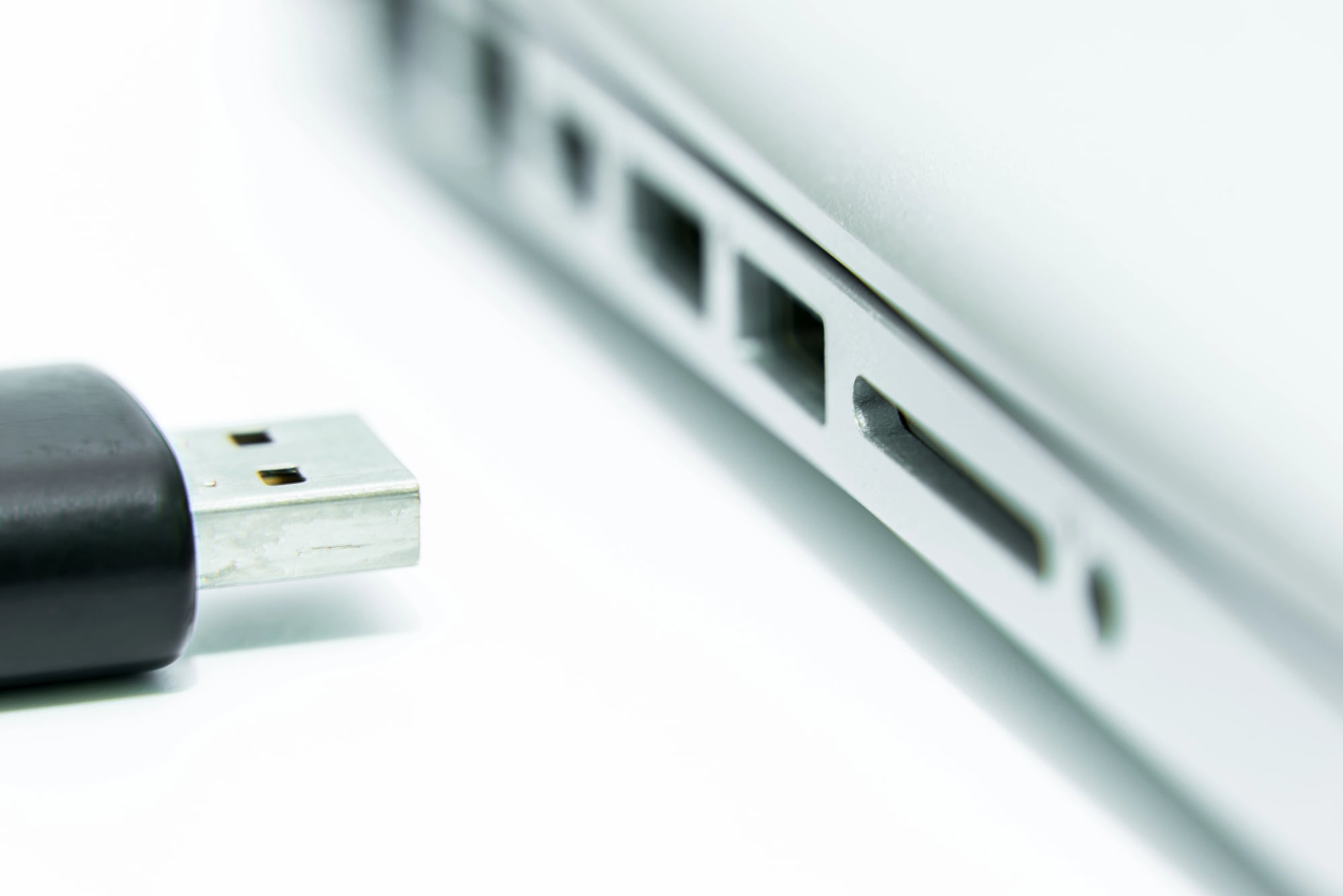
The Universal Serial Bus standard, introduced in 1996, simplified the chaotic world of computer peripherals by replacing numerous specialized ports with a single connection type. Despite frustrations with orientation (solved later with USB-C), the original design’s durability and universality made it the first truly successful universal connector.
USB connections now appear on billions of devices across countless applications.
Like Go2Tutors’s content? Follow us on MSN.
Bubble Wrap

Originally designed in 1957 as wallpaper, bubble wrap found its true purpose as protective packaging. The genius lies in its air-filled chambers that absorb impact while adding minimal weight.
The distinctive popping sensation when squeezed created an unexpected tactile experience that made it culturally iconic.
Paper Clip
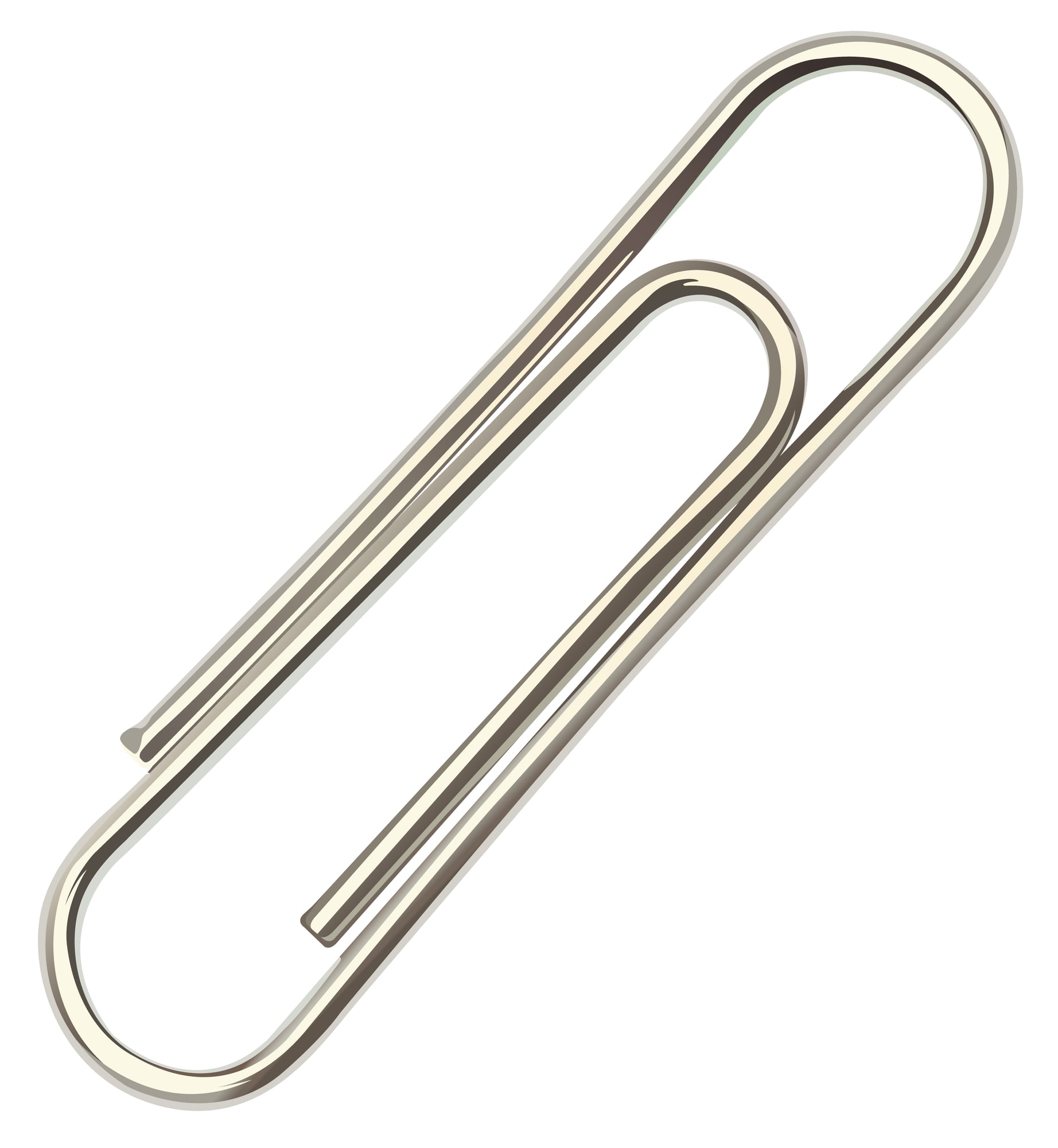
The Gem paper clip design, created in the 1870s, uses minimal wire to achieve maximum functionality through its double-oval shape. Its elegance lies in requiring no moving parts while securely holding multiple papers without causing permanent damage.
Despite countless attempted redesigns, the original remains dominant because it hit the perfect balance of functionality, ease of manufacturing, and cost.
Safety Pin
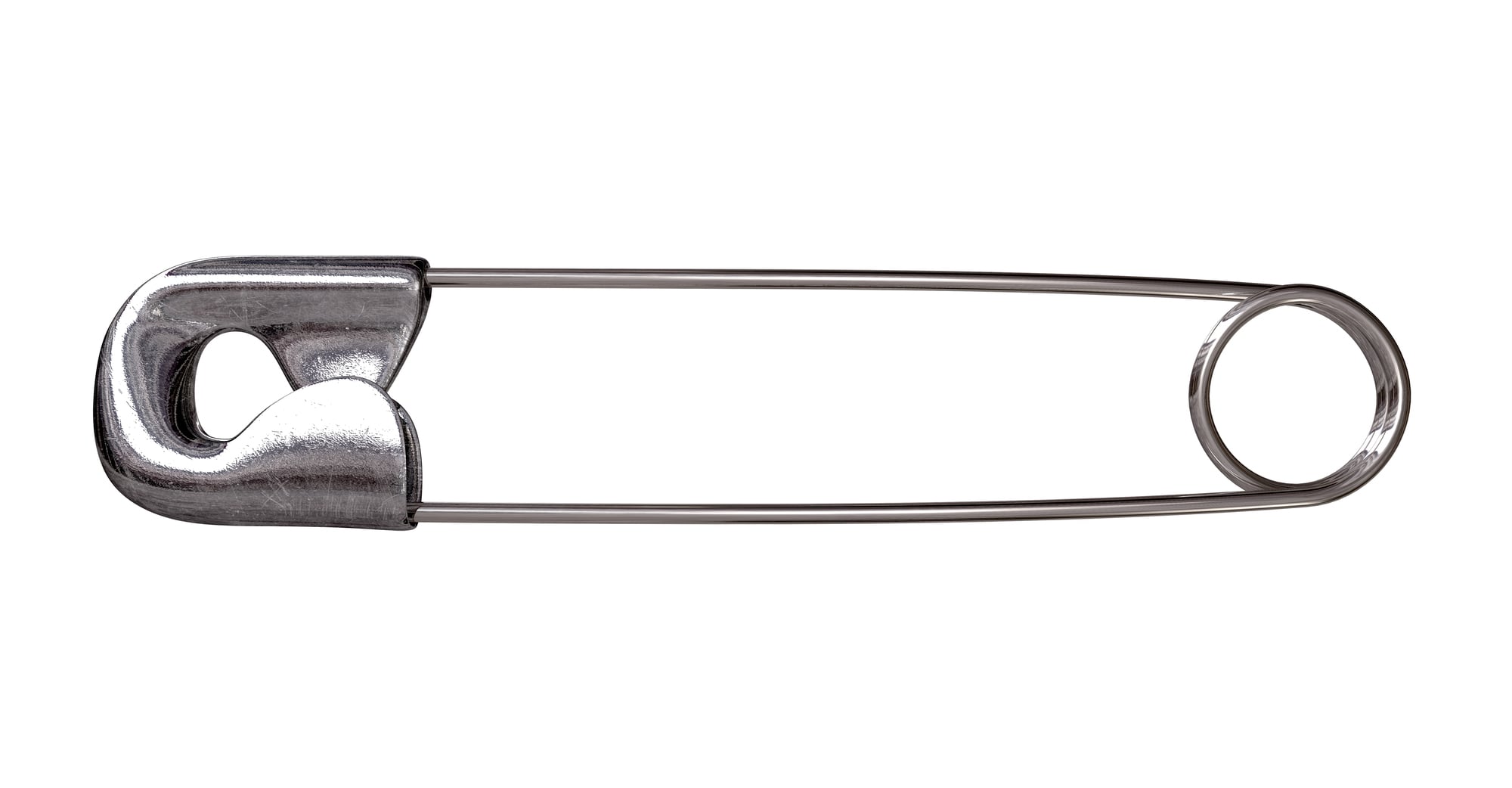
Invented by Walter Hunt in 1849, the safety pin’s genius lies in its spring mechanism that keeps the sharp point safely covered when closed. Hunt designed it in just three hours to pay off a $15 debt.
The basic design has remained virtually unchanged for over 170 years, proving that sometimes the first solution can be the definitive one when executed perfectly.
Like Go2Tutors’s content? Follow us on MSN.
Tetra Pak

Invented in 1951, the Tetra Pak’s paper-based carton design created an aseptic packaging system that allowed milk and juices to be stored without refrigeration for months. The original tetrahedron shape has evolved into rectangular cartons, but the core laminated material design remains.
This innovation revolutionized food distribution globally, especially in regions with limited cold chain infrastructure.
OXO Good Grips Peeler
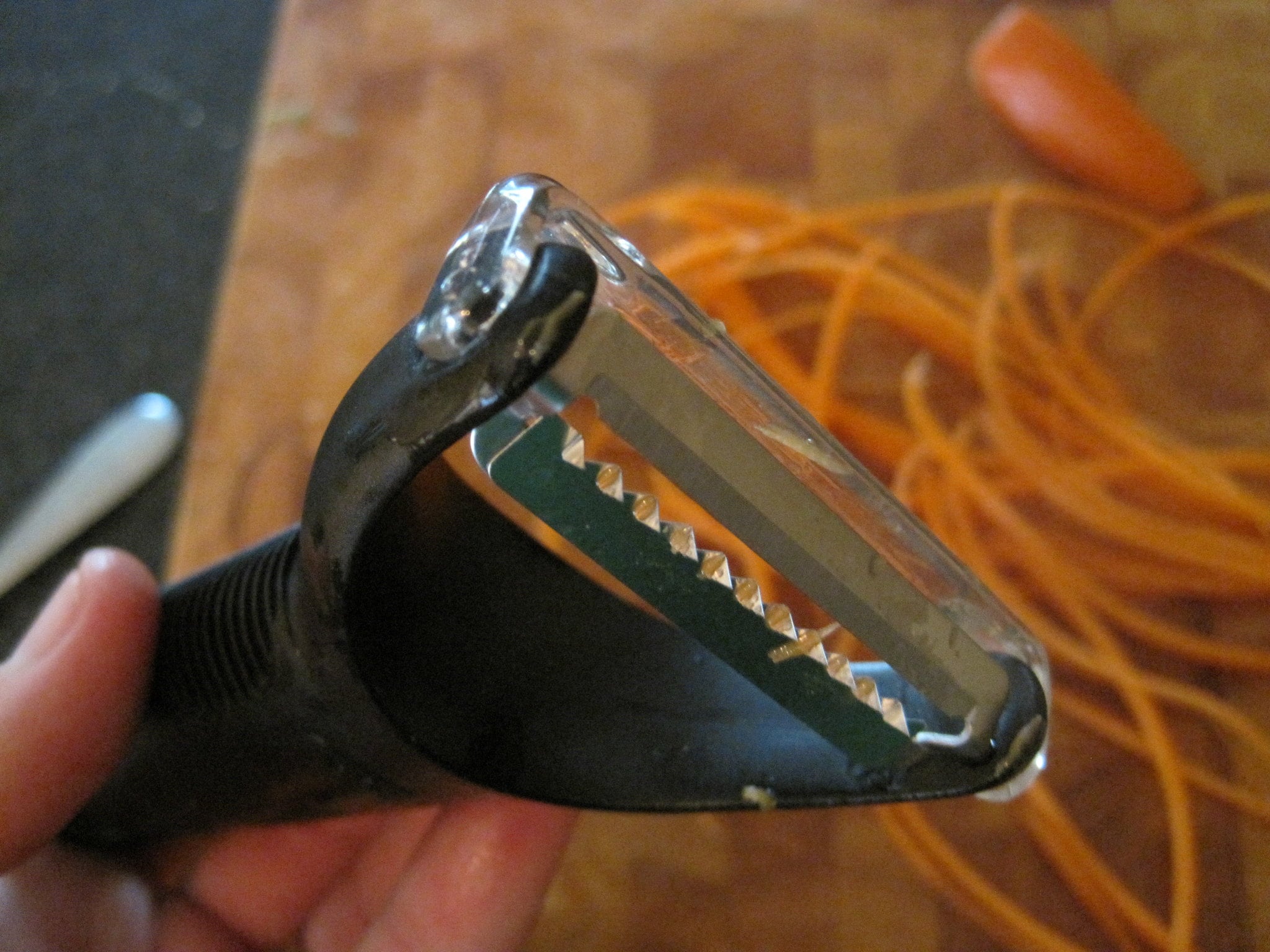
Released in 1990, this vegetable peeler transformed kitchen tool design with its thick, rubber handle that works well even with wet hands or for those with arthritis. Before this design, kitchen tools prioritized appearance over ergonomics.
OXO’s emphasis on universal design principles created a new standard for kitchen tools, proving that everyday items could be both functional and inclusive.
Suitcase with Wheels

Though wheeled luggage seems obvious today, Bernard Sadow didn’t patent it until 1972, and Northwest Airlines pilot Robert Plath didn’t create the now-standard upright rollable design with a telescoping handle until 1987. This simple addition of wheels and a handle completely transformed travel, eliminating the physical strain of carrying luggage through sprawling airports.
Like Go2Tutors’s content? Follow us on MSN.
Zenith TV Remote
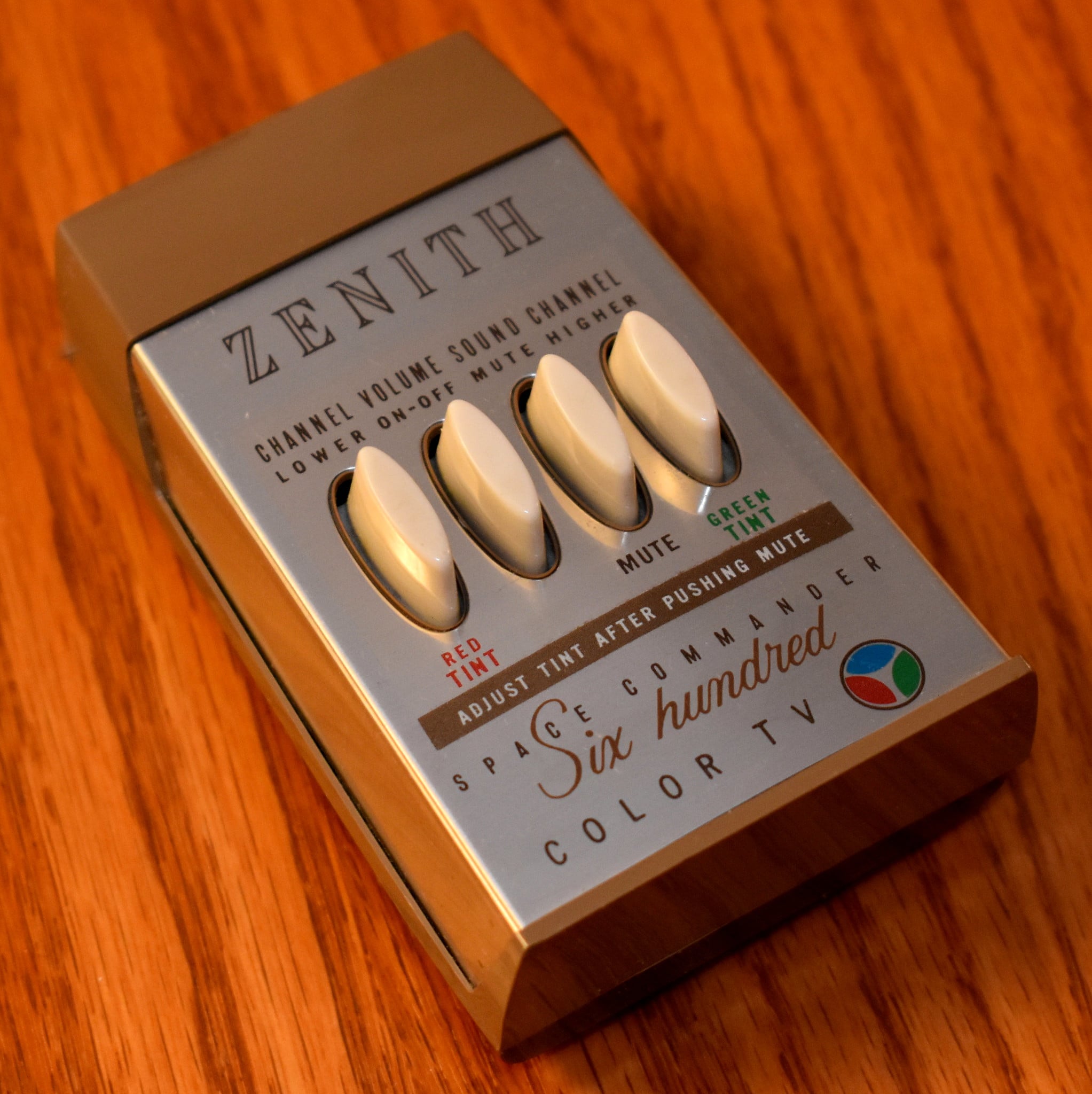
While modern remotes are complex, the first practical wireless remote, Zenith’s ‘Lazy Bones’ from 1950 (followed by the wireless ‘Flashmatic’ and ultrasonic ‘Space Command’), established the core concept that viewers should be able to control their TV from across the room.
This fundamental user expectation has extended to virtually all consumer electronics, creating our button-pushing culture of convenience.
Traffic Light

The three-color traffic signal design, standardized in the 1920s, uses simple, universal colors to convey complex traffic rules that work across language barriers and cognitive levels. The vertical arrangement (or horizontal in some locations) with consistent color positioning creates instant recognition.
This design has remained remarkably consistent worldwide for a century despite massive changes in vehicle technology.
The Intersection of Genius and Simplicity

These groundbreaking designs share a common thread: they solved problems so fundamentally that they became the definitive solution. The brilliance often lies not in complexity but in finding the perfect balance between form, function, and manufacturability.
What makes these designs truly exceptional is how they fade into the background of our daily lives while continuing to shape our experiences in profound ways.
More from Go2Tutors!

- 18 Unexpectedly Valuable Collectibles You Might Have Lying Around
- 20 Little-Known Historical Battles That Had Huge Consequences
- 20 Historical Artifacts That Scientists Can’t Explain
- 15 Inventions That Were Immediately Banned After Being Created
- 20 Actors Who Were Almost Cast in Iconic Roles
Like Go2Tutors’s content? Follow us on MSN.