Kitchen Gadgets Grandma Used Daily
Grandma’s kitchen ran on tools that needed muscle, patience, and a good drawer. Nothing plugged in, nothing beeped, and most of it lasted 40 years.
These 20 gadgets filled the counters and cabinets of a working kitchen, and many of them are still doing their jobs.
Rotary Egg Beater
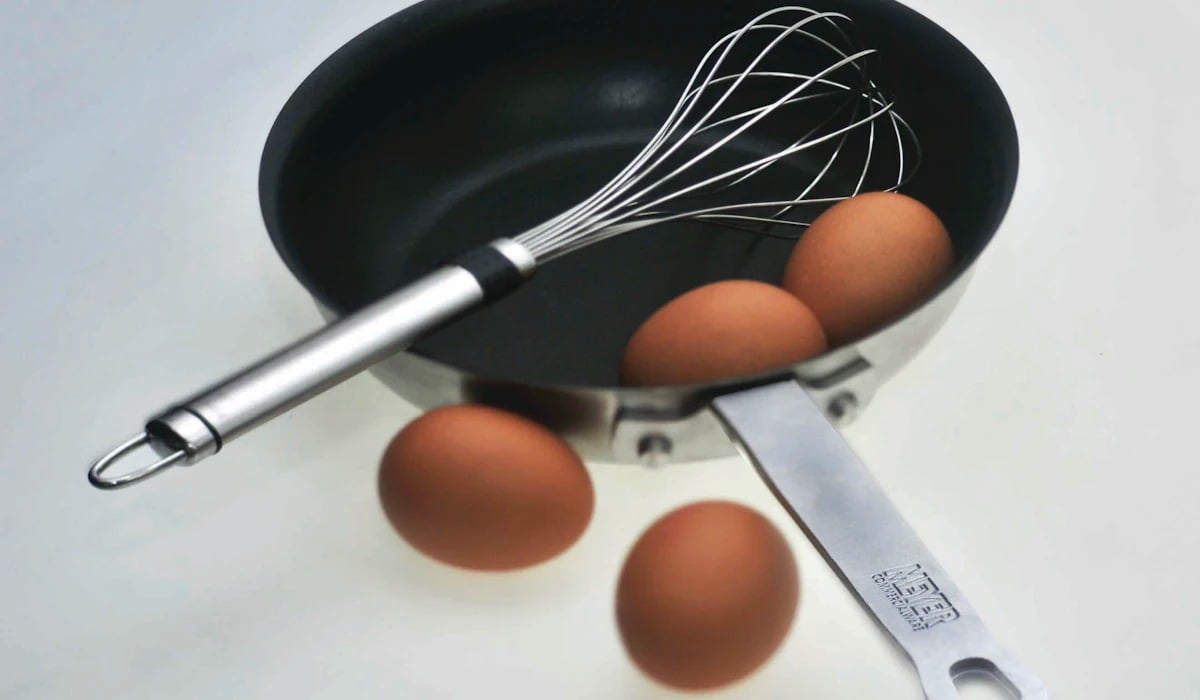
A hand crank turned two gears that spun a pair of metal beaters inside the bowl. Whipping cream or egg whites took a steady arm, a sturdy bowl, and a firm grip on the wooden handle.
The beater needed no electricity and weighed a fraction of a modern mixer.
Flour Sifter

A squeeze handle or crank turned a wire agitator against a mesh screen, which shook flour into a bowl in a fine, even layer. Recipes often called for sifted flour to remove lumps and incorporate air.
A tin sifter with a worn paint finish is a common estate sale find.
Cast Iron Skillet
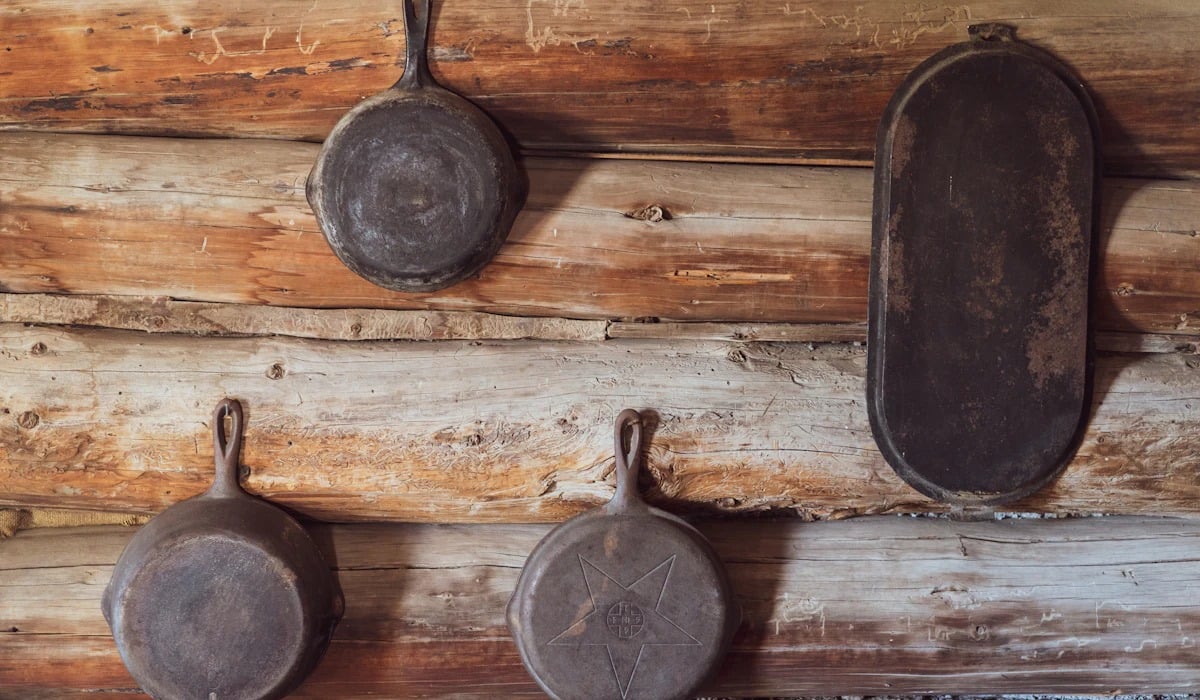
Griswold of Erie, Pennsylvania, and Wagner of Sidney, Ohio, made skillets so smooth that collectors now pay premium prices for them. Grandma seasoned the pan with cooking fat and maintained its surface through regular use.
A well-kept skillet baked cornbread, fried chicken, and sizzled pork chops for decades.
Pyrex Measuring Cup
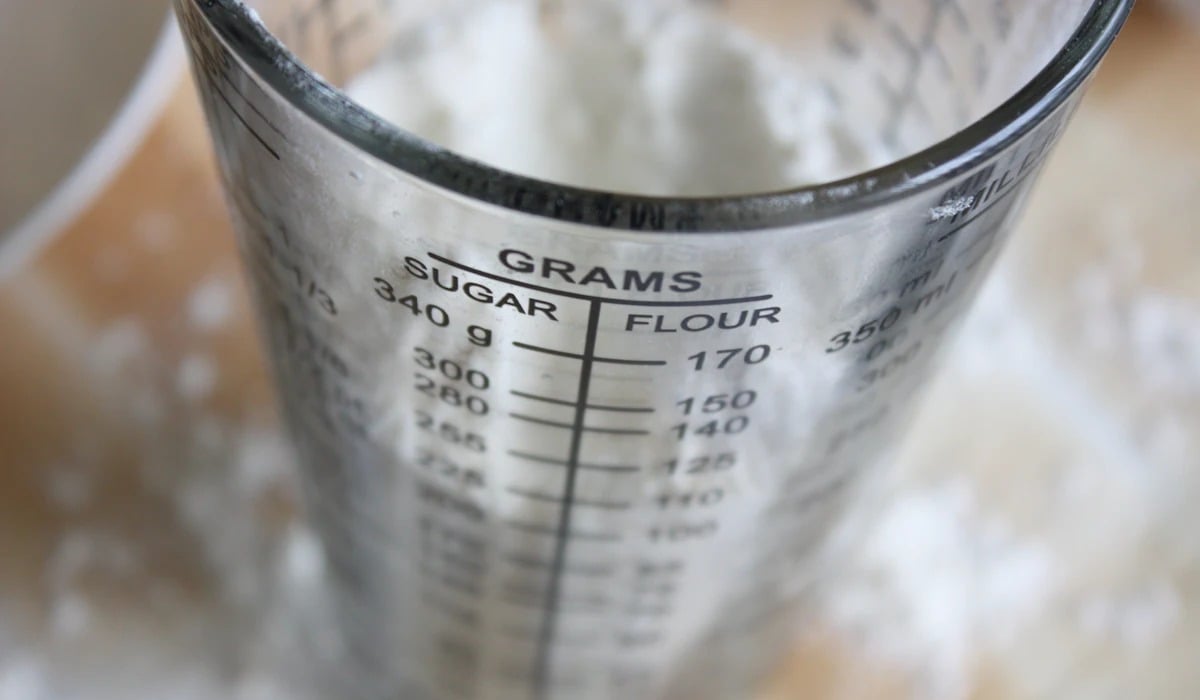
Corning introduced Pyrex in 1915, and the glass measuring cup with a red or black scale became a staple in American kitchens. The thick handle and spout made pouring easy, and heat-resistant glass made it useful for measuring and handling hot liquids.
Many cups still carry the faded print that grandmothers read daily.
Meat Grinder
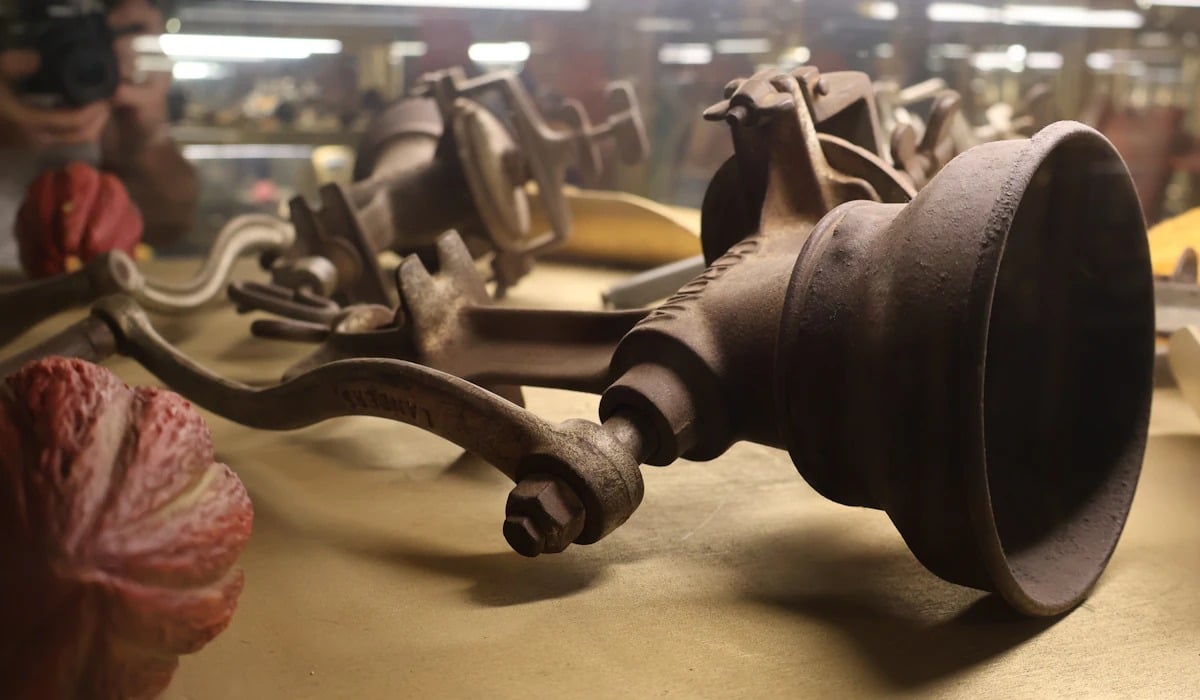
A hand-cranked grinder clamped to the edge of the table pushed raw meat through a steel plate with a screw. Grinders from manufacturers such as Universal, made by Landers, Frary & Clark of New Britain, Connecticut, became familiar household tools.
They turned scraps into sausage and leftover roast into sandwich spread.
Pressure Cooker
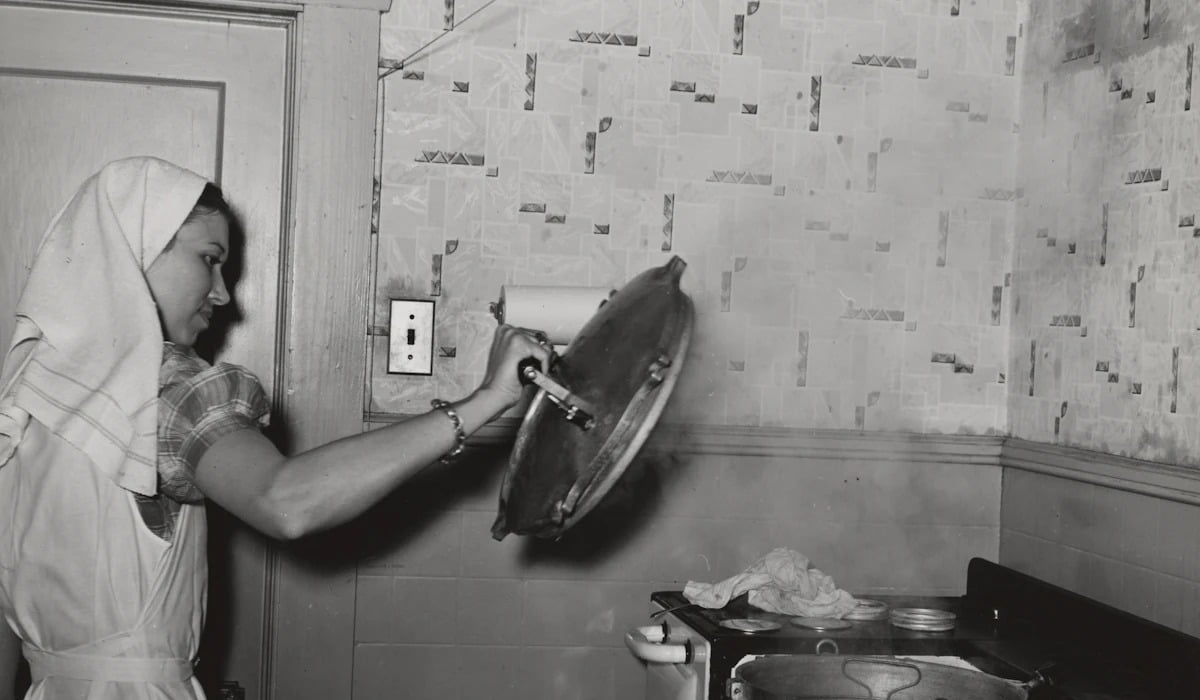
The Presto pressure cooker made its debut at the 1939 New York World’s Fair as a saucepan-style cooker with a rotating cover and a simple gasket seal. It cut cooking times for roasts and beans dramatically.
Grandma learned to listen for the rocker on the lid, which hissed and jiggled to tell her the pot had reached pressure.
Potato Masher
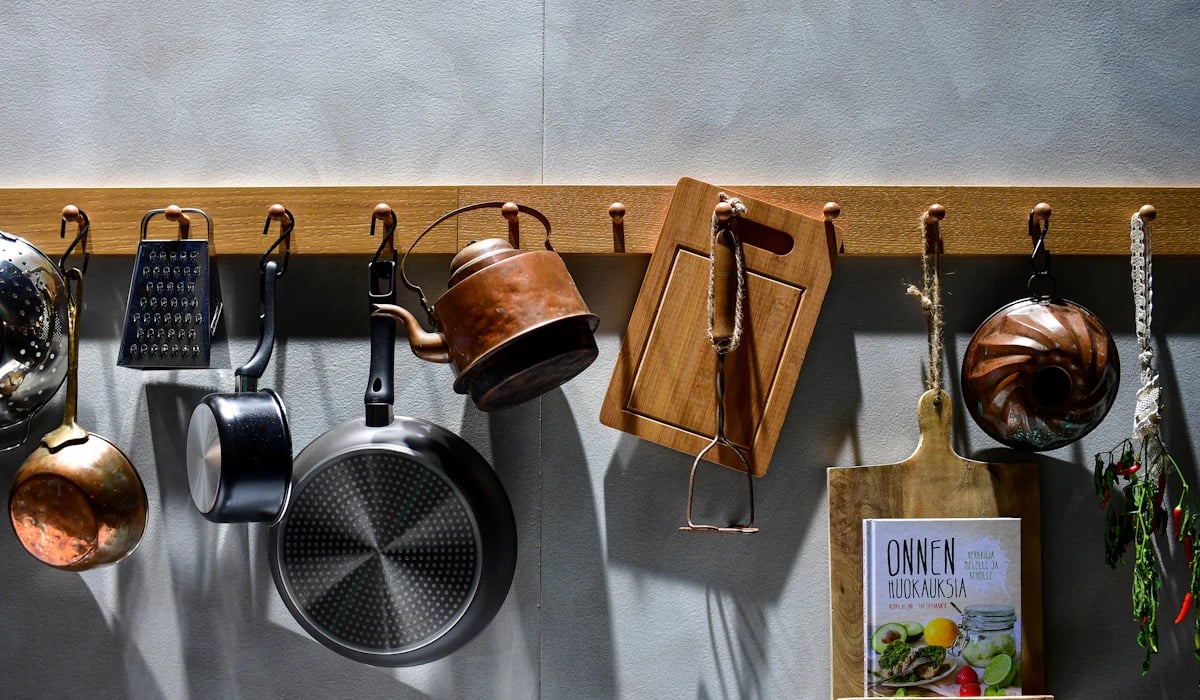
A zigzag of heavy wire attached to a wooden handle made quick work of boiled potatoes. The design has remained remarkably consistent over the years.
A masher with a worn handle usually meant a family that cooked every night.
Rolling Pin
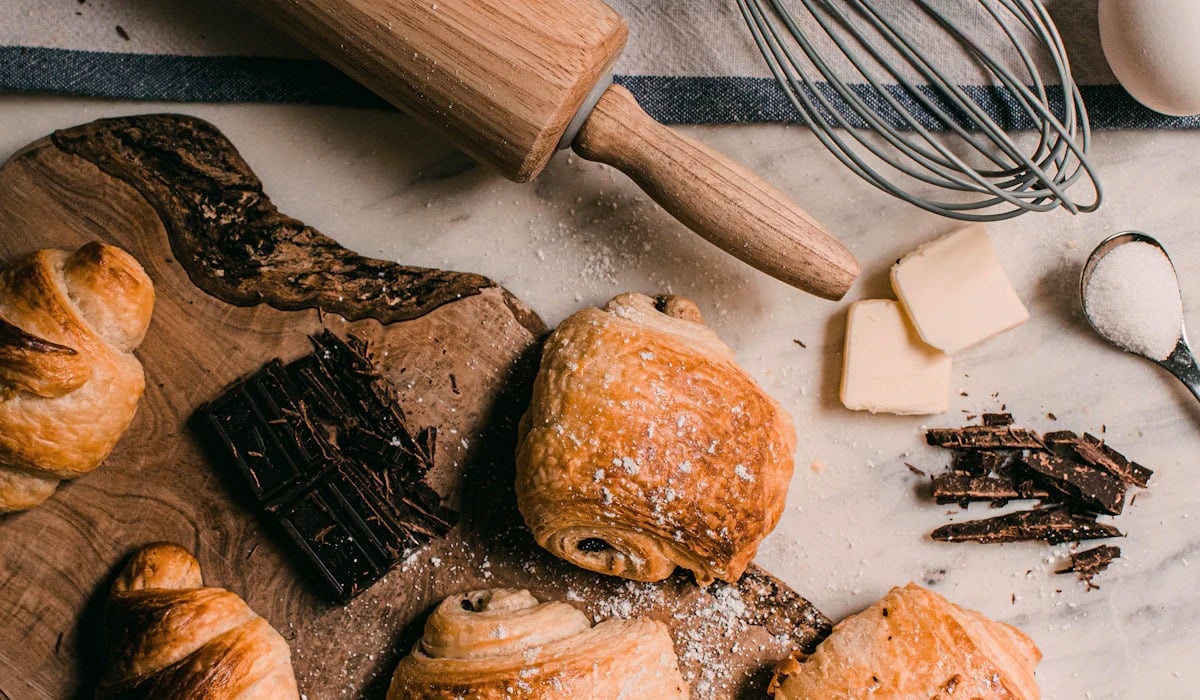
A wooden pin with handles, or a plain French-style dowel, rolled out pie crust, biscuits, and noodles. Grandma dusted it with flour and wiped it clean after use, avoiding unnecessary soaking.
A pin handed down through generations often carried a dip where one hand always pushed.
Biscuit Cutter
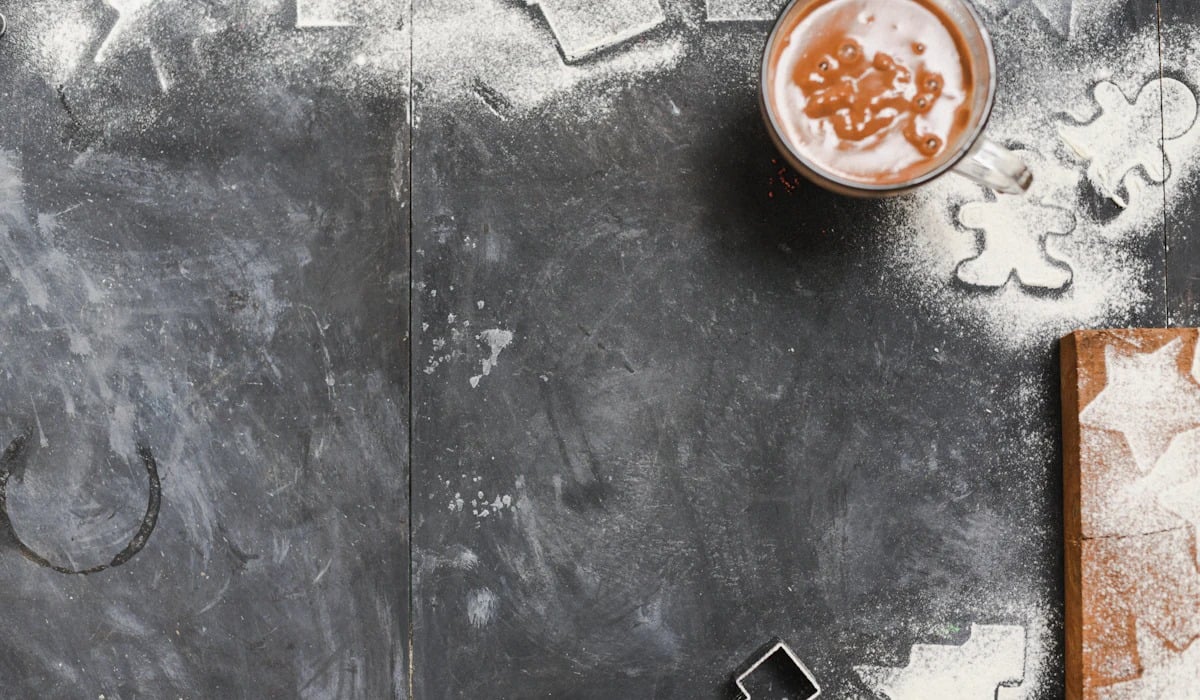
A round tin or aluminum cutter punched out biscuits from a sheet of dough. Pressing straight down without twisting helped them rise evenly.
Many bakers still insist the old tin cutter works better than any plastic one.
Apple Peeler and Corer
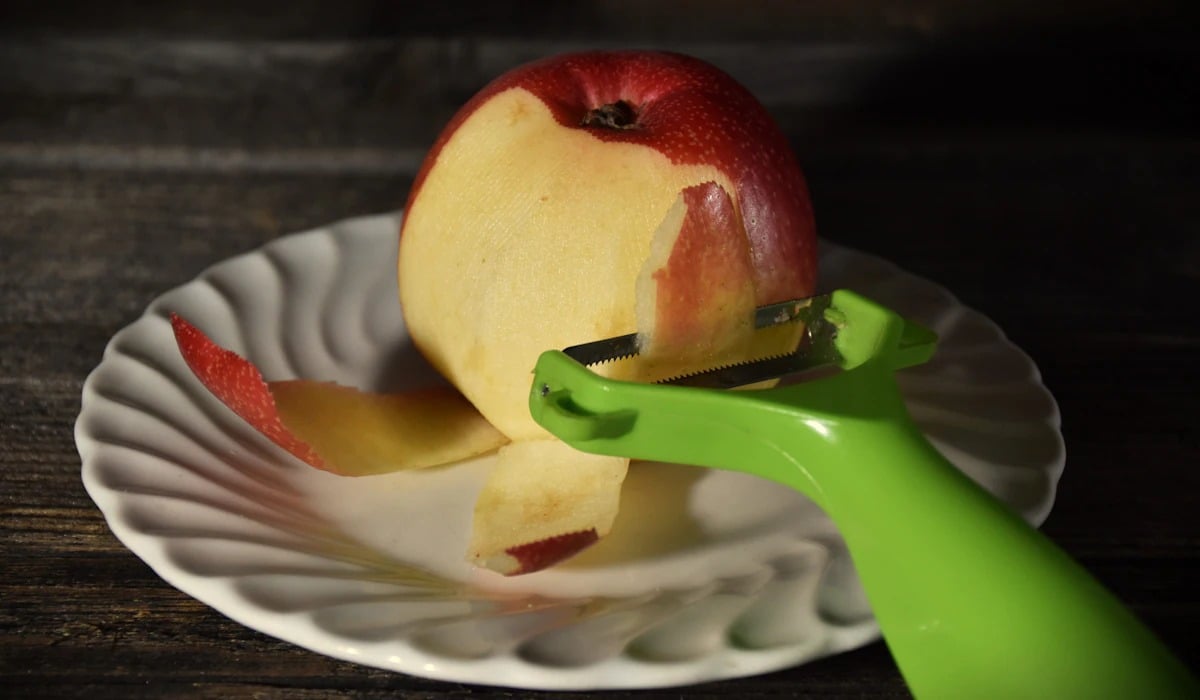
A crank-driven machine clamped to the table spun an apple against a blade, peeling it in one long ribbon while a second blade sliced and cored it. A bushel of apples became pies in a single afternoon.
The ribbons of peel were the kids’ reward.
Cherry Pitter
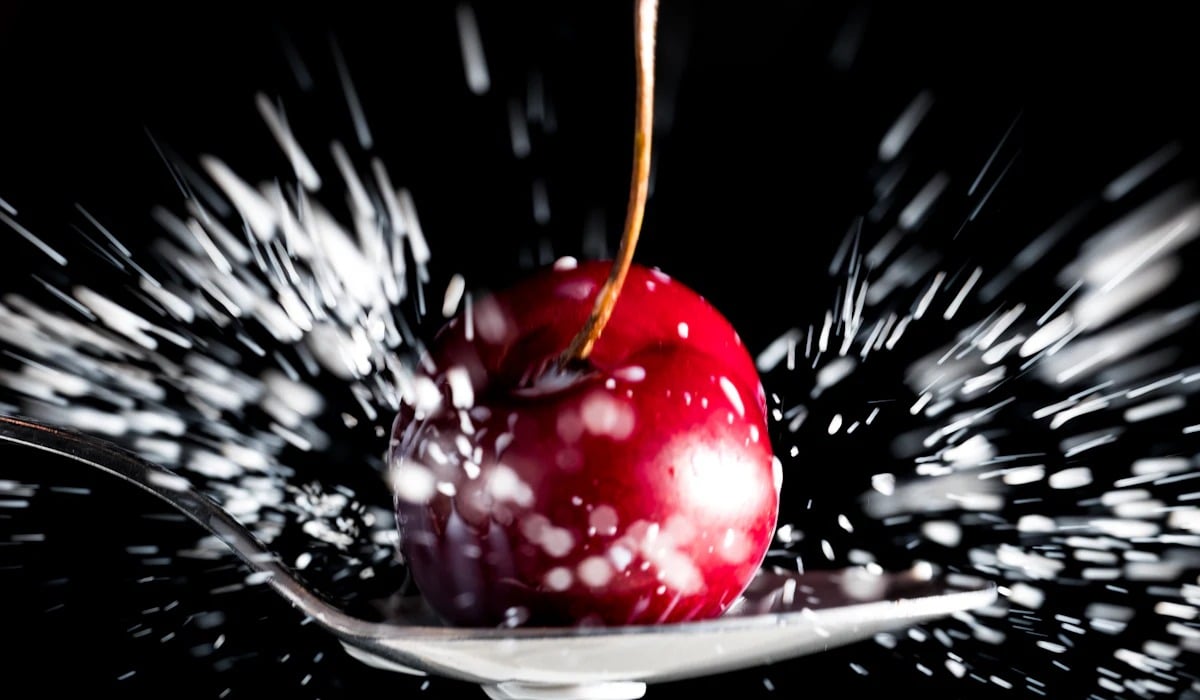
A spring-loaded plunger pushed the pit out of each cherry in a single motion. Pitting by hand stained fingers and took forever, while the tool made quick work of a bucket.
Grandma tucked pitted cherries into pies and preserves.
Church Key
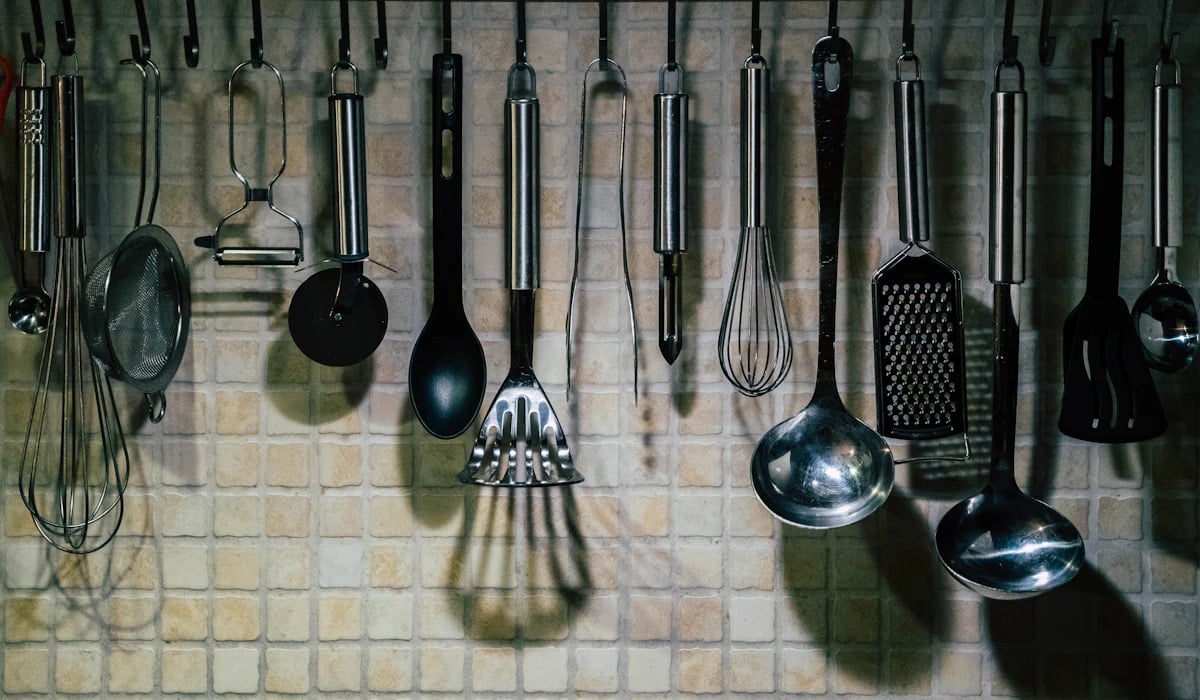
The triangular-tipped opener punched two openings in a flat-topped can, one for pouring and one for air. Church keys were common before easy-open beverage cans became widespread.
In 1959, Ermal Fraze of Dayton, Ohio, developed the pull-tab can opener, which helped change how people opened canned drinks. Pull tabs became commercially available in the early 1960s, while the stay-on tab familiar today arrived later.
The church key remained useful for cans that still required a separate opener.
Stovetop Percolator
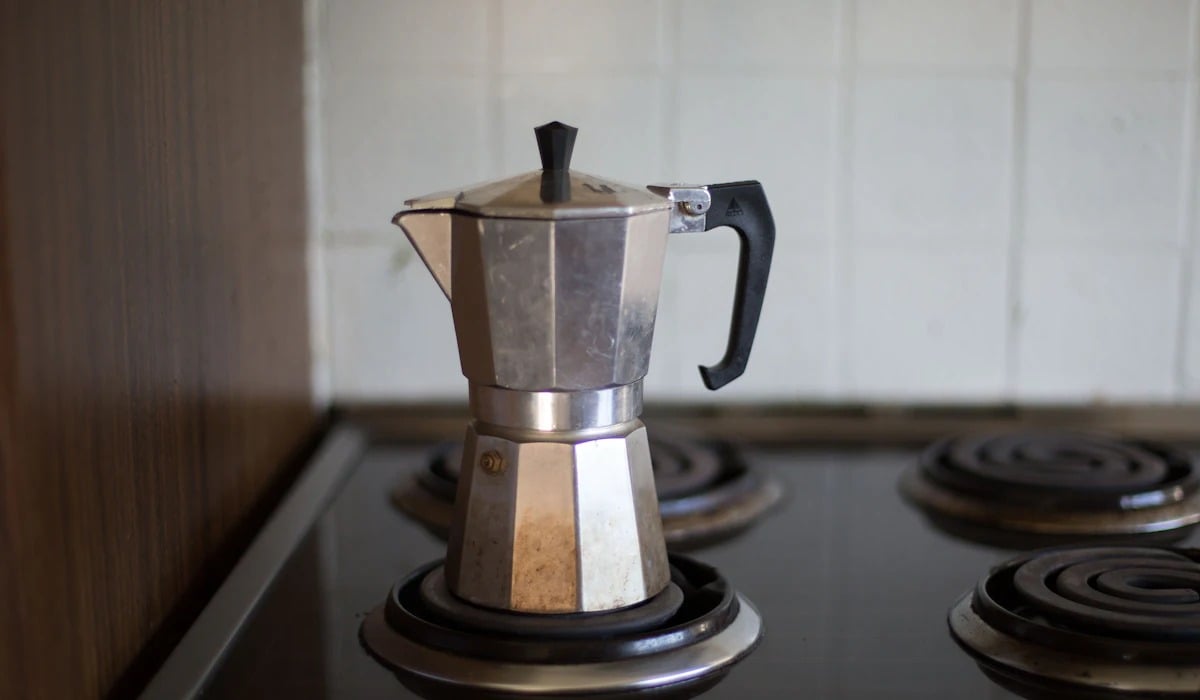
A glass knob on the lid let the cook watch coffee bubble through the basket, and the color visible through the glass offered a clue to the coffee’s strength. Percolators brewed a pot that tasted bolder than modern drip coffee.
A pot that boiled too long turned bitter, and every grandmother had her own timing.
Pop-Up Toaster
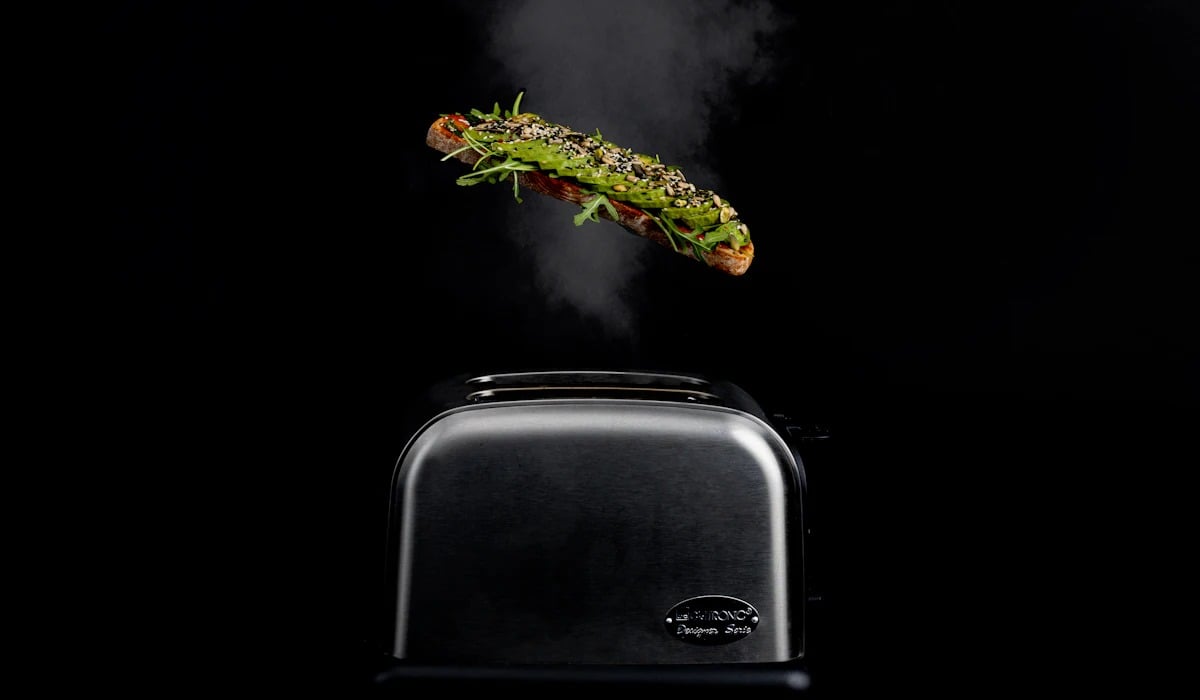
Charles Strite patented an automatic pop-up toaster in 1921, initially designing it for commercial kitchens. The Toastmaster reached home kitchens in 1926.
It had heating elements on both sides of the bread, a timer, and a spring that launched the toast when it was done. The design freed cooks from having to watch the bread and turn it by hand.
Egg Slicer

A hinged cradle held a hard-boiled egg while a row of wires cut it into even slices. Grandma used it for egg salad and potato salad on holiday tables.
A bent wire usually meant someone had tried to slice a tomato.
Nutcracker and Picks

A hinged metal nutcracker cracked walnuts, pecans, and hazelnuts at the holidays. A set of small picks pulled the meat from the shells.
The bowl of mixed nuts on the coffee table was a Christmas fixture.
Bundt Pan
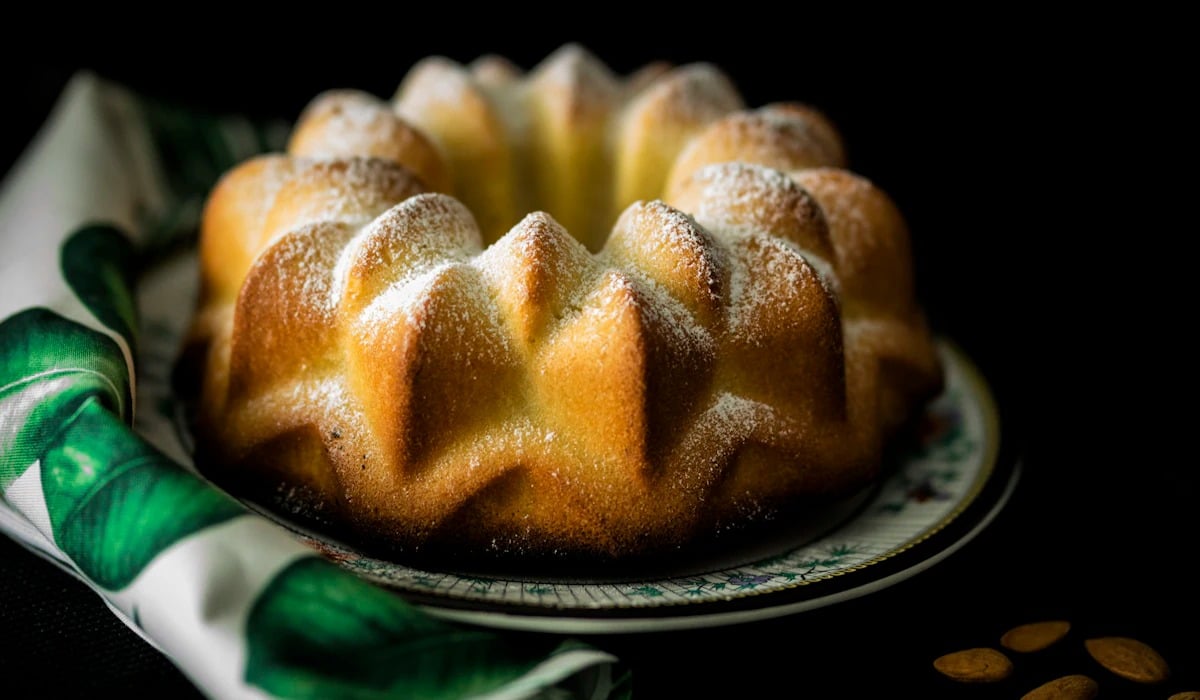
Nordic Ware’s H. David Dalquist created the aluminum Bundt pan in the early 1950s at the request of members of the Minneapolis chapter of Hadassah, who wanted a metal version of the ring-shaped cake pans of Europe.
It sold slowly until 1966, when a Tunnel of Fudge cake baked in one took second place at the Pillsbury Bake-Off. Orders poured in, and Nordic Ware has sold more than 50 million Bundt pans.
Jell-O Mold
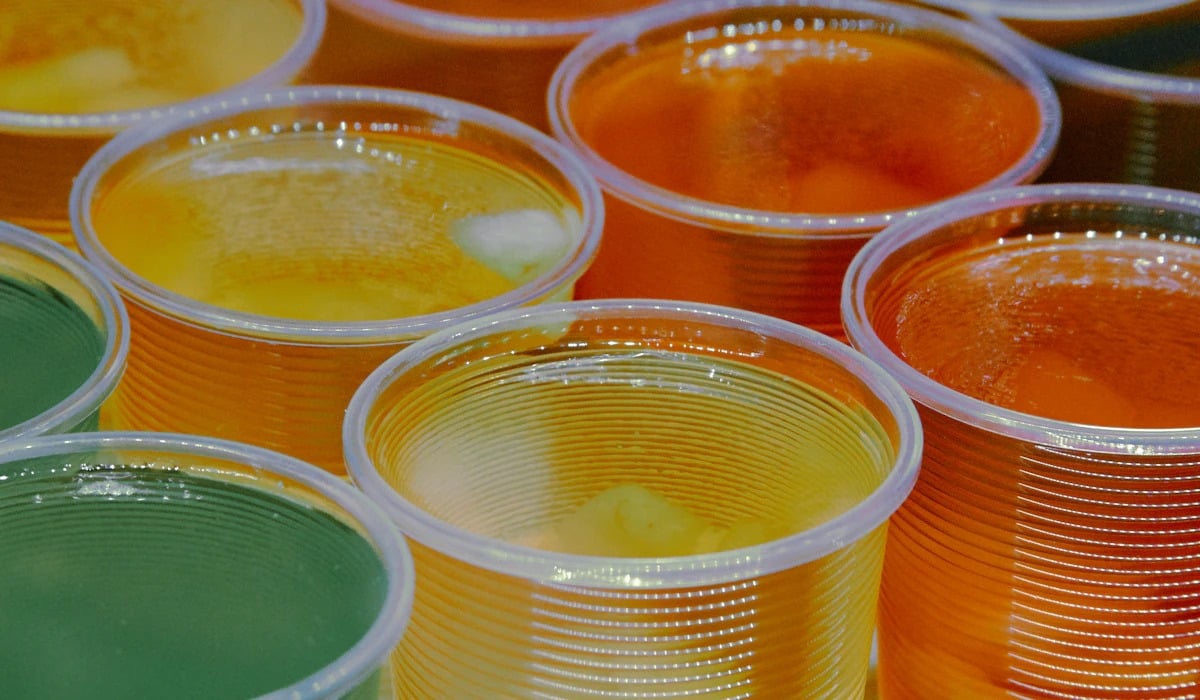
A metal or copper mold shaped like a fish, a ring, or a castle turned gelatin salad into a centerpiece. Grandma dipped the mold in warm water to loosen the dish onto a platter.
The shimmering result was a point of pride at church suppers.
Double Boiler
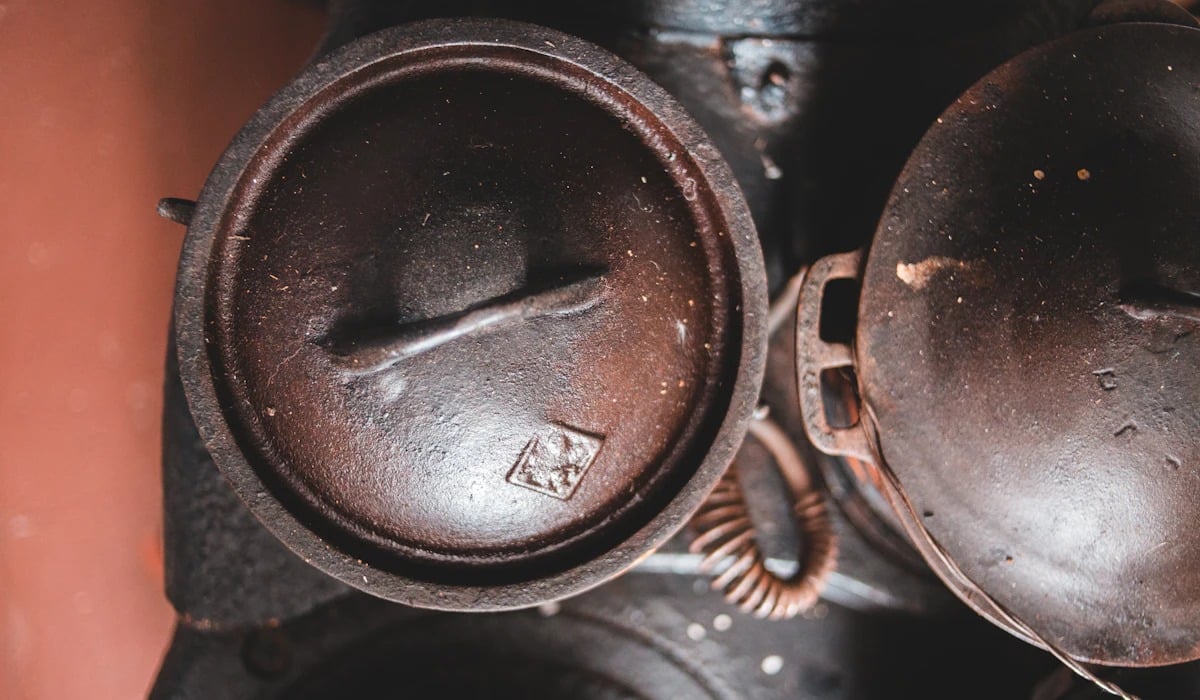
A smaller pot nested over a larger one filled with simmering water allowed chocolate, custard, and sauces to melt without scorching. The method took patience, but the gentle, indirect heat helped prevent delicate ingredients from burning.
A double boiler with a chipped enamel finish often held decades of Christmas fudge.
Zeroll Ice Cream Scoop

Sherman Kelly invented the Zeroll scoop in the early 1930s after watching an ice cream parlor worker strain her wrist on a squeeze-handle scoop. He sealed a heat-conductive liquid in the handle, which warmed in the hand and helped release the ice cream from the scoop.
The scoop rolls the ice cream into a sphere instead of packing it.
Muscle Memory in the Drawer
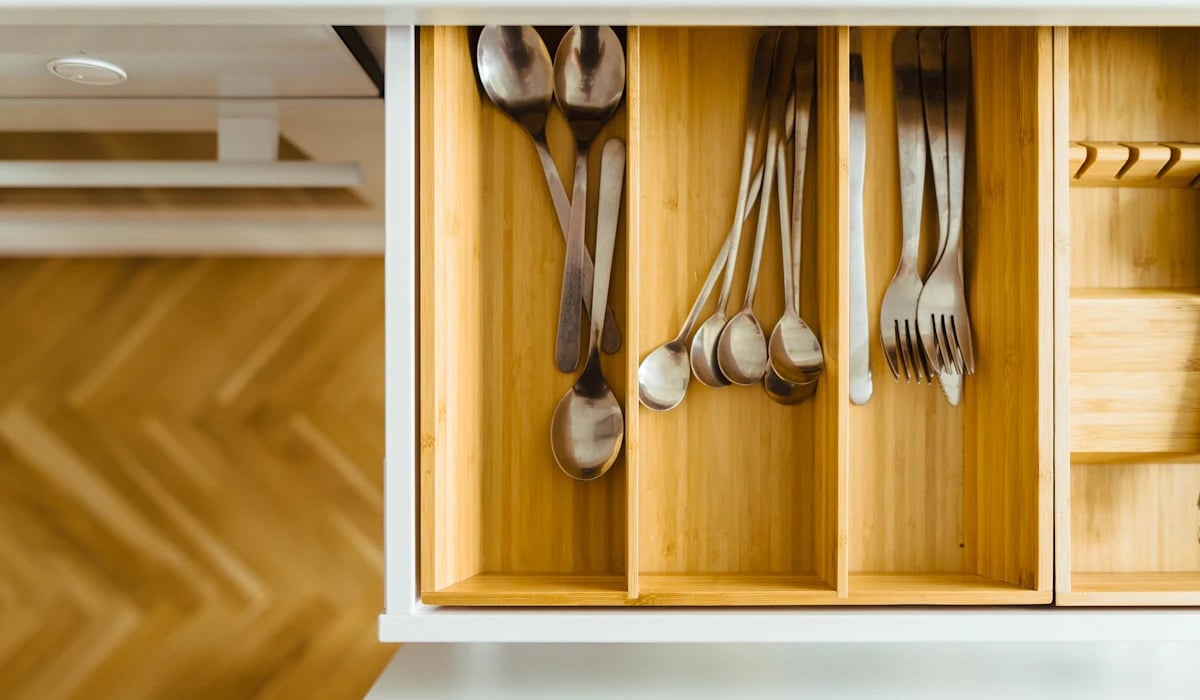
Most of these gadgets were mechanical, simple, and repairable. A worn spring or a bent wire could be fixed by someone with a pair of pliers and some patience.
A drawer full of them was a working library of kitchen knowledge, passed down from hand to hand.
The modern kitchen swaps many of them for appliances that perform the same task with a button. That trade saves time, but it also removes the quiet craft of preparing food with a tool that fits the hand.
The old gadgets keep turning up at estate sales because someone, somewhere, still wants one.
More from Go2Tutors!

- The Romanov Crown Jewels and Their Tragic Fate
- 13 Historical Mysteries That Science Still Can’t Solve
- Famous Hoaxes That Fooled the World for Years
- 15 Child Stars with Tragic Adult Lives
- 16 Famous Jewelry Pieces in History
Like Go2Tutors’s content? Follow us on MSN.