Photos From the First Days of Television
Before living rooms had screens, television was a tangle of spinning disks, glass tubes and borrowed laboratory space. The pictures that survive from those years show cluttered benches, stiff presenters and sets that looked more like furniture than entertainment.
Each frame catches a technology still deciding what it wanted to be. The scenes below follow the medium from a patented idea in the 1880s to the crowded sidewalks of the early 1950s.
Some are famous milestones, while others are small moments that explain how a curiosity became a household habit.
Nipkow’s Spinning Disk Patented in Berlin
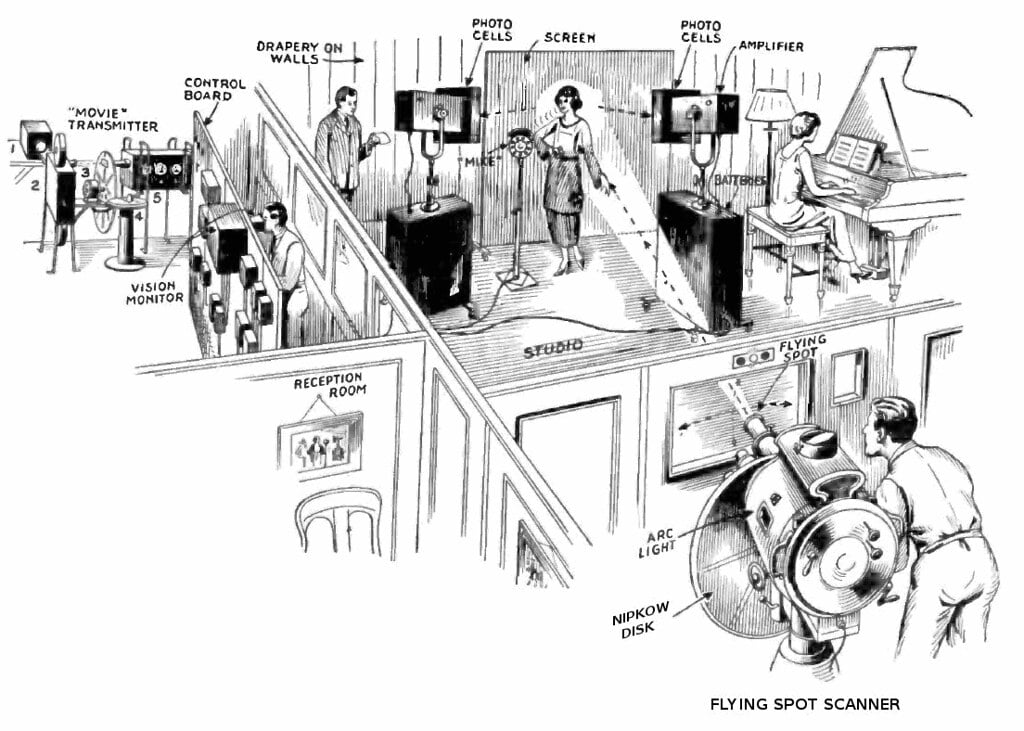
Paul Nipkow, a young German engineer, patented a scanning disk in 1884 that laid out the basic idea behind mechanical television. The disk was punched with a spiral of small apertures, and each one swept a thin strip of a scene as the wheel turned.
Nipkow never built a working system, because the electronics needed to amplify faint light signals did not yet exist. Photos of later Nipkow-style machines show a large metal wheel mounted beside a motor, looking more like factory equipment than a window onto the world.
Stooky Bill, the Ventriloquist Dummy

In October 1925, Scottish inventor John Logie Baird saw a recognizable face appear on his crude receiver in a workshop in London’s Soho district. The face belonged to a ventriloquist dummy nicknamed Stooky Bill, chosen because it held still under the hot lamps.
Baird then dashed downstairs and pulled in a young office worker from the floor below to serve as the first live human subject. Early photos of the apparatus show a jumble of cardboard disks, hatbox lids, lenses and loose wire that somehow produced a picture.
A Secretary of Commerce Speaks to a Tiny Screen

On April 7, 1927, Bell Telephone Laboratories staged a public demonstration in which Secretary of Commerce Herbert Hoover appeared on a screen in New York while he spoke in Washington. Reporters crowded around a small glass panel only a couple of inches wide to watch his face flicker in orange-pink light.
A second demonstration sent pictures by radio from Whippany, New Jersey. Photos from the event show executives in dark suits leaning forward and squinting at a display that would look microscopic beside any modern phone.
Felix the Cat on a Turntable
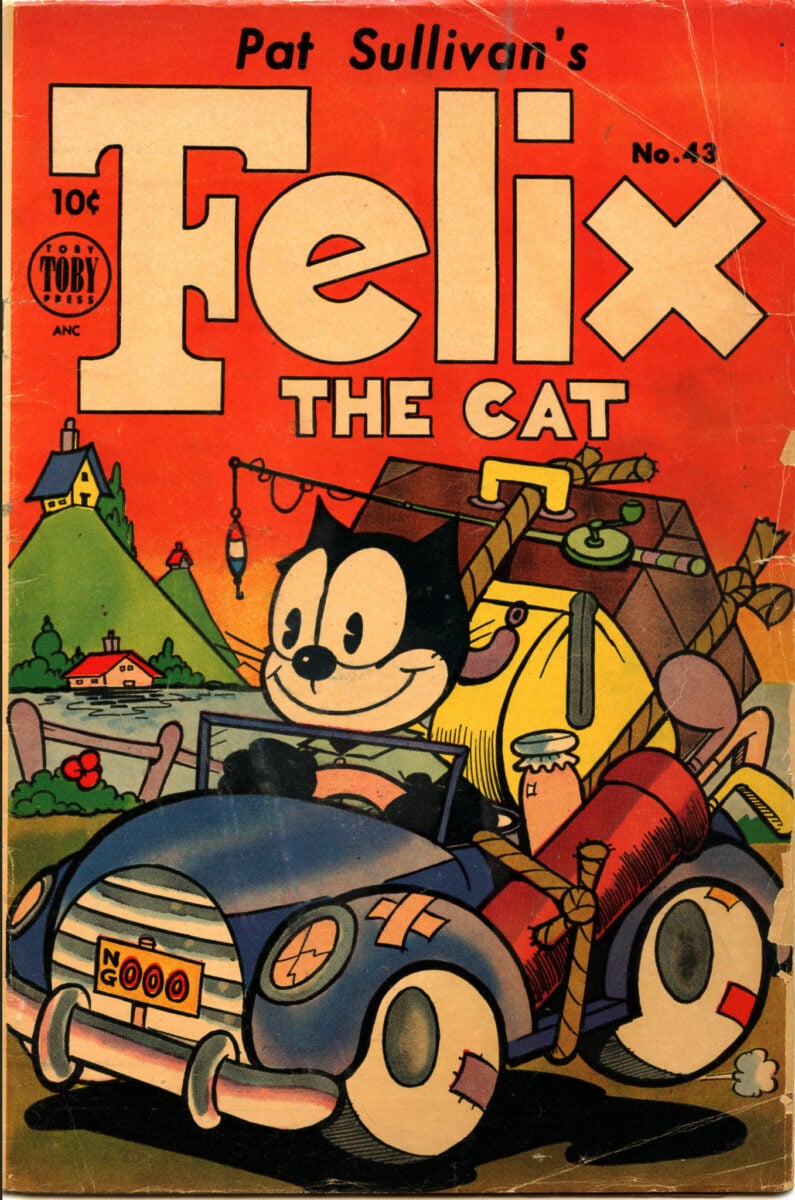
In the late 1920s, RCA engineers needed a test subject that would sit still and read clearly on a primitive picture, so they chose a papier-mache figure of Felix the Cat. The cartoon star was popular enough that the figure was instantly familiar, and his bold black-and-white shape gave technicians strong contrast to judge.
The figure sat on a record turntable and rotated for hours while engineers adjusted their equipment. It remains one of the odder jobs ever given to a cartoon celebrity, and few comedians have had a longer shift.
Television Drama Debuts in Schenectady

General Electric’s station WGY in Schenectady, New York, broadcast what is widely regarded as the first television drama on September 11, 1928, a short play called The Queen’s Messenger. The cameras focused largely on the hands and arms of the two actors, since the technology handled faces poorly under harsh light.
The audience amounted to a few experimental receivers in nearby homes and a handful of engineers. Photos from the production show actors reaching toward a cluster of lamps and a spinning disk, performing for equipment instead of a theater full of people.
Iconoscope Replaces the Spinning Disk
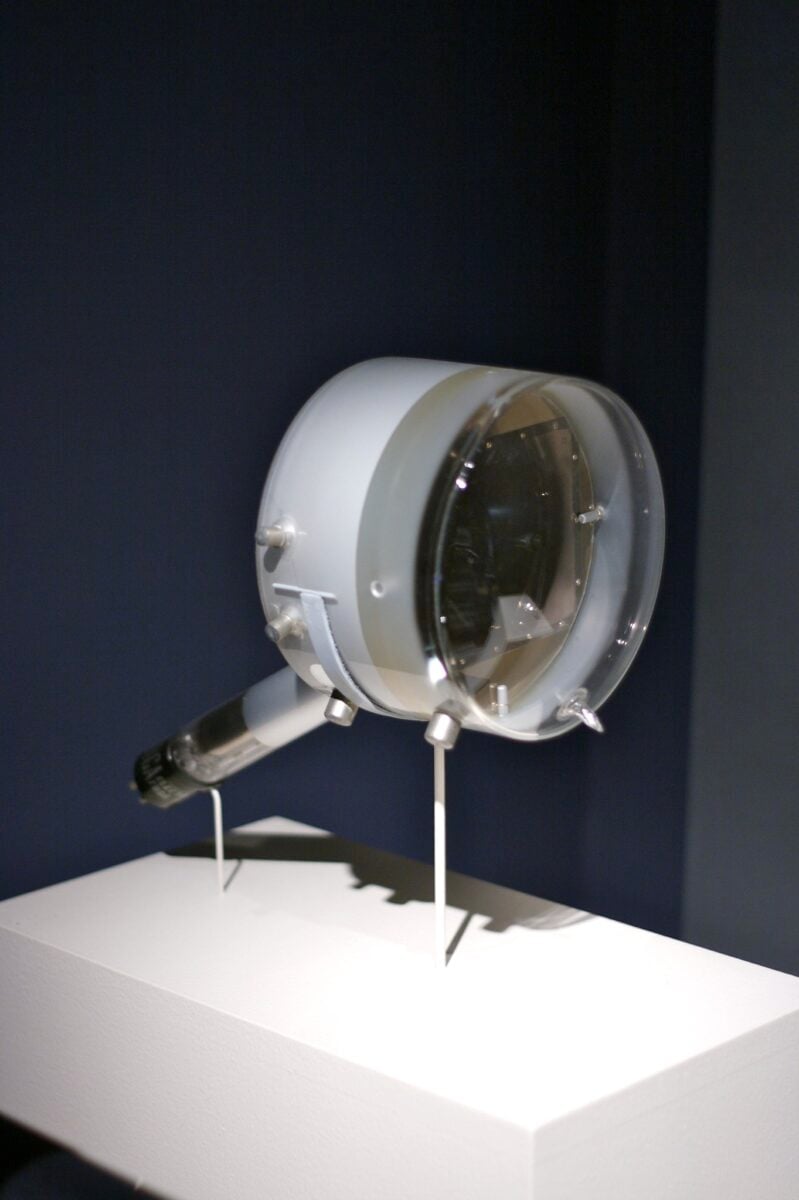
Vladimir Zworykin, a Russian-born engineer working for RCA under David Sarnoff’s backing, developed the iconoscope camera tube in the early 1930s. Unlike mechanical scanners, the iconoscope used an electron beam that swept a mosaic of light-sensitive material, and it needed no moving parts to read a scene.
Photos of the tube show a glass bulb about the size of a large flask, with a long neck holding the electron gun. RCA later spent millions of dollars developing the system, and its rivalry with Farnsworth ended in a patent agreement that included royalty payments.
Alexandra Palace Opens the BBC’s Television Service
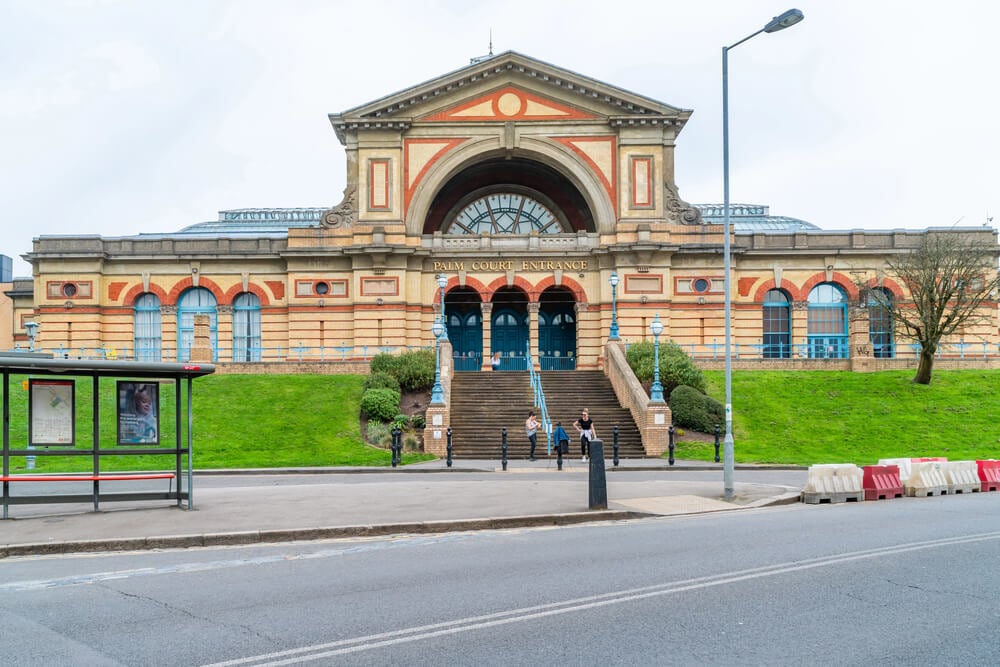
The BBC launched a high-definition television service on November 2, 1936, from Alexandra Palace, a large Victorian building on a hill in north London. For the first months, the BBC alternated week by week between two rival systems, Baird’s mechanical-electronic method and the all-electronic Marconi-EMI system.
Marconi-EMI won out in early 1937, and Baird’s approach was dropped for good after only a few months of competition. Photos show a tall transmitter mast rising from the building’s tower, with technicians crowded into converted rooms that once belonged to an entertainment palace.
Berlin Olympics on Public Screens
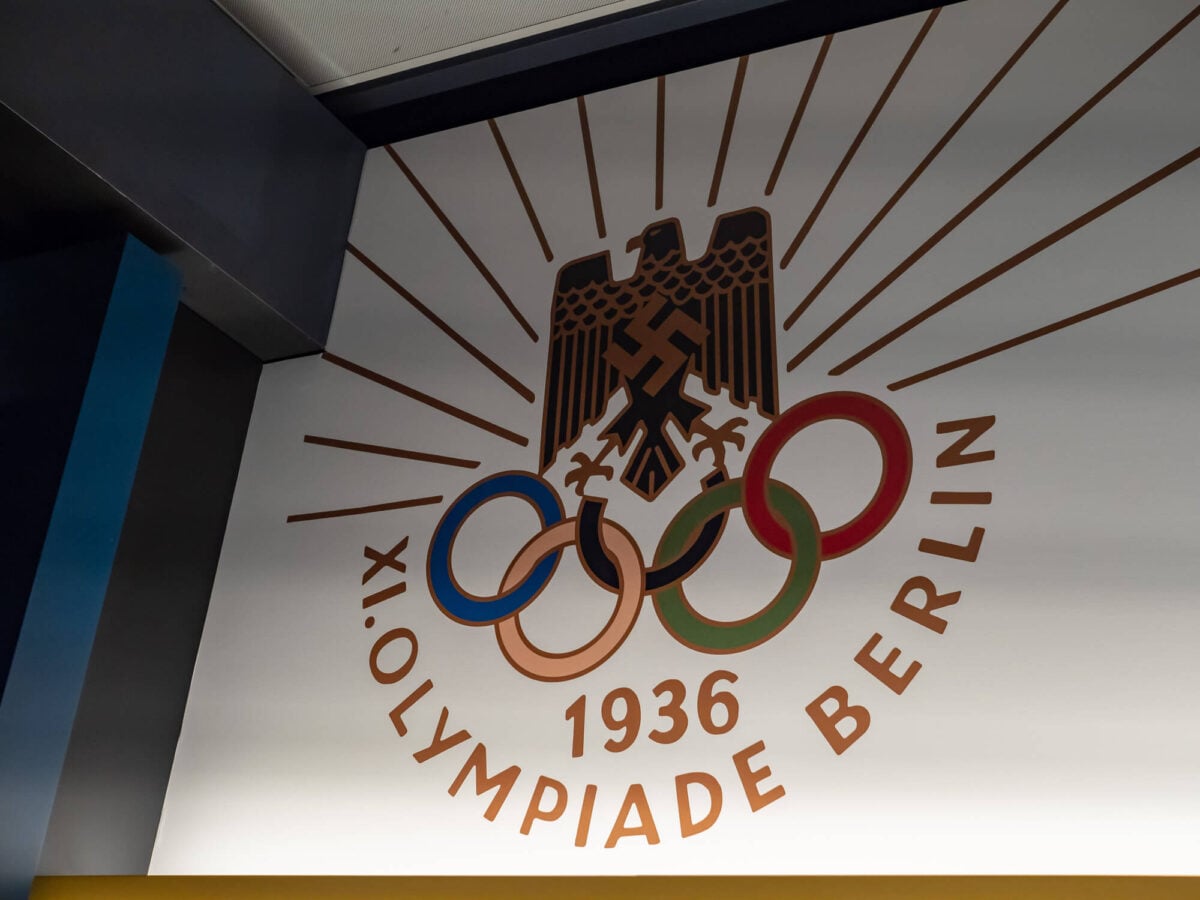
During the 1936 Summer Olympics in Berlin, German authorities set up public television rooms where audiences could watch live coverage on receivers. Telefunken cameras with enormous lenses stood at the edge of the stadium, and their long barrels earned the nickname Fernsehkanone, or television cannon.
The viewing halls were scattered around Berlin and nearby Potsdam, and visitors formed long lines for a seat. Photos show rows of spectators sitting in front of small, dim screens, a picture quality that would look primitive beside anything made in later decades.
New York World’s Fair Introduces Television to Crowds

NBC broadcast the opening ceremonies of the New York World’s Fair on April 30, 1939, and President Franklin D. Roosevelt became the first sitting U.S. president to appear on television. RCA had built a pavilion shaped like a giant radio tube, where visitors watched live demonstrations on its sets.
Receivers went on sale in New York stores soon after, though high prices and thin programming kept most families away from the new gadget. Photographs show lines of fairgoers peering at small screens inside the display.
A Picture Tube Aimed at the Ceiling
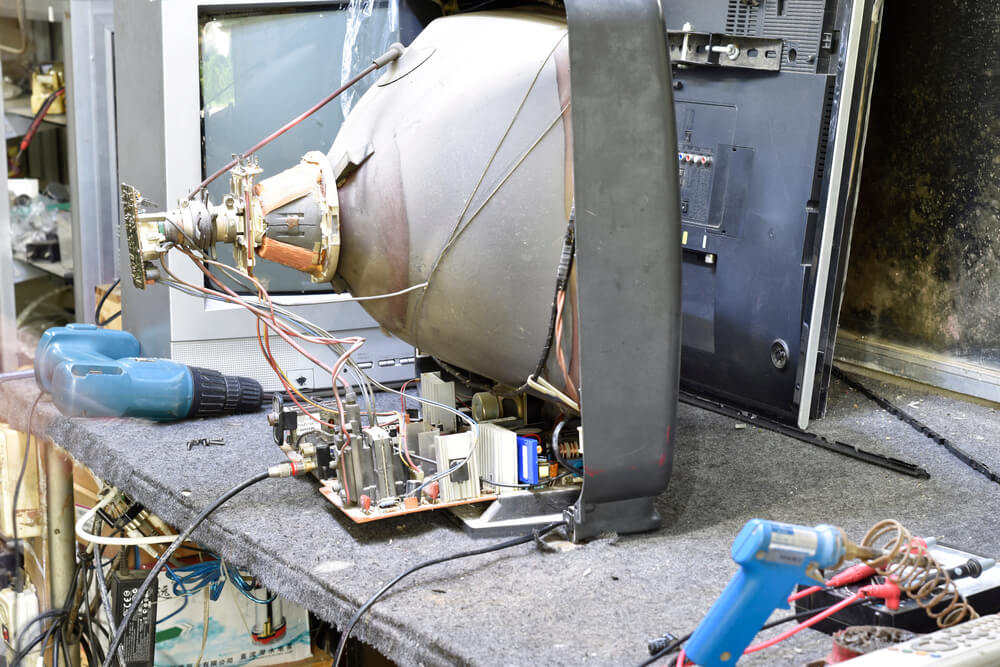
RCA’s TRK-12 console, introduced in 1939, mounted its picture tube vertically and used a mirror inside the lid to reflect the image toward the viewer. The cabinet was a heavy wooden piece of furniture with a screen roughly 12 inches across.
Buyers raised the lid like a piano and sat at an angle to see the picture reflected in the glass. Priced well beyond what most households could spare in the late 1930s, it appeared in publicity photos that usually show a well-dressed family arranged around the open lid.
Indian Head Test Pattern Takes the Screen
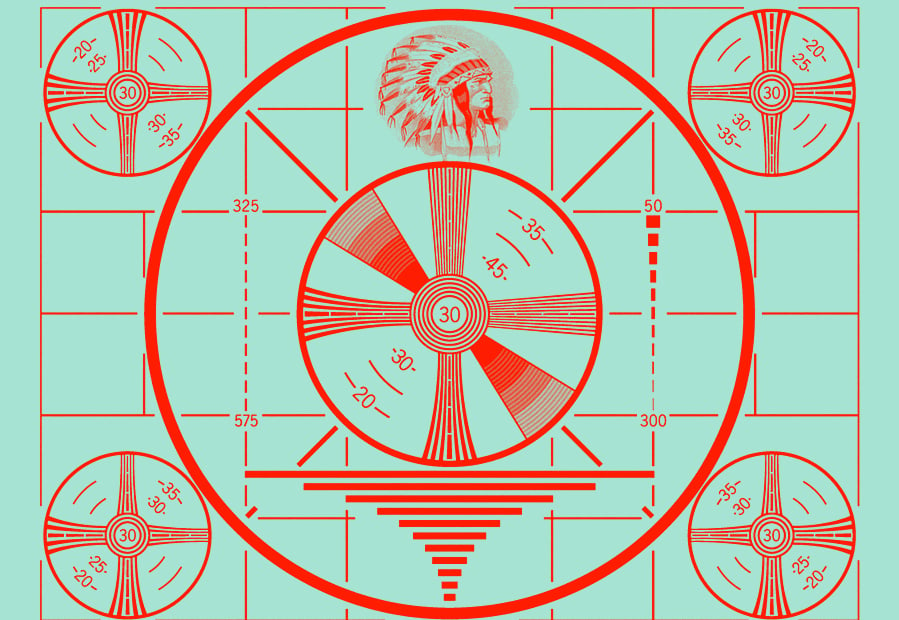
Before programs began each day, RCA’s Indian Head test pattern appeared on screens across the country. Introduced in 1939, the image combined the profile of a Native American in a feathered headdress with circles, lines and wedges that helped technicians adjust focus, contrast and picture shape.
Stations kept the pattern on air for hours when no program was scheduled, which made it a familiar sight to early owners. Photos of old sets in showrooms often show the pattern glowing in a darkened room, waiting for something to happen.
The First Commercial on Air

On July 1, 1941, New York station WNBT became one of the first stations licensed to operate commercially, and its schedule that day included a short advertisement for Bulova watches. The ad showed a clock face over a map of the United States.
It aired before a game between the Brooklyn Dodgers and the Philadelphia Phillies at Ebbets Field, a pairing of sales pitch and sport that television would repeat countless times in later decades. Few people saw it, since only a small number of sets existed in the area.
Cameras Idle During the War Years
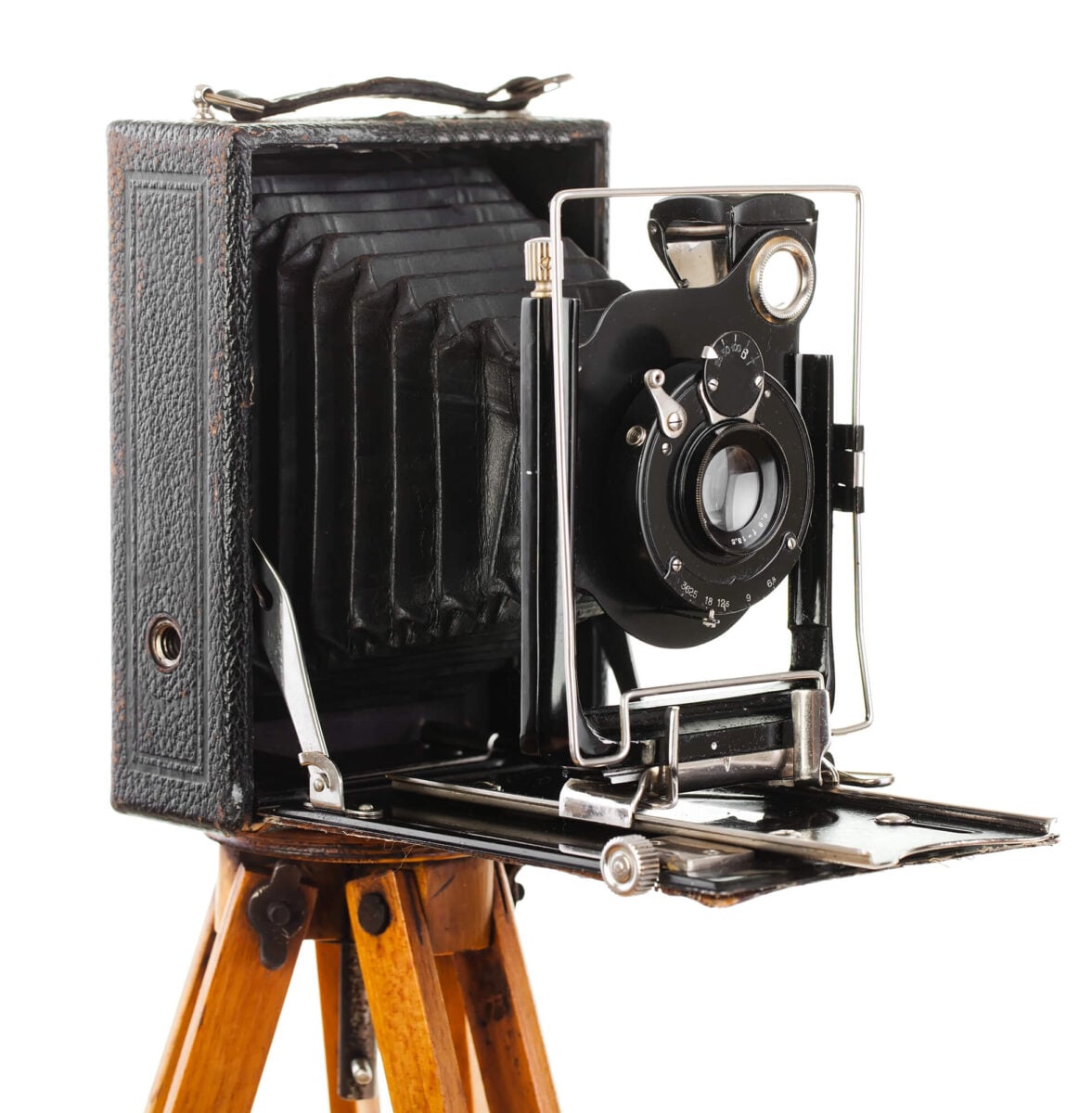
World War II slowed television to a crawl in both Britain and the United States. The BBC switched off its service on September 1, 1939, reportedly in the middle of a Mickey Mouse cartoon, and did not return until June 1946.
In America, factories turned from consumer sets to radar and military electronics, and only a handful of stations stayed on the air with limited schedules and small audiences. Photos of Alexandra Palace from the period show a quiet building where the cameras sat covered and unused.
Howdy Doody and the Peanut Gallery
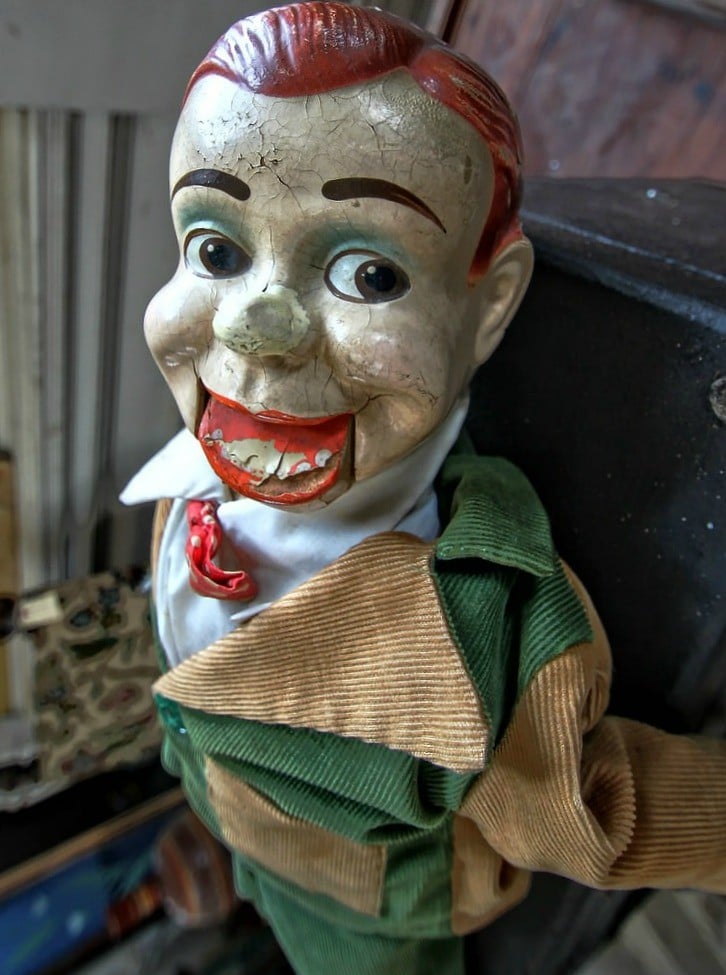
NBC premiered Puppet Playhouse, soon renamed The Howdy Doody Show, on December 27, 1947, with host Buffalo Bob Smith and a freckled marionette in a cowboy outfit. A small studio grandstand called the Peanut Gallery held children who shouted along with the show.
The series helped persuade parents to buy sets for the household, and it was among the first programs to prove that children’s television could attract loyal viewers and sponsors. Photos show Smith in fringed buckskin, surrounded by puppets with wide painted grins.
Milton Berle Empties the Streets on Tuesday Night
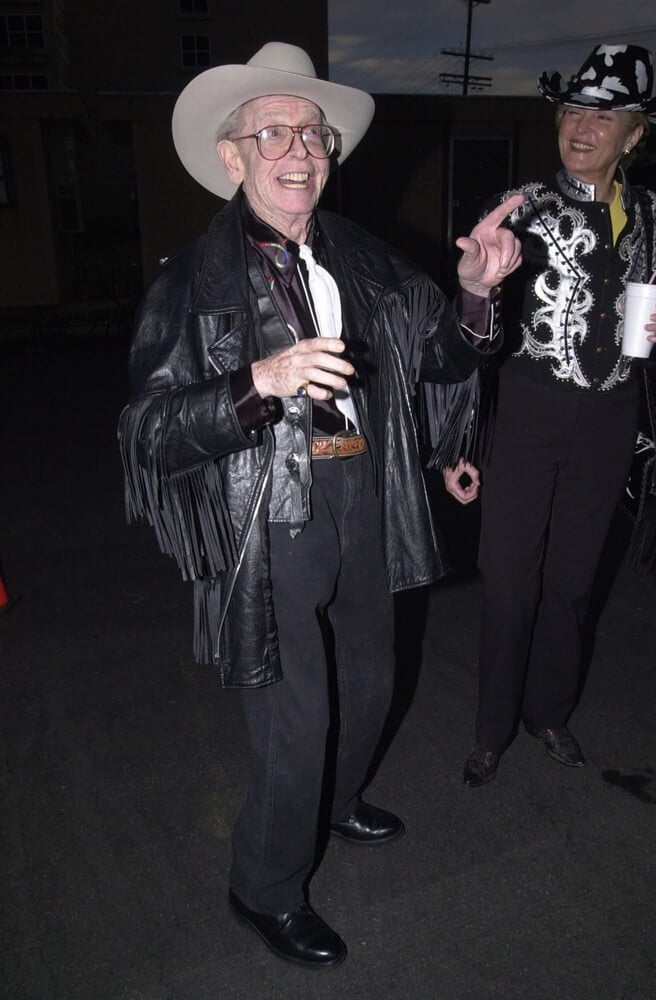
Texaco Star Theater arrived on NBC in 1948, and Milton Berle soon became its permanent host and a national habit. Tuesday evening audiences gathered in neighbors’ living rooms and taverns to watch him in outrageous costumes and slapstick gags, and some theater owners complained about empty seats.
The show helped trigger a surge in set sales, and Berle earned the nickname Mr. Television. Photos show crowds packed around a single screen in a tavern, every face turned toward the same flickering picture, with drinks forgotten on the bar.
Crowds on the Sidewalk Outside Appliance Stores

In the late 1940s, a television in a store window could stop foot traffic. Retailers left sets running after closing time, and passersby stood on the sidewalk to watch boxing matches, news and variety hours through the glass.
Department stores and furniture dealers learned that a working set drew more customers than any display of refrigerators or radios. Photos from those years show late-evening clusters of men in hats, women with shopping bags and children perched on shoulders, all facing the same small glowing rectangle.
Antennas Sprouting Across Rooftops
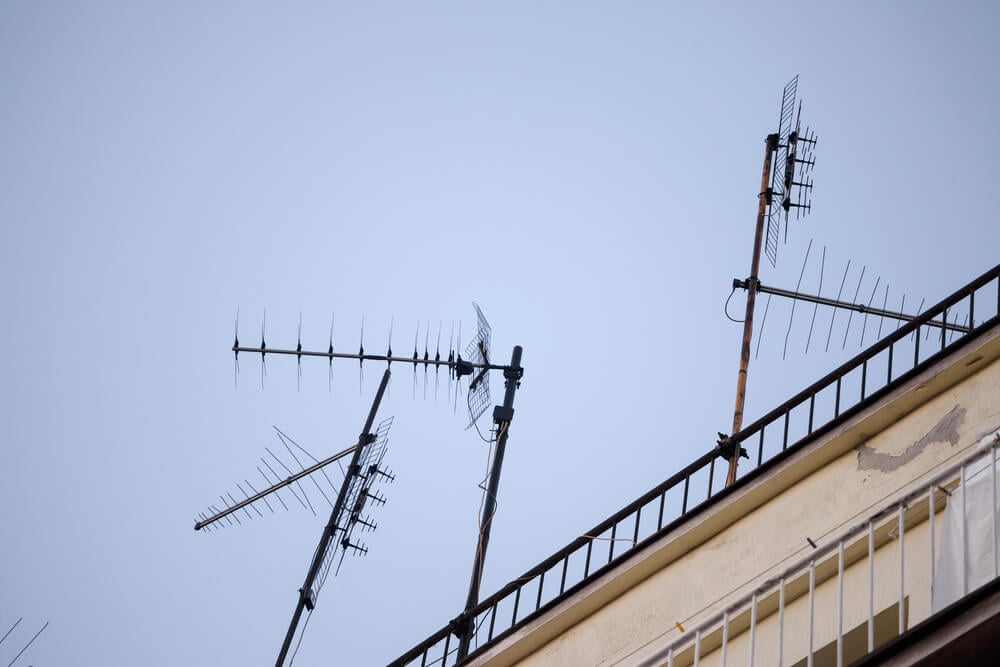
As sales soared after the war, apartment buildings and row houses in cities like New York and Philadelphia sprouted forests of rooftop antennas. Viewers climbed ladders to twist and rotate the metal rods, often with a family member shouting from below about whether the picture had improved.
Aerial photographs of neighborhoods in the early 1950s show hundreds of nearly identical metal shapes pointing in the same direction, toward the transmitter that carried the shows. The sight became shorthand for a neighborhood that had joined the new age.
The First Coast-to-Coast Broadcast
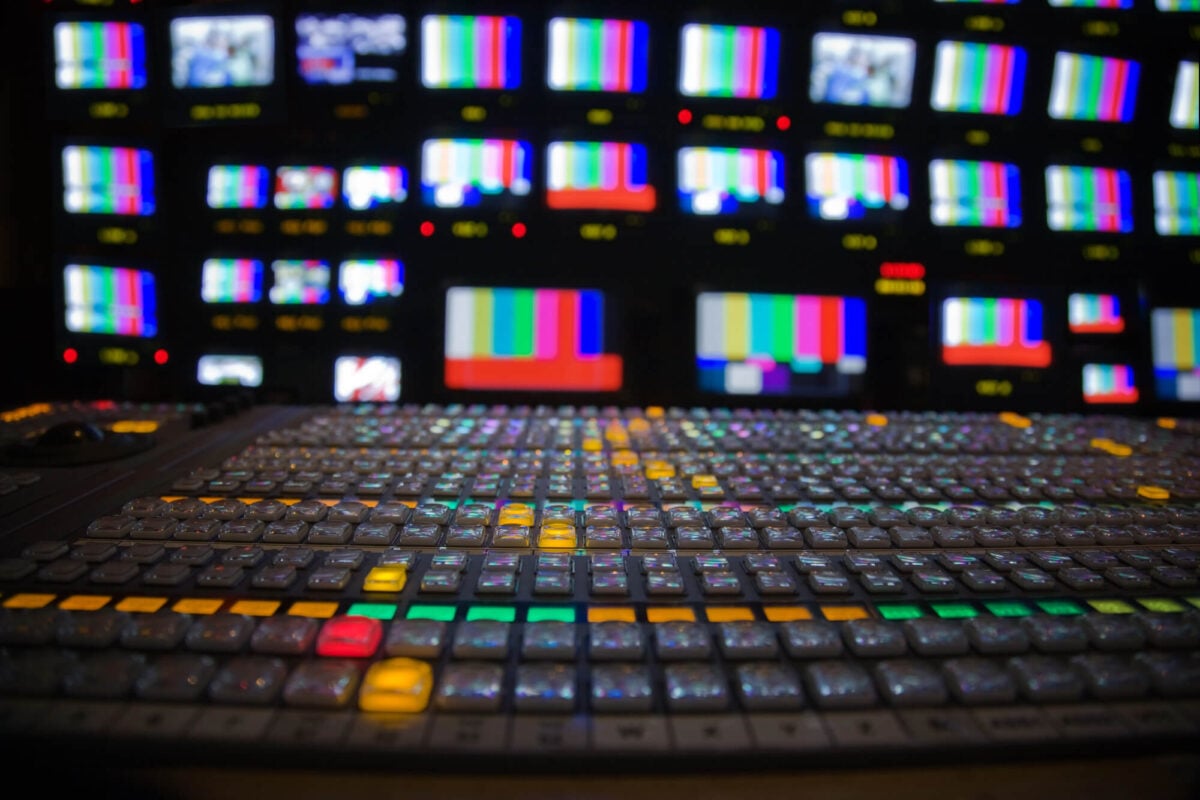
On September 4, 1951, President Harry Truman’s address opening the Japanese Peace Treaty conference in San Francisco reached viewers across the United States through a new telephone company microwave relay. The chain of towers carried the signal from California to the East Coast, replacing a patchwork of local stations with a continuous link.
Months later, Edward R. Murrow’s See It Now showed the Brooklyn Bridge and the Golden Gate Bridge in the same program. Photos show technicians monitoring racks of equipment and engineers climbing towers along the route.
The Coronation Crowds a Living Room in Britain
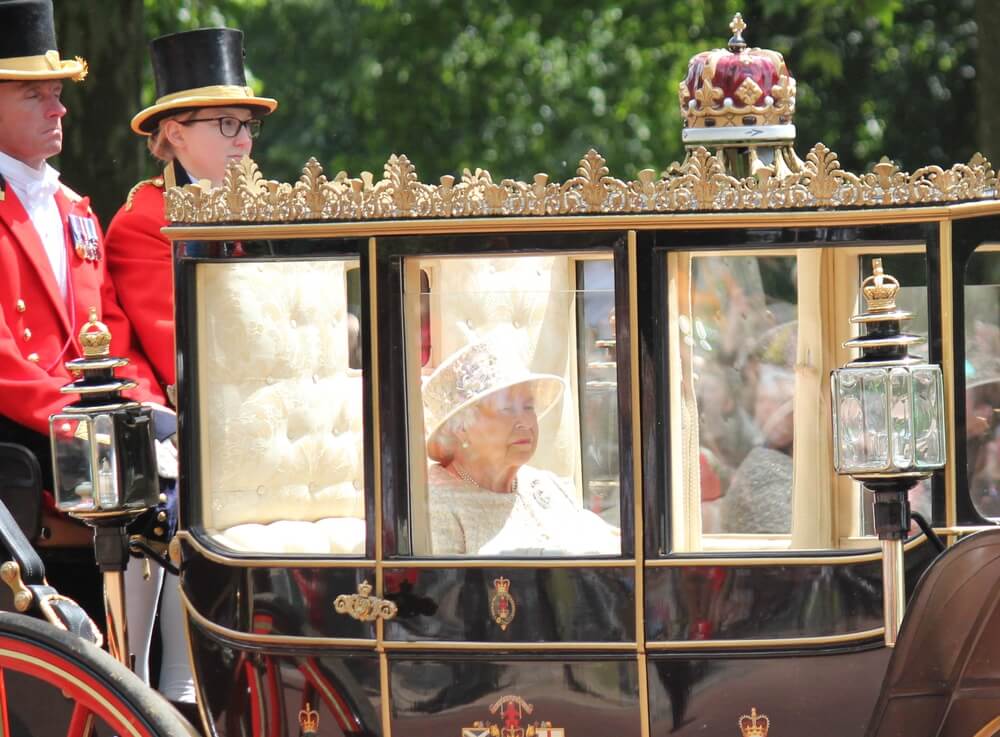
Queen Elizabeth II’s coronation on June 2, 1953, brought millions of Britons to television screens, and many watched in the homes of neighbors who owned sets. The BBC broadcast the ceremony from Westminster Abbey, with cameras following the procession and the service.
Families squeezed into small parlors, and children sat on the floor while adults stood behind them. The event is often credited with lifting British television from a niche pastime to a national fixture, and photographs of crowded rooms became standard images of the era.
Flicker, Static and Shared Wonder
Looking back at these frames, the technology seems primitive and the stakes oddly high. Inventors argued over patents, broadcasters guessed at what viewers wanted and families spent a month’s wages on a glowing glass window.
Yet the pictures show something steady behind the experiments, which is people gathering around a screen to watch the same thing at the same moment. The habit formed in showrooms, taverns and parlors carried through every later change in the technology.
Cable, color and streaming rearranged the business, but the idea of a shared event on a screen remained. Those early photographs record the moment that idea first took hold.
More from Go2Tutors!

- The Romanov Crown Jewels and Their Tragic Fate
- 13 Historical Mysteries That Science Still Can’t Solve
- Famous Hoaxes That Fooled the World for Years
- 15 Child Stars with Tragic Adult Lives
- 16 Famous Jewelry Pieces in History
Like Go2Tutors’s content? Follow us on MSN.