28 Historical Events That Were Left Out Of School Curricula For Decades
History textbooks have always been selective about which stories get told. Some omissions were honest matters of space, but others reflected choices—by educators, politicians, and publishers—to leave out truths that were uncomfortable, complicated, or damaging to a tidy national story.
For decades, many students graduated without learning about massacres, cover-ups, and systemic injustices that shaped the country they grew up in. These aren’t obscure footnotes.
Many of these events significantly affected American society, yet whole generations learned sanitized versions of the past. The reasons varied—protecting national pride, avoiding controversy, preserving narratives of steady progress—but the result was the same: students left school with incomplete pictures of how their country actually came to be.
The events below are real and documented, and most have, encouragingly, made their way into far more curricula in recent years.
The Tulsa Race Massacre
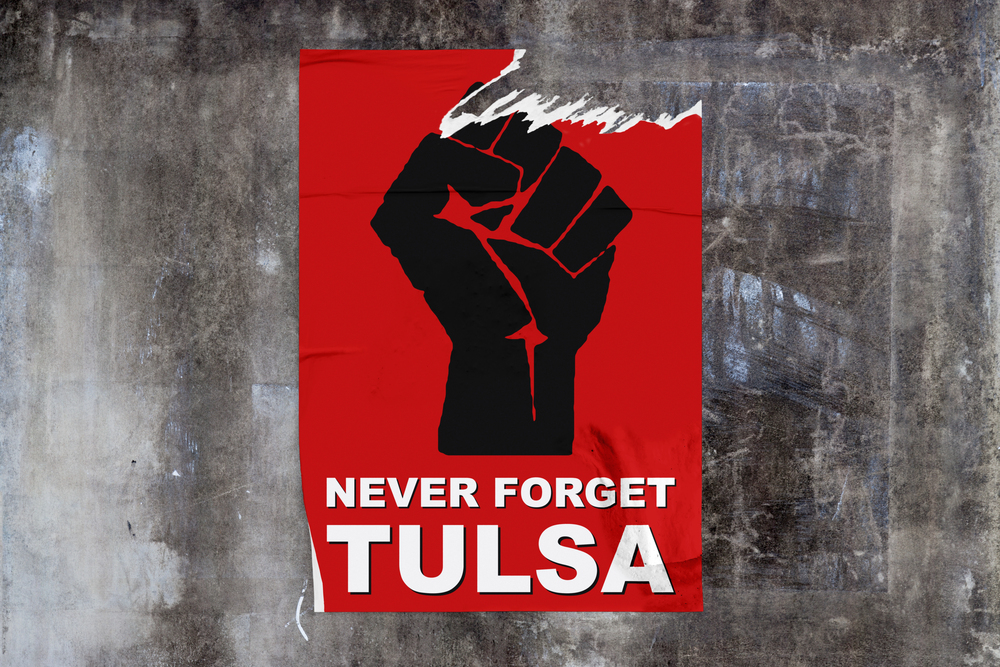
The destruction of “Black Wall Street” in 1921 was largely absent from textbooks for over half a century. White mobs, some deputized and armed by city officials, burned roughly 35 blocks of the prosperous Greenwood District in Tulsa, killing an estimated dozens to hundreds of Black residents and leaving thousands homeless.
Insurance companies refused to pay claims, and the city so thoroughly buried the story that many Oklahomans didn’t learn it had happened until decades later. Sustained public attention and a state commission around the turn of the century finally forced a reckoning, and the massacre is now far more widely taught—though questions of accountability and reparations remain unresolved.
Japanese American Incarceration
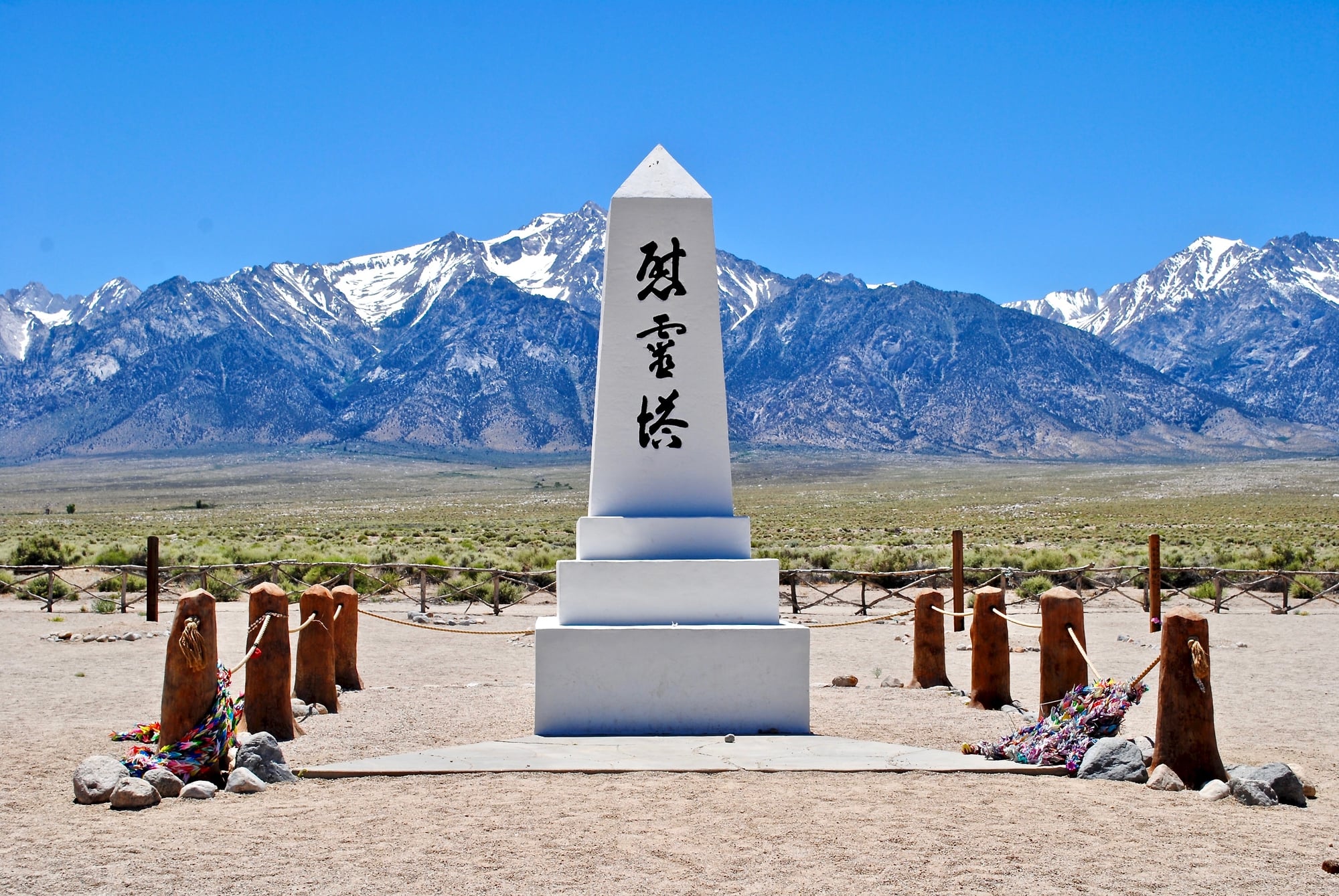
Textbooks long mentioned that Japanese Americans were “relocated” during World War II, but they sanitized the reality: families given days to abandon homes and businesses, children raised behind barbed wire, and property seized and never returned. Roughly 120,000 people, the majority of them U.S. citizens, were imprisoned for years on the basis of ancestry alone.
The official justification was military necessity, but a great deal of evidence indicated the threat was overstated, and key intelligence assessments concluded mass incarceration wasn’t warranted. General John DeWitt, who oversaw the West Coast removal, captured the racial logic bluntly when he declared “a Jap’s a Jap.”
Decades later, a federal commission found the policy rested on prejudice and failed leadership, and in 1988 the government formally apologized and paid reparations to survivors.
The Tuskegee Syphilis Study
For forty years, from 1932 to 1972, the U.S. Public Health Service enrolled hundreds of Black men in rural Alabama—399 with syphilis, plus a control group—under the promise of free treatment for “bad blood.” In reality, the men were left untreated so researchers could document the disease’s progression.
Even after penicillin became the standard cure in the 1940s, treatment was deliberately withheld. The study wasn’t run in some hidden facility; its “findings” were published in medical journals for decades, the suffering of the men treated as data.
It ended only after a whistleblower brought it to the press in 1972. The fallout reshaped American research ethics, leading to federal informed-consent laws and, eventually, a presidential apology in 1997.
The Philippine-American War
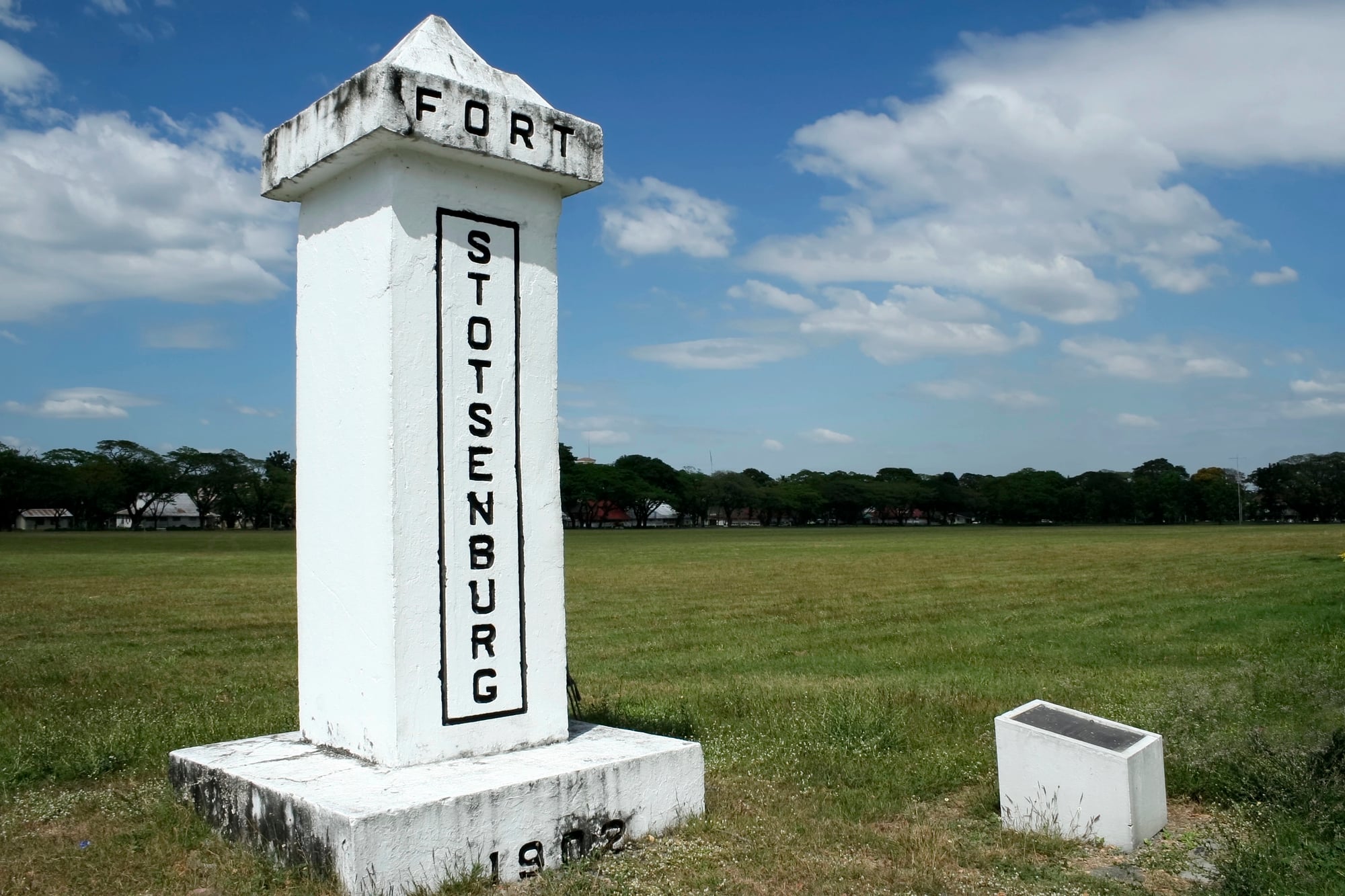
This conflict was long downplayed because it complicated the heroic story of the Spanish-American War. After defeating Spain, the United States chose to keep the Philippines rather than grant independence, and Filipinos resisted.
The war that followed, from 1899 to 1902, killed enormous numbers of Filipino combatants and civilians—with total civilian deaths, including from war-related famine and disease, often estimated in the hundreds of thousands. American forces used torture such as the “water cure,” burned villages, and confined civilians in reconcentration zones.
On the island of Samar, General Jacob H. Smith infamously ordered his troops to kill and burn, reportedly instructing them to target anyone over ten and turn the island into “a howling wilderness”—orders so brutal he was court-martialed for them.
COINTELPRO
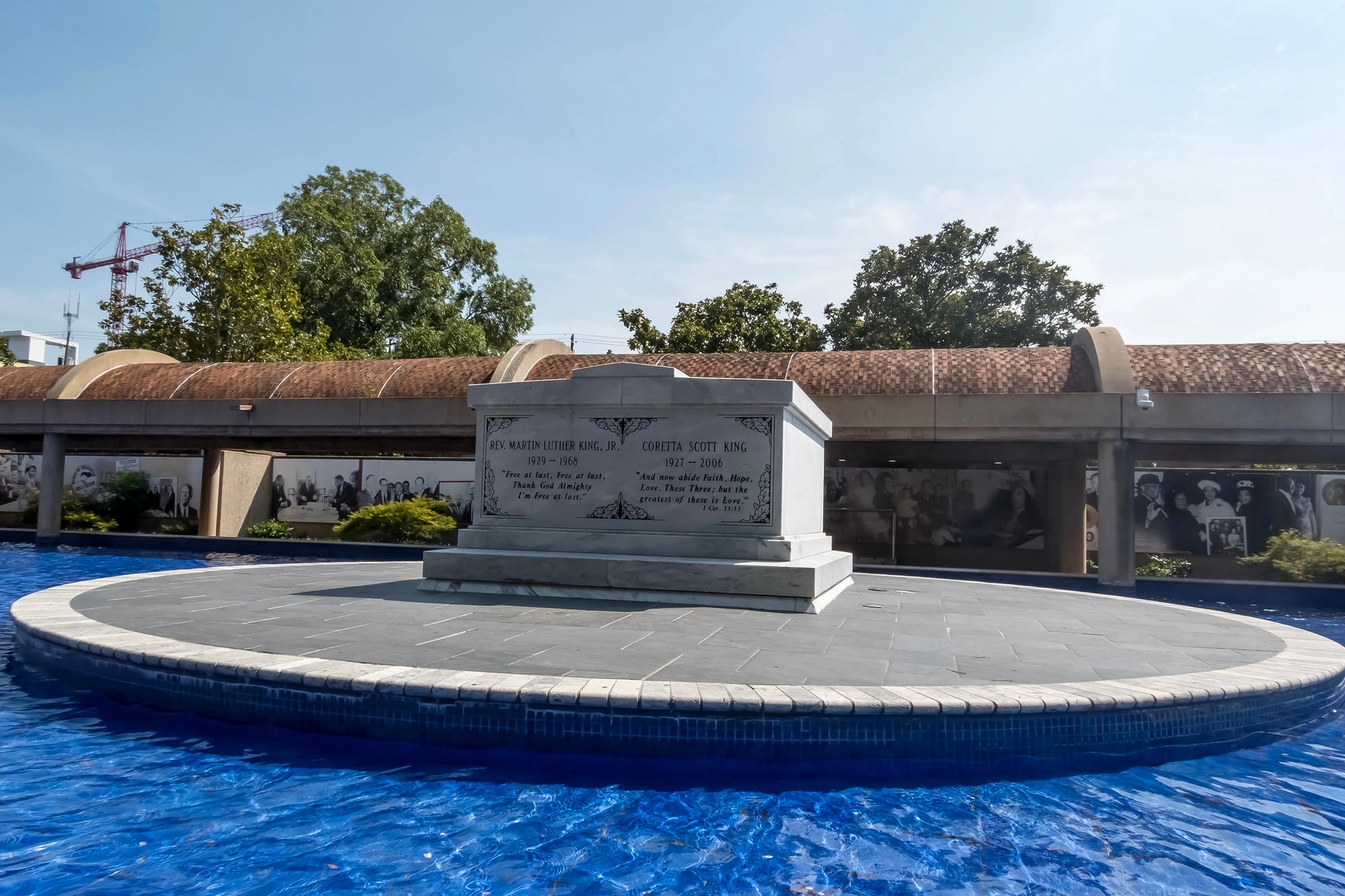
For years the FBI ran a covert program to surveil, infiltrate, and disrupt civil-rights groups, antiwar activists, and others that J. Edgar Hoover deemed threats. Agents conducted illegal break-ins, opened mail, planted disinformation, and worked to wreck reputations, marriages, and organizations from within.
Targets ranged from Martin Luther King Jr.—whom the Bureau notoriously tried to push toward suicide—to the Black Panther Party. The program was exposed in 1971 when activists burglarized an FBI office in Media, Pennsylvania, and leaked the files to the press.
The subsequent Church Committee hearings revealed the full scope. Without that break-in, much of it might never have come to light.
The Ludlow Massacre
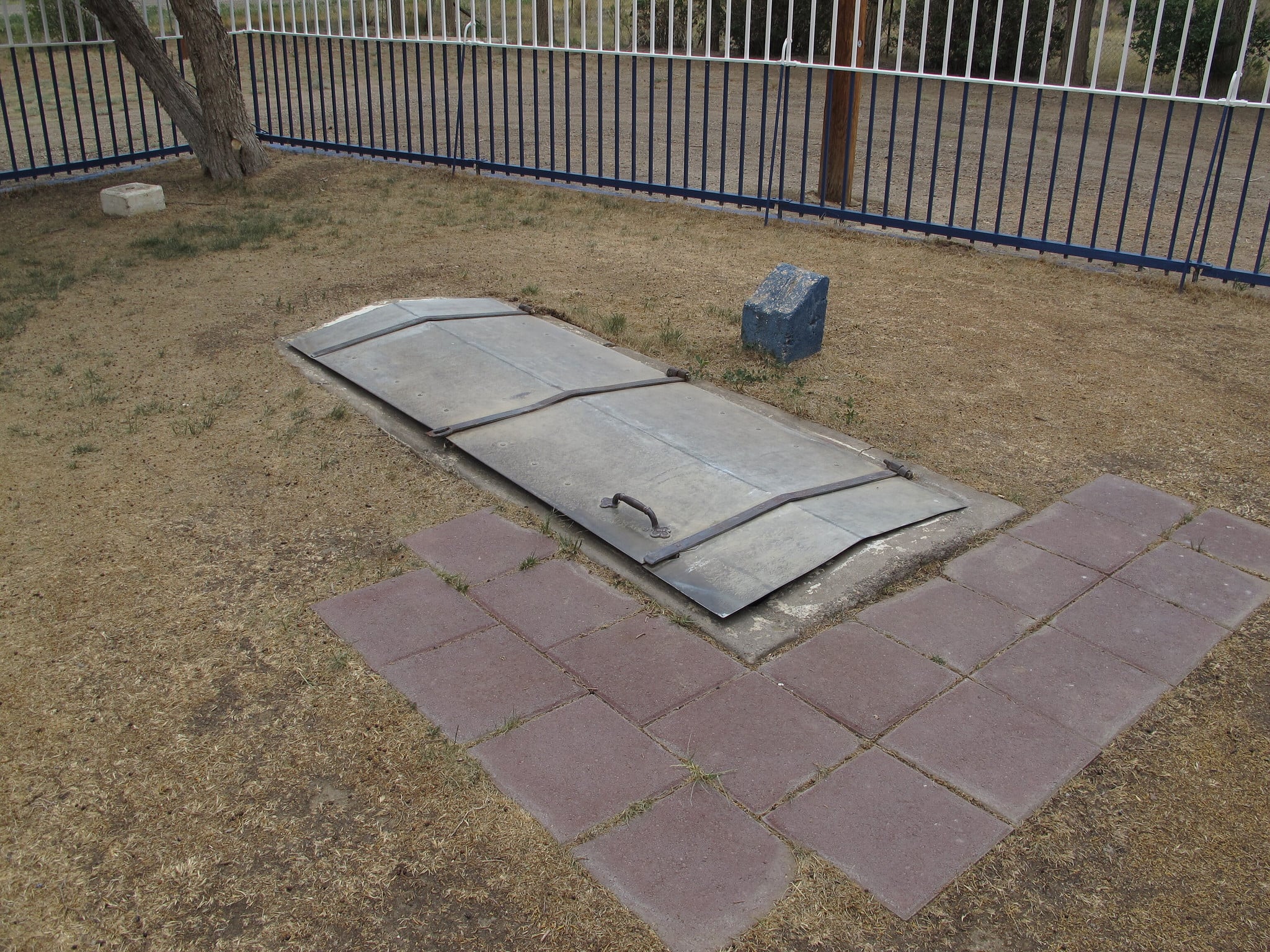
In the spring of 1914, striking coal miners in southern Colorado and their families—evicted from company-owned housing—were living in a tent colony to wait out a bitter labor dispute. On April 20, Colorado National Guardsmen and company guards attacked the Ludlow camp.
At least roughly 20 people died, including about a dozen children and women who suffocated in a pit beneath a tent that was set ablaze. What textbooks tended to avoid was the collusion at its heart: this was corporate violence backed by state forces, with the militia effectively serving the mine operators.
The mines were controlled by interests tied to John D. Rockefeller Jr., whose subsequent public-relations campaign became a landmark case study in corporate image management.
The Bonus Army
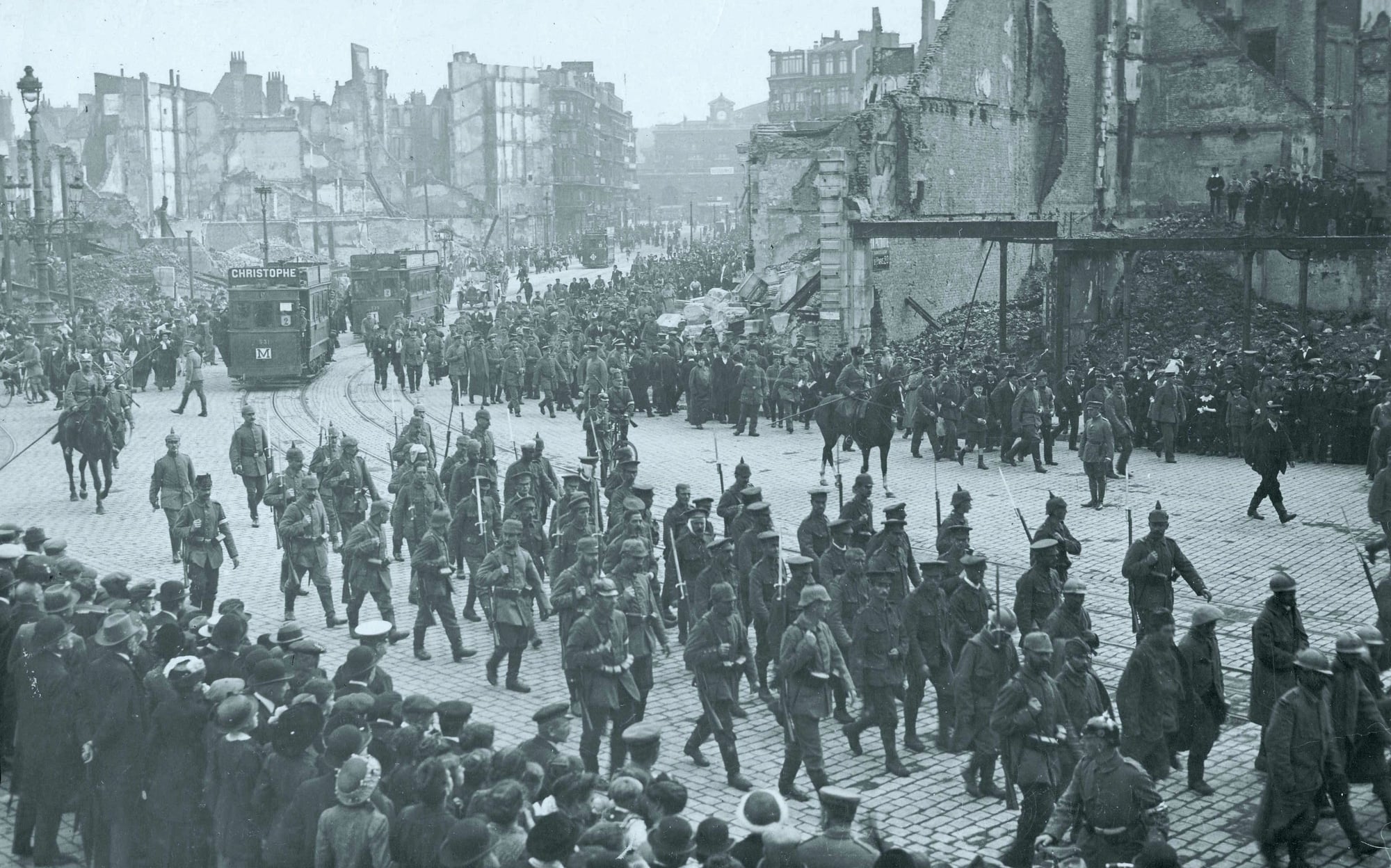
World War I veterans had been promised bonus payments, but the certificates weren’t redeemable until 1945—and during the Depression, many needed the money immediately. In 1932, around 17,000 veterans and their families marched on Washington, set up encampments, and lobbied Congress to pay early.
When part of the protest turned tense, President Hoover ordered the Army to clear the camps. General Douglas MacArthur led troops with cavalry, tanks, and tear gas against the unarmed veterans and their families, burning their shelters.
The spectacle of soldiers driving out the men they’d recently fought alongside was a national embarrassment, and it was long underplayed in textbooks.
Redlining And Housing Discrimination
For decades, banks and government agencies systematically denied mortgages to Black families through redlining. Federal housing authorities color-coded neighborhoods by perceived lending risk, marking Black areas in red as “hazardous” and refusing to insure mortgages there, while underwriting the explosive growth of white suburbs.
This was federal policy, not merely southern prejudice. Real estate agents, lenders, and officials reinforced segregation through restrictive covenants, “steering,” and outright fraud, long outlasting the formal end of legal segregation.
The result was a racial wealth gap—built largely on who was allowed to own a home and accumulate equity—that economists still trace in the present.
The Farmworkers’ Struggle
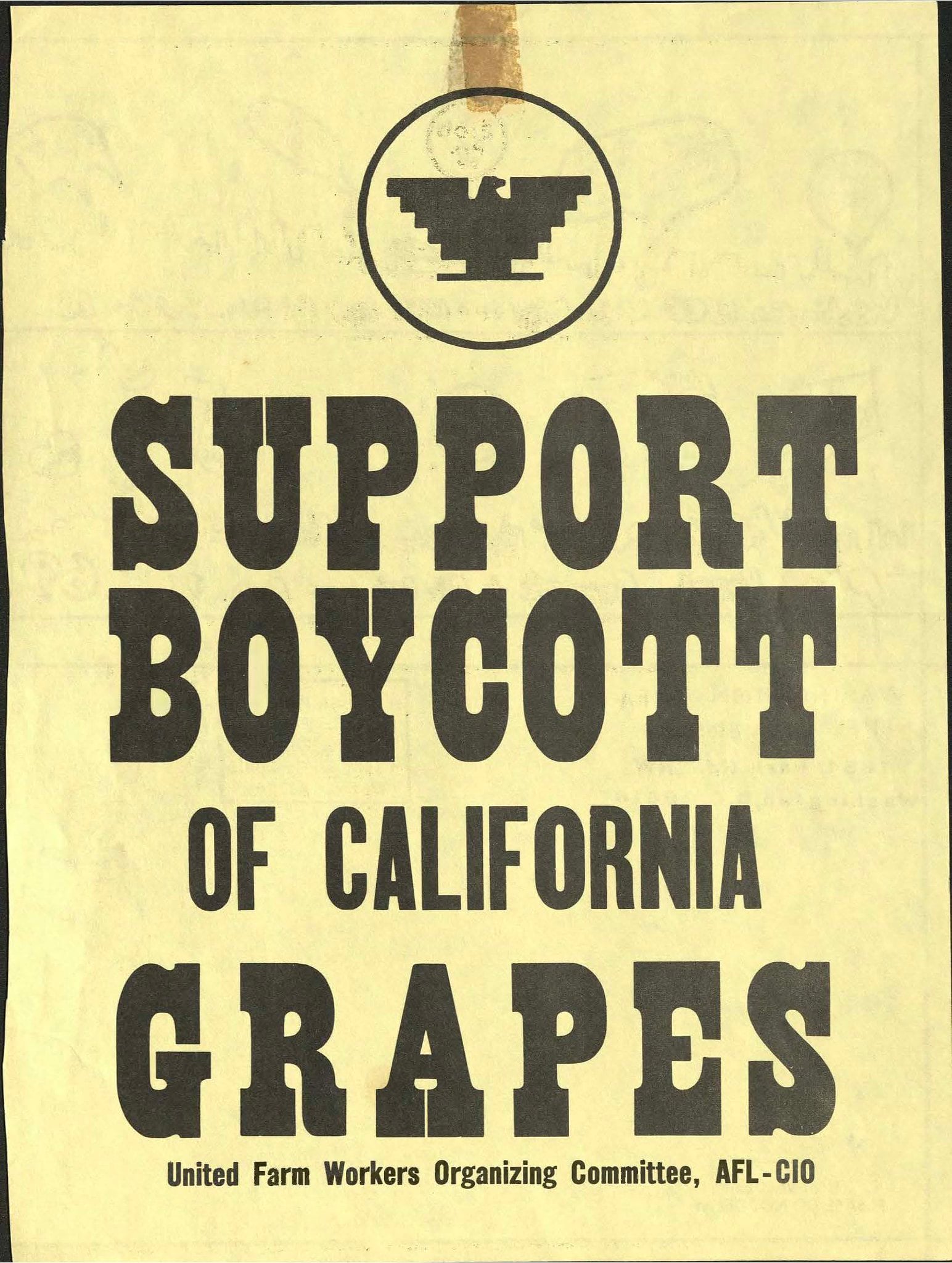
Organizers like Cesar Chavez and Dolores Huerta spent decades fighting for basic protections for farmworkers—people whose labor fed the country while they themselves often couldn’t afford decent food, housing, or medical care. They faced pesticide exposure, a lack of clean water and toilets in the fields, and grinding poverty.
The United Farm Workers organized strikes, marches, and the famous grape boycott that drew national support. Textbook treatments, when they appeared at all, often reduced the movement to Chavez’s biography rather than the systemic exploitation that made it necessary—and many farmworkers still lack labor protections others take for granted.
The Trail Of Broken Treaties
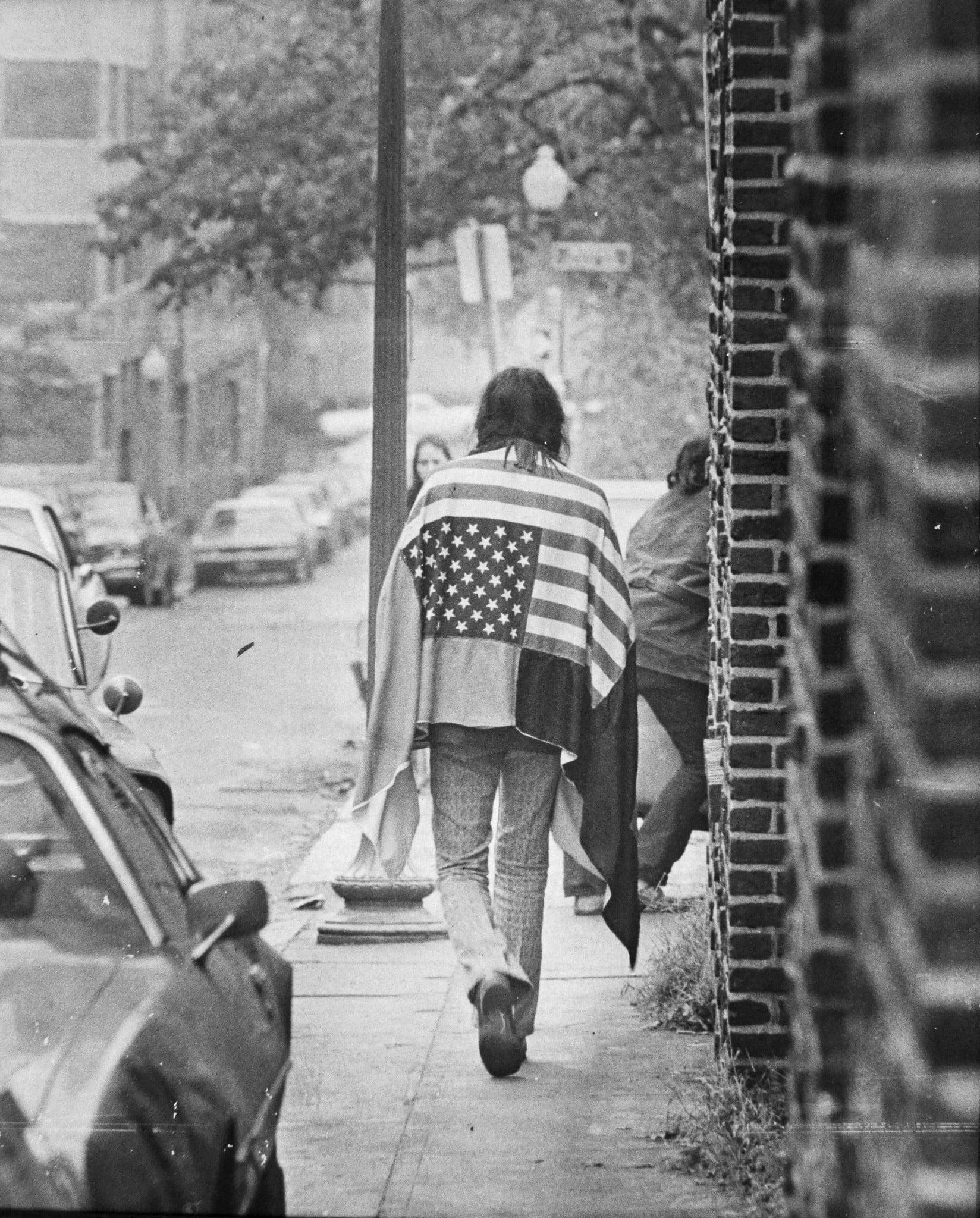
In 1972, Native American activists organized a cross-country caravan to Washington, D.C., carrying a 20-point position paper on treaty rights and self-determination. When promised lodging fell through, they occupied the Bureau of Indian Affairs headquarters for several days.
The standoff ended in a negotiated settlement, but the government acted on little of what the activists demanded. The episode—part of a broader wave of Native activism in this era, including Wounded Knee the following year—drew attention to federal Indian policy that textbooks had long preferred to leave unexamined.
Medical Experiments On Prisoners

For much of the 20th century, American prisons served as convenient testing grounds for researchers and companies seeking human subjects without the bother of meaningful consent. At Holmesburg Prison in Philadelphia, dermatologist Albert Kligman ran experiments on inmates for years, exposing them to a range of substances—including, in some studies, dioxin and other chemical agents—and testing pharmaceuticals and cosmetics.
Inmates were paid small sums and not adequately warned of the risks, and some suffered lasting harm. Similar programs operated at prisons around the country, treating incarcerated people—disproportionately poor and Black—as cheap research material, until reforms in the 1970s sharply curtailed the practice.
The Zoot Suit Riots
In the summer of 1943 in Los Angeles, white servicemen attacked young Mexican Americans—and some Black and Filipino youths—who wore zoot suits, a flamboyant style cast as unpatriotic amid wartime fabric rationing. For days, mobs of sailors and soldiers roamed the city, stripping and beating young people while police largely stood aside or arrested the victims.
The violence exposed the racial tensions beneath the wartime story of national unity. Rather than confront that, authorities responded by effectively banning zoot suits and blaming those who’d been attacked.
Uranium Mining On Tribal Lands
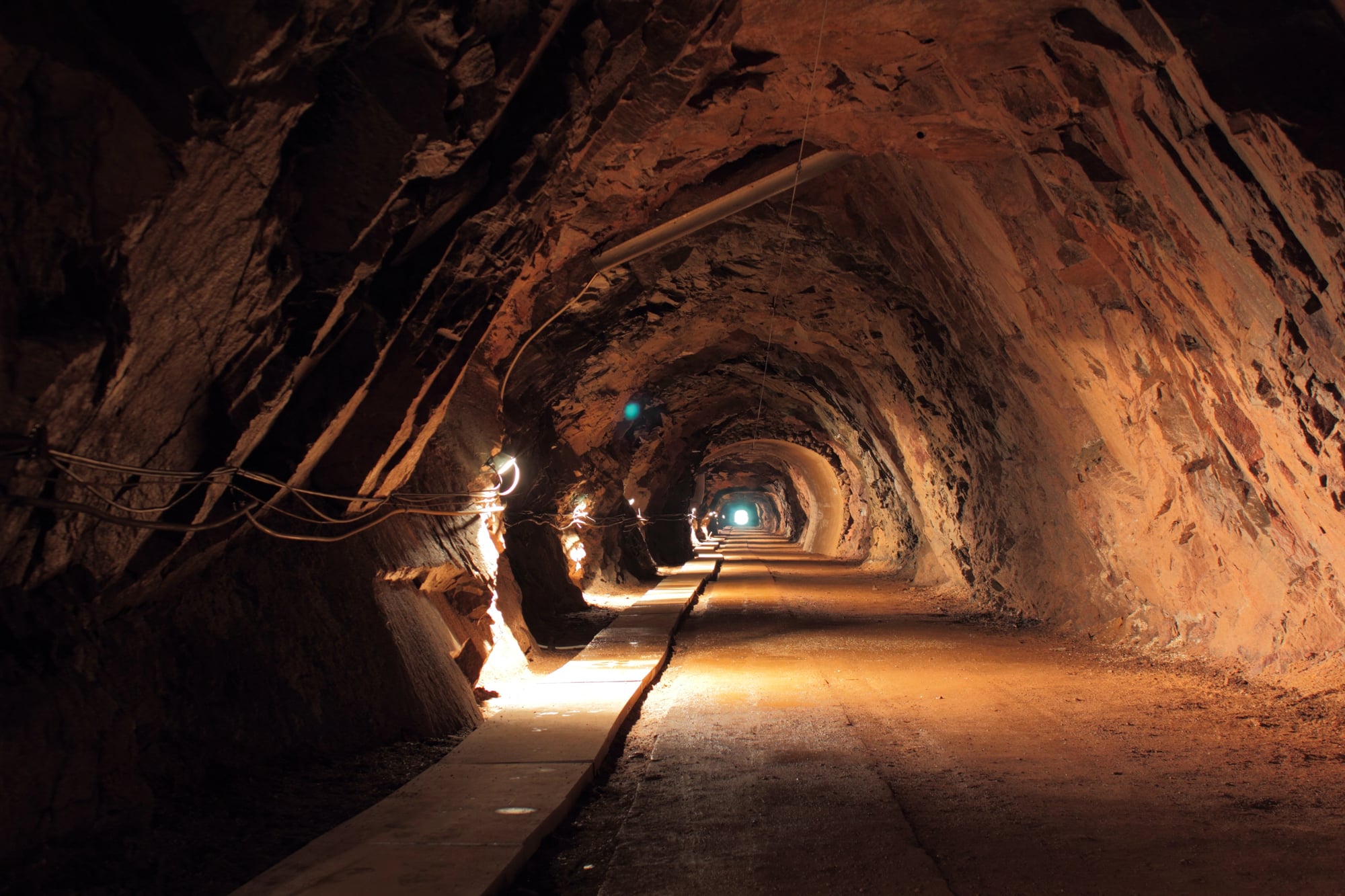
As the U.S. built its nuclear arsenal, much of the needed uranium came from mines on or near Native American land. For decades, companies extracted ore without adequately warning miners or nearby residents of the radiation dangers, and workers developed lung cancer and other illnesses at elevated rates.
The Navajo Nation was especially hard hit, with many miners dying of preventable diseases and communities left with contaminated water and soil and a legacy of abandoned mines. Government and industry understood the hazards but prioritized weapons production—an injustice only partly addressed by later compensation programs.
The Forced-Sterilization Campaign

Across much of the 20th century, tens of thousands of Americans—commonly cited figures run to roughly 60,000 or more—were sterilized without meaningful consent under state eugenics programs. The targets were people labeled “feebleminded,” a category that in practice swept in the poor, disabled, institutionalized, and otherwise marginalized.
These programs were legal and openly defended as progressive reform. California sterilized more people than any other state, and Nazi Germany explicitly studied American eugenics statutes as models.
The U.S. Supreme Court endorsed compulsory sterilization in the 1927 case Buck v. Bell, where Justice Oliver Wendell Holmes Jr. wrote the chilling line, “Three generations of imbeciles are enough.” The decision has never been formally overturned.
The Bracero Program Abuses
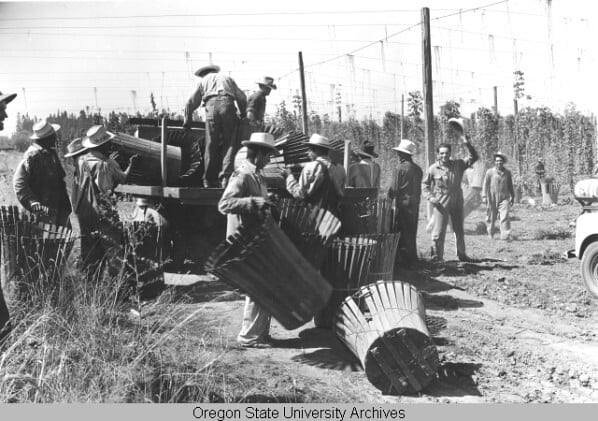
During and after World War II, the United States recruited Mexican workers through the Bracero Program to fill labor shortages in agriculture and on the railroads. The agreements promised fair wages and decent conditions, but the reality frequently involved exploitation.
Braceros often faced discrimination, squalid housing, wage theft—including a portion of pay withheld in savings funds that many never received—and dangerous, unprotected work. Those who complained risked deportation and blacklisting.
The program ran until 1964, channeling millions of workers north while routinely failing to honor its own promises.
The Scottsboro Boys
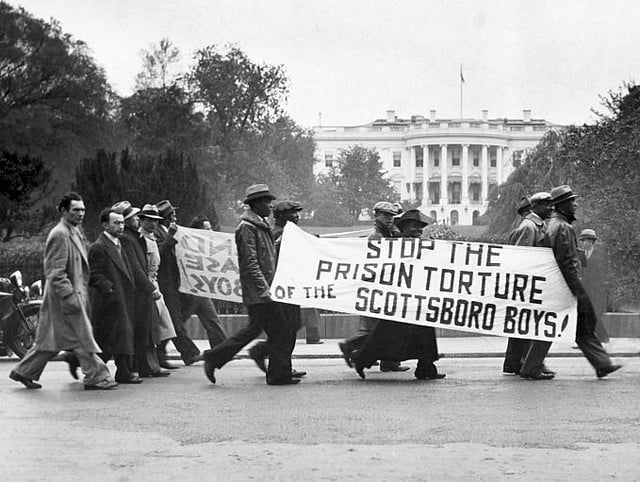
In 1931, nine Black teenagers were falsely accused of raping two white women aboard a train in Alabama. All-white juries convicted them on flimsy and contradictory evidence, and several were sentenced to death, beginning a years-long ordeal of trials, appeals, and imprisonment.
The case exposed the machinery of Jim Crow justice—coerced testimony, the systematic exclusion of Black citizens from juries, and the threat of mob violence. Even after one of the accusers recanted, Alabama pressed on.
The Scottsboro case produced two landmark Supreme Court rulings and became an international symbol of American racial injustice.
Operation Wetback
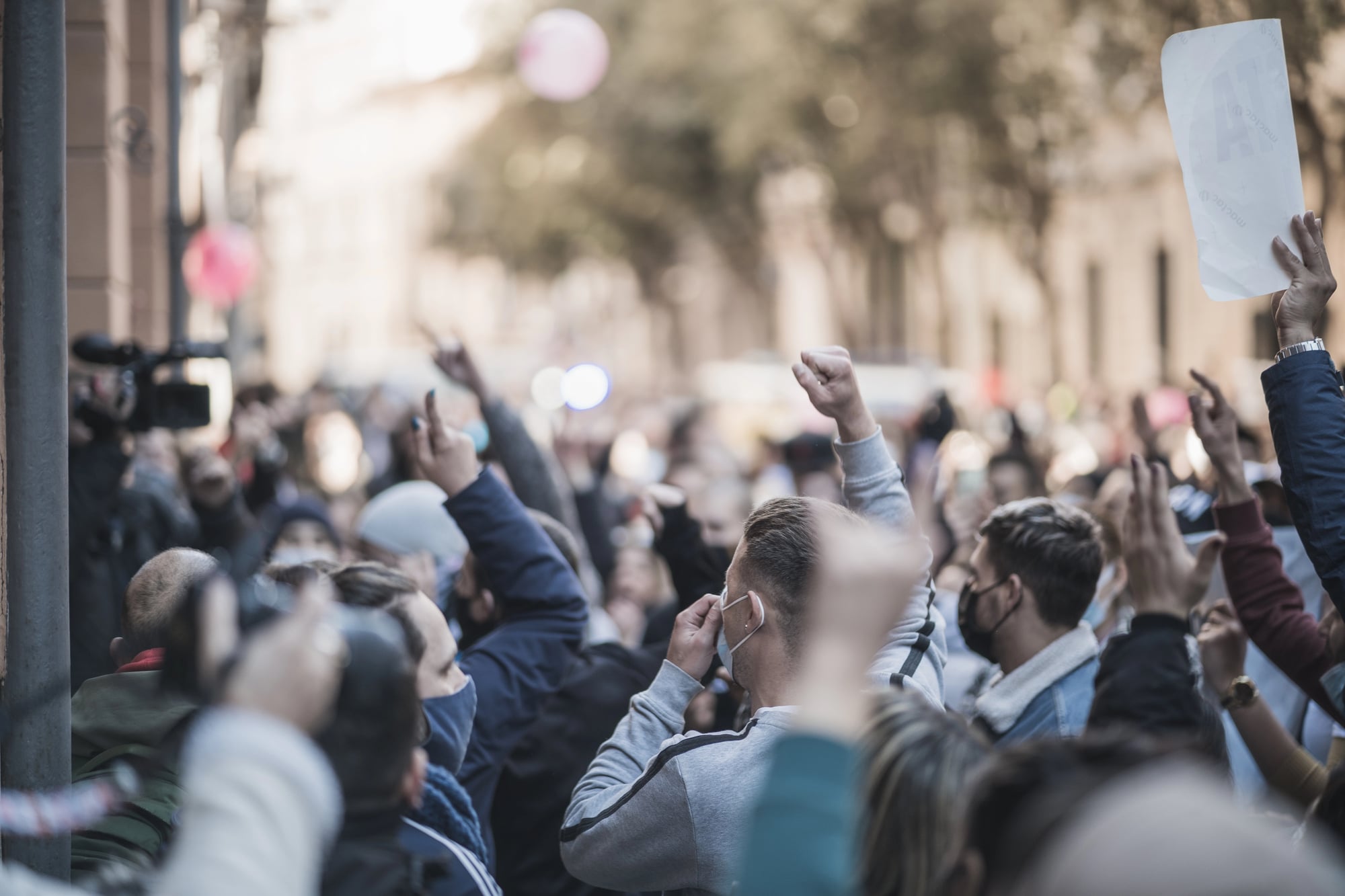
In 1954, the federal government launched a mass-deportation campaign—given a slur for its name—targeting people of Mexican descent in the Southwest. The operation used militarized sweeps and raids on neighborhoods, workplaces, and public spaces, and agents frequently failed to distinguish undocumented immigrants from U.S. citizens.
Families were separated, and an unknown number of American citizens were wrongly deported. The government claimed over a million people were removed or driven to leave.
The campaign caused lasting trauma in Mexican American communities, and its very name signaled the dehumanizing attitudes driving it.
The Watts Uprising In Context

The 1965 Watts uprising in Los Angeles didn’t erupt from nowhere. It followed years of police abuse, job and housing discrimination, and deep segregation.
A traffic stop was the spark, but the underlying fuel had been accumulating for a long time. Black residents of Watts were largely shut out of good jobs, decent schools, and housing while subjected to aggressive policing that treated whole neighborhoods as hostile ground.
Textbooks often presented the unrest as senseless violence, omitting the conditions that made many residents feel peaceful change was impossible.
The Kerner Commission Report
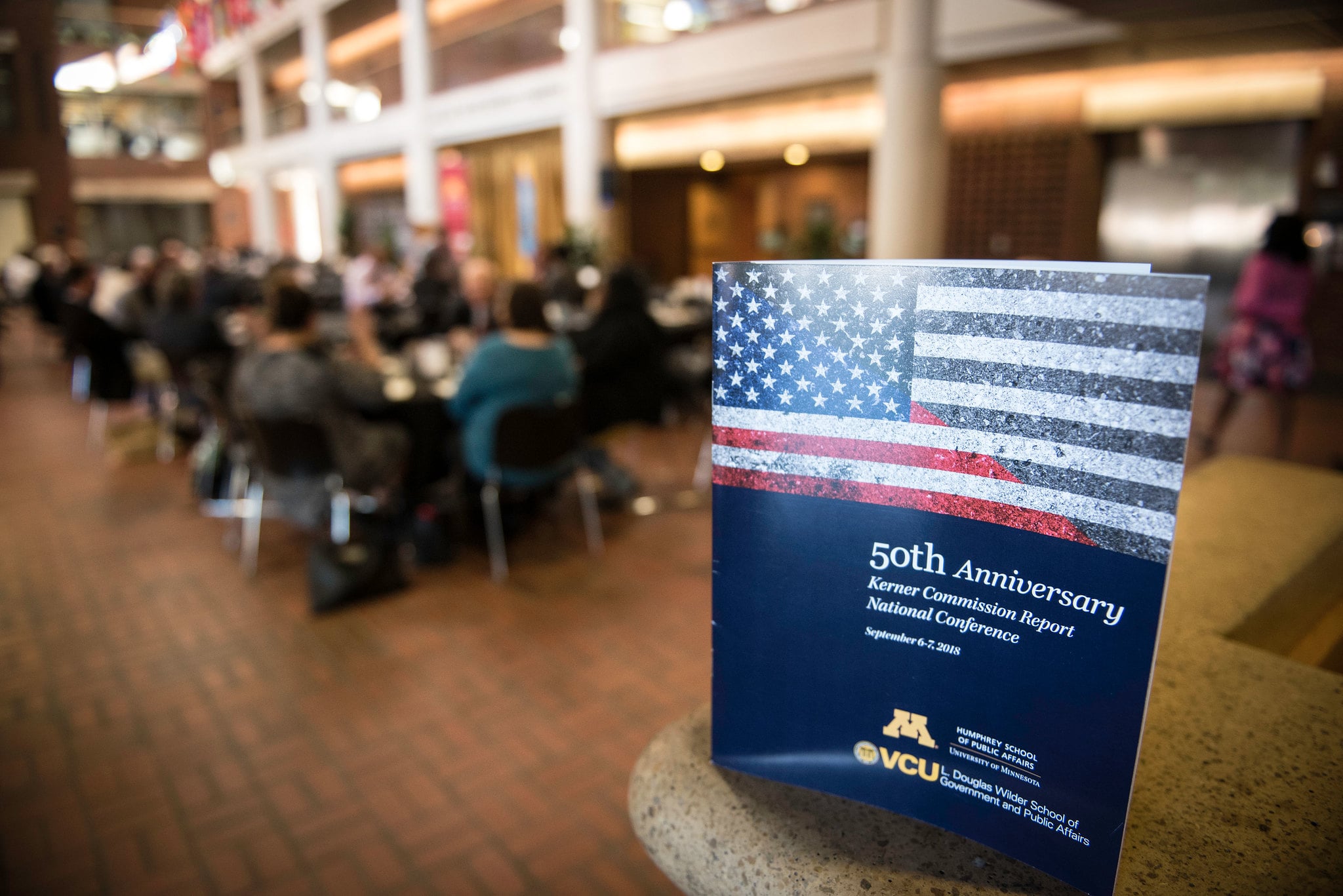
After the urban uprisings of the mid-1960s, President Johnson appointed a commission to investigate their causes. In 1968 the Kerner Commission delivered a blunt conclusion: “Our nation is moving toward two societies, one black, one white—separate and unequal.”
The report squarely identified white racism and institutional discrimination in jobs, housing, education, and policing as root causes, and it urged large-scale investment to address them. Rather than embrace its findings, the government largely set them aside in favor of “law and order” politics—a turn the report itself had warned against.
The Environmental Justice Movement
A stubborn pattern runs through American land use: toxic-waste sites, polluting plants, and environmental hazards tend to cluster in poor communities and communities of color, while wealthier, whiter areas stay comparatively clean. Activists named this environmental racism.
A pivotal moment came in Warren County, North Carolina, in 1982, when residents of a largely Black county protested a state plan to dump PCB-contaminated soil there, lying down in front of trucks and facing arrest. Later studies confirmed that race was a powerful predictor of where hazardous waste ended up.
The mainstream environmental movement, long focused on wilderness preservation, was slow to take up these fights, leaving affected communities to organize largely on their own.
The Chinese Exclusion Act
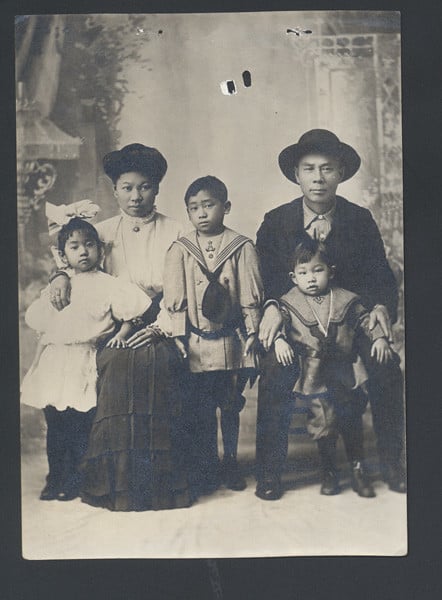
The Chinese Exclusion Act of 1882 was the first major U.S. law to bar a specific nationality from immigrating, prohibiting most Chinese laborers from entering and blocking Chinese residents from becoming naturalized citizens. It grew out of intense anti-Chinese agitation, especially on the West Coast, where Chinese immigrants were scapegoated for economic anxieties.
The exclusion was extended and tightened over the following decades and not fully repealed until 1943. It entrenched patterns of racialized immigration restriction and left Chinese Americans to face violence, discriminatory laws, and exclusion even as they helped build much of the nation’s western infrastructure.
The Rosewood Massacre

In January 1923, a white mob destroyed the predominantly Black town of Rosewood, Florida, after a white woman’s false accusation. Over several days, homes and businesses were burned and residents fled into the surrounding swamps to survive.
Official accounts put the dead at six Black residents and two white attackers, though many believe the true toll was higher. Rosewood was never rebuilt, and its survivors scattered.
Florida did not formally reckon with the massacre until the 1990s, when the state passed a measure compensating survivors and descendants—one of the first such reparations laws in the country.
The Memphis Sanitation Strike
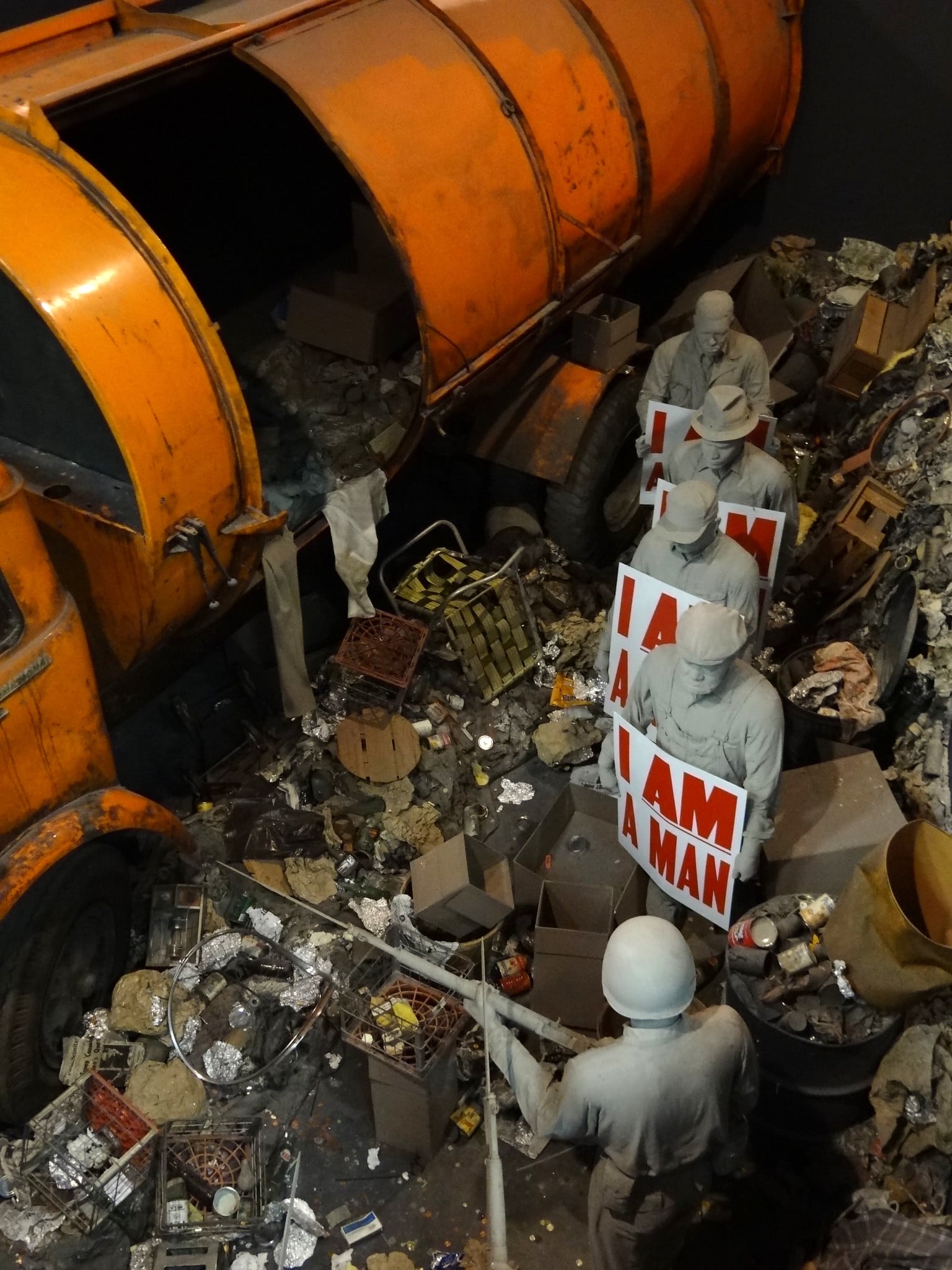
The 1968 Memphis sanitation strike brought together labor rights and civil rights in a way textbooks often kept in separate chapters. The strikers, nearly all Black men, endured dangerous conditions, poverty wages, and no benefits—galvanized after two workers were crushed to death by malfunctioning equipment.
Their rallying cry, “I Am a Man,” fused the demand for economic dignity with the demand for racial equality. Martin Luther King Jr. came to Memphis to support the strikers and was assassinated there on April 4, 1968, tying his final campaign directly to the cause of economic justice.
The Federal Writers’ Project And The Slave Narratives
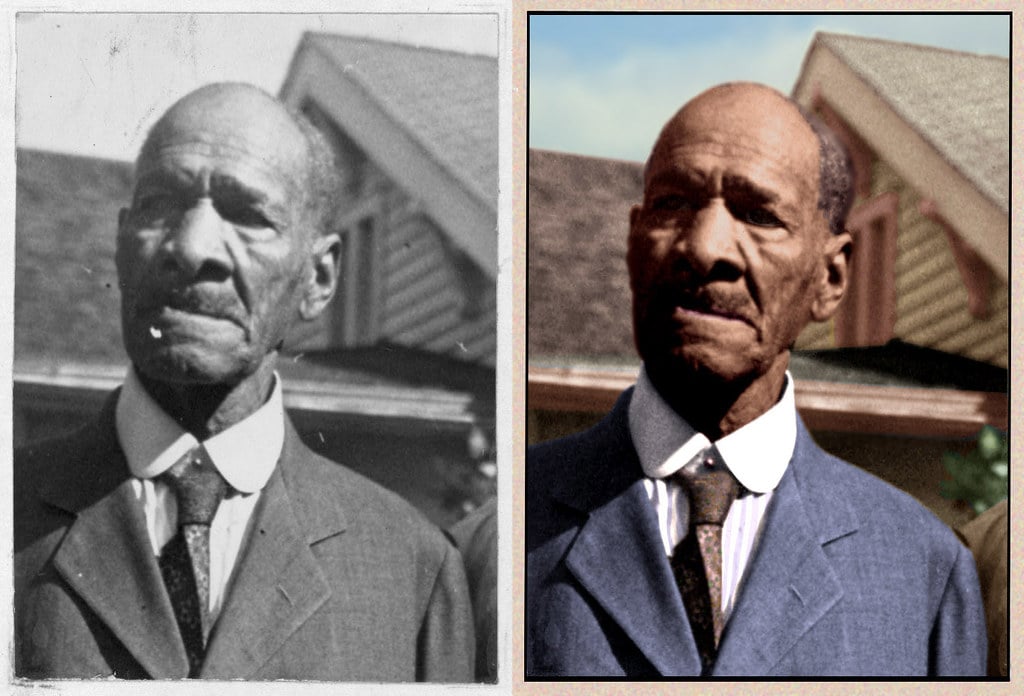
During the New Deal, the Federal Writers’ Project employed thousands to document American life, including an extraordinary effort to interview the last living people who had been enslaved. These narratives are now an invaluable historical record—but at the time, their handling was fraught.
Many interviews were conducted by white Southern interviewers, which shaped what formerly enslaved people felt safe saying, and some of the more searing testimony about slavery’s brutality was softened, set aside, or left unpublished for fear of stirring controversy.
The fuller, unvarnished collection only reached a broad audience much later, complicating the romanticized “moonlight-and-magnolias” image of the Old South that long dominated textbooks.
The Jewish Chronic Disease Hospital Cancer Study

In 1963, researcher Chester Southam injected live cancer cells (the famous HeLa cells) into chronically ill, mostly elderly patients at the Jewish Chronic Disease Hospital in Brooklyn—without telling them what the injections contained. Southam wanted to see whether debilitated patients would reject the cancer cells as healthy people did.
The patients were told only that they were receiving a “skin test.” When three young Jewish doctors learned of the plan, they refused to participate and resigned, one warning against “Nazi practices of using human beings as experimental guinea pigs.”
Southam, who had earlier run similar experiments on prison inmates, was found guilty of fraud and unprofessional conduct—yet the medical establishment soon elected him a cancer-research society president. The case became a landmark in the push for genuine informed consent.
The Indian Adoption Era

From the late 1950s into the 1970s, an Indian Adoption Project and related state practices removed large numbers of Native American children from their families, placing them with white families or in institutions. Studies from the era found that a strikingly high share of Native children had been separated from their homes.
Social workers often cited poverty or unfamiliar cultural norms as grounds for removal, and the effect—whether intended or not—was to sever children from their languages, communities, and identities, extending the assimilationist logic of the earlier boarding-school system.
The Indian Child Welfare Act of 1978 was passed specifically to stop these removals, though its effects and legal status have been contested ever since.
The Migrant Education Gap

The children of migrant farmworker families, moving constantly to follow the harvest, were among the most underserved students in the country. Schools sometimes refused to enroll them, placed them in remedial tracks regardless of ability, or simply let them fall through the cracks, with language barriers and discrimination compounding the problem.
For a long time the system effectively wrote these children off, treating them as transient problems rather than students. Federal migrant-education programs eventually emerged to provide continuity and support.
But the gap reflected how easily the most mobile and marginalized families could be rendered invisible to public institutions.
The Meatpacking Industry’s Hidden Conditions
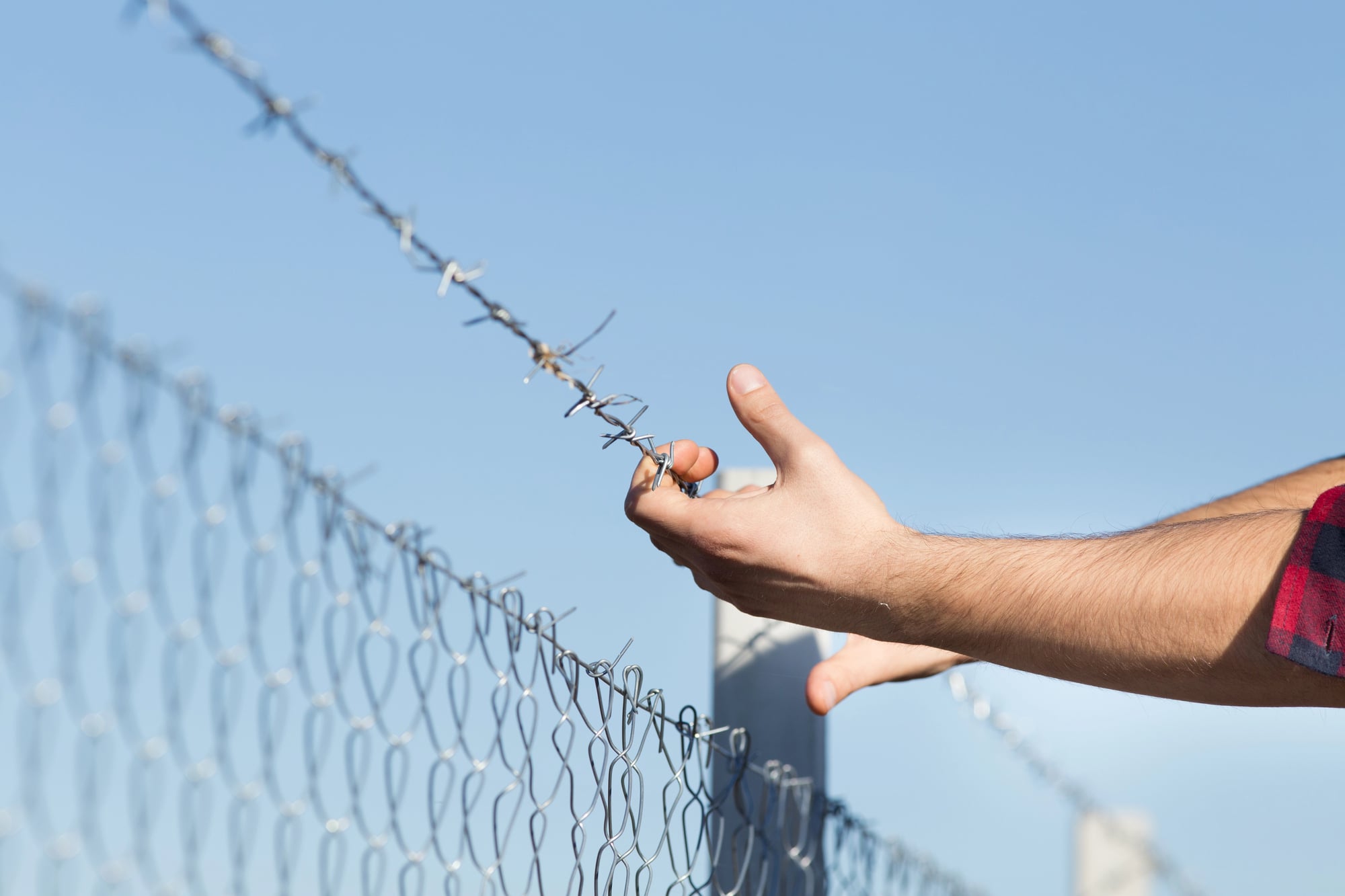
Decades after Upton Sinclair’s The Jungle shocked the public in 1906, dangerous and unsanitary conditions persisted in much of the meatpacking industry, even as the story faded from textbooks as a “problem solved.” Workers continued to face some of the highest injury rates of any industry, along with chemical exposure and grueling line speeds.
Oversight was often weak, with inspectors and plant managers maintaining comfortably close relationships and unsafe facilities passing muster. The industry’s heavy reliance on immigrant and undocumented labor—workers least able to complain—helped keep its conditions out of public view.
This was a quieter continuation of the very abuses Sinclair had exposed a century before.
More from Go2Tutors!

- The Romanov Crown Jewels and Their Tragic Fate
- 13 Historical Mysteries That Science Still Can’t Solve
- Famous Hoaxes That Fooled the World for Years
- 15 Child Stars with Tragic Adult Lives
- 16 Famous Jewelry Pieces in History
Like Go2Tutors’s content? Follow us on MSN.



