15 Historical Heroes With Dark Secret Lives
History has a funny way of polishing the rough edges off our heroes. We learn about their greatest triumphs in textbooks, see them immortalized in statues, and celebrate their contributions to humanity. But dig a little deeper into the archives, and you’ll discover that many of these celebrated figures had some pretty shocking skeletons rattling around in their closets.
The truth is, even our most revered historical icons were human beings with complex, sometimes contradictory lives. Their dark secrets don’t necessarily erase their achievements, but they do paint a more complete picture of who these people really were behind the carefully crafted public personas.
Here is a list of 15 historical heroes whose secret lives would make for some seriously uncomfortable dinner party conversations.
Winston Churchill
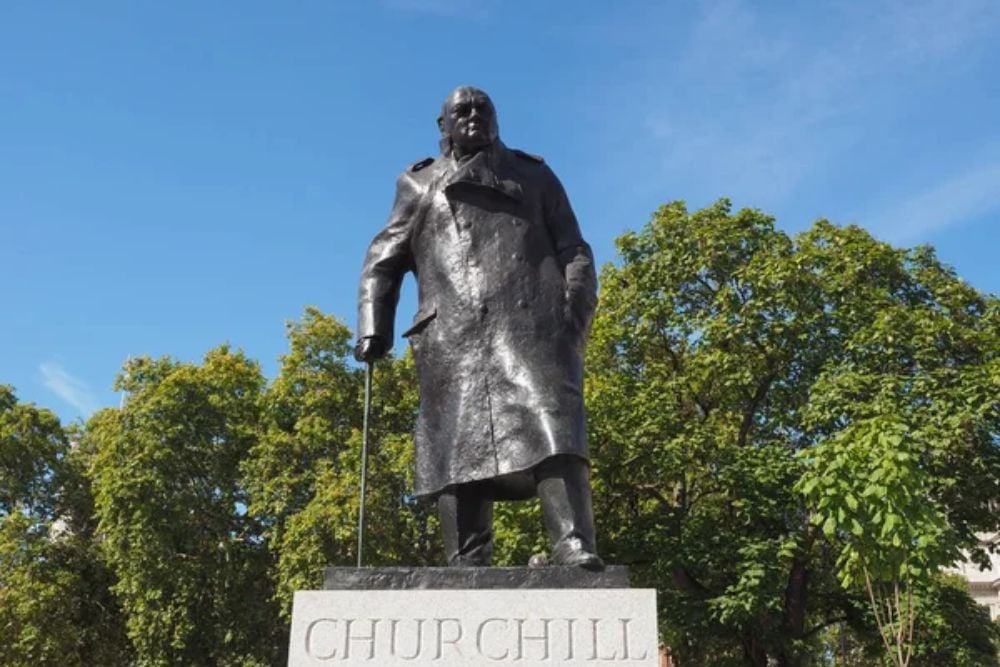
Winston Churchill may have saved Britain during World War II, but his views on race were deeply troubling even by the standards of his time. He once declared ‘I hate Indians. They are a beastly people with a beastly religion,’ and referred to Palestinians as ‘barbaric hordes who ate little but camel dung’.
Churchill believed in a racial hierarchy with white Protestant Christians at the top, and his writings often contained language that his own contemporaries found shocking. Even his own Secretary of State for India compared Churchill’s racial outlook to Hitler’s
Thomas Jefferson
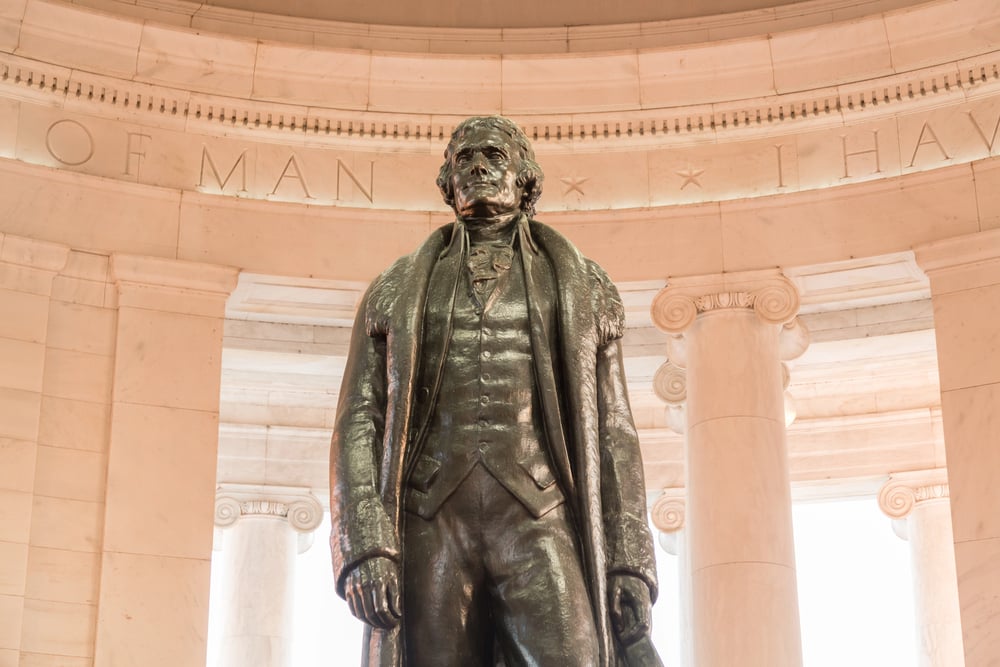
The author of the Declaration of Independence wrote eloquently about freedom while simultaneously owning over 600 enslaved people during his lifetime. Jefferson had a long-term relationship with teenager Sally Hemings, an enslaved woman who had no say in the matter, and fathered at least six children with her.
He even marketed beer made by enslaved workers as his own creation. Despite preaching against interracial marriage, Jefferson clearly didn’t follow his own moral guidelines.
Like Go2Tutors’s content? Follow us on MSN.
Abraham Lincoln

Lincoln ordered the largest mass execution in United States history on December 26, 1862, when 38 Dakota Indians were publicly hanged as punishment for the Santee Sioux uprising. The most controversial aspect was that Lincoln treated these Native American men far more harshly than Confederate leaders, who were responsible for the deaths of over 400,000 Union soldiers.
Lincoln also suspended habeas corpus, which the Chief Justice of the Supreme Court considered unconstitutional, and had a complicated relationship with the First Amendment.
Mahatma Gandhi
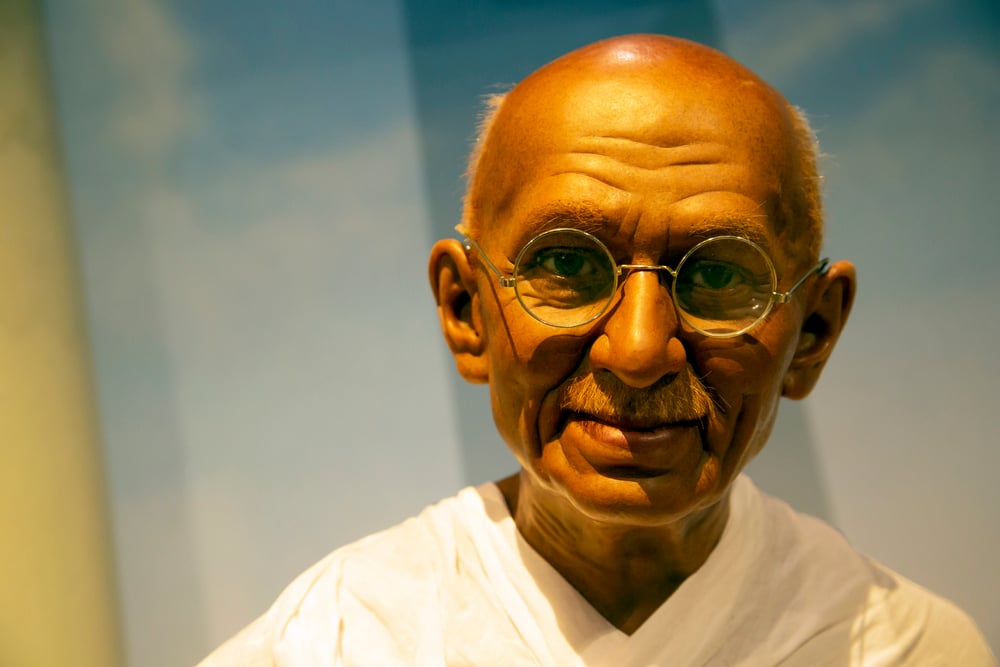
While Gandhi fought for Indian independence, he held deeply racist views during his time in South Africa, writing in 1903 that white people should be ‘the predominating race’ and that Black people were ‘troublesome, very dirty and live like animals’. He also maintained disturbing practices throughout his life, including sleeping unclothed next to underage girls, including his own grandniece, to ‘test his celibacy’.
These behaviors were controversial even among his supporters and raised serious questions about his personal conduct.
Albert Einstein

The genius physicist had a pattern of treating the women in his life terribly, including his first wife Mileva Maric, whom he reportedly mistreated and neglected along with their children. Einstein was serially unfaithful, having affairs with his secretary Betty Newmann and at least six other known women.
His personal relationships were marked by emotional cruelty and abandonment, showing a stark contrast to his public image as a gentle, wise humanitarian.
Like Go2Tutors’s content? Follow us on MSN.
Henry Ford
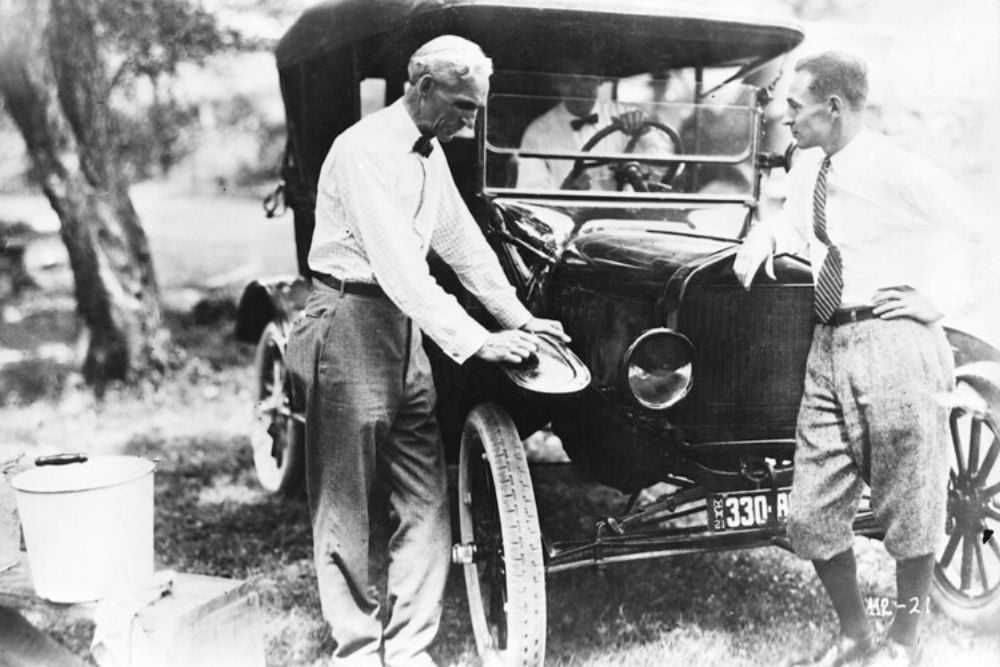
Ford revolutionized the automobile industry but also published ‘The International Jew,’ spreading anti-Semitic conspiracy theories that Hitler later echoed in Nazi propaganda. In 1938, Ford was awarded the Grand Cross of the German Eagle by the Nazis, demonstrating how his technological innovations coexisted with deeply troubling beliefs.
His influence on both industrial progress and the spread of hatred shows how innovation and bigotry can unfortunately go hand in hand.
Alexander Graham Bell
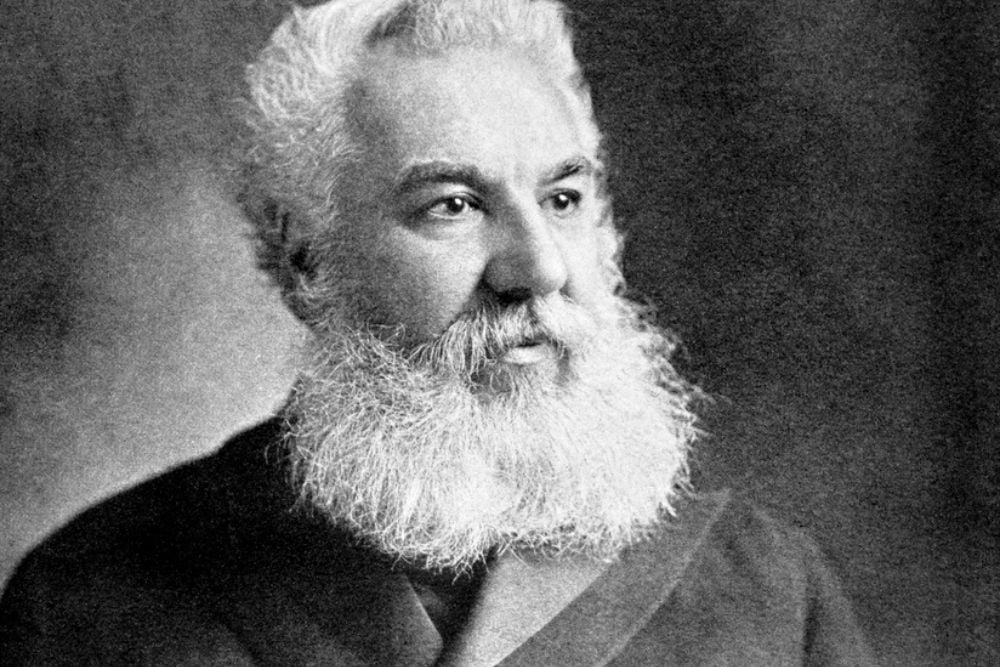
Despite being closely connected to the deaf community through his mother and wife, Bell believed that deaf people shouldn’t be allowed to marry each other because it would lead to ‘contamination’ of the population. He devoted himself to preventing the creation of a ‘Deaf race’ and proposed legislation that would prevent marriage between families with more than one deaf member.
Bell also advocated for eugenics and worked to eliminate sign language from classrooms, despite its importance to deaf culture.
Walt Disney

The man who created magical childhood memories was criticized for racist and anti-Semitic behavior, including early cartoons with overt racial stereotypes. In 1938, Disney welcomed Nazi propagandist Leni Riefenstahl to his studio, showing a disturbing willingness to associate with Hitler’s regime.
The contrast between Disney’s wholesome public image and his private prejudices reveals how even creators of innocent entertainment can harbor dark beliefs.
Like Go2Tutors’s content? Follow us on MSN.
Christopher Columbus

Columbus may have sailed under the banner of discovery, but he left behind a trail of carnage, enslaving indigenous people and imposing violent rules that directly contributed to mass deaths through forced labor and disease. His treatment of native populations was brutal even by the standards of his era.
The man celebrated for ‘discovering’ America actually initiated one of history’s most devastating cultural genocides.
King Leopold II of Belgium

Millions of Congolese people lost their lives under Leopold’s colonial regime in the Congo Free State from 1885 to 1908, as he exploited both people and resources to enrich himself and Belgium. His rubber plantations operated through a system of terror, including cutting off workers’ hands for not meeting quotas.
Leopold managed to present himself as a humanitarian philanthropist while running one of history’s most brutal colonial operations.
Theodore Roosevelt
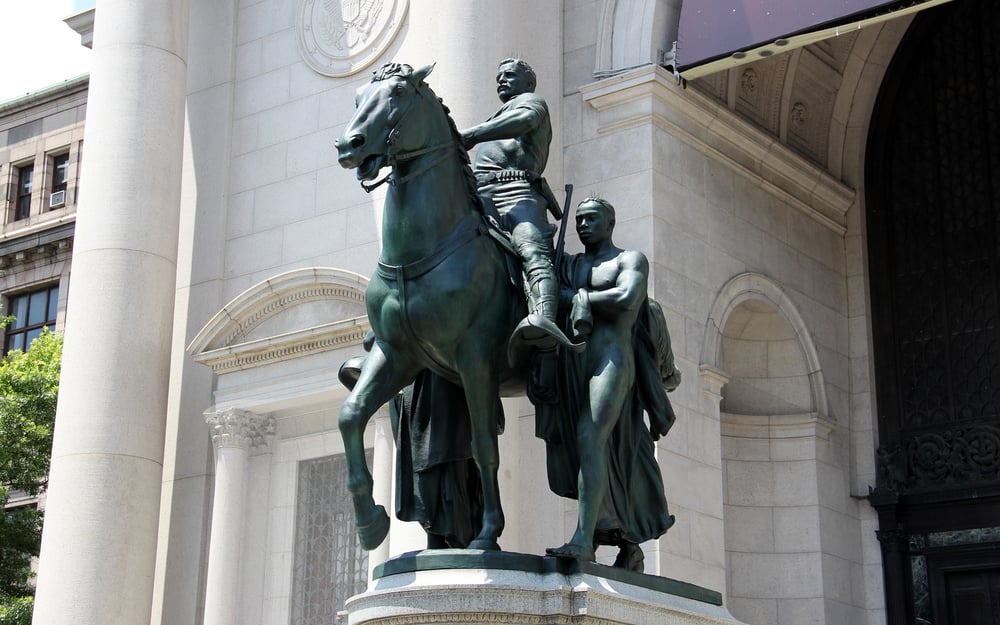
Roosevelt championed conservation and progressive reforms, but he was also a fierce advocate of American imperialism who believed in the superiority of ‘civilized’ nations over ‘backward’ peoples. He supported the brutal suppression of Filipino independence fighters during the Philippine-American War, which resulted in hundreds of thousands of civilian deaths.
Roosevelt’s ‘speak softly and carry a big stick’ philosophy often translated into violence against those he deemed inferior.
Like Go2Tutors’s content? Follow us on MSN.
Benjamin Franklin
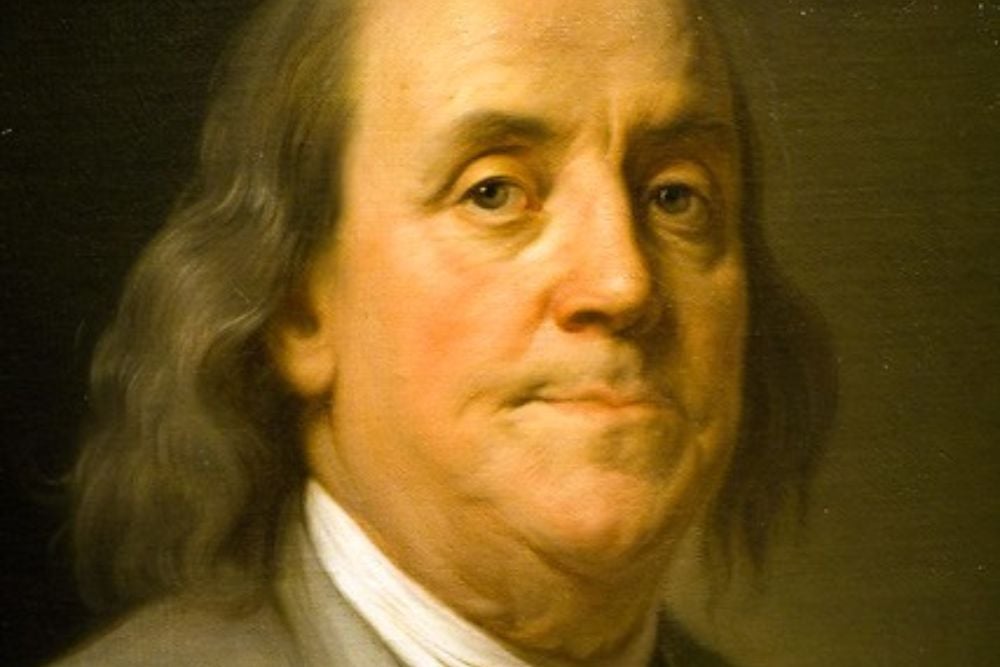
Franklin had a scandalous side that included frequenting establishments of ill repute, though reportedly more for conversation than anything else. He fathered an illegitimate son, William, whom he acknowledged but later disowned when William remained loyal to Britain during the Revolution.
Franklin’s personal life was marked by abandoning his family for extended periods and engaging in numerous romantic entanglements while abroad.
Andrew Jackson
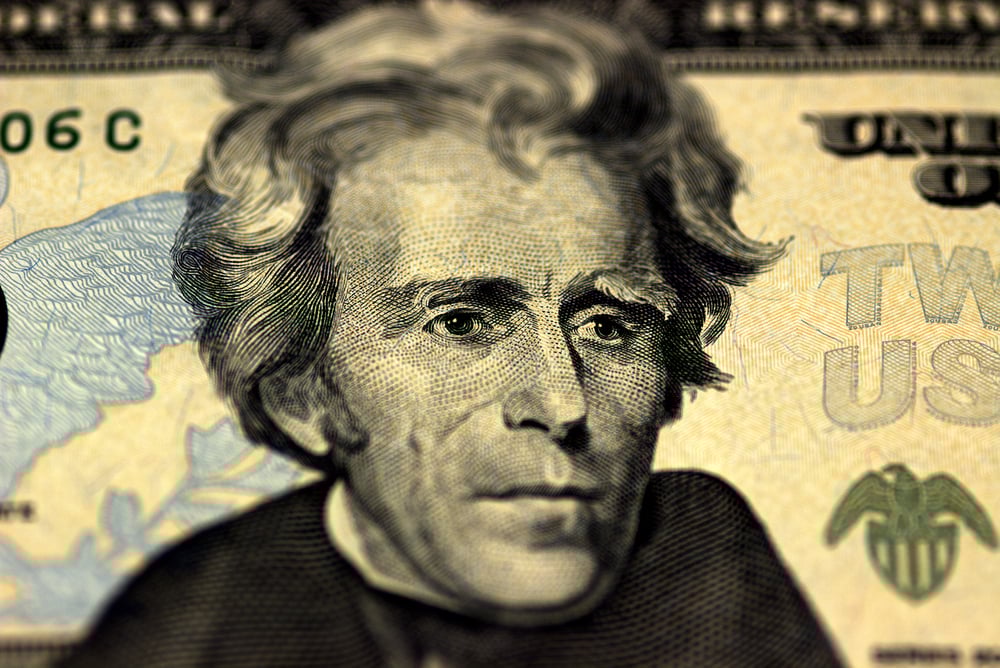
Jackson signed the Indian Removal Act in 1830, which forced thousands of Native Americans from their homes despite a Supreme Court ruling against it. The resulting Trail of Tears led to immense suffering and death for countless indigenous people.
Jackson’s face still appears on the twenty-dollar bill, despite his role in what many historians consider ethnic cleansing. His personal vendetta against Native Americans went far beyond military necessity.
Florence Nightingale
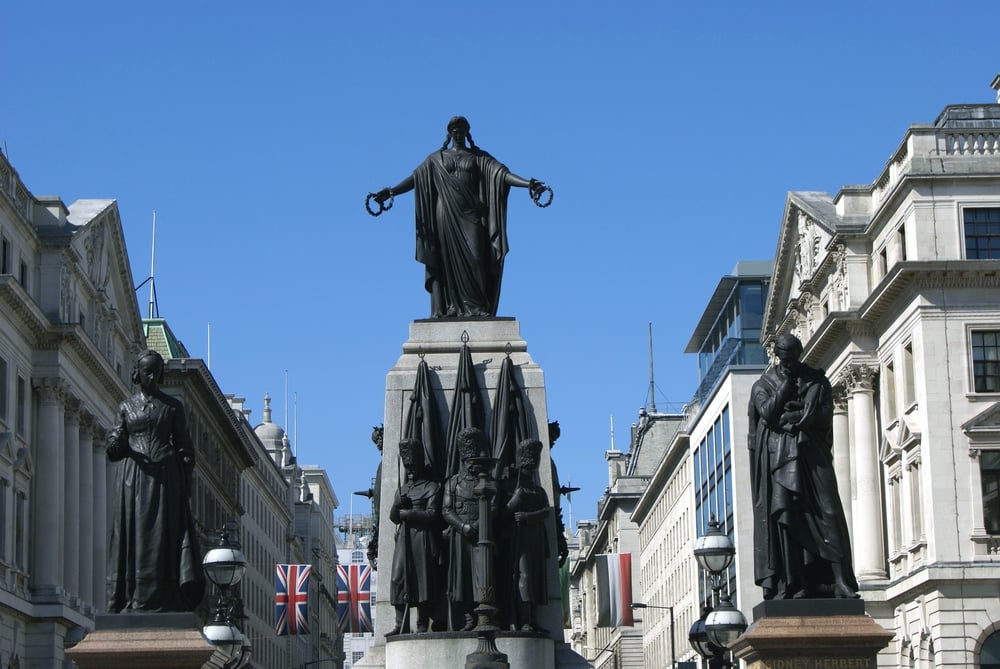
Despite revolutionizing healthcare, Nightingale supported genocide if it meant expanding the British Empire, believing that Indigenous people’s lives were less important than British expansion. She wrote that Indigenous people were inferior and their cultures barbaric, defending the deaths of Indigenous people in schools and hospitals as ‘necessary progress’.
Her humanitarian work in one area coexisted with shocking callousness toward entire populations.
Like Go2Tutors’s content? Follow us on MSN.
J. Edgar Hoover
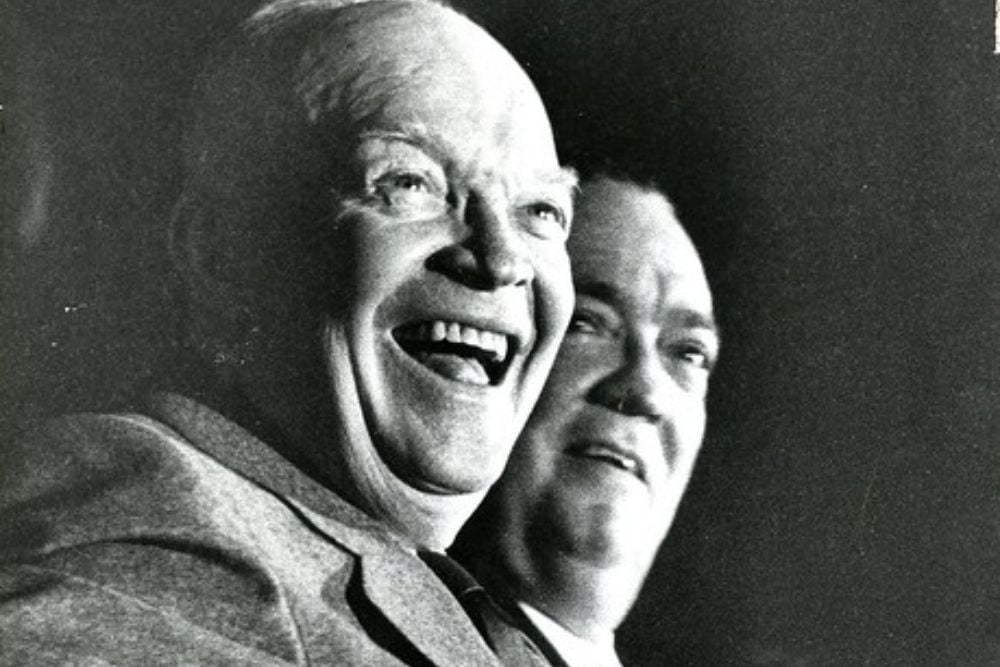
While leading the FBI, Hoover secretly spied on and harassed civil rights leaders like Martin Luther King Jr., attempting to undermine the civil rights movement. He maintained extensive secret files on politicians, celebrities, and activists, using the information for blackmail and political manipulation.
Hoover’s paranoia and abuse of power turned the FBI into his personal surveillance empire, violating the constitutional rights of countless Americans.
The Shadows Behind the Legends

These revelations don’t exist to tear down every historical figure we admire, but rather to remind us that hero worship can be dangerous when it ignores inconvenient truths. The same people who accomplished remarkable things were also capable of remarkable cruelty, prejudice, and moral blindness.
Understanding their complete stories helps us learn from both their triumphs and their failures, making us better equipped to recognize similar patterns in our own time. History is messier and more complicated than the sanitized versions we often learn, but it’s also more human and ultimately more instructive.
More from Go2Tutors!

- 16 Historical Figures Who Were Nothing Like You Think
- 12 Things Sold in the 80s That Are Now Illegal
- 15 VHS Tapes That Could Be Worth Thousands
- 17 Historical “What Ifs” That Would Have Changed Everything
- 18 TV Shows That Vanished Without a Finale
Like Go2Tutors’s content? Follow us on MSN.