14 Photos of Firefighters From the Early 1900s
Photography had become cheap and fast enough by the early 1900s to follow firefighters into the street, which makes this era the first one where the work was widely recorded. The images show leather helmets, horse teams, ladders that were too short, and men working with equipment that looks almost impossible today.
These 14 scenes come from famous fires and daily routines of the period. Each one tells a story that a single frame can only hint at.
The Great Baltimore Fire, 1904
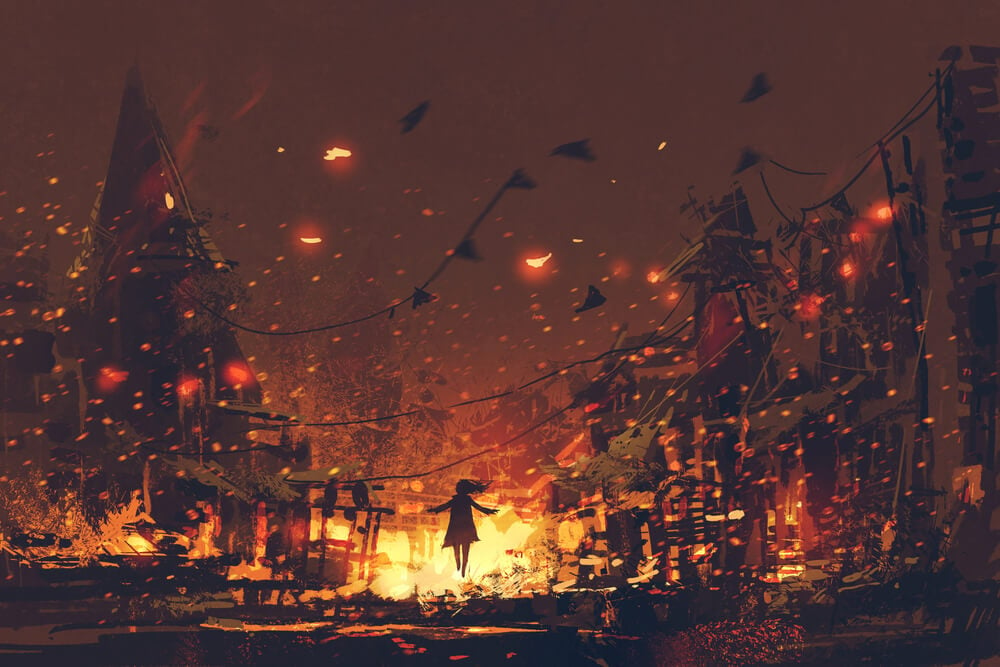
Images of Baltimore’s downtown in February 1904 show blocks of blackened shells after a blaze that burned for about 30 hours and destroyed roughly 1,500 buildings. Fire companies rushed in from Washington, Philadelphia, New York, and other cities, only to find that their hose couplings did not fit Baltimore’s hydrants. The failure became a leading argument for national standards in fire equipment.
San Francisco After the Earthquake, 1906
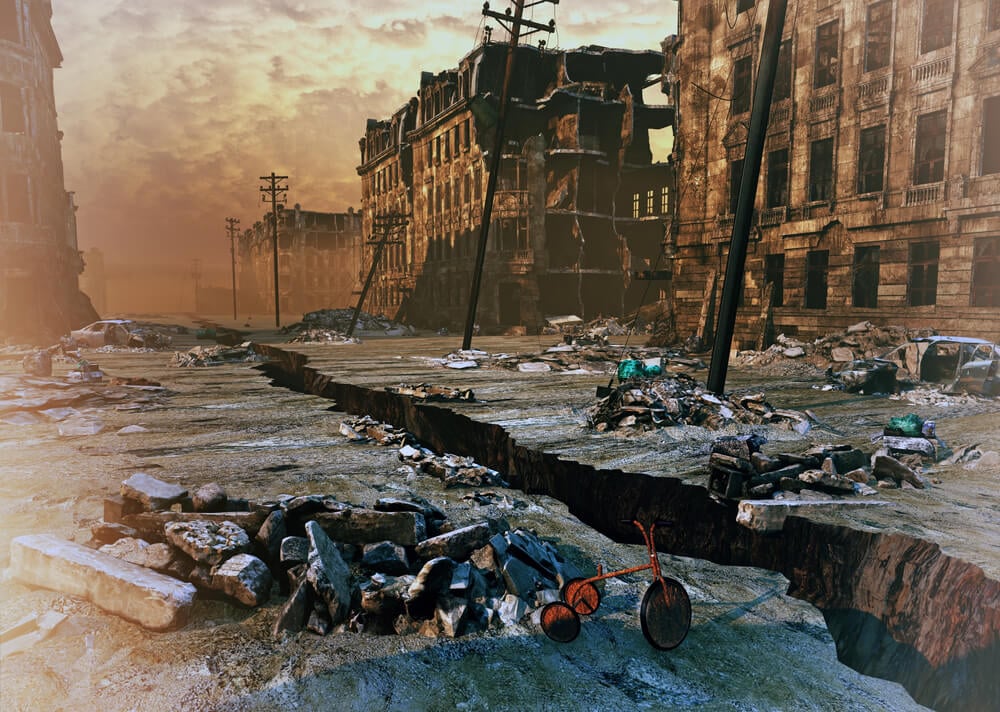
Photographs of the 1906 disaster show firefighters working with broken water mains and flames sweeping through entire neighborhoods. Fire Chief Dennis Sullivan was mortally injured when a chimney crashed through his quarters in the first moments of the quake, leaving the department without its leader. Crews and soldiers used dynamite to make firebreaks, and the images capture the scale of the destruction.
The Triangle Shirtwaist Fire, 1911
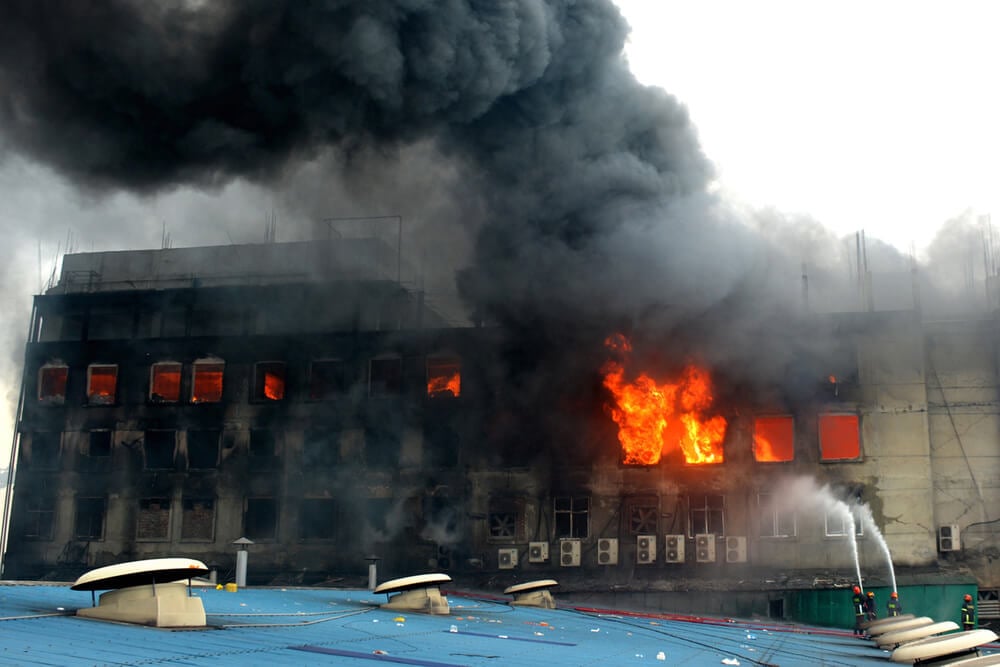
On March 25, 1911, a fire tore through the upper floors of a New York garment factory and killed 146 workers. Firefighters arrived quickly, but their ladders reached only to the sixth floor of a building that had ten. Photographs of the scene helped drive major reforms in fire safety and labor law.
The Chicago Union Stock Yards Fire, 1910
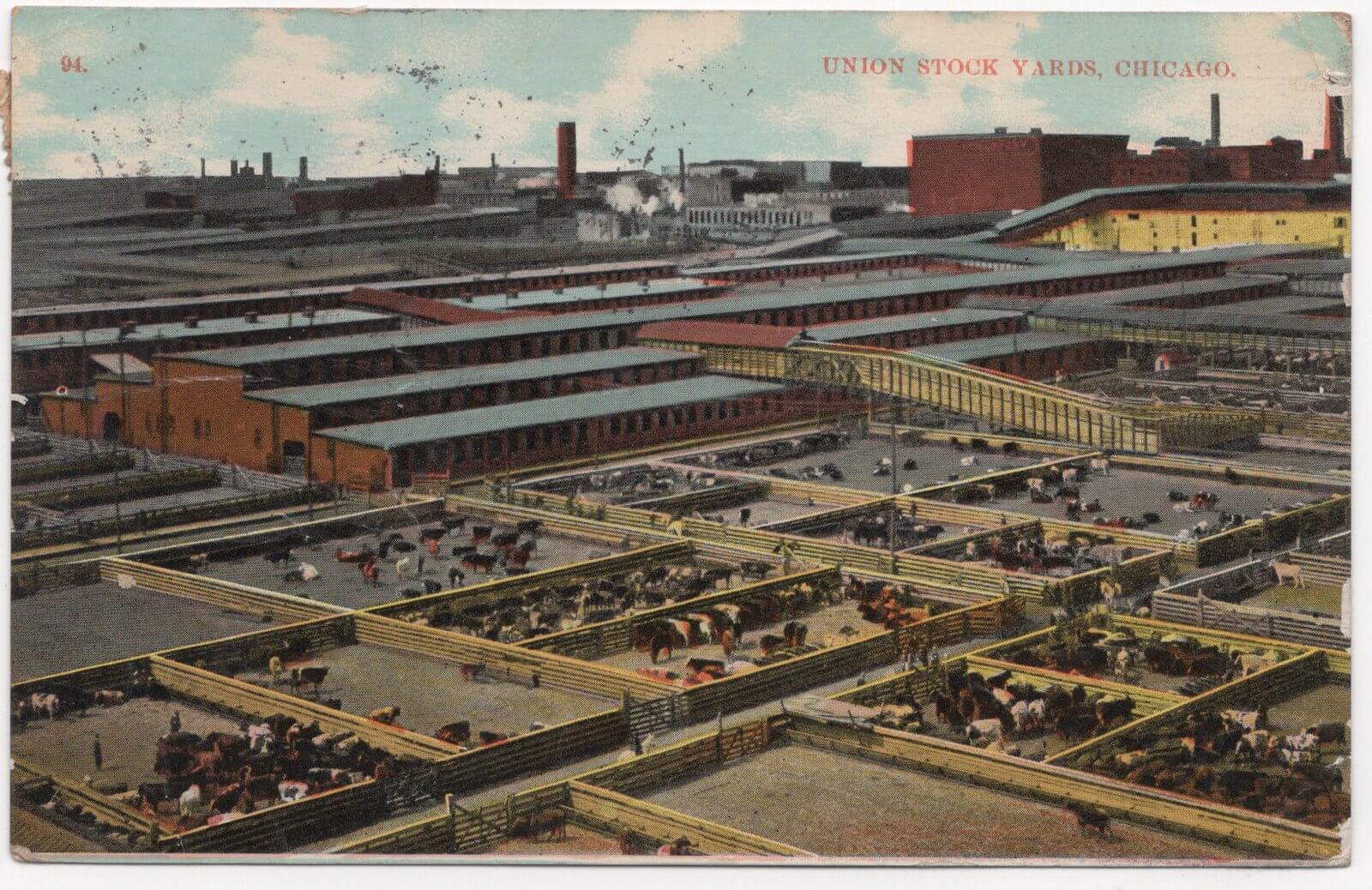
A fire at the Union Stock Yards in Chicago on December 22, 1910, ended with a wall collapsing on firefighters who were working beneath it. Twenty-one firefighters died, including the fire marshal, making it the deadliest day in the department’s history. Photographs of the aftermath show the ruined walls and the crews who kept searching through the wreckage.
The Equitable Building Fire, New York, 1912
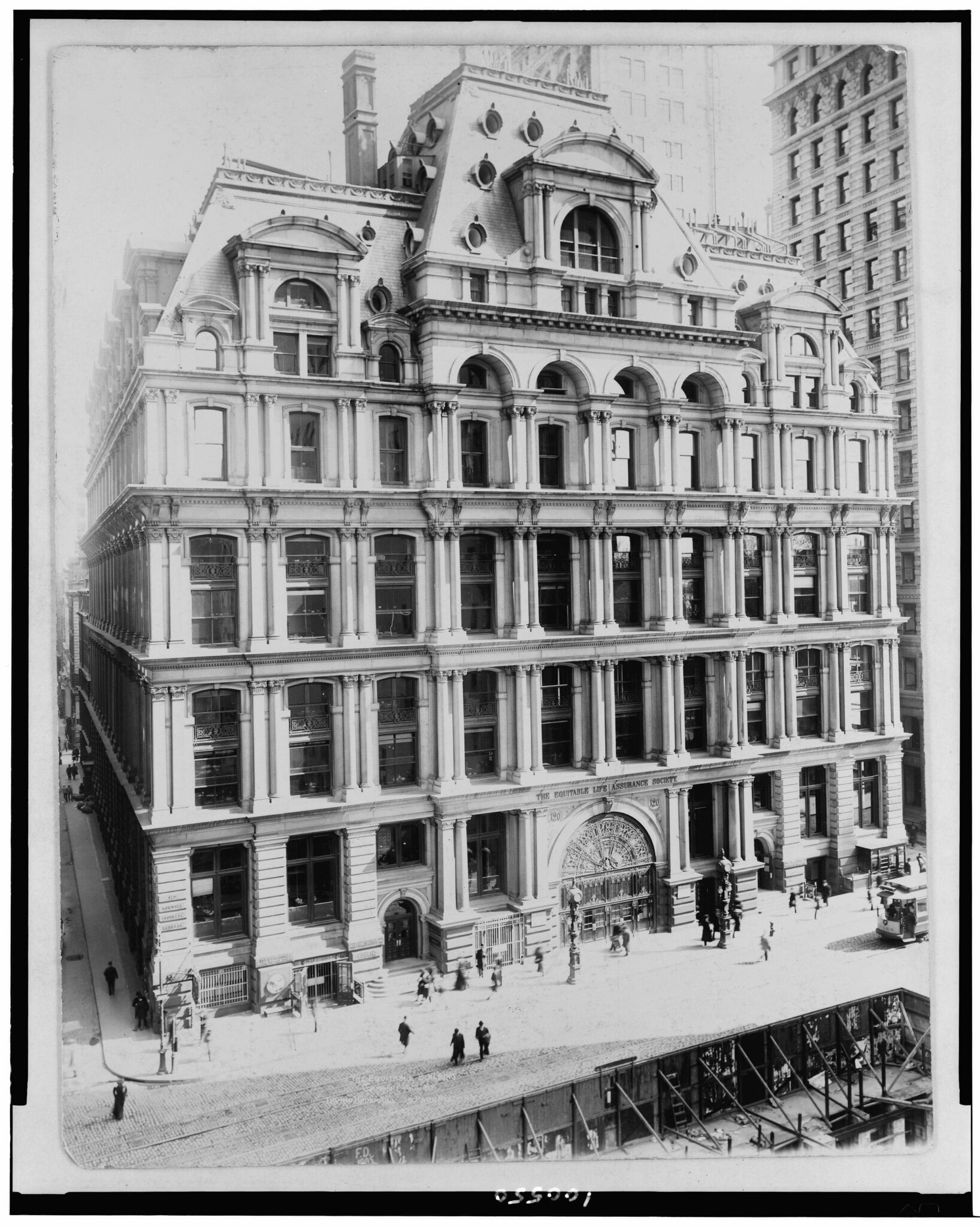
In January 1912, a fire swept through the Equitable Life Building on lower Broadway during a bitter cold snap. Photographs show the ruins coated in thick ice, with icicles hanging from every ledge where the firefighters’ water froze. Several people died, including a battalion chief.
The Iroquois Theatre Fire, Chicago, 1903
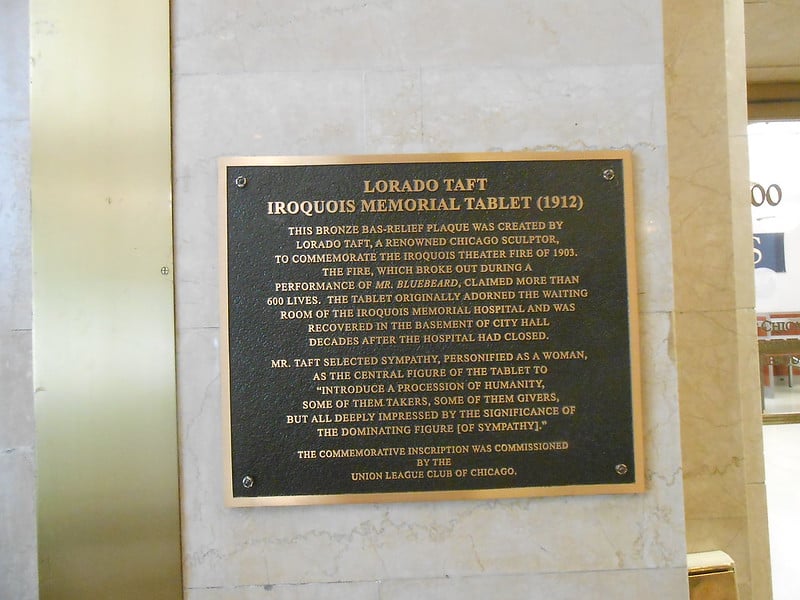
The Iroquois Theatre was advertised as fireproof when it opened in late 1903, yet a fire during a crowded matinee on December 30 killed at least 600 people, mostly women and children. It remains the deadliest single-building fire in American history. Images of the aftermath show the alley behind the theater where firefighters and police carried out victims.
The Ottawa-Hull Fire, 1900
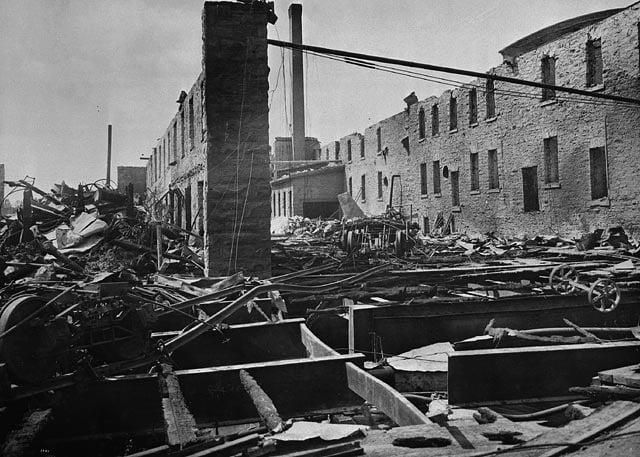
On April 26, 1900, a fire on the Quebec side of the Ottawa River destroyed about two-thirds of the city of Hull and then spread across into Ottawa. Photographs show chimneys standing alone among miles of ash. Thousands of people were left homeless, and crews from both cities fought the flames for hours.
The Great Fire of Jacksonville, 1901
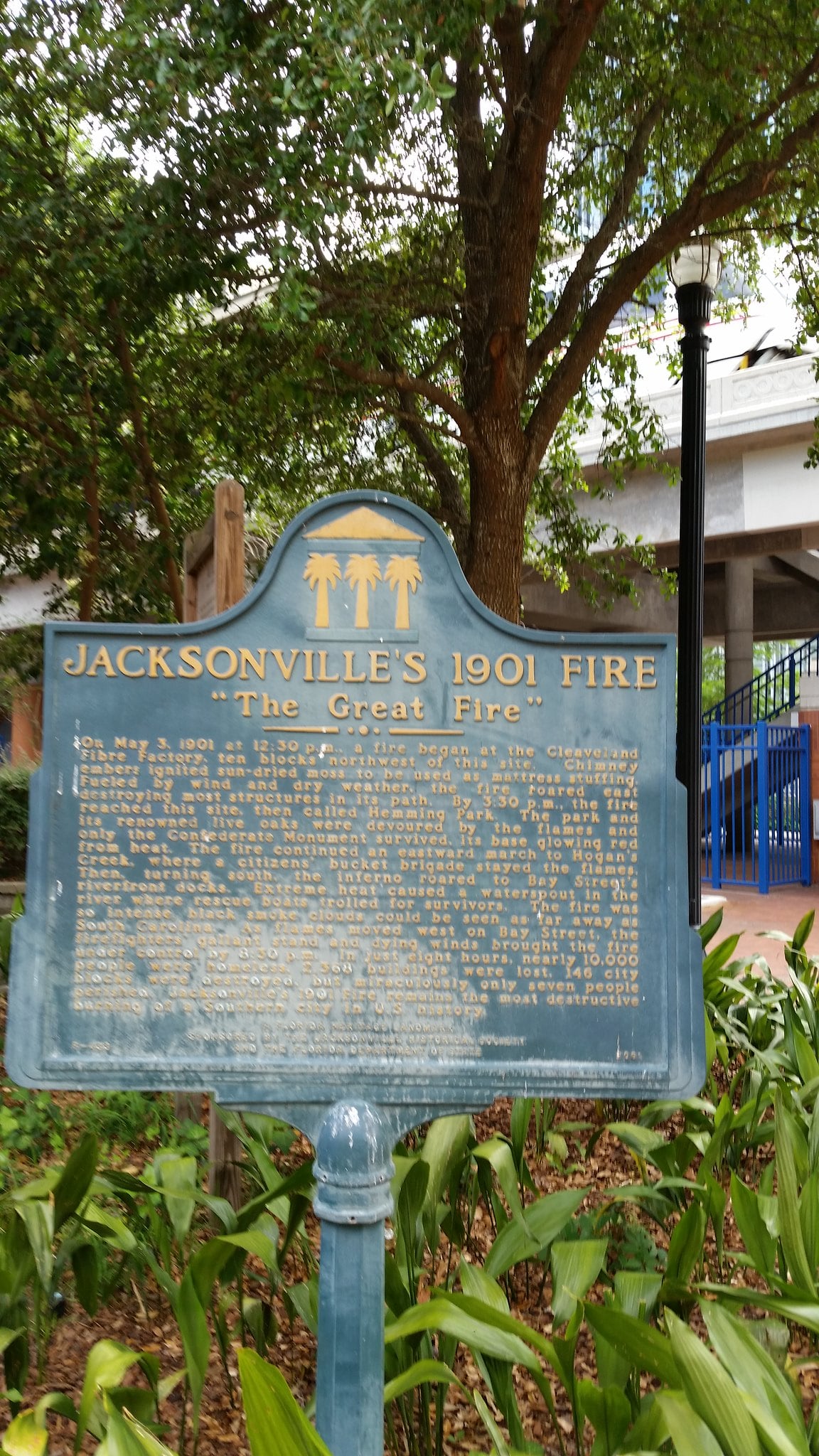
A fire at a fiber factory in Jacksonville, Florida, on May 3, 1901, grew into a blaze that destroyed 146 city blocks and roughly 2,000 buildings. About 10,000 people lost their homes. Photographs show survivors sorting through the ruins of the downtown, which was rebuilt over the following years.
The Big Burn, Idaho and Montana, 1910
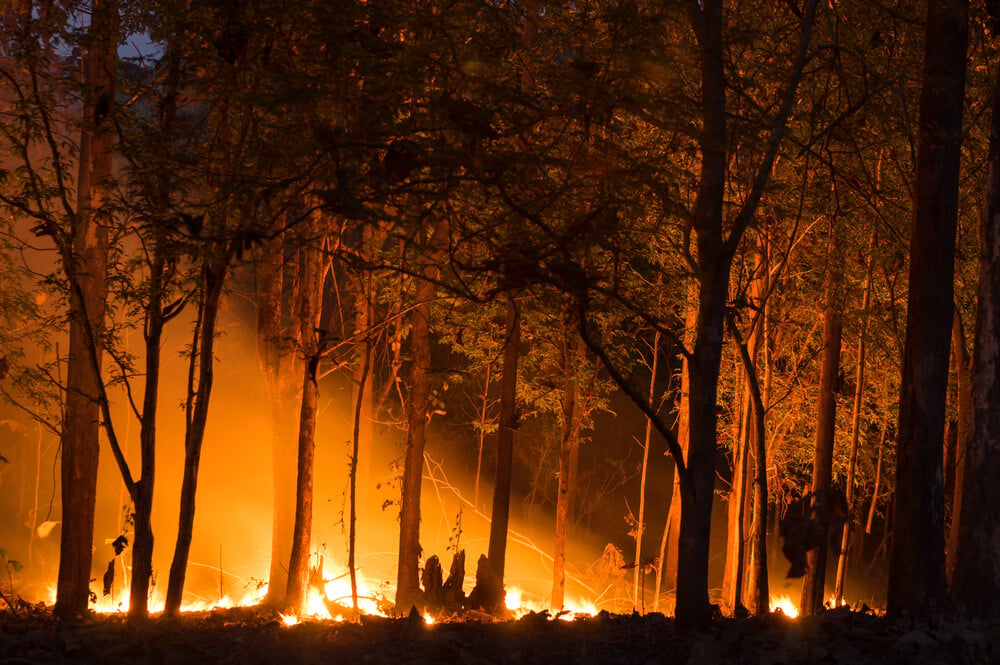
In August 1910, wildfires swept across about three million acres of the Northern Rockies, and 85 people died, most of them firefighters. Forest Service ranger Edward Pulaski led around 40 men into an abandoned mine tunnel and reportedly held them there at gunpoint to stop them from running out. Almost all of them survived, and the Pulaski firefighting tool is named for him.
The Halifax Explosion, 1917
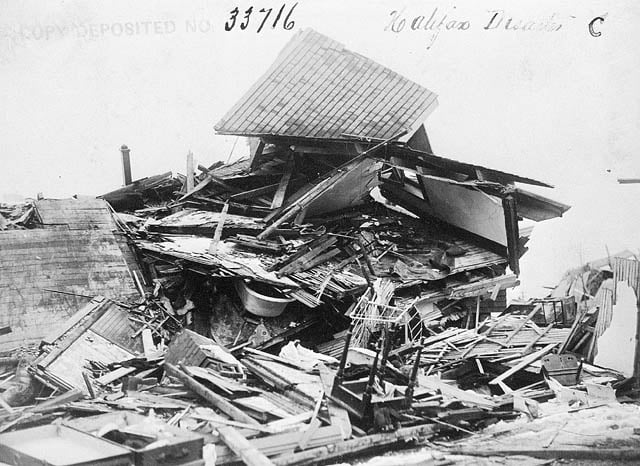
When the ship Mont-Blanc caught fire in Halifax Harbour in December 1917, the city’s firefighters raced to the waterfront in a new motorized pumper called the Patricia. They had no idea the ship was loaded with explosives. The blast killed Fire Chief Edward Condon and Deputy Chief William Brunt, and the destroyed Patricia is shown in photographs of the devastated docks.
The Fire Horse Team
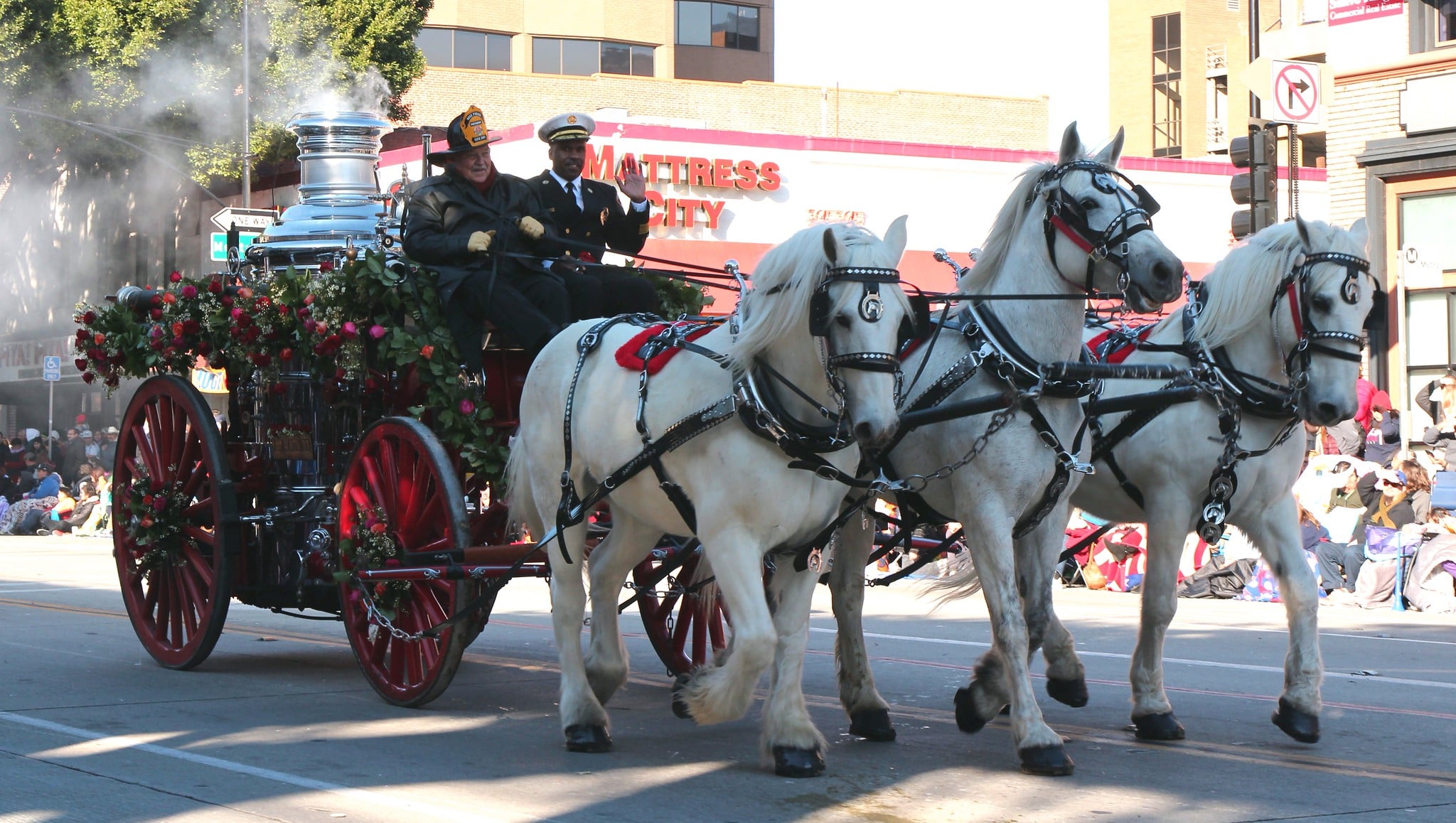
Photographs of early firehouses show teams of horses standing under harnesses suspended from the ceiling. When the alarm bell sounded, the stall doors opened and the horses stepped into place, so the harness could be dropped on them in seconds. The system allowed engines to be on the road in far less time than a normal hitch would take.
The Firehouse Dalmatian
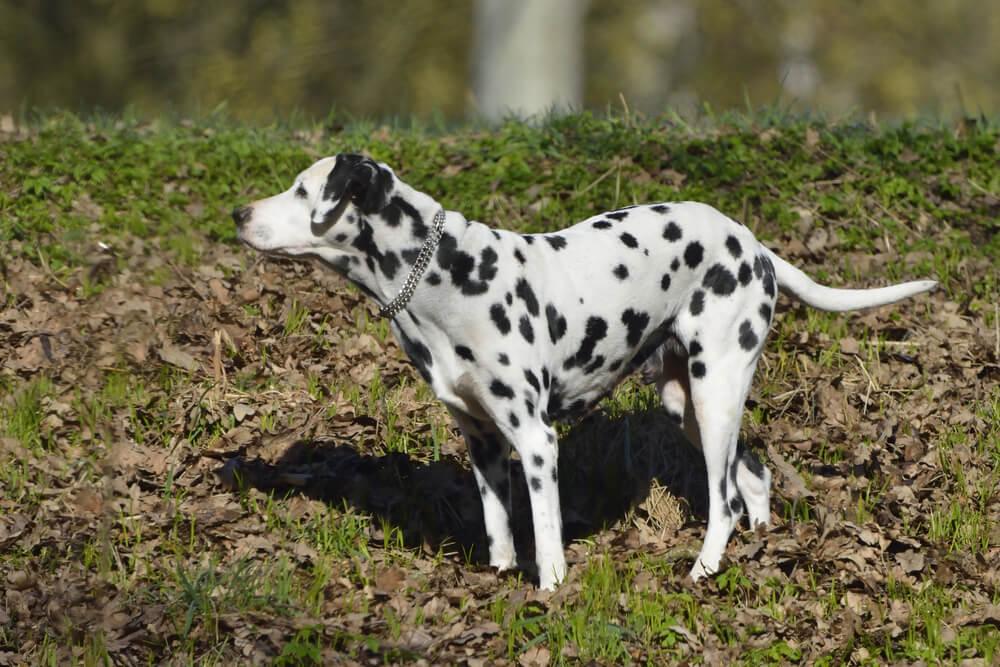
Dalmatians were known as carriage dogs and were trained to run alongside horse-drawn equipment and keep horses calm. In photographs, they stand beside the engines at attention, often with a firefighter’s hand on their collar. The association between Dalmatians and firehouses has outlasted the horses by a century.
The Sliding Pole
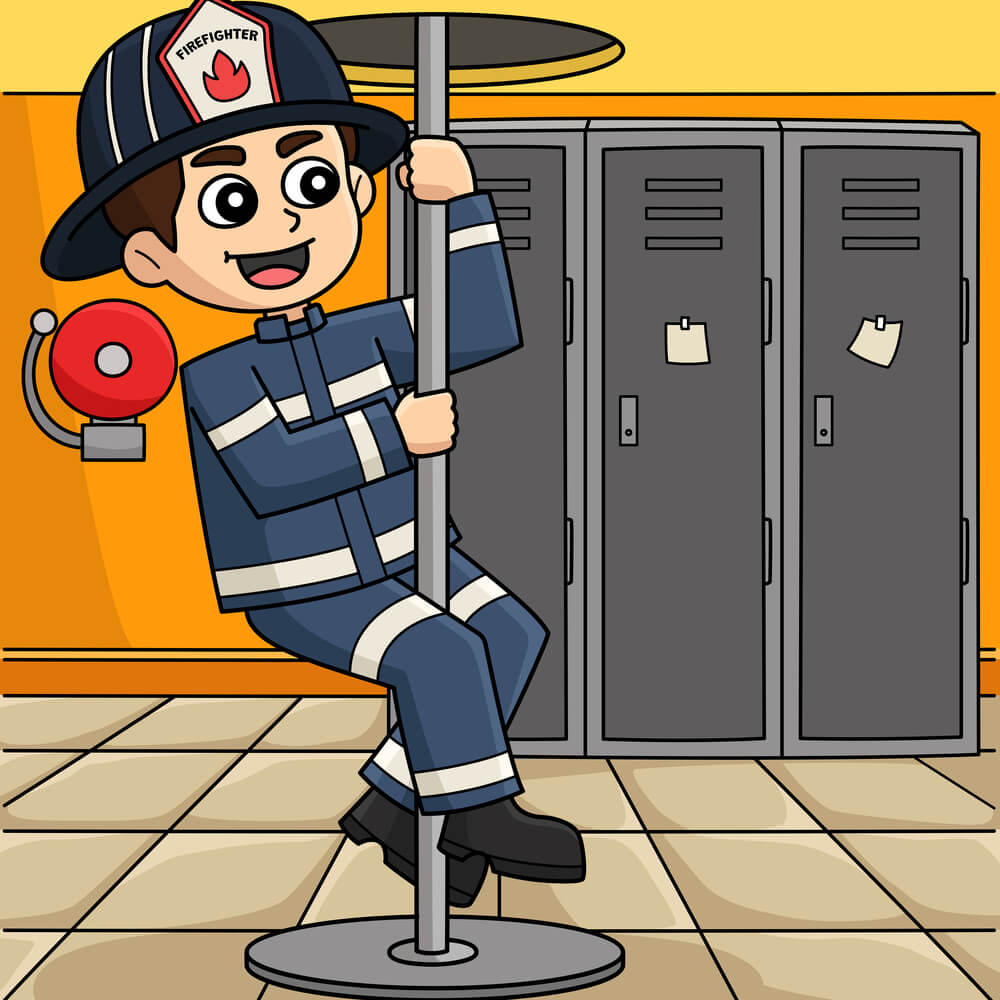
Chicago fire captain David Kenyon is credited with introducing the sliding pole in 1878 as a faster way to reach the engine floor than the stairs. By the early 1900s, brass poles were installed in firehouses across the country. Pictures of crews dropping through the hatch show how quickly a team could get out the door.
The Last Horse-Drawn Engines
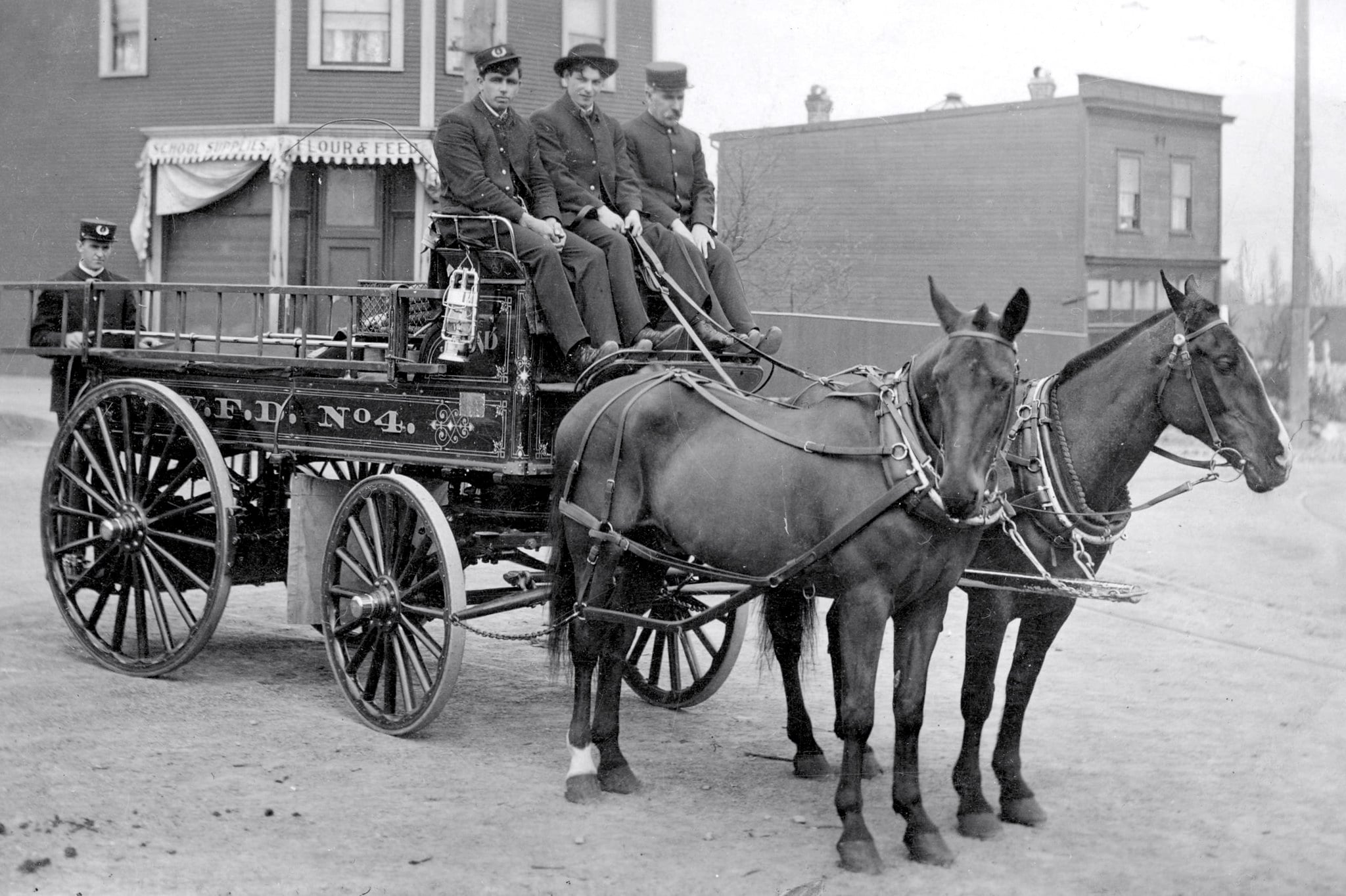
By the 1920s, motorized pumpers had almost completely replaced horse teams, and photographs capture the transition on the same street. New York City retired its last horse-drawn fire engine in 1922. The change ended an era in which the speed of a department was measured by the strength of its horses.
What the Cameras Caught
The photographs from this era show how much of firefighting depended on improvisation. Hoses did not match, ladders were too short, and water often ran out before the fire did. Many of the worst disasters led directly to new rules, from standard couplings to better exits and sprinkler systems.
They also show the people behind the equipment, standing in leather helmets with soot on their faces and determination in their eyes. Their expressions look weary, proud, and sometimes defiant. A century later, the images remain a reminder that safety standards are written, more often than not, in response to someone else’s worst day.
More from Go2Tutors!

- 27 Silver Dollars and Half Dollars Worth Keeping
- 28 Restaurant Menu Items Nobody Orders Anymore
- 17 Places Built in Seemingly Impossible Spots
- 27 Vintage Rings Worth More Than They Look
- 25 Restricted Sites Tourists Can’t Enter
Like Go2Tutors’s content? Follow us on MSN.