15 Mines With Catastrophic Collapse Histories
Mining has always been a dangerous profession, but some operations have faced disasters that reshaped entire communities and changed safety regulations forever. When underground workings fail catastrophically, the results can be devastating—from sudden cave-ins that trap workers to massive surface subsidence that swallows buildings whole.
Here is a list of 15 mines that experienced some of the most devastating collapse disasters in mining history.
Centralia Mine
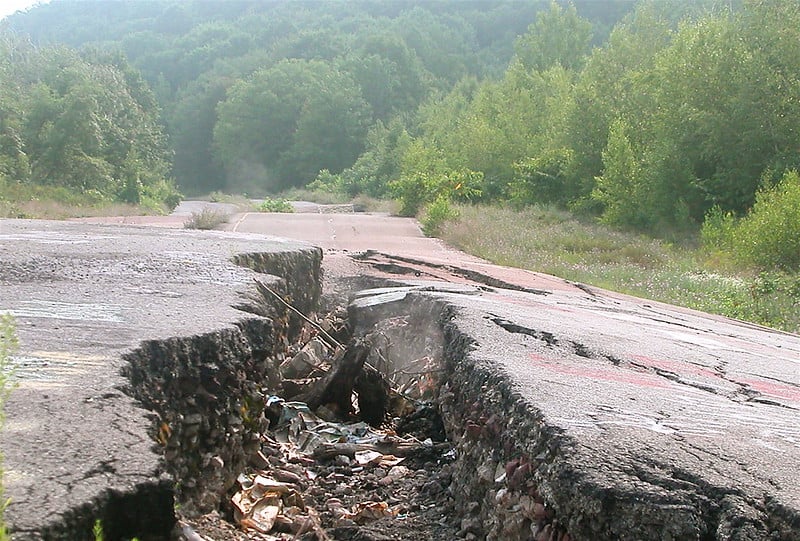
The Centralia coal mine in Pennsylvania became the site of an underground fire that started in 1962 and continues burning today. While not a traditional collapse, the fire caused extensive underground voids and surface subsidence that forced the evacuation of nearly the entire town. The fire spread through coal seams, creating dangerous conditions and releasing toxic gases that made the area uninhabitable. Today, only a handful of residents remain in what was once a thriving community of over 1,000 people.
Coalbrook Mine
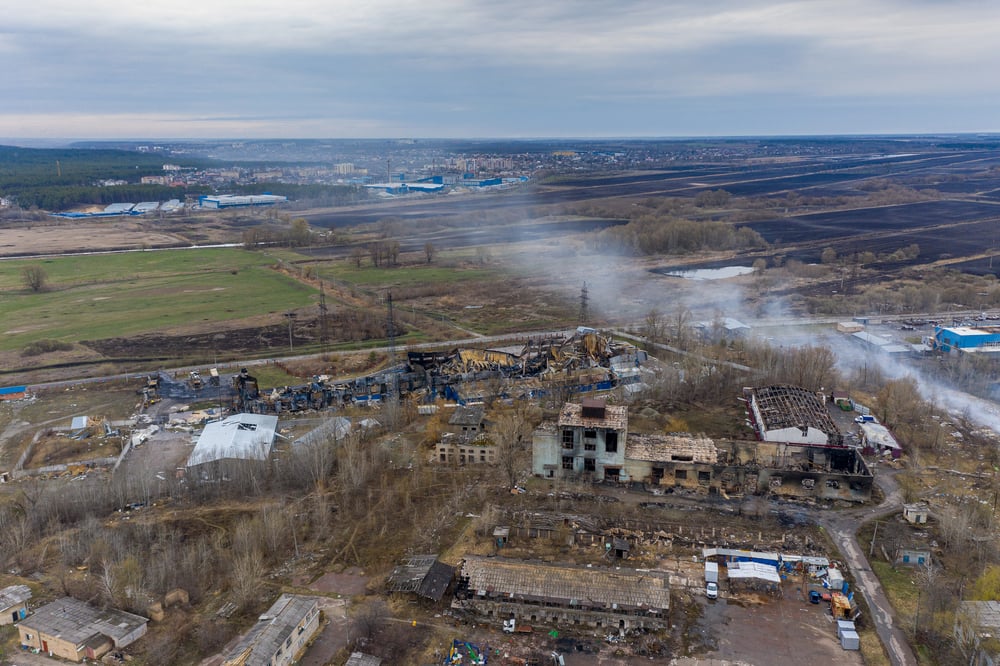
South Africa’s Coalbrook Mine disaster in 1960 remains one of the worst mining accidents in the country’s history. The mine’s pillar-and-stall extraction method created unstable conditions that led to a massive cave-in on January 21, 1960. The collapse trapped 437 miners underground, with only 18 survivors rescued after the disaster. The incident highlighted the dangers of leaving insufficient coal pillars to support the mine roof, leading to significant changes in South African mining regulations.
Crandall Canyon Mine
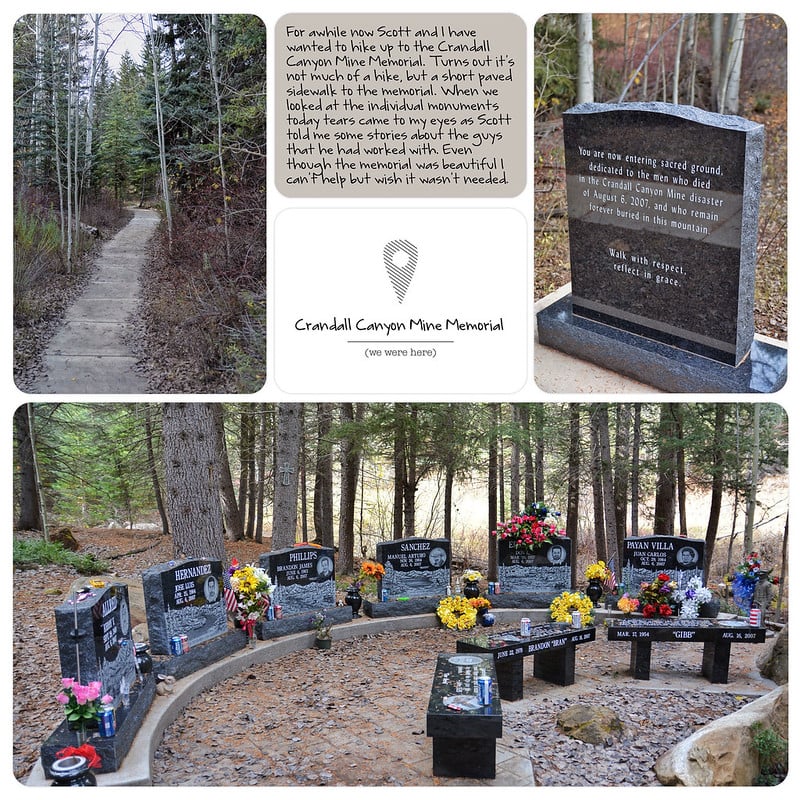
Utah’s Crandall Canyon Mine experienced a devastating collapse in August 2007 that killed six miners and three rescue workers. The mine had been using controversial retreat mining techniques, where coal pillars supporting the roof are systematically removed. Seismic activity measuring 3.9 on the Richter scale accompanied the collapse, indicating the massive scale of the underground failure. The disaster sparked intense debate about retreat mining practices and ultimately led to stricter federal oversight of such operations.
Buffalo Creek

The Buffalo Creek disaster of 1972 wasn’t a traditional mine collapse but resulted from the failure of a coal waste dam in West Virginia. The dam, built from mining refuse, collapsed after heavy rains, releasing 132 million gallons of black wastewater down the narrow valley. The flood destroyed 16 communities and killed 125 people while leaving over 4,000 homeless. This tragedy demonstrated how mining infrastructure failures can be just as deadly as underground collapses.
Sago Mine
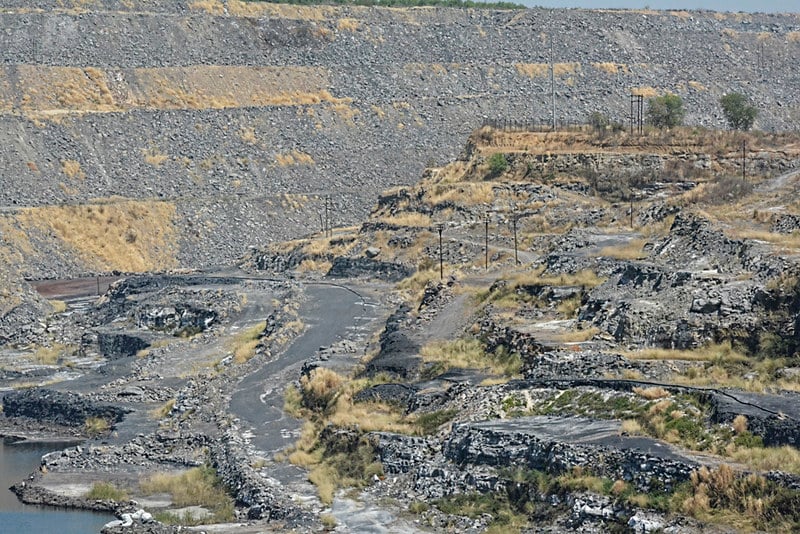
West Virginia’s Sago Mine became synonymous with mining tragedy after a methane explosion and subsequent roof collapse in January 2006. The disaster initially trapped 13 miners underground, with confusion over their fate causing additional anguish for families. Only one miner survived the ordeal, which was caused by lightning that ignited methane gas, leading to an explosion and roof collapse. The incident prompted new federal regulations requiring better emergency communication systems in mines.
Big Branch Mine

The Big Branch Mine in West Virginia experienced a methane explosion in 2010 that killed 29 miners, making it the worst U.S. mining disaster in four decades. Poor ventilation allowed methane gas to accumulate, and when it ignited, the explosion caused widespread roof collapses throughout the mine. Investigators found that the mine operator had repeatedly violated safety regulations and covered up dangerous conditions. The disaster led to criminal charges against mine executives and stricter enforcement of safety standards.
Monongah Mine
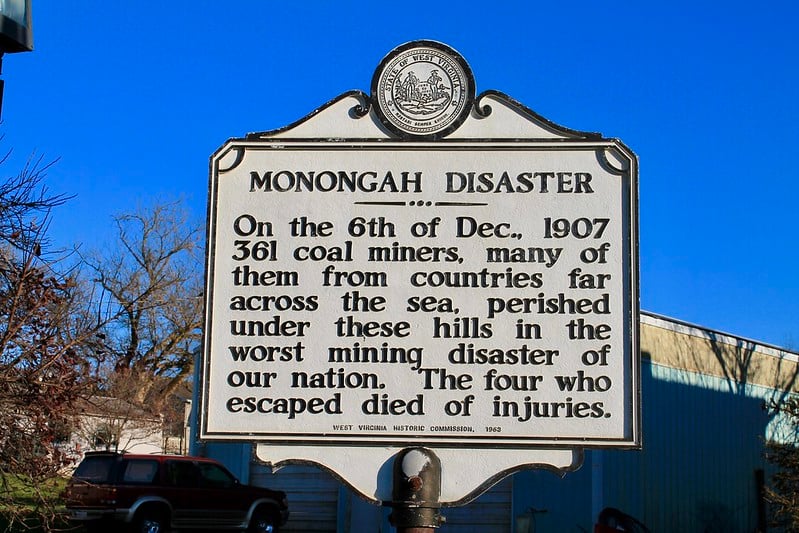
The Monongah Mine disaster of 1907 in West Virginia remains one of the deadliest mining accidents in U.S. history. A methane explosion followed by roof collapses killed at least 362 miners, though some estimates put the death toll even higher. The explosion was so powerful it could be felt miles away, and the subsequent collapses made rescue efforts nearly impossible. This tragedy helped spur the creation of the U.S. Bureau of Mines and the first federal mine safety regulations.
Soma Mine
Turkey’s Soma Mine experienced a catastrophic fire and collapse in 2014 that killed 301 miners. The fire started in a coal seam and spread rapidly through the mine, creating toxic carbon monoxide gas while causing structural collapses. Many miners were trapped underground for hours before rescue teams could reach them. The disaster exposed serious safety deficiencies in Turkish mining operations and led to widespread protests demanding better worker protections.
Pike River Mine
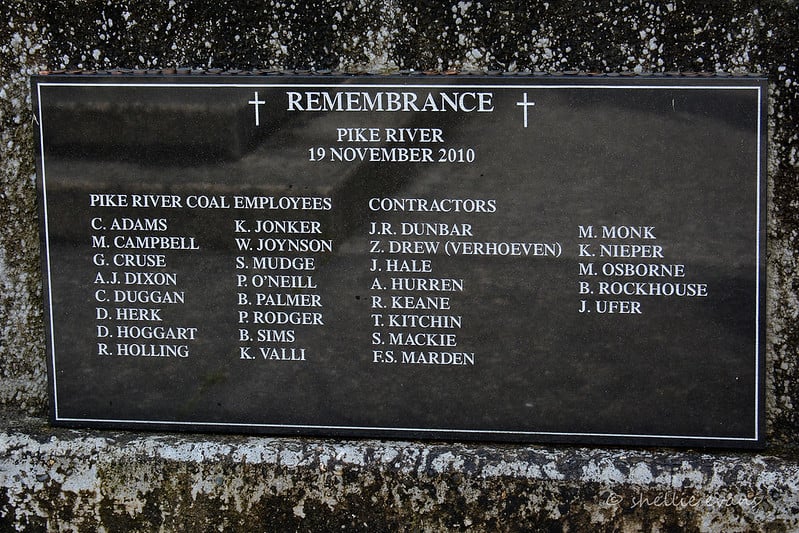
New Zealand’s Pike River Mine suffered a series of explosions in 2010 that led to extensive underground collapses. The initial methane explosion killed 29 miners, and subsequent explosions made the mine too dangerous for immediate rescue attempts. The disasters caused significant structural damage throughout the underground workings. It took nearly a decade before authorities could safely enter parts of the mine to recover remains, highlighting how collapses can make rescue operations virtually impossible.
Westray Mine
Canada’s Westray Mine in Nova Scotia experienced a methane explosion in 1992 that caused extensive roof collapses and killed 26 miners. The explosion originated from accumulated methane gas and spread through the underground workings, causing structural failures that trapped miners. Investigators found that safety violations and poor ventilation practices contributed to the dangerous conditions. The disaster became a landmark case in Canadian mining law, leading to criminal charges against mine managers and new legislation holding employers criminally liable for workplace deaths.
Sunshine Mine

Idaho’s Sunshine Mine fire in 1972 led to underground structural failures that killed 91 miners. While the initial cause was a fire rather than a collapse, the disaster caused significant underground instability and roof falls. The fire burned for days, creating dangerous conditions that made rescue efforts extremely hazardous. Carbon monoxide poisoning was the primary cause of death, but structural collapses also contributed to the tragedy.
Quecreek Mine

Pennsylvania’s Quecreek Mine experienced a dramatic water inrush in 2002 that threatened to cause catastrophic structural collapse. When miners accidentally breached an abandoned mine filled with water, 50 million gallons flooded into their workings. The sudden water pressure created severe structural instability throughout the mine. Fortunately, all nine trapped miners were rescued after 77 hours underground, but the incident demonstrated how quickly underground conditions can deteriorate.
Springhill Mine

Nova Scotia’s Springhill Mine suffered multiple disasters throughout its operating history, including devastating collapses in 1891, 1956, and 1958. The 1958 ‘bump’ was particularly severe, caused by sudden rock movement that created massive underground collapses. The seismic event measured 1.6 on the Richter scale and killed 75 miners while trapping many others. These disasters eventually led to the mine’s closure and highlighted the geological instability that can plague deep underground operations.
Lassing Mine

Austria’s Lassing Mine collapse in 1998 killed 10 miners when a tunnel roof suddenly gave way. The disaster occurred in a talc mine where geological conditions created unstable overhead rock formations. Poor ground support and inadequate safety measures contributed to the catastrophic failure. The collapse happened so suddenly that miners had no warning, demonstrating how quickly underground conditions can change from stable to deadly.
Cherry Mine

Illinois’s Cherry Mine disaster of 1909 combined fire and structural collapse to create one of America’s worst mining tragedies. The fire started from a hay car and spread through the mine, weakening timber supports and causing extensive roof collapses. The disaster killed 259 miners and led to significant changes in mine fire prevention and escape procedures. The combination of fire and structural failure made rescue efforts extremely difficult and highlighted the interconnected nature of underground mining hazards.
Learning From Underground Disasters
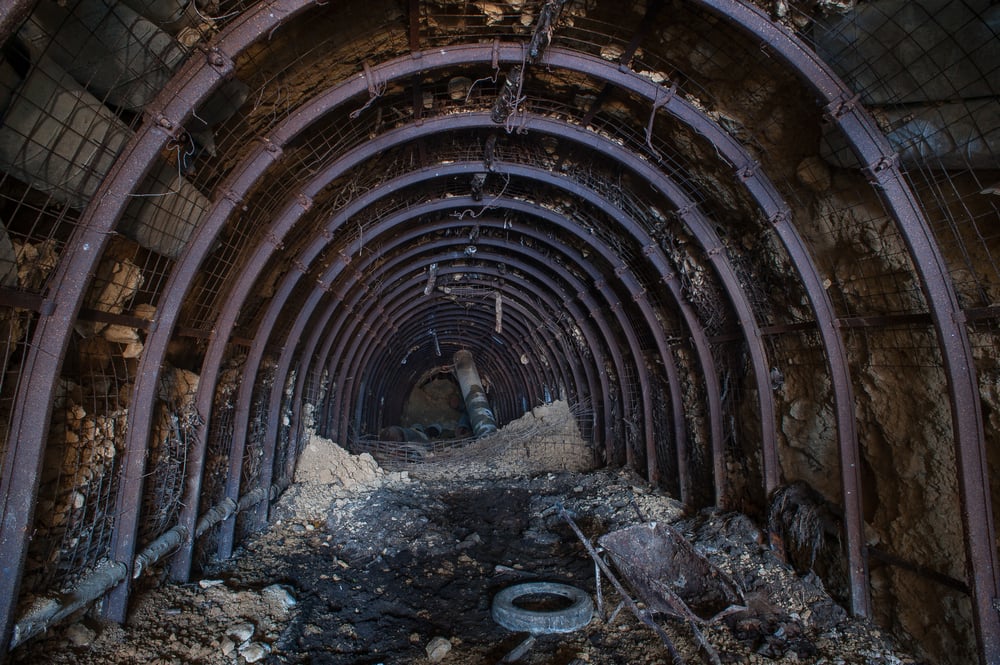
These catastrophic mine collapses span more than a century and multiple continents, yet they share common themes of inadequate safety measures, dangerous working conditions, and the devastating human cost of industrial accidents. Each disaster contributed to evolving mining safety regulations and rescue techniques, though progress often came at a terrible price. The mining industry continues to face geological challenges and safety risks, but modern technology and stricter regulations have significantly reduced the frequency of such catastrophic failures. These historical disasters serve as sobering reminders of the importance of prioritizing worker safety over production profits in one of the world’s most dangerous industries.
More from Go2Tutors!

- The Romanov Crown Jewels and Their Tragic Fate
- 13 Historical Mysteries That Science Still Can’t Solve
- Famous Hoaxes That Fooled the World for Years
- 15 Child Stars with Tragic Adult Lives
- 16 Famous Jewelry Pieces in History
Like Go2Tutors’s content? Follow us on MSN.