20 Famous Slogans That Were Almost Something Totally Different
We hear them every day—those catchy phrases that stick in our minds and instantly connect us to our favorite brands. But what many people don’t realize is that most iconic slogans went through numerous revisions before becoming the marketing gold we know today.
Behind every famous tagline lies a cutting-room floor littered with rejected alternatives that could have completely changed how we perceive these brands. Here is a list of 20 famous slogans that were almost something completely different, showing just how close we came to a very different advertising landscape.
Nike’s “Just Do It”

Nike’s legendary slogan almost never happened. The sportswear giant initially considered “There Is No Finish Line” as their main tagline before advertising executive Dan Wieden proposed the more direct approach.
Inspired by the final words of convicted murderer Gary Gilmore (“Let’s do it”), Wieden modified the phrase to create what became one of the most recognizable slogans in advertising history.
McDonald’s “I’m Lovin’ It”

Before Justin Timberlake sang the famous “ba-da-ba-ba-ba,” McDonald’s nearly chose “We Love to See You Smile” as its global slogan. The fast-food chain spent over $1.37 billion on the “I’m Lovin’ It” campaign launch in 2003, but internal documents reveal they almost chose the more service-oriented alternative that tested well with families but lacked the youthful appeal they ultimately wanted.
M&M’s “Melts in Your Mouth, Not in Your Hands”

This practical slogan, highlighting the candy’s unique selling point, was nearly replaced with “The Milk Chocolate That Makes Life Sweeter.” Mars executives almost abandoned their functional approach for this more emotional alternative until consumer testing showed people strongly connected with the practical benefit of non-melting chocolate, especially for parents with young children.
De Beers “A Diamond is Forever”
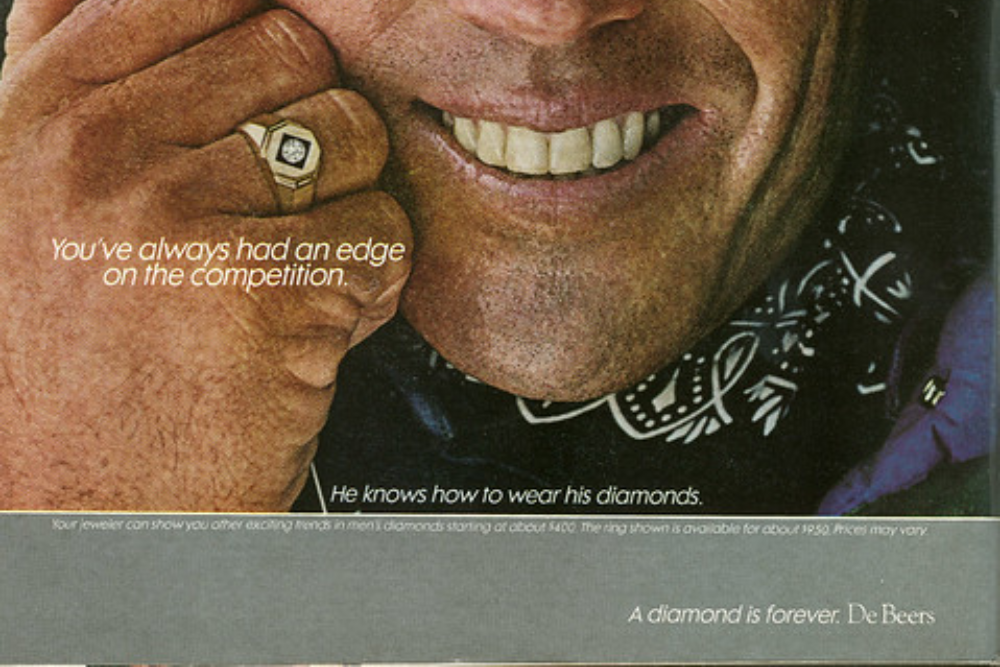
The slogan that transformed diamond engagement rings into a cultural necessity was almost “Diamonds Are a Girl’s Best Friend.” Copywriter Frances Gerety created the immortal “A Diamond is Forever” line in 1947 after rejecting several alternatives.
Her winning phrase not only sold diamonds but created the entire concept of diamond engagement rings as timeless investments.
California Milk Processor Board’s “Got Milk?”

The dairy industry’s famous campaign initially tested the wordy “You Need Milk” and “Milk: It Does Your Body Good” before landing on the brilliantly simple question format. Their research showed the two-word version was more memorable and created a sense of urgency that the alternatives lacked, leading to one of the most parodied and recognized campaigns in advertising.
KFC’s “Finger Lickin’ Good”

This slogan originated accidentally when a KFC manager was spotted licking his fingers during a commercial shoot. Before that happy accident, the chicken chain considered the straightforward “Kentucky’s Best Chicken” as their tagline.
The spontaneous moment captured the enjoyable messiness of eating fried chicken in a way their marketing team couldn’t script.
Apple’s “Think Different”

Before launching the campaign that revitalized their brand image, Apple almost went with “Change the World.” Steve Jobs personally pushed for the grammatically controversial “Think Different” over alternatives because he felt it perfectly captured the rebellious spirit of the company during its comeback phase in the late 1990s.
Wheaties “Breakfast of Champions”
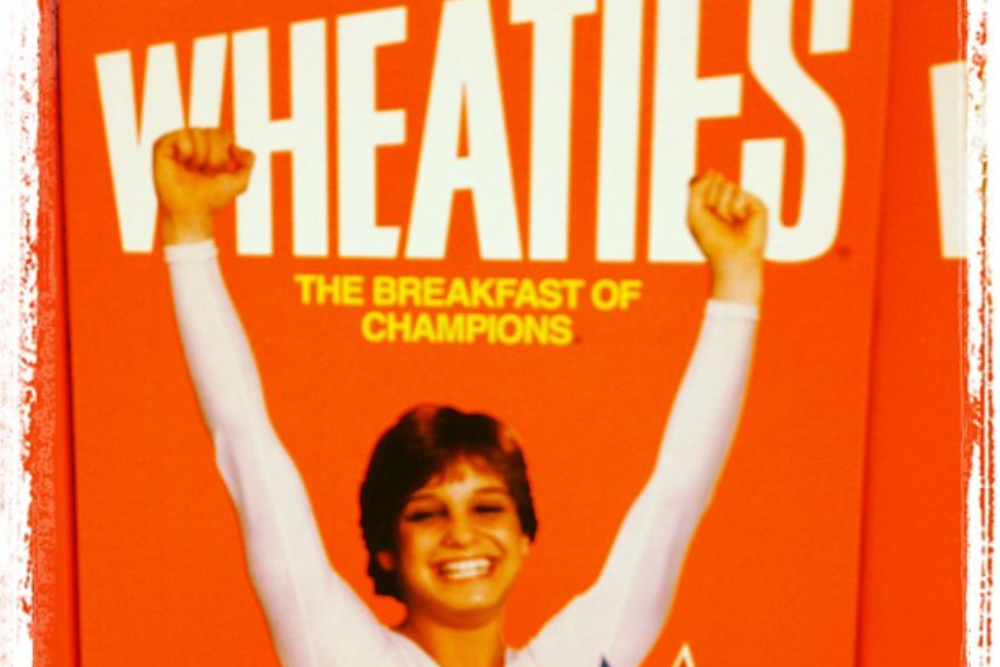
General Mills’ famous cereal slogan was nearly “The Athlete’s Choice” before marketers realized they needed something that appealed to everyday consumers, not just elite athletes. The “Breakfast of Champions” phrase allowed regular people to feel like champions themselves simply by choosing the cereal, creating a much stronger emotional connection.
Las Vegas “What Happens Here, Stays Here”

Sin City’s famous promise of discretion was almost the more pedestrian “Las Vegas: There’s No Comparison.” Tourism officials nearly went with this generic alternative until focus groups overwhelmingly preferred the implication of consequence-free fun that the winning slogan promised visitors.
BMW’s “The Ultimate Driving Machine”

The luxury automaker almost chose “Sheer Driving Pleasure” for its American market campaigns. While this phrase is still used in some international markets, U.S. executives pushed for “Ultimate Driving Machine” because it more boldly staked the claim to driving superiority that resonated with the competitive American luxury car buyer.
Bounty “The Quicker Picker Upper”
Procter & Gamble’s paper towel brand considered “Absorbs More, Works Faster” before landing on their rhythmic, alliterative alternative. Market research showed that consumers remembered the catchy “Quicker Picker Upper” phrase far better, and the playful language made a mundane household product feel more approachable and friendly.
American Express “Don’t Leave Home Without It”

The credit card giant almost went with the forgettable “Membership Has Its Privileges” as their primary message. The winning slogan transformed AmEx from just another payment method into an essential travel companion, creating a sense of security and status that their alternative couldn’t match.
L’Oréal “Because You’re Worth It”

This empowering beauty slogan was revolutionary in 1973 when most cosmetic advertising focused on pleasing men. Before landing on this feminist message, L’Oréal considered “The Science of Beauty” as their tagline.
The change marked the first time a beauty campaign suggested women should indulge in premium products for their own satisfaction rather than for others.
Subway “Eat Fresh”

The sandwich chain nearly launched with “Think Fresh. Eat Fresh” before simplifying to the more direct version we know today. Marketing executives determined the additional “Think” created an unnecessary mental step for consumers and tested less effectively than the straightforward command that directly connected freshness with action.
State Farm “Like a Good Neighbor”

The insurance company’s famous jingle was almost “We’ll Always Be There” until they collaborated with songwriter Barry Manilow to create something more memorable. The neighbor concept humanized the distant concept of insurance by placing State Farm in the role of a helpful community member rather than a faceless corporation.
FedEx “When It Absolutely, Positively Has to Be There Overnight”

This verbose but effective slogan was almost replaced with the simpler “The World On Time” during the company’s early years. FedEx founder Fred Smith insisted on keeping the longer version because it explicitly stated the company’s core promise in terms anyone could understand, setting clear customer expectations.
Allstate “You’re in Good Hands”
This reassuring slogan came from a real-life situation when an Allstate executive’s wife was hospitalized and he stated, “She’s in good hands with the doctor.” Before this personal connection emerged, the company considered “Protection You Can Count On”—a serviceable but forgettable alternative that lacked the human touch.
Verizon “Can You Hear Me Now?”

The wireless carrier nearly went with “America’s Most Reliable Network” before creating their character-driven campaign featuring the persistent tester. While technically accurate, focus groups found the alternative slogan boring and unmemorable compared to the question format that highlighted the real-world frustration of dropped calls.
Dollar Shave Club “Our Blades Are F***ing Great”
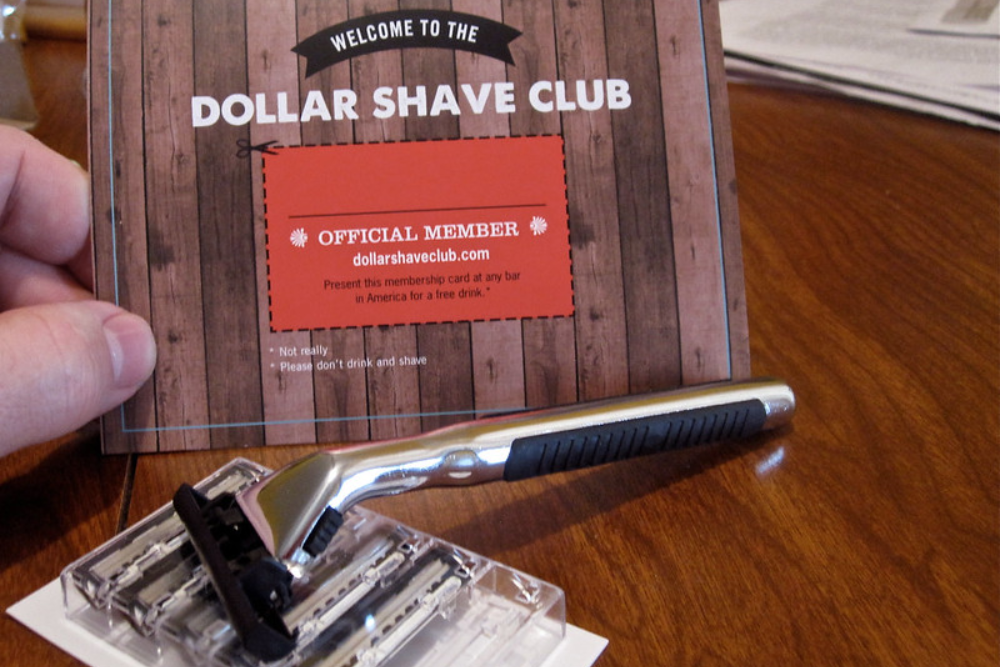
This direct-to-consumer razor company almost launched with the tame “Factory Direct Razors” before founder Michael Dubin decided to take a risk with their viral video campaign. The bold language choice represented a complete departure from the clinical, scientific approach of established brands like Gillette and helped the startup stand out in a crowded market.
Mastercard “There Are Some Things Money Can’t Buy. For Everything Else, There’s Mastercard”

This philosophical approach was nearly abandoned for “The Best Way to Pay” during development. Marketing executives ultimately chose the longer, more meaningful alternative because it positioned Mastercard not just as a payment method but as a gateway to experiences, creating an emotional connection that a purely functional slogan couldn’t achieve.
Brand Legacies and Alternate Realities

These near-misses in advertising history show how fragile brand identities can be. Each alternative slogan would have positioned these companies differently in our cultural consciousness, potentially changing their market position and customer perception.
The rejected options reveal the careful balance marketers must strike between memorability, functionality, and emotional resonance when distilling a brand’s entire identity into just a few words. The slogans we remember aren’t just clever phrases—they’re cultural artifacts that shape how we think about products and services in our daily lives.
They demonstrate that in advertising, as in life, the smallest choices can lead to dramatically different destinations.
More from Go2Tutors!

- The Romanov Crown Jewels and Their Tragic Fate
- 13 Historical Mysteries That Science Still Can’t Solve
- Famous Hoaxes That Fooled the World for Years
- 15 Child Stars with Tragic Adult Lives
- 16 Famous Jewelry Pieces in History
Like Go2Tutors’s content? Follow us on MSN.