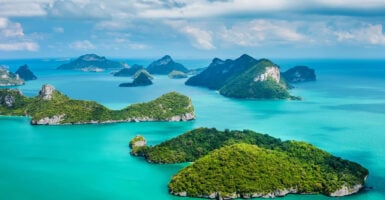
Islands Where Hardly Anyone Lives
Some islands are small enough that everyone could fit around a single dinner table. Others are so far from anywhere that the nearest neighbor is a long sea voyage away. The people who live on them tend to know exactly who will answer the door.
Life on these islands runs on ferry timetables, weather forecasts, and favors. The details are stranger and more specific than any postcard suggests.
Tristan da Cunha, Where the Capital Is a Single Village
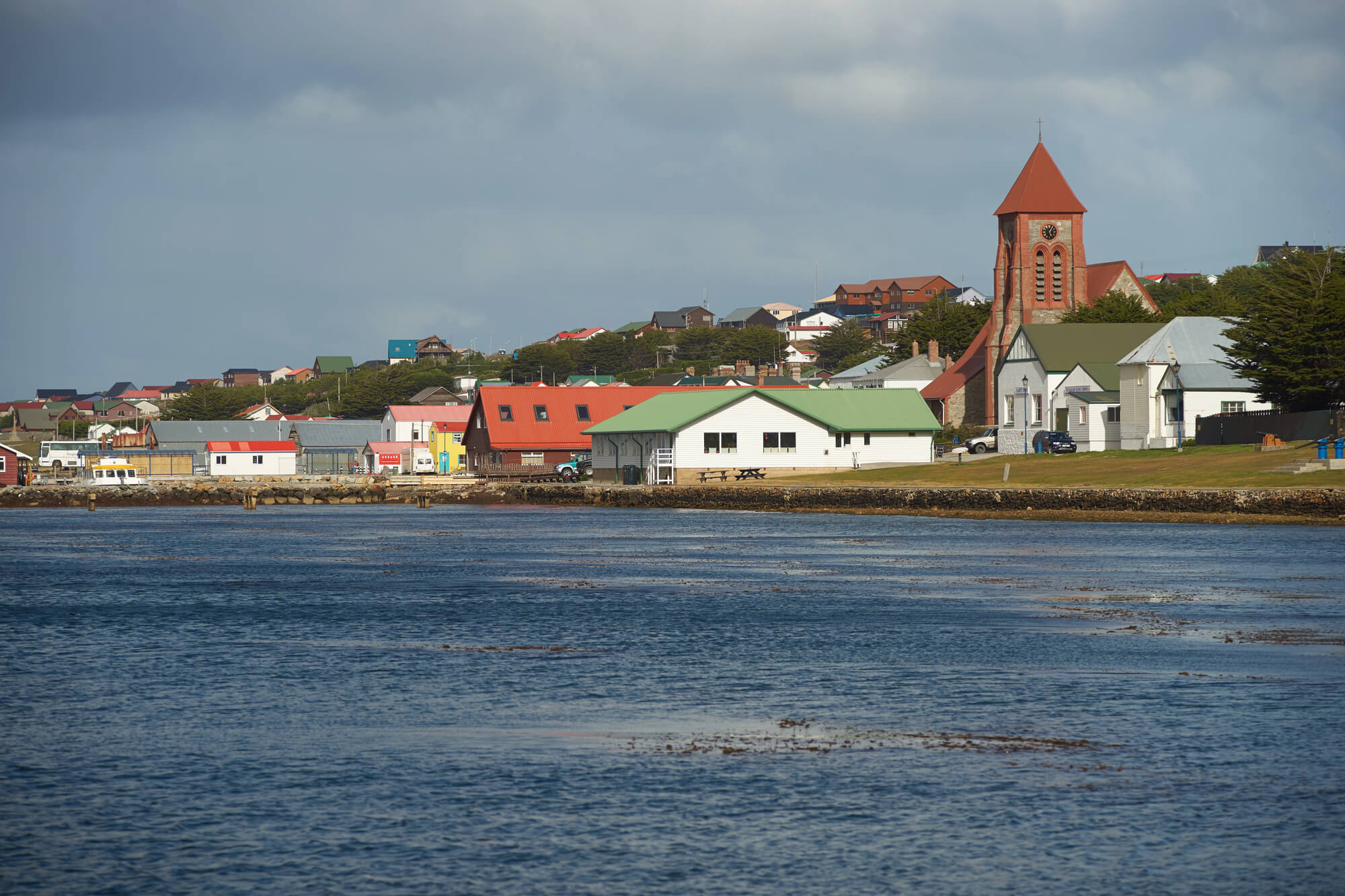
Tristan da Cunha sits in the South Atlantic, widely regarded as the most remote inhabited island in the world, with thousands of miles of open ocean in every direction. Its only settlement is called Edinburgh of the Seven Seas, and nearly everyone on the island lives there.
In 1961 a volcanic eruption forced the entire population to be evacuated to England, and in 1963 most of them chose to return to the island. Visitors arrive by ship, and the schedule depends heavily on the sea.
Pitcairn, the Last Refuge of the Bounty Mutineers
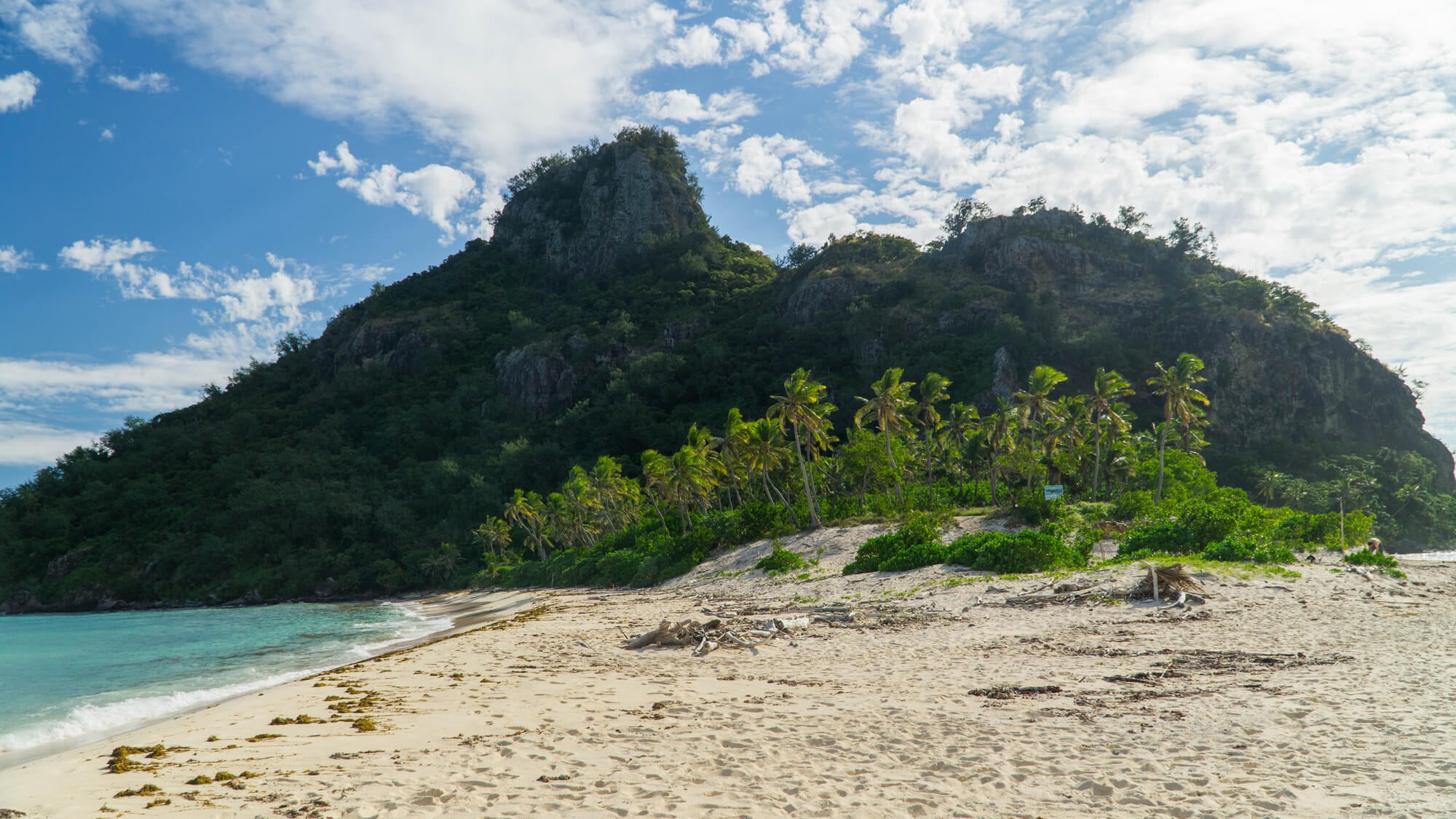
Pitcairn is a speck in the Pacific, home to a few dozen people who live in the single settlement of Adamstown. Mutineers from HMS Bounty settled here with Tahitian companions and burned their ship in January 1790, which left them with no easy way to leave.
Many islanders today trace their ancestry back to that group. The island is so isolated that supplies arrive by ship, and a mail order can take months.
Niue, a Raised Coral Rock With Its Own Internet Domain
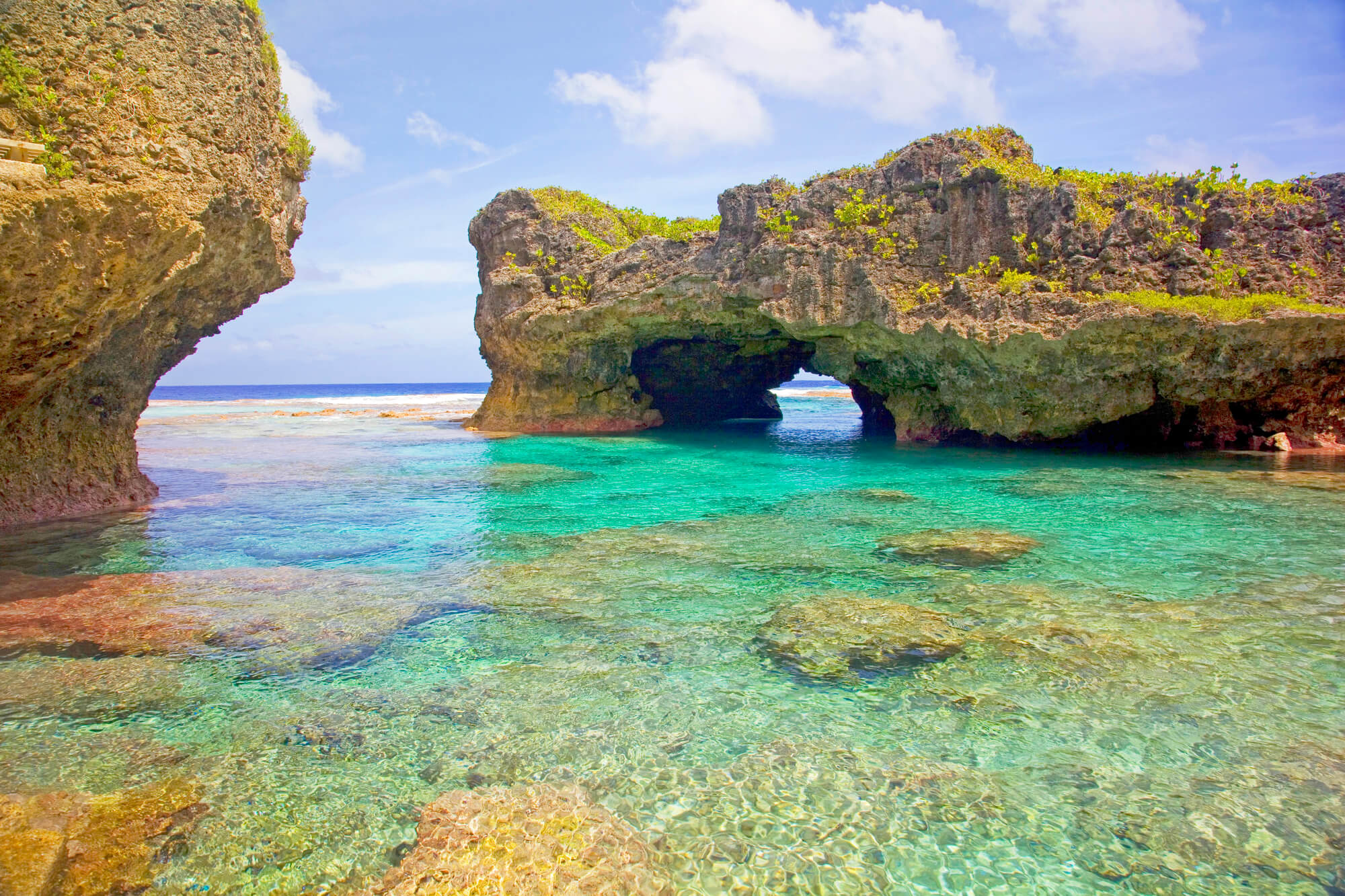
Niue is one of the largest raised coral islands anywhere, a limestone plateau ringed by cliffs and sea caves rather than a low atoll. It is a self-governing nation in free association with New Zealand, with a population well under two thousand.
The island is known locally as the Rock, and its steady emigration has been a concern for decades. Its internet domain, .nu, turned out to be popular in Sweden, where “nu” means “now,” and the fees have become a useful source of income.
Tokelau, Three Atolls and No Airport
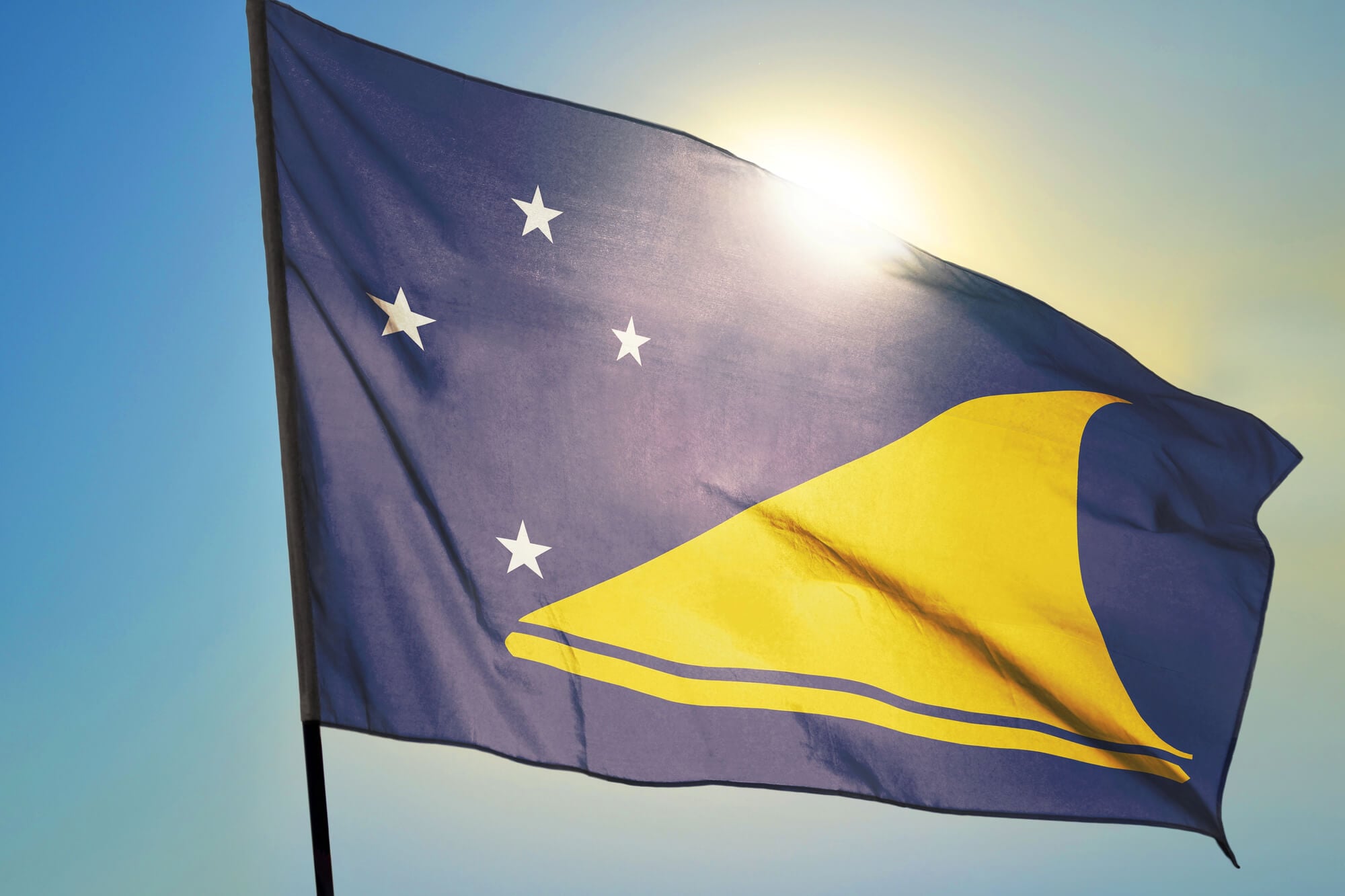
Tokelau consists of three coral atolls, Atafu, Nukunonu, and Fakaofo, with fewer than two thousand residents between them. There is no airport, so the only way in is a long sea voyage from Samoa.
The atolls rise only a few feet above the sea, which makes rising water an everyday concern rather than a distant forecast. In 2012 the islands switched to solar power for nearly all their electricity, ending a long reliance on imported diesel.
Palmerston Island, Where Nearly Everyone Shares a Surname
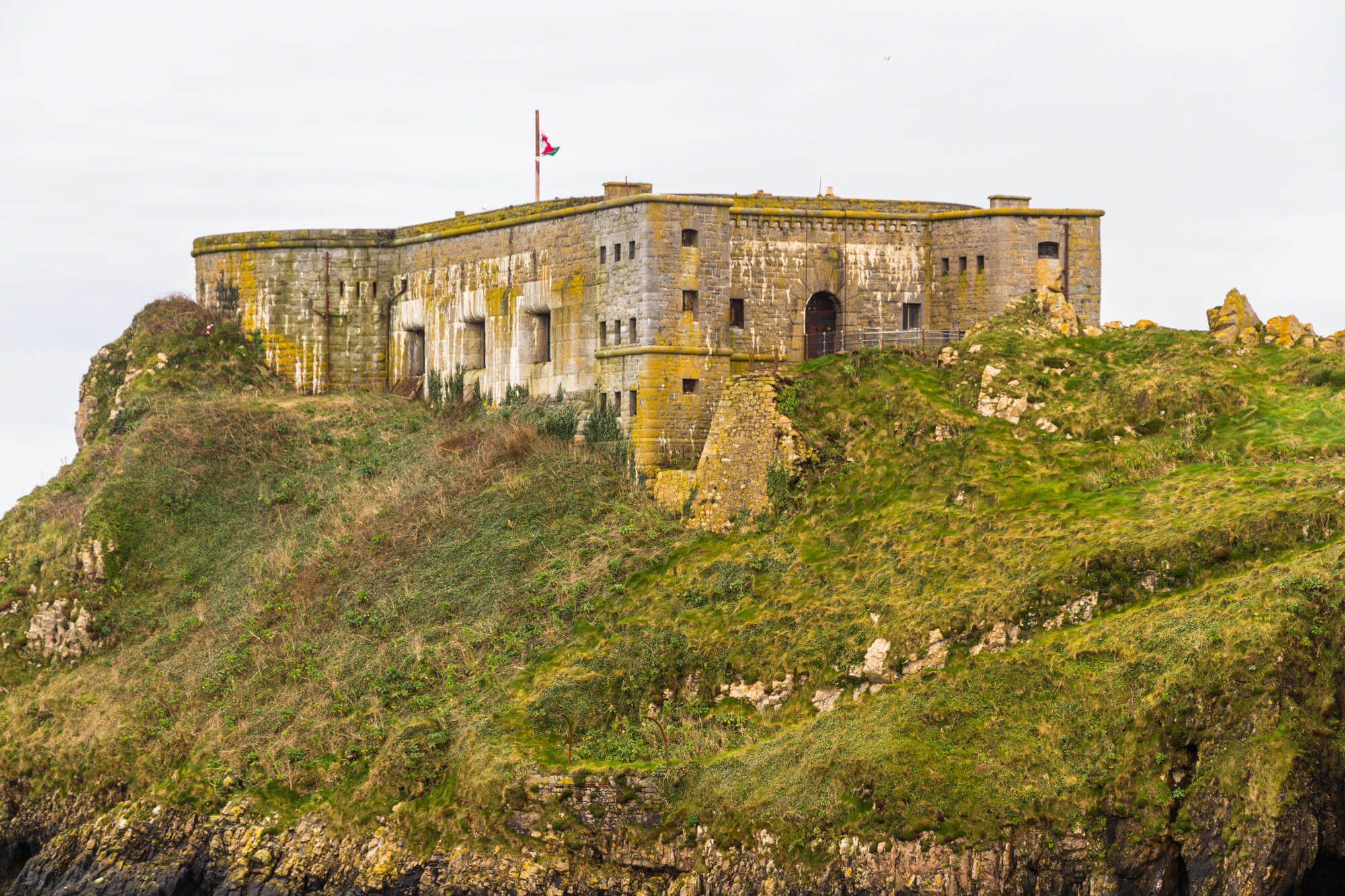
Palmerston is a small atoll in the Cook Islands, and its residents descend from an English settler named William Marsters, who arrived in the 1860s with Polynesian wives. His descendants divided the island into three family groups, and that arrangement shapes life there to this day.
Most residents share the surname Marsters, which makes introductions short. Visitors arrive when supply ships and yachts pass through, and the lagoon has no deep harbor, so boats anchor offshore.
Foula, the Island That Celebrates Christmas in January
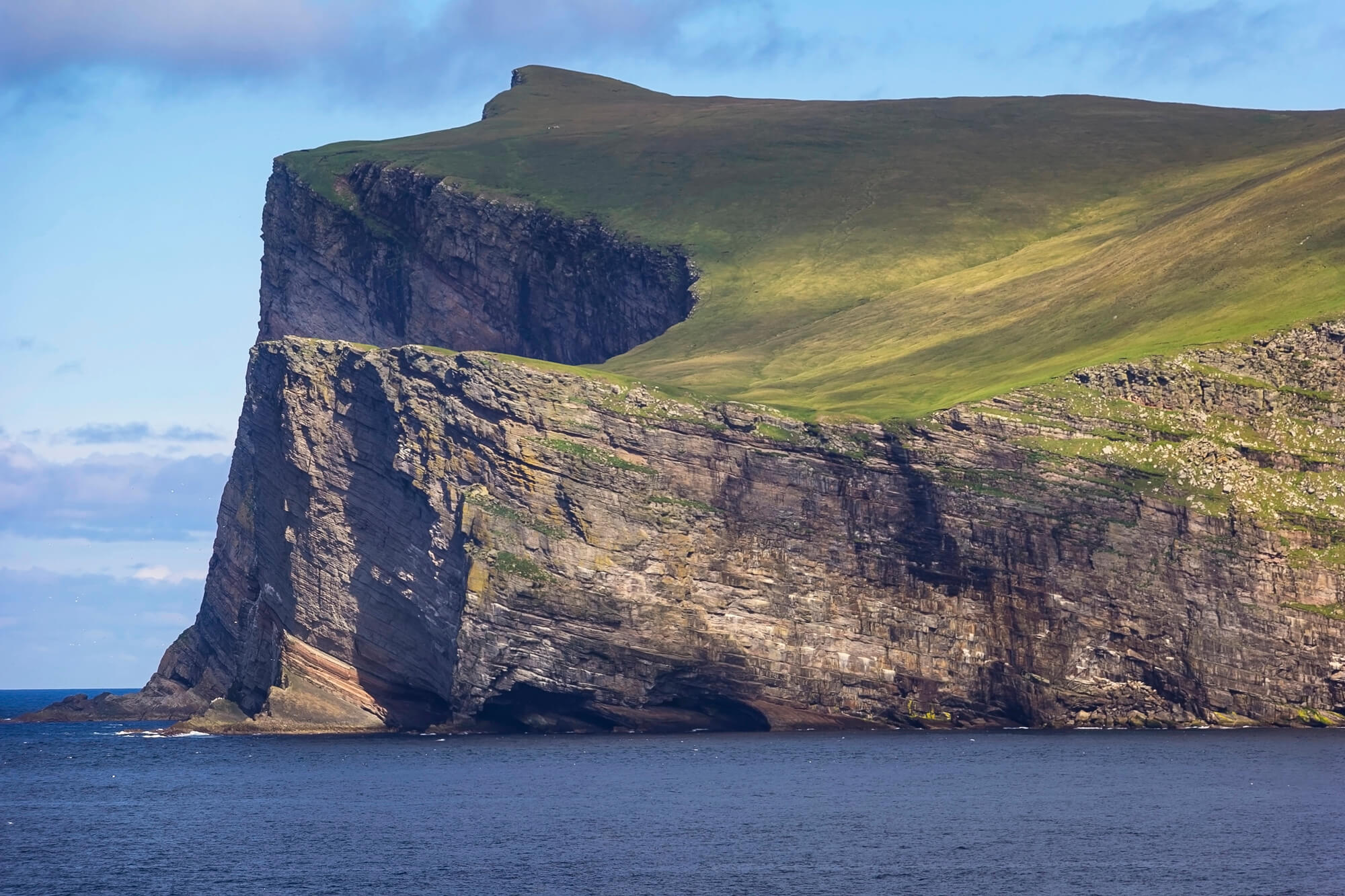
Foula lies far out west of the Shetland mainland, with a population in the dozens and some of the tallest sea cliffs in the British Isles. The islanders have long kept to the old Julian calendar, so Christmas is celebrated on January 6 and New Year on January 13.
A small plane and a ferry connect the island to the mainland, though both depend on the weather. The Kame cliff rises roughly 1,200 feet from the sea, and it is a favorite of seabirds, especially great skuas.
Fair Isle, Knitwear and Birds Between Orkney and Shetland
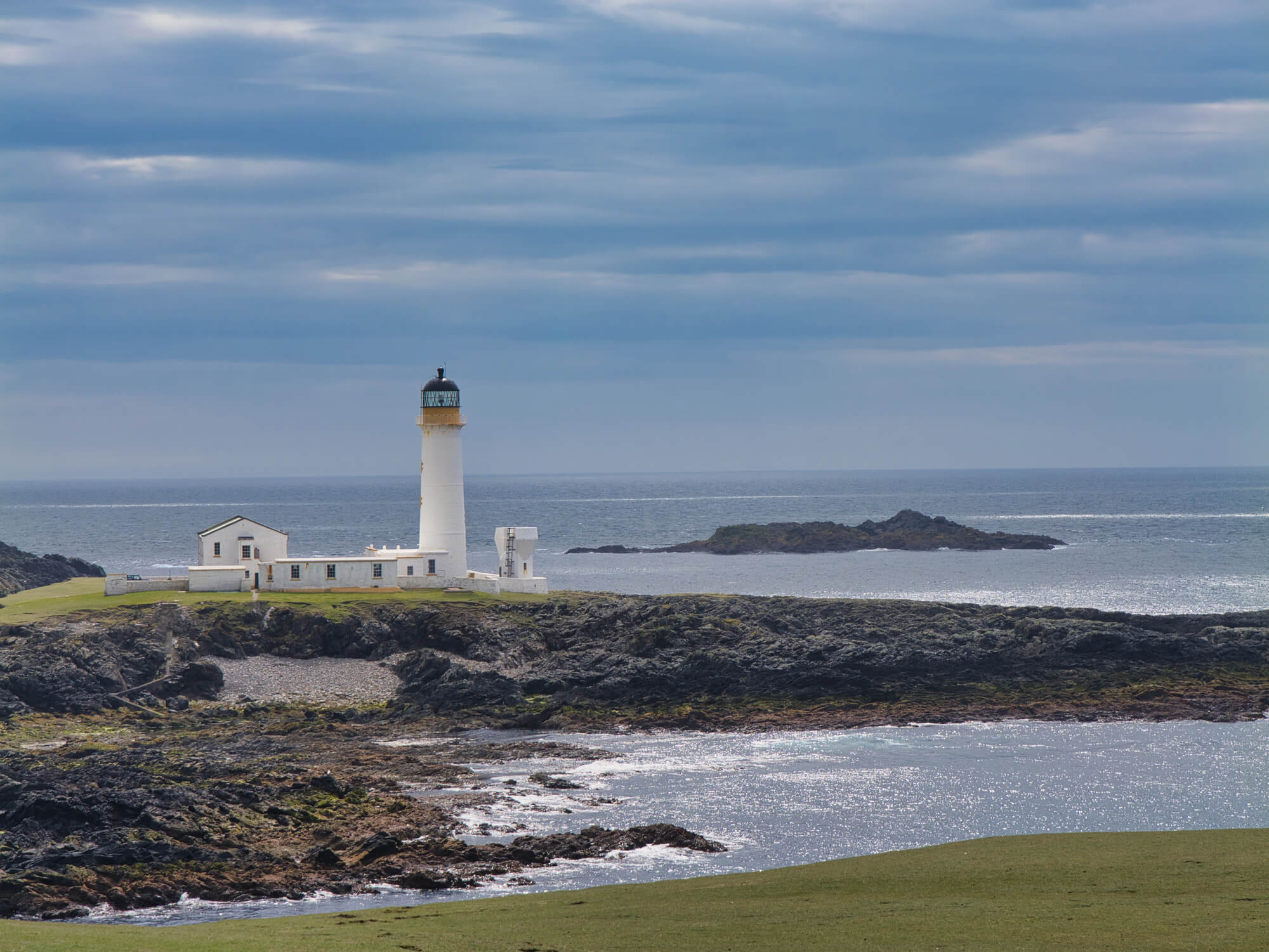
Fair Isle sits roughly halfway between Orkney and Shetland and is often described as Britain’s most remote inhabited island. Fewer than a hundred people live here, and the knitting patterns named after the island are known worldwide.
A bird observatory on the island draws birdwatchers hoping to spot rare migrants blown in from Europe and beyond. A Spanish Armada ship, El Gran Grifón, was wrecked here in 1588, and the survivors spent weeks sharing the islanders’ meager food.
Ulva, the Scottish Island Its Residents Bought
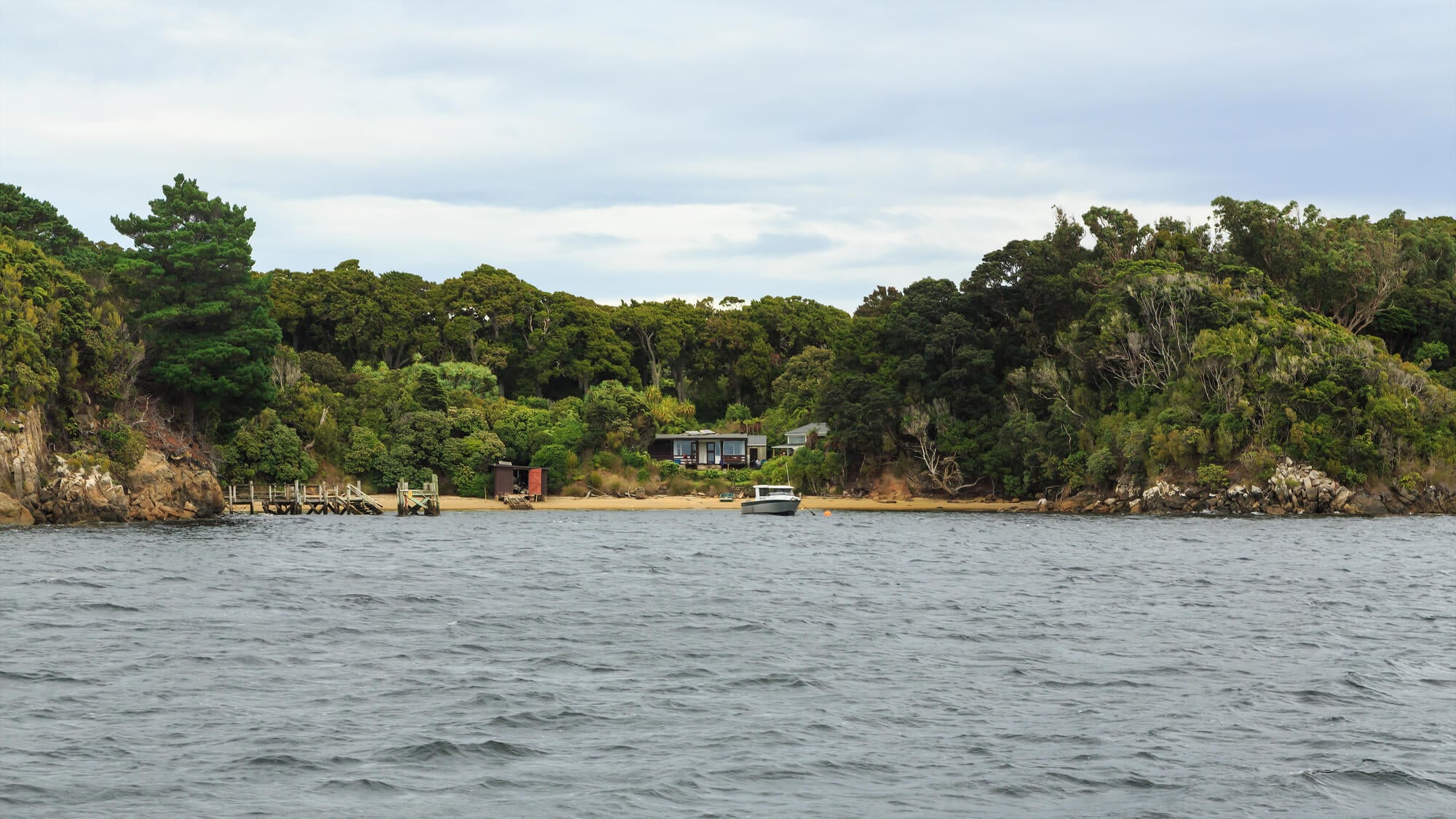
Ulva lies off the coast of Mull in the Inner Hebrides and is reached by a very short ferry crossing. In the early 1800s hundreds of people lived here, but clearances and decline emptied the island until only a handful of residents remained.
In 2018 the community completed a buyout of the island from its private owner, ending generations of landlord control. Lachlan Macquarie, later governor of New South Wales in Australia, was born on Ulva.
Sark, a Car-Free Island Under Feudal Rules
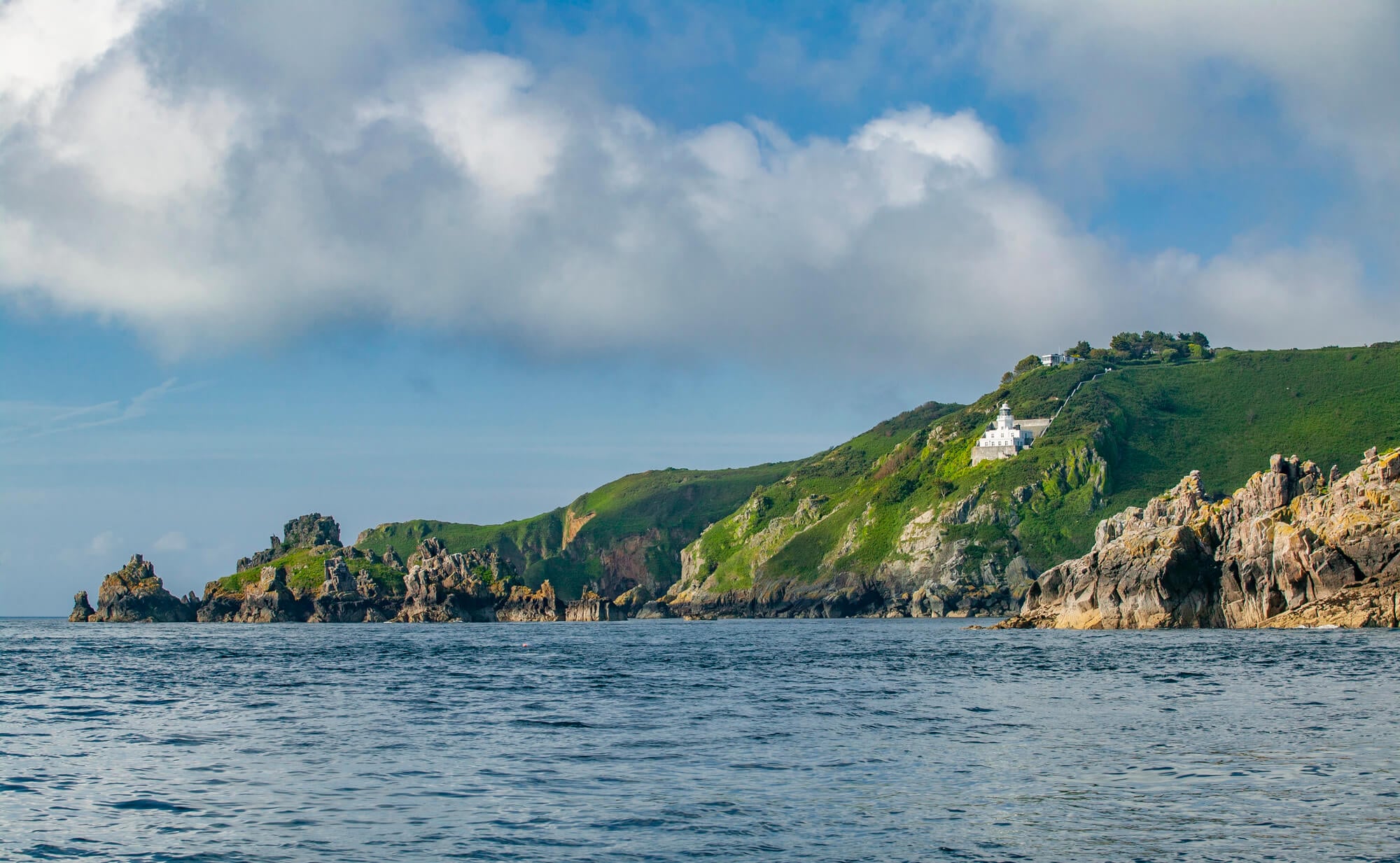
Sark, one of the Channel Islands, has a population of around five hundred and bans cars entirely. Residents travel by foot, bicycle, horse-drawn carriage, or tractor.
For centuries the island was governed under a feudal system headed by a hereditary Seigneur, which survived until reforms in 2008 introduced a fully elected parliament. In 2011 Sark was recognized as the first island designated a Dark Sky Community, because its night sky is exceptionally free of artificial light.
Herm, a Tiny Channel Island Without Cars
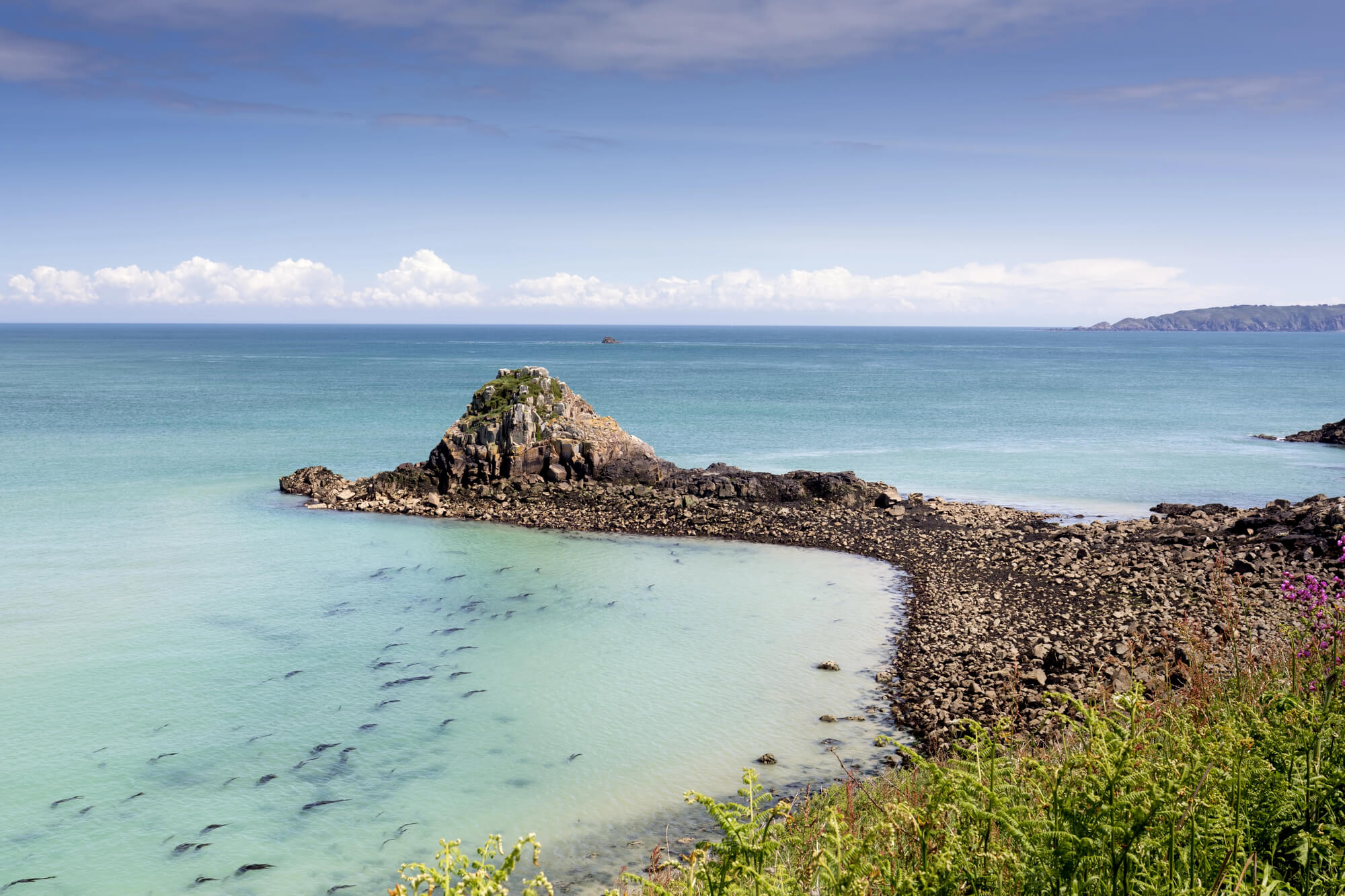
Herm lies a short boat ride from Guernsey and has only a few dozen permanent residents. Like its neighbor Sark, it has no private cars, and visitors move around on foot or by tractor.
The island is just over a mile long and about half a mile wide, so no walk is ever very far. Its Shell Beach is made up of countless tiny shells washed in by the Gulf Stream, giving it a coastline quite unlike the usual sand.
Tangier Island, Slowly Washing Into the Chesapeake Bay
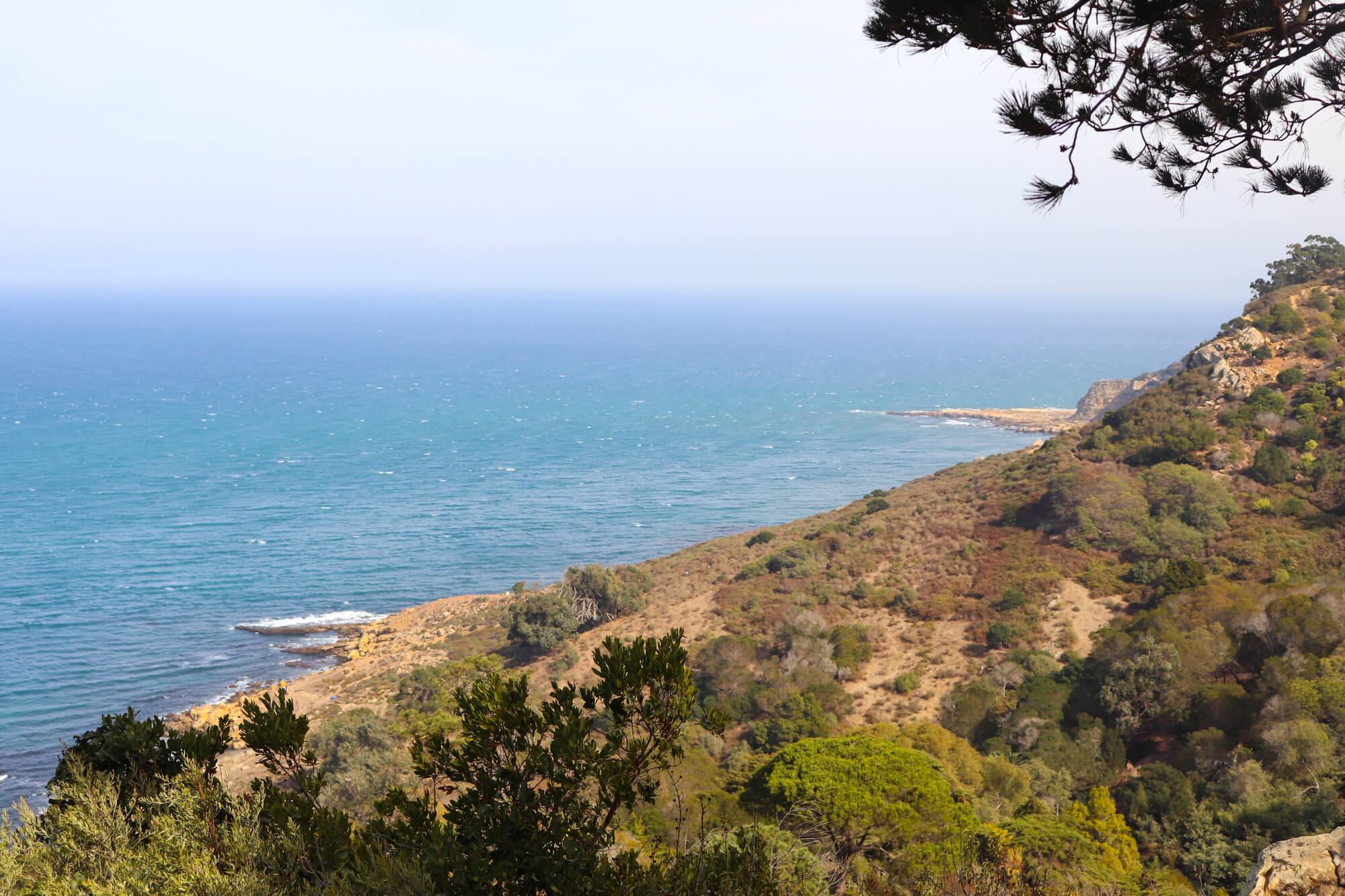
Tangier Island sits in Virginia’s portion of the Chesapeake Bay, and a few hundred people live there, many making a living from crabbing. Islanders speak a distinctive dialect that outsiders often find hard to place, with echoes of old English settlers.
The land has been shrinking because of erosion and rising water, and officials have warned that it may become uninhabitable in the coming decades. Residents travel mostly by golf cart, since the island is so small that cars are barely needed.
Inishturk, an Irish Island Named for the Boar
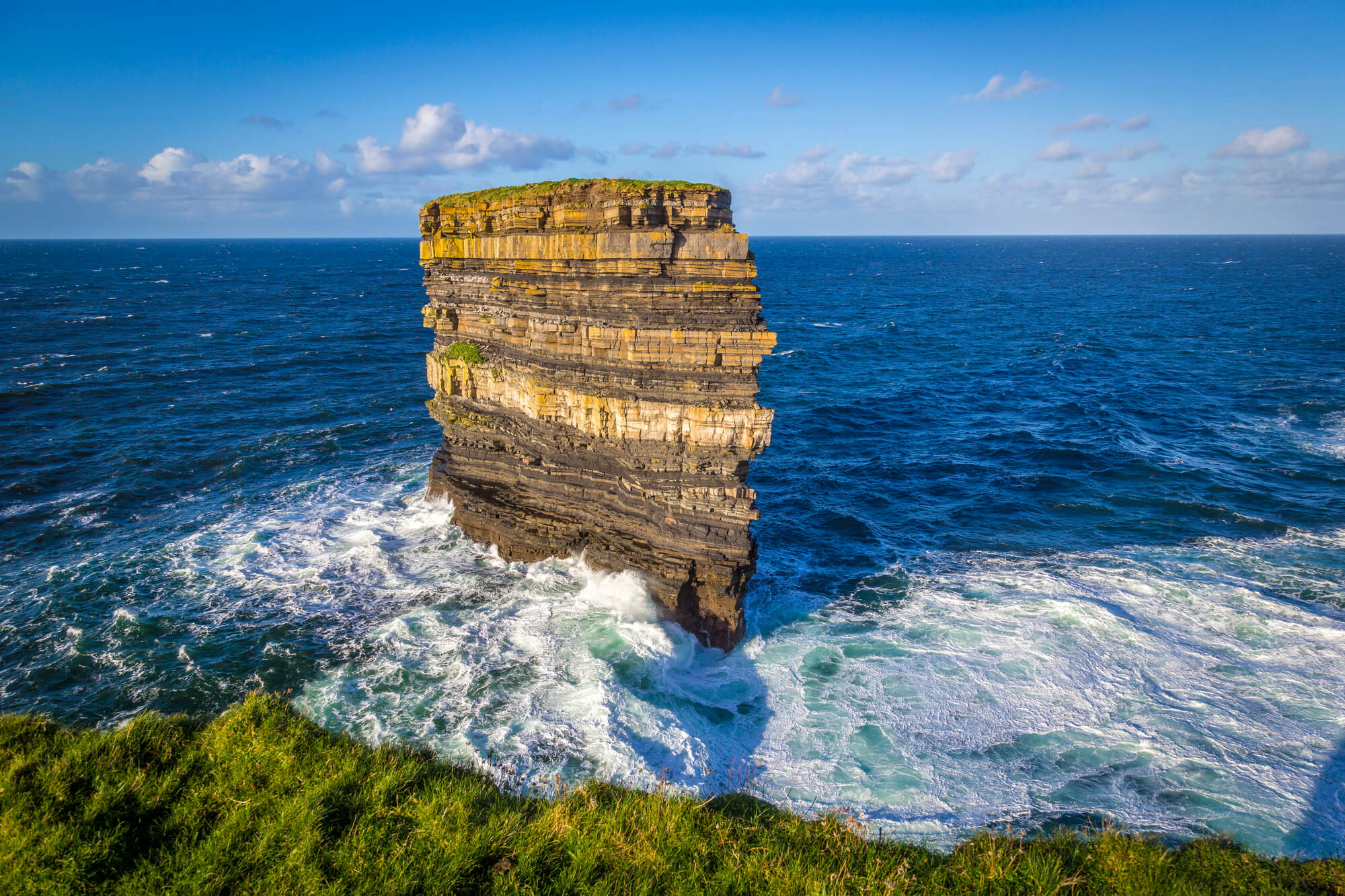
Inishturk lies off the coast of County Mayo and is home to fewer than a hundred people. Its Irish name, Inis Toirc, means “island of the boar.”
The ferry from the mainland is the lifeline of the community, and islanders have worked for years to keep young families on the island. Visitors come for the walking routes, the cliffs, and the quiet, and they find that nearly everyone is happy to talk.
Great Blasket, the Island That Was Emptied in 1953
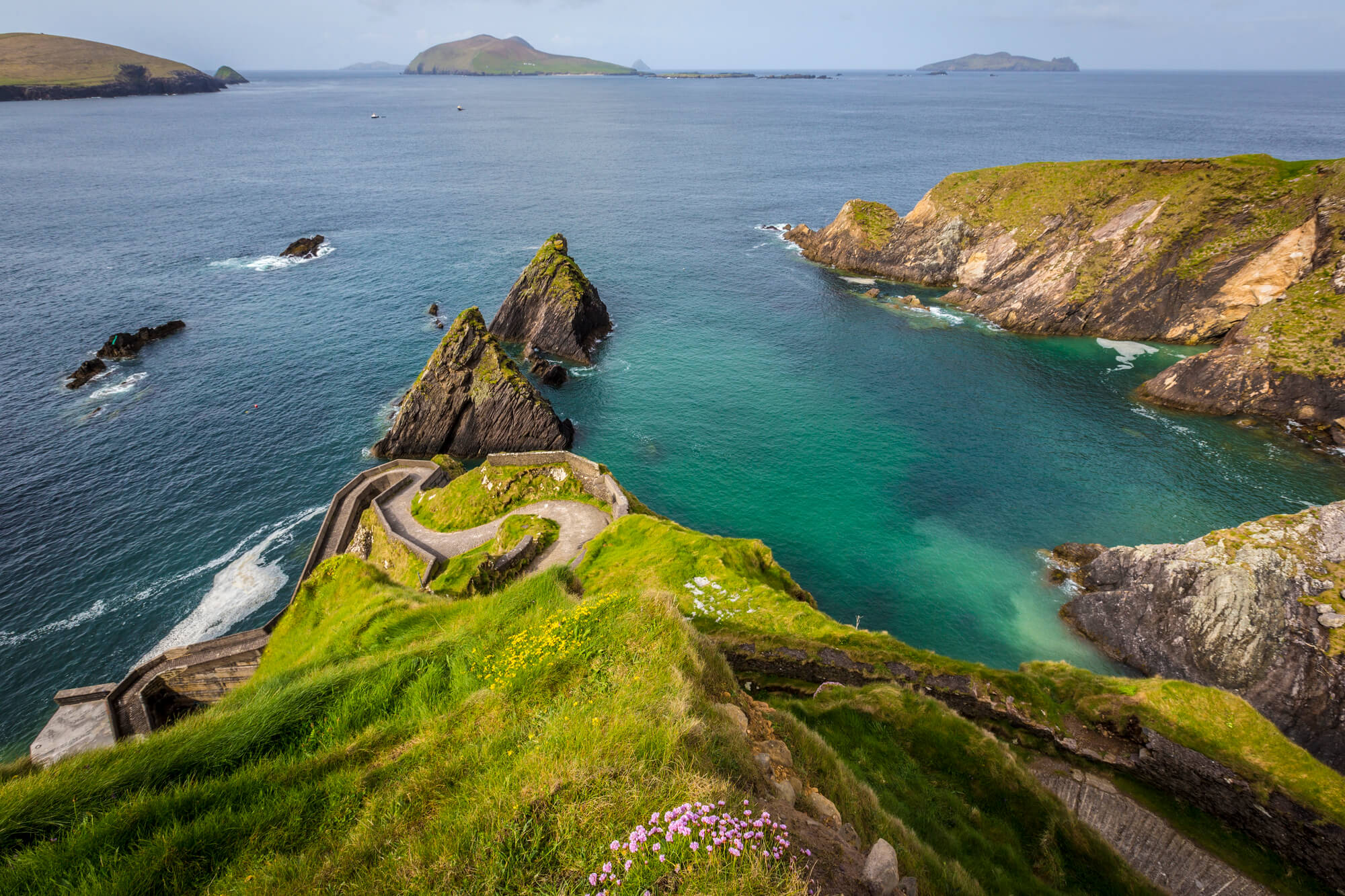
The Great Blasket, off the Dingle Peninsula in County Kerry, was once home to more than a hundred people, who spoke Irish and lived by fishing and farming. The island’s residents produced a remarkable literary tradition, including Tomás Ó Criomhthain’s The Islandman and Maurice O’Sullivan’s Twenty Years A-Growing.
By the early 1950s the population had dwindled so far that the Irish government arranged for the final evacuation in 1953. Today the island is uninhabited, but its ruined village and its books keep its community alive.
Tory Island, Where an Elected King Greets Visitors
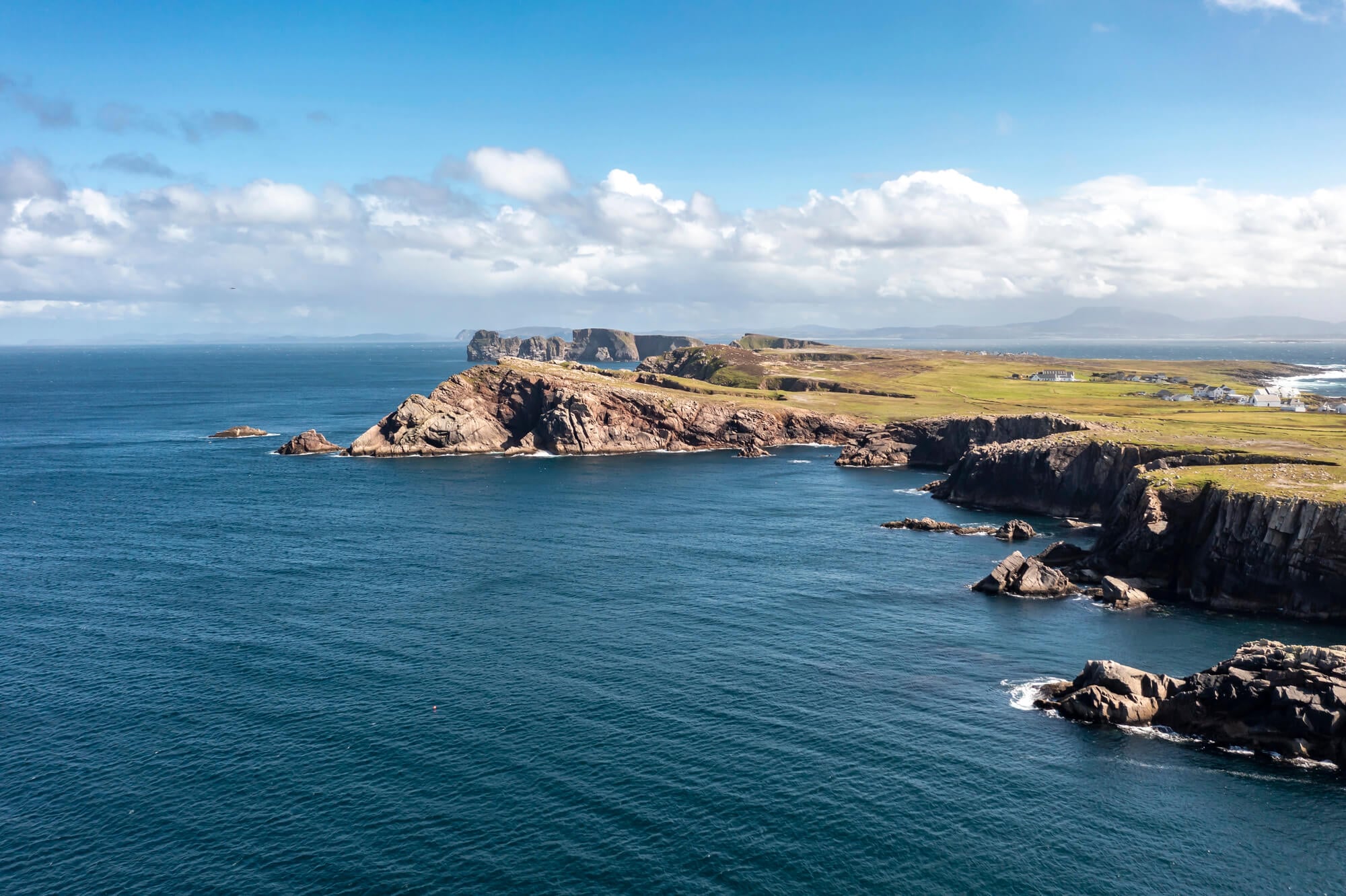
Tory Island lies off the northwest coast of County Donegal and has roughly a hundred residents, most of whom speak Irish. The island has a long tradition of an informal King of Tory, who welcomes visitors off the ferry and acts as a spokesperson for the community.
Tory is also known for its school of self-taught painters, whose bright, direct landscapes have found a wide audience. Weather regularly cuts the island off from the mainland, which makes its ferry service a point of constant concern.
Canna, a Hebridean Island Rich in Folklore
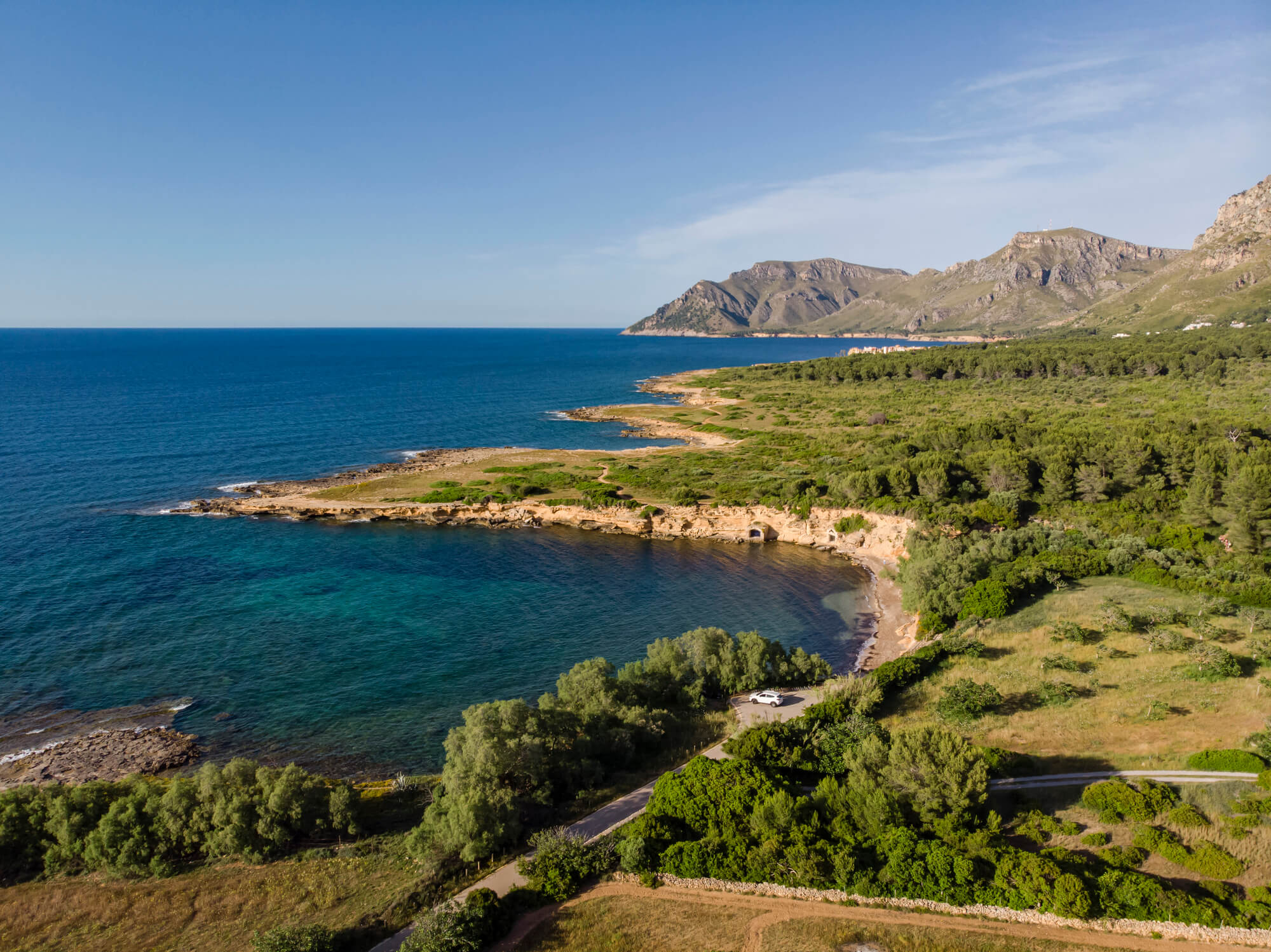
Canna is a small, low-lying island in the Small Isles of the Inner Hebrides, home to only a small number of residents. It was owned by John Lorne Campbell and his wife Margaret Fay Shaw, who spent decades recording Gaelic songs and stories across the Hebrides.
In 1981 they gave the island to the National Trust for Scotland. Their collection is preserved at Canna House, which makes this tiny community an unexpected center of Gaelic culture.
Little Diomede, Two Miles From Tomorrow
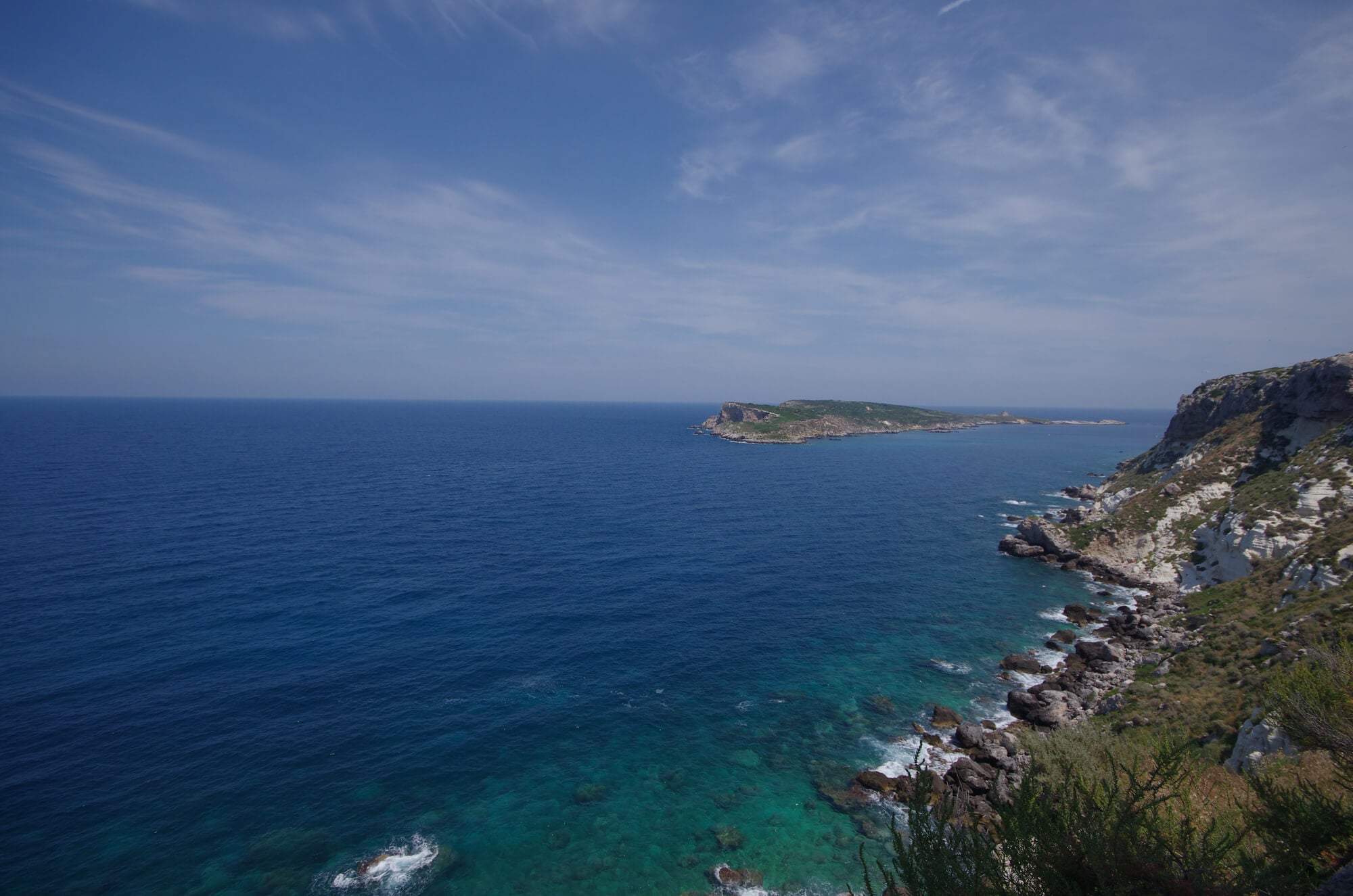
Little Diomede lies in the Bering Strait, about two miles from Russia’s Big Diomede Island, and fewer than a hundred people live there. The International Date Line runs between the two islands, so the Russian side is nearly a full day ahead.
Residents live on Alaskan land in a village perched on a steep slope, and subsistence hunting and carving remain central to local life. In winter the sea ice can serve as a runway, while helicopters provide year-round service.
Aogashima, a Village Inside a Volcano
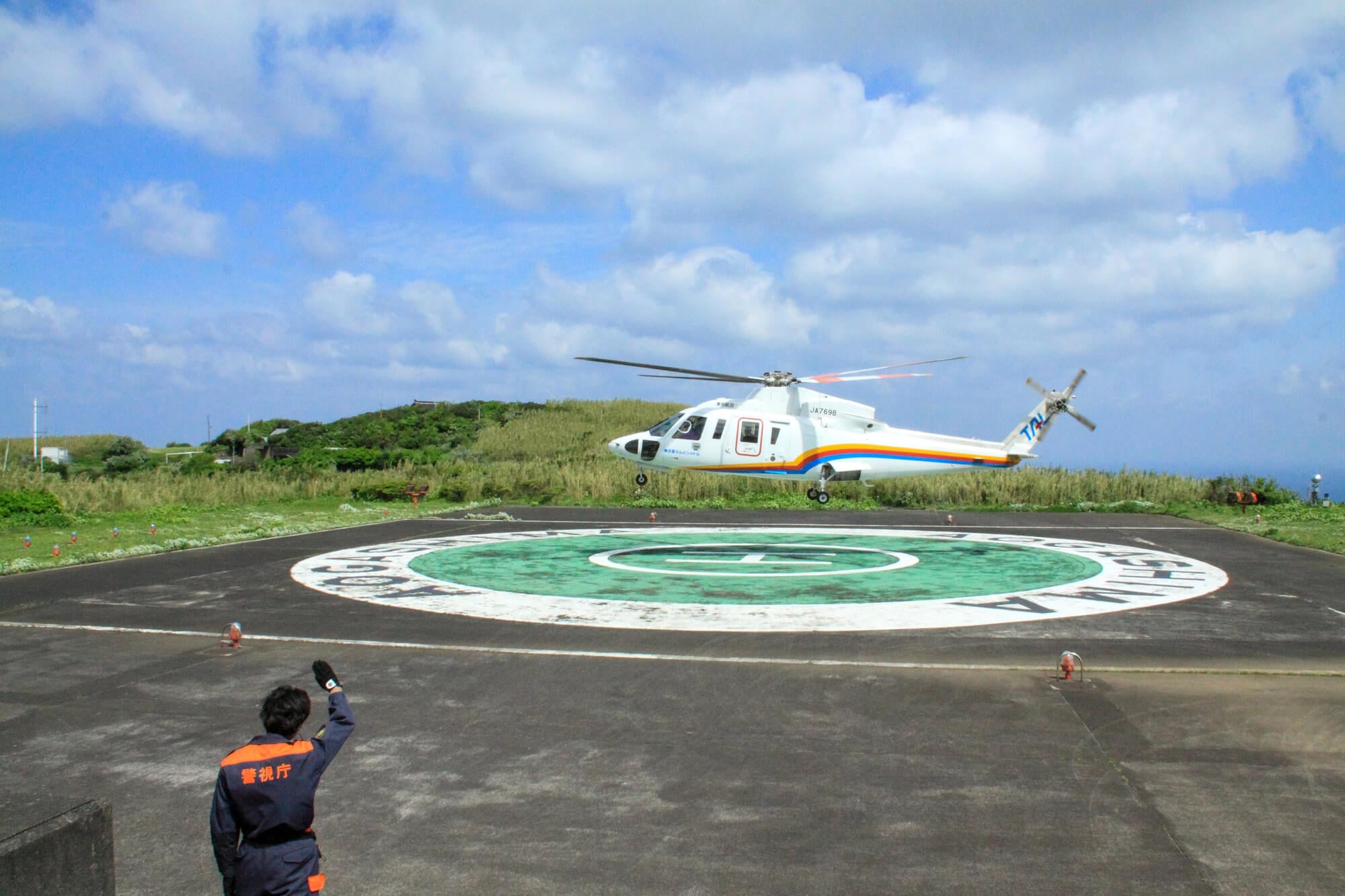
Aogashima belongs to Japan’s Izu Islands, south of Tokyo, and fewer than two hundred people live on it. The village sits inside a double volcanic crater, with a smaller cone rising from the floor of the larger one.
Steam from vents in the ground is used for cooking and for making a local salt. Rough seas often prevent ferries from landing, so helicopters are an important alternative.
Grímsey, an Icelandic Island With an Arctic Circle Marker
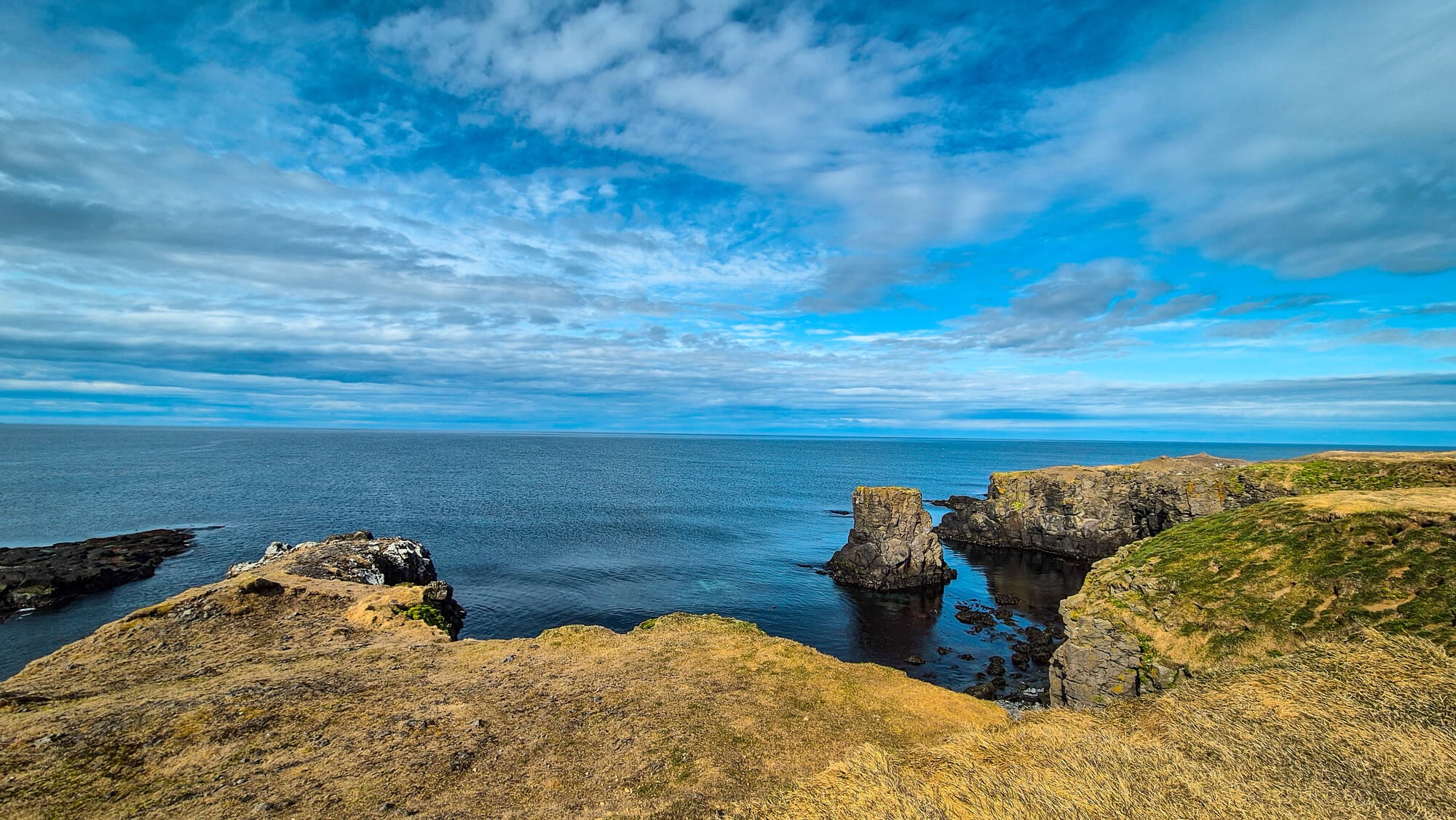
Grímsey lies off the northern coast of Iceland, and the Arctic Circle crosses the island, which draws visitors who want to stand on it. Fewer than a hundred people live here, relying heavily on fishing, and the cliffs are packed with seabirds, including puffins.
The island is also known for its passion for chess, supported by the American scholar Willard Fiske in the late 1800s, who donated chess sets and money to the community. A ferry and a small plane link Grímsey to the mainland.
Monhegan, a Maine Island Beloved by Painters
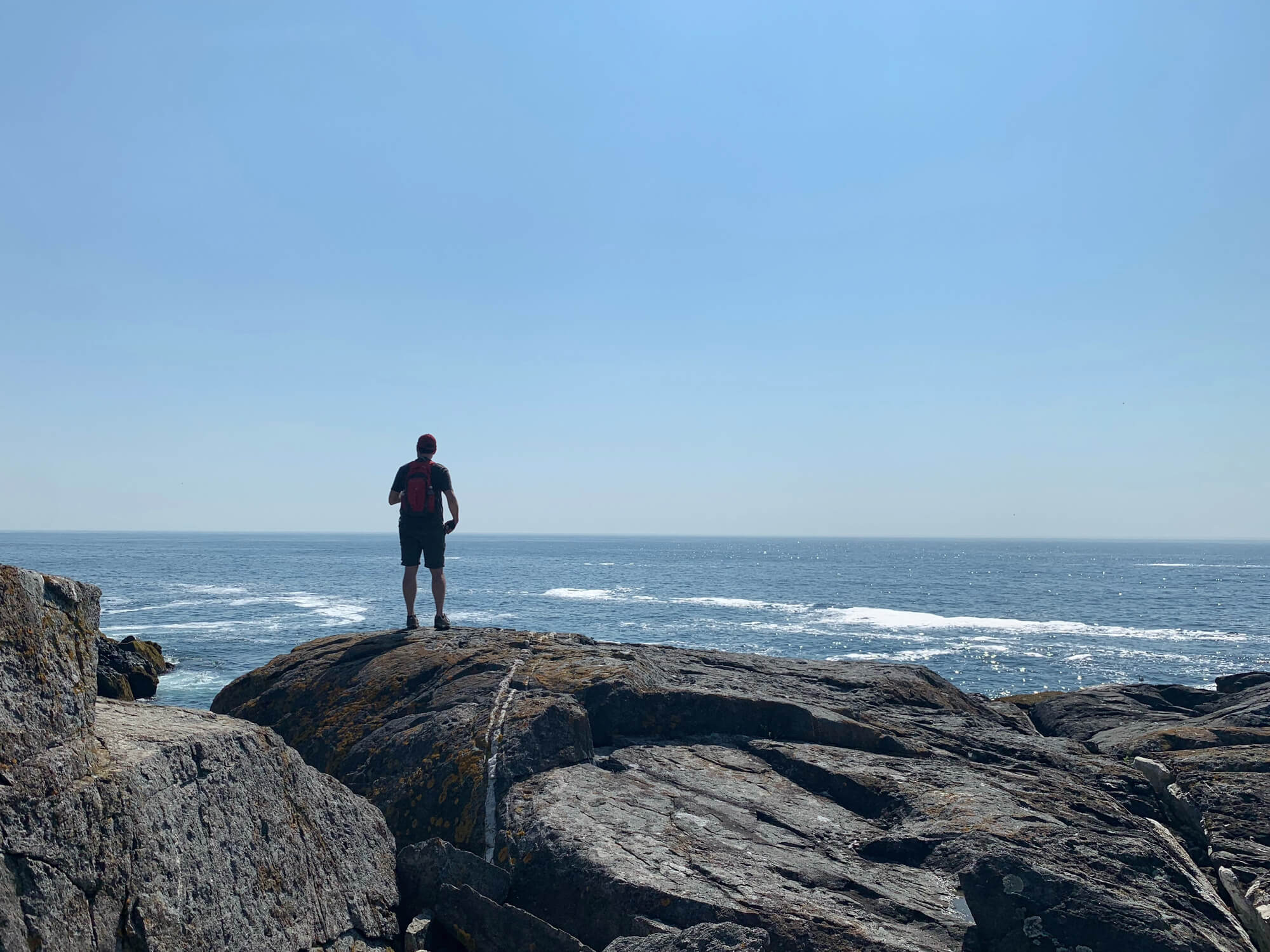
Monhegan sits about ten miles off the coast of Maine and has a very small year-round population that swells in summer. Artists including Rockwell Kent and Andrew Wyeth painted here, drawn by the cliffs and the changing light.
Much of the island is left as wild woodland and trails, and cars are scarce. A mail boat and a ferry connect Monhegan to the mainland, and in rough weather both can be delayed.
Cuttyhunk, the Last of the Elizabeth Islands
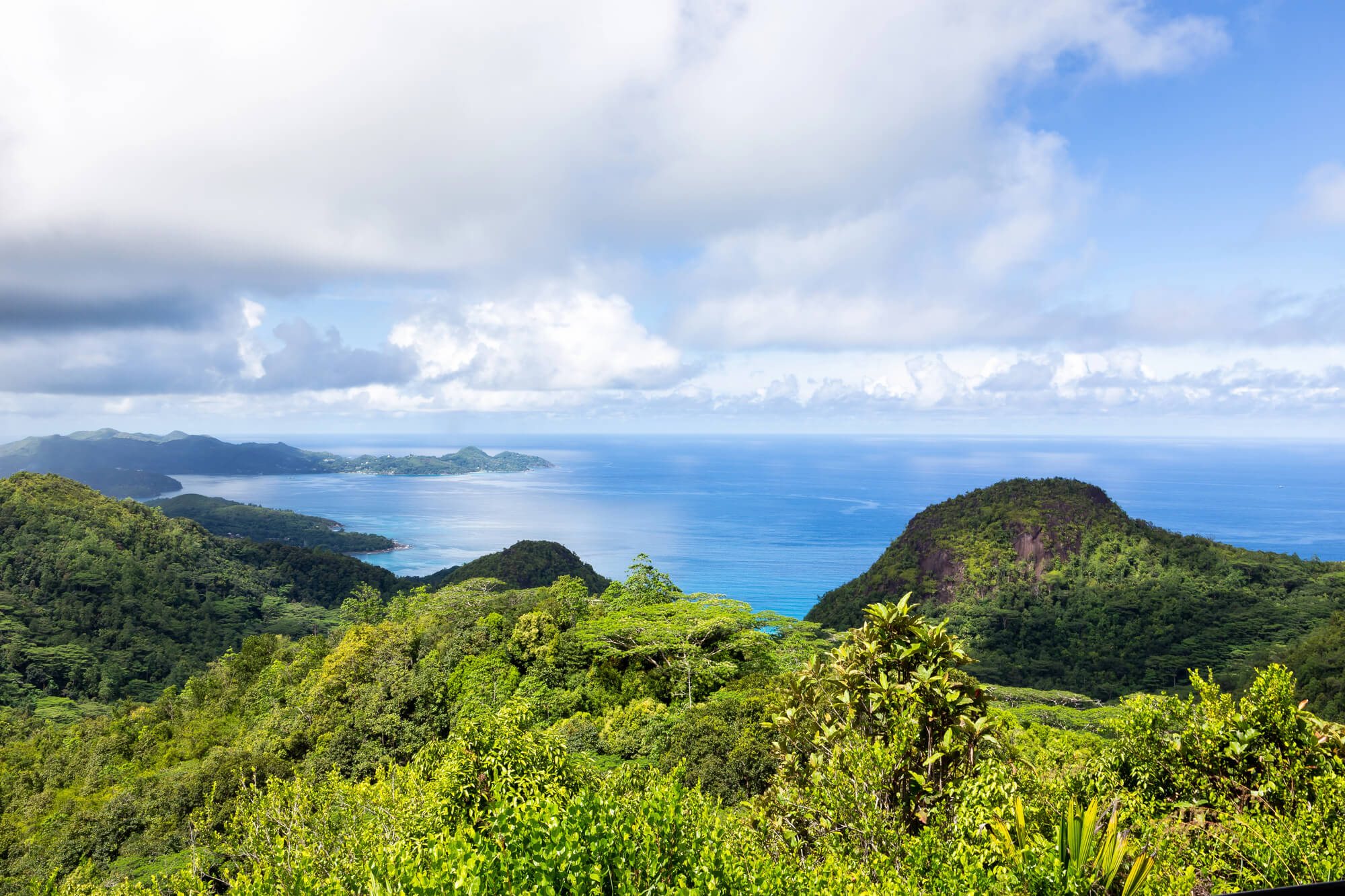
Cuttyhunk is the outermost of the Elizabeth Islands off the Massachusetts coast, with fewer than a hundred year-round residents. In 1602 the English explorer Bartholomew Gosnold built a small settlement here, which was among the earliest English attempts to settle in New England.
The island is known for its fishing, and its harbor fills with boats in summer. In winter, though, the village quiets down so thoroughly that the island feels almost abandoned.
Hallig Hooge, Houses Built on Mounds Against the Sea
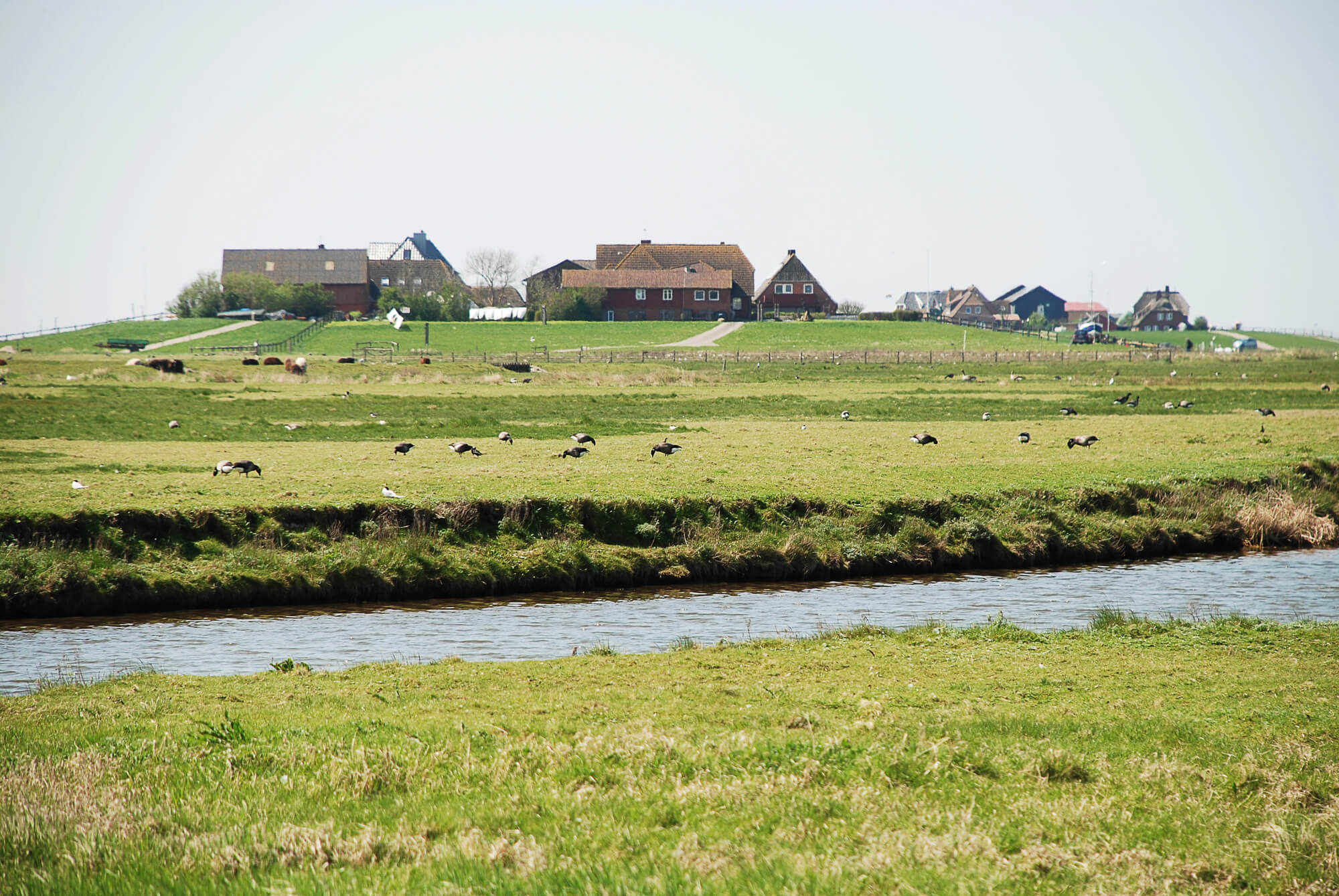
Hallig Hooge is a low island in the North Sea off Germany, home to roughly a hundred people. It has no protective dike, so the sea floods the land several times a year, a condition locals call Landunter.
To stay dry, the houses stand on artificial mounds known as Warften, built up over generations. During storm tides, the island can look like a scattering of small islets in open water, and residents wait for the water to fall.
Kastellorizo, Greece’s Easternmost Outpost
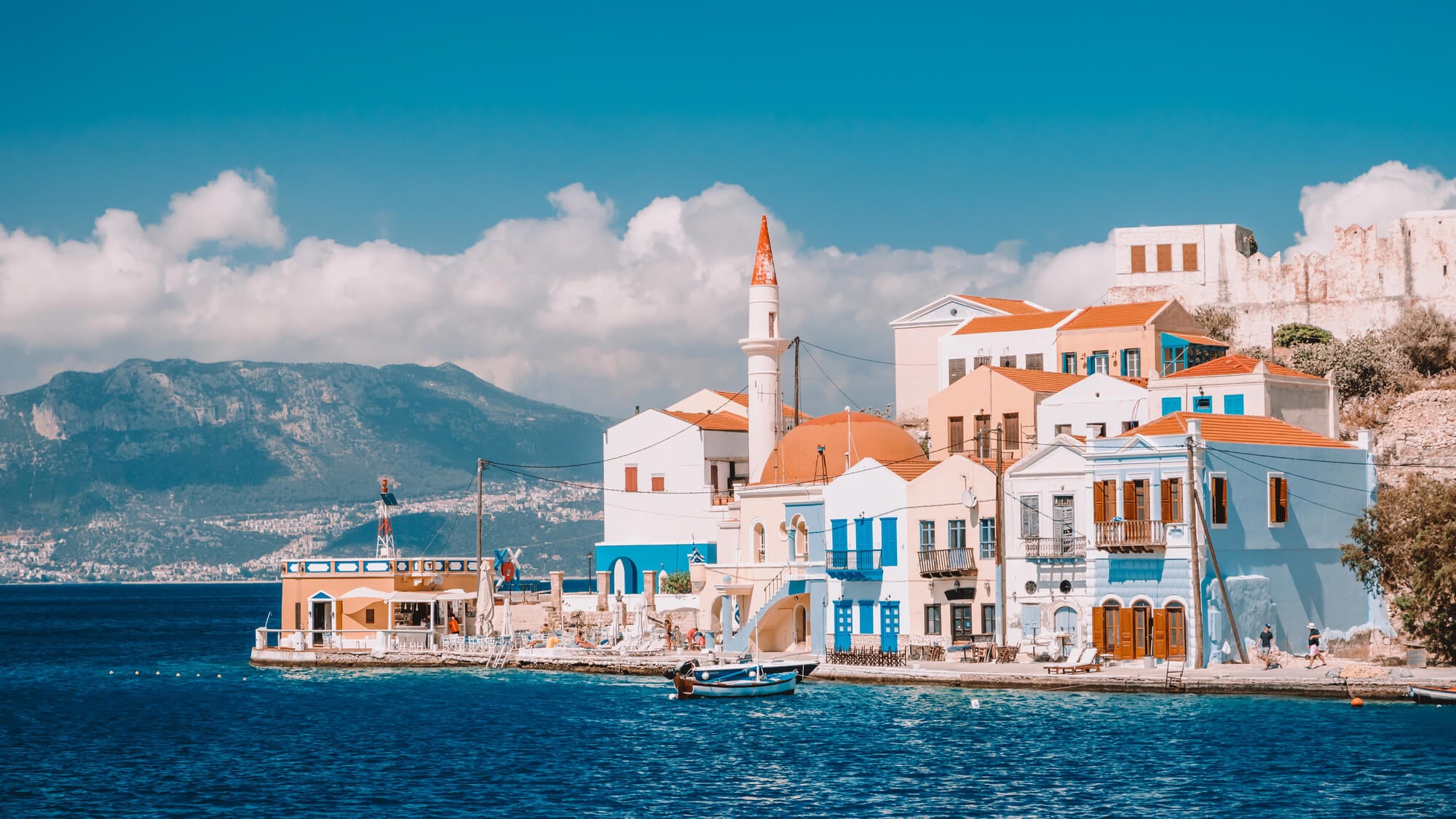
Kastellorizo, also called Megisti, lies only a couple of miles off the Turkish coast and is home to several hundred residents. The harbor, with its painted houses, is one of the prettiest in the Mediterranean, and the 1991 film Mediterraneo was shot here.
Waves of emigration, especially to Australia, drained the population over the last century, and many families still have relatives in Melbourne. The island remains the most eastern point of Greek territory, which gives its small community an outsized role in national identity.
What Keeps a Place Inhabited
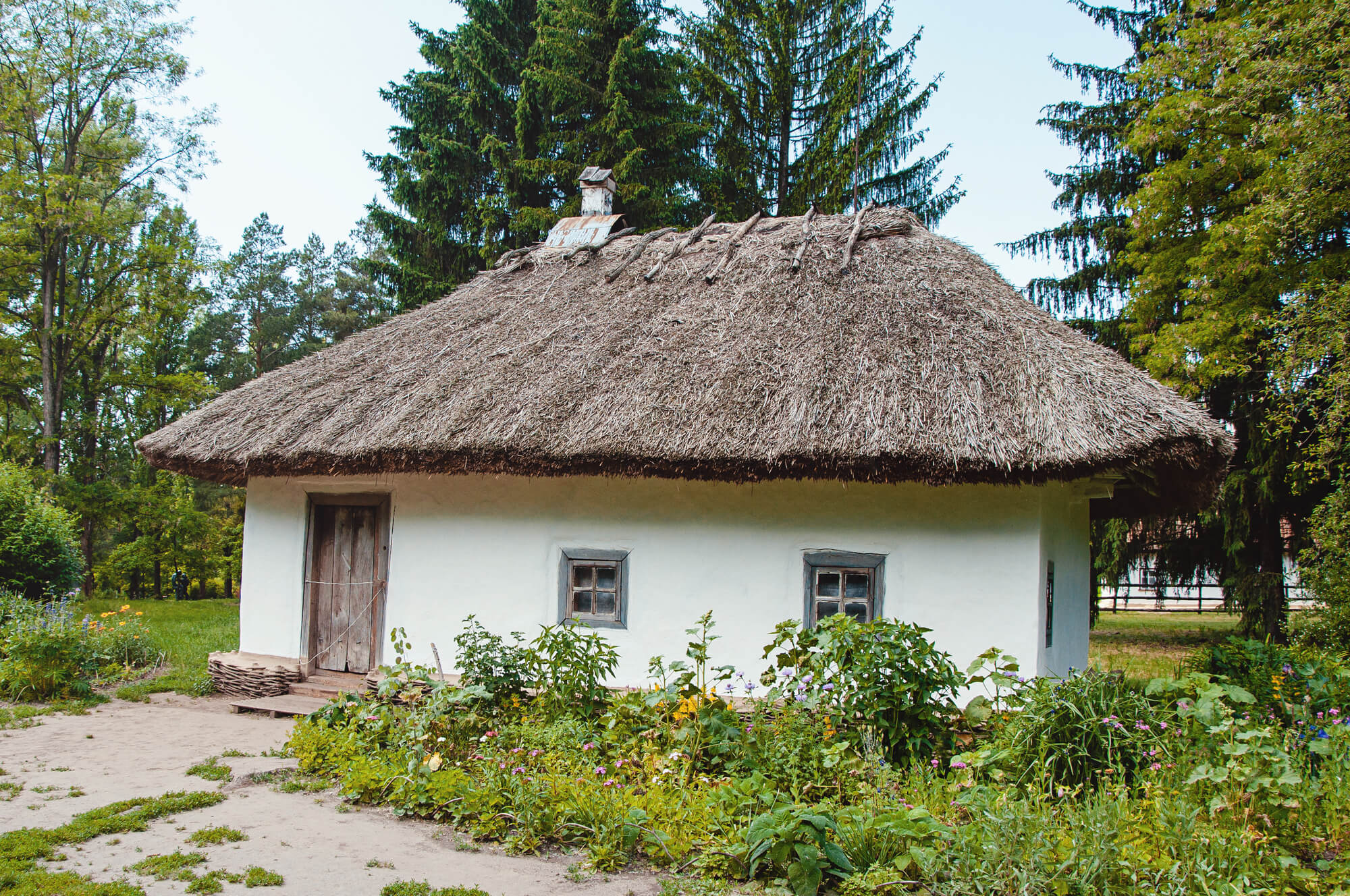
The islands on this list share a stubbornness that mainland places rarely need. Ferries get canceled, supplies run short, and schools shrink to a handful of pupils, yet people stay.
What holds them is usually a mix of family, work, and an attachment to a place that outsiders only briefly glimpse. Great Blasket shows what happens when that attachment can no longer be supported, since its community left and its houses fell into ruin.
Ulva and Canna show the opposite, with residents and trusts working to keep the lights on. For every island here, population is not a statistic but a daily act of maintenance, performed by whoever happens to be home.
More from Go2Tutors!

- 27 Silver Dollars and Half Dollars Worth Keeping
- 28 Restaurant Menu Items Nobody Orders Anymore
- 17 Places Built in Seemingly Impossible Spots
- 27 Vintage Rings Worth More Than They Look
- 25 Restricted Sites Tourists Can’t Enter
Like Go2Tutors’s content? Follow us on MSN.