15 Pop Culture Moments From the 1990s That Changed Everything
The 1990s weren’t just another decade — they were the last time the world shared the same cultural references before the internet splintered everything into a million pieces. When something happened in the ’90s, everyone knew about it by the next morning, whether they wanted to or not. These weren’t just fleeting moments of entertainment. They were seismic shifts that rewrote the rules of fame, storytelling, and what it meant to be cool.
The Death of Kurt Cobain

Kurt Cobain died on April 5, 1994. Grunge died with him.
The movement lost its reluctant spokesperson and never recovered.
Alternative rock kept going, but something essential vanished when Cobain pulled that trigger. The authenticity that made grunge dangerous became a marketing strategy instead of a worldview.
The O.J. Simpson Bronco Chase

Reality television was born on June 17, 1994, when 95 million Americans watched a white Ford Bronco crawl down the freeway. Nobody called it reality TV yet, but that’s exactly what it was — unscripted drama that made fiction feel quaint and predictable.
The chase lasted two hours, which gave networks plenty of time to realize they’d stumbled onto something massive. And the trial that followed (which dominated television for nearly a year) proved that people would rather watch real-life courtroom drama than anything Hollywood could manufacture. So networks started manufacturing real-life drama instead, and here we are, three decades later, still watching strangers argue on camera because a former football player couldn’t accept that his ex-wife had moved on.
The Bronco chase didn’t just change television — it changed the relationship between news and entertainment, turning every major crime into a potential ratings bonanza. But the deeper shift was this: it proved that Americans would abandon whatever they were doing to watch someone else’s life fall apart in real time, which is a fairly disturbing thing to learn about your own species.
Nirvana’s “Nevermind” Album

There’s something almost embarrassing about the way “Nevermind” swallowed the music world whole. One day, hair metal ruled MTV and radio.
The next day, it didn’t. Kurt Cobain looked like he’d rather be anywhere else, which somehow made him irresistible to a generation that felt the same way about their own lives.
The album didn’t just kill the ’80s — it killed the idea that rock stars had to look like they were having fun. Misery became cool, which wasn’t necessarily healthy, but it was honest.
And honesty, it turned out, sold better than leather pants and pyrotechnics.
The Launch of MTV’s “The Real World”
“The Real World” premiered in 1992 with a simple premise: put seven strangers in a house and film everything that happens. Television executives had no idea they were witnessing the birth of an entire genre.
Reality TV was supposed to be cheap filler programming — something to throw on when the budget ran out and the writers went on strike.
Instead, it became the dominant form of entertainment for the next three decades. The show’s early seasons feel quaint now, but they established the template: attractive young people, manufactured conflict, and cameras that never stop rolling.
Every reality show since has been a variation on that formula, from “Survivor” to “The Bachelor” to whatever fresh hell is currently trending on social media. The strangers stopped being polite and started being real, and audiences couldn’t look away.
Seinfeld’s Cultural Domination
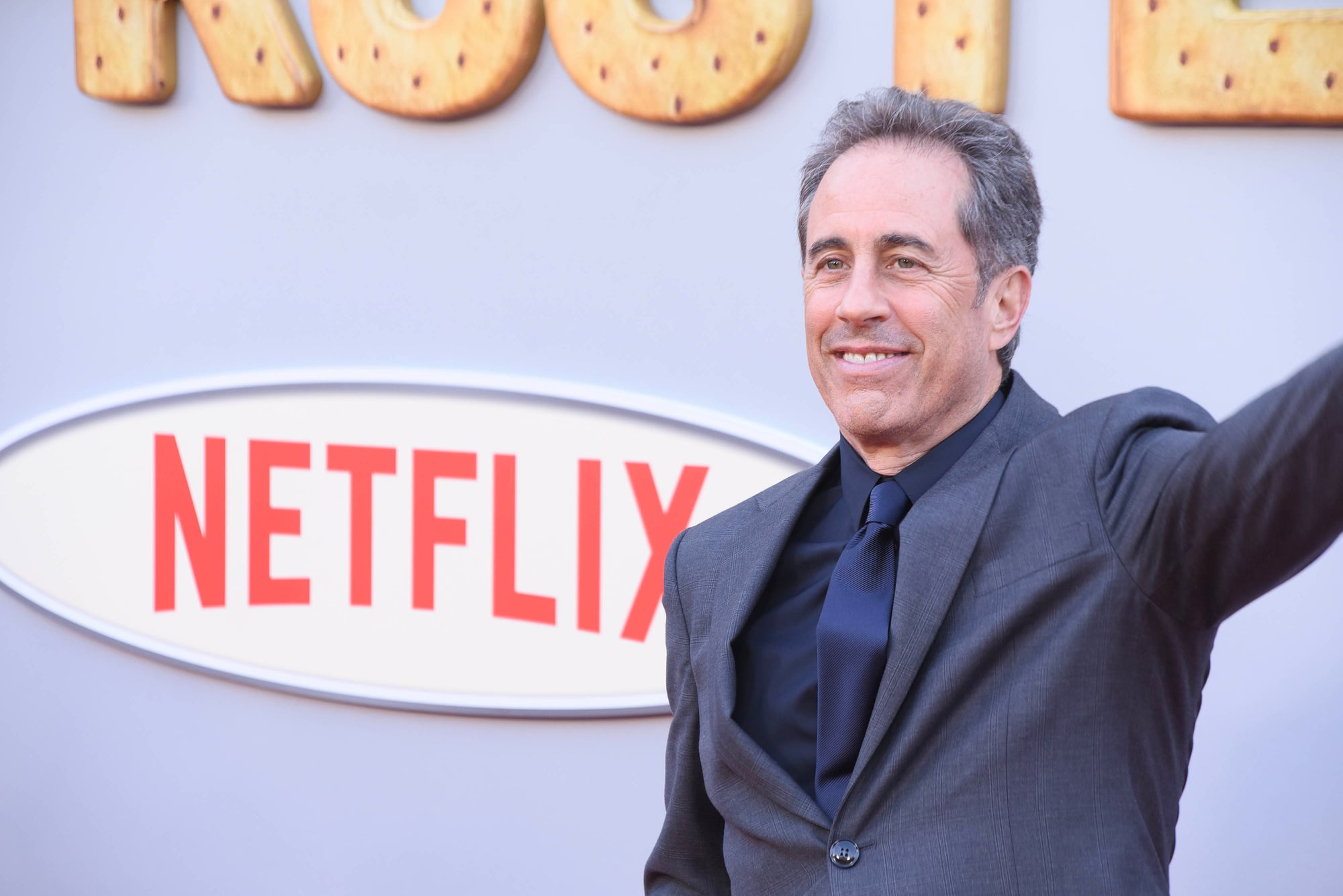
“Seinfeld” was a show about nothing that became everything to an entire generation. Seinfeld and Larry David created characters who were selfish, petty, and completely relatable, which was either brilliant or deeply troubling depending on how you felt about recognizing yourself in them.
The show didn’t just dominate Thursday nights — it changed comedy itself. Suddenly, every sitcom wanted to be smarter and more cynical.
The era of wholesome family comedies didn’t end overnight, but “Seinfeld” certainly accelerated their demise. And the phrases it introduced to the culture (“yada yada yada,” “close talker,” “soup nazi”) became shorthand for behaviors that had always existed but never had names.
The Rise and Fall of Blockbuster Video
Blockbuster Video was the Friday night ritual that defined a decade. Walking those aisles, scanning the shelves, hoping the movie you wanted wasn’t already rented — it was a communal experience that streaming can’t replicate.
The store was democracy in action: popular movies disappeared first, leaving the weird stuff for adventurous renters.
The chain peaked in the late ’90s with over 9,000 stores worldwide, which made its eventual collapse feel almost mythological. Blockbuster turned movie watching into a social event, then Netflix turned it back into a solitary one.
But for a brief, shining moment, choosing what to watch required leaving the house and interacting with other humans, which now seems as quaint as churning your own butter.
Michael Jordan’s Basketball Supremacy
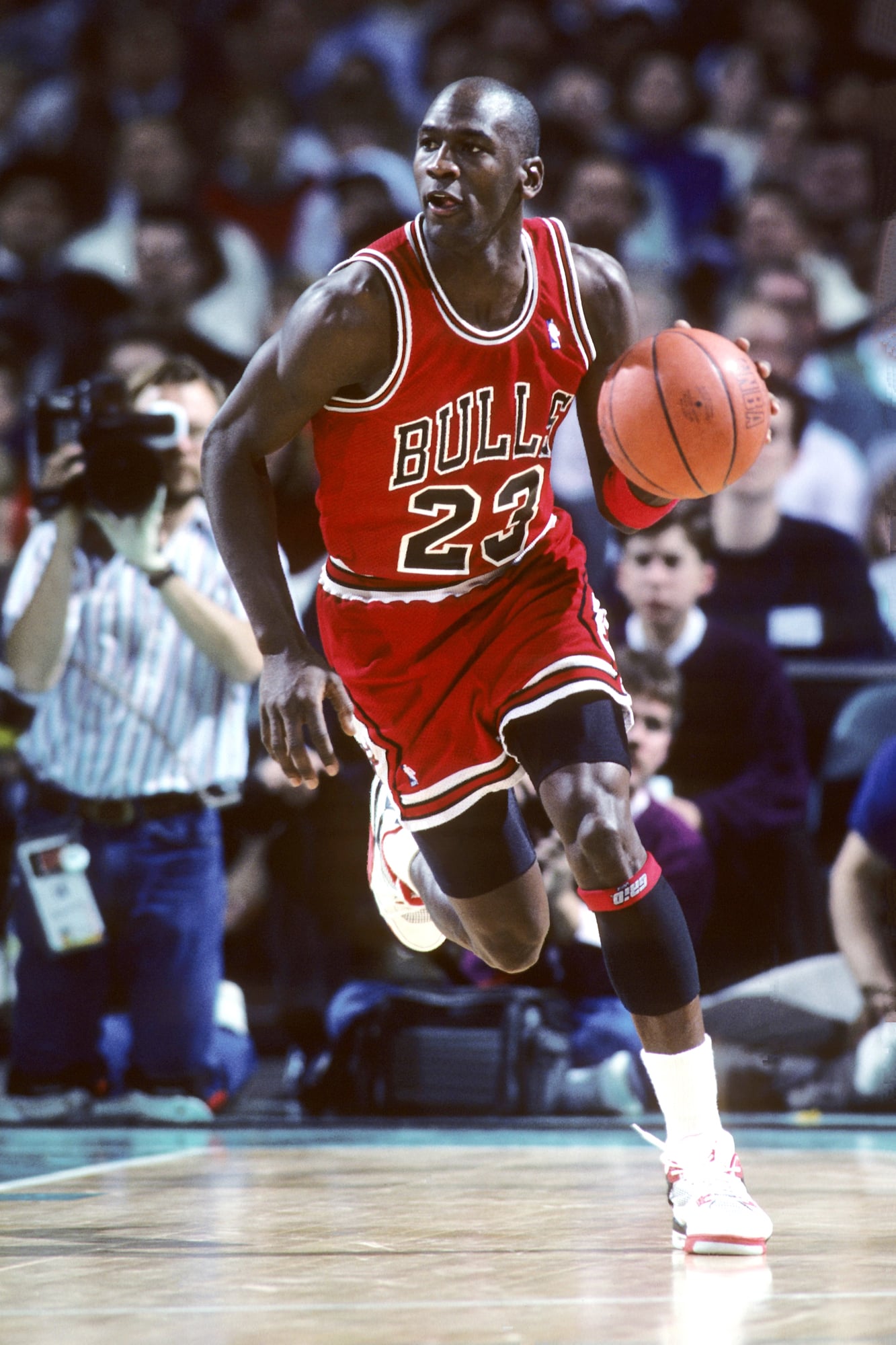
Jordan didn’t just dominate basketball in the ’90s — he turned himself into a global brand before anyone knew what that meant. Six championships, five MVP awards, and a shoe deal that redefined what athletes could become beyond their sport.
The “Air Jordan” phenomenon proved that the right athlete could transcend entertainment and become pure cultural currency. Every endorsement deal since has been chasing what Jordan achieved: becoming more famous for what he sold than what he did on the court.
He made basketball cool for people who didn’t care about basketball, which is a fairly impressive magic trick.
The Death of Princess Diana
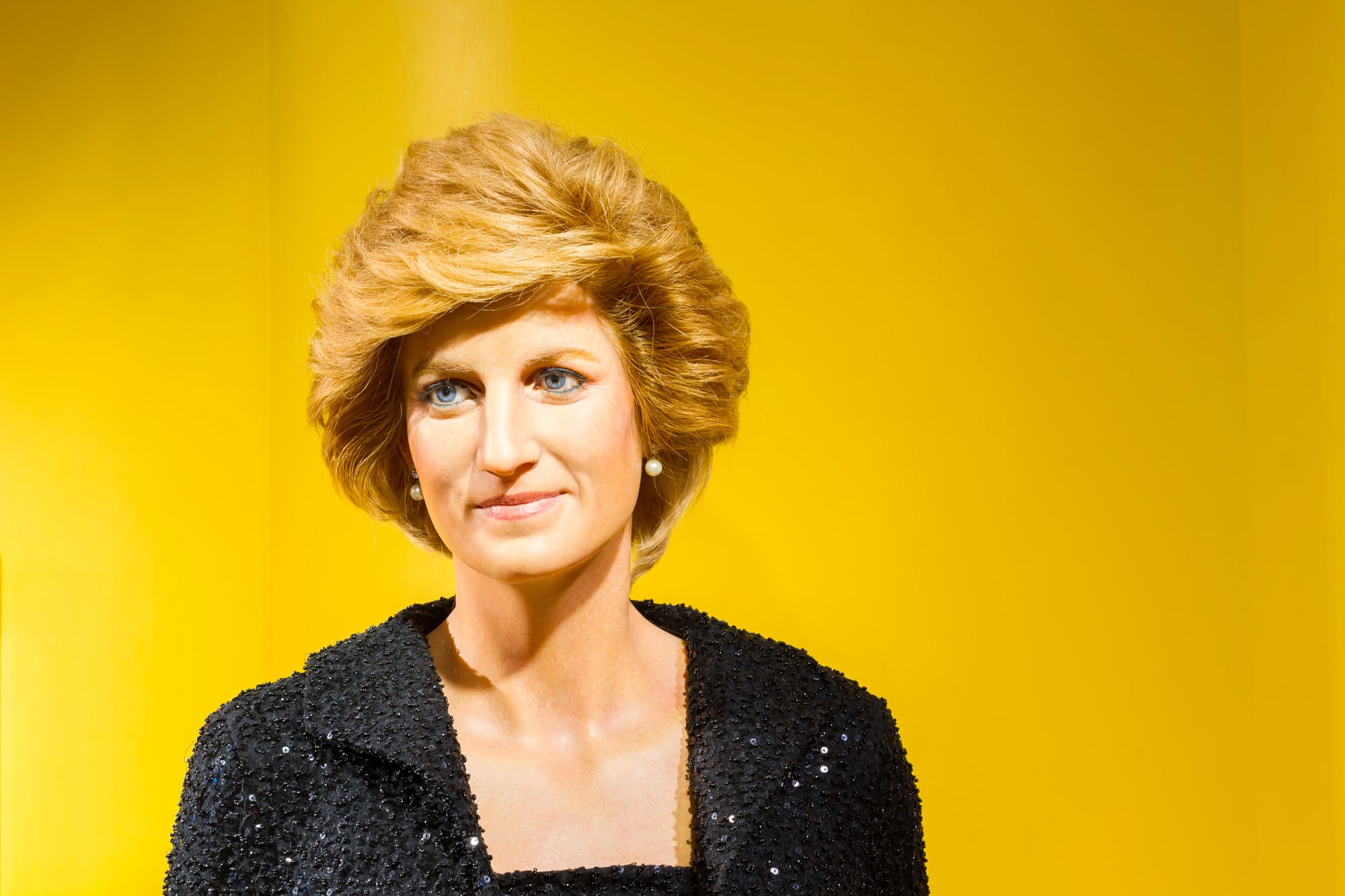
August 31, 1997. The world woke up to news that felt impossible — Princess Diana had died in a car crash in Paris, chased by paparazzi who turned tragedy into a business model.
The outpouring of grief was immediate and global, but it was also something new: the first mass mourning event of the internet age.
Diana’s death didn’t just end the life of the world’s most photographed woman — it changed how celebrities related to fame itself. The paparazzi became the villain in their own story, and privacy became a luxury that money couldn’t buy.
Every famous person since has had to navigate the fact that their life belongs partly to strangers with cameras, which is a special kind of prison that Diana helped design and then died trying to escape.
The Emergence of Gangsta Rap

N.W.A. had already lit the fuse in the late ’80s, but the ’90s were when gangsta rap exploded into mainstream consciousness and refused to be ignored. Dr. Dre’s “The Chronic,” Snoop Dogg’s “Doggystyle,” and Tupac’s raw honesty forced America to confront realities it had been perfectly happy to ignore.
The music was controversial because it was supposed to be controversial — these weren’t artists trying to make everyone comfortable. They were documenting life in places that politicians preferred to forget existed.
And when the establishment tried to suppress them, it only made them more powerful, because authenticity always wins in the end, even when it’s ugly.
The genre didn’t just change hip-hop — it changed the entire music industry’s relationship with controversy. Record labels learned that outrage could be monetized, which opened doors for artists who had something to say and weren’t afraid to say it loudly.
The Monica Lewinsky Scandal
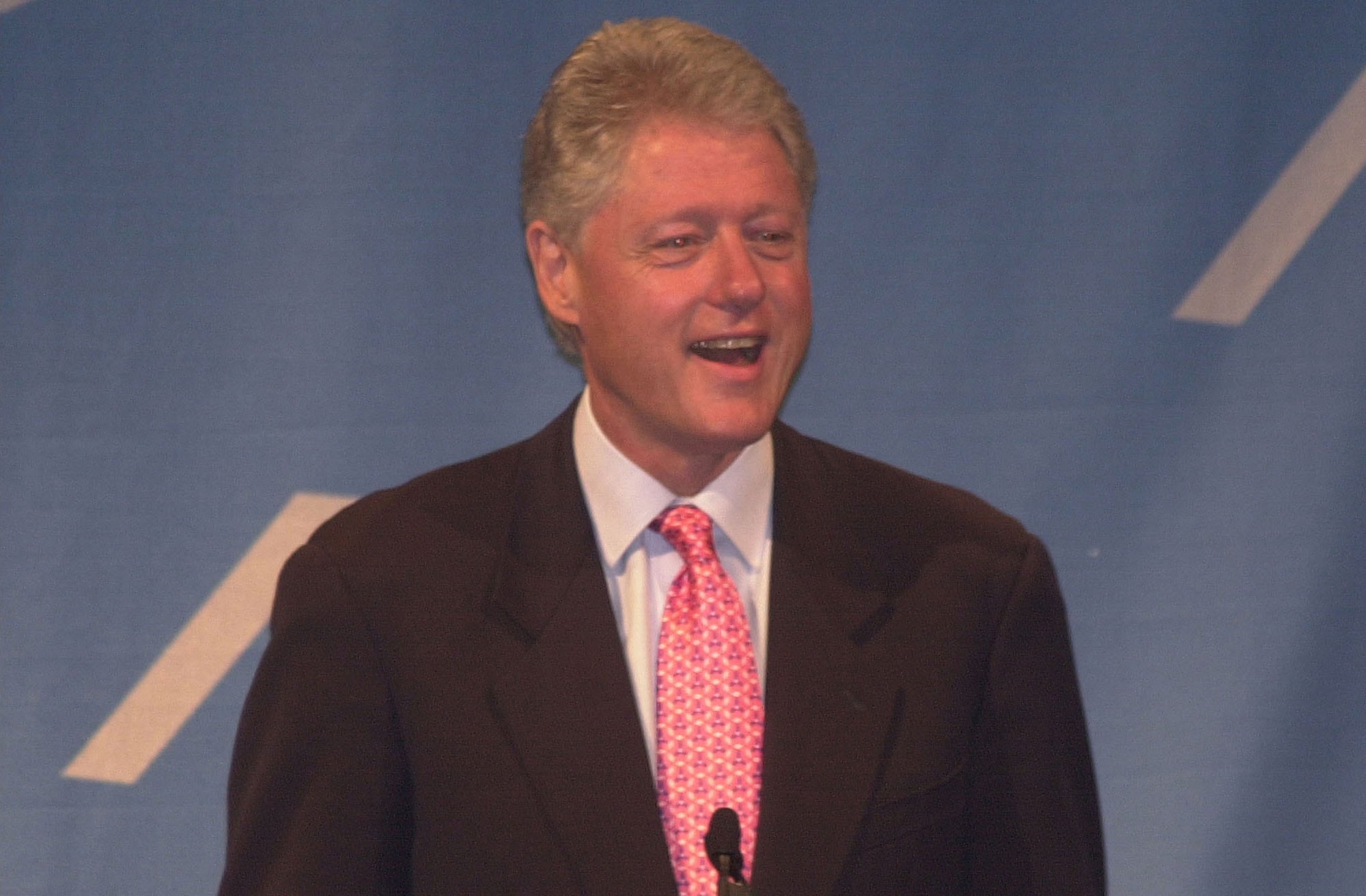
Bill Clinton’s affair with a White House intern didn’t just dominate headlines for two years — it changed how Americans thought about their presidents. The man in the Oval Office was no longer an untouchable figure; he was just another guy who couldn’t keep his personal life together.
The scandal also marked the moment when private behavior became public entertainment. Cable news discovered that scandal coverage generated higher ratings than policy discussions, which explains a lot about where journalism ended up.
And the internet, still in its infancy, proved it could spread gossip faster than traditional media could verify facts, which was either exciting or terrifying depending on your perspective.
The Rise of Alternative Rock

Alternative rock wasn’t just a musical genre in the ’90s — it was a complete rejection of everything the ’80s had celebrated. Where the previous decade had embraced excess, alternative rock embraced authenticity.
Where hair metal had celebrated hedonism, grunge celebrated pain. Bands like Pearl Jam, Soundgarden, and Alice in Chains proved that music didn’t need to be polished to be powerful.
The rougher it sounded, the more real it felt, and realness was the currency that mattered most to a generation that had grown up watching their parents chase material success only to end up divorced and miserable.
The Popularity of “Friends”
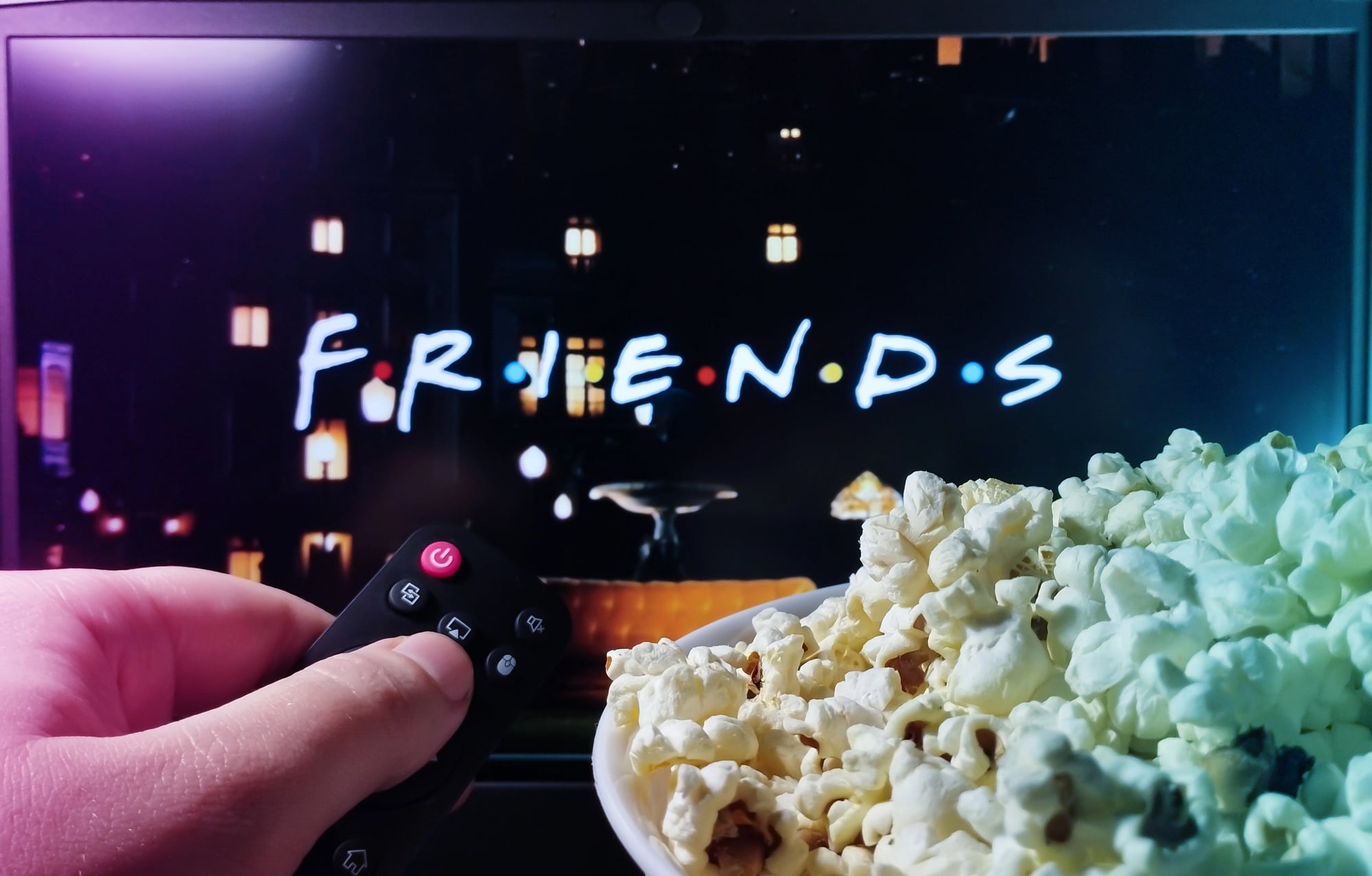
“Friends” premiered in 1994 and immediately became the show that defined how young people were supposed to live in the city. Six attractive people with inexplicably large apartments and jobs that barely seemed to matter — it was aspirational fantasy disguised as slice-of-life comedy.
The show didn’t just entertain audiences — it gave them a template for adult friendship that emphasized chosen family over biological family.
Hanging out in coffee shops became a lifestyle choice, and “Friends” made it seem not just acceptable but enviable to spend your twenties figuring out who you were while surrounded by people doing the same thing.
The Explosion of Hip-Hop Culture

Hip-hop in the ’90s wasn’t just music — it was a complete cultural takeover. Fashion, language, attitude, and worldview all shifted as rap moved from the margins to the center of American entertainment.
The genre split into different camps and coasts, creating drama that was part artistic rivalry, part genuine beef.
Artists like Jay-Z, Nas, and The Notorious B.I.G. proved that rap could be sophisticated without losing its edge, while Wu-Tang Clan showed that weirdness and commercial success weren’t mutually exclusive.
The culture moved fast, changed constantly, and demanded that everyone else keep up or get left behind.
The Impact of “Pulp Fiction”
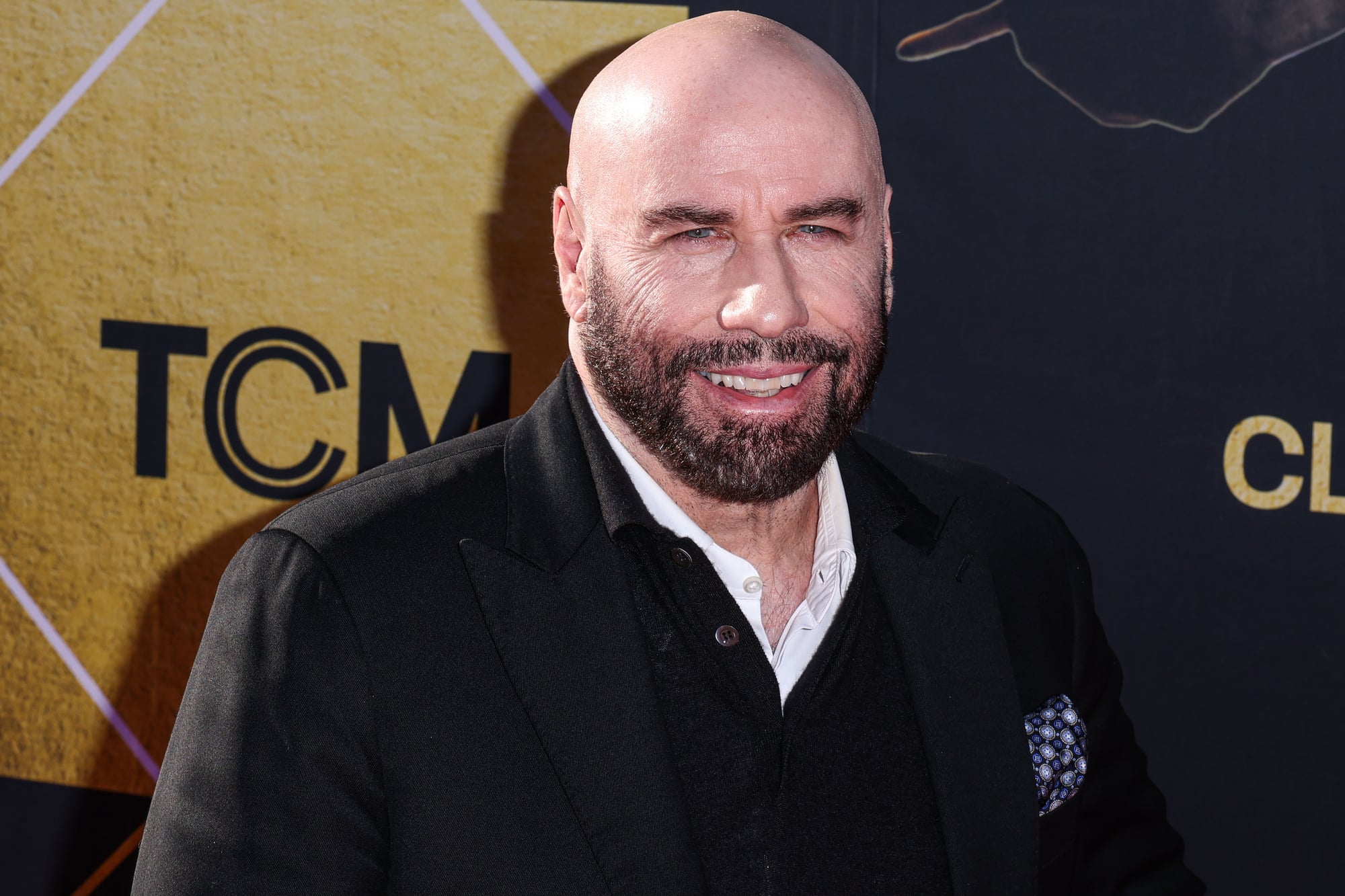
Quentin Tarantino’s “Pulp Fiction” didn’t just win the Palme d’Or and revitalize John Travolta’s career — it proved that audiences were hungry for movies that treated them like they had functioning brains.
The non-linear narrative, pop culture references, and morally ambiguous characters became the template for every filmmaker who wanted to seem smart and edgy.
The movie made violence stylish again, which was probably problematic, but it also made dialogue matter in ways that action movies had forgotten.
Suddenly, every screenwriter wanted to write characters who could deliver monologues about hamburgers and foot massages with equal intensity.
The Birth of the Modern Internet

The World Wide Web went public in the early ’90s, but it took most of the decade for people to understand what they were dealing with. Email became normal.
Websites became businesses. And somewhere around 1995, it became clear that the internet wasn’t just a tool — it was going to reshape everything.
The change wasn’t immediate, but it was inevitable. By the end of the decade, people were starting to live parts of their lives online, which seemed like science fiction until it became mundane.
The internet promised to connect everyone, and it delivered on that promise, though nobody anticipated that connection would come with so many complications.
When the Music Stopped
The ’90s ended the way they began — with something dying. But instead of hair metal or the Cold War, what died was the idea that culture could be shared.
The internet arrived promising infinite choice, and it delivered exactly that, which turned out to be both a gift and a curse.
Looking back, the decade feels like the last time everyone was watching the same shows, listening to the same songs, and arguing about the same scandals. It was messy and often ugly, but it was ours in a way that culture hasn’t been since.
The ’90s gave us the tools that would eventually fragment everything, but for one brief moment, we were all still in the same room together.
More from Go2Tutors!

- The Romanov Crown Jewels and Their Tragic Fate
- 13 Historical Mysteries That Science Still Can’t Solve
- Famous Hoaxes That Fooled the World for Years
- 15 Child Stars with Tragic Adult Lives
- 16 Famous Jewelry Pieces in History
Like Go2Tutors’s content? Follow us on MSN.



