Jobs That Disappeared in the Last Century
A century ago, a person could earn a living by tapping on bedroom windows at dawn, resetting bowling pins by hand, or answering every telephone call in town. Technology and changing habits erased those jobs, often within a single generation.
Some vanished because a machine did the work faster. Others went away because the need itself disappeared, and a few left behind stories that are still hard to believe.
Knocker-Uppers

Before cheap alarm clocks, workers in British industrial towns paid a knocker-upper a few pennies a week to wake them for the early shift. The knocker-upper tapped on bedroom windows with a long pole, and some used a pea shooter to fire dried peas at upstairs glass.
The trade faded as inexpensive alarm clocks spread and as work schedules changed.
Lamplighters
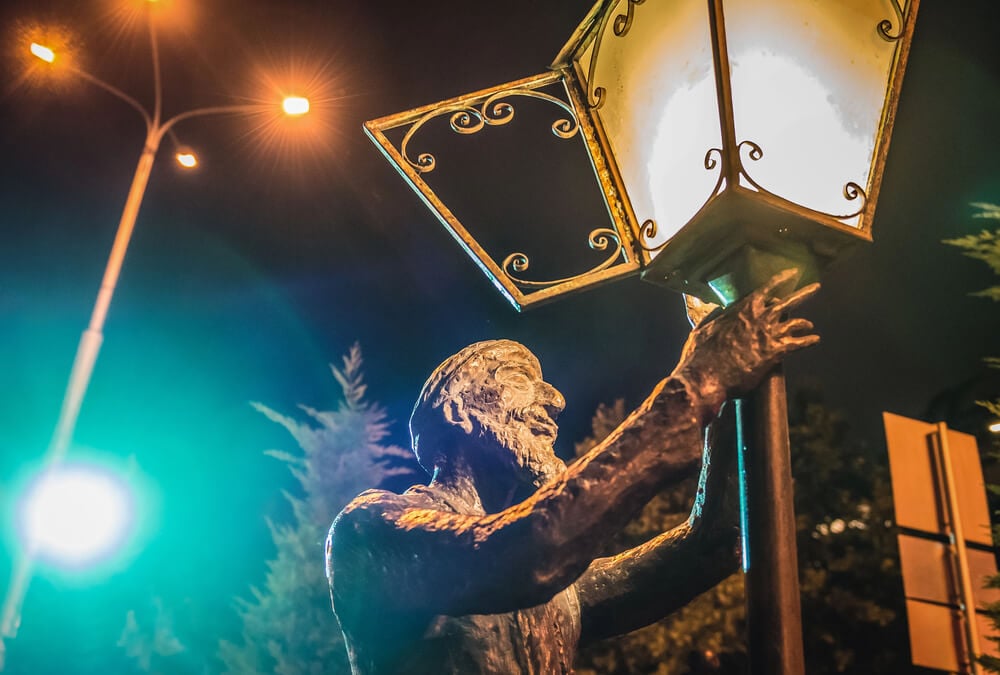
In cities lit by gas, a lamplighter made the rounds at dusk with a long pole, opening the gas and lighting each street lamp, then returned at dawn to put them out. The job demanded a fixed route and a steady pace, since every lamp on the list had to burn before dark.
Electric streetlights switched on from a central point made the entire profession unnecessary.
Telephone Switchboard Operators
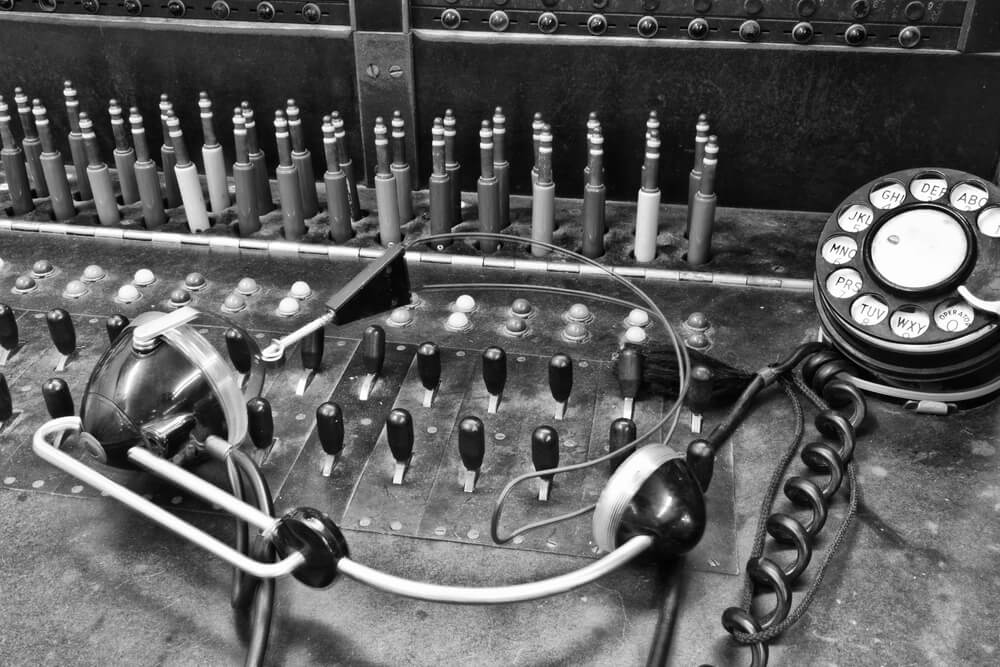
Early phone calls did not connect themselves. A caller picked up the receiver, an operator said some version of number please, and then she plugged a cord into the right socket by hand.
Automatic exchanges took over through the 20th century, and Bryant Pond, Maine, one of the last places in the United States with a hand-cranked system, switched to dial service in 1983.
Elevator Operators
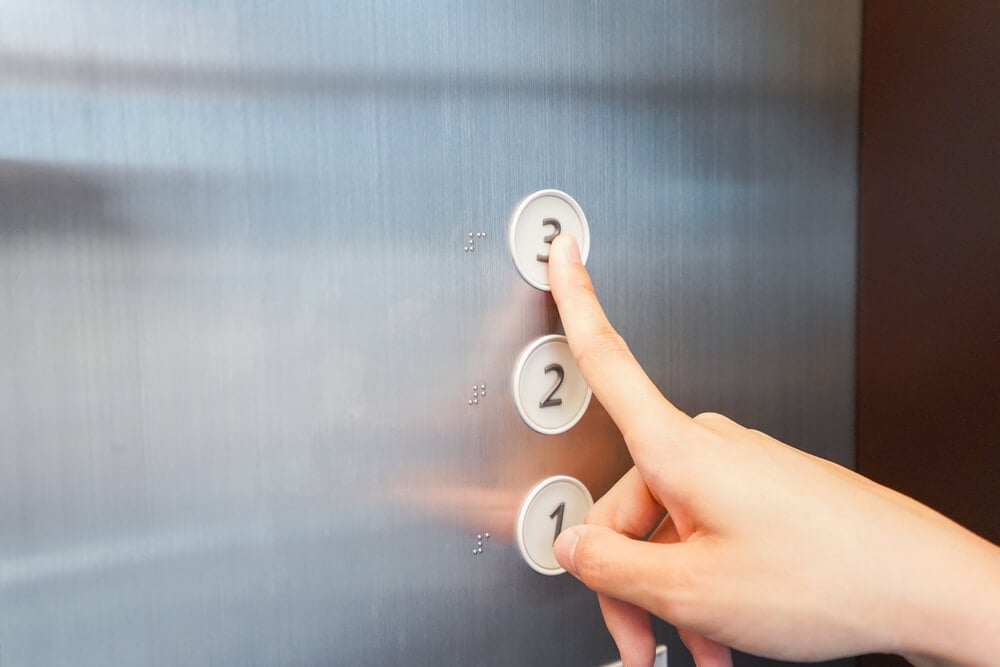
For decades, buildings employed a person to run each elevator, working the lever, calling out floors, and leveling the car with each landing. Strikes by New York elevator operators, including a major walkout in 1945, helped push building owners toward automatic push-button controls.
Within a generation, riding alone with a button panel became the normal way to reach the tenth floor.
Linotype Operators
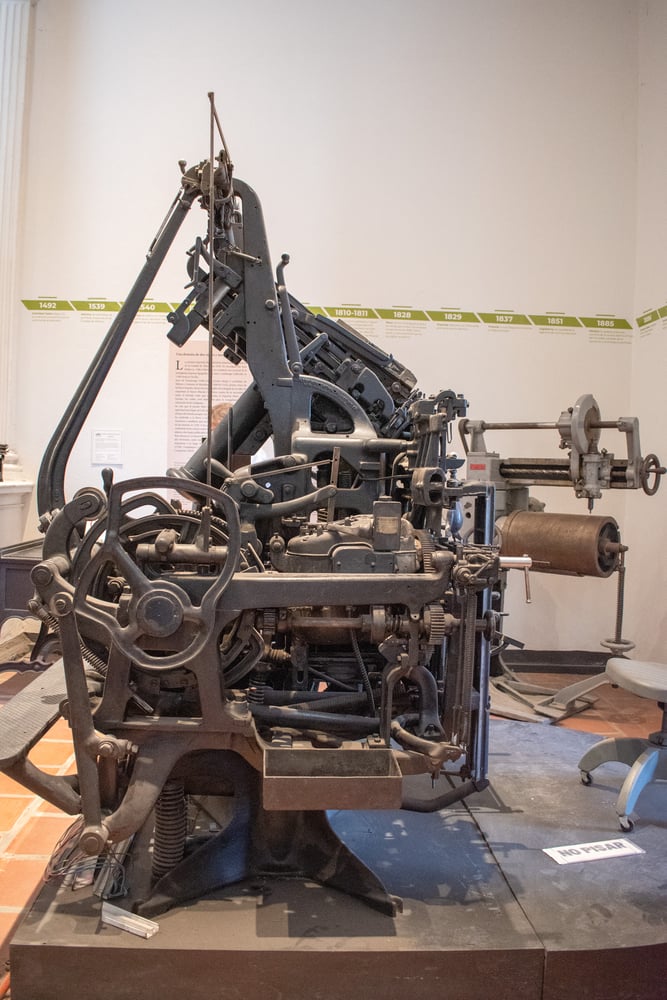
A linotype operator sat at a keyboard that cast entire lines of type from molten lead, which meant newspapers were literally built from hot metal. A single typo required recasting the entire line, so operators worked fast and read upside down.
The New York Times set its last page in hot metal in 1978 and moved to computer typesetting.
Pinsetters
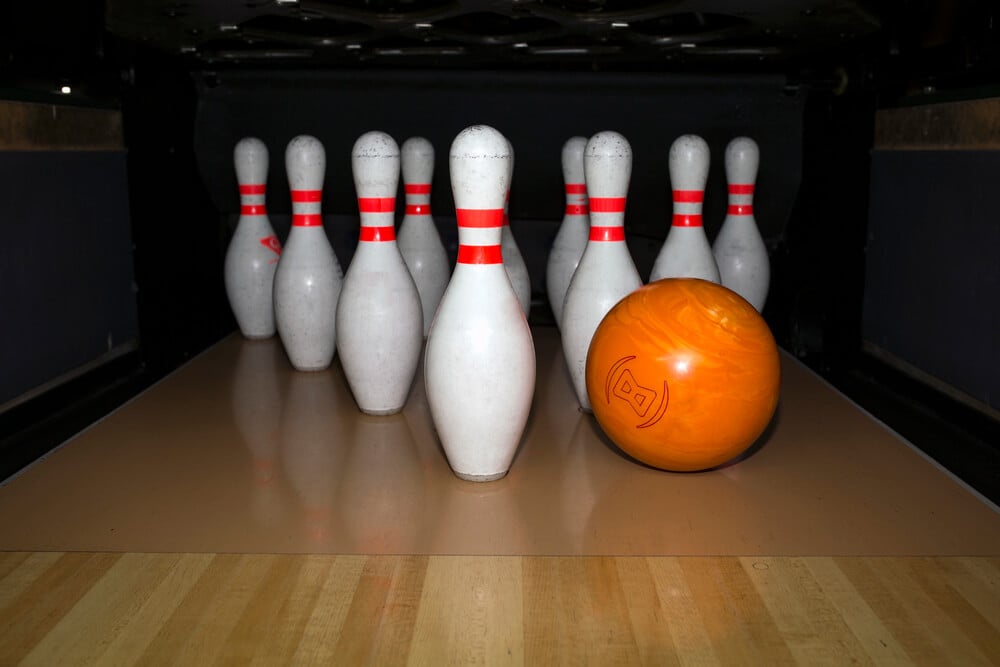
Before automation, bowling alleys relied on boys who sat in a pit behind the lanes, dodging flying pins while they reset the pins by hand and sent the bowler’s heavy sphere rolling back. The work was loud, fast, and sometimes dangerous, and it was often given to teenagers paid by the game.
AMF’s automatic pinspotter reached alleys in the 1950s and took the job away.
Telegram Messengers

Messenger boys on bicycles once carried telegrams across cities, knocking on doors with news that might be a birth, a business deal, or a death. During the wars, the sight of a uniformed messenger on a doorstep could mean the worst.
The job vanished as telephones spread and the telegram faded, and Western Union sent its last telegram in 2006.
Human Computers

Women were often hired to perform scientific calculations by hand, long before the word computer meant a machine. At Harvard’s observatory they worked through star data, and at the research laboratory that became NASA, Dorothy Vaughan led a unit of Black women mathematicians in the West Area Computing group.
As electronic computers took over, many of the same women taught themselves to program them.
Radium Dial Painters

In factories in New Jersey and Illinois, young women painted watch dials with glowing radium paint and were taught to shape the brush tips with their lips. Many later developed severe illnesses, and lawsuits in the late 1920s made their cases a landmark in workplace safety.
The job ended once the danger was understood, but the cases helped shape later rules protecting factory workers.
Gandy Dancers
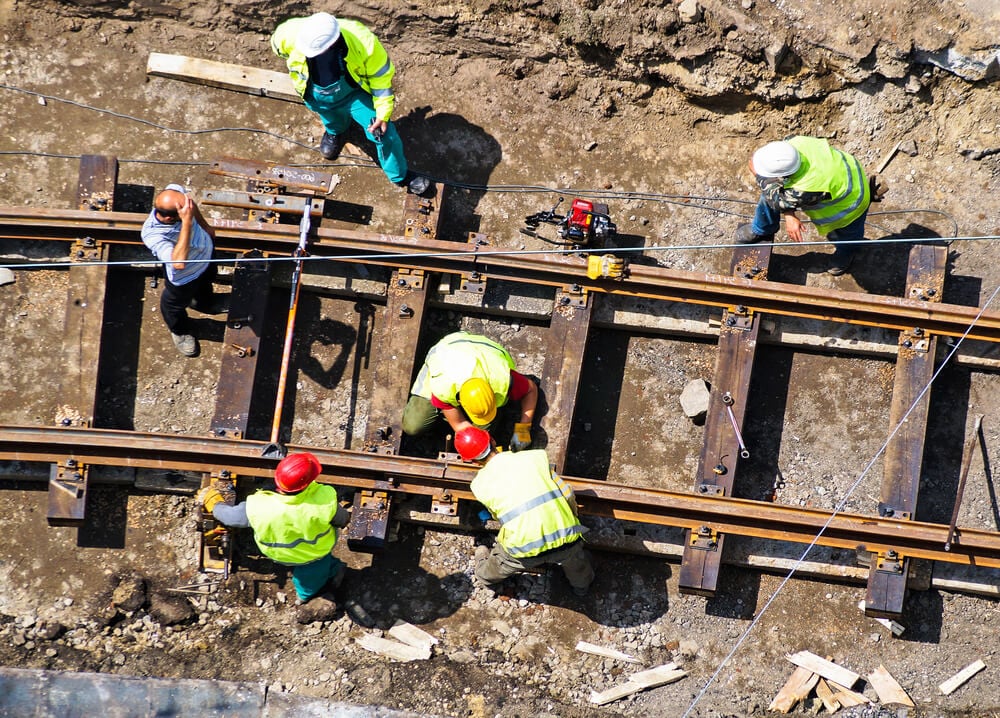
Gandy dancers were railroad track workers who lined up rails by hand, using long steel bars and a rhythmic chant to coordinate each push. A caller sang out the rhythm so that every worker heaved at the same instant, and the songs became a folk tradition of their own.
Track machines took over the heavy work by the middle of the 20th century.
Railroad Firemen
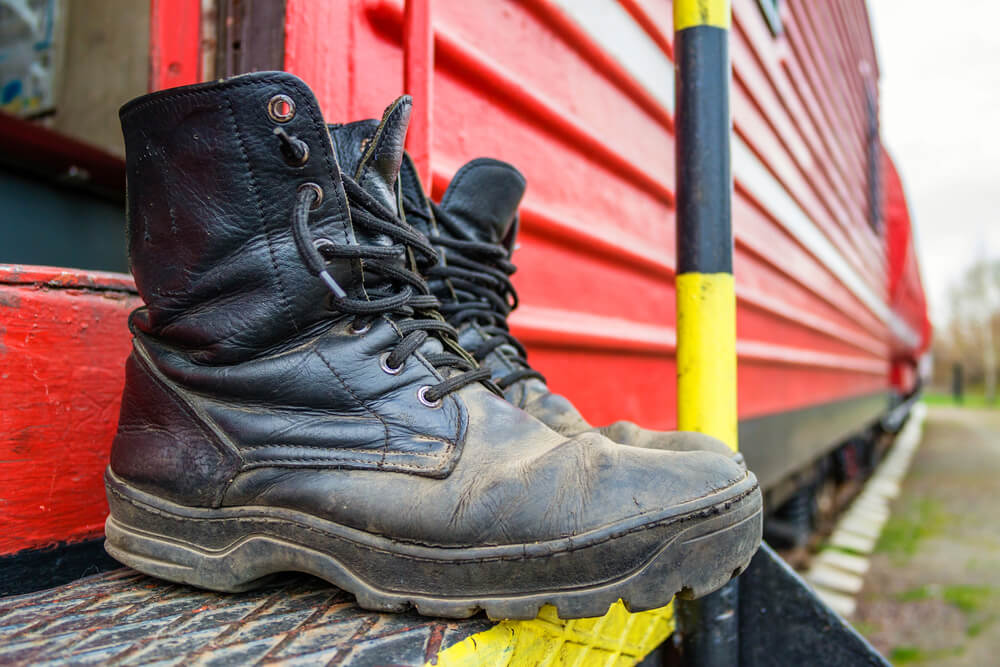
On a steam locomotive, the fireman shoveled coal into the firebox for hours at a time, keeping steam pressure steady while the engineer watched the track. Diesel engines made the job unnecessary, but unions fought to keep firemen on the payroll, and the dispute dragged on for years.
The positions were eventually phased out through attrition and negotiated agreements.
The Iceman

Before electric refrigerators, an iceman delivered blocks of ice to kitchens, and a card turned in the window told him how much to leave. Harvesters cut that ice from frozen lakes and rivers in winter and stored it in insulated sheds until summer.
Household refrigerators took over through the 1930s and 1940s, and the iceman’s route dried up.
Rag-and-Bone Men

In British streets, rag-and-bone men drove horse or donkey carts and called out for old clothes, scrap metal, and bones, which were sold on to be recycled. Children often traded household scraps for a small prize.
Rising prosperity, council collections, and the decline of cheap scrap work thinned out the trade through the 20th century.
Keypunch Operators

Before computers took data directly from keyboards, rows of operators typed information onto stiff paper cards, one card for each line of data. A single misplaced punch could corrupt a payroll run, so the work demanded accuracy as much as speed.
The IBM 029 keypunch, introduced in the 1960s, was a workhorse of the trade until terminals and disk storage let people enter data directly.
Soda Jerks

A soda jerk worked behind the marble counter at a drugstore fountain, mixing syrups, seltzer, and ice cream into sodas and floats. The name came from the quick jerk of the wrist used to pull the fountain handle, and the best of them were showmen with their own slang.
Fast-food chains and packaged drinks eventually closed most of the fountains.
Film Projectionists

Movie theaters once needed a trained operator for every show, running two projectors and switching between them as each reel ended. Small dots in the corner of the screen cued the changeover, and a missed cue left the audience staring at a blank screen.
Digital cinema replaced film prints in the 2010s, and the job has nearly vanished.
Streetcar Conductors
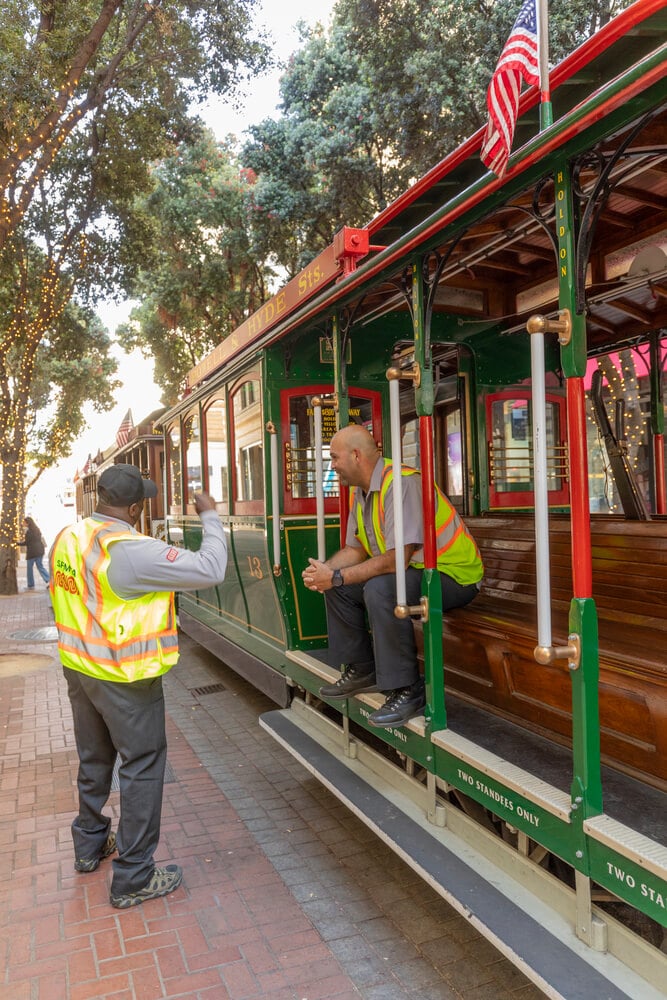
On many streetcars, a conductor collected fares and signaled the motorman, while the motorman did the driving. Transit companies looked for ways to cut crews, and cars built for a single operator, such as the Birney safety car of the 1910s, let the driver do both jobs.
Over the following decades the conductor’s role disappeared from most city lines.
Milkmen

A milkman left glass bottles on the doorstep each morning and picked up the empties from the day before. In Britain, birds learned to peck through the foil caps to reach the cream at the top.
Supermarkets, home refrigerators, and cheaper cartons pulled customers away, and routes shrank year after year.
Ship Radio Operators
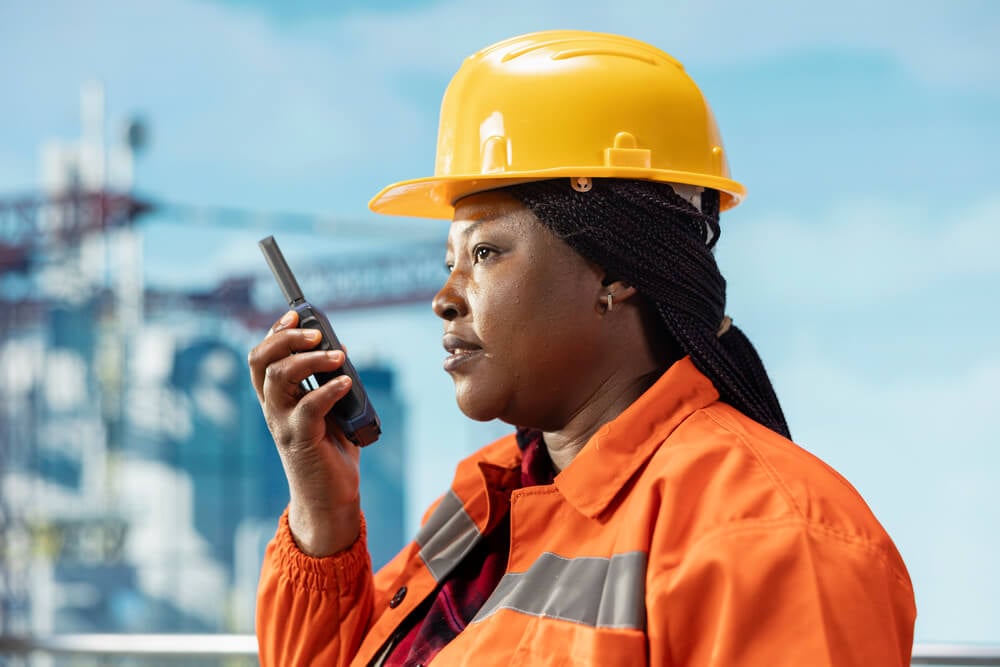
Ships once carried a radio operator who tapped out Morse code, and the job’s most famous moment came in 1912, when the Titanic’s operators Jack Phillips and Harold Bride sent distress calls. For decades afterward, operators stood watch around the clock for emergencies.
Satellite systems replaced Morse for ships at sea, and the changeover to the Global Maritime Distress and Safety System was completed in 1999.
Silent Film Musicians
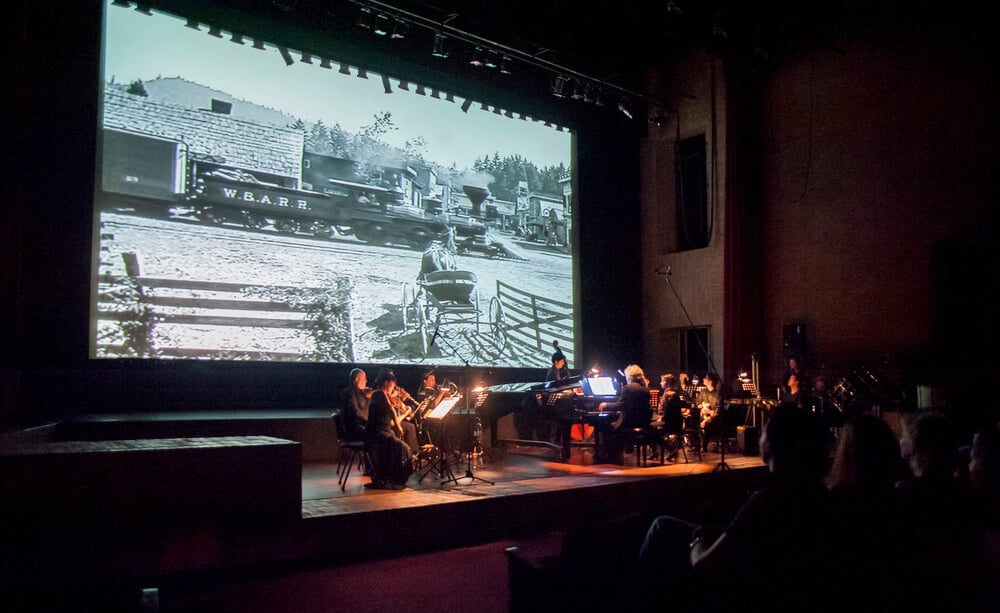
Before sound came to the movies, theaters hired pianists and theater-organ players to accompany each film, improvising or following cue sheets from the studio. Large houses had orchestras and enormous theater organs built to imitate drums, bells, and sirens.
The Jazz Singer, in 1927, helped signal the move to sound, and many of those musicians lost their jobs as theaters switched.
The Trades Time Quietly Retired
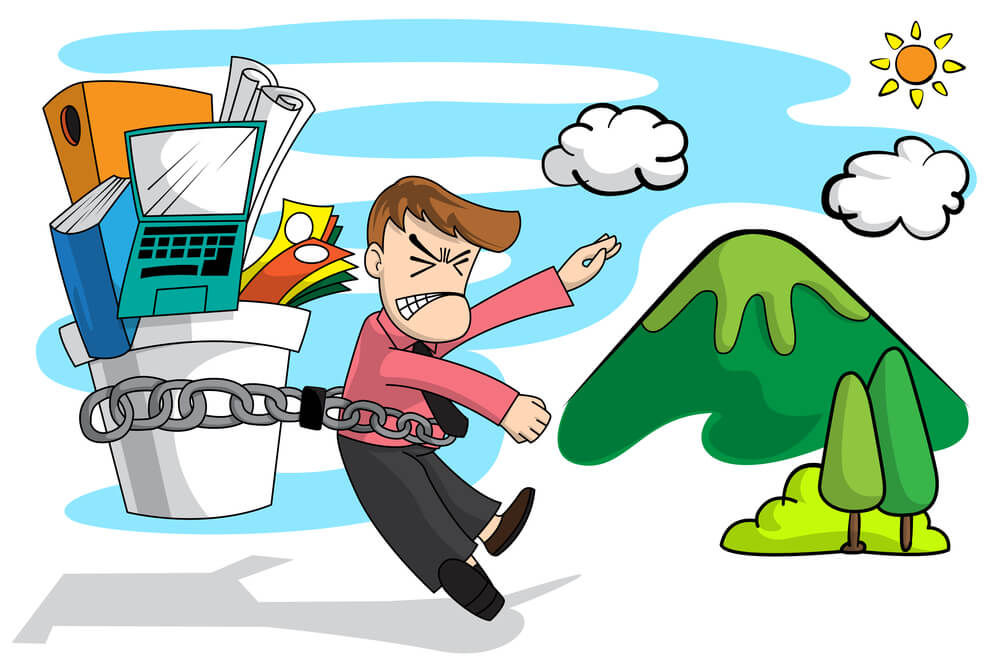
Most of these jobs ended for a simple reason: someone built something cheaper, faster, or safer. A machine that could cast type, connect calls, or run an elevator did not need a person standing beside it.
The workers rarely had a say, and many faced the change with little warning. Yet the old trades left traces in everyday language.
Words like dial, hang up, and carbon copy outlived the machines that gave them meaning. That may be the best reason to remember the people behind them, since the skill and care they brought did not vanish but simply moved somewhere else.
More from Go2Tutors!

- 27 Silver Dollars and Half Dollars Worth Keeping
- 28 Restaurant Menu Items Nobody Orders Anymore
- 17 Places Built in Seemingly Impossible Spots
- 27 Vintage Rings Worth More Than They Look
- 25 Restricted Sites Tourists Can’t Enter
Like Go2Tutors’s content? Follow us on MSN.