25 Ghost Towns Frozen in Time Across America
Every ghost town has a moment when the money, the water, the railroad or the safety ran out. What remains is a snapshot of that day, with doors still hanging and furniture still waiting.
These 25 places across the country were left behind for very different reasons. Each one still has something standing that tells you something about how people once lived there.
Bodie, California
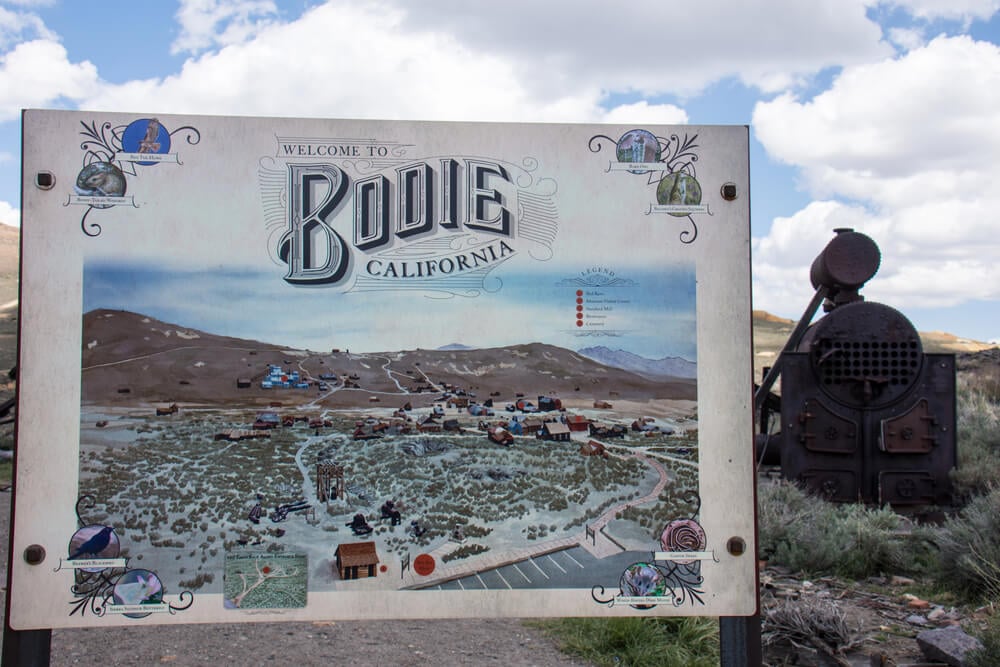
Gold was found near Bodie in 1859, and by the late 1870s, several thousand people lived in a town known for its rough reputation. Today, it is a California state park kept in what rangers call “arrested decay,” a preservation approach in which buildings are stabilized rather than fully restored.
Peek through a window and you may spot goods still sitting on shelves, as if the shopkeeper stepped out for lunch.
Centralia, Pennsylvania
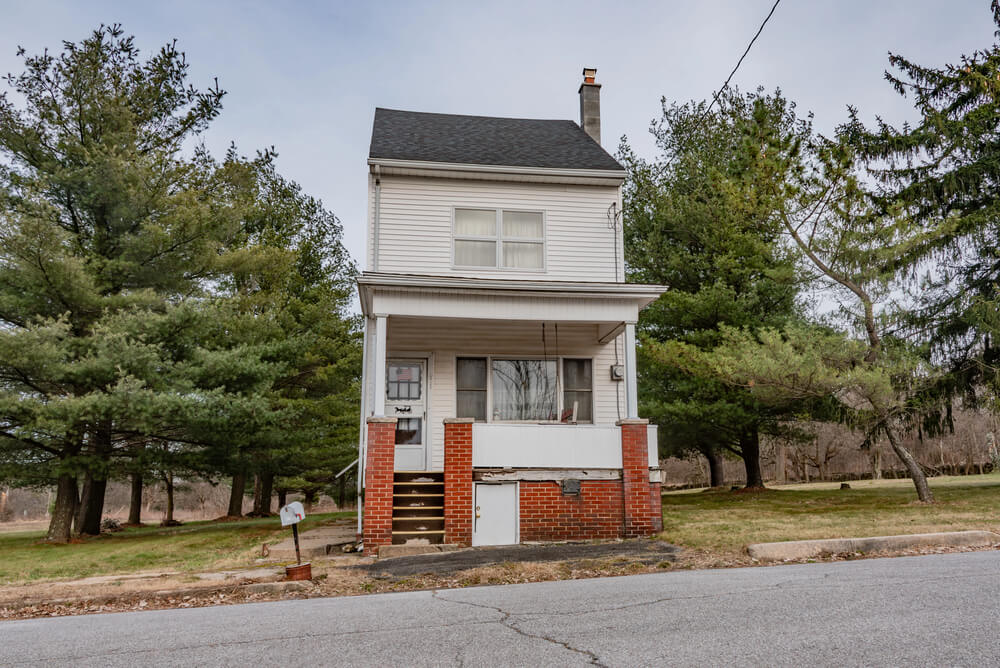
A fire in an abandoned mine pit in 1962 spread into the coal seams beneath the borough and has burned ever since. Residents were bought out after the federal government stepped in during the 1980s, and the town’s ZIP code was discontinued in 2003 after the change was announced the previous year.
Most of the community has been cleared or reclaimed by vegetation, though a small number of residents held on for years after the buyout. Streets that once carried traffic now lie cracked and overgrown.
Kennecott, Alaska
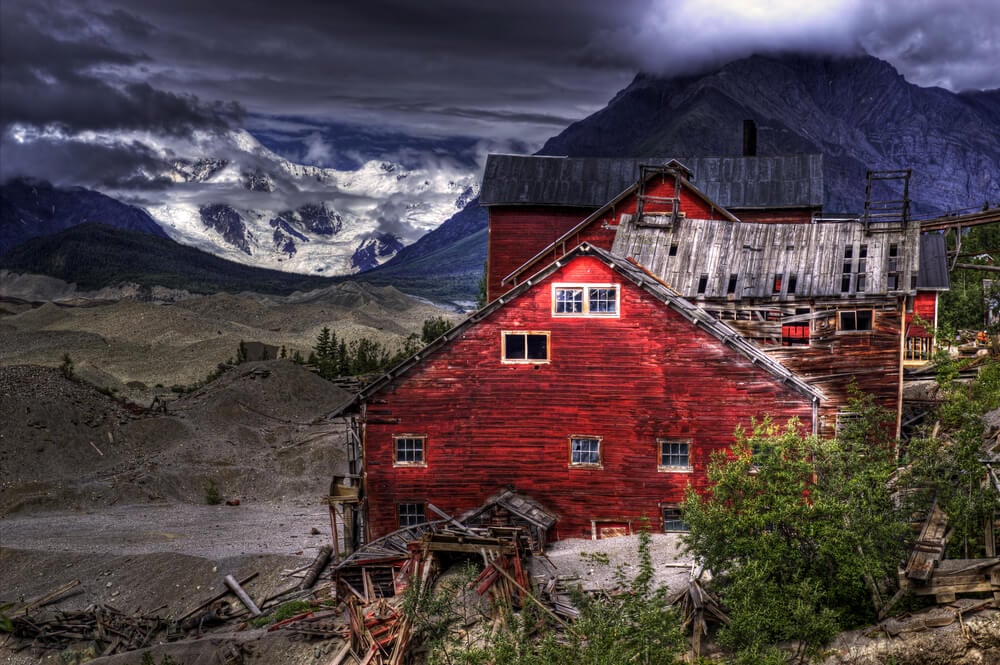
The red mill buildings at Kennecott rise up a mountainside in Wrangell-St. Elias National Park, preserving the remains of a copper-mining operation that ran from the early 1900s until the company shut it down in 1938. The operation closed abruptly, and many buildings and industrial structures were left behind.
The tall mill still dominates the valley. It is now a National Historic Landmark, and the glacier below it keeps grinding on.
St. Elmo, Colorado
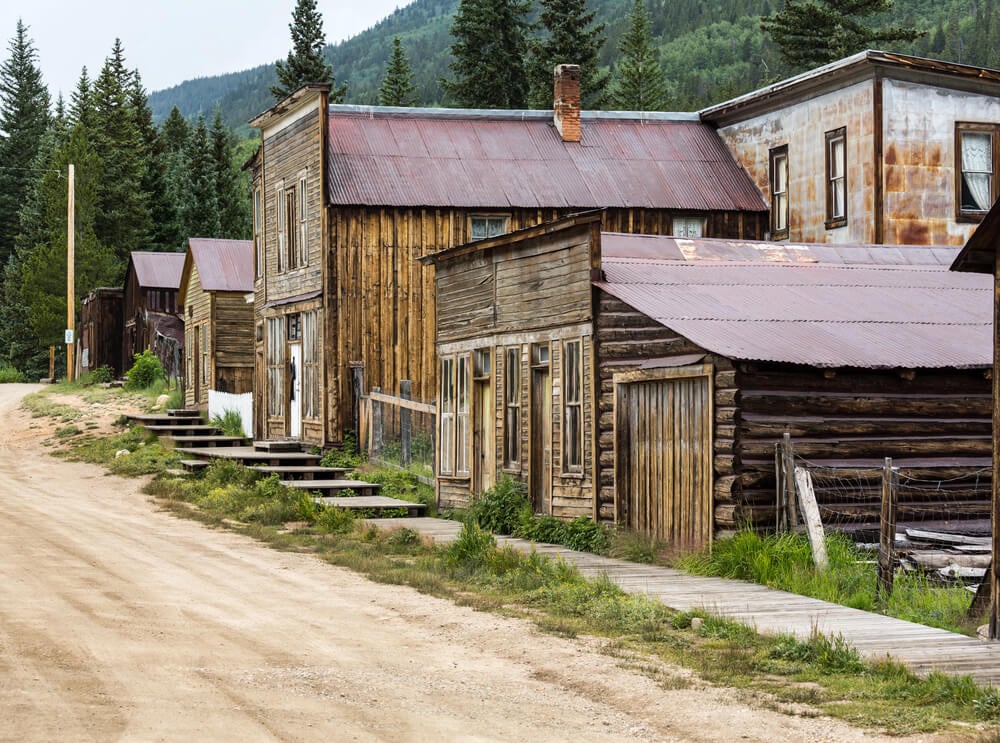
This mining town sits above 10,000 feet in the Sawatch Range, and its main street of false-fronted buildings is remarkably intact. Much of that survival is credited to Annie Stark, known as Miss Annie, who stayed after the railroad left and guarded the town until her death in 1960.
She reportedly chased off scavengers who tried to carry away pieces of the buildings.
Garnet, Montana
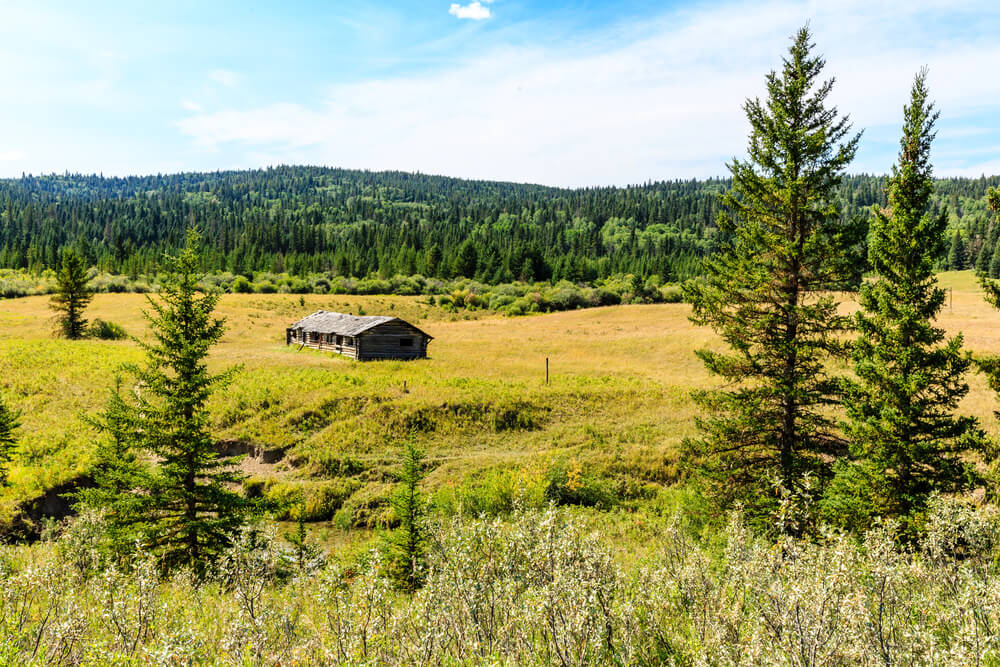
Garnet boomed in the 1890s, when gold brought roughly a thousand people to the Garnet Range. A fire in 1912 destroyed much of the business district, and the town never fully recovered.
The Bureau of Land Management now preserves the remaining cabins, hotel and saloon, some of which still contain period furnishings and belongings.
Calico, California
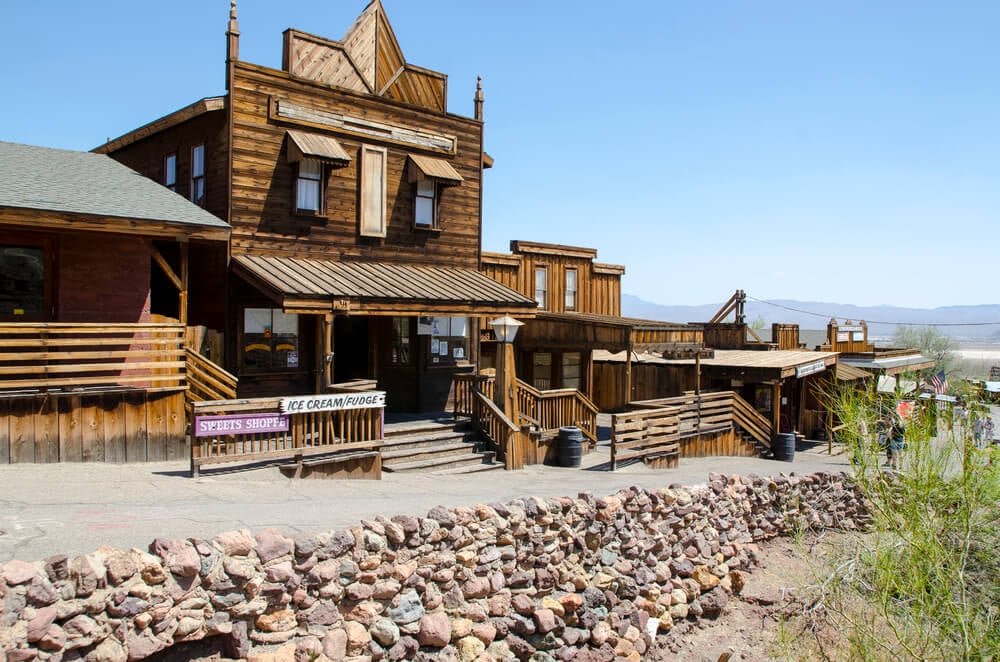
Silver was discovered in the Calico Mountains in 1881, and the town produced millions of dollars’ worth of the metal before prices collapsed in the 1890s. The ruins were rescued in the 1950s by Walter Knott, the founder of Knott’s Berry Farm, who had worked there as a boy and rebuilt the main street.
Calico is now a county park, and it is part ghost town and part tourist attraction.
Rhyolite, Nevada
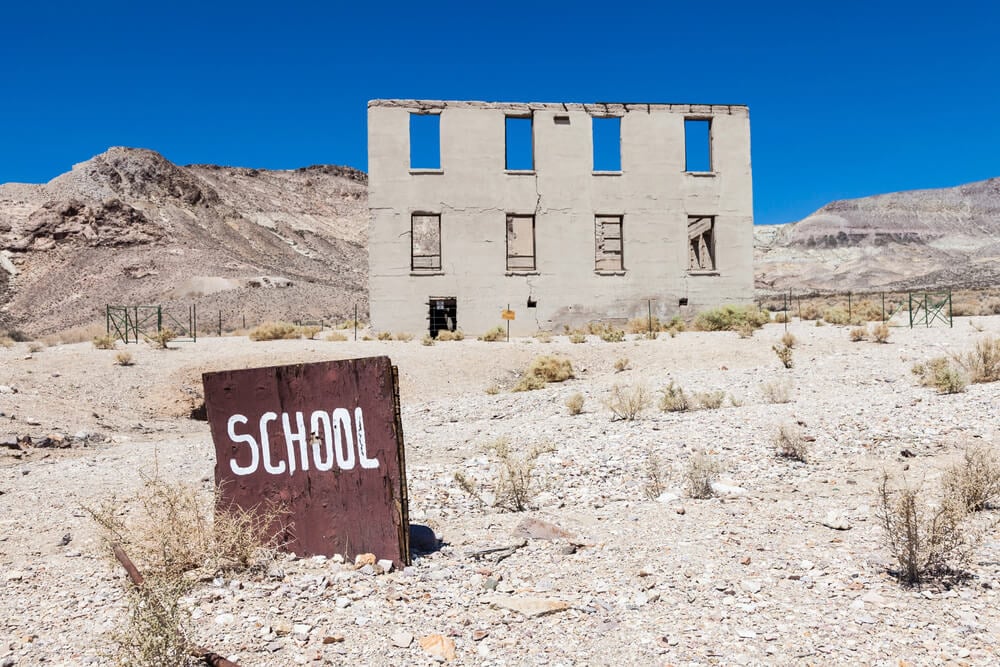
Rhyolite grew after a gold strike in 1904 and had thousands of residents within a few years, complete with a stock exchange and an opera house. Its most famous survivor is the Bottle House, built in 1906 from tens of thousands of discarded bottles.
Nearby, the Goldwell Open Air Museum displays a ghostly sculpture of shrouded figures arranged like the Last Supper, created by Albert Szukalski in 1984.
Animas Forks, Colorado
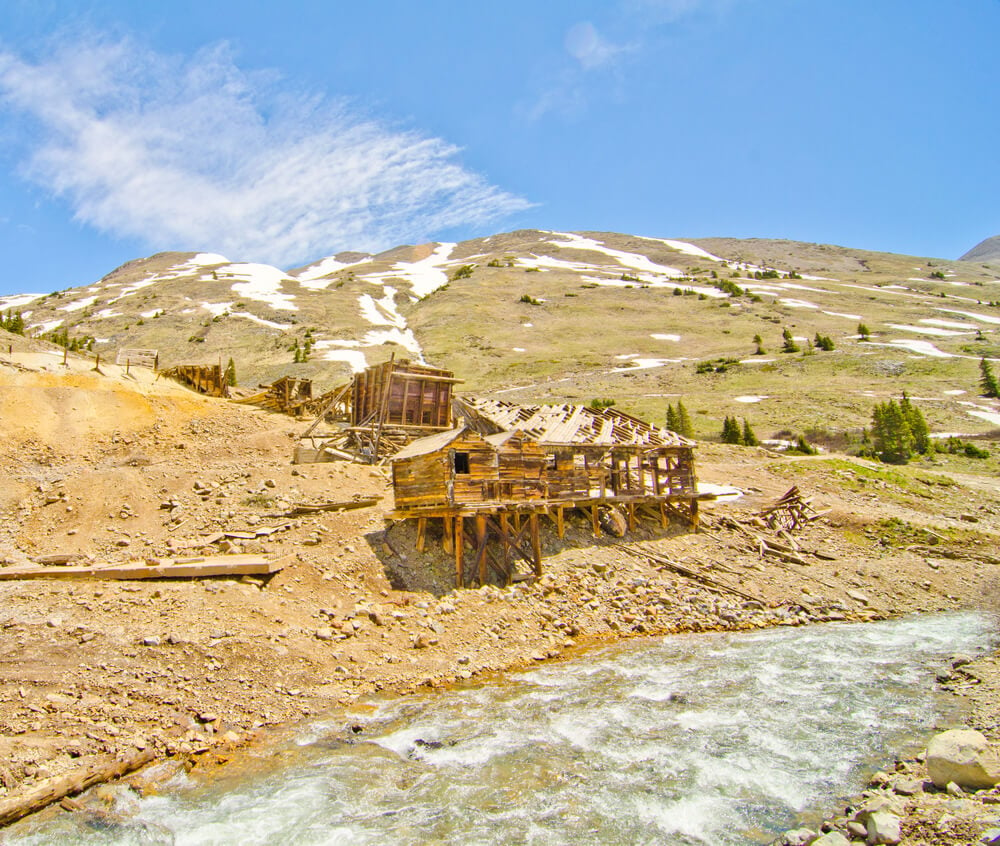
At roughly 11,200 feet, Animas Forks was a mining camp that housed a few hundred people through brutal San Juan Mountain winters. The town was largely abandoned in the early 20th century, but wooden houses and a boarded-up jail still stand along the high alpine road.
Getting there takes a rough drive that rewards visitors with thin air and sweeping mountain views.
Thurmond, West Virginia
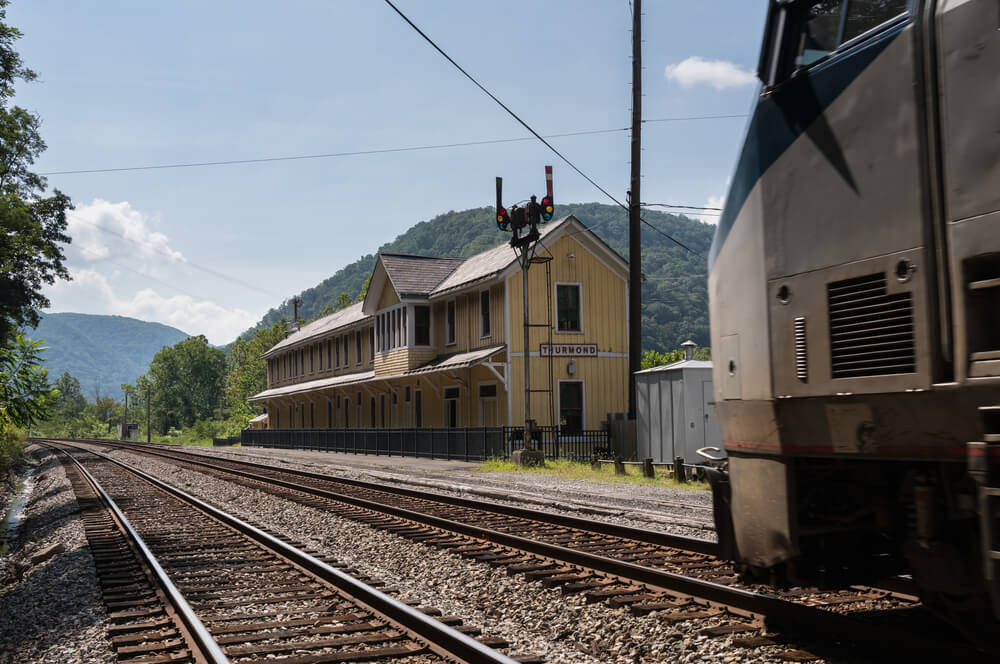
Thurmond was built into the New River Gorge to serve the coal trains of the Chesapeake and Ohio Railway, and in its prime, it was a bustling rail hub of hotels, banks and saloons. Passenger service faded and the commercial buildings emptied out, leaving a small community and a collection of historic structures.
The old depot still stands beside the tracks, now part of New River Gorge National Park and Preserve.
Elkmont, Tennessee
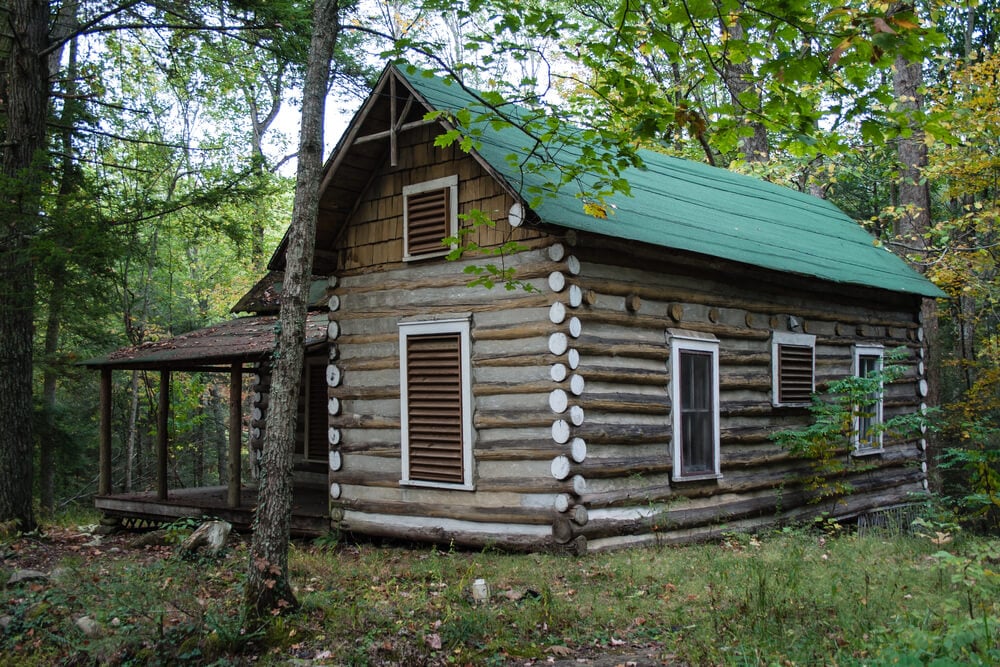
Elkmont began as a logging town and became a retreat where wealthy families from Knoxville built summer cabins in the early 1900s. When Great Smoky Mountains National Park took over, leases ran out in 2001 and many cabins were left to deteriorate, although some have since been restored.
Each early summer, the area also draws crowds hoping to see synchronous fireflies, which flash in unison.
Cahawba, Alabama
Cahawba served as Alabama’s first permanent state capital in the early 1820s, then lost the title when the legislature moved to Tuscaloosa. Repeated flooding where the Alabama and Cahaba rivers meet drove residents away over the following decades.
Today, it is an archaeological park where brick columns and street grids rise out of open meadow.
Bannack, Montana
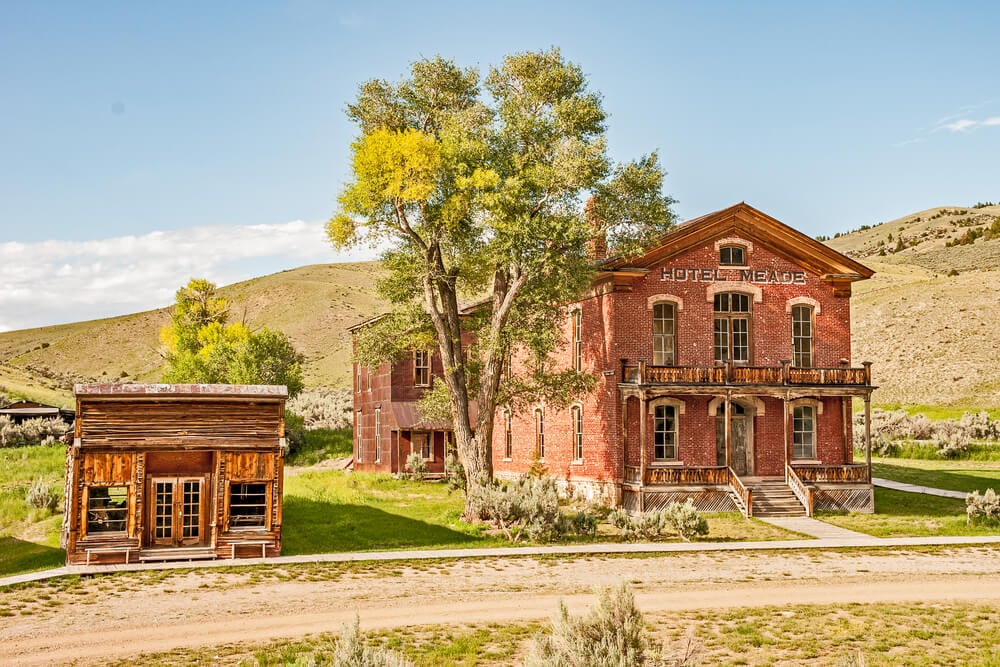
Gold was found on Grasshopper Creek in 1862, and Bannack became the first capital of Montana Territory in 1864. That same year, vigilantes hanged Sheriff Henry Plummer and others, a violent episode that still defines the town’s reputation.
More than 50 buildings remain in Bannack State Park, including a hotel, a jail and a schoolhouse.
Grafton, Utah
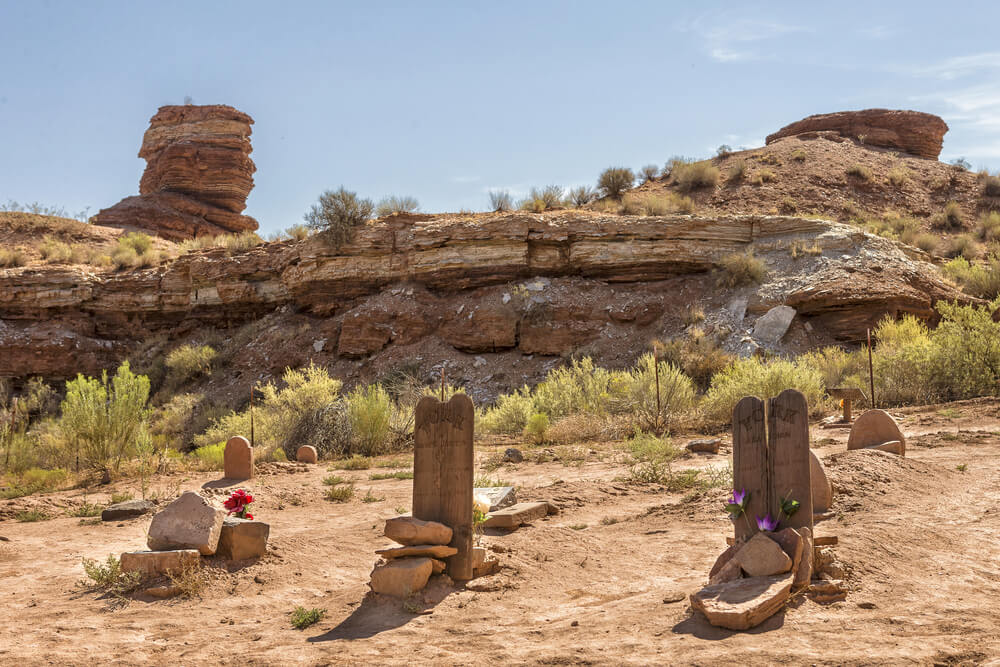
Settlers founded Grafton in 1859 along the Virgin River near Zion National Park, only to be driven out in stages by floods and hardship. The weathered church and several homes have been preserved by local preservation efforts.
Grafton also appears in the 1969 film Butch Cassidy and the Sundance Kid, in the famous bicycle scene set to a song about raindrops.
Berlin, Nevada
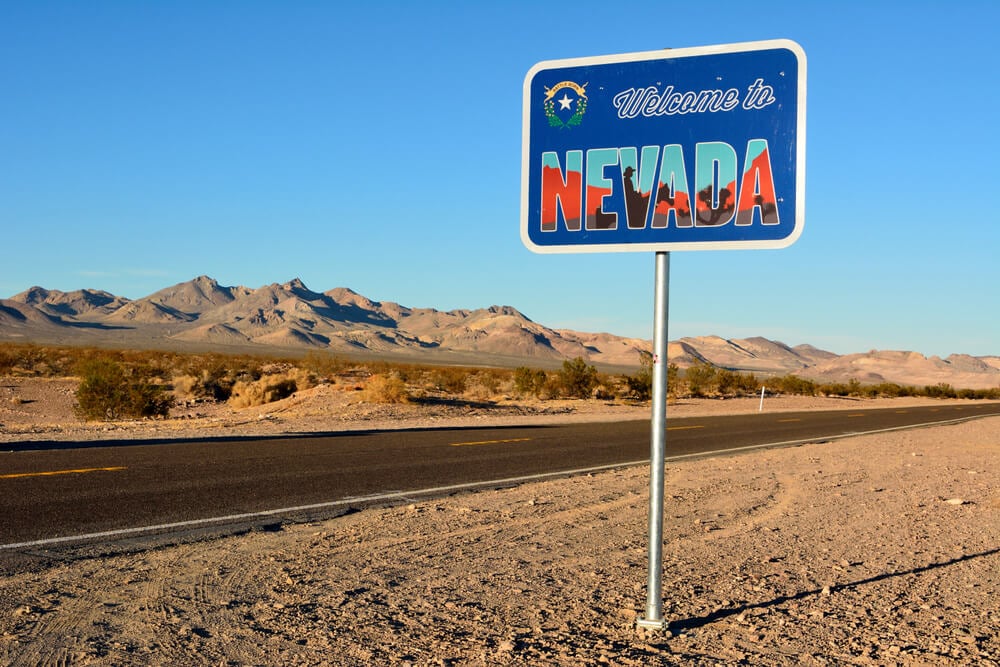
Berlin was a modest silver and gold mining camp that drew workers in the 1890s and was largely abandoned by about 1911. It sits within a state park that also protects fossils of Shonisaurus popularis, a marine reptile that swam here millions of years ago and could reach about 50 feet long.
Visitors can walk through the preserved mill and then see the fossils in a covered quarry nearby.
Cerro Gordo, California
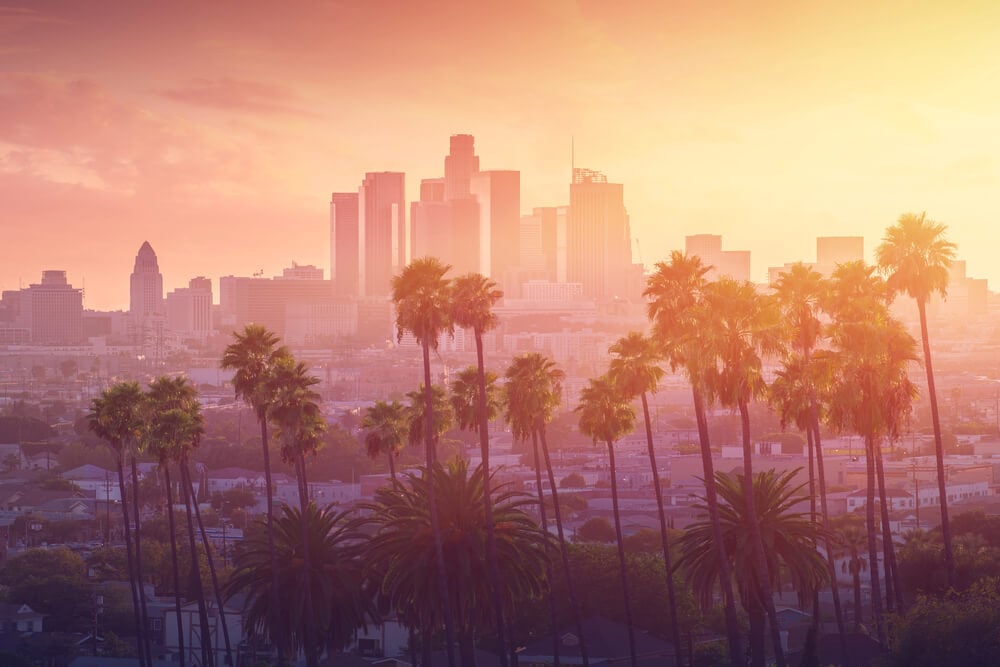
Cerro Gordo, Spanish for “fat hill,” produced silver and lead in the Inyo Mountains during the 1870s, and its bullion was hauled by mule teams to Los Angeles. That wagon freight helped build the young city’s early fortunes.
The town changed hands in 2018, when an owner who documented his restoration work online became its new caretaker.
Picher, Oklahoma
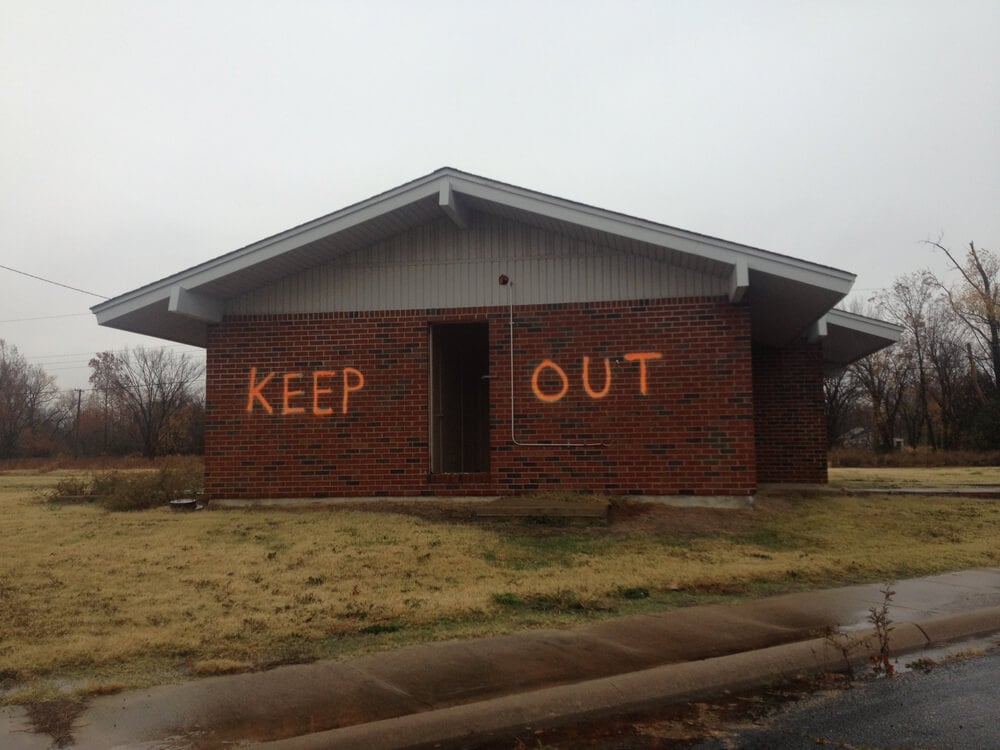
Picher was once a booming lead and zinc town in the Tri-State mining district, with a population that topped 10,000 in the 1920s. Decades of mining left towering chat piles and contaminated water, and Tar Creek was named a Superfund site in 1983.
A federal buyout emptied the town, and it was officially dissolved in 2009 after a deadly tornado in 2008.
Glenrio, Texas and New Mexico
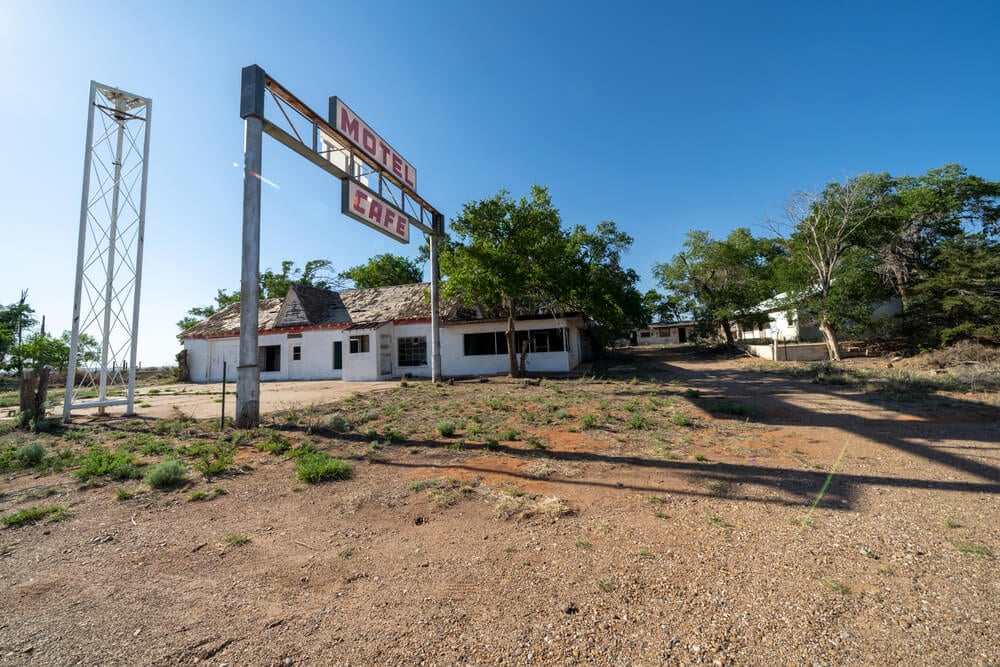
Glenrio straddles the Texas-New Mexico border and was a classic Route 66 stop with motels, diners and gas stations that served travelers heading west. When Interstate 40 bypassed the town in 1973, the traffic dropped sharply.
A faded sign still advertises the first motel in Texas, a promise that now greets almost no one.
Times Beach, Missouri
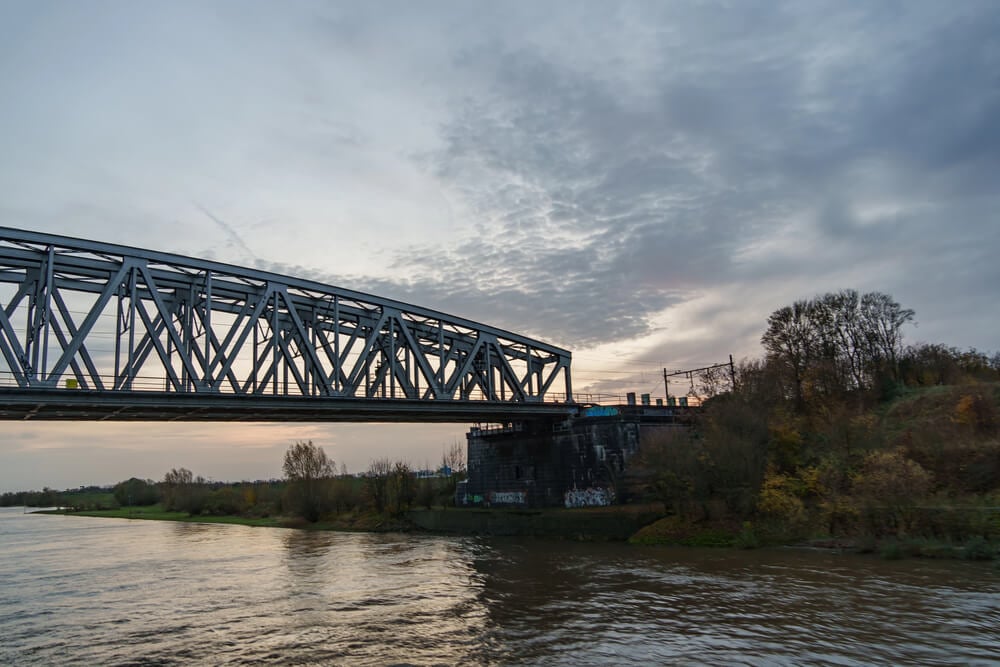
Times Beach was a small riverside community along old Route 66 in Missouri until floodwaters in 1982 exposed dioxin that had been spread on its roads to control dust. The federal government bought out the residents in 1983, and the entire town was cleared.
The land is now Route 66 State Park, and the former streets are quiet trails.
Shaniko, Oregon
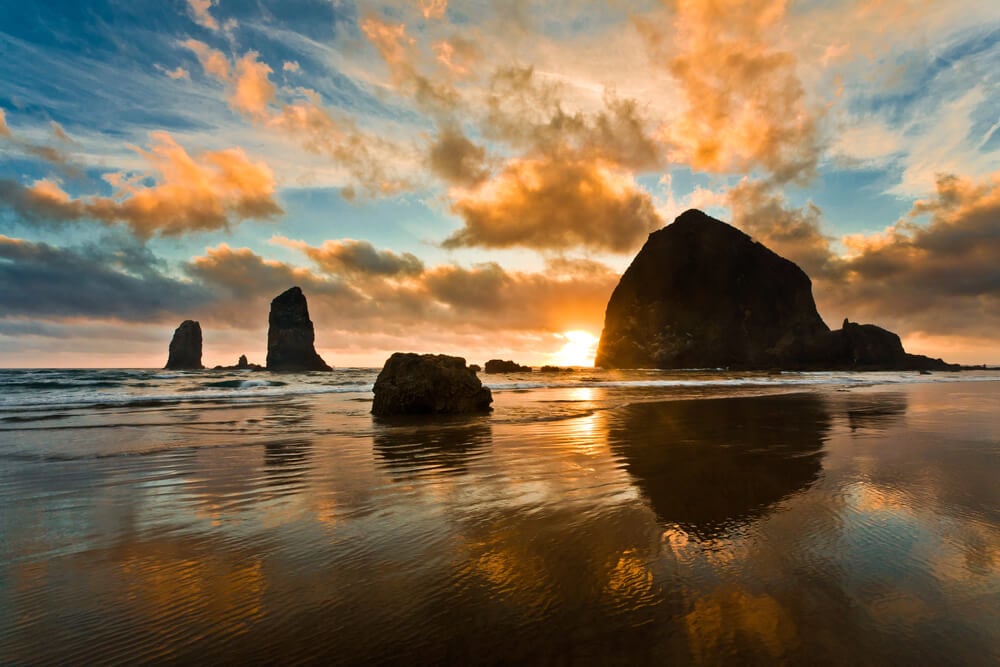
Once billed as the Wool Capital of the World, Shaniko boomed after the railroad arrived in 1900 and sent huge wool shipments out of central Oregon. When the rail line shifted and trucking took over, the town shrank to a historic district.
The Shaniko Hotel, built in the early 1900s, still stands as a reminder of the town’s brief importance.
Kaskaskia, Illinois
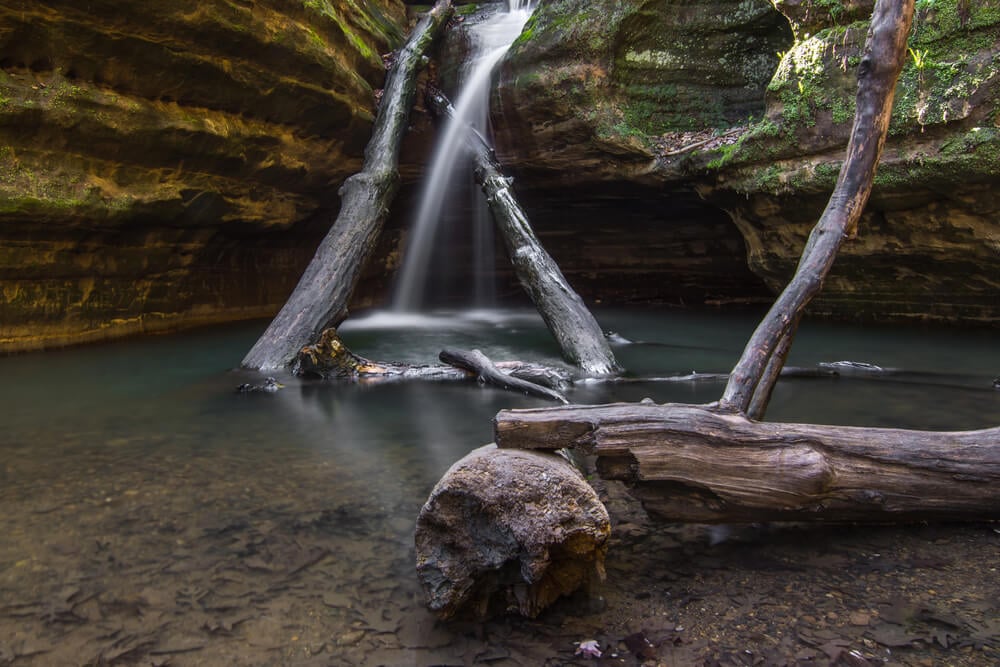
Kaskaskia served as the first capital of Illinois, but the Mississippi River gradually encroached on it and, after a major flood in 1881, carved a new channel that cut the town off from the rest of the state. Most of the original settlement washed away.
What survives is a tiny community on the western side of the river, home to the Liberty Bell of the West, a bell cast in France in 1741.
Fayette, Michigan
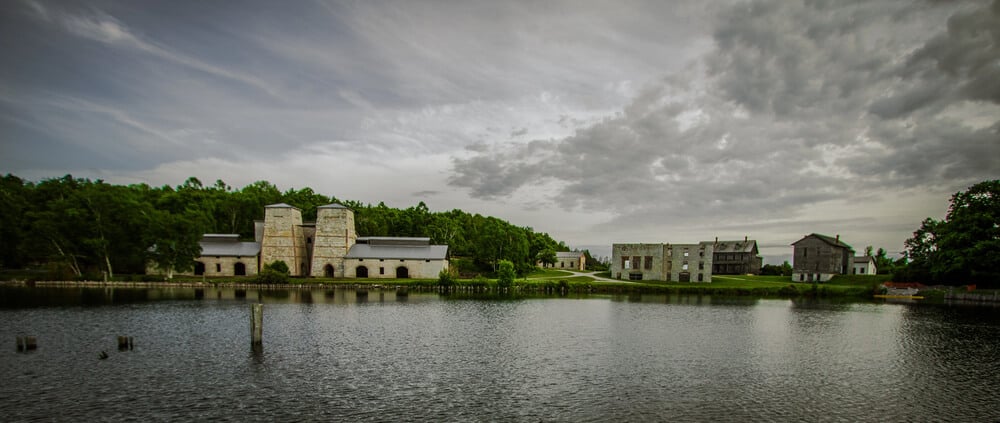
Fayette was a company iron-smelting town on the Garden Peninsula that operated from 1867 to 1891, producing pig iron from local limestone and hardwood charcoal. When the furnaces closed, the workers left and the buildings were abandoned along a scenic harbor.
The state park there preserves the furnace complex, town hall and opera house beside the limestone bluffs.
Dyea, Alaska
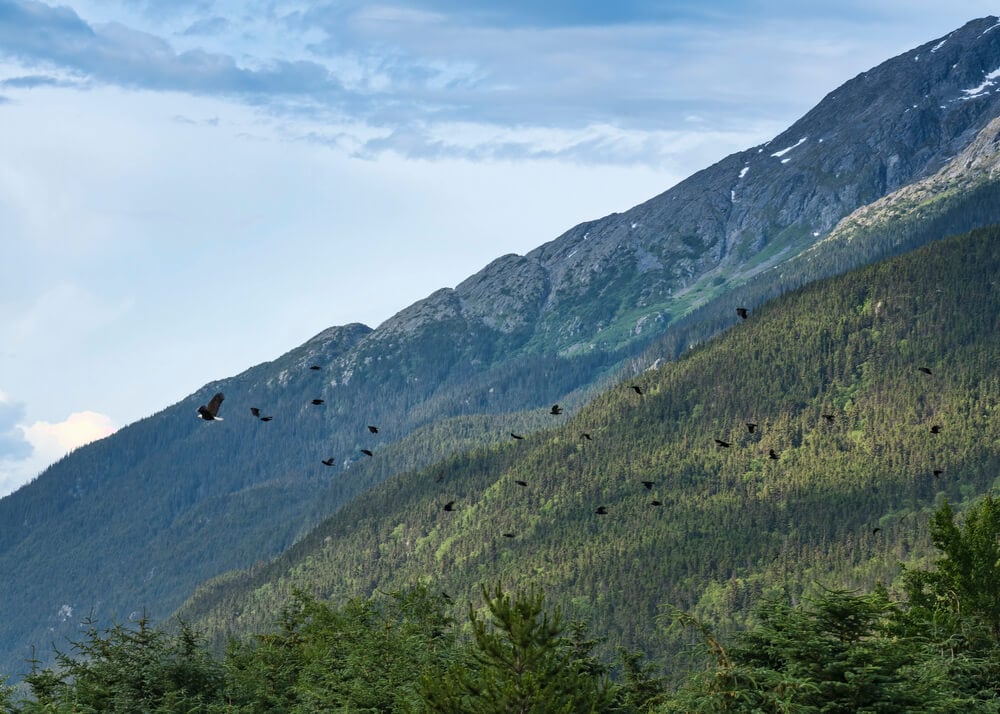
During the Klondike Gold Rush, Dyea served as the gateway to the Chilkoot Trail, and thousands of stampeders passed through. A deadly avalanche on the pass in April 1898 killed dozens, and the new railroad route through nearby Skagway soon ended the town’s role.
Only rotting piers and a few foundations remain within Klondike Gold Rush National Historical Park.
Delamar, Nevada
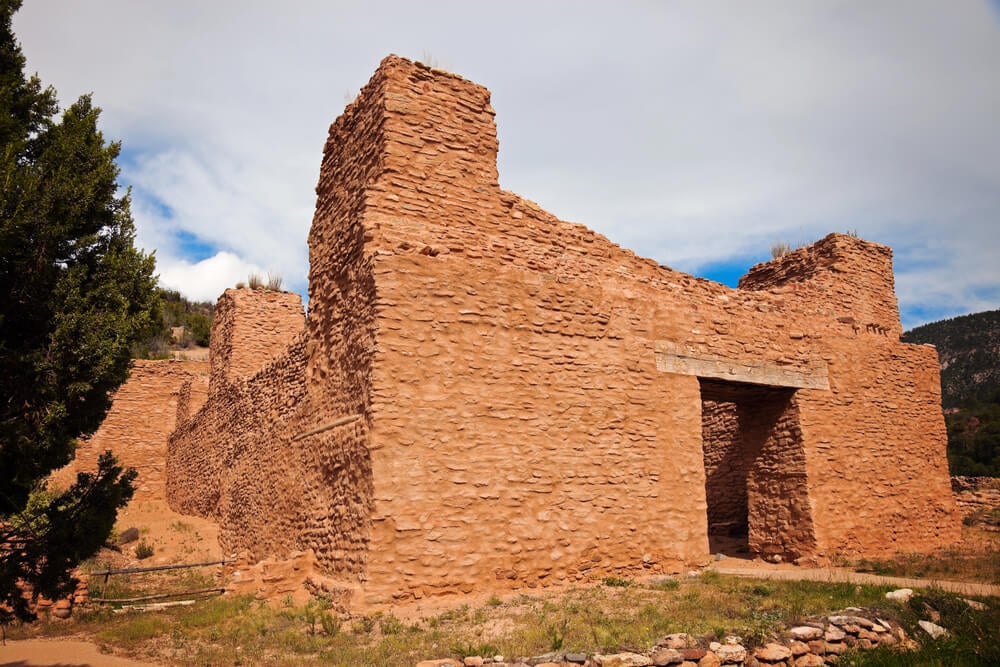
Delamar earned the nickname “the Widowmaker” because silica dust from the mines caused fatal lung disease among workers. The town had almost no water, and supplies had to be hauled in.
When the gold played out around 1909, the survivors left a scattering of stone walls and ruins in the desert.
Vulture City, Arizona
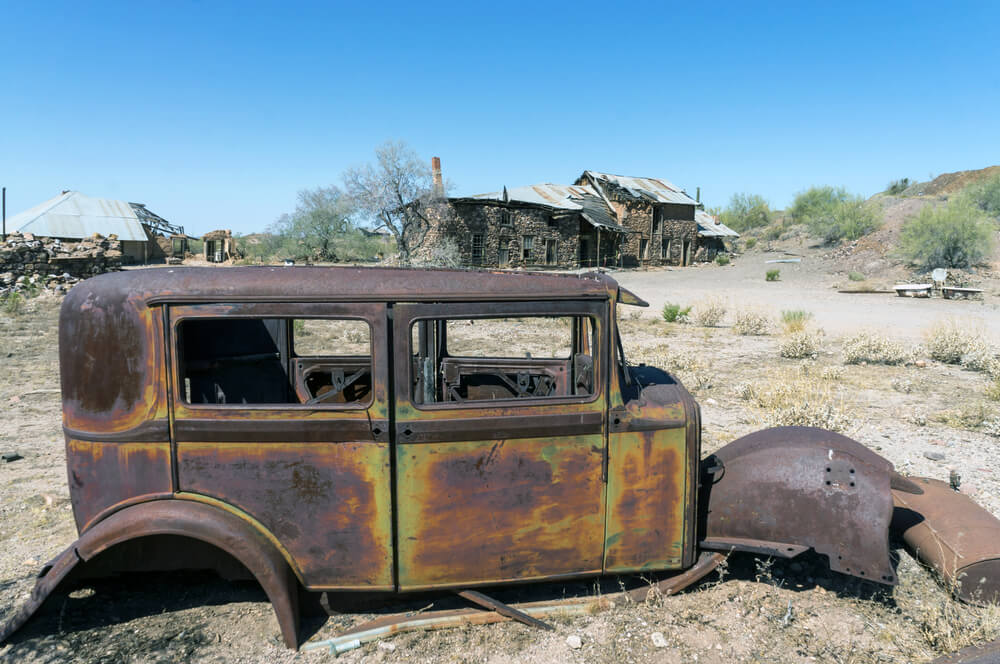
Henry Wickenburg found gold in the Vulture Mountains in 1863, and the Vulture Mine became one of the richest in Arizona. The nearby town was abandoned after the mine closed in the 1940s.
A famous tree on the site supposedly served as a gallows for miners accused of stealing ore, according to local lore rather than firmly documented history.
Silver City, Idaho
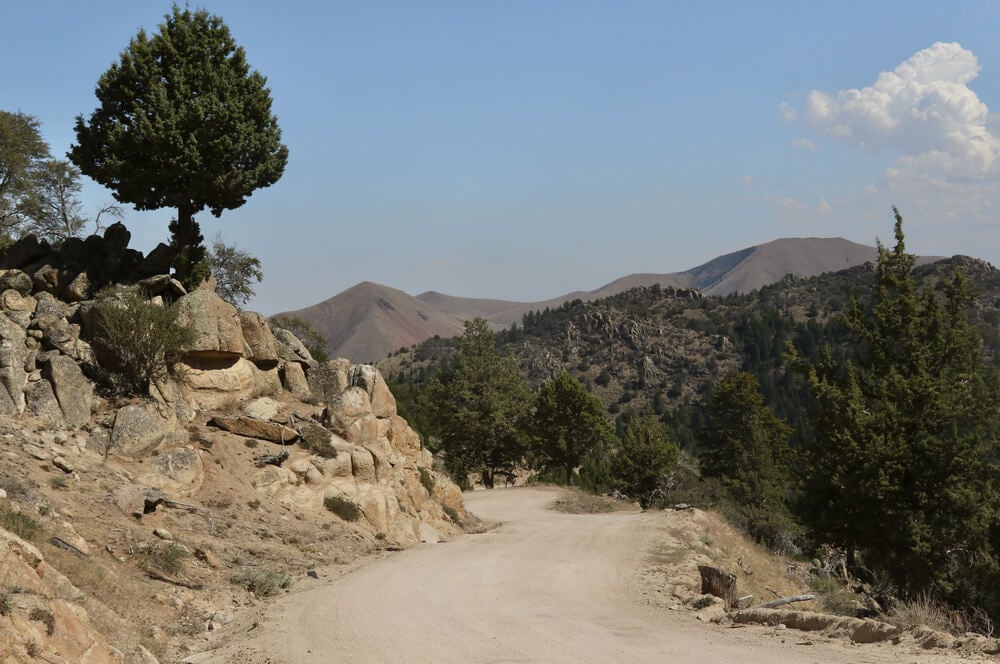
Silver City was a rich mining town in the Owyhee Mountains and held the county seat until 1934. It is a National Historic District with dozens of buildings still standing, including the Idaho Hotel, which dates to the 1860s.
The remote setting means a few seasonal residents occupy the old houses each summer.
What Stays When the Money Leaves
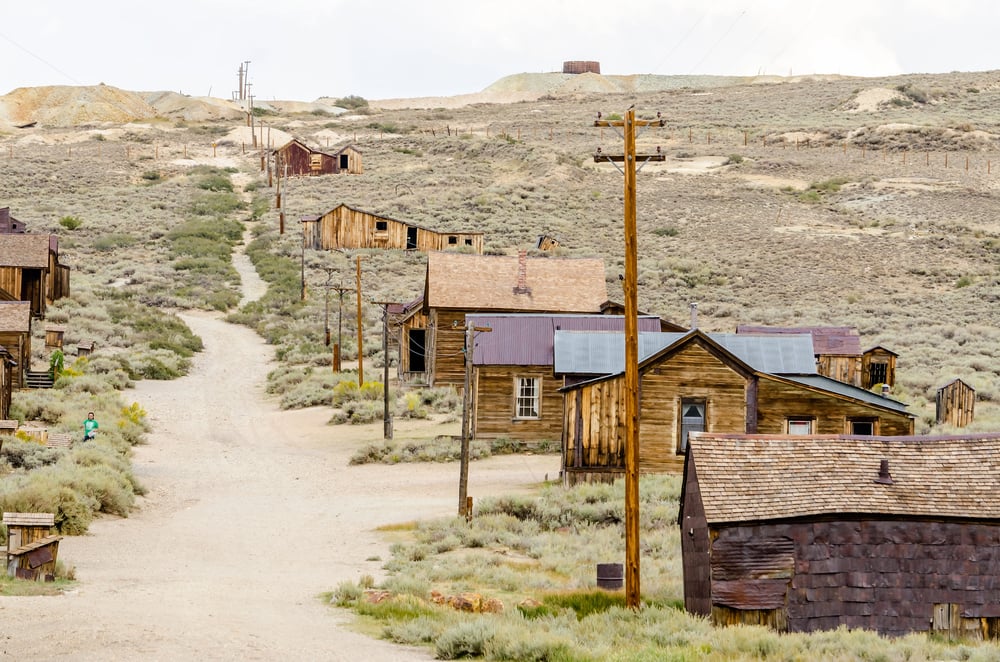
Almost every town on this list was built around one resource, and it vanished faster than anyone expected. A river changed course, a rail line shifted, a vein of silver thinned, or a poisoned patch of ground forced a buyout.
The pattern repeats from Alaska to Alabama, showing how fragile a community can be when its entire reason for existing is something that can run out.
Yet the buildings that survive give those places a second life. A saloon in Montana or a schoolhouse in Utah becomes a classroom for how ordinary people lived, worked and left.
Standing in the empty street of a ghost town is a reminder that every busy place is only a few decisions away from silence.
More from Go2Tutors!

- The Romanov Crown Jewels and Their Tragic Fate
- 13 Historical Mysteries That Science Still Can’t Solve
- Famous Hoaxes That Fooled the World for Years
- 15 Child Stars with Tragic Adult Lives
- 16 Famous Jewelry Pieces in History
Like Go2Tutors’s content? Follow us on MSN.