17 Weird Phobias People Really Have
Fear shows up in all kinds of ways. Some are obvious—like being scared of heights, spiders, or tight spaces. But not all fears make that kind of sense on the surface. In fact, there’s a whole world of lesser-known phobias that are so specific or unusual, they sound made up. Still, they’re very real for the people who live with them.
Some come from past experiences. Others seem to appear out of nowhere. Either way, these fears aren’t just passing dislikes. They can trigger racing hearts, shallow breathing, and a strong urge to run. What’s even stranger is how ordinary the triggers can be—yellow paint, peanut butter, or even a beard.
Here is a list of 17 unusual phobias that might sound odd but genuinely affect people around the world.
Somniphobia
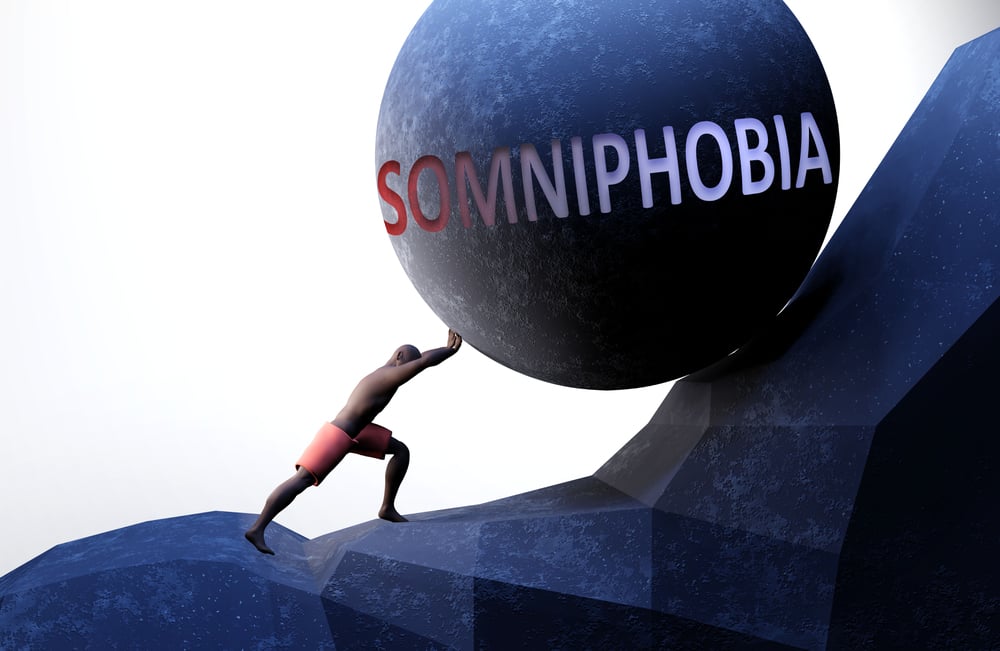
Somniphobia is the fear of falling asleep. It often comes from anxiety about what might happen while unconscious, like nightmares, sleep paralysis, or even dying in your sleep. Some people worry they’ll miss something important or lose control of their surroundings.
The result is exhausting—mentally and physically—as people stay up for hours or avoid sleeping altogether, even when they desperately need it.
Xanthophobia
Xanthophobia is the fear of the color yellow. That includes yellow clothing, flowers, cars, warning signs, and even bright sunshine on certain days. People with this phobia often describe yellow as feeling loud or aggressive.
The fear can become so consuming that they adjust their environment—repainting walls, avoiding specific foods, or refusing to go outside on sunny days—just to avoid being triggered.
Arachibutyrophobia
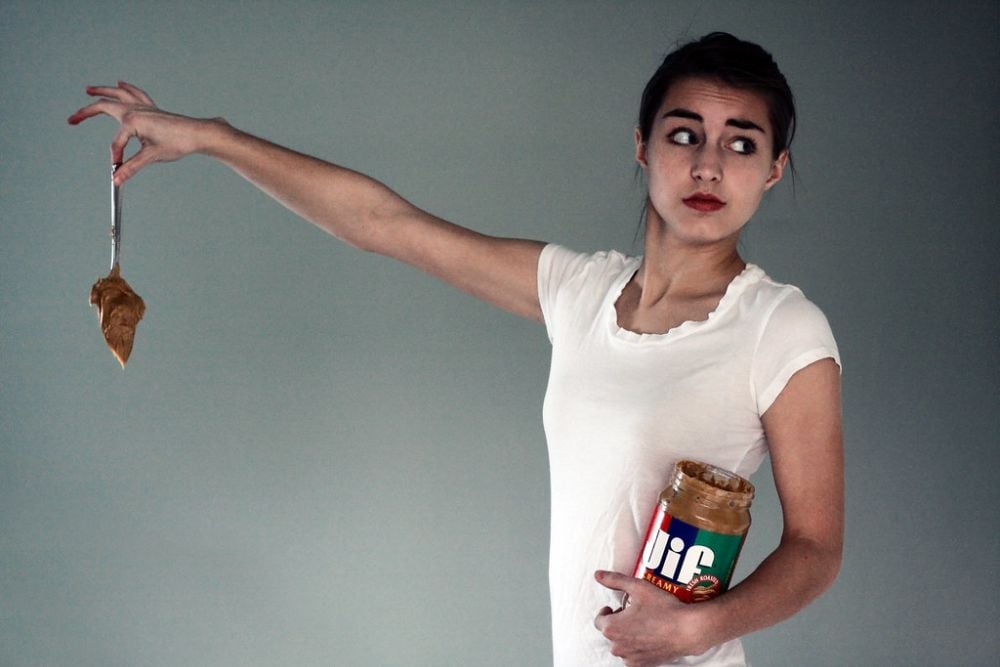
This phobia is the fear of peanut butter sticking to the roof of the mouth. It might sound silly, but the anxiety can be intense, especially for people with texture sensitivities or a past choking scare.
The fear often extends to other sticky or thick foods like caramel, hummus, or certain nut butters. Some people even avoid eating in public altogether out of fear they’ll panic mid-bite and not be able to breathe.
Globophobia
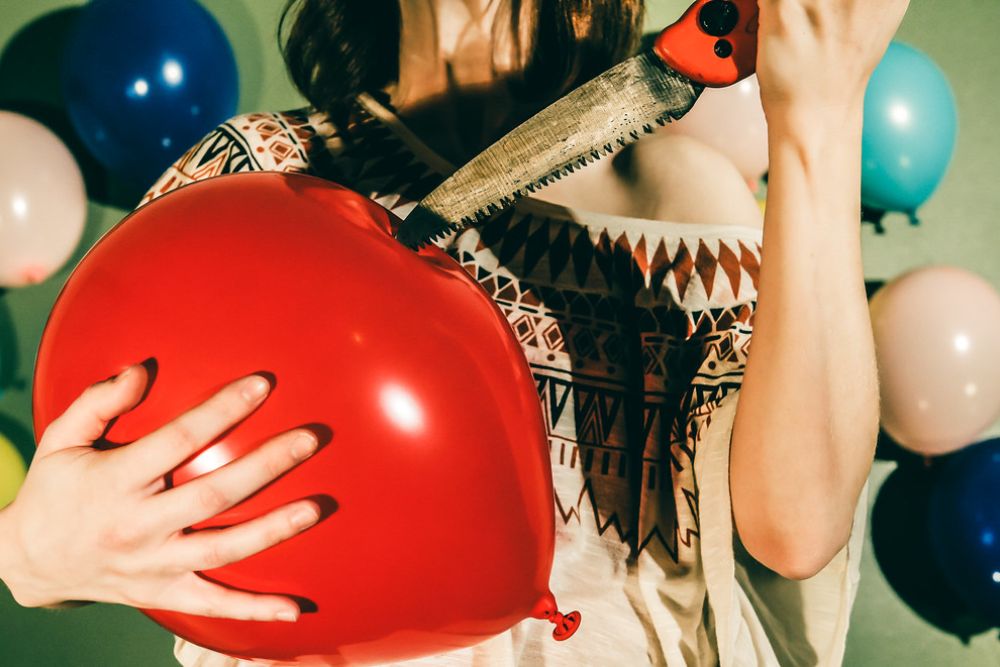
Globophobia is the fear of balloons, especially the fear that one might pop. While it often starts in childhood, the fear can stay strong well into adulthood.
The sound of a balloon bursting feels unpredictable and jarring, and the tension of waiting for it to happen can be worse than the pop itself. For some, even pictures of balloons or the sound of rubber stretching can trigger unease or full-blown panic.
Ombrophobia
Ombrophobia is the fear of rain or even the idea that it might rain. It can stem from a traumatic weather event like a flood or storm, but for others, there’s no clear reason behind it.
The sound of rain tapping on a window or the smell of approaching showers can cause dread. People with ombrophobia often check the weather obsessively, avoid going outdoors, or experience anxiety attacks when skies turn gray.
Nomophobia
Nomophobia is the fear of being without access to your phone. It’s a newer phobia, but it’s growing fast with how connected we are to digital life. It’s not just about missing texts—it’s about losing your link to safety, communication, entertainment, and even your sense of identity.
Dead batteries, no Wi-Fi, or accidentally leaving your phone at home can lead to genuine panic, like the floor has dropped out from under you.
Pogonophobia
Pogonophobia is the fear of beards. It can be linked to a bad experience with someone who had facial hair or just discomfort around what feels like a hidden face. Some people describe it as a sensory problem—they feel unsettled by how hair moves or smells.
Others feel a loss of trust, as if the beard is masking someone’s true identity, making casual interactions feel threatening or overwhelming.
Trypophobia

Trypophobia is the fear of small, tightly packed pits or clusters—think lotus seed pods, honeycombs, or even air bubbles in a pancake. It’s not just visual discomfort; it can lead to nausea, sweating, skin crawling, and even panic attacks.
Some researchers think it’s an instinctive reaction to disease or danger, like rotting flesh or parasites. What’s most frustrating is how common the triggers are in nature and design.
Eisoptrophobia
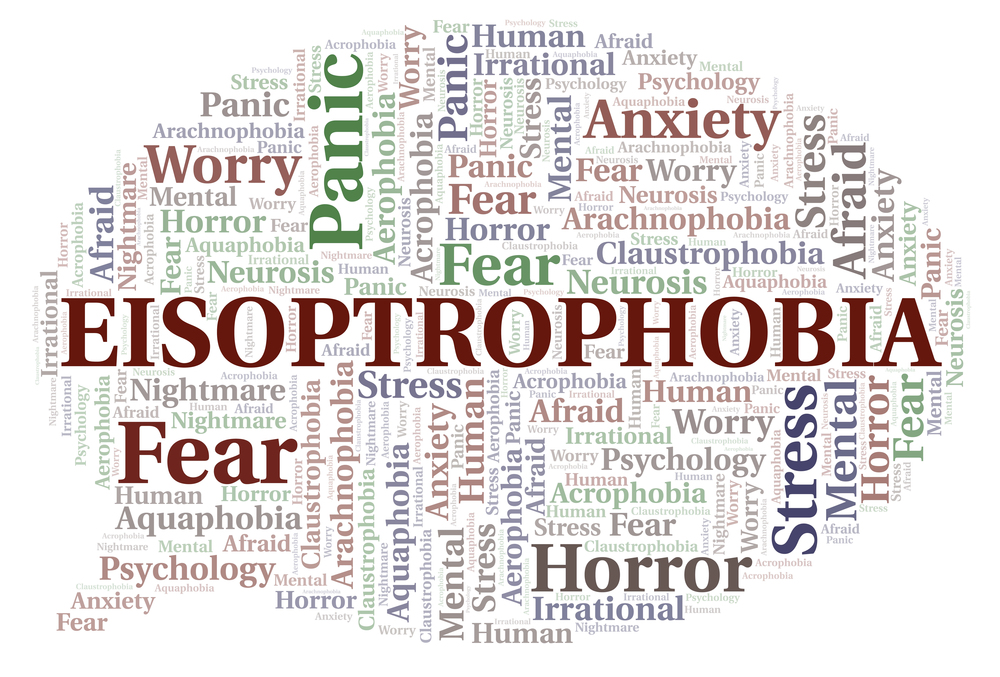
Eisoptrophobia is the fear of mirrors or one’s own reflection. It might be tied to superstitions about mirrors revealing spirits or alternate realities. For others, it stems from body image issues or trauma related to appearance.
People with this phobia often avoid mirrors entirely—covering them up, keeping lights dim, or refusing to look into windows or reflective surfaces out of fear something will stare back.
Geniophobia
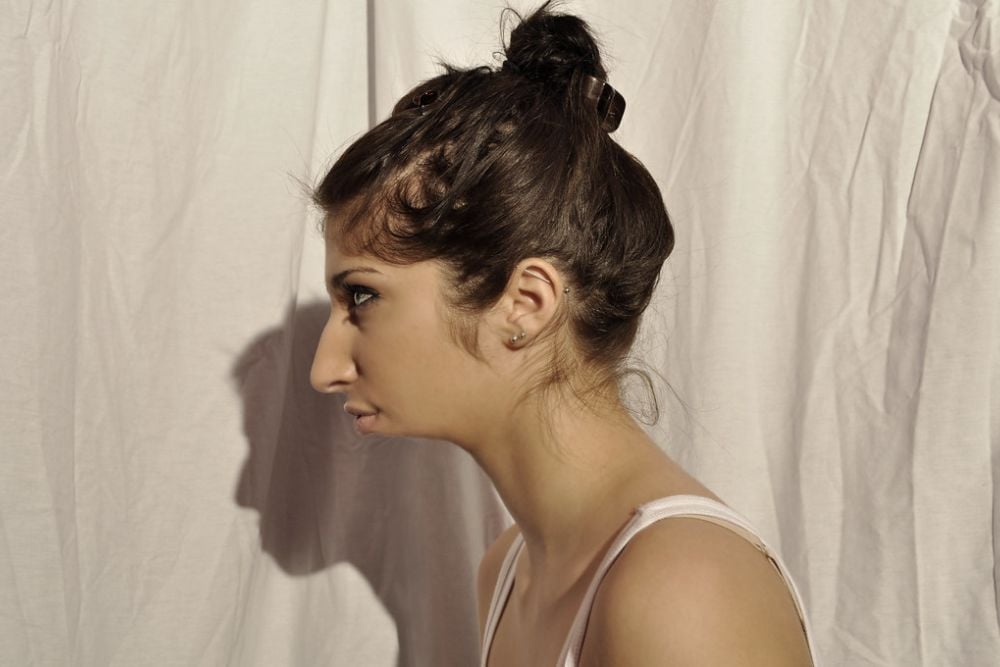
Geniophobia is the fear of chins. It can focus on the chin’s shape, movement, or just the idea of chins in general. Some people find certain types of chins unsettling—cleft, pointed, large, or even double chins.
It can make everyday conversations difficult because looking at someone’s face becomes a source of anxiety, forcing people to avoid eye-level contact altogether.
Hippopotomonstrosesquipedaliophobia
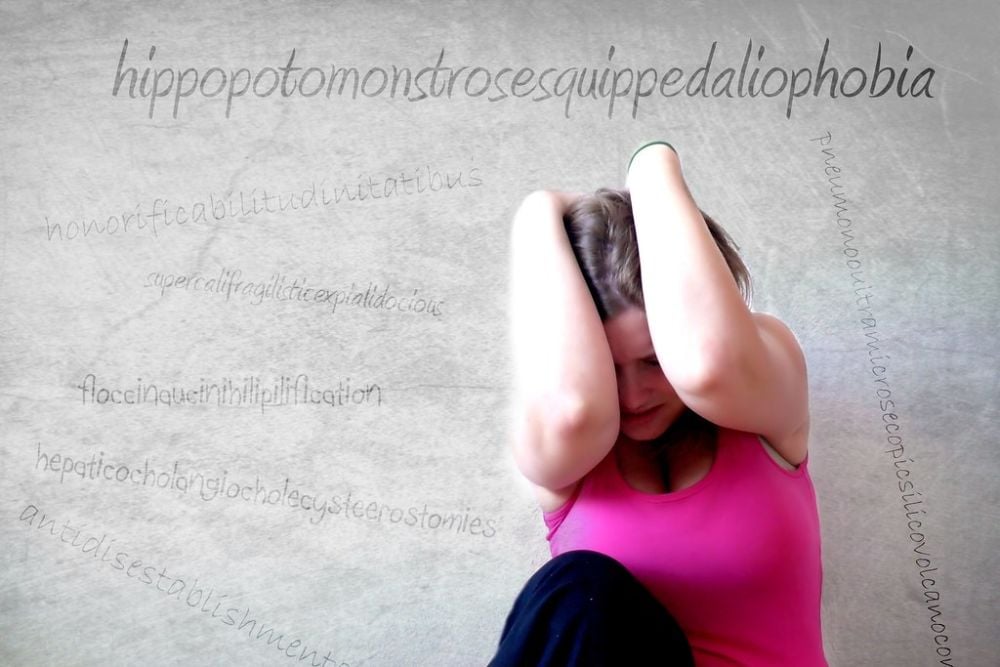
Yes, this is a real phobia—and yes, it ironically means the fear of long words. For people with this fear, reading aloud or speaking in public can feel terrifying. They may panic when encountering complex or unfamiliar words, especially in academic or work settings.
The fear isn’t just about pronunciation—it’s about embarrassment, failure, and being judged by others for struggling.
Chorophobia
Chorophobia is the fear of dancing. This fear goes beyond simply disliking it—people with chorophobia may feel completely frozen by the idea of dancing, even in casual or private settings.
Music with a strong beat or watching others dance can be enough to bring on symptoms. It’s often connected to low confidence, past humiliation, or just an overwhelming sense of exposure.
Optophobia
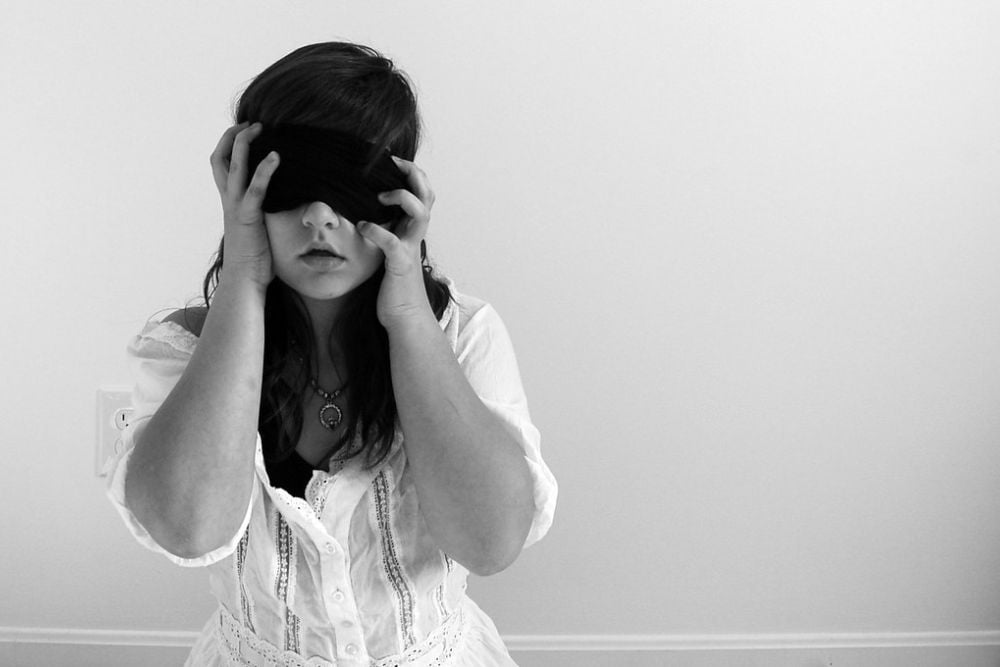
Optophobia is the fear of opening one’s eyes. It’s incredibly rare but extremely disabling. For some, the fear comes from sensory overload, while others worry that something terrifying will be revealed once they look around.
It can lead to avoiding bright places, crowded rooms, or even the simple act of waking up and facing the day.
Haphephobia
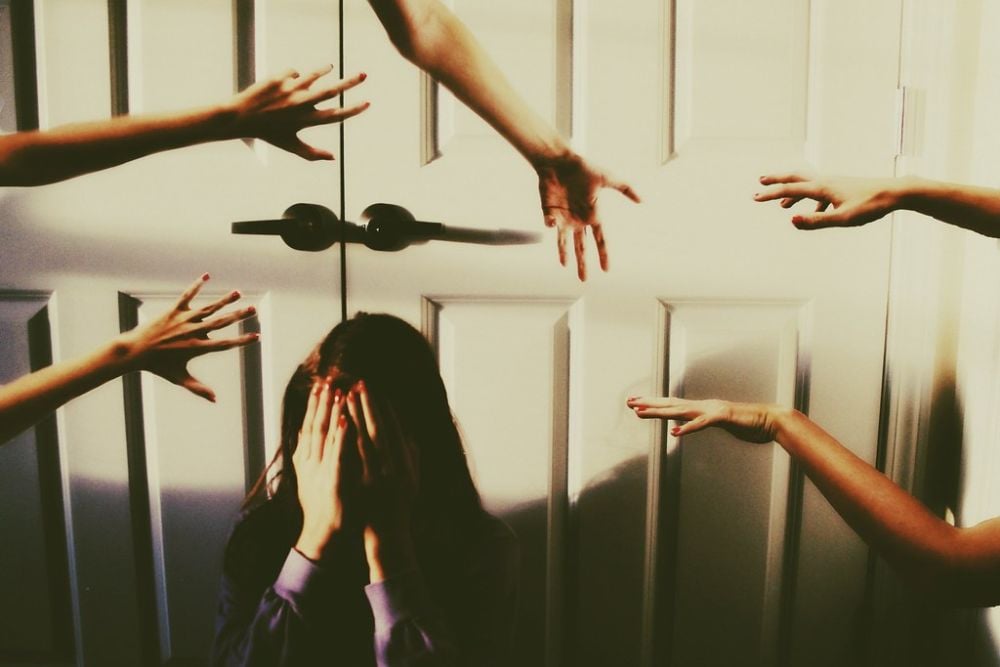
Haphephobia is the fear of being touched. Even small, casual gestures—like a handshake or pat on the back—can cause extreme discomfort or full panic.
This phobia is often rooted in trauma or sensory processing disorders, but sometimes it has no obvious source. It can make everyday interactions feel dangerous, leading to social isolation and misunderstandings.
Decidophobia
Decidophobia is the fear of making decisions. For someone with this phobia, the pressure to pick the “right” choice can feel crushing, even when the stakes are low. They might avoid restaurants with big menus or become paralyzed when faced with options as simple as what to wear.
Often, they second-guess themselves constantly and rely on others to make choices for them, which only reinforces the cycle.
Turophobia
Turophobia is the fear of cheese. That includes everything from cheddar and mozzarella to soft cheeses like brie or blue.
For some people, it’s about the smell or the slimy texture, but for others, it’s an uncontrollable reaction to the look of melted cheese or mold. Even walking past the dairy aisle or seeing a pizza commercial can cause anxiety, disgust, or a desire to flee.
Coulrophobia
Coulrophobia is the fear of clowns, and it’s more common than you might think. Between the heavy makeup, painted smiles, and exaggerated gestures, clowns can feel creepy and unpredictable.
Pop culture hasn’t helped, with horror movies turning clowns into villains. For people with this fear, even toy clowns or circus posters can spark serious dread—and yes, that includes parades and carnivals too.
When Fear Doesn’t Follow the Rules
We’re used to fear making sense, but these phobias prove that the human mind doesn’t always follow logic. A balloon or a chin might not be dangerous to most people, but for someone living with a rare phobia, even small things can feel like threats. These unusual fears often show up quietly and stick around for years, shaping how people navigate the world every single day.
Talking about weird phobias helps normalize them. It takes the shame out of the experience and gives people a chance to find support or treatment without feeling judged. Everyone’s afraid of something—it just so happens that some fears wear stranger faces than others. But behind every odd phobia is a human experience that deserves understanding, not ridicule.
More from Go2Tutors!

- The Romanov Crown Jewels and Their Tragic Fate
- 13 Historical Mysteries That Science Still Can’t Solve
- Famous Hoaxes That Fooled the World for Years
- 15 Child Stars with Tragic Adult Lives
- 16 Famous Jewelry Pieces in History
Like Go2Tutors’s content? Follow us on MSN.