30 Cocktail Party Foods From the ’60s
Picture a living room in 1963: a hi-fi playing low, a host in a skinny tie, and a coffee table crowded with things speared on toothpicks. Entertaining at home had become a performance, and the menu was part of the show.
Most of these snacks were built from cans, jars, and boxes, then dressed up until they looked like effort. Some have vanished from menus entirely, while others still turn up at every holiday gathering.
Shrimp Cocktail in a Chilled Glass
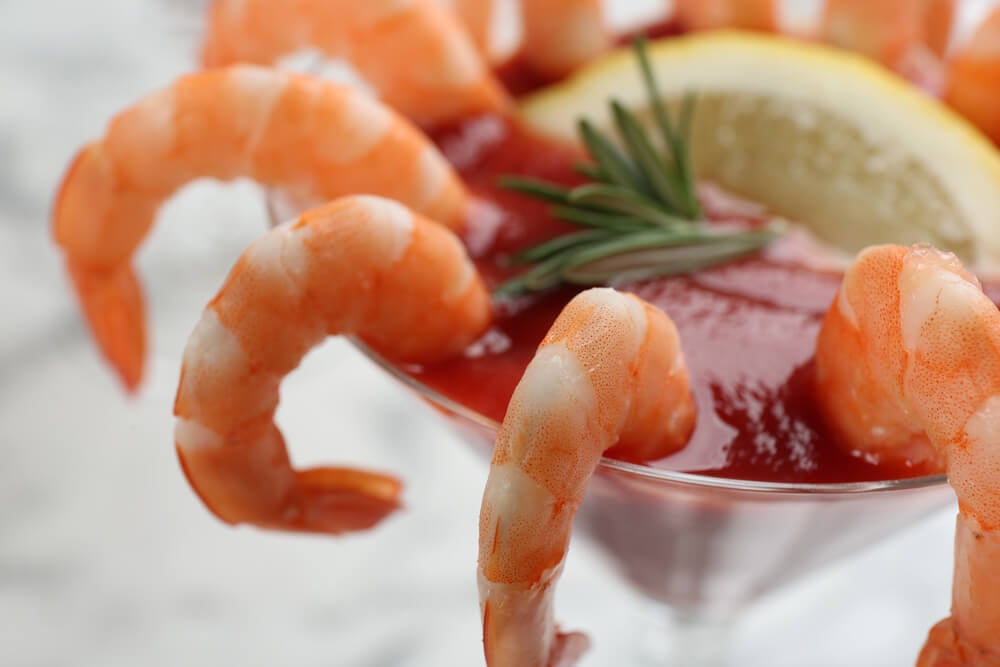
Shrimp cocktail was the most dependable opener of the decade, with cold poached shrimp hooked over the rim of a stemmed glass and a pool of red sauce in the center. The sauce was nothing more than ketchup sharpened with prepared horseradish and a squeeze of lemon, which is why it cleared the sinuses of anyone who dipped too deeply.
A lemon wedge usually rode along on the rim, and the glass often sat nested in crushed ice. A host could look sophisticated with little more than a bag of frozen shrimp, a bottle of sauce, and a tray of ice.
Deviled Eggs on a Dimpled Platter
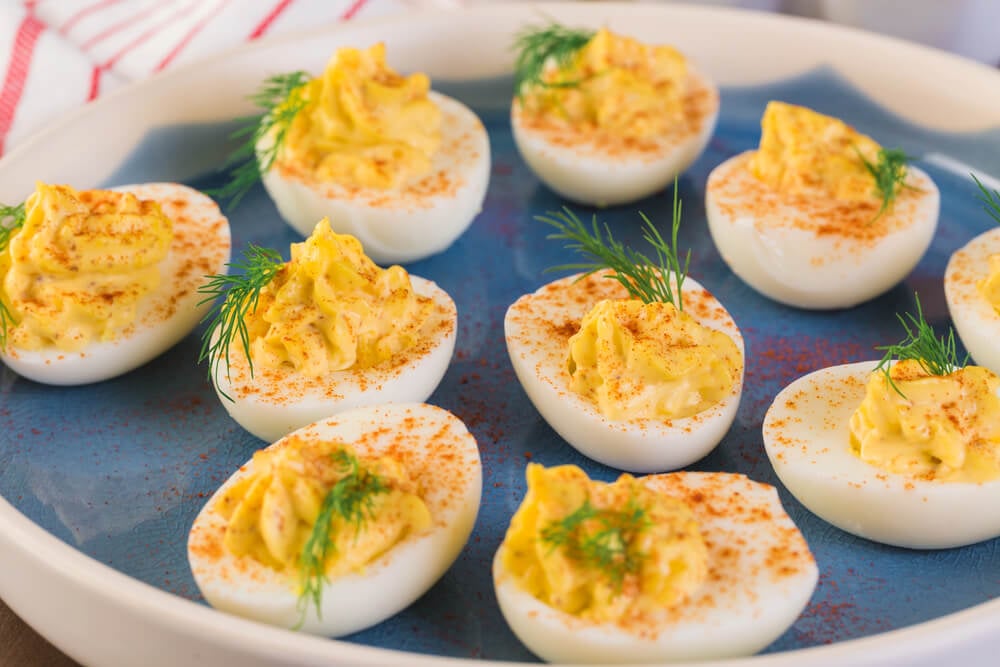
Deviled eggs were halved, scooped, and refilled with a yolk mixture of mayonnaise, mustard, and salt, then dusted with paprika. The paprika did more than decorate, since it gave the plain white and yellow a splash of color on a crowded table.
Special dimpled trays with a hollow for each egg half kept the platter from sliding around on the way to the sofa. Few party foods have changed less in sixty years, which explains why the egg tray still appears at family gatherings.
Pigs in a Blanket
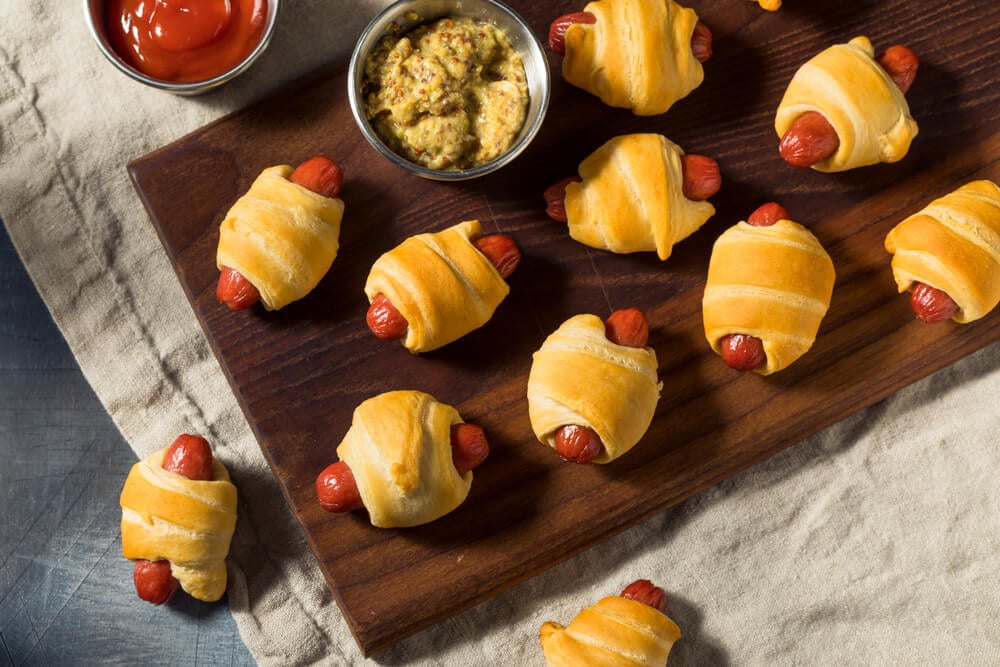
Small cocktail frankfurters wrapped in pastry or biscuit dough and baked until golden were a fixture of the buffet table. They were cheap to make in quantity, easy to eat in two bites, and good with a dab of mustard on the side.
A host could assemble dozens ahead of time, refrigerate them on a sheet pan, and slide them into the oven as the doorbell rang. They remain one of the few 1960s party foods that children and adults still fight over equally.
Cocktail Sausages in Grape Jelly Sauce
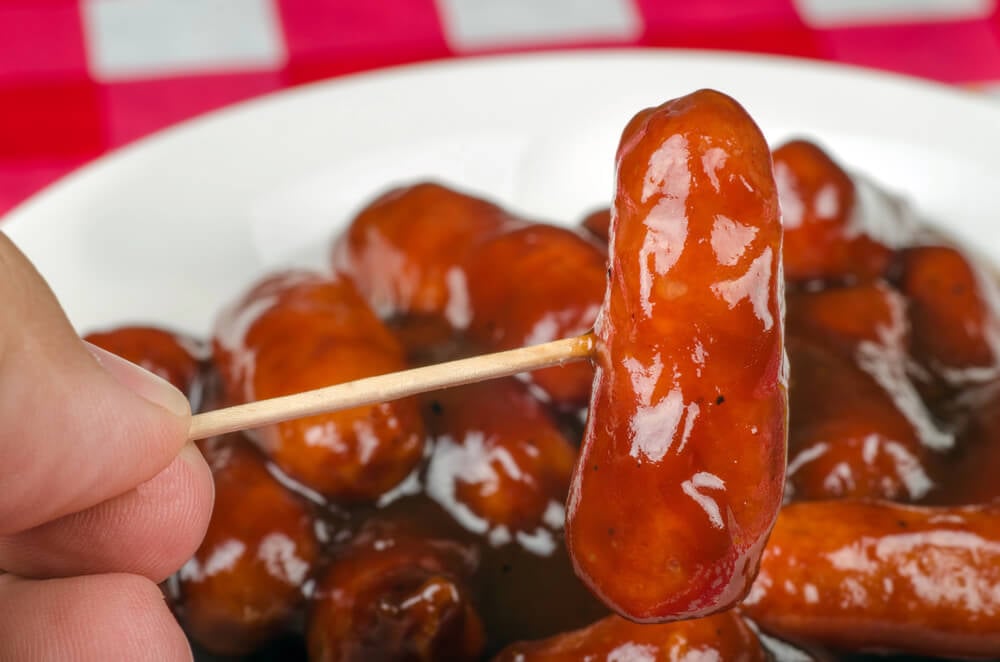
Few recipes sound stranger on paper than miniature smoked sausages simmered in a mixture of grape jelly and bottled chili sauce. The result is a sweet, tangy glaze that clings to each sausage, and the dish gets served warm from a chafing dish or slow cooker with toothpicks nearby.
Two pantry ingredients and a pot on low heat were all it required, which made it a potluck standard. Anyone who tastes it for the first time usually expects disaster and then goes back for a second helping.
Rumaki
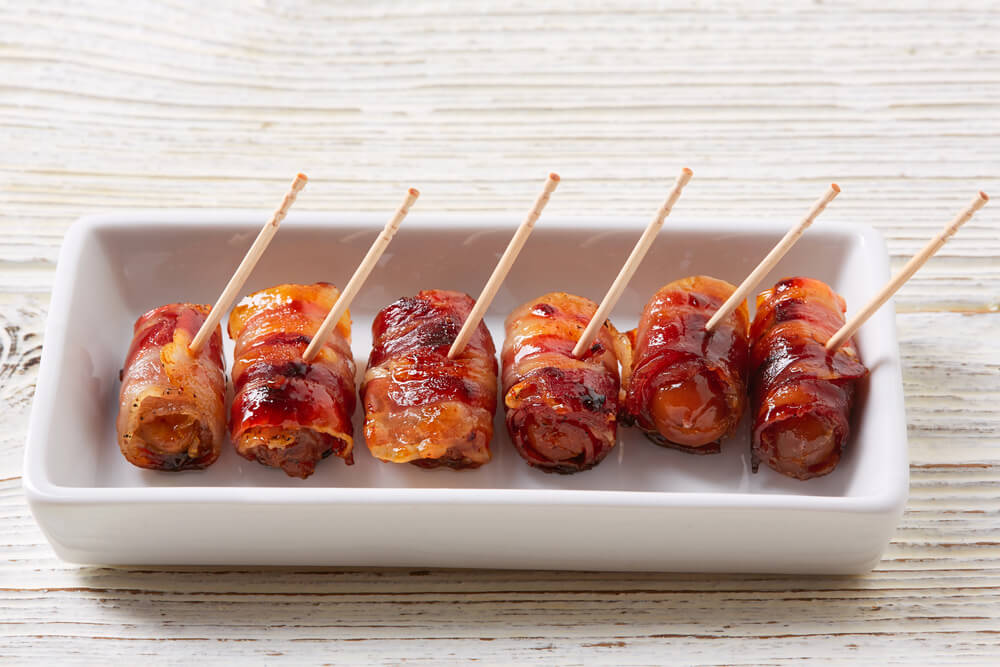
Rumaki wrapped a piece of chicken liver and a slice of water chestnut in bacon, usually after a soak in a soy sauce marinade, and broiled the bundle until crisp. It belonged to the wave of tiki-bar enthusiasm that carried Polynesian-style food into suburban kitchens.
The water chestnut supplied a crunch that surprised guests who expected only richness. Hosts who served it felt they were offering a taste of the exotic without leaving the house.
Cheese Fondue
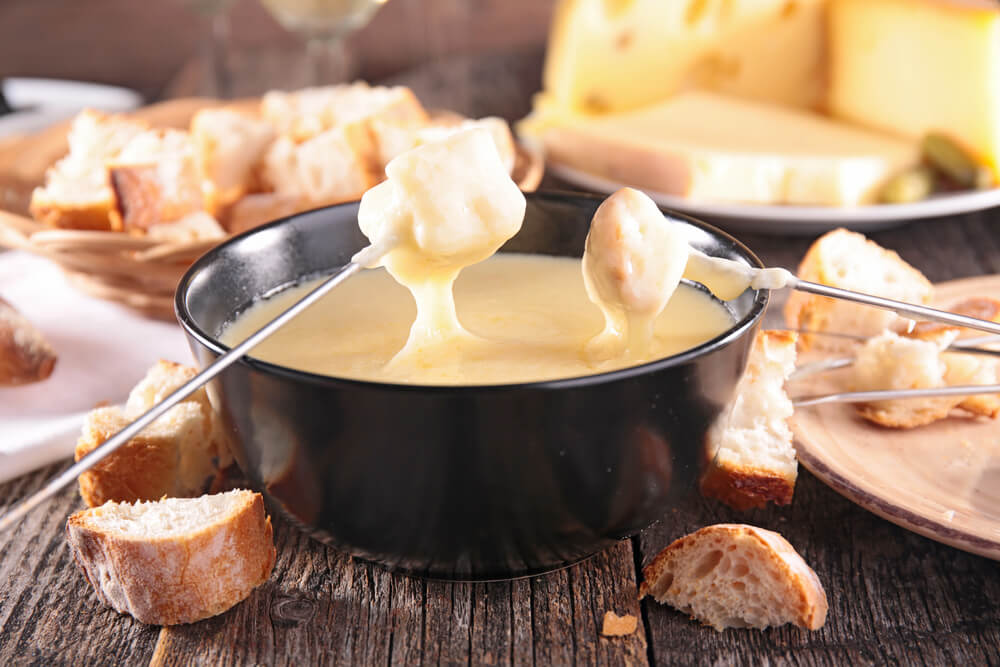
Cheese fondue brought a Swiss alpine tradition into American living rooms, where guests speared cubes of bread with long forks and swirled them through melted cheese. The classic pot combines Gruyère and Emmental with white wine and a splash of kirsch, and it is kept warm over a small burner.
A custom held that anyone who dropped bread into the pot owed the group a forfeit, which turned dinner into a game. Fondue sets became popular wedding gifts in the 1960s, and a good number of them are still waiting in attic boxes.
California Dip with Potato Chips
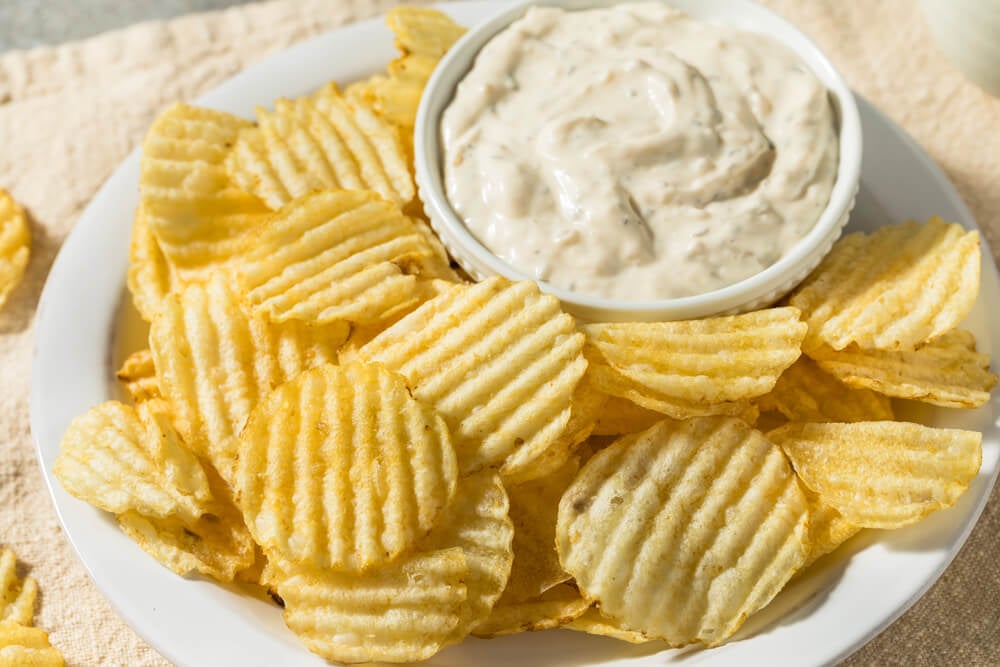
California dip mixed a packet of dry onion soup mix into a tub of sour cream, and the result was ready within minutes. The recipe was printed right on the soup mix box, so the instructions traveled into millions of kitchens without a single cookbook.
Ridged potato chips held up better than thin ones, so hosts often bought them just for this purpose. Anyone who stirs it together at a modern party is following a recipe more than sixty years old.
Chex Party Mix
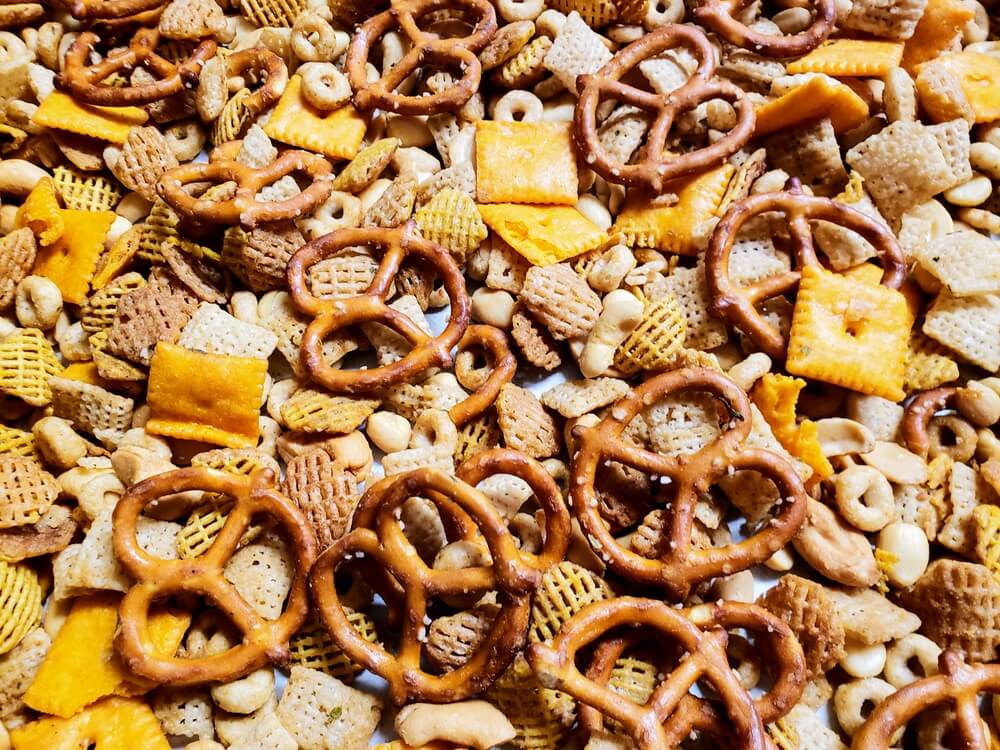
Chex Party Mix tossed square cereal pieces with nuts and pretzels in melted butter and Worcestershire sauce, then baked everything low and slow in the oven. Home cooks stirred the pan every so often so the seasoning coated evenly, and the kitchen smelled like a snack bar for hours.
The mix suited a hostess who wanted something homemade but not fussy, and it could be made days ahead and stored in a tin. Variations multiplied as cooks added garlic powder, seasoned salt, or different cereals.
Stuffed Celery
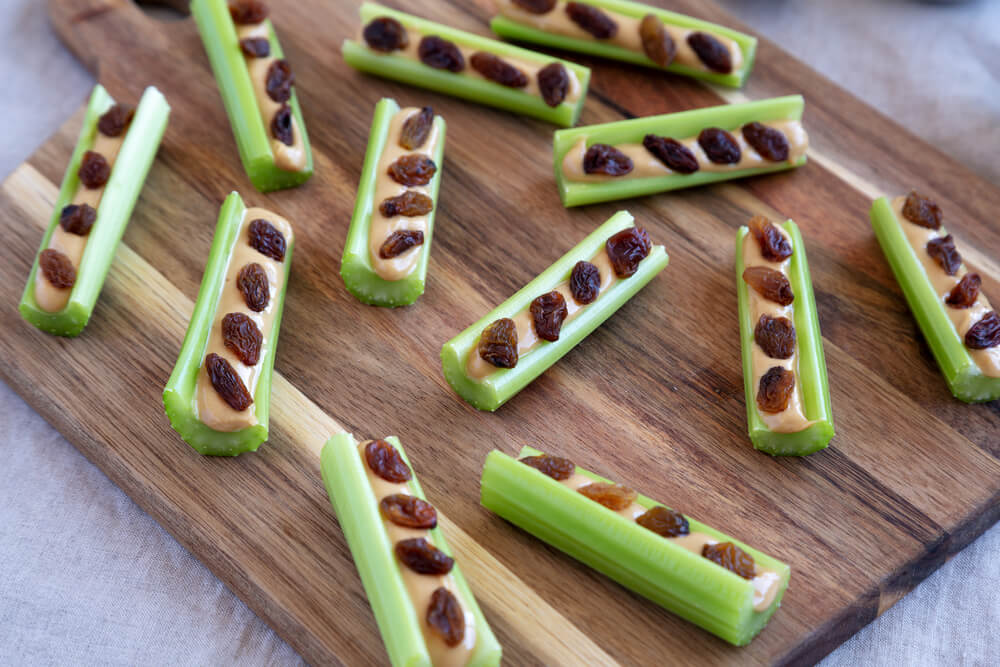
Celery ribs piled with cream cheese, pimiento cheese, or a blue cheese mixture appeared on nearly every relish tray. The stuffing was often flecked with chopped olives or dusted with paprika, which made the plain green stalk look party-ready.
Celery was crunchy, cheap, and sturdy enough to survive a long evening on the table. Tall glasses of celery stalks standing upright in ice water were often part of the same setup.
Canapés on Toast Rounds
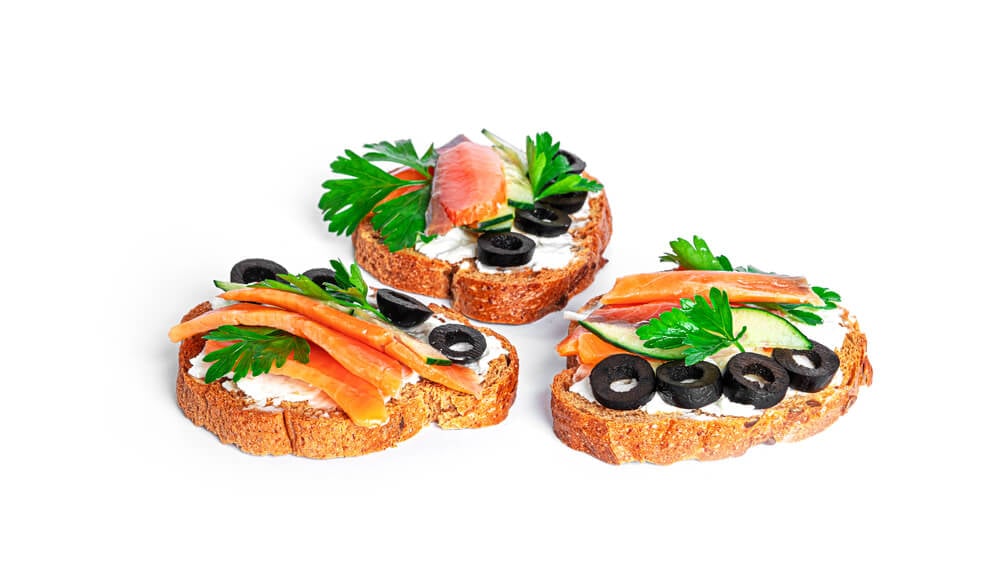
A canapé is a small base of toast or pastry topped with something savory, and the French word for couch gave the dish its name because the topping sits on the base as if on a sofa. Hosts cut bread into rounds, squares, and triangles with cookie cutters, then topped them with smoked salmon, egg salad, or a swirl of cheese piped from a pastry bag.
Appearance mattered as much as flavor, with sliced olives, parsley sprigs, and slivers of pimiento arranged like jewelry. A tray of canapés told guests the host had taken real trouble, even if the tray took an hour.
Cheese and Pineapple on Toothpicks
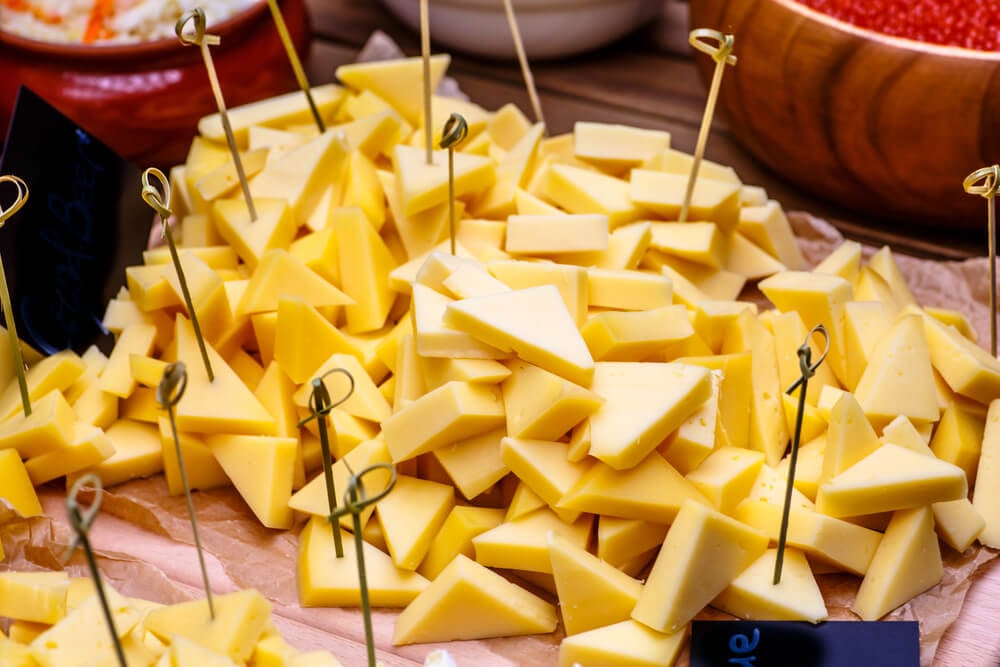
Cubes of cheddar and chunks of canned pineapple, speared on a toothpick, made the most recognizable retro party snack of all. The sweet and salty pairing worked well beside a cold drink, and the assembly took minutes.
Hosts often stuck the picks into a grapefruit or an orange wrapped in foil, creating a spiky centerpiece commonly known as a hedgehog. The look was so playful that it often drew guests over before the food did.
Crab-Stuffed Mushrooms
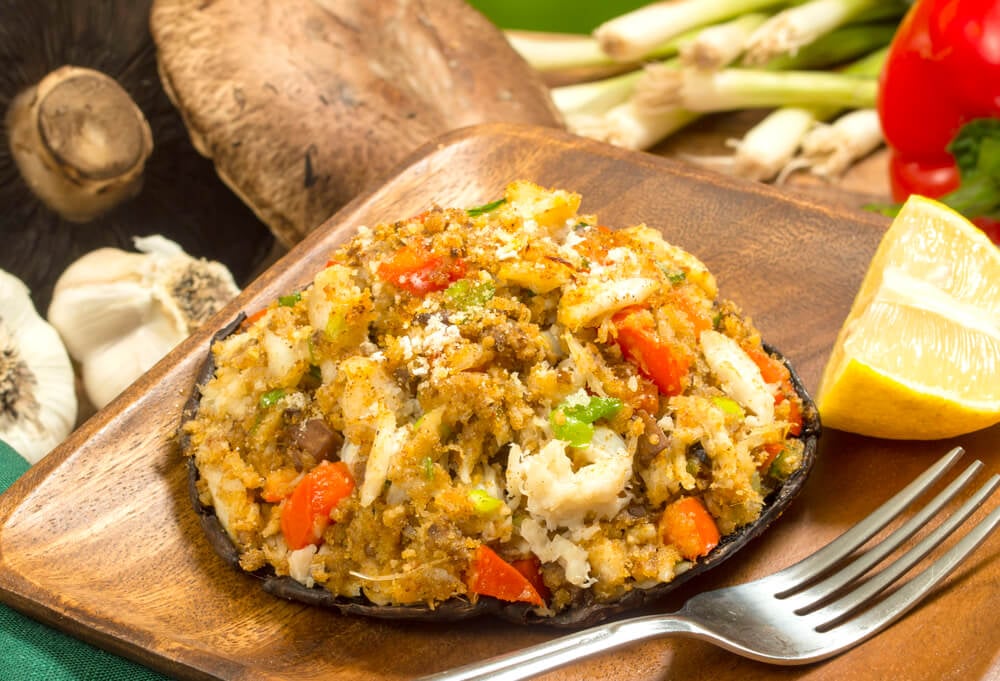
Mushroom caps were popped from their stems and filled with a mixture of crabmeat, bread crumbs, and butter before being baked until browned on top. The caps worked as natural edible bowls, which made them ideal for a standing crowd with a drink in one hand.
Crab gave the dish a touch of luxury that signaled a more upscale gathering than a plate of cheese cubes could. Canned crabmeat made the recipe affordable for hosts who wanted to impress without a major splurge.
The Pu Pu Platter
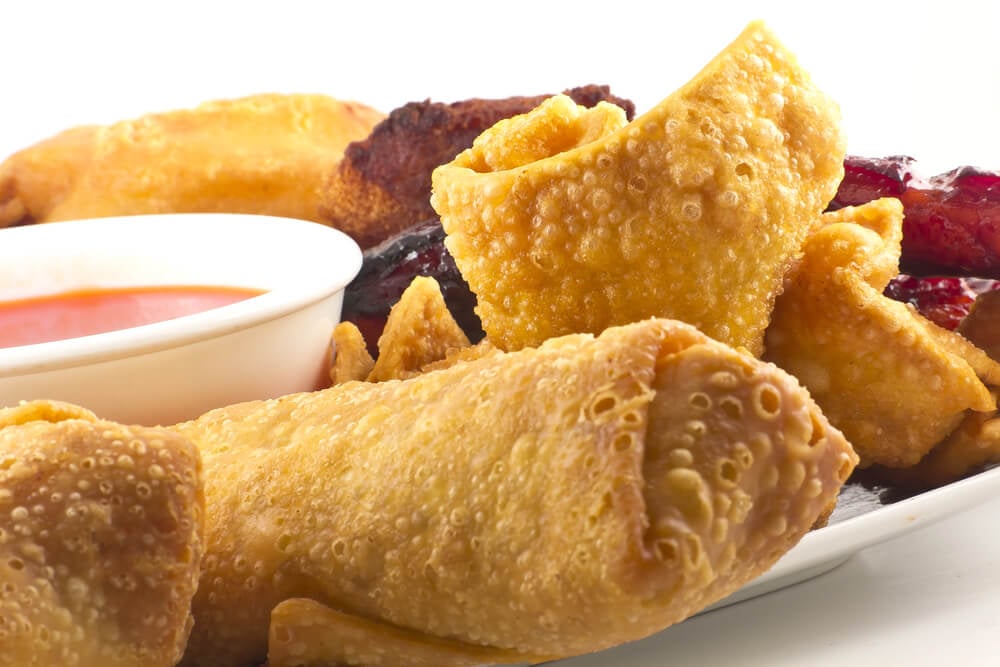
The pu pu platter assembled egg rolls, spare ribs, fried shrimp, and other small bites around a tiny burner in the center, where guests could warm their food at the table. Pūpū is a Hawaiian word for appetizers, and the platter became a signature of Polynesian-themed restaurants across the mainland.
Everything on it was meant to be eaten with the fingers or a toothpick, which made it a natural fit for a party. The little flame in the center added theater and a minor fire hazard.
Cheese Straws
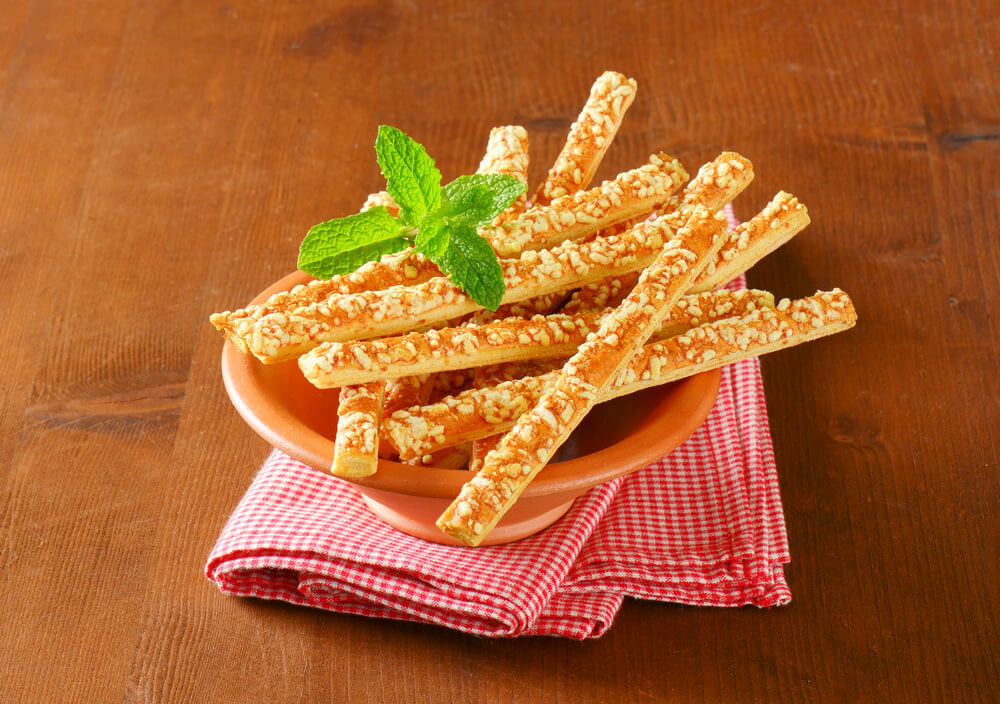
Cheese straws are thin ribbons of cheddar dough, seasoned with cayenne and baked until crisp and golden. Southern cooks often pushed the dough through a cookie press to form uniform strips, and the pastry was a staple at bridal showers and holiday receptions.
They keep well in a tin, which made them a favorite for hosts who wanted something to set out at the last minute. The cayenne gave them a warmth that paired nicely with cold drinks.
Beef Wellington Bites
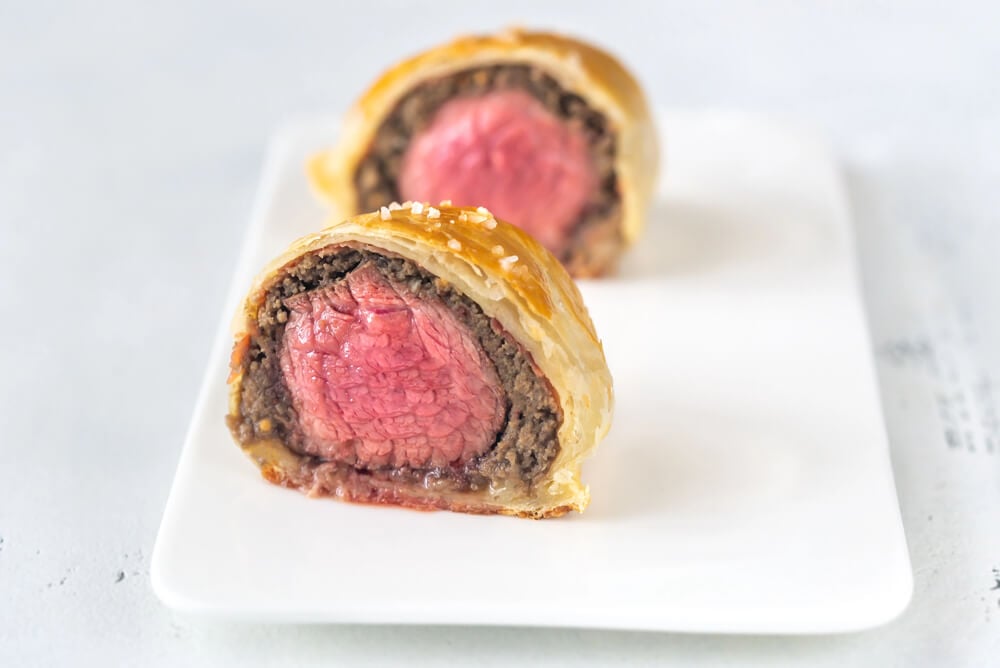
Beef Wellington is a tenderloin coated with mushroom duxelles and sometimes pâté, then wrapped in puff pastry and baked until the crust turns deep gold. The dish carried a reputation as the height of formal dining, so shrinking it to bite size was a bit of a stunt.
Cooks sliced the cooked roll into rounds or built tiny individual packages that guests could eat with their fingers. A tray of these was a reliable way to announce that the hostess had read the right cookbooks.
Oysters Rockefeller
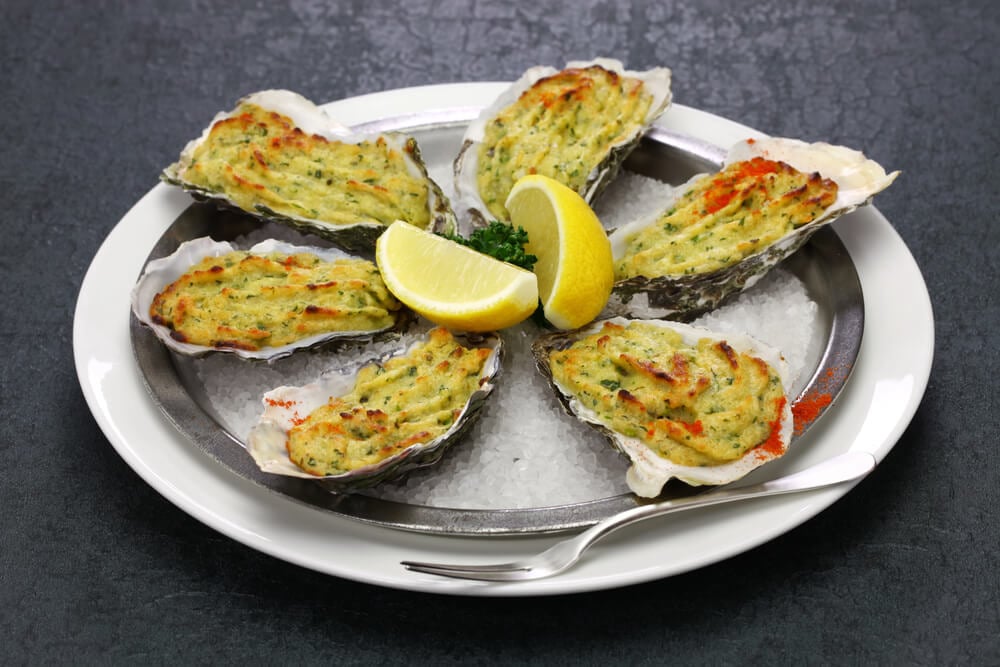
Oysters Rockefeller was created at Antoine’s in New Orleans, and the dish earned its name from the richness of its green sauce. Oysters on the half shell were topped with butter, herbs, and greens, then baked or broiled until bubbling.
The restaurant has long kept its exact recipe private, so home cooks improvised versions with spinach and bread crumbs. The dish carried an air of old-money glamor that suited the cocktail hour well.
Angels on Horseback
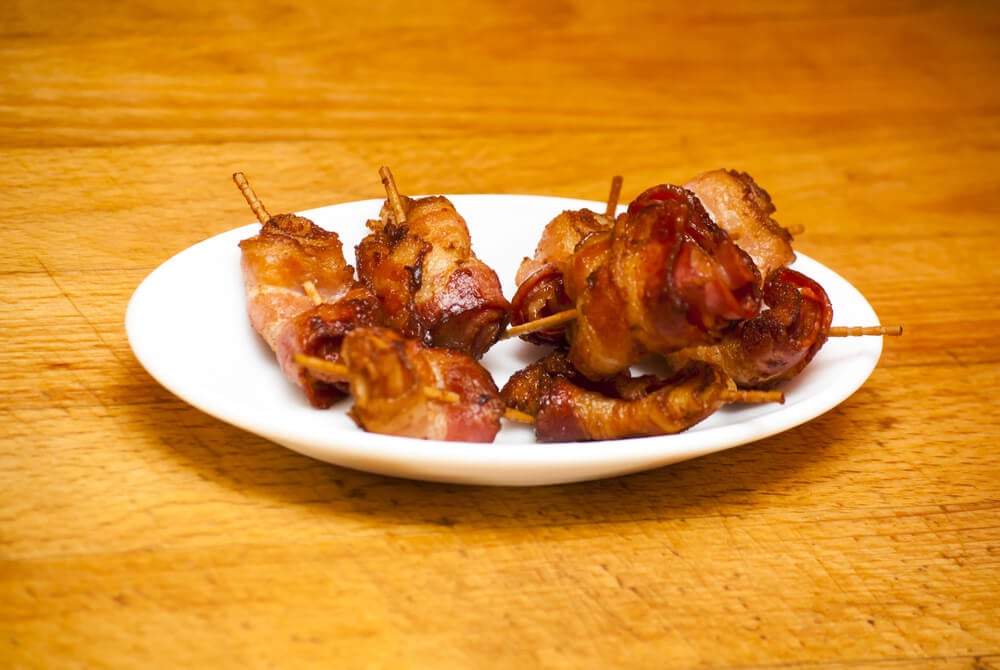
Angels on horseback are oysters wrapped in bacon, threaded onto skewers, and broiled until the bacon crisps. The dish came to American cocktail parties from British tradition, where it is served as a savory at the end of a meal, often on a small square of toast.
At a cocktail party the roles reversed, and the little bundles went round on trays alongside the drinks. Their sibling, devils on horseback, swaps the oyster for a prune, and both bet that bacon could make almost any filling more appealing.
Deviled Ham Canapés
Canned deviled ham mashed with a bit of mayonnaise and pickle relish became a spread for crackers and tiny sandwiches. The small tin, wrapped in paper and marked with a red devil logo, sat in nearly every pantry, making it a go-to for last-minute entertaining.
Hosts rolled the spread into cocktail-size sandwiches or piped it onto toast points for a more polished look. The name has nothing to do with the underworld, since in cooking the word deviled simply signals a spicy, seasoned preparation.
Ritz Crackers with Cheese Spread
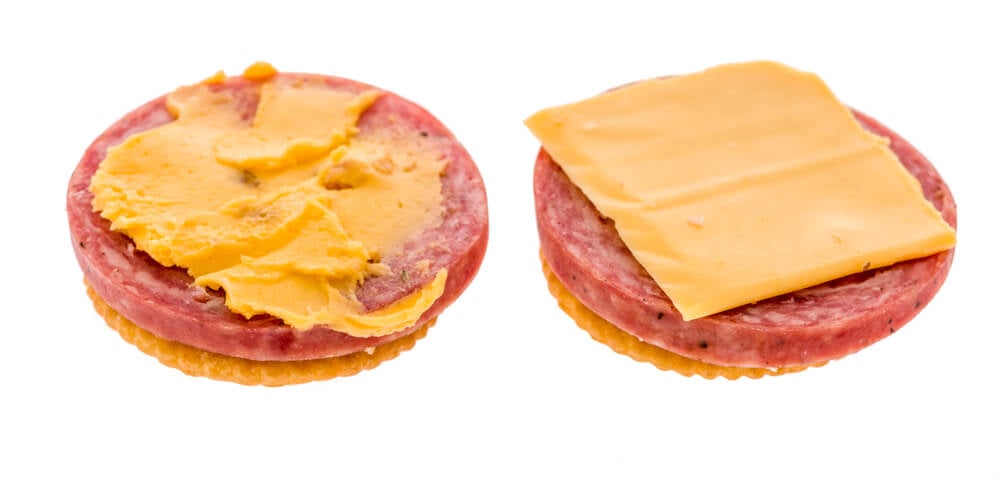
Ritz crackers were the standard vehicle for just about every spread, cheese, or paste on the cocktail table. Their buttery flavor and round shape made them look neat on a tray beside a crock of seasoned cheese.
A cracker needed to be sturdy enough not to snap in the dip, and the scalloped edges added some flair. Hosts often arranged them in overlapping circles around a cheese spread, as if in a museum display.
Chicken Liver Pâté
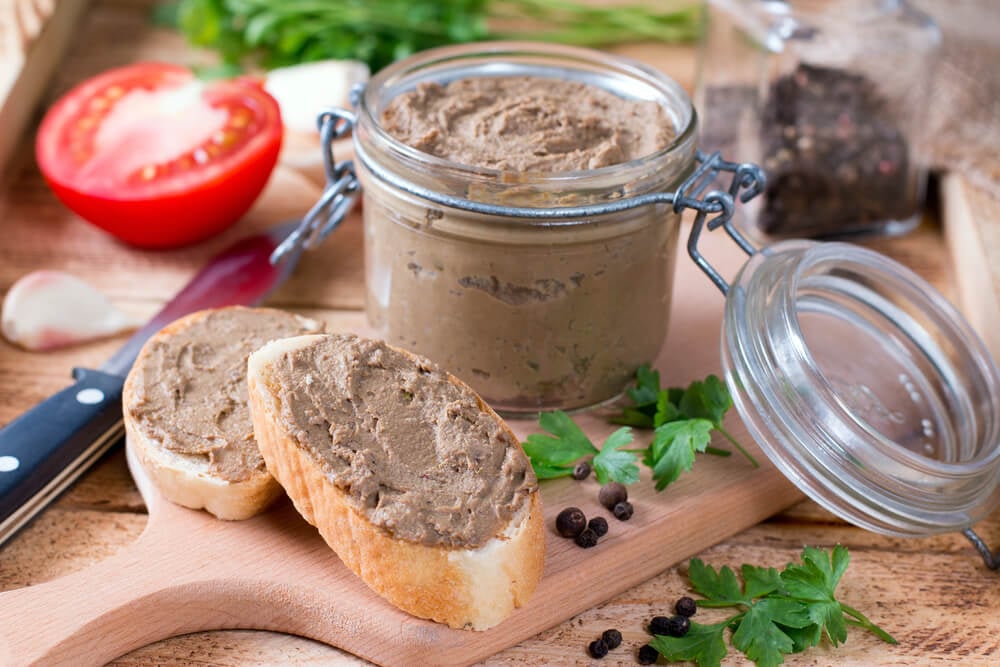
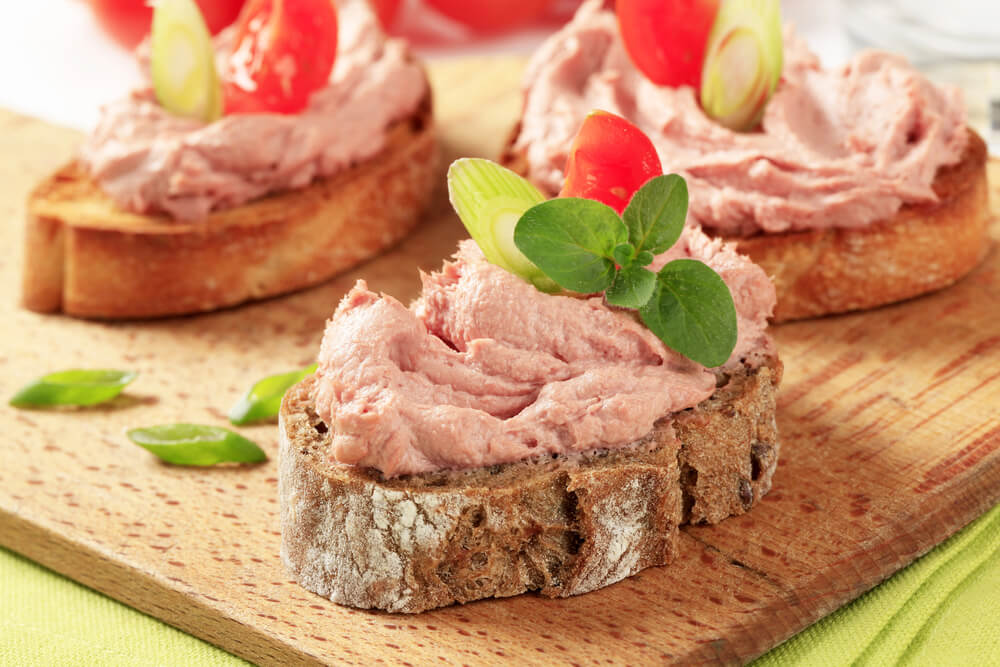
Chicken liver pâté, whipped with butter, onions, and a splash of brandy, was packed into a crock or molded into a dome for spreading on crackers. The taste was rich and smooth, and many guests who swore off liver happily polished off the pâté.
A thin layer of aspic or a sprig of parsley on top gave it a finished look. The mixture had to be chilled for several hours, which meant the host could do the work well before the party began.
Ro-Tel Cheese Dip
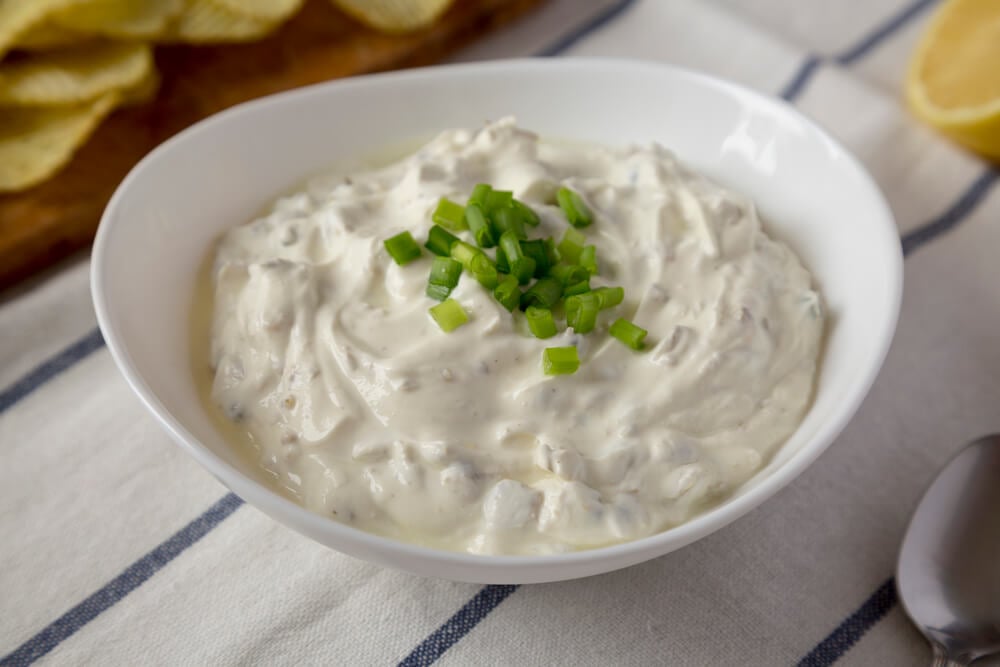
Ro-Tel cheese dip melts processed cheese with a can of diced tomatoes and green chiles, a combination rooted in Texas canning tradition. The dip is poured warm into a bowl and served with corn chips, producing a gooey, spicy dunk that disappears quickly.
Its two-ingredient recipe made it a favorite among hosts who wanted bold flavor without much work. It remains a staple in Texas homes on game day in the fall.
Nut-Crusted Cheese Log
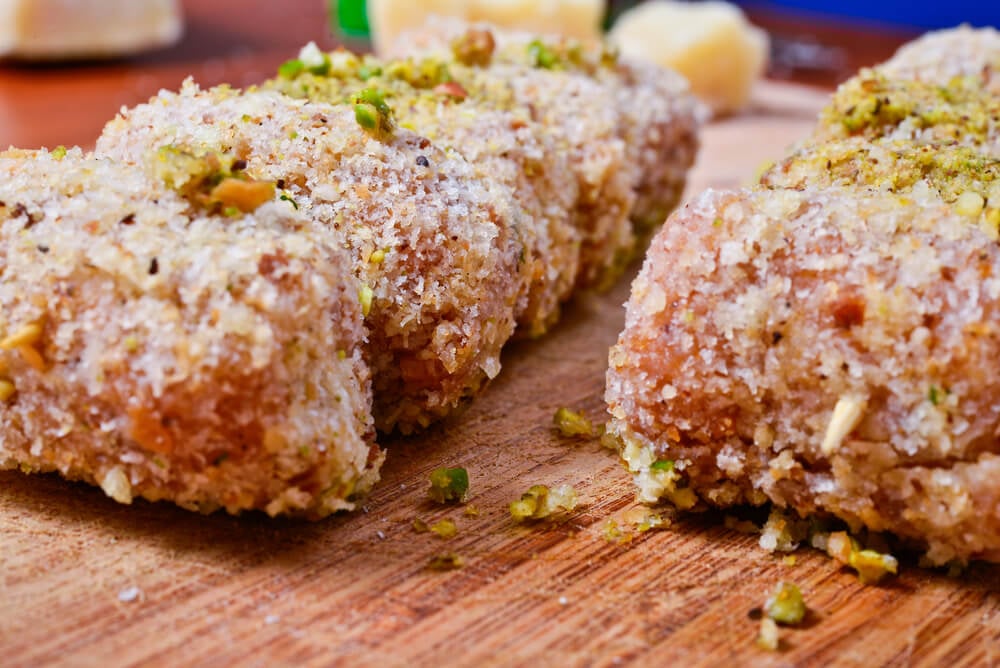
A cheese log blended cream cheese with cheddar, onion, and seasonings, then got rolled in chopped pecans or parsley before chilling. The result was a cylindrical centerpiece surrounded by crackers, and it took the place of a formal cheese course.
Cooks often shaped it a day ahead so the flavors could settle. The nut crust added a pleasing crunch and a more polished look than a plain scoop of spread.
Molded Salmon Mousse
Salmon mousse was made with canned salmon, cream, and gelatin, then chilled in a decorative mold shaped like a fish or a fluted ring. Unmolding the form at the buffet was a high-wire act, since a collapsed mousse meant embarrassment.
Cucumber slices were often laid across the top to resemble scales. For a few years, a gelatin mold on the table was the clearest sign of a host who took entertaining seriously.
Cucumber Tea Sandwiches
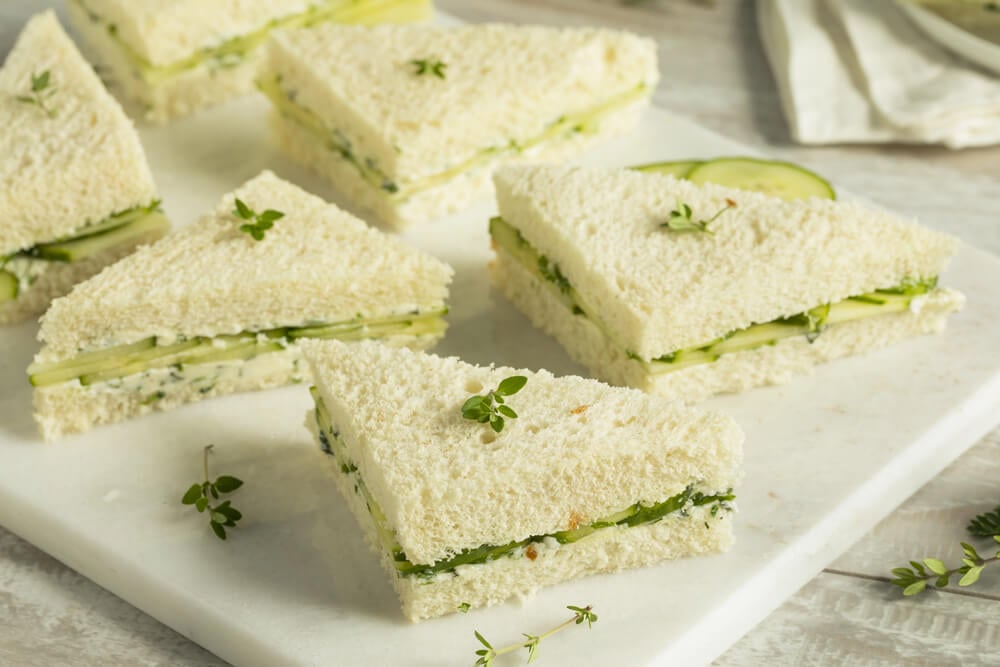
Thin cucumber slices layered between buttered white bread, with the crusts neatly trimmed away, made one of the most delicate offerings on the table. The sandwiches were cut into triangles or fingers and arranged in tidy rows beneath a damp cloth to keep them fresh.
The idea came from English afternoon tea, where the cucumber sandwich is a classic. The look was cool and tidy, and the taste was fresh enough to cut through richer dishes.
Dried Beef and Cream Cheese Roll-Ups
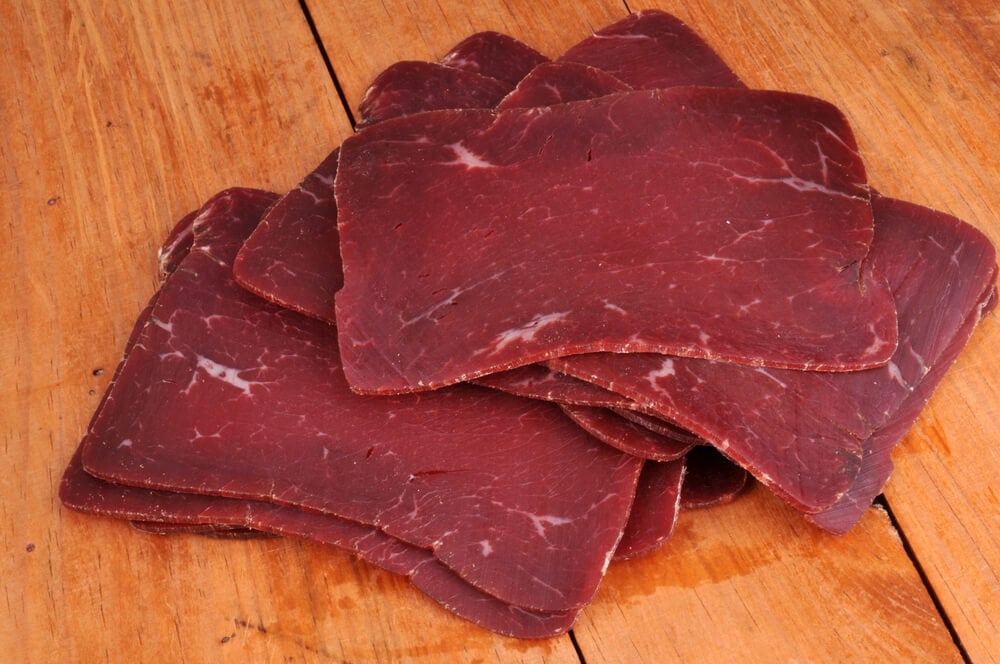
Slices of jarred dried beef were spread with cream cheese, rolled around a pickle or a green onion, and cut into pinwheels. The salty beef and tangy filling gave the roll-ups plenty of punch for a bite-size snack.
Cooks could assemble them the night before, chill them in plastic wrap, and slice them just before serving. They are a good example of how pantry staples could be turned into party fare in minutes.
Olives and Cocktail Onions
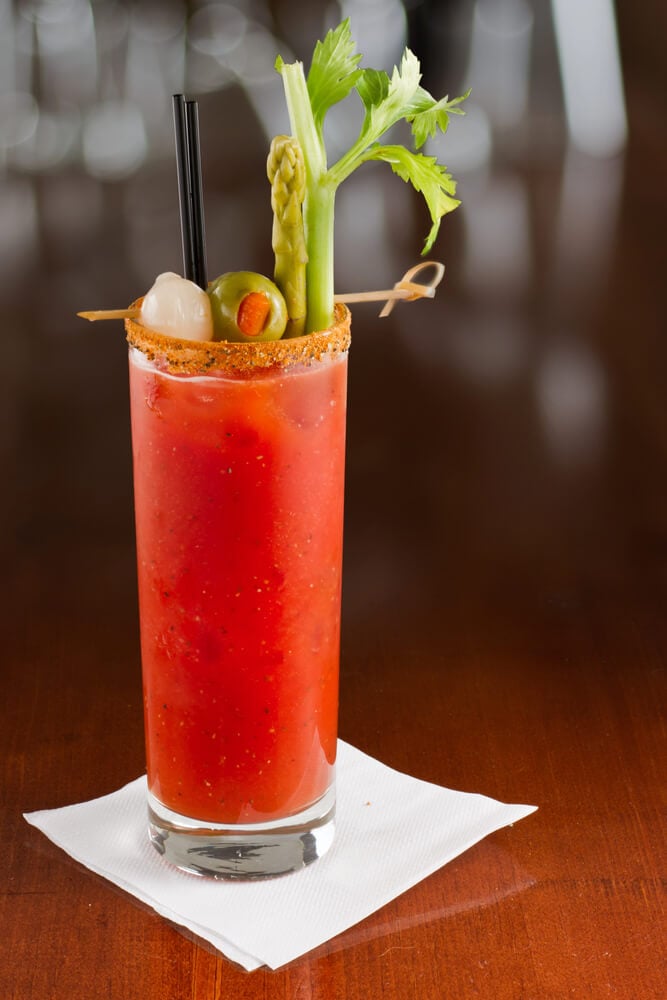
Little dishes of green olives stuffed with pimiento and tiny pickled onions served as both garnish and nibble. The olive belonged in the martini, and the pearl onion belonged in the Gibson, so both appeared wherever the drinks were poured.
Hosts set out cut-glass bowls with toothpicks nearby so guests could help themselves. The bite was salty and sharp, which kept thirsty guests reaching for another round.
Clam Dip with Potato Chips
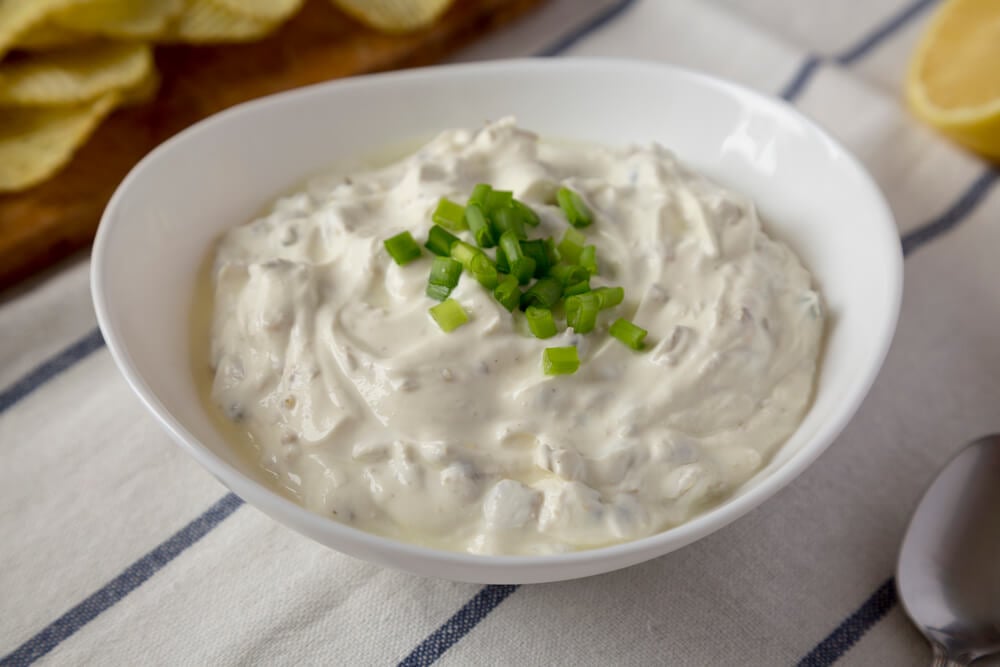
Clam dip blended canned minced clams with cream cheese, lemon juice, and Worcestershire sauce into a creamy, briny spread. It sat in a bowl at the center of a chip platter and was often the first dish to run out.
The recipe offered an easy way to bring a taste of the seashore to a landlocked living room. Compared with onion dip, it felt a little more adventurous without requiring any real cooking.
Cocktail Peanuts
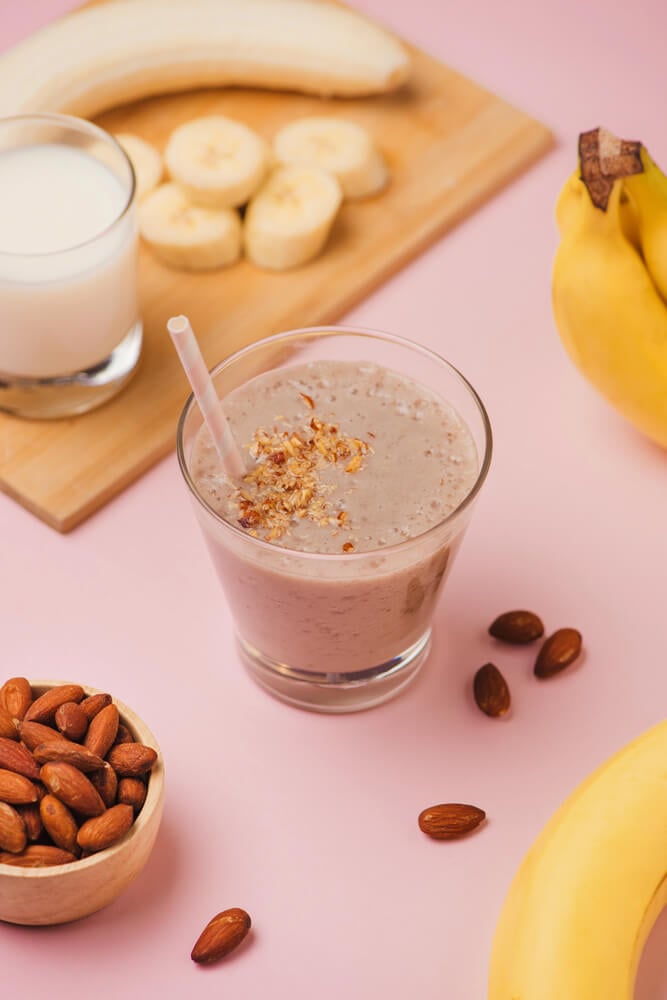
A bowl of salted peanuts on the coffee table was practically required, and many hosts chose a brand with a mascot. Mr. Peanut, the dapper Planters figure with a top hat, monocle, and cane, was the best-known face in the nut aisle.
Cocktail peanuts came in vacuum-sealed tins that opened with a hiss, adding a bit of ceremony. Guests ate them by the handful, which kept the bowl nearly empty by the end of the evening.
Smoked Oysters on Crackers
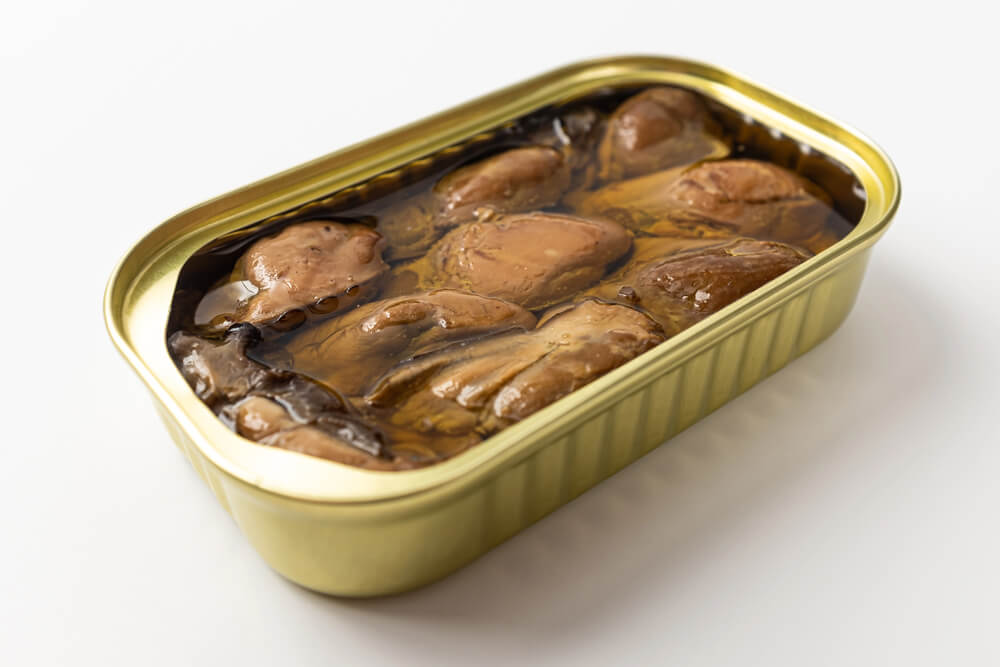
Canned smoked oysters, drained and set on crackers, delivered a deep, salty flavor that guests either loved or avoided. The oysters came in small flat tins, and a single can made a respectable platter when cut into pieces.
A dab of cream cheese or a squeeze of lemon changed the character noticeably. It was a popular last-minute choice, since the tin could sit in the pantry for months until needed.
Crab Rangoon
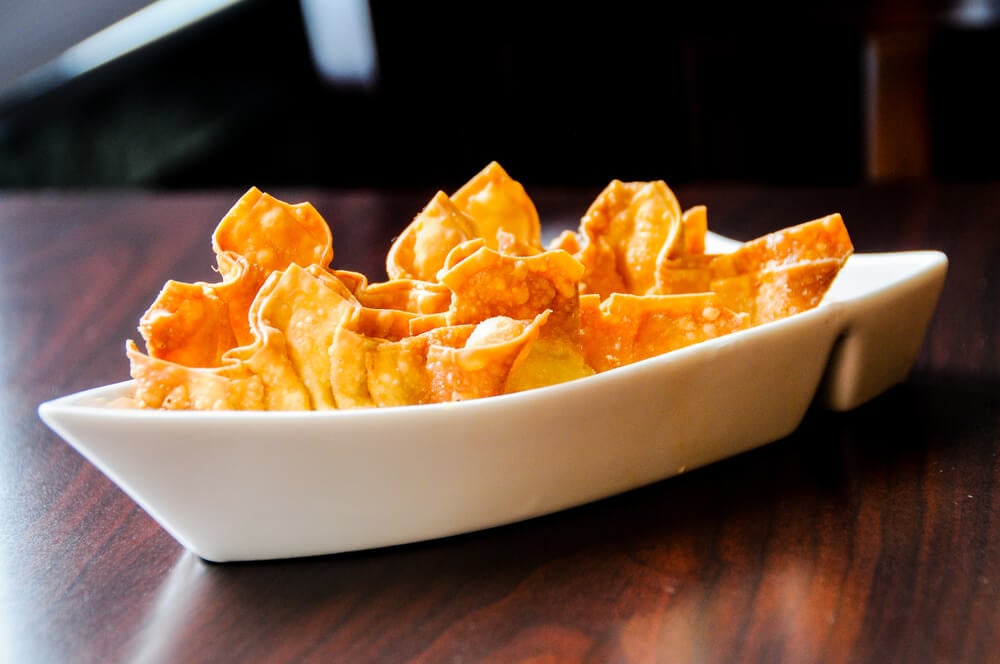
Crab rangoon pairs crab and cream cheese inside a crisp fried wonton wrapper, usually folded into a small triangle or purse. The filling is creamy and slightly sweet, and the wrapper blisters into a golden shell in hot oil.
The name borrows from the Burmese city, though the dish itself is an American restaurant creation. Chinese-American and Polynesian-style restaurants made it a menu staple, and dunked in sweet-and-sour sauce it was one of the more adventurous bites to reach the mainstream cocktail crowd.
The Pantry Behind the Party
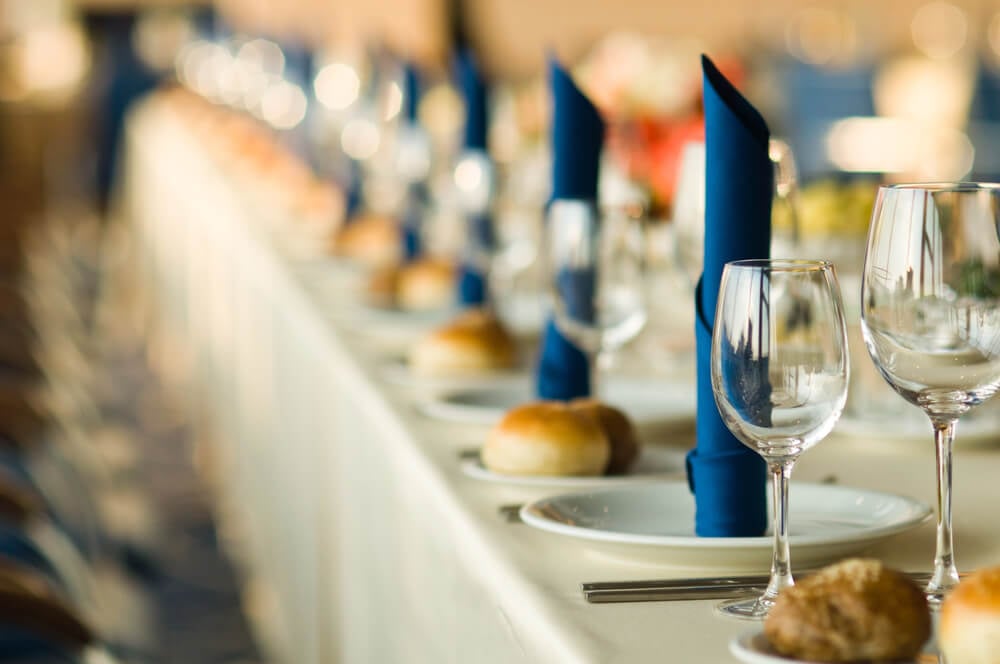
Looked at together, these dishes share a common feature: they were built from items that kept well and could be prepared in advance. Canned crab, jarred beef, packaged crackers, and soup-mix dips let a host assemble an impressive spread in an afternoon.
The cooking itself was modest, but the presentation was elaborate, with toothpicks, molds, and garnishes standing in for skill.
The era understood something that still holds true: guests remember the atmosphere more than the menu. A tray passed at the right moment can matter more than any recipe, and a bowl of chips with a good dip can anchor an entire evening.
That is why many of these foods keep returning, one retro party at a time.
More from Go2Tutors!

- 27 Silver Dollars and Half Dollars Worth Keeping
- 28 Restaurant Menu Items Nobody Orders Anymore
- 17 Places Built in Seemingly Impossible Spots
- 27 Vintage Rings Worth More Than They Look
- 25 Restricted Sites Tourists Can’t Enter
Like Go2Tutors’s content? Follow us on MSN.