Ration Foods From Wartime History
Food rationing during wartime transformed kitchens across the world. Families learned to stretch ingredients, embrace substitutes, and find creative ways to feed themselves when supplies ran short.
These weren’t gourmet meals, but they kept people going through some of history’s darkest periods. Many of these foods became so ingrained in daily life that they outlasted the wars themselves.
Spam and Canned Meats

Spam arrived on dinner tables as a practical solution to feeding troops and civilians when fresh meat became scarce. The canned pork product traveled well, lasted months without refrigeration, and provided protein when other options disappeared.
People fried it, baked it, mixed it with eggs, and added it to sandwiches. Some grew to love it. Most just tolerated it because the alternatives were worse.
The military distributed millions of cans to soldiers stationed across continents. Back home, housewives incorporated it into recipes that masked its distinctive taste.
Corned beef came in similar cans and served the same purpose, though it had a slightly better reputation among those who had to eat it regularly.
Powdered Eggs
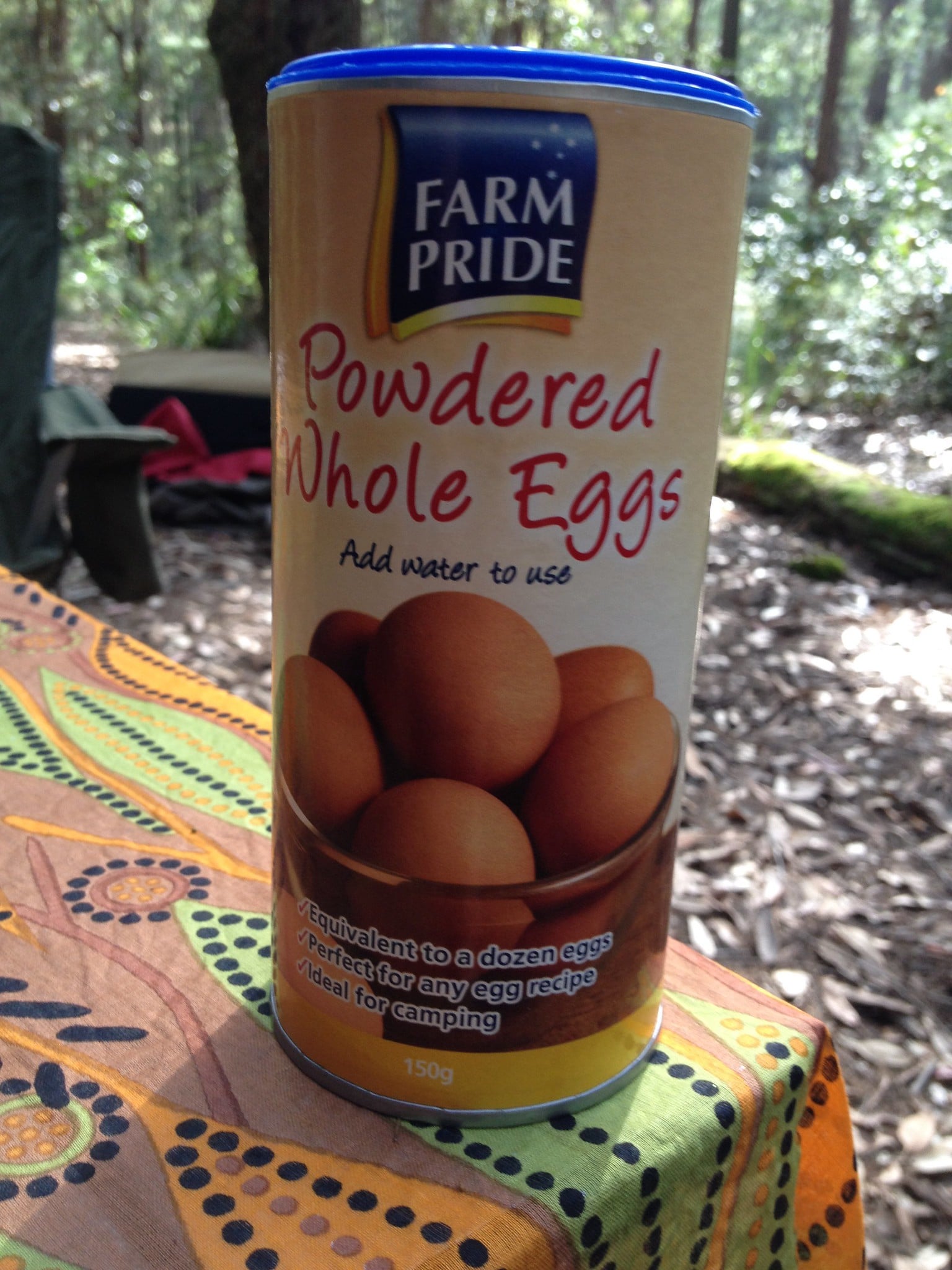
Real eggs became precious during wartime. Powdered eggs filled the gap, though nobody pretended they tasted the same.
The yellow powder mixed with water created something that resembled scrambled eggs if you didn’t look too closely or expect too much. Bakers used powdered eggs in cakes and cookies.
Cooks added them to casseroles and omelets. The texture never quite matched fresh eggs, and the flavor fell short, but they provided essential nutrients when chickens weren’t laying enough to meet demand.
Victory Garden Vegetables

Growing your own food stopped being a hobby and became a duty. Victory gardens sprouted in backyards, vacant lots, and public parks.
Families planted carrots, tomatoes, lettuce, beans, and whatever else would grow in their climate. These gardens supplied fresh produce when grocery stores couldn’t.
The vegetables tasted better than anything from a can, and tending a garden gave people something productive to do while worrying about loved ones overseas. Kids learned to weed and water.
Adults learned to can and preserve. The gardens connected people to their food in ways that modern supermarkets never do.
Root Vegetables and Storage Crops

Potatoes, turnips, carrots, and beets dominated wartime menus because they stored well through winter months. A root cellar full of these vegetables meant survival when other food sources dried up.
Cooks boiled them, mashed them, roasted them, and added them to stews. Turnips got a bad reputation during this era.
They appeared so frequently on plates that people grew tired of their sharp taste and dense texture. But turnips grew quickly and abundantly, making them a practical choice despite their lack of popularity.
Dried Beans and Legumes

Beans provided protein when meat rations ran low. Dried beans lasted indefinitely on pantry shelves and cost very little.
Navy beans, kidney beans, lima beans, and lentils all made regular appearances in soups, stews, and casseroles. Cooking beans required planning since they needed hours of soaking and simmering.
But a pot of beans could stretch to feed a large family, and the leftover liquid made decent soup stock. Resourceful cooks learned dozens of ways to prepare beans so their families wouldn’t revolt from eating them too often.
Whole Wheat and Dark Bread

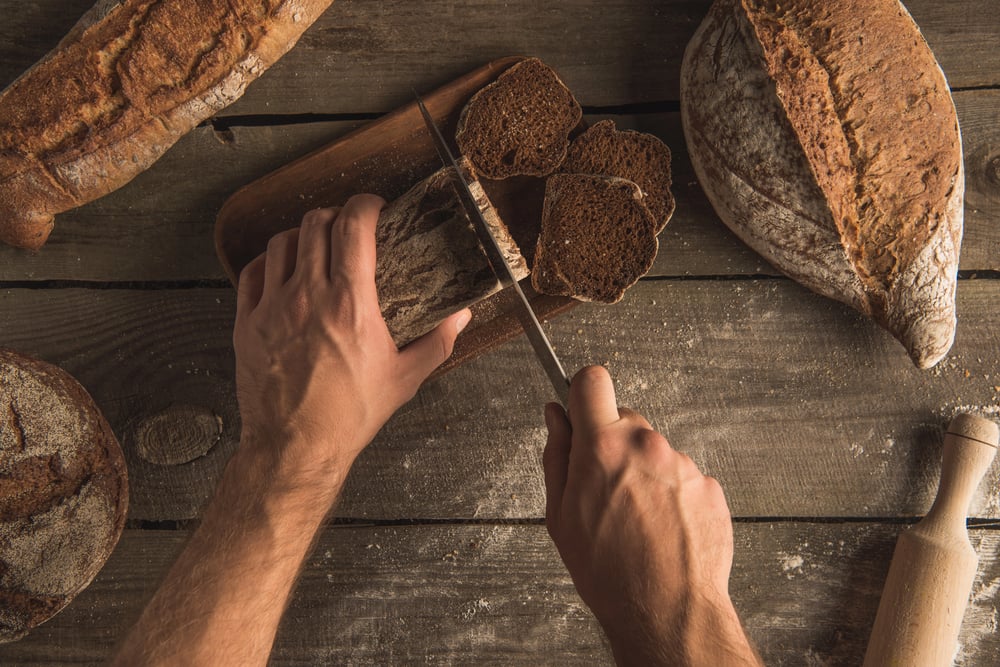
White flour became scarce during rationing, so bakers turned to whole wheat and other grains. The resulting bread came out denser and darker than the fluffy white loaves people preferred.
Some called it “victory bread” to make it sound patriotic rather than inferior. The bread tasted different, but it contained more nutrients than refined white flour.
Families adjusted their expectations and learned to appreciate the nutty flavor and heartier texture. Toast made from this bread held up better to some spreads anyway.
Margarine Instead of Butter

Butter vanished from many tables during wartime rationing. Margarine stepped in as a substitute, though early versions came as a white block with a yellow color packet that you had to knead in yourself.
The process took time, and the result never quite matched real butter. People spread margarine on bread, used it in baking, and cooked with it because they had no choice.
Some grew accustomed to the taste. Others counted the days until they could afford real butter again.
The dairy industry fought hard to keep margarine inferior through regulations that lasted decades after the wars ended.
Powdered and Evaporated Milk

Fresh milk required refrigeration and spoiled quickly, making it impractical for military distribution and difficult for civilians to obtain regularly. Powdered milk dissolved in water to create something drinkable, though the taste and texture never matched fresh milk.
Evaporated milk came in small cans and worked better in coffee and cooking than powdered versions. Cooks used it in creamed soups, mashed potatoes, and desserts.
Children drank reconstituted powdered milk without complaining because they knew complaining wouldn’t bring back fresh milk.
Government Cheese and Rationed Dairy

Cheese appeared in ration allowances, but the portions never satisfied families who loved cheese before the war. The government-issued cheese came in blocks that varied in quality.
Some batches tasted decent. Others had an odd flavor that people worked around by melting the cheese into dishes where other ingredients could mask it.
Families grated their cheese allowance carefully, making it last as long as possible. A little cheese added to macaroni, sprinkled on vegetables, or melted into sauce made plain food taste better without using much of the precious supply.
Offal and Organ Meats
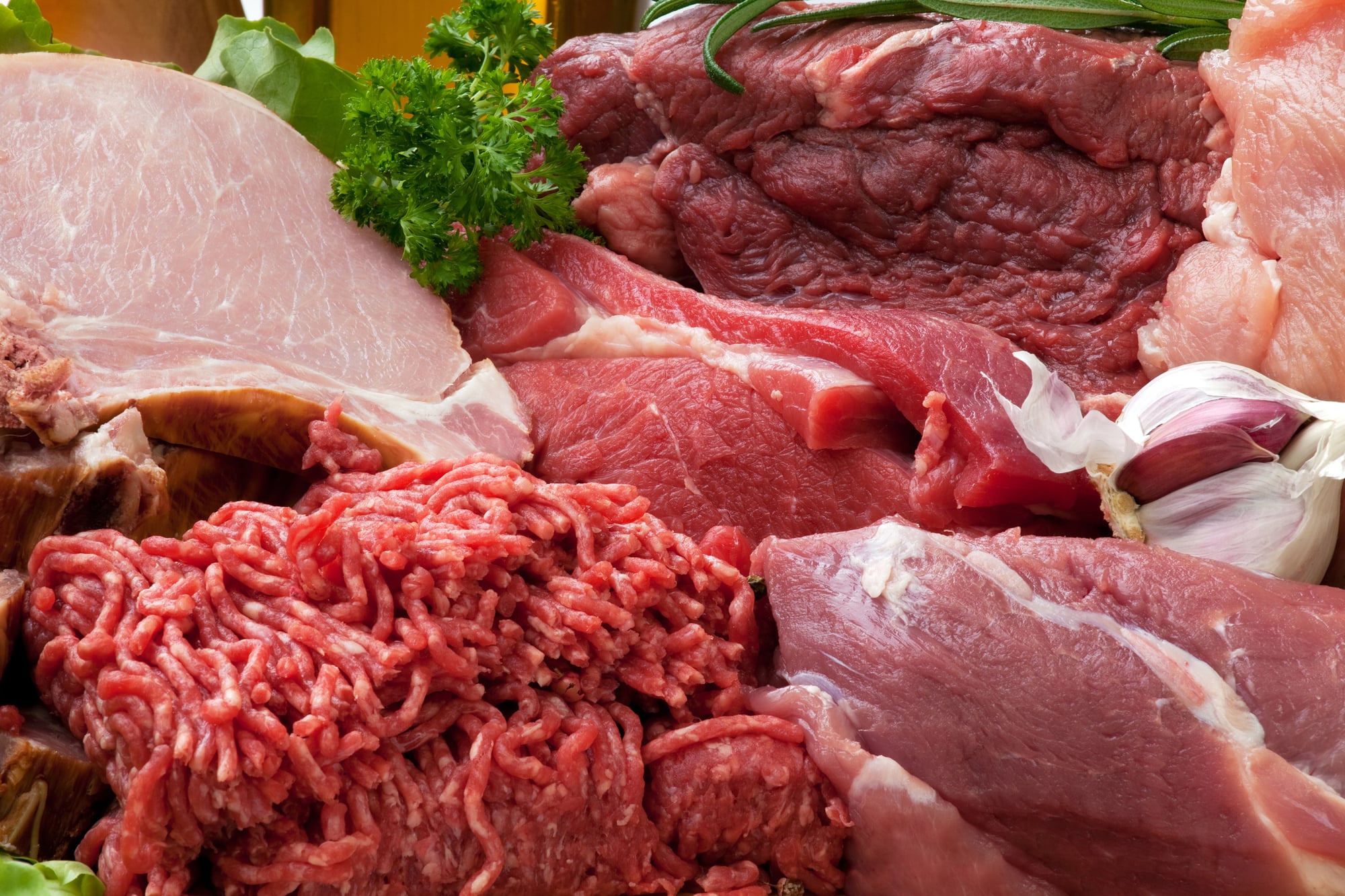
When better cuts of meat went to soldiers, civilians made do with what remained. Liver, kidneys, heart, tongue, and other organ meats appeared at butcher shops and on dinner plates.
These parts contained plenty of nutrients but required specific cooking methods to make them palatable. Liver and onions became a standard meal despite many people disliking liver’s strong taste.
Tongue required lengthy boiling before it could be sliced and served. Resourceful cooks ground organ meats into patties or mixed them with other ingredients to make them more acceptable to picky eaters.
Stretching Sugar and Finding Sweetness

Sugar rationing hit hard because people used sugar in everything from morning coffee to dessert recipes. Families received small weekly allowances that disappeared quickly.
Honey became a substitute when available, though honey cost more and wasn’t always easy to find. Home cooks learned to reduce sugar in recipes or omit it entirely.
They sweetened desserts with fruit or extracts. Birthday cakes still appeared, but with less frosting and smaller portions.
The adjustment taught people to appreciate sweetness rather than expect it at every meal.
Tinned Fish and Preserved Seafood

Sardines, herring, and tinned salmon provided protein when other sources ran out. The small cans stacked easily in pantries and lasted for months.
People ate the fish straight from the tin, mixed them into salads, or mashed them into sandwich spreads. Fresh fish reached coastal areas more easily than inland regions, but even coastal communities couldn’t always count on steady supplies.
Canned fish guaranteed that protein would be available regardless of fishing conditions or transportation disruptions.
Creative Wartime Recipes and Mock Foods
Scarcity bred creativity in kitchens everywhere. Cooks invented “mock” versions of foods they could no longer afford or obtain.
Mock apple pie used crackers instead of apples. Eggless cakes relied on vinegar and baking soda for leavening. Meatless meatloaf incorporated oats and vegetables to create bulk.
These recipes required imagination and a willingness to try something that might fail. Women shared tips through radio programs, newspaper columns, and neighborhood conversations.
The best recipes spread quickly, becoming part of the wartime cooking repertoire that helped families survive lean times.
Preserved and Pickled Everything
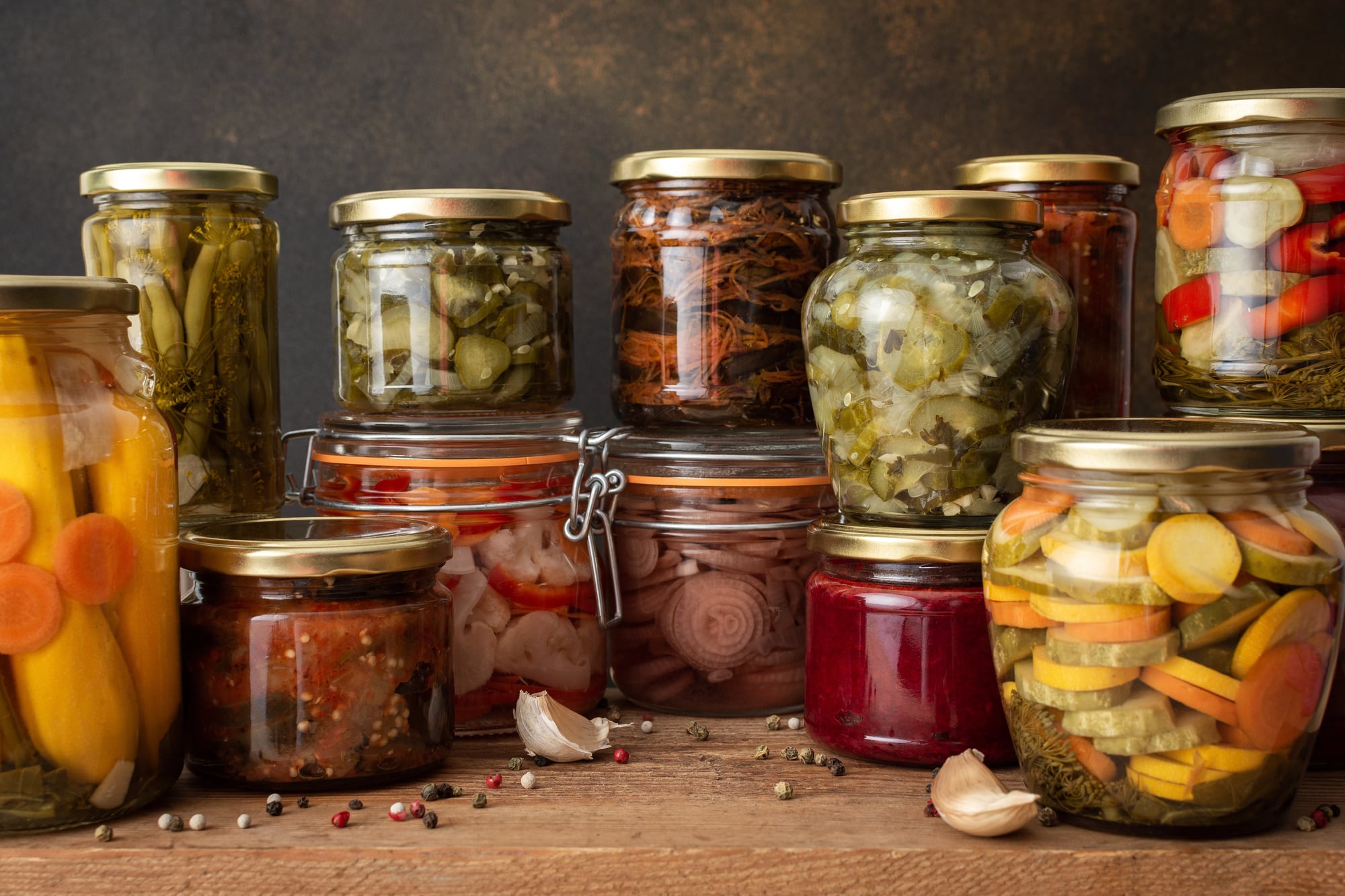
Preserving food became essential when fresh supplies were limited. Families pickled vegetables, canned fruits, made jams from whatever grew in their gardens, and salted meats to extend their usability.
Jars lined pantry shelves throughout winter, providing variety when stores offered little. Pickling added flavor to bland vegetables and made them last longer.
Canned peaches or applesauce tasted like summer in the middle of winter. These preserved foods supplemented rations and gave families control over their food supply during uncertain times.
When Scarcity Became Normal

Years passed before meals returned to normal in certain places. At first meant to be short term, these rules shaped how people lived every single day.
A whole generation of kids learned to eat without ever seeing full plates. Cooking changed completely once counting allowance points became routine.
That shift rewrote beliefs around meals and scraps. Not a single bit disappeared without reason.
Each leftover had its turn again on the plate. Simmered bones built a deep flavor in pots later.
Forgotten slices of bread soaked up milk and spice. Even when supplies grew plentiful, that way of thinking stuck close to daily routines. Years passed, yet old patterns stayed at the table.
Tables Set With Memory

Back then, shortages showed truths tougher than the wars they followed. Folks who lived through it kept memories of bare shelves and clever fixes long after peace came.
Spam shifted from survival staple into something people oddly miss. Powdered eggs vanished fast when real ones landed back on grocery lists.
Out of lack came flavors that linger in handwritten pages, shared across generations like quiet echoes of lean years. Not only sustenance – those meals held grit, improvisation, sharp wit in the face of empty shelves.
Though flavor often fell flat on the tongue, what stuck was how they stitched moments together when little else stayed whole. What remains isn’t richness of taste, but depth of recollection, slow-cooked by necessity.
More from Go2Tutors!

- The Romanov Crown Jewels and Their Tragic Fate
- 13 Historical Mysteries That Science Still Can’t Solve
- Famous Hoaxes That Fooled the World for Years
- 15 Child Stars with Tragic Adult Lives
- 16 Famous Jewelry Pieces in History
Like Go2Tutors’s content? Follow us on MSN.



