Tourist Destinations Altered by Viral Internet Trends
Social media has transformed how we discover and experience travel destinations, but the effects run deeper than just increased visitor numbers. When a place goes viral online, it doesn’t just gain popularity—it fundamentally changes.
character shifts, the infrastructure adapts, and sometimes the very essence that made it special in the first place gets lost in translation. These transformations reveal how powerful our digital age has become in reshaping physical spaces, often in ways no one anticipated.
Antelope Canyon, Arizona
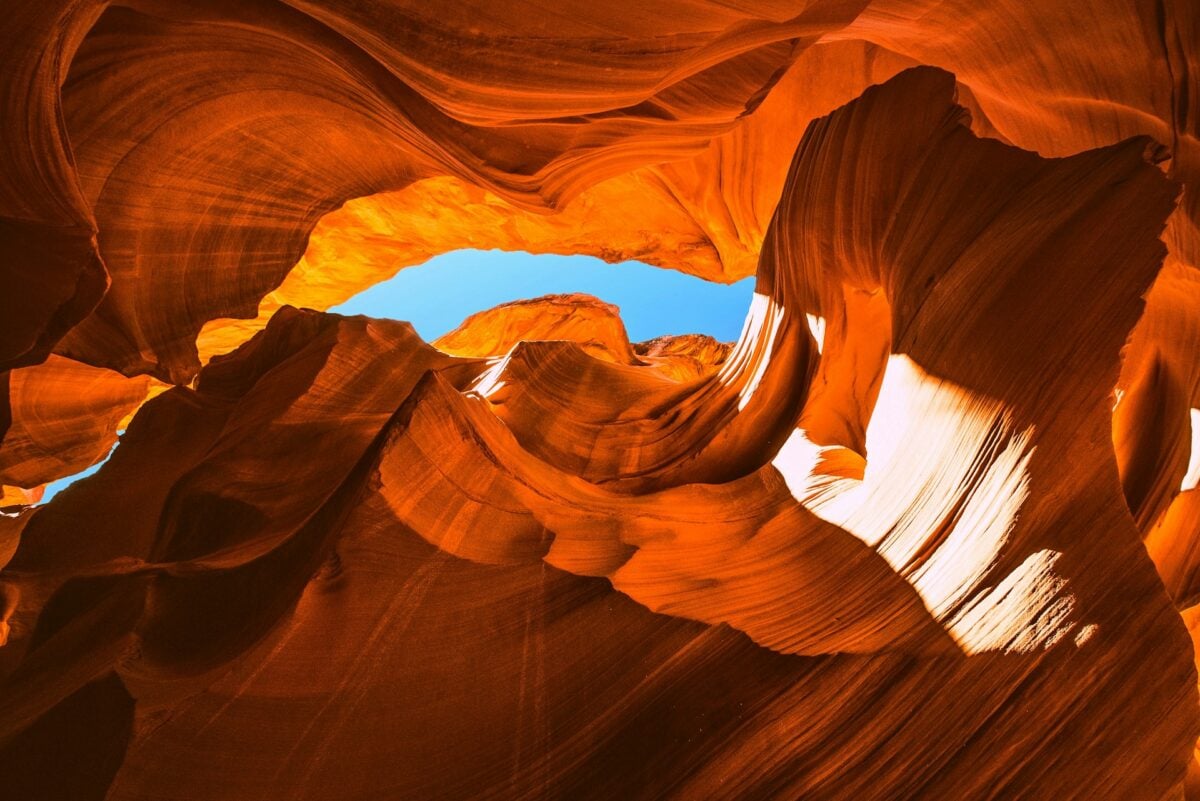
The slot canyon became Instagram’s darling overnight. Those ethereal light beams streaming through carved sandstone now require advance reservations and cost serious money to witness.
What was once a quiet spiritual site for the Navajo Nation turned into a photography factory. Tour groups shuffle through in timed intervals.
Everyone’s trying to capture the same shot they saw online.
Horseshoe Bend, Arizona
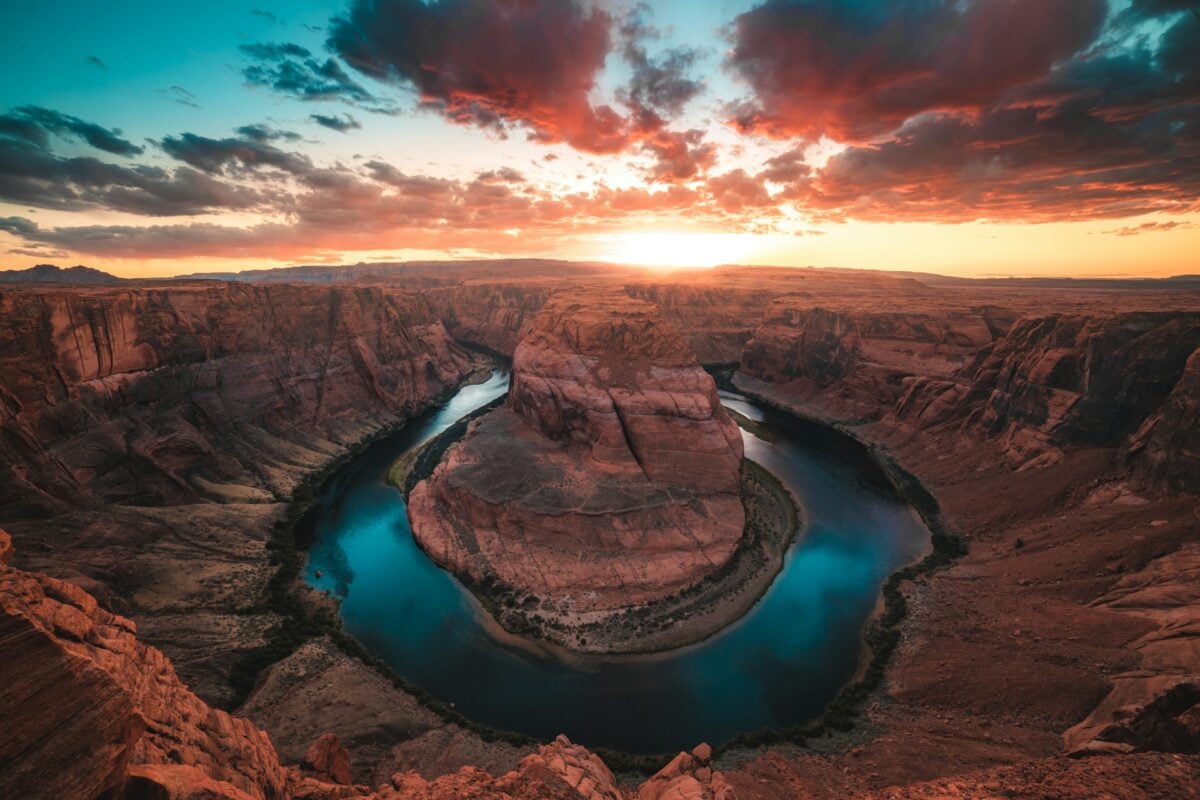
A simple overlook turned into a safety nightmare. Before Instagram, maybe a dozen people visited daily.
Now thousands arrive expecting the perfect cliff-edge photo. The authorities had to install railings and expand the parking area.
What used to be a hidden gem accessible to adventurous travelers became a crowded observation deck where people risk their lives for likes.
Hallstatt, Austria
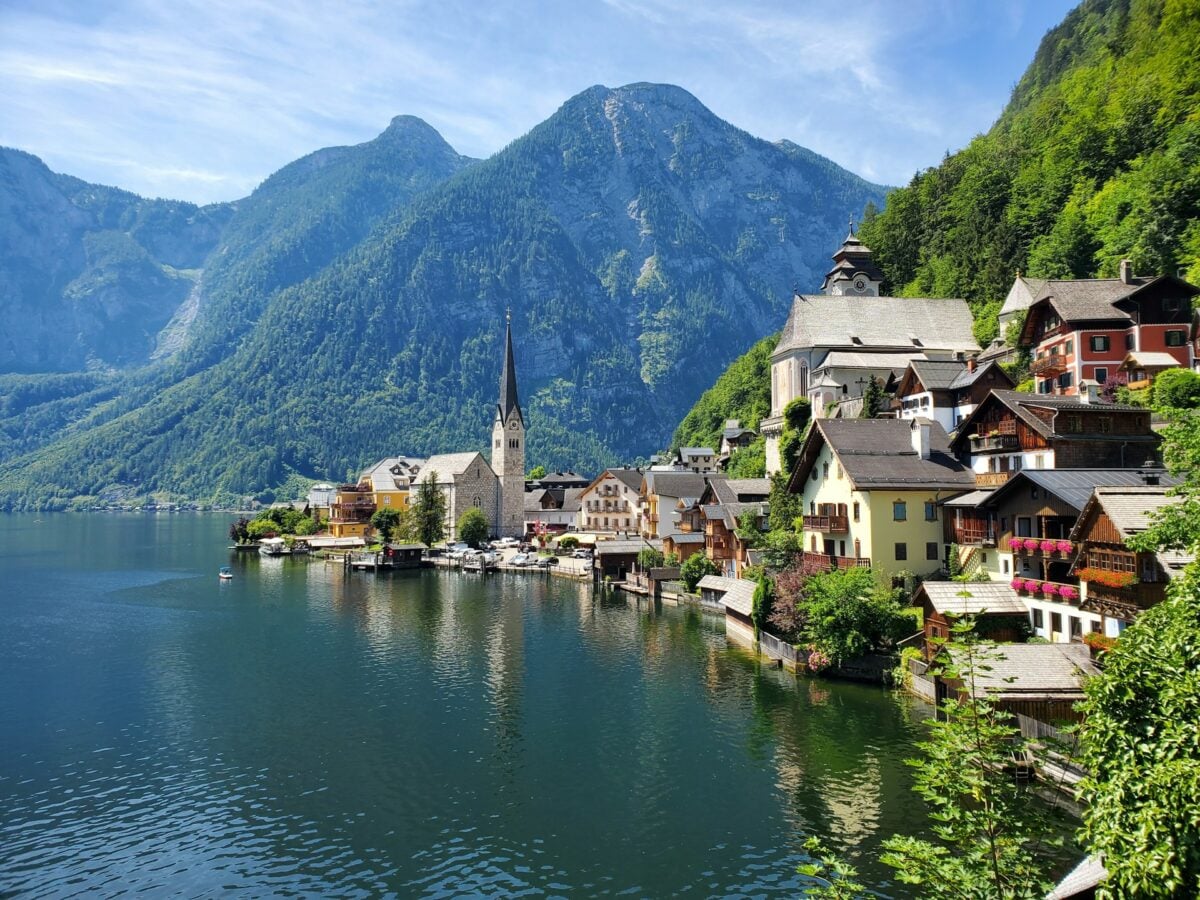
This is what happens when a place becomes too beautiful for its own good—though “beautiful” here means something specific, filtered through phone screens and enhanced by algorithms that reward certain types of aesthetic perfection. The Austrian village, population 780, started receiving thousands of daily visitors after travel bloggers discovered its lakeside charm (and China built a full-scale replica, which somehow made the original even more desirable, because authenticity becomes more valuable when imitations exist).
And so began the transformation: residents couldn’t park near their own homes anymore. Tourists would peer into windows, assuming every building was part of some open-air museum rather than someone’s actual life.
But here’s the part that reveals how these viral moments work: the village that everyone was desperate to photograph was already disappearing the moment they arrived to capture it. Each visitor was chasing an image of serenity and old-world charm that their own presence was actively eroding.
The town eventually had to limit tour buses and ask visitors to stop treating residents’ homes like props in their travel narratives.
Fjaðrárgljúfur Canyon, Iceland
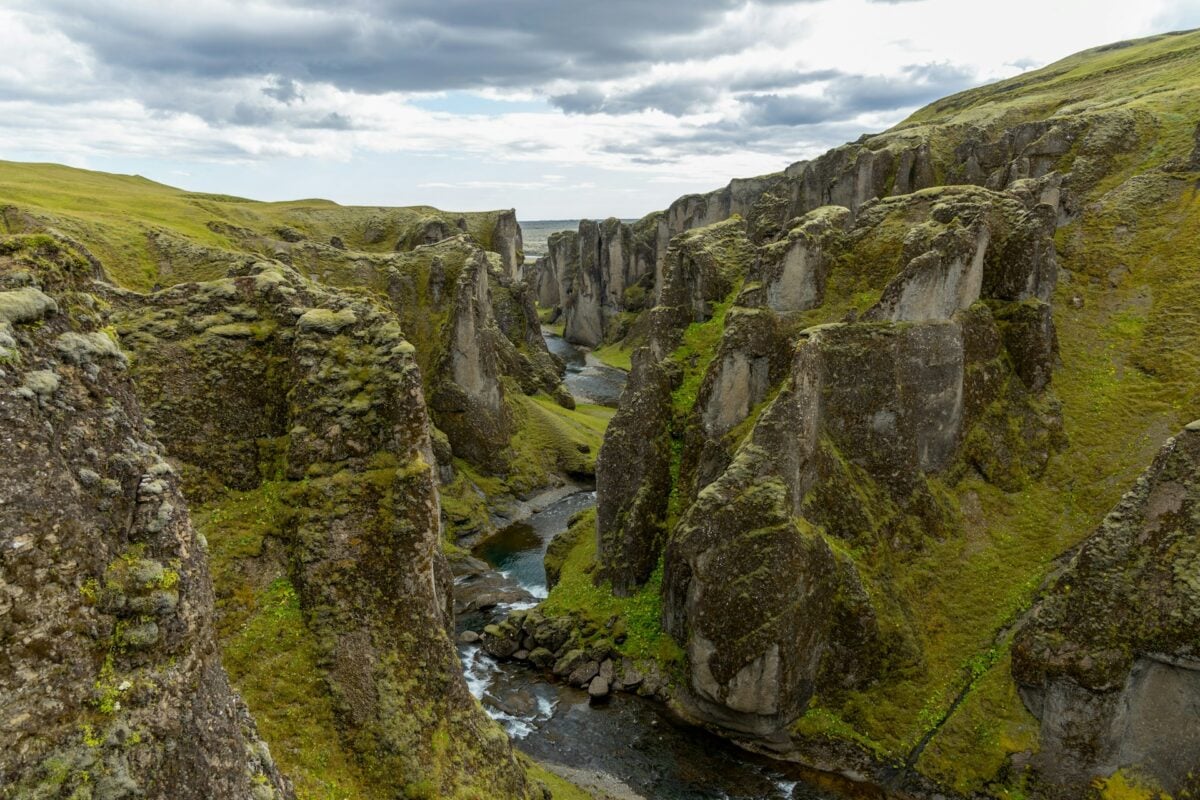
Justin Bieber ruined this canyon, and that’s not an exaggeration. His 2015 music video showcased the dramatic gorge, and within years the fragile moss covering was being trampled by influencers recreating his shots.
Iceland had to close the canyon temporarily to let it recover. The ecosystem that took decades to establish was damaged in just a few seasons of viral fame.
Some areas still haven’t bounced back.
Chernobyl, Ukraine
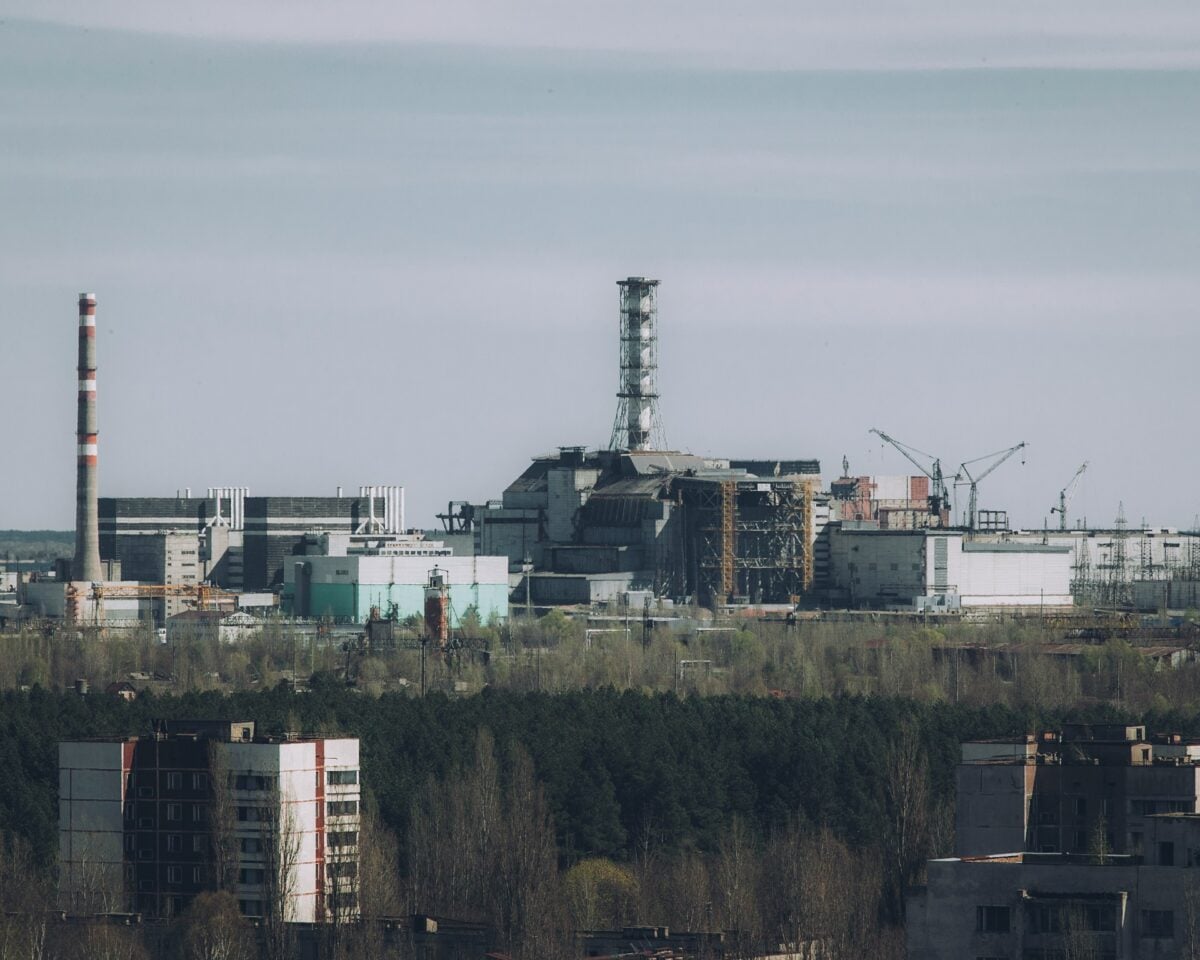
Dark tourism reached peak absurdity when HBO’s miniseries sent waves of visitors to the exclusion zone. People showed up expecting a theme park version of nuclear disaster, complete with photo opportunities at radiation sites.
Tour operators scrambled to meet demand, but visitors often treated the location like a movie set rather than a site of genuine tragedy. The Ukrainian government eventually had to issue guidelines asking tourists to be respectful, which shouldn’t have been necessary in the first place.
Mount Fuji, Japan
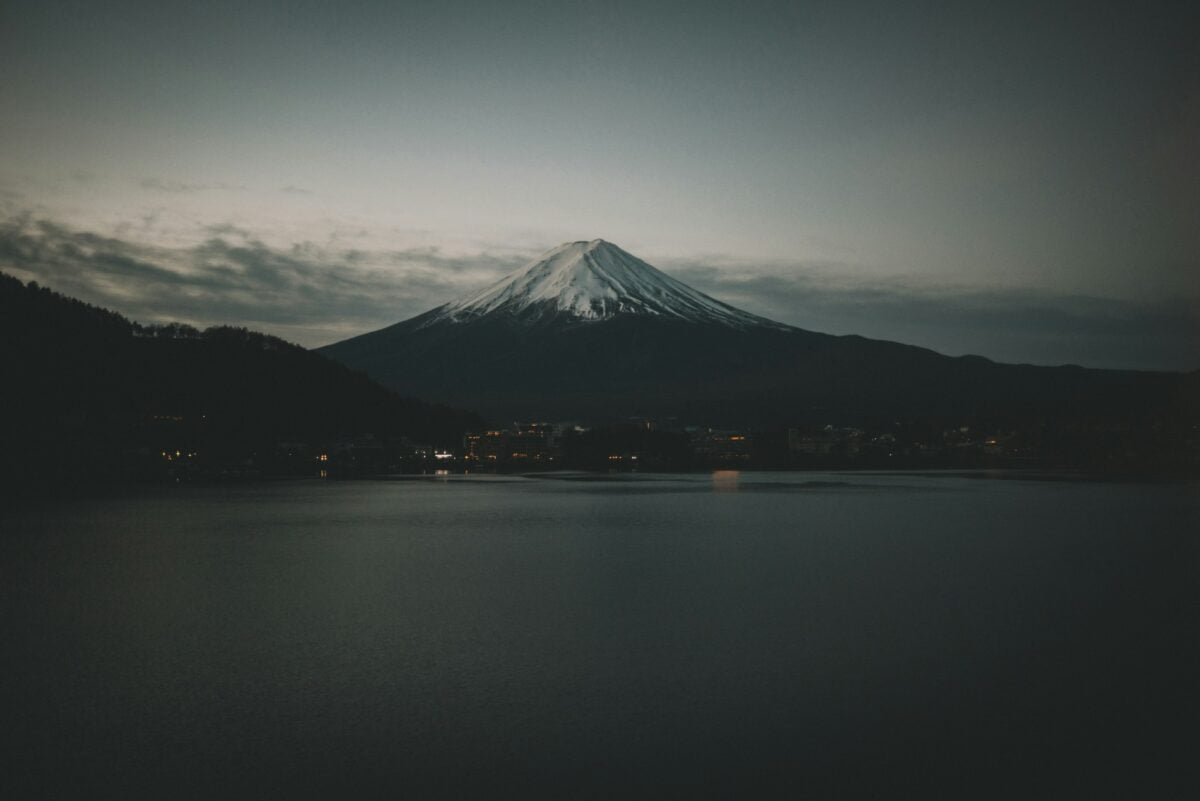
There’s something almost cruel about how social media turns natural wonders into performance spaces—as if mountains and lakes exist primarily to validate our experiences rather than simply to be themselves. Mount Fuji’s climbing season used to attract serious hikers who understood the physical and spiritual significance of the ascent, people who prepared for months and respected both the mountain’s difficulty and its cultural meaning.
Then travel bloggers discovered that sunrise photos from the summit generated massive engagement, and suddenly everyone wanted that shot, whether they were prepared for the climb or not. The mountain became crowded with under-equipped climbers who’d seen the Instagram posts but hadn’t considered the reality: altitude sickness, rapidly changing weather, and the fact that sacred sites don’t always cooperate with posting schedules.
Japanese authorities now deal with inexperienced climbers who need rescue, trail damage from increased foot traffic, and the odd cultural tension of a sacred mountain being treated like a photography studio. The sunrise that used to be a spiritual moment shared among a few dedicated climbers now happens amid crowds of phones held high, each person trying to capture their version of the same viral image.
Phi Phi Islands, Thailand
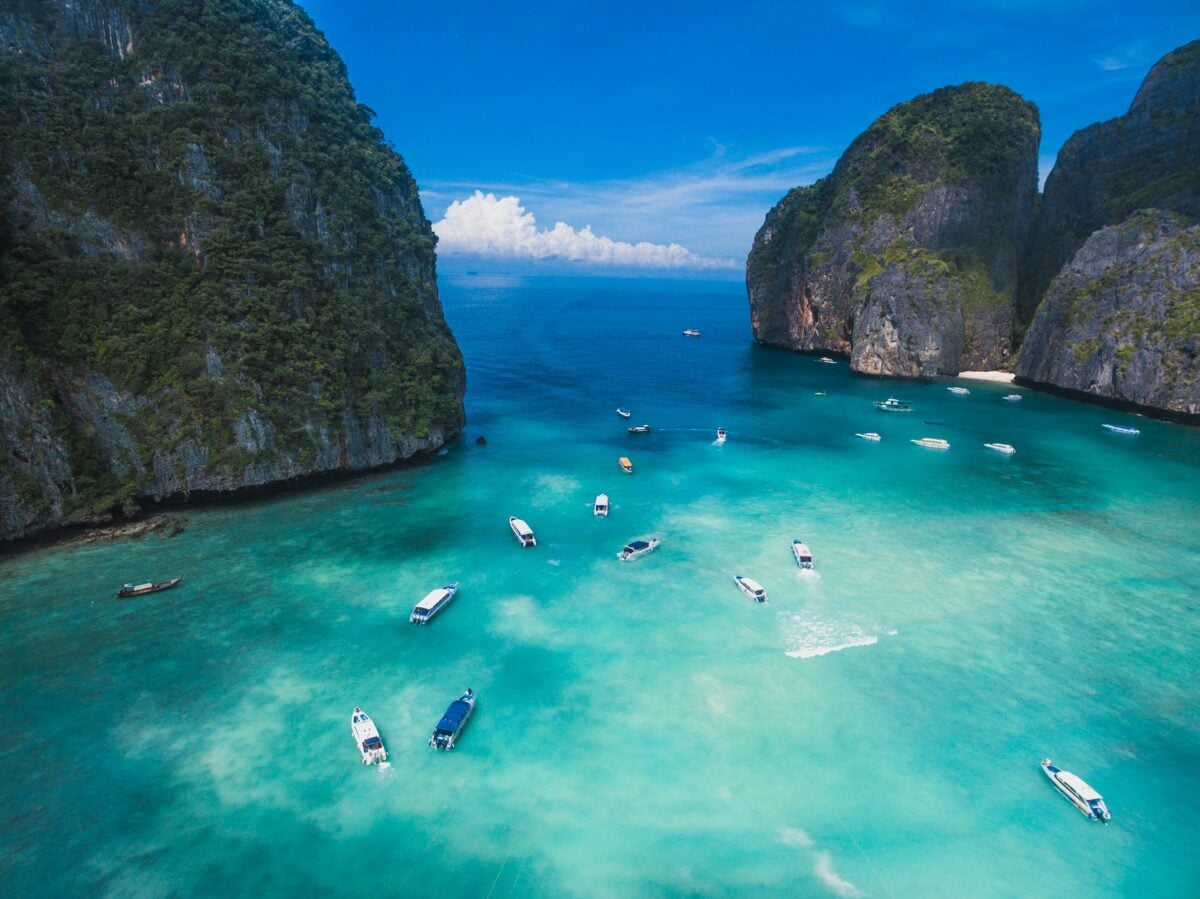
“The Beach” destroyed these islands long before Instagram existed, but social media finished the job. Maya Bay had to close indefinitely after tourist boats and snorkelers decimated the coral reef ecosystem.
The crystal-clear waters and pristine beaches that made the location famous were being loved to death. Thailand finally prioritized environmental recovery over tourist revenue, but the damage was extensive.
Even now, with limited reopening, the islands serve as a cautionary tale about what happens when paradise goes viral.
Salar de Uyuni, Bolivia
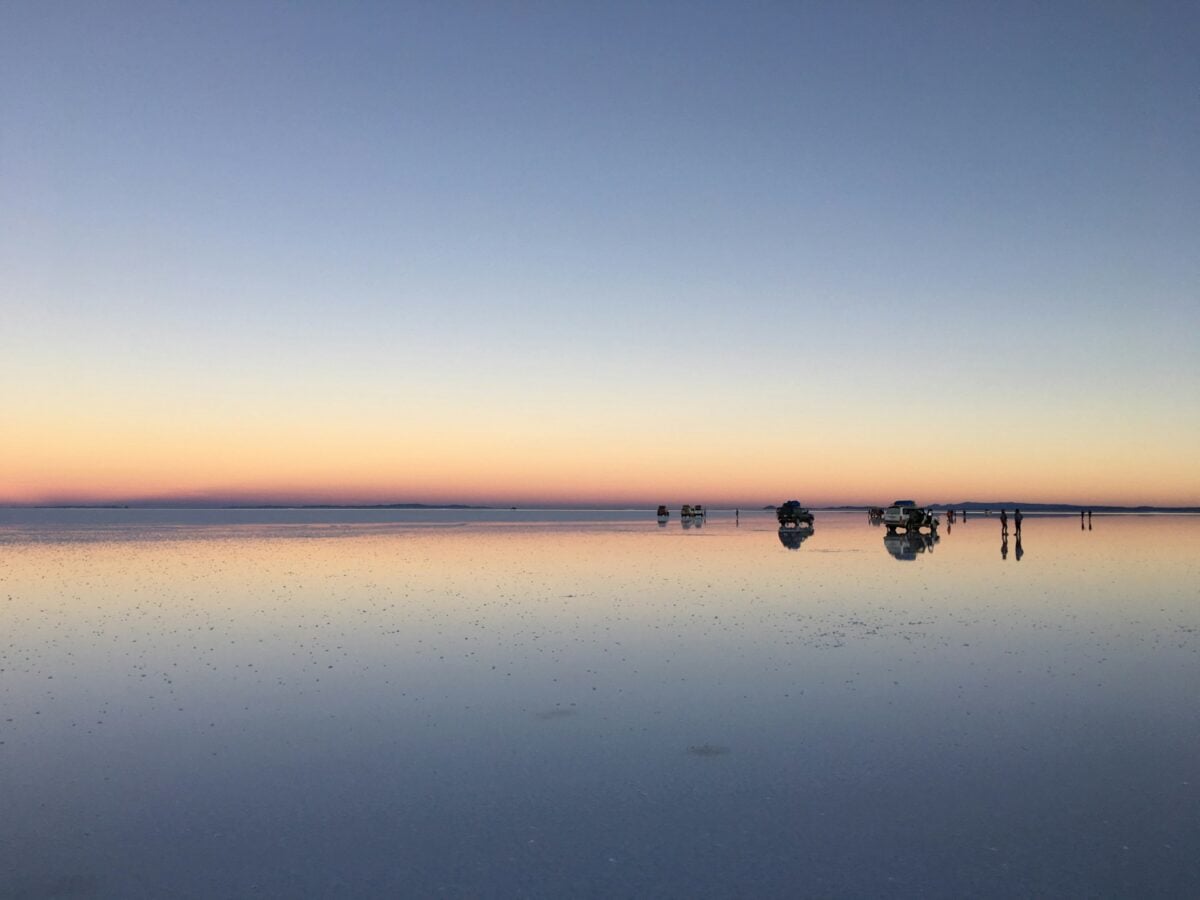
The world’s largest salt flat became a playground for perspective-bending photography tricks. Tour operators started catering specifically to Instagram shoots, complete with props and poses designed to go viral.
What was once valued for its stark, otherworldly beauty became a backdrop for increasingly elaborate photo stunts. The fragile salt crust suffers damage from the increased foot traffic, and the spiritual significance of the landscape gets lost in the quest for likes.
Neuschwanstein Castle, Germany
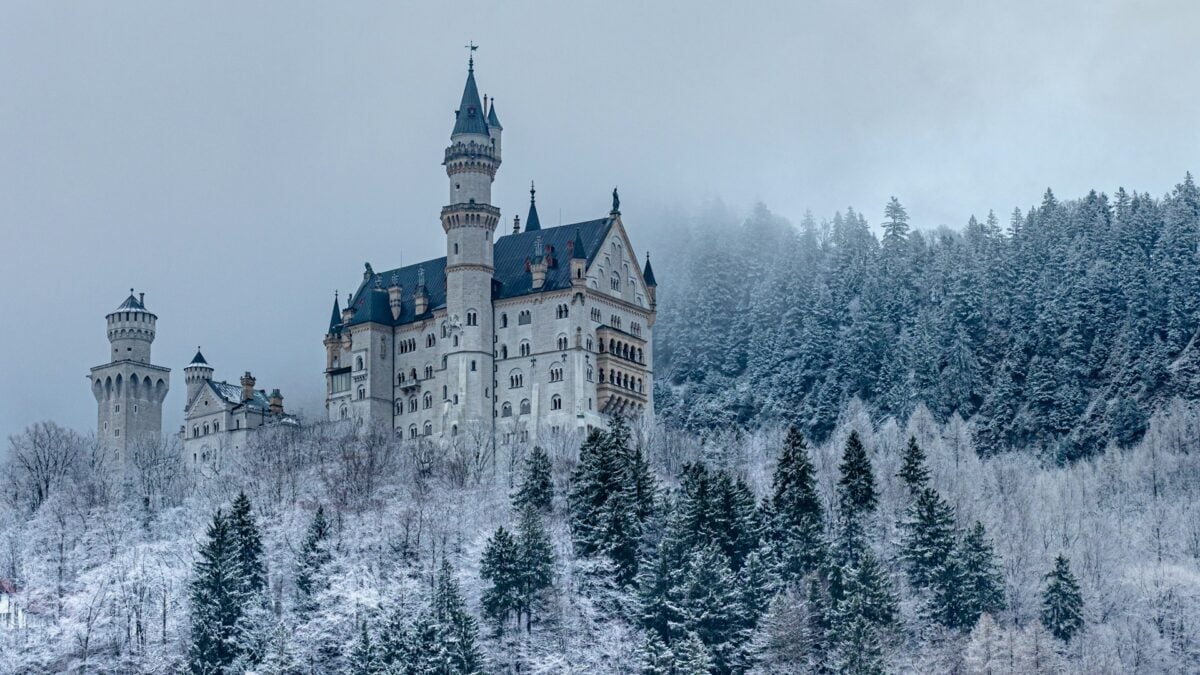
Disney’s inspiration became social media’s obsession, but the fairy-tale castle wasn’t built for millions of annual visitors. The structure is literally deteriorating from the crowds, and the surrounding area can barely handle the traffic.
Visitors arrive expecting the Instagram version—perfect lighting, no crowds, magical atmosphere. Instead they find long lines, construction scaffolding, and limited photo opportunities.
The disconnect between expectation and reality creates disappointment all around. The Bavarian government continues to struggle with balancing preservation and tourism revenue.
Joshua Tree National Park, California
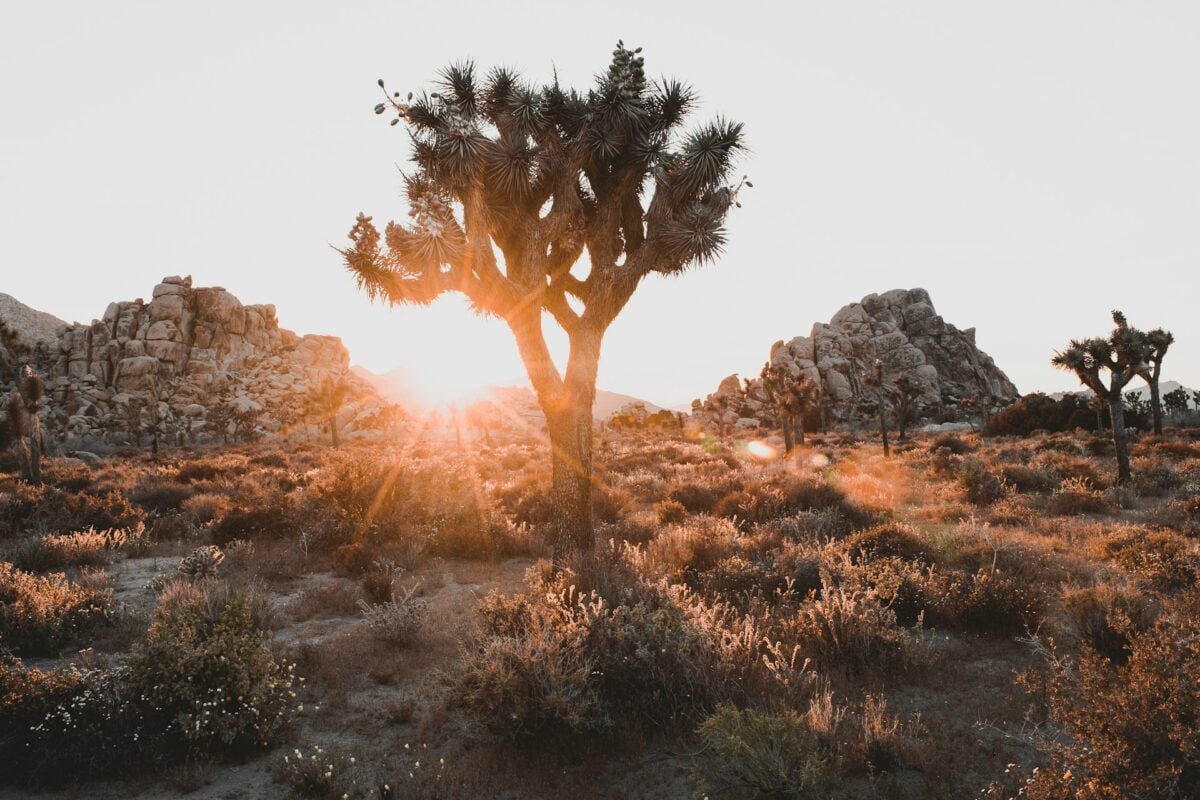
Coachella and Instagram combined to turn this desert ecosystem into a party destination. The iconic Joshua trees, which grow incredibly slowly, started suffering damage from people climbing on them for photos.
The park saw unprecedented crowds who often came unprepared for desert conditions. Search and rescue operations increased dramatically as social media users sought out remote photo locations without understanding the risks.
Park officials now spend significant resources on education and enforcement that weren’t necessary before the social media boom.
Reynisfjara Beach, Iceland
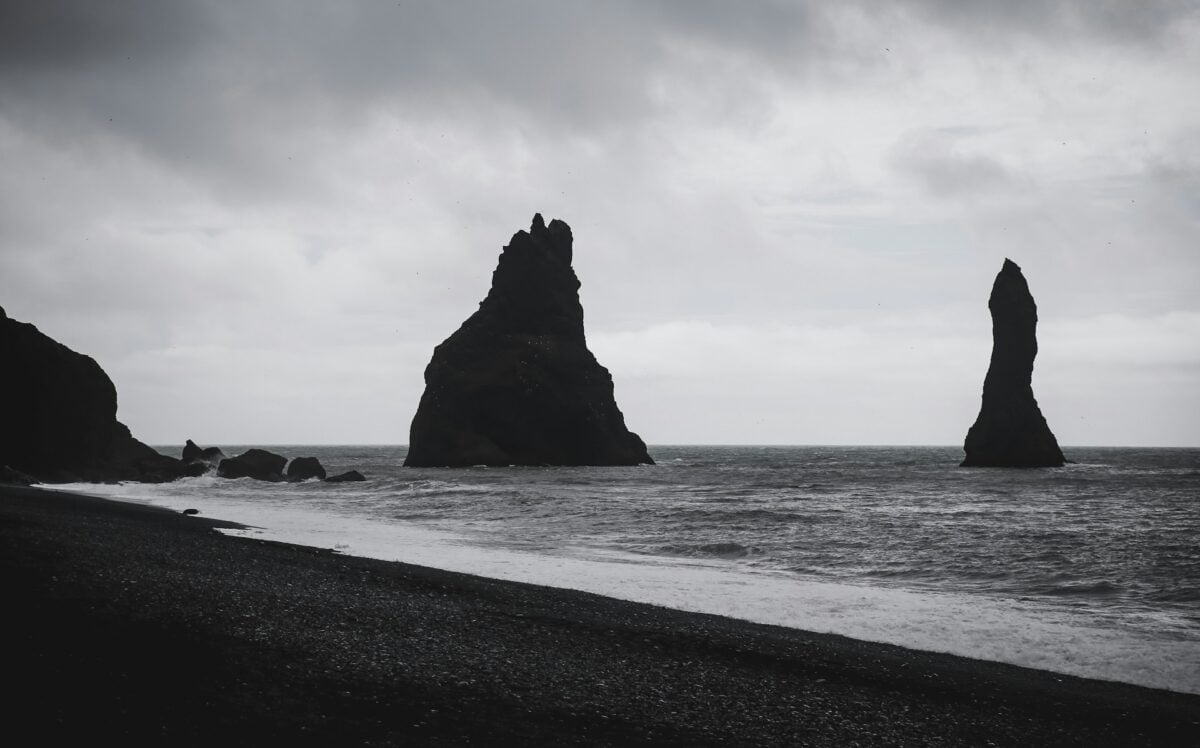
The dramatic black sand beach with basalt columns became a must-see Instagram destination. But those photogenic waves that create such striking images are genuinely dangerous—they can knock people over and pull them out to sea.
Several tourists have died trying to get the perfect shot, ignoring warning signs and safety barriers. The beach that looks so mystical in photos is actually one of Iceland’s most hazardous locations.
Icelandic authorities increased signage and safety measures, but people continue to take risks for social media content.
Kawachi Fuji Garden, Japan
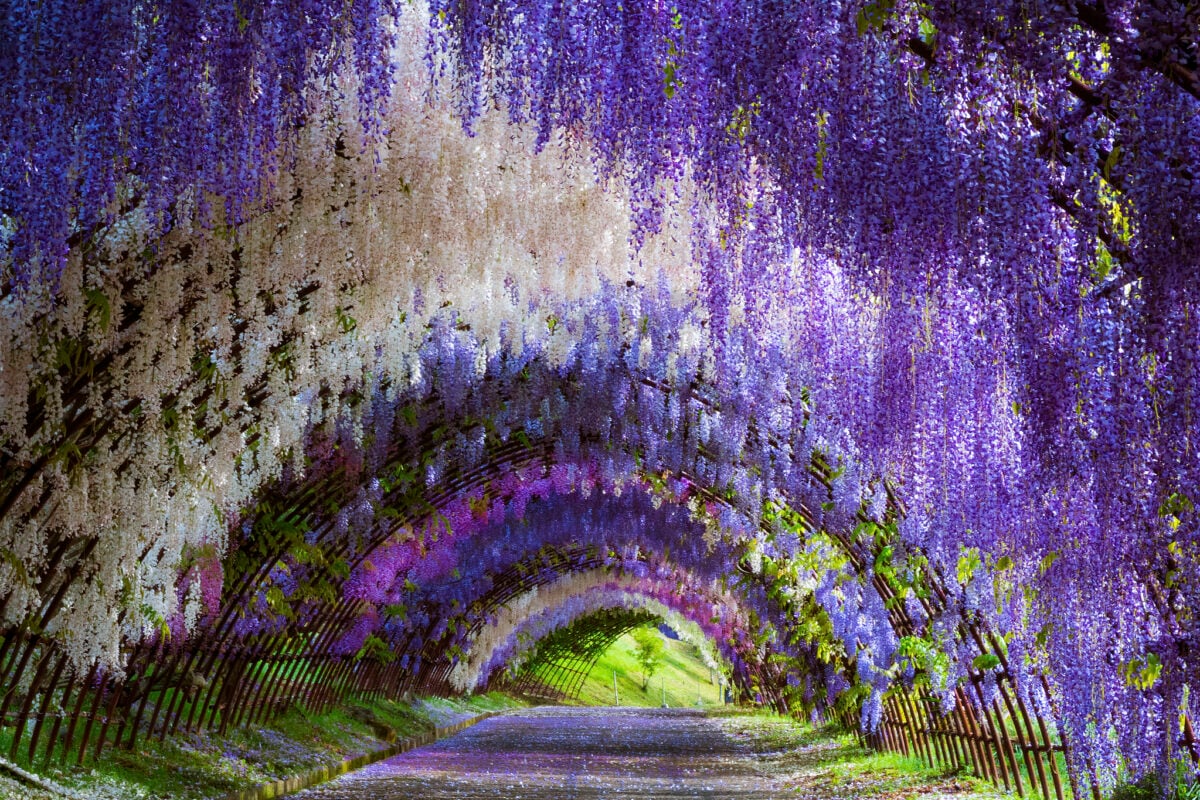
Like watching a time-lapse of seasons compressed into human behavior—the way crowds ebb and flow based on blooming schedules that nature never intended to accommodate tour buses and selfie sticks. The wisteria tunnels at Kawachi Fuji Garden create these impossibly purple corridors that look like something from a fantasy film, and maybe that’s the problem: they photograph so beautifully that the image overwhelms the actual experience of being there (the sweet fragrance, the way the light filters through differently throughout the day, the quiet satisfaction of discovering something that feels secret even when it isn’t).
But viral fame operates on a different timeline than nature. The peak blooming period lasts maybe two weeks, and now hundreds of thousands of people try to cram their visits into that narrow window, because the off-season garden doesn’t match the photos they’ve seen online.
The garden implemented reservation systems and crowd control measures, but there’s something melancholy about needing appointments to experience beauty. The wisteria blooms on its own schedule, indifferent to posting deadlines and travel itineraries.
Kelingking Beach, Bali
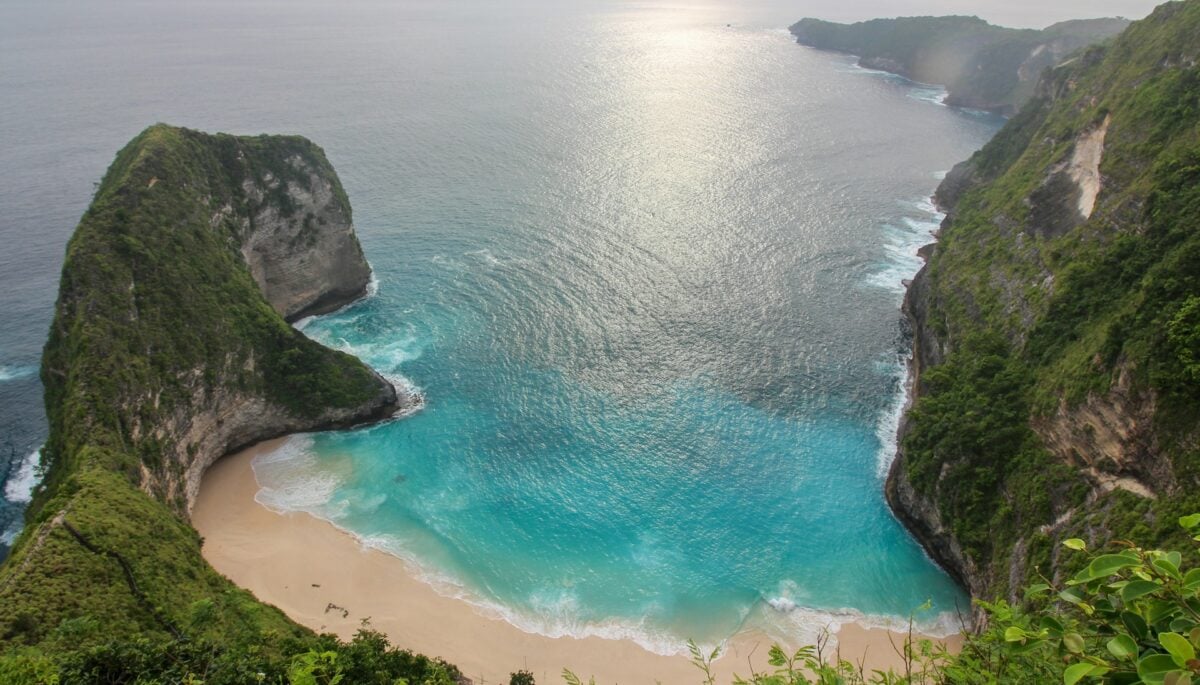
The T-Rex shaped cliff became Bali’s most dangerous photo opportunity. That iconic shot requires getting close to an unstable cliff edge with a several-hundred-foot drop to jagged rocks below.
Multiple tourists have fallen to their deaths attempting to recreate the viral photos. The remote location makes rescue operations extremely difficult, and the trail down to the beach is treacherous even for experienced hikers.
Local authorities struggle with enforcement because the area was never designed for mass tourism, but the photos keep drawing unprepared visitors seeking Instagram fame.
The World Learns to Navigate Influence
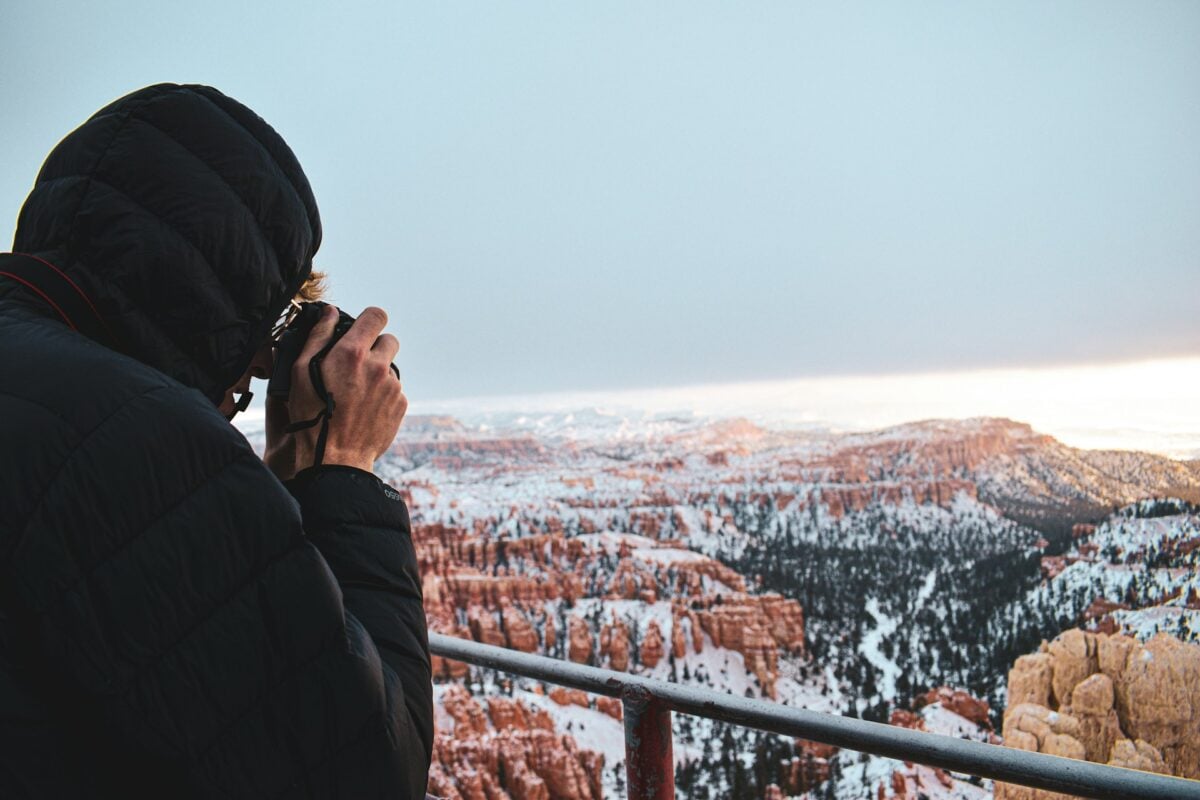
These transformed destinations tell a larger story about how digital culture reshapes physical spaces. Each location faced the same pattern: viral fame, overwhelming crowds, environmental or cultural damage, followed by attempts at damage control that often come too late.
The most successful adaptations happen when communities anticipate viral attention rather than just react to it, building sustainable frameworks before the crowds arrive. The responsibility doesn’t rest entirely with destinations, though.
Travelers now carry the power to make or break places through their digital choices—what they photograph, how they share it, and whether they consider the long-term impact of their posts. The next viral destination is already out there, waiting to be discovered.
How we handle that discovery will determine whether it survives the attention.
More from Go2Tutors!

- The Romanov Crown Jewels and Their Tragic Fate
- 13 Historical Mysteries That Science Still Can’t Solve
- Famous Hoaxes That Fooled the World for Years
- 15 Child Stars with Tragic Adult Lives
- 16 Famous Jewelry Pieces in History
Like Go2Tutors’s content? Follow us on MSN.



