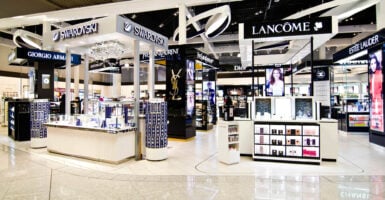
Perfume and Cologne Brands Parents Wore
Before anyone saw Mom or Dad come around the corner, the hallway announced them. A cloud of powder, spice, or citrus hung in the air long after the front door closed, and it became part of the household like the sound of the station wagon turning over in the driveway.
These were the bottles on dressing tables and bathroom shelves from the 1950s through the 1980s. Some came from department store counters, some from the drugstore aisle, and some arrived at the door in the hands of a neighborhood sales representative. Each one left a trail that can still bring back an entire childhood.
Old Spice, the Sailing Ship on the Bathroom Shelf
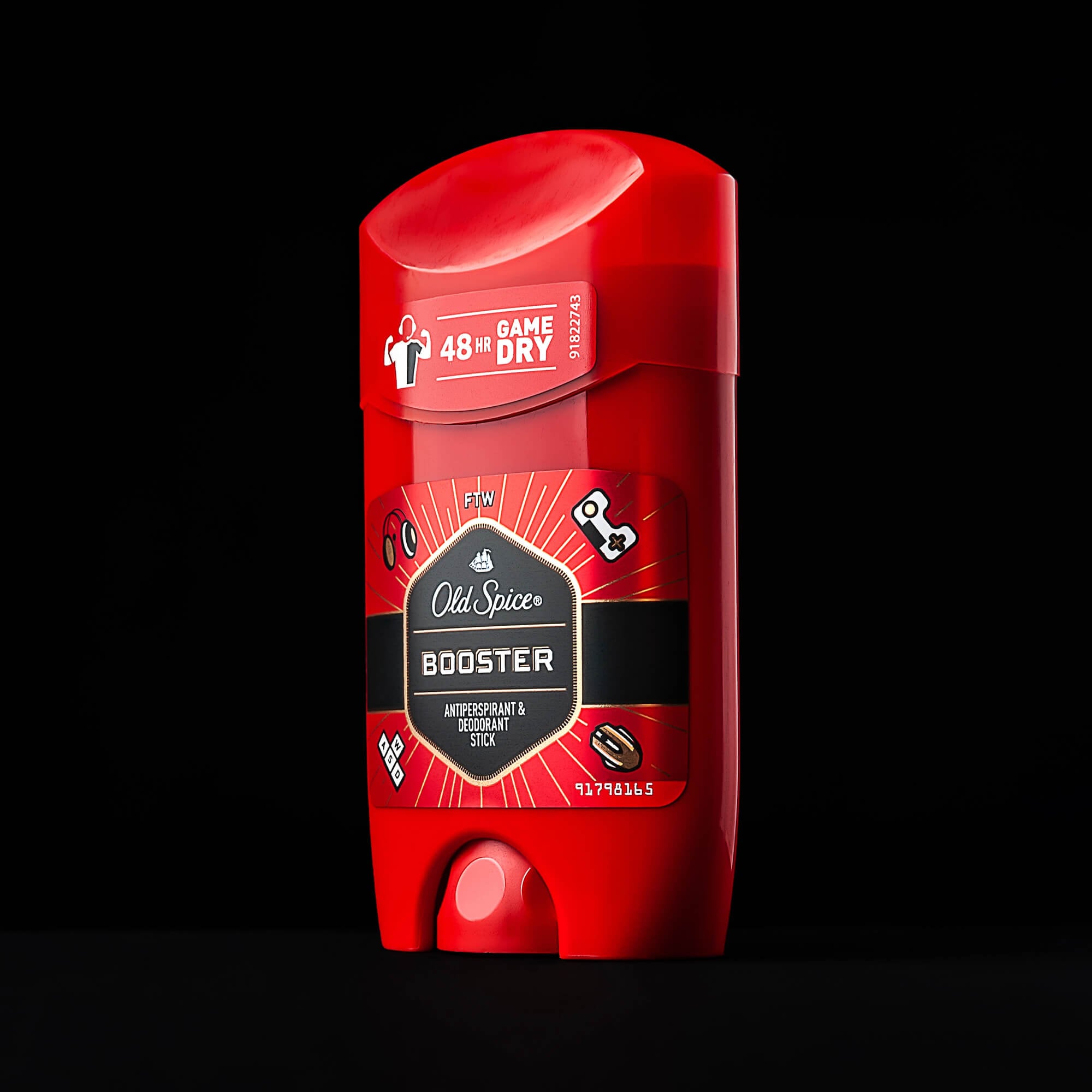
Shulton introduced Old Spice in the late 1930s, beginning with Early American Old Spice for women before the version for men took over the brand’s identity. The label’s sailing ship became one of the most recognizable images in American drugstores.
Shulton also sold Old Spice in glazed ceramic shaving mugs, and those are the pieces collectors hunt for today. A mug free of chips, cracks, and glaze crazing commands far more than one that has been scrubbed with a kitchen sponge.
Brut by Fabergé and the Green Bottle of 1964
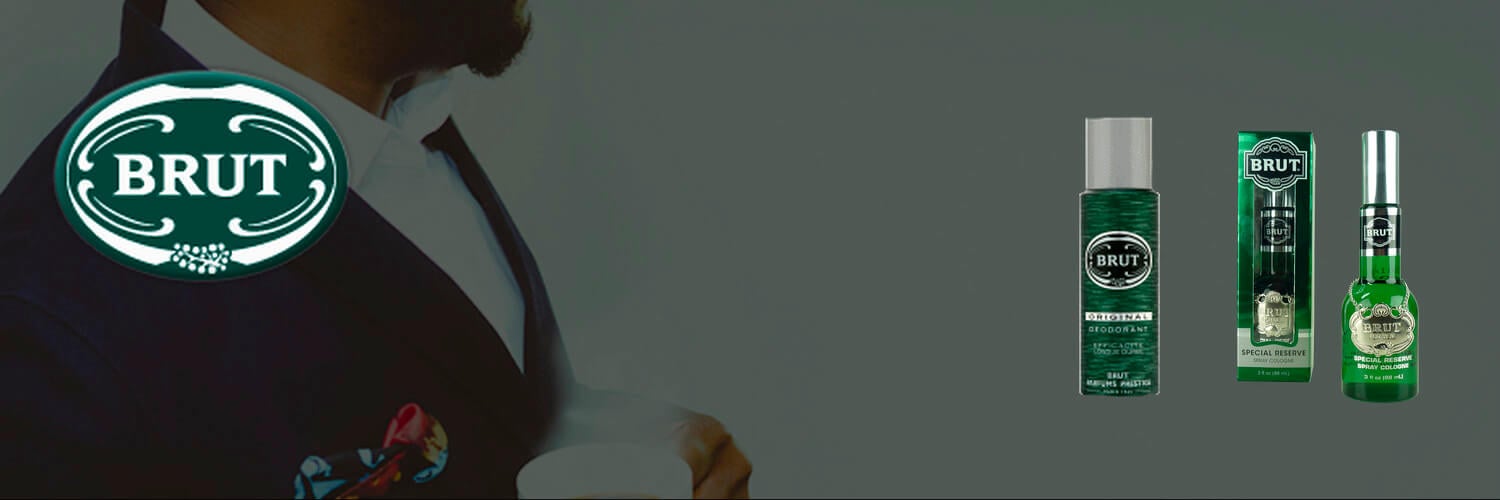
Fabergé launched Brut in 1964, and within a few years it had become the cologne that seemed to belong to every other father on the block. The company leaned on celebrity pitchmen, including British heavyweight boxer Henry Cooper.
The bottle, with its green plastic and medallion-style cap, is a staple of flea market tables. Vintage examples vary widely in worth, and a full, unopened bottle in its original box is a different find than a half-evaporated one with a cracked cap.
English Leather and the Cologne That Outlived Its Maker
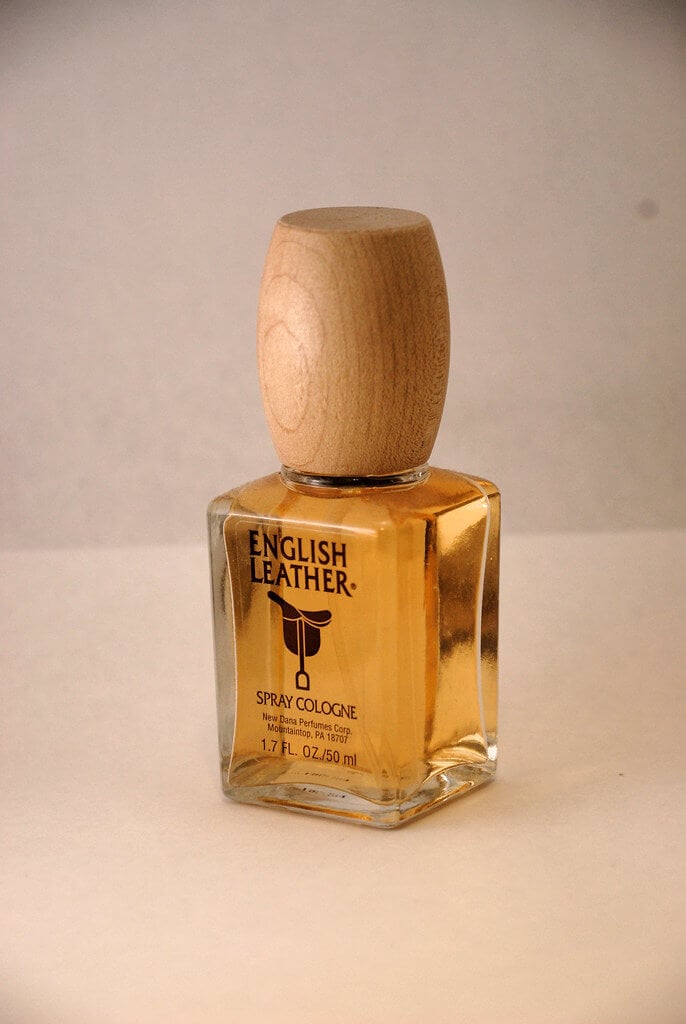
English Leather came out of the MEM Company in 1949 and spent decades as the safe, dependable gift for a father or boyfriend. The scent crossed over from department stores into every discount chain, and gift sets turned up under Christmas trees across the country.
Dana later took over the line, and the brand is still sold under the Dana Classics name. Older bottles with their original foil seals and unfaded labels appeal to collectors far more than those that have darkened with age.
Hai Karate, the Aftershave That Came With a Warning
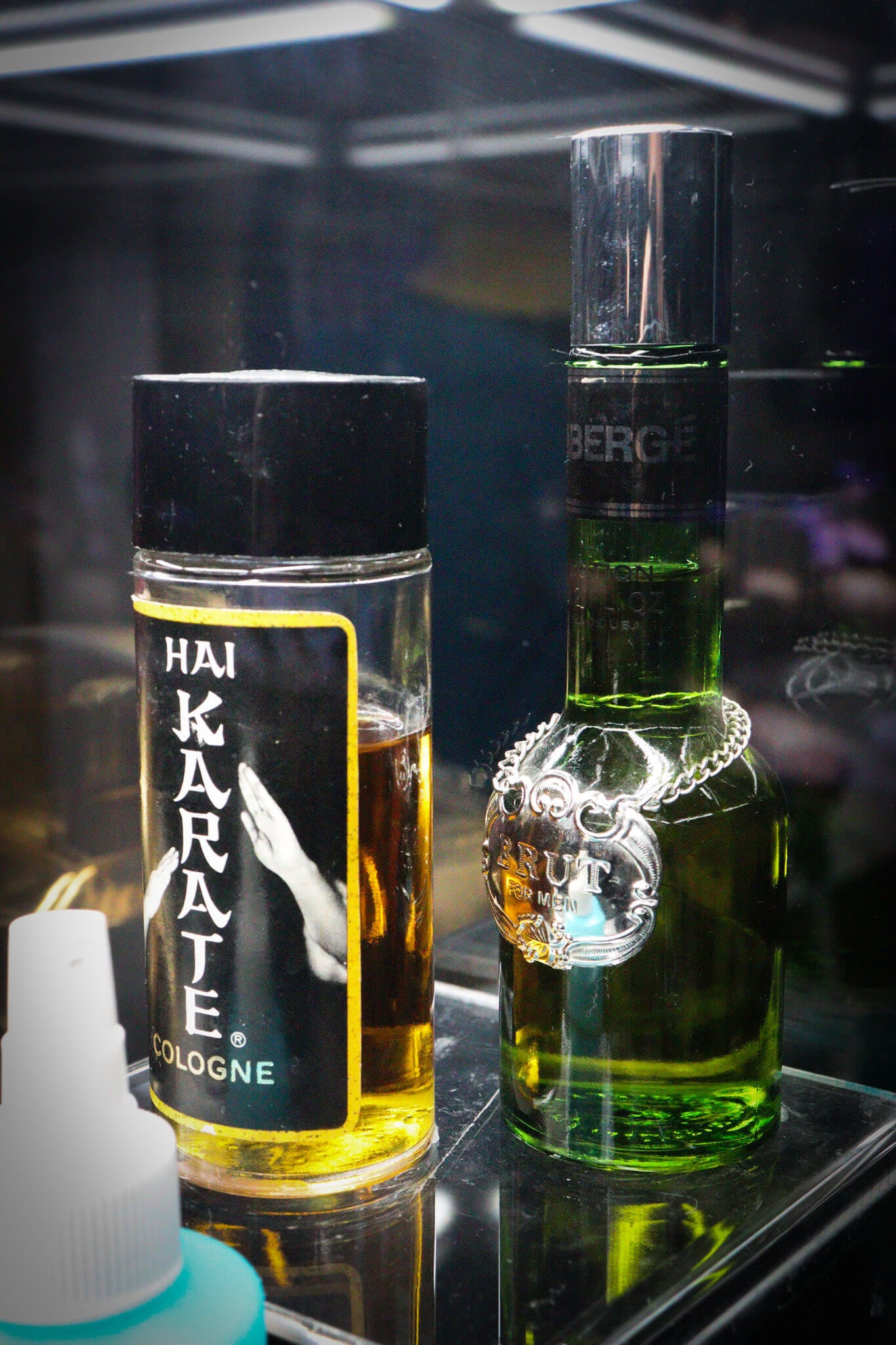
Hai Karate, a product of the Leeming division of Pfizer, arrived in the late 1960s with a bold gimmick: each bottle was packaged with a booklet of self-defense instructions. The television commercials showed men fighting off overeager women, and the joke was the entire pitch.
The product aimed at teenagers and young fathers who wanted something a notch bolder than the old standbys. A bottle that still has its booklet and box is the version collectors want, since the paper extras are usually the first things to go missing.
Aqua Velva, the Blue Splash from Connecticut
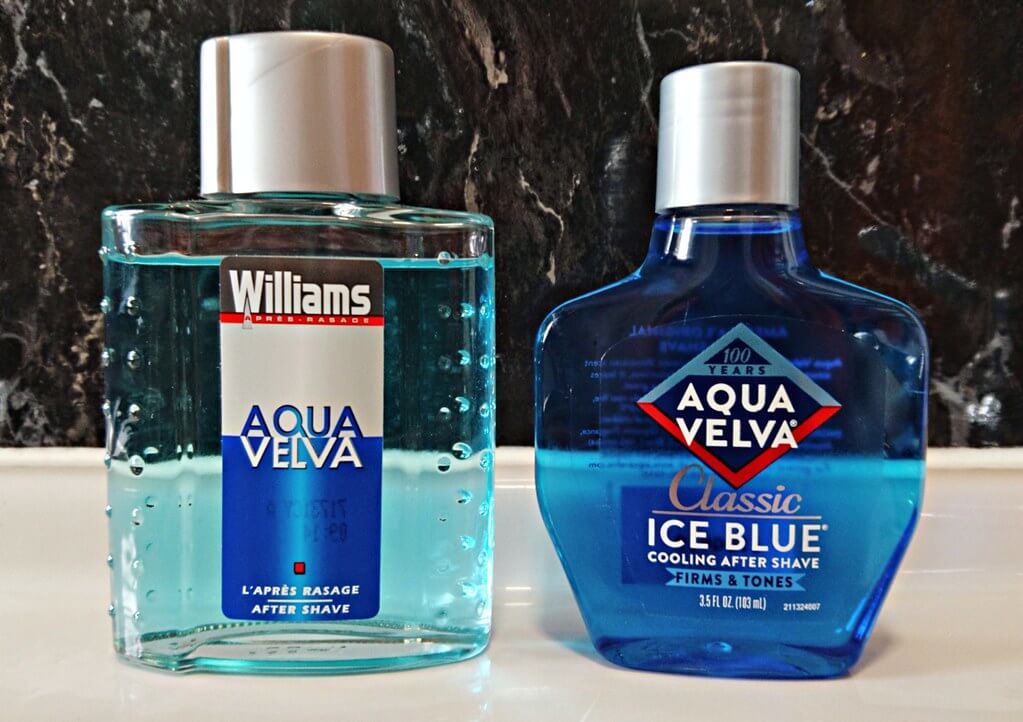
Aqua Velva was made by the J.B. Williams Company of Glastonbury, Connecticut, and it showed up in American bathrooms for generations. The ice-blue liquid and the long-running tagline about what makes an Aqua Velva man were fixtures of mid-century advertising.
Millions of fathers received it as a Father’s Day present, often in a gift box next to a tin of shaving soap. Old bottles survive in surprising numbers, but the ones with intact labels and liquid that has not turned amber are the better finds.
Youth-Dew, the Bath Oil That Doubled as Perfume

Estée Lauder introduced Youth-Dew in 1953 as a bath oil, a clever workaround for women who felt that wearing perfume was an extravagance but would happily buy something for the tub. The product turned out to be so potent that women wore it as a fragrance, and it helped build the company into a department store power.
Its heavy, spiced character made it unmistakable in a crowded elevator. Vintage bottles with intact labels and no cloudiness in the oil are valued above those that have separated or darkened.
Avon Skin So Soft and the Doorbell Ring
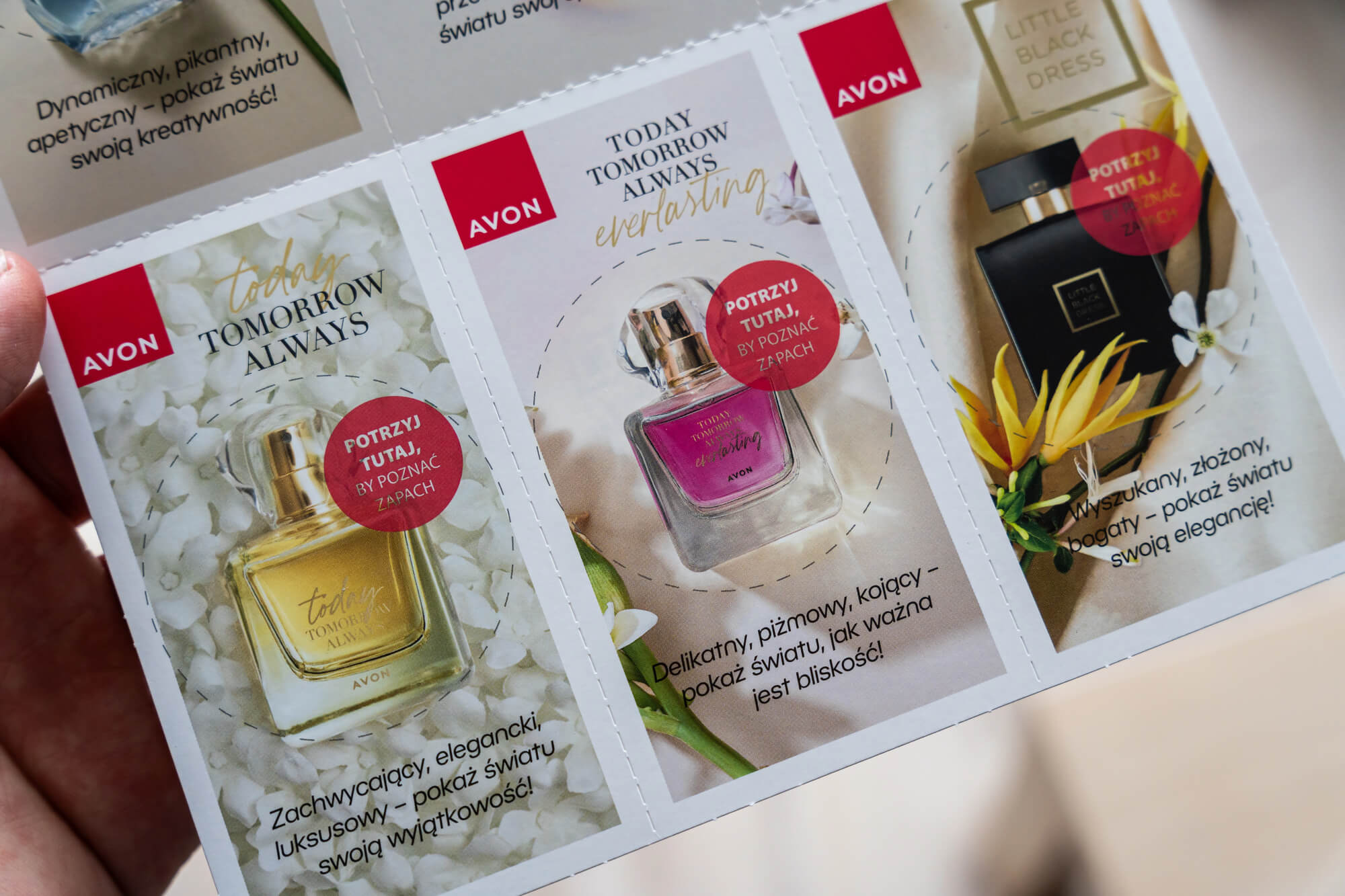
Avon sold fragrances and body products door to door, and Skin So Soft bath oil, introduced in 1961, became one of its signature items. Avon representatives delivered the product in the same brochure-and-order-form ritual that supplied thousands of American households with cologne, powder, and lipstick.
The oil later earned an unlikely reputation as an insect repellent among campers and anglers, a use the company did not originally promote. Early bottles with the original lids and unfaded labels are what collectors look for, since the contents darken and thicken over time.
Wind Song and the Line Nobody Could Forget
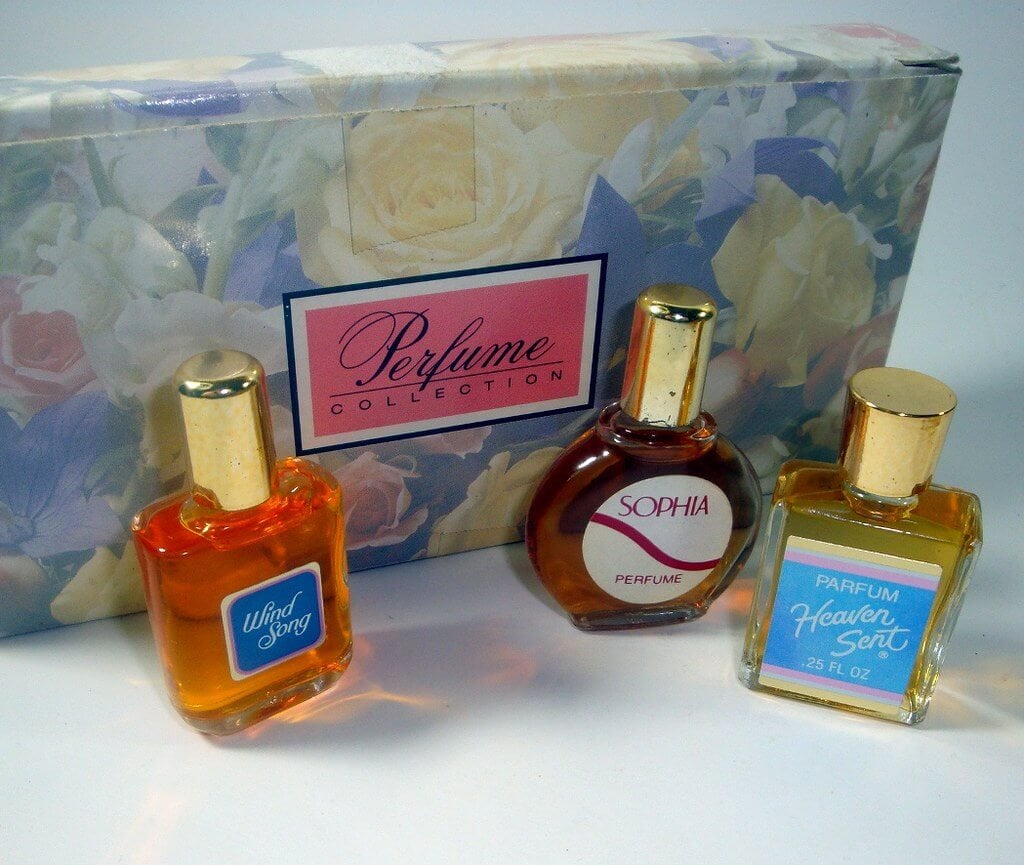
Prince Matchabelli released Wind Song in 1953, supported by a long-running slogan about being impossible to forget. The fragrance was a staple of mid-century vanity tables and was often given as a gift in the familiar cologne and dusting powder pairing.
Many mothers had a bottle that lasted for years, tucked behind other cosmetics. Vintage versions with sealed caps and original boxes are easier to find than those without damage to the printed cartons.
White Shoulders, the Mother’s Day Standard
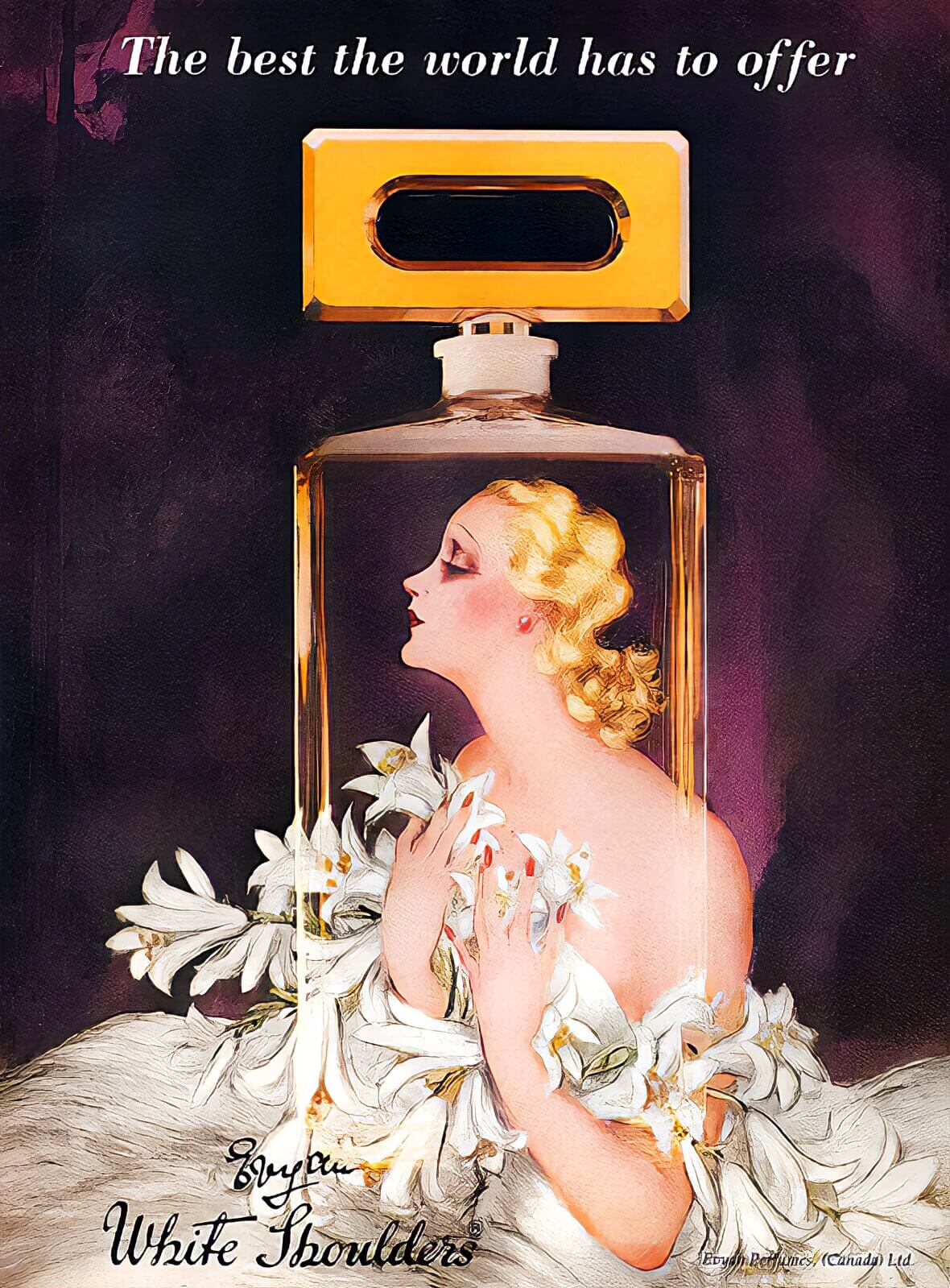
Evyan introduced White Shoulders in the 1940s, and it grew into one of the most dependable gift fragrances of the century. Its floral character made it a favorite of grandmothers and mothers alike.
Department store gift counters kept it in stock year after year, since it was reliable for birthdays, holidays, and anniversaries. Bottles from the Evyan era with original labels and boxes are generally valued above later versions, though evaporation and label stains can reduce that premium.
Jean Naté and the Giant After Bath Splash
Revlon’s Jean Naté was sold as an after bath splash, a light citrus-floral scent designed to be splashed on generously rather than dabbed. It came in large bottles that stayed on bathroom counters for months.
The format was part of the appeal: a mother could use it freely without worrying about running out. It remained an inexpensive drugstore staple while counter perfumes cost far more.
Full vintage bottles with intact labels still turn up at estate sales, though the scent often changes as the contents age.
Charlie, the Fragrance for the Working Woman
Revlon introduced Charlie in 1973, and it was marketed to a new kind of customer: the woman with a career and her own paycheck. The advertising presented an independent, confident woman who bought her own perfume rather than waiting for a gift.
It became one of the best-selling fragrances in the world during the 1970s. The bright, cheerful scent made it a daily fixture on dressers across America.
Early bottles with legible labels and original caps are the ones that attract collectors.
Tabu by Dana, the Forbidden Name
Dana launched Tabu in 1932, and the name alone gave it an edge that mothers and grandmothers seemed to enjoy. Its reputation as a bold, heavy perfume lingered through the decades, and the drugstore price kept it within reach of nearly everyone.
The Dana company went on to create a range of well-known fragrances sold across the country. Original bottles with the box, intact cap, and clear liquid are more desirable than ones that have turned dark or lost much of their contents to evaporation.
Chantilly, the Powder Puff Classic
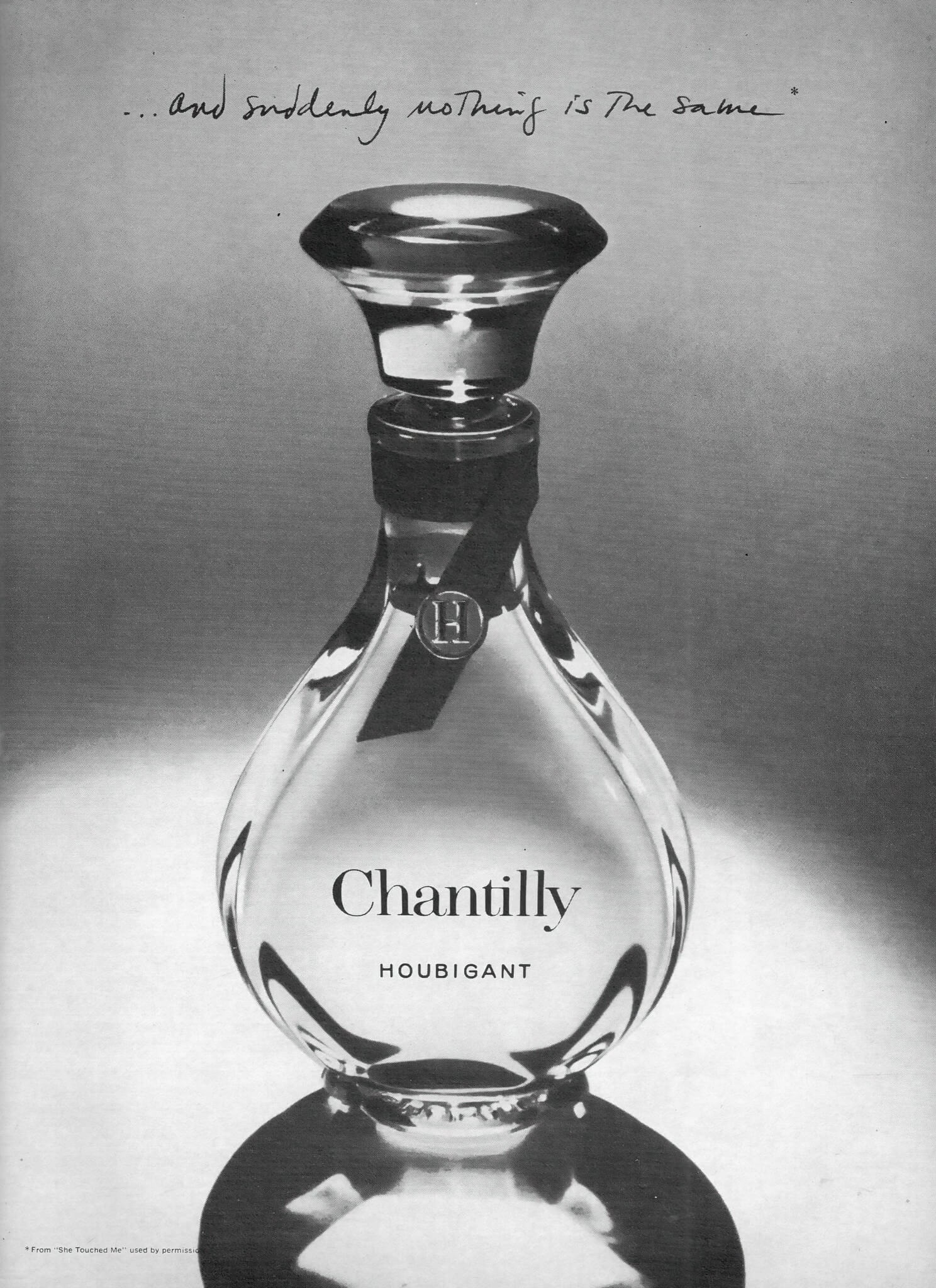
Houbigant introduced Chantilly in 1941, and it settled into drugstores and dressing tables for the next several decades. It was sold not only as perfume but also as dusting powder, cologne, and bath products, so a single scent could fill an entire bathroom shelf.
Many women received a Chantilly gift set from a family member during the holidays. Complete sets in good condition fetch more than loose bottles, since the boxes and powder puffs rarely survive together.
L’Air du Temps and the Lalique Doves
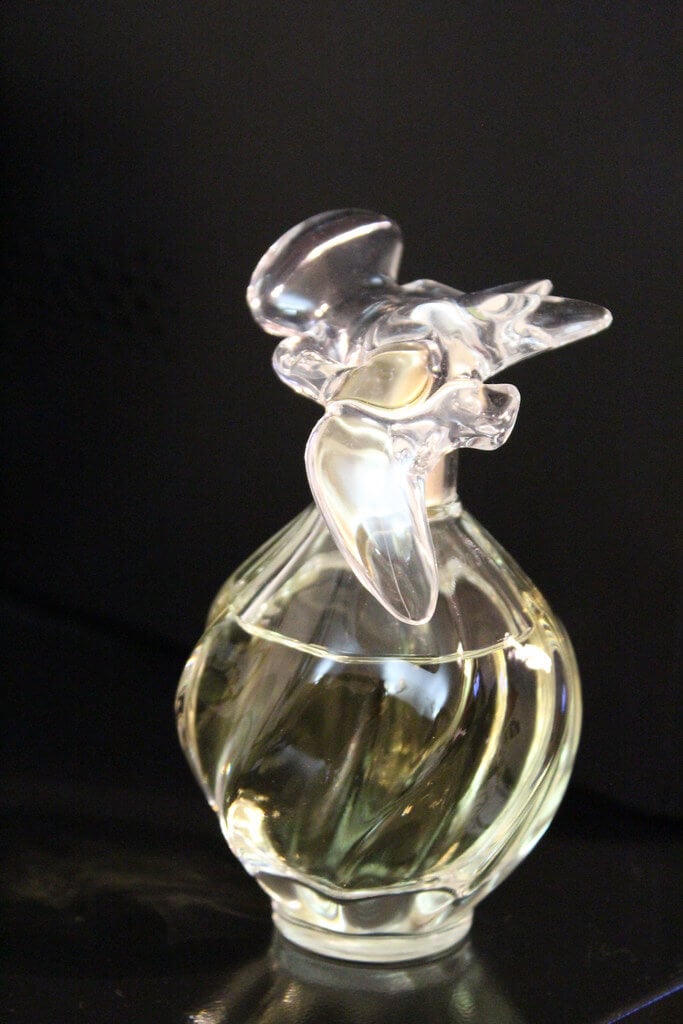
Nina Ricci released L’Air du Temps in 1948, and its flacon topped with a pair of doves, created in collaboration with Lalique, became one of the most recognizable perfume bottles ever made. The doves were a symbol of peace in the aftermath of the war, which gave the design a meaning beyond decoration.
American women received it as a gift or bought a bottle on a trip to Europe. Auction houses regularly sell the Lalique crystal versions, and a bottle with no chips, a clean stopper, and its original packaging brings the best results.
Chanel No. 5, the Bottle Everyone Knew
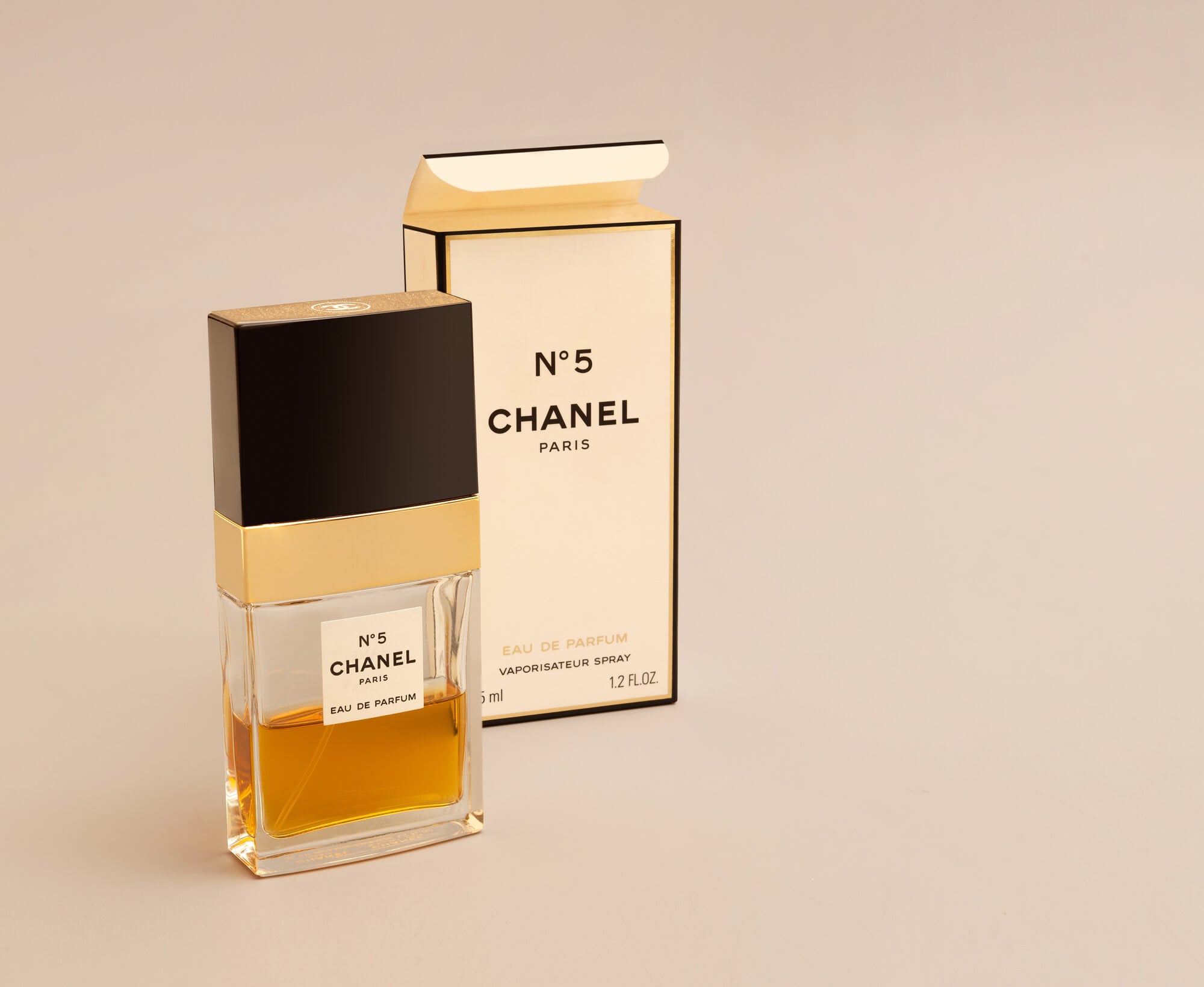
Ernest Beaux created Chanel No. 5 in 1921, and it was still the most recognizable perfume in American households through the 1950s and beyond. Beaux reportedly presented Coco Chanel with a series of numbered samples, and she chose the fifth, which explains the name.
The rectangular bottle became a design icon, and mothers kept the empty ones long after the contents were gone. Collectors place a premium on older bottles with unbroken seals and clear amber liquid, while evaporated or discolored examples sell for less.
Shalimar, Guerlain’s Evening Staple
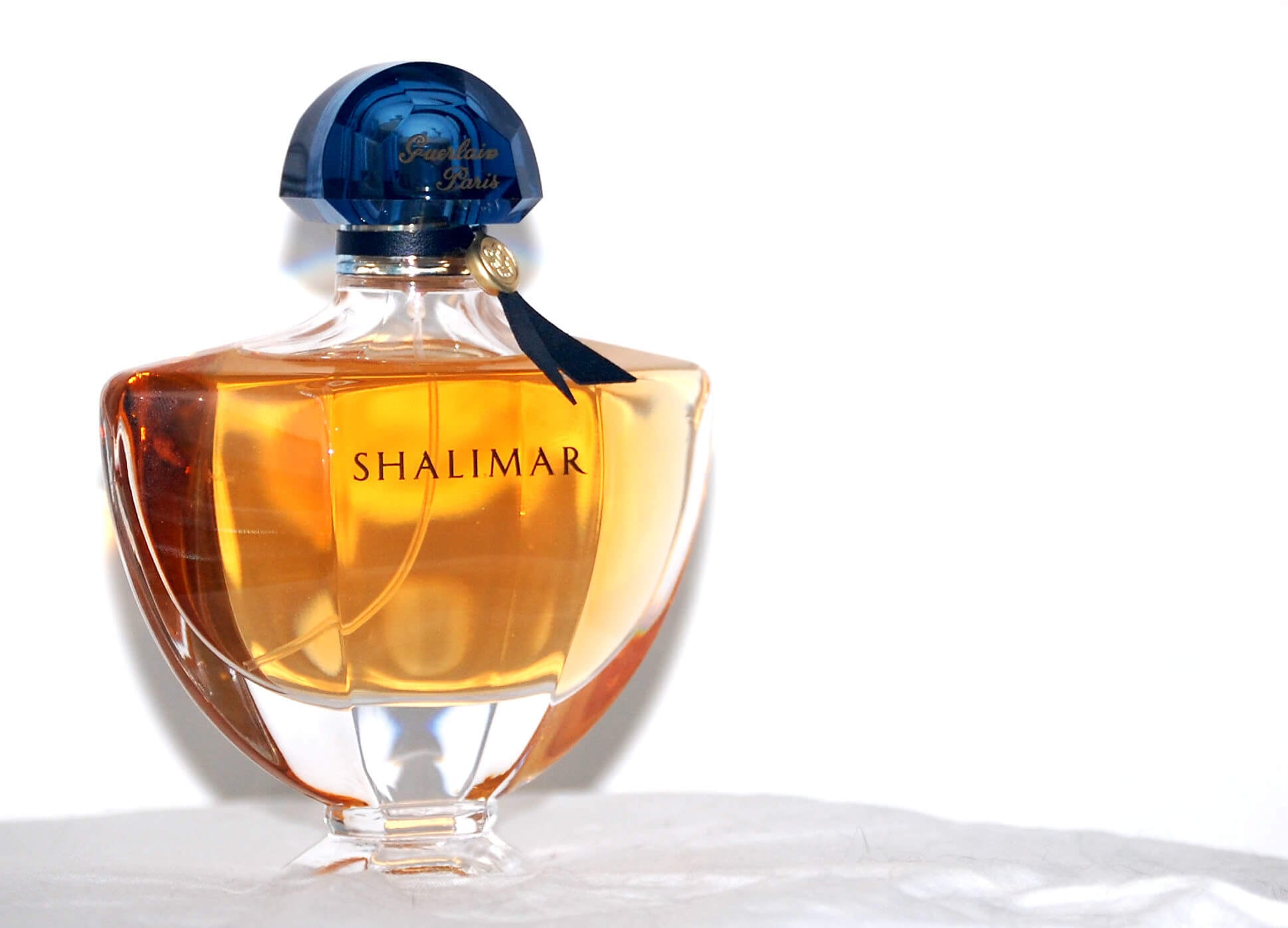
Guerlain introduced Shalimar in 1925, and by the postwar years it was the fragrance that women wore when they dressed up for dinner or a night out. Its heavy, warm character made it a counter favorite at department stores, where it stood next to other classics of the era.
The bottle, with its fan-shaped stopper, sits in the collections of perfume museums and private enthusiasts alike. Vintage flacons with intact labels, clean glass, and liquid free of cloudiness are more desirable than worn or partly empty ones.
Eau Sauvage, the Dior Cologne for Fathers with Taste
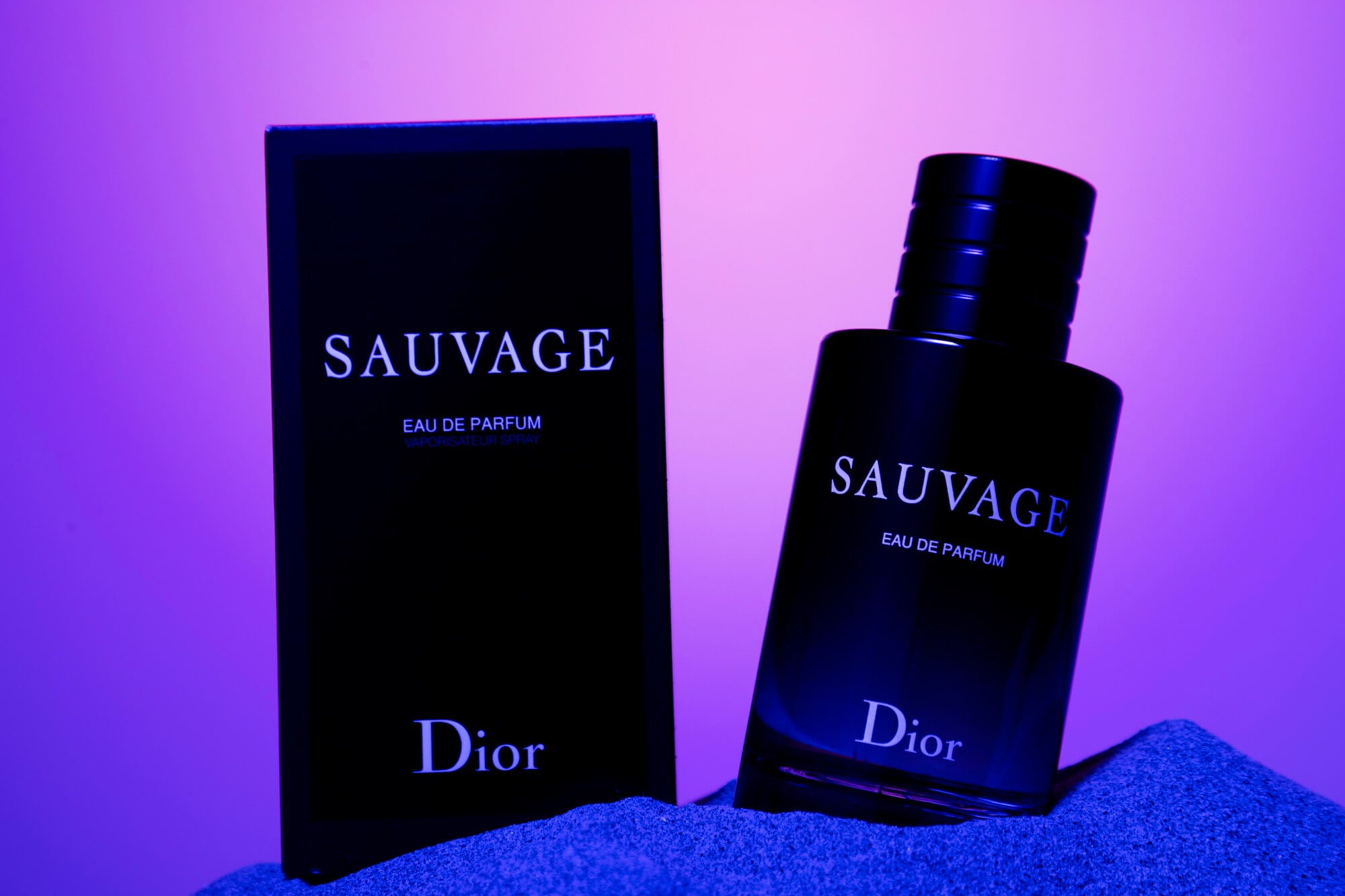
Christian Dior introduced Eau Sauvage in 1966, composed by Edmond Roudnitska, who built it around a fresh, citrus-forward structure that was unusual for men’s cologne at the time. In America it was a department store purchase, the sort of bottle a father received when someone wanted to move beyond the drugstore.
The fragrance has remained in the Dior lineup for decades. Collectors favor older bottles, but the liquid in vintage examples can darken noticeably, and a sealed box makes a considerable difference.
Polo by Ralph Lauren and the Green Bottle of 1978
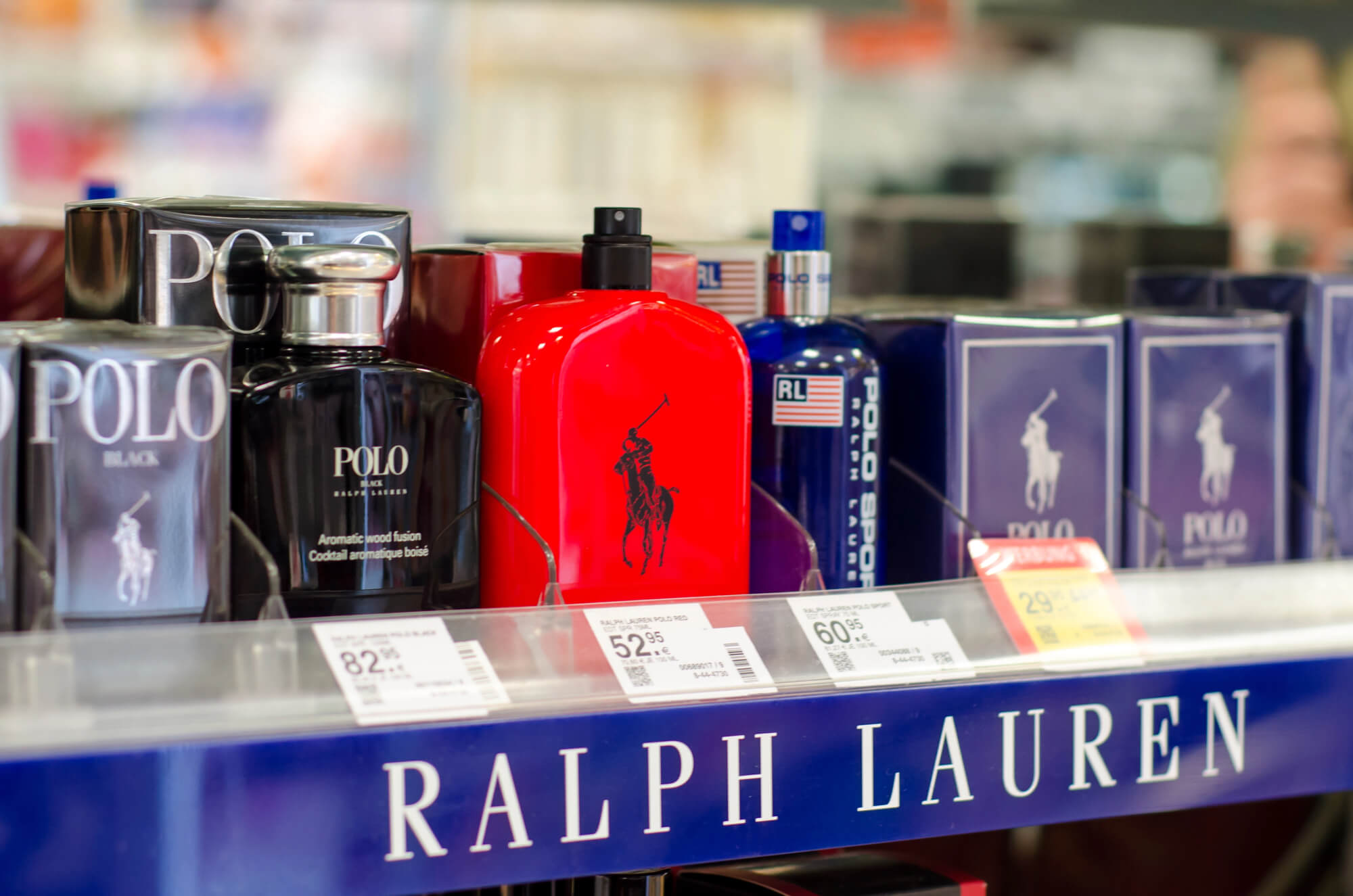
Ralph Lauren introduced Polo in 1978, and its dark green bottle became a status symbol on the dressers of fathers and young professionals through the 1980s. The cologne was sold at department stores and carried the polo player imagery that made Lauren’s clothing line famous.
Enthusiasts today compare vintage bottles to the modern formulation and often say the older stock smells noticeably different. Sealed bottles from the original era are prized, while partly empty ones with faded labels sell for less.
Giorgio Beverly Hills and the Yellow Stripes
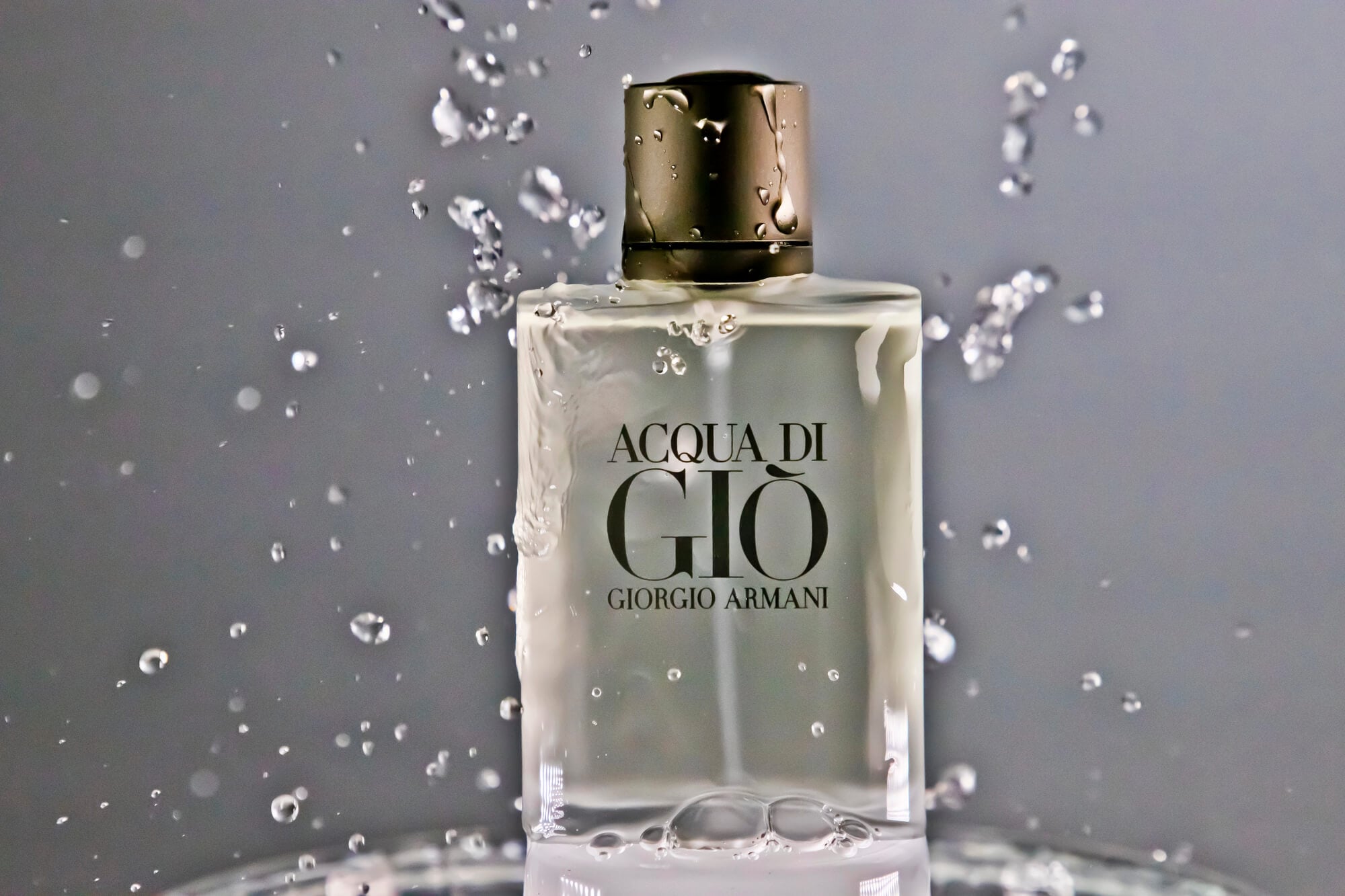
Giorgio Beverly Hills released its first fragrance in 1981, packaged in yellow and white stripes that echoed the awning of the boutique on Rodeo Drive. The scent was famously powerful, and the bottle became a symbol of the decade’s excess.
Department stores sold it alongside gift boxes with matching striped bags. Original boxed bottles are collected today, and unopened examples with unfaded stripes command a premium over ones with scuffed labels.
Opium, the 1977 Launch That Divided Opinion
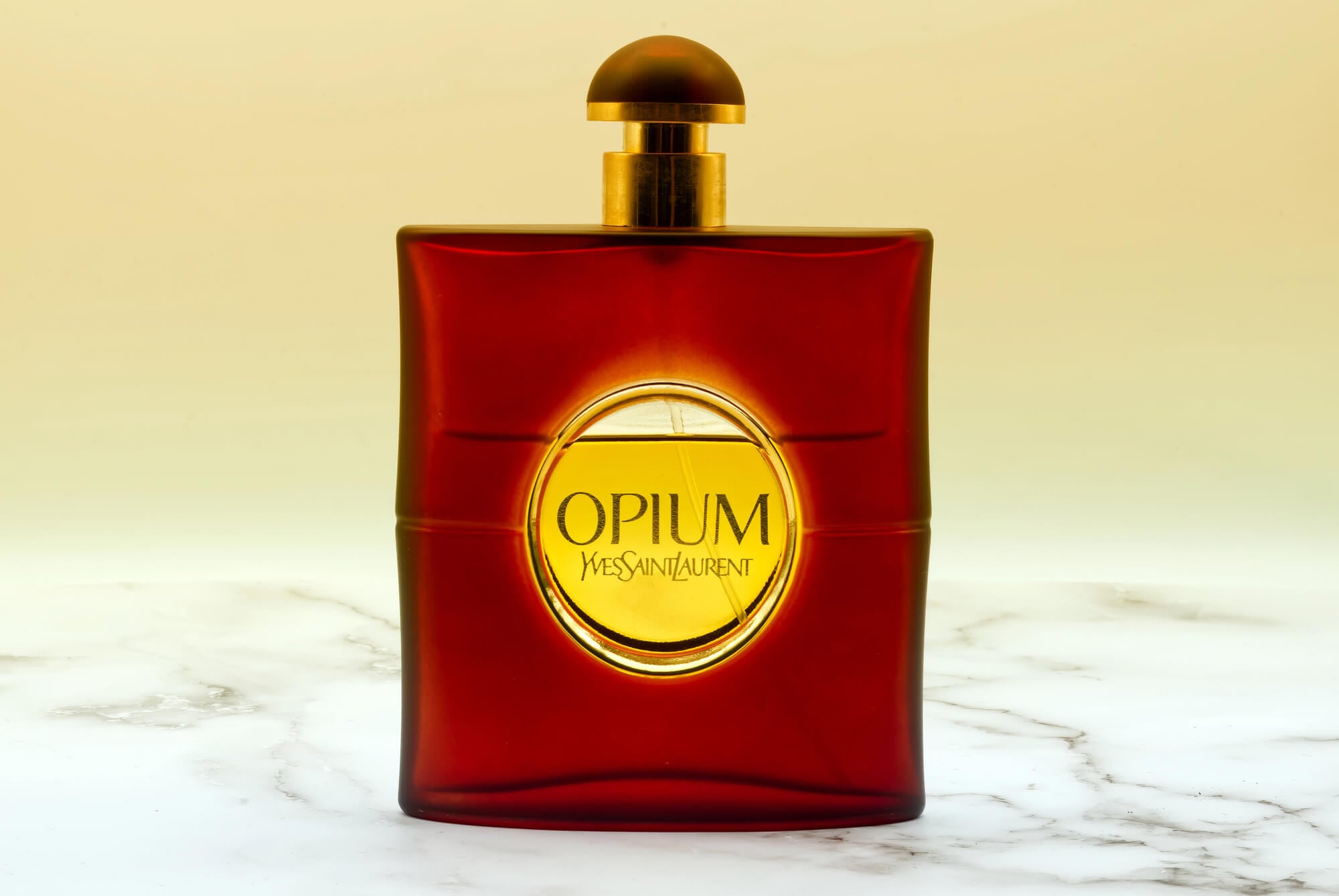
Yves Saint Laurent launched Opium in 1977, drawing on lavish, Asian-inspired imagery that matched its heavy, spiced character. The name alone provoked controversy, and the publicity only widened its reach.
In America it became a prestige purchase of the late 1970s and 1980s, popular at holiday gift counters. Vintage bottles with original packaging are valued above those with worn surfaces, and the liquid should be free of cloudiness.
Anaïs Anaïs, the Floral Whisper from Cacharel
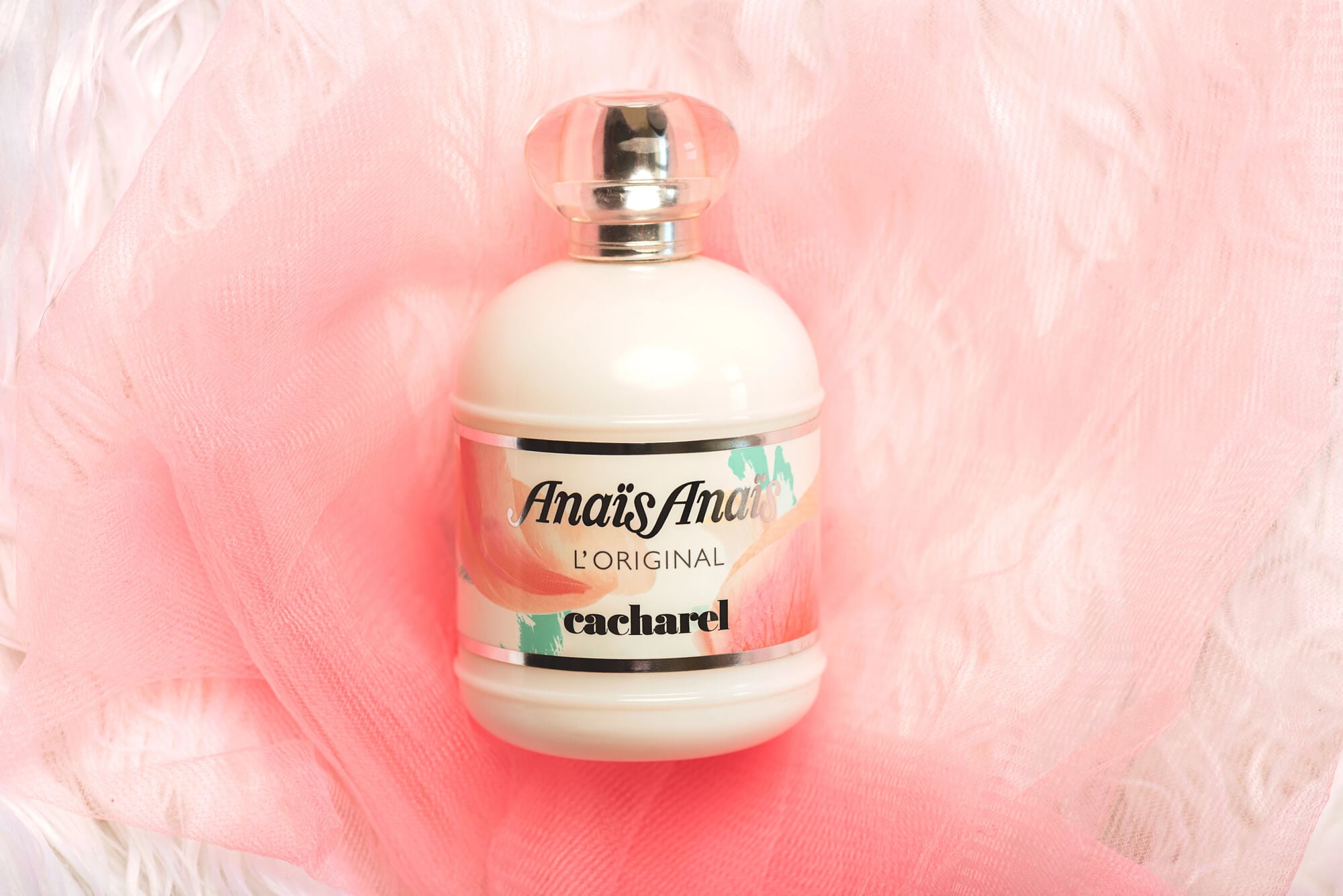
Cacharel released Anaïs Anaïs in 1978, and its soft floral character and flower-covered bottle gave it a very different look from the heavier perfumes of the day. It became a favorite of teenagers and their mothers, often sold at department store counters and in drugstore gift sets.
The bottle design carried a gentle, romantic quality that matched the advertising. Vintage versions with intact boxes and legible labels are the ones that collectors want, since the paper decoration on older bottles fades easily.
Obsession, Calvin Klein’s Loud Entry of 1985
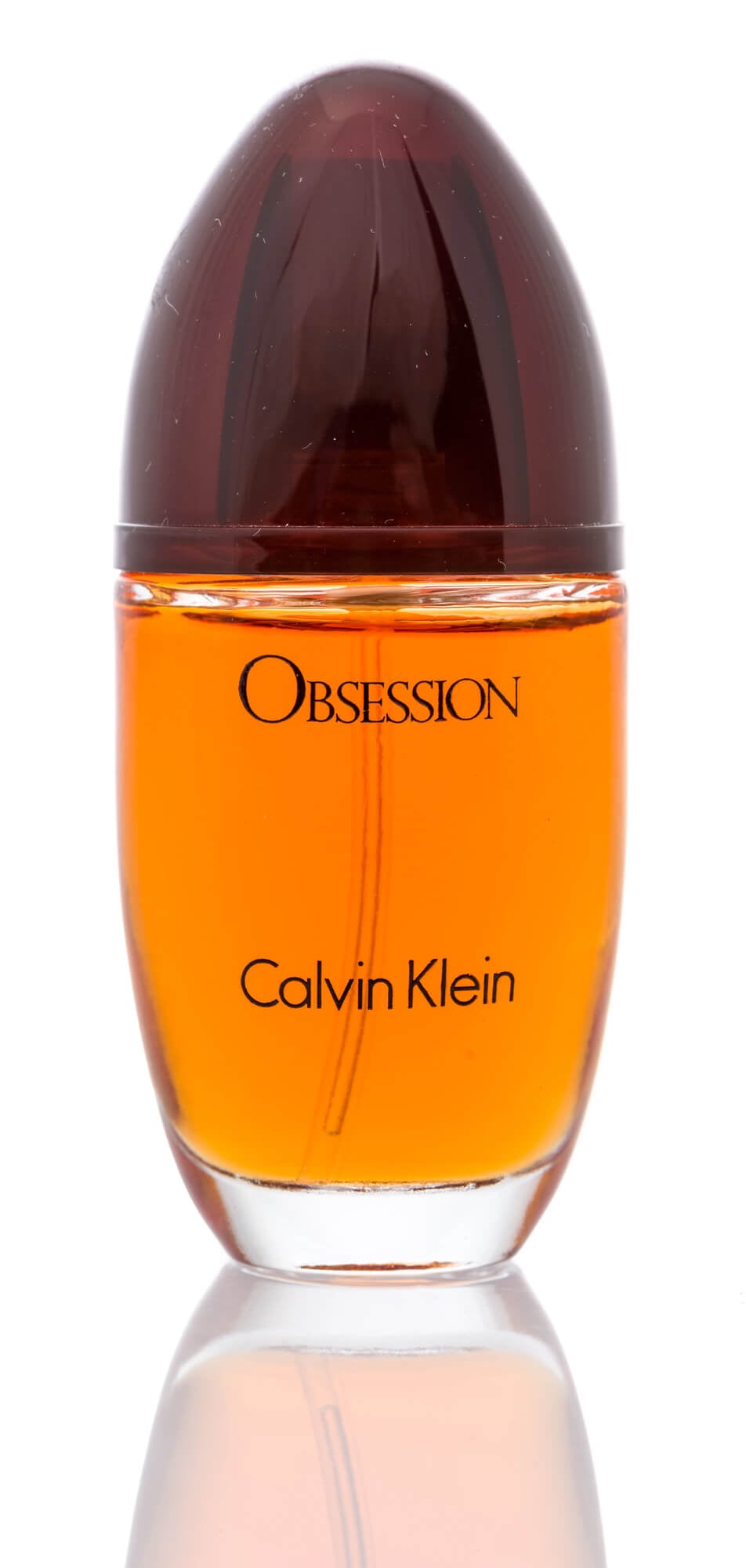
Calvin Klein introduced Obsession in 1985, supported by black and white advertising that stood apart from the pastel campaigns around it. The fragrance was an immediate department store favorite and set the tone for designer perfume for the rest of the decade.
Mothers and fathers alike wore versions made for women and men. Vintage bottles in unopened boxes are favored by enthusiasts who compare them with the current formula, and a bottle that has lost liquid to evaporation is worth less.
Drakkar Noir, the Black Bottle of 1982
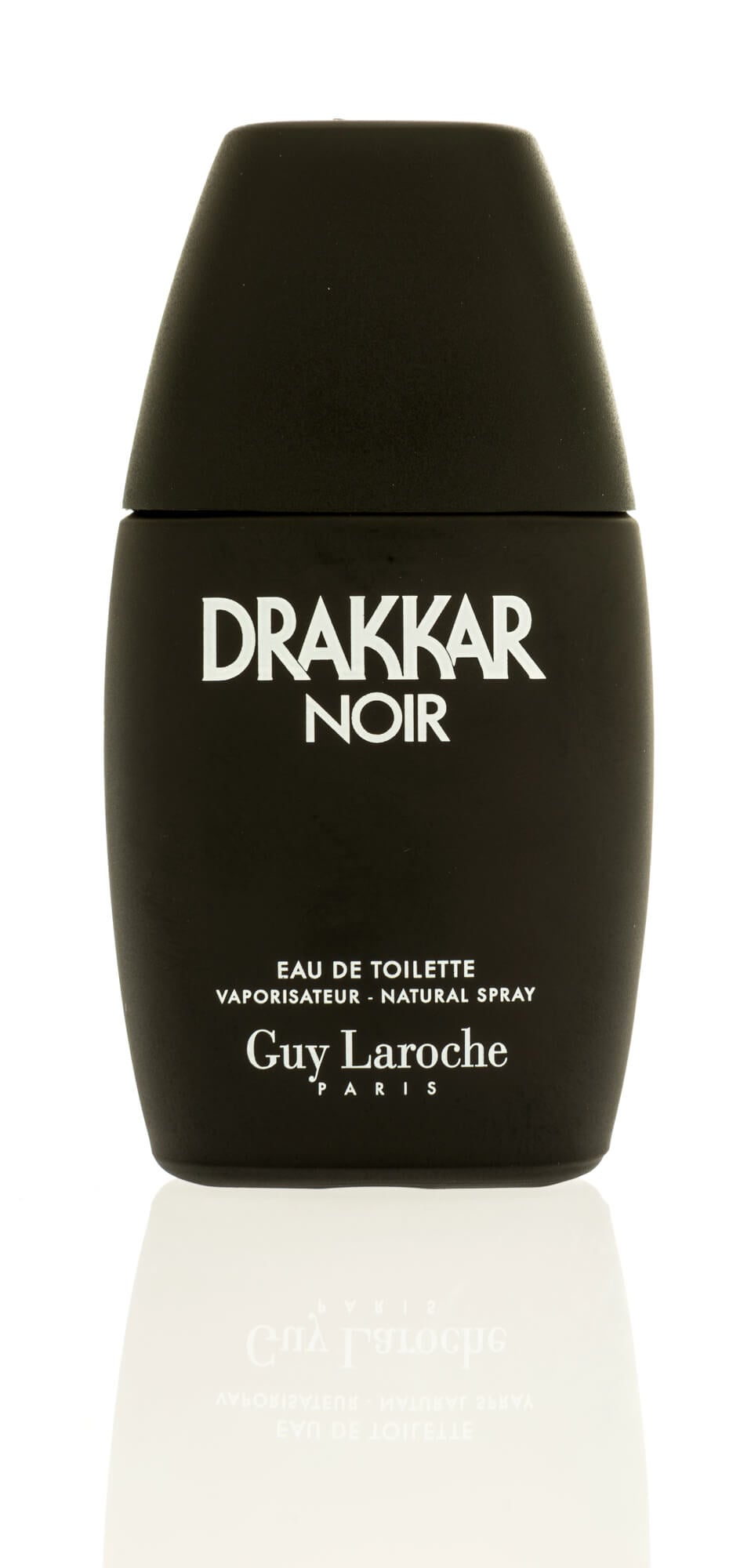
Guy Laroche launched Drakkar Noir in 1982, and its black glass bottle looked unlike anything on the cologne shelf. It became one of the dominant men’s fragrances of the 1980s, worn by young professionals and fathers alike.
The scent hung heavily in school parking lots and office elevators. Aftershave and cologne versions both exist, and vintage examples from the original run with undamaged boxes and unfaded labels are more desirable than later reissues.
Jovan Musk, the Fragrance Both Parents Could Share
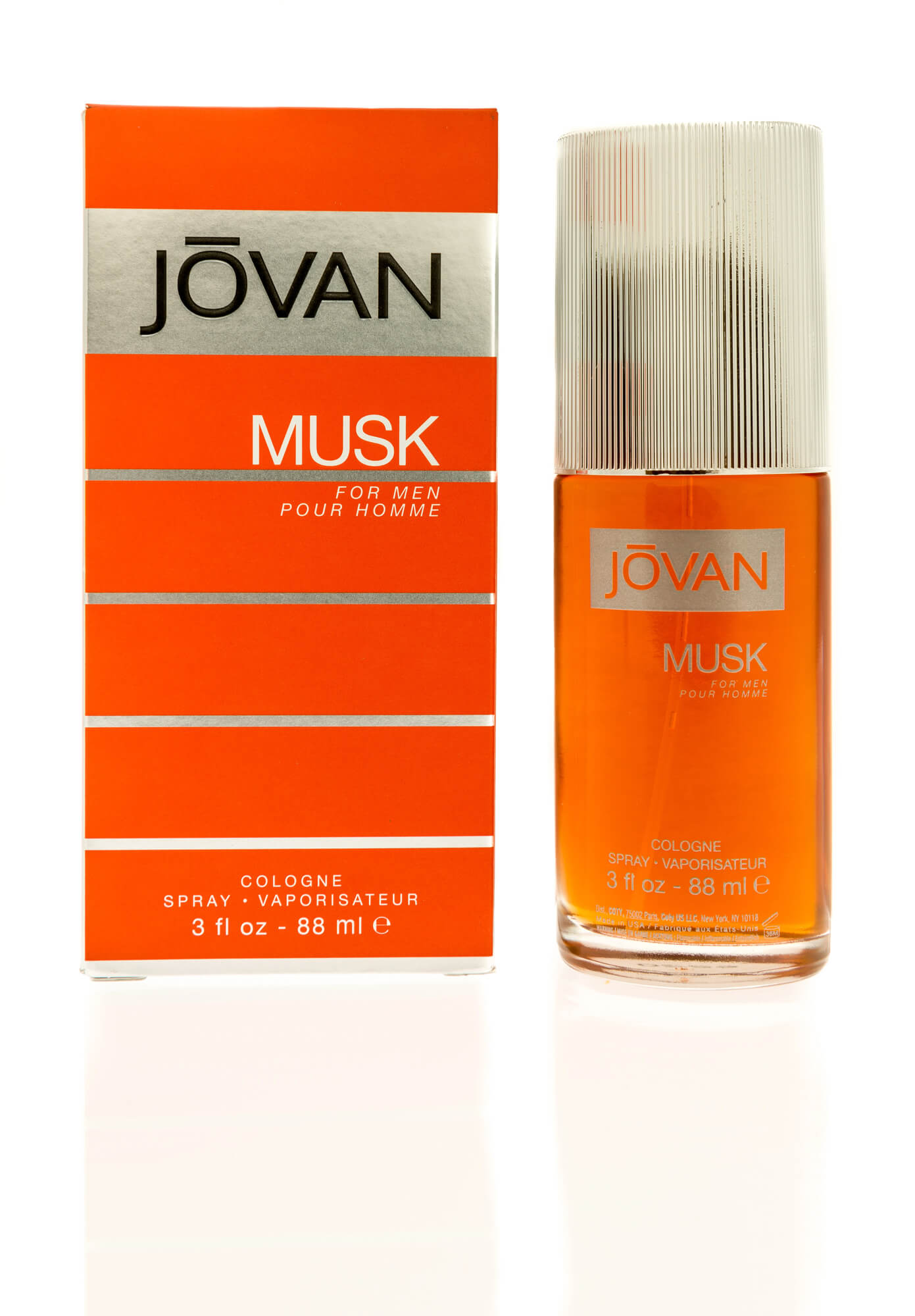
Jovan sold musk fragrances in the 1970s for both women and men, and the shared scent allowed couples to wear the same name on the same night. The line included cologne, oil, and aftershave lotion for men, which made it an easy gift purchase at drugstores and department stores.
It appealed to people who wanted something less formal than the French classics. Full vintage bottles with labels intact and liquid not yet darkened are more sought after than partly empty ones.
The Scent That Walked In Before You Did
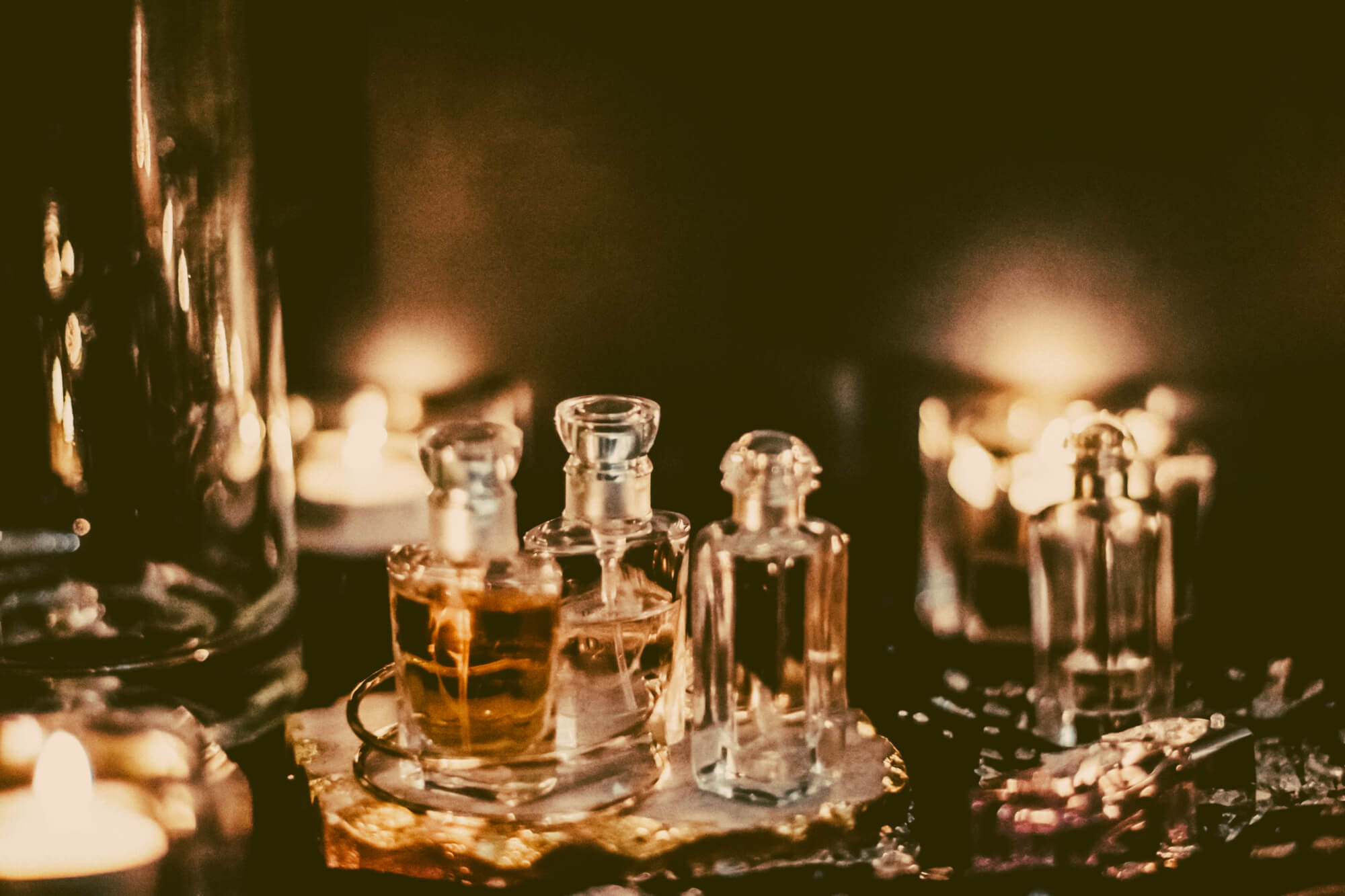
Every household had its signature, and it rarely came from a single choice. A father’s aftershave, a mother’s perfume, and the bath powder on the shelf combined into the smell of a particular home in a particular decade.
Memory attaches itself to scent more stubbornly than to almost anything else, which is why a whiff of the right bottle can turn a grown adult back into a child in a doorway.
That is also why these bottles outlast their usefulness. Collectors pay for them, thrift stores keep them, and families hold on to the half-empty flask long after the contents have turned.
The liquid inside may have changed, but what people are really keeping is the person who wore it.
More from Go2Tutors!

- 27 Silver Dollars and Half Dollars Worth Keeping
- 28 Restaurant Menu Items Nobody Orders Anymore
- 17 Places Built in Seemingly Impossible Spots
- 27 Vintage Rings Worth More Than They Look
- 25 Restricted Sites Tourists Can’t Enter
Like Go2Tutors’s content? Follow us on MSN.