Antique Tea Sets Worth Value
Old tea sets draw interest without making noise. Found where routine meets beauty, they reflect how people lived, what they used, then built things back when.
Once meant for pouring morning drinks, most now rest behind glass, passed down or sought after. What they’re worth isn’t just about looking good.
A teacup might mean family stories to one person. To another, it sparks curiosity about money value.
What separates everyday decor from something rare usually ties back to age, craftsmanship, uniqueness. Knowing these details matters when judging what an old tea set could bring.
Peering into old tea sets reveals clues about worth. Spotting the details matters when experts judge one.
What stands out often divides common items from rare treasures. Worth shifts based on marks, age shows in subtle ways.
Condition tells part of the story. Some patterns catch eyes more than others do.
Craftsmanship whispers history without saying a word.
Age and Historical Significance
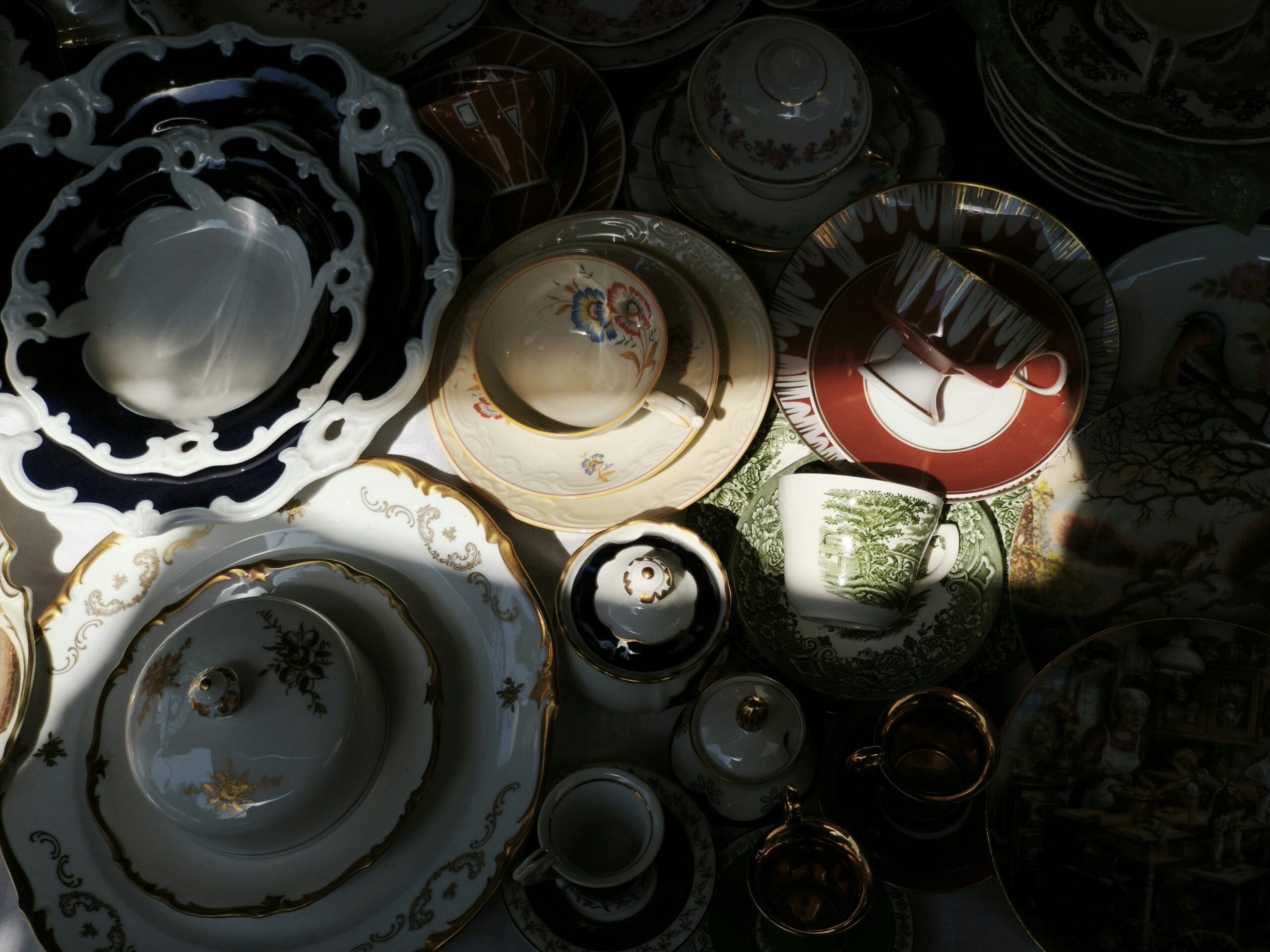
Age plays an important role in determining value, but it is rarely the deciding factor on its own. Tea sets produced in the 18th or 19th century often attract more interest simply because fewer complete examples survive.
These older sets also tend to reflect distinctive manufacturing methods and decorative styles that are closely tied to specific historical periods.
That said, age must be supported by quality and authenticity. A very old set that was mass-produced or heavily damaged may be worth less than a newer set made by a highly regarded manufacturer.
Collectors look for pieces that clearly represent their era through form, decoration, and technique, rather than age alone.
Markings on the underside of cups or teapots can offer clues about when and where a set was made. These marks, combined with stylistic details, help place a tea set within a historical timeline and strengthen its appeal to buyers.
The Importance of the Maker

The identity of the maker is one of the strongest influences on value. Certain manufacturers have long-standing reputations for excellence, innovation, and craftsmanship.
Tea sets produced by these makers are often more desirable, even if they are not especially old.
Well-known European and Asian porcelain houses established standards that still influence the market today. Their sets are typically associated with refined materials, consistent quality, and distinctive design elements.
Collectors are often willing to pay a premium for pieces that can be confidently attributed to these makers.
Within any brand, rarity also matters. Limited production runs, discontinued patterns, or early examples from a manufacturer’s history often command higher prices than common designs.
Clear maker’s marks and pattern identifiers can significantly strengthen a set’s value.
Materials and Craftsmanship

Materials play a central role in how antique tea sets are valued. Fine porcelain and bone china are generally considered more desirable due to their durability, translucence, and visual refinement.
These materials require skilled production methods, which adds to their appeal among collectors.
Bone china, in particular, is known for its strength and luminous finish. Sets made from it often feel lighter and more delicate than they appear, which contributes to their reputation for quality.
Porcelain sets with hand-painted decoration or intricate glazing techniques also tend to hold higher value.
In contrast, tea sets made from basic earthenware or mass-produced ceramics are usually valued lower. While they may still be charming or historically interesting, they lack the material distinction that typically drives collector demand.
Condition and Completeness

Condition is one of the most critical factors in determining value. Tea sets are fragile by nature, and damage is common after decades or centuries of use.
Chips, cracks, staining, or visible repairs can significantly reduce market value, especially for otherwise desirable pieces.
Completeness is equally important. A full set that includes matching cups, saucers, a teapot, and accompanying serving pieces will almost always be worth more than a partial one.
Missing components disrupt the visual and historical integrity of the set.
Light wear consistent with age is often acceptable, but heavy damage or modern restoration tends to lower appeal. Collectors generally prefer originality, even if that means accepting minor imperfections that reflect authentic age.
Rarity and Collector Demand

Rarity can dramatically influence value, but it must be paired with demand. Some tea sets are rare simply because they were not widely produced, while others are scarce because most examples were broken or discarded over time.
When rarity aligns with strong collector interest, prices can rise quickly.
Demand is influenced by trends in interior design, historical interest, and collector preferences. Certain decorative styles, motifs, or cultural origins may become especially popular at different times.
These shifts can temporarily elevate the value of specific types of tea sets.
Highly distinctive designs, unusual color schemes, or uncommon motifs often attract attention because they stand apart from more familiar patterns. When collectors compete for a small number of surviving examples, values tend to increase.
Decorative Style and Visual Appeal
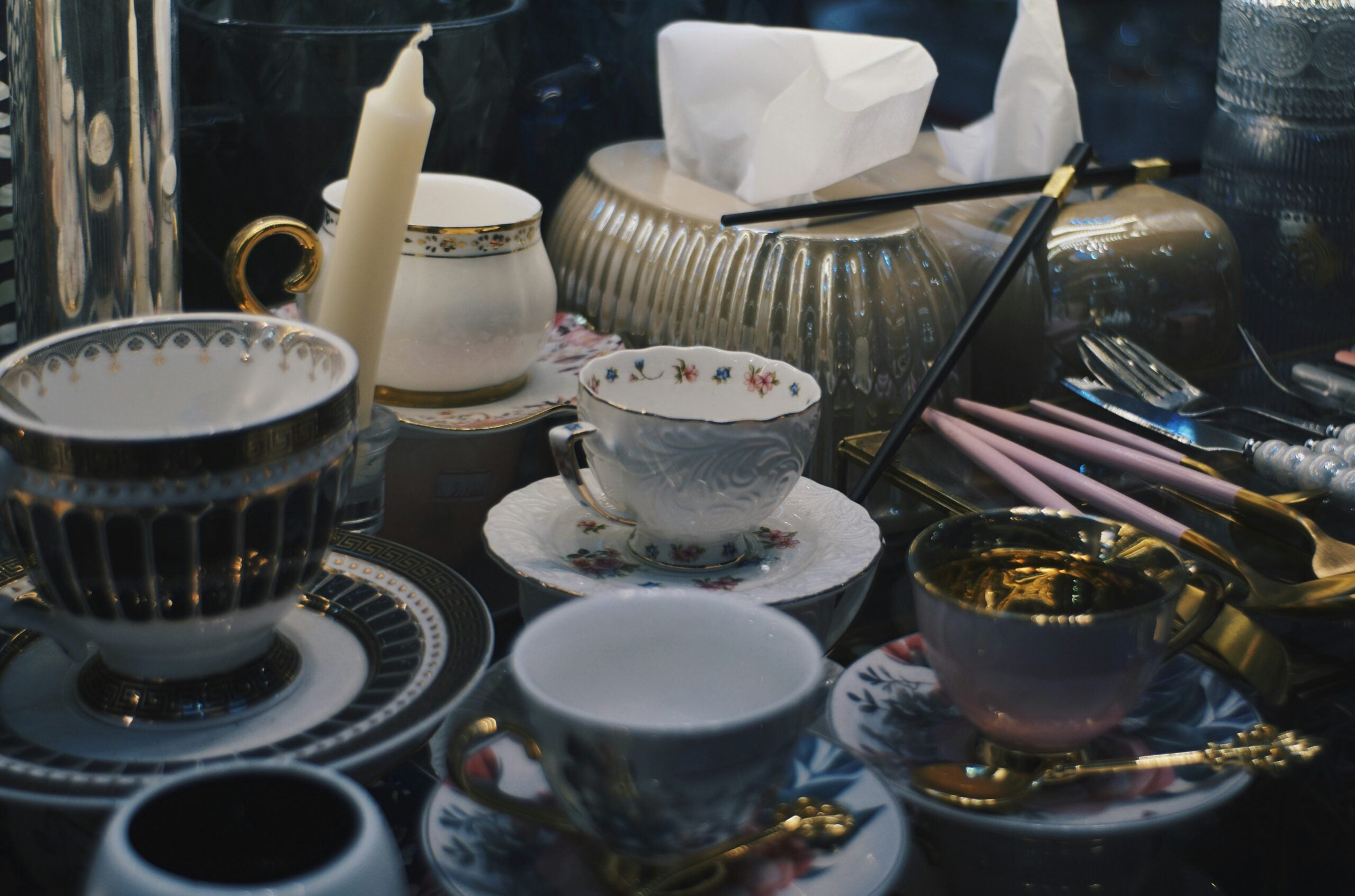
Visual appeal plays a subtle but powerful role in value. Even among antique collectors, aesthetics matter.
Tea sets with balanced proportions, harmonious color palettes, and refined decoration are more likely to attract interest.
Hand-painted details, gold accents, and finely applied glazes often indicate higher production standards. These features reflect the time and skill invested in the set’s creation, which collectors are willing to reward.
However, decoration must feel authentic to the period. Overly ornate designs that appear mismatched or inconsistent with the era may raise questions about authenticity or later alteration.
Provenance and History
Provenance refers to the documented history of ownership. While not every valuable tea set comes with paperwork, those that do can stand out.
A known connection to a notable household, historical event, or long-established collection can enhance appeal.
Provenance adds narrative depth, giving collectors more than just an object to admire. Even when it does not dramatically increase price, it can make a tea set more desirable by grounding it in real-world history.
Without documentation, provenance is difficult to prove. Still, even anecdotal family histories can add contextual interest, particularly when supported by age and quality.
Market Value Ranges

Antique tea sets can vary widely in value. Some modest sets sell for relatively small amounts, especially if they are incomplete or lack distinguishing features.
Others can reach prices in the hundreds or thousands, depending on their attributes.
High-quality porcelain sets from the 19th century in excellent condition often fall into the upper range. Rare examples from earlier periods or prestigious makers can exceed that, particularly when sold through specialist dealers or auctions.
Understanding market value usually requires comparison. Looking at similar sets with comparable age, condition, and origin helps establish realistic expectations.
Getting a Professional Appraisal

If you believe a tea set may be valuable, professional appraisal is often worthwhile. Experienced appraisers examine materials, markings, construction methods, and conditions in person.
Their expertise allows them to spot details that casual observers might miss.
Auction houses and reputable antique dealers can also provide insights into current demand and pricing trends. While informal opinions can be useful, formal appraisals are generally more reliable when value matters for sale or insurance.
It is often best to avoid restoration before appraisal. Alterations can reduce value if they remove original features or materials.
Why It Still Matters

Old tea sets aren’t just sitting around looking pretty. These pieces carry traces of old habits, careful making, and what mattered most in design back then.
Worth isn’t measured by price tags alone – what counts is how they show us moments of connection, long ago shared over a cup.
What remains tells quiet stories of time spent together. Seeing why these collections matter helps people value them deeper.
When saved for family or checked by buyers, old tea sets show their true nature through time. Long after tea has cooled, they hold stories, craft, beauty – simply by being there.
Quiet objects, yet full of weight.
More from Go2Tutors!

- The Romanov Crown Jewels and Their Tragic Fate
- 13 Historical Mysteries That Science Still Can’t Solve
- Famous Hoaxes That Fooled the World for Years
- 15 Child Stars with Tragic Adult Lives
- 16 Famous Jewelry Pieces in History
Like Go2Tutors’s content? Follow us on MSN.