27 Beauty Parlor Rituals Before Walk-In Salons
Long before anyone could drift into a salon between errands, looking good was a scheduled event. It took place in steam rooms, kitchens, bridal chambers, and fashionable parlors that demanded an appointment, a chaperone, or an entire afternoon.
The tools were stranger, the ingredients riskier, and the patience required far greater than anything on a modern service menu. Hair got singed, faces got coated in metal, and entire neighborhoods planned their weeks around one woman with a stove and a comb.
Every ritual below reveals what people endured for a look, and who earned a living supplying it.
Roman Bathers Scraped Themselves Clean With Strigils
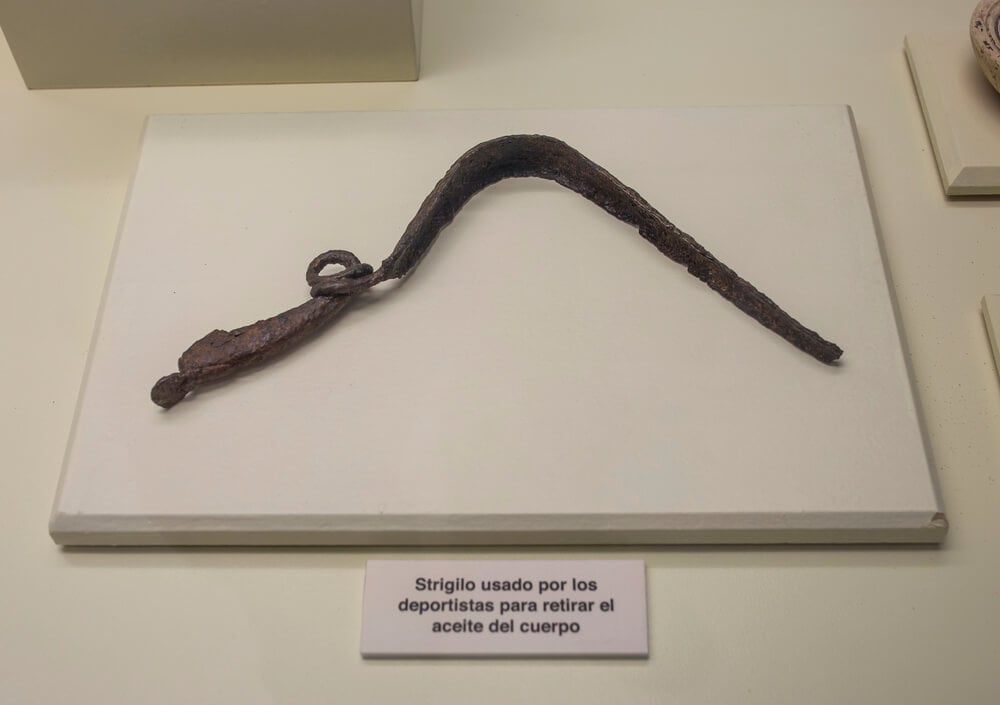
Romans did not rely on soap alone. They rubbed olive oil into the skin and then scraped it off, dirt and all, with a curved metal tool called a strigil.
Bathers often carried the strigil and a small oil flask together on a ring. The enormous bath complex built under Emperor Caracalla in the early third century made this scraping a social routine rather than a private chore.
Ornatrices Built Elaborate Roman Hairstyles
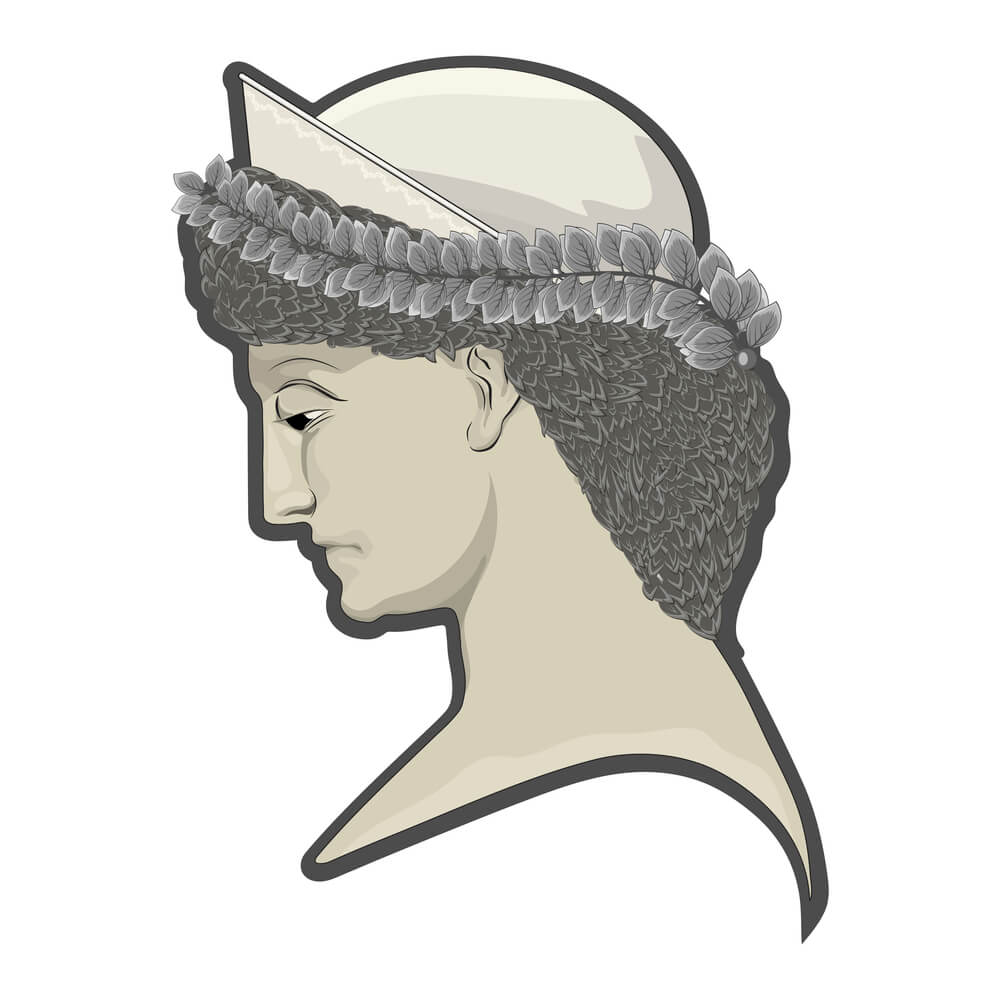
Wealthy Roman women relied on a household specialist called an ornatrix, who was frequently enslaved, to construct their hairstyles. The work took hours and involved curling irons, pins, and sometimes hair purchased from elsewhere.
The poet Ovid even wrote verses lamenting that his lover had lost her hair after repeated dyeing. Beauty came at a price, and the hairdresser rarely received it.
Egyptian Kohl Doubled as Eye Medicine
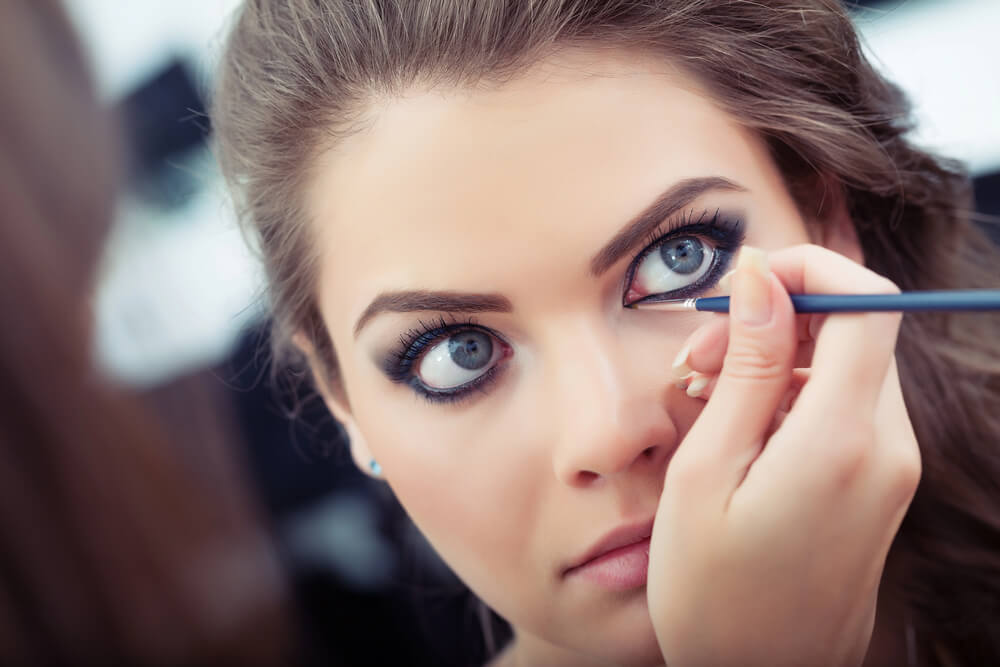
Ancient Egyptians lined their eyes with dark kohl, and the look was about more than style. In 2010, researchers at the Louvre analyzed makeup preserved in Egyptian containers and found lead-based compounds.
They suggested the ingredients may have helped protect the eyes from infection by stimulating the skin’s natural defenses. Cosmetics and medicine were apparently the same cabinet.
The Hammam Scrub Left Skin Raw and Radiant
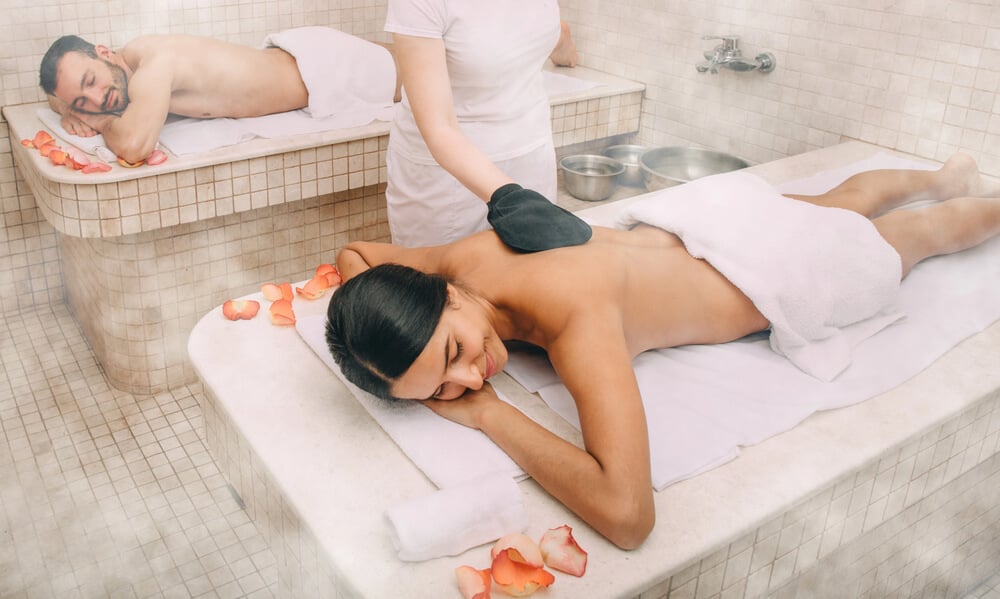
In the Ottoman hammam, bathers lay on a heated marble platform while an attendant scrubbed them with a coarse mitt called a kese. The ritual produced a surprising amount of shed skin, and clients often left feeling newly made.
Before a wedding, brides traditionally gathered friends and relatives for a bathing party that turned the ritual into a celebration. A visit could fill an entire afternoon.
Queen Elizabeth I Painted Her Face With White Lead
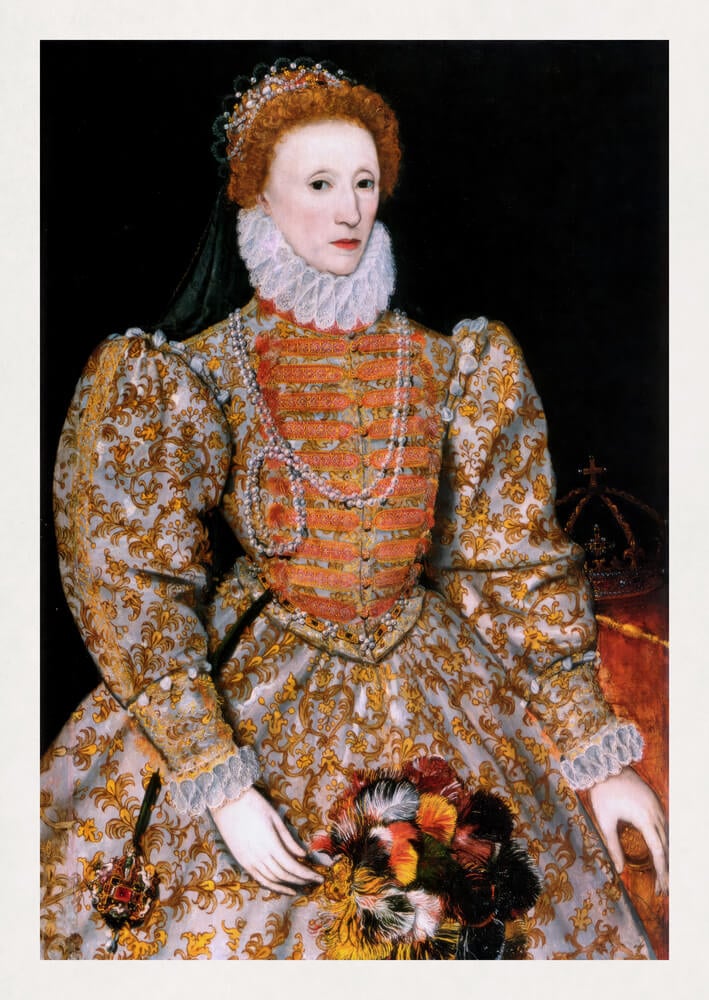
Elizabethan fashion prized a pale complexion, and a cosmetic known as Venetian ceruse supplied it. The paste combined white lead with vinegar and was spread over the face and neck.
It smoothed the skin and hid scars, but it also harmed the skin over time. Queen Elizabeth I became so closely tied to the pale look that her portraits still define the era.
Beauty Patches Hid Scars and Drew the Eye
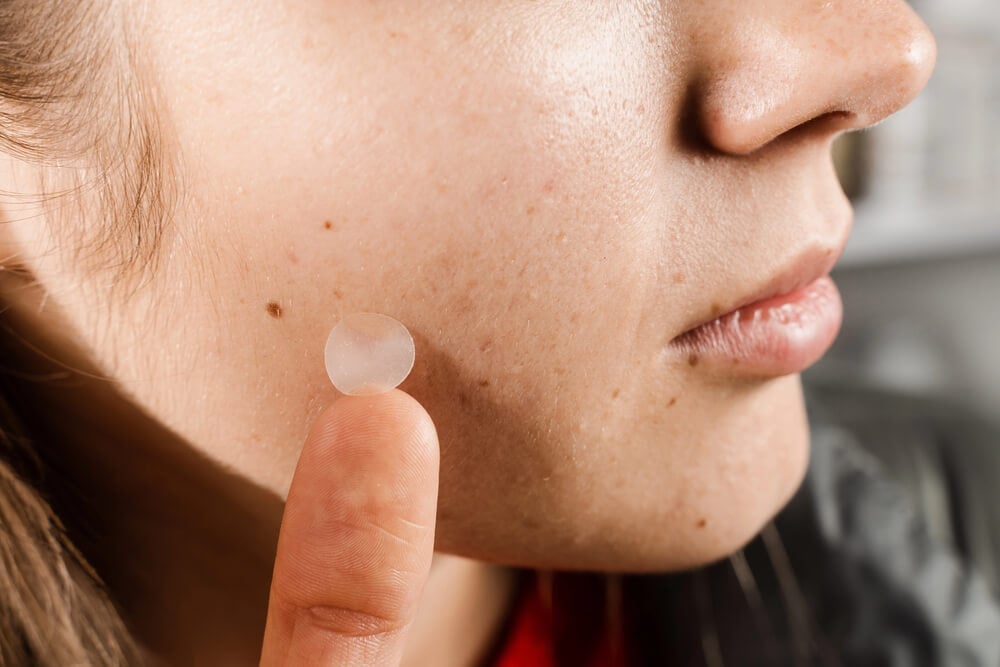
In seventeenth- and eighteenth-century Europe, fashionable men and women pressed tiny patches of silk or velvet onto their faces. The French called them mouches, meaning flies.
They covered smallpox scars and blemishes, and they came in shapes such as stars and crescents. A patch could disguise a flaw and announce a flair for fashion in a single gesture.
Barber-Surgeons Handled Teeth and Haircuts in One Visit
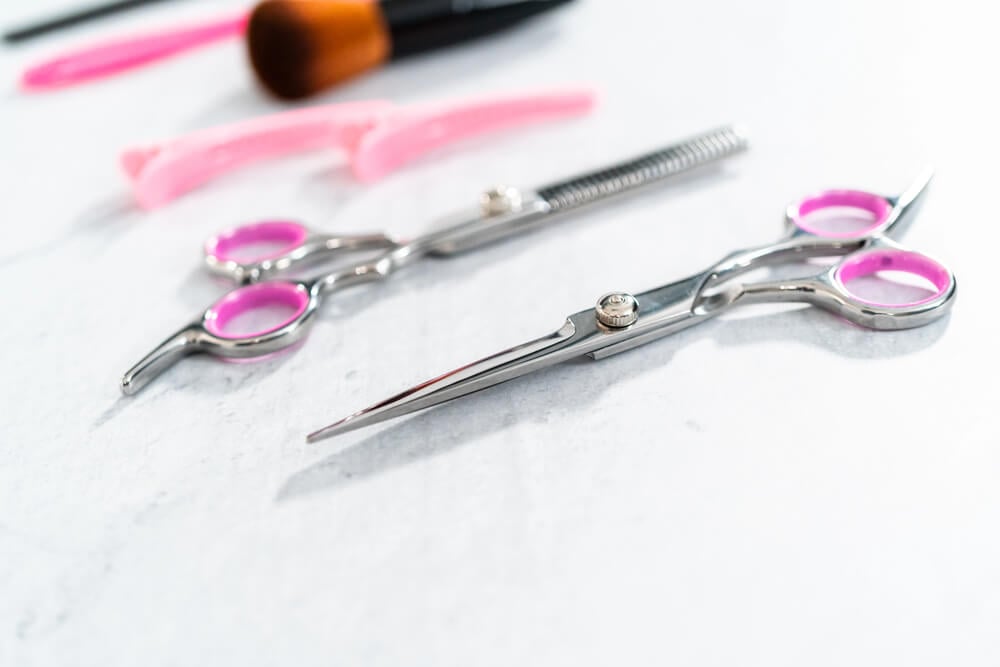
In 1540, Henry VIII joined the Company of Barbers and the Guild of Surgeons into a single body in England. Under the arrangement, barbers were limited to minor procedures such as bloodletting and pulling teeth, while surgeons handled the serious operations.
The red and white barber pole is commonly linked to this trade, with red for blood and white for bandages. Anyone wanting a trim at the time might also be offered a tooth extraction.
Britain Taxed Hair Powder by the Guinea
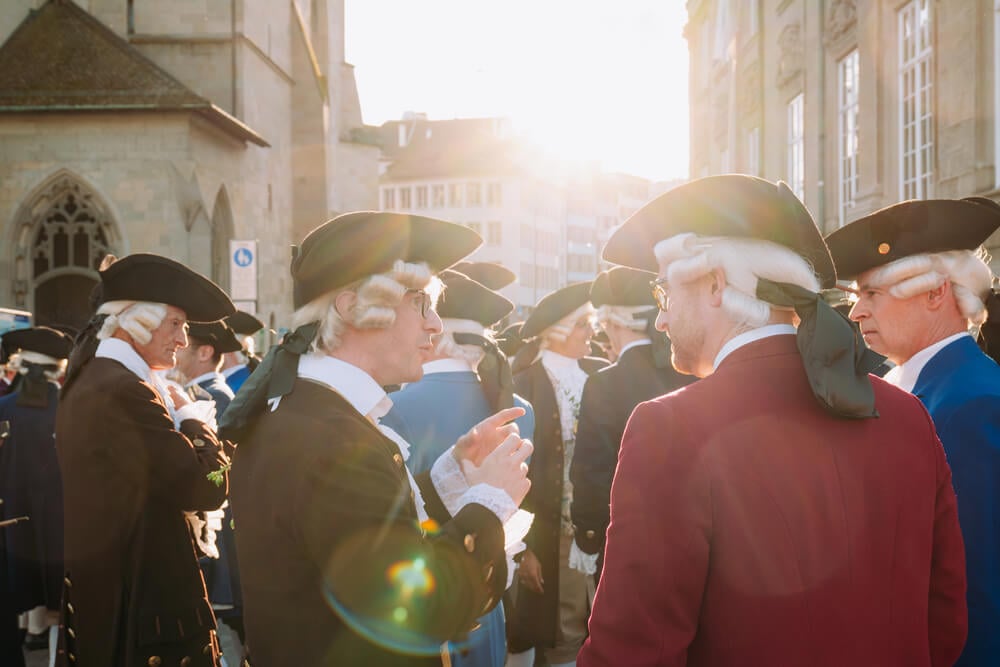
In 1795, the British government under William Pitt began charging an annual fee of one guinea for the right to wear hair powder. Fashionable people had long whitened their hair or wigs with scented starch, and the tax turned the habit into a visible sign of wealth.
The Duke of Bedford, Francis Russell, famously had his hair cropped in protest and encouraged others to do the same. The duty was finally repealed in 1869, long after powdered hair had gone out of style.
Marie Antoinette’s Hairdresser Built Towering Poufs
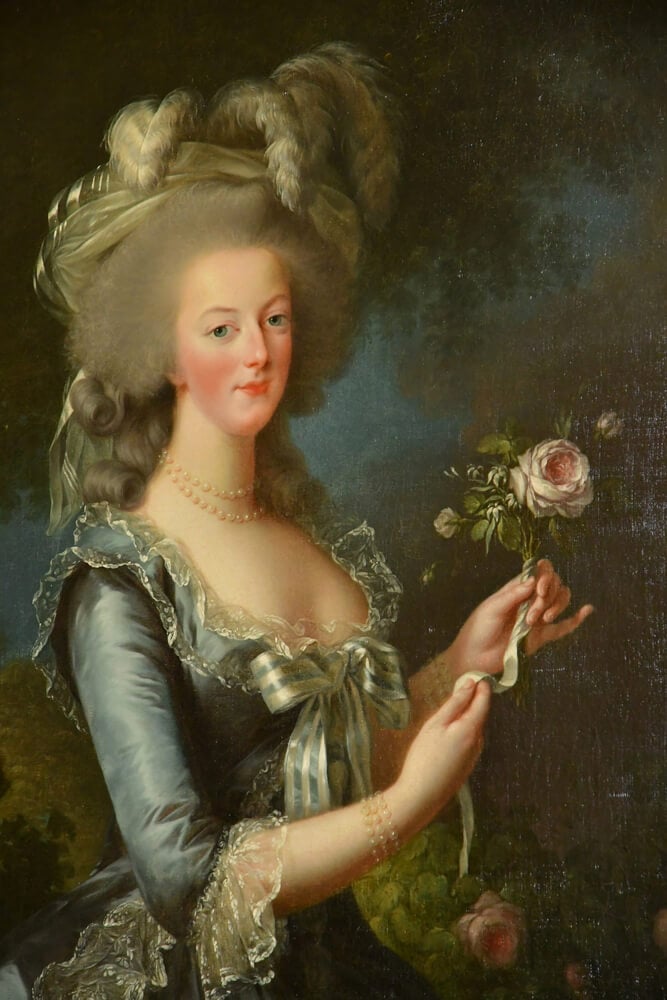
Léonard Autié became the best-known hairdresser in prerevolutionary France through his work for Marie Antoinette. His creations rose high above the forehead and were decorated with feathers, ribbons, and small ornaments.
Reaching his chair meant a long appointment, and sleeping afterward meant a very careful night. When the monarchy unraveled, he became entangled in the royal family’s failed 1791 flight to Varennes.
Edo Women Slept on Wooden Pillows to Save Their Hair
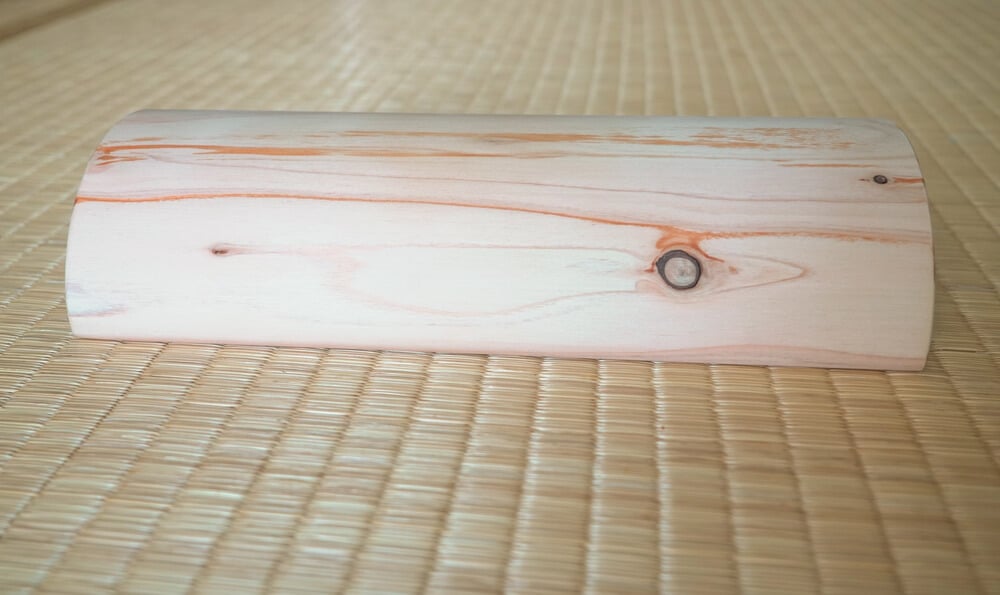
In Edo-period Japan, professional hairdressers called kamiyui built elaborate upswept styles that were meant to last for days. To protect the work, women slept on raised wooden pillows that kept the head clear of the bedding.
Styles signaled age, status, and occupation, so a hairdresser’s skill was visible on every street. The pillow was less a comfort than a piece of salon maintenance equipment.
Ohaguro Turned Smiles Black on Purpose
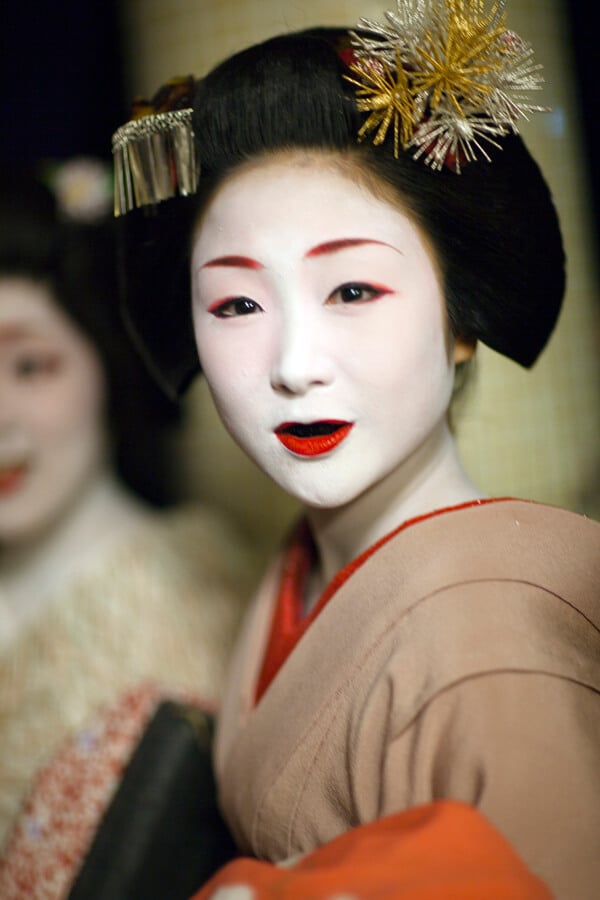
For centuries in Japan, married women and some members of the court stained their teeth black with a solution made from iron and vinegar. The dark finish was considered elegant, and the dye also coated the teeth against decay.
The routine required regular reapplication and had a famously unpleasant smell. The Meiji government discouraged the practice in the 1870s as Japan modernized its public image.
Henna Night Turned the Bride Into a Canvas
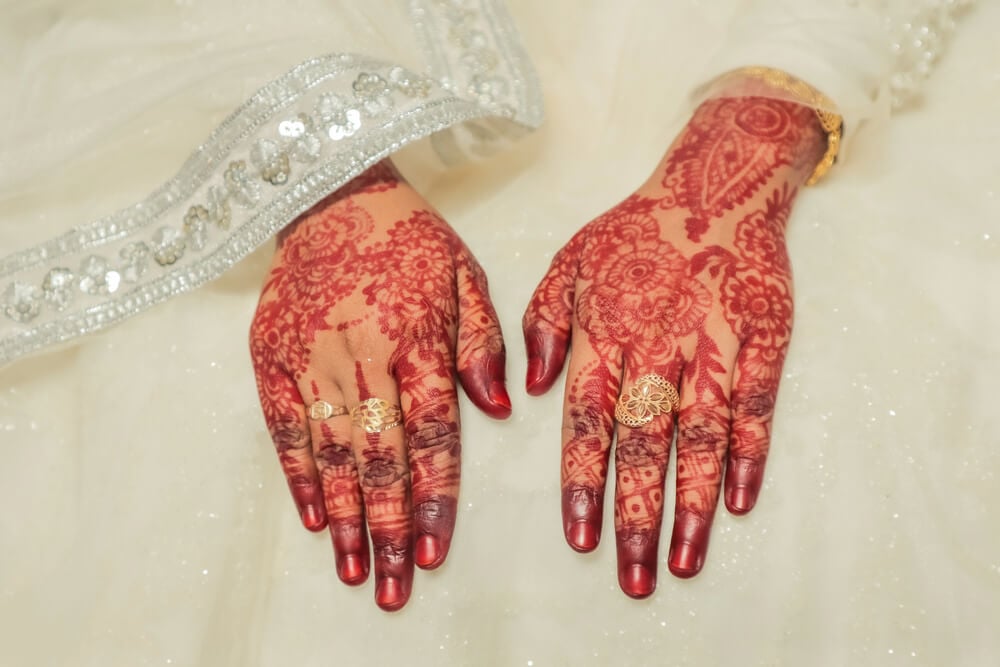
Before many South Asian, Middle Eastern, and North African weddings, friends and relatives gather for a henna night. Paste made from the dried leaves of the henna plant is piped onto the bride’s hands and feet in intricate patterns.
The paste must stay on for hours so the stain can deepen, which leaves plenty of time for songs and gossip. A popular belief holds that a darker stain signals a warmer marriage.
Sugaring Removed Hair With a Kitchen Recipe
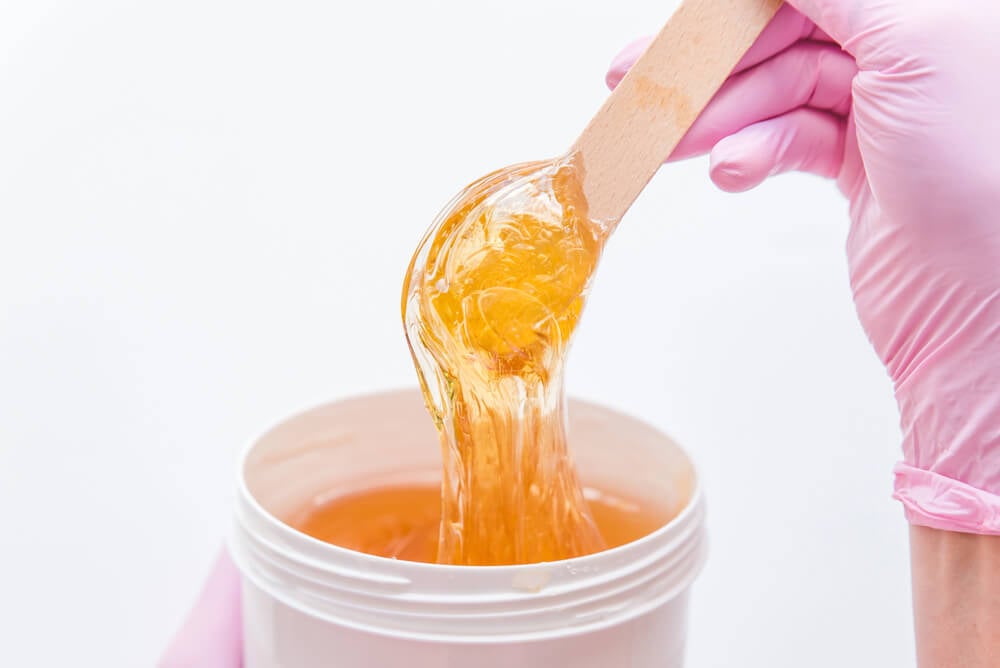
In parts of the Middle East and North Africa, women have long removed body hair with a paste called halawa. The recipe is simple: sugar, lemon juice, and water cooked until it forms a sticky caramel.
Applied by hand and pulled away, it takes the hair out from the root. Gatherings for the ritual often doubled as social events among friends and family.
A Brighton Bathhouse Introduced Britain to Shampooing
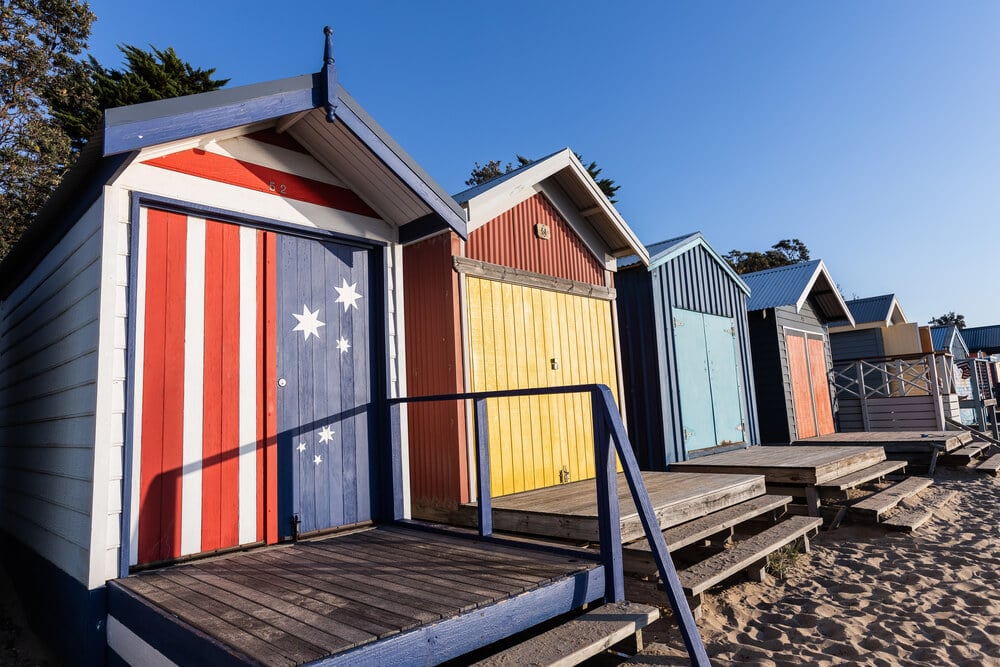
In 1814, Sake Dean Mahomed opened a bathhouse on the seafront in Brighton offering steam and massage treatments. The service he promoted as shampooing took its name from a Hindi word for pressing or kneading the body.
His reputation grew until he was appointed Shampooing Surgeon to both George IV and William IV. The word that now describes a bottle in every bathroom began as a massage.
Victorian Women Brushed Their Hair One Hundred Strokes
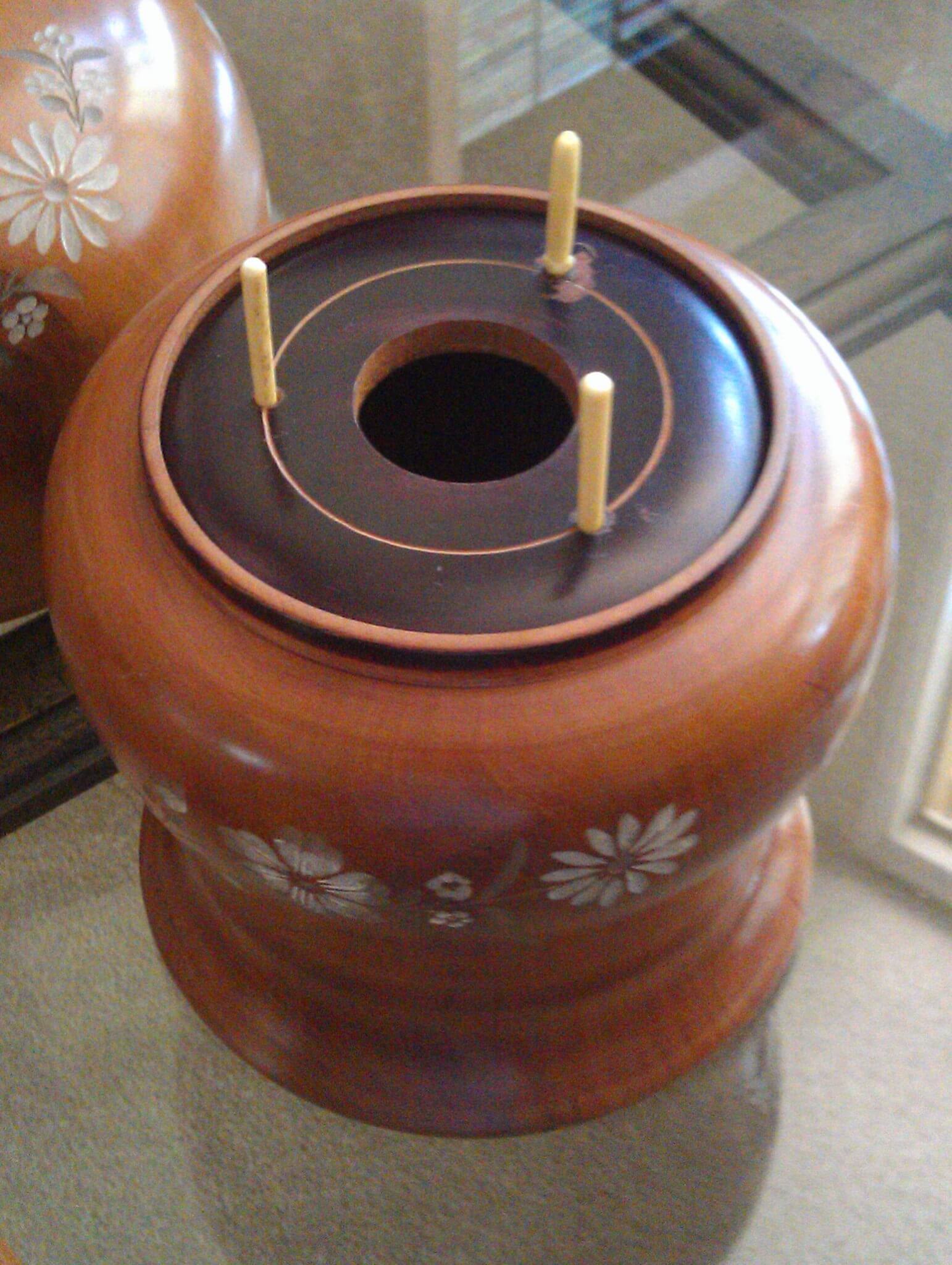
Nineteenth-century advice for ladies called for brushing the hair one hundred times each night to spread natural oils and keep it glossy. The loose strands that came out were not thrown away.
They were saved in a small dressing-table container called a hair receiver and later worked into pads and switches for building larger styles. Nothing about a Victorian bedtime routine was wasted, including the hairbrush.
Rag Curls Demanded a Night of Uncomfortable Sleep
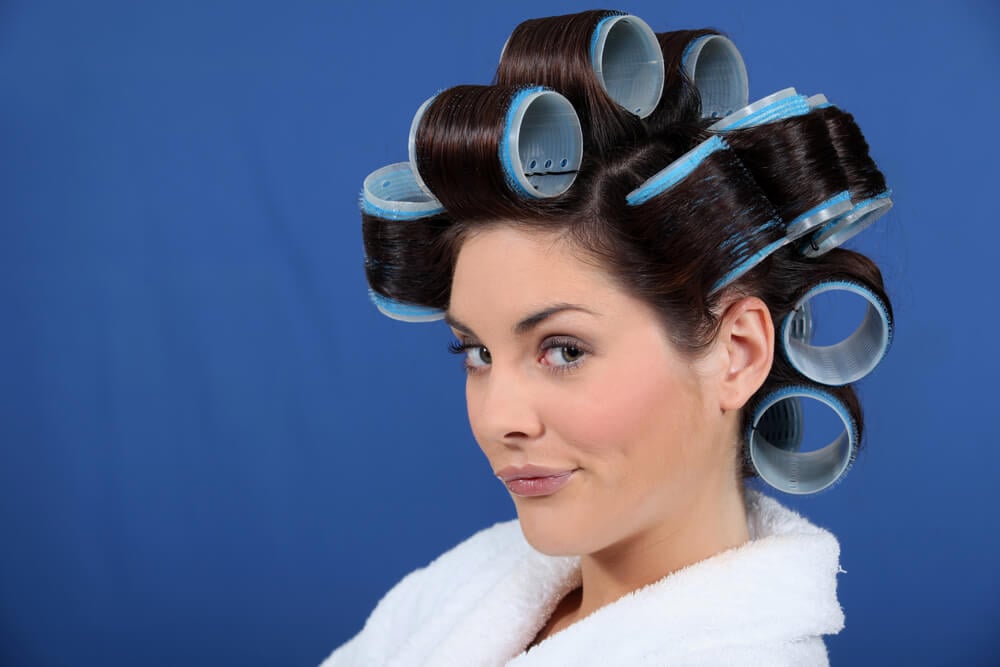
Before heated tools were common at home, girls wrapped damp hair around strips of cloth and tied them in knots against the scalp. The knots stayed in place all night, which meant sleeping on a lumpy head.
By morning, the hair had dried into ringlets without a single flame. The method persisted for generations because it was cheap, safe, and astonishingly effective.
Marcel Grateau Made Waves With Heated Tongs
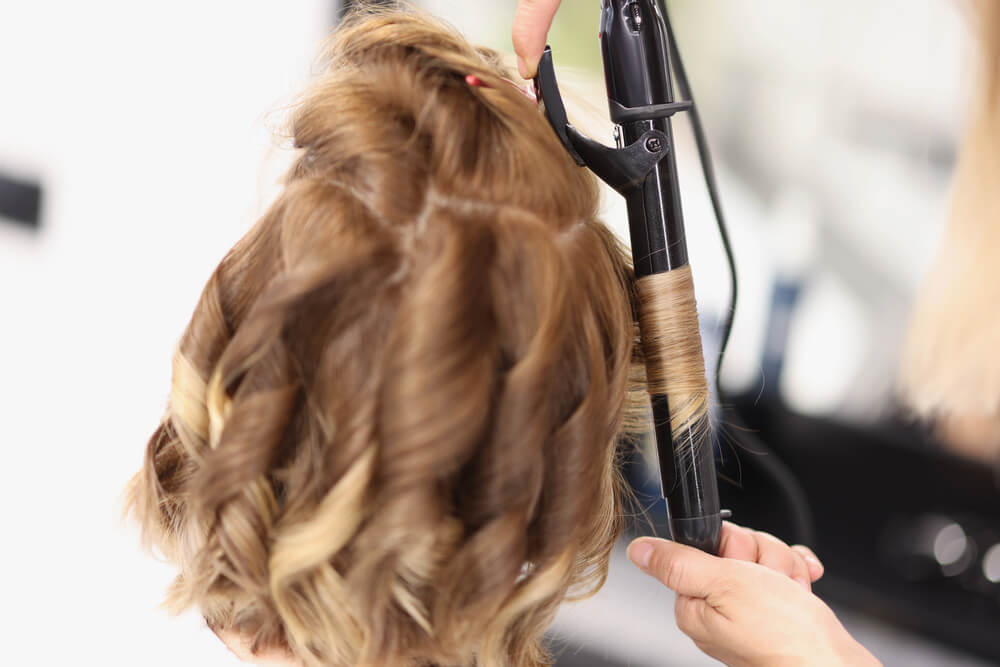
In 1872, the Parisian hairdresser Marcel Grateau introduced a method of waving hair with heated iron tongs. The result was a soft wave that lasted until the next wash, and it became so fashionable that it carried his name.
Hairdressers tested the temperature on paper before touching a client, and a misjudgment could scorch the hair. His technique stayed popular well into the twentieth century.
The Kitchen Became a Neighborhood Beauty Parlor
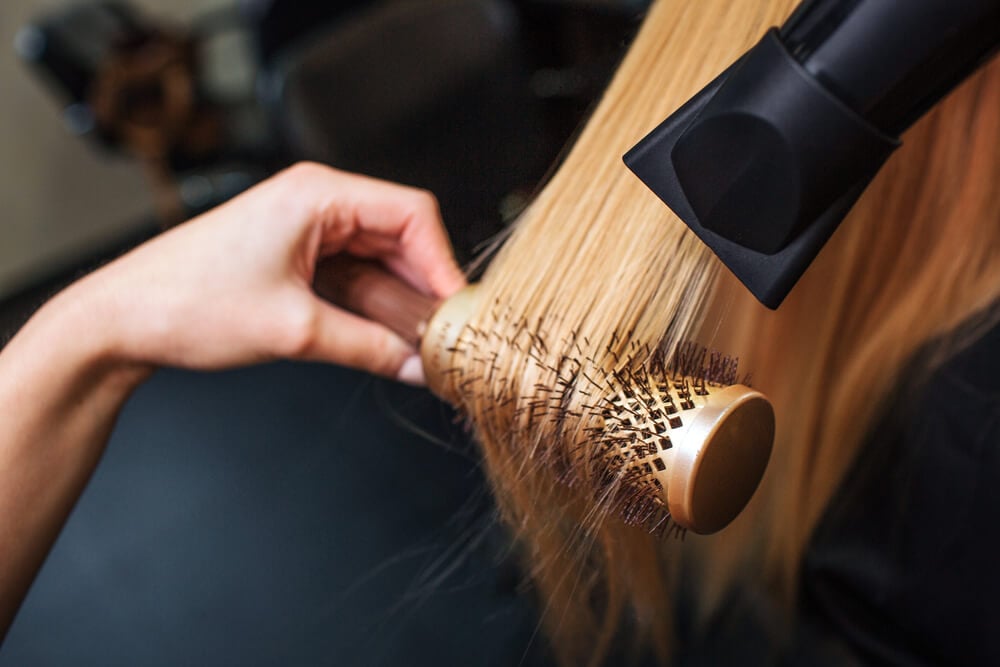
In many Black communities across the United States, hair care took place in a home kitchen rather than a shop. A metal hot comb was heated directly on the stove and drawn through hair softened with grease to straighten it.
The smell of warm oil and hot metal was unmistakable, and appointments often happened on Saturday ahead of church. The kitchen beautician was a trusted professional long before she had a license or a storefront.
Madam C. J. Walker Trained Hair Culturists

Born Sarah Breedlove in Louisiana in 1867, Madam C. J. Walker built a hair care business around a system of products and treatments. In 1908, she opened Lelia College in Pittsburgh to train women in her methods, and by 1910 she had moved her operations to Indianapolis.
The women she trained, known as hair culturists, sold products and treatments to customers directly. Her business turned grooming into a career path for thousands of Black women.
Poro College Trained Women for a New Career
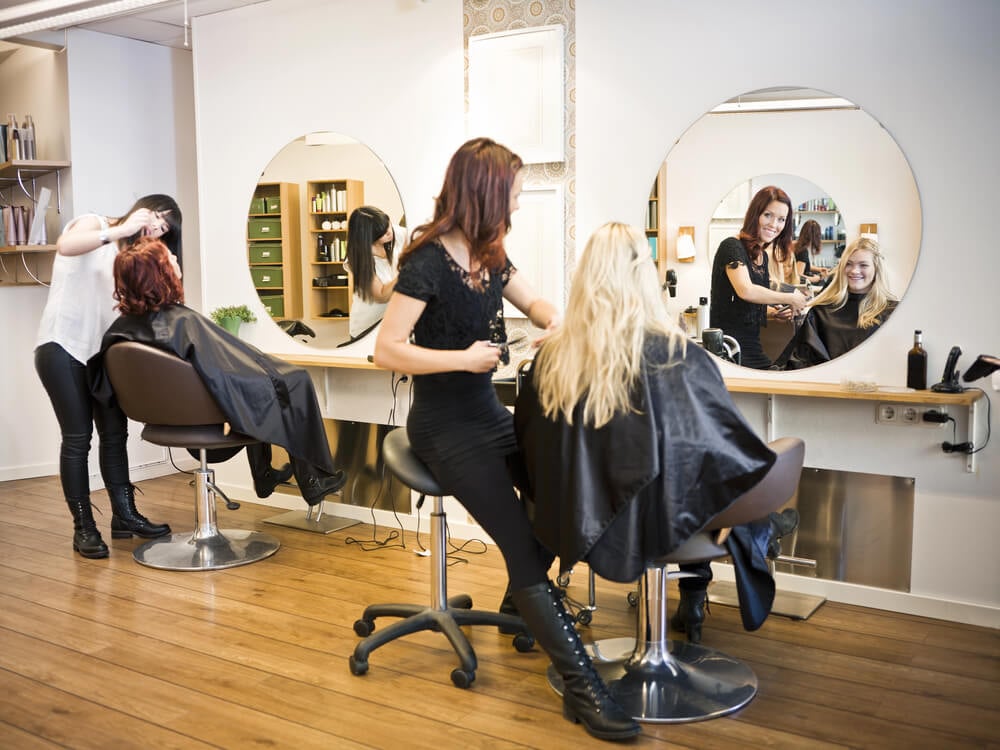
Annie Turnbo Malone built the Poro business and opened Poro College in St. Louis in 1918. The campus combined classrooms, manufacturing space, and an auditorium under one roof.
Students learned hair and beauty techniques and then went out as agents for the company. For many Black women, the school offered training and employment when few other doors were open.
Helena Rubinstein Sold Skin Care Before Opening Famous Salons
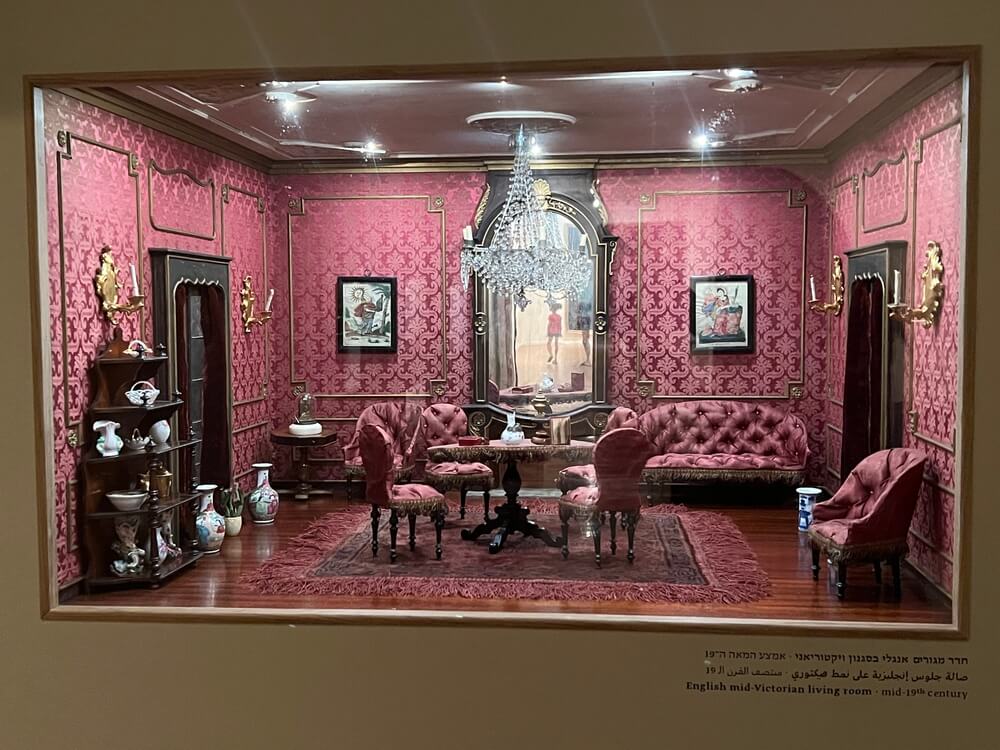
Helena Rubinstein left Krakow for Australia and began selling a face cream called Crème Valaze in Melbourne in the early 1900s. The product’s success funded a salon, and she later opened locations in London and Paris.
Clients came for facials and advice from a woman who presented herself as a scientific authority on skin. Her salons showed that a beauty appointment could feel like a clinical visit.
Elizabeth Arden Opened a Salon Behind a Red Door

Born Florence Nightingale Graham in Canada, Elizabeth Arden opened her first salon on Fifth Avenue in New York in 1910. The entrance was painted bright red, and the color became the signature of her business.
Clients came for facials, massage, and makeup advice in a setting designed to feel luxurious. The door itself became a trademark long before most businesses understood branding.
Nessler’s Permanent Wave Machine Took Hours
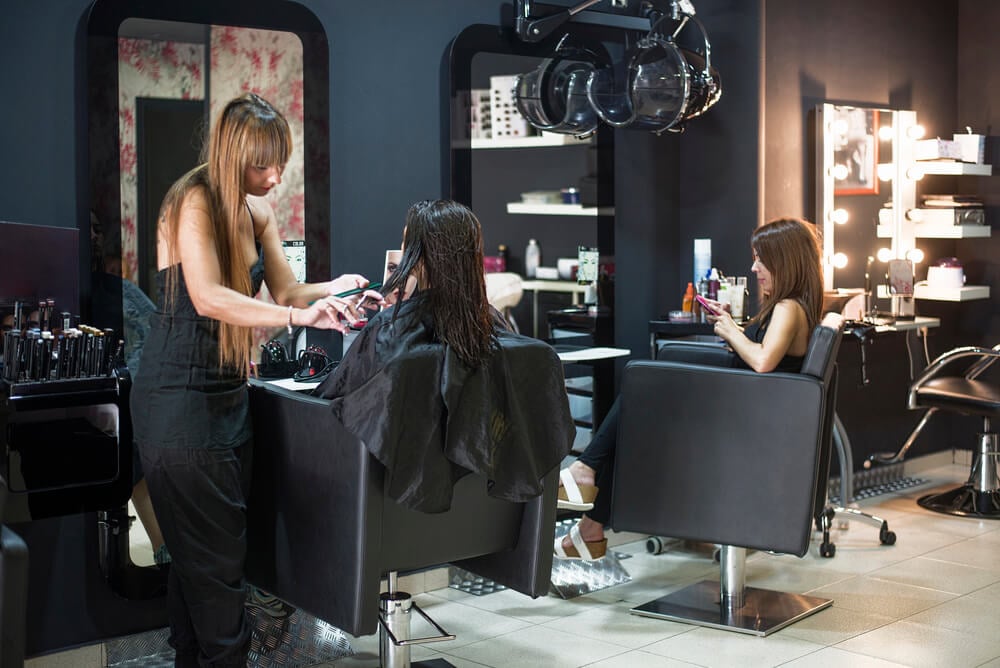
German hairdresser Karl Nessler demonstrated his permanent waving process in London in 1906. Strands of hair were wound around heated metal rods suspended from an overhead frame, and the process took hours.
The heavy equipment made every appointment feel like an experiment, and burns were a real risk. Nessler later moved to the United States, where he used the name Charles Nestle.
The Hood Dryer Trapped Clients Under Hot Air
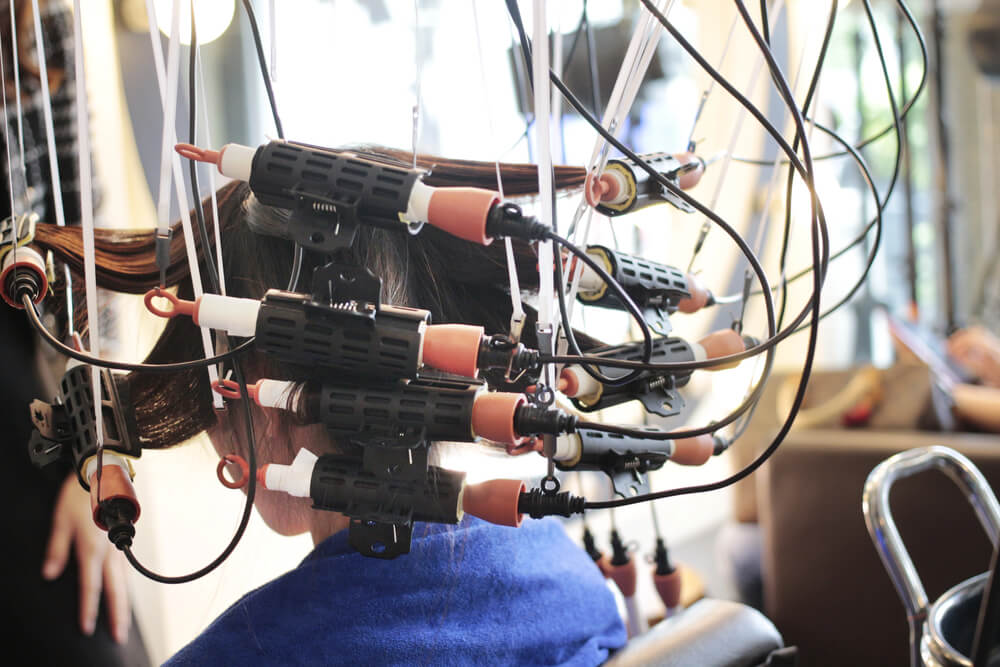
Around 1890, French hairdresser Alexandre Godefroy created a seated hood dryer for use in his Paris salon. Before the invention, drying long hair meant towels, patience, and a seat near a heat source.
The hood allowed a client to sit still while warm air circulated around the head. The design evolved into the familiar salon chair and bonnet that dominated beauty parlors for decades.
Cutex Made the Manicure a Weekly Habit
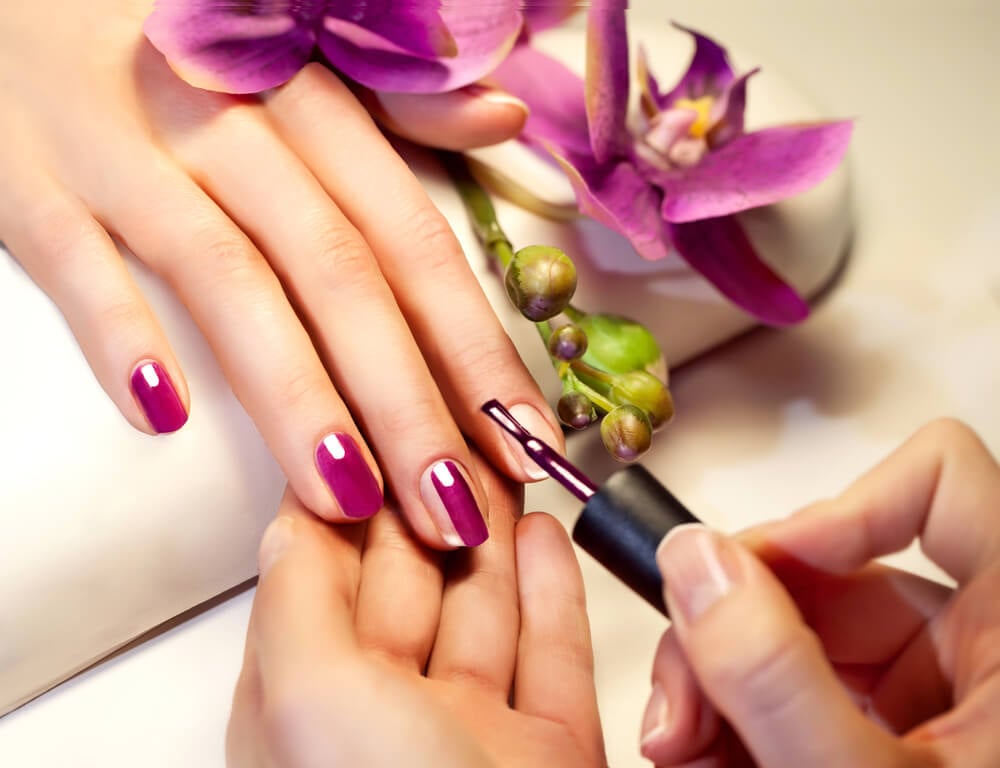
Northam Warren founded Cutex in 1911 with a cuticle remover, then introduced a liquid nail polish in 1917. Advertising taught American women to treat nail care as a routine rather than a luxury.
Manicure sets and polishes found their way into dressing tables across the country. The nail polish bottle, now a bathroom staple, began as a novelty promoted by clever marketing.
Irene Castle’s Bob Sent Women to the Barber

The dancer Irene Castle bobbed her hair around 1914, and her fans took notice. The practical cut suited a woman who spent her days performing, and imitators followed.
Hairdressers and barbers soon found themselves with a flood of customers asking for shorter styles. A haircut once considered shocking turned into one of the most requested services of the following decade.
The Toni Twins Brought the Salon Perm Home
The Toni home permanent was developed by brothers Irving and Neison Harris in Chicago, and Gillette acquired the business in 1948. Advertising campaigns challenged viewers to guess which of two twins had the salon perm and which had the Toni.
The product let women curl their hair at the kitchen table for a fraction of the salon price. It also pushed the salon industry to prove its value beyond the permanent wave.
What the Waiting Room Replaced
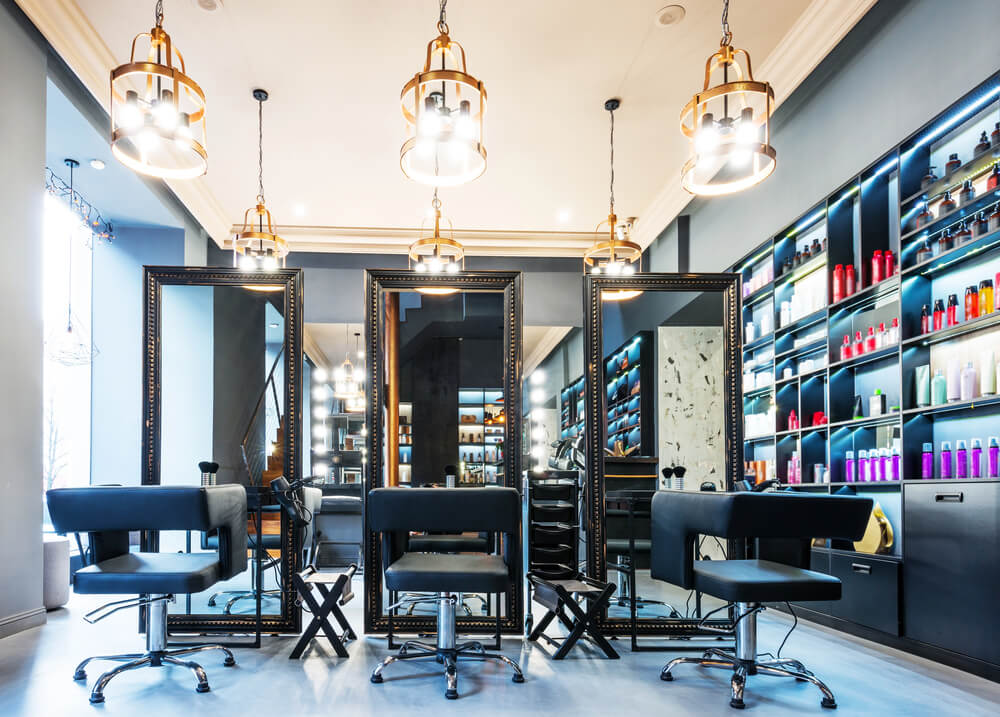
Looking back, the strangest feature of these rituals is how much of life they occupied. Beauty was done in bathhouses, bridal chambers, kitchens, and shops that required hours of commitment.
The appointment was a social event, and the people providing the service were confidantes as much as technicians. The modern walk-in salon compresses all of that into a quick stop.
Something is gained in speed and convenience, but something is lost in ceremony. The best of the old rituals survive wherever people still treat grooming as time set aside for conversation, craft, and care.
More from Go2Tutors!

- 27 Silver Dollars and Half Dollars Worth Keeping
- 28 Restaurant Menu Items Nobody Orders Anymore
- 17 Places Built in Seemingly Impossible Spots
- 27 Vintage Rings Worth More Than They Look
- 25 Restricted Sites Tourists Can’t Enter
Like Go2Tutors’s content? Follow us on MSN.