13 Pieces of Medical Advice From the Past That Aged Badly
Doctors have always worked with the best information available, and the best information has often been wrong. Some old treatments were merely useless, while others did real harm to the patients who trusted them.
These thirteen examples were widely followed in their day, often by well-trained physicians. Each one is a reminder that confidence and correctness are different things.
Draining Blood From George Washington
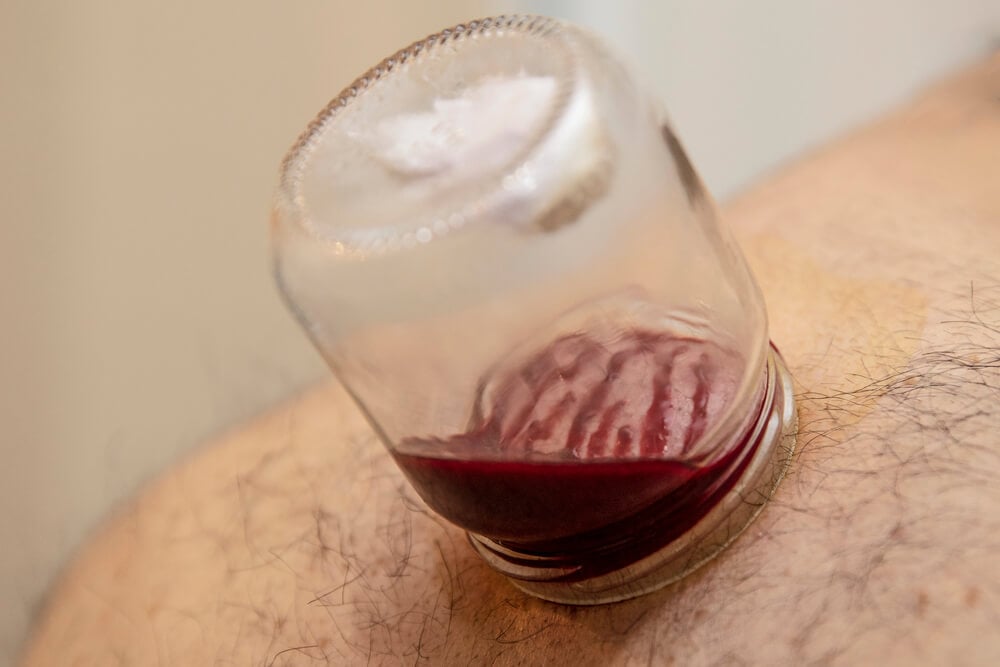
When Washington fell ill with a severe throat infection in December 1799, his doctors removed a large share of his blood over the course of a single day. Bloodletting was standard practice and rested on ancient ideas about balancing the body’s humors.
Many historians believe the treatment hastened his death, which came within about a day.
Calomel and the Yellow Fever Epidemic

During Philadelphia’s yellow fever epidemic of 1793, Benjamin Rush treated patients with heavy doses of calomel, a mercury compound, along with repeated bloodletting. Rush believed in aggressive treatment and defended it fiercely.
Critics at the time argued his methods did more harm than the disease.
Fowler’s Solution

Fowler’s solution, a tonic containing arsenic, was introduced in the eighteenth century and prescribed for decades for conditions ranging from skin problems to asthma. Arsenic poisoning was a known risk even then, but the medicine stayed on pharmacy shelves into the twentieth century.
Its long career shows how slowly habits change.
Radithor

In the 1920s, a product called Radithor sold radium-laced water as a cure-all and a source of vitality. A wealthy industrialist, Eben Byers, drank large quantities of it and died of radiation-related illness in 1932.
His death helped push the government toward stricter control of such products.
Shoe-Fitting Fluoroscopes
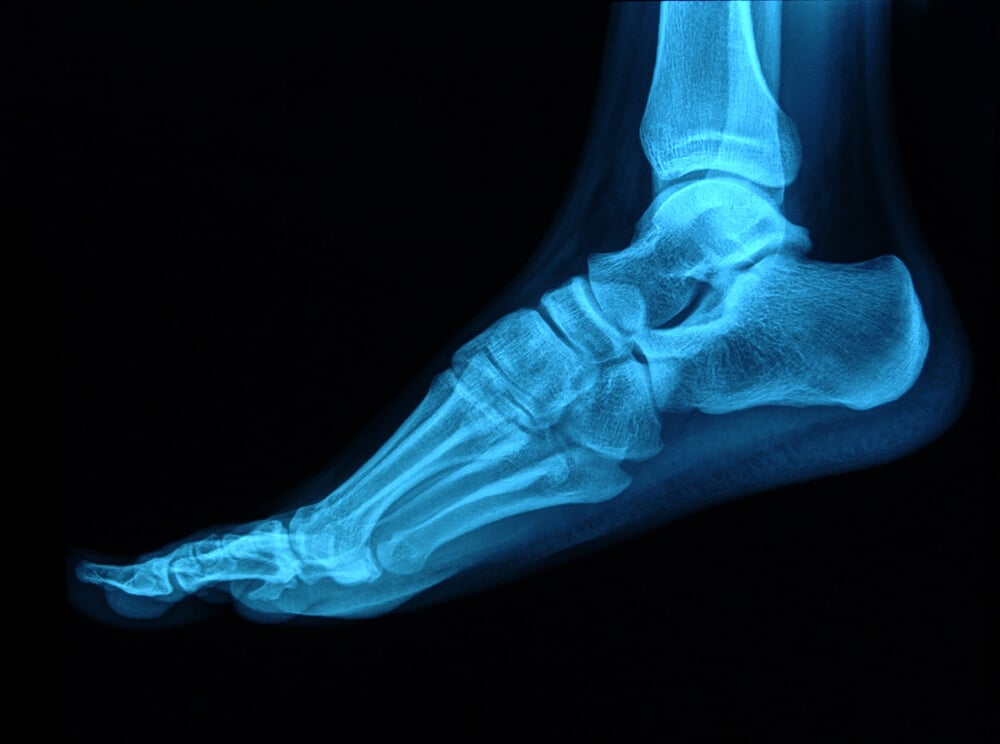
From the 1920s into the 1950s, shoe stores used X-ray machines that let customers see the bones of their feet inside new shoes. The machines exposed children, customers, and clerks to radiation with little shielding.
Regulation began to restrict them in the 1950s.
The Lobotomy

Walter Freeman popularized the transorbital lobotomy in the United States, performing the procedure with a thin instrument inserted above the eye. He carried out thousands of operations, sometimes traveling in a van to do them.
The Portuguese neurologist Egas Moniz won the Nobel Prize in 1949 for developing the original technique.
Thalidomide for Morning Sickness

Thalidomide was sold in the late 1950s as a sedative and a remedy for morning sickness, and it was marketed as safe. It caused severe birth defects in thousands of children before being withdrawn in the early 1960s.
In the United States, the reviewer Frances Kelsey held up approval, and the drug was spared a wide release.
The Rest Cure

Silas Weir Mitchell prescribed weeks of enforced bed rest, isolation, and rich feeding for women diagnosed with nervous conditions. The writer Charlotte Perkins Gilman underwent the treatment and responded with the story “The Yellow Wallpaper,” published in 1892.
Her account helped turn public opinion against the method.
Soothing Syrups for Infants

Products such as Mrs. Winslow’s Soothing Syrup were sold in the nineteenth century to calm teething babies, and they contained morphine. The medicine worked by sedating the child, and some infants died.
The American Medical Association criticized such products as early reform efforts gained strength.
The Sippy Diet

In 1915, Bertram Sippy proposed treating stomach ulcers with an hourly diet of milk and cream, supplemented by powders. The regimen was followed for decades, though it caused complications of its own.
Later research showed that bacteria rather than excess acid were responsible for most ulcers.
Cocaine Toothache Drops

In the 1880s, drops for toothache that contained cocaine were sold to the public, including in versions advertised for children. They did numb the pain, and the habit that followed was ignored.
The products faded as laws on drugs were enacted in the early twentieth century.
Mercury in Teething Powders

In Britain and elsewhere, teething powders containing calomel were given to infants for decades. Some children developed a painful condition called pink disease, later traced to mercury.
Mercury was removed from the powders in 1954.
Weeks of Bed Rest After a Heart Attack

For much of the twentieth century, heart attack patients were told to lie still for weeks, on the theory that the damaged heart needed total rest. Later studies showed that long bed rest raised the risk of blood clots and slowed recovery.
Modern care puts patients on their feet within days.
Why Confidence Is Not Evidence

Each of these treatments had a plausible explanation and respected defenders. What was missing in most cases was careful measurement, whether a patient improved because of the treatment or in spite of it.
That gap is the most important lesson the list offers. Medicine improved when it began to test its beliefs against outcomes and to change course when the results disagreed.
More from Go2Tutors!

- 27 Silver Dollars and Half Dollars Worth Keeping
- 28 Restaurant Menu Items Nobody Orders Anymore
- 17 Places Built in Seemingly Impossible Spots
- 27 Vintage Rings Worth More Than They Look
- 25 Restricted Sites Tourists Can’t Enter
Like Go2Tutors’s content? Follow us on MSN.