15 Ancient Military Tactics Practiced Today
War changes, but human nature doesn’t. The same strategic minds that conquered empires thousands of years ago would recognize much of what happens on modern battlefields, corporate boardrooms, and even sports fields today.
Ancient commanders developed tactics so effective that they’ve transcended their original context entirely. These aren’t museum pieces.
They’re living strategies that adapted, evolved, and found new homes in places their creators never imagined. Some moved from bronze-age battlefields to Wall Street trading floors. Others jumped from Roman legions to modern police units. The tools changed, but the underlying logic remained razor-sharp.
Flanking Maneuvers

Hit them where they’re not looking. Ancient armies perfected this thousands of years ago, and nothing has changed.
You don’t charge straight into strength. You go around it.
Modern infantry, riot police, and SWAT teams use identical principles. While the enemy focuses on what’s in front of them, you’re already moving to their side.
Works every time because human attention has limits.
Pincer Movement
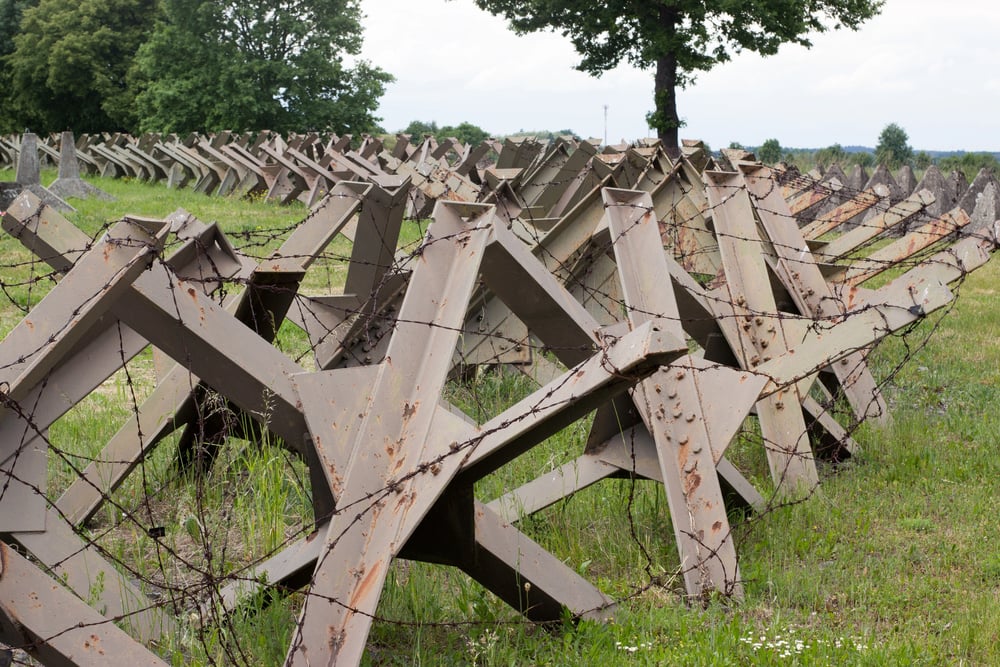
The Romans called it different names (when they weren’t borrowing it from someone else who figured it out first), but every civilization that lasted more than a generation discovered this one independently. You attack from two directions simultaneously, forcing the enemy to split their attention and resources until something breaks.
Modern military doctrine teaches it in every war college on earth. But here’s what’s interesting—and this might seem obvious once you think about it, though most people never bother to think about it—you see pincer movements everywhere now.
Corporate takeovers use them (legal pressure from one direction, market pressure from another). So do political campaigns, labor negotiations, and divorce attorneys.
The principle scales up, scales down, and works regardless of whether anyone’s carrying a sword.
Feigned Retreat
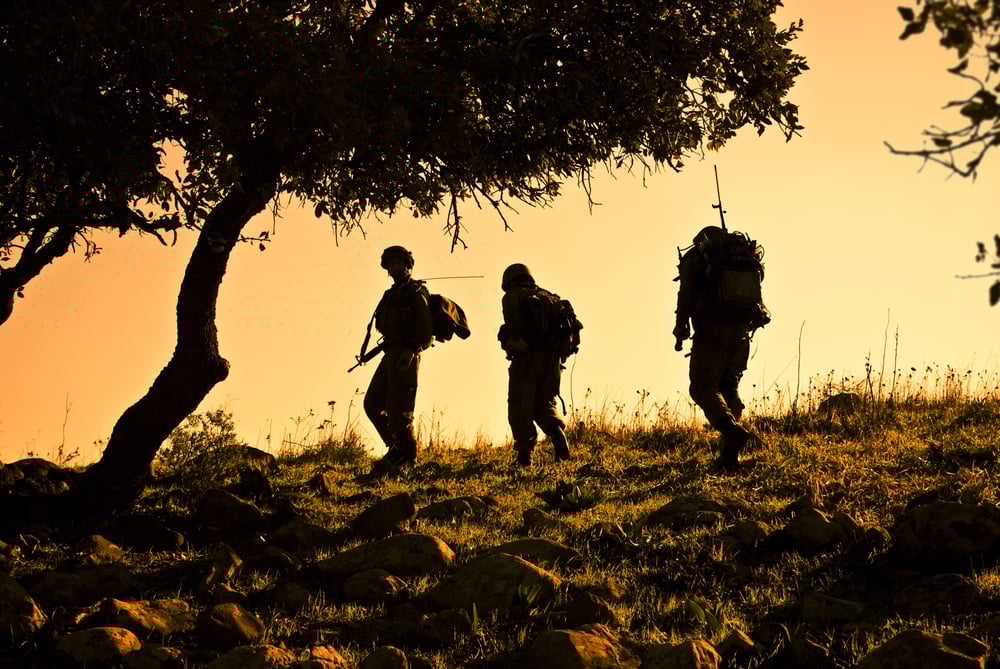
Pretend to lose. Let them chase you.
Turn around when they’re overextended and overconfident. The Mongols built an empire with this move, but they didn’t invent it.
Humans have been faking defeat since the first territorial dispute. Special forces teach it as standard doctrine.
Police use it in undercover operations. Business negotiators have refined it into an art form.
The hardest part isn’t executing the retreat—it’s selling it convincingly enough that the other side believes they’re winning.
Siege Warfare

Patience dressed up as strategy. Ancient armies learned that sometimes the smartest move is to simply wait outside while your enemy slowly runs out of everything they need to keep fighting.
Economic sanctions work exactly the same way, just with different tools. Blockades, embargoes, and trade restrictions—they’re all siege warfare with paperwork.
The principle transfers perfectly: cut off resources, wait for internal pressure to do what direct assault couldn’t accomplish. Corporate raiders use it too, buying up suppliers or distribution channels until their target has nowhere left to turn.
Formation Fighting
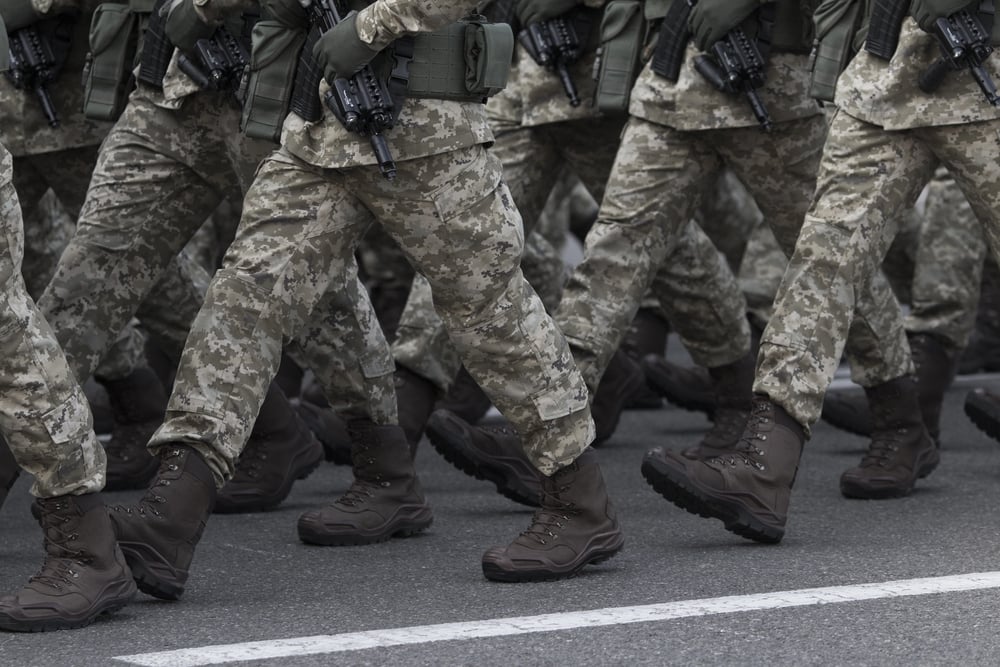
There’s something almost choreographic about watching soldiers move in perfect unison, each one covering the weaknesses of the person beside them, creating something stronger than the sum of individual warriors. Ancient phalanxes understood that discipline beats individual heroics nearly every time.
Modern military units still drill formation fighting because the math hasn’t changed. But the concept spread far beyond battlefields.
Surgical teams operate in formations—each member with a specific role, specific responsibilities, specific ways to support everyone else. Emergency responders use formations.
Even restaurant kitchens during dinner rush operate on formation principles. Individual talent matters, but coordinated group action wins the day.
Intelligence Gathering

Ancient commanders who lasted more than one battle season learned this early: you need to know what the other side is doing before they do it.
Spies, scouts, and informants weren’t luxury additions to ancient armies. They were survival necessities.
Every modern intelligence agency, corporate espionage operation, and private investigation firm uses methods that would be immediately recognizable to a Roman spymaster. The technology improved, but the core mission stayed identical.
Information asymmetry wins wars, whether those wars involve nations, markets, or custody battles.
Psychological Warfare
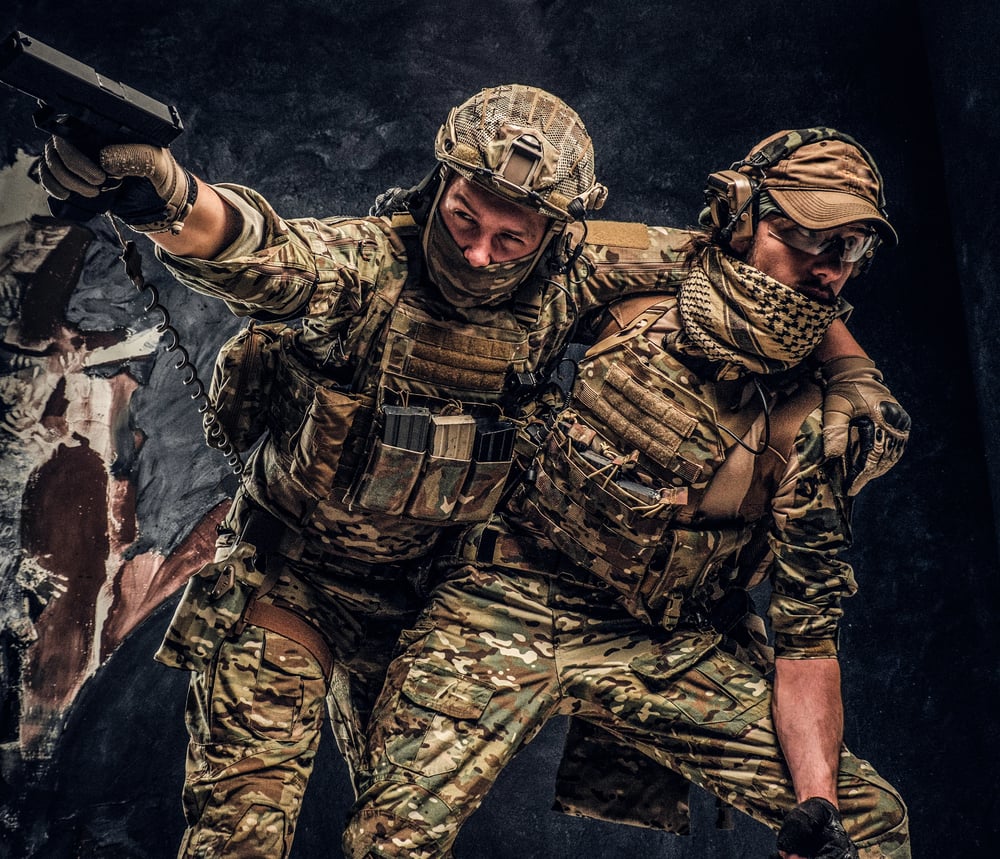
Fear is a weapon. Ancient armies knew this and used it deliberately—everything from war paint and battle cries to displaying the heads of defeated enemies.
The goal wasn’t just to intimidate the current opponent; it was to build a reputation that would make future enemies surrender before fighting even began. Modern militaries have psychological operations divisions that do essentially the same work with better tools.
But the technique spread everywhere. Political campaigns use psychological warfare.
Marketing departments use it. Aggressive negotiation tactics rely on it.
The principle remains: make your opponent defeat themselves mentally before the real contest begins.
Scorched Earth

Denying resources to the enemy by destroying everything they might use against you requires a particular kind of ruthless calculation. Ancient armies that found themselves retreating would burn crops, poison wells, and tear down anything that might help their pursuers.
If you can’t have it, nobody can. Military doctrine still teaches scorched earth tactics for defensive retreats.
Cybersecurity teams use digital versions—destroying data and shutting down systems to prevent them from being compromised. Even business strategies employ scorched earth principles during hostile takeovers, making the target company less attractive by eliminating valuable assets or contracts. It’s nuclear-option thinking that sometimes becomes the only rational choice.
Divide and Conquer
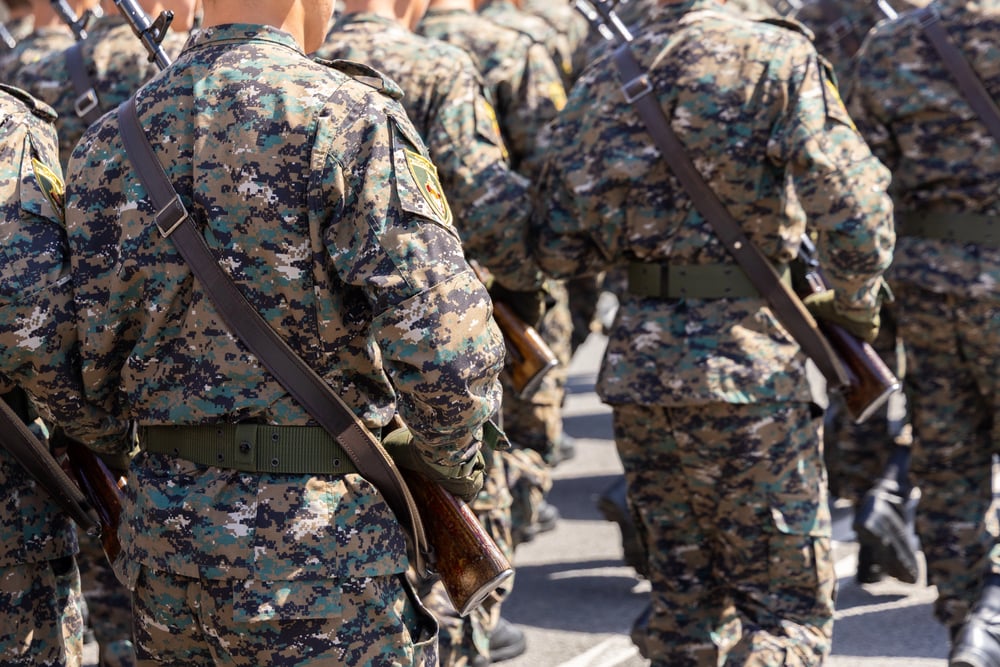
Find the cracks in your enemy’s alliance and drive wedges into them until the whole thing splits apart. Roman diplomats turned this into a science, playing tribes against each other until resistance collapsed from internal fighting rather than external pressure.
Political strategists study this like gospel because it works as well now as it did two thousand years ago. Union-busting tactics use divide and conquer.
So do corporate acquisitions of companies with multiple partners. International diplomacy runs on it. The technique scales perfectly from personal relationships to global conflicts.
People are still people, and alliances still have weak points if you know where to look.
Decoy Operations
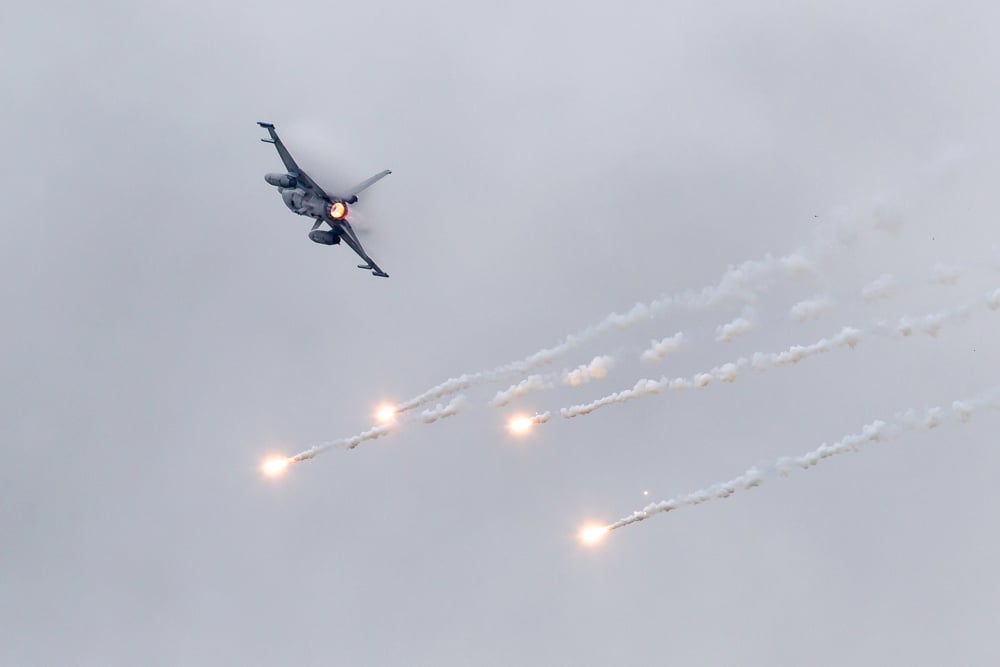
Make them look left while you go right. Ancient military commanders used false camps, fake troop movements, and dummy supply lines to draw enemy attention away from their real objectives. The art was making the decoy interesting enough to seem worth attacking but not so obvious that it screamed “trap.”
Modern special operations rely heavily on decoy tactics. Military deception units create entire fake armies with inflatable tanks and staged radio chatter.
But the civilian applications might be even more sophisticated. Magicians built entire careers on decoy principles.
So did con artists, lawyers presenting alternative theories, and diplomats floating trial balloons to gauge reaction before revealing their actual positions.
Guerrilla Tactics
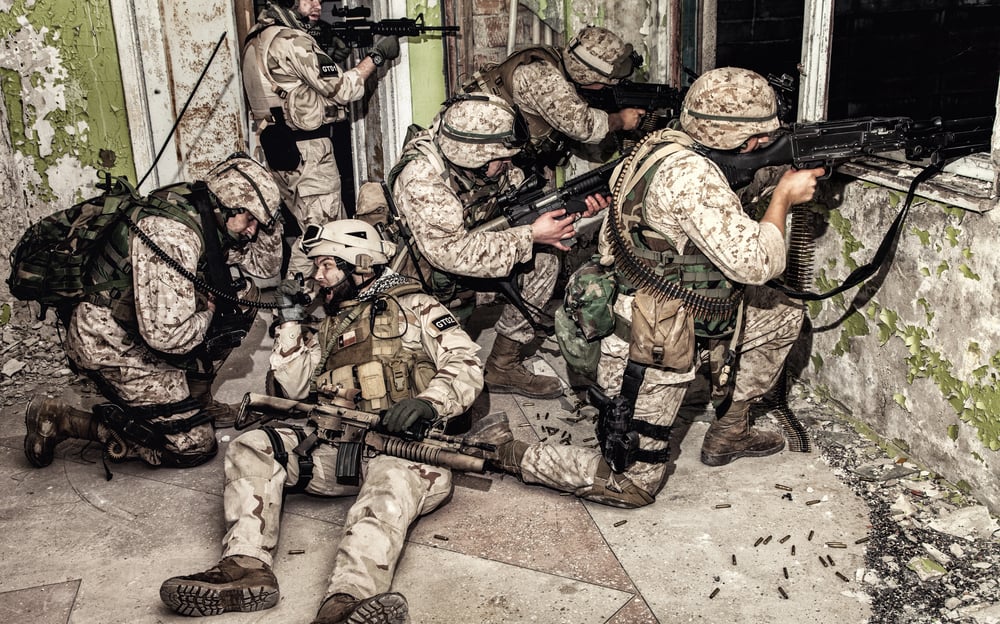
When you can’t match the enemy’s strength directly, you don’t try. You hit fast, hit hard, and disappear before they can respond effectively.
Ancient tribes facing organized armies figured this out quickly—you use mobility, local knowledge, and unconventional timing to level an uneven playing field. Modern asymmetric warfare is built on guerrilla principles that haven’t changed much since ancient times.
But the concept jumped to civilian contexts too. Startup companies use guerrilla marketing against established competitors.
Activist groups use guerrilla tactics against institutions. Small law firms use guerrilla strategies against large corporate legal departments.
The core insight transfers perfectly: when you’re outgunned, you change the rules of engagement.
Supply Line Disruption
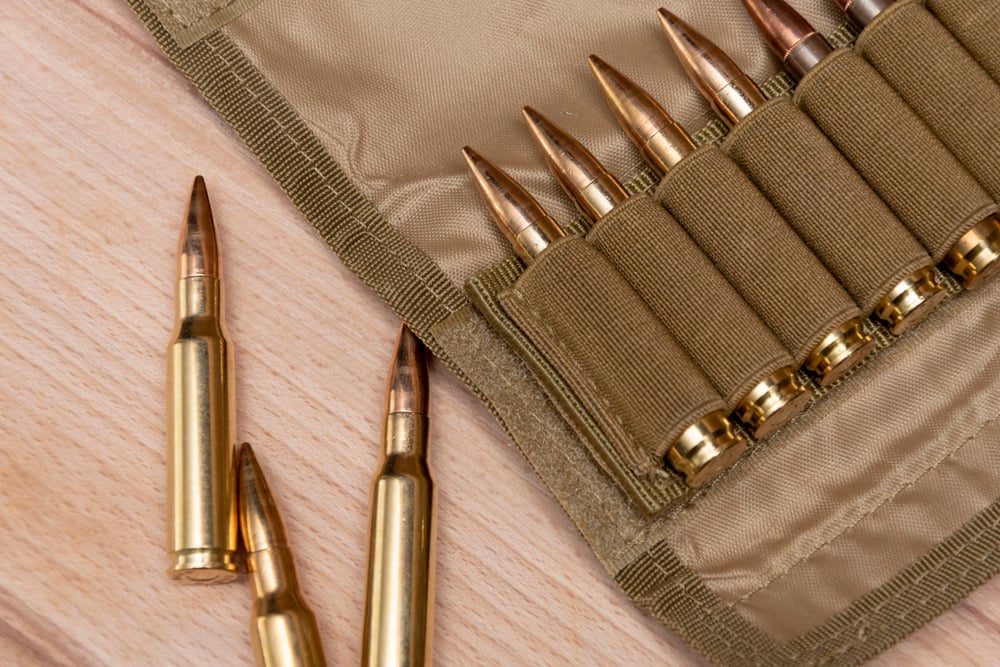
Armies march on their stomachs, and ancient commanders learned to target enemy logistics rather than fighting the army directly. Cut off food, weapons, and reinforcements, and even the most disciplined force becomes ineffective.
It’s less dramatic than battlefield victories but often more decisive. Modern military strategy places enormous emphasis on supply line protection and disruption.
Commercial competition works the same way—companies target each other’s suppliers, distribution networks, and key personnel. Labor strikes use supply line disruption as their primary weapon.
Cyber attacks increasingly focus on infrastructure and logistics rather than direct confrontation. The principle scales beautifully because every complex operation depends on continuous resource flows.
Reconnaissance in Force
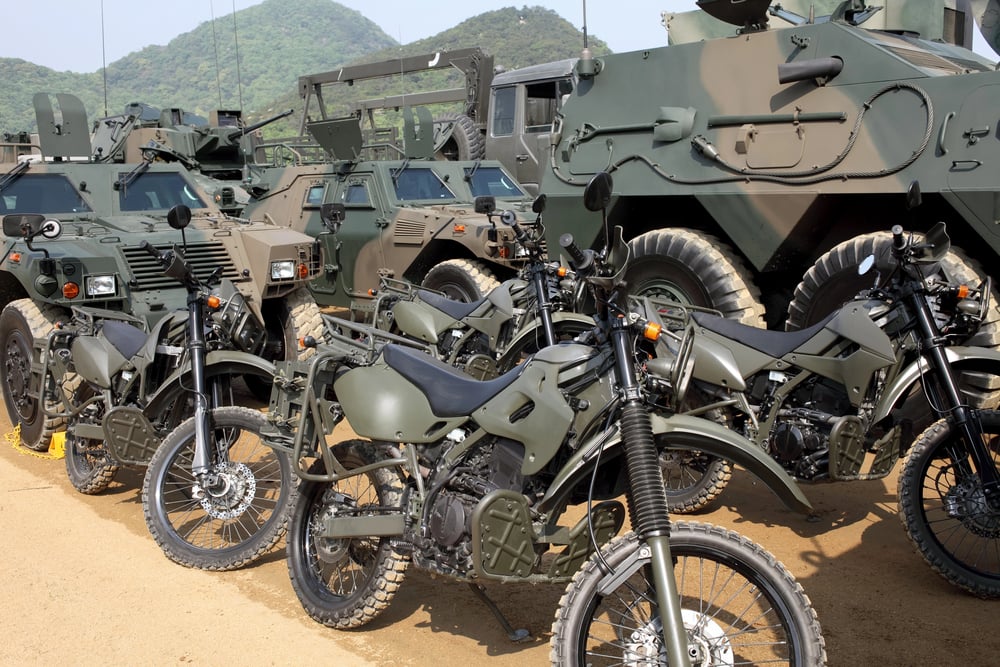
Send a substantial force to probe enemy defenses, not to win, but to learn how they respond. Ancient commanders used reconnaissance in force to gather intelligence about enemy strength, positioning, and tactics before committing to major battles.
The attacking force expected to take casualties, but the information gained made future operations much more effective. Modern militaries still use reconnaissance in force for exactly the same reasons.
Legal teams use it during litigation—filing preliminary motions to see how judges and opposing counsel respond. Negotiators use it to test the other side’s red lines and priorities.
Market researchers use focus groups and test markets as reconnaissance in force, accepting small losses to gather intelligence before major product launches.
Envelopment

Surround them completely and cut off all escape routes. Ancient armies that mastered envelopment could force surrender without lengthy battles—trapped enemies often chose capitulation over annihilation.
The tactic required precise coordination and timing, but when executed properly, it ended conflicts decisively. Modern combined arms operations still use envelopment as a primary strategy.
Law enforcement uses it for high-risk arrests. Corporate raiders use financial envelopment, controlling enough of a company’s debt, shares, and business relationships to force compliance.
Diplomatic pressure campaigns work through envelopment principles—isolating the target nation through multiple simultaneous pressures until resistance becomes unsustainable.
Holding Actions

Sometimes the best strategy is simply not losing while you wait for conditions to improve. Ancient armies used holding actions to buy time for reinforcements, better weather, or enemy mistakes.
The goal wasn’t victory in the immediate engagement—it was survival until the broader situation shifted in your favor. Modern defensive military operations rely heavily on holding action principles.
Legal strategies often center on holding actions, delaying proceedings until evidence emerges or settlements become more favorable. Business strategies use holding actions when competing against larger companies—surviving long enough for market conditions to change or competitors to make mistakes.
The patience required is brutal, but the alternative is often immediate defeat.
Timeless Principles, Modern Applications

These tactics survived millennia because they address fundamental aspects of conflict and competition that don’t change with technology. Human psychology, resource limitations, and strategic thinking operate by consistent rules whether the battlefield involves swords or spreadsheets.
Ancient commanders would recognize the DNA of their strategies in everything from modern warfare to corporate boardrooms, understanding that good tactics transcend their original context and find new life wherever humans compete for advantage.
More from Go2Tutors!

- The Romanov Crown Jewels and Their Tragic Fate
- 13 Historical Mysteries That Science Still Can’t Solve
- Famous Hoaxes That Fooled the World for Years
- 15 Child Stars with Tragic Adult Lives
- 16 Famous Jewelry Pieces in History
Like Go2Tutors’s content? Follow us on MSN.



