31 Grocery Products Banned Overseas but Sold Here
A single trip down an American supermarket aisle can cross a surprising number of regulatory borders. Plenty of the ingredients, farming practices and snacks sitting in the cart are prohibited, restricted or slapped with warning labels in other countries, often by regulators who studied the very same science.
Some of these cases are outright bans. Others are quieter, like a missing cartoon mascot or a mandatory warning on a box of cereal. Every one of them is on sale here, or was until very recently.
Red No. 3 in Candy and Cake Decorations

Erythrosine, better known as Red No. 3, has been barred from cosmetics in the United States since 1990, yet it stayed legal in food for decades afterward. The European Union confines it to a narrow slot, namely cocktail and candied cherries, while American candy makers used it in everything from jelly beans to cupcake sprinkles.
The FDA finally revoked its food authorization in January 2025. Manufacturers have until January 2027 to reformulate, so some shelves still carry it.
Brominated Vegetable Oil in Citrus Soda
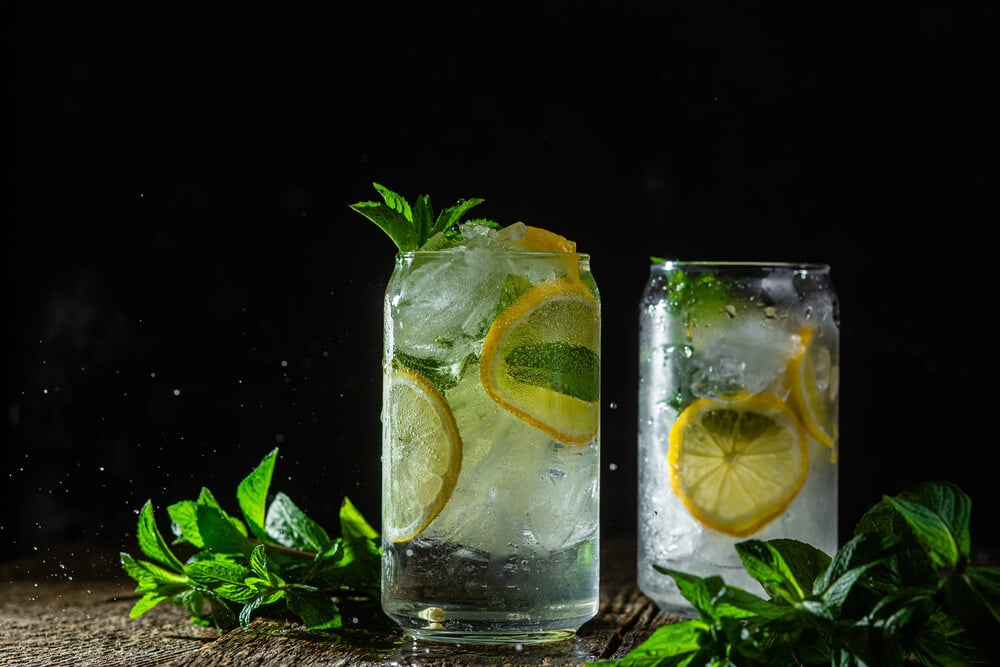
Brominated vegetable oil, or BVO, kept citrus flavor oils evenly mixed in sodas such as Mountain Dew. The European Union and Japan do not permit it in food, and its bromine content is the same element found in some flame retardants.
Beverage makers had been quietly swapping it out for years before the FDA revoked its authorization in 2024. For a long stretch, an American could buy a lemon-lime drink containing something that overseas regulators had already rejected.
Titanium Dioxide in Candy and Frosting
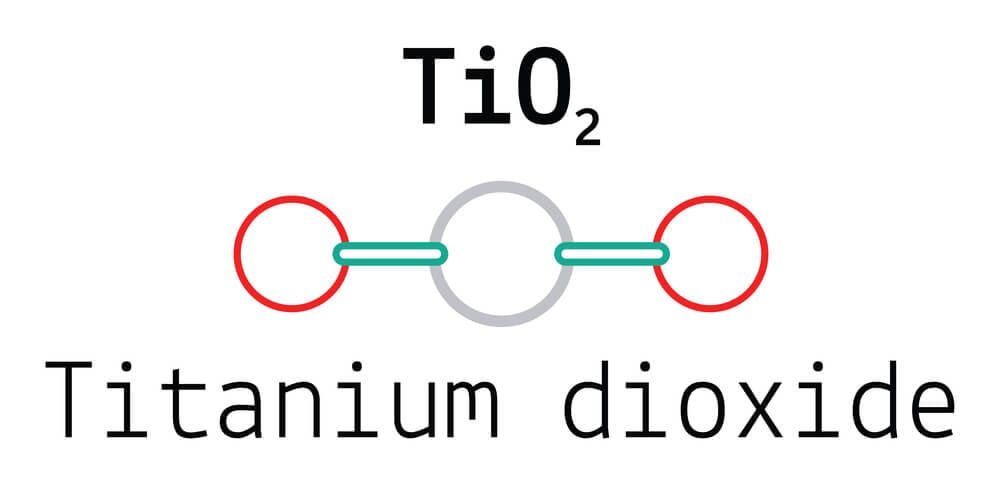
The European Union banned titanium dioxide, labeled E171, as a food additive in August 2022 after its food safety authority said it could not rule out DNA damage. In the United States the FDA still permits it as a whitening and brightening agent in food, up to 1 percent of the food’s weight.
Mars removed it from American Skittles in 2025, a change that came well after the European ban. The additive can still turn up in other candies, frostings and creamers, so the ingredient list is the only reliable guide.
Potassium Bromate in Bread and Rolls
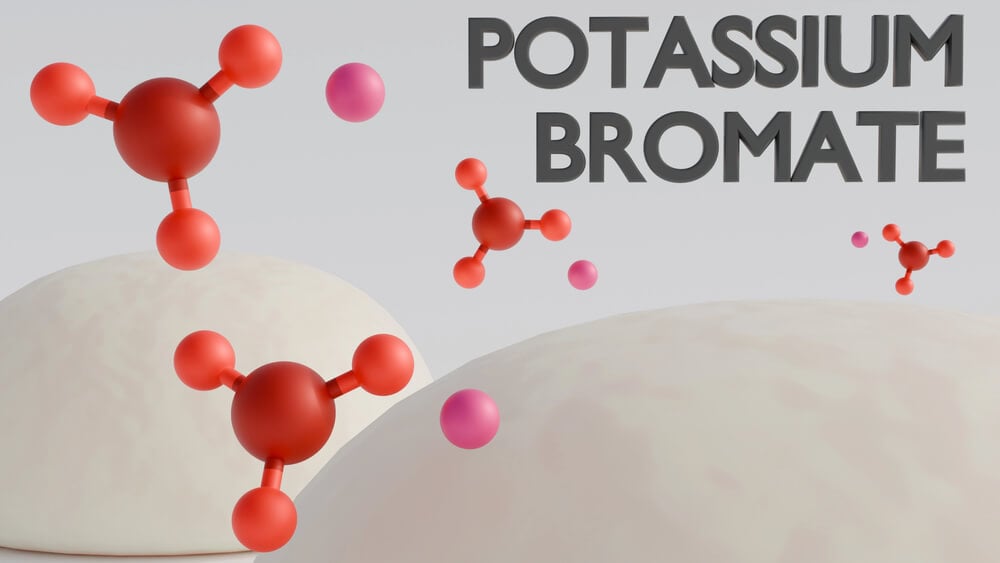
Potassium bromate is a flour improver that strengthens dough and helps bread rise taller. It is prohibited in the European Union, the United Kingdom, Canada and China, and the International Agency for Research on Cancer classifies it as possibly carcinogenic to humans.
California passed a law in 2023 that bans it from food sold in the state from 2027 onward. Much of the rest of the country has no such rule, so some commercial breads and rolls still list it on the label.
Azodicarbonamide in Dough
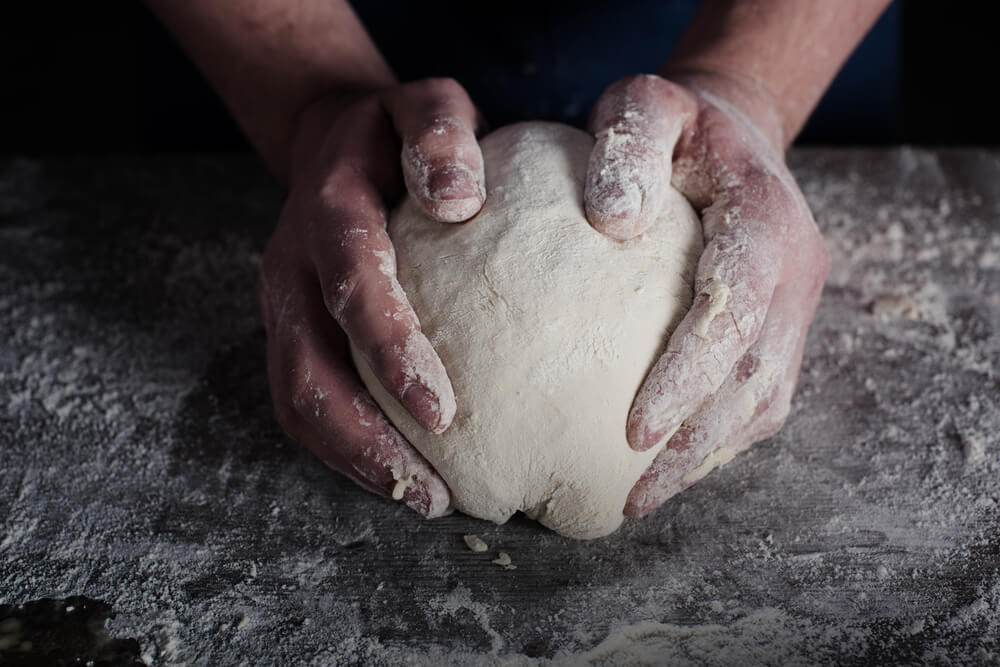
Azodicarbonamide acts as a bleaching agent and dough conditioner, and the same compound is used to make foamed plastics such as yoga mats. The FDA allows it in flour up to 45 parts per million, while the European Union does not permit it as a food additive.
Subway announced in 2014 that it would drop the ingredient from its bread after an online petition gathered a huge number of signatures. Other bakery products have been slower to change, and it remains legal to use.
Ractopamine in Pork
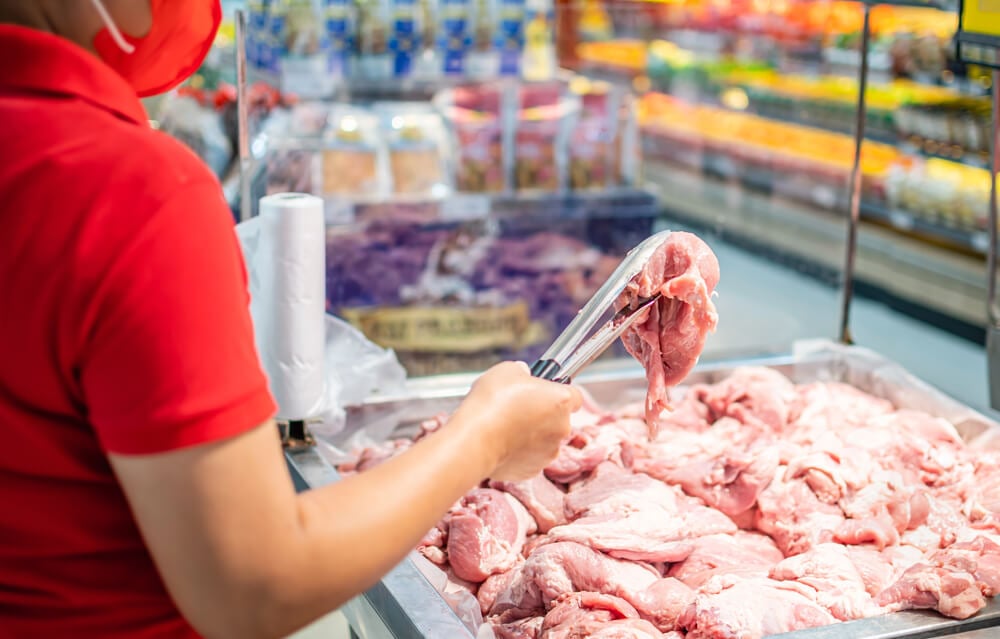
Ractopamine is a feed additive sold under the brand name Paylean that helps pigs build lean muscle in the final weeks before slaughter. The European Union, China and Russia all prohibit meat containing its residues.
That has pushed American exporters into separate ractopamine-free programs just to ship pork to those markets. Domestic shoppers, meanwhile, get no separate lane and no label.
Chemically Washed Chicken
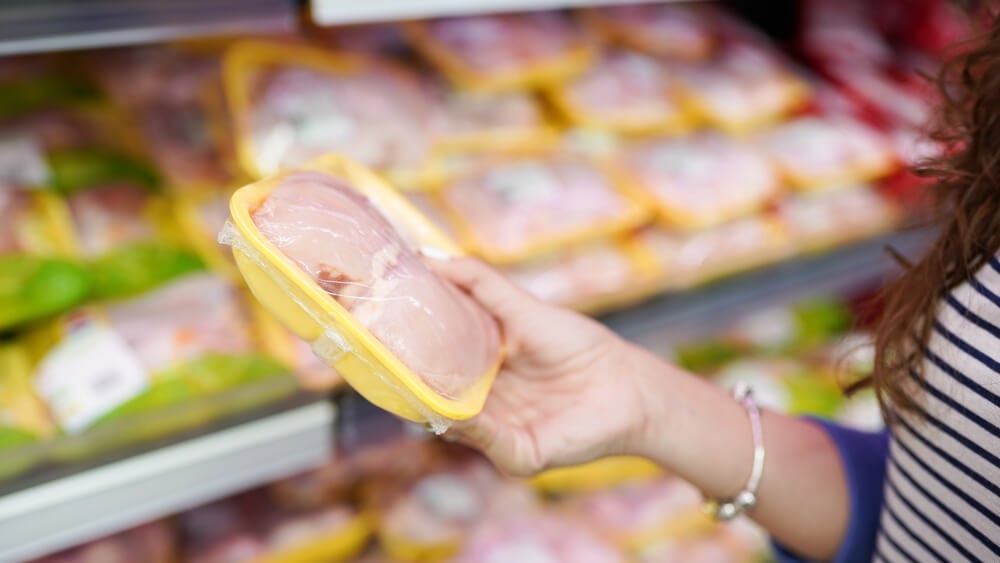
American poultry plants rinse carcasses with antimicrobial solutions, most commonly peracetic acid and, in the past, chlorine, to cut down on bacteria. The European Union prohibits this kind of chemical decontamination and relies on hygiene controls at every stage of production.
The disagreement was serious enough that Russia halted American chicken imports in 2010 over chlorine treatments. Supermarket chicken in the United States has typically gone through at least one chemical bath before it reaches the cooler.
Milk From Cows Given Bovine Growth Hormone
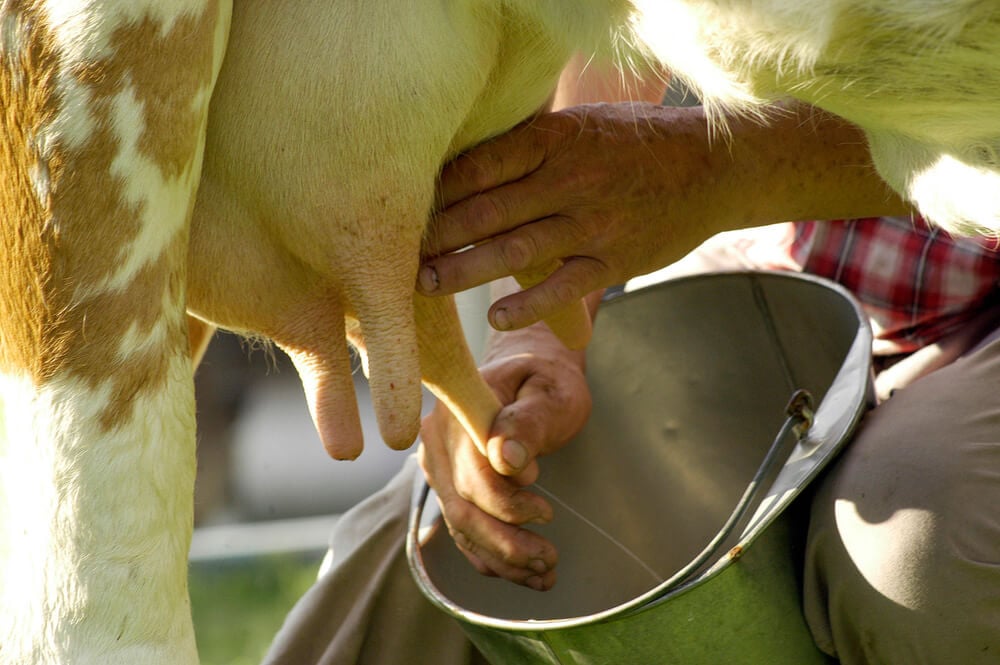
Recombinant bovine somatotropin, sold as Posilac, was approved by the FDA in 1993 to boost milk production in dairy cows. The European Union, Canada, Australia, New Zealand and Japan do not allow it.
Canada rejected it in 1999, and many American brands now advertise milk from cows not treated with the hormone as a selling point. The labels exist because plenty of ordinary milk, absent that claim, may still come from treated herds.
Warning Labels on Colorful Cereal and Drinks
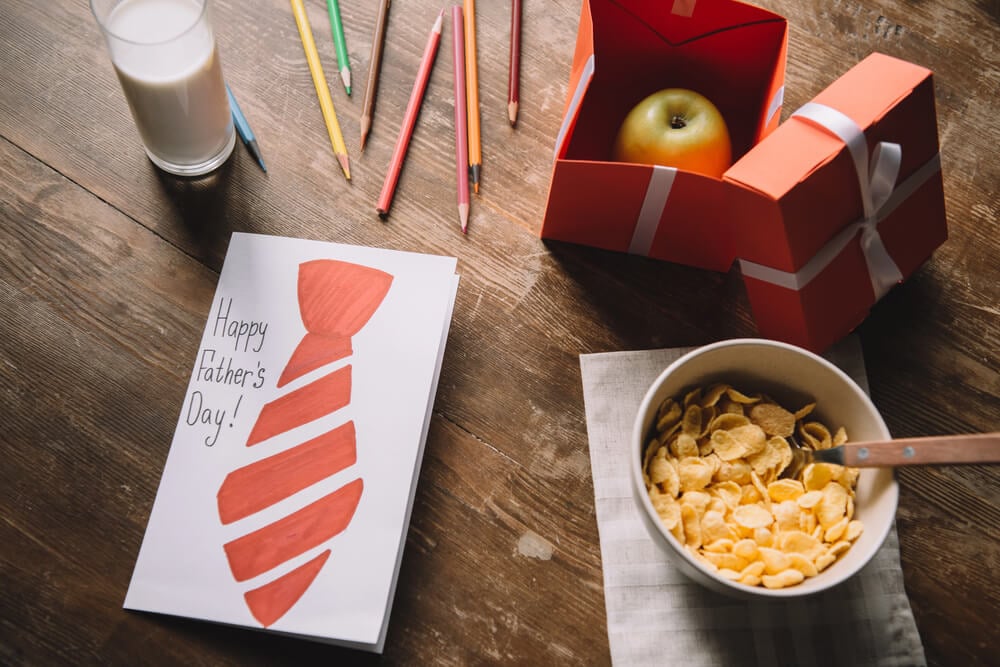
A 2007 study from the University of Southampton linked mixtures of certain synthetic dyes to increased hyperactivity in children. Since July 2010 the European Union has required foods containing any of six dyes, including Red 40 and Yellow 6, to carry the warning that they “may have an adverse effect on activity and attention in children.”
The United States requires no such wording, so the same bright colors appear on cereal boxes and sports drinks with no caveat. Some multinational brands reformulate their European versions with fruit and vegetable colors instead.
Olestra in Fat-Free Chips
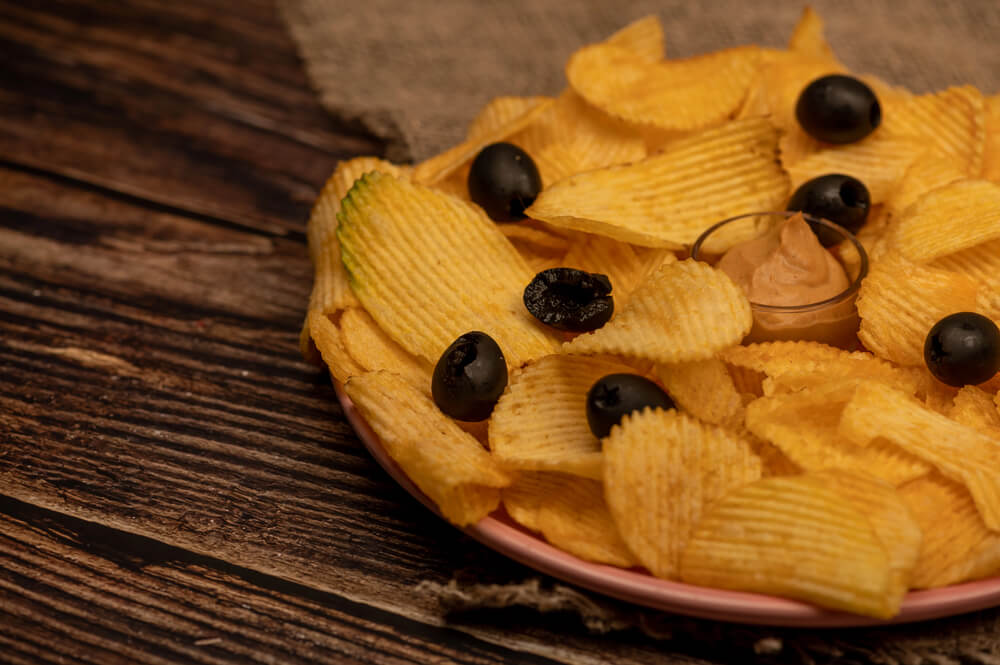
Olestra, sold by Procter & Gamble as Olean, is a fat substitute that passes through the body undigested. The FDA approved it in 1996, and Frito-Lay launched its WOW chips in 1998, initially with a required label warning of possible cramping and loose stools.
That warning requirement was dropped in 2003. Europe never approved the ingredient for food, and it remains an American oddity that the FDA has never withdrawn.
Propylparaben in Tortillas and Muffins
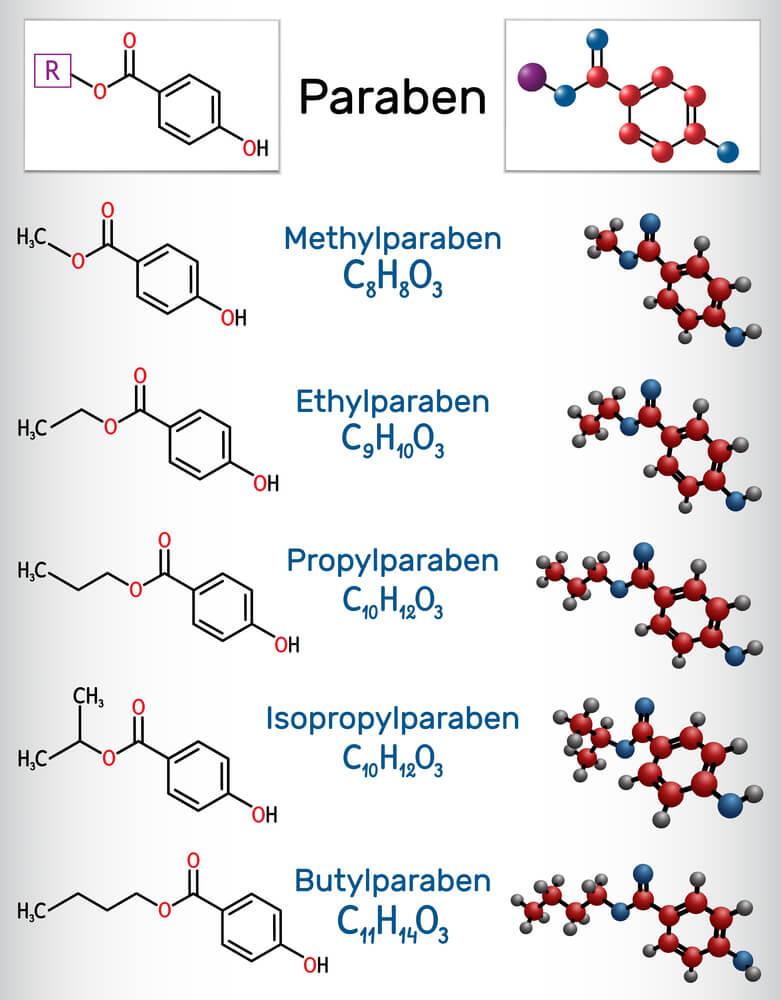
Propylparaben is a preservative used to keep tortillas, muffins and other baked goods from molding. The European Union stopped permitting it as a food additive in 2006.
The FDA still lists it as generally recognized as safe, which means many packaged baked goods can carry it. California’s 2023 food additive law targets it for removal from products sold in the state beginning in 2027.
Washed and Refrigerated Eggs
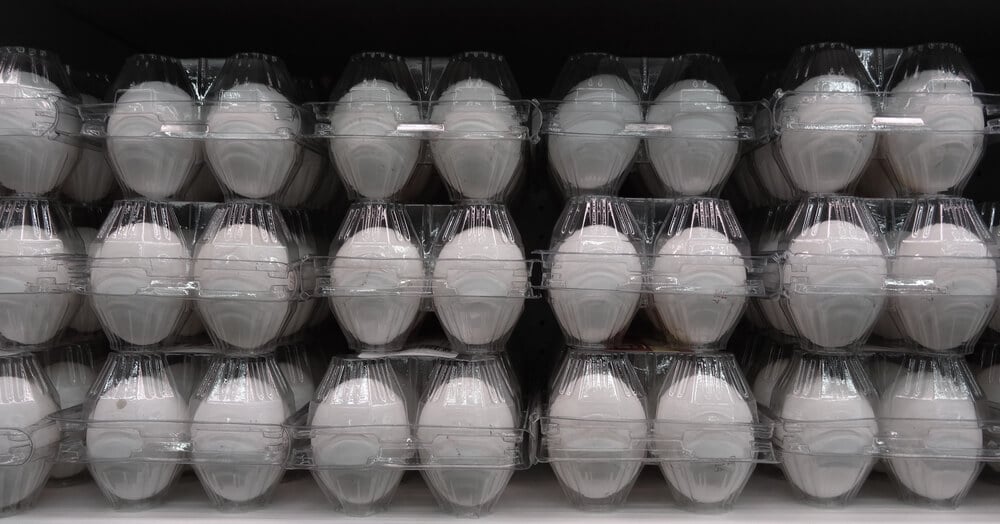
In the United States, eggs are washed and sanitized and then kept cold from the processing plant to the store shelf. The European Union generally does not allow Class A eggs to be washed, because scrubbing can damage the natural coating on the shell that keeps bacteria out.
That is why European eggs often sit unrefrigerated beside the bread. Each side regards the other’s system as the risky one, and both have the food safety statistics to argue the point.
Beef From Hormone-Implanted Cattle
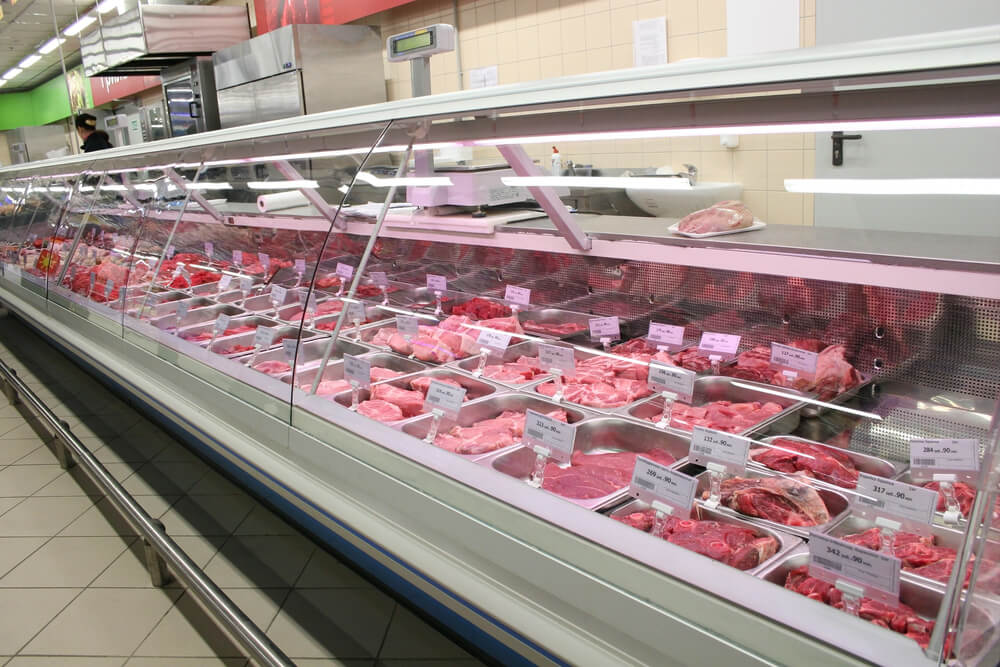
American cattle producers commonly use growth-promoting hormone implants, including estradiol, testosterone and progesterone, to speed weight gain. The European Union has barred imports of beef produced with these hormones since 1989, a dispute that has dragged through the World Trade Organization for decades.
Only hormone-free beef qualifies for the special quota that lets American producers ship steaks to Europe. Domestic shoppers can find hormone-free options, but they have to look for the label.
Chewing Gum at Every Checkout
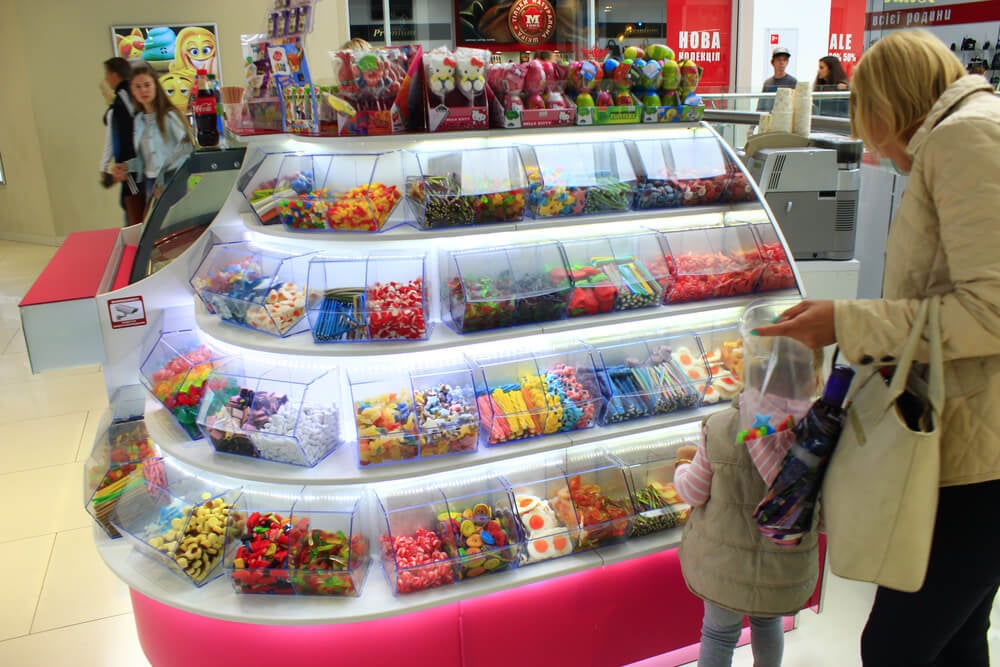
Singapore banned the sale and import of chewing gum in 1992, and the rule was loosened only in 2004, when a trade agreement with the United States helped carve out an exception for dental and therapeutic gum sold by pharmacies. Regular gum remained off store shelves.
In the United States, the same product sits at the register of nearly every grocery store, which is where many impulse purchases are made. The Singapore rule was driven by concerns about discarded gum fouling public transit and housing blocks.
Tony the Tiger on Frosted Flakes
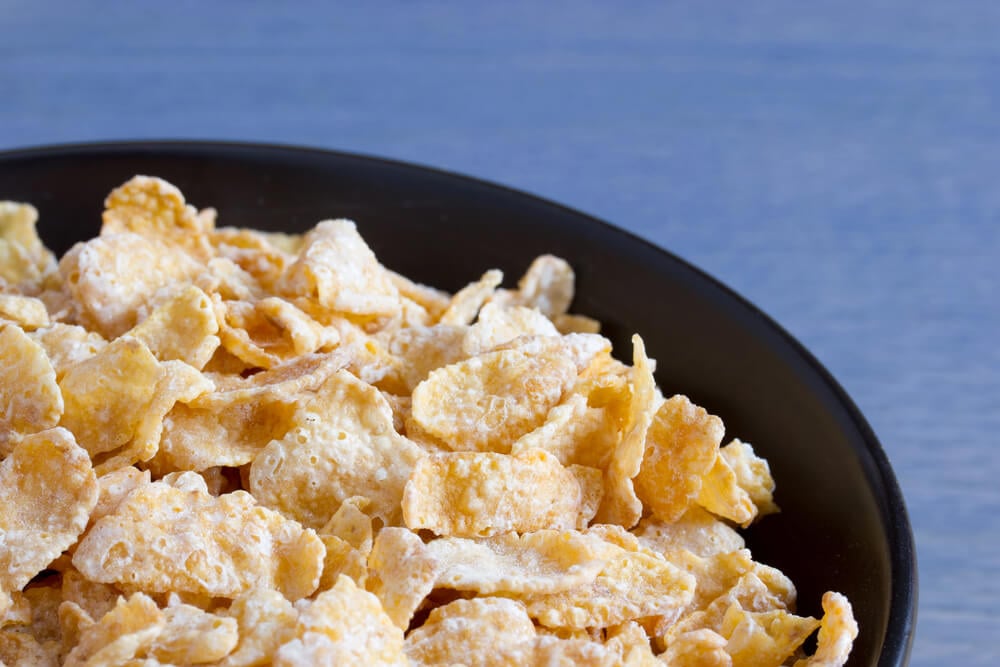
Chile’s food labeling and advertising law, which took effect in 2016, bars cartoon characters from the packaging of foods high in sugar, salt, saturated fat or calories. Tony the Tiger disappeared from Chilean boxes of Frosted Flakes as a result, and similar mascots followed.
The law was part of a broader campaign against childhood obesity that also restricted marketing near schools. In the United States, a grinning tiger still stares down from the cereal aisle without any such restriction.
Citrus Red No. 2 on Orange Skins
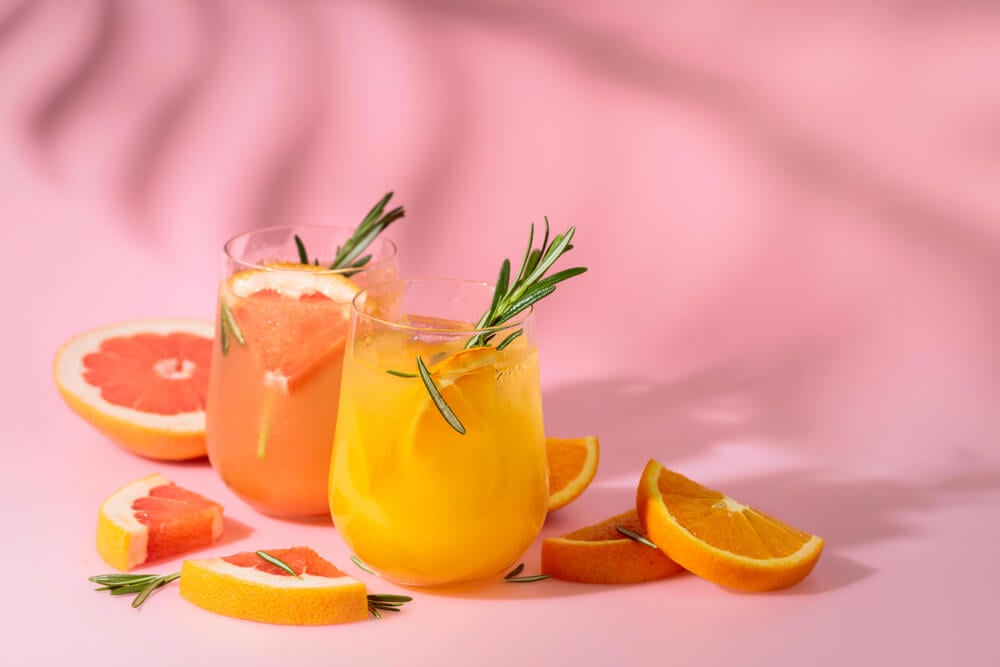
Citrus Red No. 2 is a dye applied to the skins of certain Florida oranges to make them look more uniformly orange. It is not an authorized food color in the European Union.
The FDA limits it to oranges not intended for processing, but the agency proposed revoking its authorization in 2025. Shoppers rarely notice, since the dye sits on the peel that most people throw away.
Chlorine-Bleached Flour
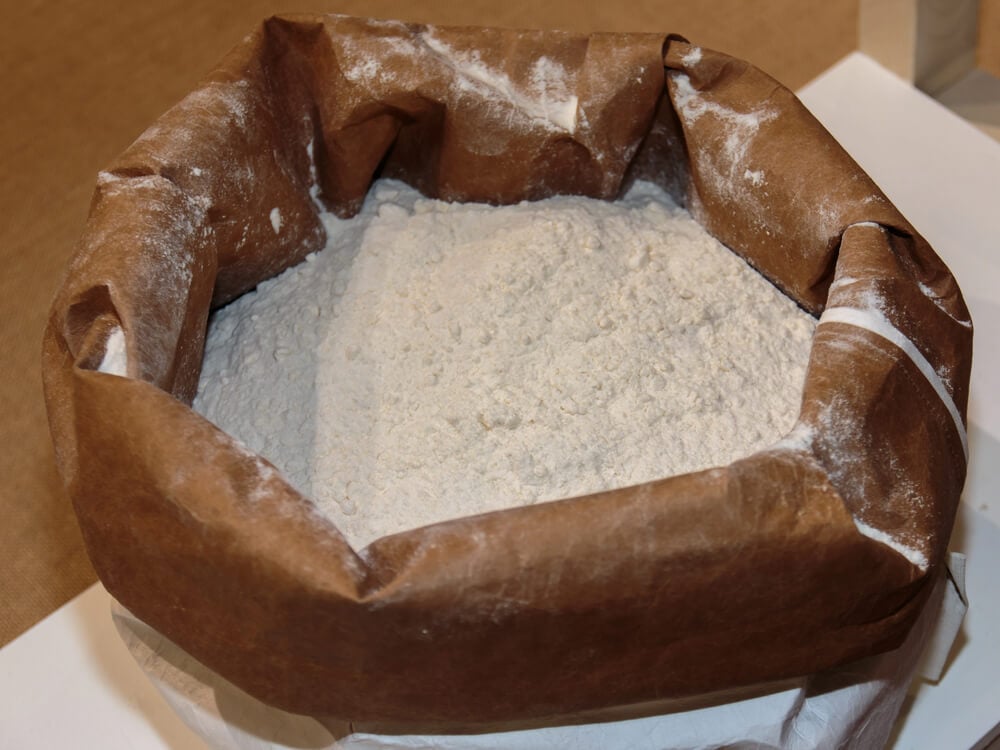
Much of the white flour sold in American grocery stores is whitened with chlorine gas or benzoyl peroxide. These treatments speed up the natural aging process that improves how flour behaves in baking.
Chlorine treatment of flour is not permitted in the European Union, and the United Kingdom ended the practice in the late 1990s. Bags labeled “bleached” in the baking aisle are making the practice visible, while unbleached flour sits on the next shelf up.
Ethylene Oxide on Spices
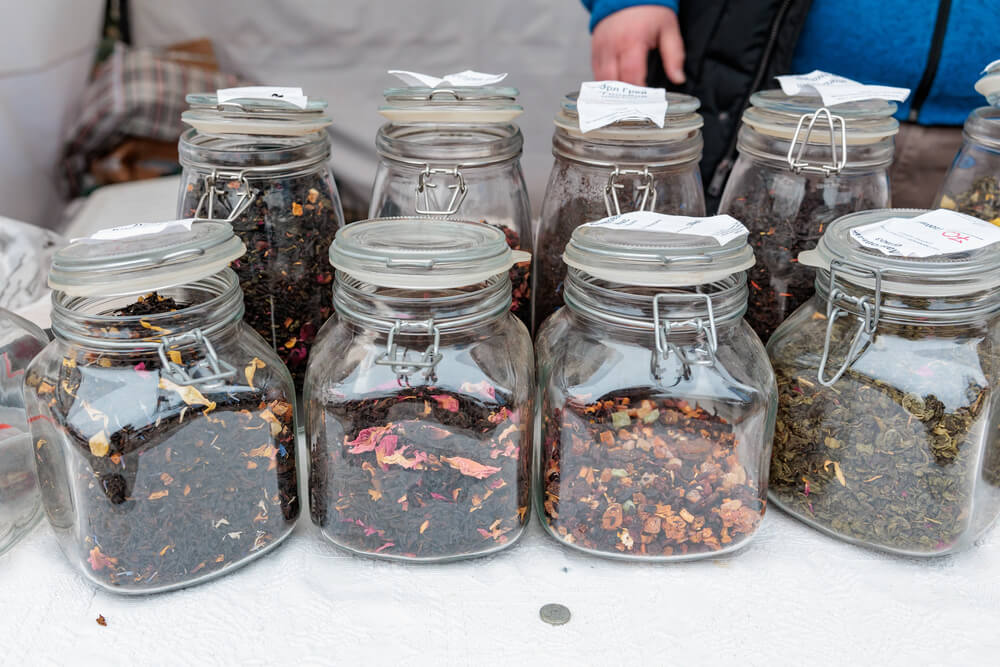
Ethylene oxide is a gas used to sterilize black pepper, paprika and other spices before they are packed. The European Union prohibits it as a treatment for food, and shipments with residues have triggered recalls across Europe in recent years.
American regulators allow its use on spices under set conditions, since the alternative is often steam treatment that can damage flavor. The jar in the spice rack may have been fumigated before it was ever ground.
Diphenylamine on Apples
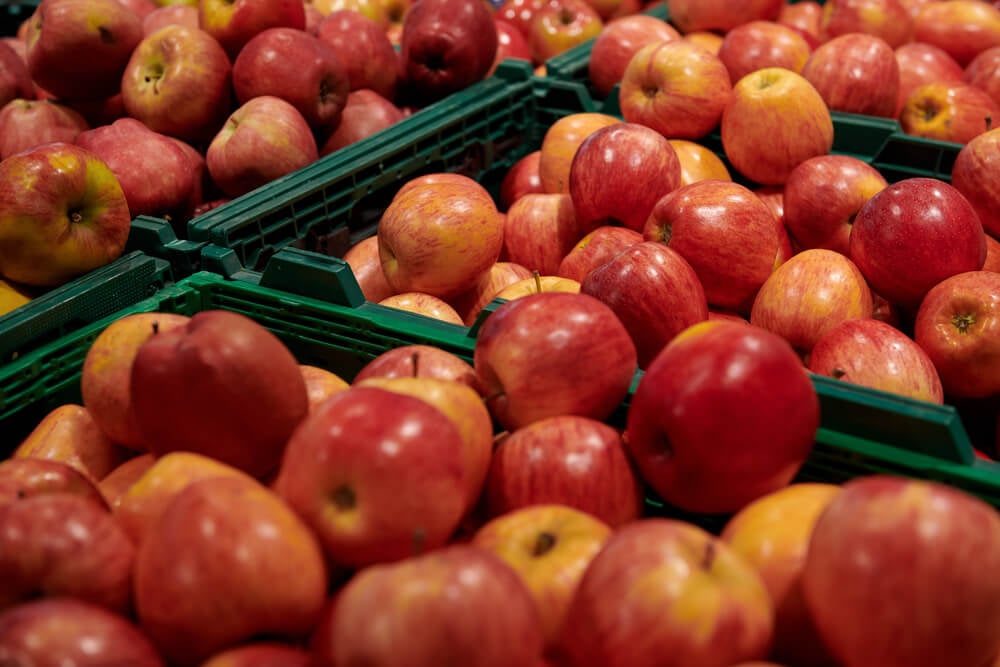
Diphenylamine is a chemical applied to apples after harvest to prevent a browning disorder called storage scald. The European Union stopped approving it in 2012, citing concerns that breakdown products could form nitrosamines, which are potential carcinogens.
In the United States, growers continue to use it and the FDA sets residue limits. A bag of apples from a cold storage warehouse here might have been dipped in a compound that European growers can no longer use.
Bacon From Sows in Gestation Crates
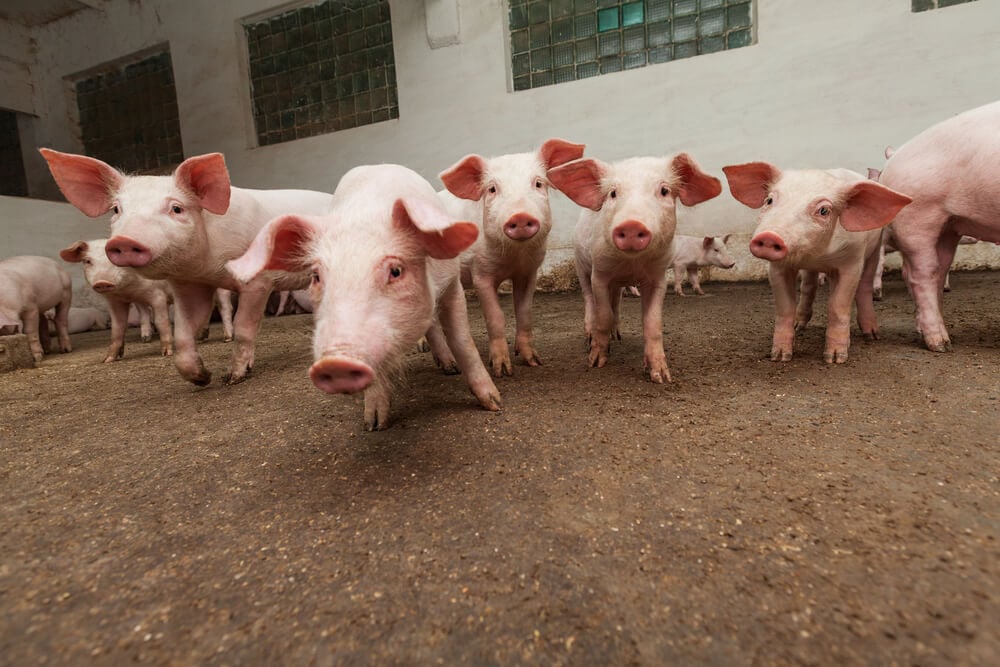
Pork producers often house breeding sows in individual crates so small the animals cannot turn around. The European Union has banned the practice for most of a pregnancy since 2013, requiring group housing after the first four weeks.
The United States has no federal ban, and when California voters passed Proposition 12 to limit the practice, the Supreme Court upheld it in 2023 against an industry challenge. Chops and bacon in the meat case rarely say how the mother pig was raised.
Cassia Cinnamon and Its Coumarin
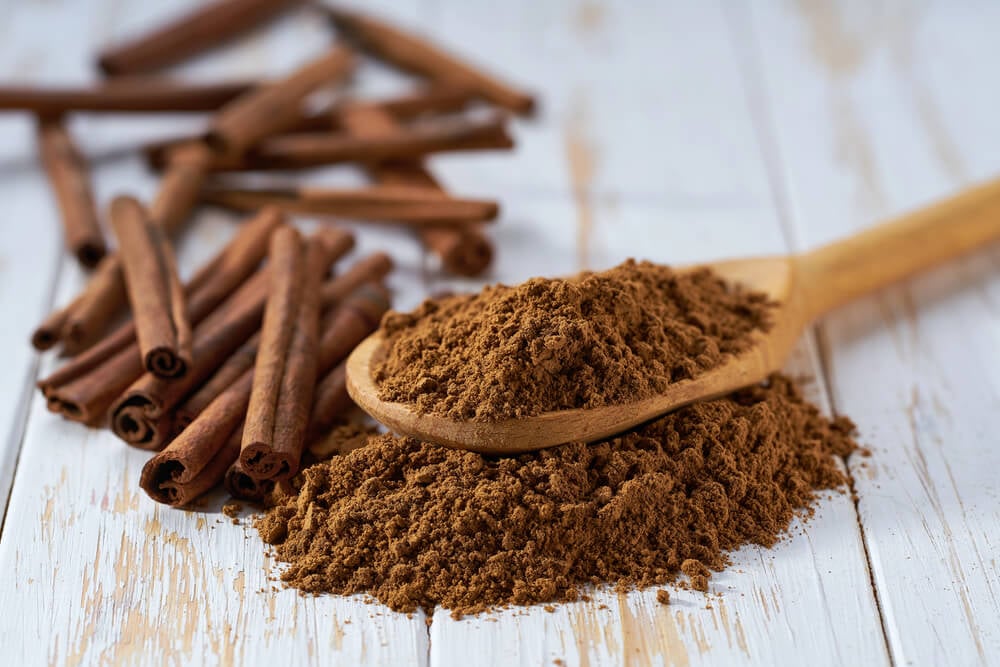
Most of the cinnamon in American spice aisles is cassia, which contains much more coumarin than true Ceylon cinnamon. Coumarin can damage the liver in sensitive people when eaten in large amounts.
The European Union caps coumarin in cinnamon-containing baked goods, at 50 milligrams per kilogram for traditional and seasonal items. Germany’s risk assessment agency has advised that heavy consumption of cassia could exceed safe daily limits, a warning rarely repeated at the bakery counter here.
Bisphenol A in Canned Food Linings
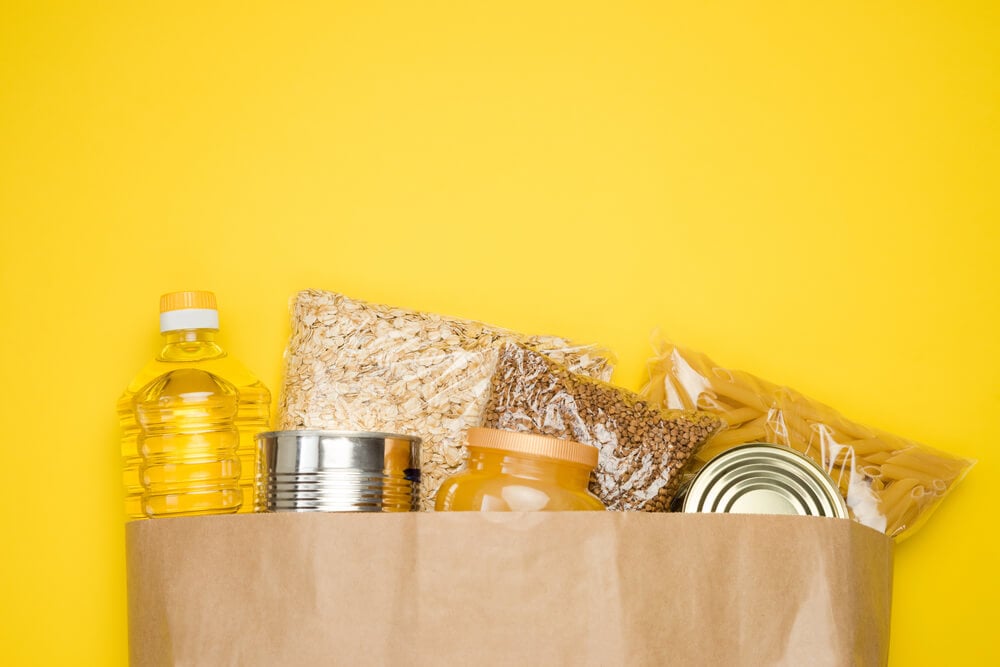
Bisphenol A, or BPA, has long been used in the protective coatings inside metal food cans. The European Commission adopted a ban in December 2024 covering BPA in all food contact materials, with transition periods for industry.
The FDA prohibited it in baby bottles and sippy cups in 2012 but still allows it in many can linings. A can of soup or beans from the pantry may have a liner that European law has now condemned.
Milk With a Higher Cell Count
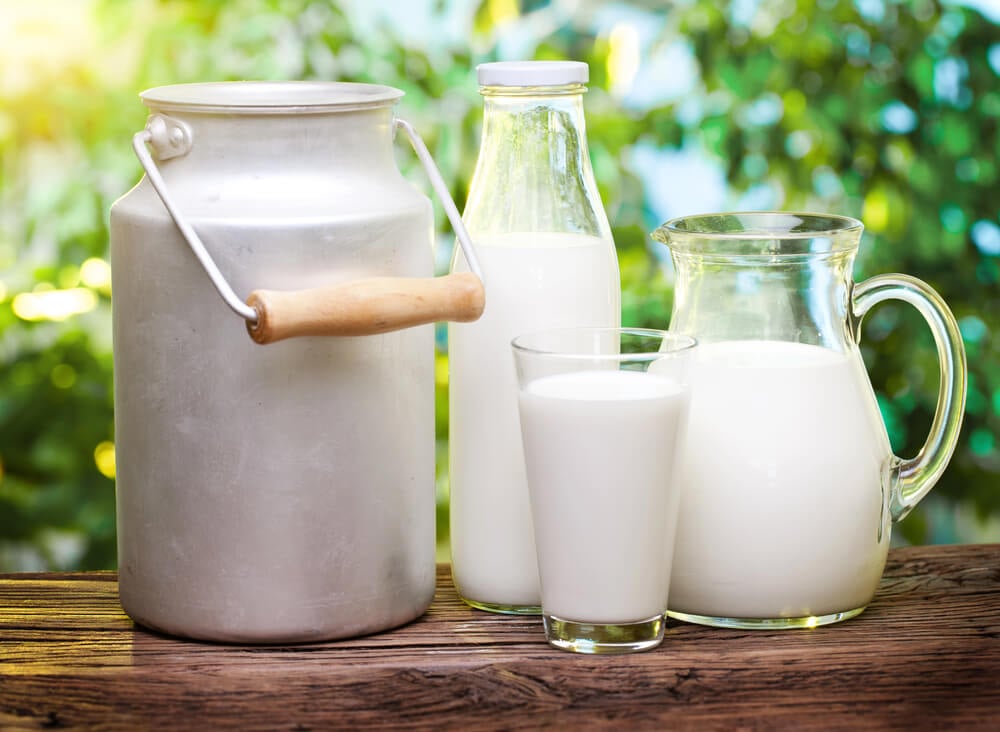
Milk quality is measured in part by somatic cell count, a rough indicator of udder inflammation in the dairy herd. The legal limit for American Grade A milk is 750,000 cells per milliliter, compared with 400,000 in the European Union.
The gap has long been a sticking point in trade talks between the two. Shoppers see no number at all, just a jug labeled “pasteurized.”
A Bagel Seasoning Confiscated at Airports
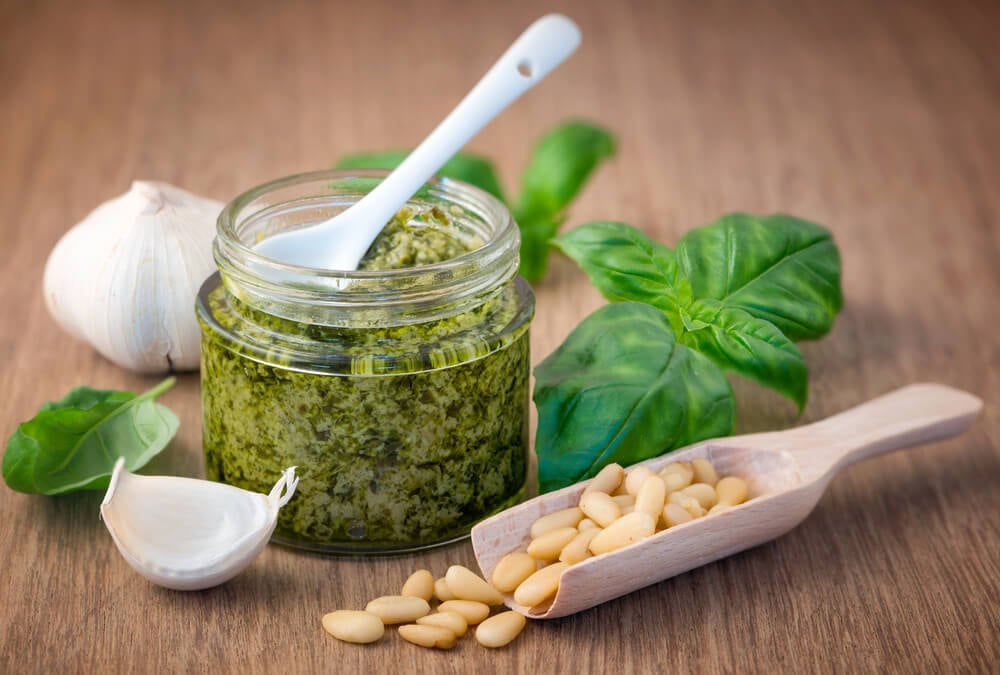
Trader Joe’s Everything but the Bagel Seasoning has a cult following in the United States, but it has drawn attention in Asia. South Korean customs officers have confiscated it from travelers, and Singapore has barred it as well.
The concern is poppy seeds, which come from the opium poppy and can carry trace amounts of morphine. In American kitchens, it goes on avocado toast, eggs and popcorn.
Soda and Snacks in Oaxaca
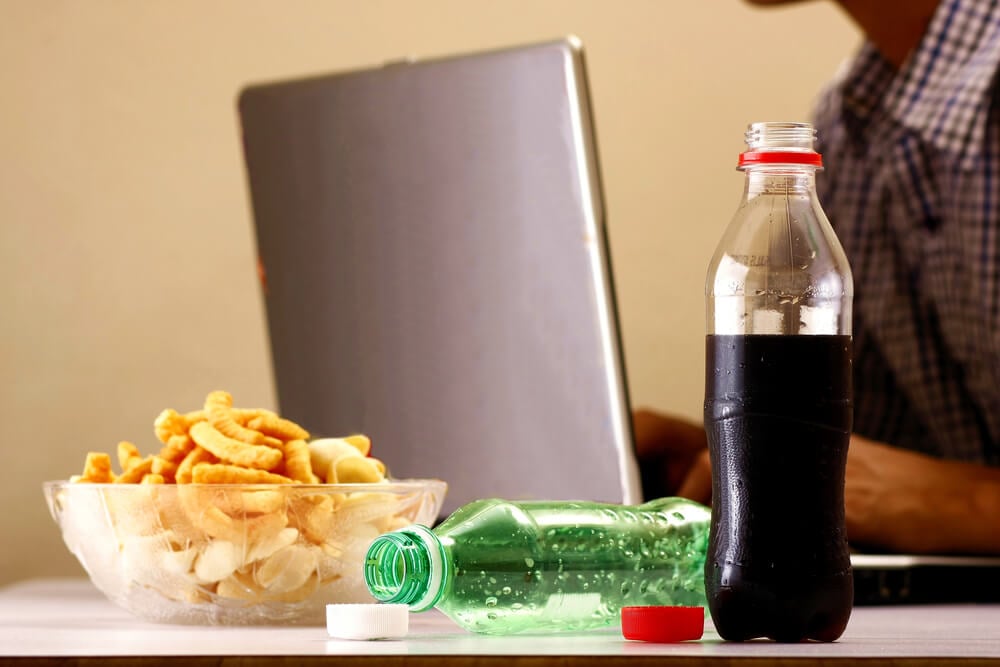
In 2020, the Mexican state of Oaxaca banned the sale of sugary drinks and high-calorie packaged snacks to minors. Mexico ranks among the heaviest soda-consuming countries in the world, and officials framed the measure as a public health emergency.
Shops that sold the products to children risked fines. In the United States, there is no comparable state prohibition on selling a bottle of soda to a teenager at a corner store.
Chlorpyrifos on Fruit
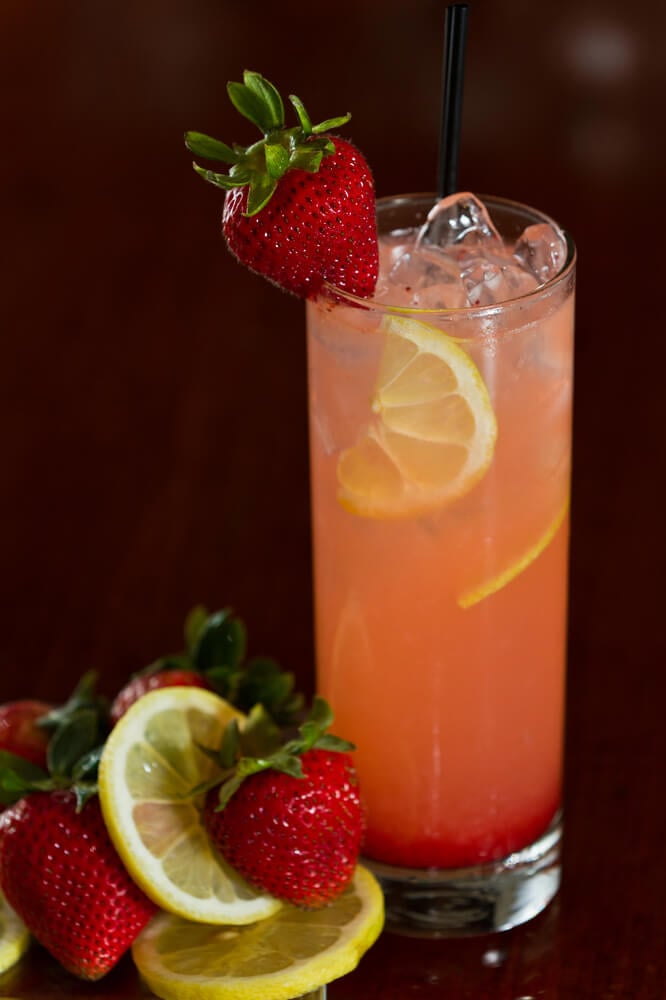
Chlorpyrifos is an insecticide that the European Union stopped approving in 2020 after its food safety authority said it could not confirm it was safe. American regulators moved to end its use on food crops, but court battles and later rulemaking left tolerances in place for a limited list that includes citrus and strawberries.
Research has linked prenatal exposure to developmental problems in children. The residue limits that remain are measured in parts per million, which sounds small until the produce is eaten daily.
Red Bull and the French Ban
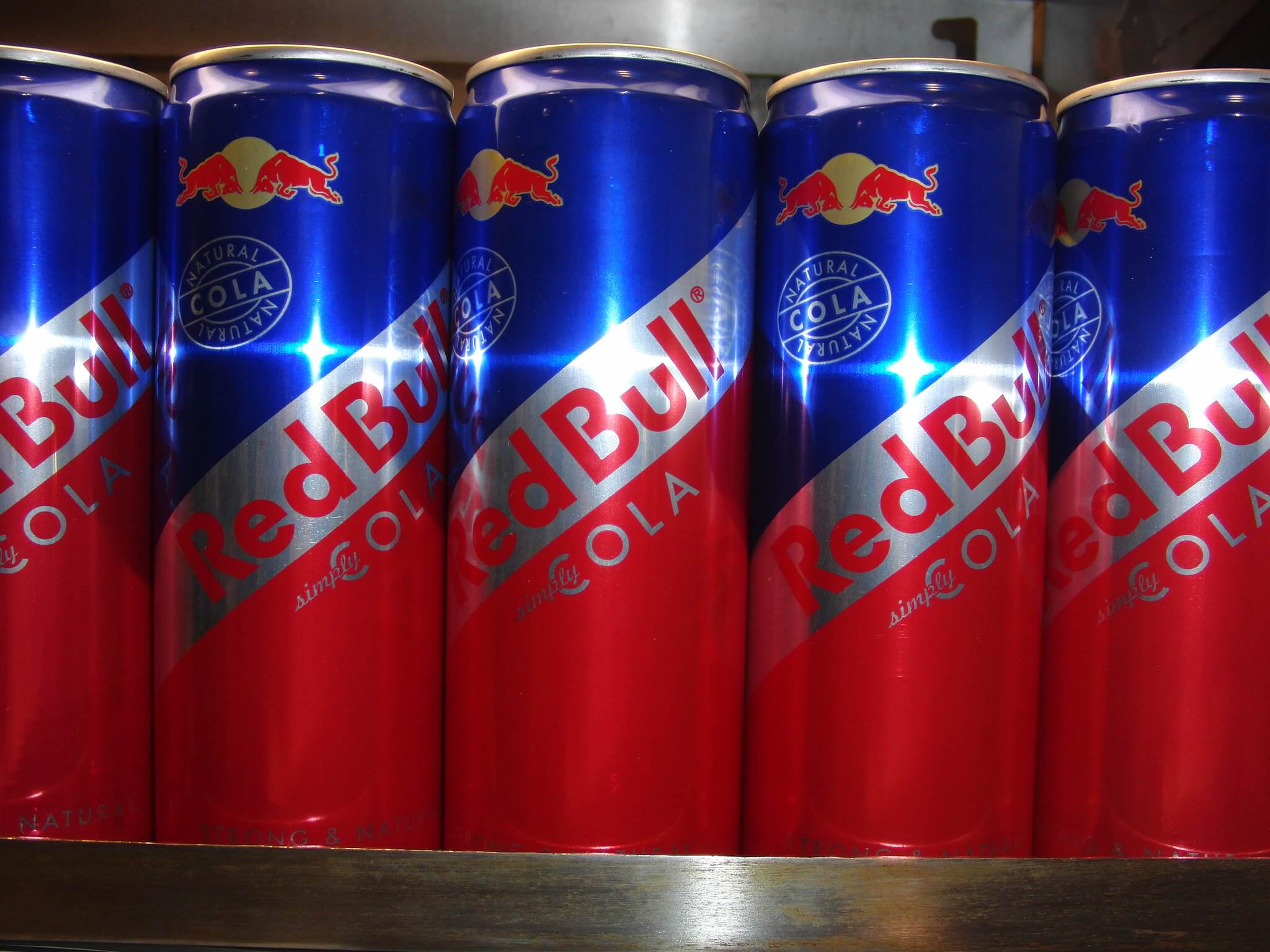
France blocked the sale of Red Bull for years over concerns about its taurine content, only lifting the ban in 2008. The drink had been sold in the United States since 1997 and became a staple of convenience store coolers.
French authorities worried that the amino acid and caffeine combination had not been adequately studied. The ban has been lifted, but the case remains a classic example of regulators disagreeing about an energy drink.
Konjac Mini-Cup Jellies
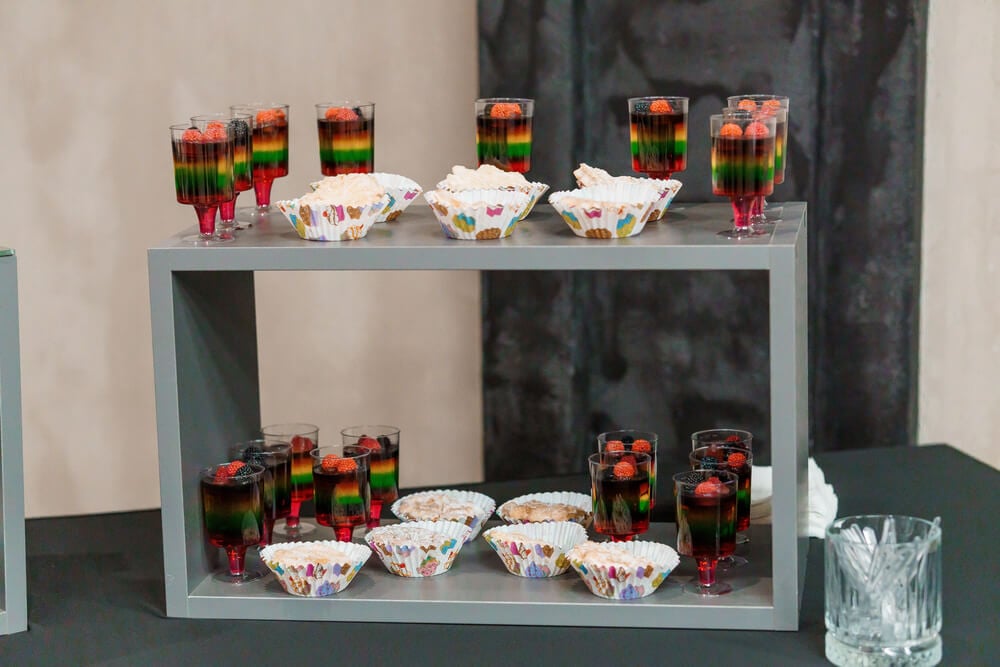
Small, firm jelly cups made with konjac gum are popular snacks in Asian grocery stores and can be found in American aisles and online. The European Union pulled such jellies from the market in 2002 and made the prohibition permanent in 2003, after children choked on them.
Australia also bans mini-cup jellies containing konjac. The texture that makes them fun to eat is exactly what makes them hard to dislodge from a small airway.
Pasteurized Almonds and Propylene Oxide
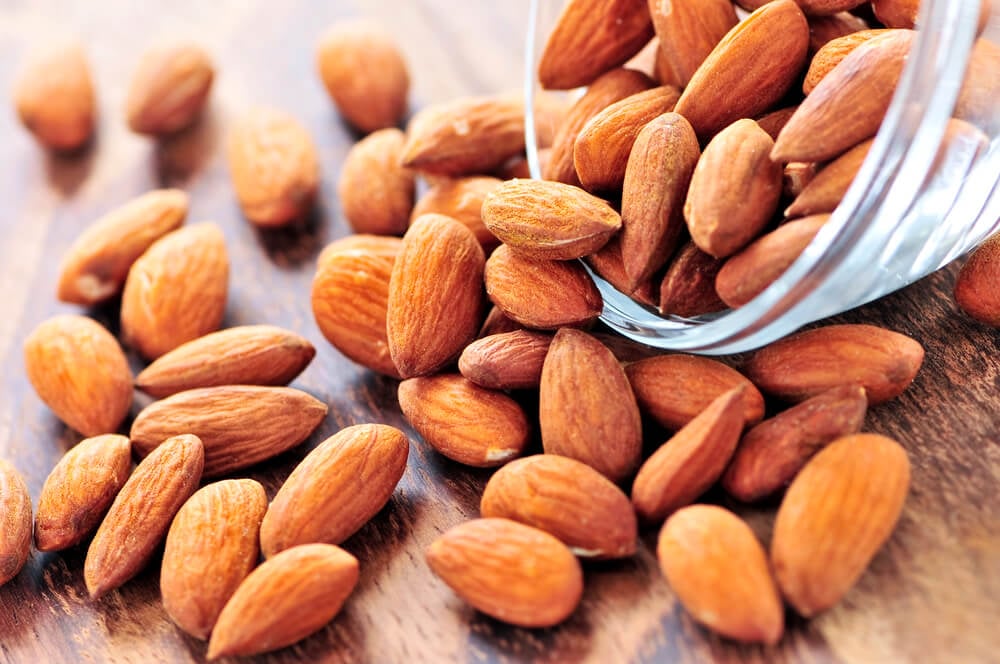
Since 2007, California almonds sold in the United States have had to be pasteurized, either with steam or with propylene oxide gas. The European Union does not authorize propylene oxide as a treatment for food.
That makes “raw almonds” a legal gray area on the American shelf, since the nuts have usually been steamed or fumigated before sale. Plenty of shoppers assume the label means exactly what it says.
Eggs From Conventional Battery Cages
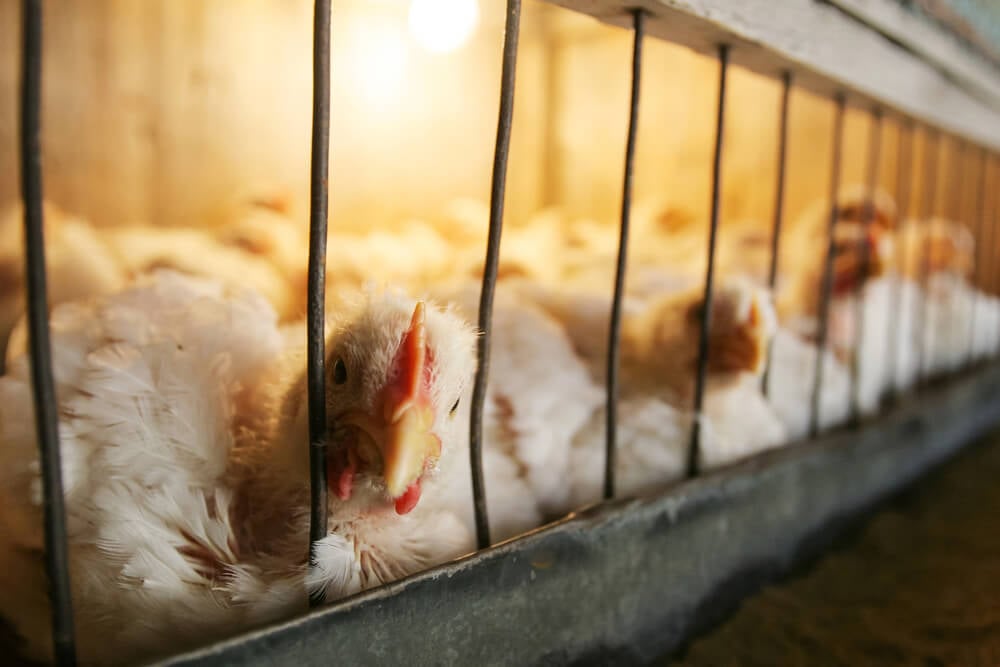
The European Union banned conventional battery cages for laying hens in January 2012, replacing them with larger enriched colony systems or cage-free housing. In the United States, no federal law prohibits the old cages, and a large share of the egg supply still comes from them.
States like California and Massachusetts have passed their own cage restrictions. The carton in the refrigerator usually does not say which system produced the eggs.
Veal From Individually Penned Calves
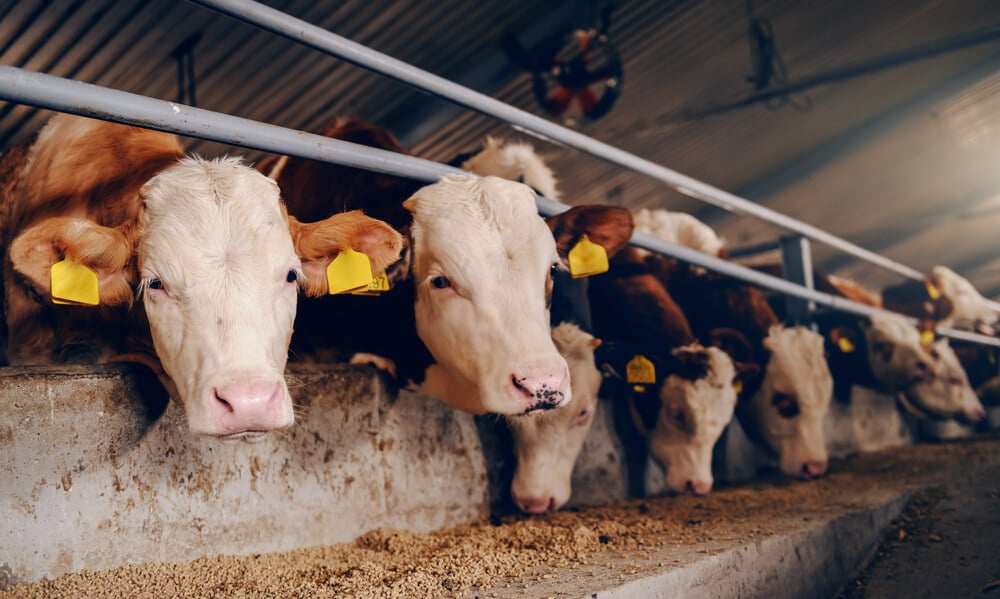
European Union rules prohibit keeping calves older than eight weeks in individual crates, requiring group housing instead. The United States has no federal law on veal calf housing, though the industry has moved toward group pens on its own.
Veal sold in American stores is typically labeled by cut, not by how the calf lived. The difference between the two rulebooks is largely invisible at the meat counter.
One Shelf, Two Rulebooks
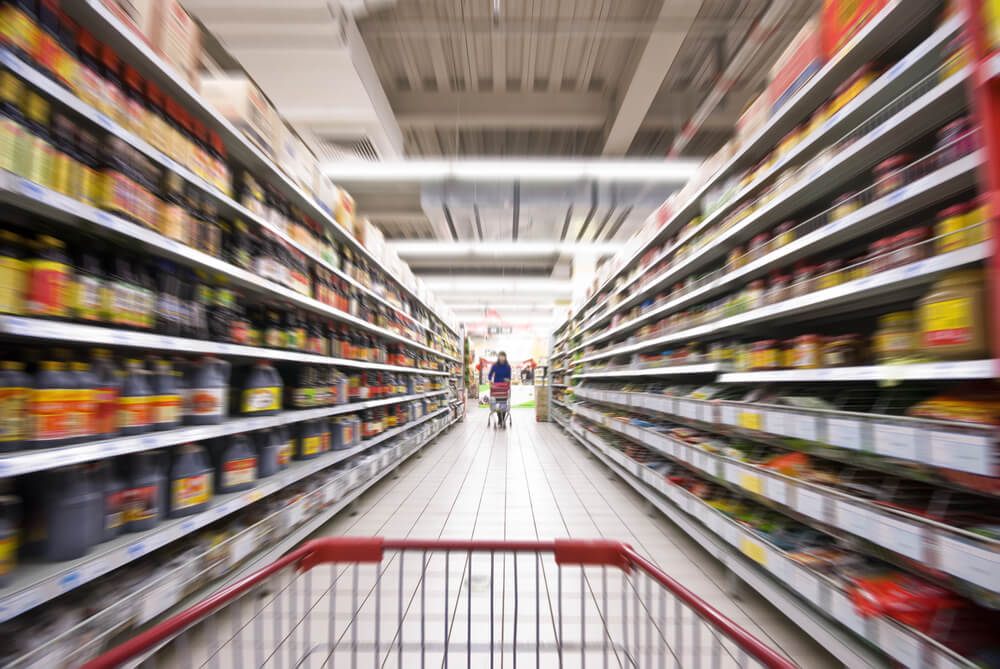
The gap between American and European food rules often comes down to philosophy. European regulators lean on the precautionary principle, which keeps a substance out of food until its safety is demonstrated, while American law tends to permit an ingredient until evidence of harm builds up.
Neither approach is flawless, and both continents have made reversals. The results, though, are visible in nearly every aisle.
The trend is toward convergence. Federal action on Red No. 3 and BVO, state laws in California, and a wave of corporate reformulations show that American rules are shifting.
Until those changes reach every product, reading an ingredient list remains the simplest way to see which rulebook the food was made under.
More from Go2Tutors!

- 27 Silver Dollars and Half Dollars Worth Keeping
- 28 Restaurant Menu Items Nobody Orders Anymore
- 17 Places Built in Seemingly Impossible Spots
- 27 Vintage Rings Worth More Than They Look
- 25 Restricted Sites Tourists Can’t Enter
Like Go2Tutors’s content? Follow us on MSN.