Hidden Details in Classic Songs You Never Heard
Classic songs feel familiar because we’ve heard them hundreds of times on the radio, in movies, and at parties.
Beneath those well-worn melodies lie hidden details that most listeners have never noticed.
Studio engineers accidentally left mistakes in the final mix.
Musicians buried secret messages and inside jokes in the recordings.
Background conversations and random sounds made it onto tracks that sold millions of copies.
These hidden elements add layers of meaning and personality to songs that defined generations.
Let’s explore the surprising secrets hiding in plain sight within some of the most famous recordings ever made.
The Beatles hid an endless loop on Sgt. Pepper
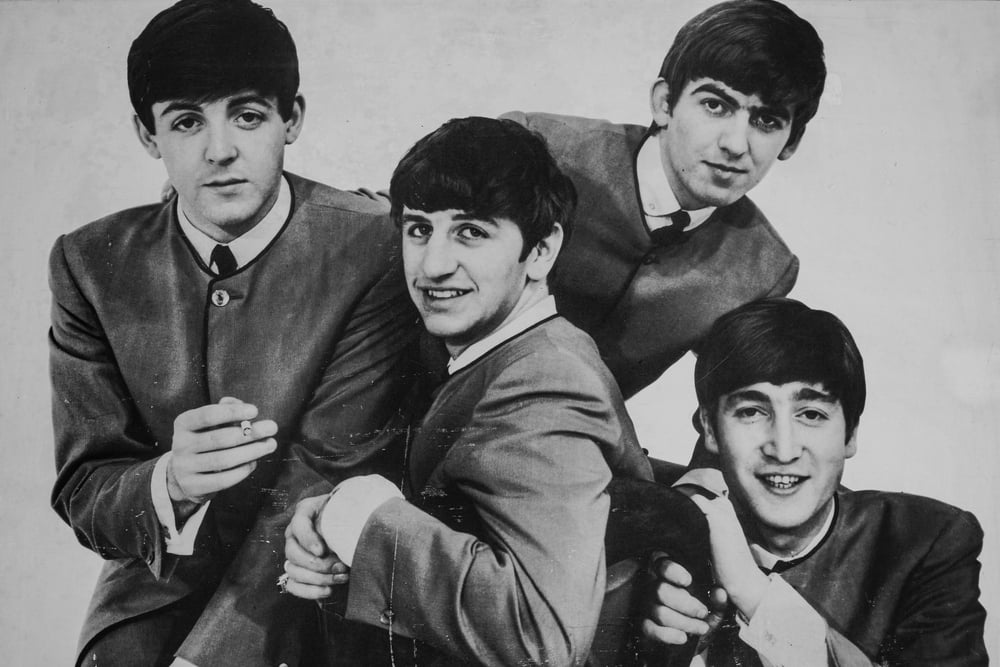
At the end of Sgt. Pepper’s Lonely Hearts Club Band, after about forty-five seconds of silence following the orchestral finale, an edit of studio chatter plays saying something that sounds like ‘never to see any other’ over and over.
The loop was designed specifically for the run-out groove on vinyl records, meaning it would play endlessly until someone physically lifted the needle.
The Beatles realized they could record over the run-out groove, creating a slightly haunting splice of studio sounds and singing that has made it onto remasters of the track to this day.
Anyone who owned the vinyl pressing either had to manually stop their turntable or listen to that cryptic phrase repeat forever.
Digital versions still include the loop, though its original purpose has been lost to most modern listeners who never experienced vinyl’s peculiarities.
Queen’s Bohemian Rhapsody required 180 overdubs

The single required 180 overdubs, an incredible number that necessitated a huge number of bounces, as the band were forced to use a single 24-track tape machine for the recording.
Producer Roy Thomas Baker explained that the operatic section alone took about three weeks to record.
In 1975, that was the average time spent on a whole album.
The excessive bouncing created so much distortion on Roger Taylor’s drum tracks that it became a trademark sound.
When examining the isolated vocal tracks, you can clearly hear Freddie Mercury say ‘one’ right in the middle of the cascading vocal section.
Roger Taylor sang ‘Mama Mia’ in falsetto that leaked into another track.
The band layered their own voices so many times that some estimates suggest over 100 vocal tracks were bounced together.
What sounds like a choir is actually just four people singing the same parts repeatedly until the tape could barely handle more sound.
Led Zeppelin’s backwards controversy was pure coincidence
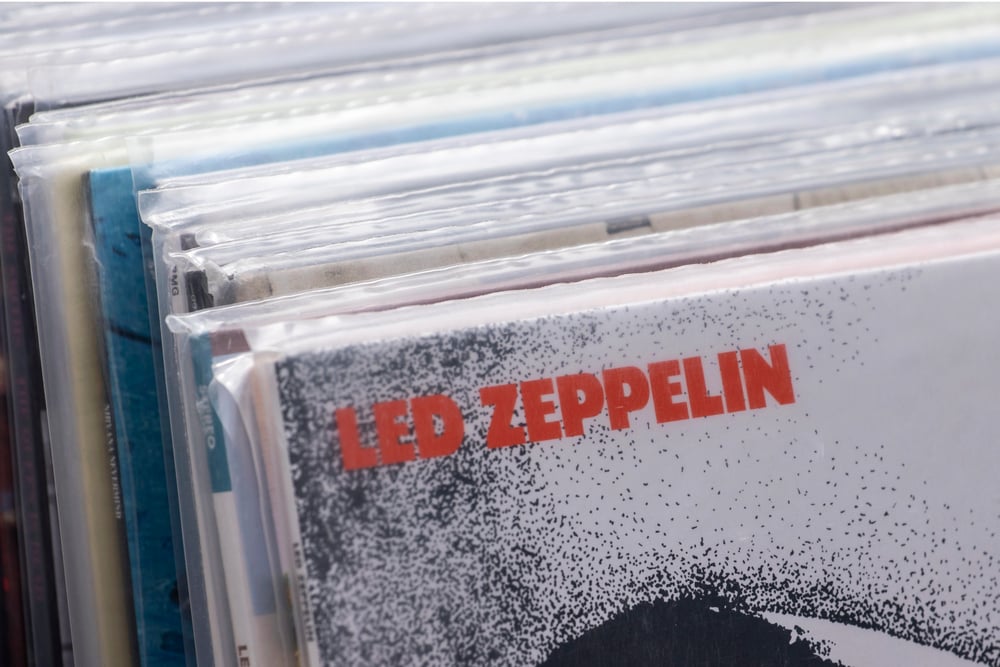
In a January 1982 broadcast, it was claimed that hidden messages were contained in many popular rock songs through a technique called backmasking, with ‘Stairway to Heaven’ being prominently cited.
The alleged message occurring during the middle section when played backward was purported to contain references like ‘Here’s to my sweet Satan’.
The band vehemently denied intentionally hiding anything.
Robert Plant expressed frustration in a 1983 interview, stating that ‘Stairway to Heaven’ was written with every best intention.
As far as reversing tapes and putting messages on the end, that’s not his idea of making music.
Phonemes are the basic chunks of words, and when you reverse them, you create widely different combinations of sounds that inevitably fit together and seem to make sense without any additional tampering.
Someone took samples from twelve different live performances, reversed them, and they all produced similar-sounding phrases.
No subliminal engineering necessary.
Pink Floyd included a phone call with a child

On the CD version of The Division Bell, the last track ‘High Hopes’ finishes at 7:57.
After 20 seconds of silence at 8:17, a 14 second clip plays of a phone call between Pink Floyd manager Steve O’Rourke and David Gilmour’s young son Charlie.
The conversation is basically Steve trying to ring up David, but Charlie answers the phone instead and hangs up after Steve tries to confirm ‘is that Charlie?’.
Rumor has it that Steve O’Rourke had long pleaded to appear on a Pink Floyd album, and got his plea answered with this little oddity.
The band was famous for experimenting with hidden tracks and strange sonic additions.
This particular Easter egg feels more like an inside joke between friends than an artistic statement.
The Eagles called their housekeeper to remember a riff

When Don Felder went into the studio to record the signature guitar riff for ‘Hotel California,’ Don Henley told him to stop because he wasn’t playing it the way Henley remembered hearing it on the demo tape that Felder initially gave them.
Felder hadn’t listened to that demo tape for almost a year and couldn’t remember exactly what he had put on it.
They called Felder’s housekeeper in Malibu, told her to put the tape into a stereo, blast the speakers and hold the phone up to them so that they could all hear what the initial essence of the song sounded and felt like.
The demo was in Los Angeles while the band recorded in Miami, making a long-distance phone call to a stereo system the only solution.
That housekeeper probably had no idea she was participating in rock history.
Black Sabbath ruined Eagles recording sessions
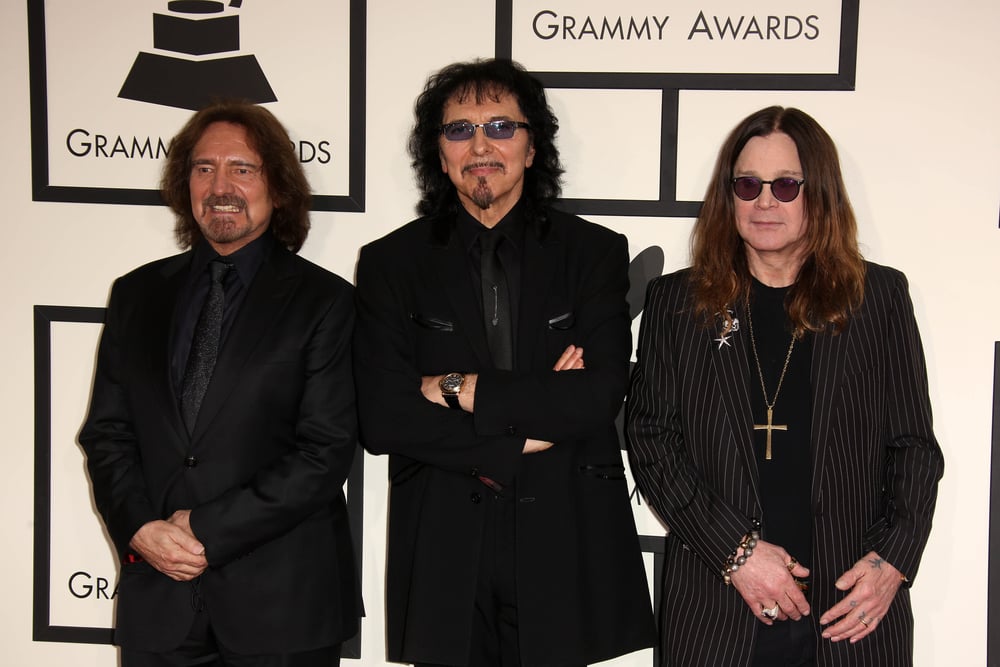
The Eagles and Black Sabbath were both recording in the same studio complex in Miami during the ‘Hotel California’ sessions.
Tony Iommi told Uncut that they were too loud for the Eagles, and it kept coming through the wall into their sessions.
The Eagles even had to re-record the song ‘The Last Resort’ a few times because the sound of Sabbath’s music was leaking into their studio and onto their tape.
Meanwhile, Geezer Butler recalled having to scrape cocaine out of the mixing board after going into a studio that The Eagles had just finished using.
He estimated that the band had approximately a pound of cocaine caked into the board.
Two completely different bands with completely different substances of choice, separated by a studio wall that couldn’t contain either one.
The Beatles mocked Paul’s song during recording
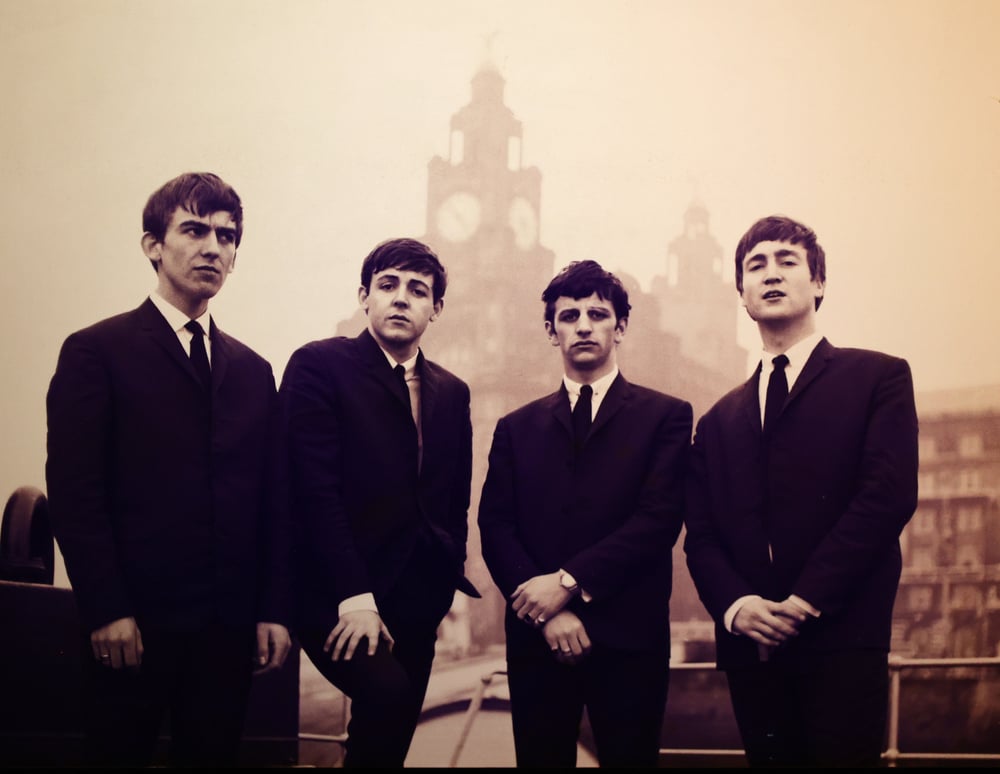
Some of the band themselves disliked ‘Ob-La-Di Ob-La-Da’ from the very start, with John being particularly vocal about his hatred of the song, at one point storming out of the recording.
On top of various studio directions hidden underneath the music, at various points John and George pipe in just after Paul’s finished a line to mock the lyrics.
After both cases of ‘Let the children lend a hand,’ you can hear them shouting out ‘arm,’ ‘leg’ and ‘foot’.
The jeering made it onto the final album version.
Paul’s cheerful tune about a fictional couple became a permanent record of his bandmates’ frustration.
Tensions within the group were already mounting by 1968.
This buried mockery serves as audio evidence of the conflicts that would eventually tear them apart.
Van Gogh’s self-portrait appeared in a Beatles song
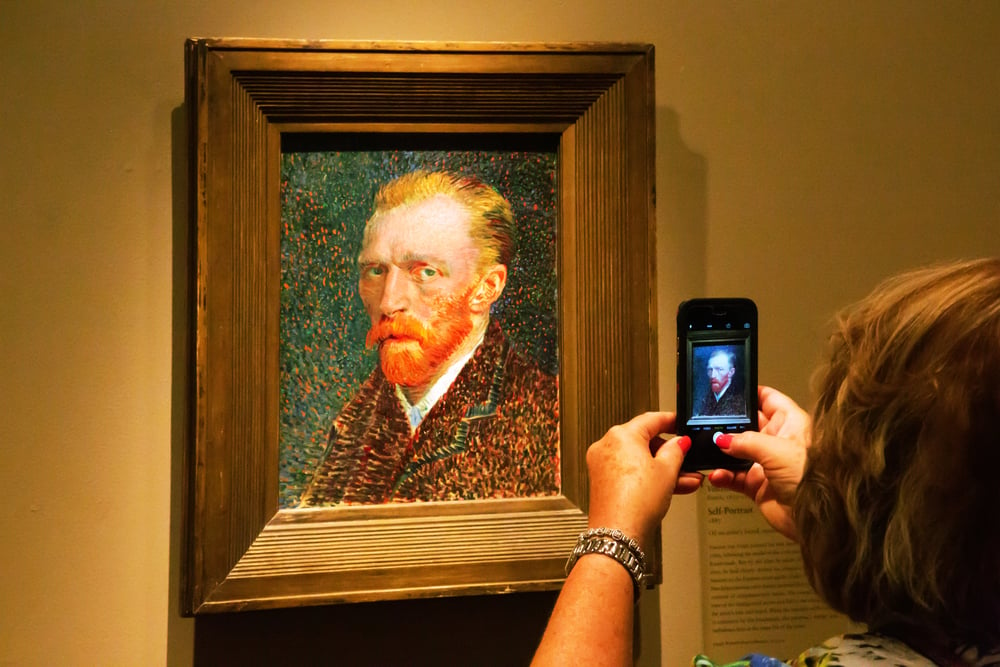
At the very end of ‘Free as a Bird,’ you can hear some garbled speech that sounds something like John saying ‘Made by John Lennon’.
If you play it backwards, it’s revealed to be something much more touching: Lennon saying ‘Turned out nice again’.
The song was assembled in 1995 from a home demo John recorded in 1977, with Paul, Ringo, and George adding their parts years after his death.
According to Paul, a white peacock wandered into a photograph taken of him, Ringo, and George at his studio in Surrey while working on ‘Free as a Bird,’ occupying an empty space where the fourth member would have stood.
The surviving Beatles felt Lennon’s presence throughout the recording process.
Maybe they weren’t imagining things.
Freddie Mercury hummed along to his piano playing

Freddie frequently hummed along his piano parts, and you can hear him doing it in ‘Bohemian Rhapsody,’ as noted in the Inside The Rhapsody documentary.
On the piano-only version of ‘You Take My Breath Away,’ you can hear Freddie humming the title phrases.
Most singers do this while practicing or recording rough takes, but the sound usually gets removed before the final mix.
Freddie’s humming made it through because the engineers either didn’t notice it or decided it added character to the performance.
Either way, it became part of Queen’s sound.
Listen closely during the piano sections and you’ll hear him singing along under his breath like he’s lost in the music.
Hotel California was spliced from multiple takes

Several complete takes of ‘Hotel California’ were recorded, with the best parts then spliced together to create the released version.
According to producer Bill Szymczyk, there were 33 edits on the two-inch master.
The version everyone knows as a seamless rock anthem is actually Frankenstein’s monster of different performances stitched together.
The song was recorded three times: twice at the Record Plant in Los Angeles and finally at Criteria Studios in Miami.
Don Felder progressively lowered the key from E minor to B minor because the first recording was too high a key for Don Henley’s voice.
The final guitar solo between Joe Walsh and Don Felder took them about three days of sitting together working out the parts.
What sounds effortless required obsessive attention to detail.
George Harrison referenced another Beatles song
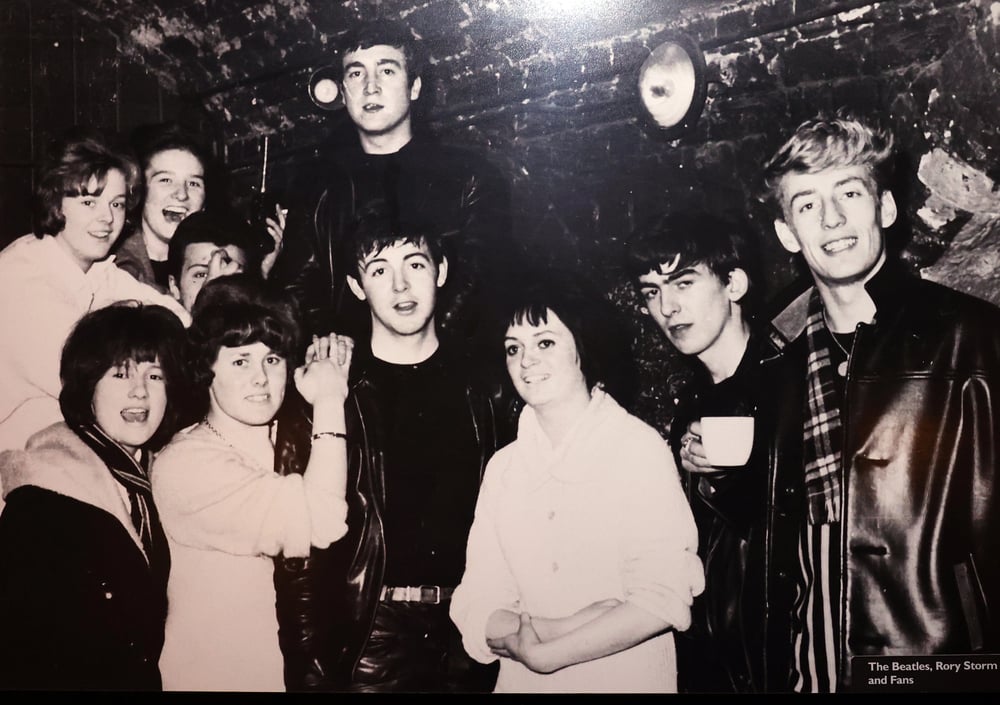
The White Album’s ‘Glass Onion’ is full of referential lyrics by Lennon, including mentions of ‘Strawberry Fields Forever,’ ‘I Am the Walrus,’ and ‘Fixing a pit in the ocean’.
George Harrison mentions ‘Ob-La-Di, Ob-La-Da’ in ‘Savoy Truffle,’ and John can be heard ad-libbing after Ringo sings ‘tell me why’ in ‘What Goes On’.
The Beatles loved leaving breadcrumbs for attentive fans, creating a web of connections across their catalog.
Lennon wrote ‘Glass Onion’ as a dig at fans over-analyzing Beatles songs in search of deeper meaning.
The irony is that by mocking people who looked for hidden meanings, he created another song full of hidden meanings.
Recording in plain sight

These hidden details remind us that classic songs weren’t created by machines or algorithms.
They were made by actual people who got frustrated, made mistakes, cracked jokes, and sometimes couldn’t remember their own work.
The phone calls to housekeepers, the cocaine-covered mixing boards, the bandmates mocking each other in the background, the humming nobody bothered to edit out.
Those imperfections and accidents became permanent parts of recordings that defined entire generations.
The songs haven’t changed since the day they were mixed, but knowing what’s buried beneath the surface transforms how we hear them.
Every listen becomes a treasure hunt for details that were always there, waiting for someone to notice.
More from Go2Tutors!

- The Romanov Crown Jewels and Their Tragic Fate
- 17 Halloween Costumes Once Considered Taboo
- Famous Hoaxes That Fooled the World for Years
- 15 Child Stars with Tragic Adult Lives
- 16 Famous Jewelry Pieces in History
Like Go2Tutors’s content? Follow us on MSN.