Tech Predictions From The Past That Failed
Looking back at old technology magazines and conference talks feels like reading science fiction that never happened. Experts promised us flying cars, paperless offices, and cities transformed by personal transporters.
Some predictions seemed so obvious that questioning them felt absurd. Yet here you are, still printing documents and driving regular cars on regular roads.
Technology forecasting has always been part wishful thinking, part educated guess. The gap between what seems inevitable and what actually happens reveals something interesting about how innovation works—and how badly even smart people misjudge the future.
Flying Cars Would Replace Normal Cars
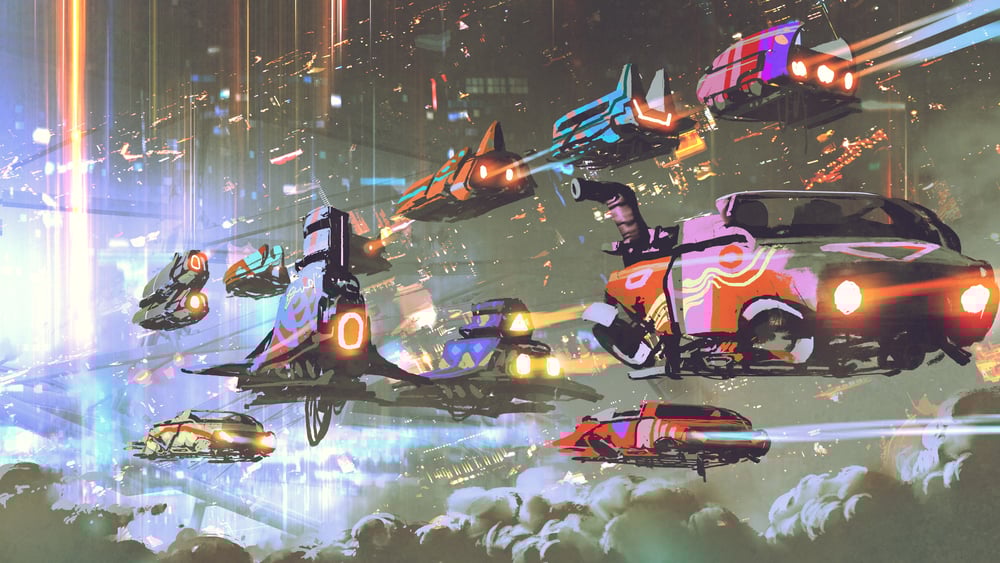
This one refuses to die. Futurists have been promising flying cars since the 1940s, and each generation thinks they’re just around the corner.
The logic seemed sound: planes exist, cars exist, so why not combine them? The reality check came from physics, regulations, and basic common sense.
Flying takes enormous energy compared to rolling on pavement. You can’t just park a flying car anywhere.
Air traffic control already struggles with commercial flights. Imagine thousands of amateur pilots buzzing around residential neighborhoods.
The insurance industry alone would collapse. People still build flying car prototypes.
They make headlines. Then they disappear because the fundamental problems never change.
Paperless Offices by the Year 2000

Every office would become paperless. Computers would eliminate the need for filing cabinets, printed memos, and physical documents.
This prediction came from people who genuinely believed technology could change human behavior overnight. Paper use actually increased after computers became widespread.
People printed emails. They printed drafts.
They printed documents just to read them more comfortably. The ability to print made printing easier, so everyone printed more.
Offices today use less paper than before, but that happened slowly through cultural shifts and environmental awareness—not because technology made paper obsolete. You probably printed something this week.
The Segway Would Transform Cities

Dean Kamen unveiled the Segway in 2001 with predictions that cities would be designed around it. Steve Jobs said it was “as big a deal as the PC.”
John Doerr claimed it would reach $1 billion in sales faster than any company in history. Cities did not redesign themselves.
People looked ridiculous riding Segways. They cost too much.
They solved a problem nobody really had—walking short distances is fine. Mall cops and tour groups found them useful.
Everyone else kept walking. The hype died fast.
Segway became a punchline. The company was eventually sold for a fraction of early valuations, and the technology faded into the background of urban life.
3D Television in Every Home
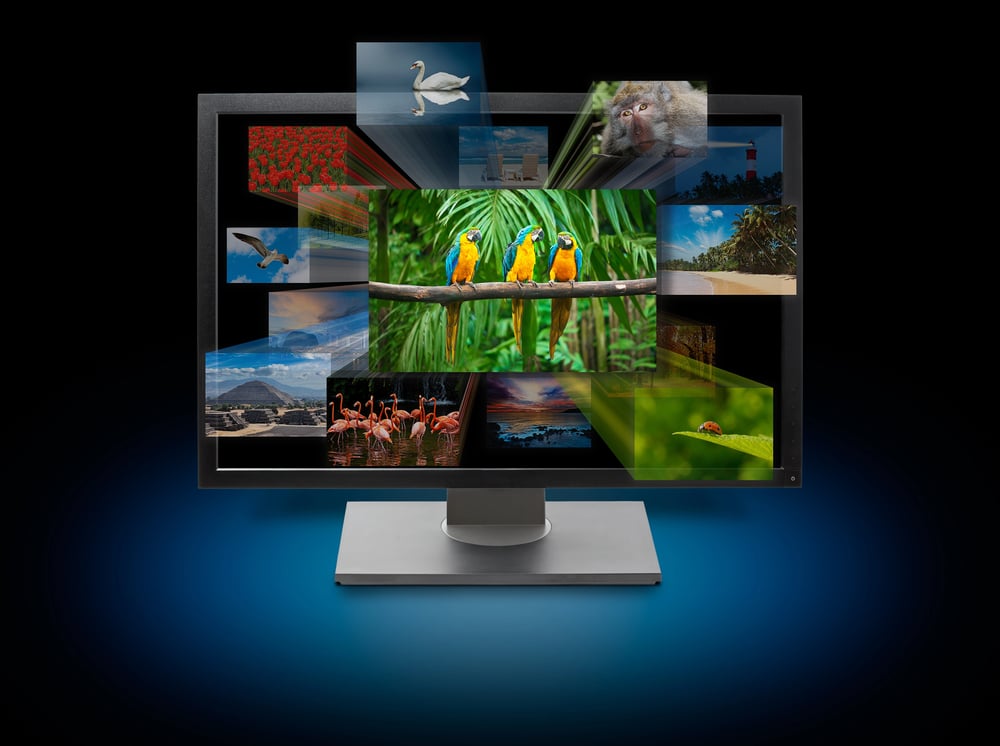
Television manufacturers spent billions developing 3D technology for home use. They convinced themselves that everyone would want to wear special glasses to watch TV.
The prediction wasn’t just that 3D TVs would exist—it was that they’d become the standard, replacing regular televisions entirely. Consumers tried them and found the experience annoying.
The glasses were uncomfortable. The 3D effect gave some people headaches.
The content selection was limited. Most importantly, watching TV is supposed to be relaxing, and nothing about 3D television was relaxing.
Manufacturers quietly stopped making 3D TVs. Nobody mourned their loss.
The technology retreated to movie theaters where it belonged.
Google Glass as Everyday Eyewear

Google Glass launched with predictions that everyone would soon be wearing computer-enabled glasses. The technology worked.
You could take photos, get directions, access information—all through a display hovering in your field of vision. The social dynamics killed it.
People didn’t want to talk to someone wearing a camera on their face. “Glasshole” became an insult.
Bars banned them. The privacy implications creeped everyone out.
The fashion problem proved insurmountable—they looked terrible. Google stopped selling them to consumers.
The technology found niche uses in industrial settings and medical fields. But the vision of everyday people walking around in augmented reality glasses faded.
At least for another decade or two.
Virtual Reality in the 1990s
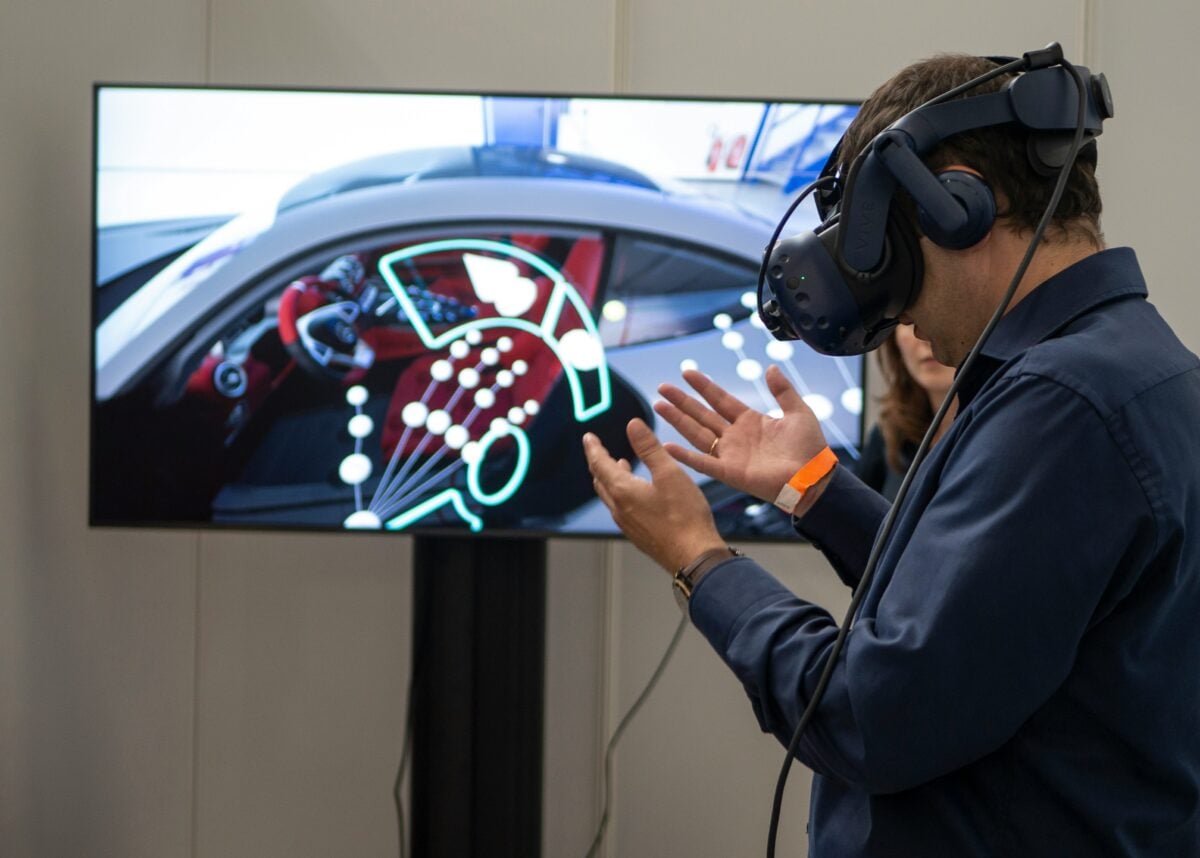
VR was supposed to explode in the 1990s. Companies built VR arcades.
Magazines ran cover stories about virtual worlds replacing physical reality. Movies depicted VR as the obvious next step in human evolution.
The technology was terrible. The graphics were crude.
The headsets were heavy and uncomfortable. The experience made people nauseous.
The lag between head movement and display response created a disconnect that your brain couldn’t process smoothly. VR did eventually improve enough to become viable, but that took another 20 years of development.
The 1990s prediction wasn’t wrong about VR’s potential—it was wrong about the timeline and the technical challenges involved.
Voice Control for Everything
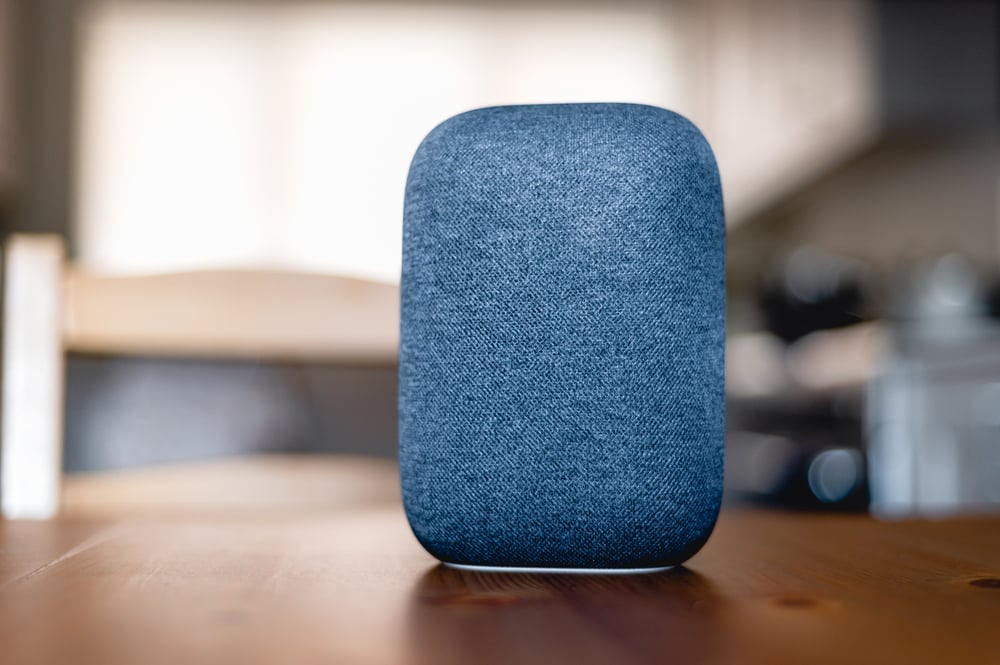
Voice-controlled computers were supposed to replace keyboards and mice. Why type when you could just talk? Speech recognition would become so good that writing would seem primitive.
Voice control improved dramatically, but it didn’t replace anything. Speaking commands in an office is disruptive.
Dictating documents is slower than typing for most people. Privacy matters—you can’t have confidential conversations with your computer in public spaces.
Voice assistants found their place in specific contexts: hands-free situations like driving, smart home controls, quick searches. But keyboards remain the primary input method for serious work.
Your office isn’t full of people talking to their computers all day.
QR Codes Replacing Traditional Barcodes

QR codes were supposed to kill barcodes. They hold more information.
They work from any angle. They seemed obviously superior.
Marketers got excited about putting them on everything. Nobody wanted to use them.
Scanning QR codes required opening an app, pointing your camera carefully, and waiting for the scan to register. Barcodes just worked instantly at checkout.
The extra capability of QR codes didn’t matter for most use cases. The pandemic brought QR codes back for contactless menus and payment systems, but they still haven’t replaced barcodes.
Technology adoption isn’t just about capabilities—it’s about whether the improvement justifies changing established systems.
Personal Jetpacks for Commuting
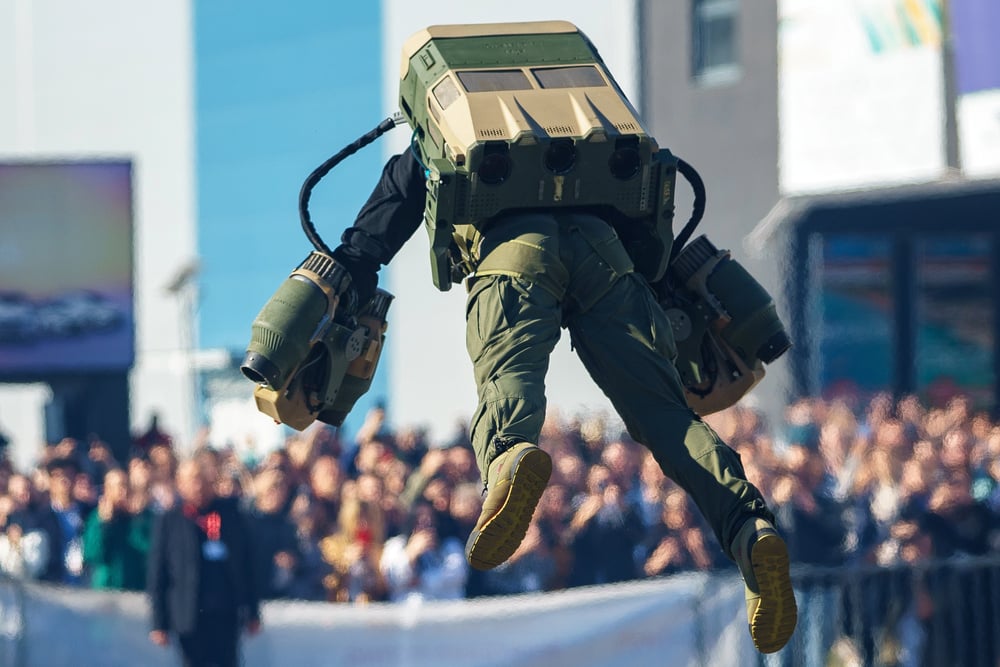
Jetpacks captured imaginations for decades. They appeared in James Bond films.
NASA developed prototypes. Futurists promised that commuters would eventually fly to work.
Jetpacks are loud, dangerous, and inefficient. They burn fuel incredibly fast.
They require extensive training to operate safely. They can’t carry much weight.
Physics just doesn’t work for practical transportation. A few companies still build jetpacks for entertainment and niche applications.
But you’re not going to jetpack to the grocery store. The dream was exciting.
The reality was impractical.
Video Calling Replacing Regular Phone Calls

Video phones were supposed to make audio-only calls obsolete. Why just hear someone when you could see them too? The technology existed.
The prediction seemed logical. People didn’t want to be on camera constantly.
Video calls require you to look presentable. You can’t multitask as easily.
Sometimes you just want to talk without performing for a camera. Video calling found its place in business meetings and staying connected with distant family.
But regular phone calls never went away. The pandemic proved that even when everyone used video calls daily, they still preferred audio calls for routine conversations.
E-Readers Killing Physical Books

E-readers would eliminate printed books. Why carry heavy paper when thousands of books could fit on one device? Bookstores would disappear.
Publishing would go entirely digital. E-readers found an audience. They’re convenient for travel.
They work well for reading lots of books quickly. But physical books persisted because people enjoyed the tactile experience.
They like seeing books on shelves. They appreciate not staring at another screen.
Bookstores adapted rather than disappeared. Print books still outsell e-books in most categories.
The prediction assumed technology would override human preferences. It was assumed wrong.
Smart Refrigerators Becoming Essential

Smart refrigerators with touchscreens, internet connectivity, and cameras inside would become standard. You’d manage your entire kitchen from your fridge.
Grocery shopping would become automated and effortless. These refrigerators cost thousands more than regular ones.
The features added complexity without solving real problems. People didn’t want to interact with a touchscreen while cooking.
The cameras inside required you to organize your fridge in specific ways. Basic refrigerators still dominate the market.
Smart features sound appealing in showrooms but prove unnecessary in actual kitchens. Sometimes a refrigerator just needs to keep food cold.
Blockchain Solving Every Problem

For several years, blockchain was positioned as the solution to nearly everything. Supply chains, voting systems, healthcare records, property titles—blockchain would supposedly fix all of it.
The technology was real, but the applications were oversold. Most proposed uses worked better with traditional databases.
Blockchain’s advantages only mattered in specific scenarios involving trustless transactions between parties. For most problems, the complexity and energy requirements of blockchain outweighed any benefits.
The hype faded. Blockchain found legitimate uses in cryptocurrency and a few niche applications. But it didn’t rebuild society’s infrastructure.
Sometimes new technology is just new technology, not a universal solution.
Second Life as the Future of the Internet
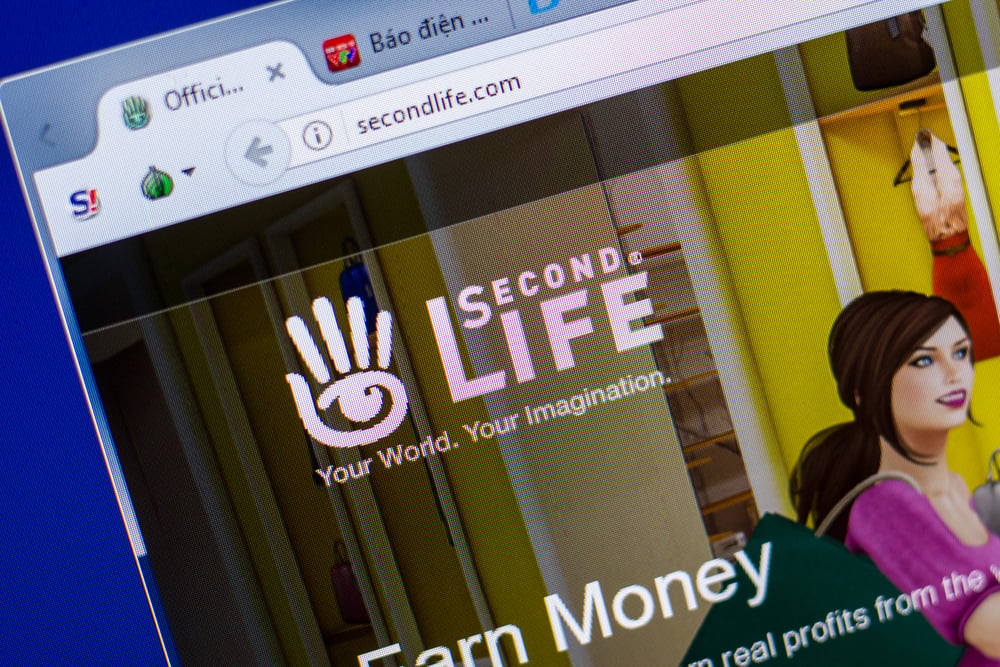
Out of nowhere, Second Life began looking like the future of online connection. Offices sprang up inside it, not on streets but in code.
Singers took the stage – just not one you could touch. Land changed hands there much like anywhere else, only payment came in actual currency.
Right off the bat, things felt awkward to use. The graphics looked old before long.
Many users got lost, thinking it didn’t help at all. It banked on folks craving digital lives, though what they really needed was simpler communication and sharing tools.
Still around, Second Life hangs on through loyal users. Yet it never shaped what came next.
Today’s metaverse hopes repeat old beliefs – likely headed for matching outcomes.
When Tomorrow Does Not Come
What links these wrong forecasts? A habit of thinking tech reshapes lives overnight. Reality moves slower than code.
Real-world friction often gets ignored. Ideas that work on paper crash into daily habits.
Just because something can exist does not mean anyone will use it. Arriving late, the future shows up wearing a disguise – forecasters aren’t wrong on purpose, just tangled in how change really spreads.
Not marching forward neatly, tech stumbles sideways through trial and error. Certain bets crumble even when they look solid from afar.
Out of nowhere, unlikely breakthroughs appear despite doubt thick in the air. Right now, fresh forecasts are arriving fast.
A few might turn out to be true. The rest will fade away.
Two decades later, a writer will dig up today’s mistakes and laugh at their bold claims. This pattern repeats itself endlessly.
It has never been different.
More from Go2Tutors!

- The Romanov Crown Jewels and Their Tragic Fate
- 13 Historical Mysteries That Science Still Can’t Solve
- Famous Hoaxes That Fooled the World for Years
- 15 Child Stars with Tragic Adult Lives
- 16 Famous Jewelry Pieces in History
Like Go2Tutors’s content? Follow us on MSN.