23 Old Store Fixtures That Became Collectors’ Displays
Every shop once had a few objects that nobody noticed. They held the twine, weighed the candy, kept the soda cold, and sat on the counter for decades without a single compliment.
Then the shops closed, and the fixtures began getting attention. Today these working tools of retail show up in living rooms, museum cases, and auction catalogs, polished up and treated as small works of industrial art.
Ritty’s Incorruptible Cashier
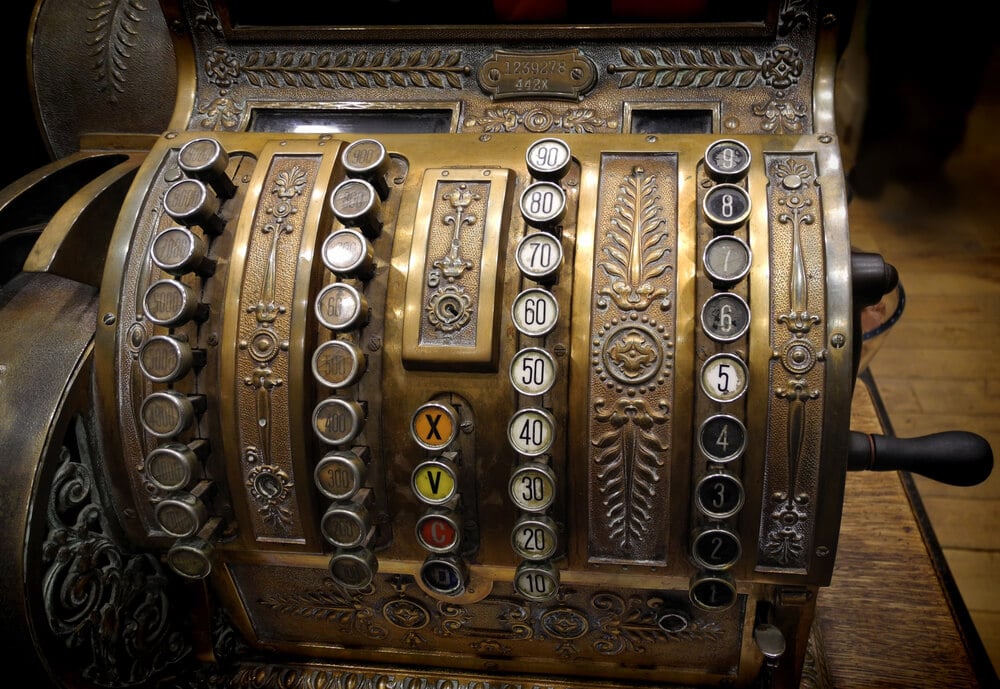
James Ritty, a saloon owner in Dayton, Ohio, patented his Incorruptible Cashier in 1879, a machine meant to keep clerks honest by showing each sale on a dial. The idea outgrew his own business and fed into the company that became National Cash Register under John H. Patterson.
Ornate brass registers descended from it now sit on sideboards and collector shelves. Value swings widely with condition, working order, and how much of the original finish survives.
Clark’s O.N.T. Spool Cabinets
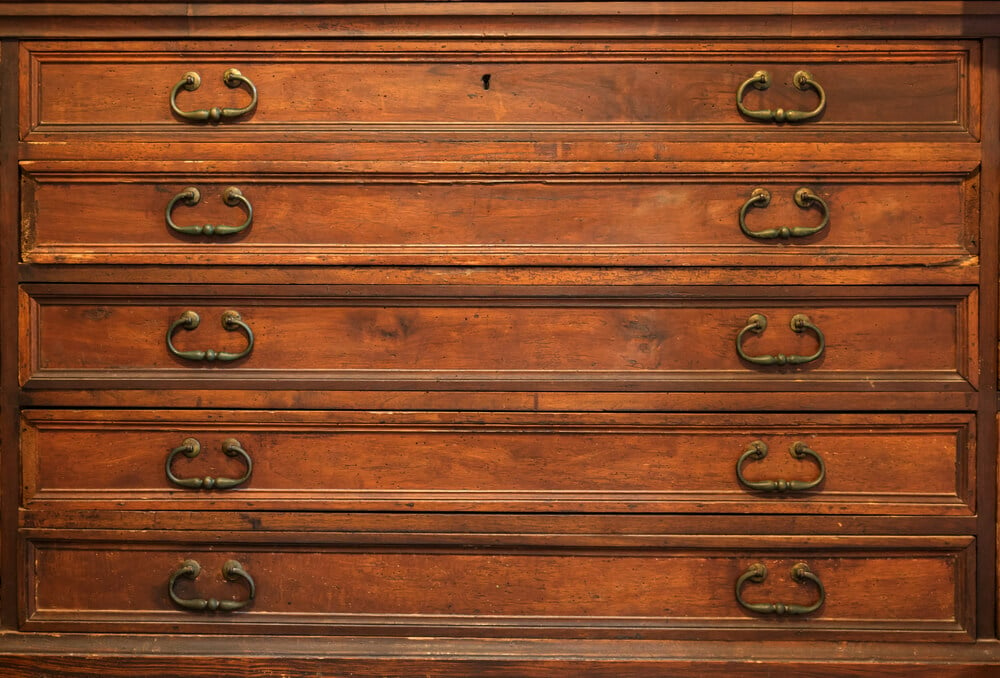
Thread makers supplied general stores with drawered oak and walnut cabinets stamped with names such as Clark’s O.N.T.; the initials stand for the thread line itself. Each drawer held a color or weight of thread, and the front carried the brand in gilt or glass.
Dealers and auction houses now sell them as jewelry chests and desktop organizers. Original labels, intact glass, and working drawer pulls matter more to price than the number of drawers.
Enterprise Coffee Grinders From Philadelphia
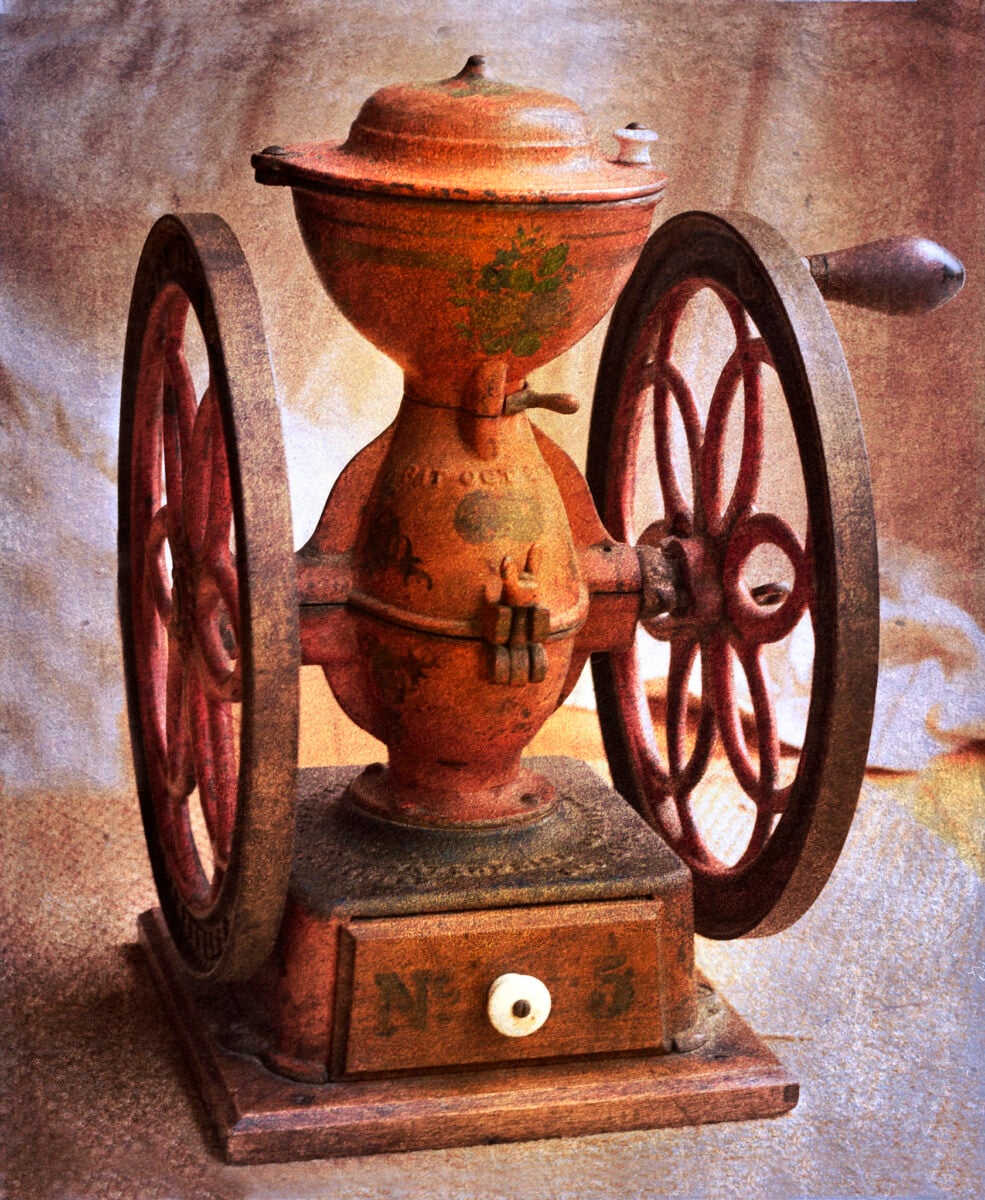
Cast iron coffee mills bearing the Enterprise name from Philadelphia once stood on grocery counters, where their bold original paint drew the eye. Customers watched their beans get ground fresh to order.
Collectors prize the loud original paint and intact decals over the shine of a heavy restoration. A mill with a missing drawer or cracked hopper sells for far less than one that is complete.
Arcade Crystal Coffee Mills
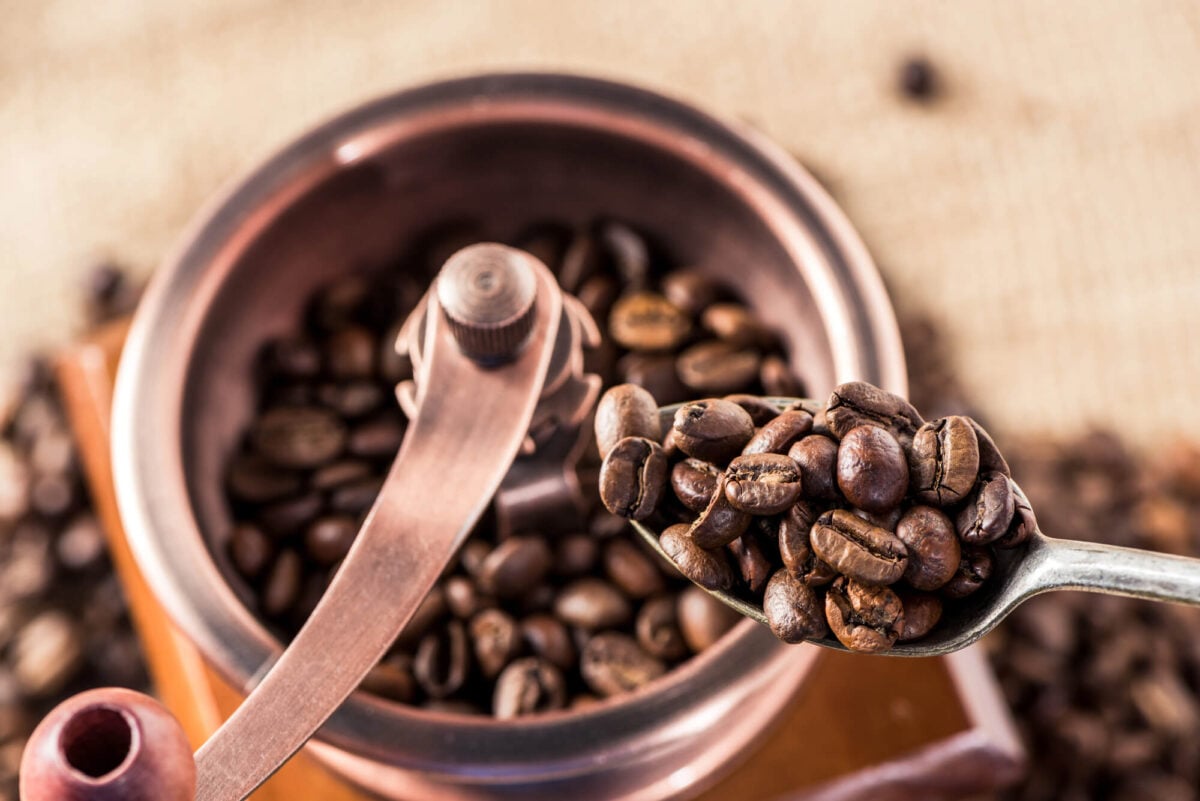
The Arcade Crystal mill topped its iron body with a glass hopper, so shoppers could see the beans before they became grounds. Made by Arcade, the Illinois foundry better known for cast iron toys, the Crystal line gave grocers a display piece that doubled as a machine.
Collectors treat unbroken glass as the main prize, since replacement hoppers are hard to match. A complete Crystal mill in good condition sells at a clear premium over a damaged one.
Planters Pennant Peanut Jars
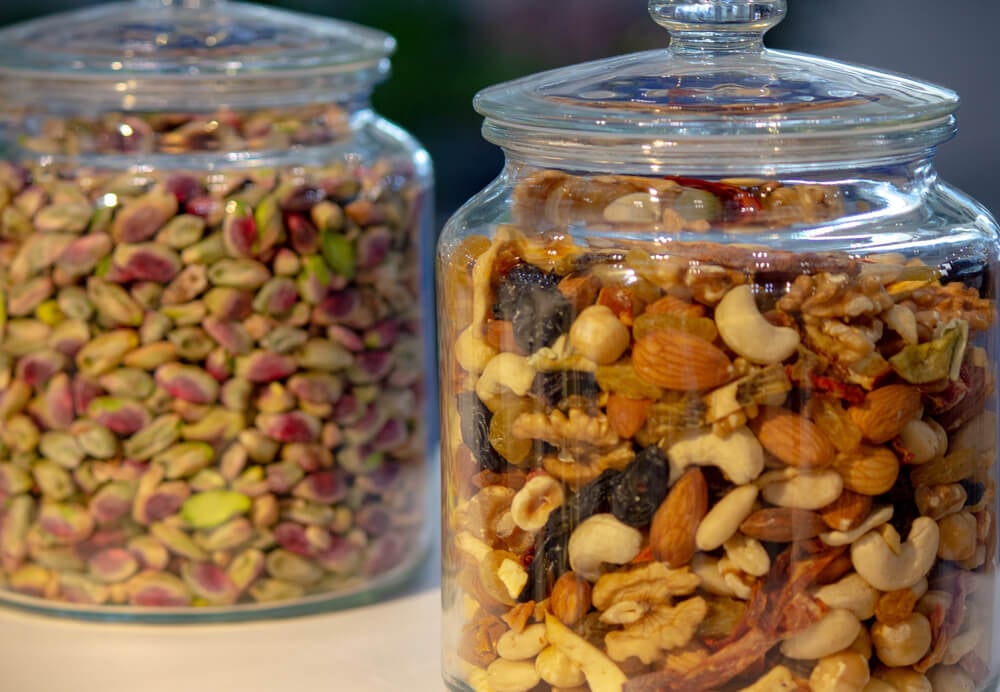
Planters filled glass counter jars with peanuts and sealed them with a lid, giving shopkeepers a branded display that was also a storage jar. The company’s Mr. Peanut mascot, which Planters used from 1916, became one of the most recognizable characters in American advertising.
Jars with original lids and crisp embossing command the most interest from collectors. Chips, cracks, and replacement lids bring prices down sharply.
Lamson Cash Carriers
Department stores once ran overhead cash carrier systems that whisked sales slips and payments from the counter to a central cashier, and Lamson was a leading name in the business. The system turned a shopping floor into a web of wire and tubing that clattered above customers’ heads.
Surviving carrier cylinders and fittings are now collected as industrial curiosities. Condition and completeness of the original parts decide what a buyer will pay.
Siegel and Stockman Wax Mannequins

Paris workshops such as Siegel and Stockman built wax and plaster mannequins for the shop windows of the early twentieth century, with glass eyes and painted detail on faces that look remarkably lifelike. Antiques dealers now sell them as sculpture and as eerie conversation pieces in design shops.
Signed examples draw the most attention from buyers. Cracks, repainted faces, and missing limbs reduce value substantially.
Westinghouse Junior Coca-Cola Coolers
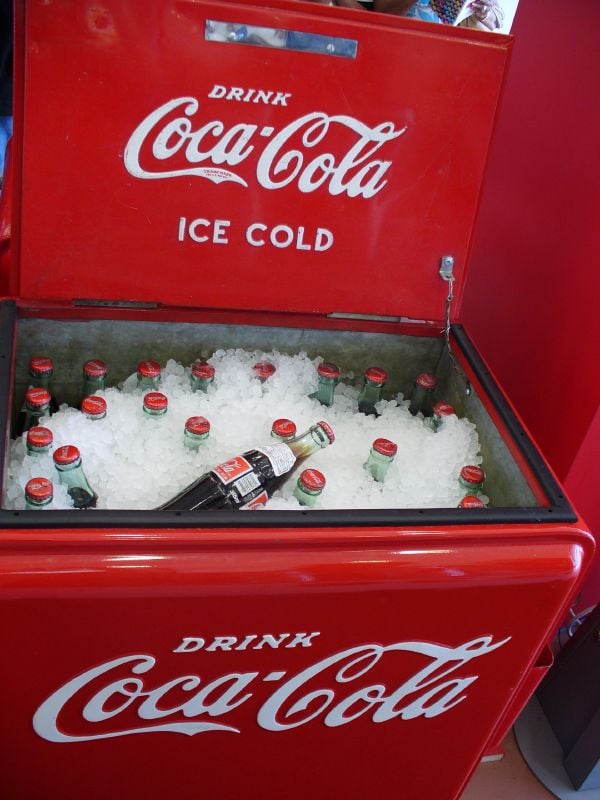
The Westinghouse Junior cooler was a compact ice-filled chest that put Coca-Cola on the counters of small stores in the late 1930s. Its red cabinet and embossed logo made it the center of the store the moment it was set down.
Restorers hunt for surviving units and bring them back with new paint and gaskets. A cooler with original finish and intact interior commands a better price than one rebuilt from parts.
Dayton and Toledo Candy Scales
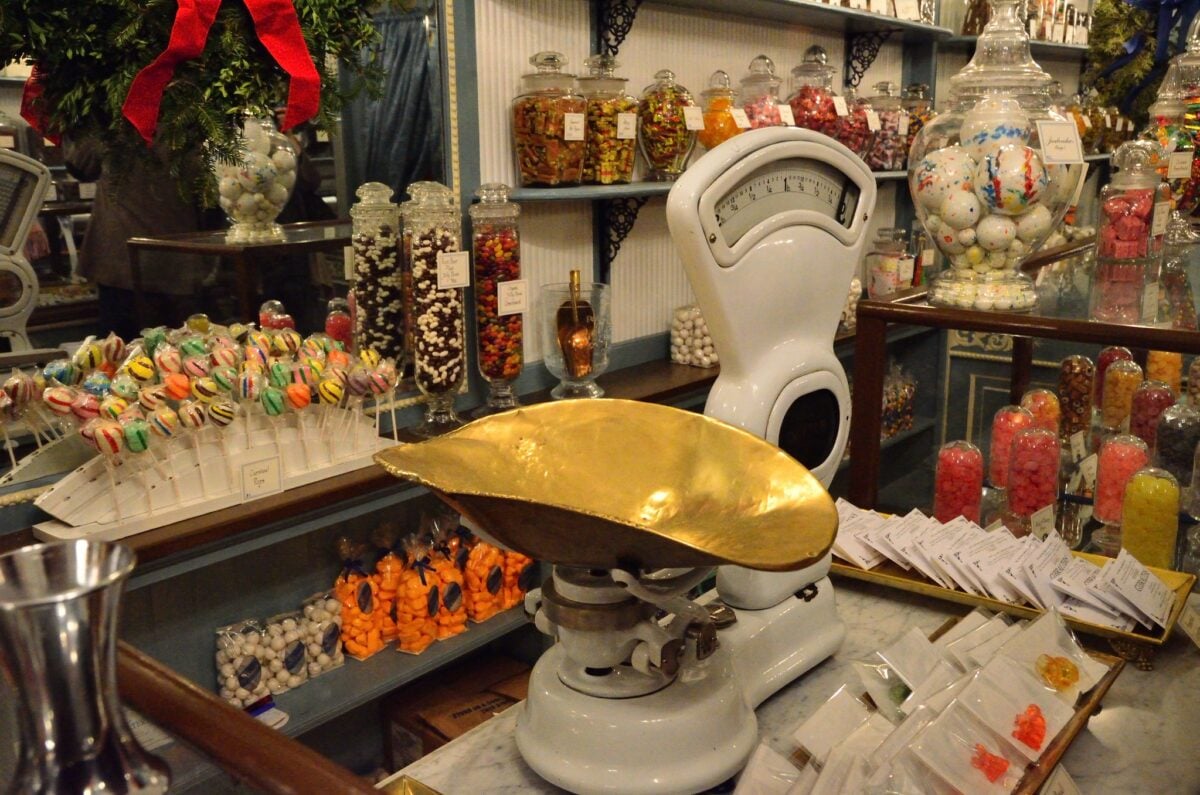
Counter scales from the Dayton Computing Scale Company and the Toledo Scale Company weighed out penny candy and chocolate for generations, and surviving examples date as far back as 1906. Some carry the branding of a candy maker, including a 1920 Toledo chocolate scale marked for Hershey’s.
White enamel and ornate castings give them a clean, decorative look. Dents, chipped paint, and a missing pan or weight can cut the value considerably.
Country Store Seed Boxes
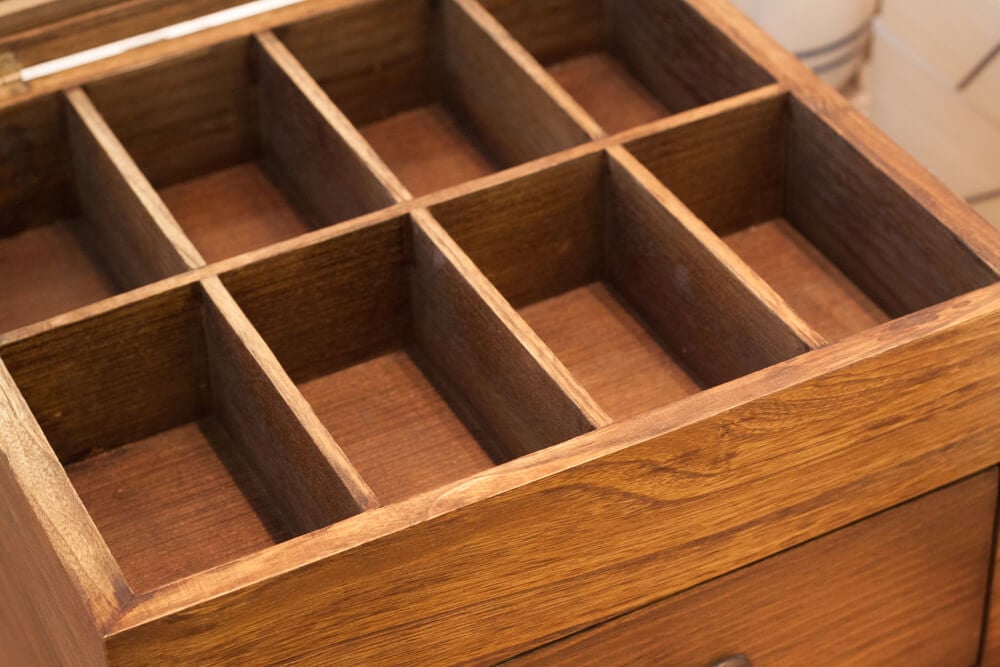
Seed companies shipped wooden display boxes to stores so customers could browse packets by variety. D.M. Ferry and Company issued one in the 1890s that the Smithsonian now holds, and The Henry Ford has a Hiram Sibley and Company box used in the C.W. Barnes store between 1882 and 1888.
Collectors seek out boxes with their original lithographed lids and intact seed packets. Missing lids and faded graphics reduce what a buyer will pay.
Vendo 81 Coca-Cola Machines
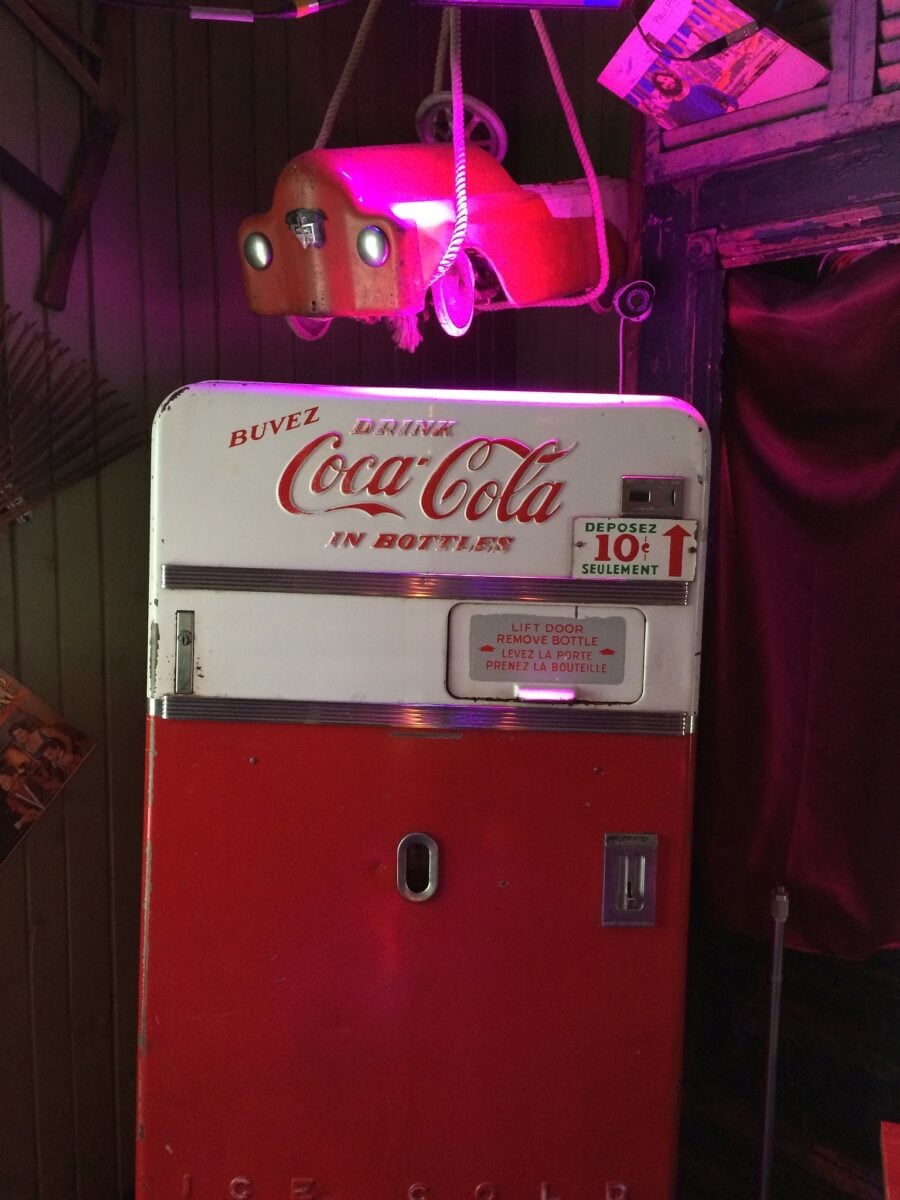
The Vendo 81 was a coin-operated Coca-Cola machine of the 1950s that dispensed glass bottles for a dime. Restored examples have crossed the block at Barrett-Jackson and RM Sotheby’s, treated like show cars.
Their chrome, red paint, and mechanical coin handling suit a game room as well as a garage. Prices track condition closely, and a restoration that departs from original parts can hurt as much as it helps.
Porcelain Enamel Advertising Signs
Brands such as Coca-Cola and Dr Pepper once hung heavy porcelain enamel signs on store fronts and fuel pump islands, fusing glass to steel so the colors would survive the weather. Michael Bruner’s book on American porcelain enamel advertising gave collectors a reference for the field.
The best examples have deep gloss and few chips. Even small flakes around the edges or mounting points can lower value noticeably.
Pharmacy Show Globes
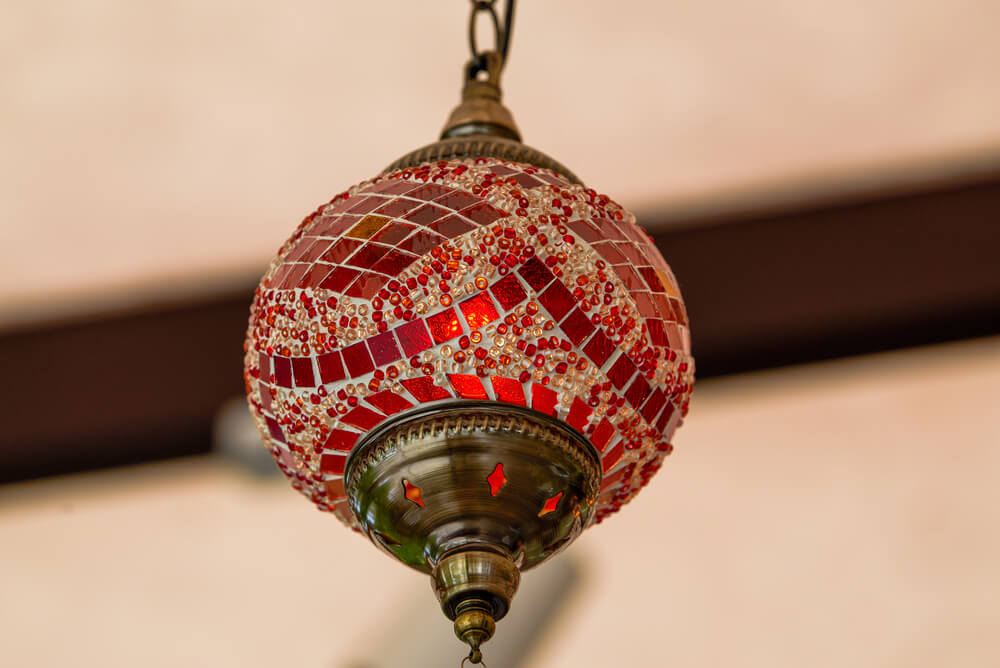
Drugstores displayed glass show globes filled with colored liquid in their windows, glowing like jewelry when the afternoon sun hit them. Medical museums and the DEA Museum have kept examples as relics of a time when the pharmacist was a visible neighborhood figure.
Collectors favor hanging Art Deco globes with their original brackets and stands. Cracked glass, replaced stoppers, and missing hardware bring prices down.
Hires Root Beer Syrup Dispensers
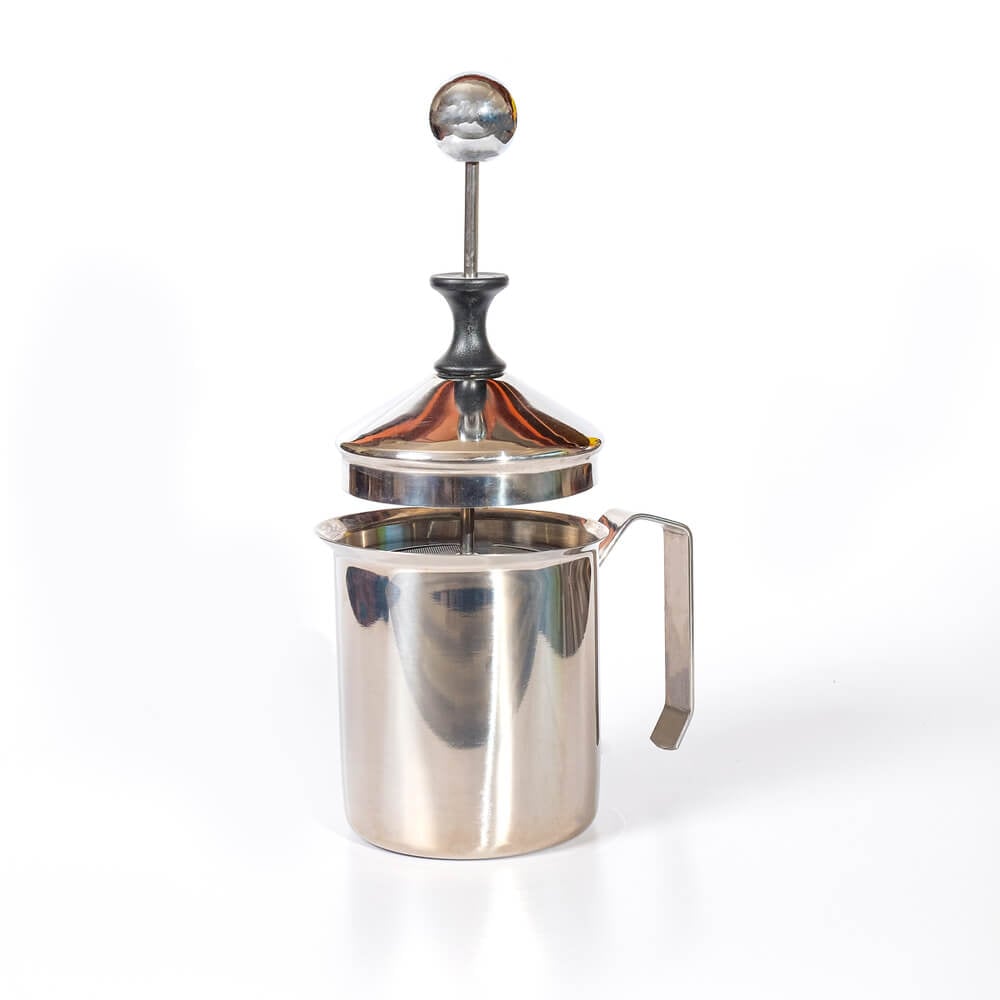
Charles Hires introduced his root beer to the public at the 1876 Centennial Exposition in Philadelphia. Barrel-shaped ceramic dispensers and soda fountain syrup containers carried the Hires name onto drugstore counters for decades.
These dispensers now turn up at Morphy Auctions and similar sales. A clean original with its interior parts and lid is worth considerably more than a dispenser with chips or missing components.
Sessions Advertising Regulator Clocks
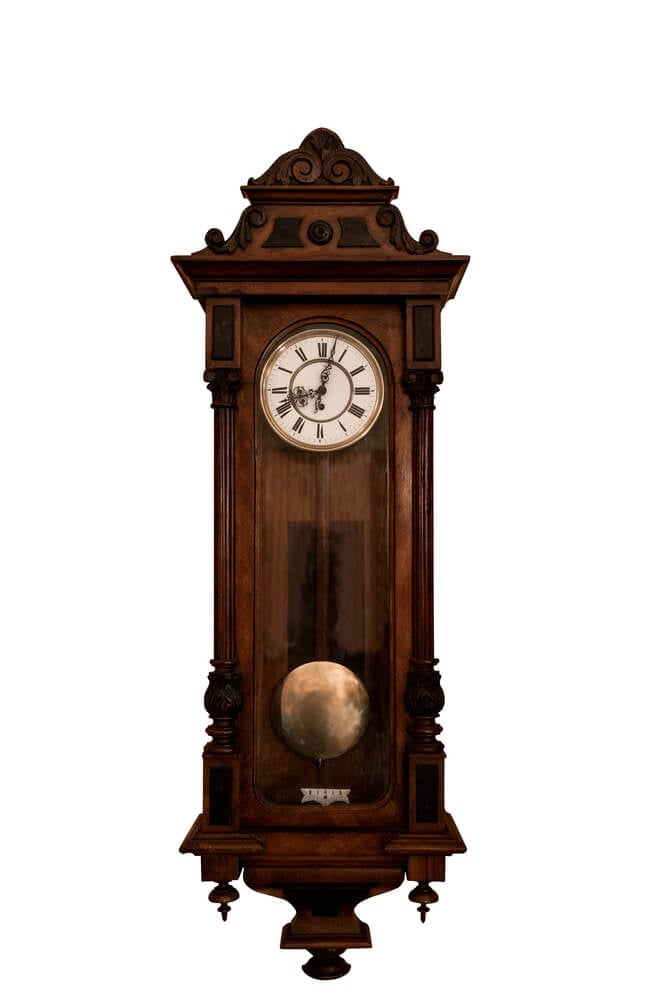
The Sessions Clock Company of Bristol, Connecticut, made oak wall clocks that stores hung with an advertiser’s name painted on the dial or glass. A Calumet Baking Powder regulator shows how a household brand turned a timepiece into a billboard.
Collectors prize clocks with legible original faces and working movements. Replaced dials, damaged cases, and missing parts all lower the price.
Ford Penny Gum Machines
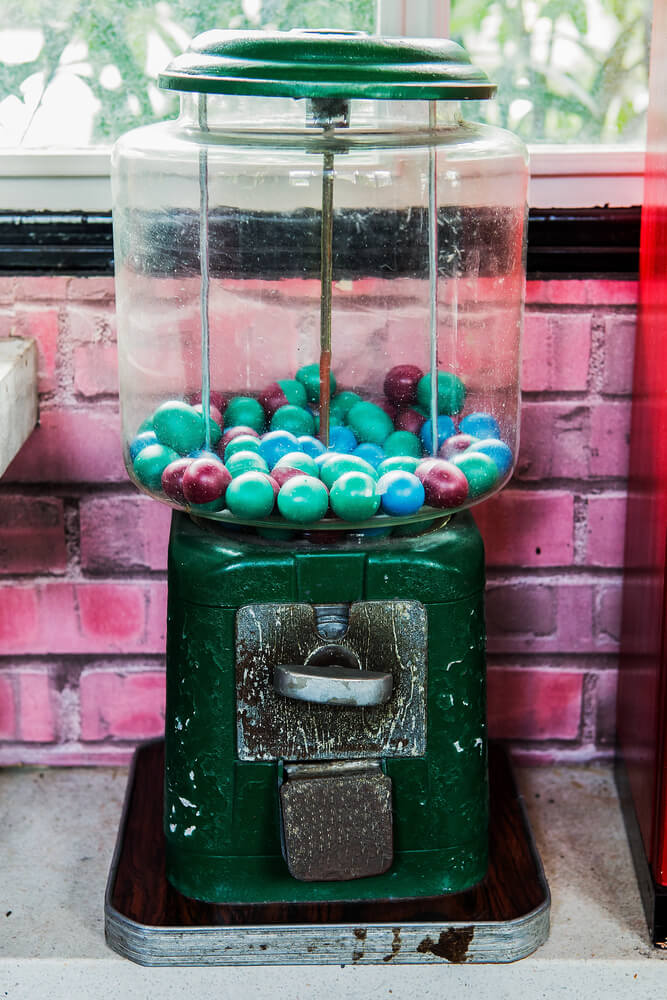
The Ford Gum and Machine Company of Lockport, New York, built one-cent vending machines that sat on store counters and dispensed gum for a penny. Their simple glass globes and cast bases turned up in drugstores and candy shops across the country.
Today the machines are popular bar-room and den decor, and parts kits keep many of them running. Original paint and working mechanisms matter to buyers, since heavy repainting can erase collector appeal.
Cast Iron String Holders
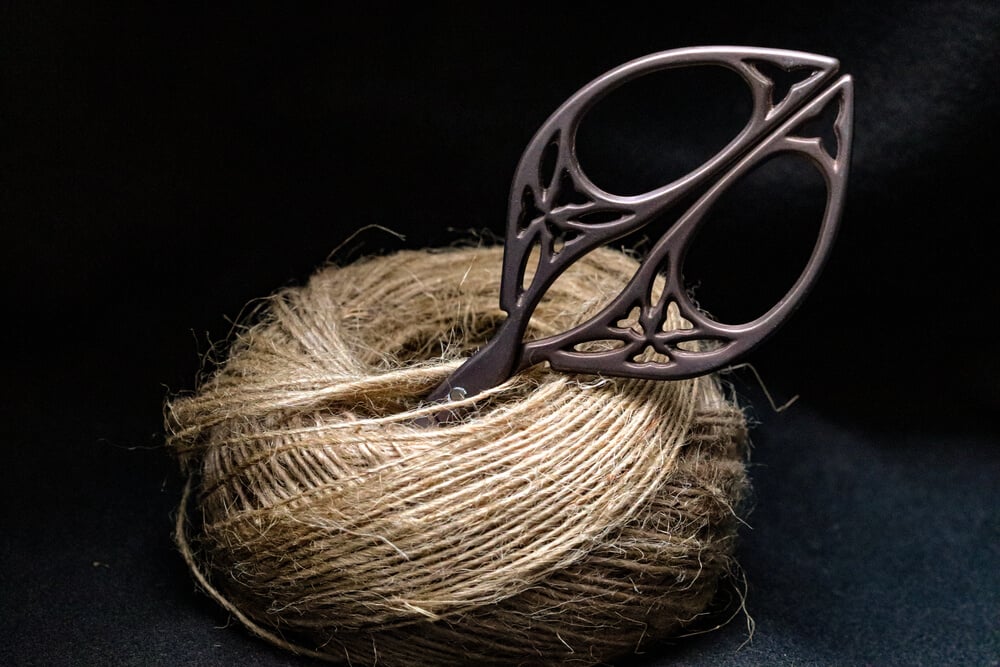
Before tape, shopkeepers tied up parcels with twine that hung from cast iron holders on the counter, some shaped like beehives. One patent-marked example dates to July 18, 1899.
Their sturdy construction let them survive long after the stores closed. Collectors sort them by shape and maker, and values depend on whether the original finish and lid remain intact.
Uneeda Biscuit Counter Boxes
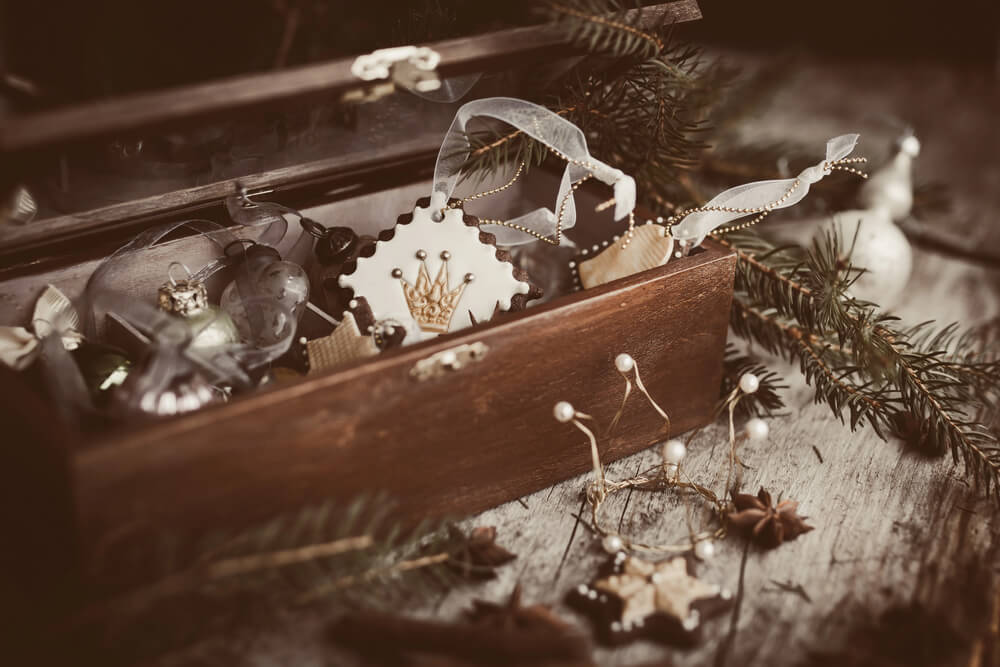
The National Biscuit Company used tin boxes and glass-front counter displays to sell Uneeda Biscuit, whose mascot was a boy in a yellow raincoat. One counter display box carries a 1907 patent date and a glass window.
Collectors seek original lithography and crisp colors on the tins. Rust, dents, and faded graphics reduce value, so condition is the main variable.
Lance Cracker Jars
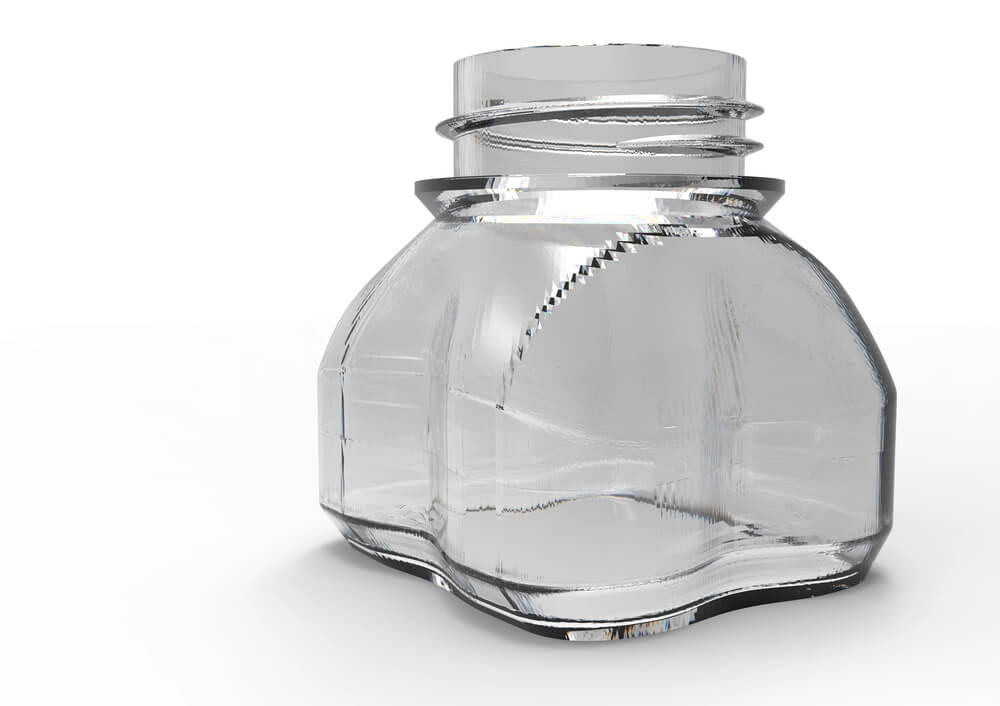
Lance of Charlotte, North Carolina, put cracker packs into glass jars with metal lids that sat on store counters, and eight-sided versions turn up at auction in pairs. The jars helped a regional snack brand stand out on crowded counters.
They now pass through auction houses and estate sales as mid-century decor. Original lids and clear glass free of chips hold the most appeal for collectors.
Oak and Glass Showcases
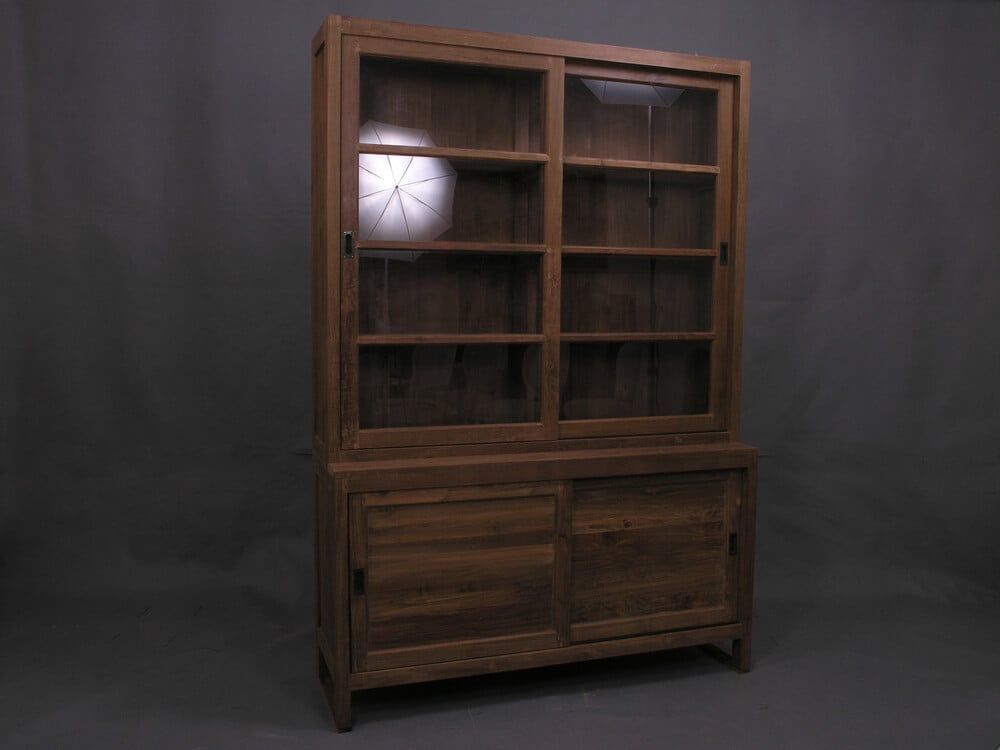
Standing oak showcases with glass doors held jewelry, cutlery, and notions in general stores of the 1890s. Dealers now sell them as vitrines for books, pottery, and collections of every sort.
Their oak frames and old glass give them a warm look. Original glass, intact joinery, and the right hardware all raise the value, while later repairs lower it.
Moxie Store Signs
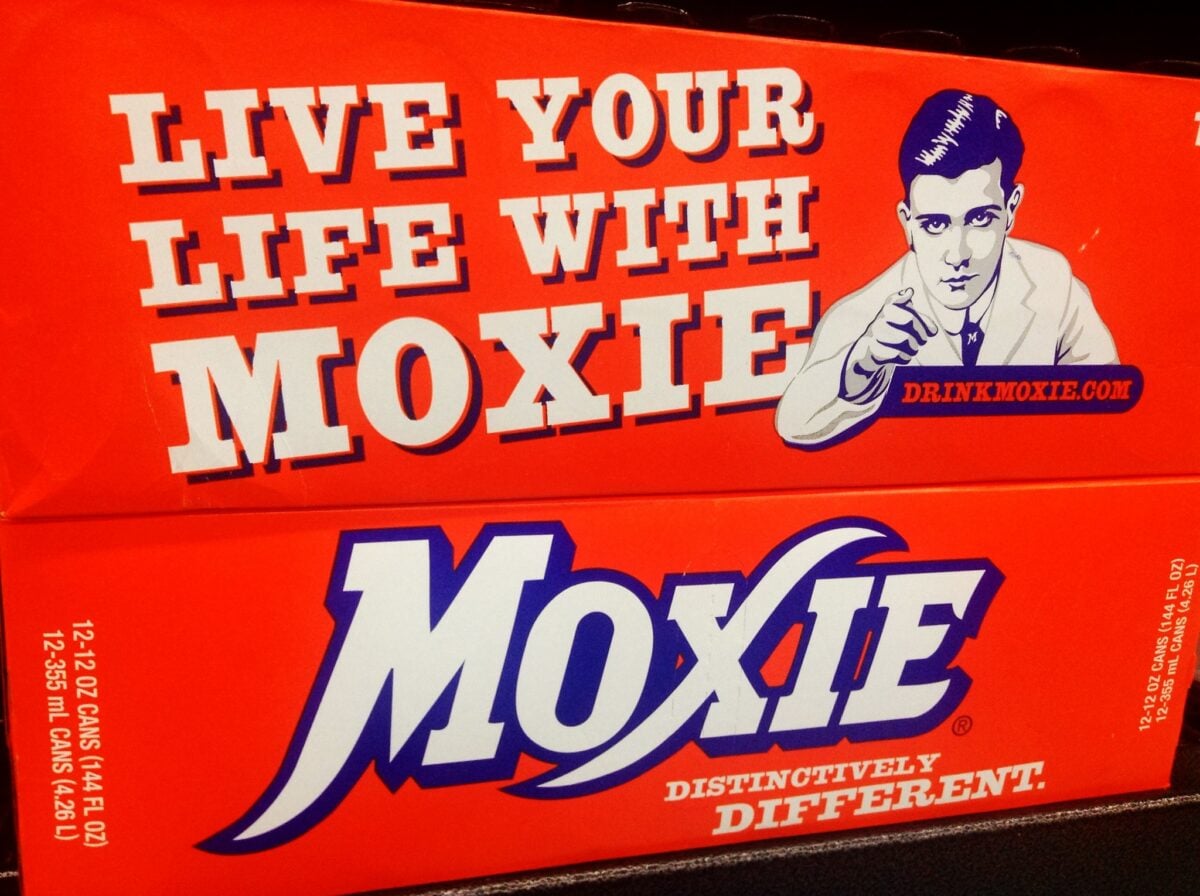
Moxie, the bittersweet soft drink from Lowell, Massachusetts, left behind a large archive of signs, including die-cut tin pieces and the pointing Moxie Man. Collectors who specialize in the brand organize their shelves around these graphics.
Signs with strong color and clean edges are the most desirable. Fading, dents, and repainting reduce what a buyer will pay.
Woolworth Lunch Counter Stools
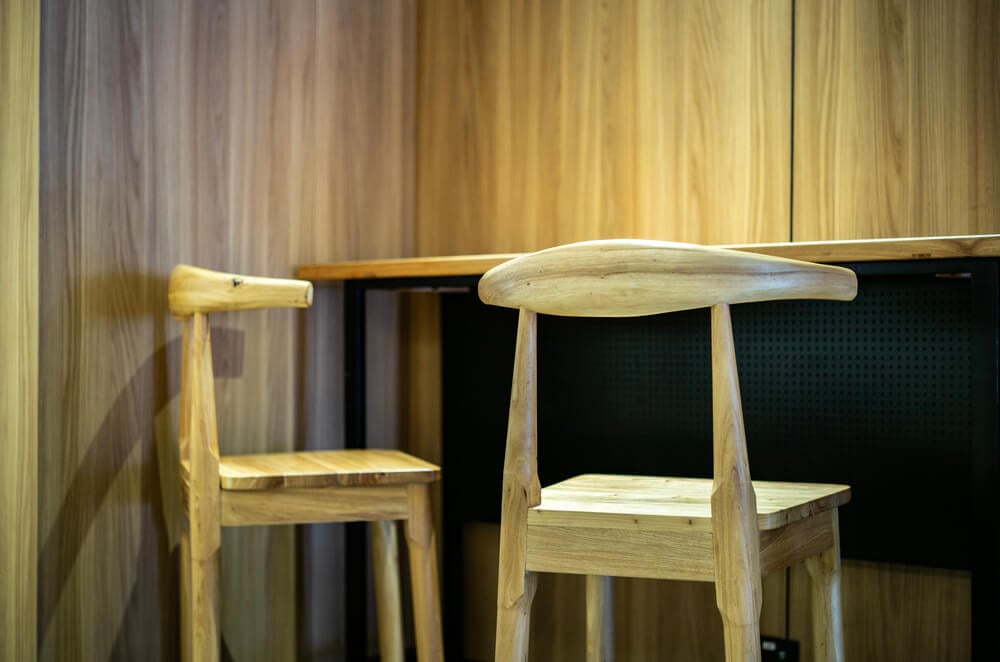
The Woolworth lunch counter in Greensboro, North Carolina, became a landmark on February 1, 1960, when four college students sat down there and asked for service. The Smithsonian’s National Museum of American History preserves a section of that counter and its stools.
Ordinary lunch counter stools of the same era now appear in diners and home kitchens. A stool with its original chrome and seat in good shape sells for more than one reupholstered with modern material.
Oversized Kodak Store Displays

Camera shops and drugstores displayed oversized Kodak cameras and illuminated signs to draw shoppers toward Eastman Kodak’s film and equipment. The company was based in Rochester, New York.
Large display cameras and Kodak display cases now sell to collectors of photographic history and advertising. Intact lenses, original graphics, and unrestored finishes are the traits buyers look for.
Cretors Popcorn Machines
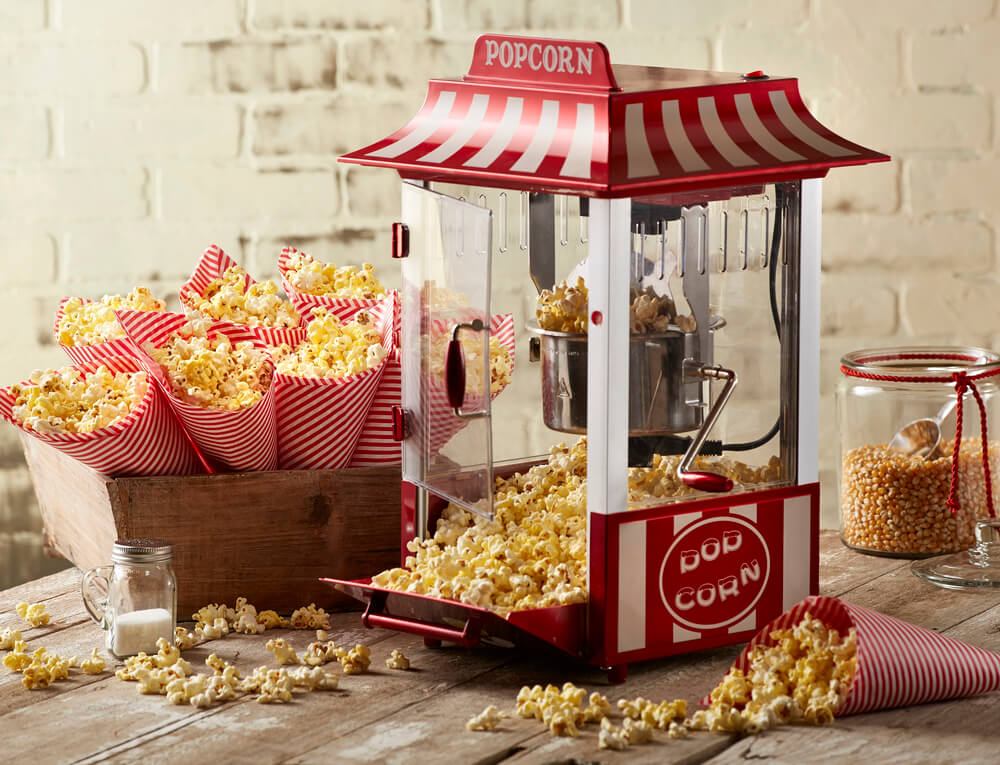
C. Cretors and Company of Chicago made steam-powered popcorn and peanut machines that sat in shop corners and rolled through streets as horse-drawn wagons. Restored Cretors wagons have sold through RM Sotheby’s, and the company’s own historic catalogs remain in circulation.
The glass, brass, and polished iron make them eye-catching centerpieces. Completeness of the engine and original parts drives the price, and condition can swing it dramatically.
What Was Built to Be Ignored
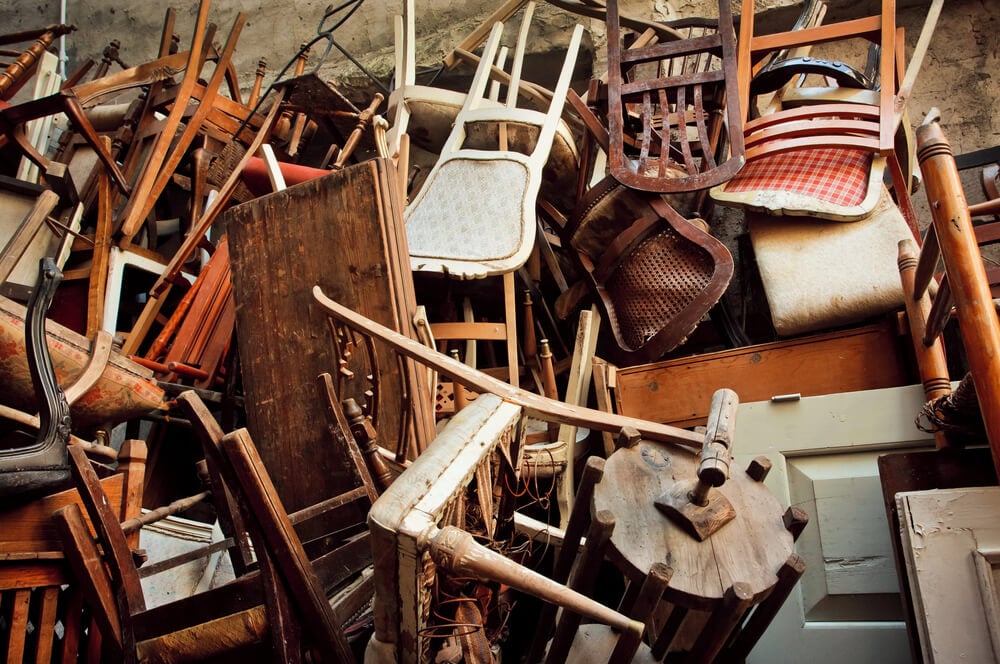
Almost every item on this list was designed to disappear into the background of a transaction. A string holder, a scale, or a cracker jar existed to do a job quickly and keep the customer moving.
Nobody expected them to outlive the shop, and few were made with posterity in mind. That makes their survival the interesting part.
Collectors do not preserve these objects because they were rare when new, but because they carry the look and feel of ordinary commerce in a way that fine art rarely does. The things nobody noticed turned out to be the best record of how people actually bought and sold.
More from Go2Tutors!

- 27 Silver Dollars and Half Dollars Worth Keeping
- 28 Restaurant Menu Items Nobody Orders Anymore
- 17 Places Built in Seemingly Impossible Spots
- 27 Vintage Rings Worth More Than They Look
- 25 Restricted Sites Tourists Can’t Enter
Like Go2Tutors’s content? Follow us on MSN.